



A 16th-century manor house and its outbuildings on nearly 4 hectares of land
between Lamballe and Saint-Cast-le-Guildo in Côtes-d'Armor
between Lamballe and Saint-Cast-le-Guildo in Côtes-d'Armor
Lamballe-Armor,
COTES-D'ARMOR
brittany
22400
FR

Location
The property is situated in a small town of 1 300 inhabitants, halfway between Saint-Brieuc and Saint-Malo in western Côtes-d’Armor, in Brittany. The property is located a few hundred meters from the town centre, offering complete privacy. The coastline is about 20 minutes away, including the beaches of Saint-Cast, Erquy, and Val-André. Lamballe, 10 km away, has all shops and services. The train station has links to Paris in 2 hours. Rennes and its airport are 1 hour away.
Description
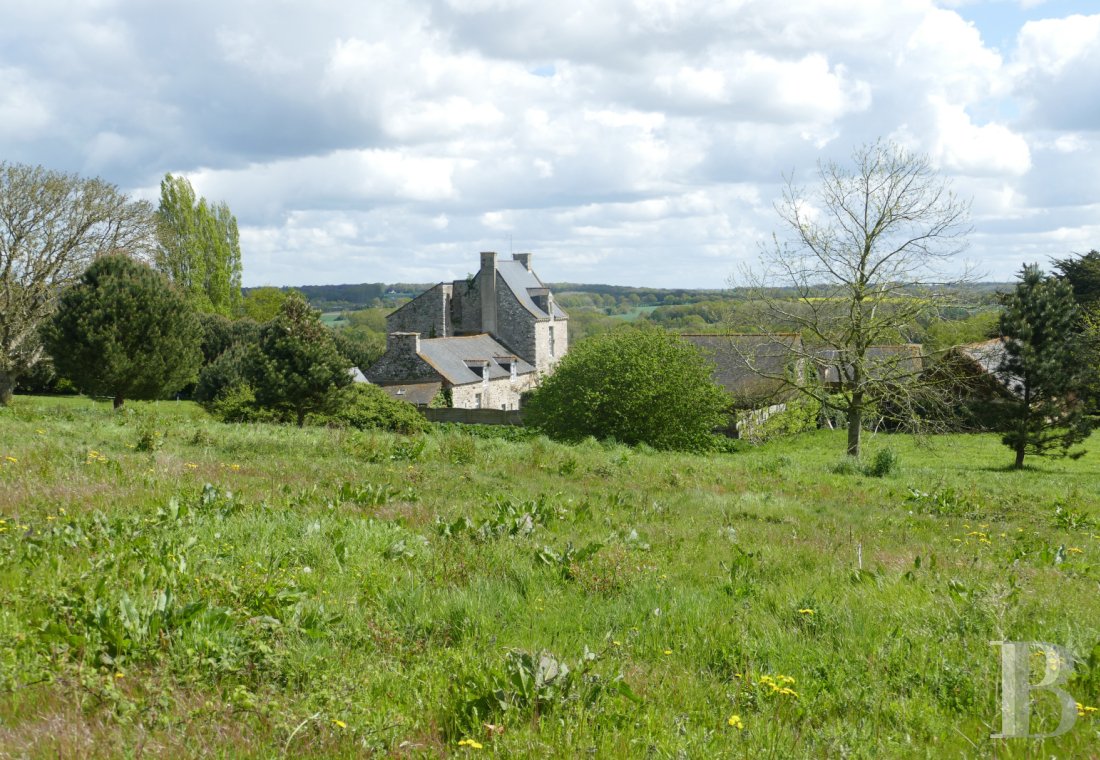
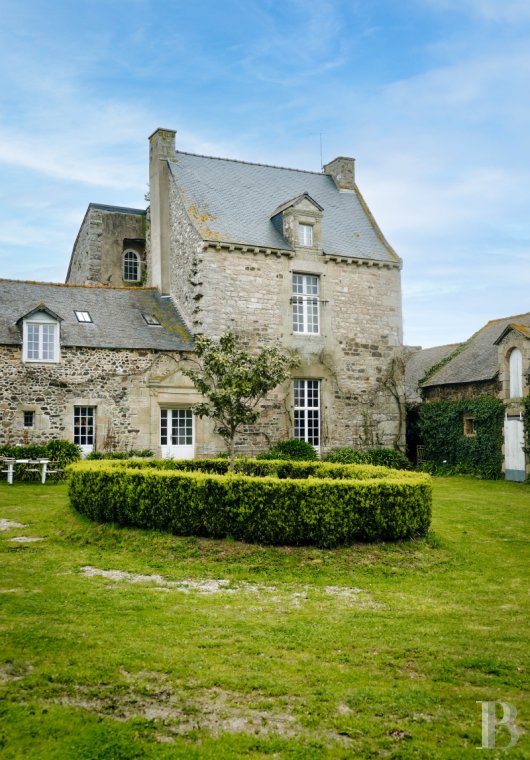
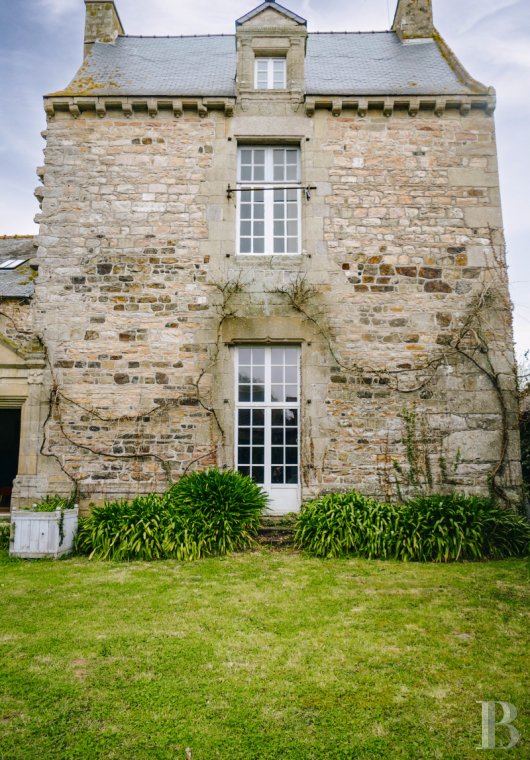
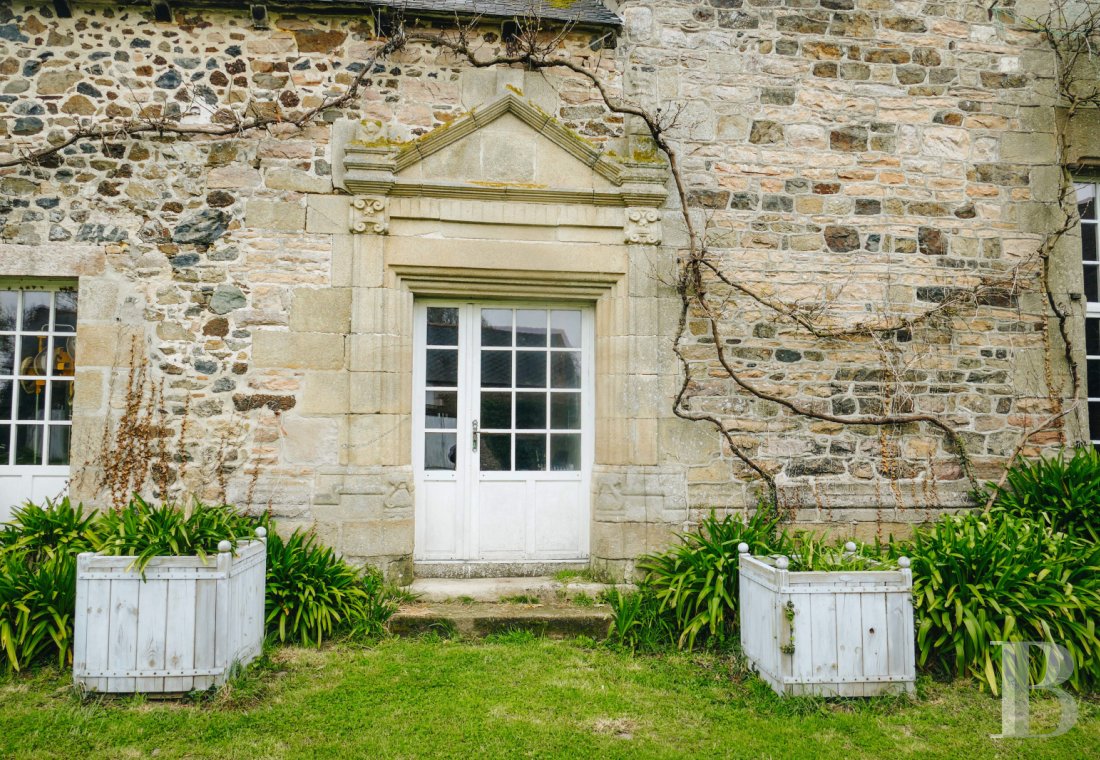
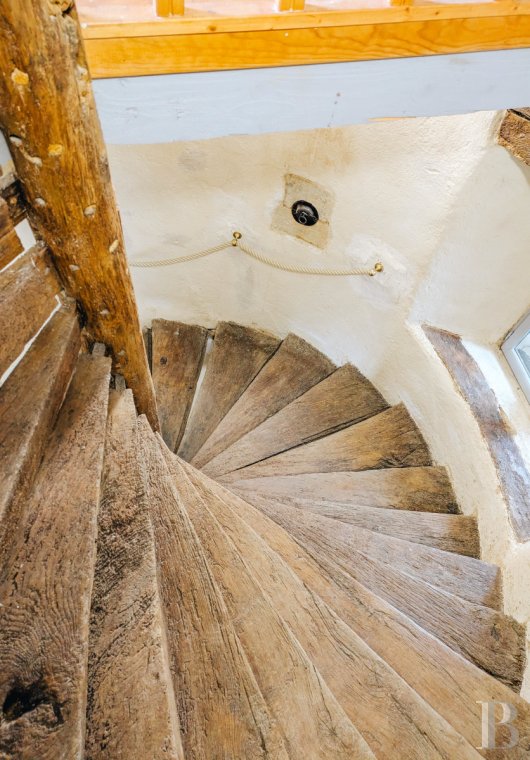
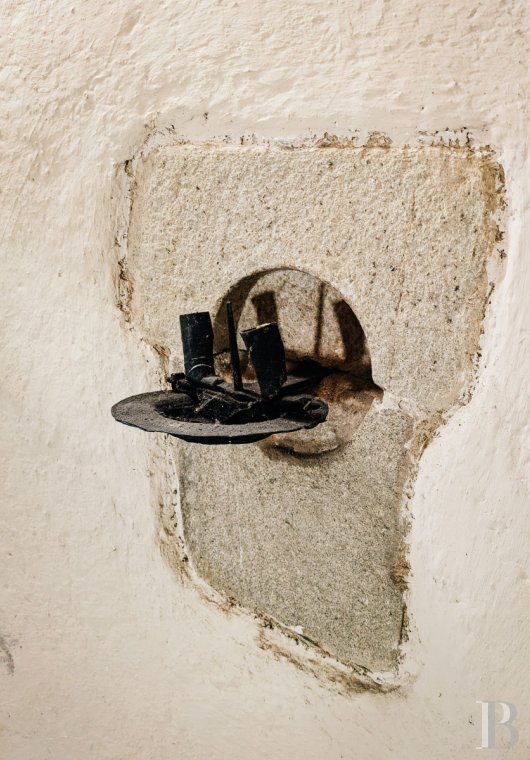
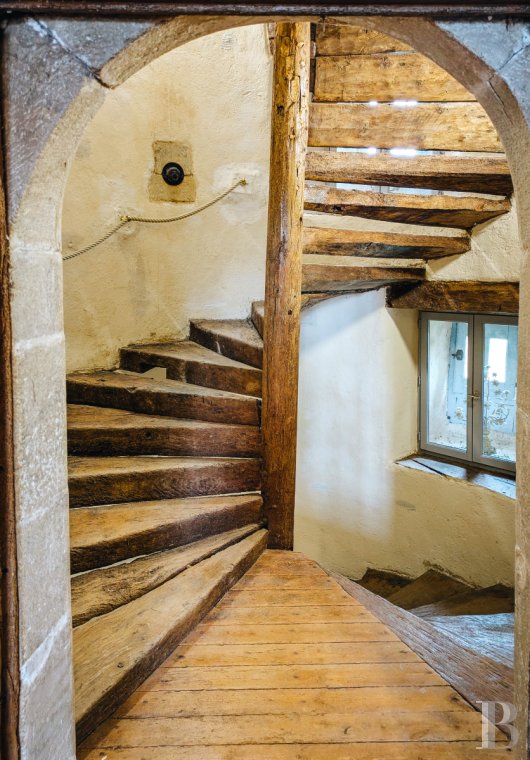
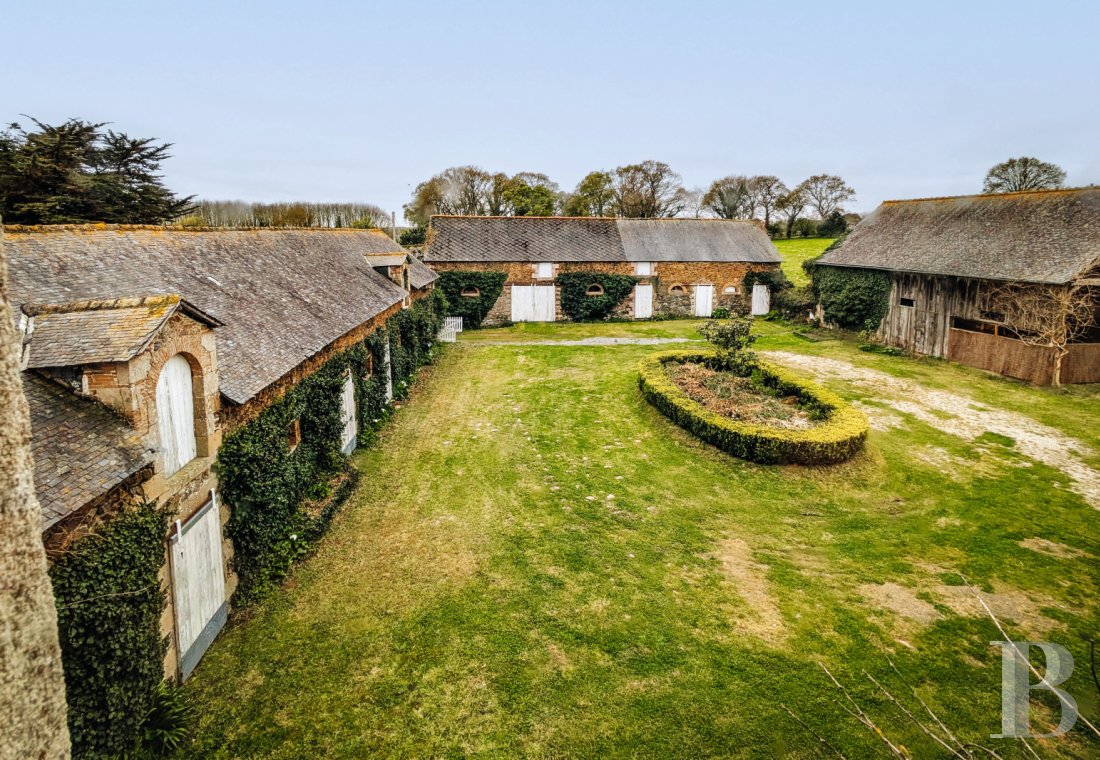
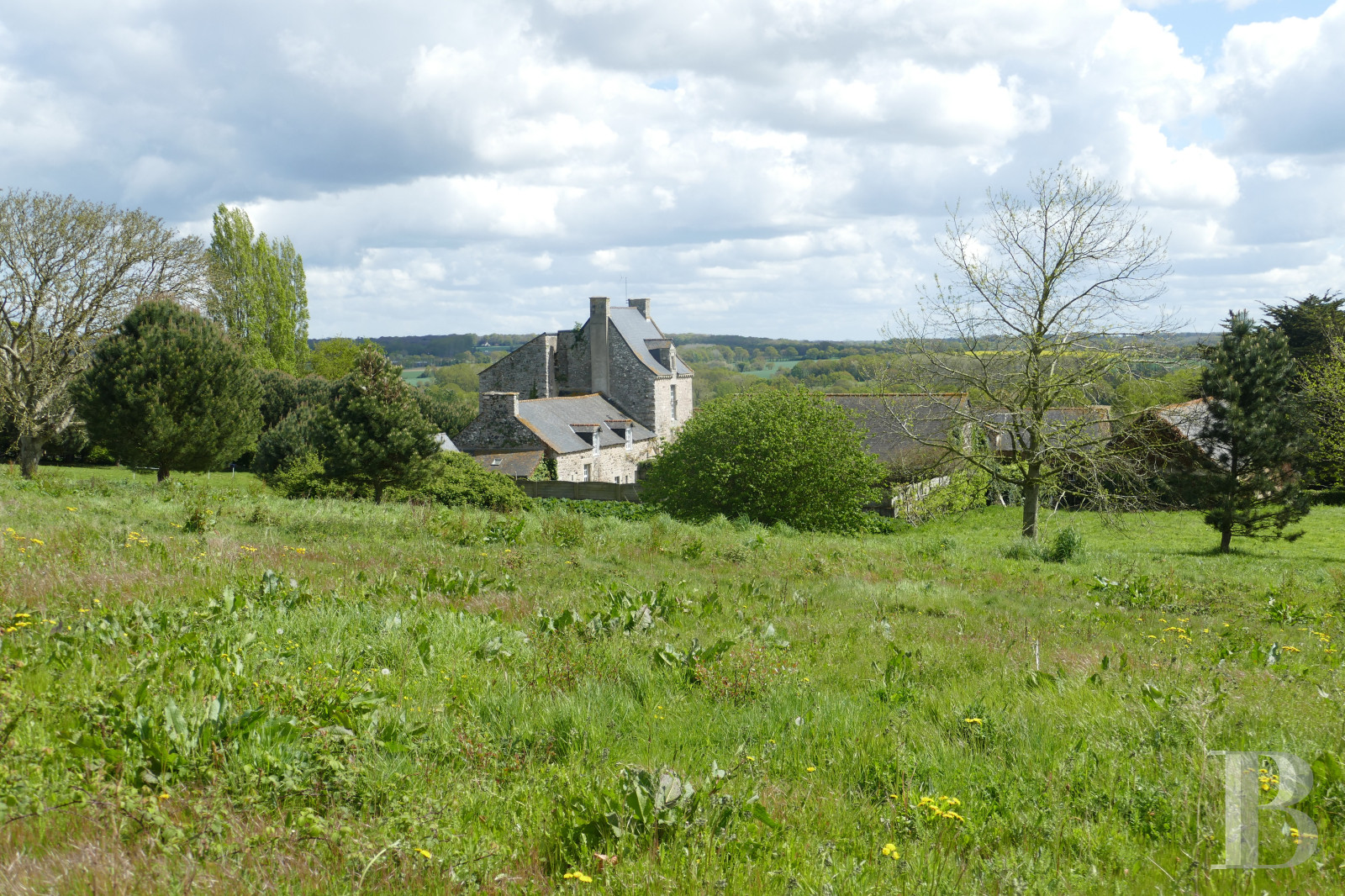
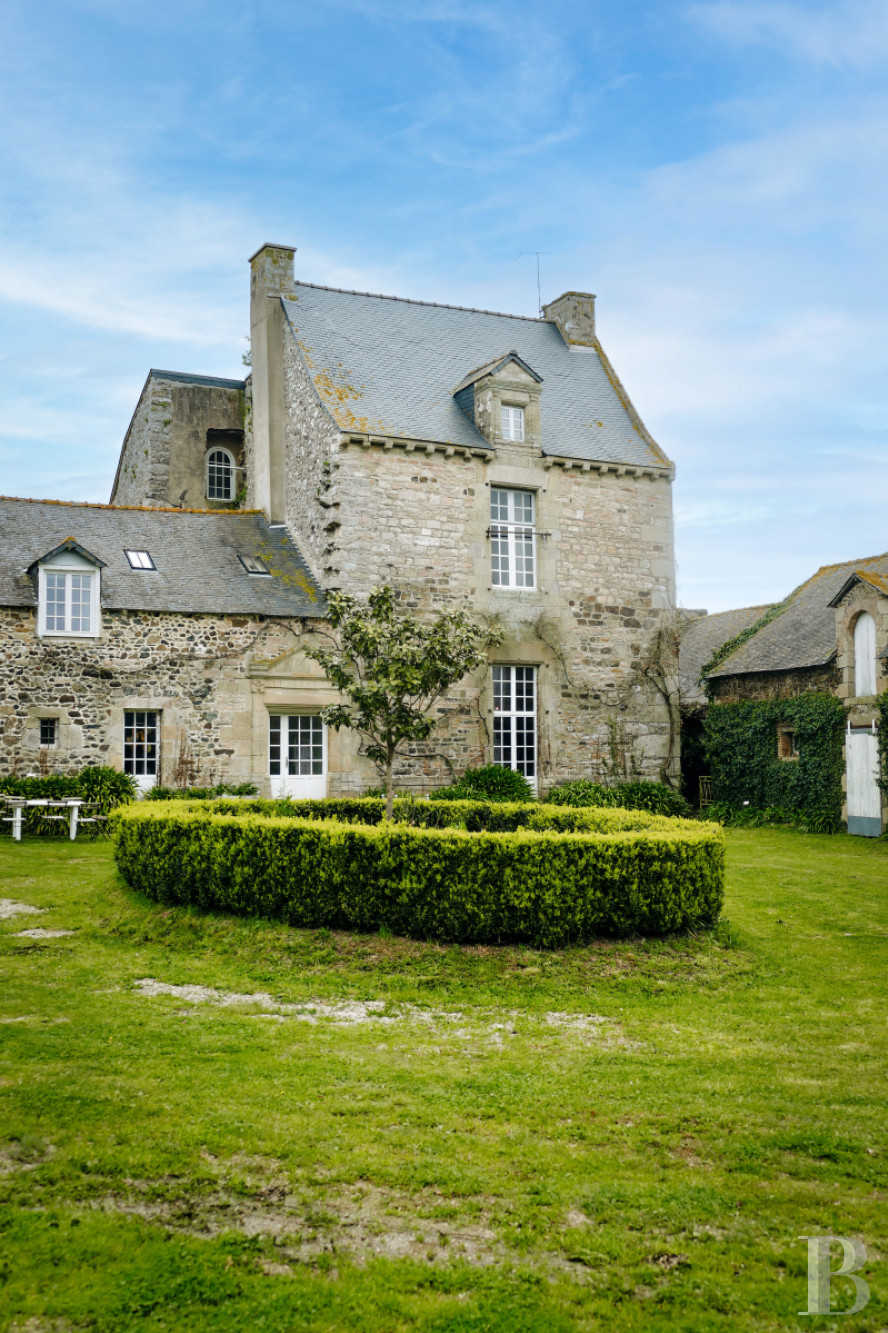
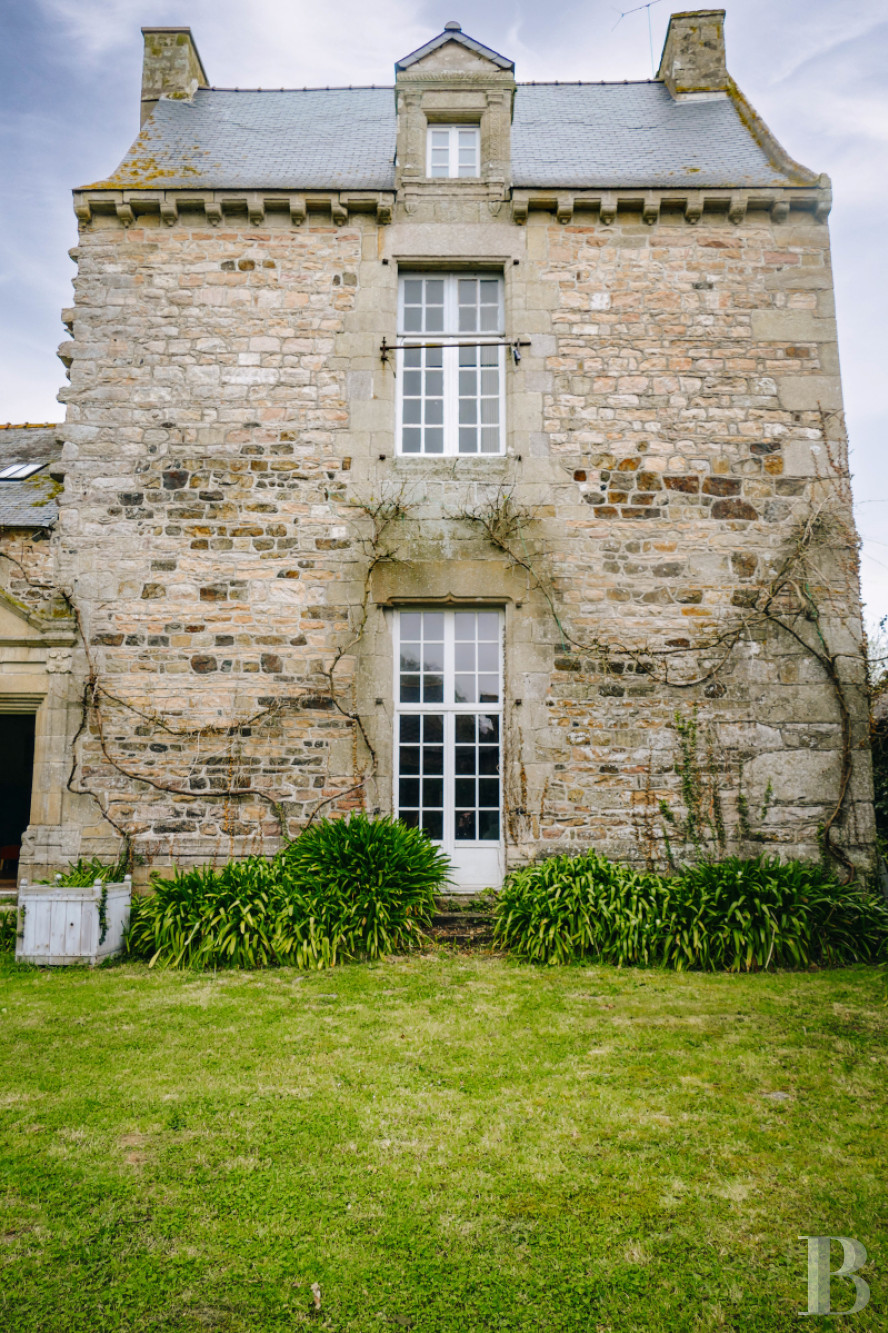
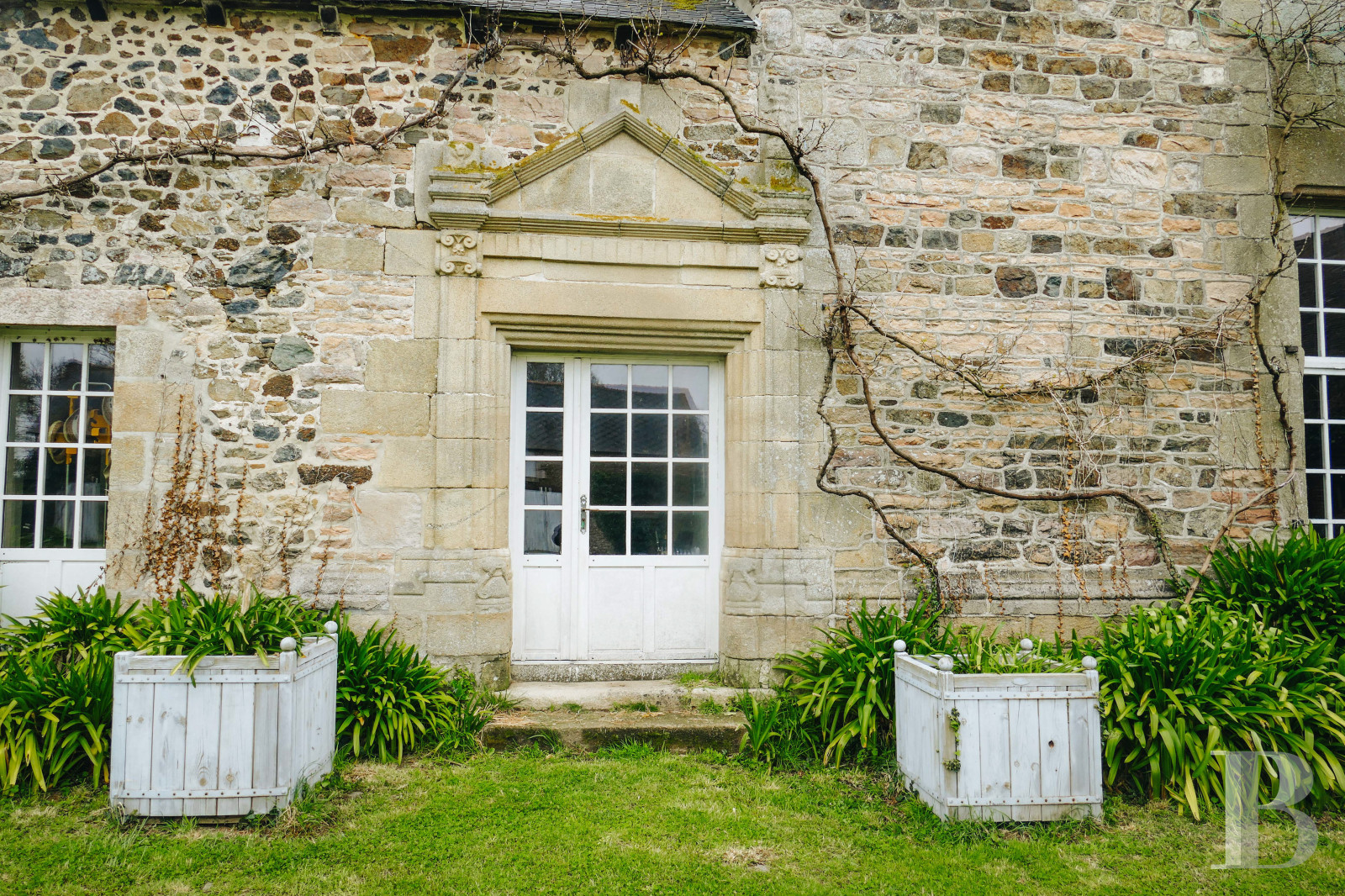
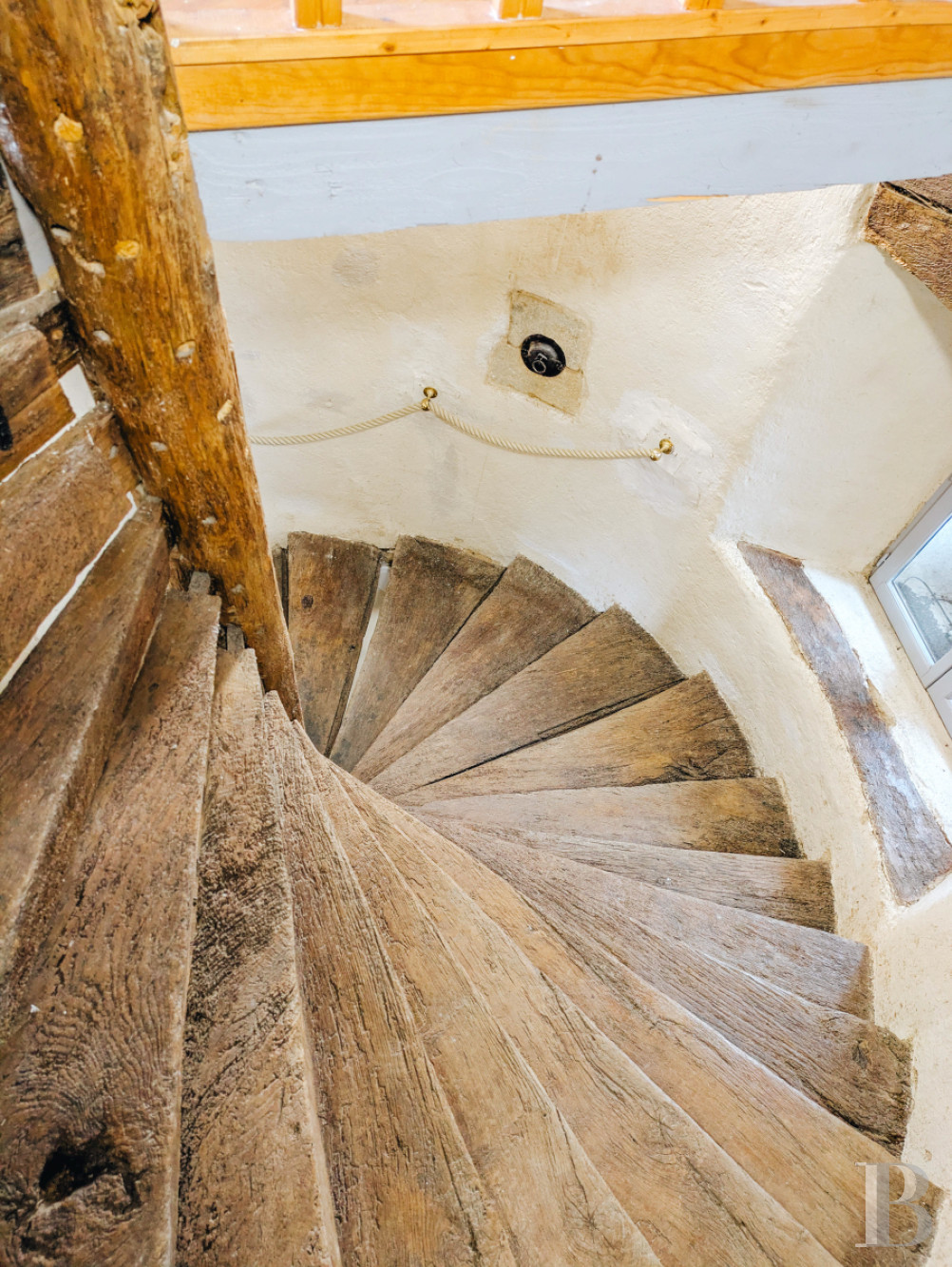
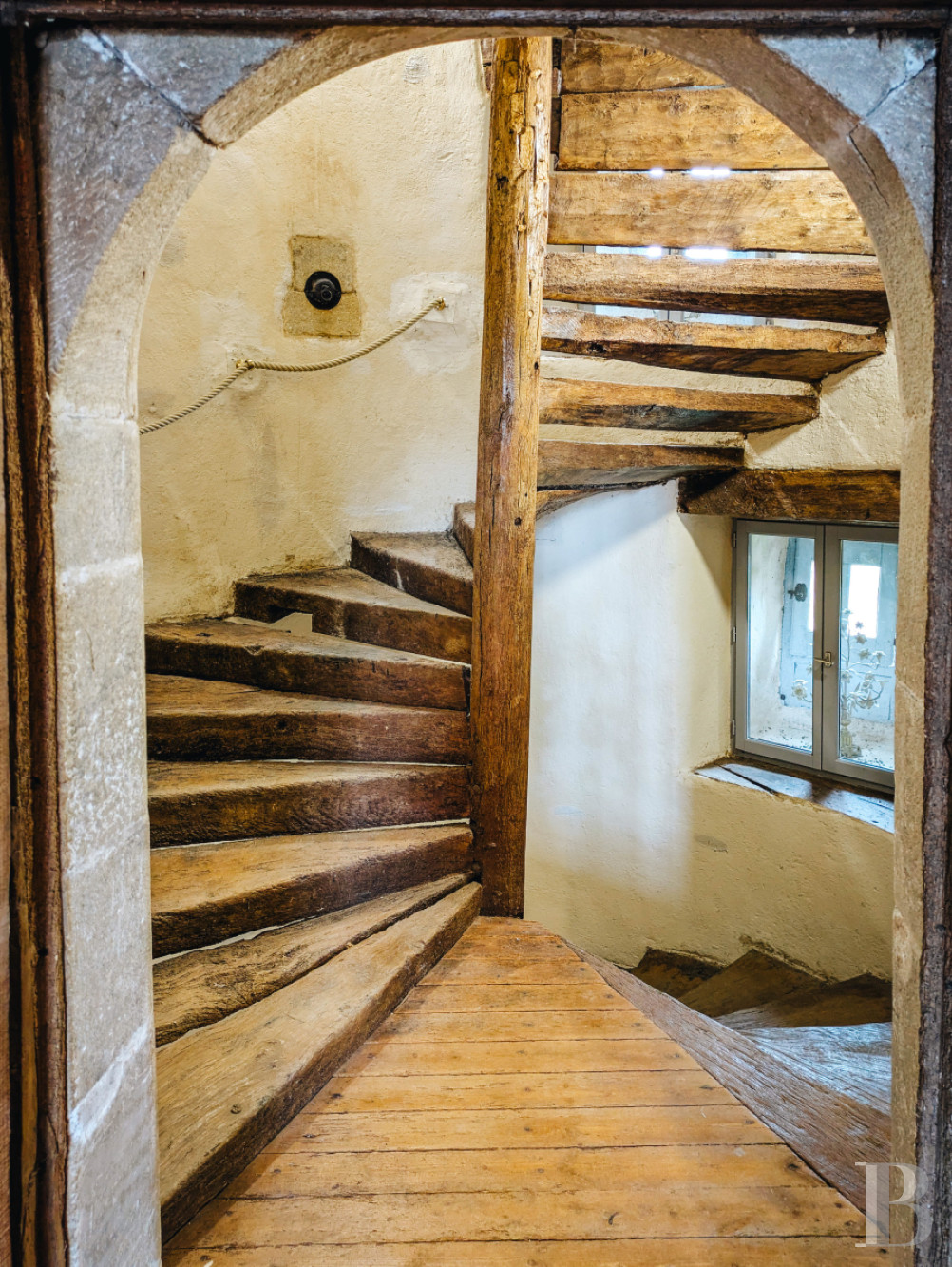
The property forms a large square around a courtyard. Built in the 16th century, the original manor house remained unfinished, as evidenced by the projecting stones still visible on the facade of the east wing, which comprises a ground-floor hall, an upper hall, and an attic. The gabled roof is pierced by a dormer window with sculpted pilasters and lintels. The west wing, with its slate gabled roof and dormer windows, includes two ground-floor halls and an attic. The entire building is constructed of granite and pink sandstone rubble. The corner quoins are granite, as are the window and door surrounds, some of which are sculpted. A tower to the north houses a spiral staircase. Meadows extend to the north, south, and west.
The manor house
The ground floor
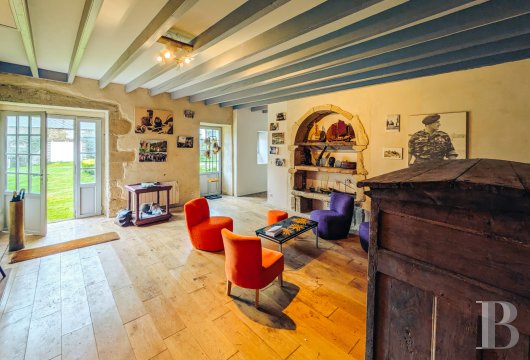
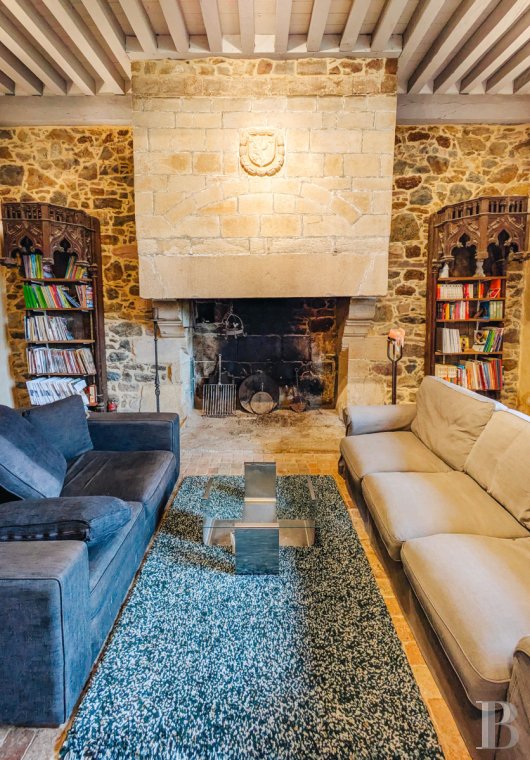
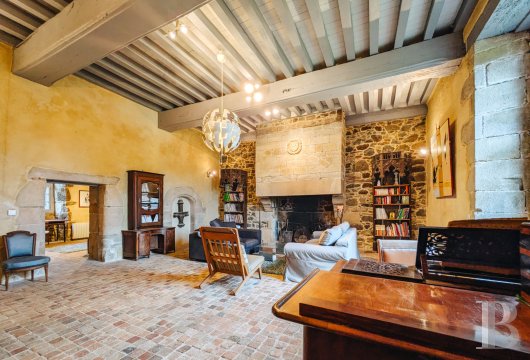
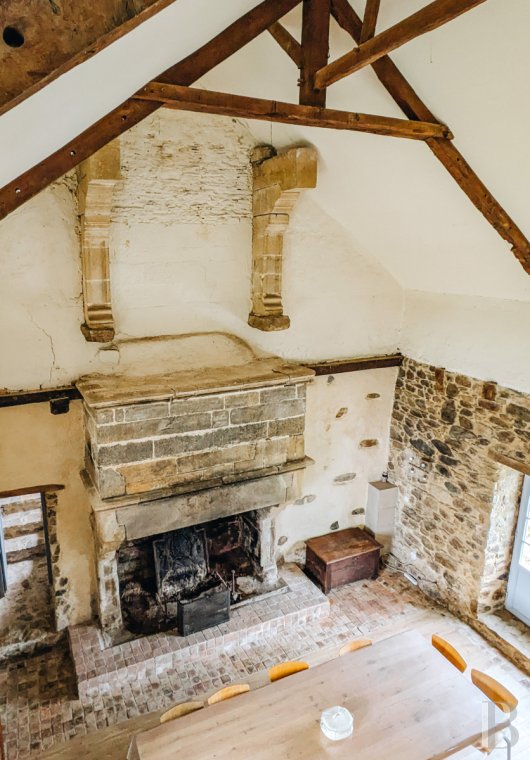
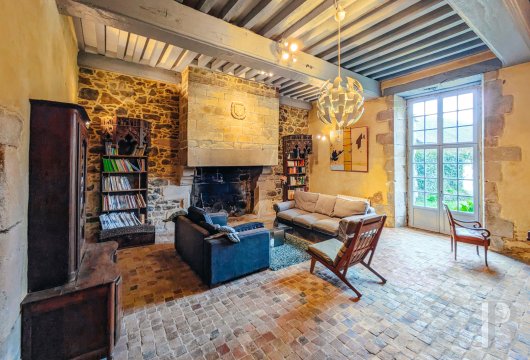
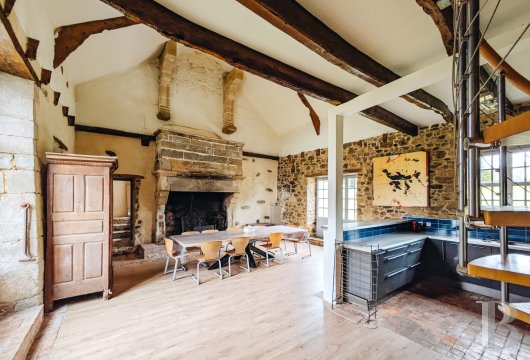
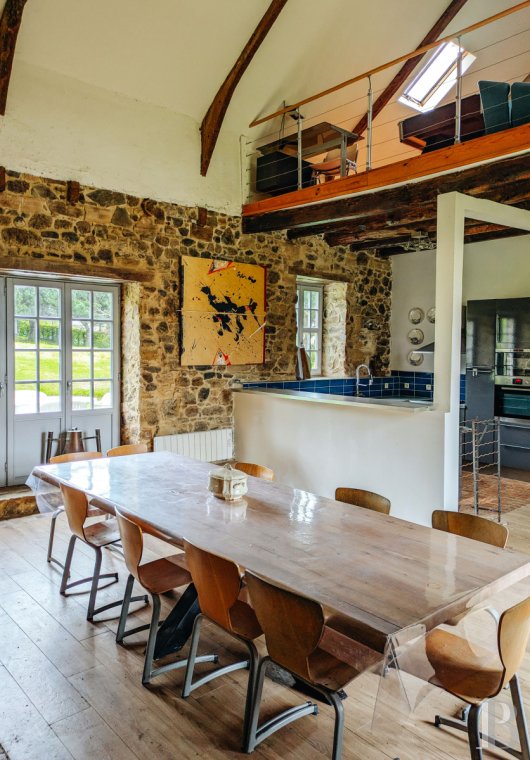
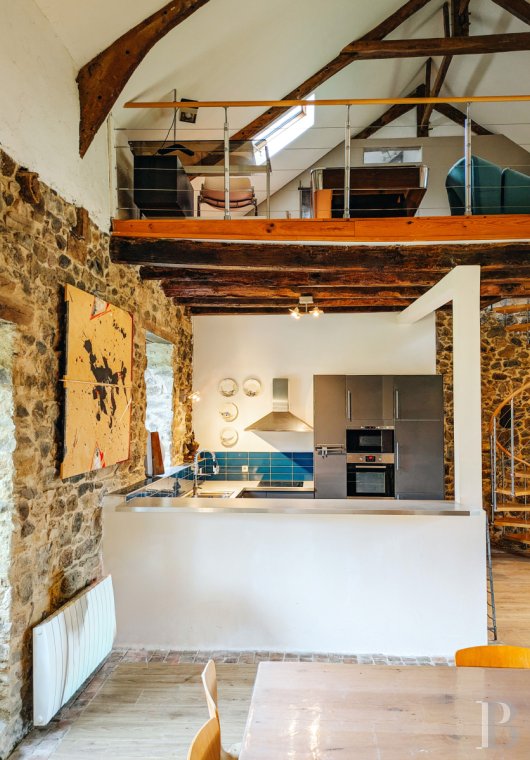
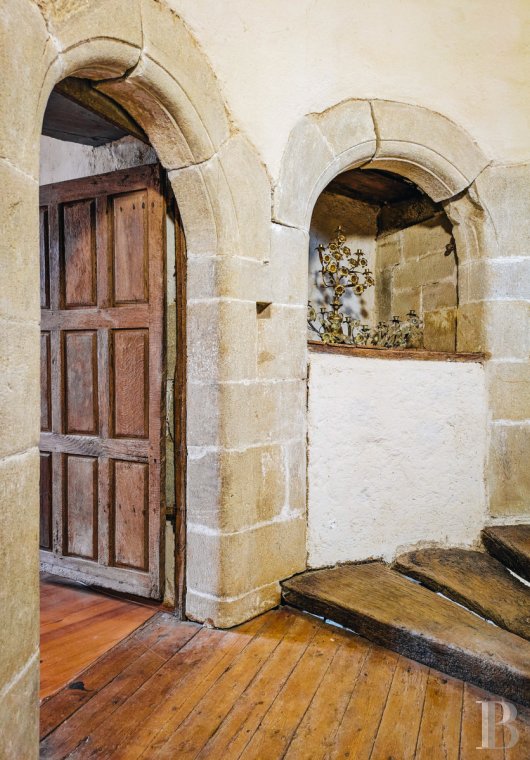
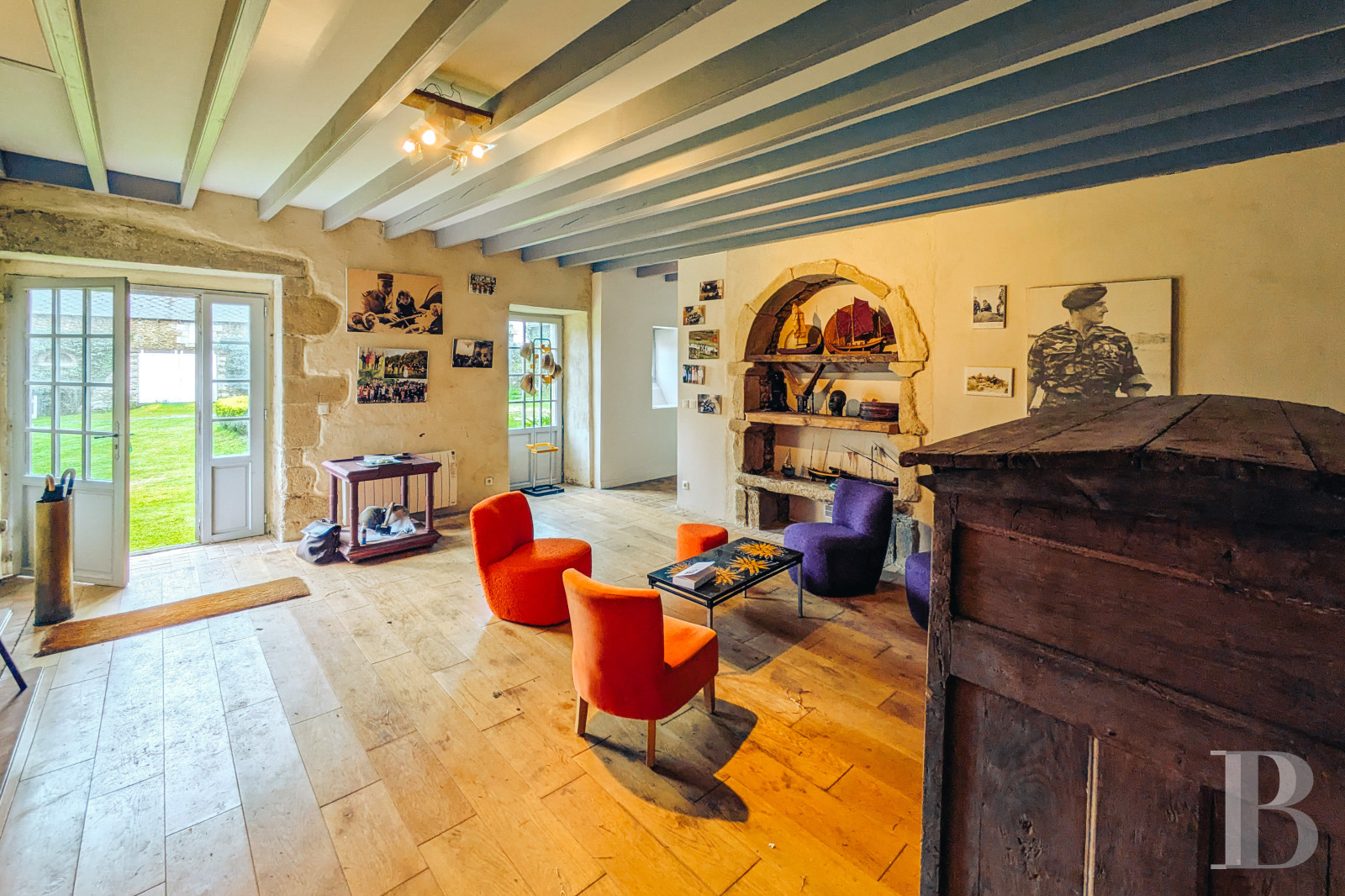
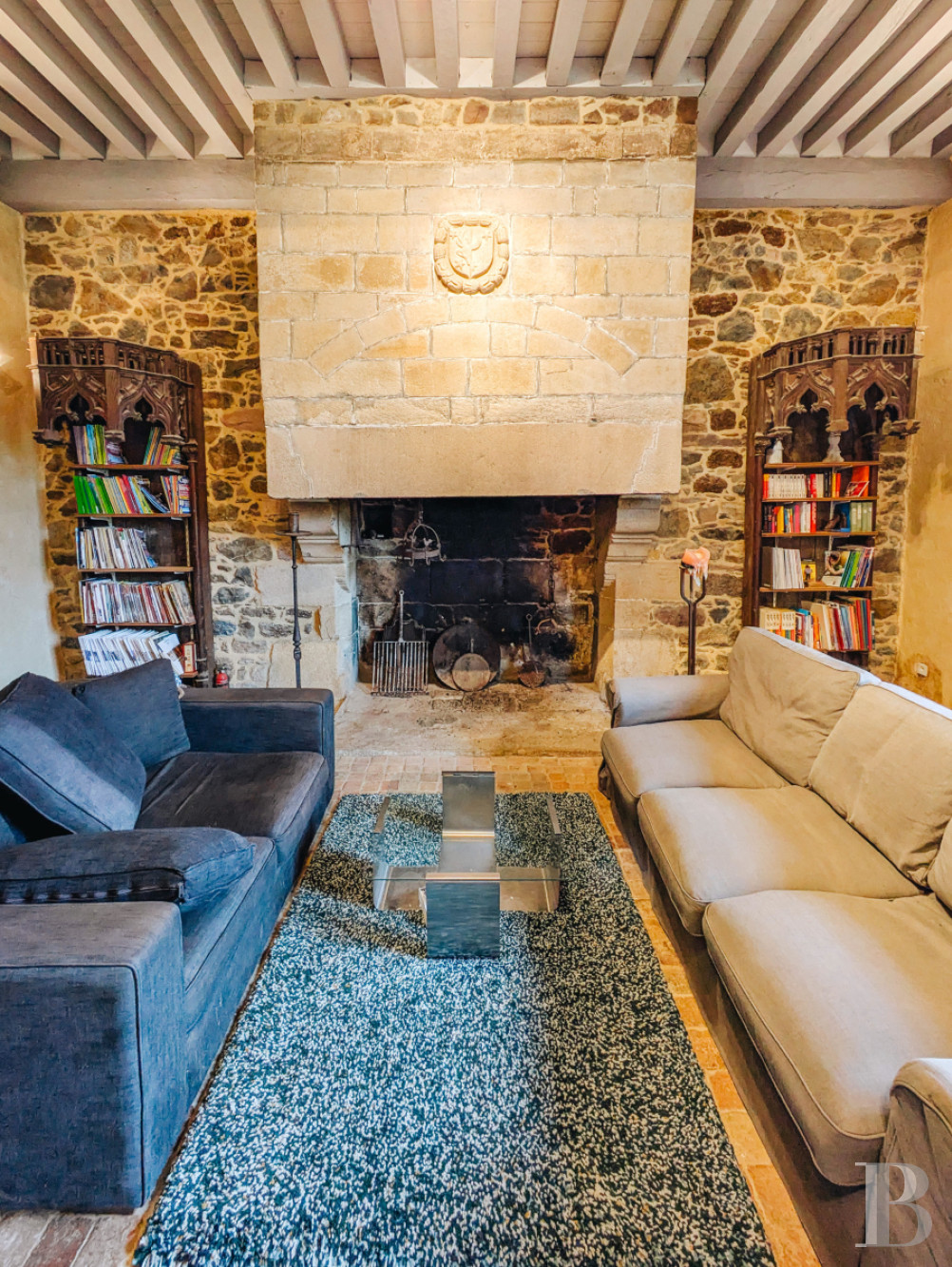
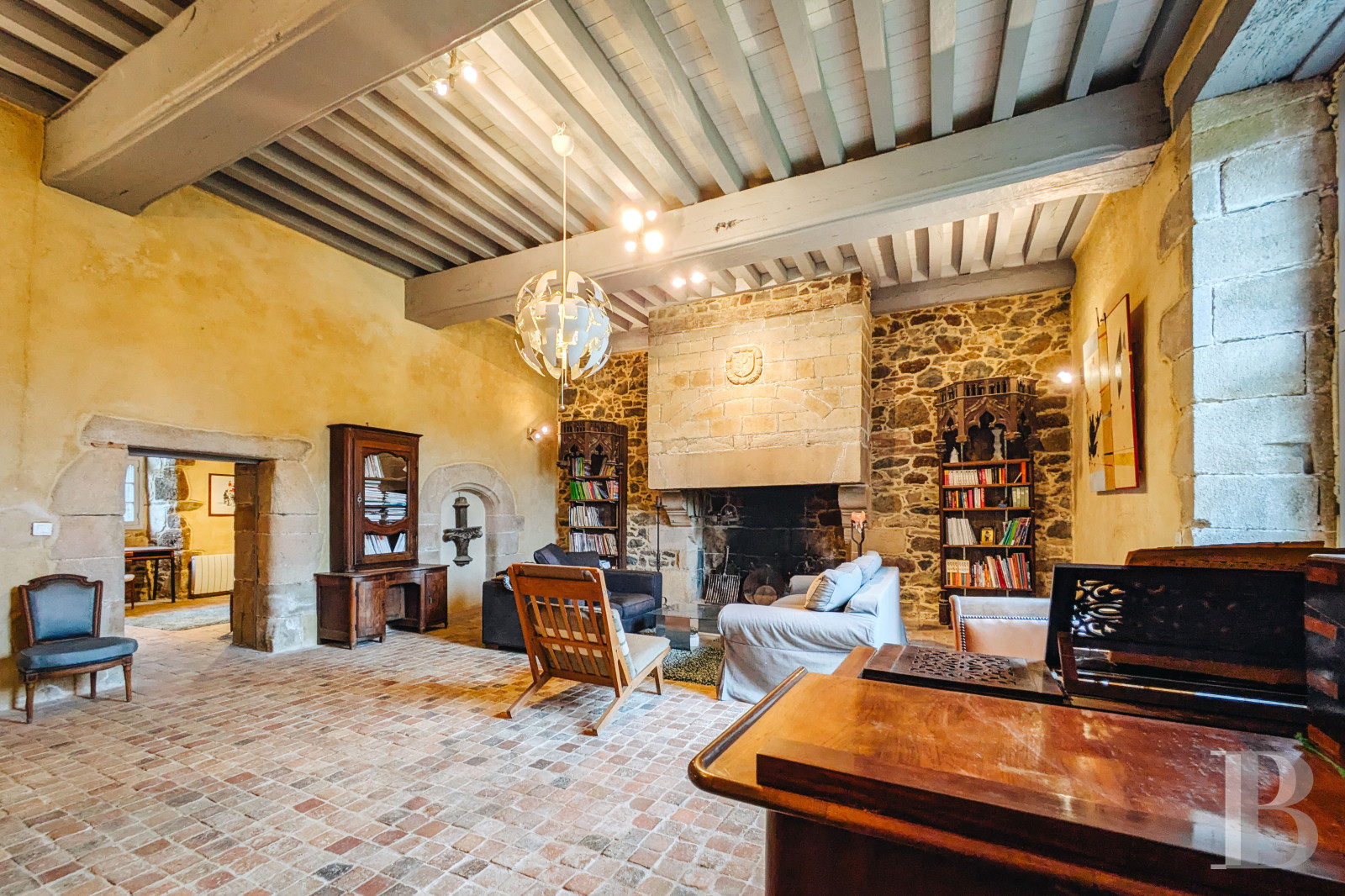
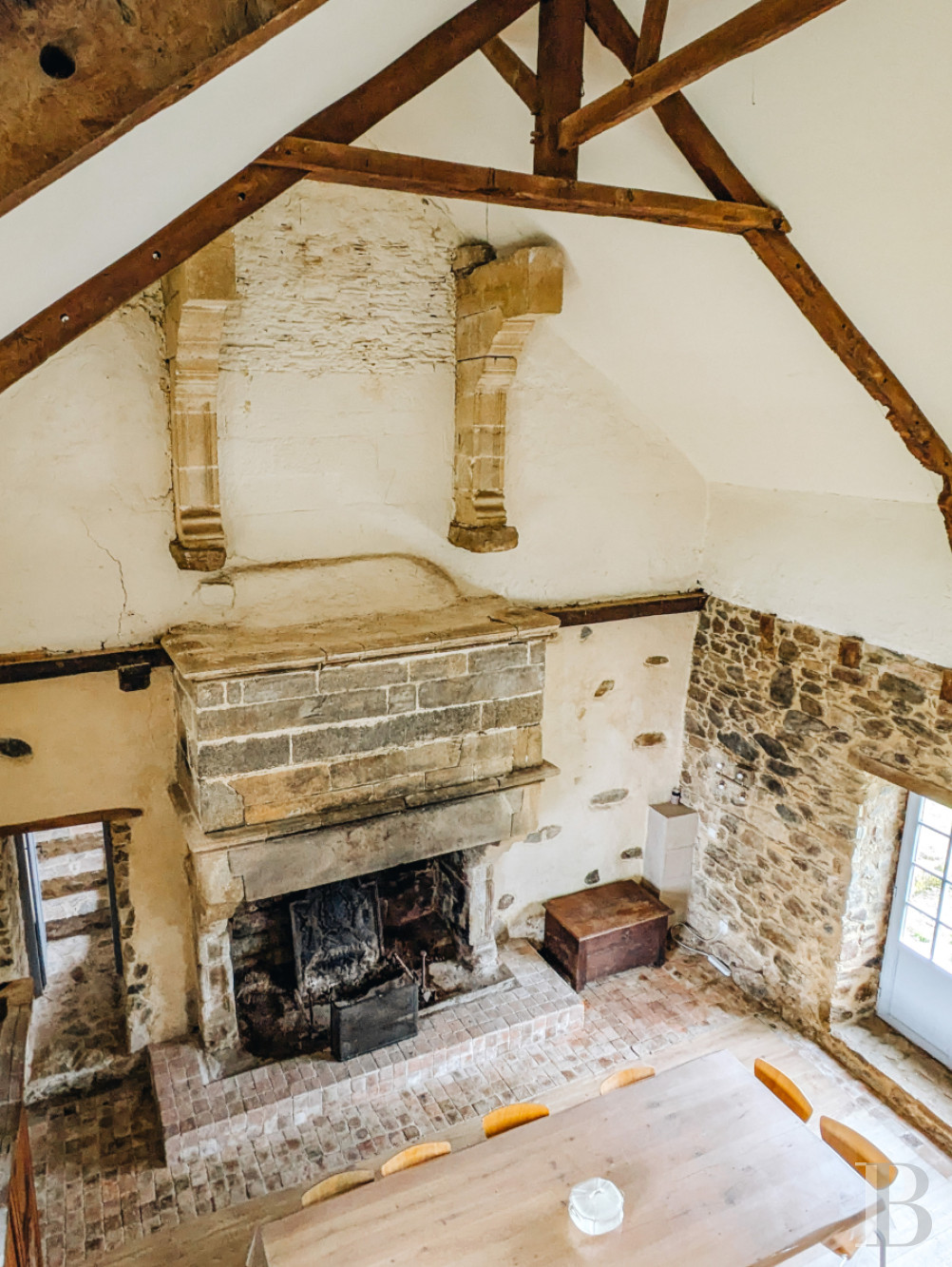
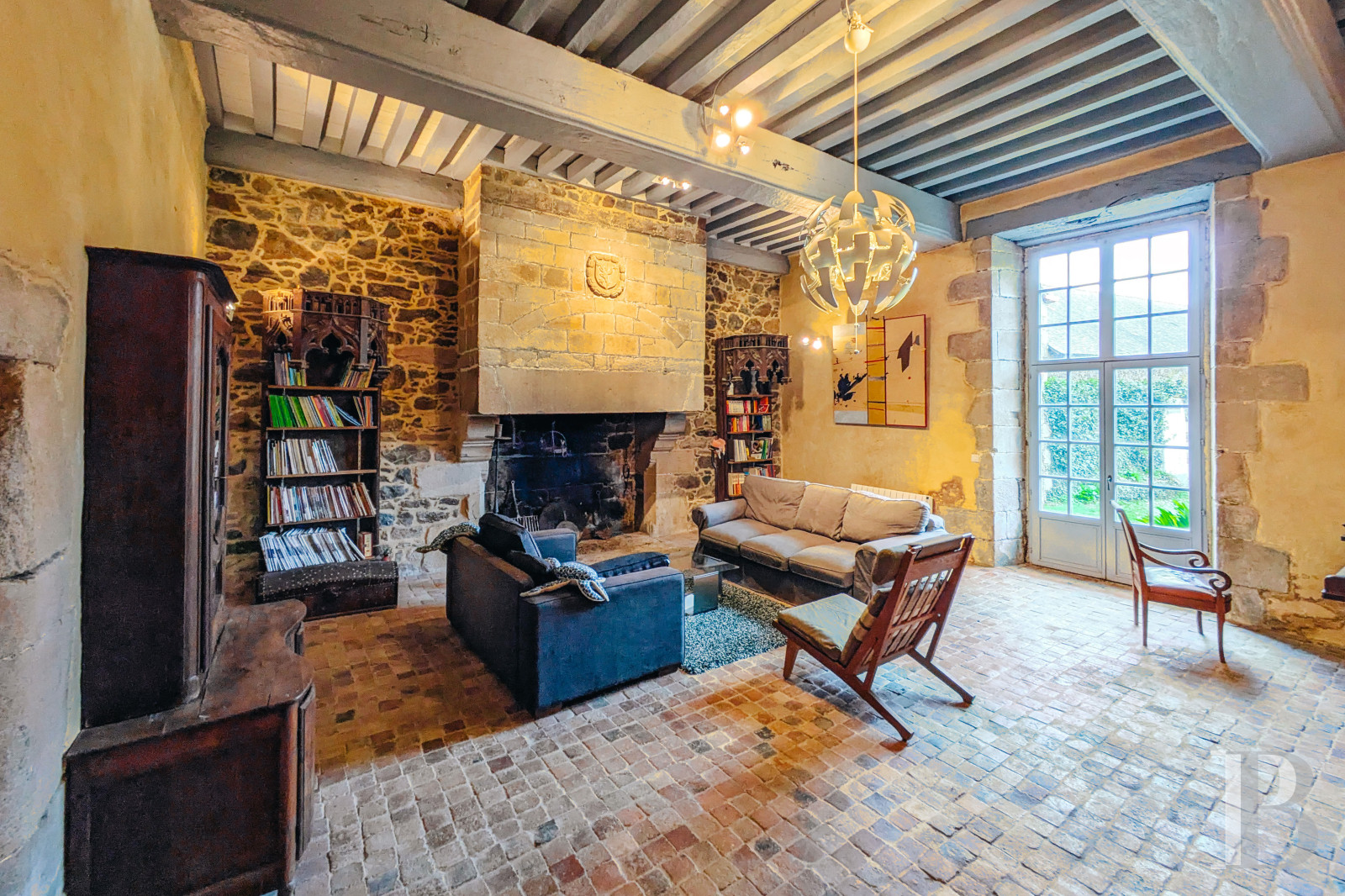
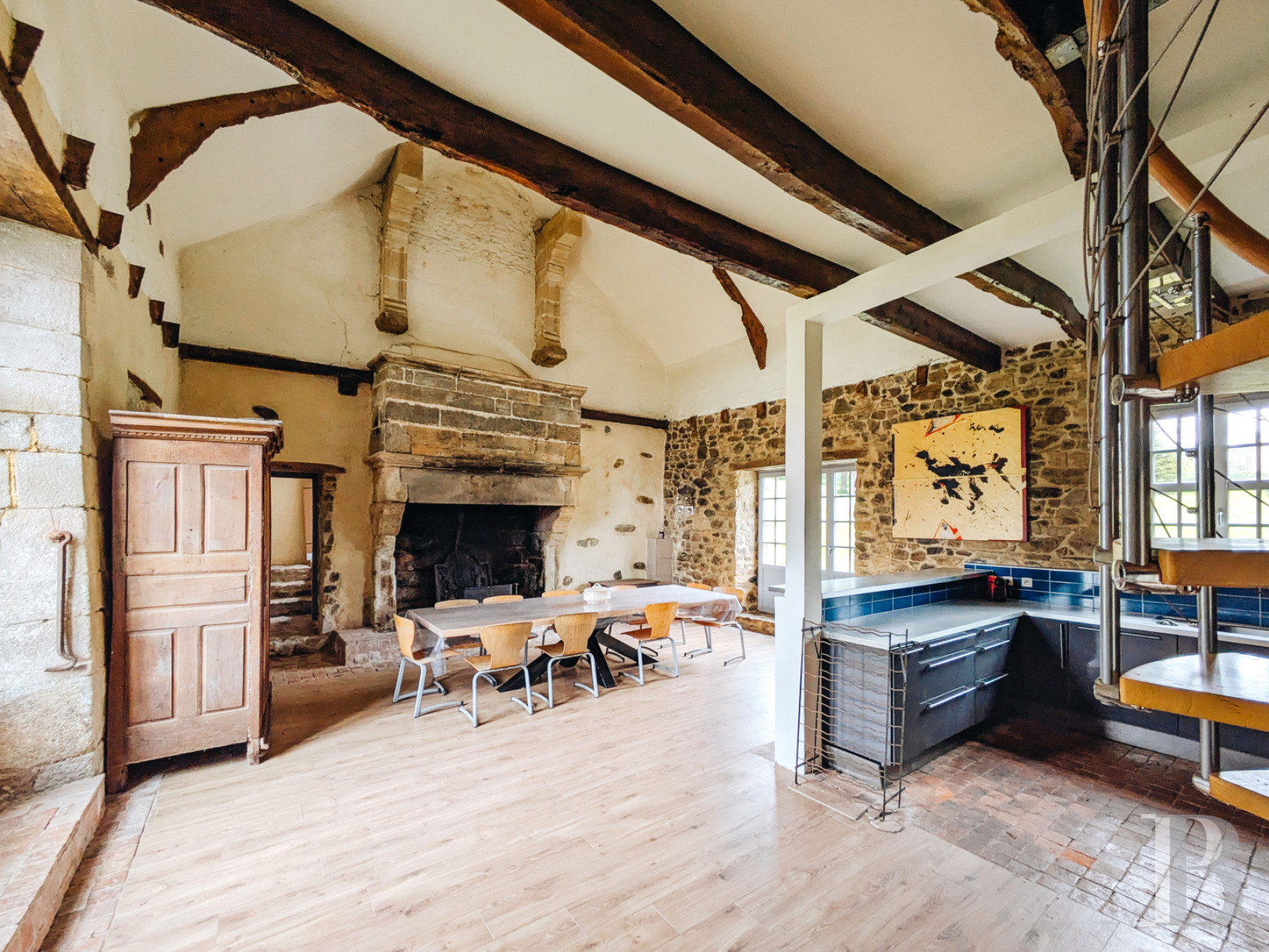
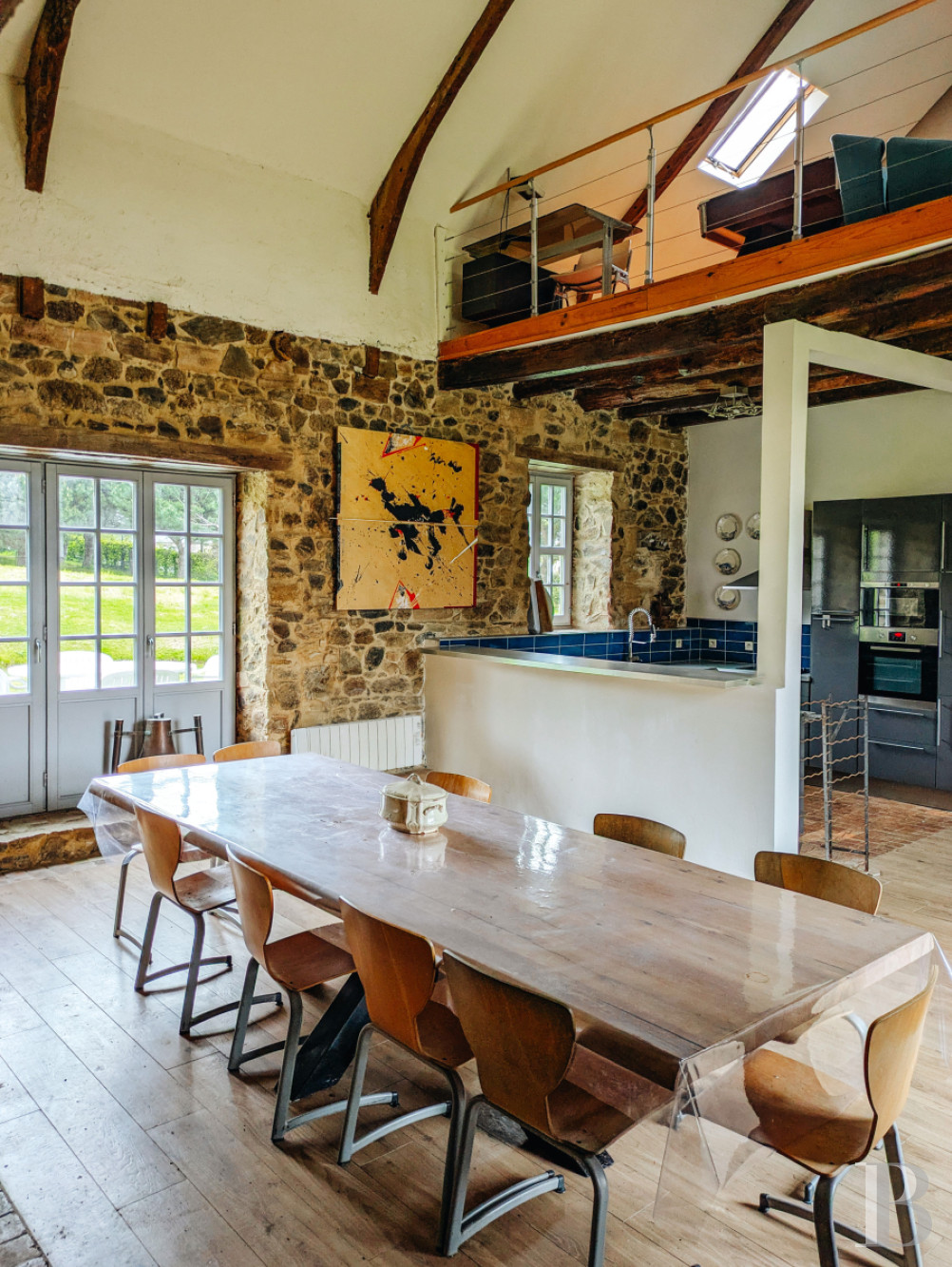
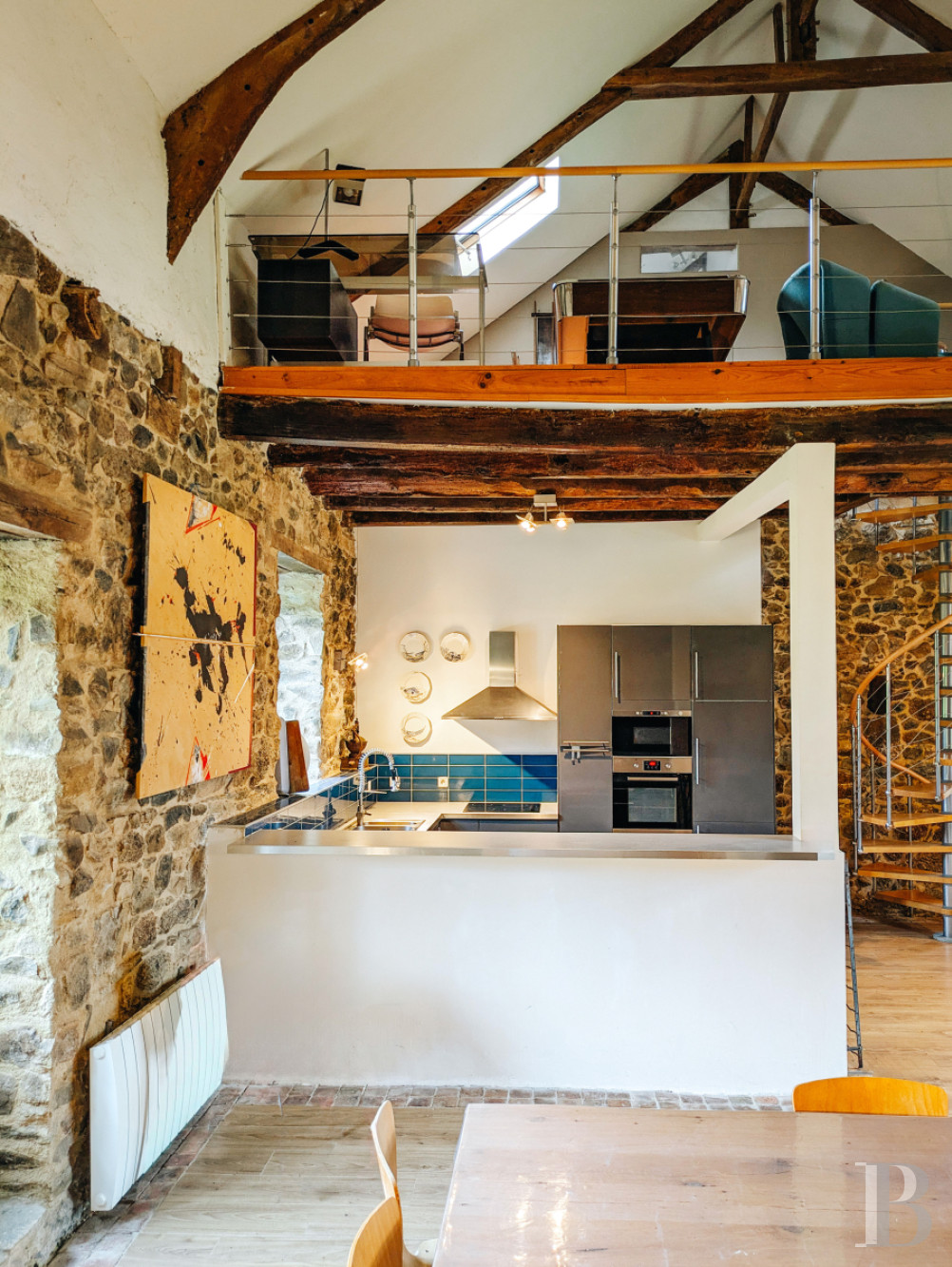
The walls of the entire level are lime-plastered or left as exposed stone, and the floors are either parquet or paved with terracotta tiles. The main entrance leads to the central ground-floor room. It comprises a small, bright sitting room, where an antique stone dresser is set against one wall. Adjacent to the room there is a shower room, a toilet, and a storage area. Adjoining this room, to the west, there is the second ground-floor room, currently used as a dining room. It opens onto a modern kitchen, which faces a granite fireplace. The space is illuminated by a tall French door with a glazed transom, as well as a dormer window to the south and another French door to the north. The cathedral ceiling reveals exposed roof trusses and the foundations of the unfinished fireplace on the upper floor of the manor house. To the east, the third ground-floor room serves as a sitting room, featuring a granite fireplace with a coat of arms. The ceiling is high, and the beams are exposed. An opening in the north wall leads to a bedroom.
The first floor
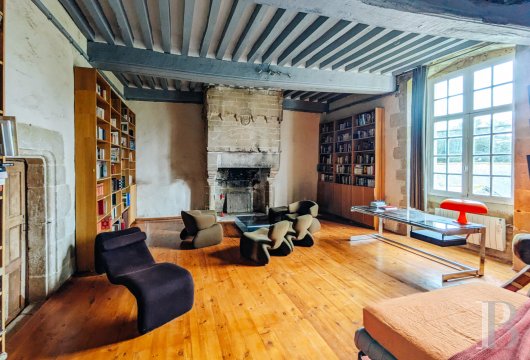
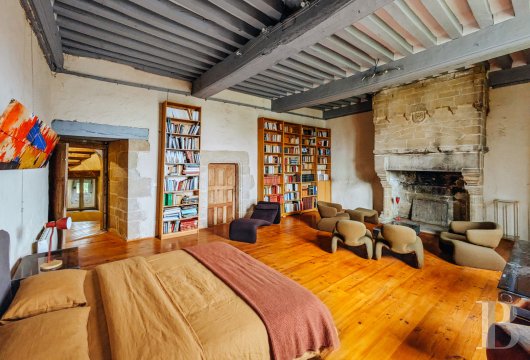
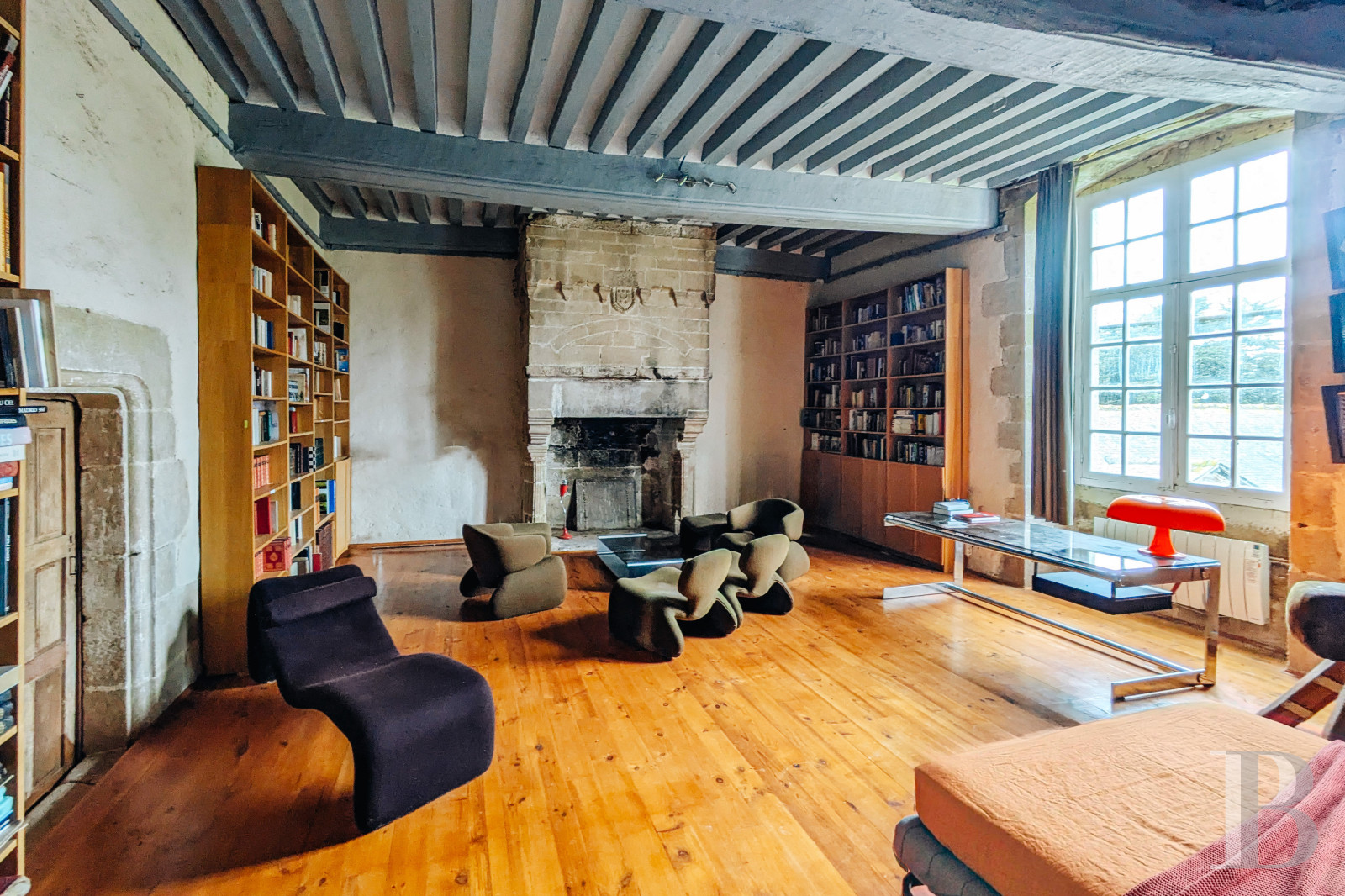
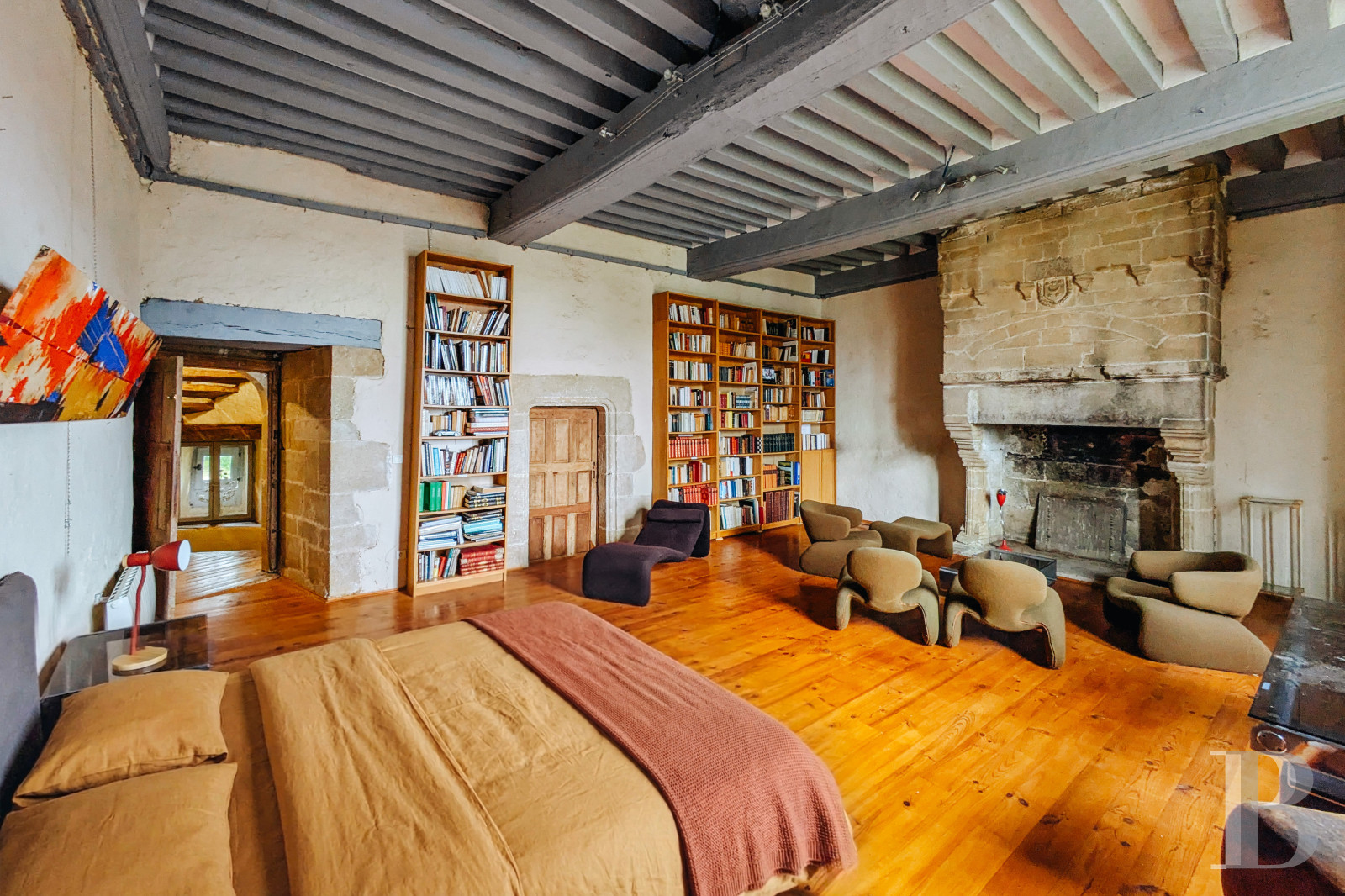
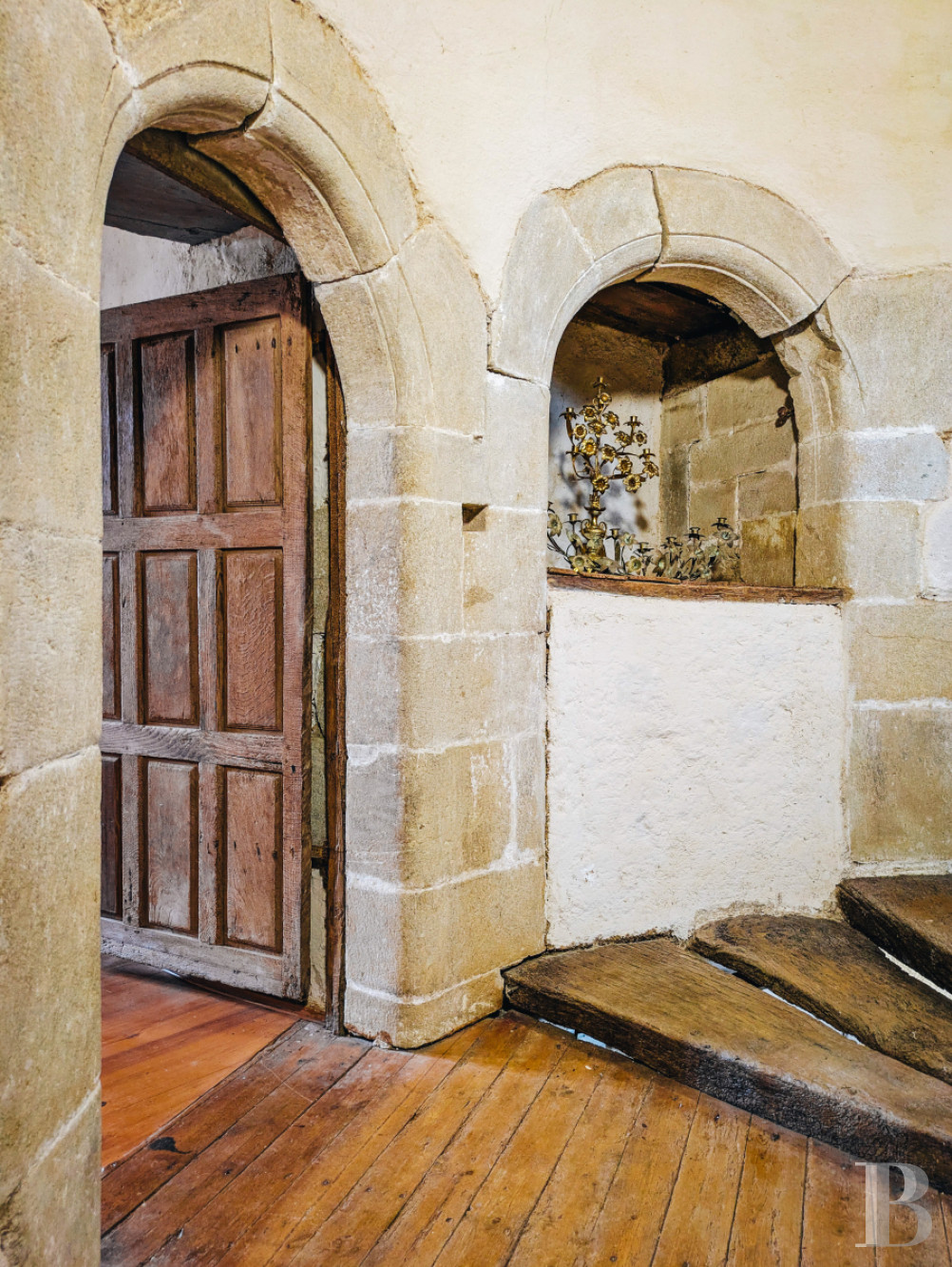
The first floor, accessible via the original wooden staircase, comprises a half-level with a bedroom and mezzanine, and a shower room. The ascent continues to the manor's upper hall, the former lord's bedroom, dominated by a monumental granite fireplace with sculpted jambs and mantel. To the south, a large picture window is surmounted by a glazed transom. The room has parquet flooring, and the light-colored, lime-plastered walls reveal the dressed stone beneath. The landing also provides access to the renovated attic floor of the lower part of the manor, which features parquet flooring and is lit by dormer windows. A corridor leads to three south-facing bedrooms, two shower rooms and a toilet, as well as a mezzanine above the dining room.
The second floor
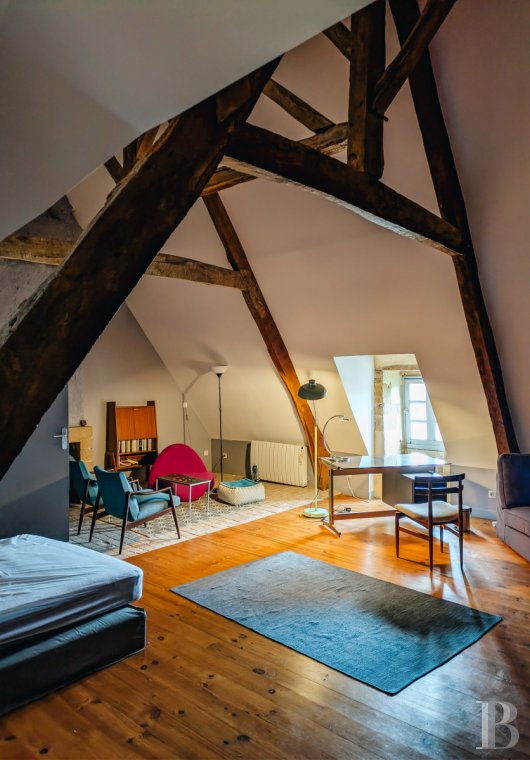
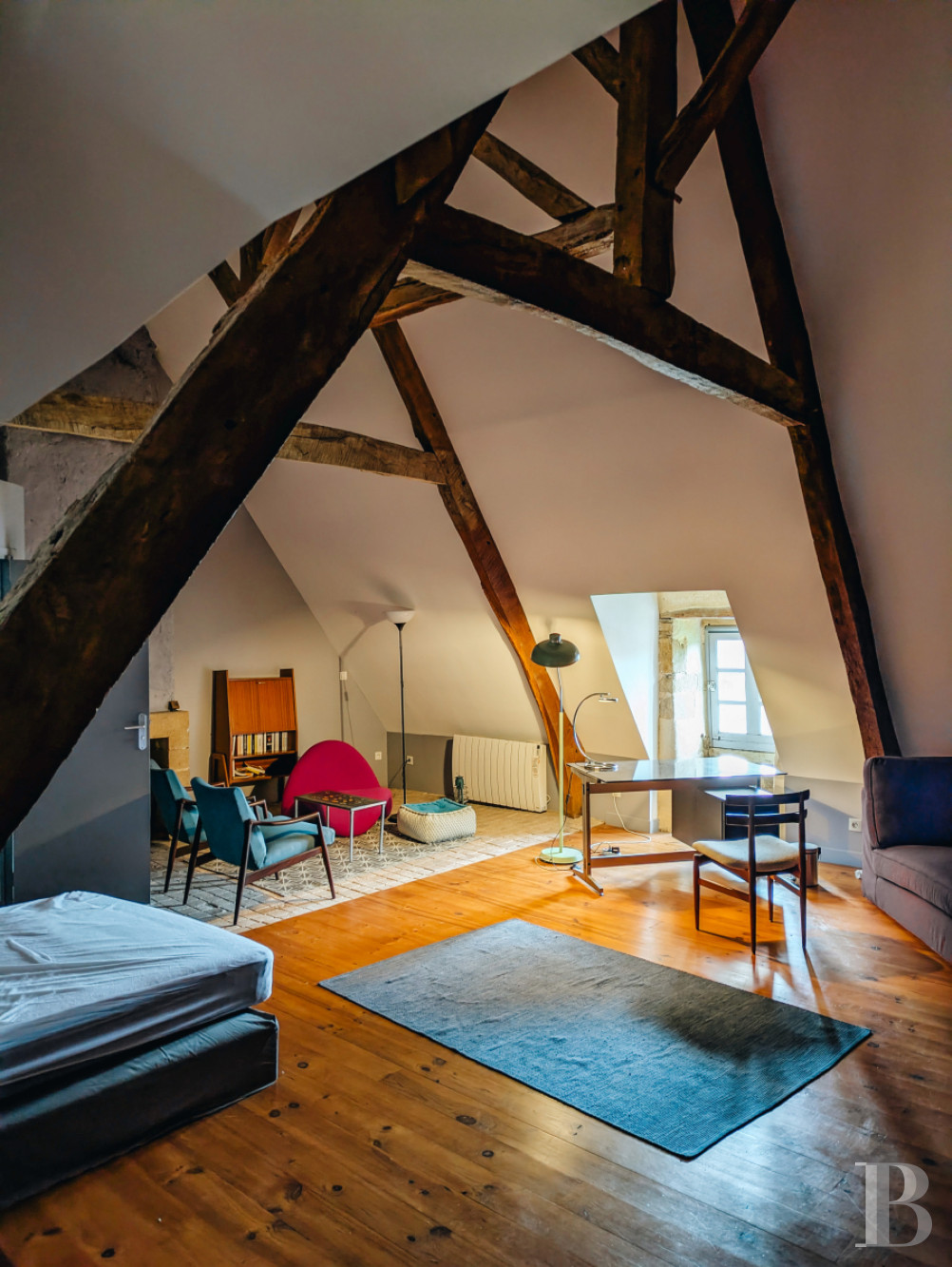
The second floor comprises a bedroom with a cathedral ceiling and exposed beams, lit by a skylight. A granite fireplace occupies one of the walls, and the floors are either parquet or terracotta tiled. The room adjoins a shower room with a toilet.
The bakehouse and oven
These date from the same period as the manor house, built of rubble stone, with granite window and door surrounds. The roof is a double-pitched slate roof. Inside, a raised floor made of wattle and daub remains, upon which terracotta tiles were laid. The oven vault is intact.
The barns
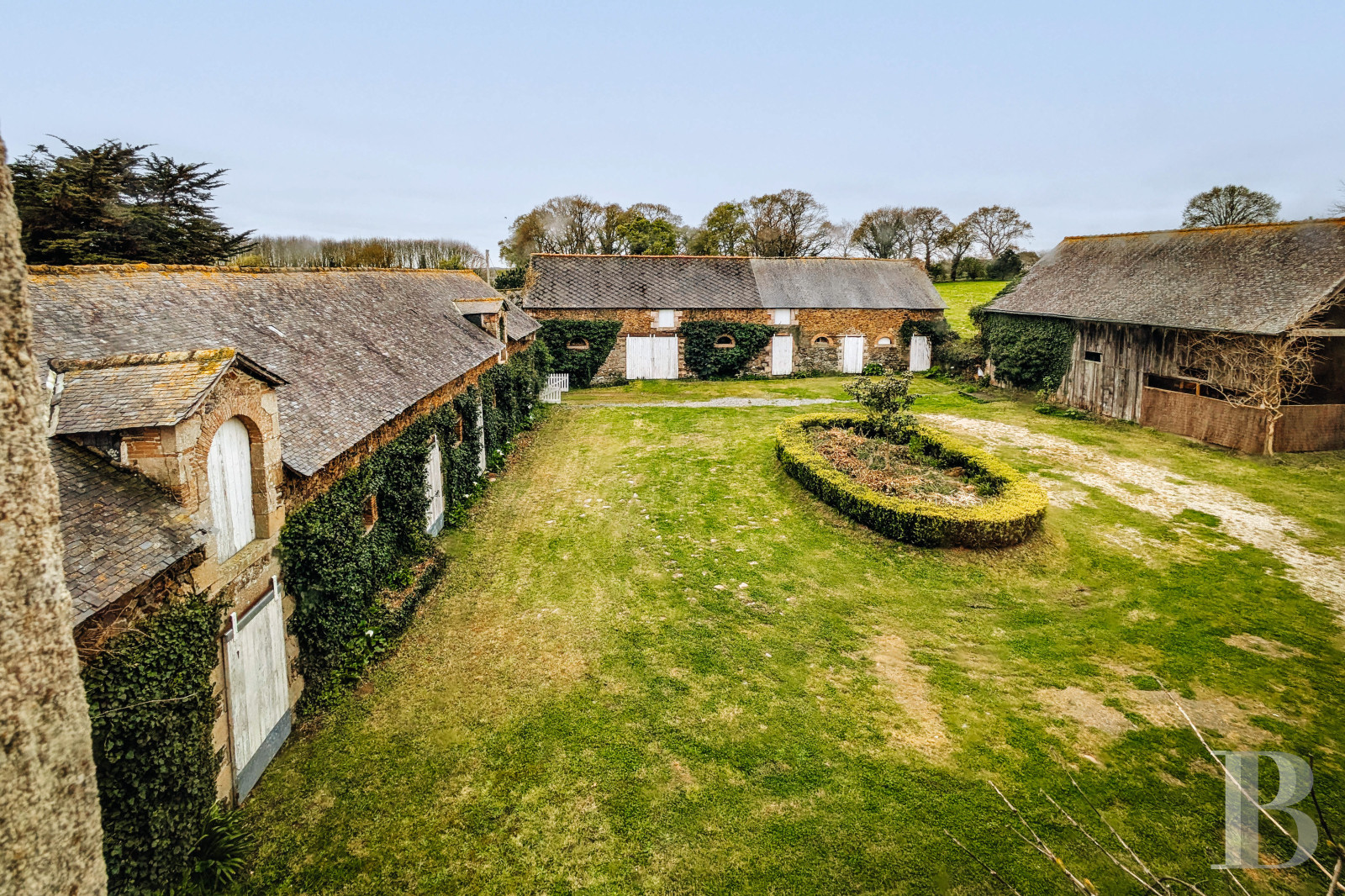
The barns, to the east and south of the courtyard, are more recent than the main house. Extensive in size, they were intended for agricultural use. The entire structure is built of reclaimed rubble stone, with brick or granite window and door surrounds. The roofs are slate, punctuated by dormer windows. Their surface area is approximately 120 m² each, with attics. Currently used as storage sheds, they could be converted. Adjoining the west side of the manor house, former pigsties also serve as storage spaces. Finally, to the southwest, a large barn, built partly of stone and wood with a slate roof, provides parking for several vehicles.
The exterior
The exterior, arranged around a circular garden bordered by a boxwood hedge and shaded by a magnolia tree, reveals the original paving stones in places. To the west of the barn, hidden from view, there is a heated swimming pool measuring approximately 10 x 4 meters, connected to a large wooden deck. Around the manor house, expansive lawns are dotted with groves of trees. At the rear, on the western slope, a large pasture of over 2 hectares ensures tranquillity for the manor and can accommodate horses.
Our opinion
With its imposing stone shape, nestled between land and sea, this 16th-century Breton manor house is remarkable due to its state of preservation. The building has stood the test of time, becoming a unique and intimate family home. Carefully renovated and designed for comfort and functionality, the entire property is ready to move into. Converting the outbuildings would create promising additional space, ideal for accommodating guests or for an equestrian activity, which could utilise the 4 hectares of land.
835 000 €
Fees at the Vendor’s expense
Reference 802054
| Main building floor area | 360 m² |
| Outbuildings floor area | 300 m² |
| Land registry surface area | 3 ha 86 a 36 ca |
French Energy Performance Diagnosis
Information on the risks to which this property is exposed is available on the website: www.georisques.gouv.fr
Share


NB: The above information is not only the result of our visit to the property; it is also based on information provided by the current owner. It is by no means comprehensive or strictly accurate especially where surface areas and construction dates are concerned. We cannot, therefore, be held liable for any misrepresentation.