



A 1970s radio relay station transformed into an ultramodern home, to be completed,
with a swimming pool and radio relay dishes, in the Vaucluse, at the summit of a famous peak
with a swimming pool and radio relay dishes, in the Vaucluse, at the summit of a famous peak
Carpentras,
VAUCLUSE
provence-cote-dazur
84200
FR

Location
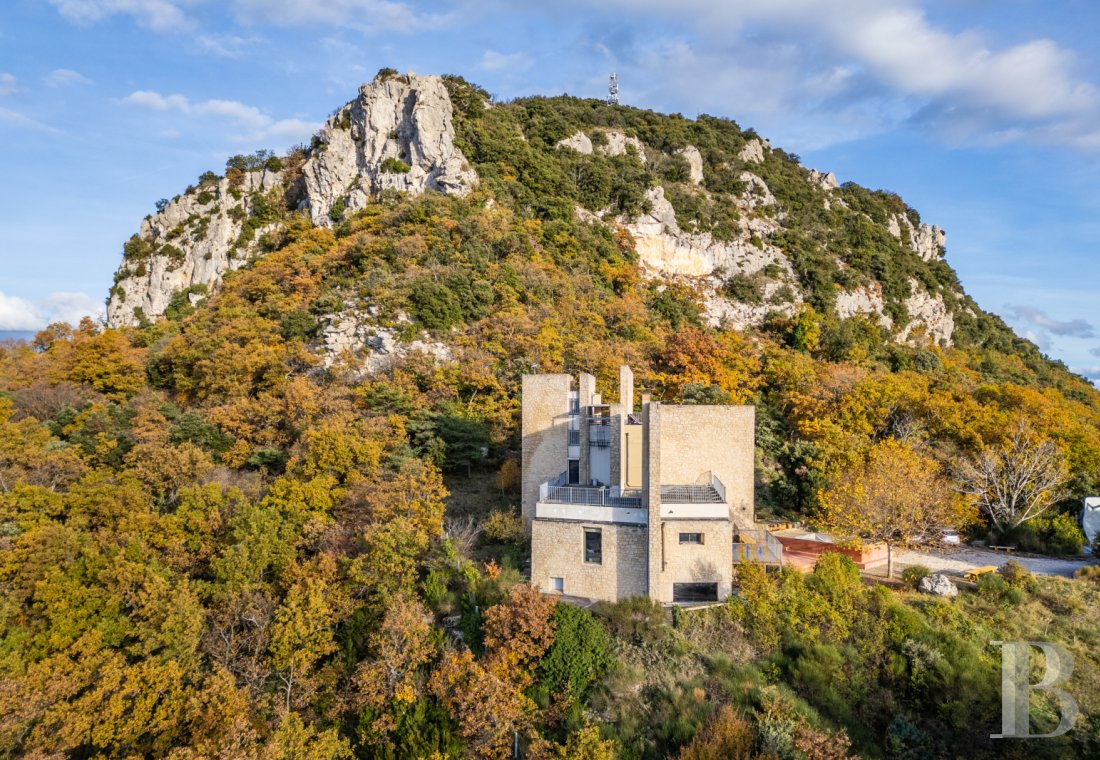
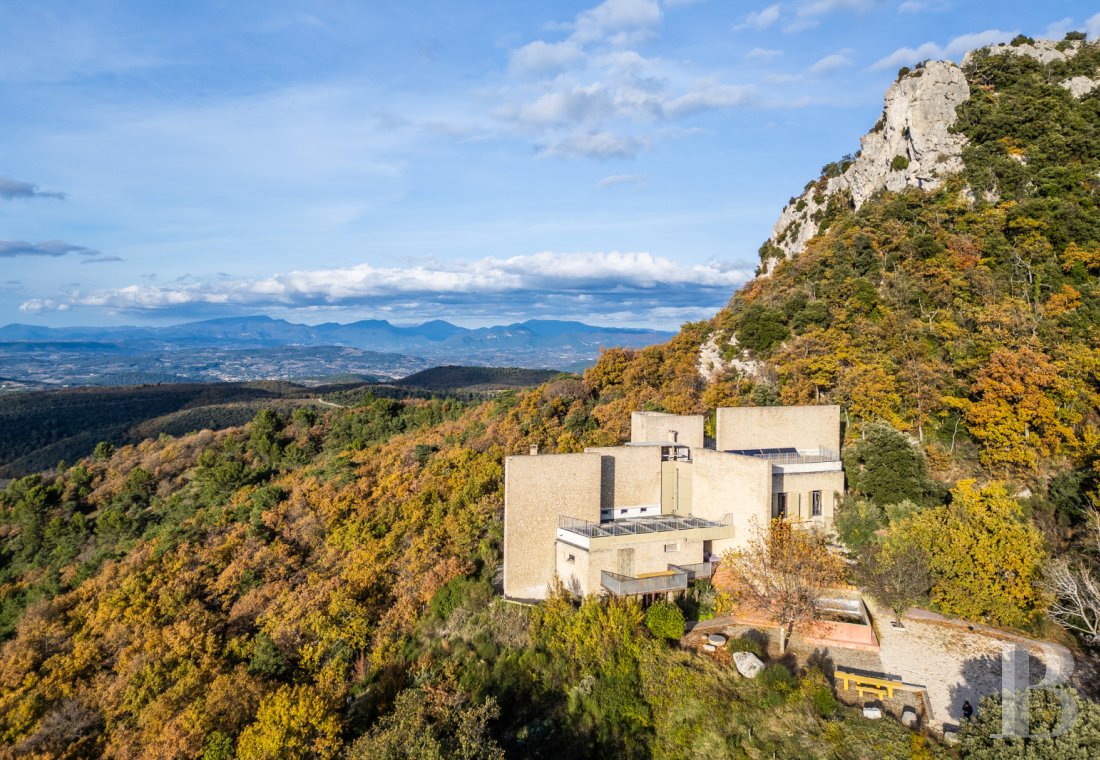
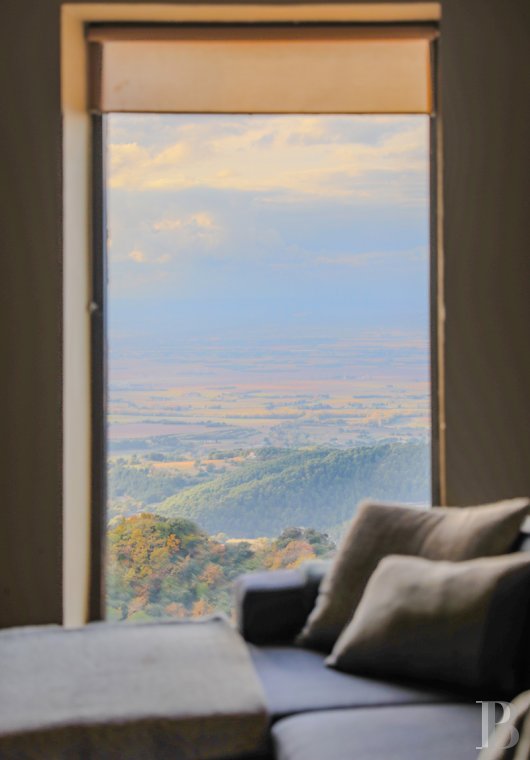
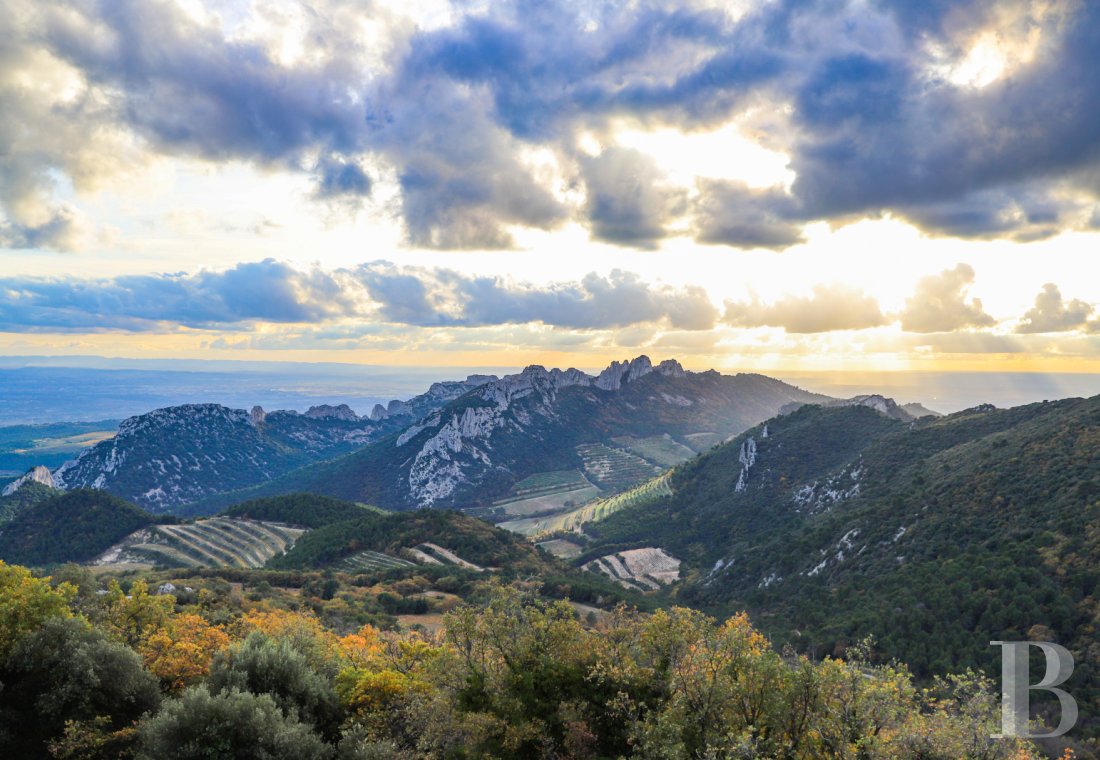
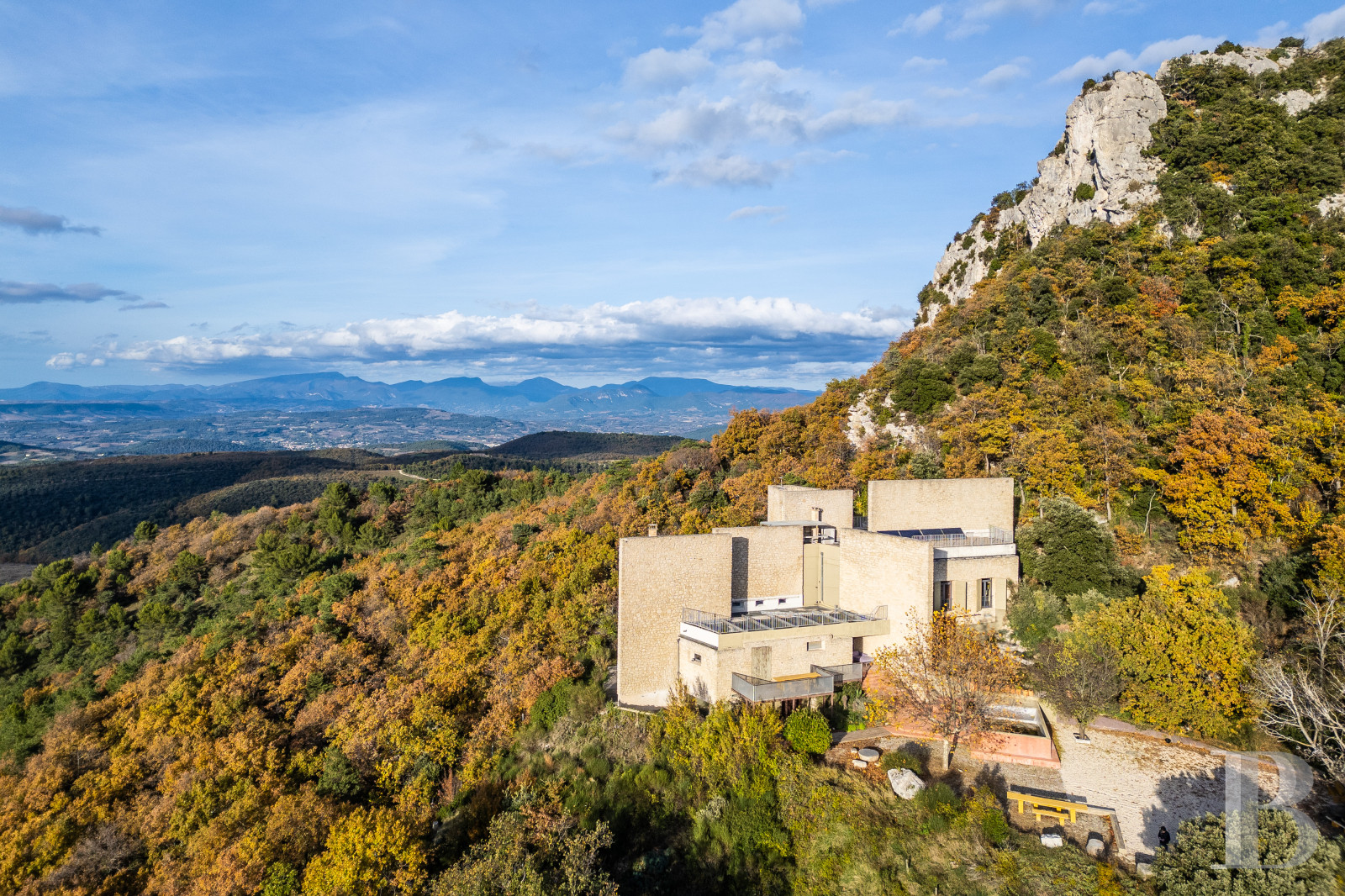
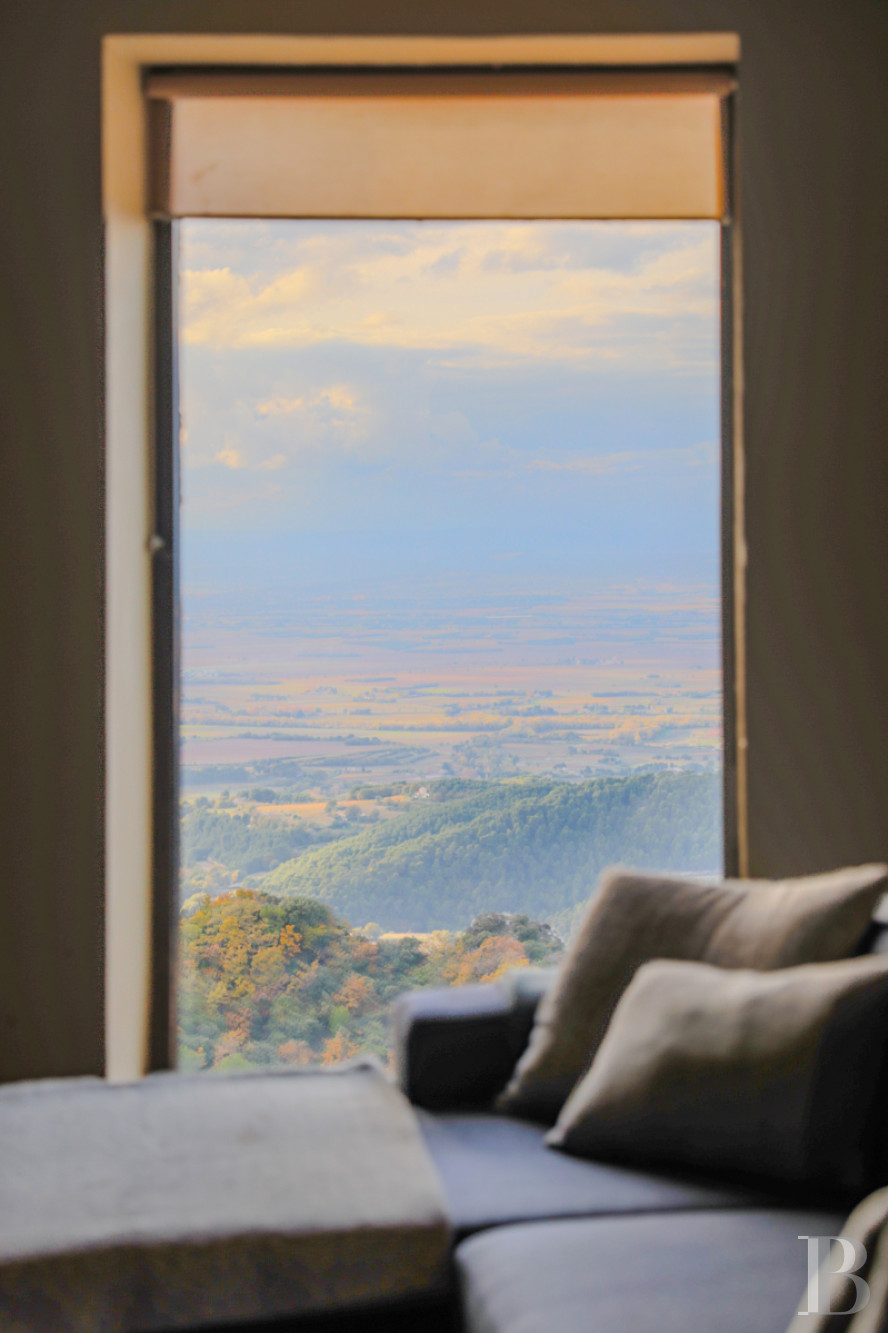
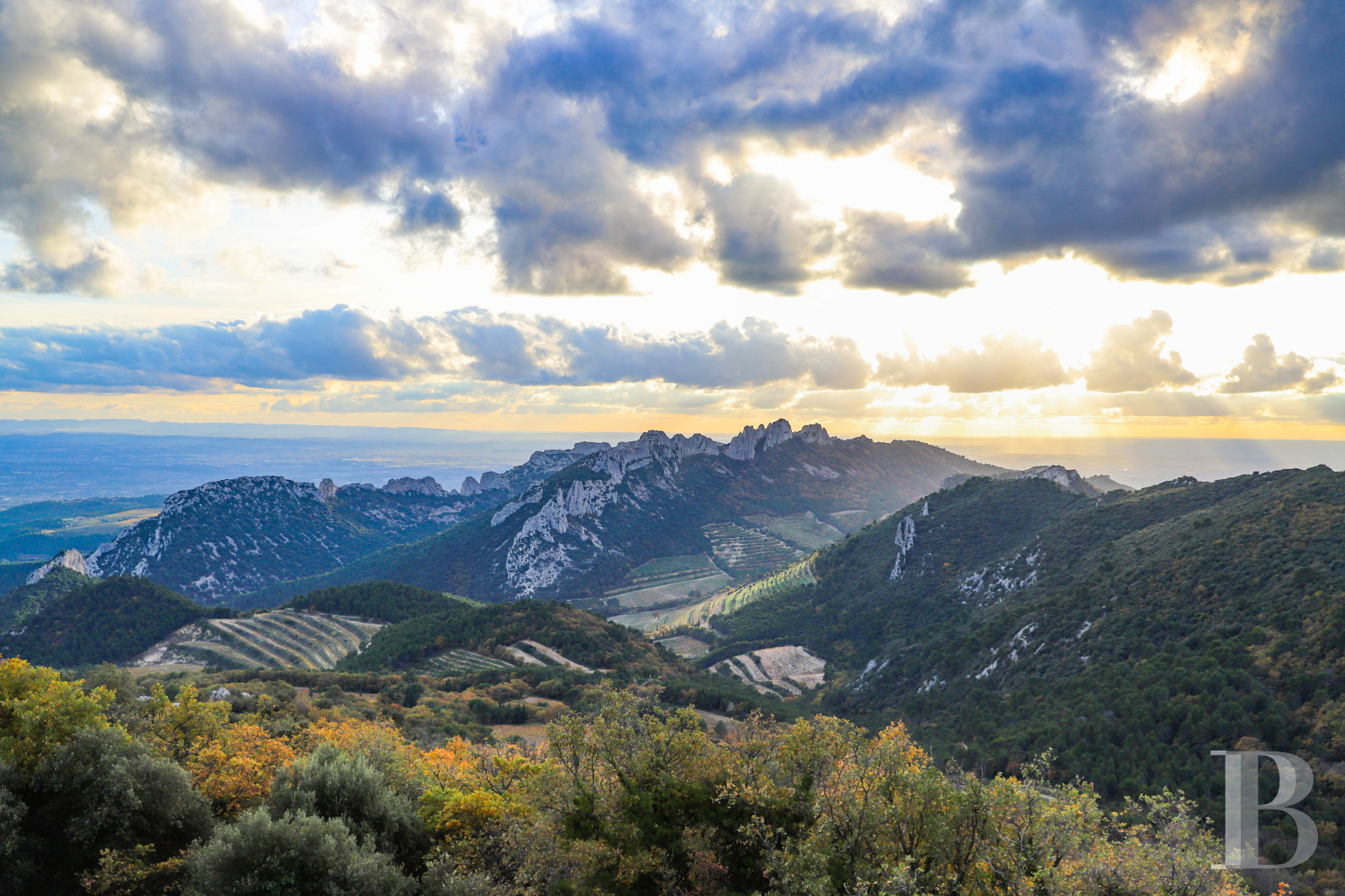
This property is located in the north of the Vaucluse area, in the heart of the Dentelles de Montmirail forest, at an altitude of 722 metres, near to the high point of the Grand Travers mountains, with a 360° view of the Rhône Valley, the Drôme area, the Mont Ventoux, the Vaucluse Mountains and the Alipilles. The region is famous for its climbing cliffs and hiking trails but also for its PDO olive oil, Côtes-du-Rhône wines, truffles, preserved nature and wealth of historical heritage, including nine civil or religious listed historical monuments. Sablet, Gigondas, Beaumes-de-Venise, Vaison and Malaucène are its most renowned villages.
The property is situated approximately 15 minutes from Malaucène, 30 minutes from Carpentras, 40 minutes from Orange (and its high-speed TGV train station), the A7 and A9 motorways, 1 hour from Avignon (and its high-speed TGV train station as well as airport) and 2 hours from Marseille-Provence airport.
Description
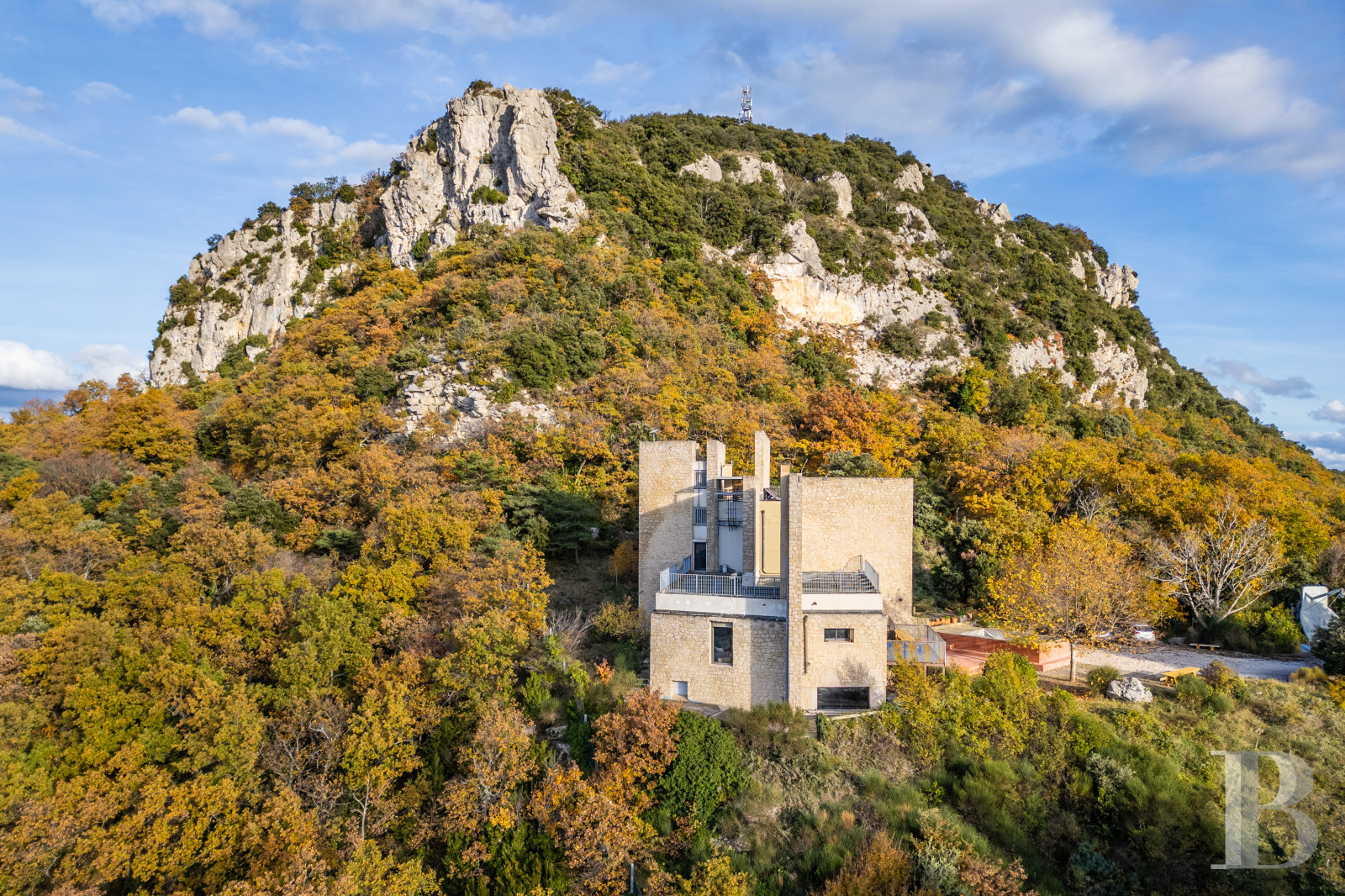
This former radio relay station can be reached at the summit of the peak on which it is located via the sole, no-through-road dirt track leading to the entrance to the 2-hectare property.
The edifice was designed by Jean Dumont, who was chief architect for civil buildings and national palaces, and built in 1978 for the Directorate-General for Telecommunications. It was a key part of the Lyon-Marseille radio relay link and was operational until the beginning of the 21st century.
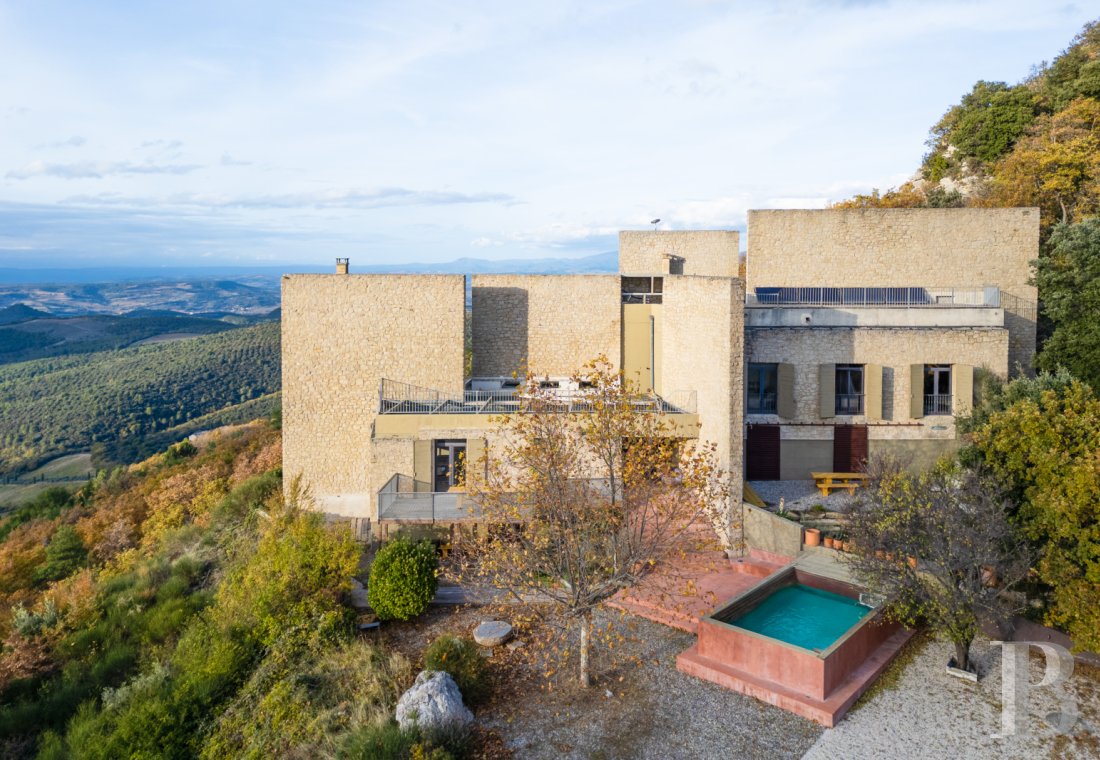
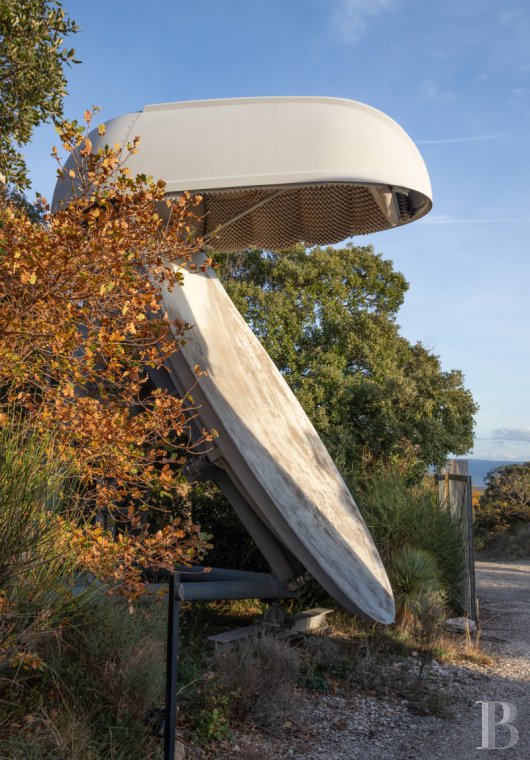
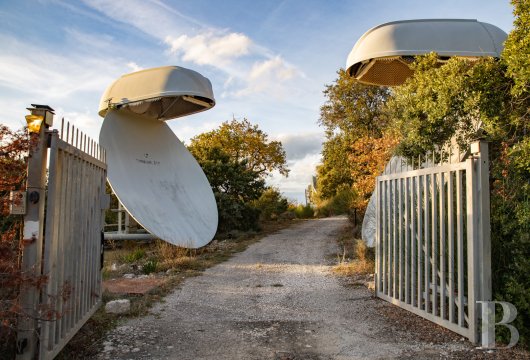
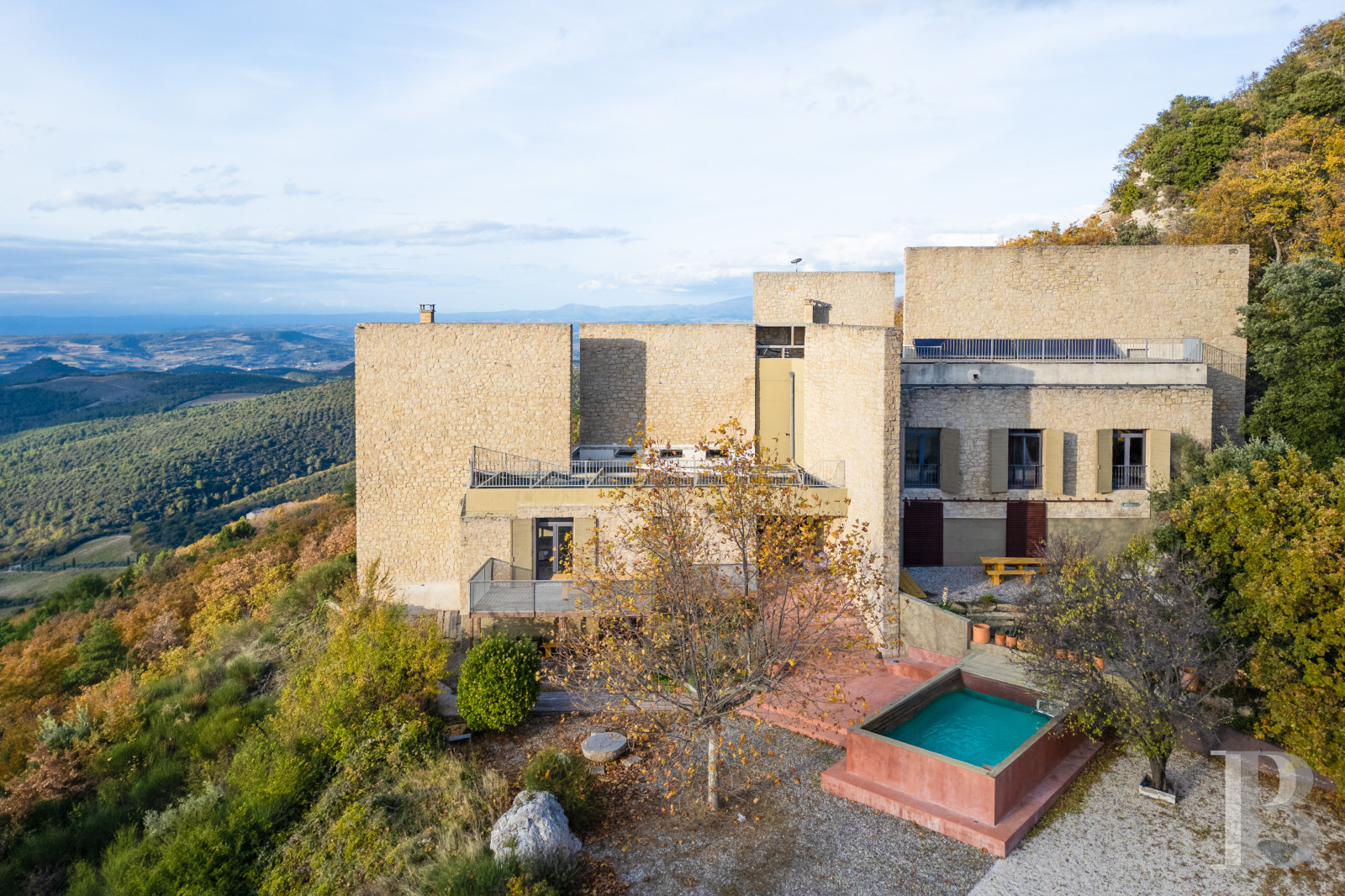
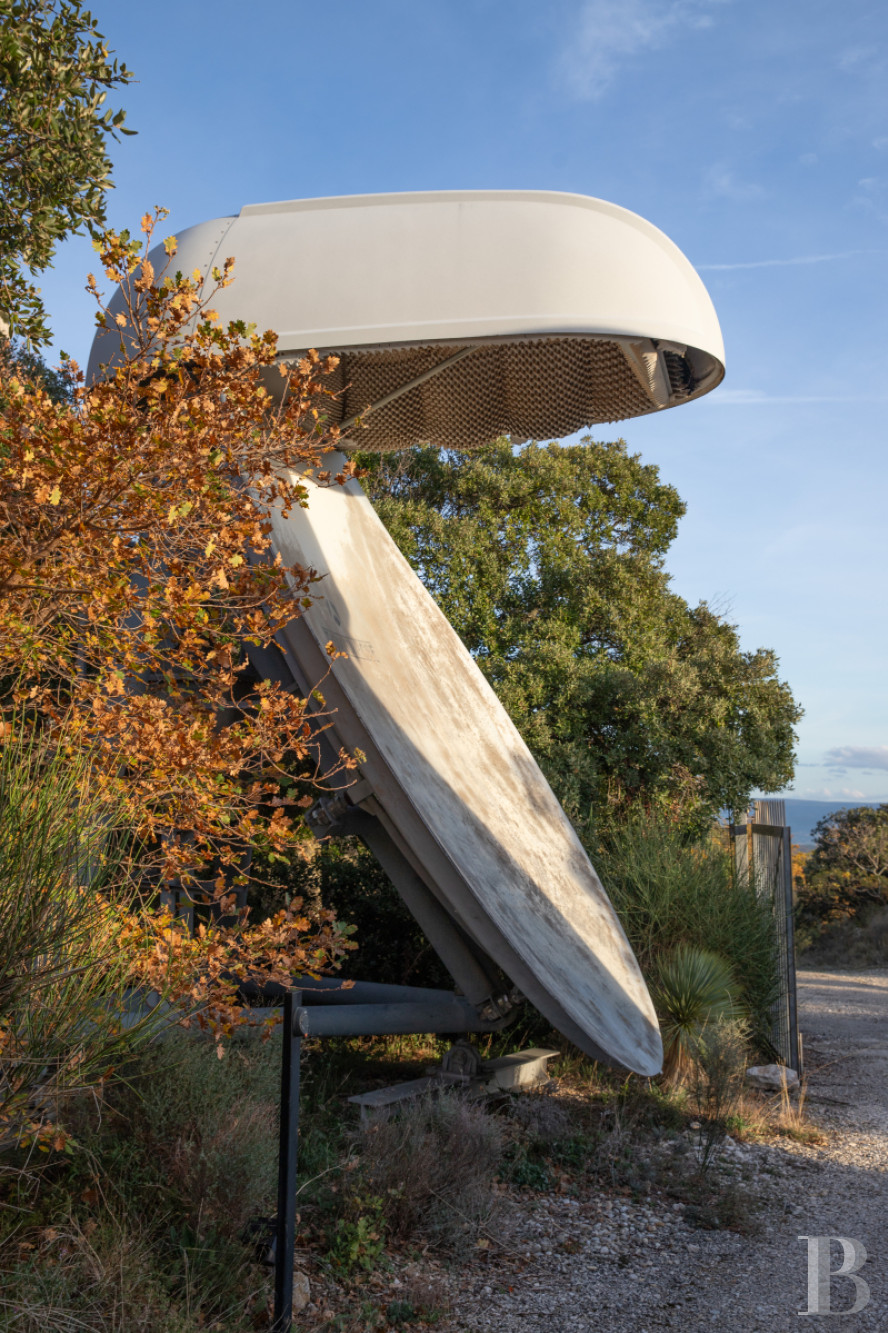
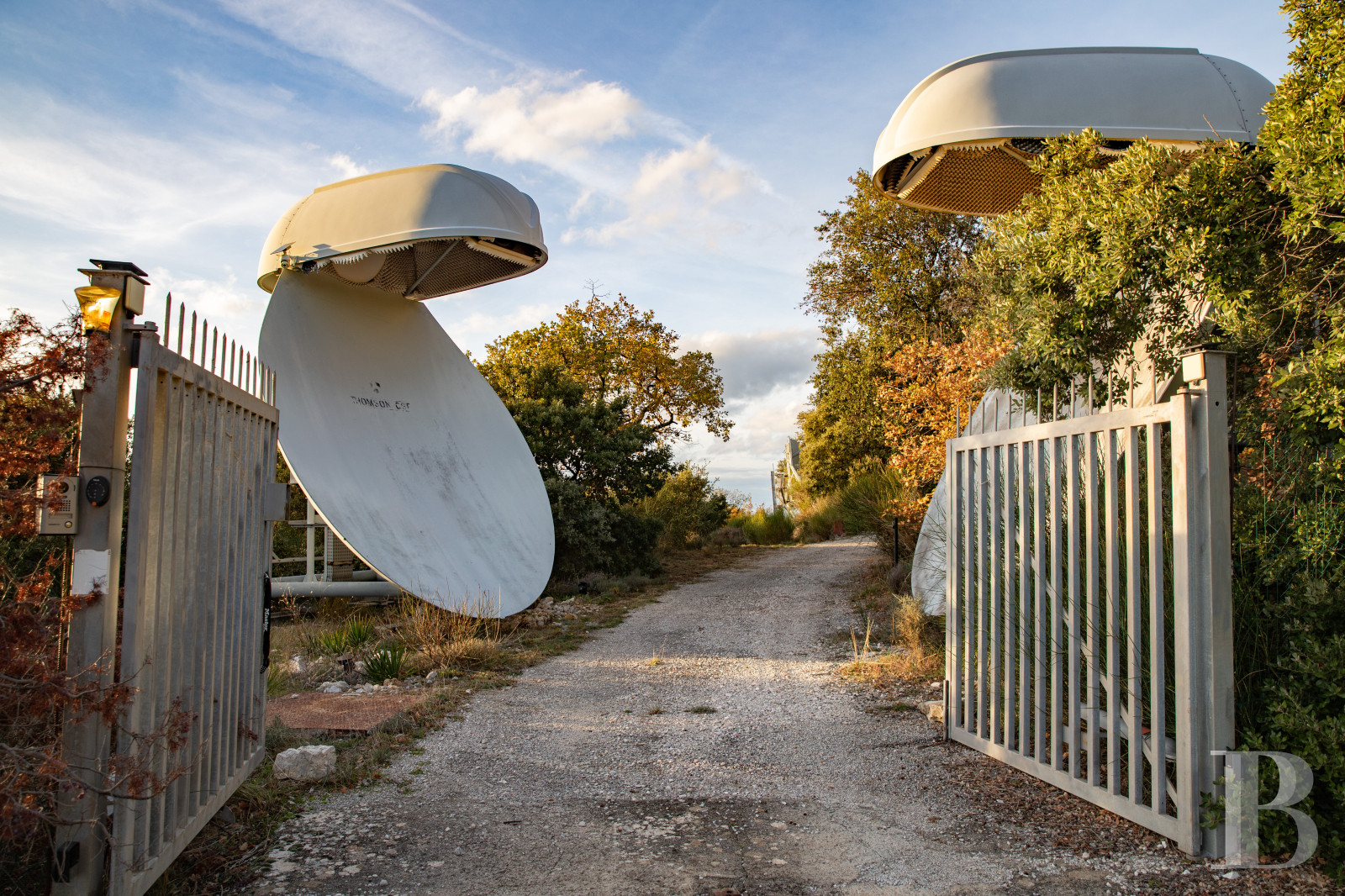
Two large, now disconnected radio relay dishes are a reminder of the place’s industrial past and are placed at the property’s entrance, like two metal giants paying witness to a bygone era. The roof terrace and metal structures on which the original antennas and radio relay dishes stood are still visible on part of the building, which today covers an ultramodern home that invested the majority of the building as from 2010.
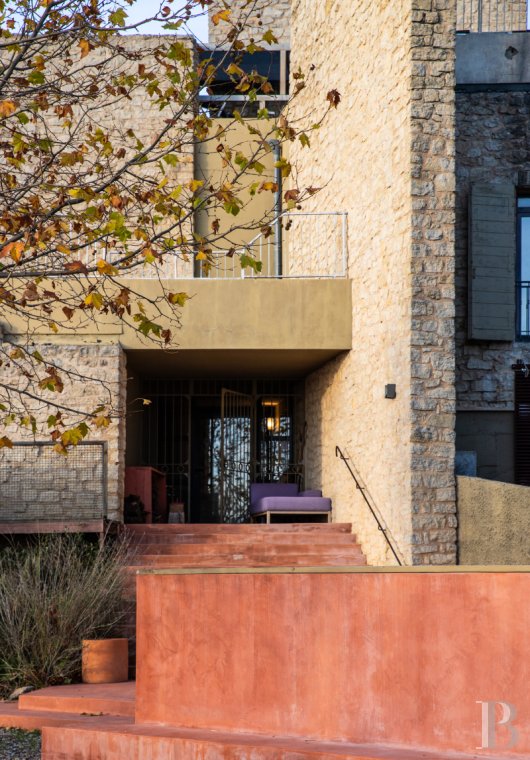
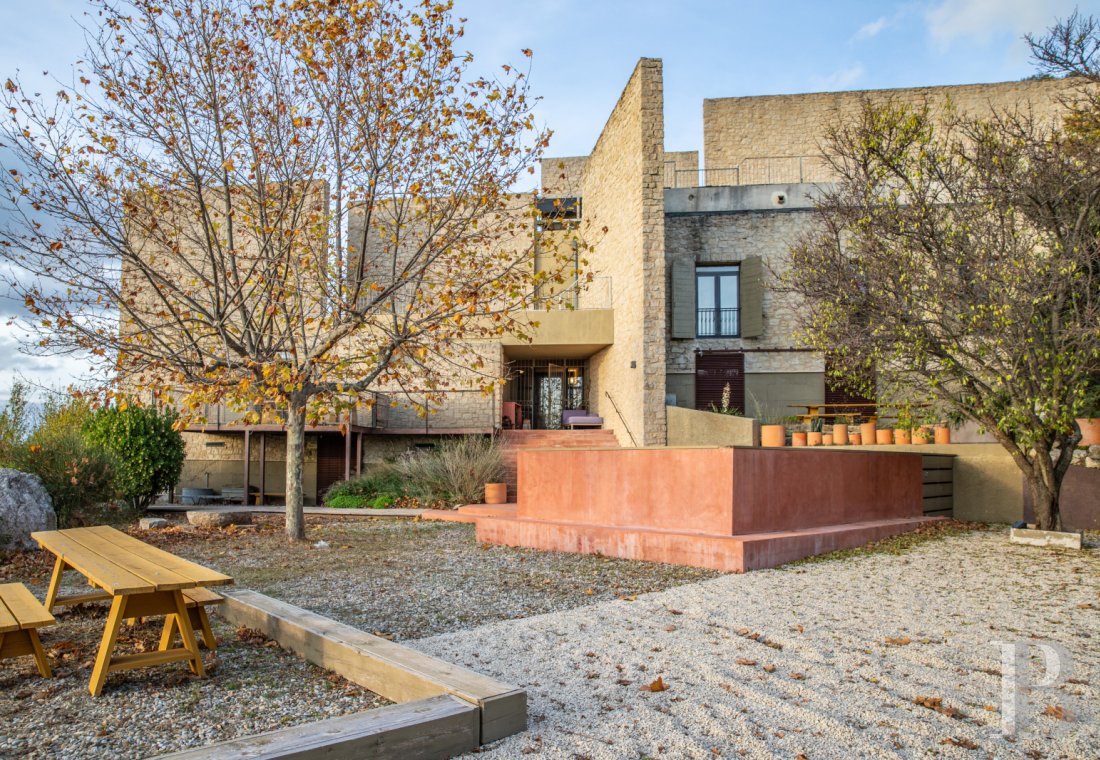
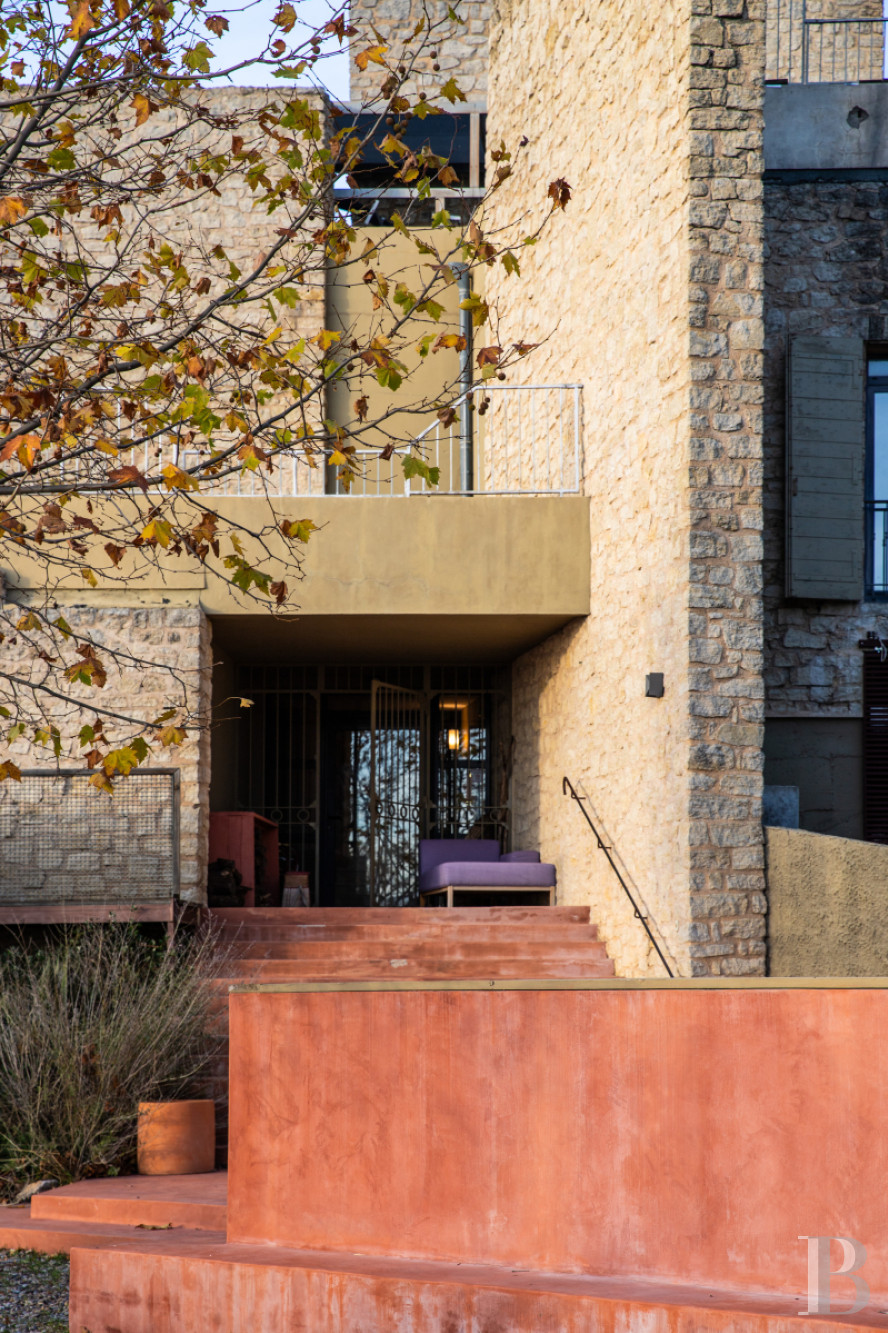
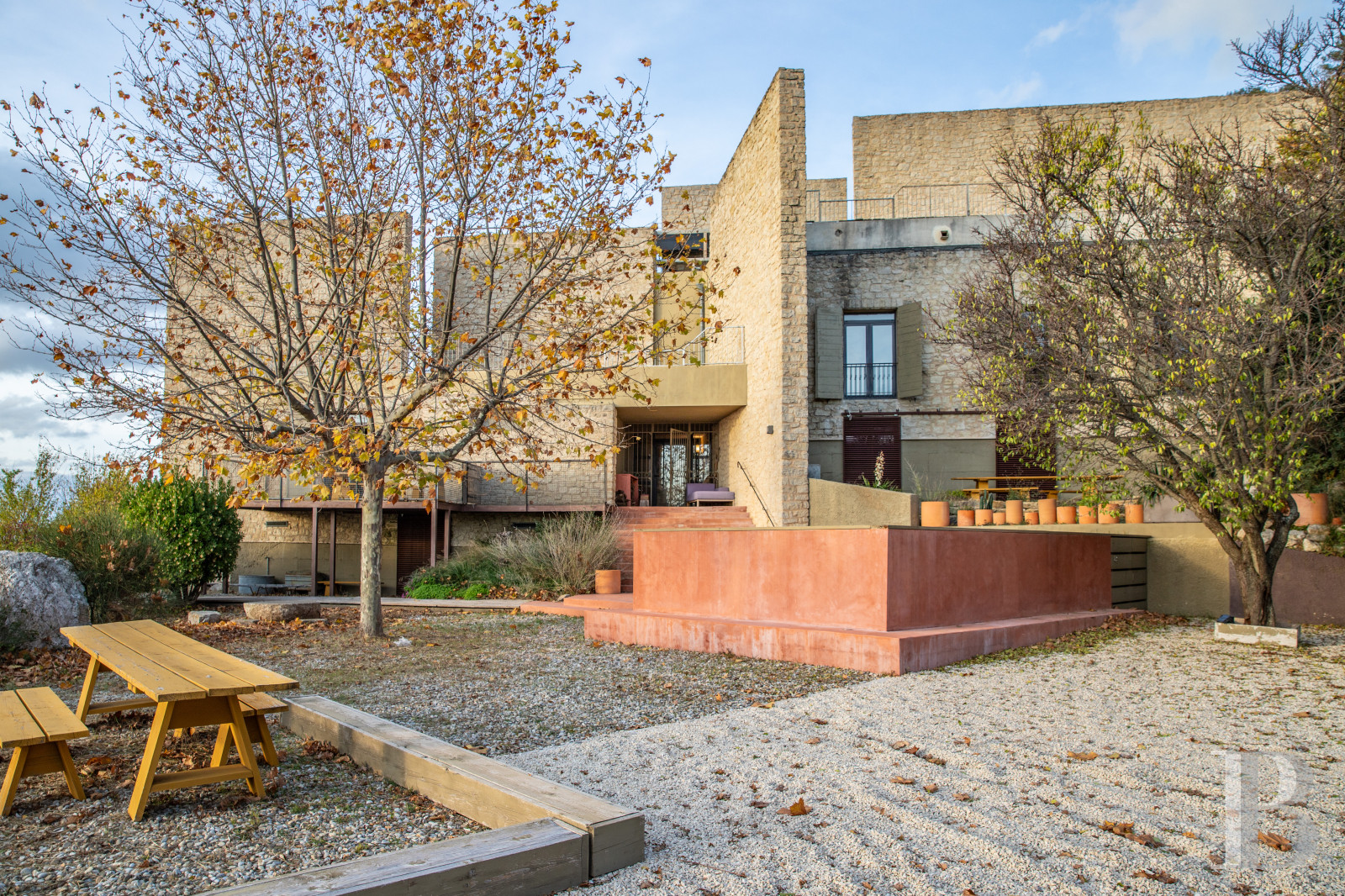
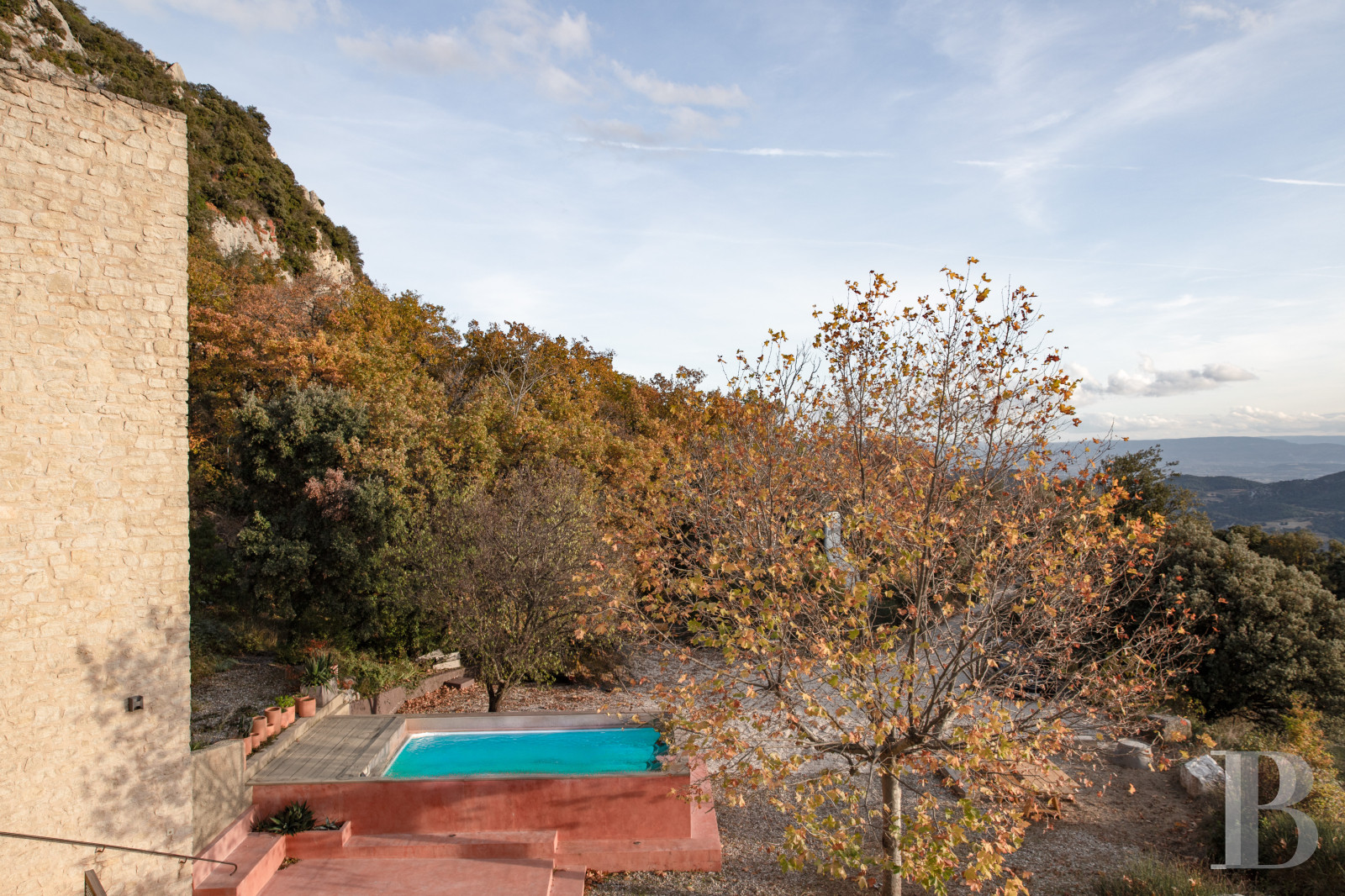
A part of the ground floor to the west, built to espouse the natural slope of the land, still remains to be converted into living space. To offset the considerable slope between the natural lie of the land and the main living level (2.10 metres), two 50-centimetre-high embankments were created, using backfill from on-site. They make for a harmonious transition between the interior and exterior, with terraces and a large flight of steps leading up to the entrance.
The current building still boasts the parallel lines and 15° angles typical of the original construction. The walls were restored with reinforced concrete, cast on site, with a quartz concrete finish and facing made up of regularly aligned stones. The former industrial openings, such as entrance vestibules and air vents have been fitted with windows and French windows. To improve the fluidity of movement between the inside and outside, French windows, which open onto the roof terraces, have also been installed upstairs.
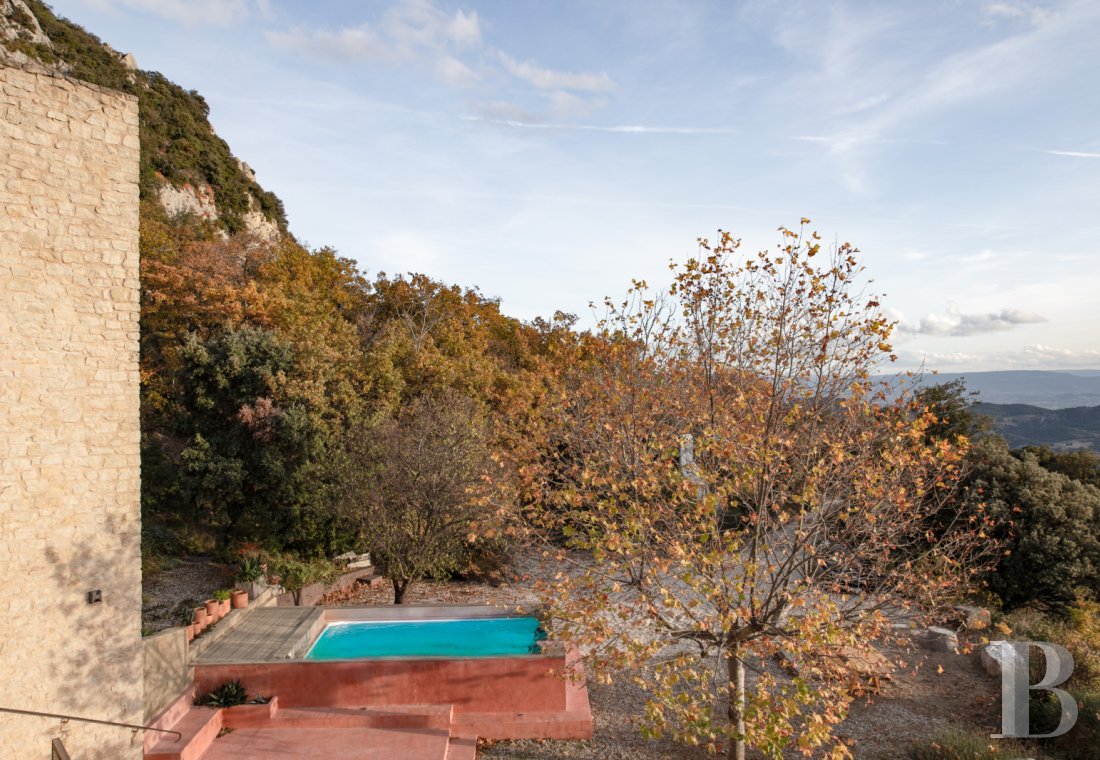
The painted reinforced concrete swimming pool was cast on site on the natural lie of the land.
The edifice was designed by Jean Dumont, who was chief architect for civil buildings and national palaces, and built in 1978 for the Directorate-General for Telecommunications. It was a key part of the Lyon-Marseille radio relay link and was operational until the beginning of the 21st century.
Two large, now disconnected radio relay dishes are a reminder of the place’s industrial past and are placed at the property’s entrance, like two metal giants paying witness to a bygone era. The roof terrace and metal structures on which the original antennas and radio relay dishes stood are still visible on part of the building, which today covers an ultramodern home that invested the majority of the building as from 2010.
A part of the ground floor to the west, built to espouse the natural slope of the land, still remains to be converted into living space. To offset the considerable slope between the natural lie of the land and the main living level (2.10 metres), two 50-centimetre-high embankments were created, using backfill from on-site. They make for a harmonious transition between the interior and exterior, with terraces and a large flight of steps leading up to the entrance.
The current building still boasts the parallel lines and 15° angles typical of the original construction. The walls were restored with reinforced concrete, cast on site, with a quartz concrete finish and facing made up of regularly aligned stones. The former industrial openings, such as entrance vestibules and air vents have been fitted with windows and French windows. To improve the fluidity of movement between the inside and outside, French windows, which open onto the roof terraces, have also been installed upstairs.
The painted reinforced concrete swimming pool was cast on site on the natural lie of the land.
The former radio relay station
The edifice boasts two levels below vast concrete roof terraces, as well as a garden level adapted to the natural slope of the land. It was built in several slightly staggered sections and was initially solely designed to house two heavy radio relay transmission dishes as well as the technical facilities required to supply them with energy. These radio relay dishes were solidly attached to the roofs thanks to a system of metal beams. A pair of the dishes received the signal from Lyon and the other two transmitted it to Marseille.
In the 2000s, following the discontinuation of this now obsolete technology, the premises were transformed into a home. The dishes were dismounted from the roof terraces and a pair of them were kept to be installed for decorative purposes at the property’s entrance.
Today, only the first floor, which can be reached by a large flight of steps, and the second floor have been converted into living space.
The garden-level floor
This level can be reached by an opening on the southwest side. It occupies around a quarter of the building’s total surface and is awaiting complete conversion, including flooring, which is currently composed of rammed earth with exposed rock. To date, it has been used as storage space for machinery (including a cement mixer in working order) and as a cellar.
The first floor
The large, external, painted, concrete steps espousing the natural slope of the land lead to a double entrance hall. The first is outside, in the form of a semi-covered patio separated from the second, inside hall, by a sturdy metal railing door.
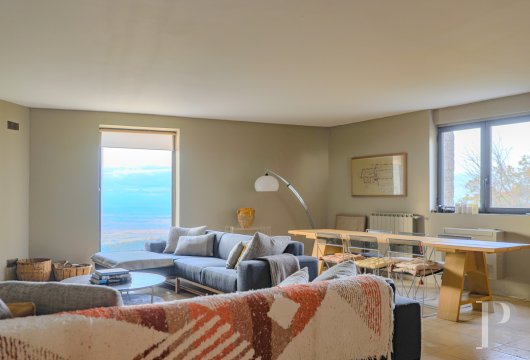
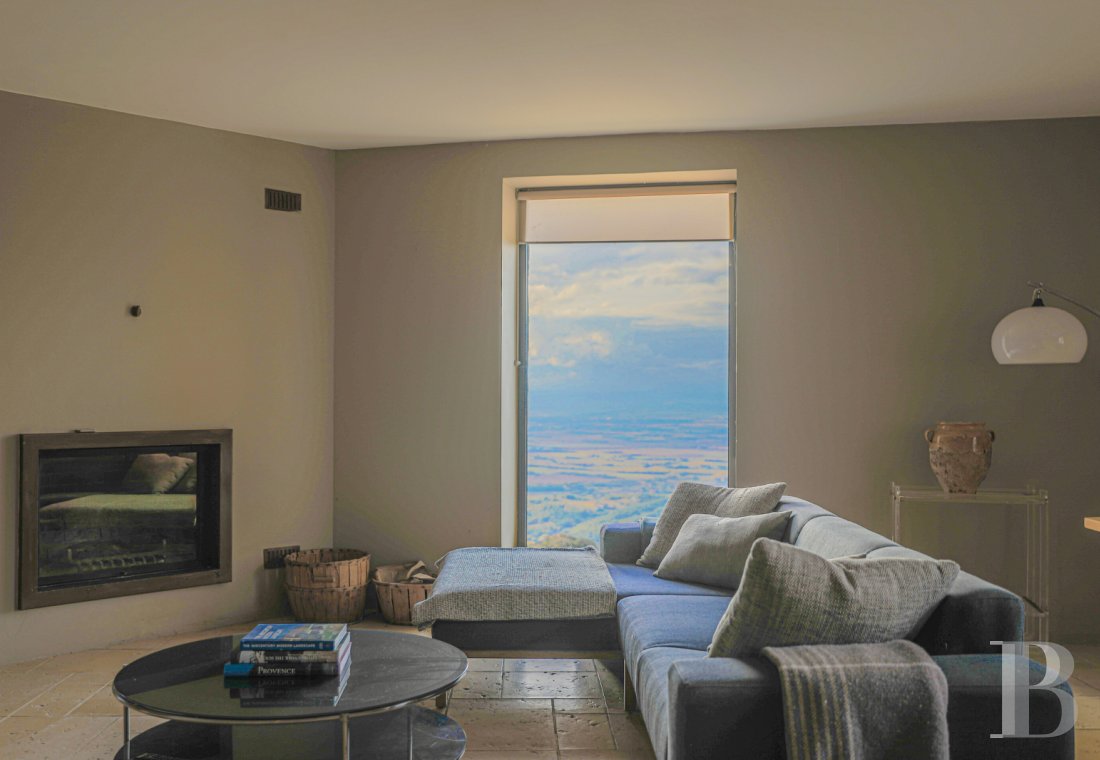
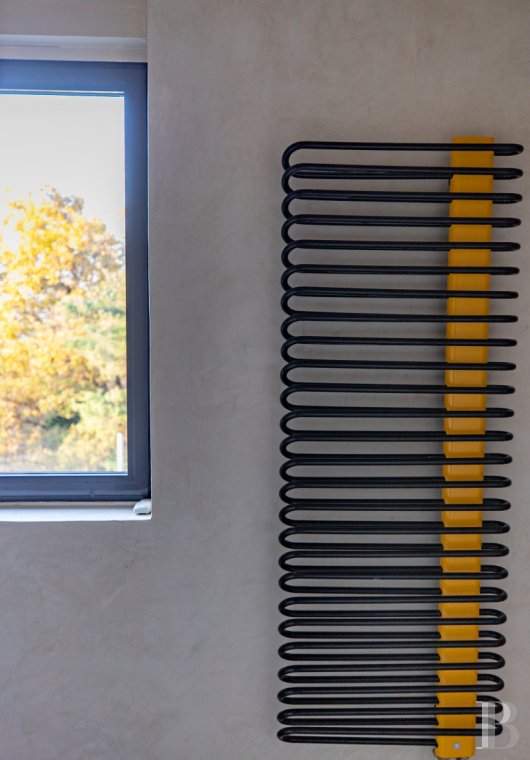
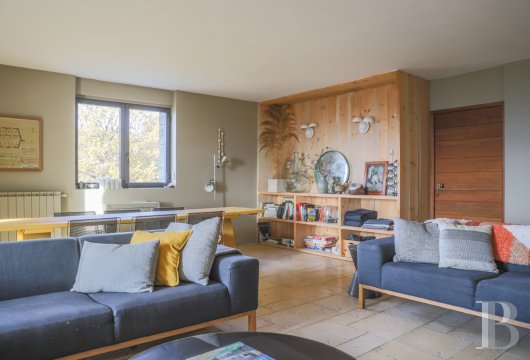
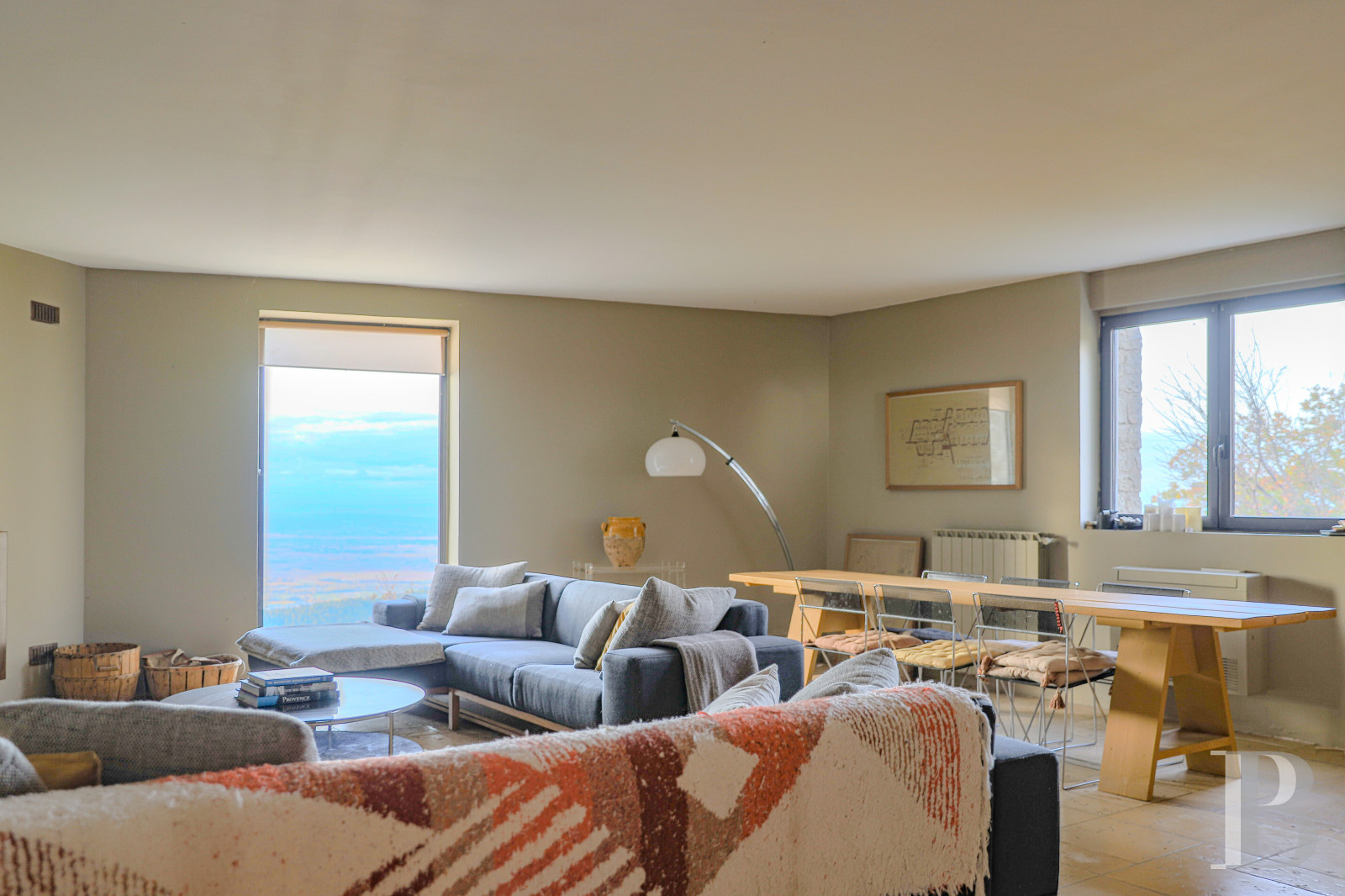
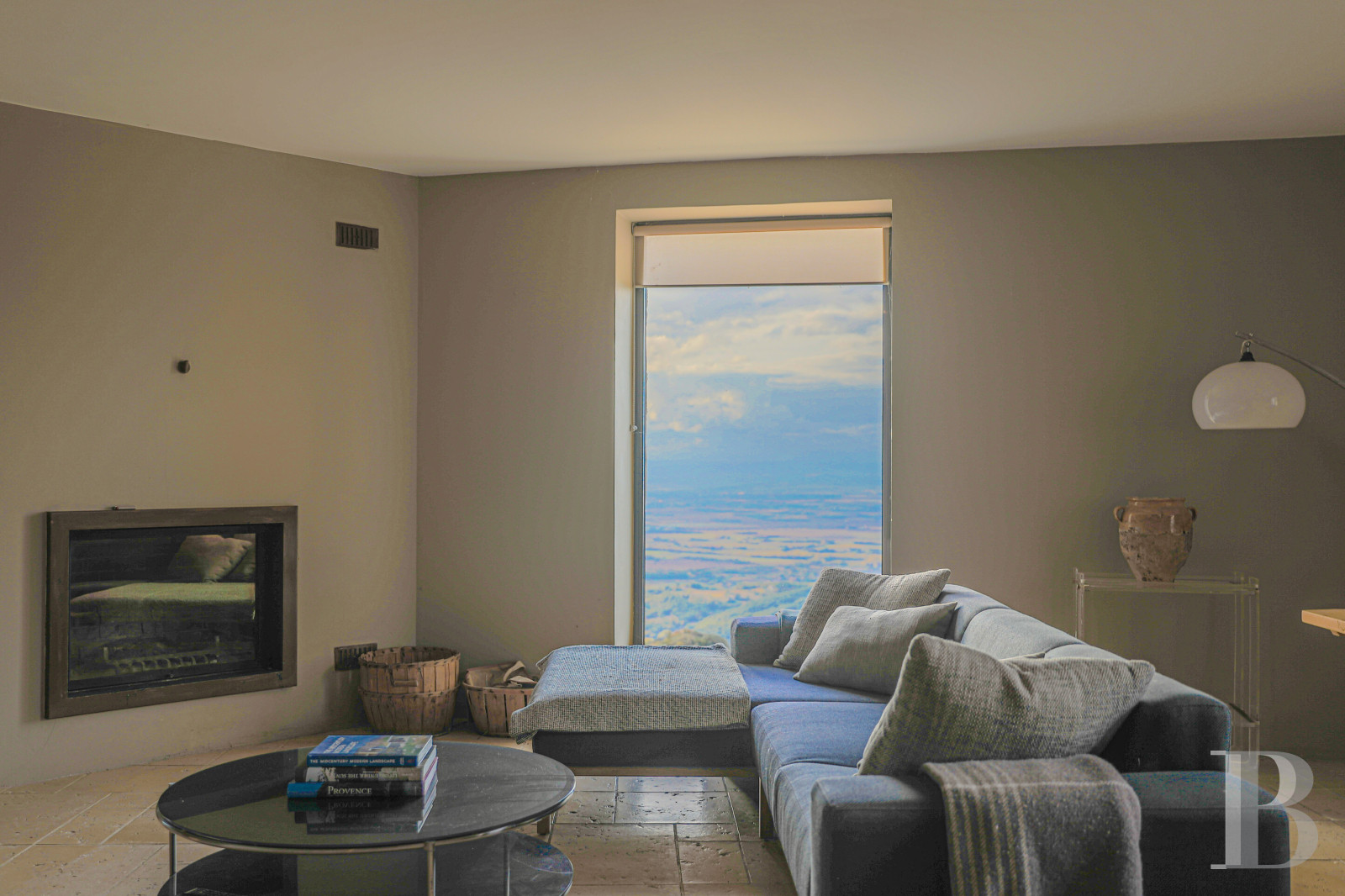
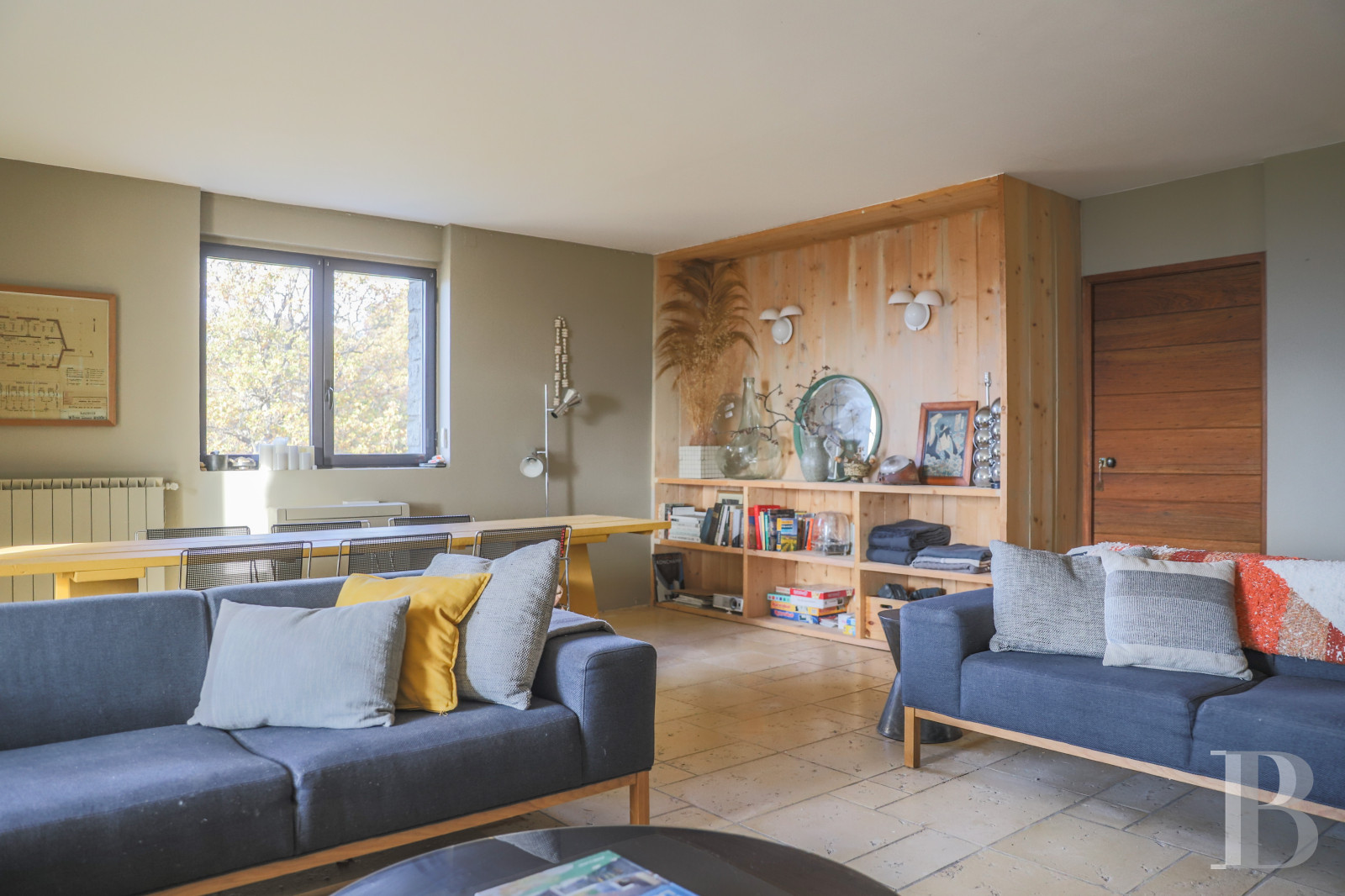
The ultramodern nature of the décor is evident on entering, seeming like a solution to the vastness of the volumes. The harshness of the omnipresent exposed concrete contrasts with the muted ochre-coloured walls. The untreated and unpolished wooden doors, rigorously minimalist black tempered steel of the window frames and lauze slate flooring complete the feeling of exceptional natural comfort.
The northern part of this level is devoted to the technical facilities: a rainwater collection mechanism supplies the entire building, while the system linked to the solar panels on the roof terrace and other equipment make the edifice highly energetically independent. As such, it is possible to almost live self-sufficiently here.
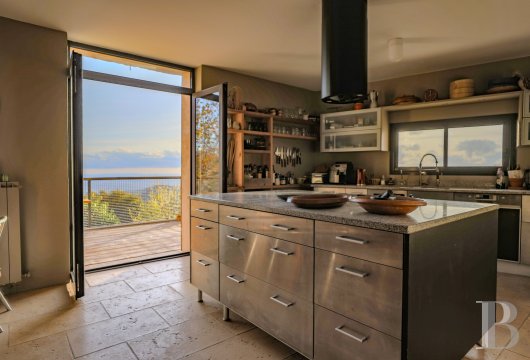
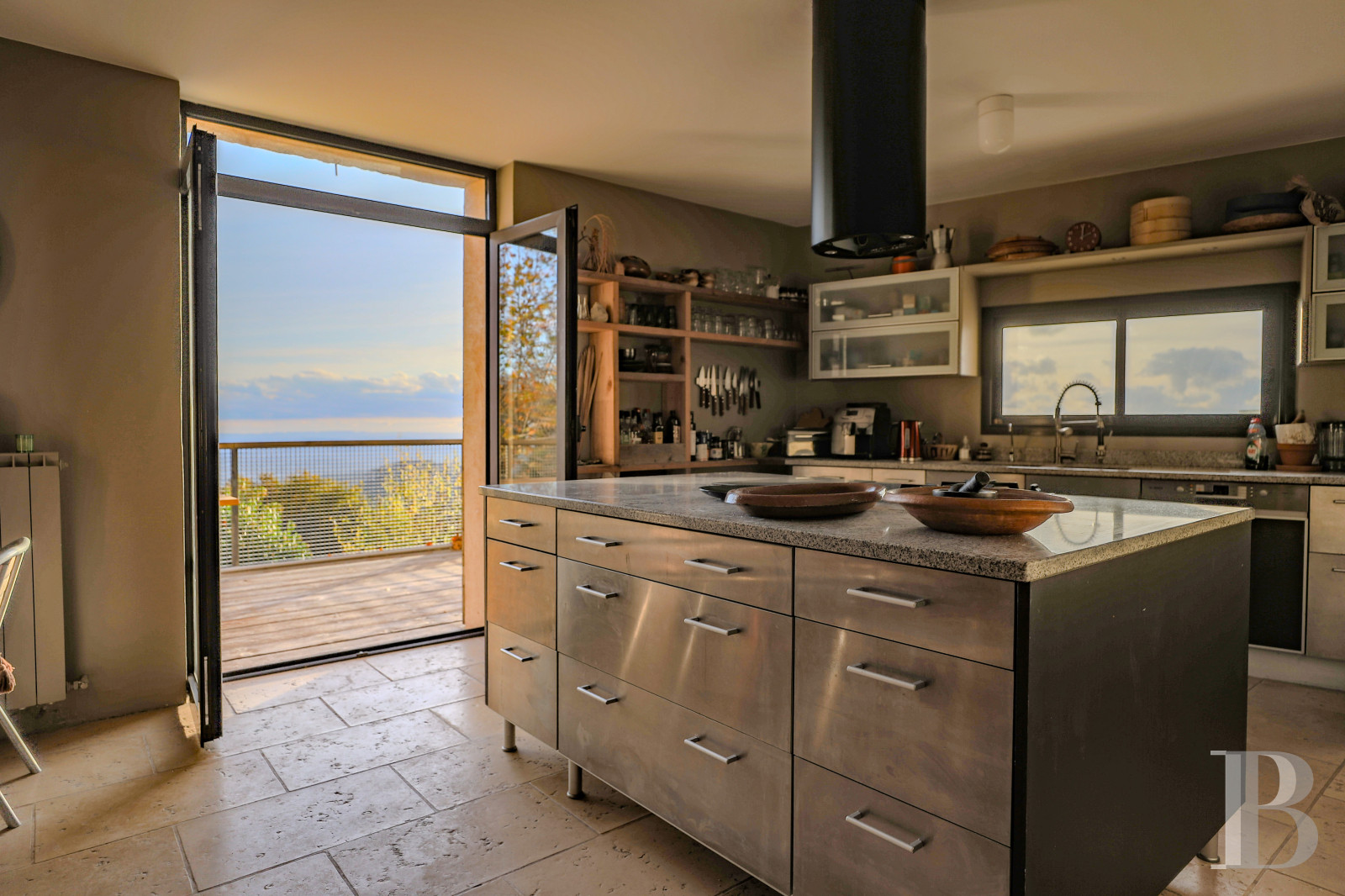
The southern section is entirely occupied by just two rooms: a large living room with bookshelves and a kitchen bathed in light, next to which there is an immense outside terrace, offering especially spectacular views of the Dentelles Sarrasines mountain range.
The second floor
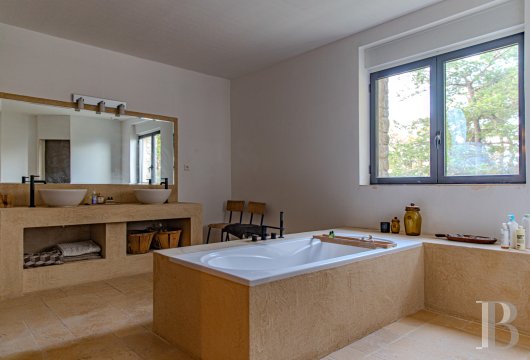
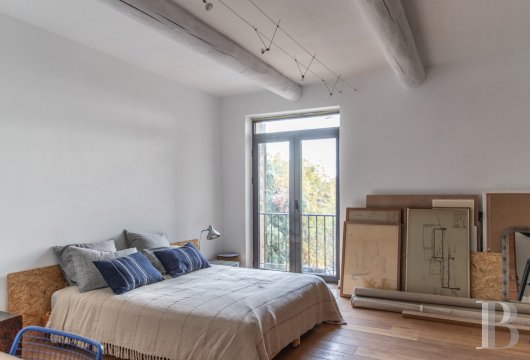
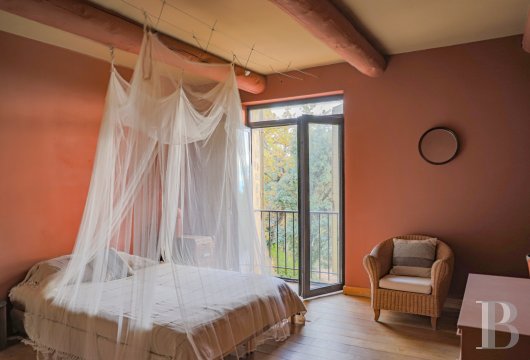
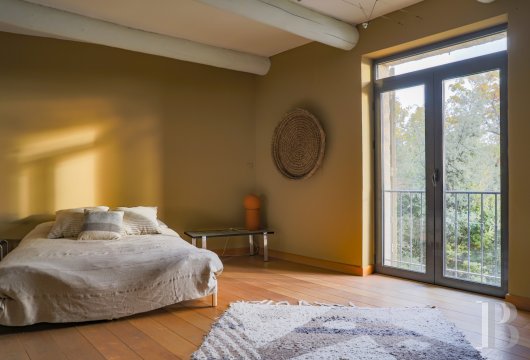
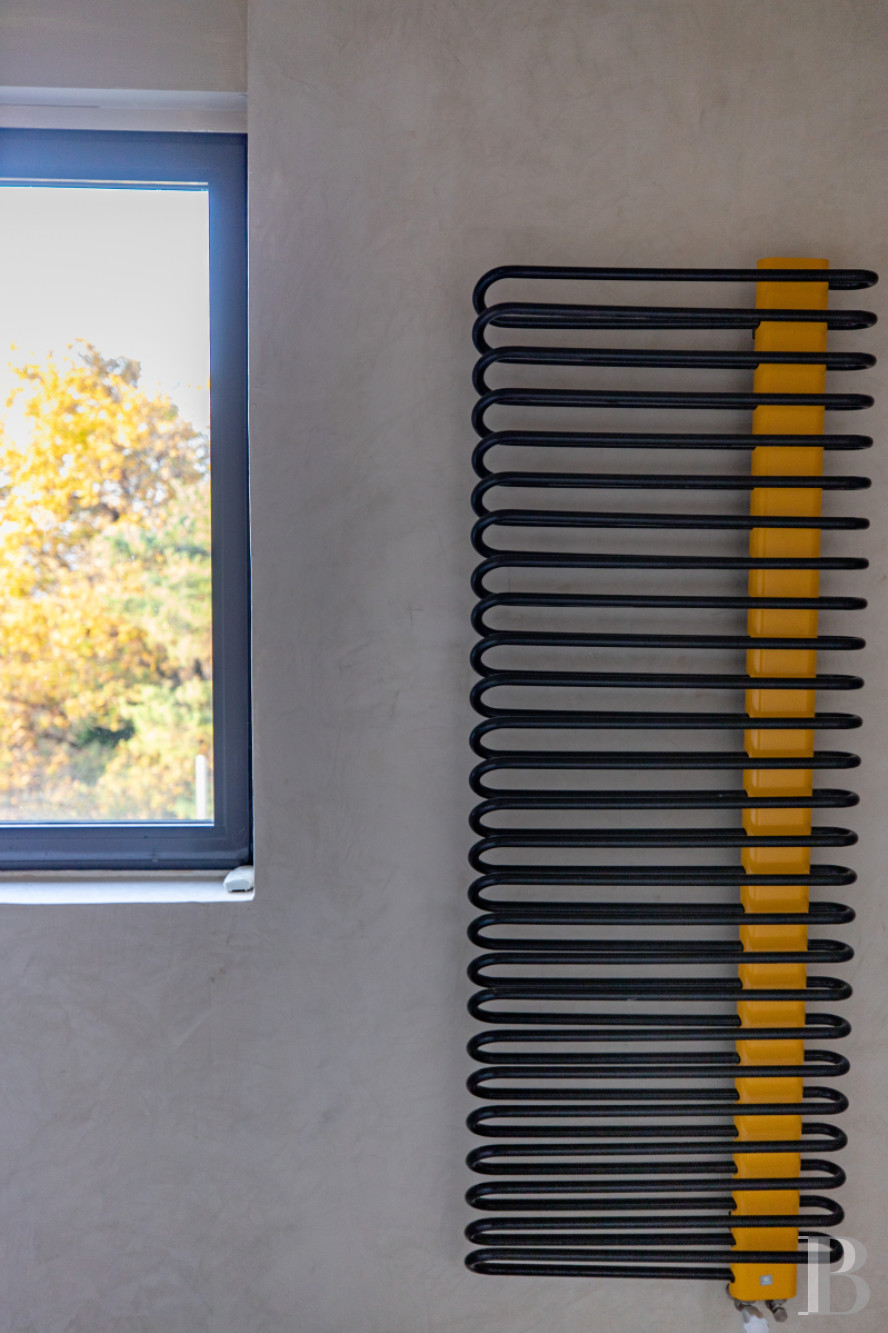
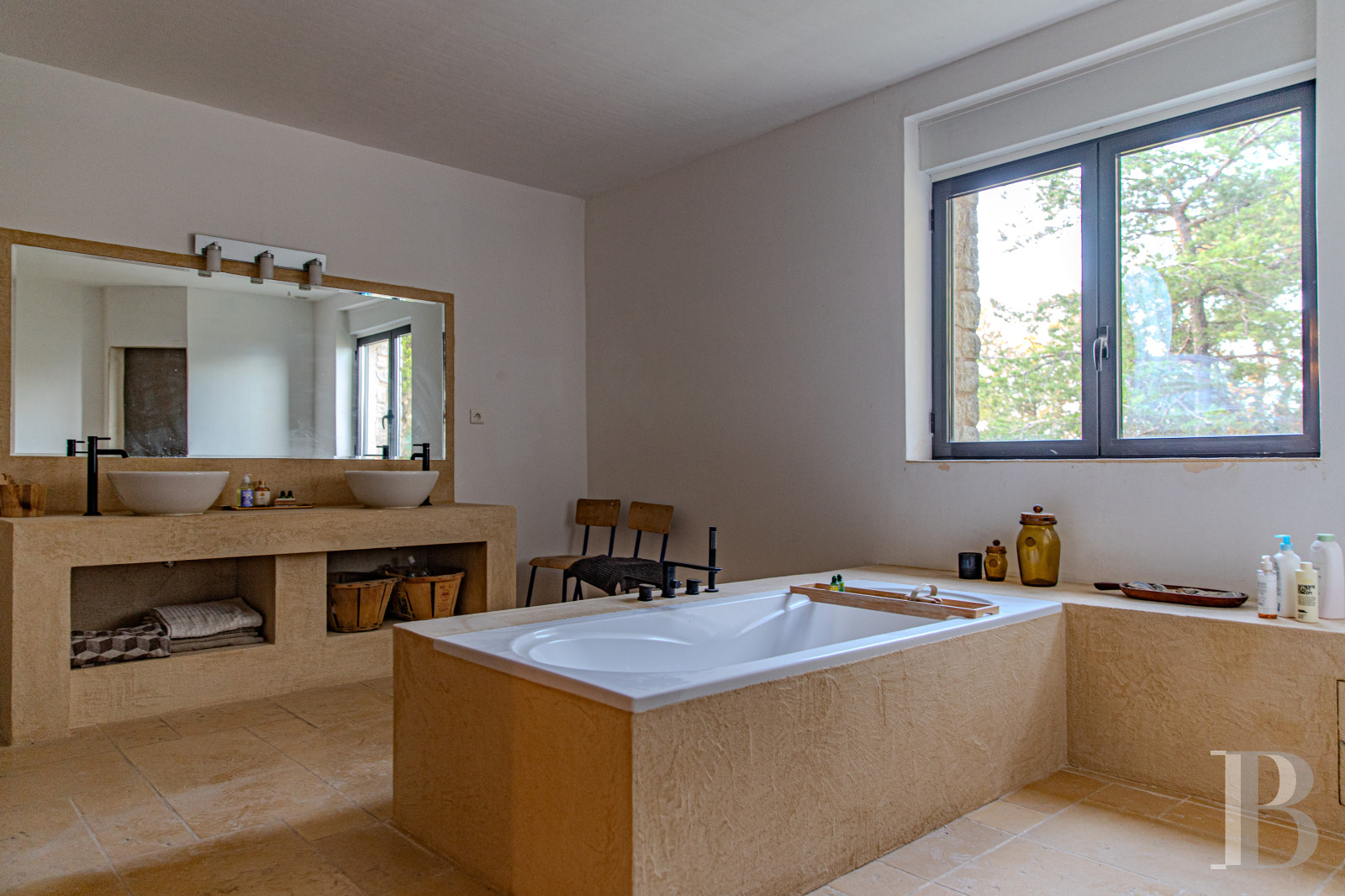
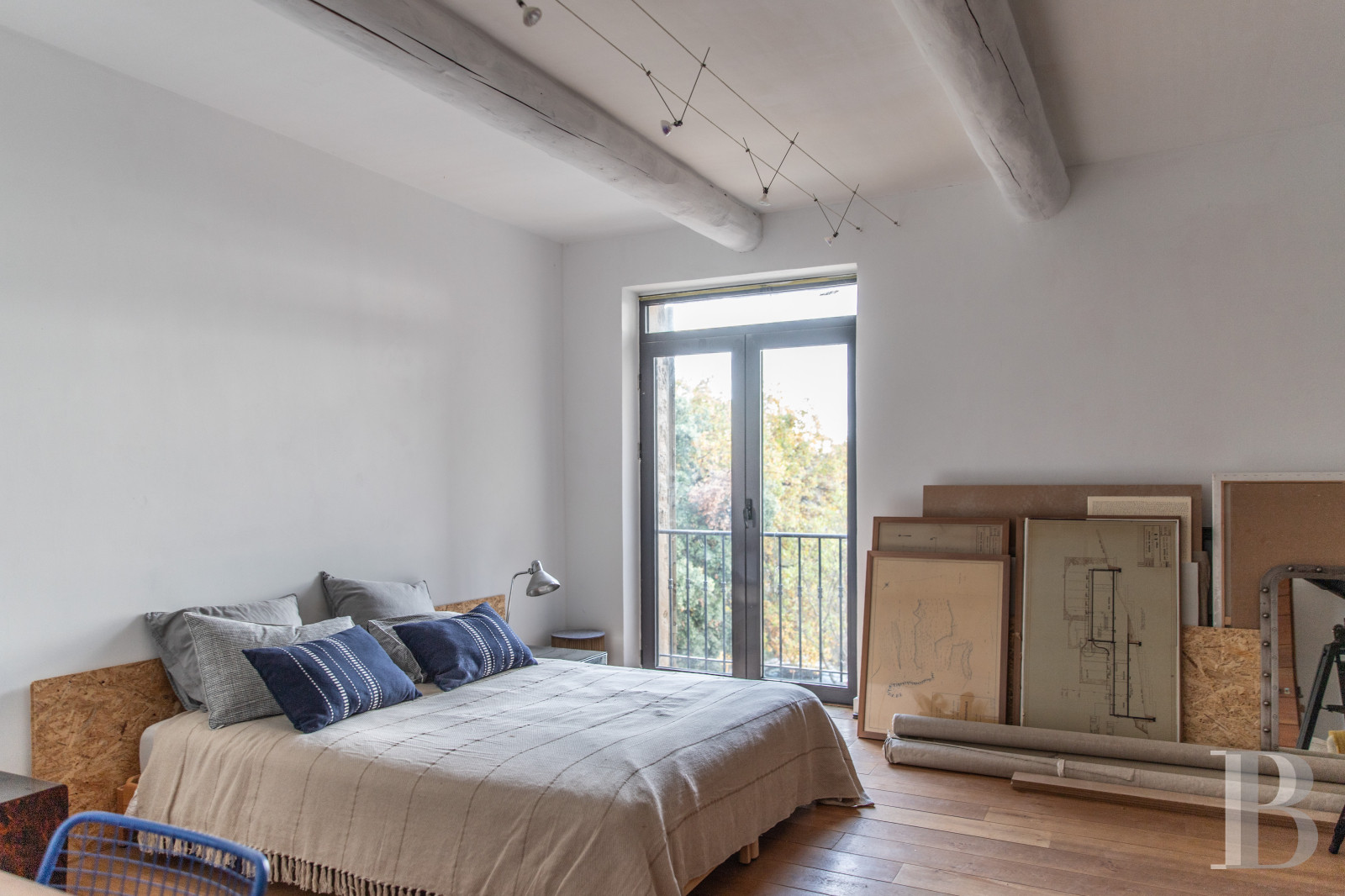
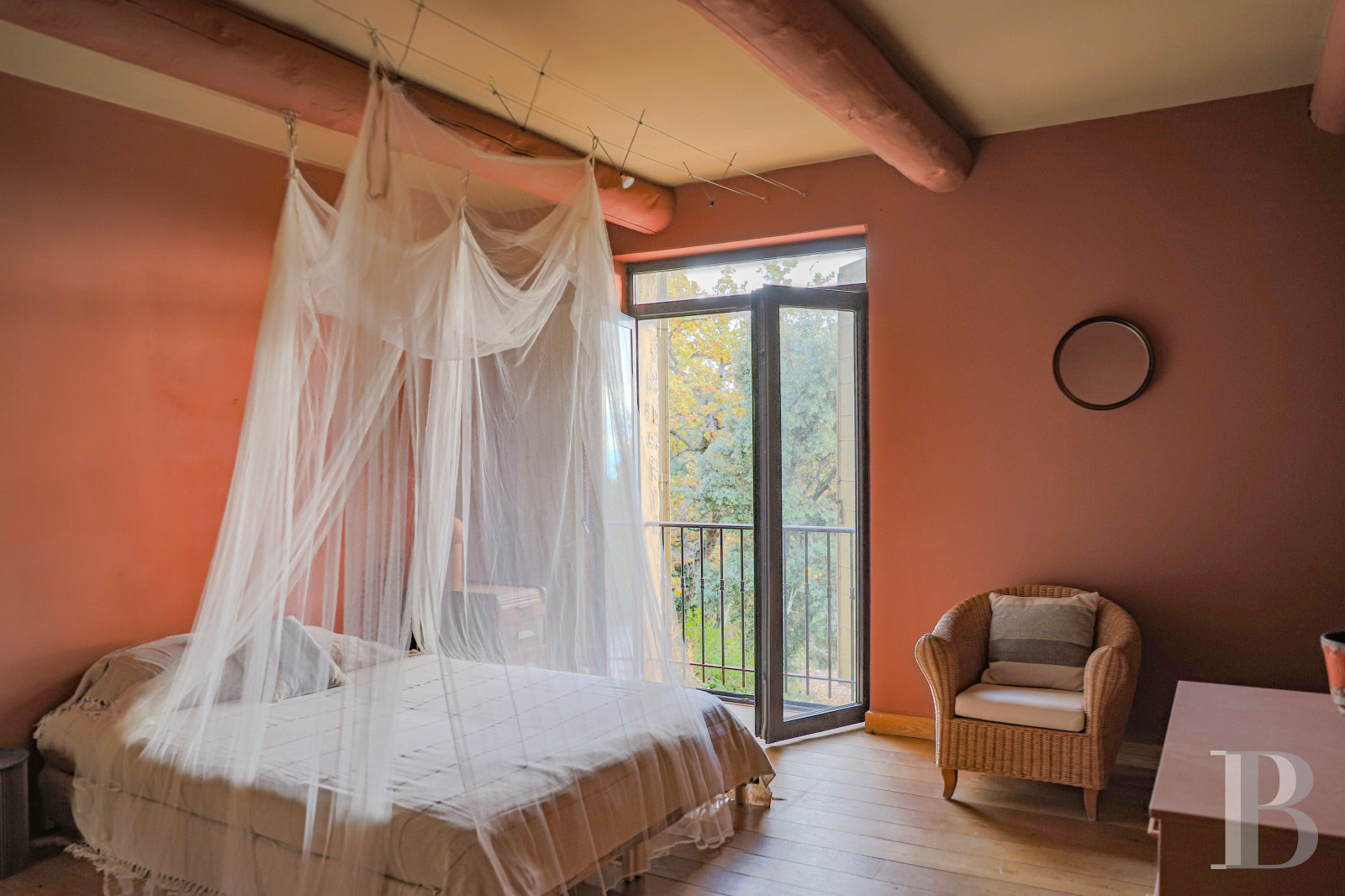
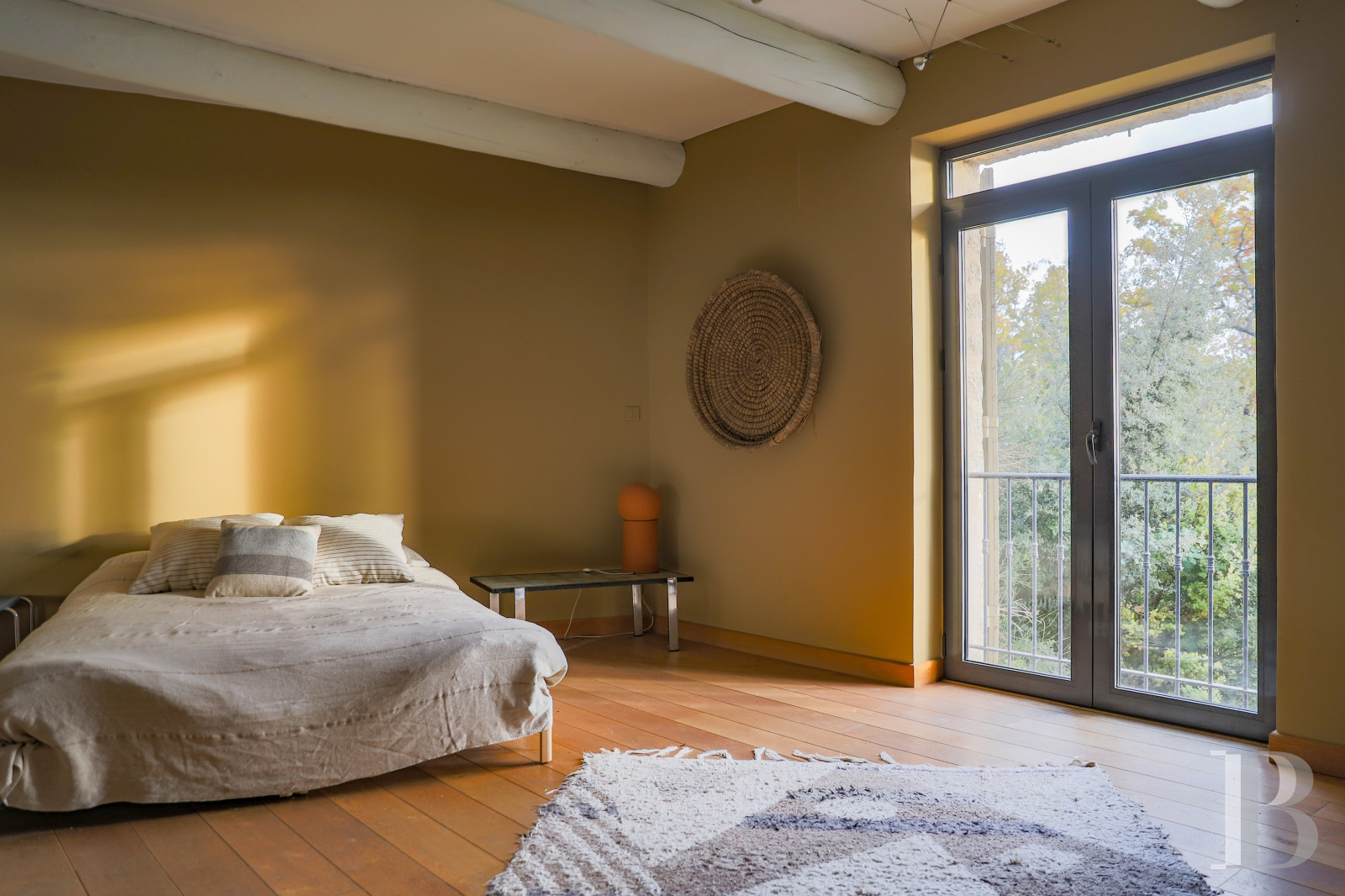
Three vast bedrooms and two highly customised and avant-gardist bathrooms can be found on this level, on which compressed spruce flooring has been laid on top of the original concrete slab. All the proportions are in keeping with the scale of the dwelling and graced with touches of southern French decoration, especially in the colours and materials used. As a result, solid, traditionally made Provence style shutters painted in a very characteristic olive green have been fitted on the wide, double-glazed windows that replaced the austere industrial openings of the former radio relay station.
The views from each bedroom to the south and from each bathroom to the north are truly breathtaking.
The terrace
Looking to the west, south and north, this vast terrace offers an alternative to the south facing one next to the kitchen. Following the removal of the radio relay dishes, the terrace on which they were fixed has not been converted and still houses the original supporting metal beams
The land
The enclosed plot spreads out over 2 hectares around and below the peak on which the building stands. It is made up of spiniferous trees and a micro-crop of fodder on a section of terraced land.
It may almost seem modest in surface compared to the landscape and forest that surrounds the property as far as the eye can see. It goes without saying that the property is not overlooked and the nearest neighbour is 10 minutes away by car. Nature is triumphally omnipresent over the hills of Provence surrounding the area.
Our opinion
This site seemingly on top of the world, which takes some getting to, is a haven of silence and a veritable ‘eagle’s nest’, as evidenced by the presence in the area of Bonnelli’s eagles. It stands away from civilisation but paradoxically was originally designed to facilitate human communication. It offers the utmost in modern living comfort and every detail has been designed, refined and produced with care. Nothing has been left to chance, even though a small part of the building still awaits conversion. Whether as a family home, a panoramic restaurant, an artist’s residence or a place for rest and recuperation away from any noise or visual pollution, there are many possibilities for whomsoever wishes to imagine and implement them.
In a region where the sun’s rays caress the landscape, the sky is the limit.
Reference 942581
| Land registry surface area | 2 ha 28 a 90 ca |
| Main building floor area | 305 m² |
| Number of bedrooms | 4 |
French Energy Performance Diagnosis
Information on the risks to which this property is exposed is available on the website: www.georisques.gouv.fr
Share


NB: The above information is not only the result of our visit to the property; it is also based on information provided by the current owner. It is by no means comprehensive or strictly accurate especially where surface areas and construction dates are concerned. We cannot, therefore, be held liable for any misrepresentation.