



A Parisian apartment, once home to the designers Ubald and Héléna Klug,
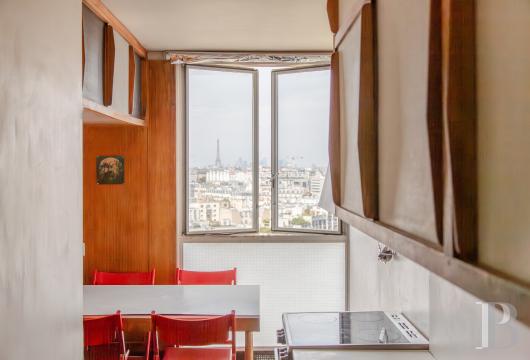
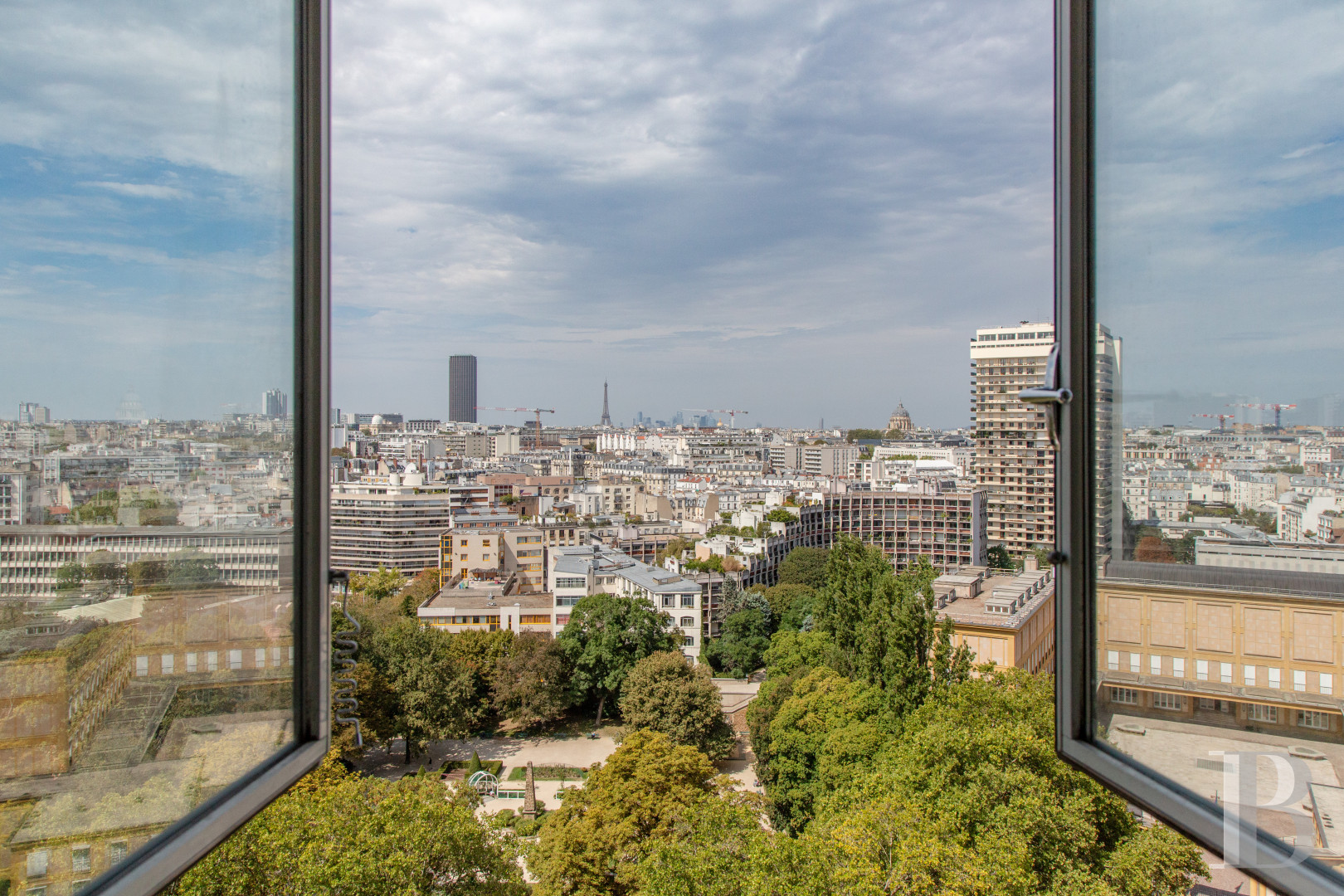
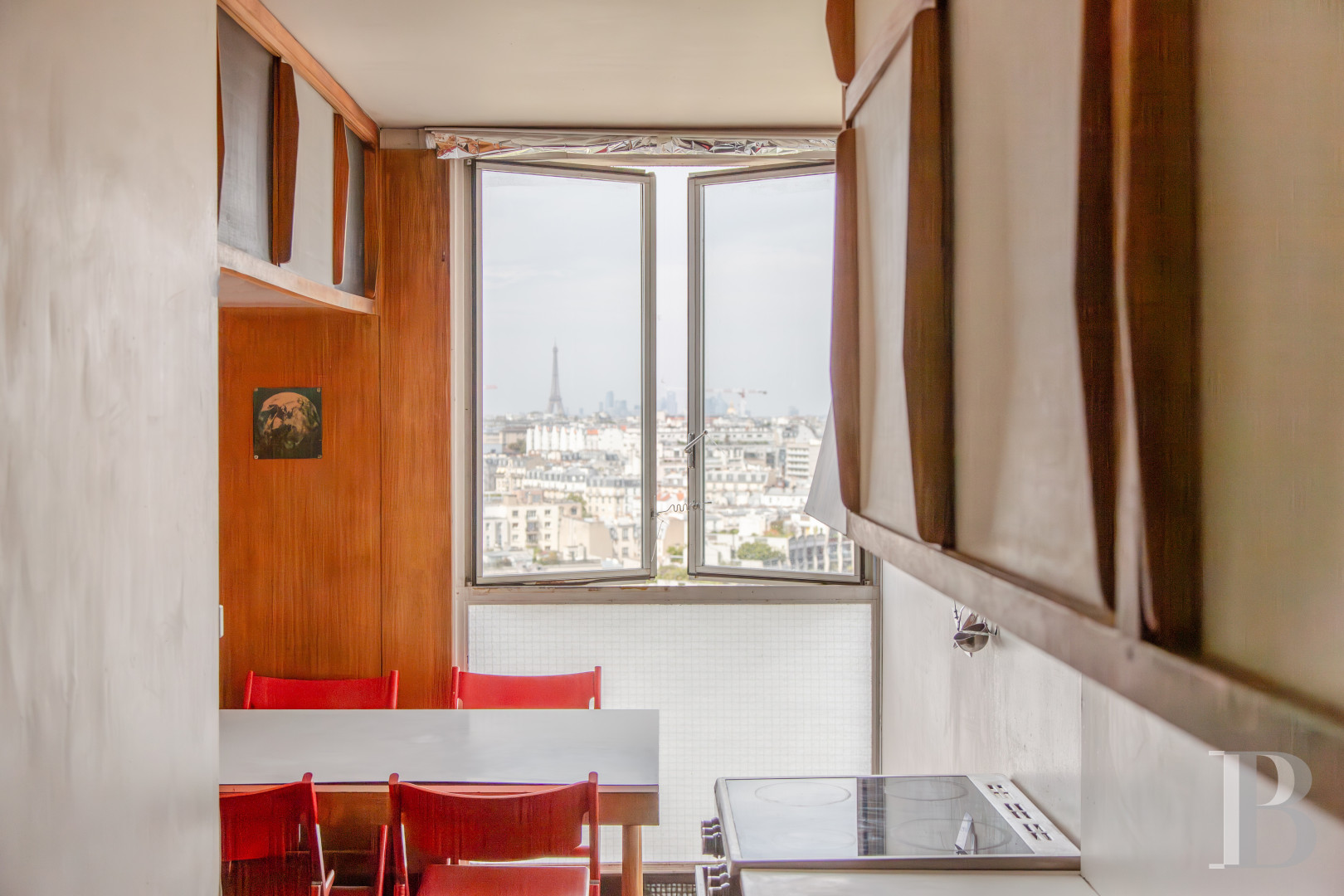
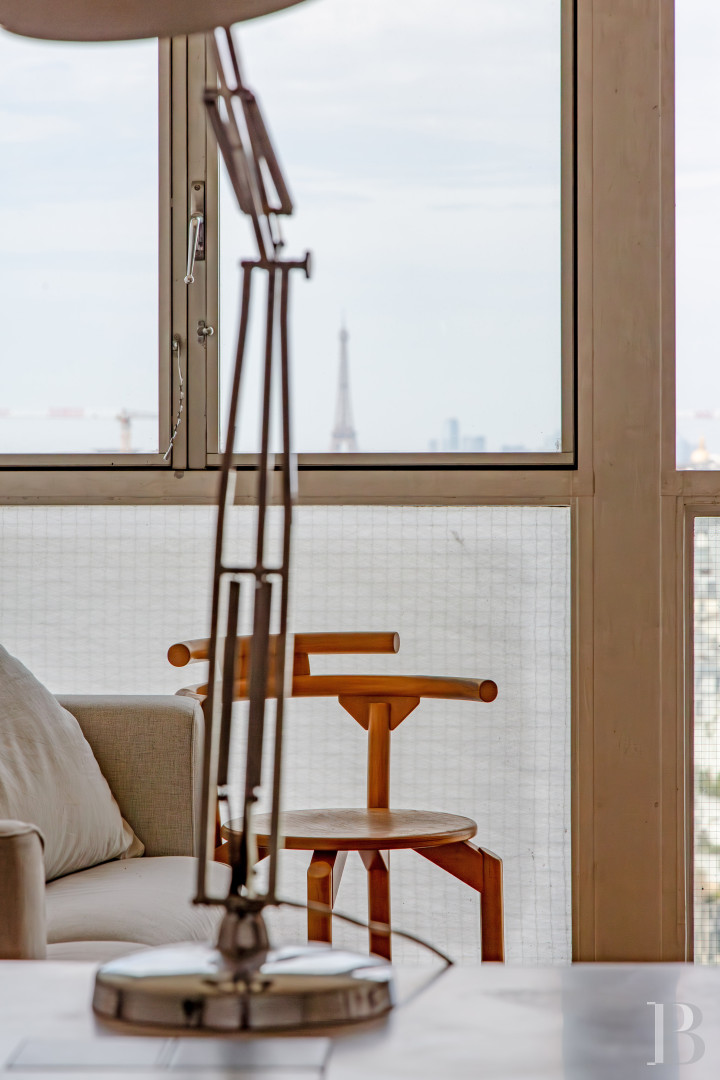
on the 14th floor of the listed Tour Albert with a sweeping view of Paris
on the 14th floor of the listed Tour Albert with a sweeping view of Paris
Paris,
PARIS
paris
75013
FR
Location
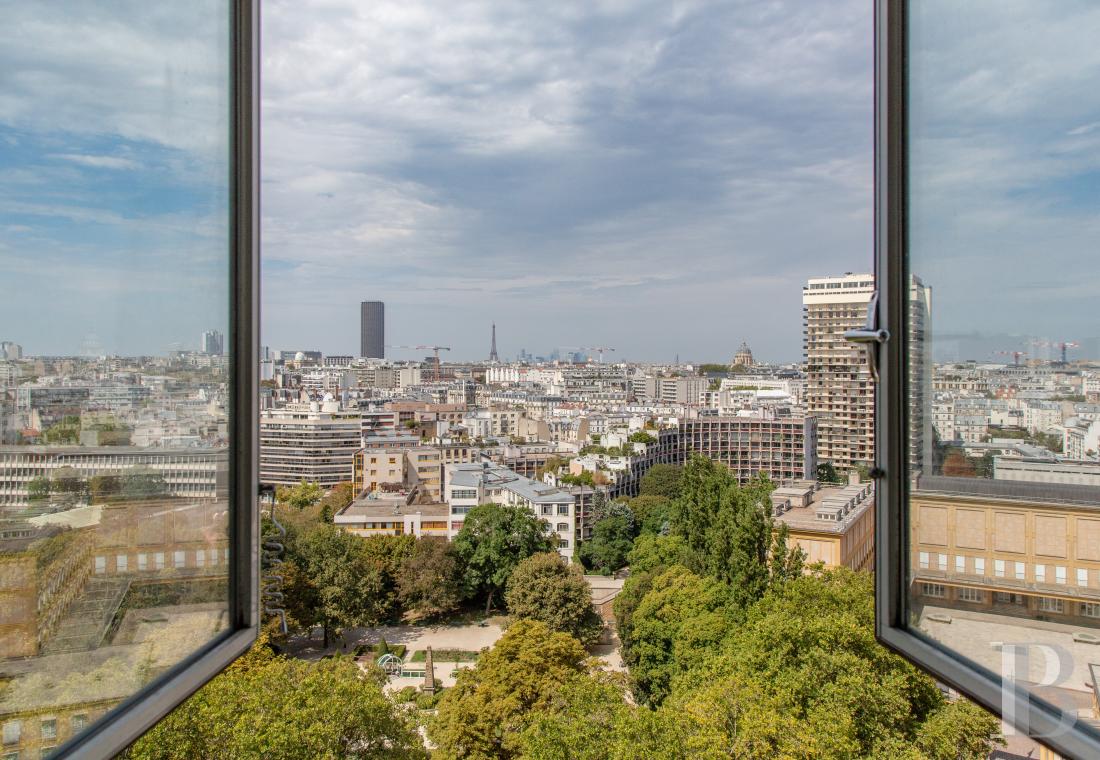
The Croulebarbe district of Paris was once part of the former village of Saint-Marcel. It gets its name from the eponymous family that owned vineyards and a mill on the banks of the River Bièvre in the 13th century. The area underwent urban development from the 14th century onwards, becoming home to tanners, dyers and cobblers, as the Gobelins factory here today still bears witness to. The River Bièvre was covered up from 1864 onwards and this transformed this district. Today, this delightful area of Paris combines remarkable built heritage with pleasantly calm streets, while enjoying the vibrancy of the neighbouring 5th arrondissement, notably the street Rue Mouffetard, which is close. Square René Le Gall, a park created in the 1930s where the old vegetable patch of the Gobelins factory once was, combines neoclassical garden design with undergrowth and a play area prized by families. The metro stations Les Gobelins (line 7) and Corvisart (line 6) are conveniently nearby, connecting the neighbourhood to the rest of Paris.
Description
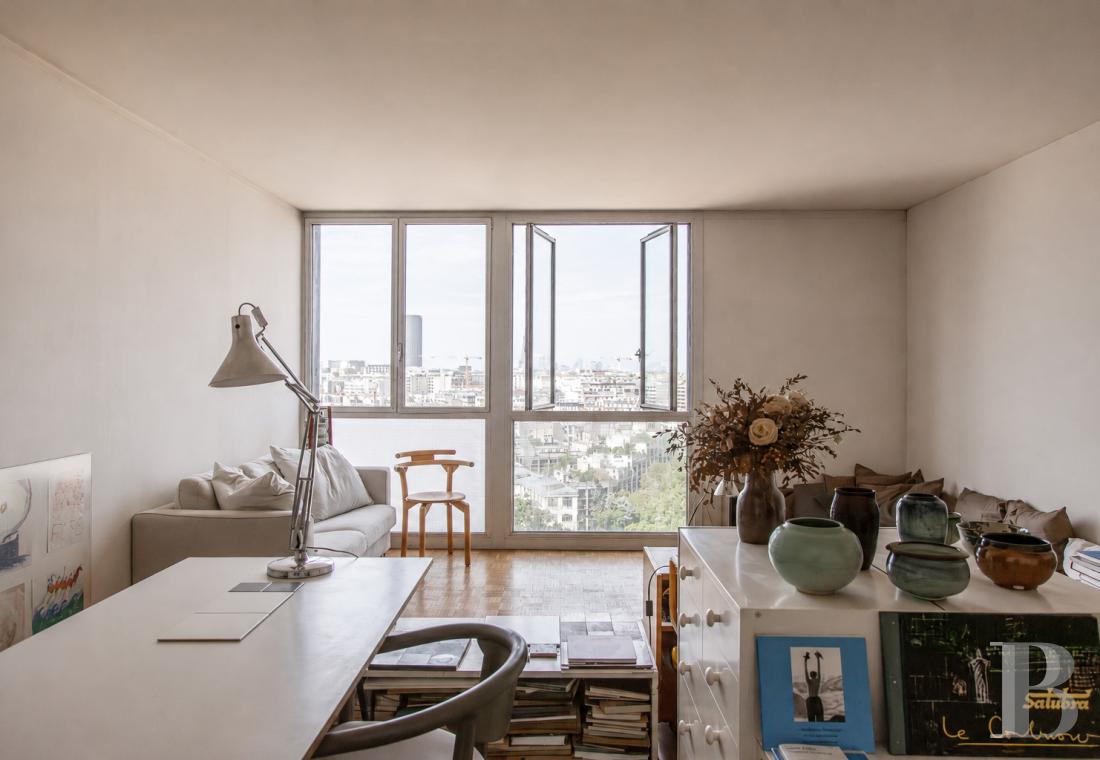
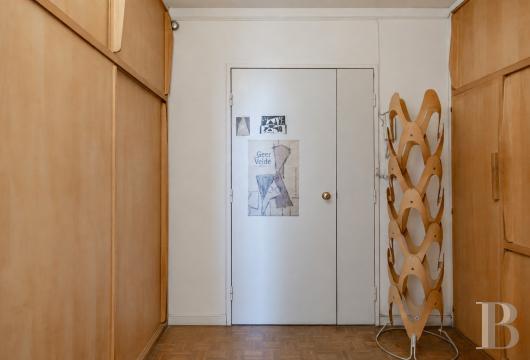
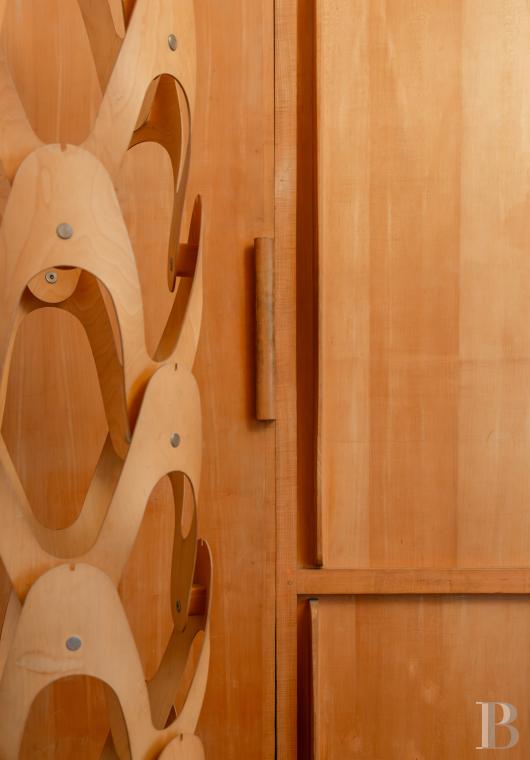
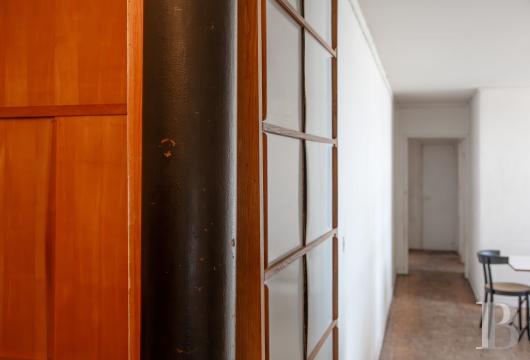
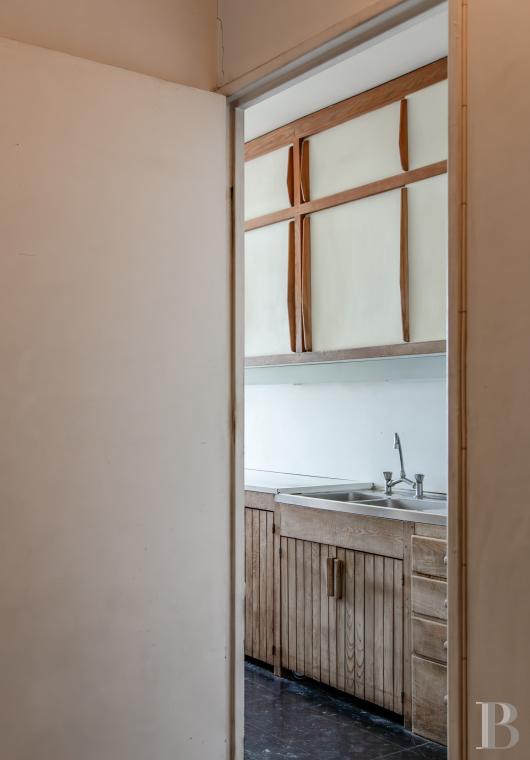
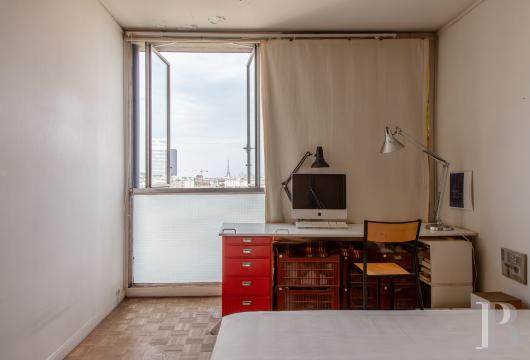
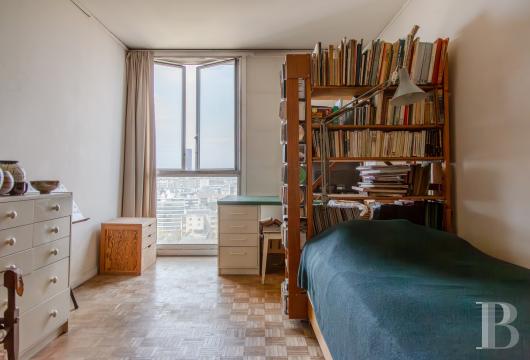
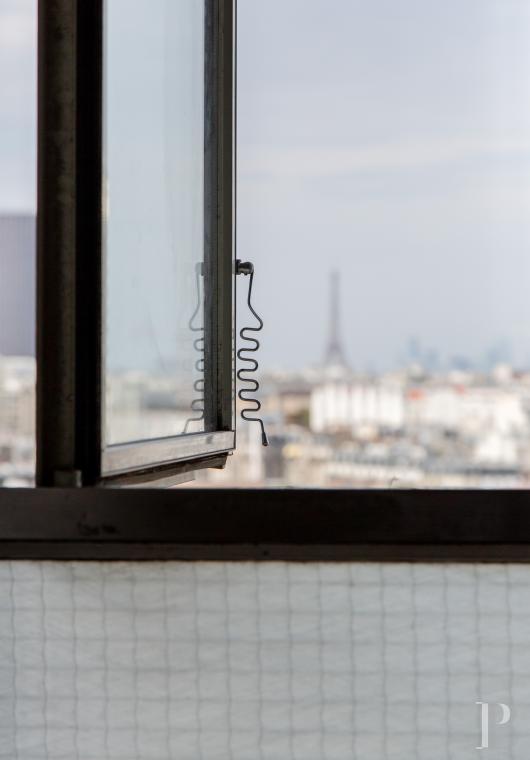
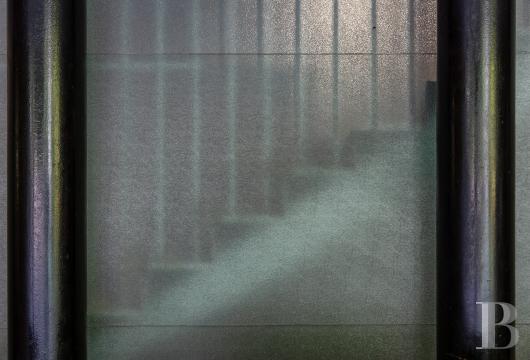
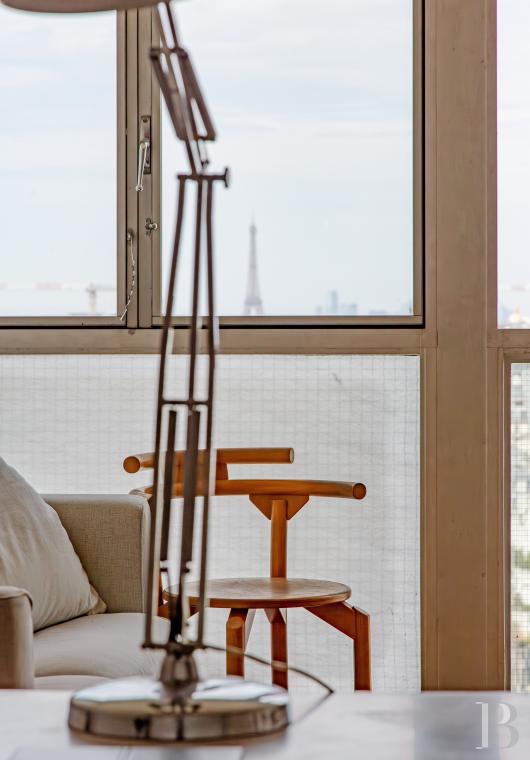
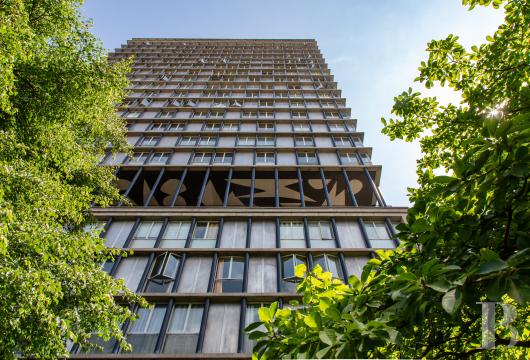
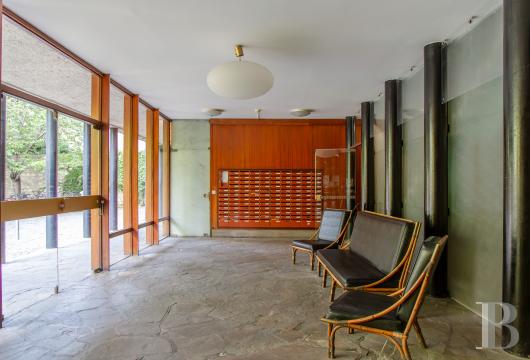
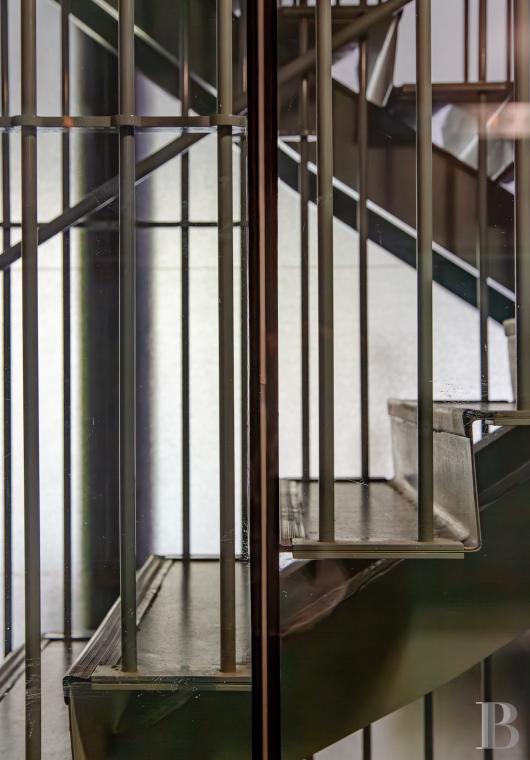
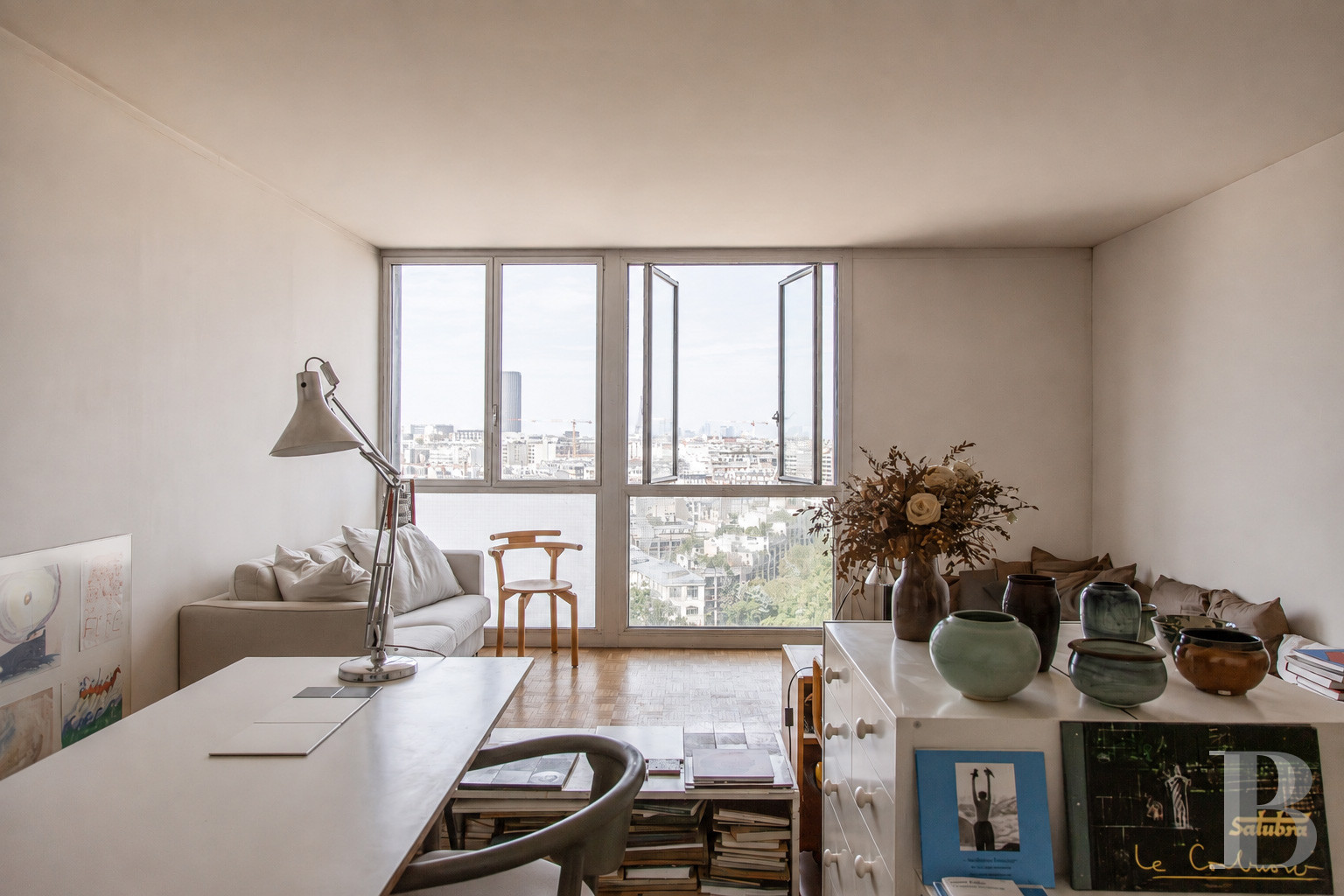
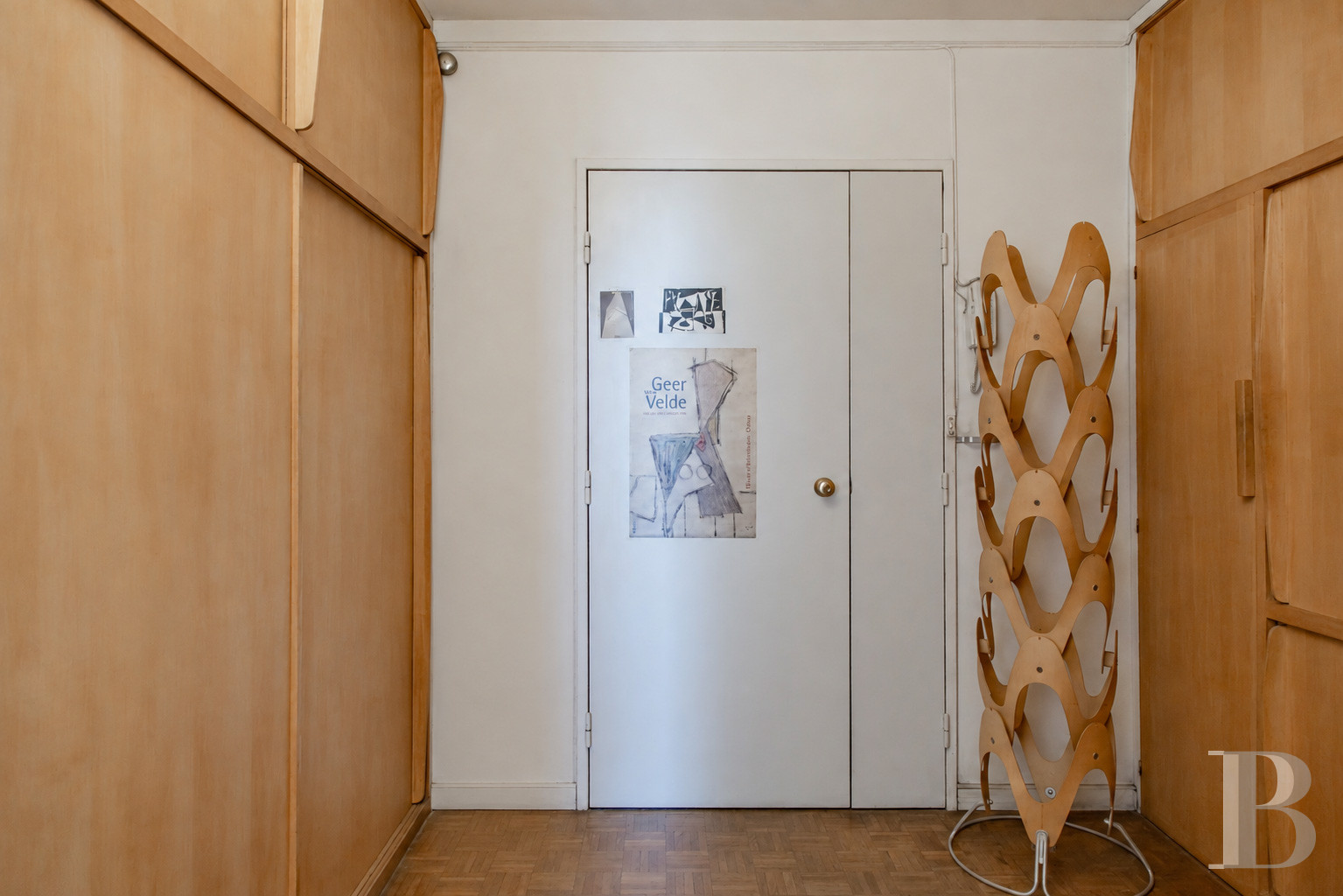
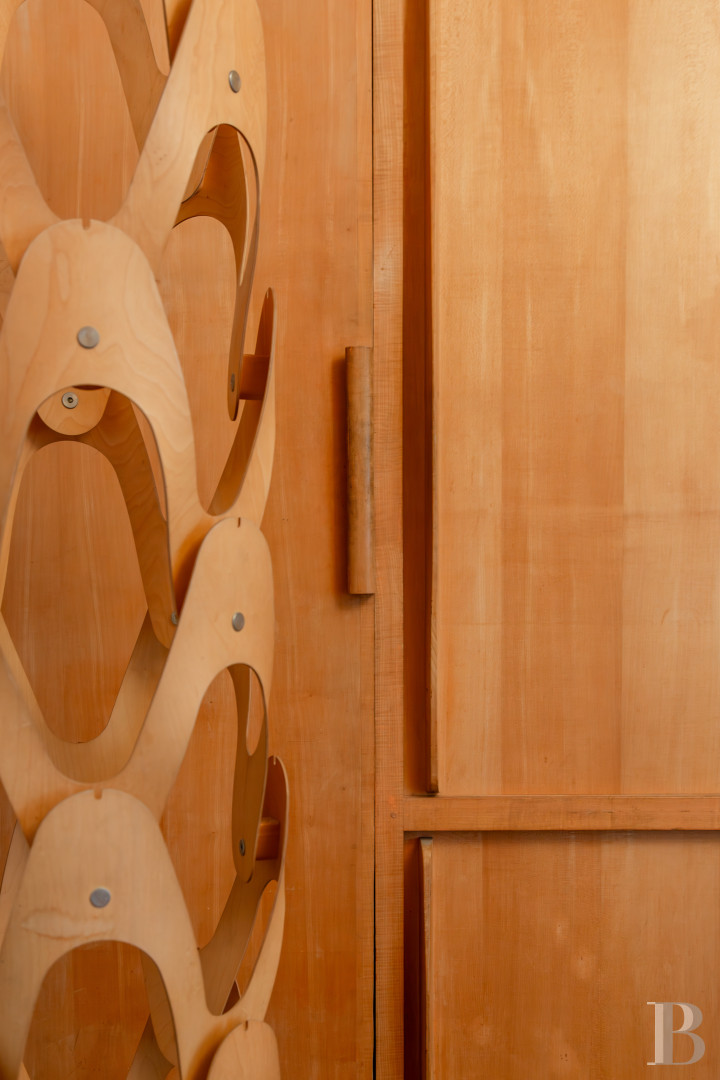
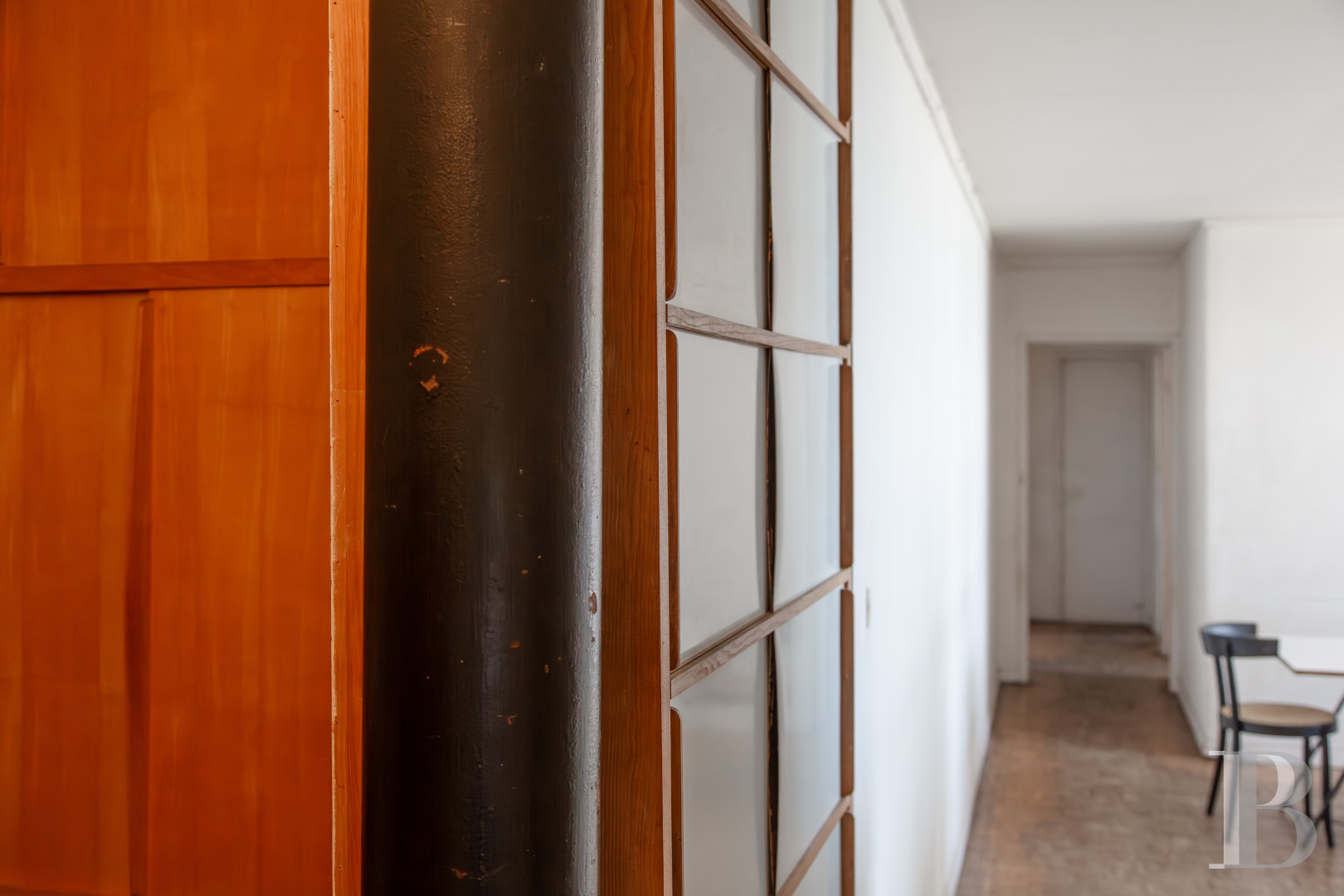
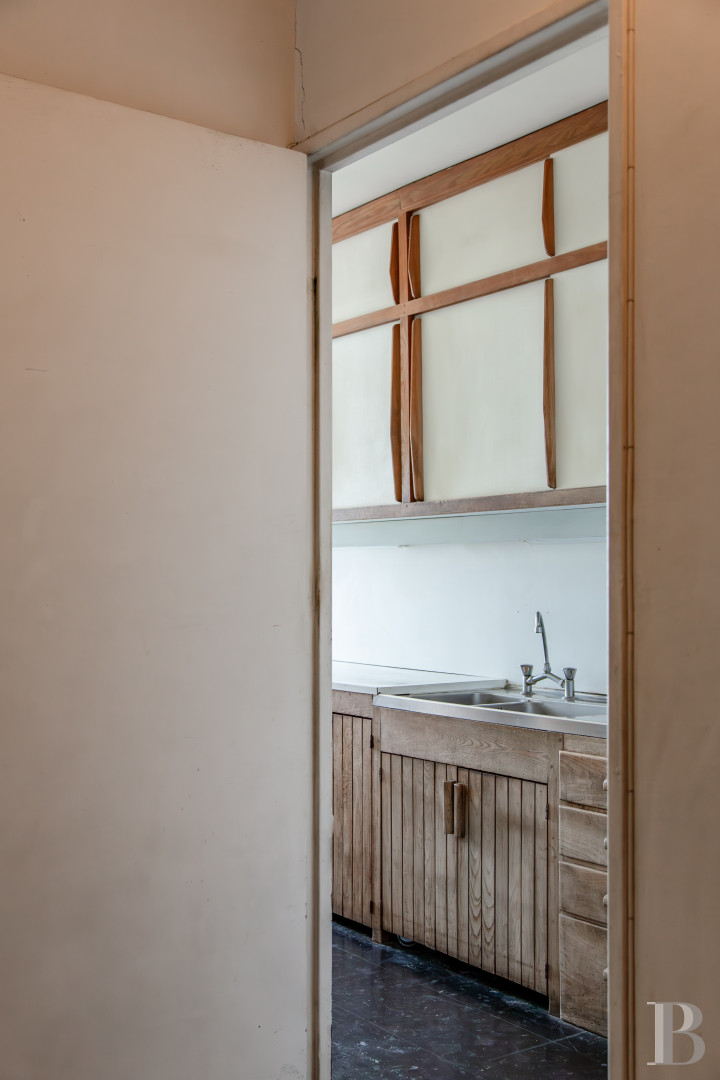
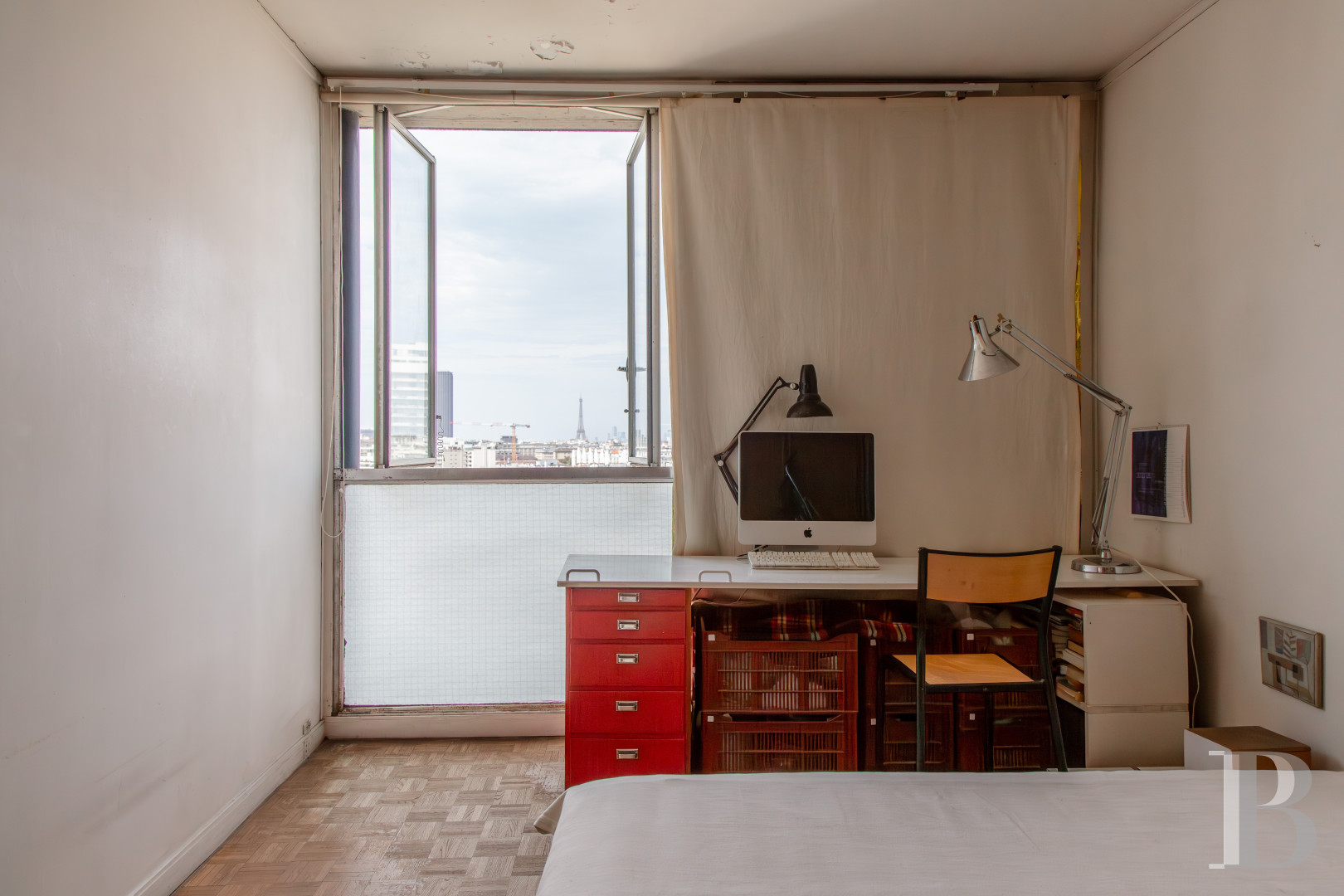
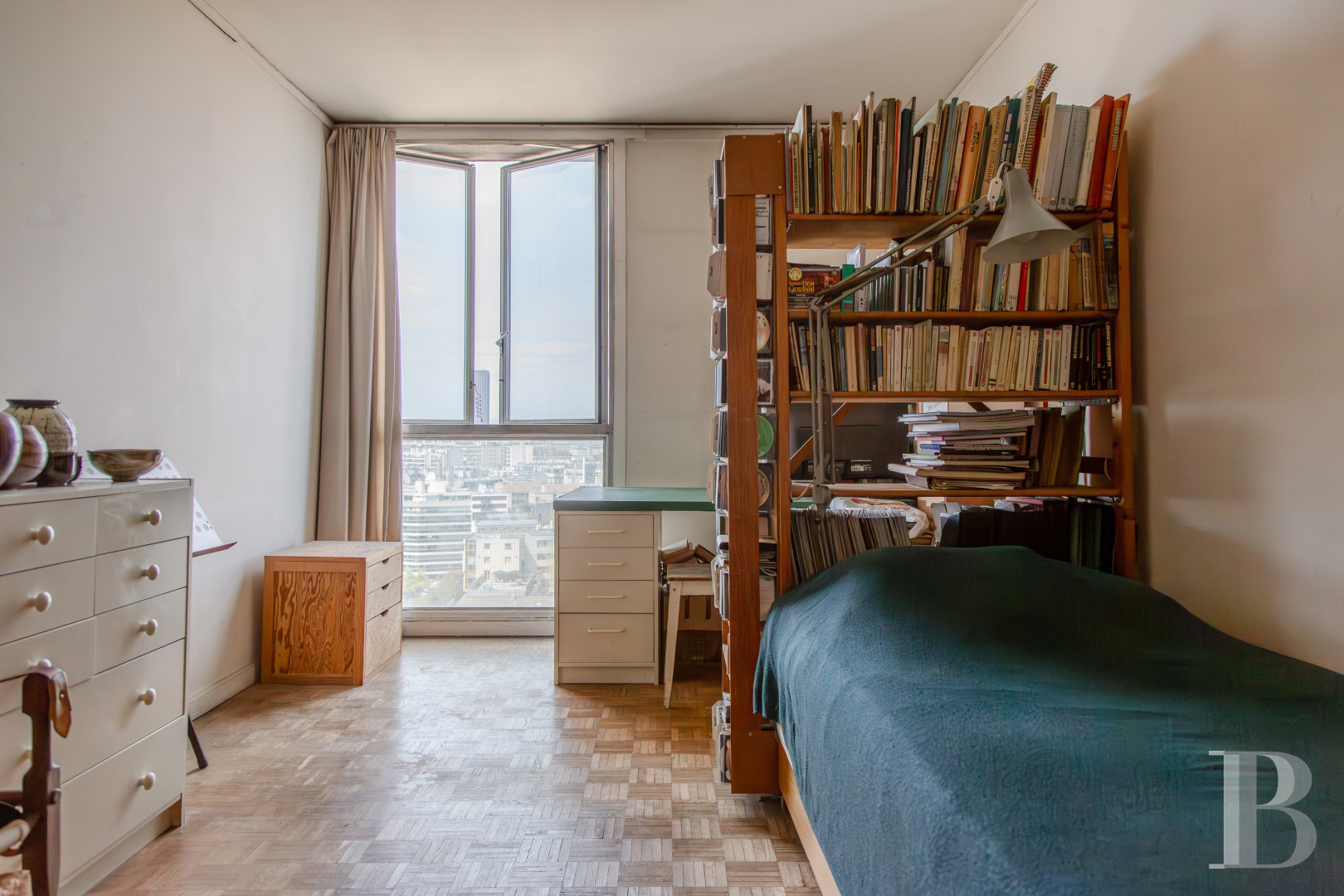
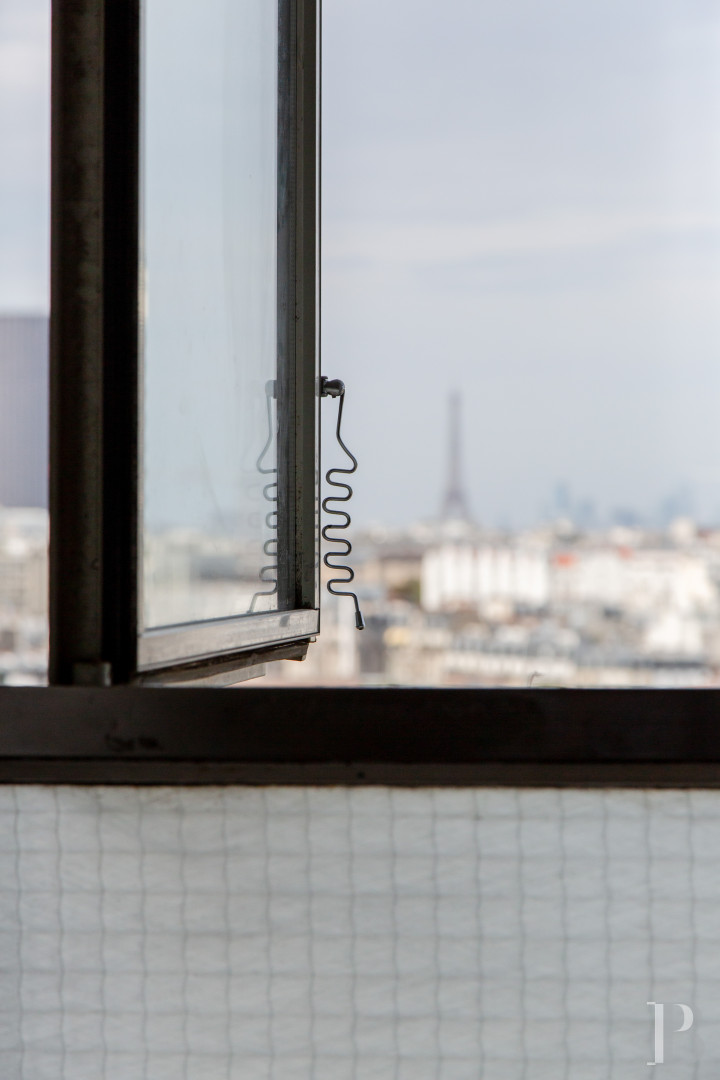
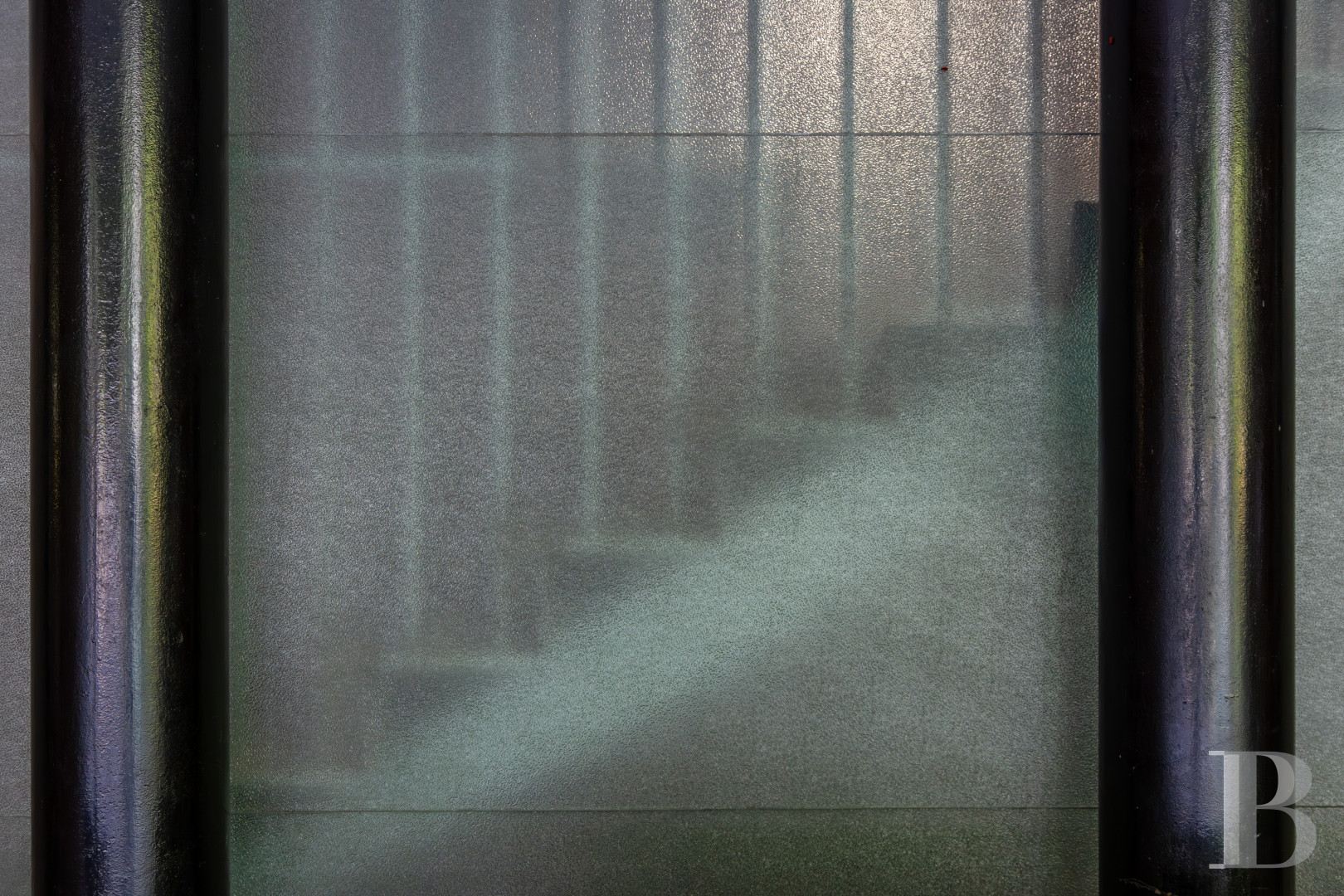
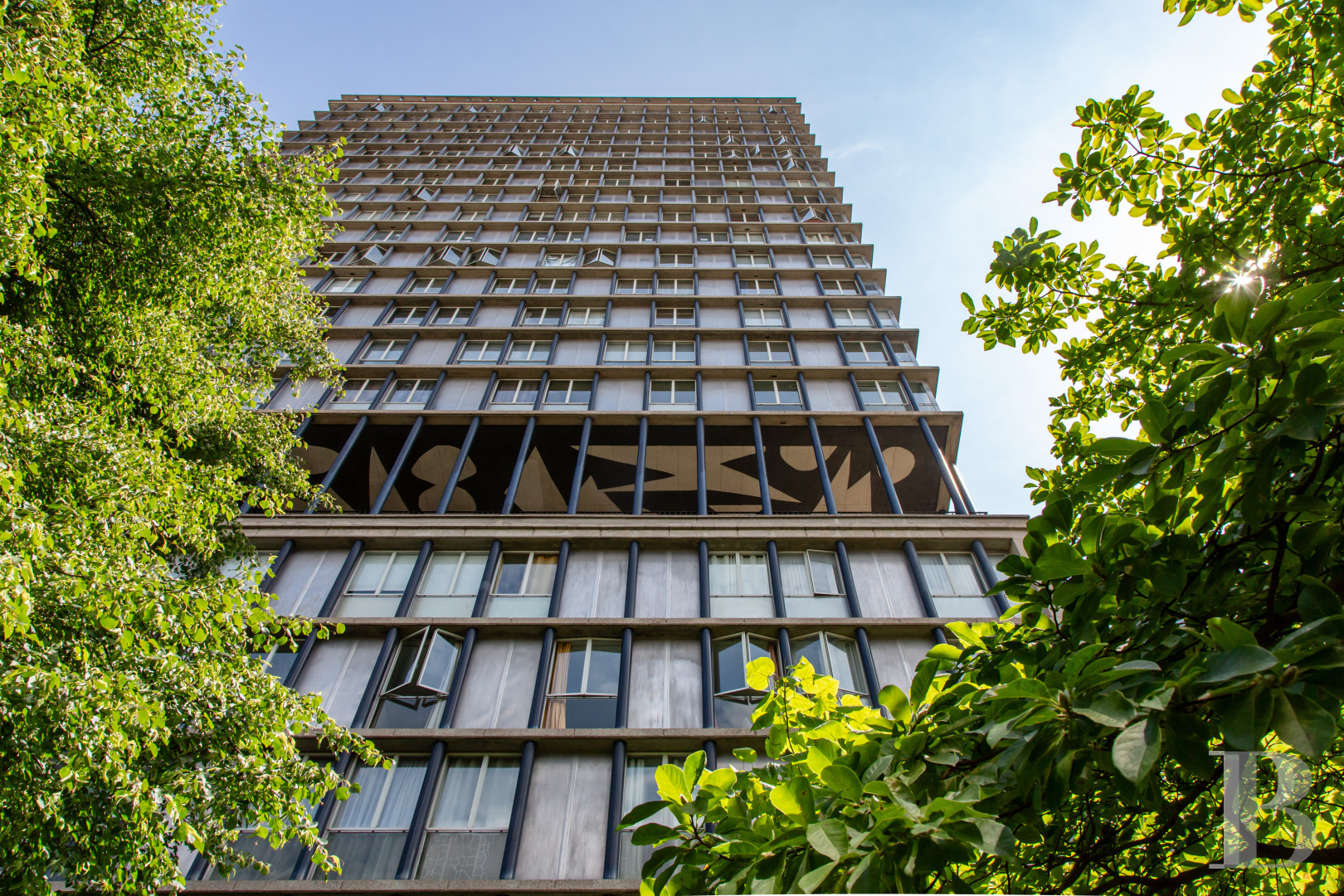
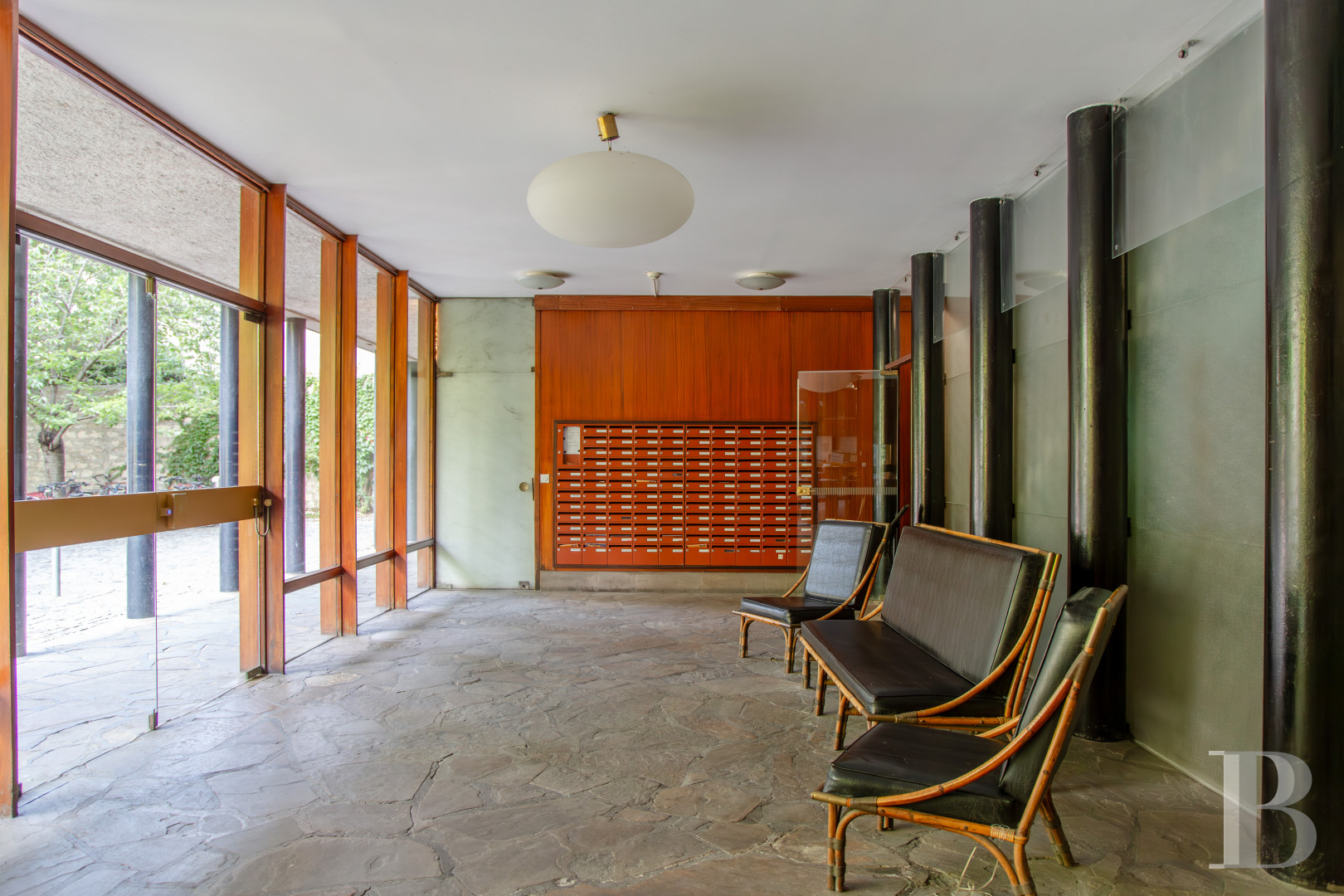
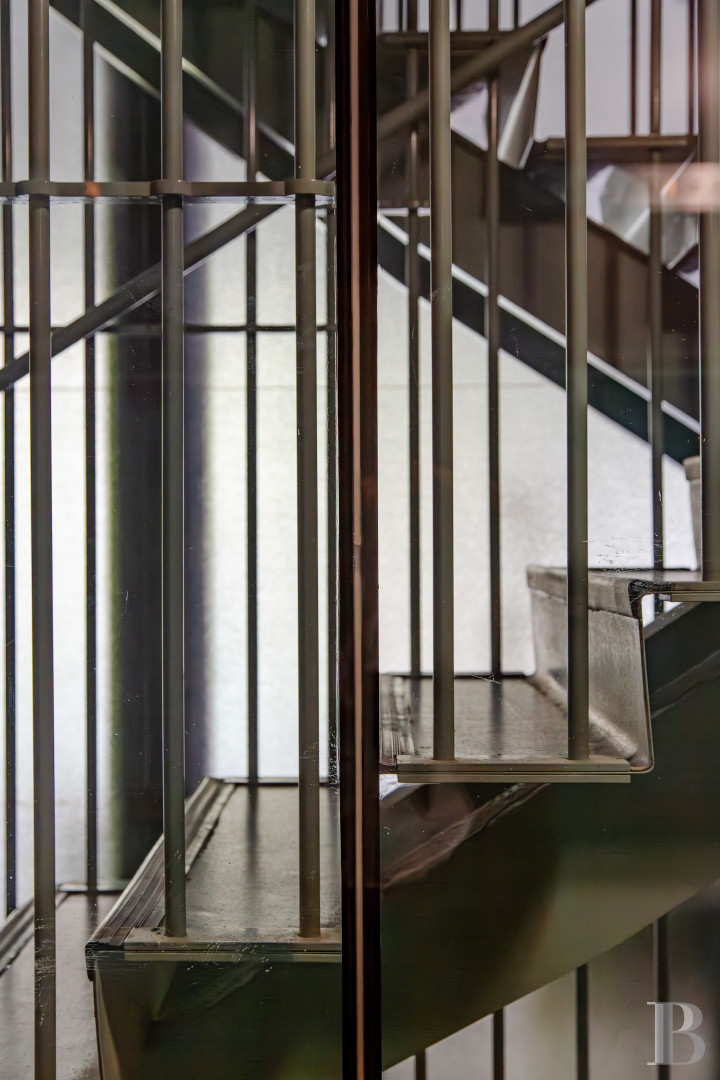
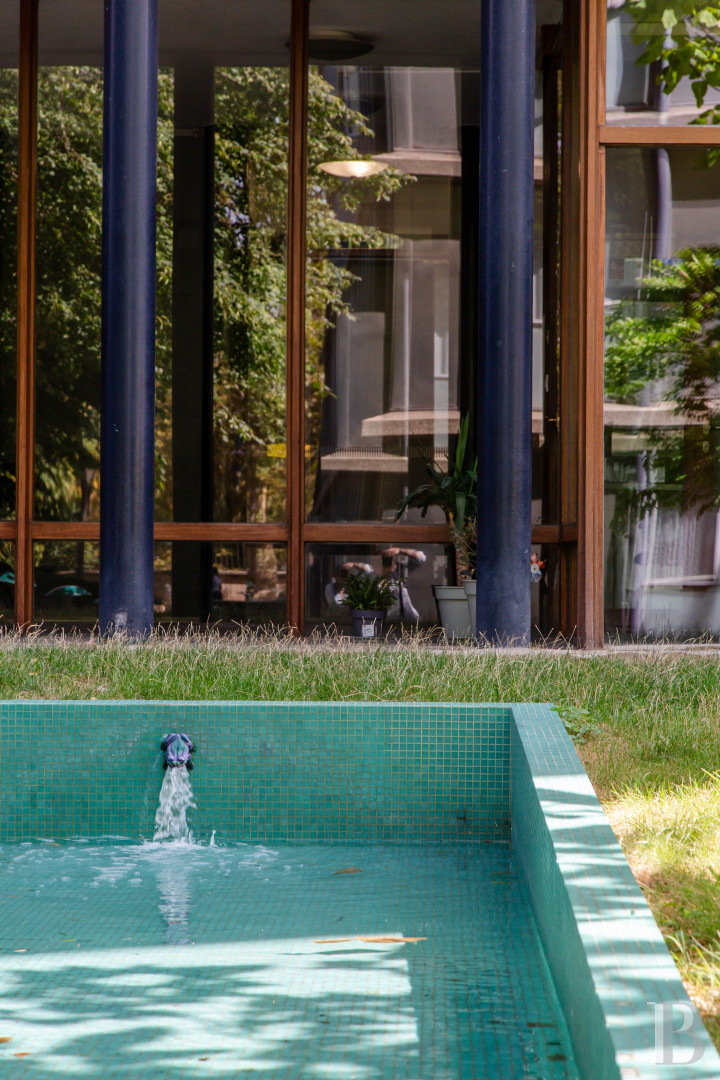
The address of the Tour Albert edifice is 33 Rue Croulebarbe, in the 13th arrondissement of Paris. The building owes its name to its designer, the architect Édouard Albert (1910–1968), whose work with tubular structures became his signature style. The edifice was built between 1958 and 1960, with help from the architects Robert Boileau and Jacques-Henri Labourdette, as part of a renovation plan imagined in the wake of the Second World War for this district that was still industrial at the time. The building has 23 levels and is 67 metres high – a reference to the towers of Notre-Dame Cathedral. Indeed, it was the French capital’s first skyscraper of apartments, with its 110 units of accommodation. It structure was designed alongside the engineer Jean-Louis Sarf and is based on a framework of steel-tube poles filled with concrete, with exposed saltire crosses fitted in the elevations. This structural framework, pushed to its design limits, freed up the apartments from load-bearing walls and allowed for an arrangement of stainless metal panels and apron walls that are sometimes translucent, sometimes transparent. On the sixth floor, there is a terrace with a 600m² ceiling, painted by the artist Jacques Lagrange. The original plan was to link this viewpoint to the square Place d’Italie, but this project was never brought to fruition. In 1960, the building truly embodied modernity with its underfloor heating, fast lifts and a clear view of Paris. Since 1994, it has been a listed monument. It was restored in 2005 under the supervision of the architect Gorka Piqueras. A caretaker keeps watch over the building, supported by a permanent patrol. The tower has three lifts and a metal stairwell. The apartment lies on the west side of the 14th floor. It has an adjustable plan with a 106m² floor area (102.49m² of liveable floor area according to France’s Carrez law), made up of four rooms that offer spectacular sweeping views and look down at the park Square René Le Gall. An entrance hall connects to a kitchen, a bedroom and a lounge. Next, a hallway connects to two bedrooms, a lavatory, a bathroom and a storeroom. Mosaic-patterned oak parquet gives coherence to the series of rooms, which are punctuated with casement windows. The entrance hall and kitchen have kept furniture designed by Charlotte Perriand upon request from Maurice Besset, an art historian who was close to the legendary architectural designer Le Corbusier and who was the first person to live in this apartment. The property includes a parking place and a concrete cellar.
Charlotte Perriand
Charlotte Perriand (1903–1999) was one of the leading figures of 20th-century design and interiors. She was trained at the organisation Union centrale des arts décoratifs. In 1927, she joined the studio of the well-known architectural designers Le Corbusier and Pierre Jeanneret where she designed her emblematic works of furniture, including “Chaise longue LC4” and “Fauteuil Grand Confort”. Her taste for steel tubes aligned her with avant-garde constructivists. But later, her stays in Japan, from 1940, turned her works into an original synthesis of industrial modernity and traditional craftsmanship. Her work "Banquette Tokyo”, designed in 1954, bears witness to this. Indeed, Maurice Besset ordered 40 copies of this work in 1963 for the Museum of Modern Art in the Palais de Tokyo in Paris. After the Second World War, Perriand worked on the housing building “La Cité Radieuse” in Marseille, then designed apartment buildings in the ski resort Les Arcs.
Our opinion
Few properties tell the story of modern design and modern architecture with such seamless historical continuity. The art historian Maurice Besset was the first one to leave his mark here: a unique style imagined by and for a discerning aesthete. The apartment also belonged to Ubald Klug, the famous Swiss designer who trained at the Zurich School of Applied Arts, and his wife, Héléna, a ceramist known for her stoneware glazes. Ubald Klug arrived in Paris in the 1960s, as did a generation of Swiss designers who marked the French cultural scene. It was here that Klug designed his iconic sofa “Terrazza”. Indeed, the Tour Albert edifice, listed as a historical monument for its innovative architecture and unrivalled view of the French capital, seems to have called creative talents to come together here. The apartment has remained adjustable and has stayed true to its original spirit. Today, it is waiting for a new owner to start a fresh chapter with respect for its unique story.
Exclusive sale
1 420 000 €
Including negotiation fees
1 352 381 € Excluding negotiation fees
5%
incl. VAT to be paid by the buyer
Reference 411573
| Floor area under Carrez law | 102.49 m² |
| Elevator | |
| Total floor area | 106 m² |
| Number of rooms | 4 |
| Number of bedrooms | 3 |
| Cellar |
| Commonhold fees | 2902 € per quarter |
of which:
Apartment: € 2704.39
Cellar: € 37.91
Car park: € 159.59
French Energy Performance Diagnosis
Information on the risks to which this property is exposed is available on the website: www.georisques.gouv.fr
Share


NB: The above information is not only the result of our visit to the property; it is also based on information provided by the current owner. It is by no means comprehensive or strictly accurate especially where surface areas and construction dates are concerned. We cannot, therefore, be held liable for any misrepresentation.