



A 19th century Mansart style chateau and its outbuildings
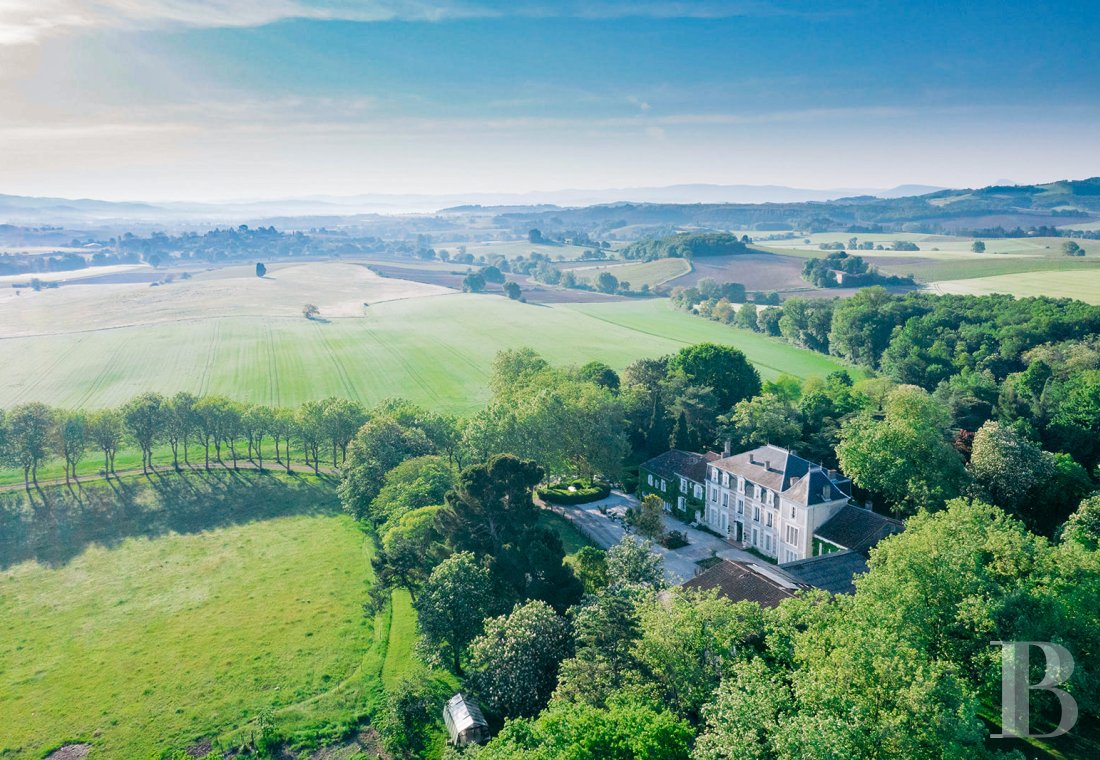
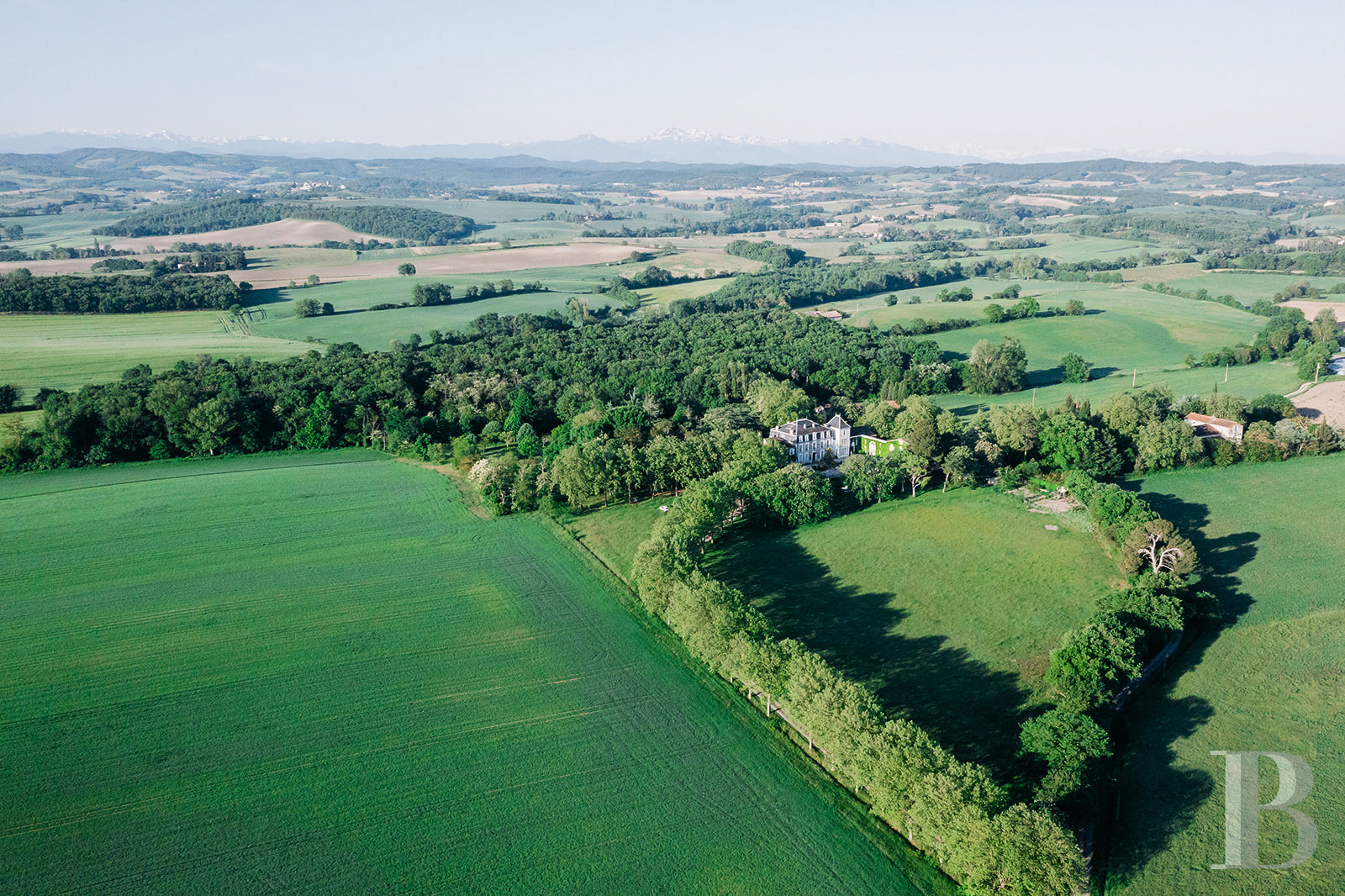
set in 32 hectares of parklands, meadows and woods 30 km from Carcassonne
set in 32 hectares of parklands, meadows and woods 30 km from Carcassonne
Mazerolles-du-Razès,
AUDE
languedoc-roussillon
11240
FR


Location
In the French Aude department, the estate is not far from a village situated between Carcassonne, with its medieval city listed as a Unesco World Heritage site, and Limoux, famous for its AOC “Blanquette” sparkling wine and its carnival, listed as an intangible cultural heritage since 2013. The picturesque listed villages of the former medieval county of Razès, such as Belvèze-du-Razès, Alaigne and Routier, add to the region's multifaceted appeal. Chateaux and vineyards are showcased as prime examples of the architectural, cultural and agricultural heritage of the Cathar region. Moreover, the rural parish in which the property is located is part of a natural zone of ecological interest for its fauna and flora.
15 minutes from the A61 motorway, 1 hour from Toulouse-Blagnac airport and the towns of Toulouse and Narbonne.
Description
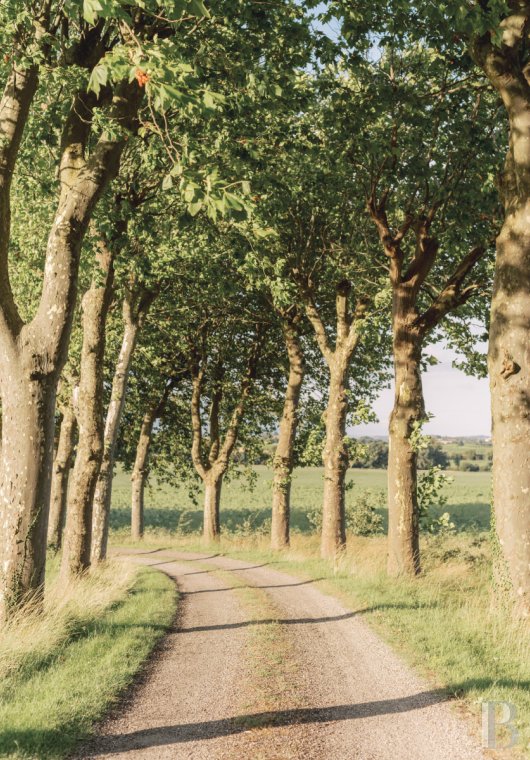
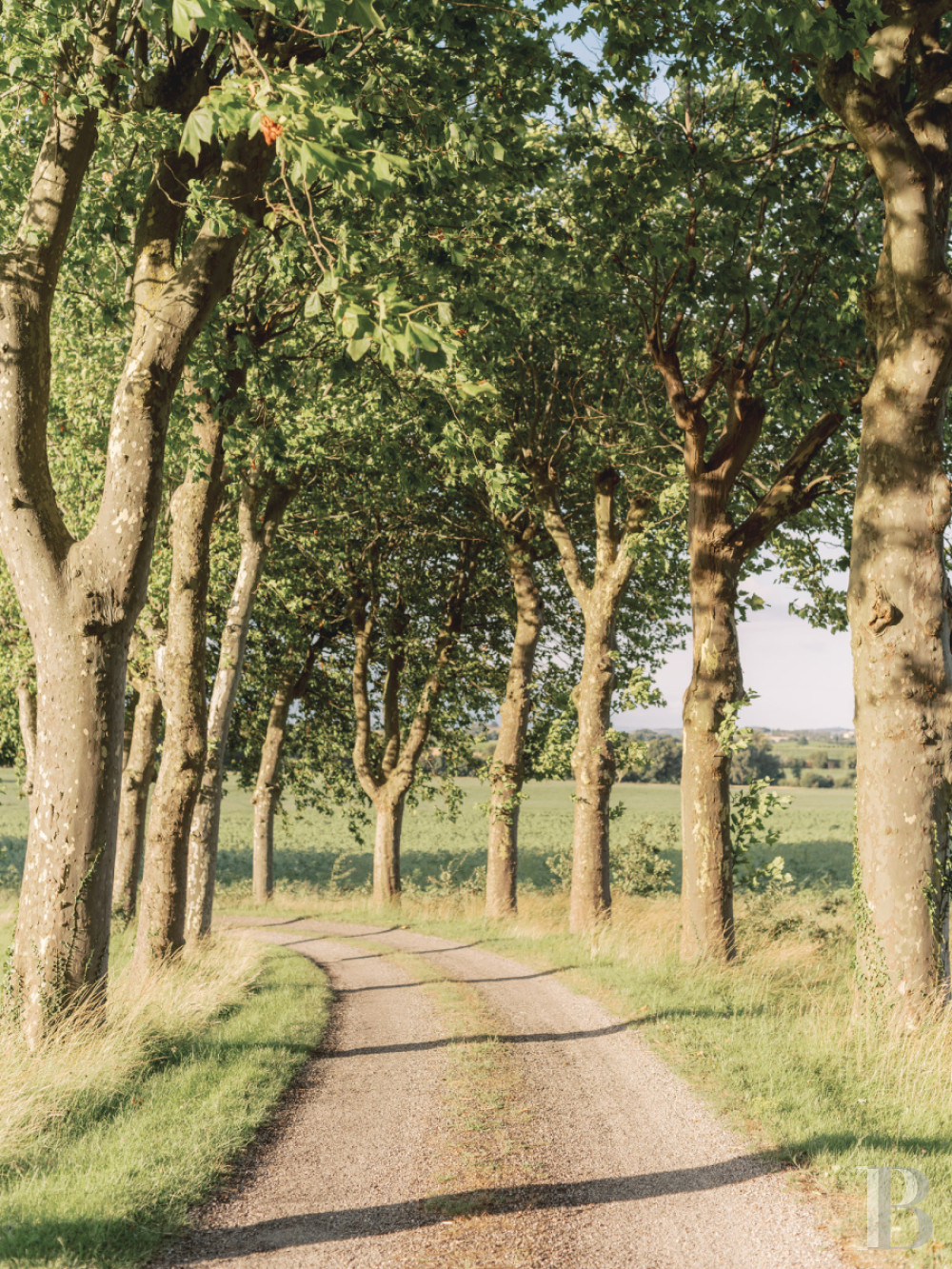
A driveway with centuries-old plane trees, bordered on either side by vast pastures, leads to the 1879 Haussmann-style chateau. A little bit of history: Chateau Saint Joseph, which was formerly known as Chateau de Caulet, in Mazerolles-du-Razès, is the incarnation of Belle Epoque refined elegance in the Razès sector of the Aude area. It was built in 1879 by François de Gentil-Baichis, at the time a recently retired French Navy lieutenant, a talented water-colourist and the loyal captain of the Duke of Orléans’ yacht, the Maroussia. This Haussmann-inspired residence surrounded by a majestic row of hundred-year-old plane trees, either replaced or was built on the site of a former feudal castle whose traces can be found in the 18th century and which belonged to the estates falling within the remit of Mazerolles.
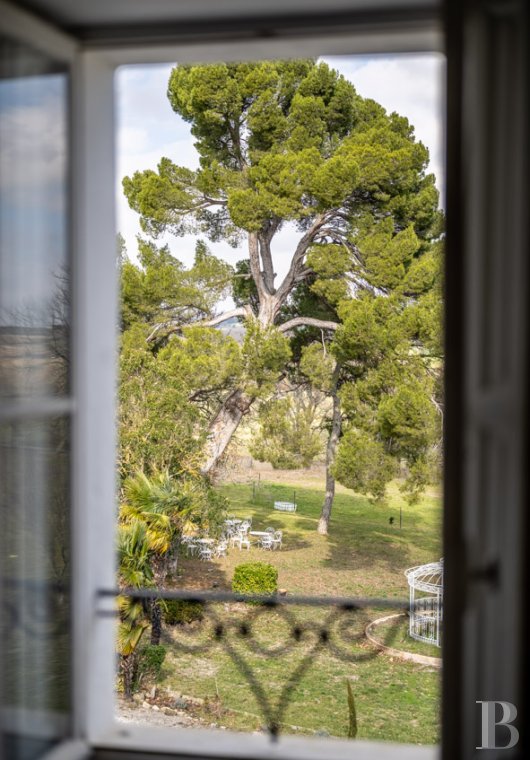
François de Gentil-Baichis was an amateur artist and produced many water-colours and body colours of the famous yacht Maroussia. These works are today sought-after and highly valued on the art market. According to local legend, Jean Jaurès himself is said to have often visited the chateau, where bedroom 14 (now known as the Edwige bedroom) was his favourite: this peaceful room on the second floor boasts exceptional views of the grounds, its more than two-hundred-year-old cedar tree and the Pyrenean summits on the horizon. According to another local legend, there was a former farm on the lands of the chateau that was used as a refuge by the Cathars in the Middle Ages, in this region that bears deep traces of their history.
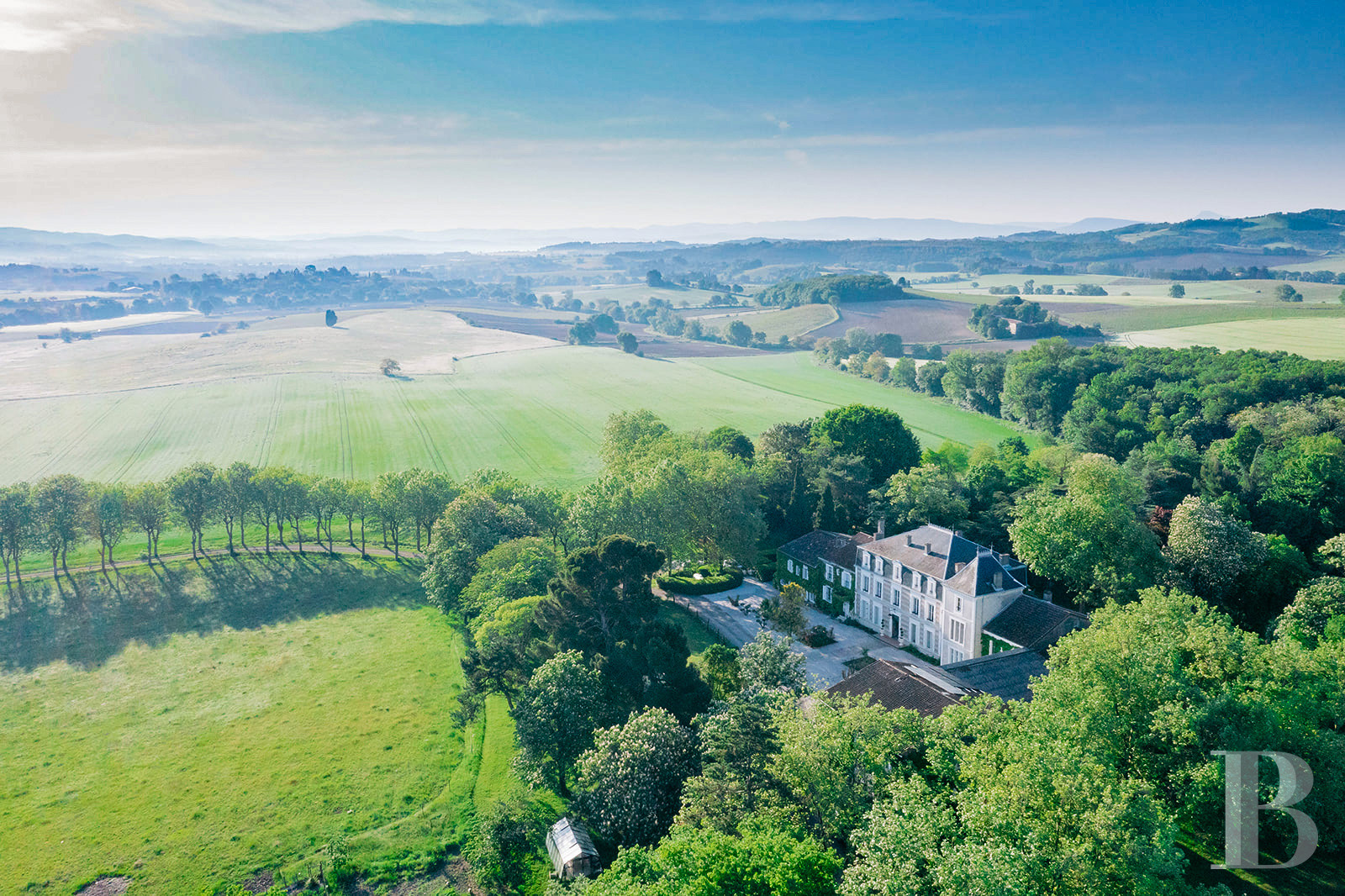
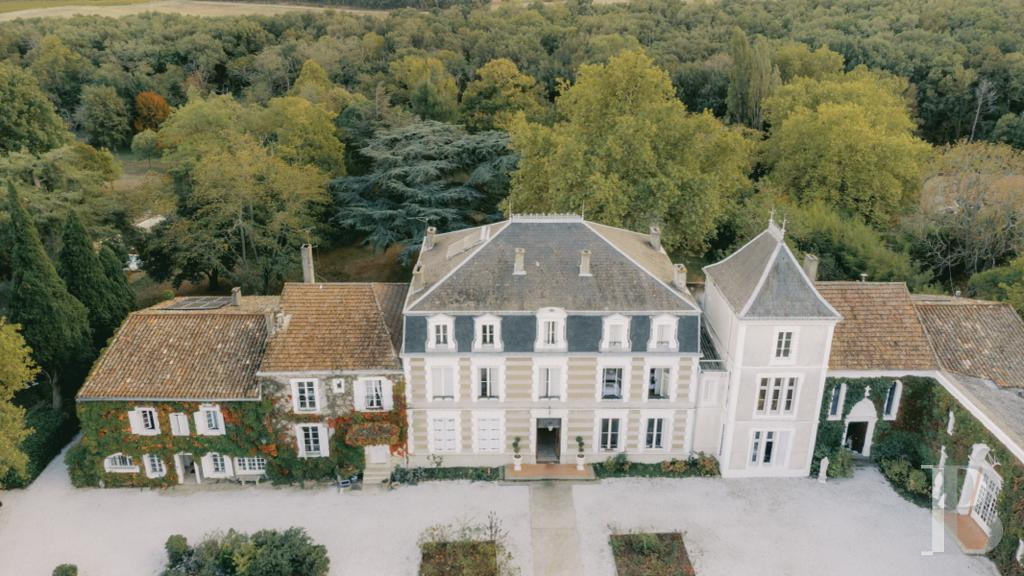
The L-shaped edifice is bordered by a main courtyard on its east and north sides. The three-storey main building features extensions on either side. The left wing comprises two more modest, two-storey dwellings of similar style.
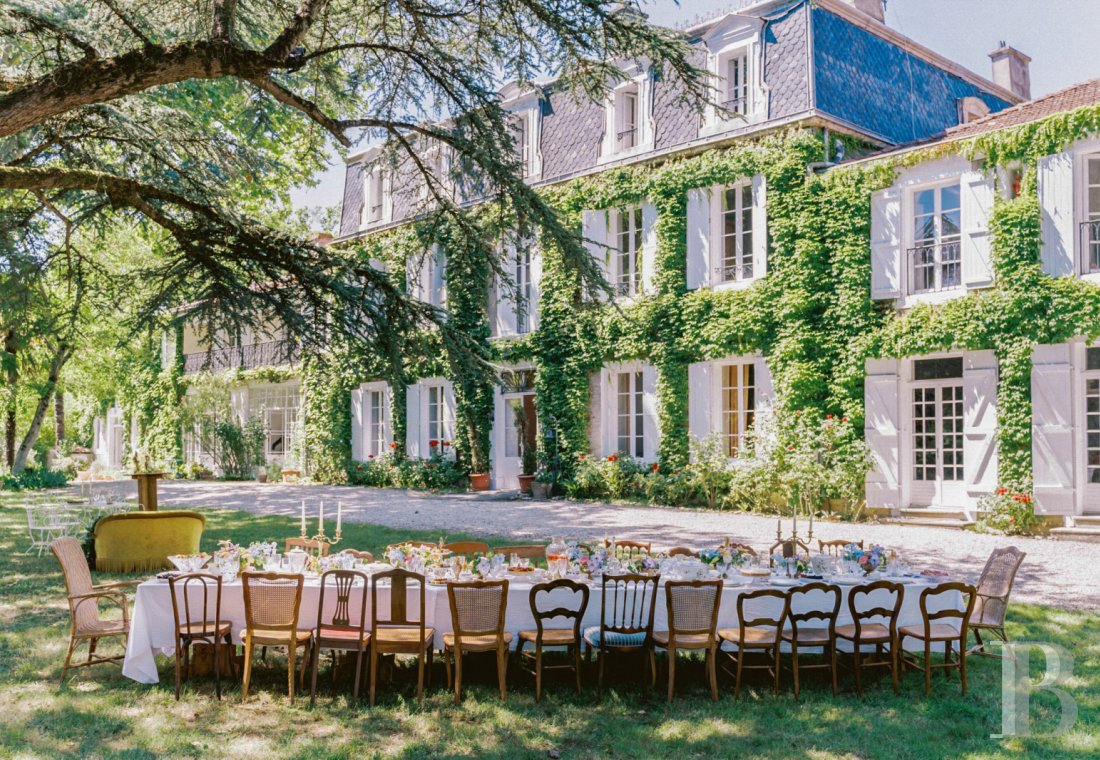
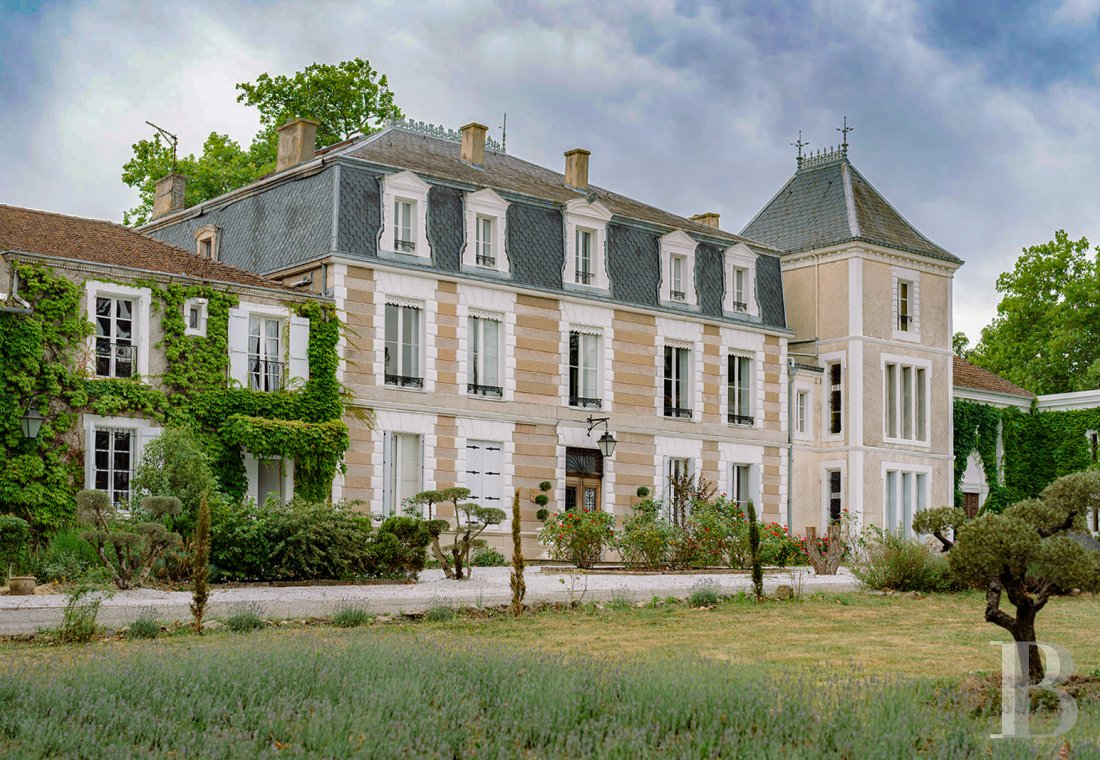
To the right and slightly set back from the main building stands a rectangular three-storey tower topped by a four-pitched, slate roof with a crest, finials and crenellated white stone frieze - the same material used for the surrounds of the three large windows with carved stone mullions. Next to the tower is a chapel dating back to 1890, covered by an abundant Virginia creeper, with two tall stained-glass windows framing a heavy wooden door.
At right angles, the right wing of the building houses a reception room and two flats currently rented out as gîtes (holiday accommodation).
The main building and tower have slate roofs, while the gîtes and chapel are monk-and-nun tiled.
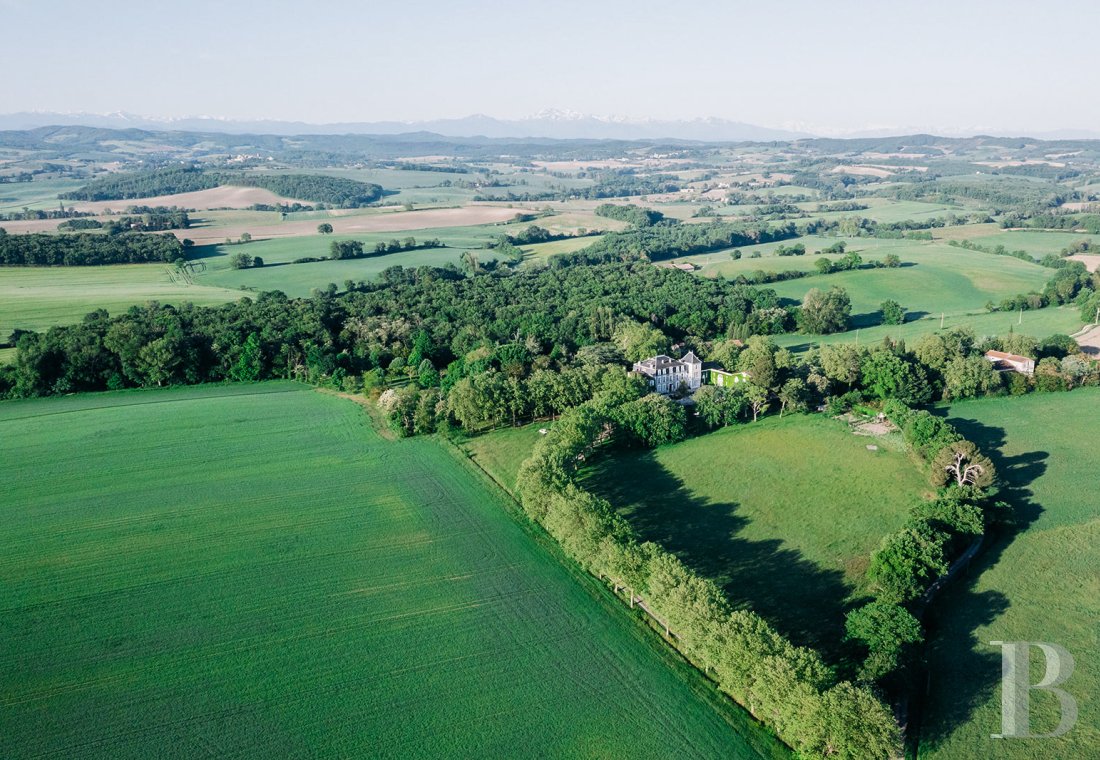
There are also several outbuildings to the immediate right of the chateau, including a barn, a winery and a stable. Set in 32 hectares of parklands, meadows and woods in a dominant position, the chateau is protected from all forms of disturbance.
François de Gentil-Baichis was an amateur artist and produced many water-colours and body colours of the famous yacht Maroussia. These works are today sought-after and highly valued on the art market. According to local legend, Jean Jaurès himself is said to have often visited the chateau, where bedroom 14 (now known as the Edwige bedroom) was his favourite: this peaceful room on the second floor boasts exceptional views of the grounds, its more than two-hundred-year-old cedar tree and the Pyrenean summits on the horizon. According to another local legend, there was a former farm on the lands of the chateau that was used as a refuge by the Cathars in the Middle Ages, in this region that bears deep traces of their history.
The L-shaped edifice is bordered by a main courtyard on its east and north sides. The three-storey main building features extensions on either side. The left wing comprises two more modest, two-storey dwellings of similar style.
To the right and slightly set back from the main building stands a rectangular three-storey tower topped by a four-pitched, slate roof with a crest, finials and crenellated white stone frieze - the same material used for the surrounds of the three large windows with carved stone mullions. Next to the tower is a chapel dating back to 1890, covered by an abundant Virginia creeper, with two tall stained-glass windows framing a heavy wooden door.
At right angles, the right wing of the building houses a reception room and two flats currently rented out as gîtes (holiday accommodation).
The main building and tower have slate roofs, while the gîtes and chapel are monk-and-nun tiled.
There are also several outbuildings to the immediate right of the chateau, including a barn, a winery and a stable. Set in 32 hectares of parklands, meadows and woods in a dominant position, the chateau is protected from all forms of disturbance.
The corps de logis of the chateau
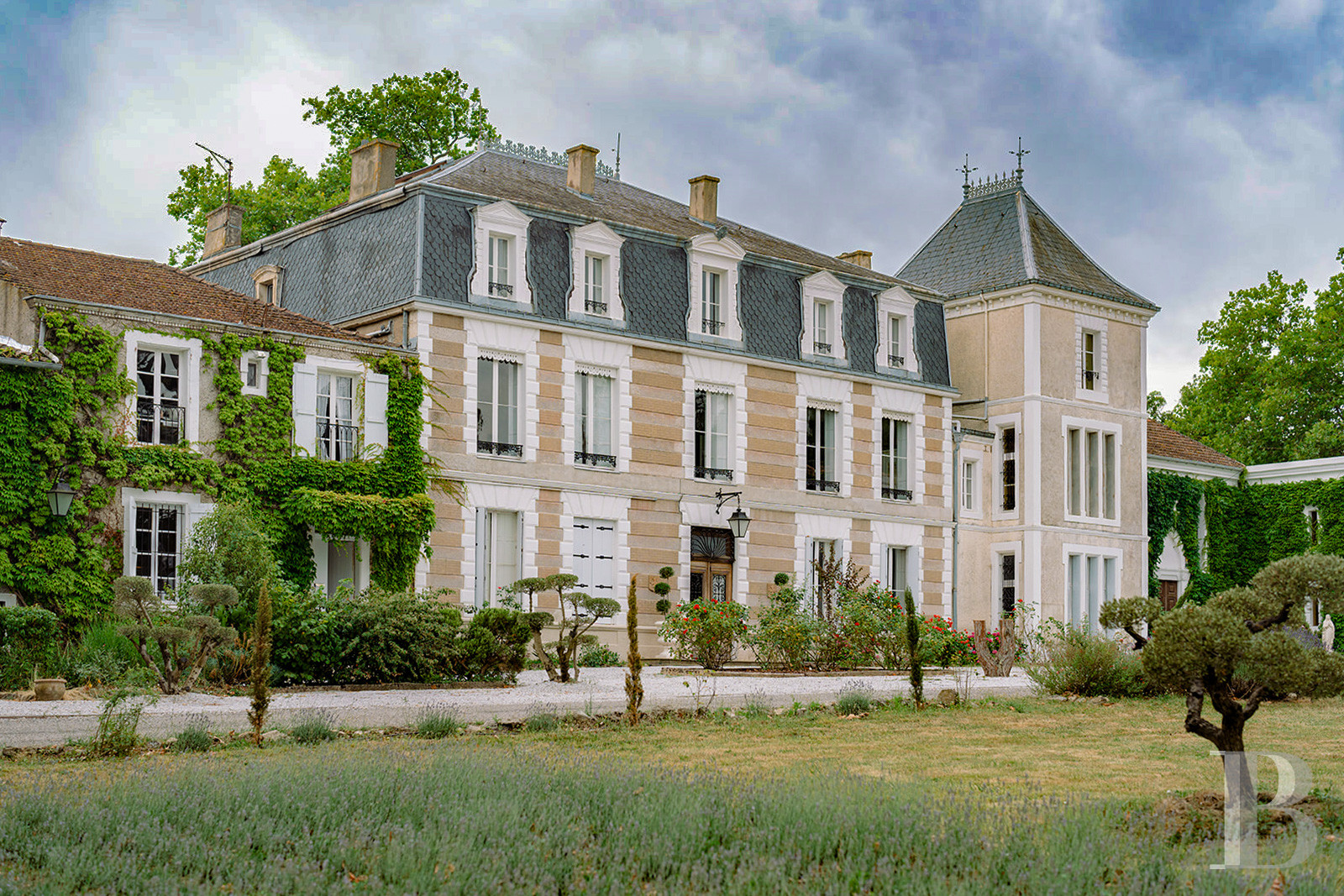
The main part of the chateau recalls Haussmann style mansions with its pink dressed stone facade, featuring brick and stonework and perfectly symmetrical rectangular, tall windows with plain or louvred shutters. The rusticated window surrounds are of white stone. The lintels on the second floor feature Doric-style mouldings. The four-pitched gambrel roof follows the Mansart style.
The ground floor
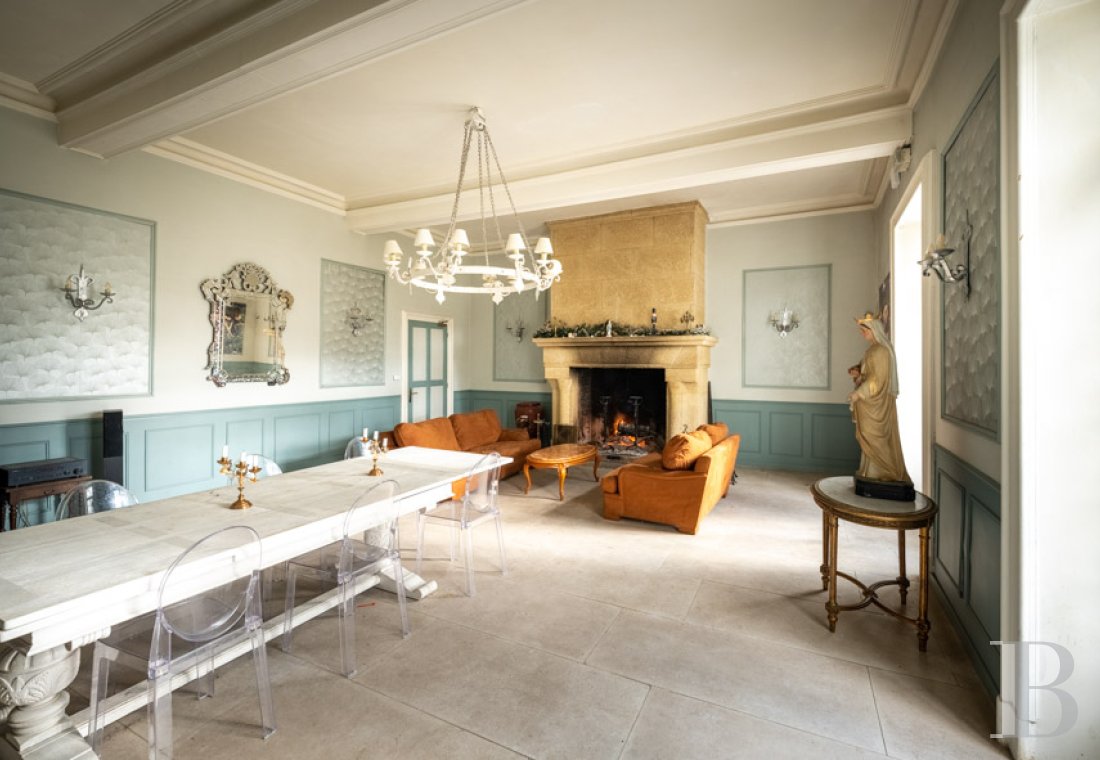
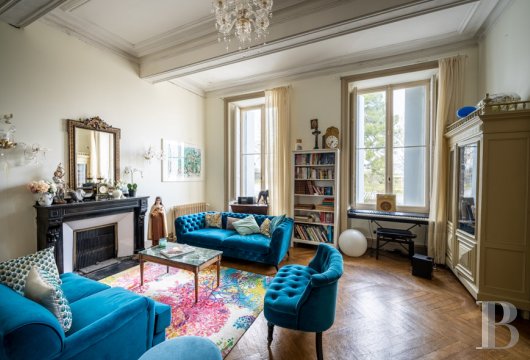
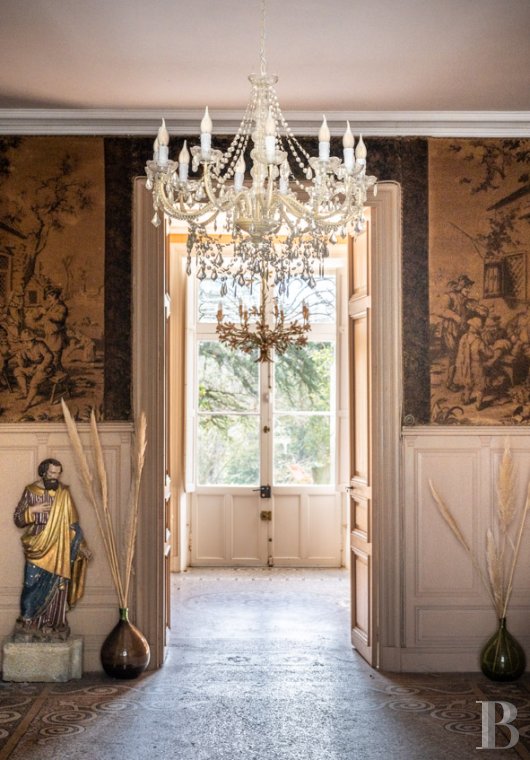
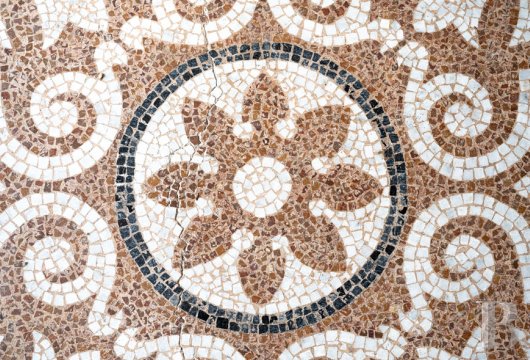
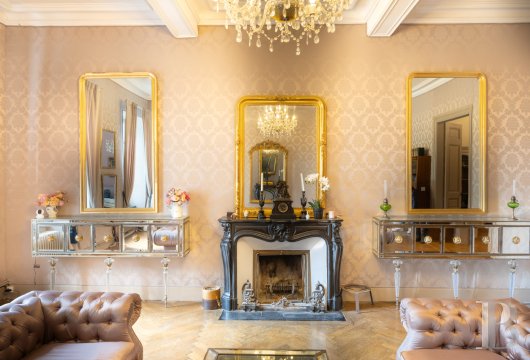
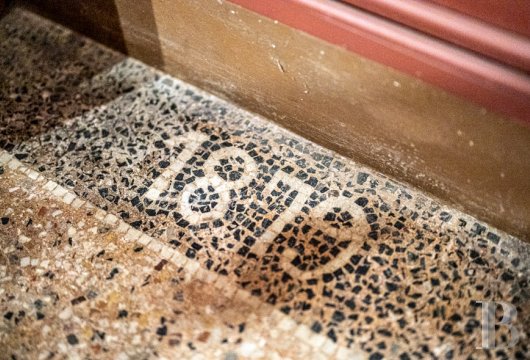
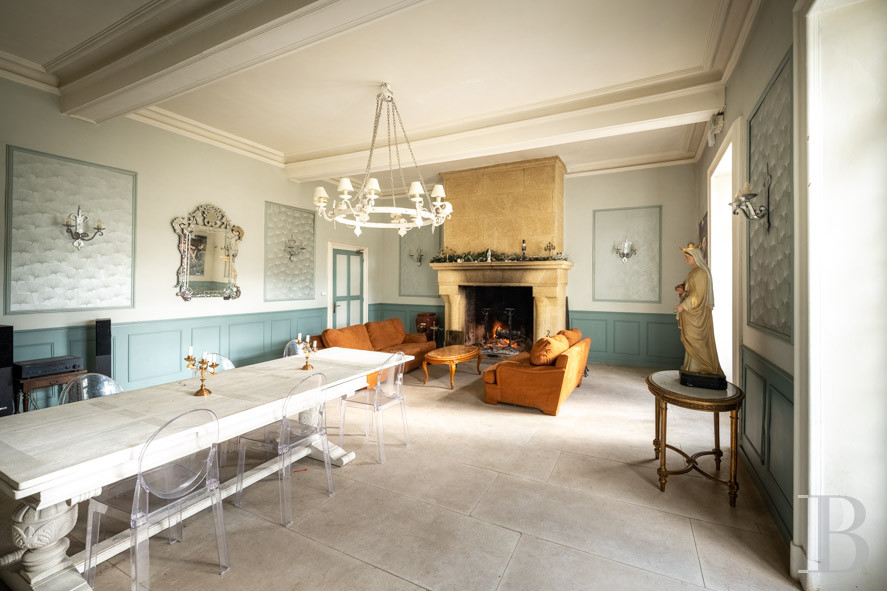
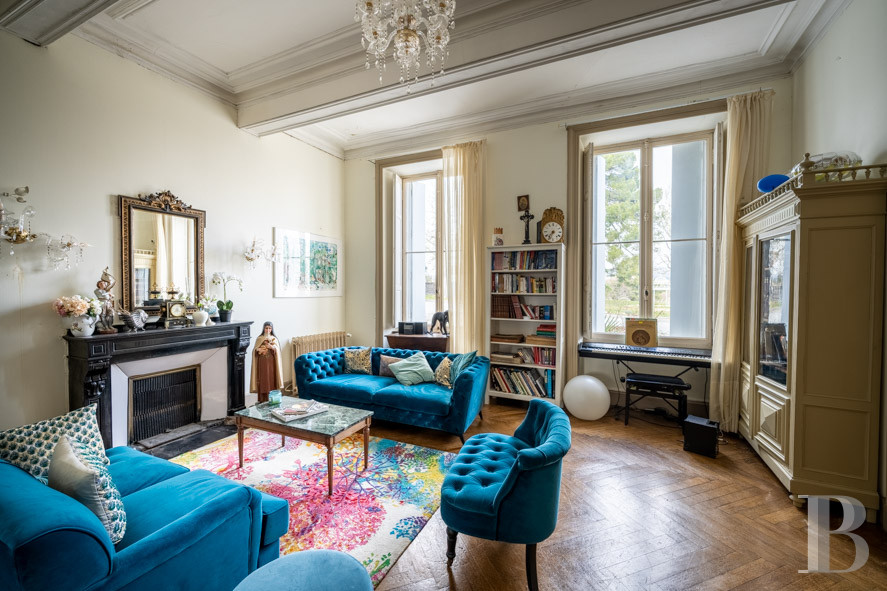
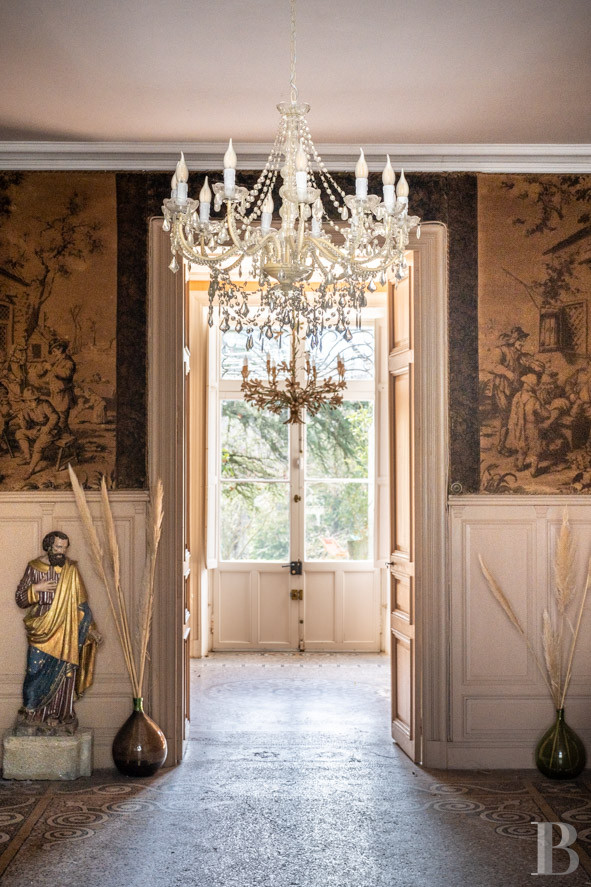
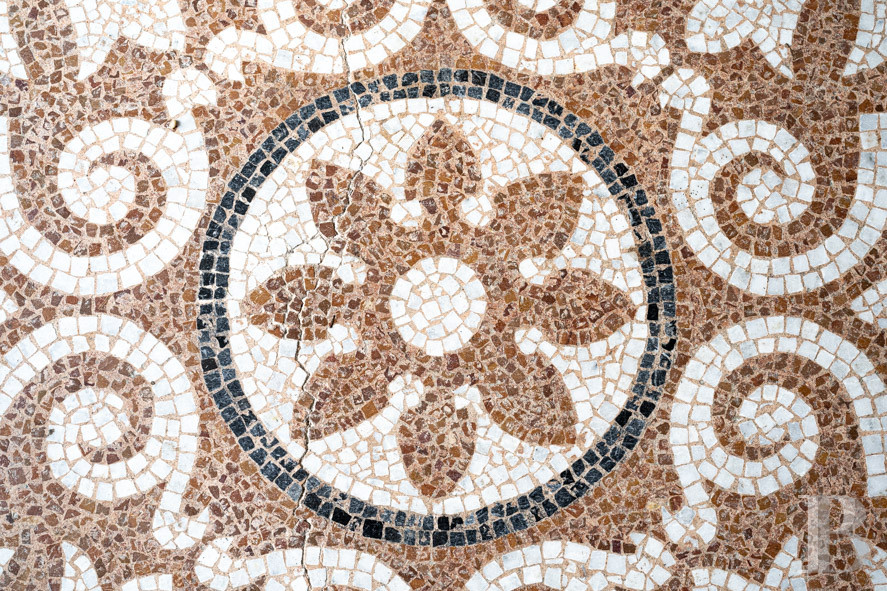
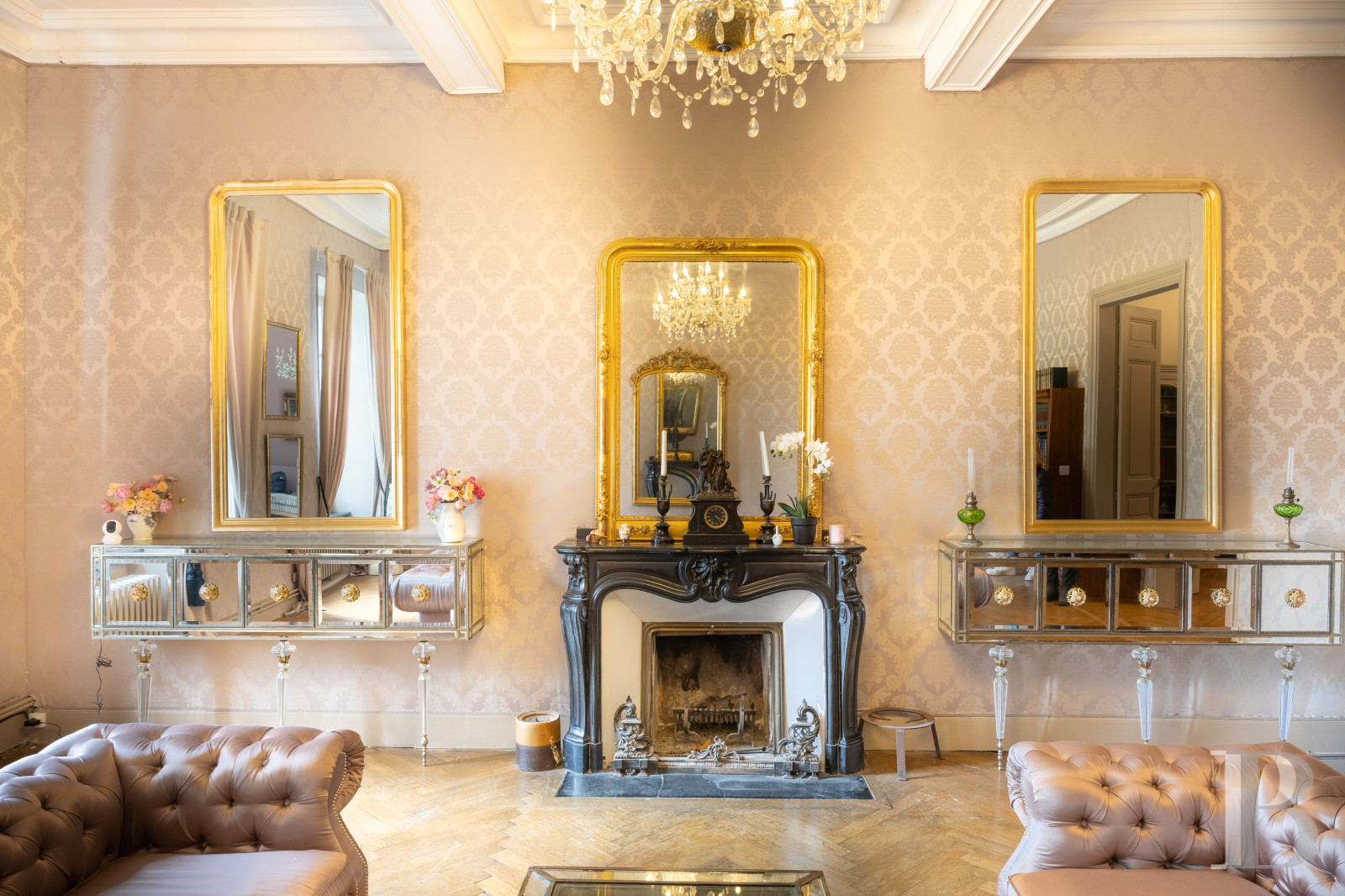
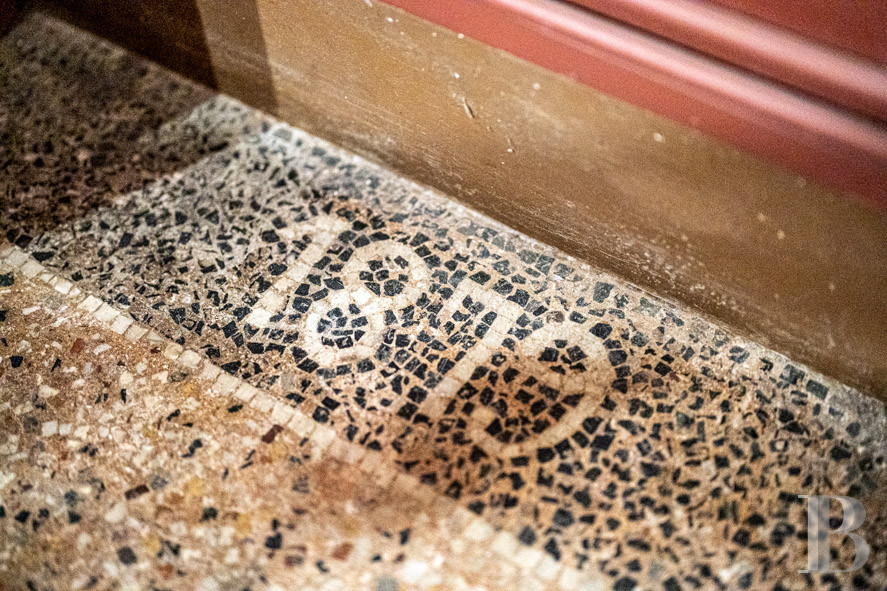
The front elevation of the central corps de logis faces east. The heavy wooden entrance door with glazed transom opens directly into a wide hall with a mosaic floor - an original terrazzo granito - and walls covered with 19th century hangings depicting scenes of daily life in the 18th century. It serves the main reception rooms, including two ceremonial halls, over 3.5 m high, with herringbone parquet flooring, black marble fireplaces and moulded ceilings with coffered beams. The floor of the third sitting room features Art Deco mosaic tiles, similar to those in the entrance hall. It connects directly to a family room that serves as a sitting room and dining room, with a monumental dressed stone fireplace and large paving stones on the floor.
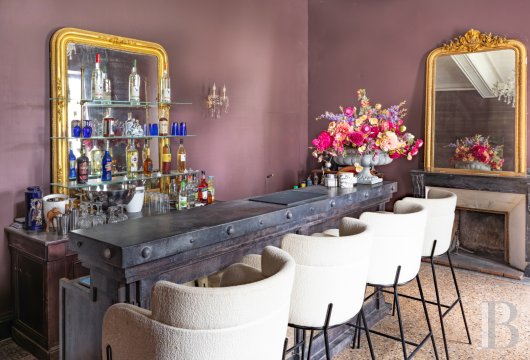
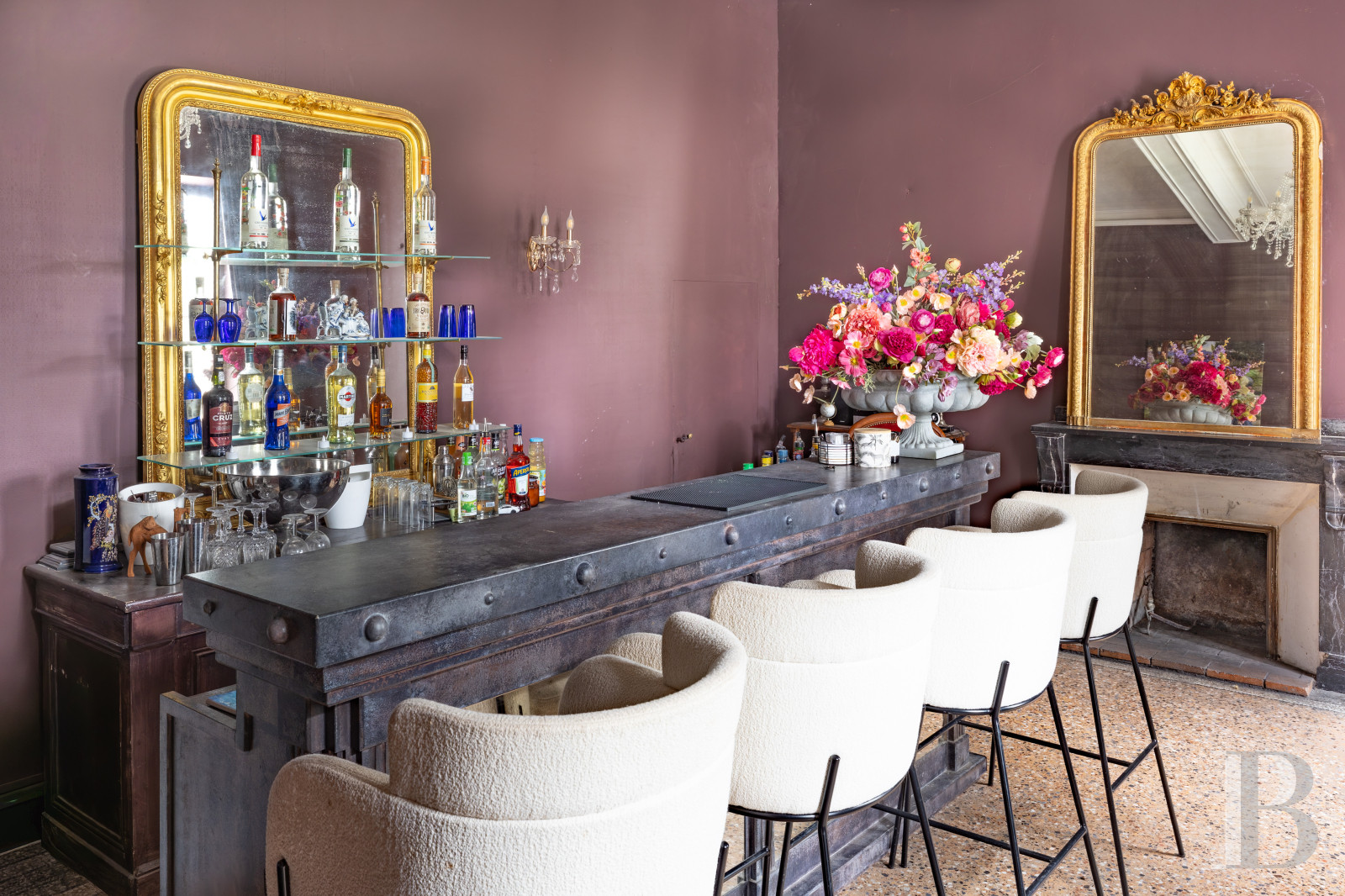
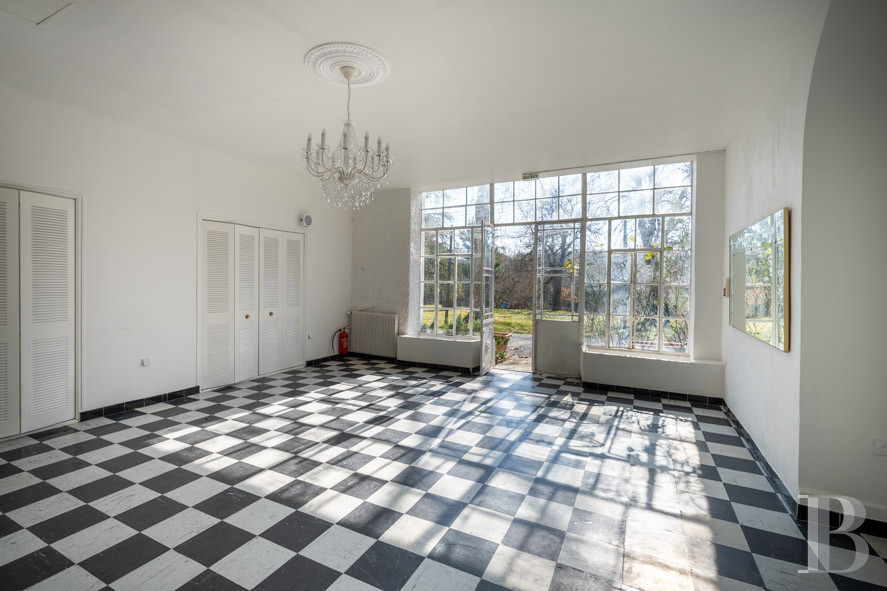
The ground floor orangery on the western side houses a reception hall with solid oak parquet flooring and six chandeliers with pendants. An east-facing room with an authentic 1900s steel and glass structure with black and white chequered floor, red marble fireplace and beams covered in moulded plaster provides access to this reception space.
The first floor
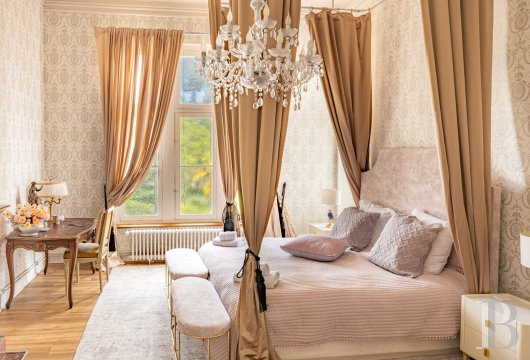
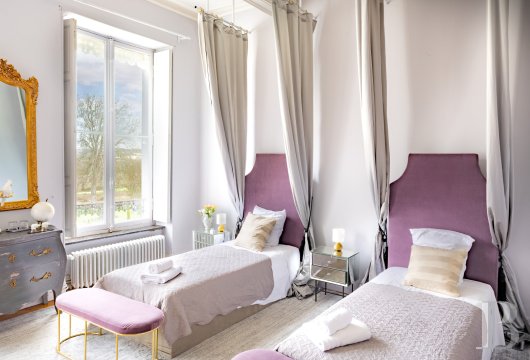
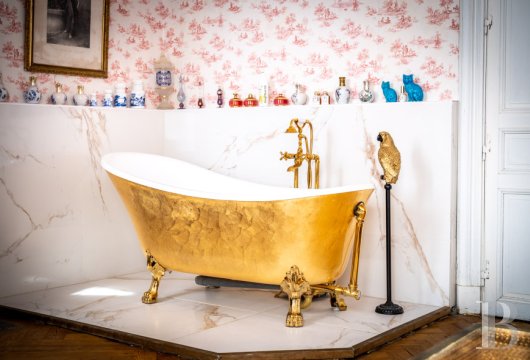
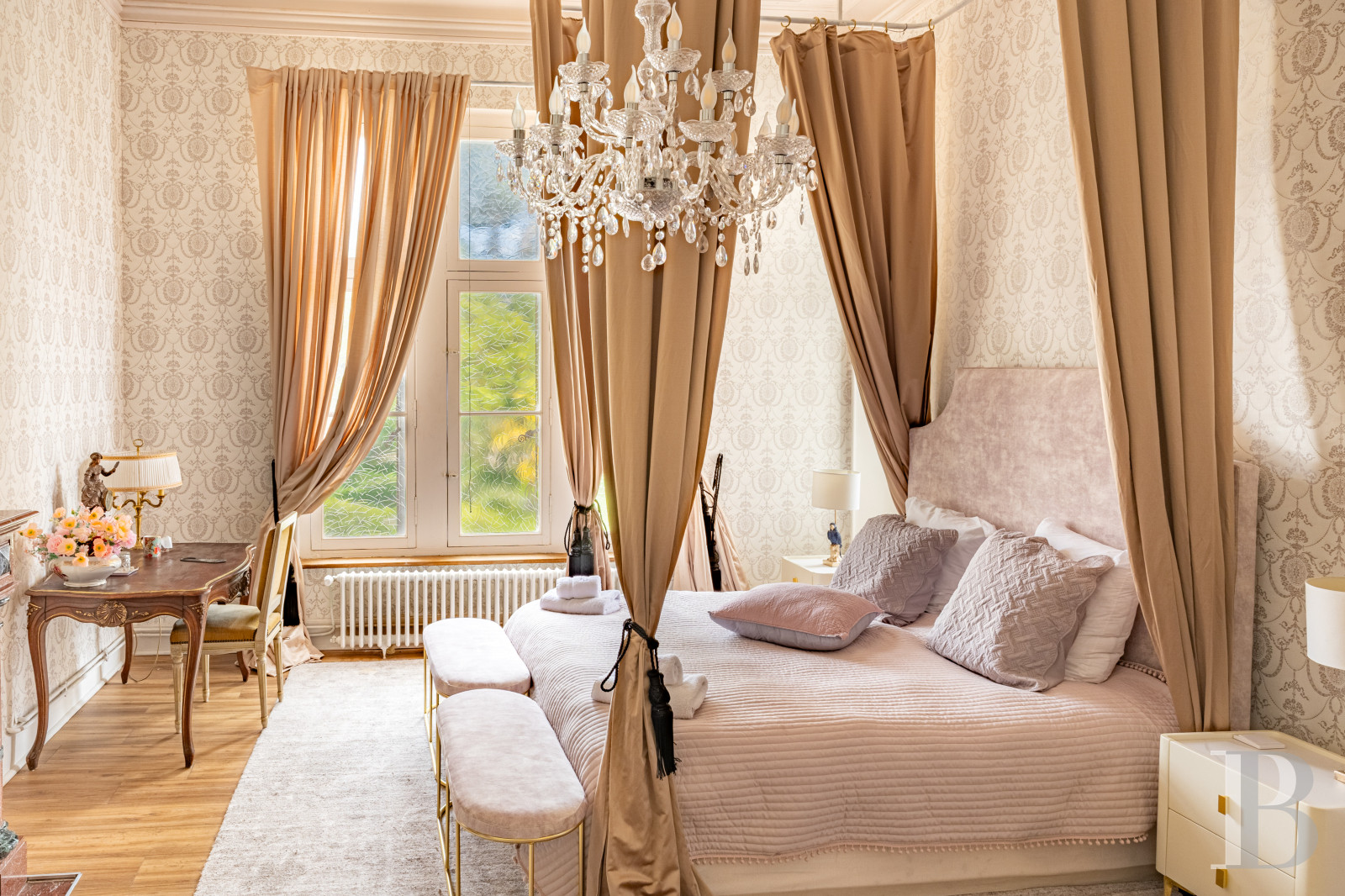
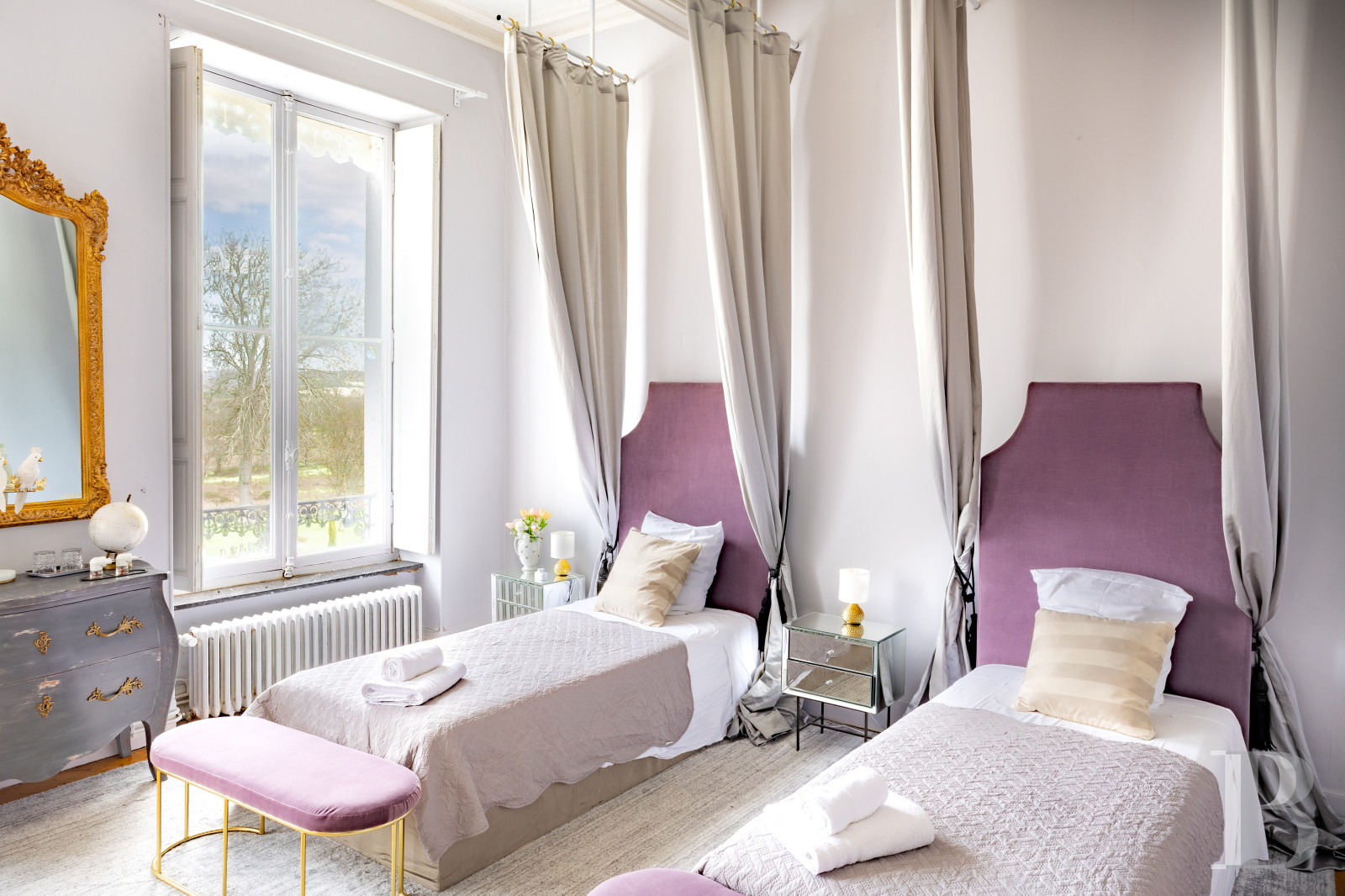
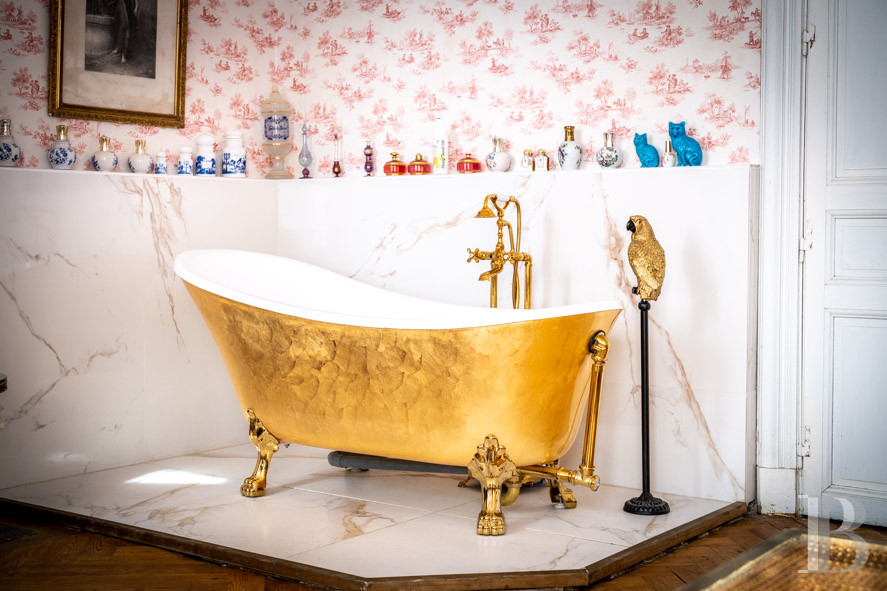
The second floor is accessed via a wooden staircase that leads to thirteen bedrooms. They have all been renovated, while retaining the essential elements defining their authenticity and uniqueness: period herringbone parquet flooring, moulded ceilings and marble fireplaces can be found in every room on this level. Some of the bedrooms have en suite bathrooms, others have shower rooms or washbasins.
The second floor
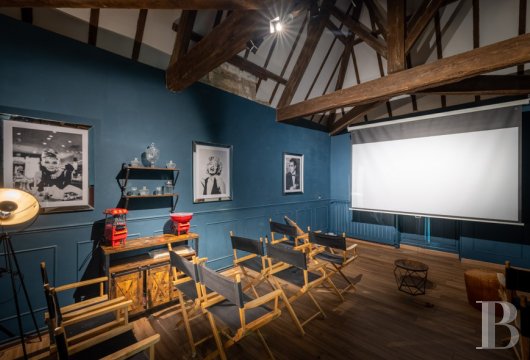
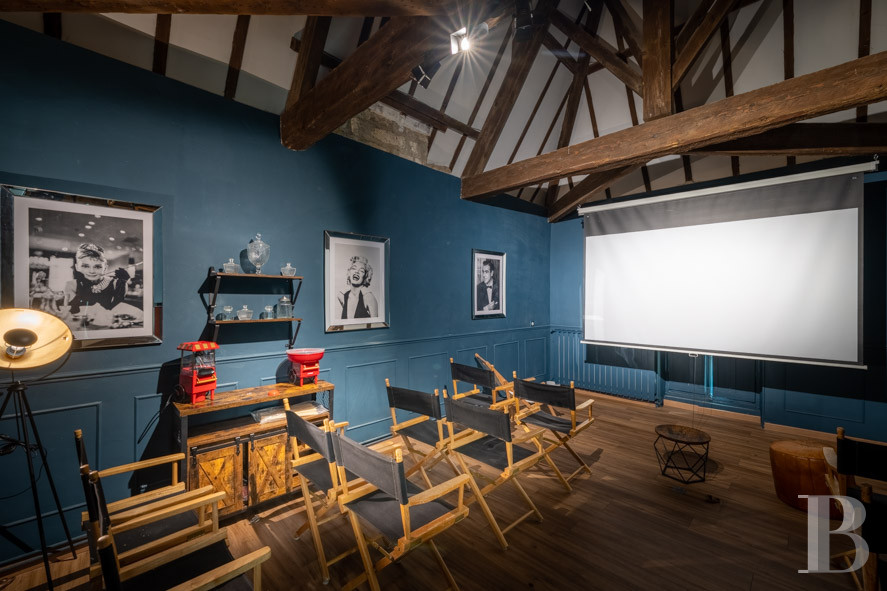
On this level, a skylight with coloured stained glass panes illuminates a corridor that leads to six bedrooms which are simpler than those on the first floor. At the end of the corridor, a narrow wooden staircase leads to a screening room in the tower, where paintings and knick-knacks pay tribute to the seventh art. It boasts an old, solid oak roof structure supporting the cathedral ceiling.
The first gîte
This is a family gîte of around 120 m² with its own entrance and extensive views over the park and swimming pool. Located on the first floor of the left wing of the main building, it comprises four bedrooms with hardwood floors, three of which with en-suite bathroom or shower room, a living room with kitchen, two shower rooms and a separate lavatory. The fourth bedroom is located above the living room on a mezzanine, accessed via a steep staircase.
The wing with the annexes
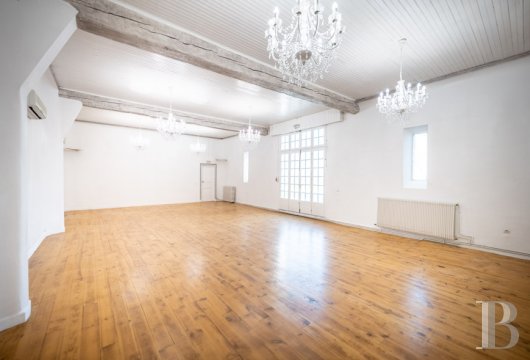
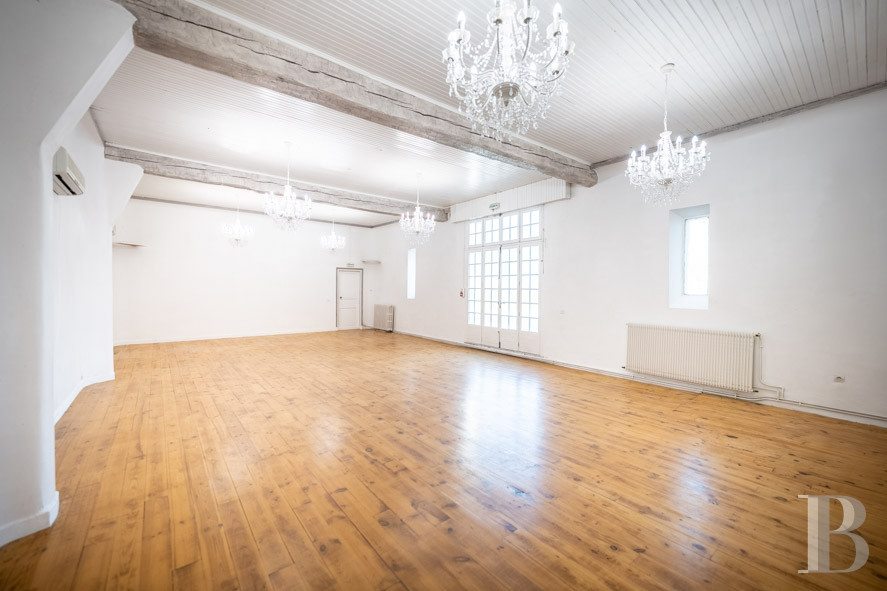
Set at right angles to and extending from the chapel, this wing contains a reception room of over 90 m², with solid oak parquet flooring, chandeliers with pendants and high ceilings. Weddings are held here all year round, with some guests staying in the adjoining gîtes.
Two large flats complete the building, currently used as gîtes. One is on the ground floor of this wing of the chateau, the other on the first floor, overlooking the park and forest.
The first, with a floor area of about 100 m², is designed to sleep six people and has its own entrance on the ground floor. There are three bedrooms, a shower room, two separate lavatories, a living room and a fully equipped kitchen with light-coloured tiled floors.
The second is a large gîte of over 170 m², for up to fifteen people. It comprises three triple bedrooms and three double bedrooms, three bathrooms or shower rooms and a large living room with fitted kitchen. The flooring is mainly of hexagonal terracotta tiles, with the exception of some bedrooms with hardwood floors; the ceiling beams and joists are exposed throughout.
The outbuildings
These include a winery and a stable, with roughcast stone walls and gable roofs with interlocking tiles, as well as a hangar, a simple metal structure for storage. The winery offers a floor area of around 300 m² and could be converted to suit various purposes, depending on the requirements. The cowshed still shelters a few cattle attached to the site and its current inhabitant. As for the shed, it is used to store agricultural equipment for the micro farm in operation here.
The park, the meadows and the woodlands
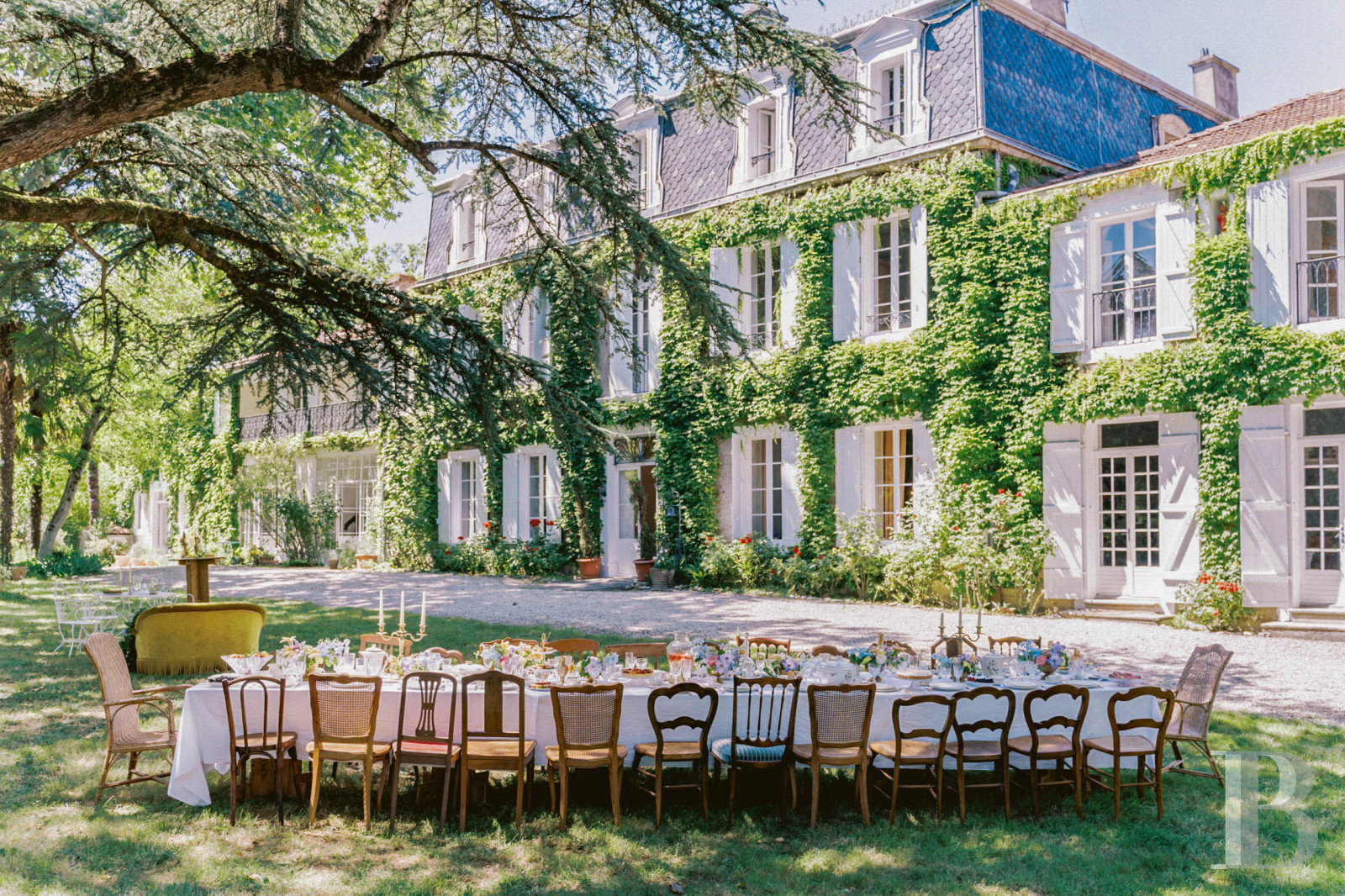
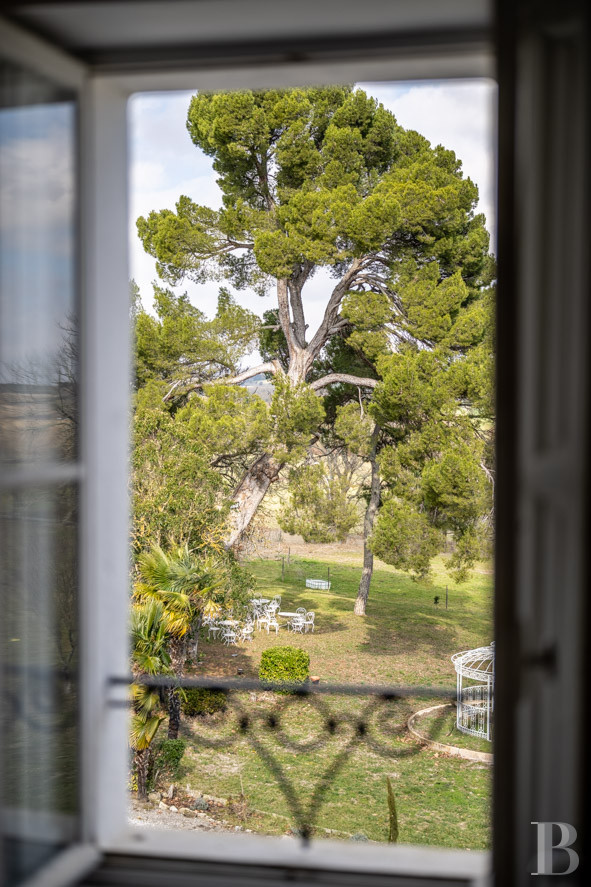
The park features gravel driveways and lawns, generously planted with trees of various species, many of which are centuries-old, and three wells. Sycamores, ash, cedar and oak trees, olive trees, lime and chestnut trees, bamboo and palm trees surround the residence and its adjoining buildings.
Meadows stretch out on either side of the park, together with organically farmed fields of annually changing varieties. There is also a 6-hectare private forest with a magnificent view of the Pyrenees. The grounds total 32 hectares.
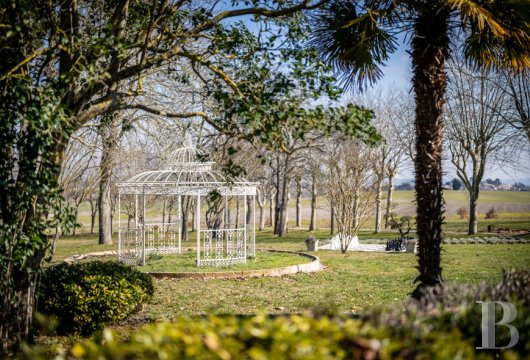
At the front of the chateau, an ornate metal gazebo and a giant chess set enhance the outdoor living space for the inhabitants and their guests.
Finally, a swimming pool measuring approx. 10 x 5 m with a stone surround and lawn areas has been built not far from te main dwelling, behind the buildings and hidden from prying eyes.
Our opinion
A warm and noble property that combines the prestige of a 19th century chateau with the romantic charm of a well-kept, pastoral setting. For history enthusiasts from Great Britain or North America seeking authenticity, this exceptional property is more than just a simple purchase: it is a rare opportunity to embrace an authentic part of the French national narrative, where monarchist loyalty, Cathar heritage, artistic sensibility and socialist influences intersect.
It is ideal for organising large events, as it offers top-quality facilities. Many weddings and seminars have been hosted here in recent years. This elegant chateau and its numerous outbuildings with a considerable hospitality capacity either provide the perfect setting for running a hotel, as hitherto, or for developing a large-scale commercial project to take the property into a new future.
1 990 000 €
Fees at the Vendor’s expense
Reference 117475
| Main building floor area | 2500 m² |
| Outbuildings floor area | 500 m² |
| Land registry surface area | 32 ha |
Information on the risks to which this property is exposed is available on the website: www.georisques.gouv.fr
Share


NB: The above information is not only the result of our visit to the property; it is also based on information provided by the current owner. It is by no means comprehensive or strictly accurate especially where surface areas and construction dates are concerned. We cannot, therefore, be held liable for any misrepresentation.