



A 16th-century Provençal-style chateau on a wooded hillside
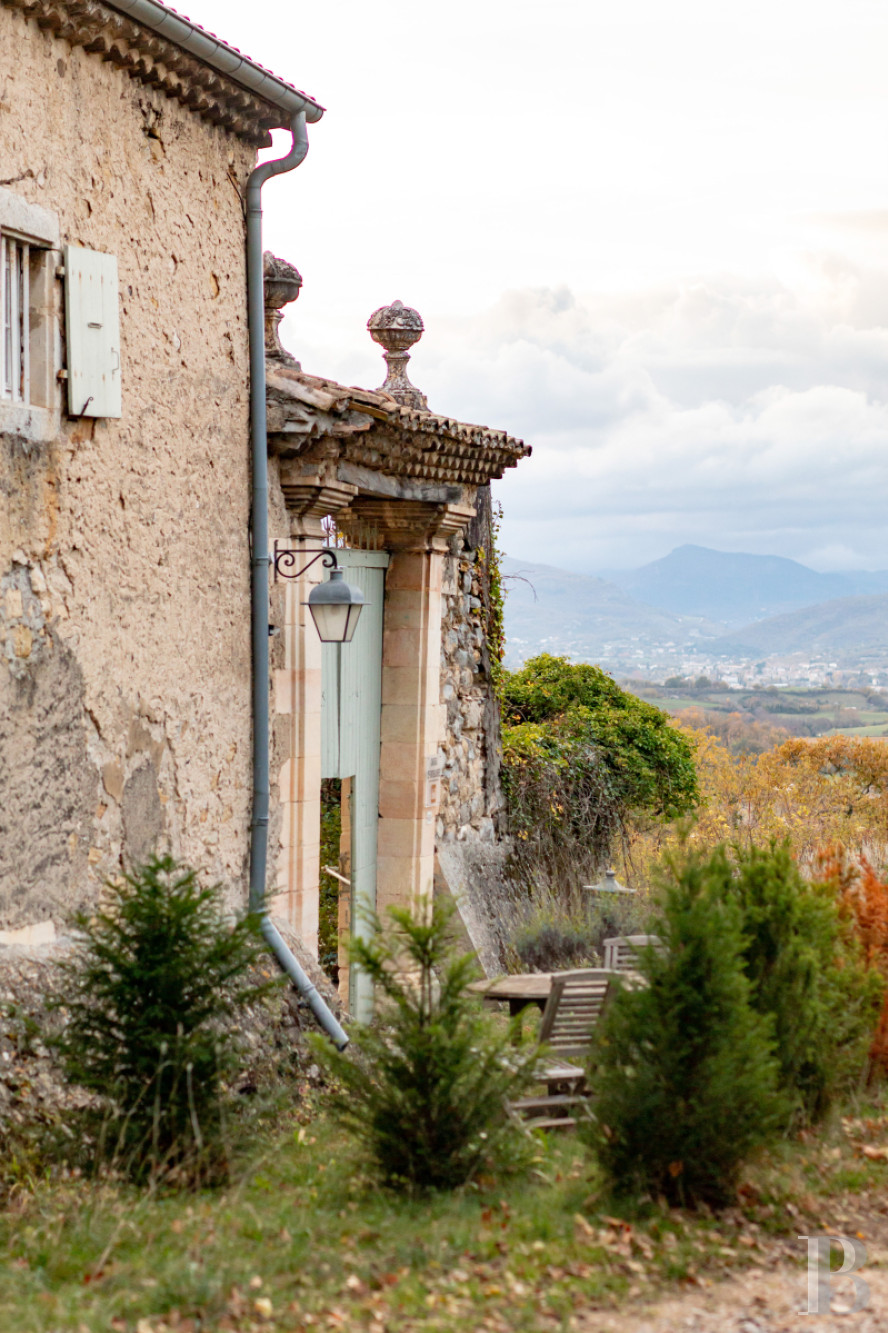
with a sweeping view of France’s Ardèche hills
with a sweeping view of France’s Ardèche hills
Saint-Lager-Bressac,
ARDECHE
rhones-alps
07210
FR

Location
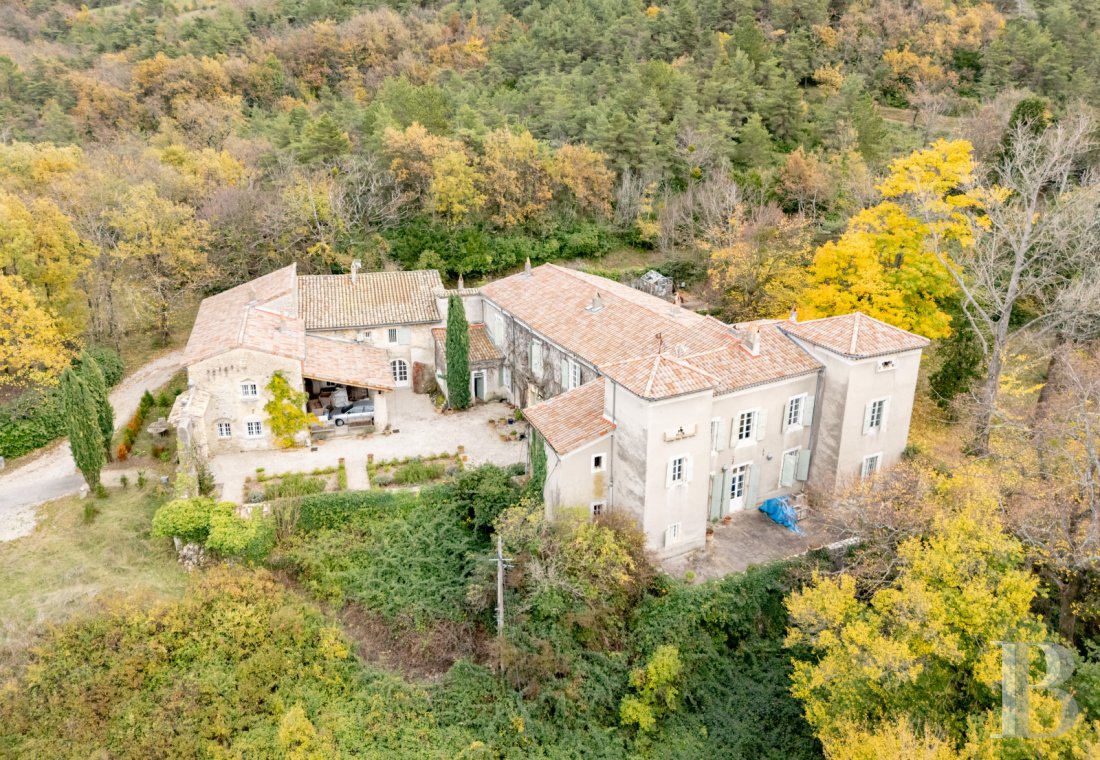
The property lies in the south of France’s Auvergne-Rhône-Alpes region, in the east of the country’s beautiful Ardèche department. It is located near the River Rhône valley and the N86 trunk road, in the heart of an unspoilt natural environment that enjoys absolute privacy. The chateau was built in the 16th century. For a long time, it belonged to the Chambaud de Saint-Lager family. It stands on a wooded hillside and looks down at a discreet valley through which the River Payre flows. It also gazes at the Coiron plateau. It is less than 15 minutes from the spectacular Monts d'Ardèche regional nature park. The property is only 10 kilometres from a slip road onto the A7 motorway, in the centre of a triangle formed by the cities of Valence, Montélimar and Privas. This makes it highly accessible. Furthermore, it enjoys absolute calm.
Description
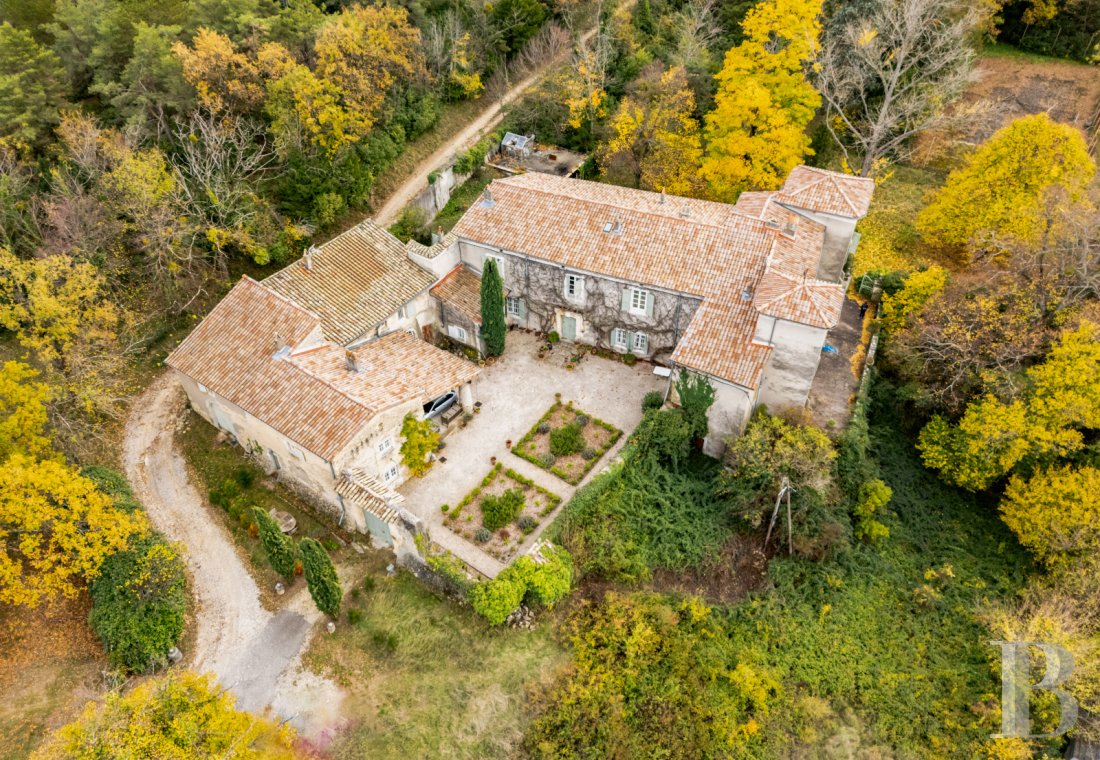
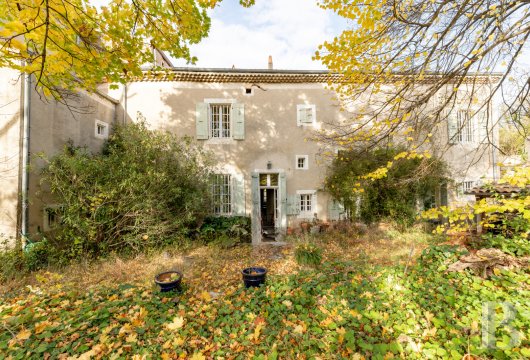
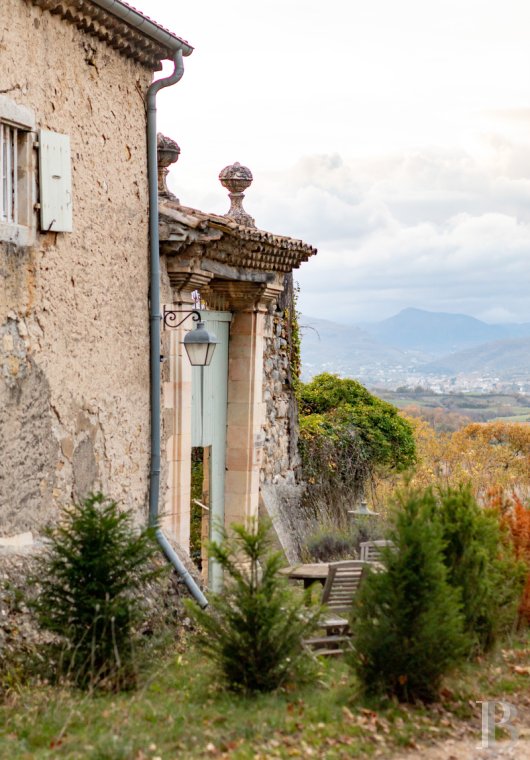
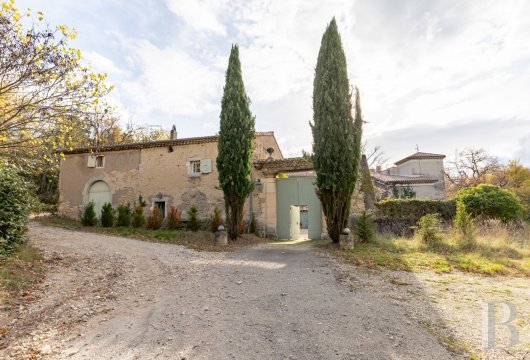
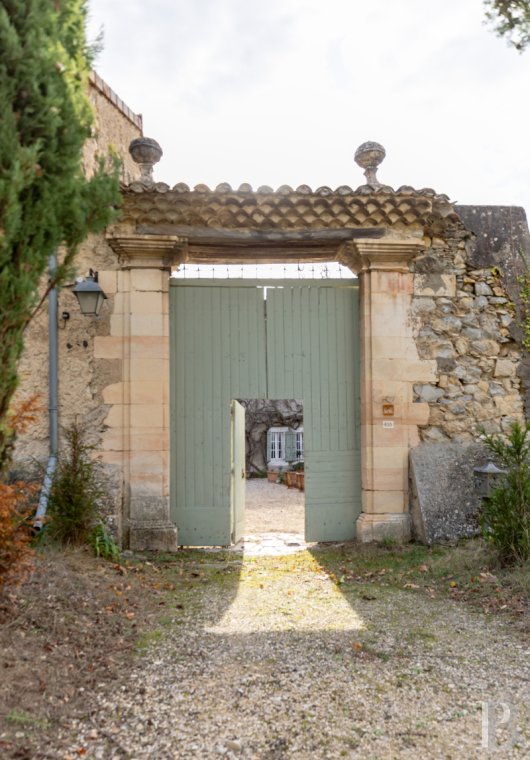
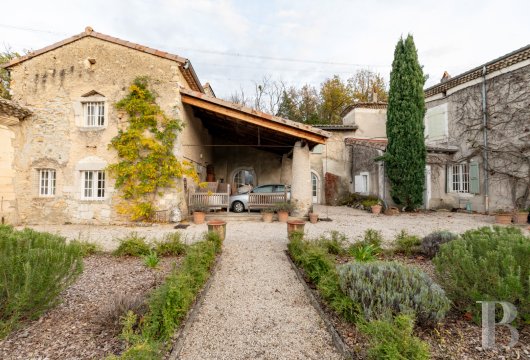
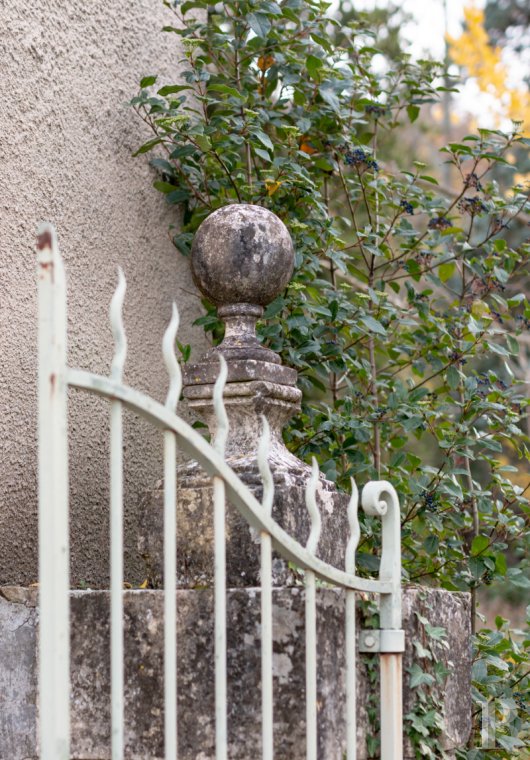
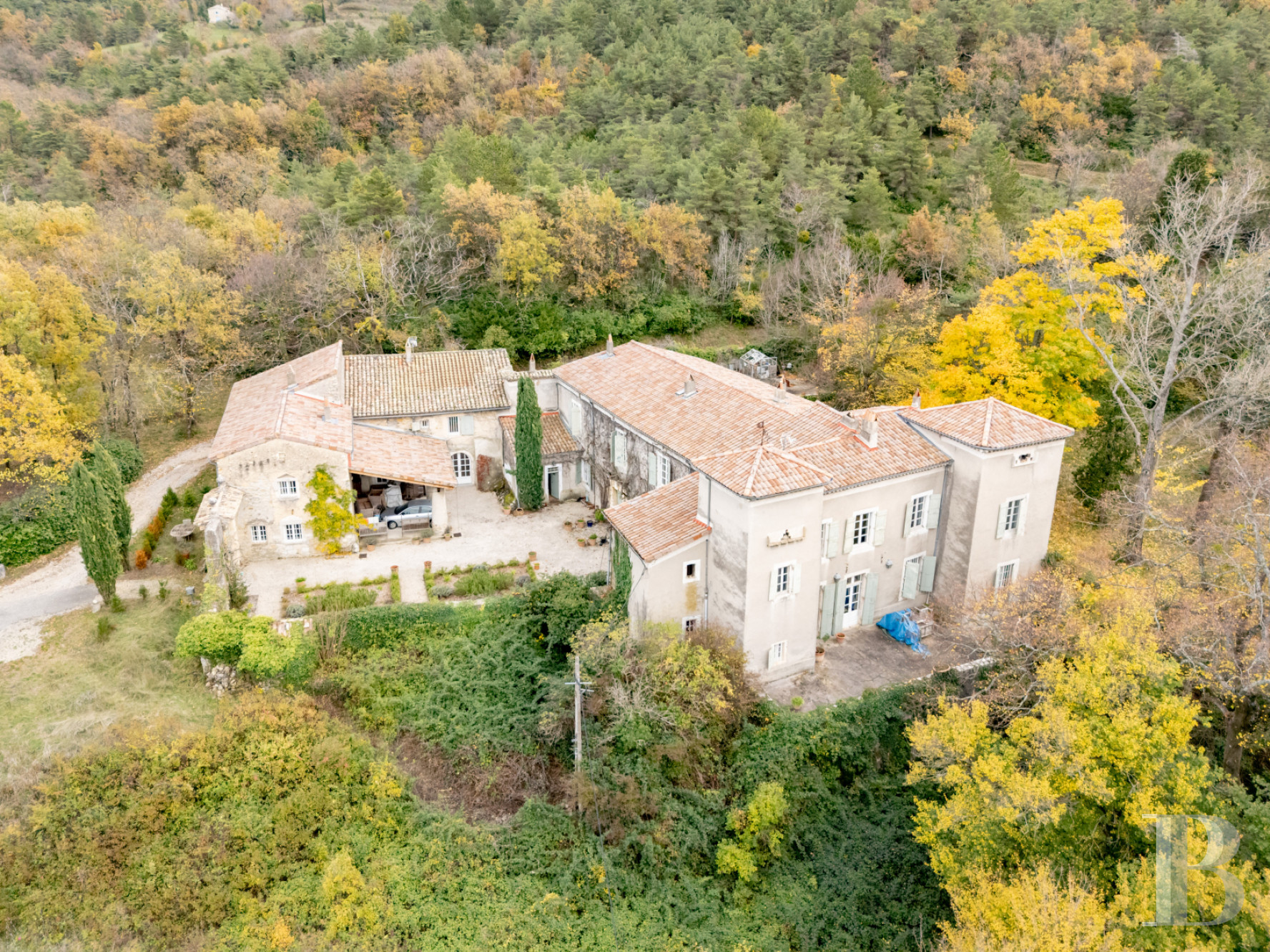
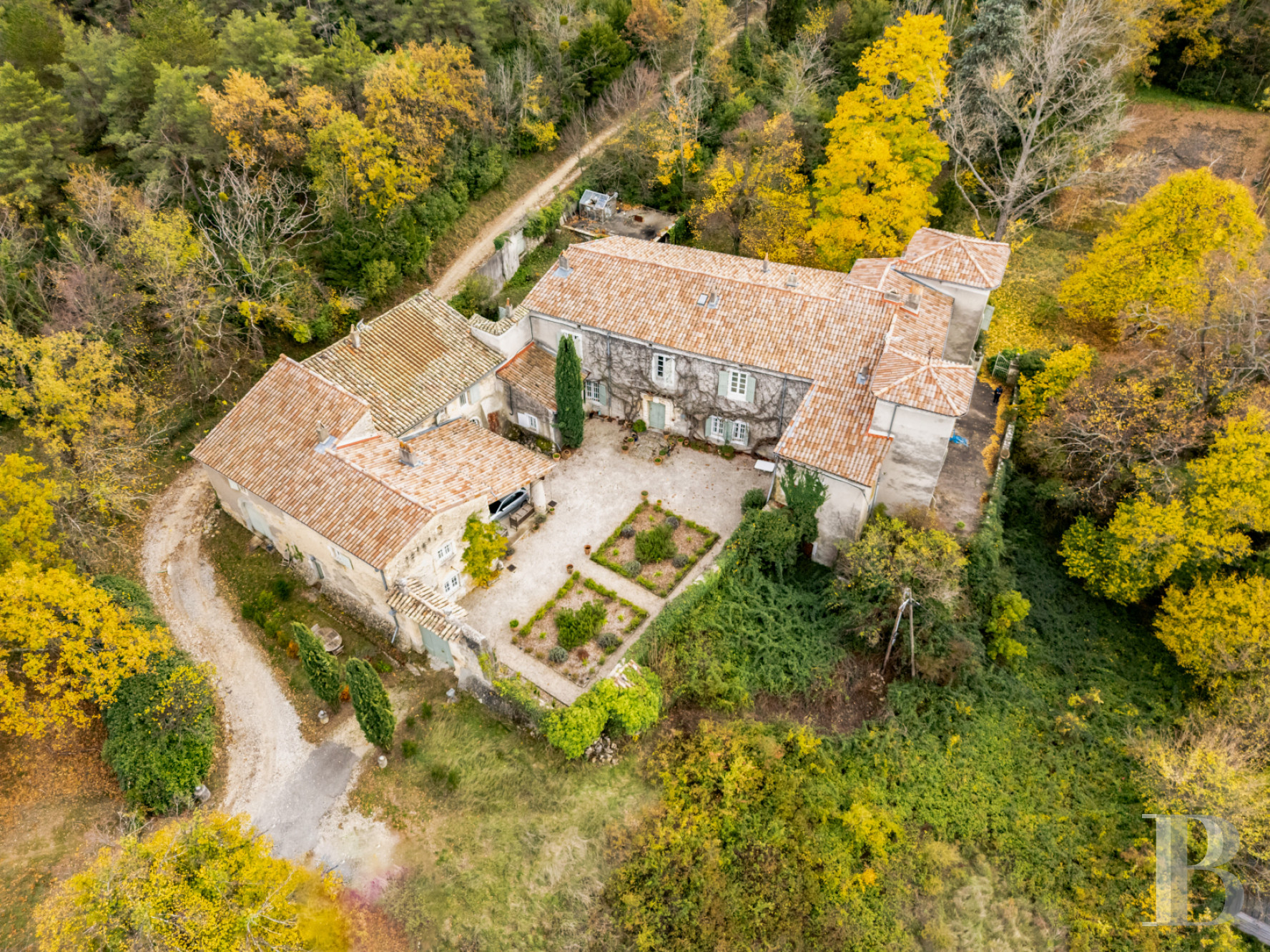
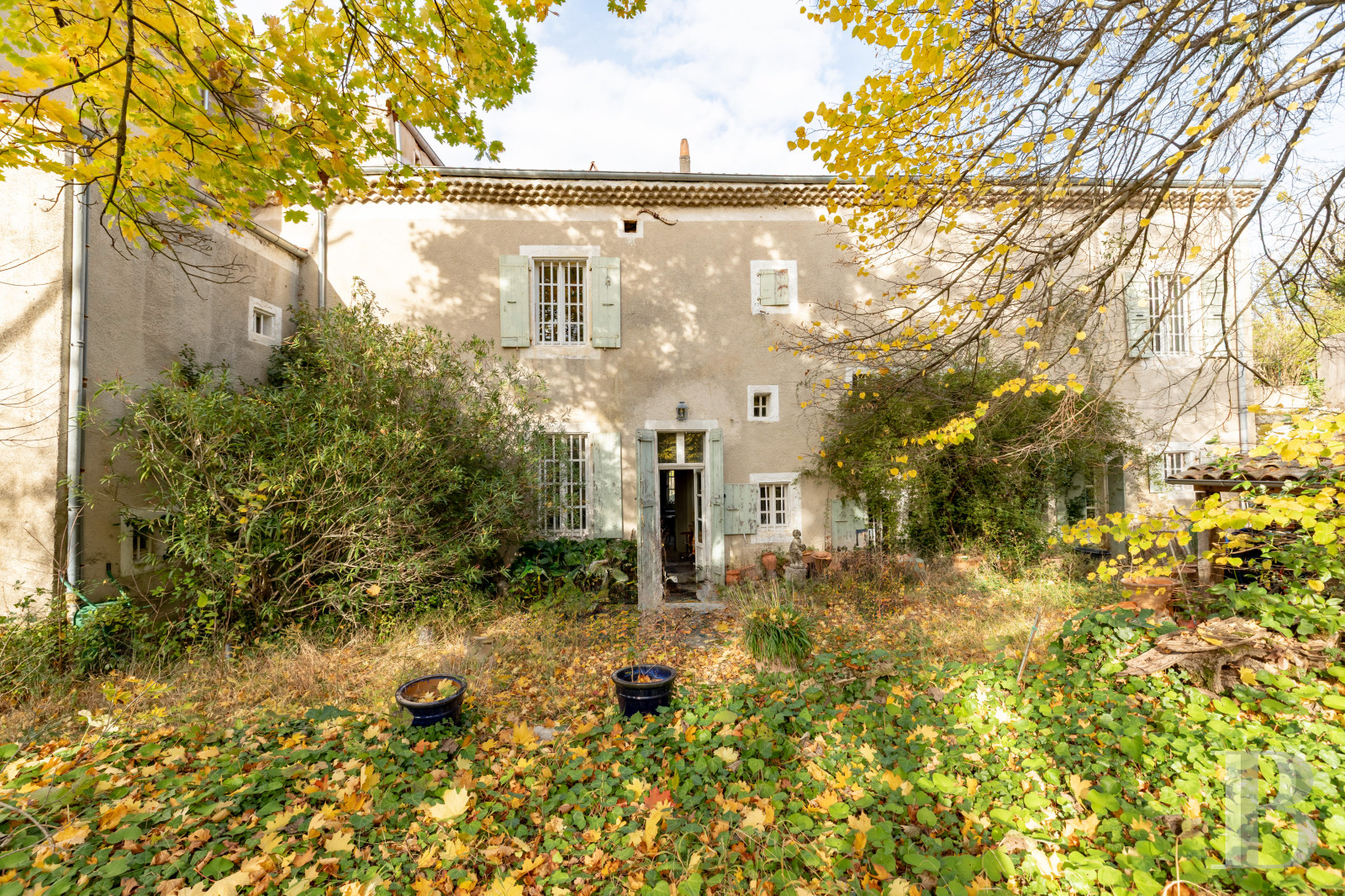
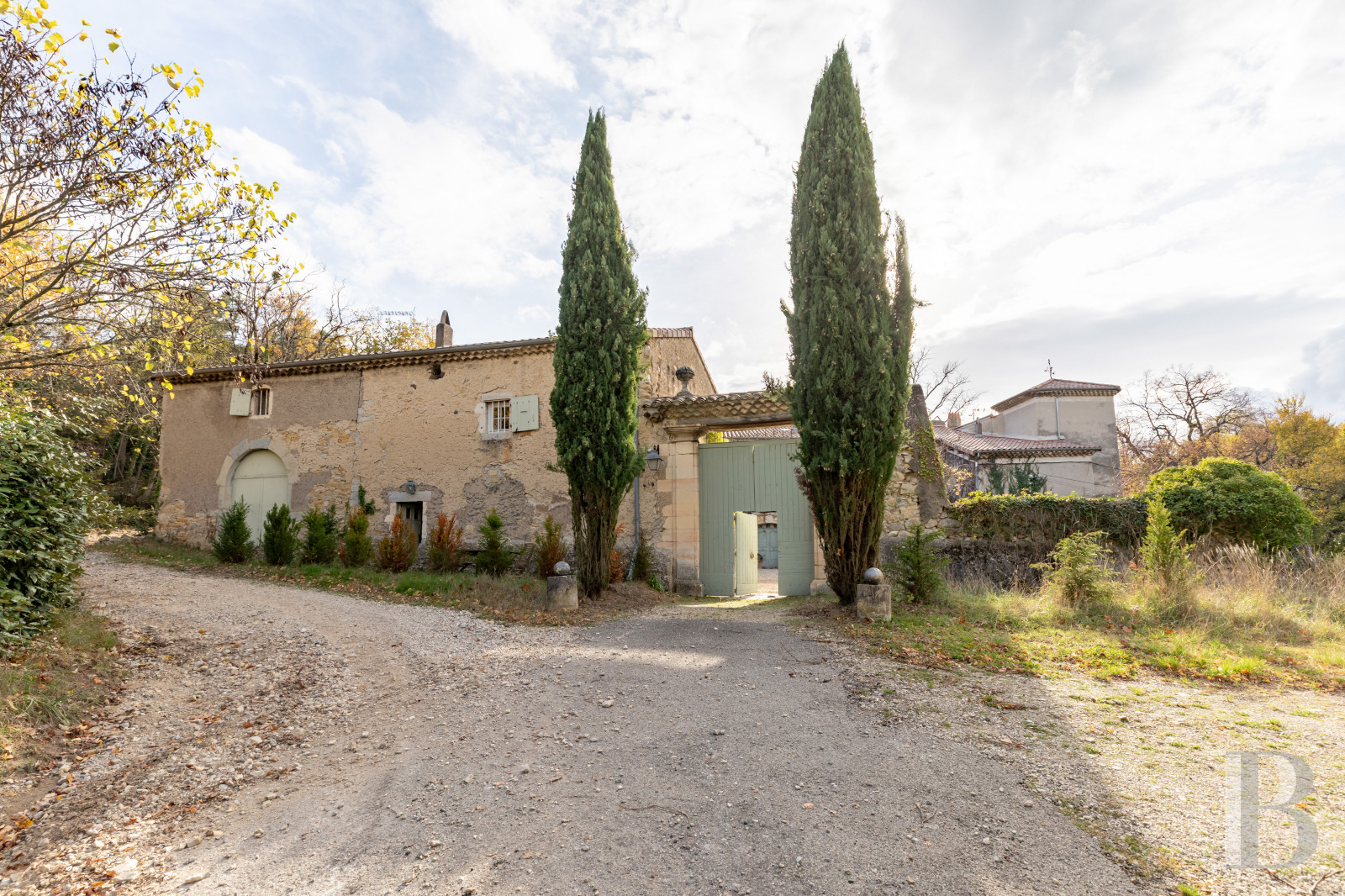
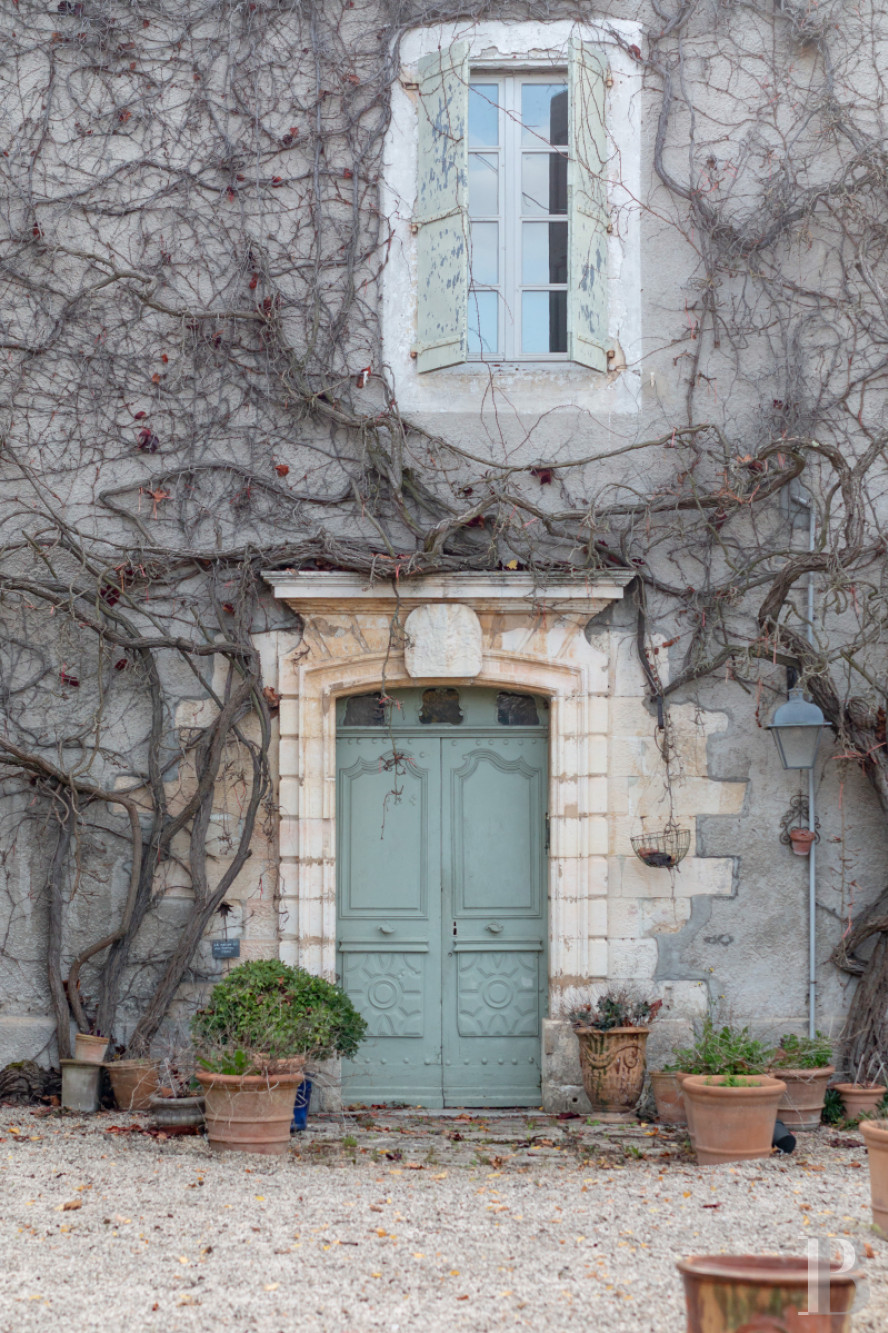
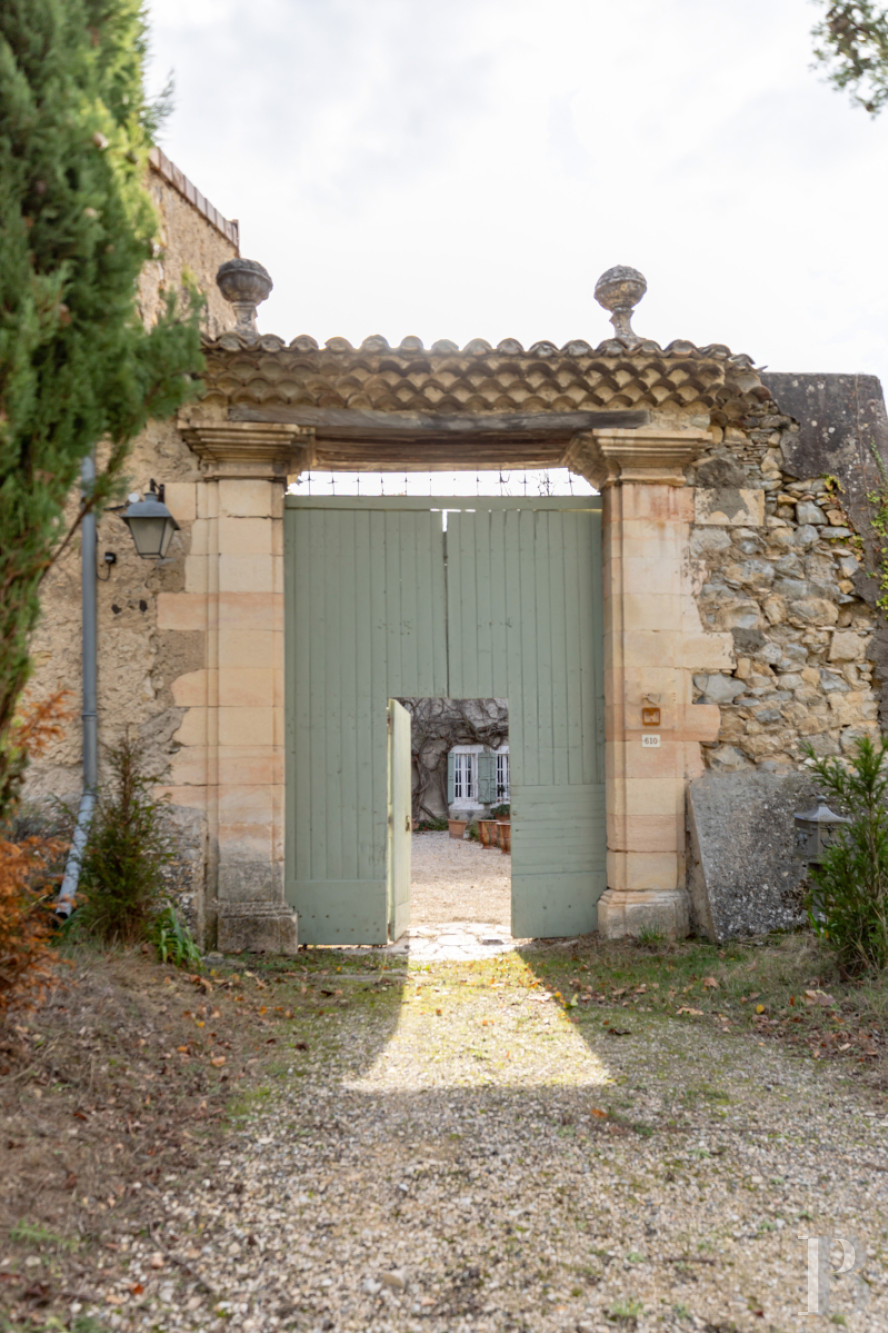
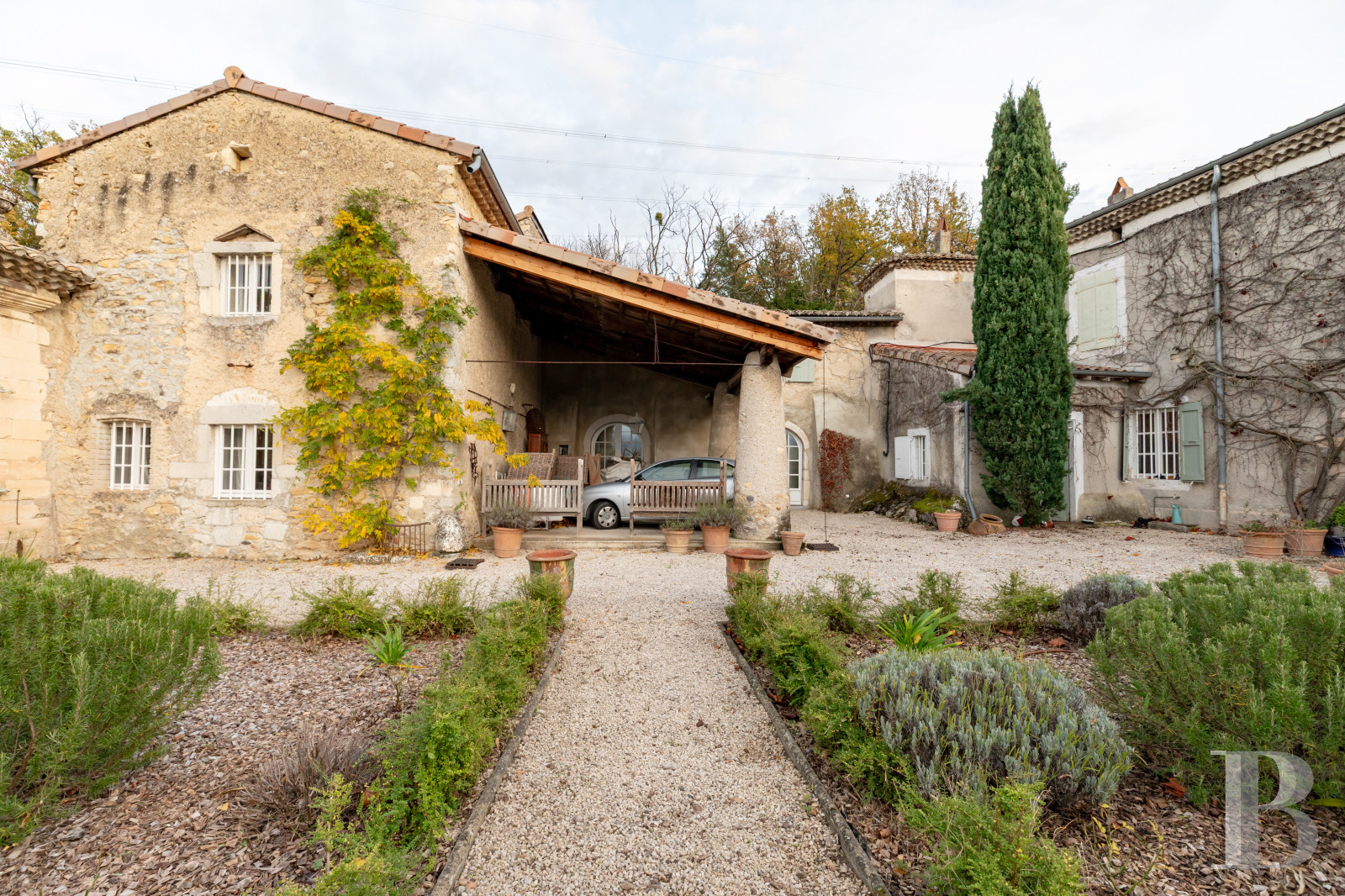
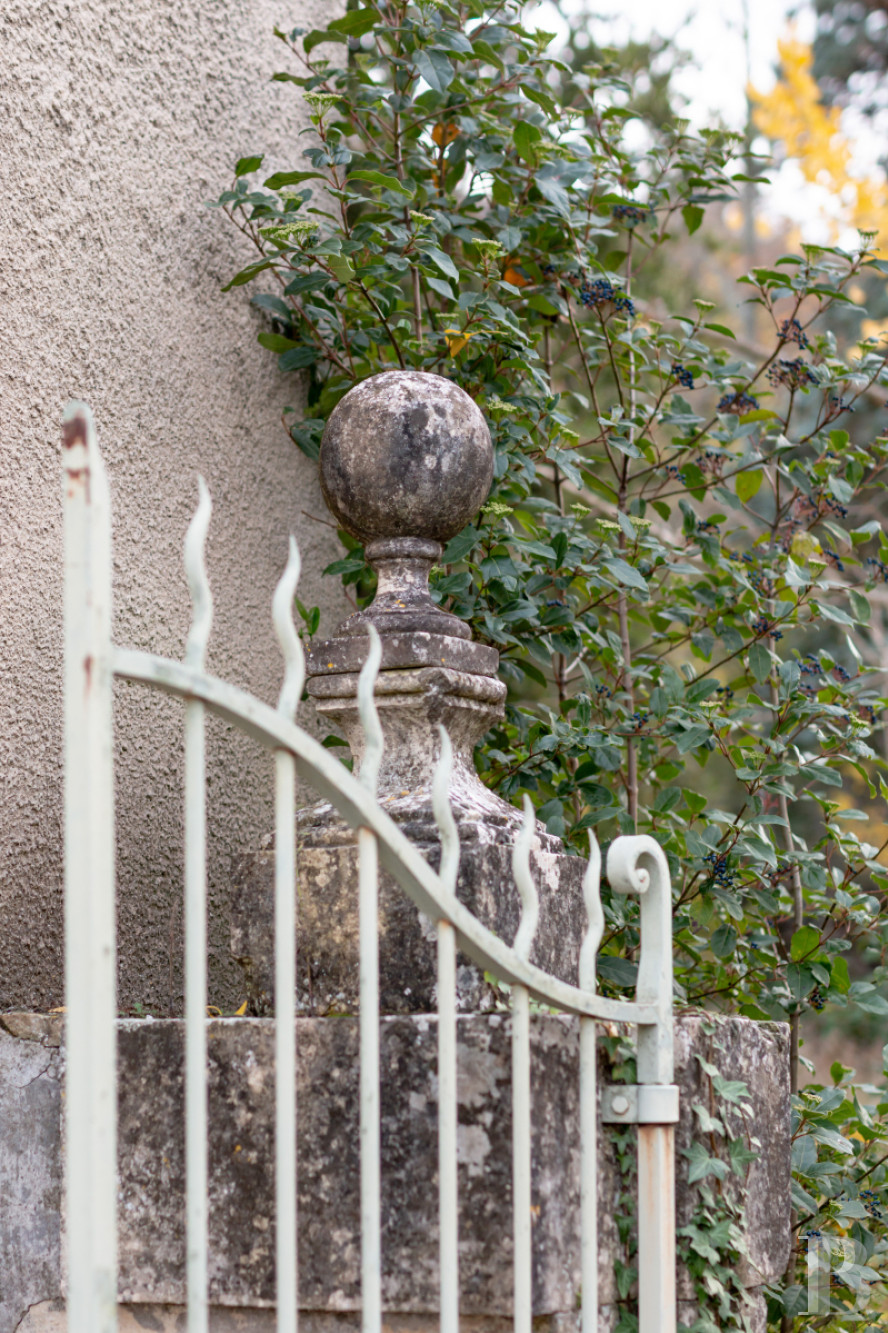
You enter the property via a covered carriage gateway with stone pillars and a tiled roof. The painted wooden gate leads into a gravelled court with plants. On the right, there is a French formal garden with white rose bushes. This little garden adds a touch of refinement to the edifice. The chateau is typical of the 16th-century Provençal architectural style. It has been restored to preserve its Ardèche charm. It has a ground floor, a first floor and a second floor in the roof space, which could be converted. It faces north and south. Its plain elevations are made of dressed stone that has been lime-rendered. These elevations are punctuated with rectangular windows set in white surrounds. The windows are fitted with shutters painted green. Hipped and gabled roofs of barrel tiles crown the edifice. These roofs are underlined with triple-row génoise cornices. Concrete terraces edge the edifice on its south and west sides. The east wing, to which the chateau is linked via its north-east corner, houses a caretaker’s house and an orangery beneath an apartment. Forming an L shape, this east wing is extended with a paved terrace on its south side and, like the main section of the chateau, it displays the architectural characteristics that are typical of Provençal houses: rendered stone elevations and roofs of local tiles with one or two slopes. The wing used to be a stable for horses. It was built at the same time as the chateau. Later, it was later turned into an orangery. The whole edifice is surrounded by one hectare of grounds that include trimmed hedges, a Japanese pond, a swimming pool with a view of the River Payre valley and a former tennis court. Walking trails runs through the grounds and an oak forest edges it. So it is the perfect backdrop for nature lovers. For the past 20 years, the chateau has been a guesthouse. It became a guesthouse following roughly 10 years of renovation work on it. As a guesthouse, it offers seven bedrooms, five of which have been transformed for hosting guests and have their own private bathrooms. Its rooms mix old furniture units, fine Provençal quilting and lime-plastered walls, making the interior particularly charming. All the roofs and the second-floor insulation were renovated a few years ago. And all the windows are double-glazed.
The chateau
The ground floor
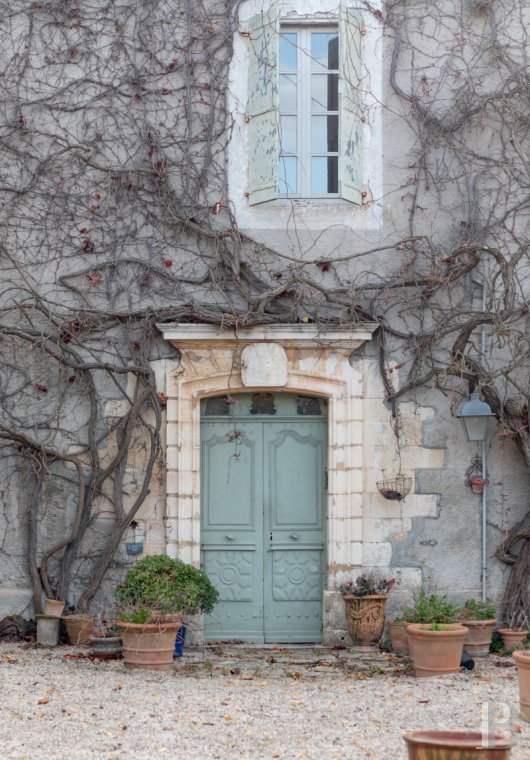
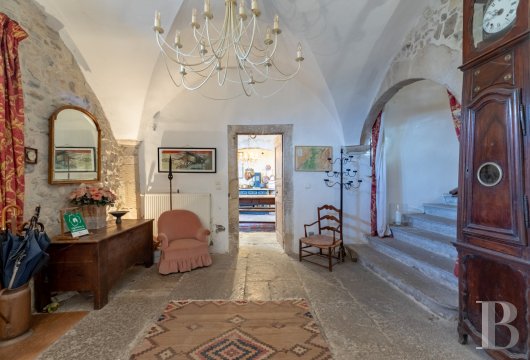
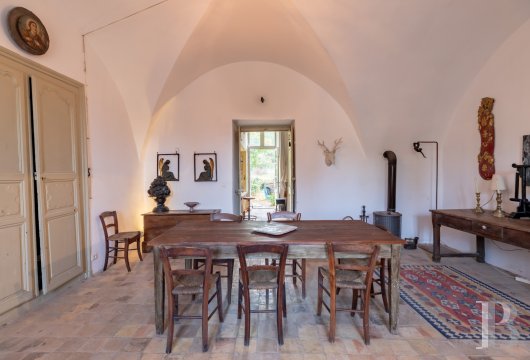
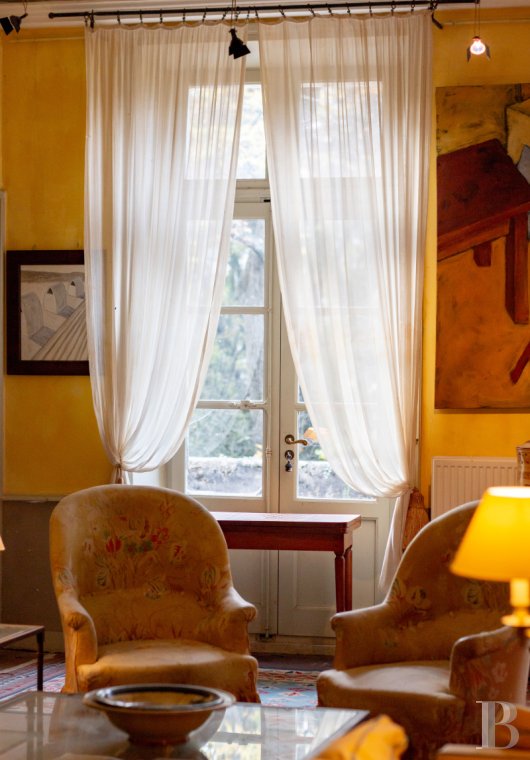
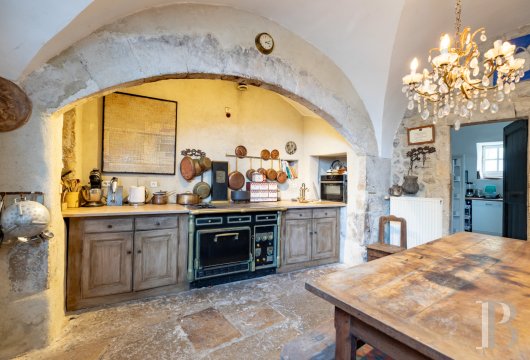
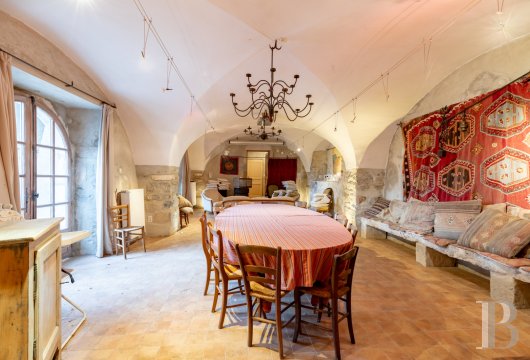
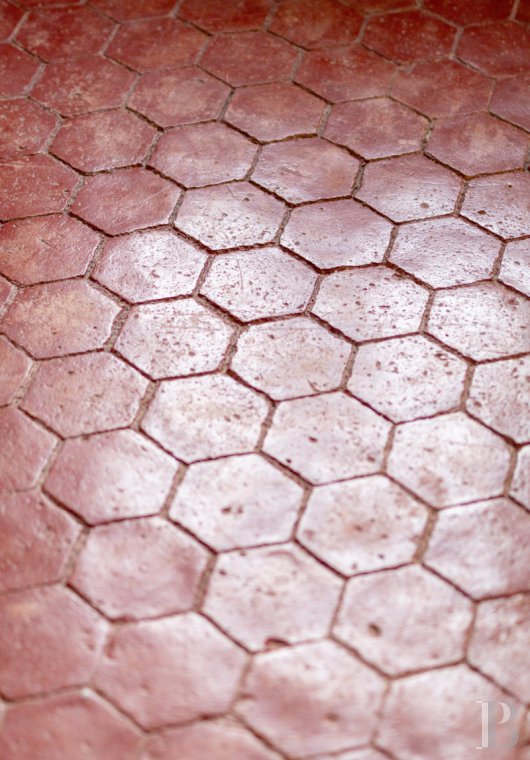
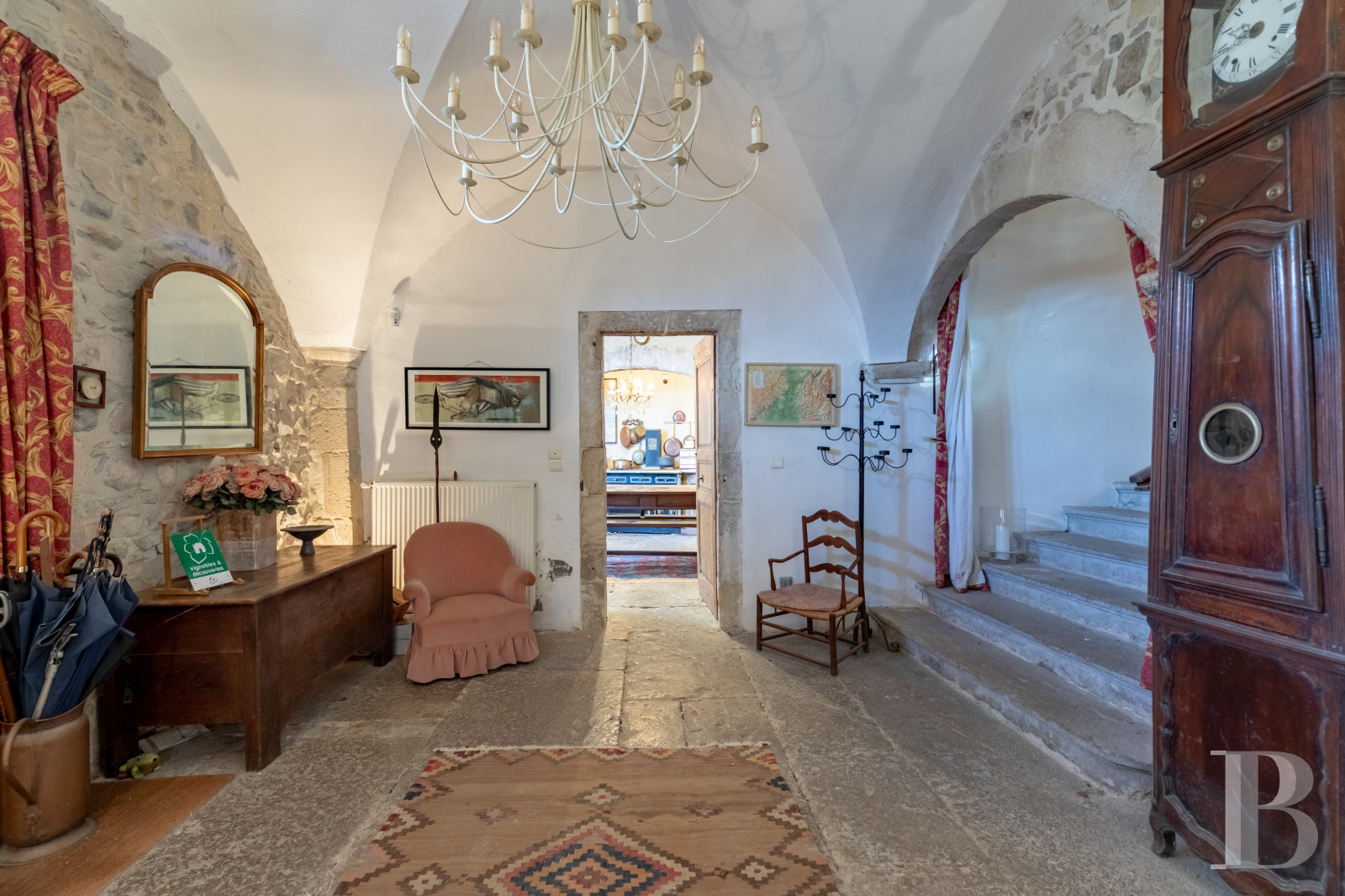
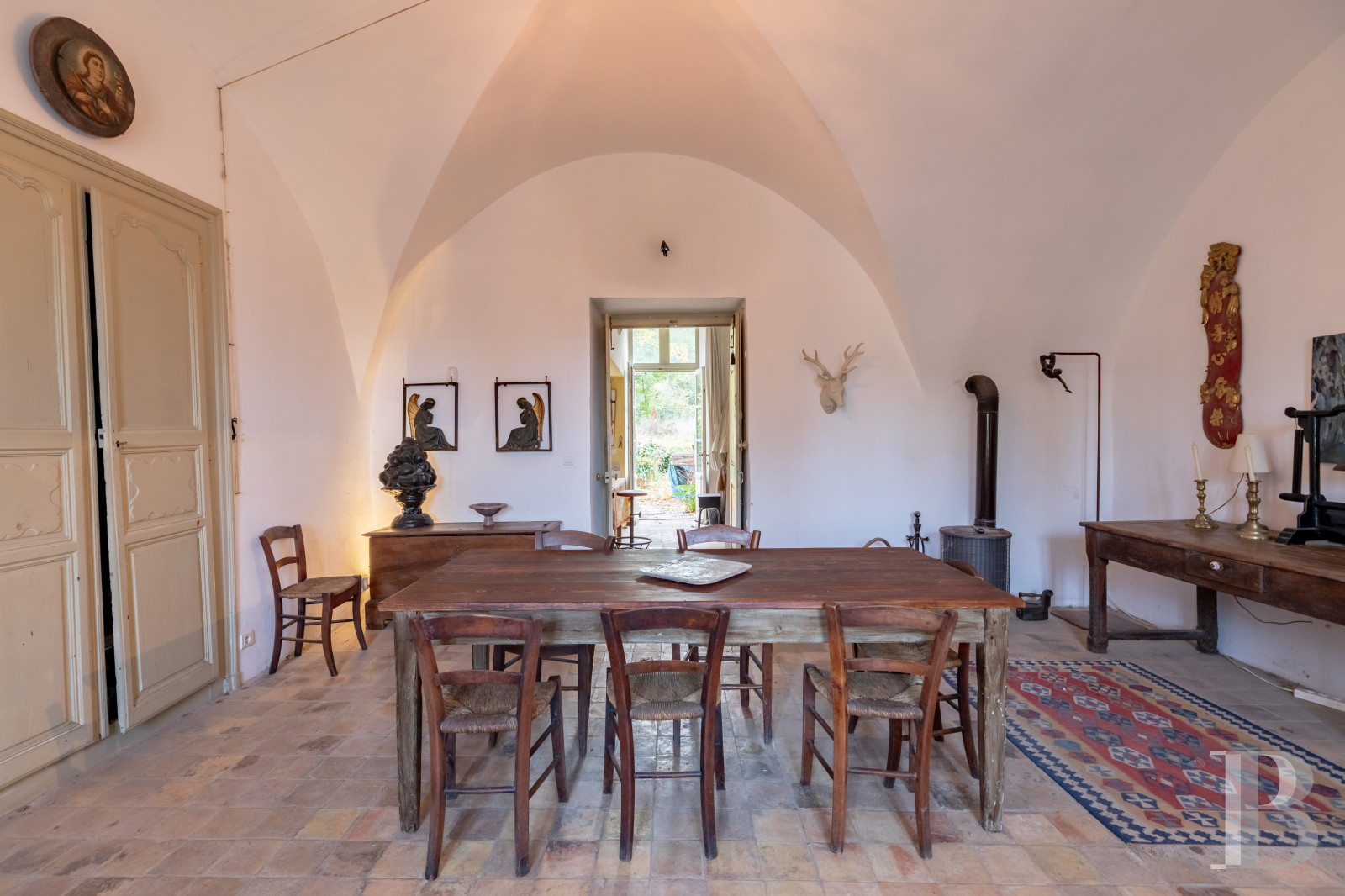
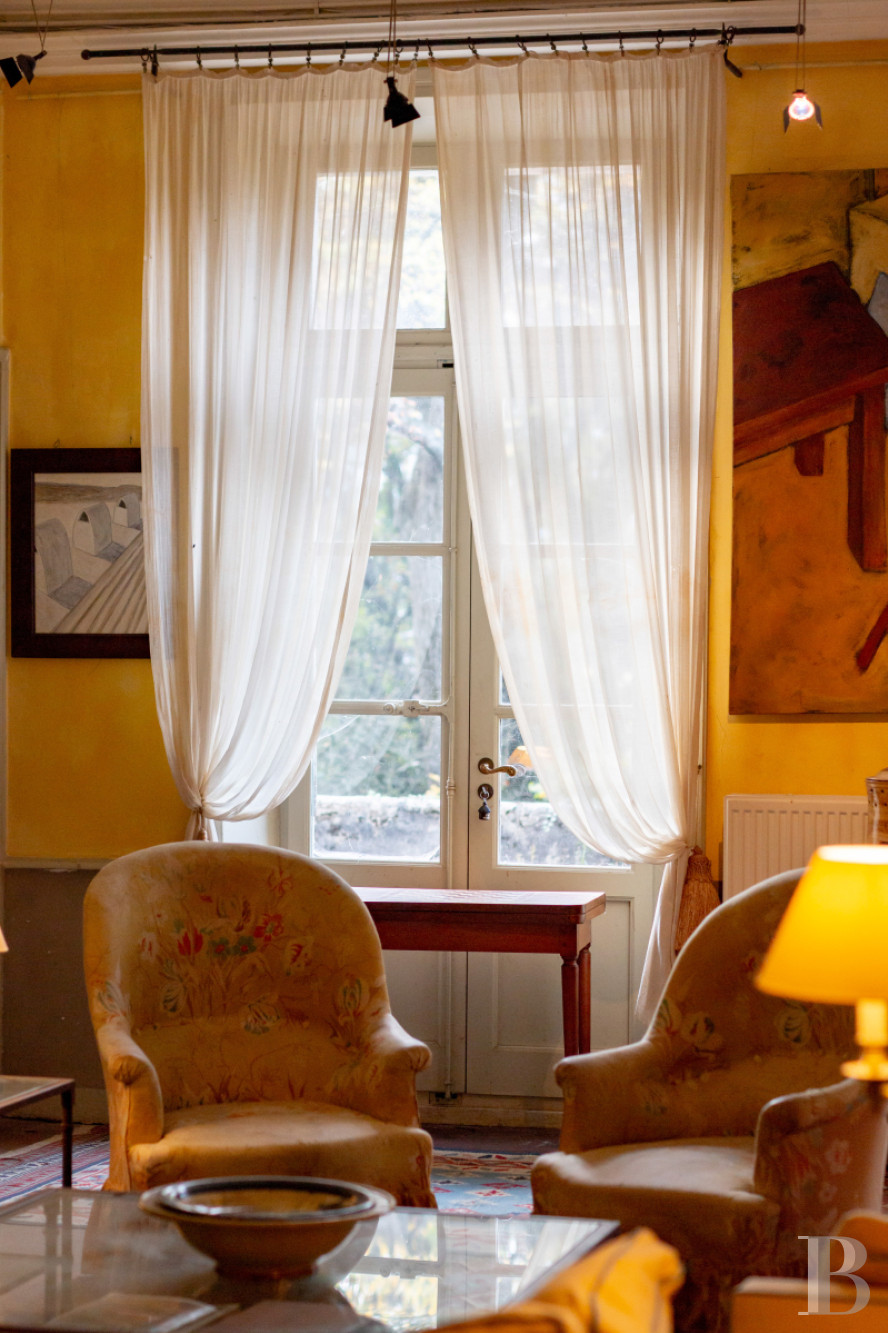
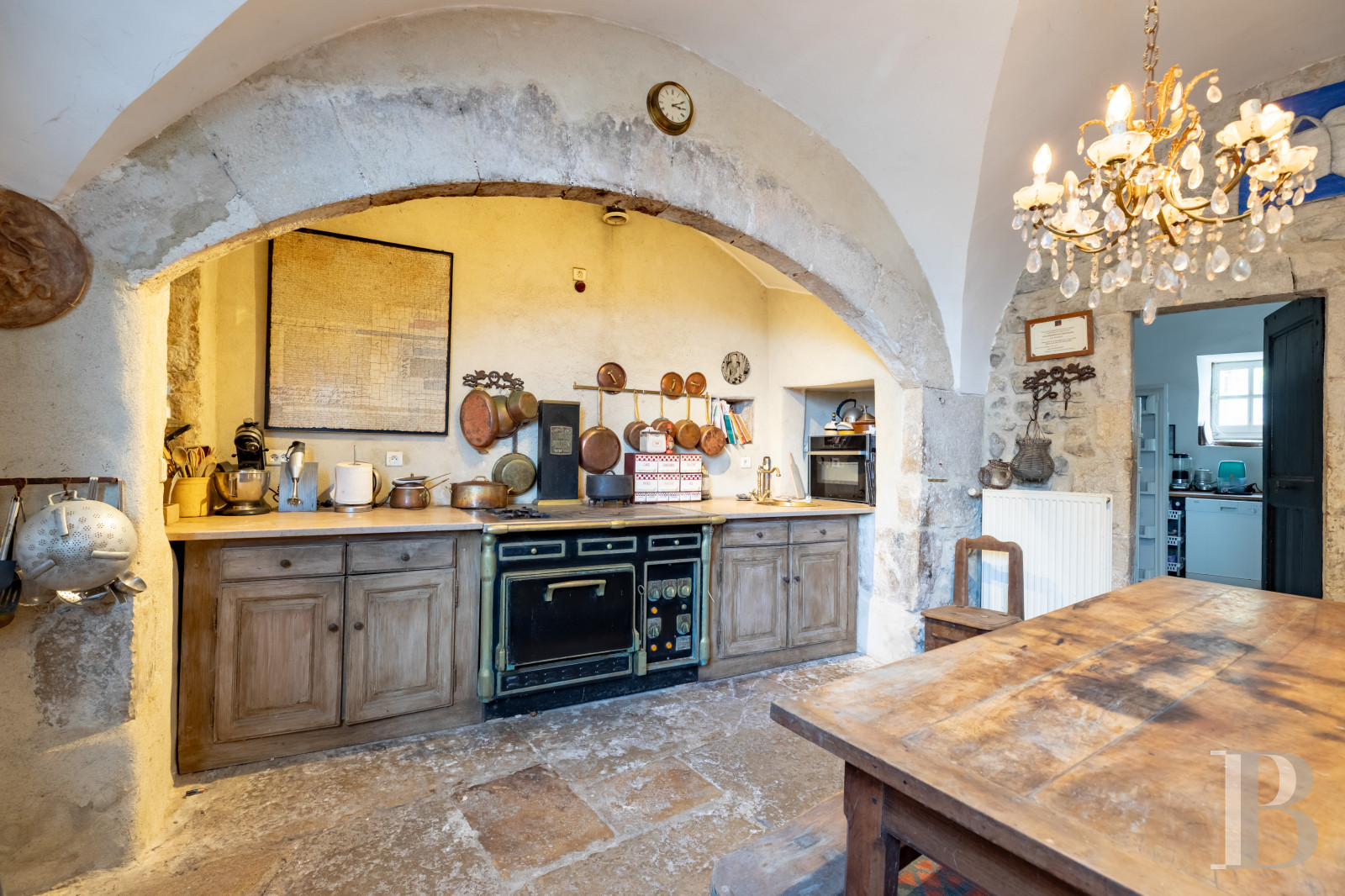
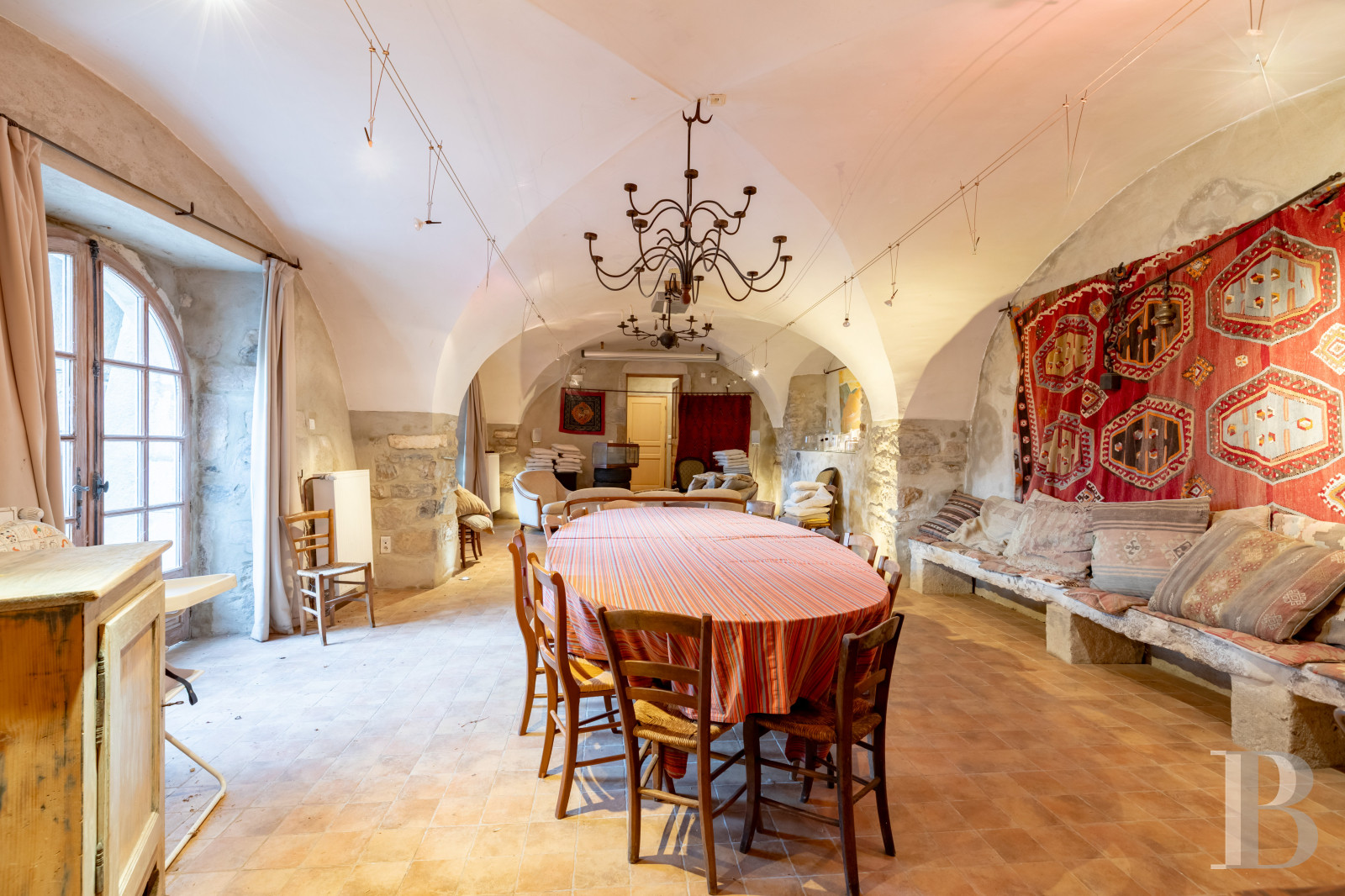
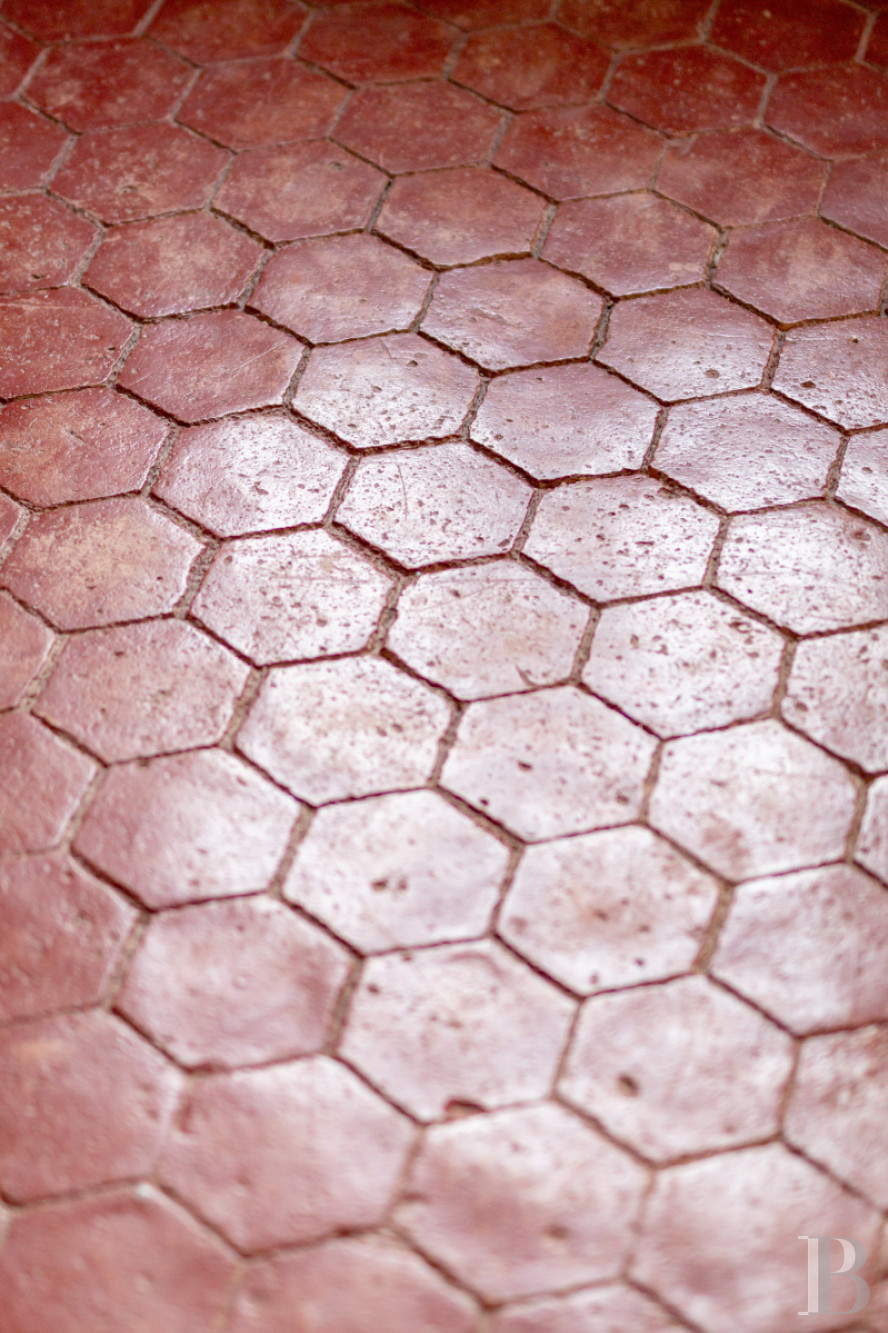
The entrance door leads into a spacious hallway with a groin-vaulted ceiling. This hall connects to the different reception rooms on the ground floor. These reception rooms connect to each other. First, there is a former kitchen with a floor and walls of dressed stone. Next, there is a large dining room. Like the kitchen, it has a groin-vaulted ceiling and a floor of old terracotta tiles. Further on, there is a large lounge with a stone fireplace. This south-facing lounge leads to an old chapel, which has been turned into an office. Then there is a reading room with a terracotta-tiled floor, a small bedroom with the same flooring and a marble fireplace beneath a trumeau panel with columns and an entablature of mouldings, and, lastly, an adjoining bathroom, housed in a tower that faces south-west. An artist’s studio connects to the reading room and dining room. This studio leads out through French windows to the south terrace and the grounds that lie beyond it.
The first floor
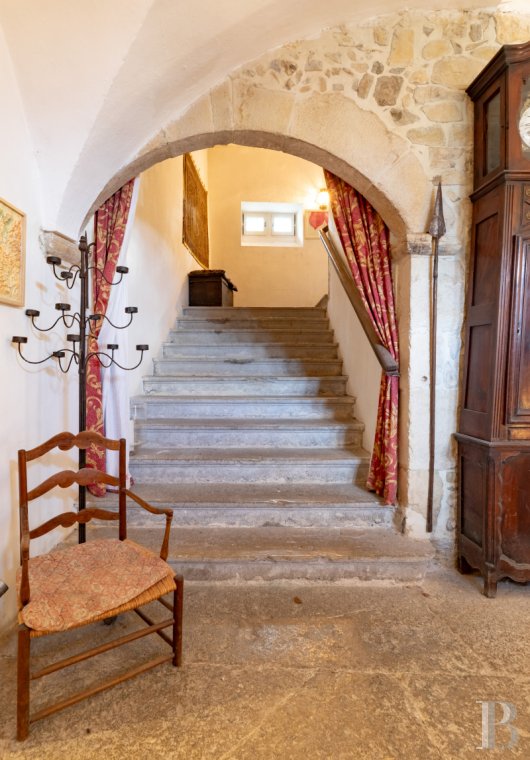
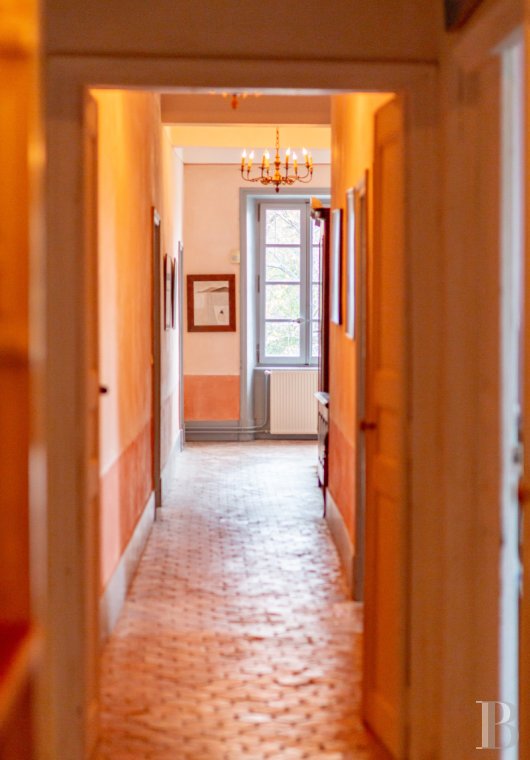
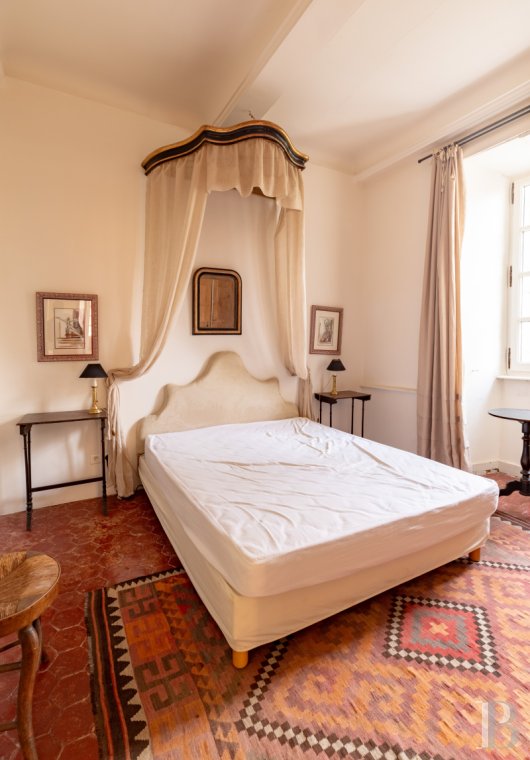
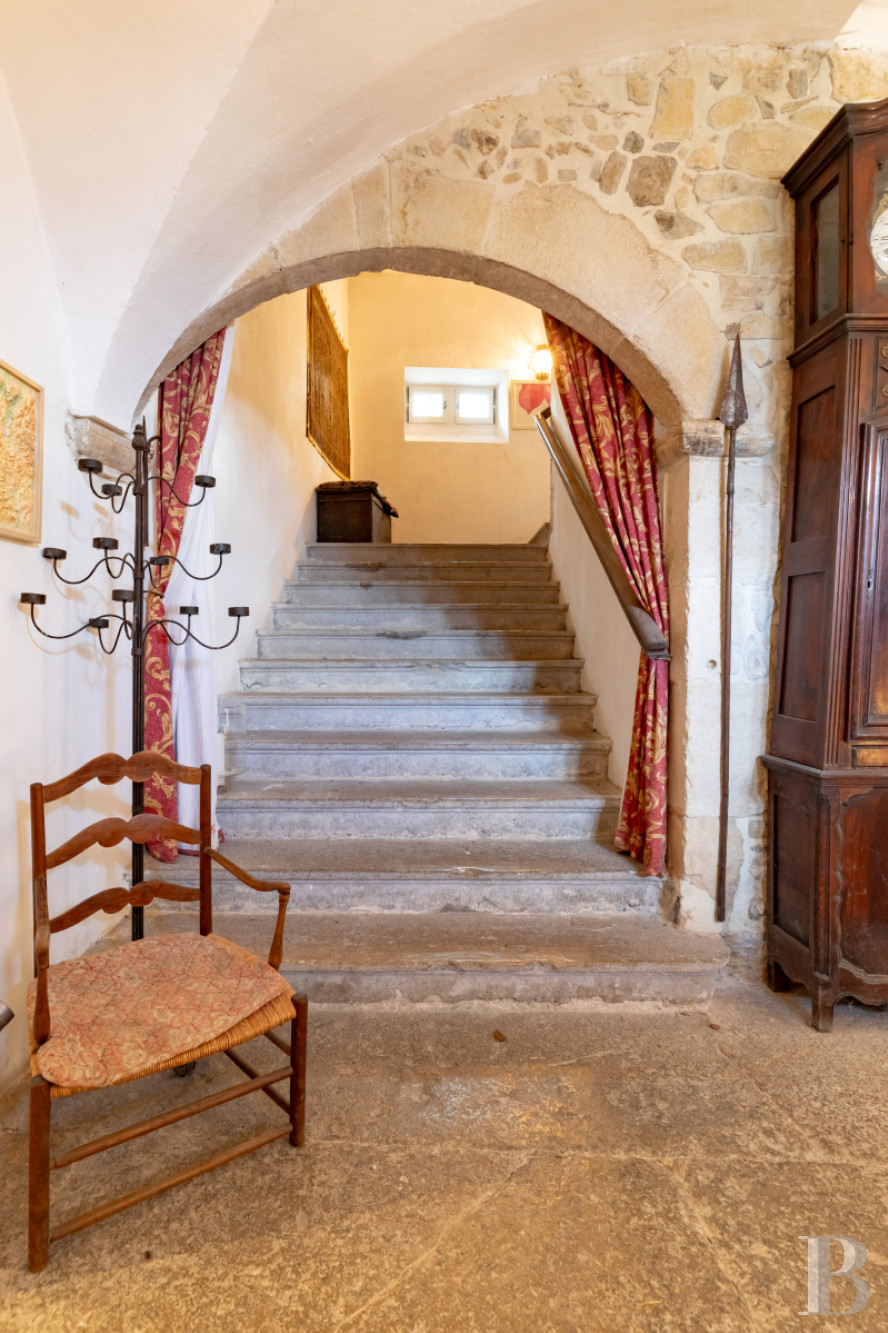
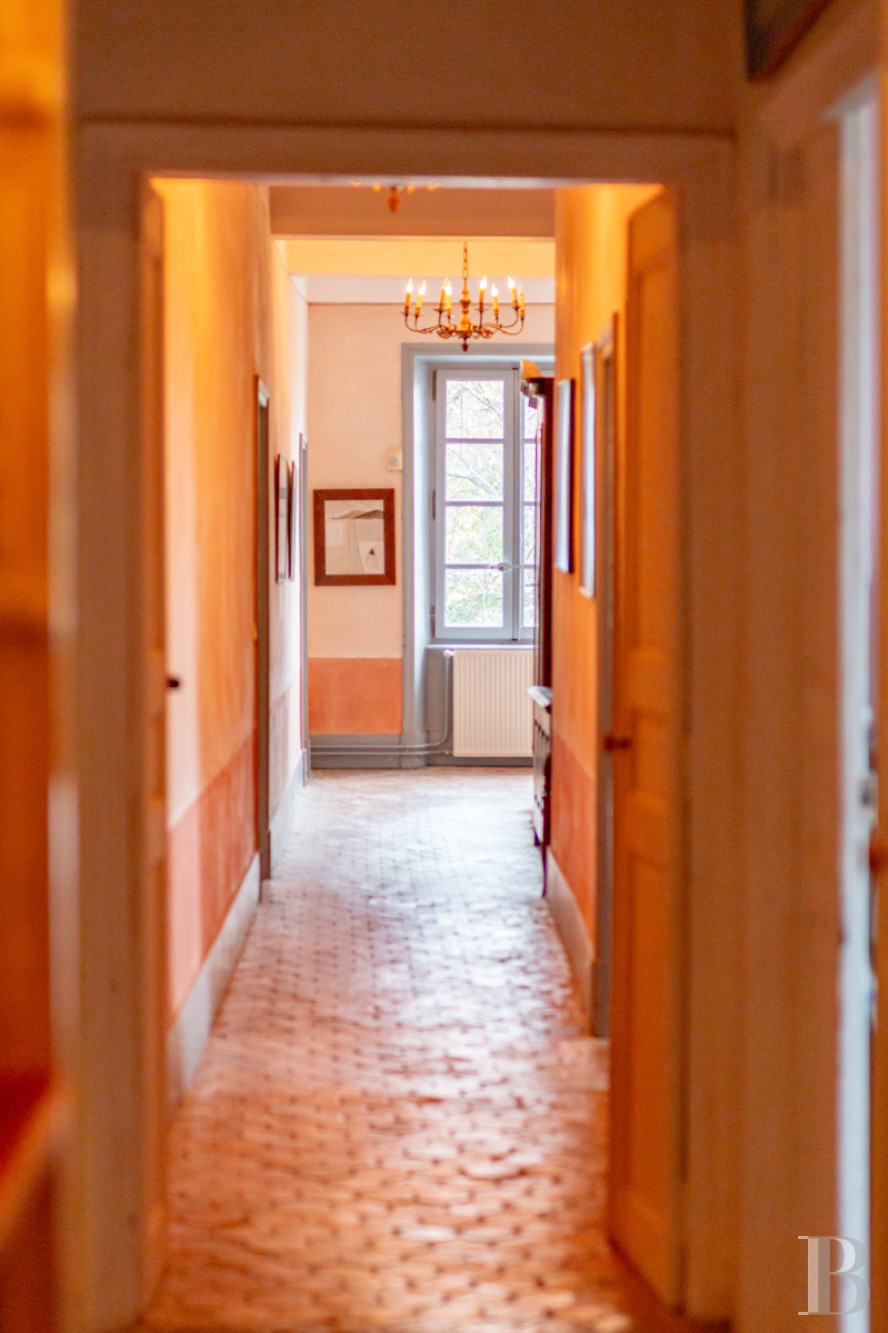
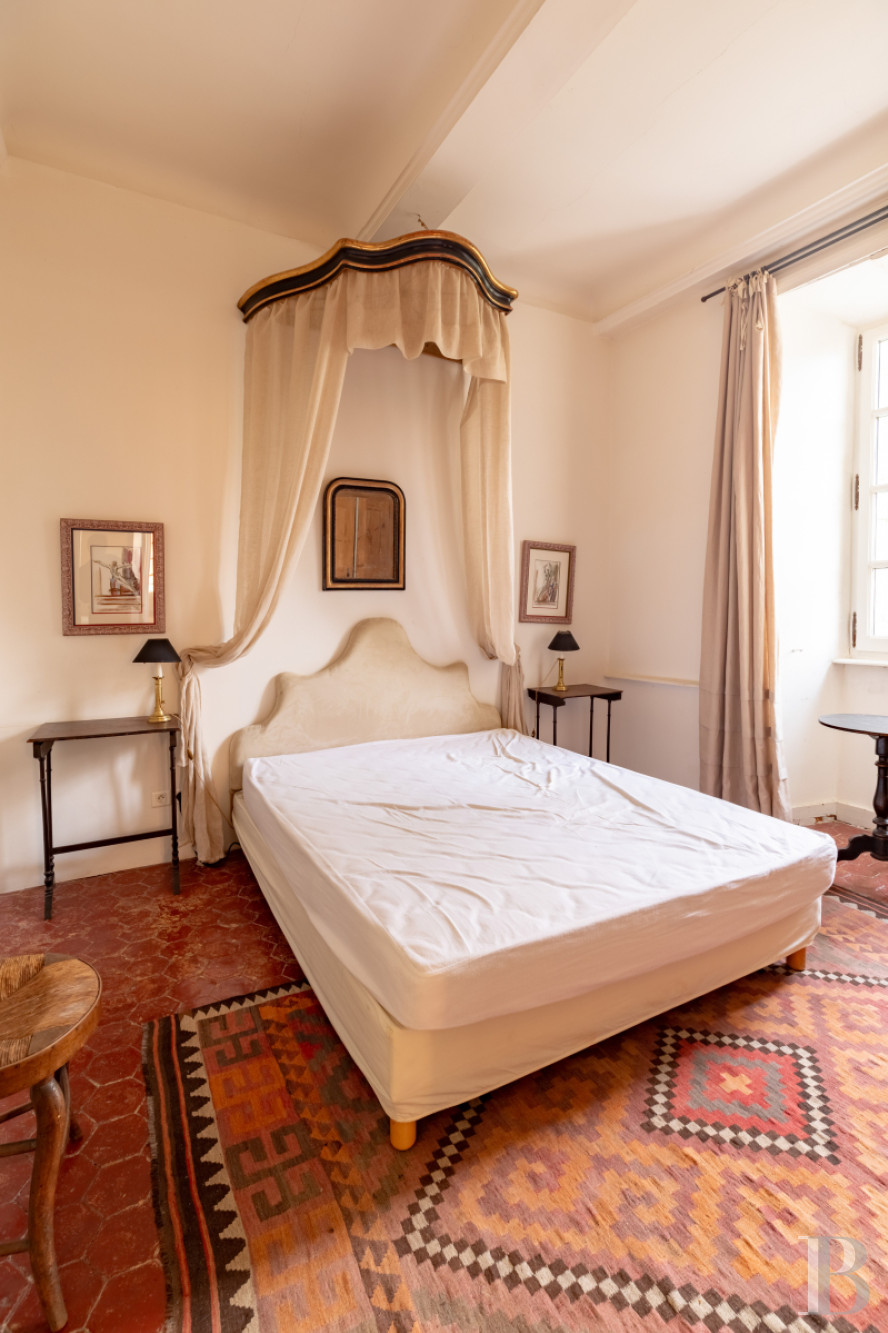
You reach the first floor via a plain staircase of solid stone that leads up from the entrance hall. The stairs lead to a large hallway that connects, via a terracotta-tiled corridor, to seven bedrooms, most of which have a terracotta-tiled floor and some of which have wood strip flooring. Five of them have a bathroom with a lavatory, one of them does not, and another one currently serves as a utility room. All of the bedrooms look out at either the court or the garden. Some of them have coffered beamed ceilings and marble fireplaces beneath trumeau panels with mouldings. Lastly, on an intermediate landing, there is a shared shower room with a lavatory.
The second floor
From the first floor, a staircase leads up to the second floor, which is a roof space. This roof space could be converted.
The orangery and apartment
From a track that runs alongside the property, a separate door leads into the orangery on the east side. A door also leads into it from a terrace on its south side. This orangery has been turned into a reception room on the ground floor, beside a garage that you can enter from the track too. Upstairs, an apartment has been created. This apartment has a lounge, a kitchen, a bedroom and a bathroom.
The ground floor
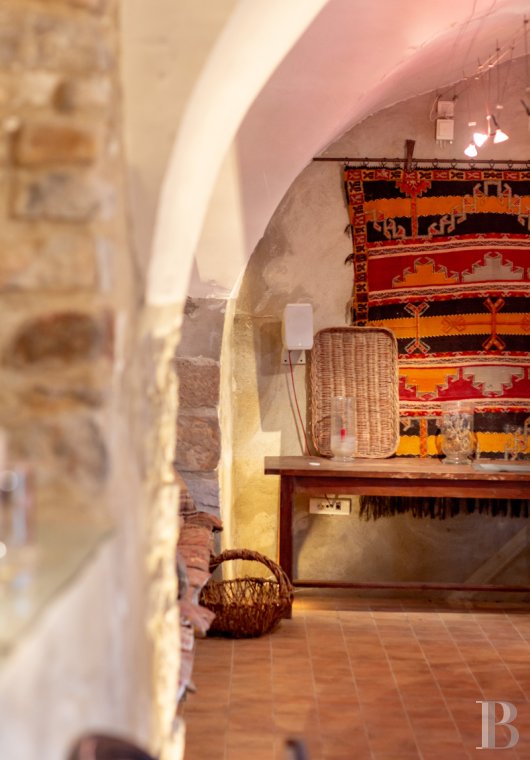
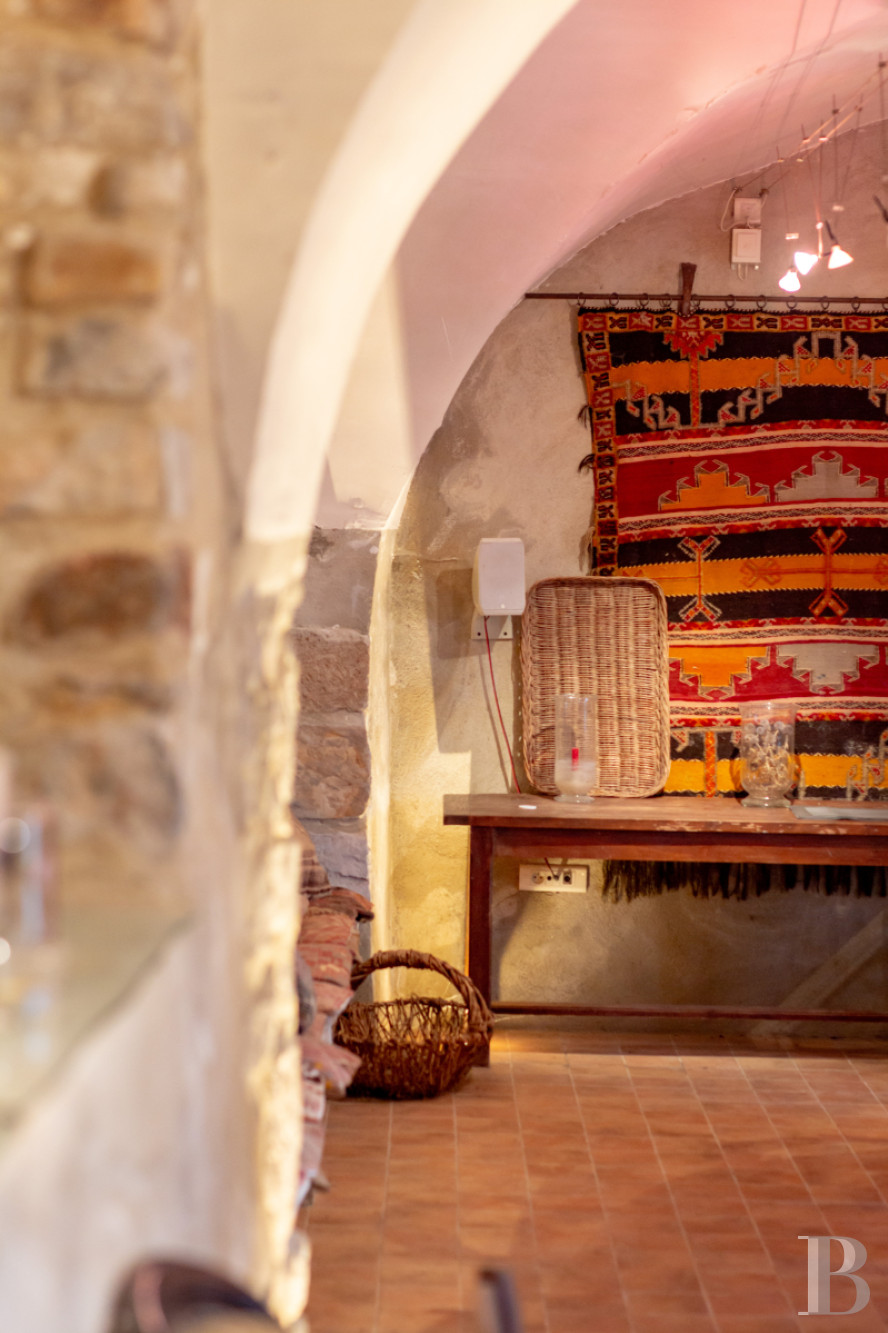
The 70m² orangery has a vaulted ceiling and looks out at the court through two large arched French windows. It has stone walls and a terracotta-tiled floor. It has been redesigned for receptions and seminars. A cloakroom and lavatory have been added for visitors. These two rooms connect to a garage with space for two cars.
The upstairs
An apartment, which could be used as a winter dwelling, has been created on the first floor. Its large lounge, currently used as a workshop, lies above the orangery and has a stove, a terracotta-tiled floor and a ceiling of exposed beams. The apartment also has a kitchen, a small bedroom and a bathroom with a lavatory.
The caretaker’s house
The ground floor
To the left of the covered entrance gate, there is a small dwelling in part of the east wing. You can enter it from outside via a wooden door with glazing. On the ground floor there is a lounge with a kitchenette. Wood strip flooring extends across this space. A straight stone staircase leads upstairs.
The upstairs
Upstairs, there is a small bedroom and a bathroom with a lavatory. These rooms have the same wood strip flooring as downstairs.
The open-sided shelter
The open-sided shelter stands on the left-hand side of the entrance courtyard. It is crowned with a roof of barrel tiles, supported by thick stone pillars. The inhabitants and guests alike appreciate this spot as it is well sheltered and is ideal for shady outdoor meals with a view of the chateau and the court with its French formal garden. At the end of the shelter, on the east side, it connects to the orangery.
The grounds and swimming pool
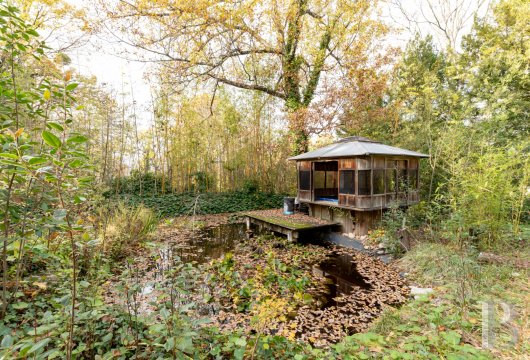
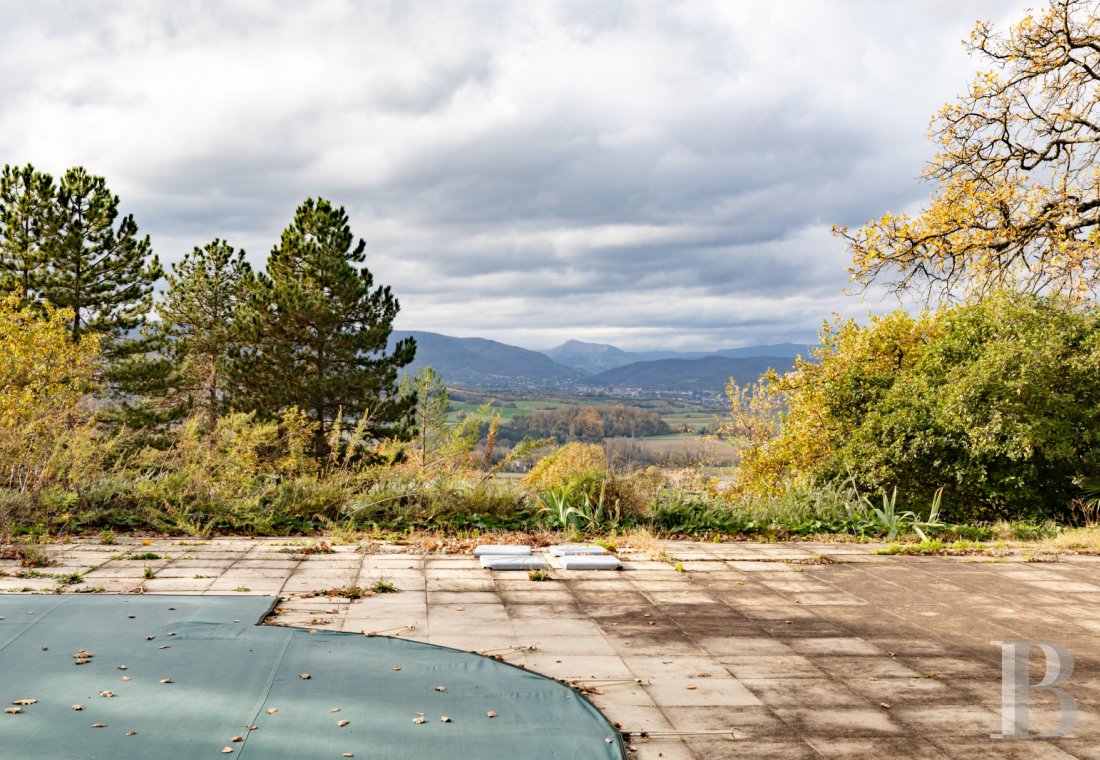
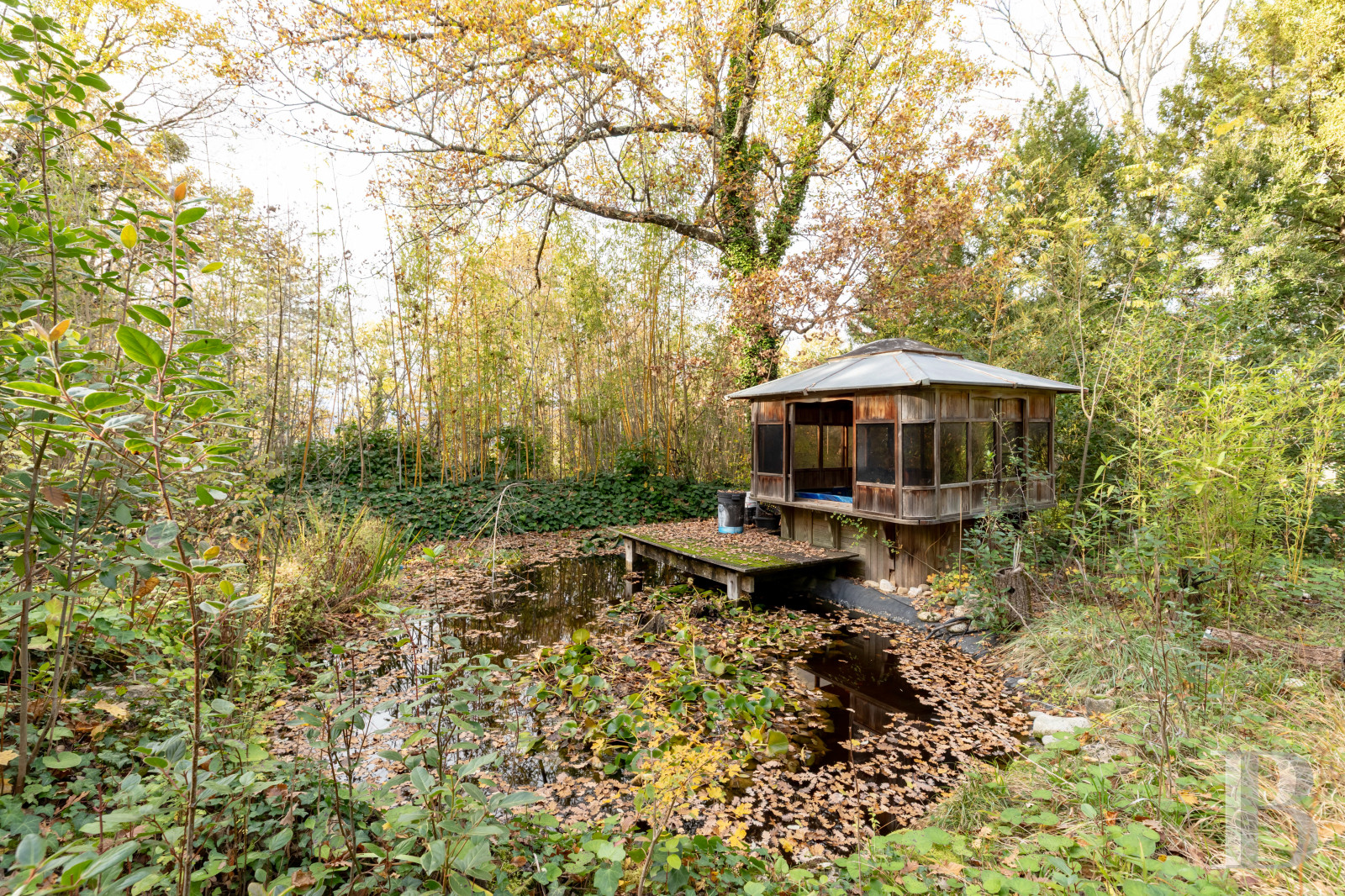
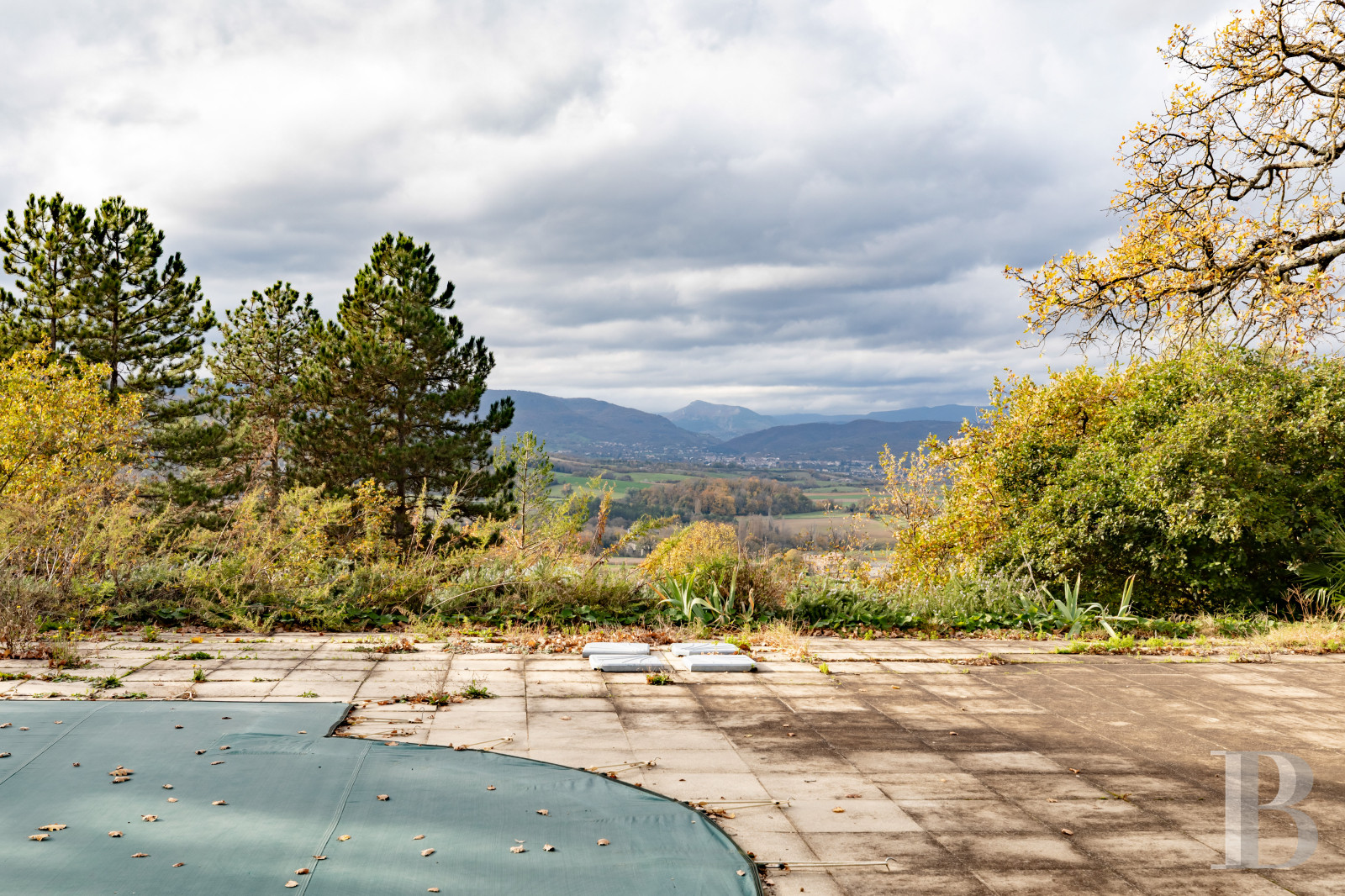
The chateau’s grounds form a true haven of tranquillity. They lie at the back of the property, on the south side, and cover around one hectare. The grounds are enclosed with fences and hedges. The land is grassy and gently undulating. It is dotted with trees and is wooded at the edge of an oak forest. With this oak forest and the estate’s fields, you are totally immersed here in an unspoilt natural environment of absolute calm. In the middle of the grounds, there is a heated swimming pool set in a paved terrace. It offers an unrivalled view of the valley. There is also a former tennis court, an Asian pond with a little bridge, water lilies and goldfish, and, lastly, a jacuzzi in a small wooden lodge beside the pond. With its enchanting birdsong and the pure air of the Ardèche hills, this natural environment is a haven of tranquillity.
Our opinion
This historical 16th-century estate with a seigneurial edifice is typical of Provence in style. Its sweeping view stretches far into the distance: from here, you can admire the Ardèche hills. From the end of the 20th century to the start of the 21st century, this chateau was party renovated. Indeed, it is ready for you to settle into it straight away. It is plain in style with noble materials. It ensures great comfort, while leaving a wide range of possibilities open to you. With its many bedrooms, three self-contained dwellings, vaulted ceilings, terracotta-tiled floors, embellished fireplaces and multiple outdoor spaces with far-reaching vistas, this haven forms the ideal location for hosting friends or pursuing the guesthouse business. Its natural backdrop is enchanting and its calm truly soothing.
1 800 000 €
Fees at the Vendor’s expense
Reference 699109
| Main building floor area | 440 m² |
| Land registry surface area | 8 ha |
| Total floor area | 665 m² |
French Energy Performance Diagnosis
Information on the risks to which this property is exposed is available on the website: www.georisques.gouv.fr
Share


NB: The above information is not only the result of our visit to the property; it is also based on information provided by the current owner. It is by no means comprehensive or strictly accurate especially where surface areas and construction dates are concerned. We cannot, therefore, be held liable for any misrepresentation.