



An impressive group of 19th-century farm buildings with a manor
house around a square courtyard, in the north of the Loiret department
house around a square courtyard, in the north of the Loiret department
Pithiviers,
LOIRET
center-val-de-loire
45300
FR

Location
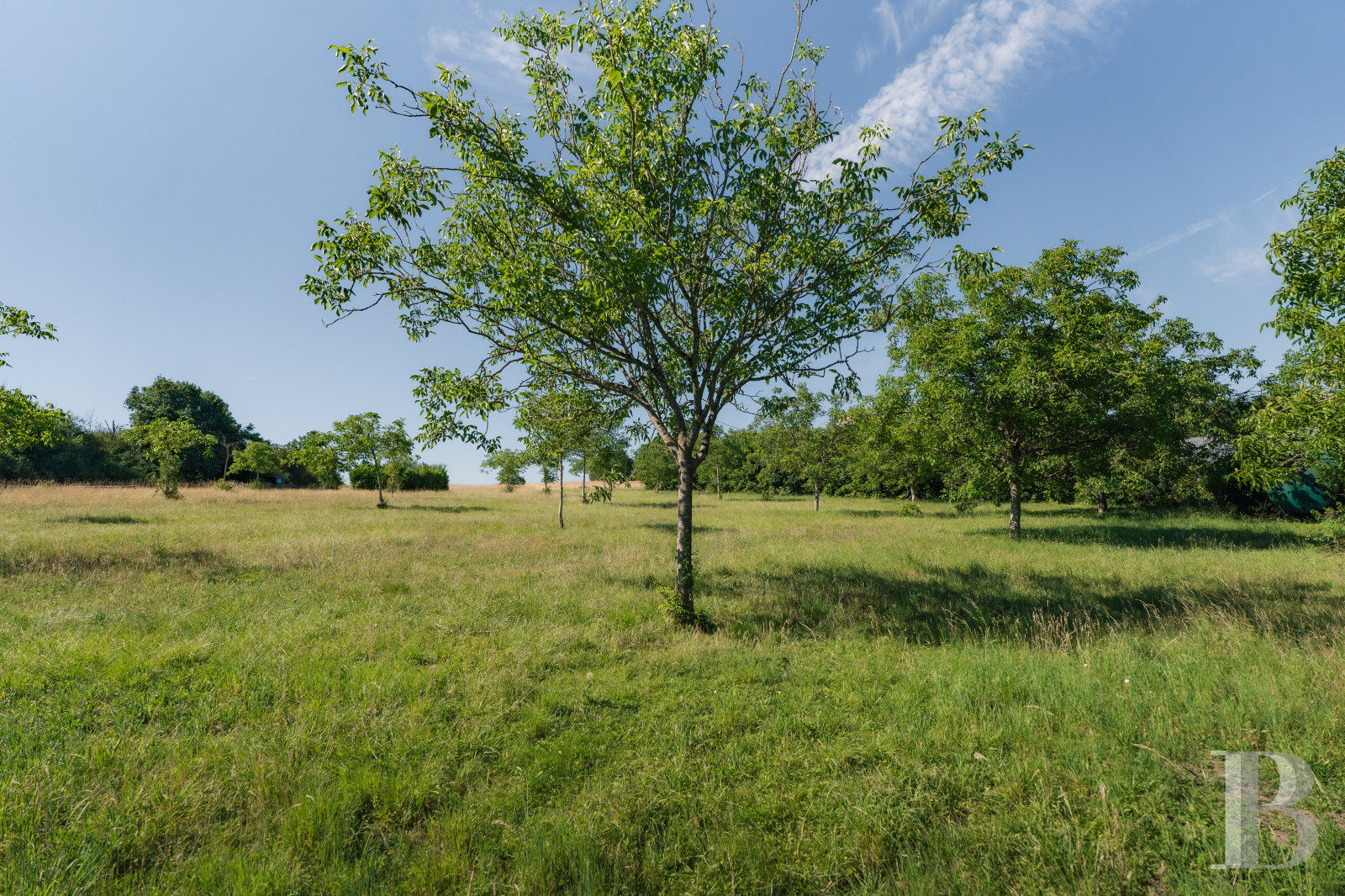
In the north of the Loiret department, within the Oeuf valley, the river of which flows into that of the Essonne, the property is surrounded by verdant countryside and fields as far as the eye can see. Here, forests, water meadows and marshes create a contrasting landscape, which breaks from the usual swaths of grain-growing farmland found in the fertile Beauce Gâtinais region, whereas, only a few kilometres away, is the town of Pithiviers, known for its famous almond cake as well as its 11th century Romanesque church, listed as a Historical Monument, the emblematic spire of which overlooks the countryside. As for the nearby major thoroughfares, such as the A19, A10 and N20, easily accessible, they make it possible to reach Orléans in 45 minutes, Paris in 1.5 hours, while the RER D, which provides direct access to the capital, offers an additional and convenient railway alternative.
Description
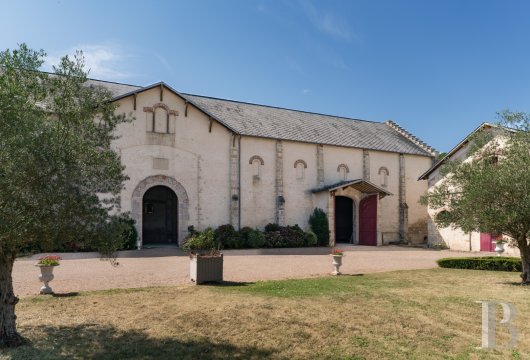
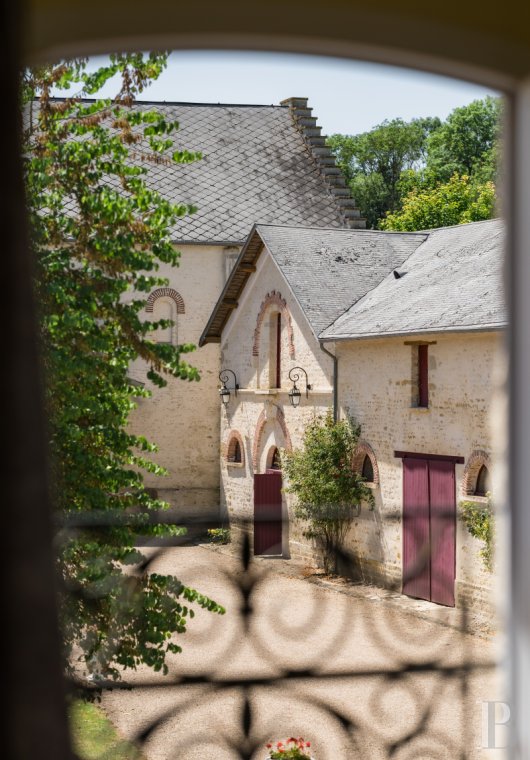
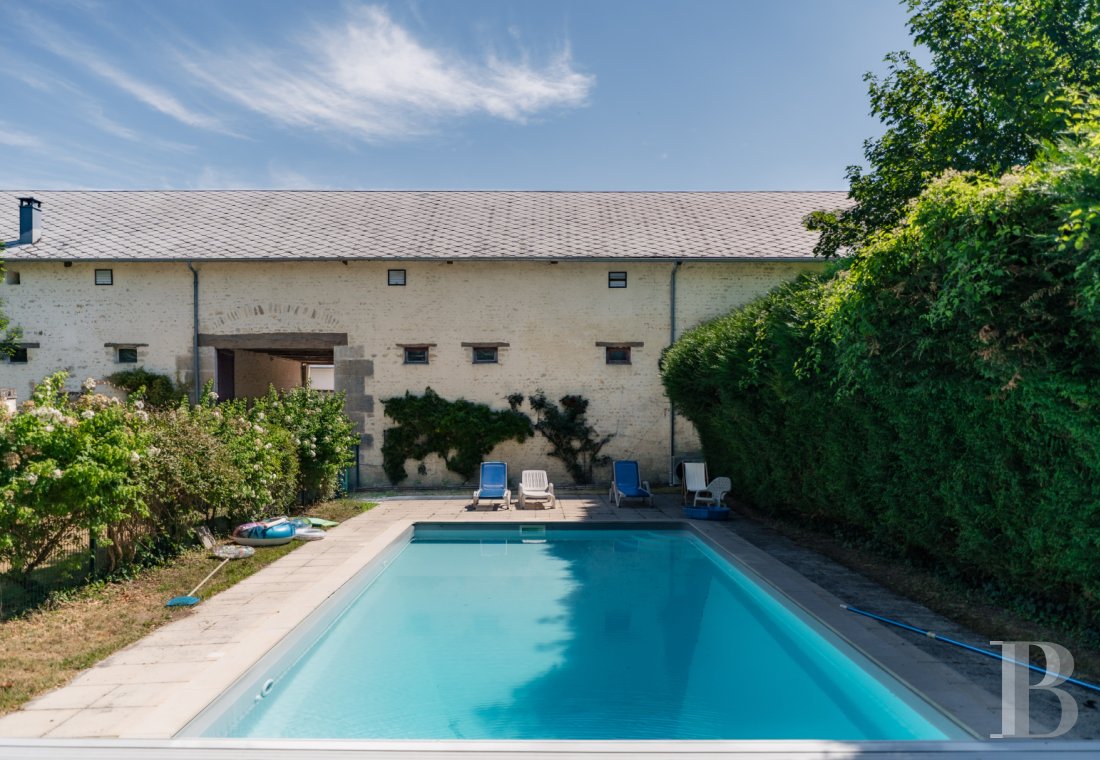
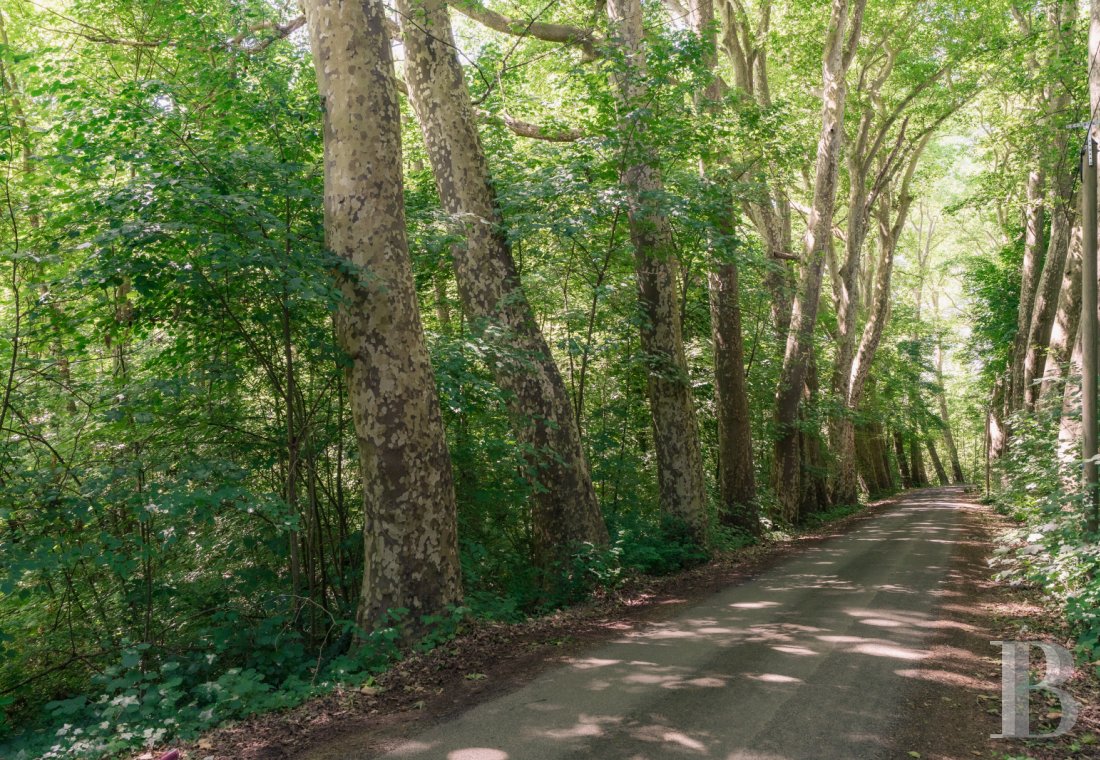
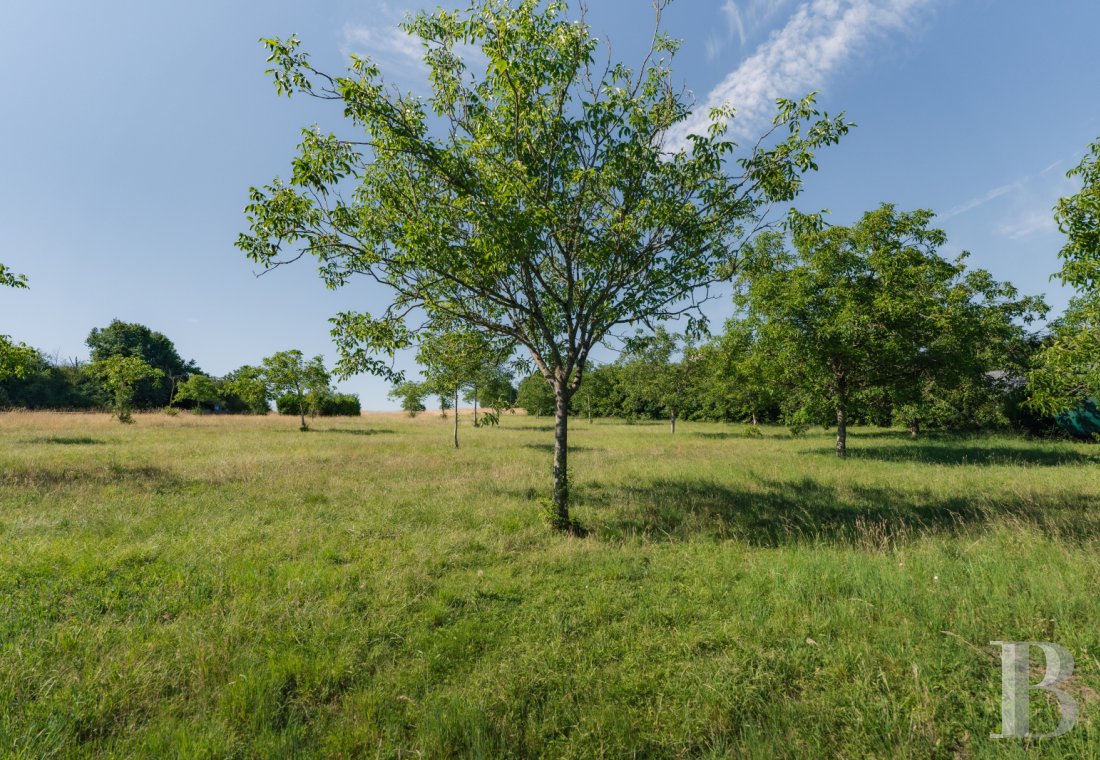
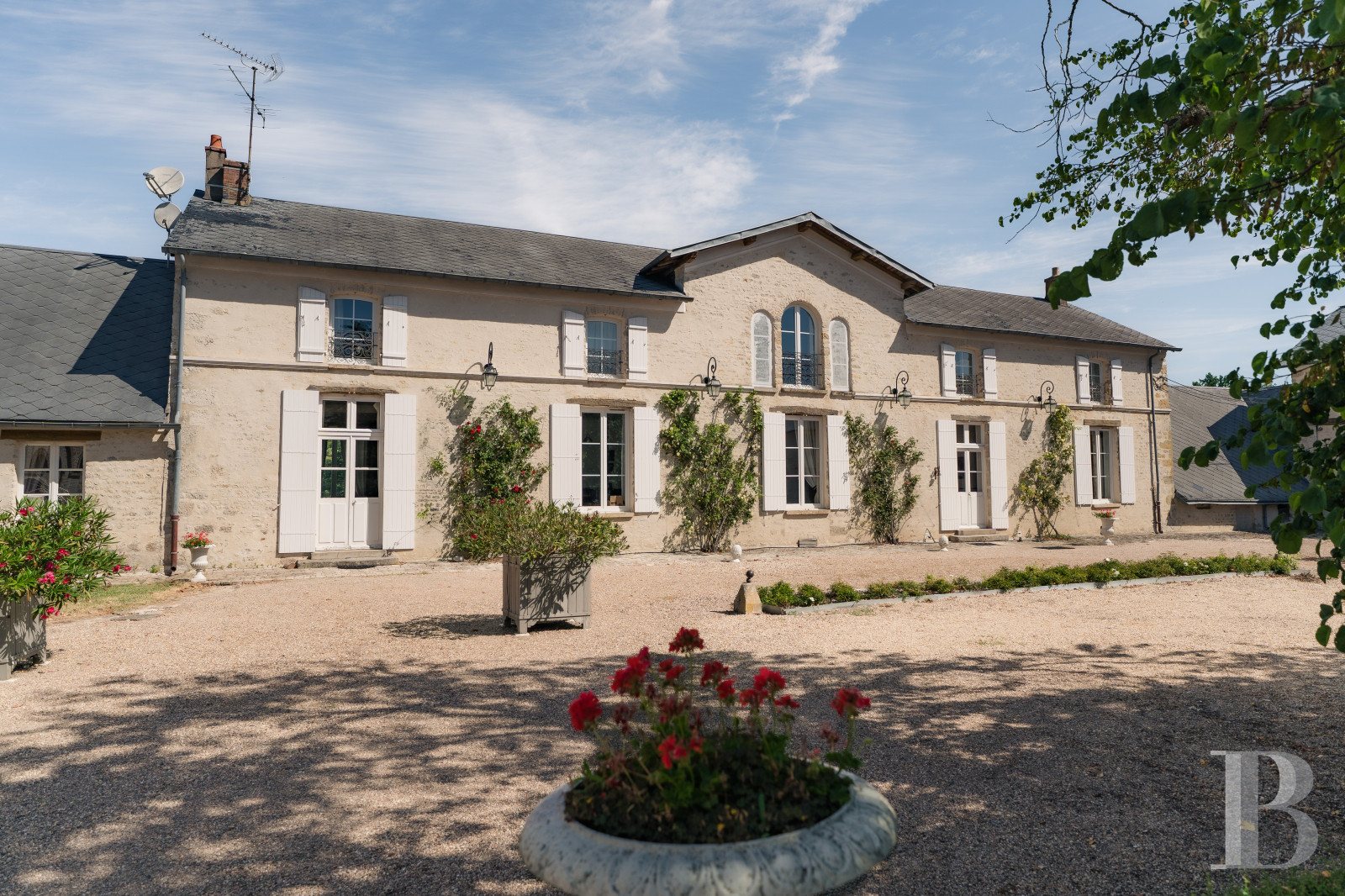
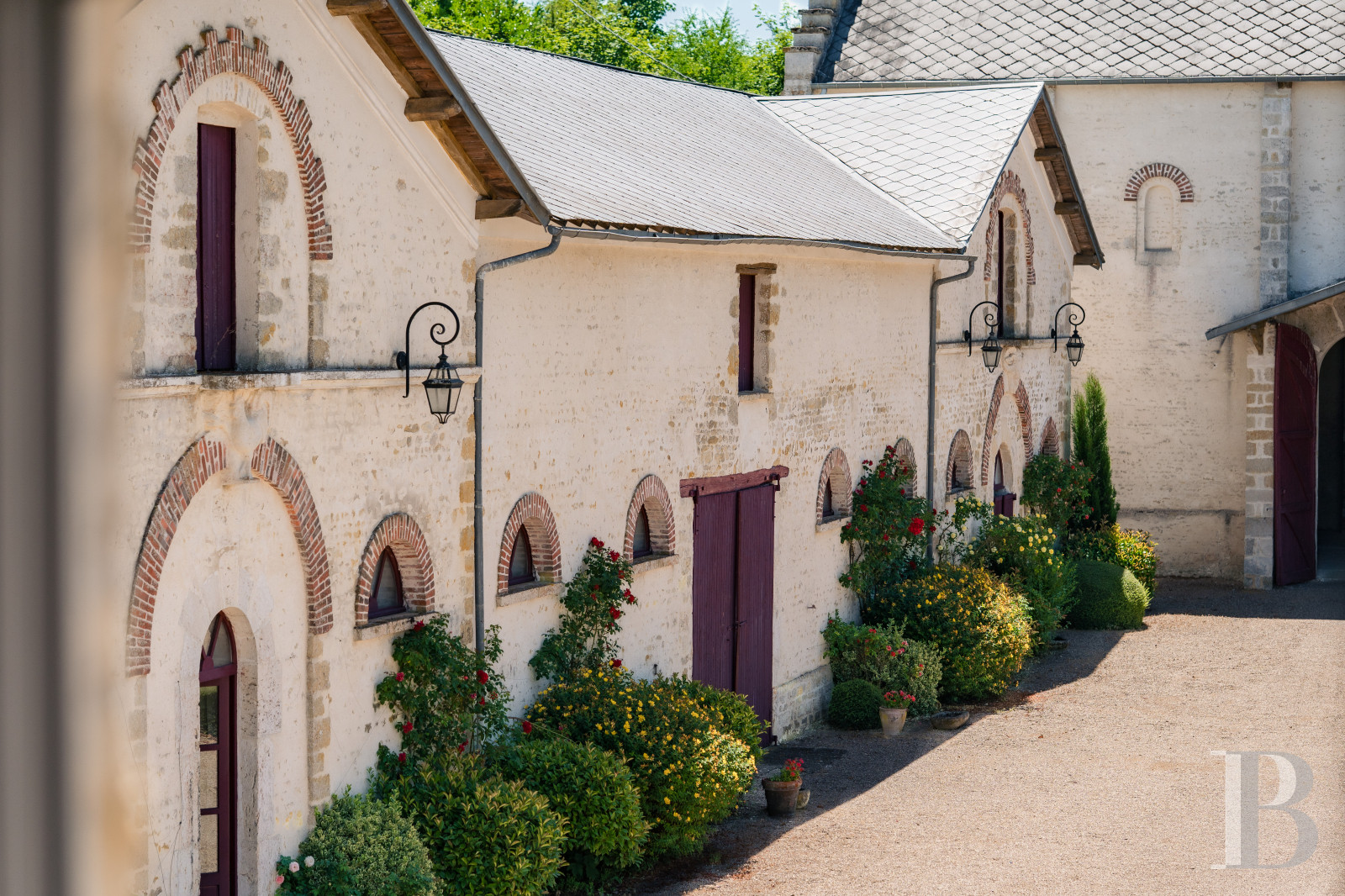
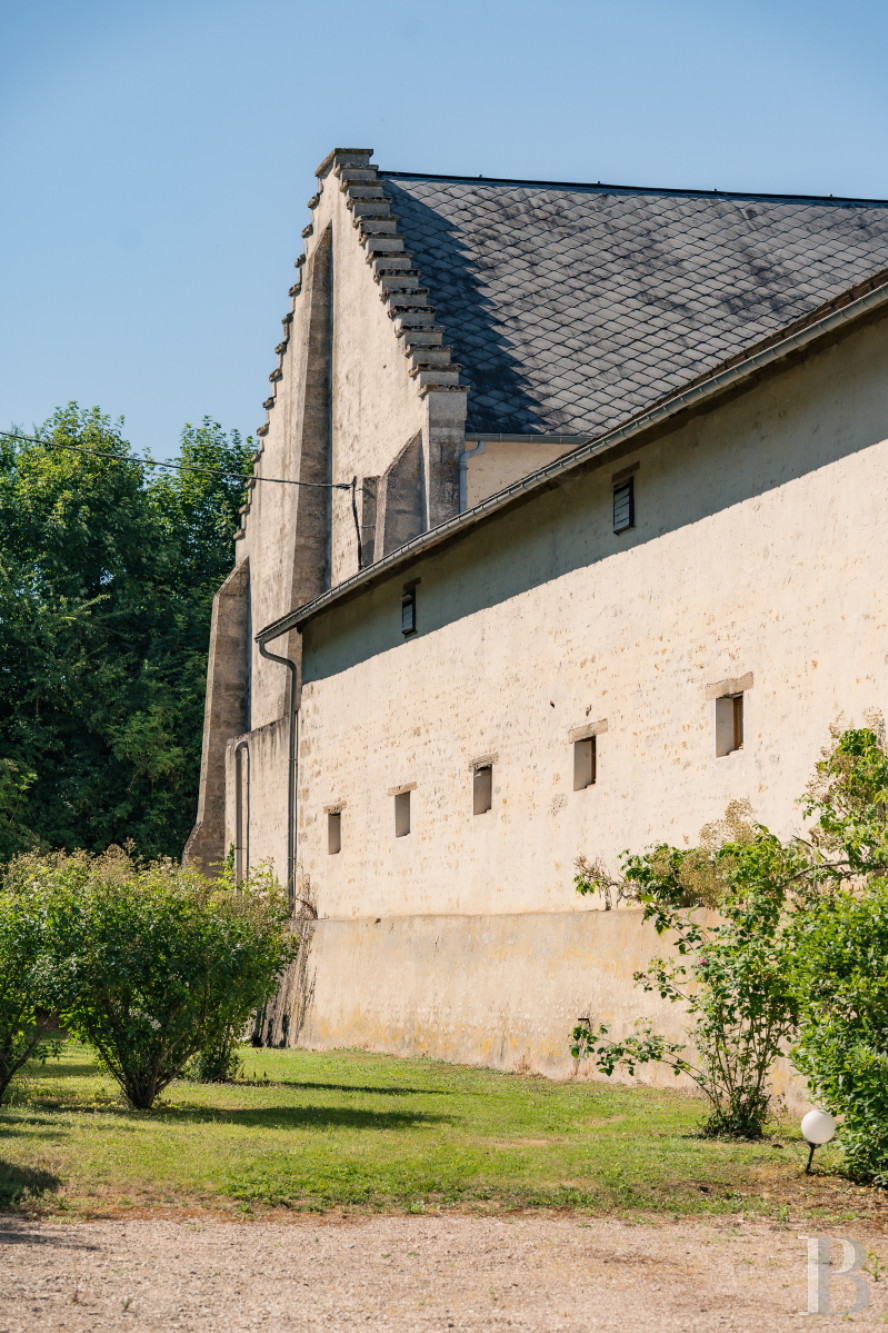
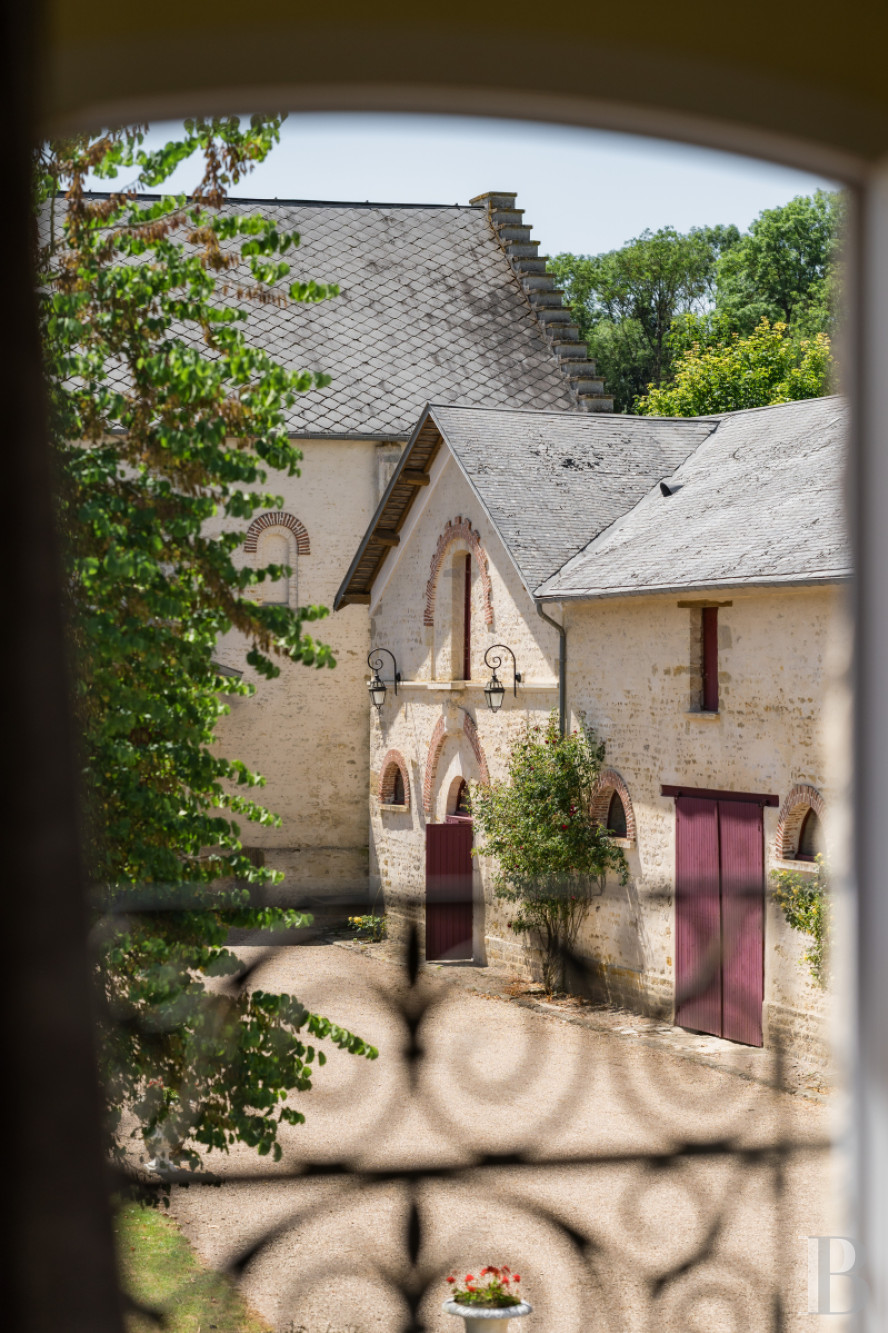
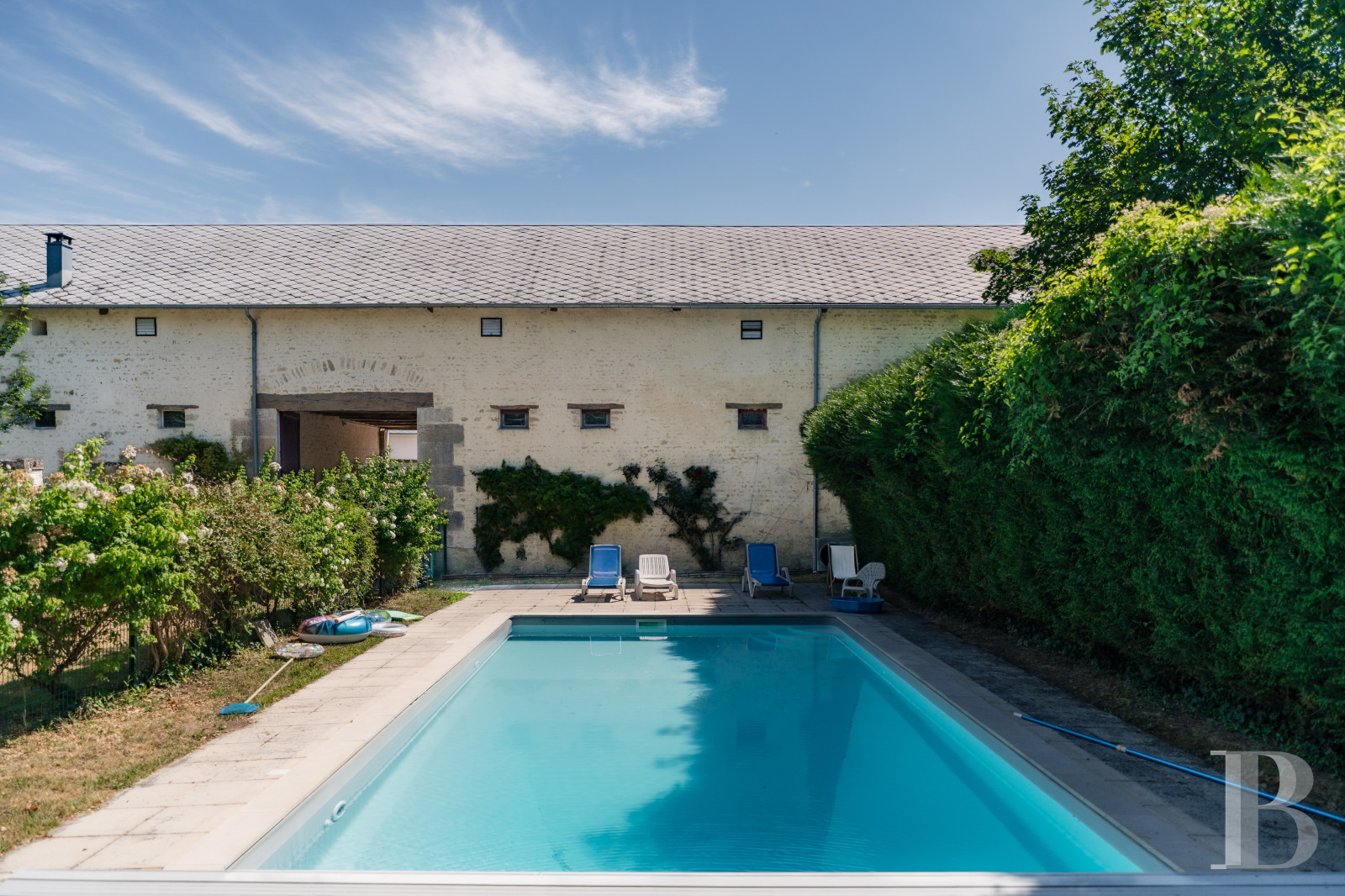
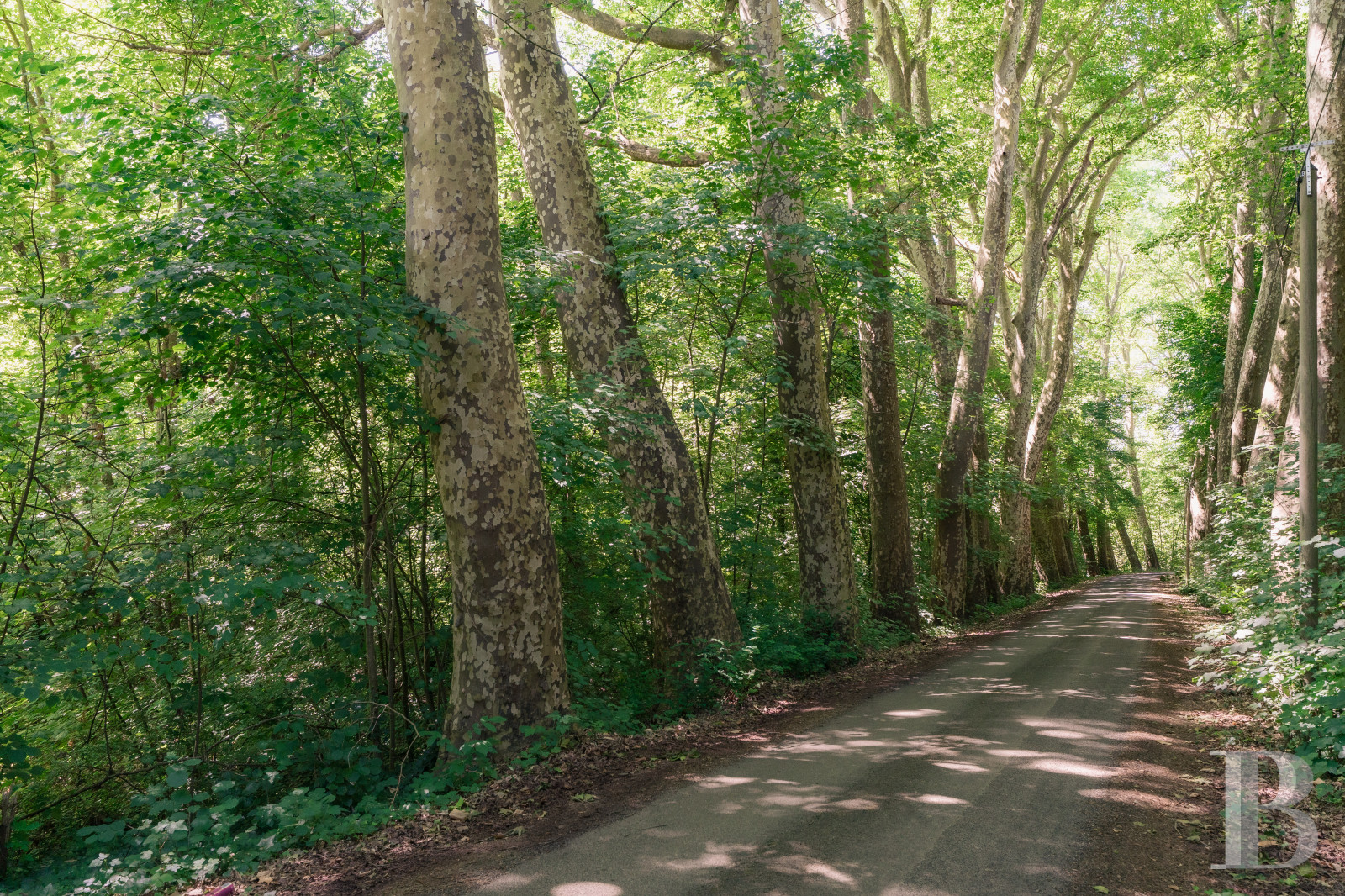
Built in 1854, the farm buildings are grouped around an immense enclosed square courtyard of nearly 1,500 m². A massive barn, with characteristic saw-tooth gable ends, faces the manor house, both of which are flanked on either side by farm buildings arranged in a U shape around the courtyard, while the whole is surrounded by a little more than 1.7 hectares of land, including a secluded garden with a swimming pool, exclusively reserved for its owners. Once the outbuilding of a neighbouring chateau and erected on the foundations of an ancient 17th-century manor house, the property enjoys a bucolic setting and is accessible via a drive lined by plane trees that runs alongside a river. From the exterior, tall walls, cadenced by small windows, seclude the property from view, whereas a carriage entrance opens on the gravel courtyard, the centre of which is landscaped with a verdant space planted with horse chestnuts, Judas and olive trees, providing a nice shady area to cool off in the summer months.
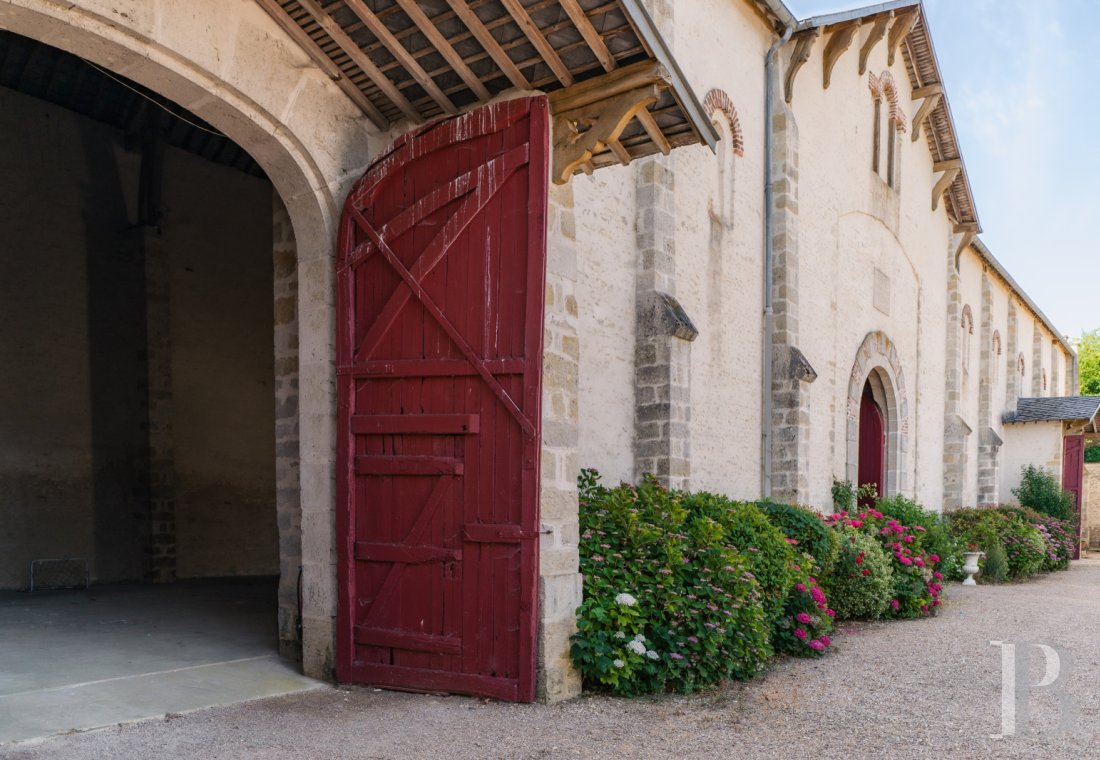
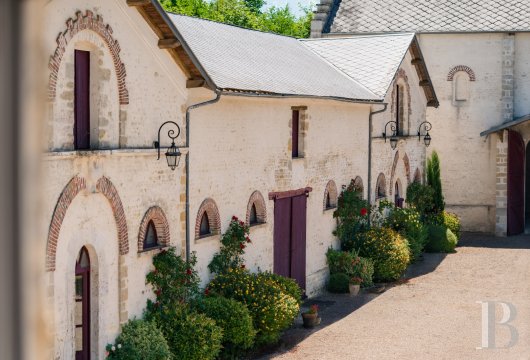
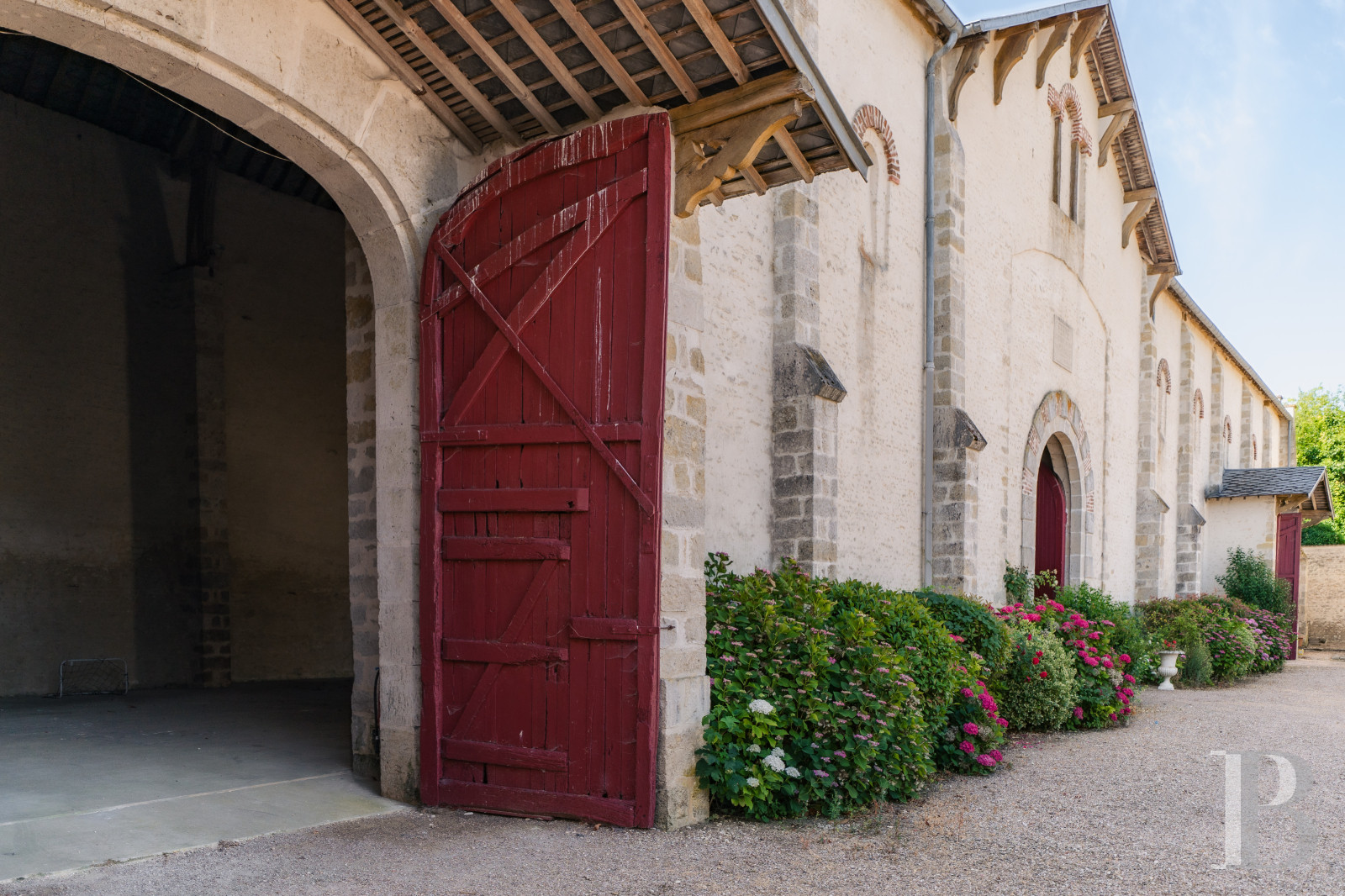
As for the manor house, stately and refined, it is encircled by its former farm buildings, arranged in a U shape around it, while the grey of the slate roofs as well as the red of the wooden doors and brick arches atop most of the doors and windows provide a nice contrast with the outbuildings’ whitewashed pointed stone exteriors. Far removed from the agricultural purposes that preceded its more recent family and tourist-oriented vocation, the property exudes a charming and pastoral ambiance.
As for the manor house, stately and refined, it is encircled by its former farm buildings, arranged in a U shape around it, while the grey of the slate roofs as well as the red of the wooden doors and brick arches atop most of the doors and windows provide a nice contrast with the outbuildings’ whitewashed pointed stone exteriors. Far removed from the agricultural purposes that preceded its more recent family and tourist-oriented vocation, the property exudes a charming and pastoral ambiance.
The Manor House
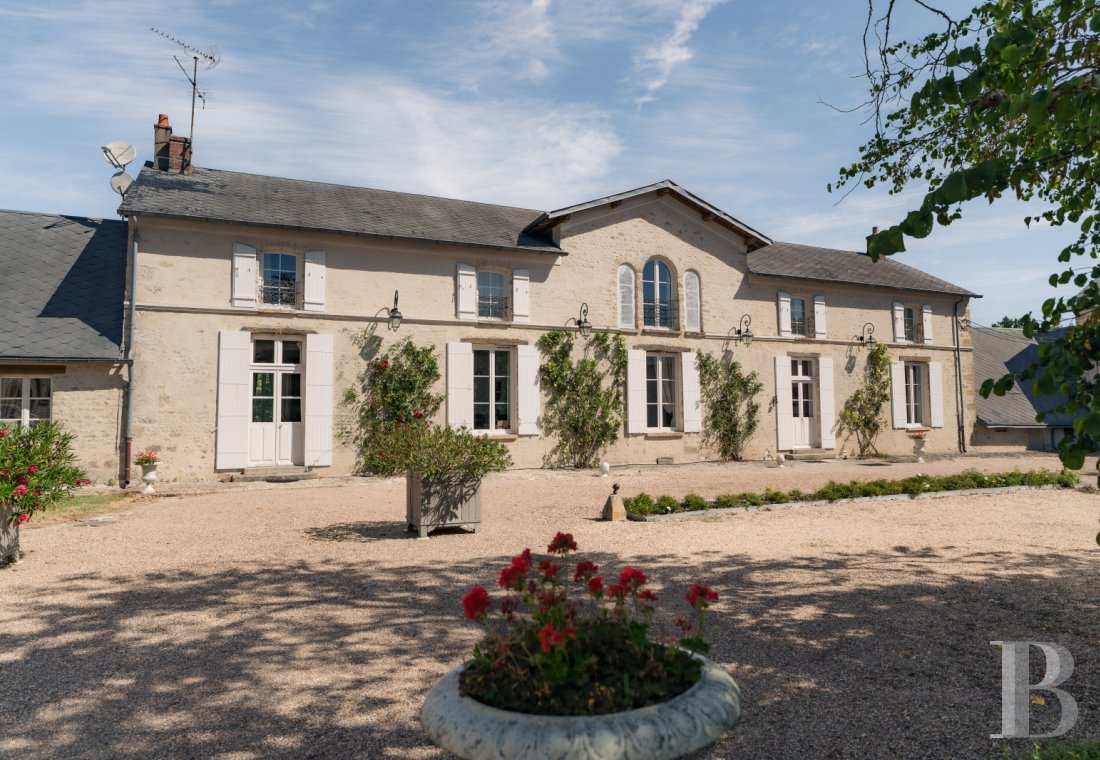
With two storeys and topped with a slate gable roof, cadenced by a gable end in the middle, the manor house includes 17 rooms in all, while its symmetrical façade stands out thanks to the refinement of its classical lines: vertical rows of windows decorated with moulding, white shutters and, for those on the first floor, wrought-iron guardrails. However, its pointed stone exterior firmly anchors the dwelling to its rural environment and is a constant reminder of its relationship to the land.
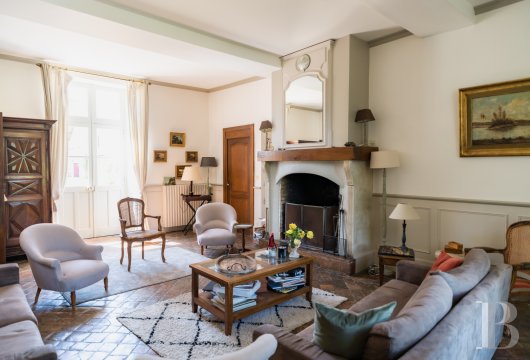
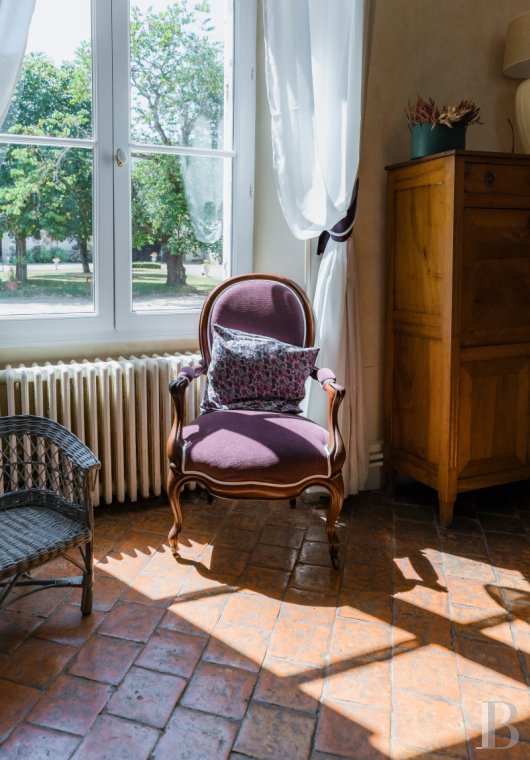
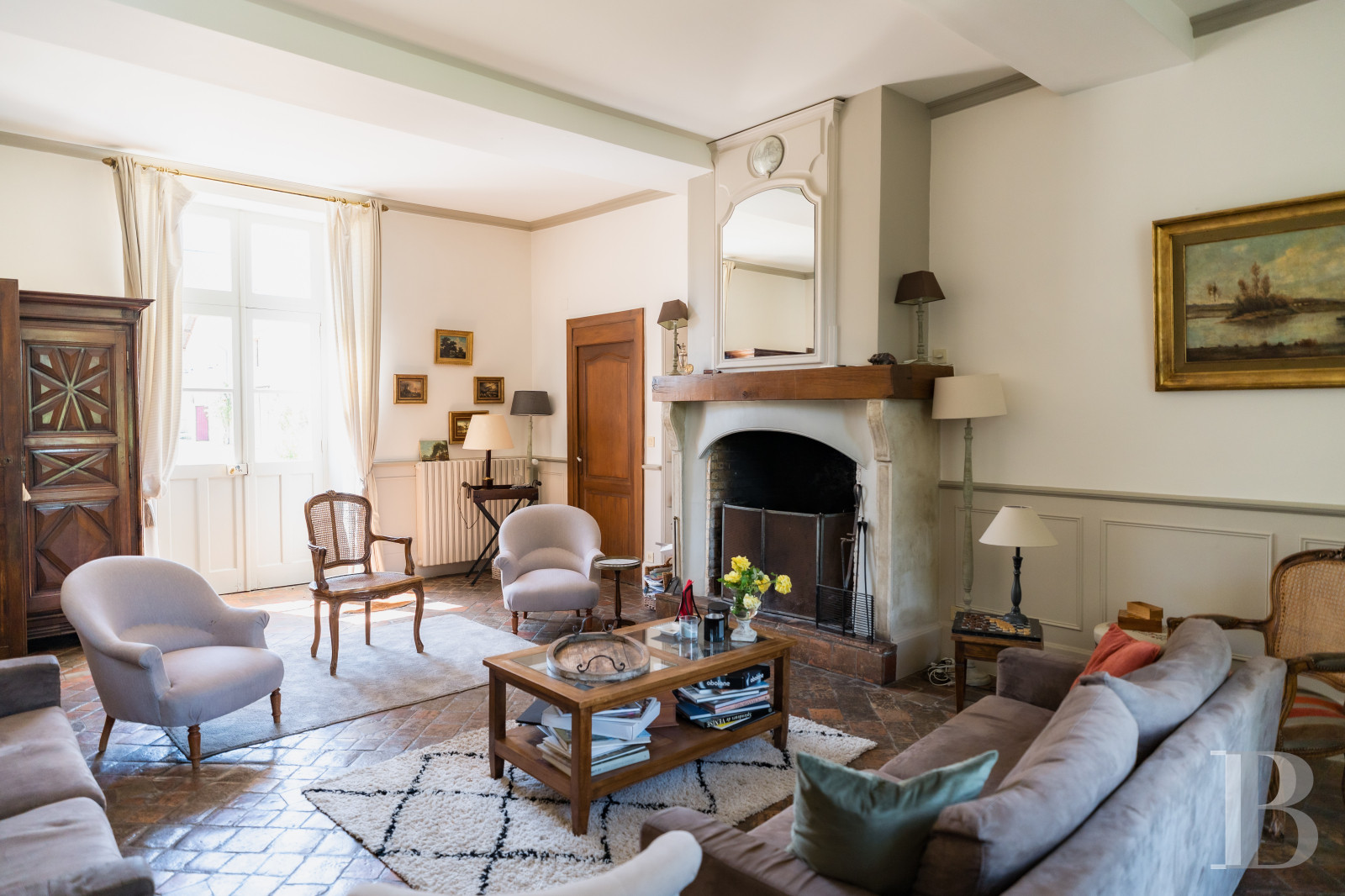
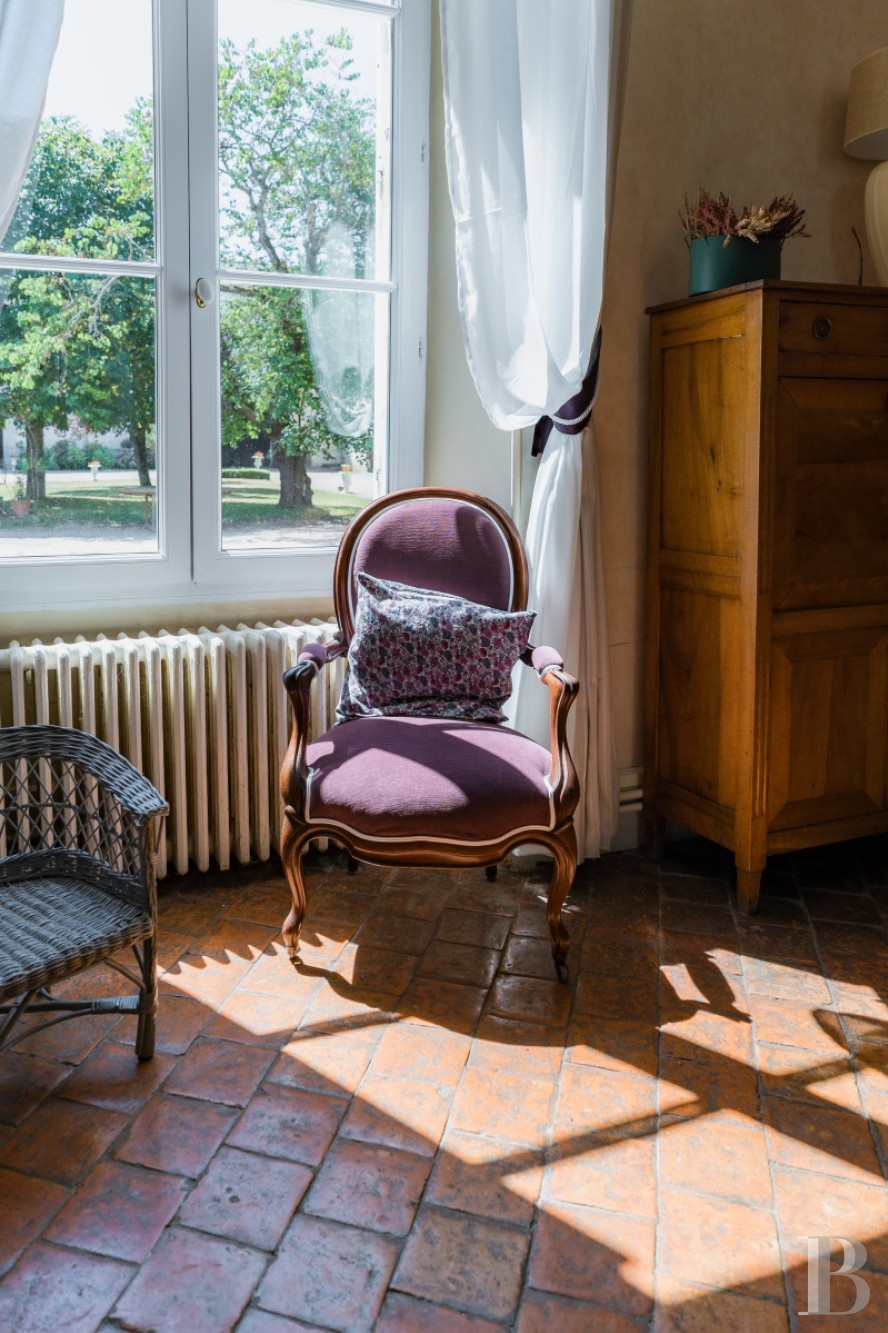
As for its front door, it reveals an understated and charming interior, where the allure of its ancient materials (terracotta floor tiles, exposed ceiling beams and a wide fireplace) immediately catches the eye, while its ground floor includes a succession of living areas – a small sitting room, a large drawing room, a central dining room, a cosy kitchen – as well as, further on, in the sleeping quarters, two bedrooms, each abutting a shower room, in addition to a study and a lavatory.
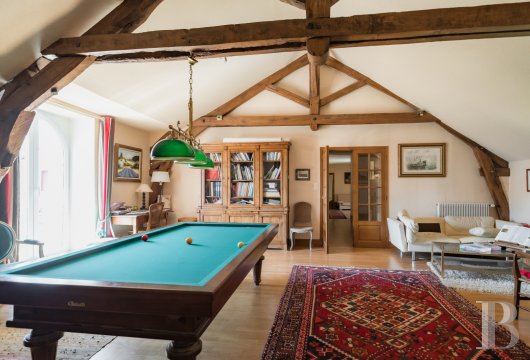
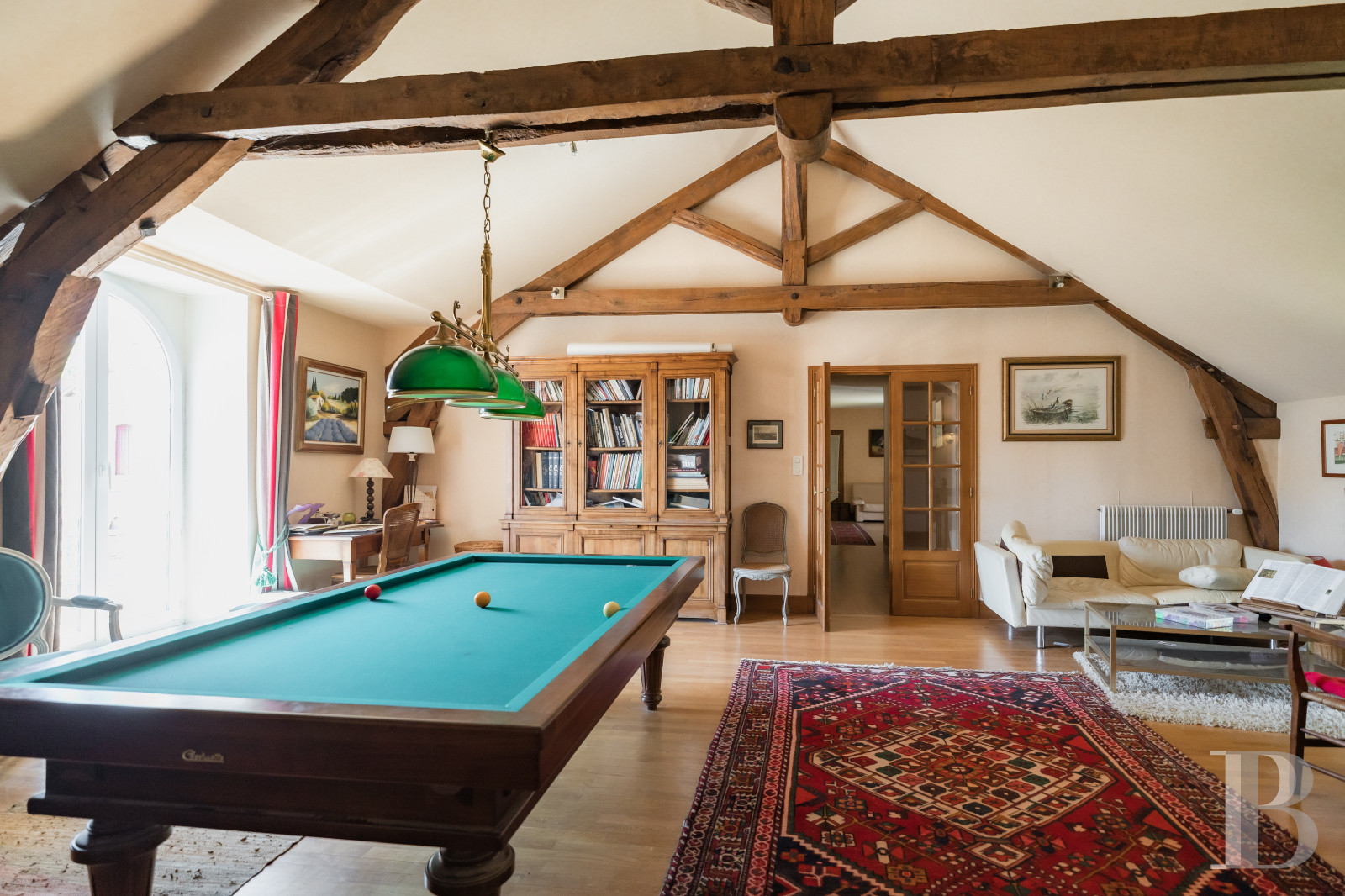
Featuring a wooden staircase providing upstairs access, on the first floor a snooker room, created under the central gable end, is used as a type of antechamber leading towards the other rooms on this level. On either side, two hallways provide access to seven bedrooms, the majority of which come with their own shower rooms, while the others share a central bathroom. Last, but not least, this floor also includes a small game area designed for families or visiting guests.
The Tithe Barn
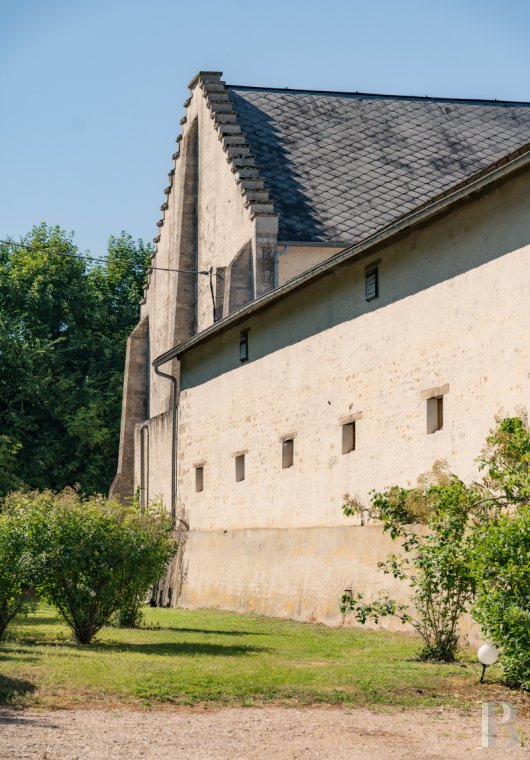
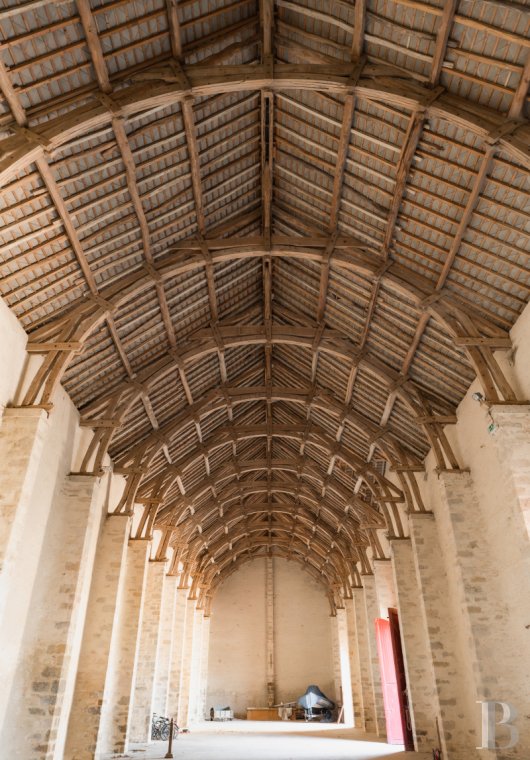
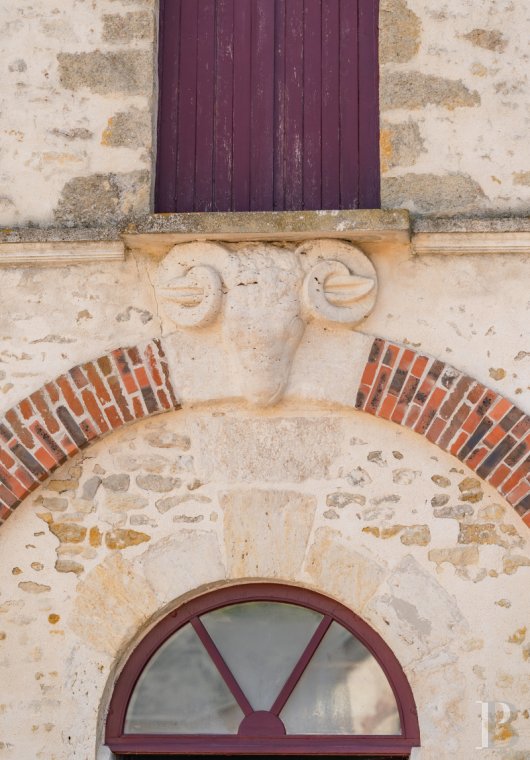
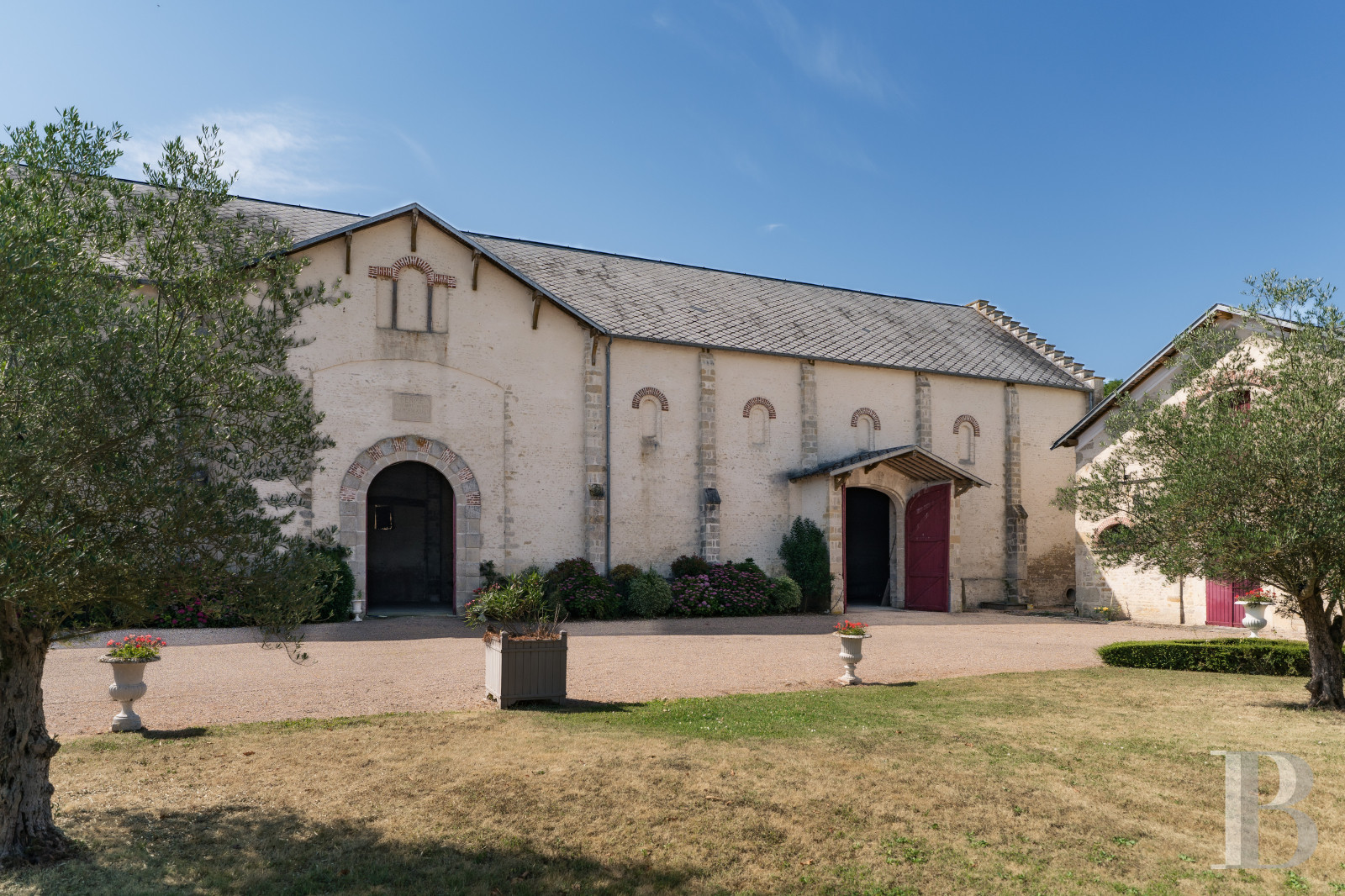
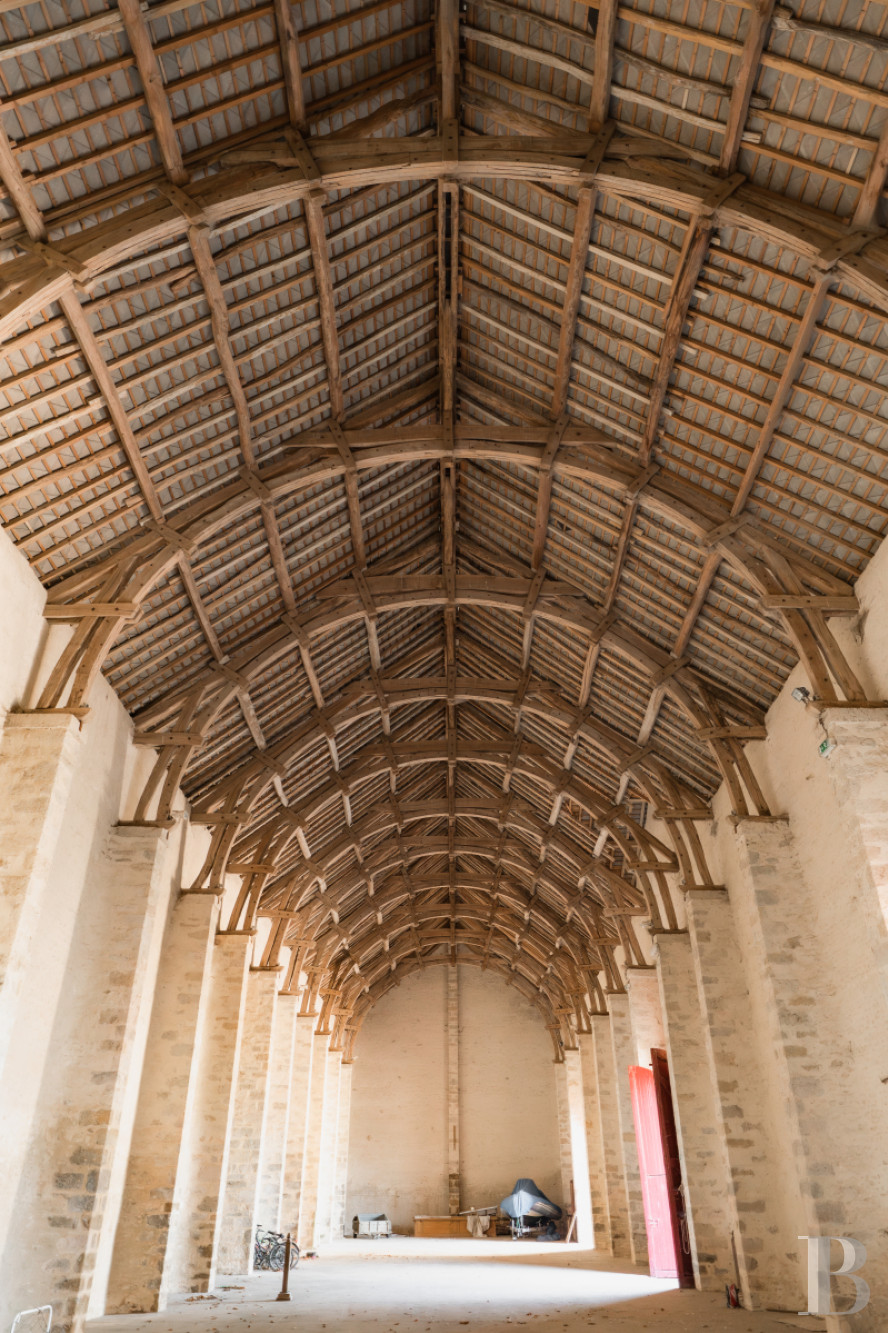
Although tithes were no longer collected in 1854, the architect in charge of construction seems to have drawn inspiration from the edifices that were once used to collect this tax in kind, while also meeting the growing need for agricultural storage. Opting for something grandiose, he built a massive barn with a floor-to-ceiling height of nearly 18 metres under its roof ridge and approximately 600 m² of floor area. Featuring a long gable roof, powerful stone buttresses, a large, visible gable end and two tall covered carriage entrances, thanks to its size, it presents an impressive silhouette, whereas the practical exactitude of its proportions is combined with an attention to decorative details: an ashlar stone surround for the main entrance and red brick arches encircling its windows and doors. As for the interior, the wooden rafters were designed according to the “Colonel Emy” system and rest directly on stone buttresses, whereas its nailed wood boards, assembled with precision, create a visual and, yet, technical ensemble. The room, intentionally left completely open with no interior layout, represents a vast volume with total flexibility, which can be adjusted according to one’s needs and projects.
The Second Barn
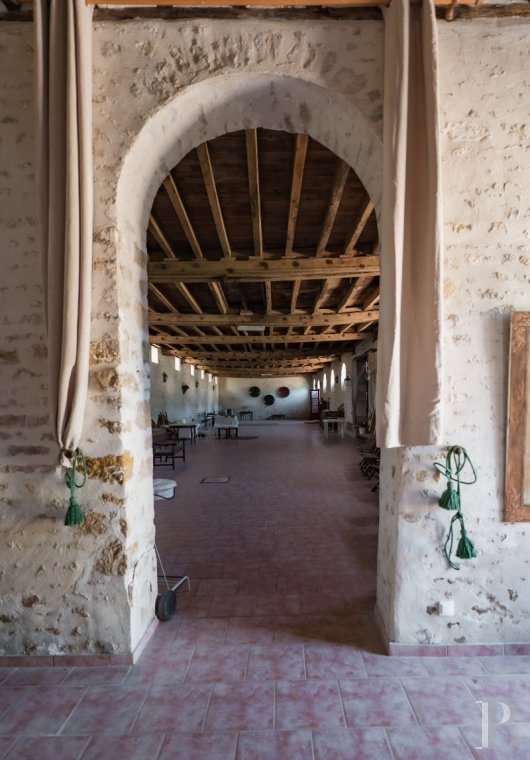
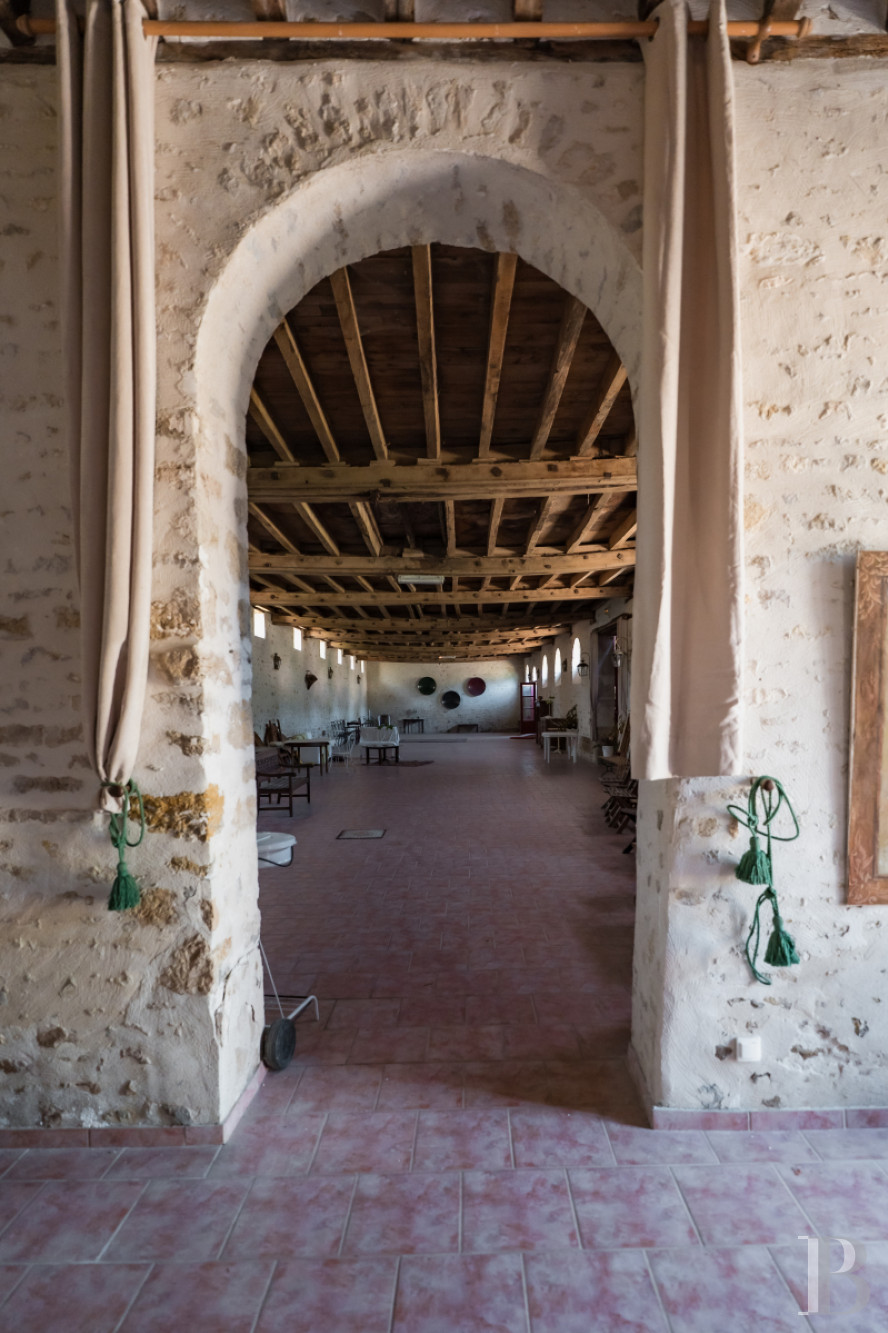
This converted former stable of approximately 250 m² is now used as an event space and, specifically, for cocktails, while a reception area with a guest lavatory ensures the transition towards the main space. In addition, a third door reveals a staircase to the upstairs floor, which has not been converted, whereas, the elongated reception hall, exudes undeniable bucolic charm: an original tile floor, plaster-coated stone walls and a ceiling cadenced by oak beams and joists. As for its symmetrical, narrow arched windows, placed up high, they provide this room with soft natural light.
The Other Outbuildings
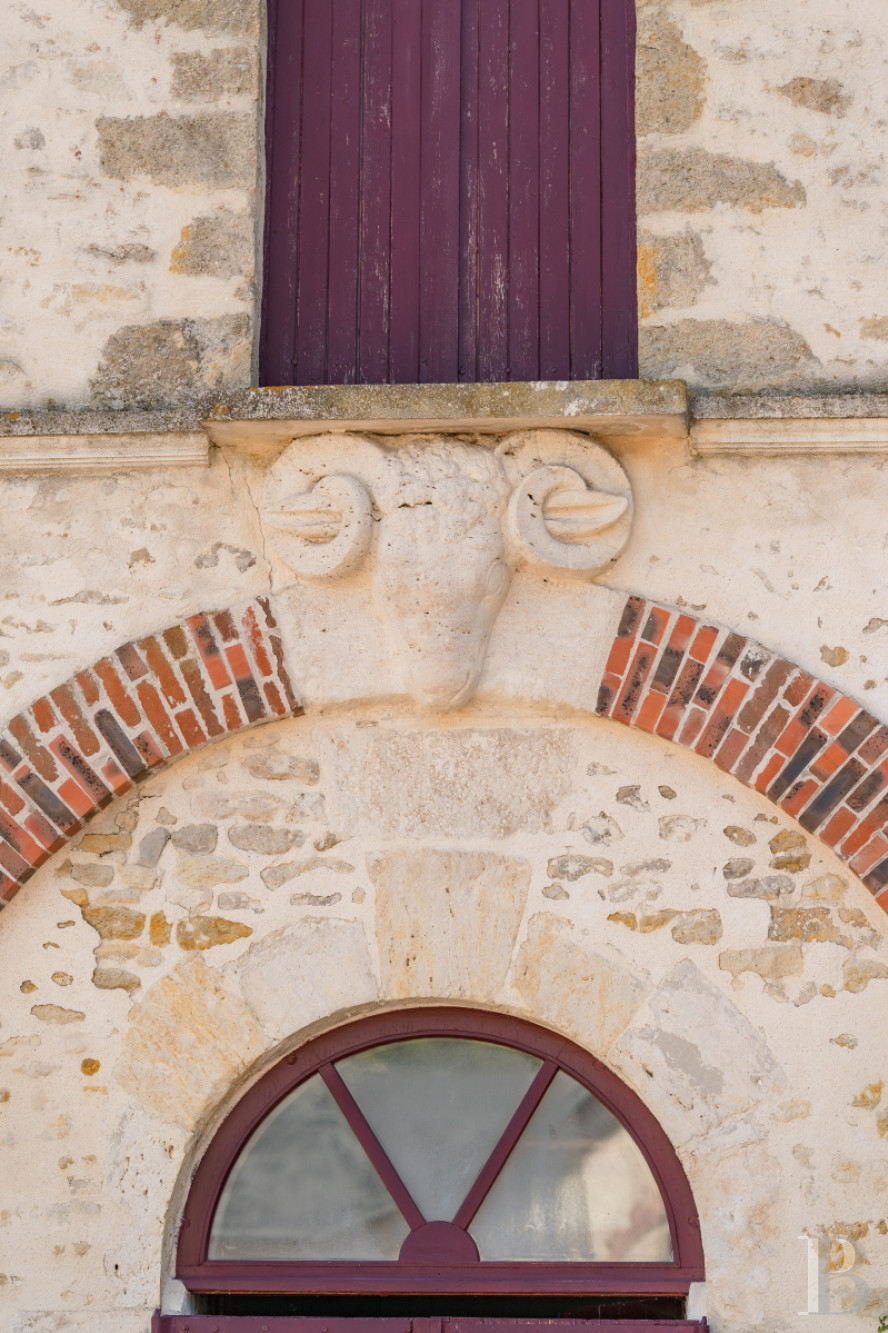
Once used as a cowshed, a chicken coop as well as a stable, their exteriors have preserved the vestiges of their initial vocations: sculpted animal heads still decorate the walls. Since then, they have been converted into more practical spaces, adapted to contemporary uses and include a professional kitchen with cold storage, a stainless-steel sink and countertops, the technical machinery for the swimming pool as well as a two-car garage.
The Hunting Room
In another building, a room with terracotta tile floors, exposed ceiling beams and a wood-burning stove, was used, up until recently, as a room for those returning from hunting expeditions, while sleeping quarters, with a bedroom and a shower room, have also been added to this space.
Our opinion
This group of buildings around its square courtyard is a testimony to their impressive durability over the years thanks to the initial quality of their construction and the constant care provided by their owners, the latter of which were able to give the property a new vocation, far removed from its original agricultural function, without ever compromising its inherent spirit. As for its outskirts, wooded and peaceful, they provide the premises with a bucolic and intimate atmosphere, which makes one almost forget the vastness of the Beauce region’s surrounding prairies, while its current configuration of farm buildings, with their immense interior spaces and variety of layouts, provide this property with an array of possibilities for the future: a family dwelling in the countryside, tourism accommodations, an event venue or a combination of all three, depending on the season and project.
850 000 €
Fees at the Vendor’s expense
Reference 179469
| Land registry surface area | 1 ha 83 a 62 ca |
| Main building floor area | 600 m² |
| Number of bedrooms | 10 |
| Outbuildings floor area | 1280 m² |
| including refurbished area | 600 m² |
French Energy Performance Diagnosis
Information on the risks to which this property is exposed is available on the website: www.georisques.gouv.fr
Share


NB: The above information is not only the result of our visit to the property; it is also based on information provided by the current owner. It is by no means comprehensive or strictly accurate especially where surface areas and construction dates are concerned. We cannot, therefore, be held liable for any misrepresentation.