



A fortified gate in the medieval walls, listed as a historical monument,
in the centre of the historical town of Semur-en-Auxois
in the centre of the historical town of Semur-en-Auxois
Semur-en-Auxois,
COTE-D'OR
burgundy
21140
FR

Location
Semur-en-Auxois, which in the 18th century was nicknamed ‘little Athens of Burgundy’, is the historical capital of the Auxois area, is protected as a remarkable heritage site and is renowned for its architecture and history. Semur is on the edge of the Morvan regional natural park, is 1 hour from Dijon, 20 minutes from Montbard as well as its high-speed TGV railway station, and is also 10 minutes from the A6 motorway. It boasts all essential shops and services. The town, which stands in a meander of the River Armançon, was a castrum in the early Middle Ages. It went on to become a ducal administrative centre as well as an important economic hub and was fortified several times. However, it is the traces of its medieval urbanisation that still dominate today’s landscape.
Description
The edifice was one of the five access points to the village of Notre-Dame and its mentions in archives date back to as far as 1417, when work was carried out under the supervision of Jean de Sauvigny, who was governor at the time. In bygone days, before entering the walls, travellers had to pass through an advanced defensive structure called a barbican, as is still the case today. After the barbican stands the gate, providing access to the old quarters of the town, their cobbled streets, old shop fronts and half-timbered houses, all just a 5-minute walk from Notre-Dame Collegiate Church.
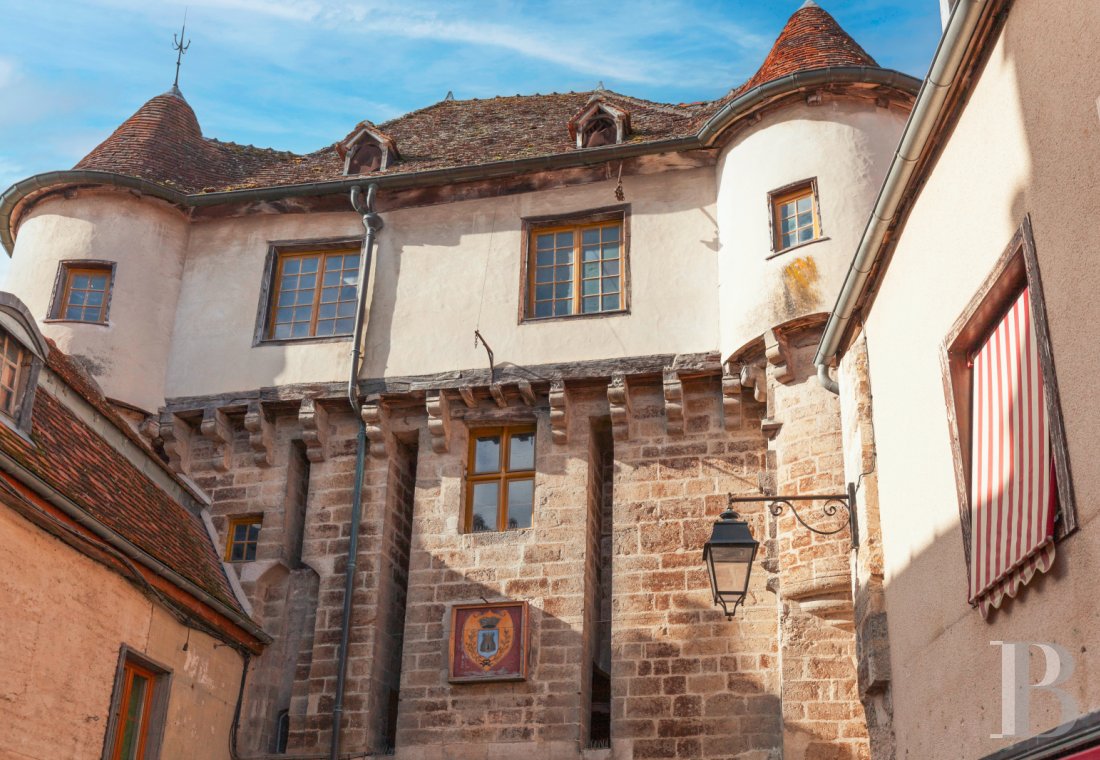
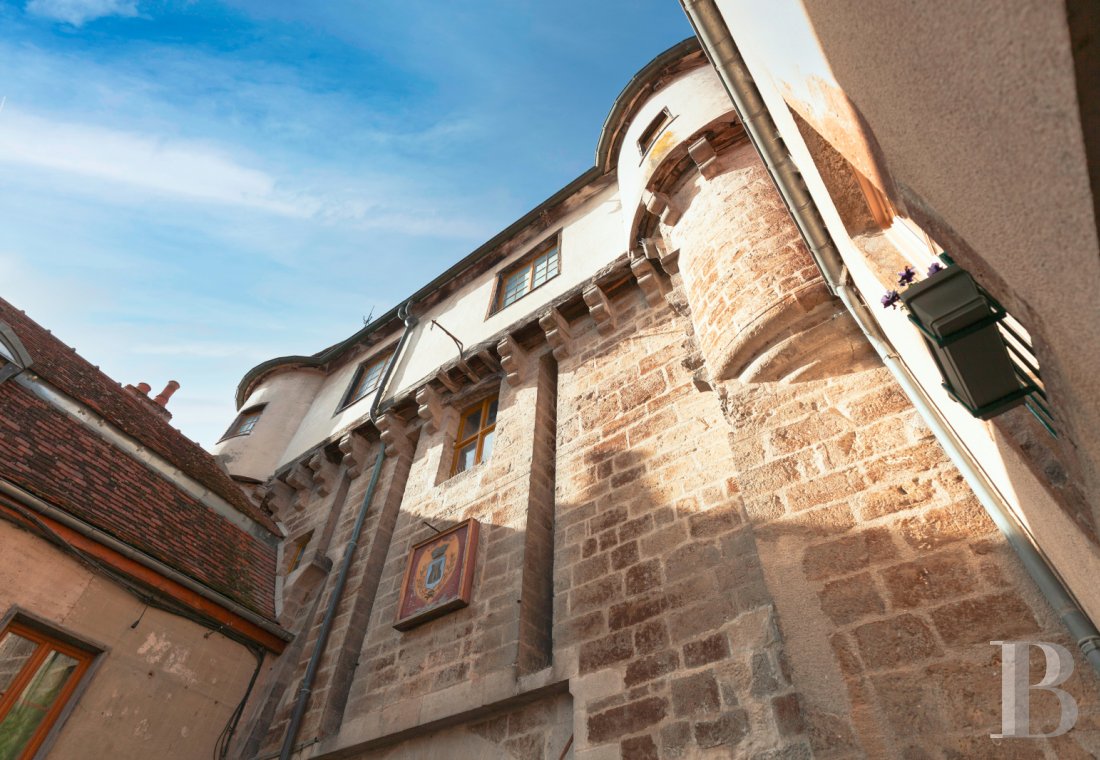
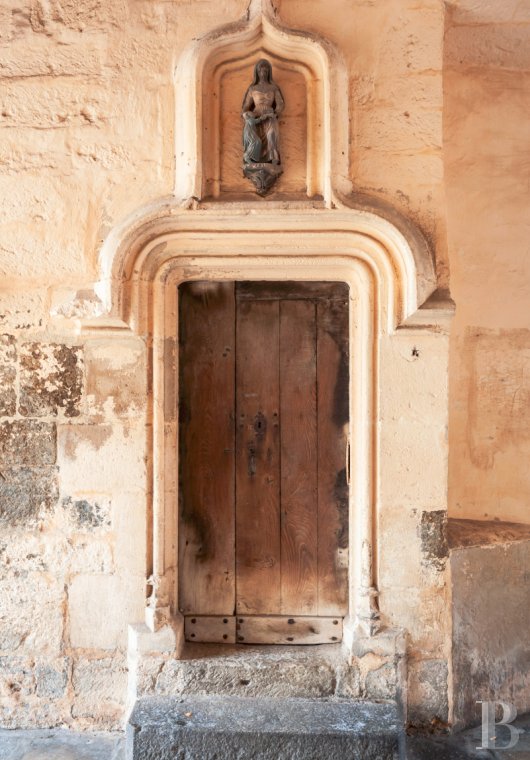
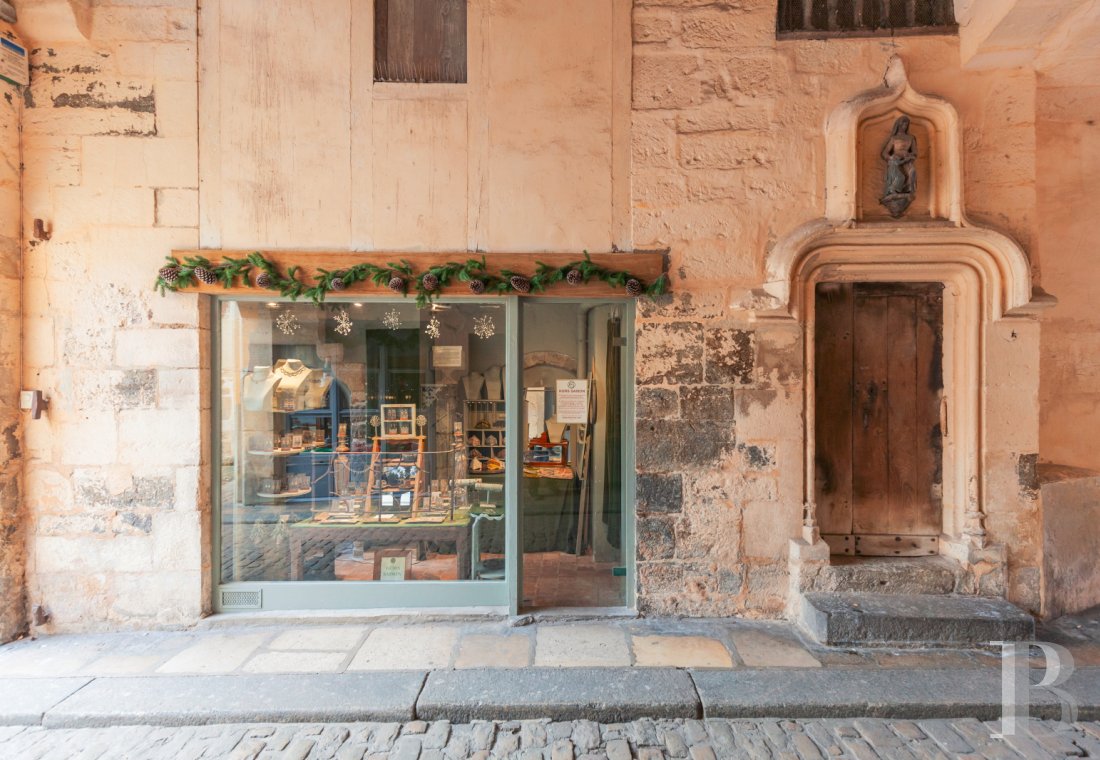
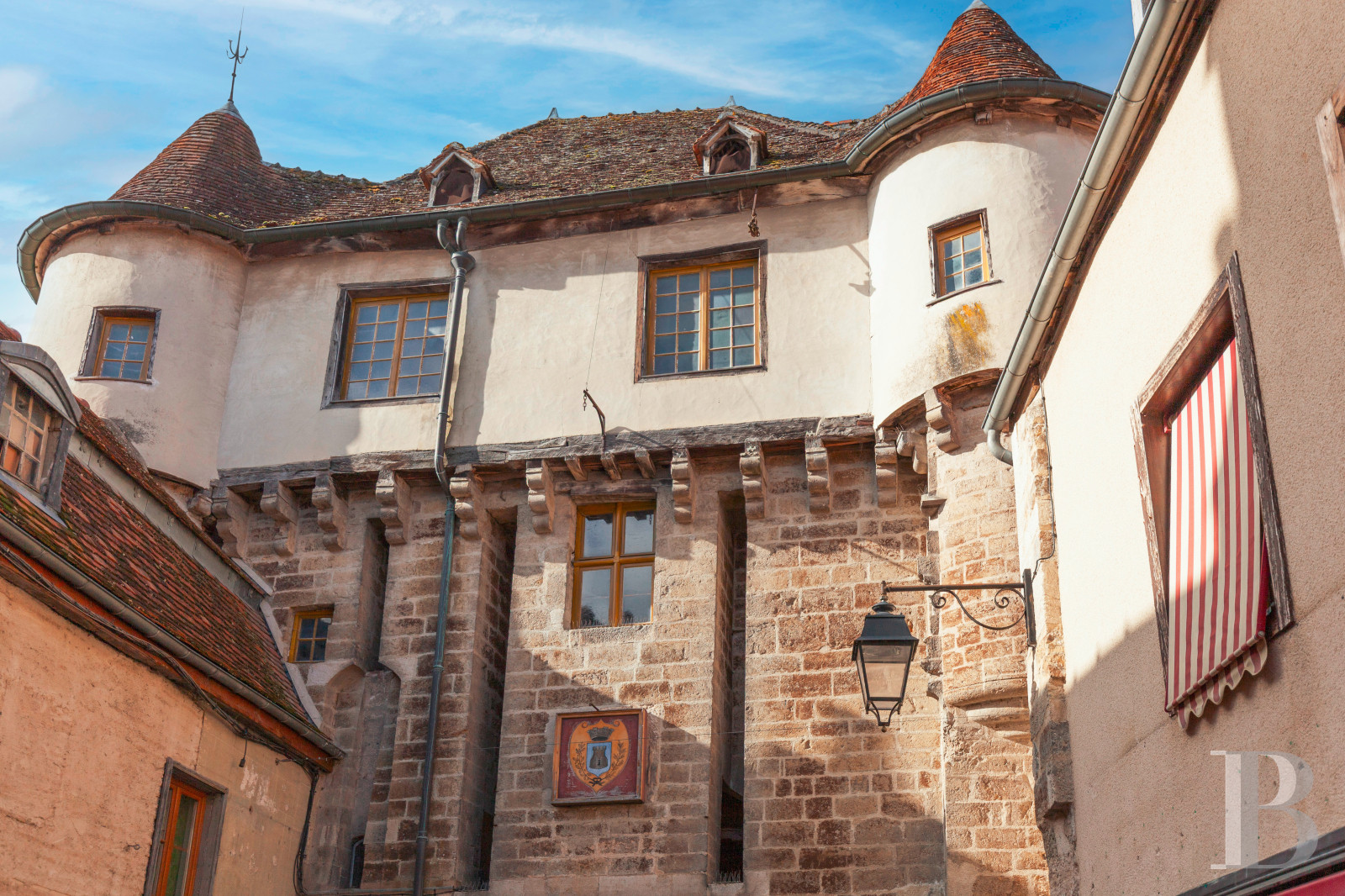
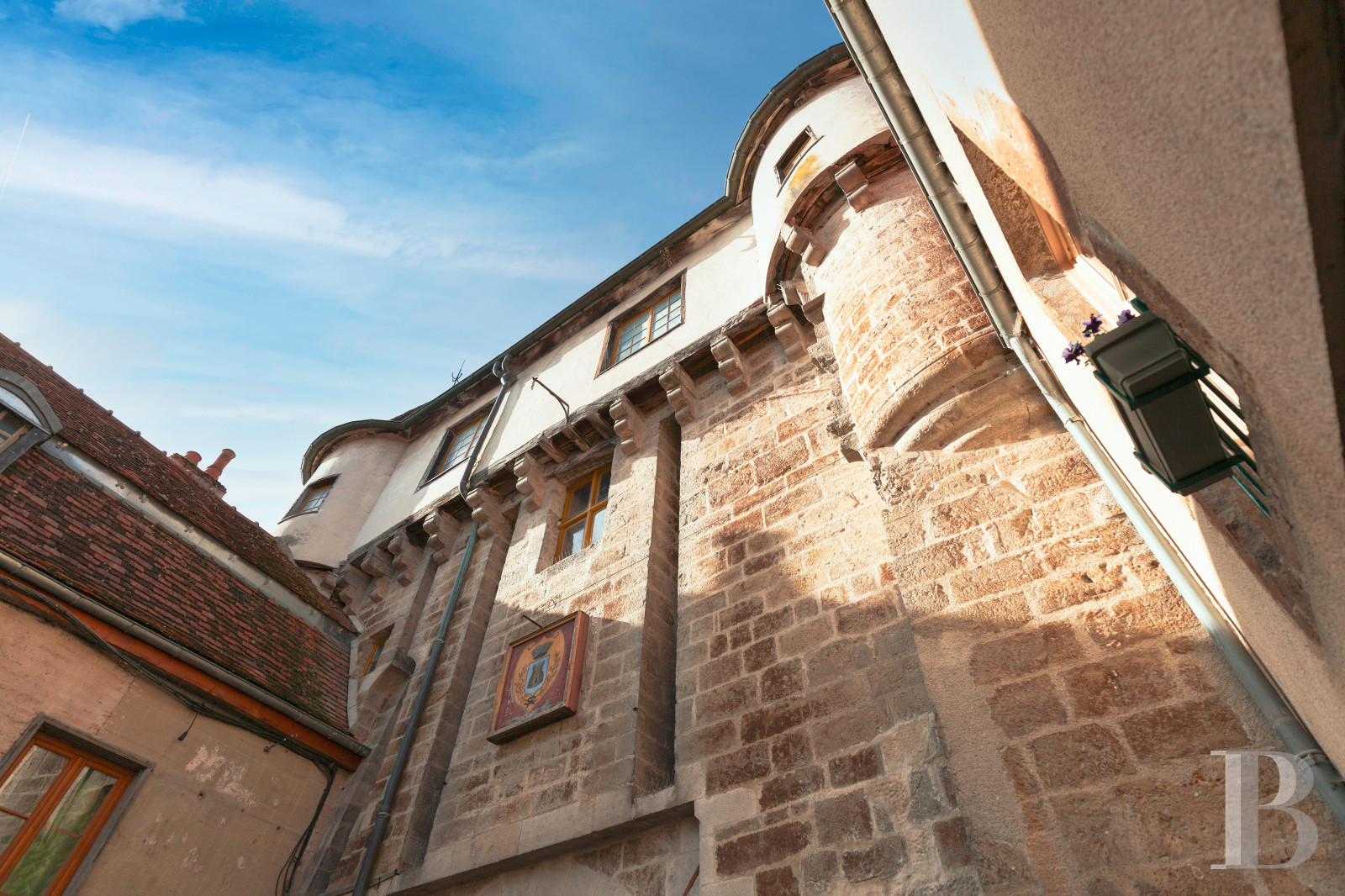
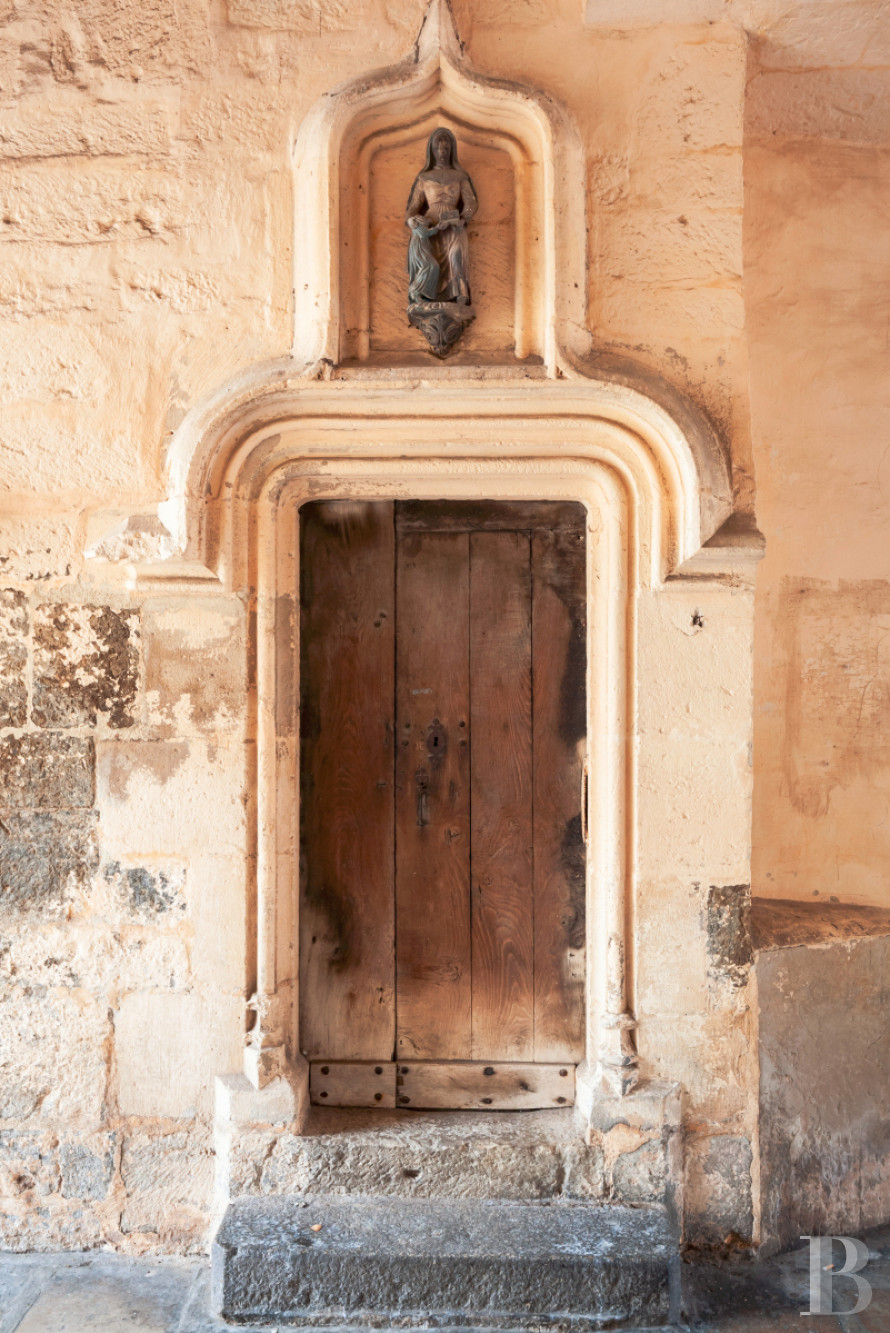
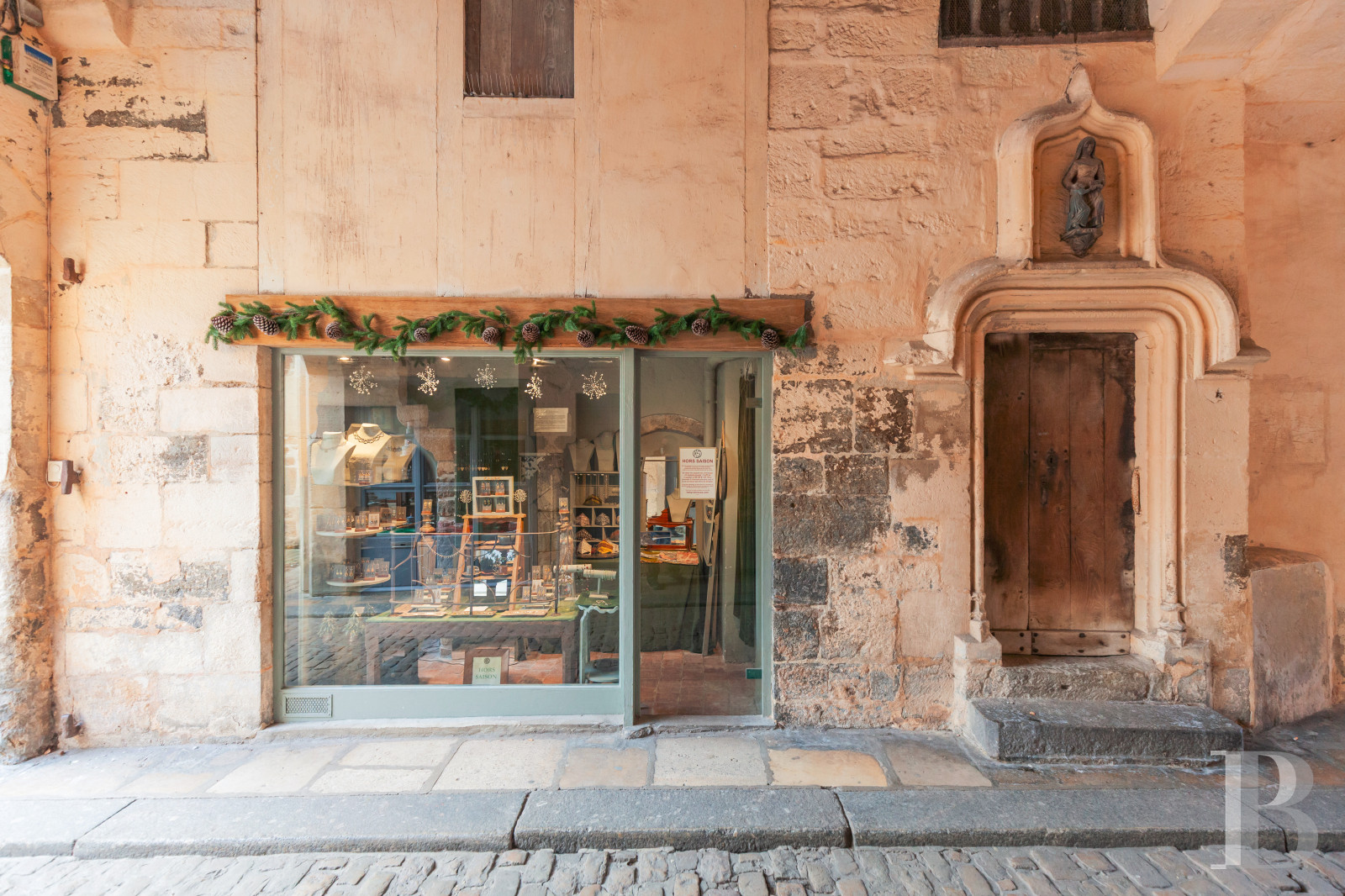
With its corbelled pepper-pot roofed towers, its hipped roof with two Jacobean dormers, its timber-framed upper level resting on brackets, and its pointed-arch carriage gates, it stands out to passers-by in all its majesty. Beneath its archetypal roof of flat tiles, the edifice boasts four levels: a ground-floor, an intermediate level, then the first and second floors. The dressed stone facade also has the particularity of typical wide grooves where the gaffs of the two drawbridges would have been placed. They indicate the presence of a pedestrian door, which has since been transformed into a window. A moat, which has now been filled in, completed the structure. Lastly, the south wall is punctuated by a door with moulded jambs features an unusual recess-shaped lintel. It houses a statue of the Virgin, on which traces of the original colours can still be seen.
With its corbelled pepper-pot roofed towers, its hipped roof with two Jacobean dormers, its timber-framed upper level resting on brackets, and its pointed-arch carriage gates, it stands out to passers-by in all its majesty. Beneath its archetypal roof of flat tiles, the edifice boasts four levels: a ground-floor, an intermediate level, then the first and second floors. The dressed stone facade also has the particularity of typical wide grooves where the gaffs of the two drawbridges would have been placed. They indicate the presence of a pedestrian door, which has since been transformed into a window. A moat, which has now been filled in, completed the structure. Lastly, the south wall is punctuated by a door with moulded jambs features an unusual recess-shaped lintel. It houses a statue of the Virgin, on which traces of the original colours can still be seen.
The fortified gate
The ground floor
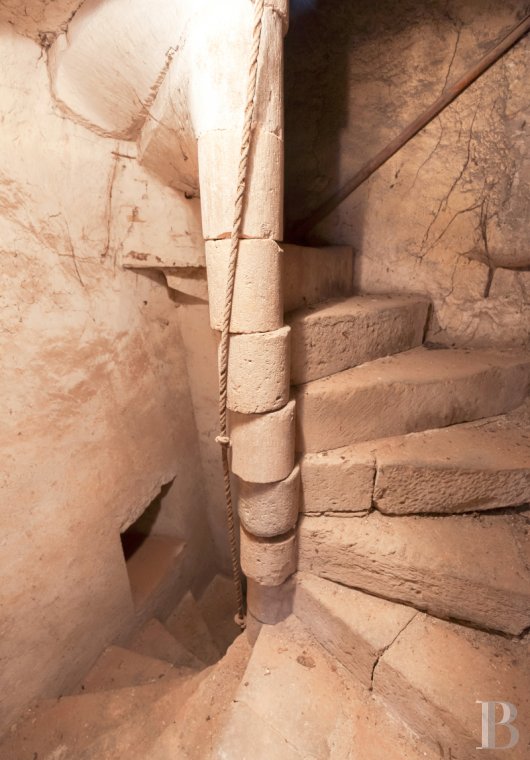
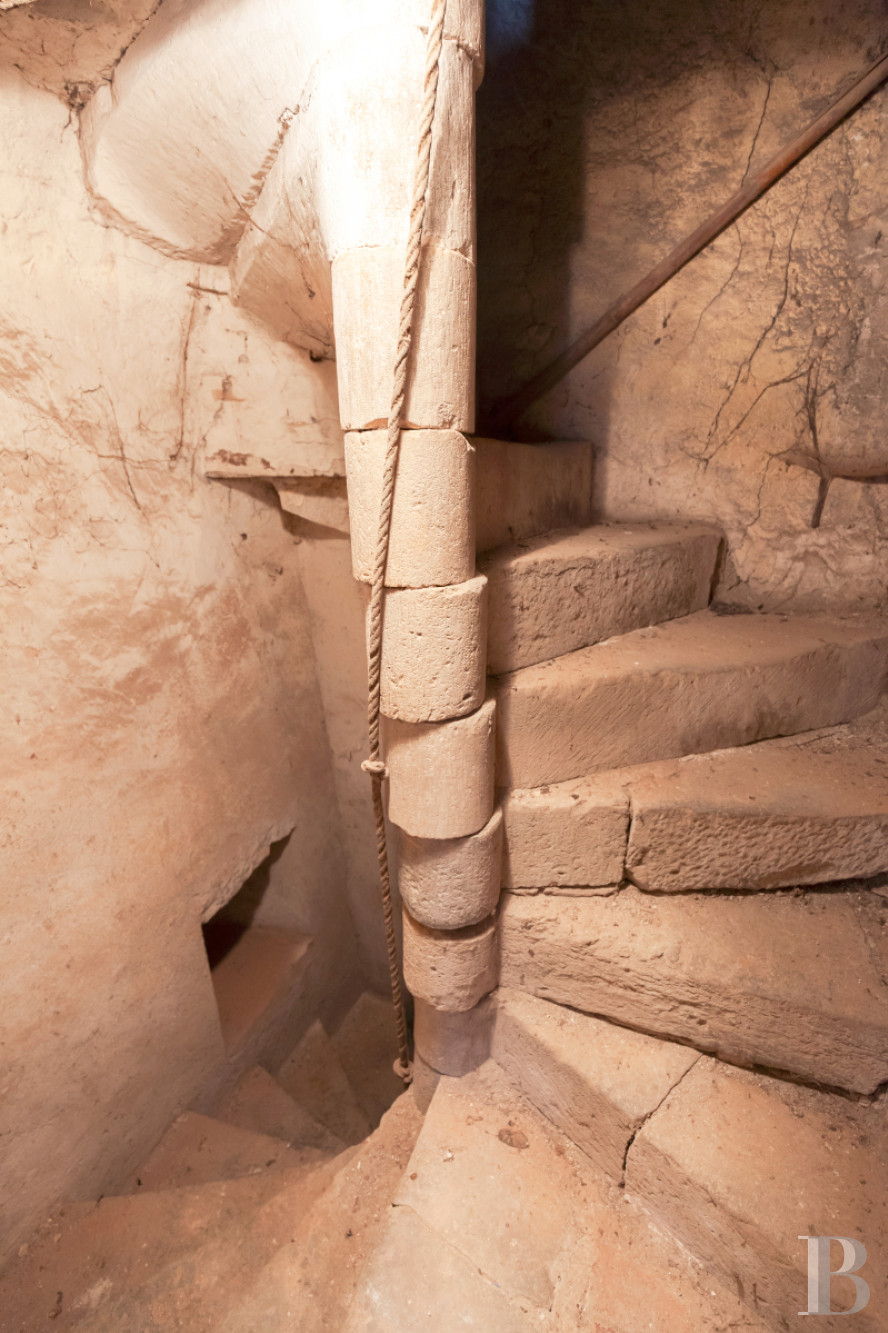
Through the door, a spiral staircase leads to the first floor. A small door on the left leads to the ground floor premises, with a window onto the street. The floor is paved with small, time-worn terracotta tiles.
The intermediate level
With a terracotta tiled floor and exposed beams, it consists of a small room lit by a lancet in a vaulted recess. This appears to be an old, narrow workspace in which there are traces of in-built wooden furniture.
The first floor
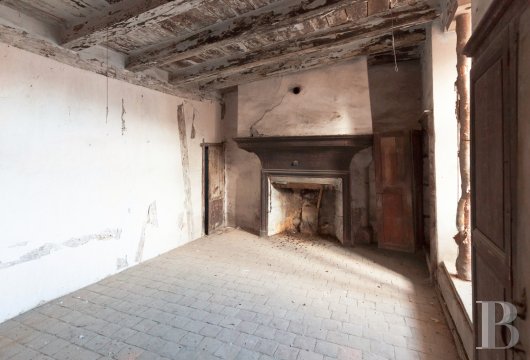
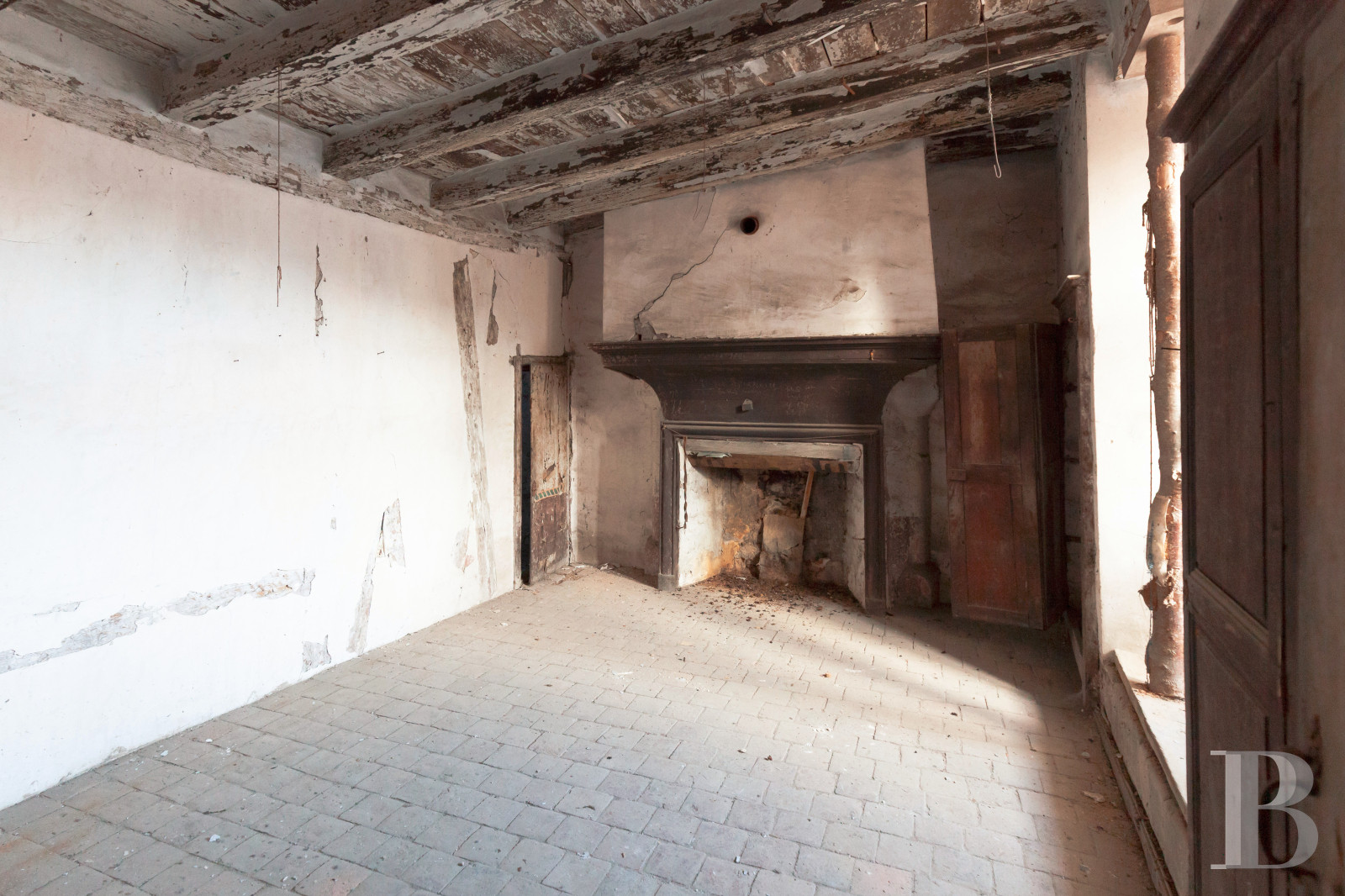
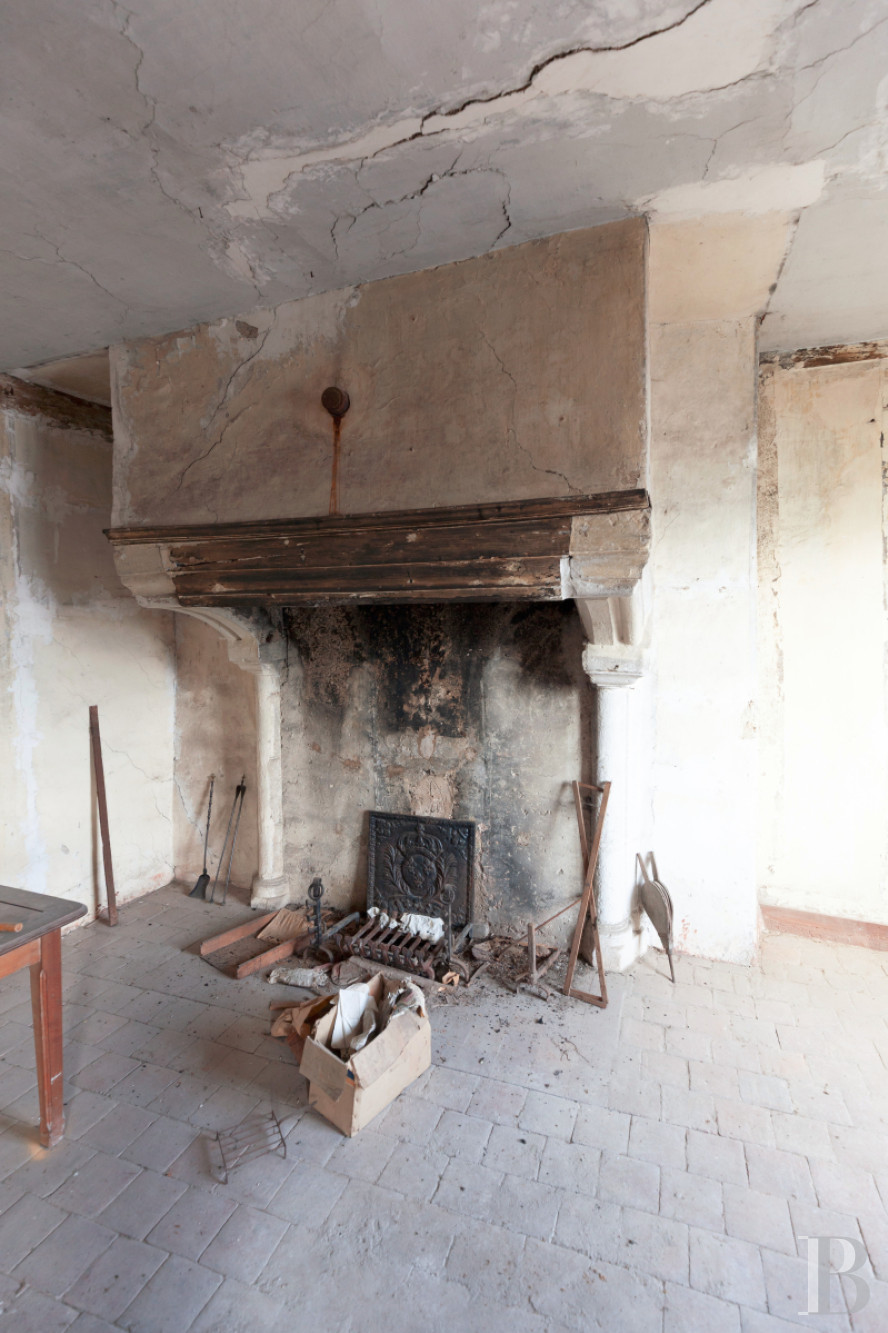
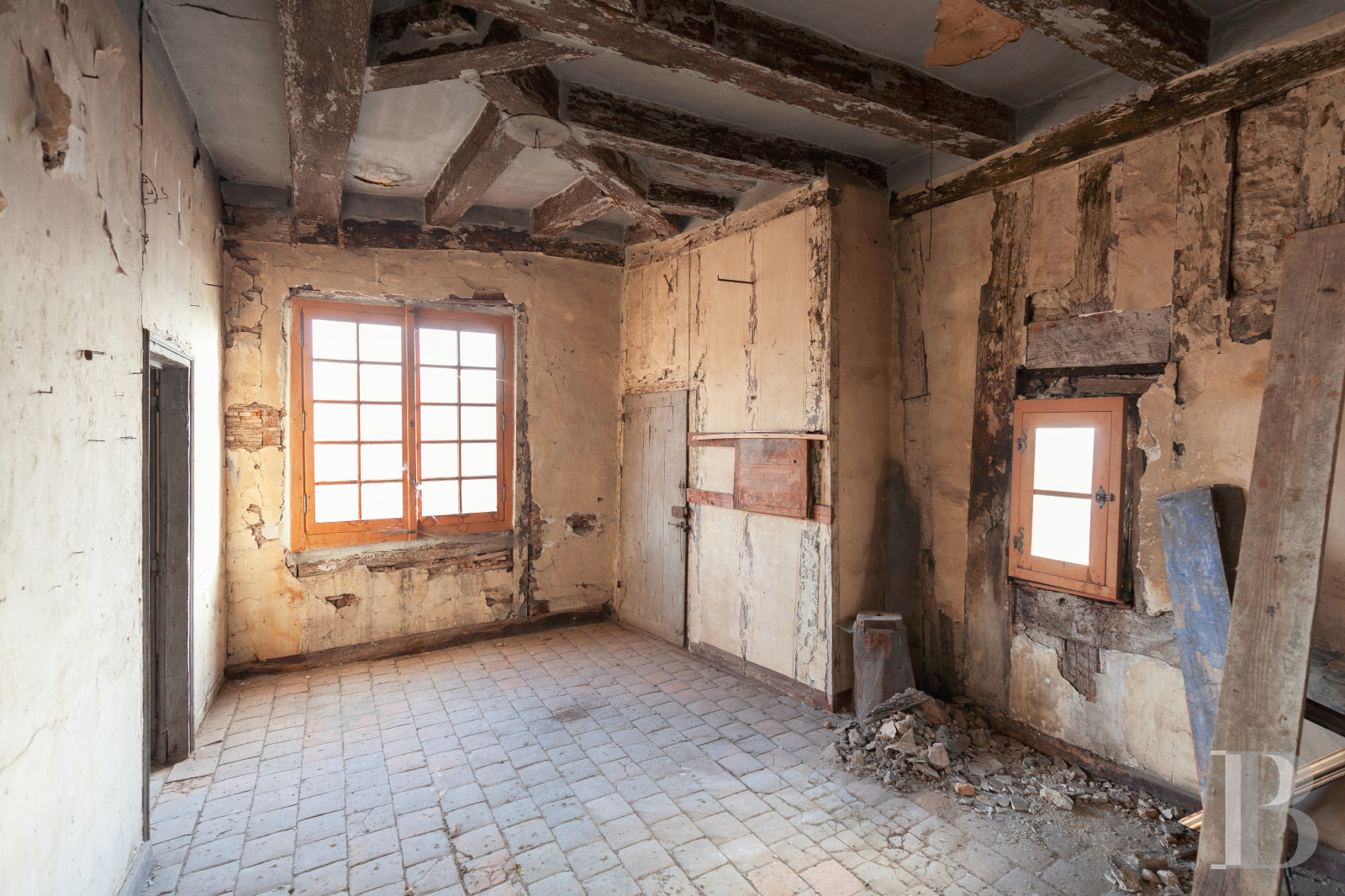
The two drawbridges were operated in the main room, the guardhouse, which is the main room in the building. The mechanisms have now been removed. It features a stone fireplace and, on the south side, an opening with an old window seat, now closed, visible from the corridor. The ceiling has exposed beams and the floor is paved with terracotta tiles identical to those on the lower levels. The half-timbering is visible through the light-coloured rendering on the walls.
The second floor
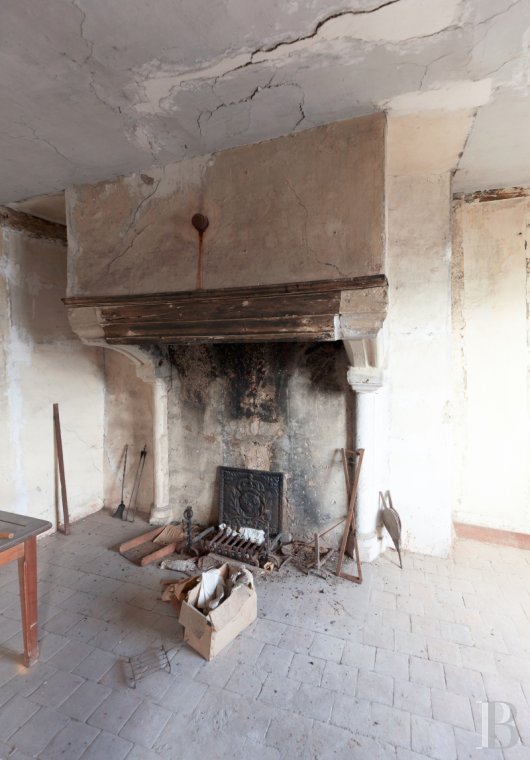
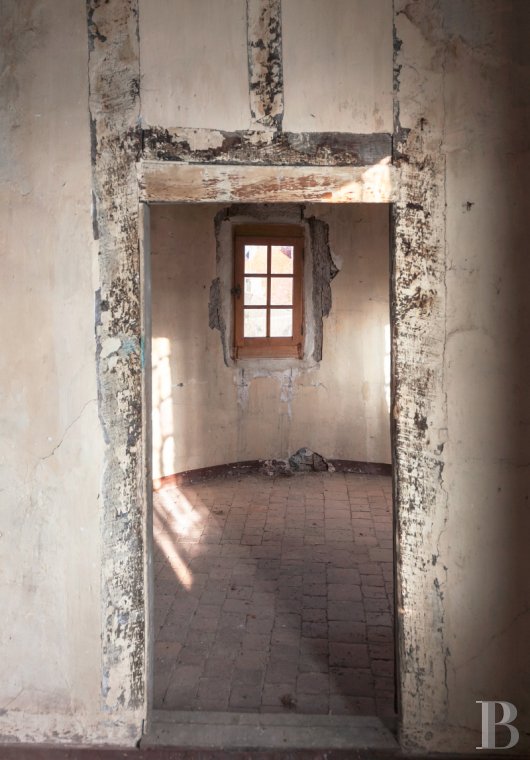
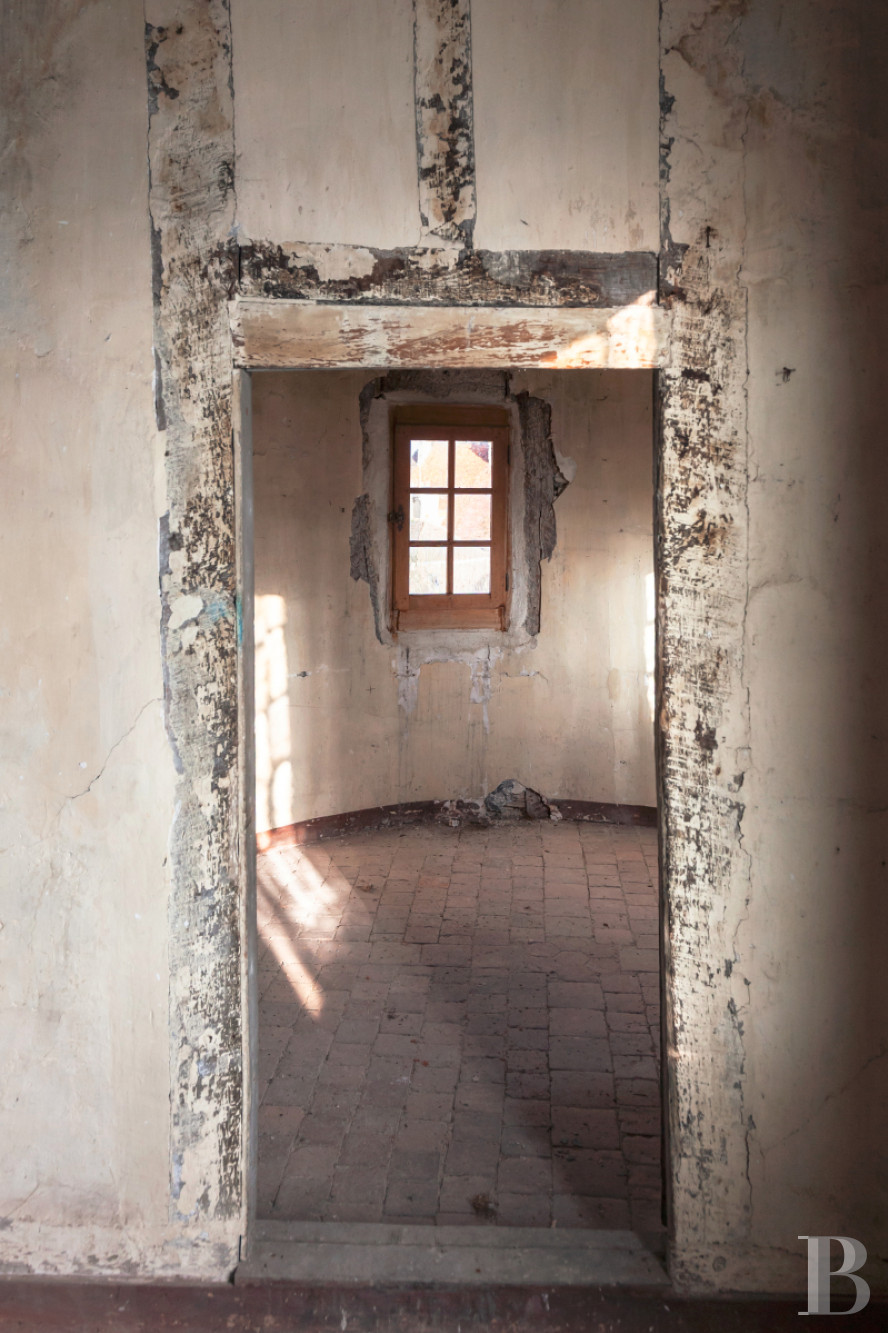
The second floor offers two living rooms, one of which has a fireplace with a large straight hood identical to that on the lower floor, and two smaller rooms in the turrets. In order to give the place a more comfortable character, alterations were made at the turn of the 17th and 18th centuries, such as the reduction of the wooden fireplaces, the addition of large windows and floor paving.
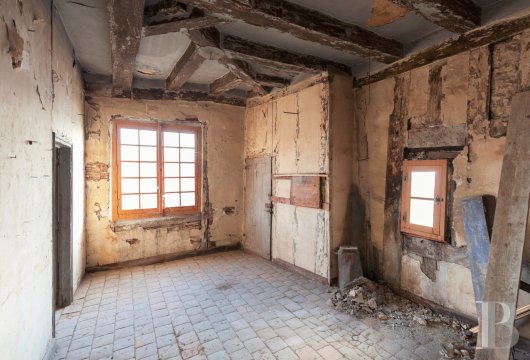
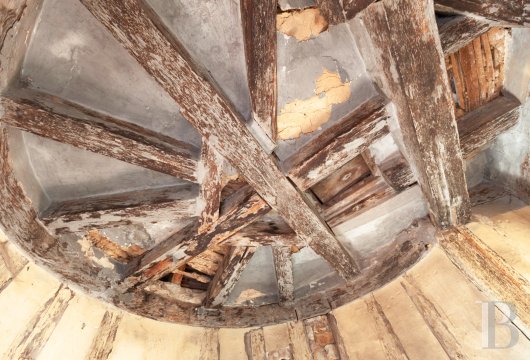
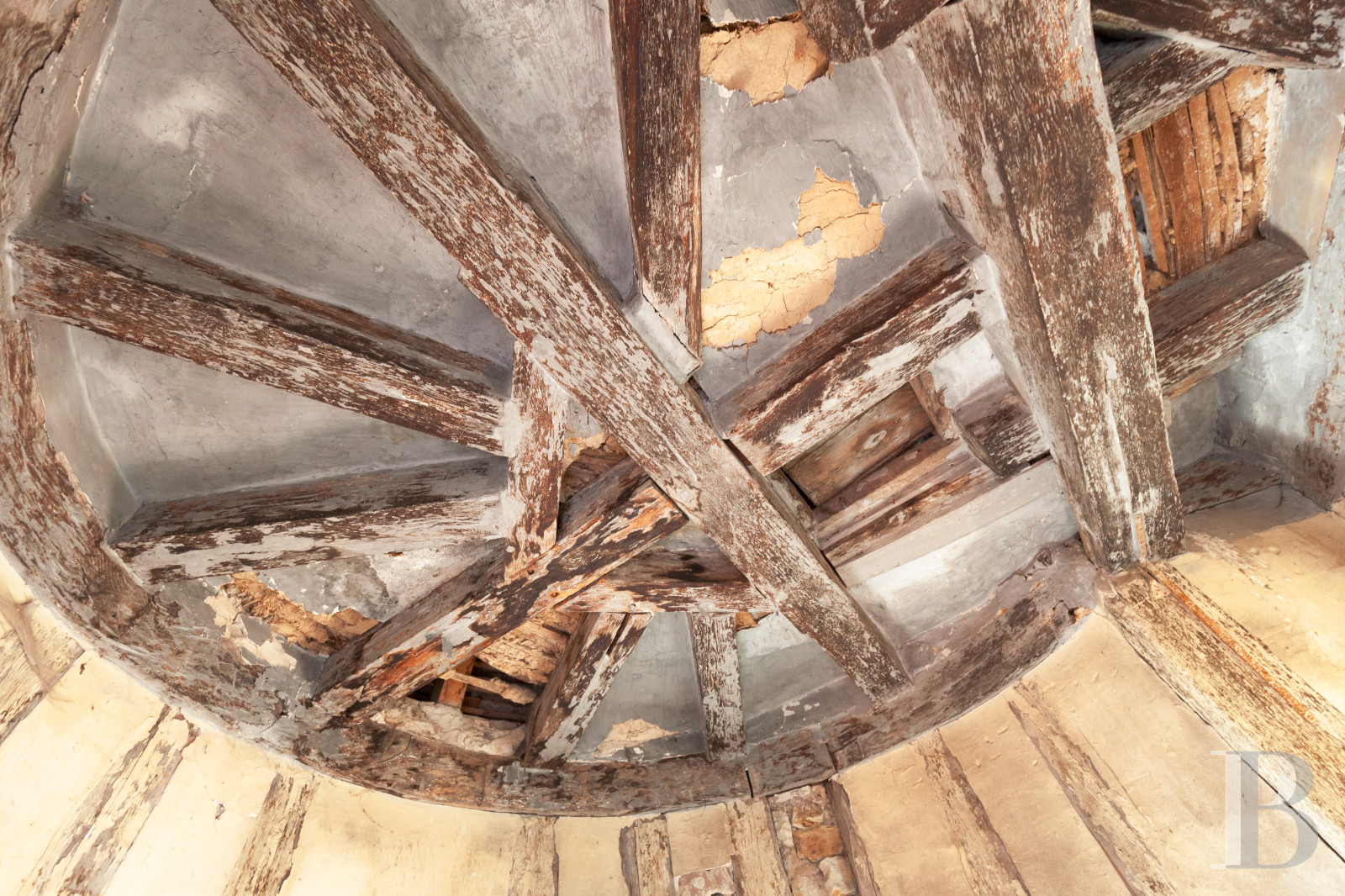
The exposed beams on ceilings reveal the skilful work of the carpenters of the time. The floors are identical to those on the previous floors.
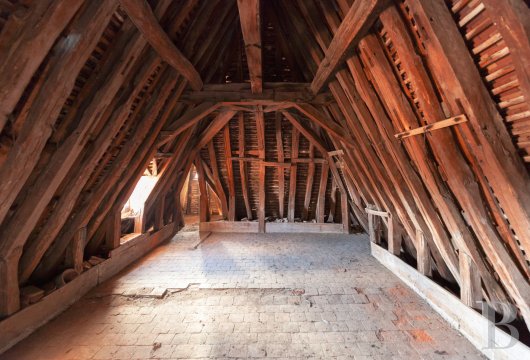
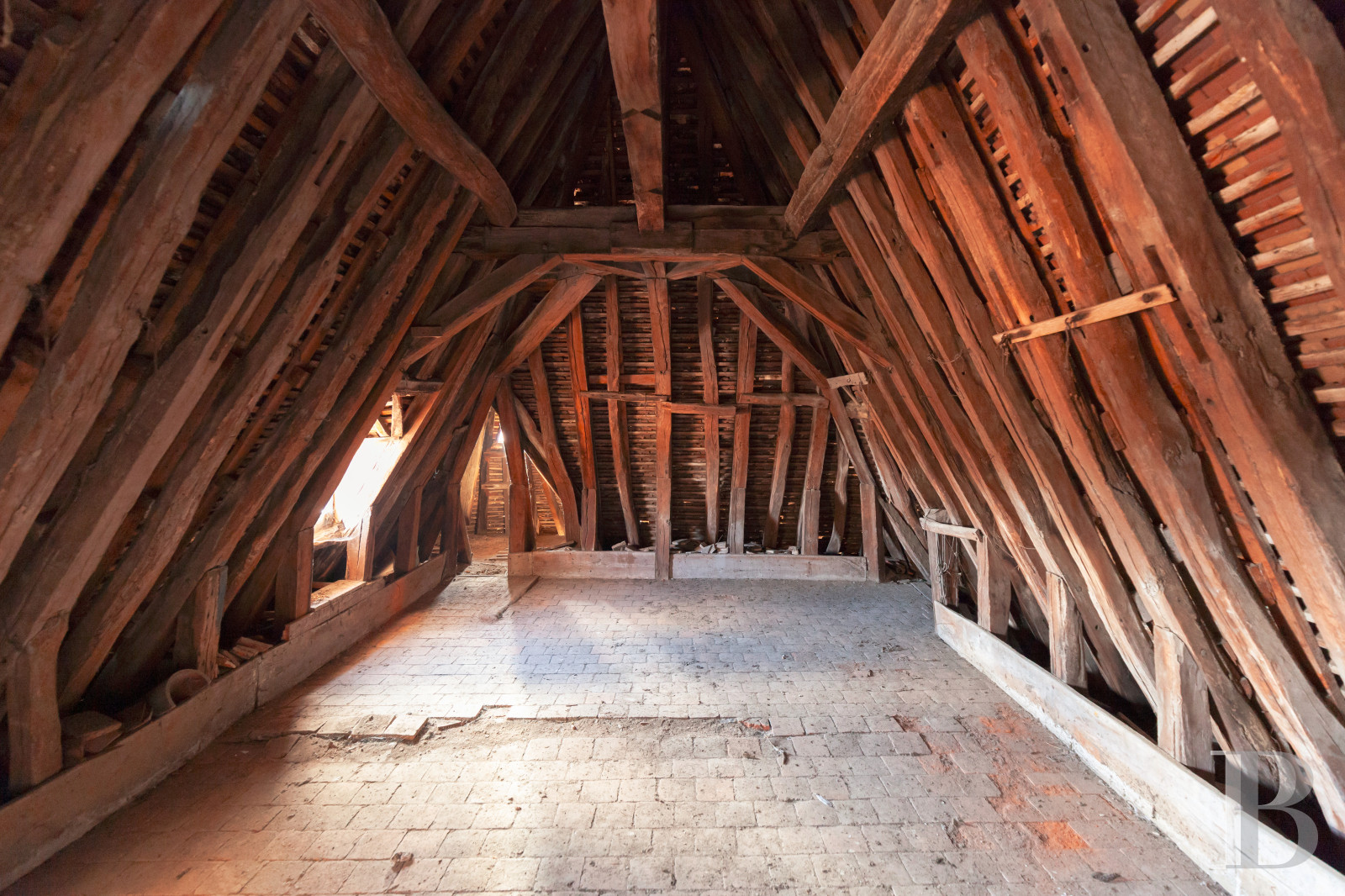
A staircase leads to the attic, revealing much more of the talent of the craftsmen of yesteryear thanks to a cathedral roof structure, illuminated by the two gable dormers.
Our opinion
The fortified gate, which is an emblematic building in the medieval town, is waiting for a heritage enthusiast to devote themselves to breathing new life into it, via renovation, restoration or refurbishment.
With its gallery-style passageway, whether as an out-of-the-ordinary apartment or an artist’s studio, among other possibilities, there is much potential in this unique opportunity of continuing, with a personal touch, the work begun by Jean de Sauvigny over 600 years ago. Its closeness to the street and location as a gateway to the old town are clear advantages, if utilised to the best extent. This fortified gate is more than just a simple residence: it could contribute to the flourishing of the local heritage.
Reference 359237
| Main building floor area | 86 m² |
| Land registry surface area | 15 m² |
Information on the risks to which this property is exposed is available on the website: www.georisques.gouv.fr
Share


NB: The above information is not only the result of our visit to the property; it is also based on information provided by the current owner. It is by no means comprehensive or strictly accurate especially where surface areas and construction dates are concerned. We cannot, therefore, be held liable for any misrepresentation.