



An elegant 18th-century house listed as a historical monument on the banks of a
millrace that joins the River Armançon in the charming town of Tonnerre in Burgundy
millrace that joins the River Armançon in the charming town of Tonnerre in Burgundy
Tonnerre,
YONNE
burgundy
89700
FR

Location
The property lies in the east of France’s Yonne department in the north-west of the Bourgogne-Franche-Comté region. It is nestled in the centre of Tonnerre, a beautiful town in the renowned Chablis winegrowing region. The Burgundy canal flows through Tonnerre, where there is a little port too. The home is also near the town’s train station. From this station, you can reach Paris in 1 hour and 50 minutes by rail and the city of Dijon in 1 hour. Tonnerre is also close to the A6 motorway. By road, it is 2 hours and 30 minutes from Paris. The town of Chablis and its famous vineyards are just 16 kilometres away. Nearby, you can also discover the rich built heritage of the former lands of the Dukes of Burgundy, including the Château d’Ancy-le-Franc, the Château de Tanlay and the Château de Maulnes. And you can enjoy the rich natural heritage of the local region, including woods, a regional nature park and a national park.
Description
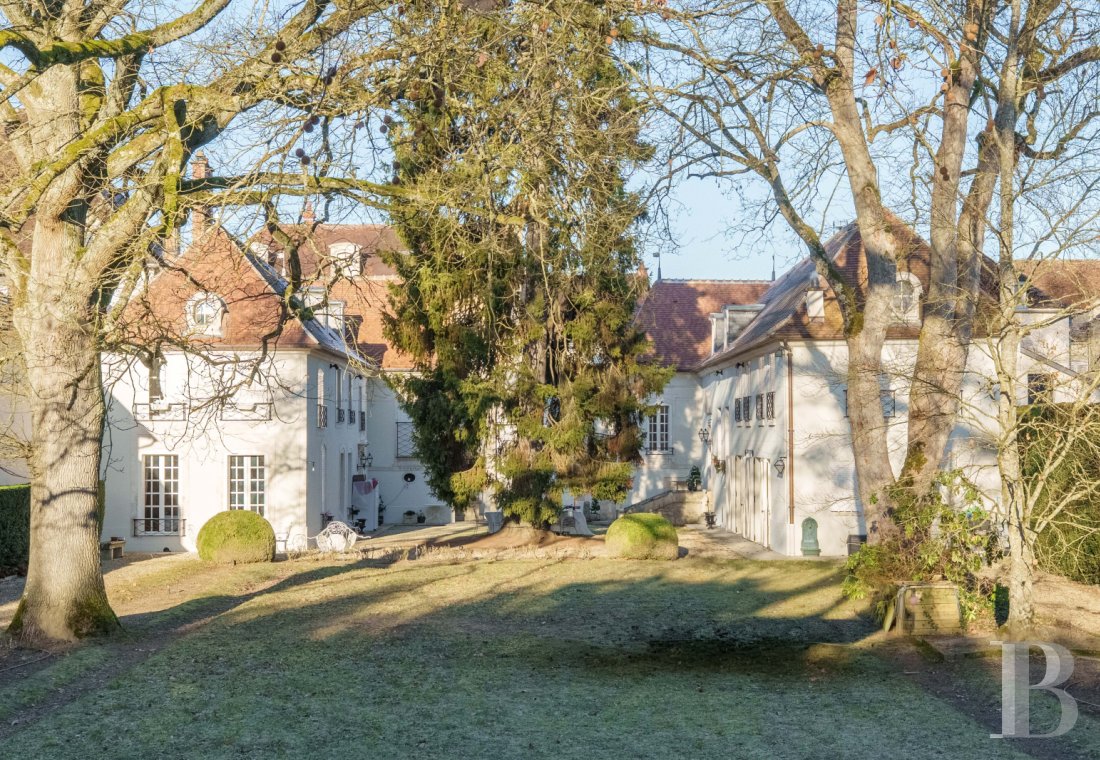
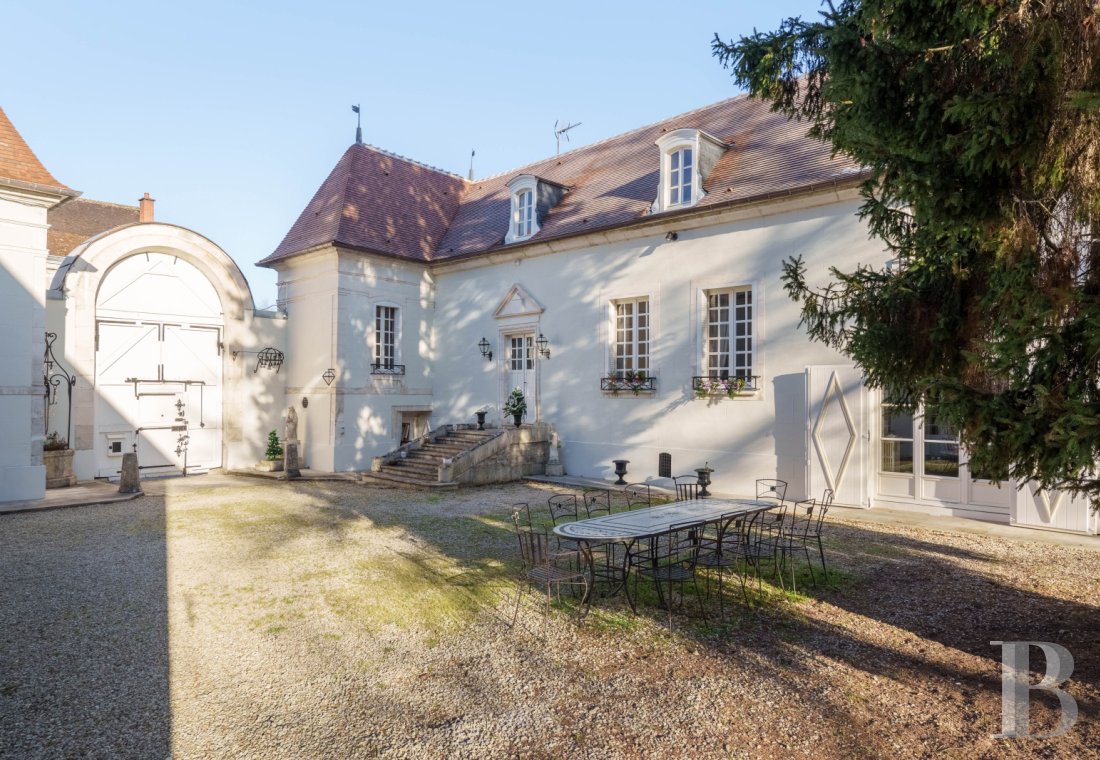
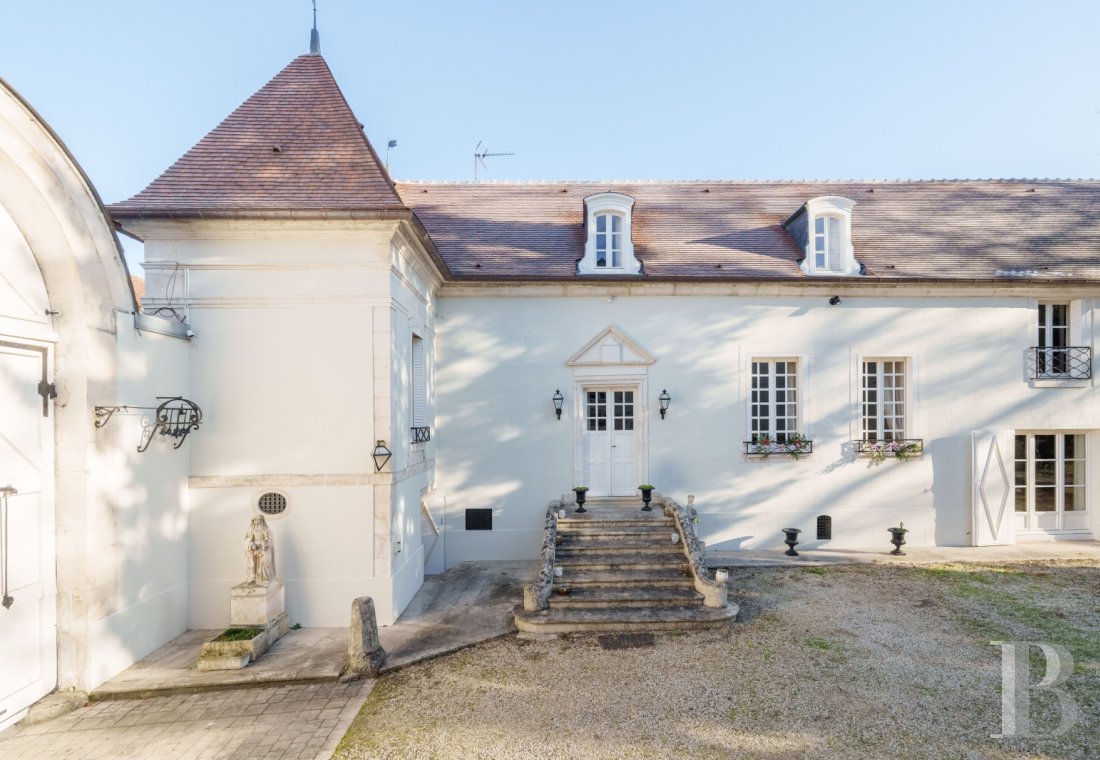
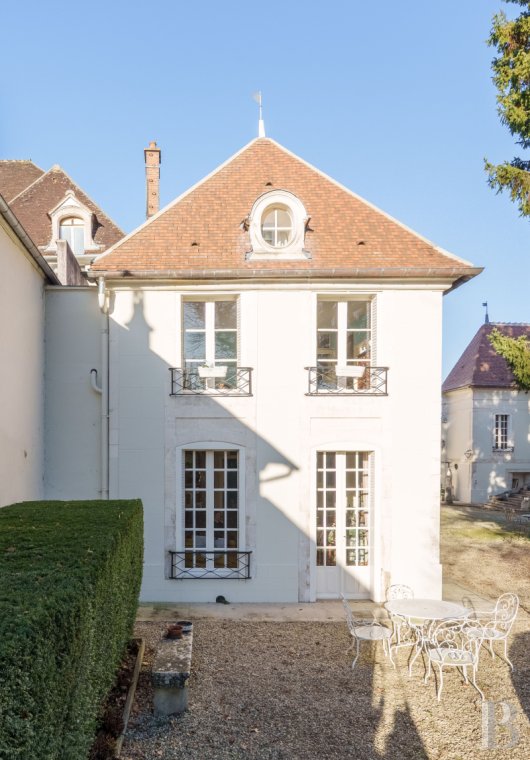
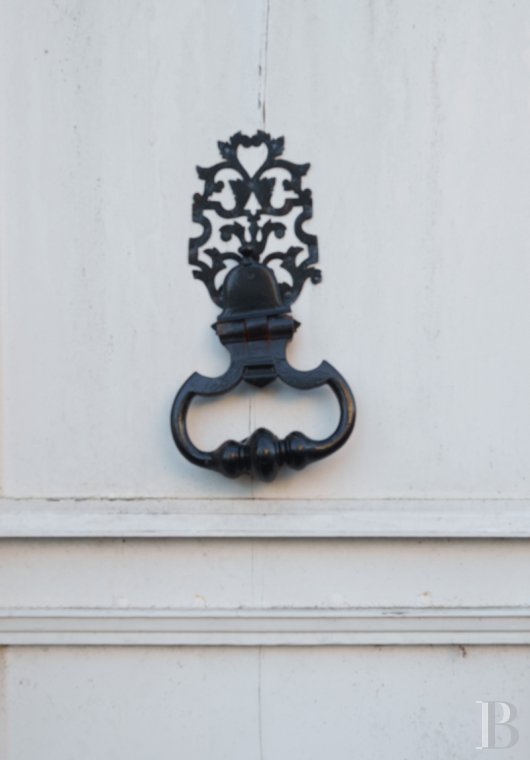
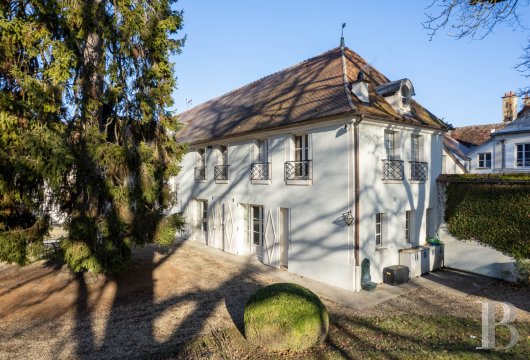
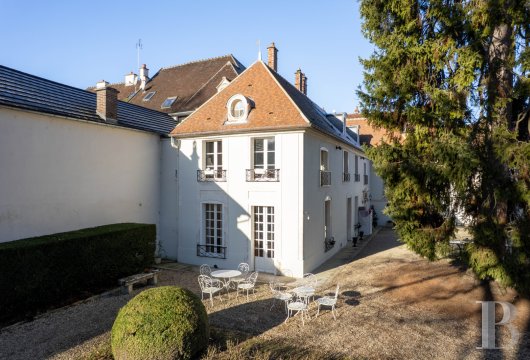
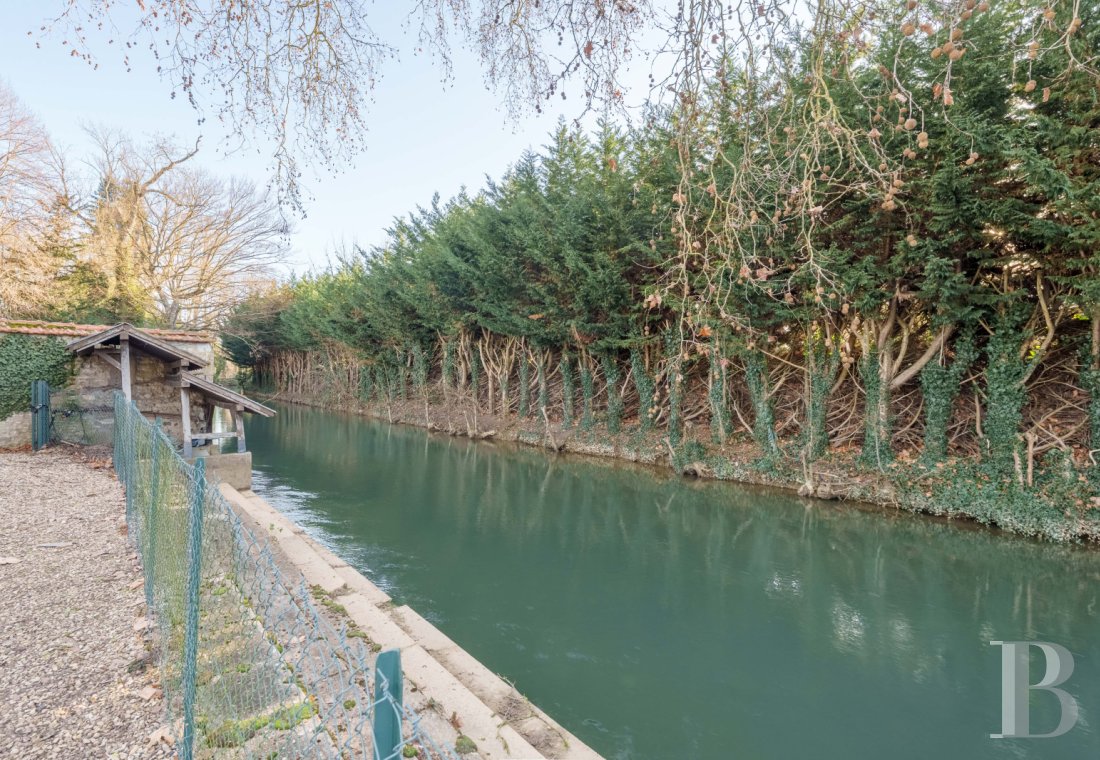
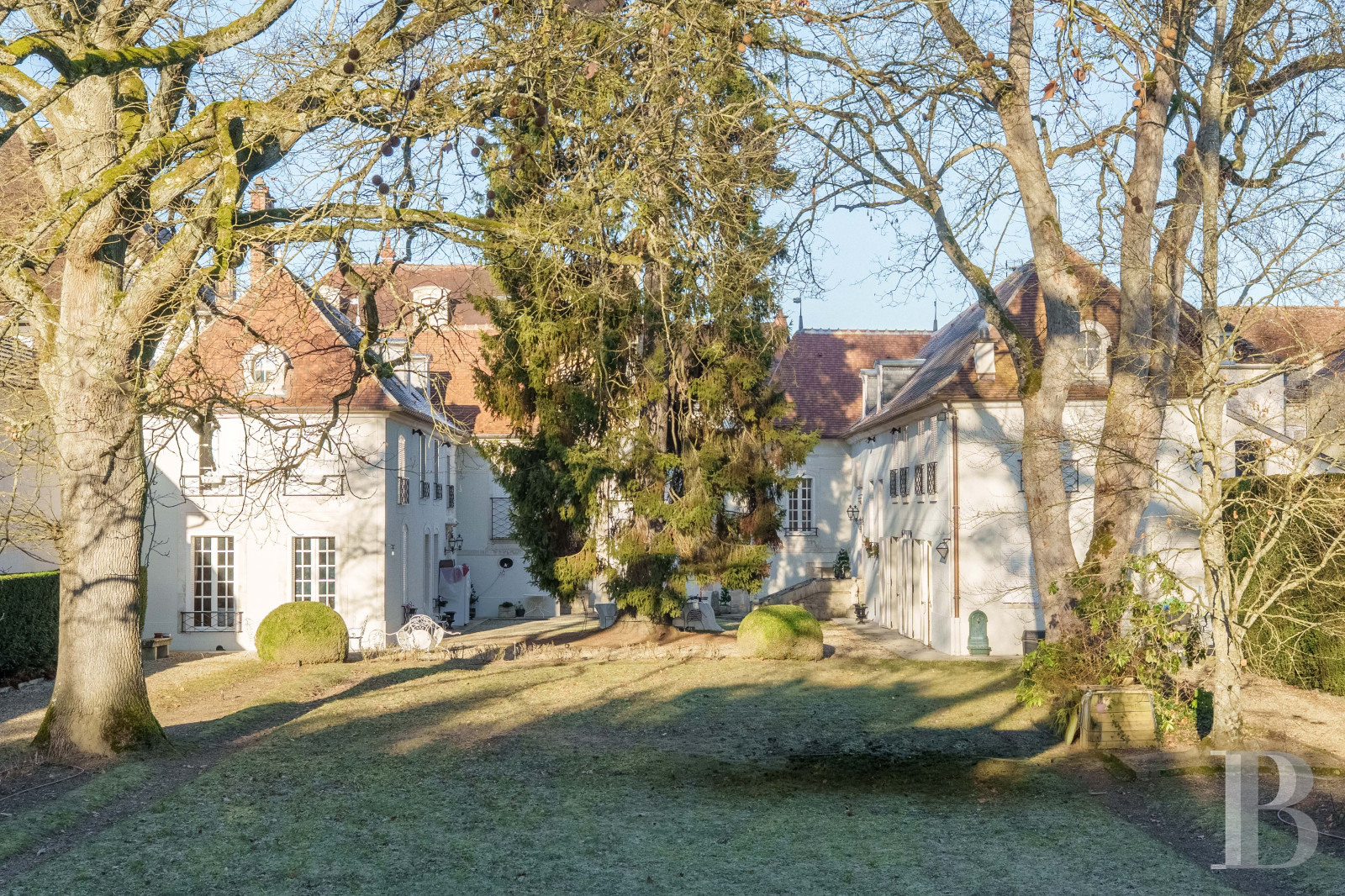
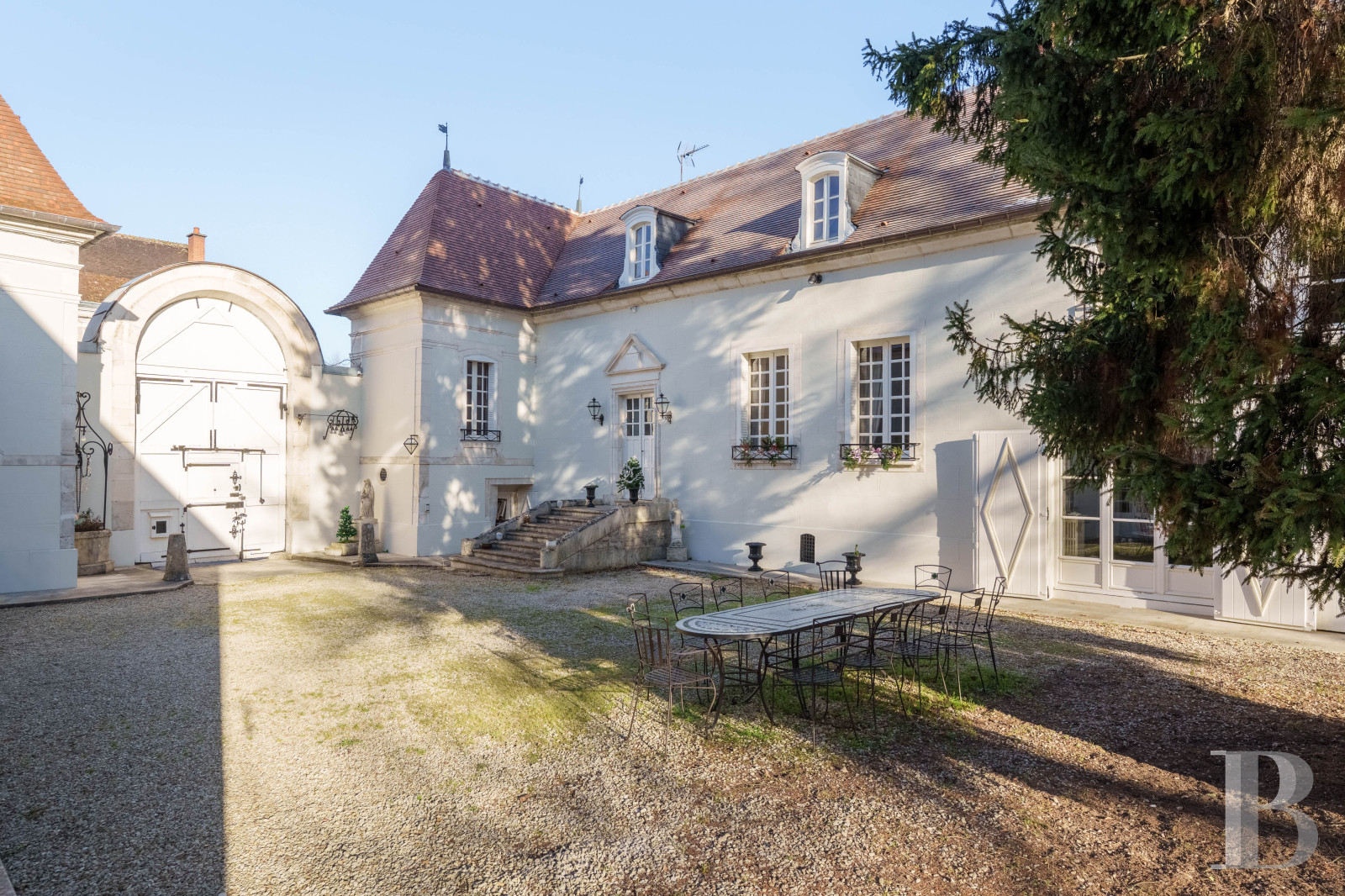
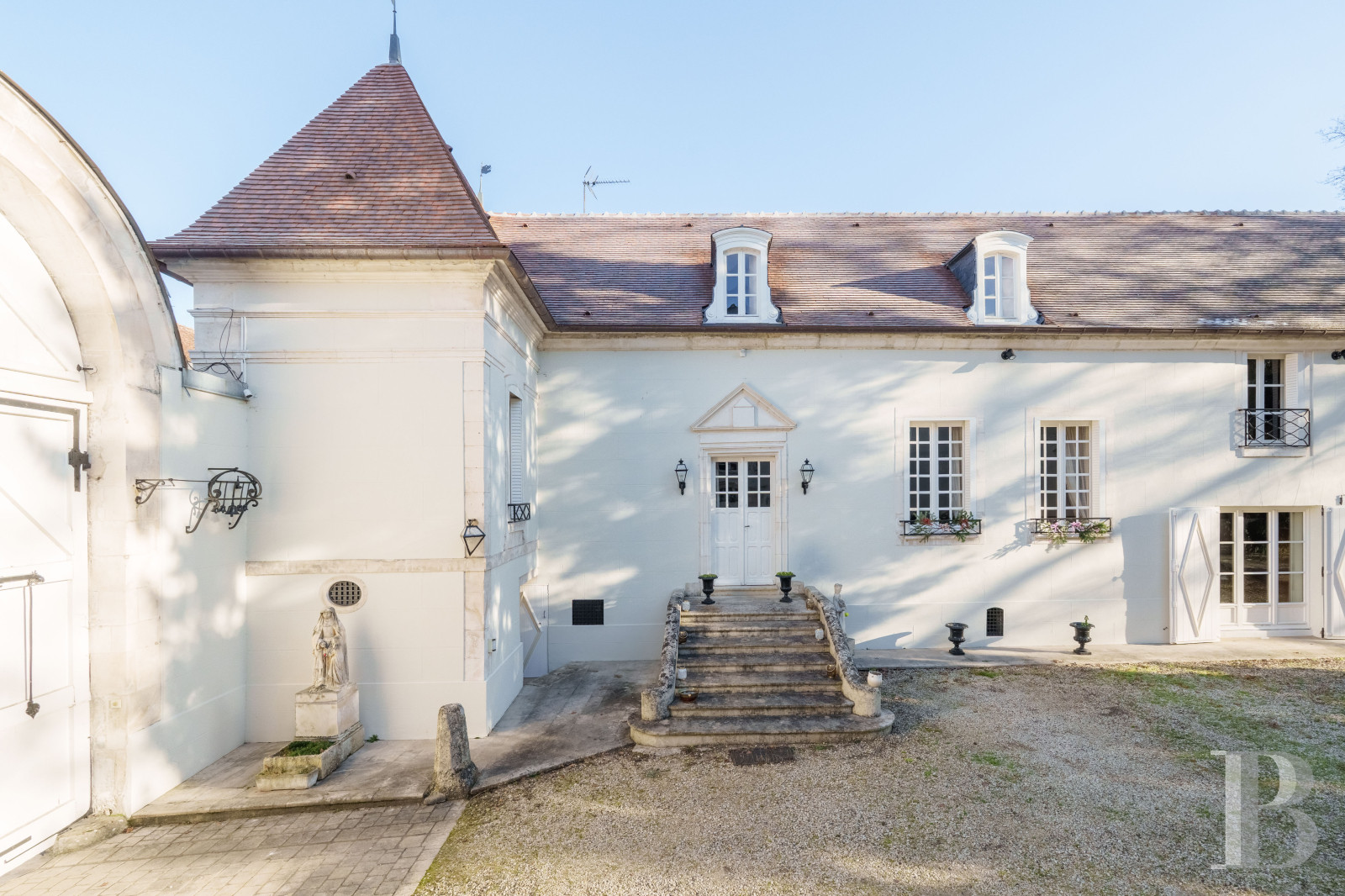
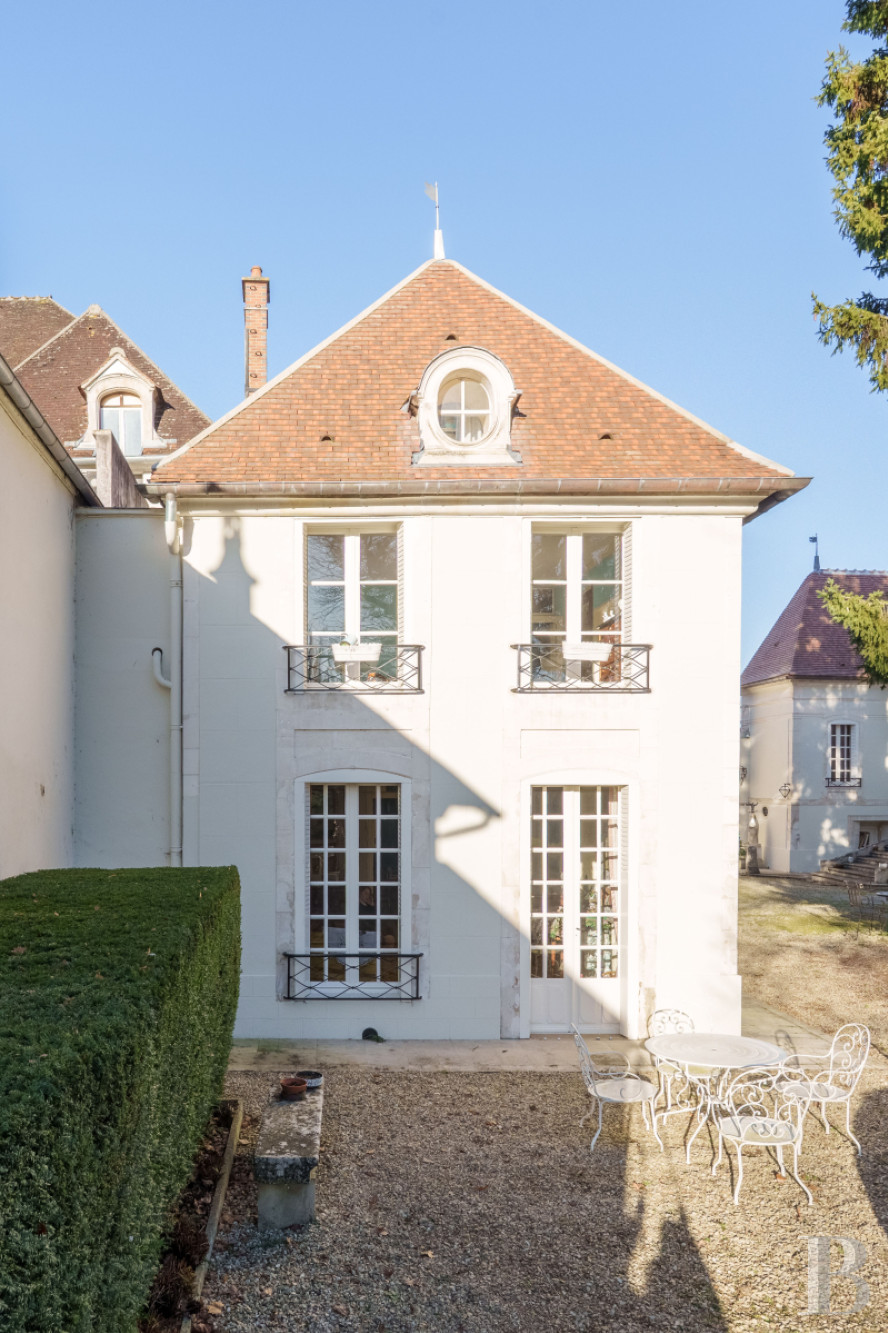
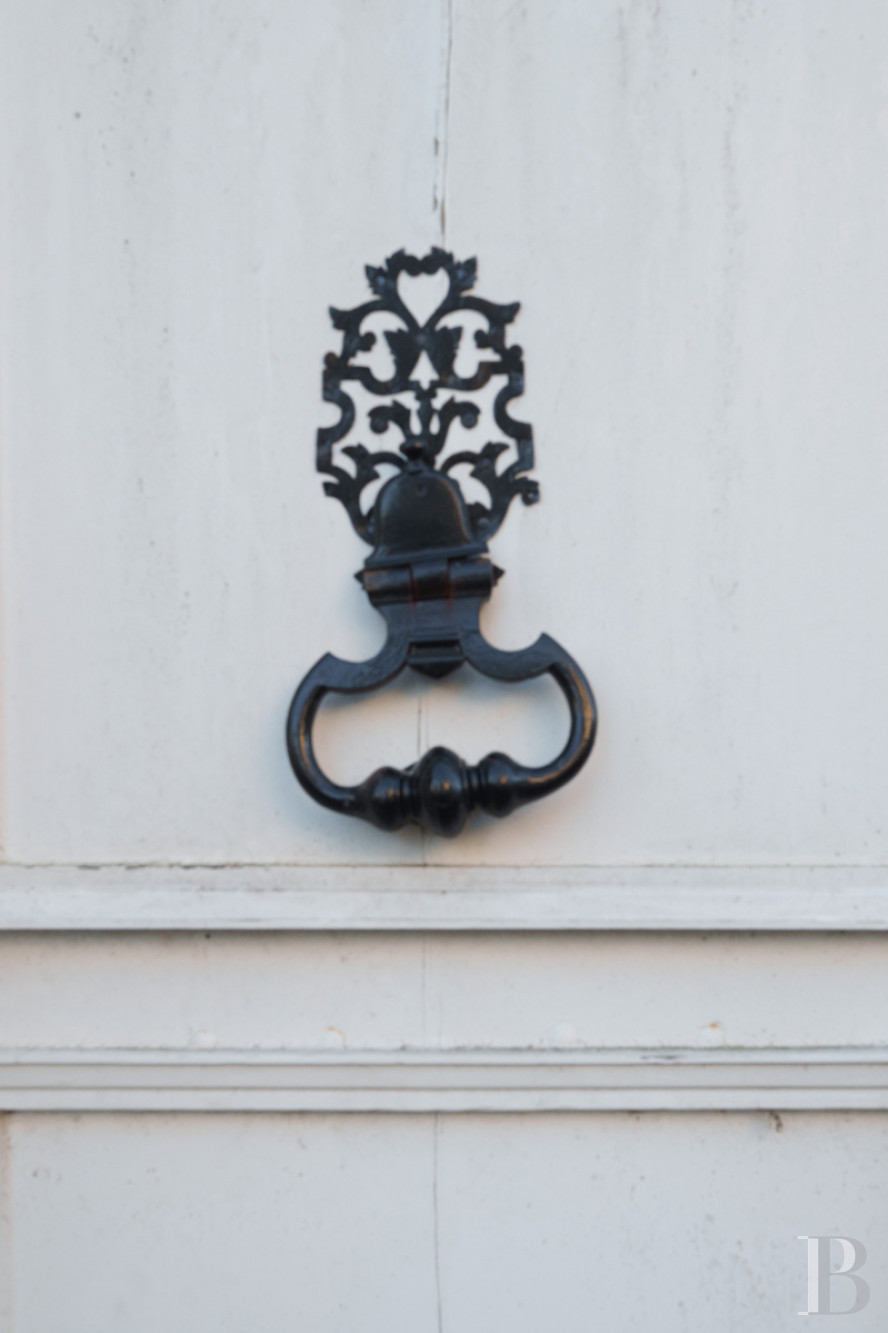
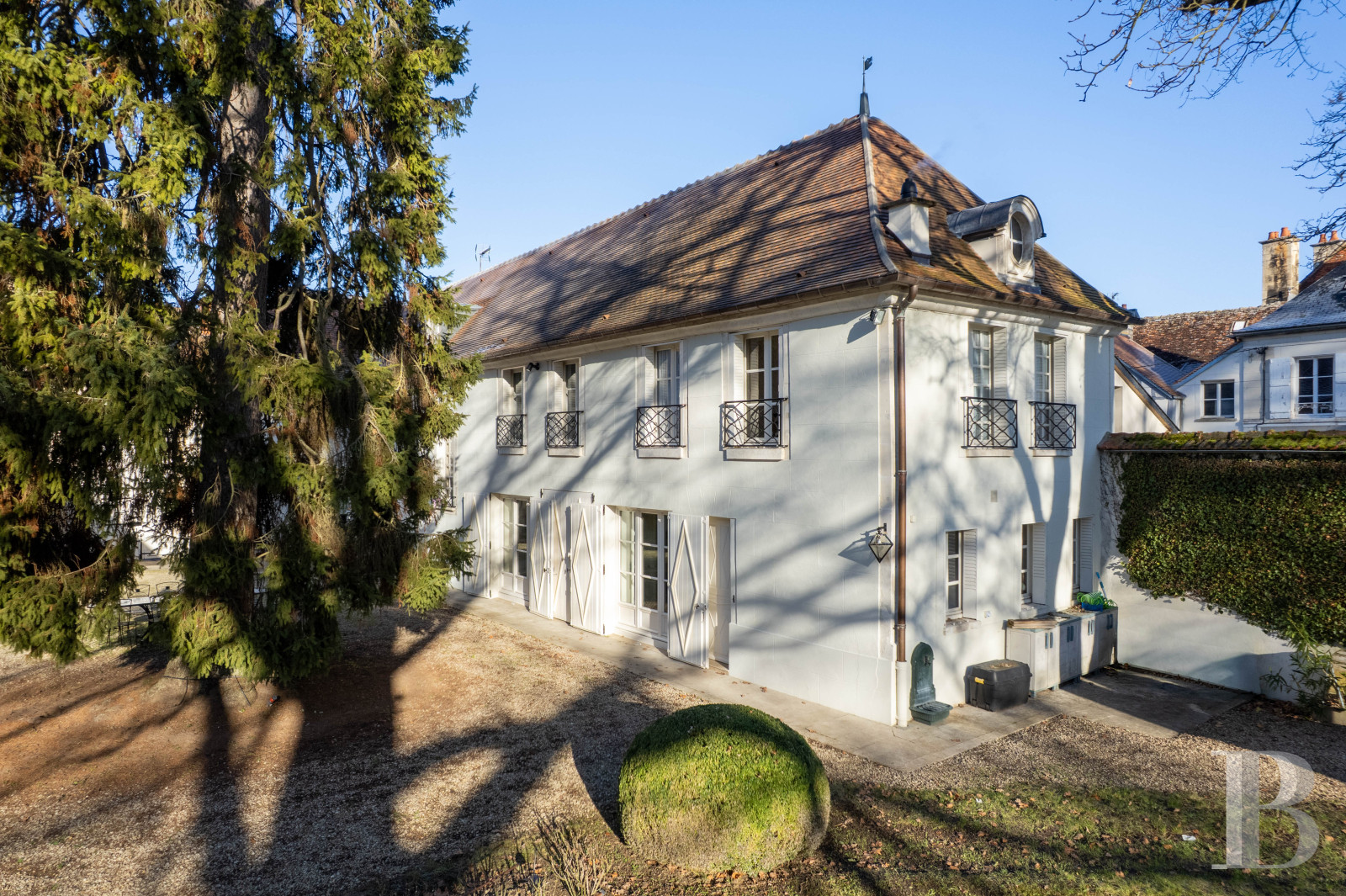
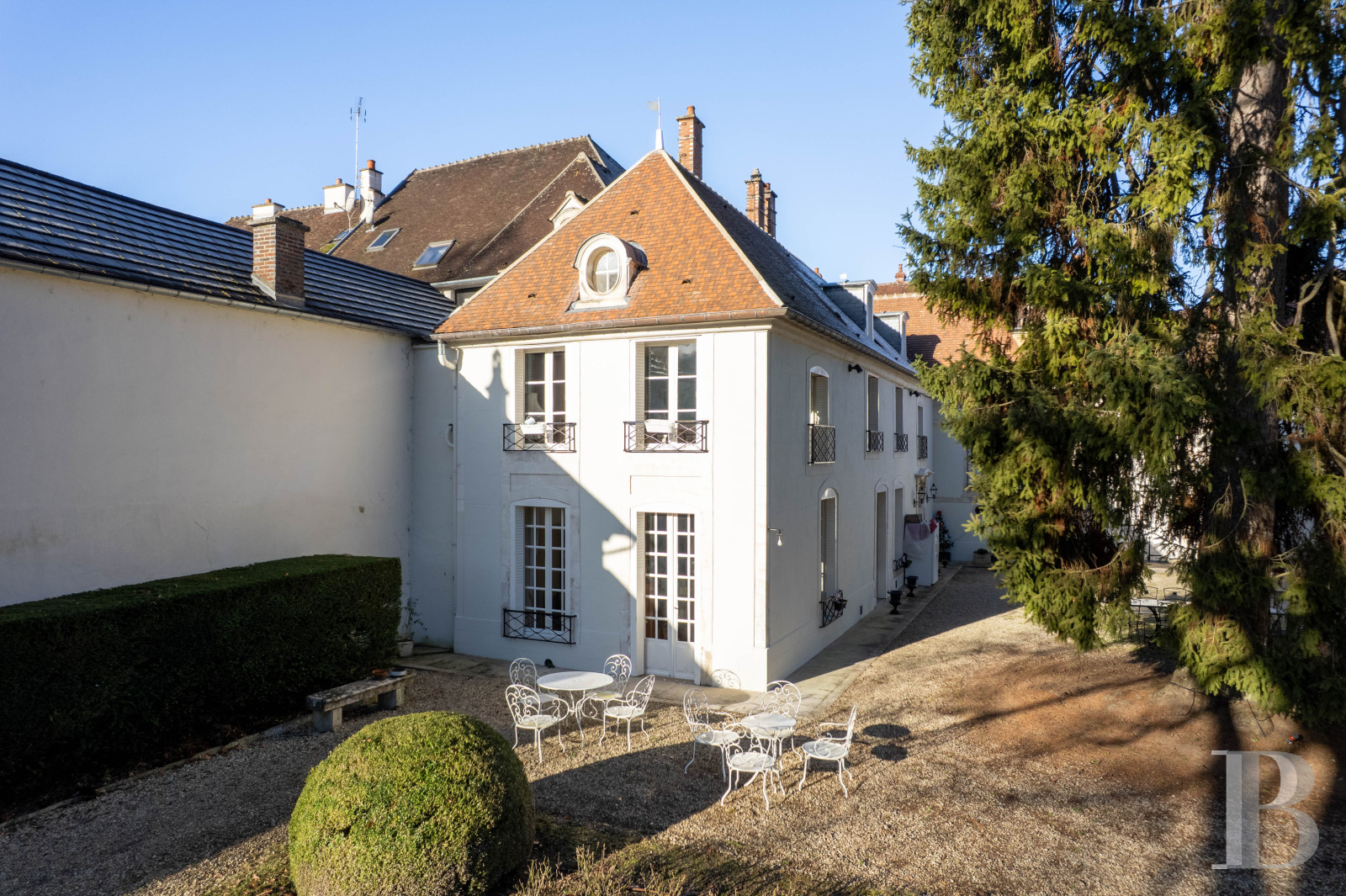
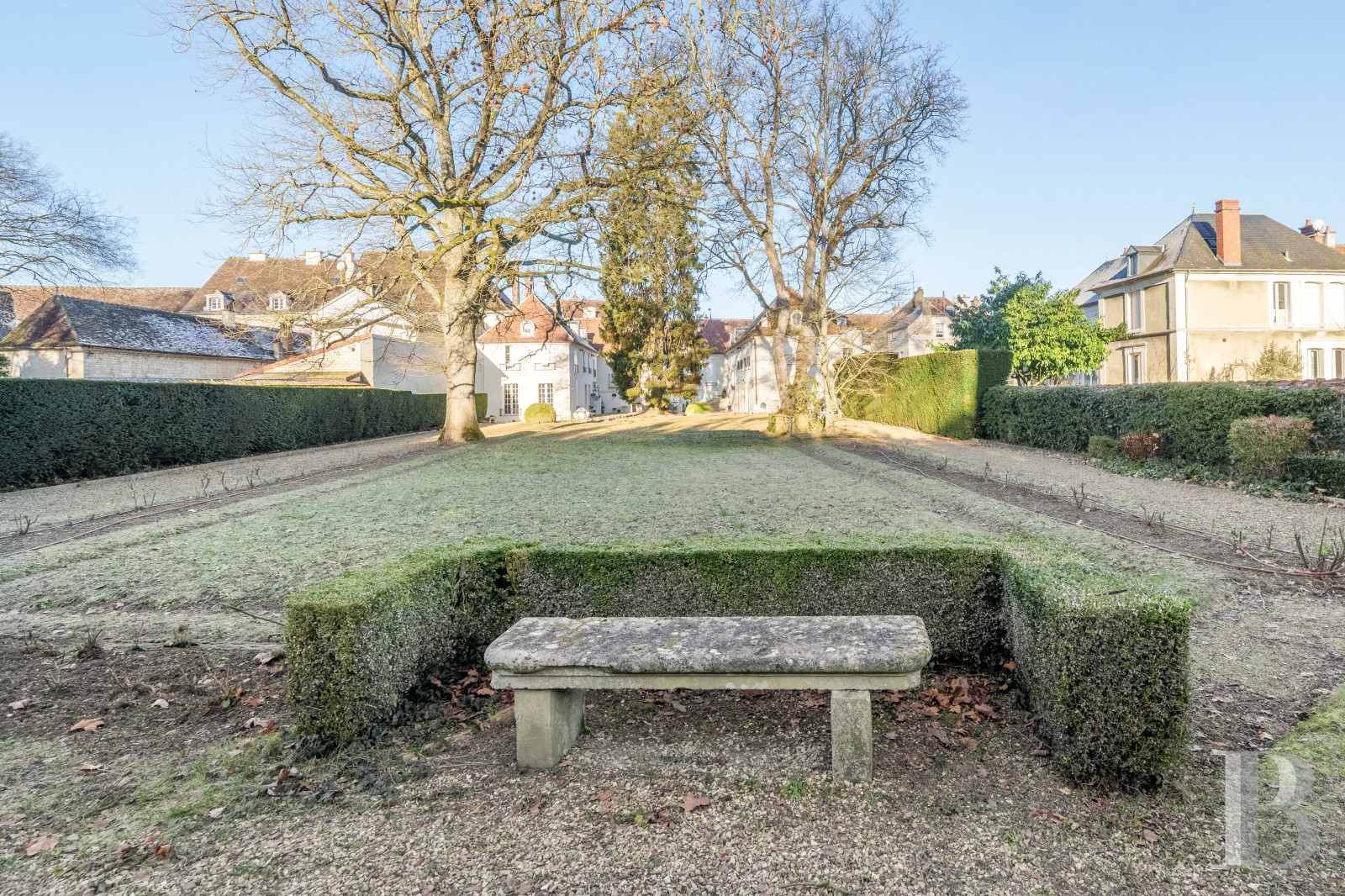
The grand house lies on the main street that runs through Tonnerre, near the medieval hospital Hôtel-Dieu de Tonnerre. An imposing doorway leads into a court. Its carriage door is opened with an iron mechanism that dates back to the time of construction. The property used to belong to sister of Charles d'Éon de Beaumont, a diplomat who served King Louis XV of France. The edifice has two symmetrical pavilions without a central section. The elevations and roofs, listed as a historical monument, were recently restored. The elevations are plain, rendered and punctuated with rectangular or arched small-paned windows. They are characteristic of the 18th century. The roofs have regional flat tiles, three or four slopes that gently flare outwards and arched stone dormers. They are especially characteristic of local architecture. Lastly, the garden, dotted with age-old plane trees, extends down to the banks of a millrace that joins the River Armançon. This backdrop offers the absolute calm of nature in the heart of a town.
The east pavilion
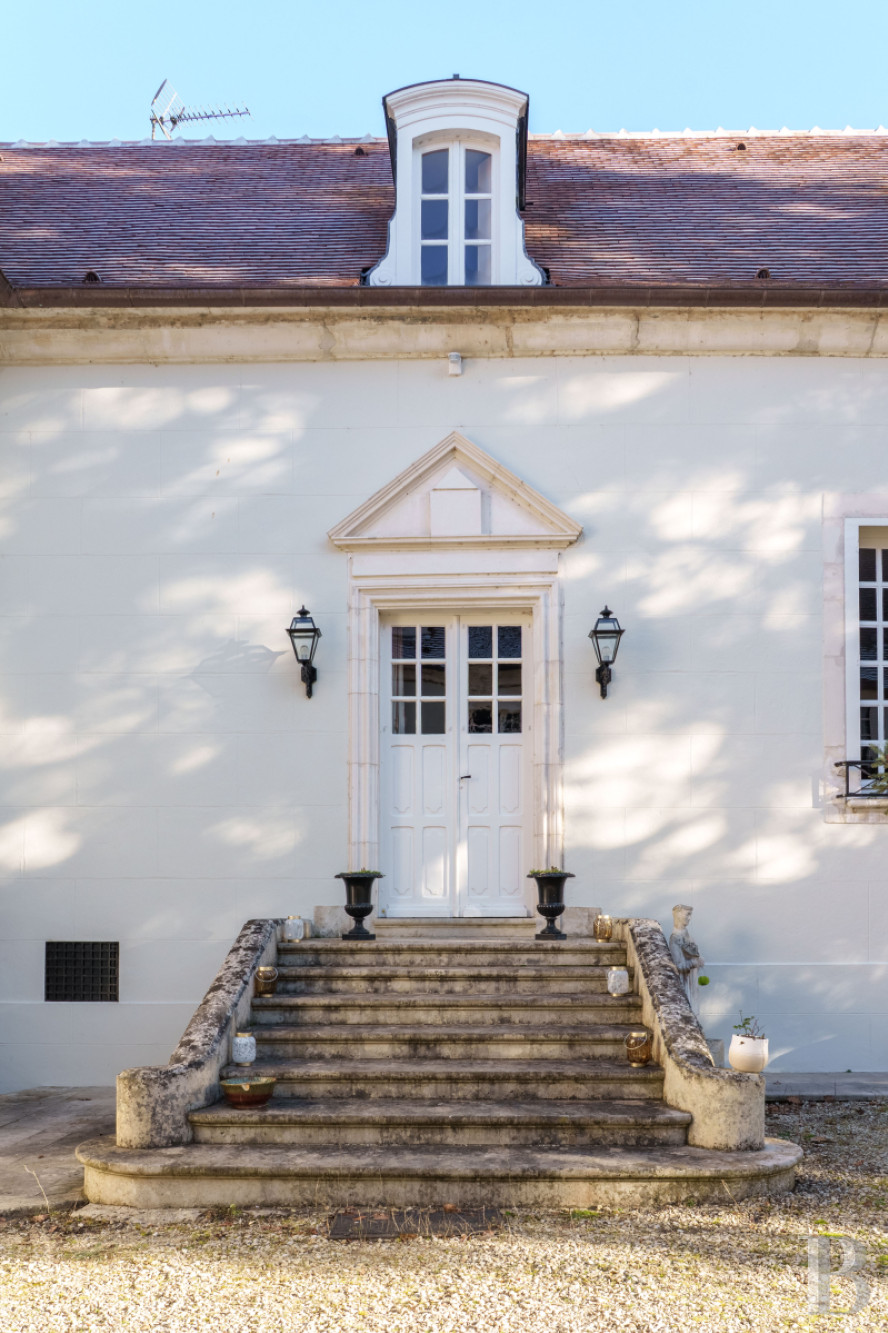
The east pavilion, which stands upon a basement, has an outdoor flight of stone steps that leads up to a glazed entrance door, which takes you into a small entrance hall.
The ground floor
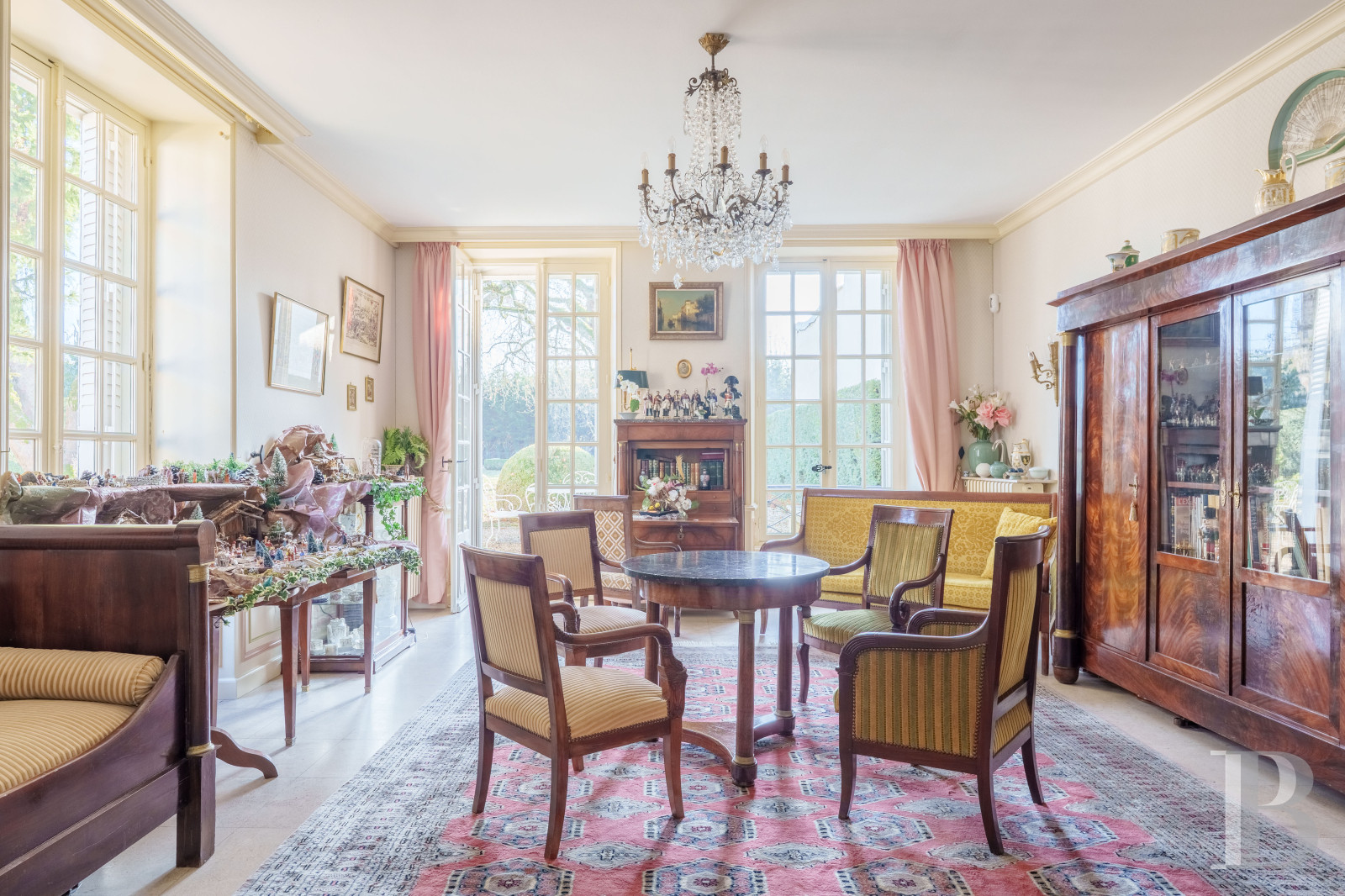
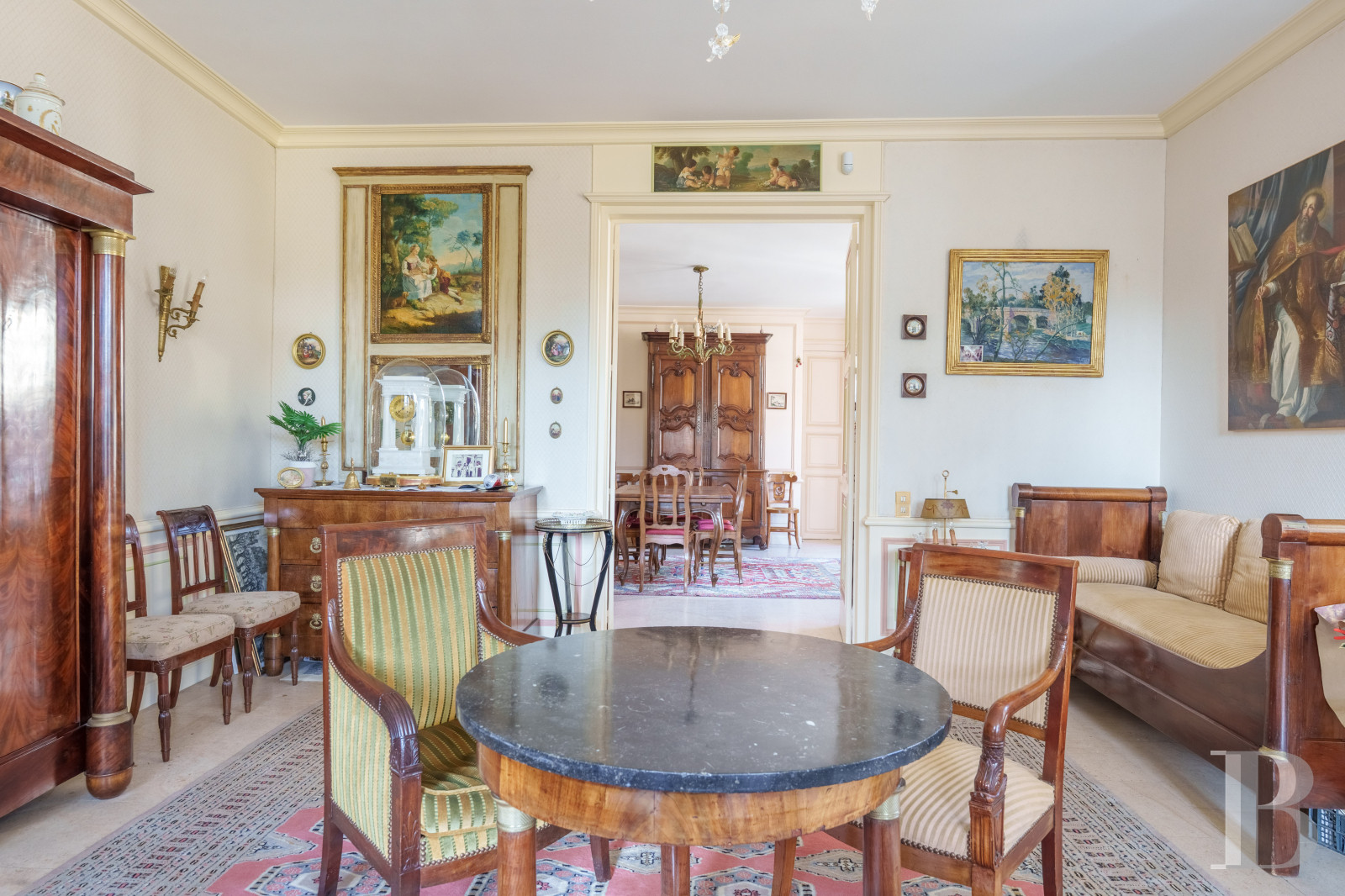
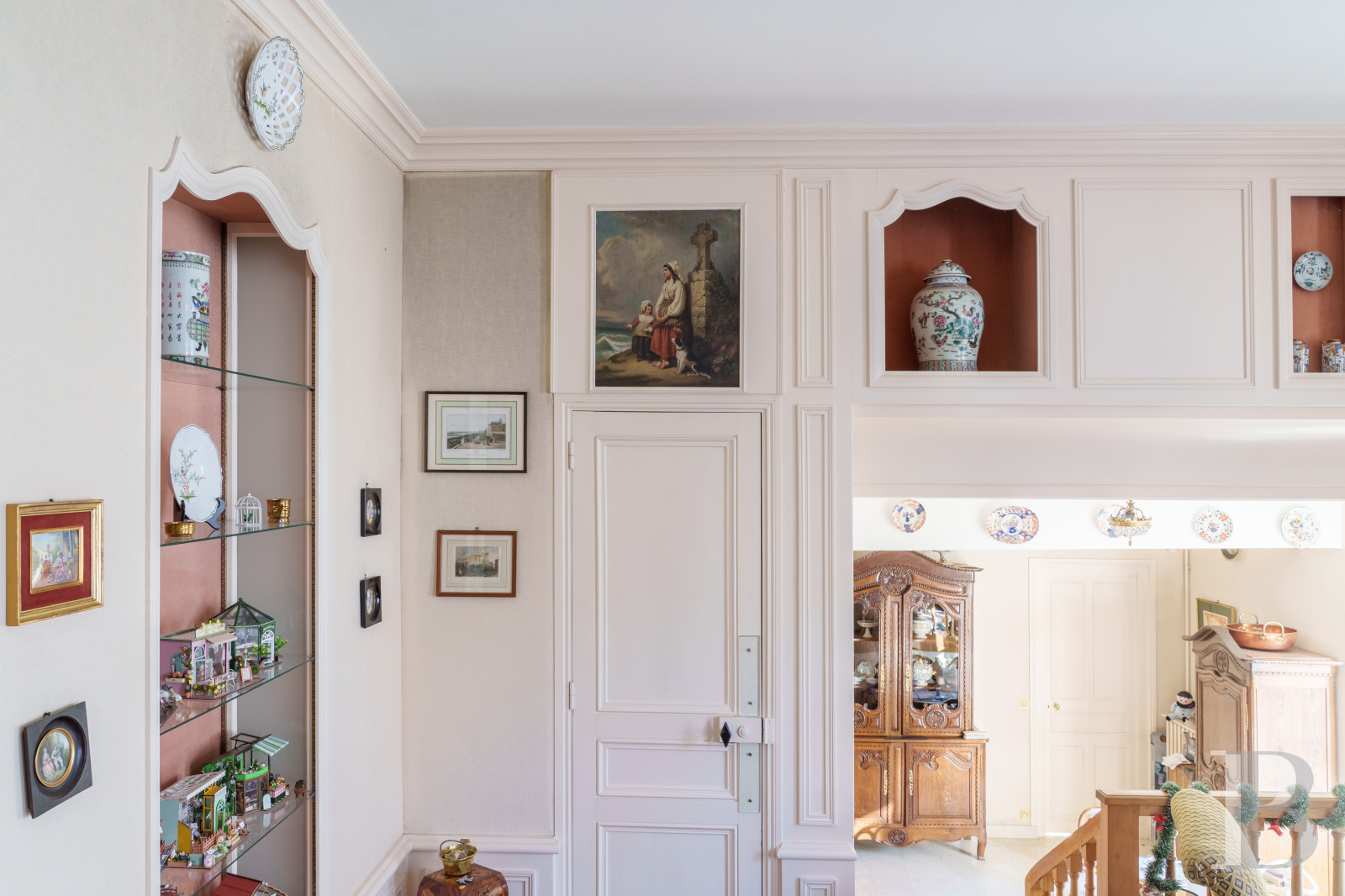
The hallway floor is covered with Burgundy stone tiles patterned with polished slate square inserts. On the left, there is a spacious bedroom that has a bathroom with a lavatory. On the right, there is a large lounge and reading room, extended with a dining room beside a fitted kitchen, which has a scullery that serves as a boiler room. Lastly, a shower room with a lavatory lies beside a staircase that takes you up to the first floor.
The first floor
Two small wooden staircases lead up to the first floor. A long corridor connects to a garden-facing bedroom, a bathroom, a separate lavatory and a second bedroom, which is a double bedroom. Beyond an intermediate landing, a corridor beneath a sloping attic roof connects to two bedrooms, a lavatory and a spacious games room.
The attic
The loft space, used as a storeroom, has been converted.
The basement
You can easily reach the basement from the court via separate steps. There are two cellars down here. The first one has a vaulted ceiling supported by two imposing stone pillars. It is used as a technical installations room. Indeed, there is a water softener here. The second one serves as a wine cellar for the finest Chablis wines.
The west pavilion
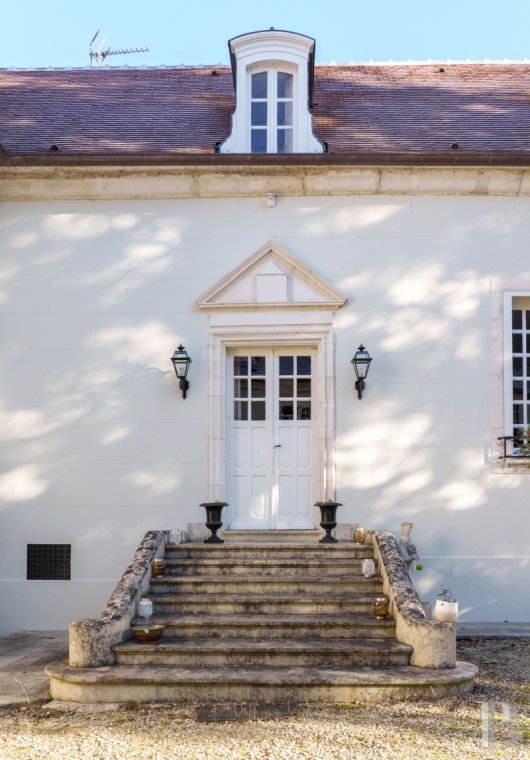
Contrary to the east pavilion opposite, the west pavilion does not have a basement. You enter the ground floor via an elegant door set in an original stone surround that dates back to the 18th century.
The ground floor
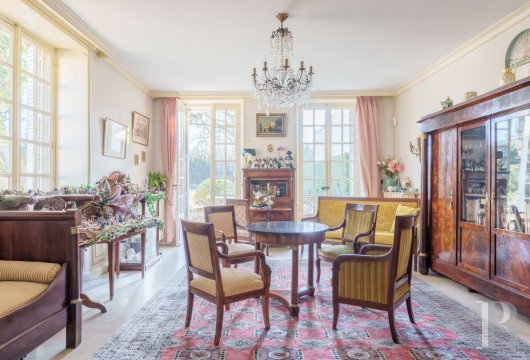
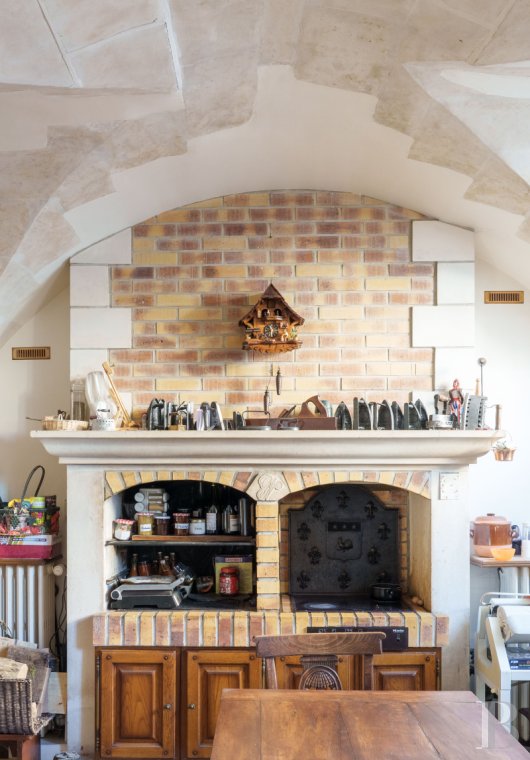
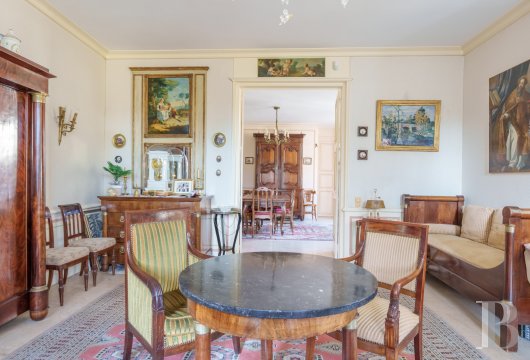
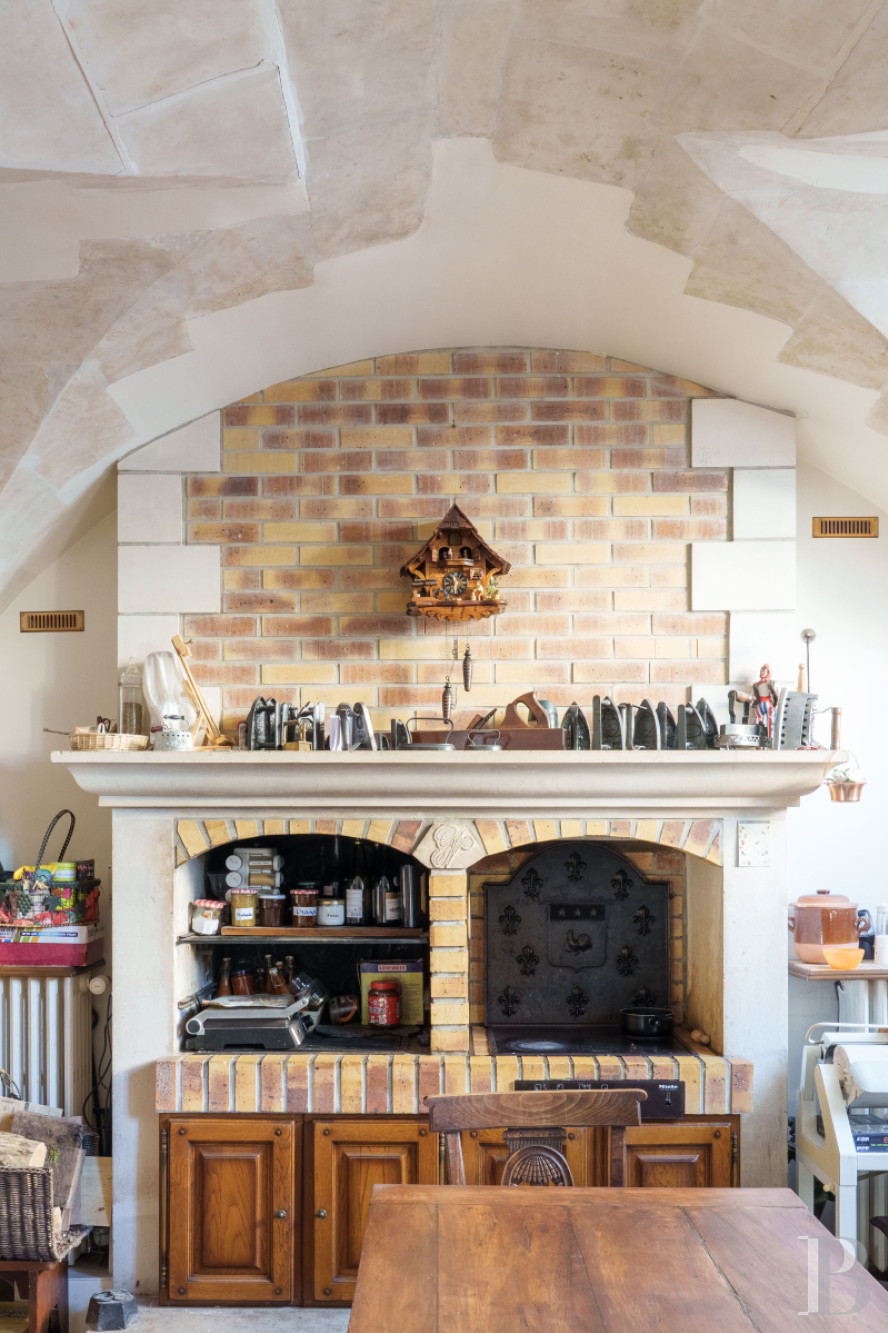
The door leads into a small hallway with a floor of Burgundy stone slabs patterned with polished slate square inserts. On the left, this hall connects to a dining room, which also has a floor of Burgundy stone slabs, as well as a fireplace with jambs sculpted with busts, and then to a lounge with similar flooring and garden-facing windows. On the right, there is a large kitchen with a cross-vault ceiling and a rustic fireplace of stone and brick that reminds us of the time of construction of this house, which was built in 1750. A small pantry at the back serves as a linen and utility room. At the end of the entrance hall, there is a staircase of solid oak with large balusters. It takes you up to the two upper floors of this pavilion.
The first floor
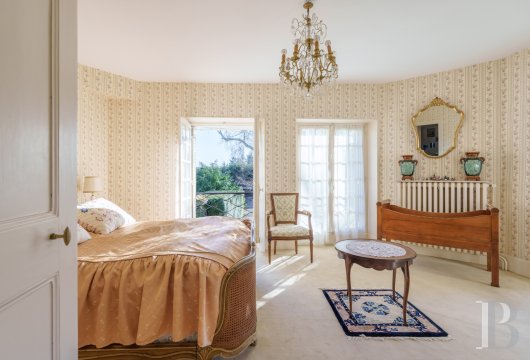
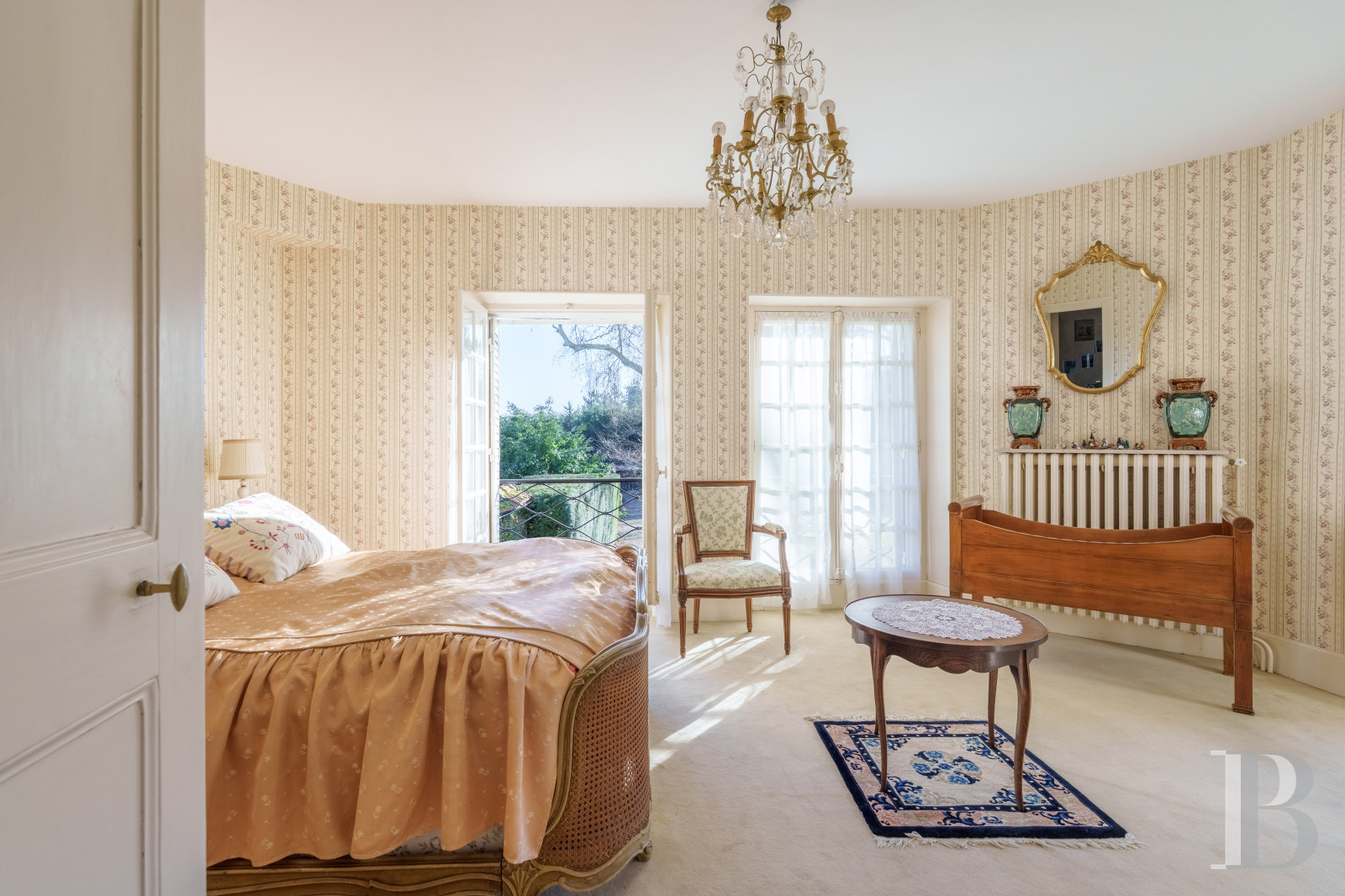
A long corridor connects to all the rooms on this floor. The rooms look out at the court and garden. There is a small office, a double bedroom with an adjoining bathroom, a separate lavatory, a second bedroom with an adjoining shower room and lavatory and, lastly, a third bedroom, which looks out at the garden and also has a bathroom with a lavatory.
The second floor
The second floor lies in the roof space. With sloping attic ceilings, it houses three little bedrooms and a bathroom with a lavatory.
The garden
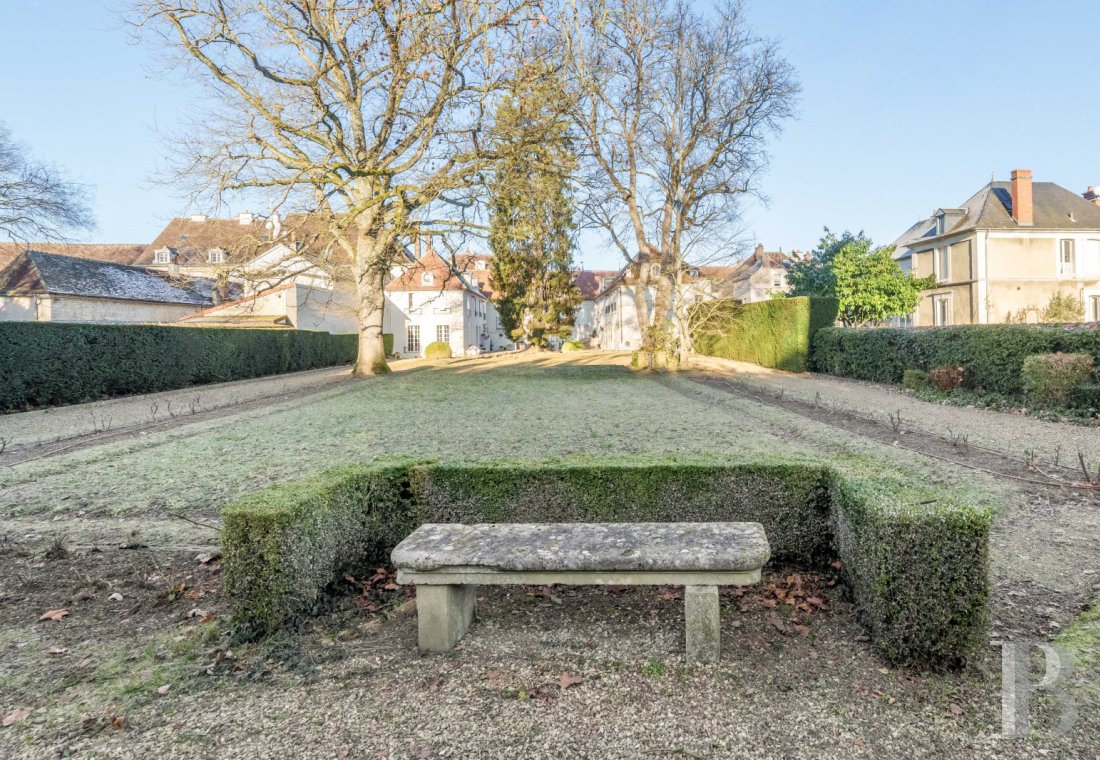
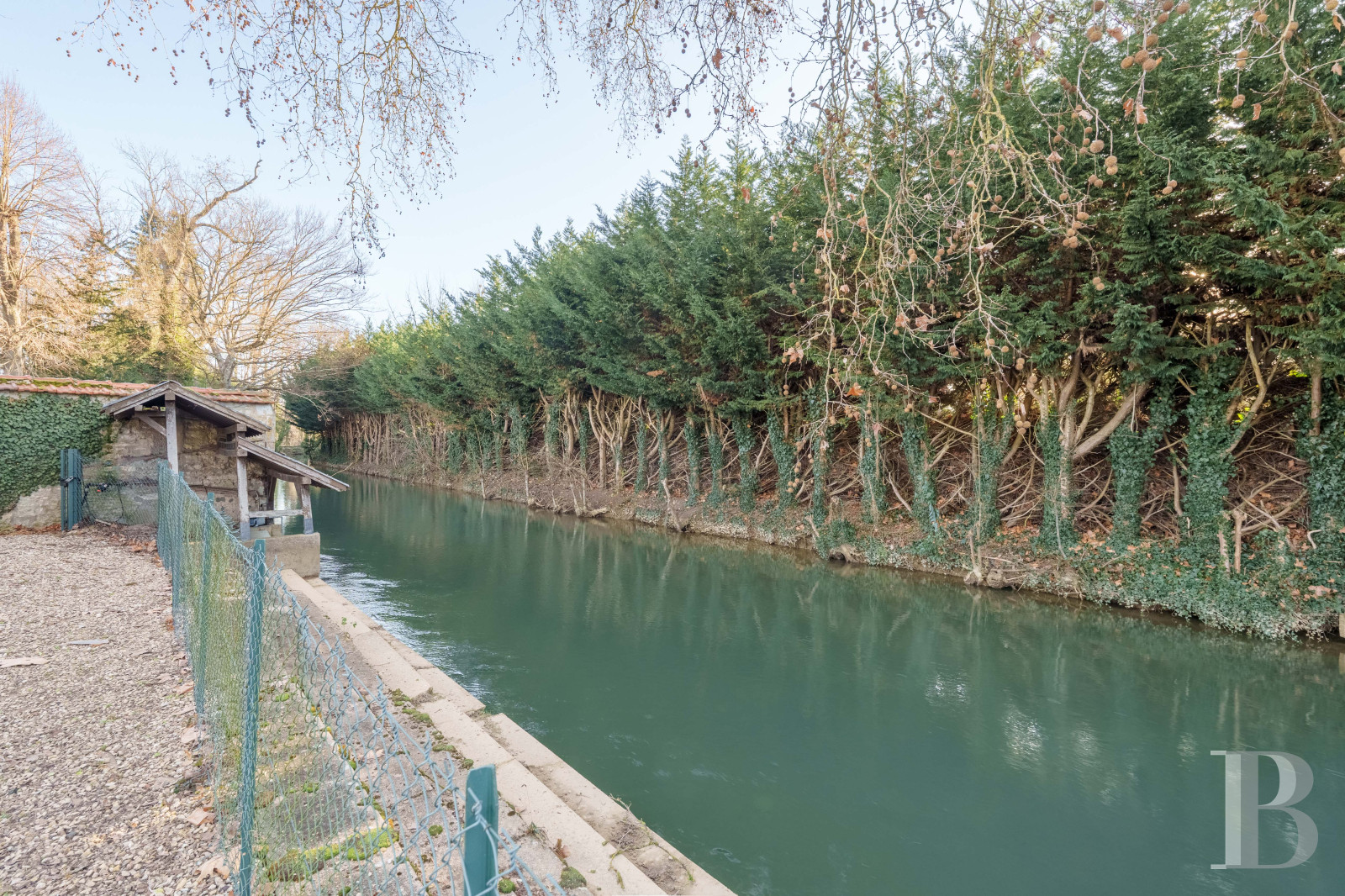
The garden is a delightful addition to the house and offers an area of roughly 1,700m². This grassy space is dotted with trees and edged with shrubby hedges. It is an oasis of nature in the heart of a town. Indeed, you can enjoy it as if it were the countryside. Although the house is in a town, its garden lies beside a millrace that joins the River Armançon, creating a bucolic backdrop. From a little quay, you can enjoy canoeing, fishing and swimming. Majestic trees, including an age-old plane tree and an age-old chestnut tree, underline the magnificence of the whole property.
Our opinion
This grand house stands out for the elegance of its 18th-century architecture, listed for its historical interest. Its two pavilions stand opposite each other, built in symmetry and facing the court and garden. They open up the possibility of two families living here or of friends or travellers being hosted here while enjoying complete independence. The flowing water of a millrace at the bottom of the garden gives the whole property a pleasantly bucolic touch. The two dwellings have been restored for their elevations and roofs, yet their rooms need to be freshened up to be adapted to family projects or guest accommodation for travellers. Indeed, many tourists come to Burgundy to visit the Chablis vineyards or go sailing down the Burgundy canal, stopping at Tonnerre’s little port.
Reference 436976
| Main building floor area | 484 m² |
| Land registry surface area | 1961 m² |
| Total floor area | 471 m² |
French Energy Performance Diagnosis
Information on the risks to which this property is exposed is available on the website: www.georisques.gouv.fr
Share


NB: The above information is not only the result of our visit to the property; it is also based on information provided by the current owner. It is by no means comprehensive or strictly accurate especially where surface areas and construction dates are concerned. We cannot, therefore, be held liable for any misrepresentation.