

Add to favorites
Log in to your personal space
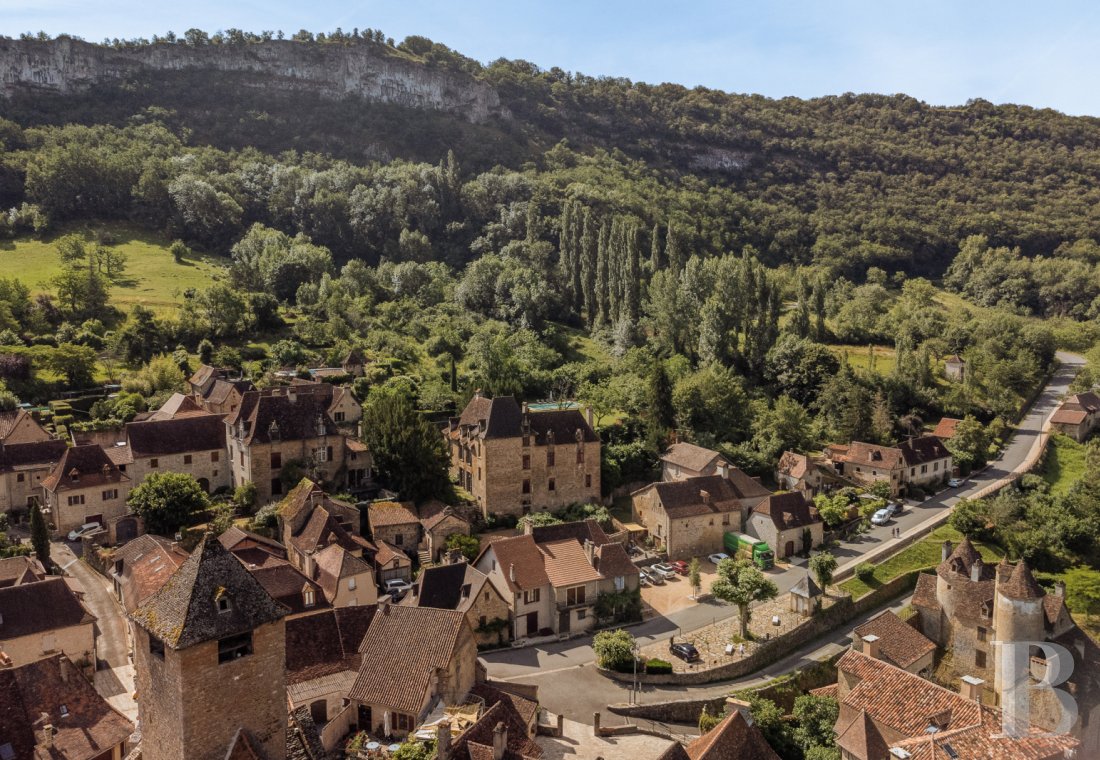
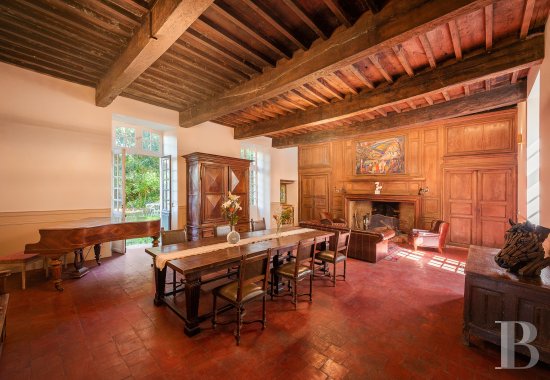
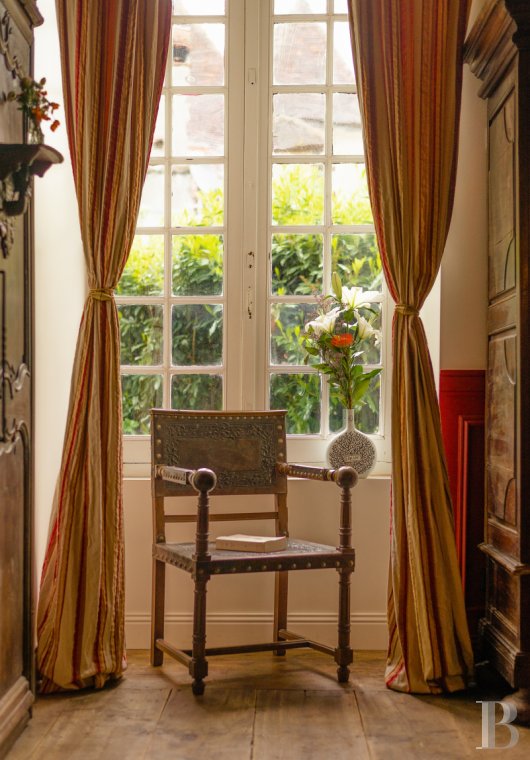
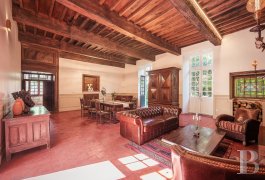
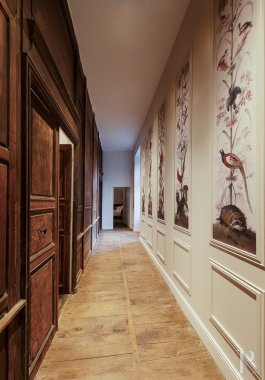
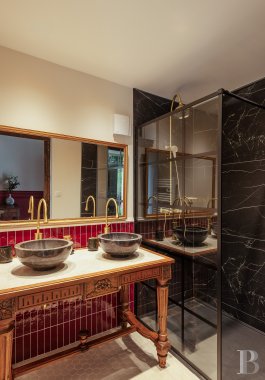
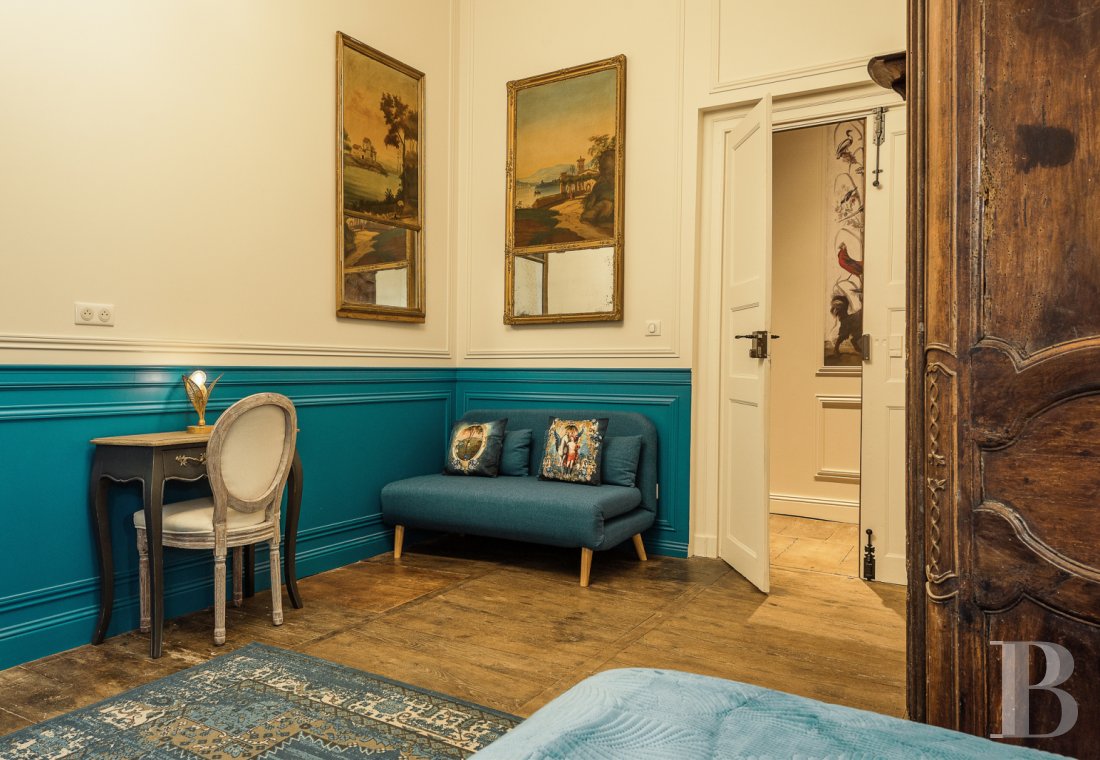
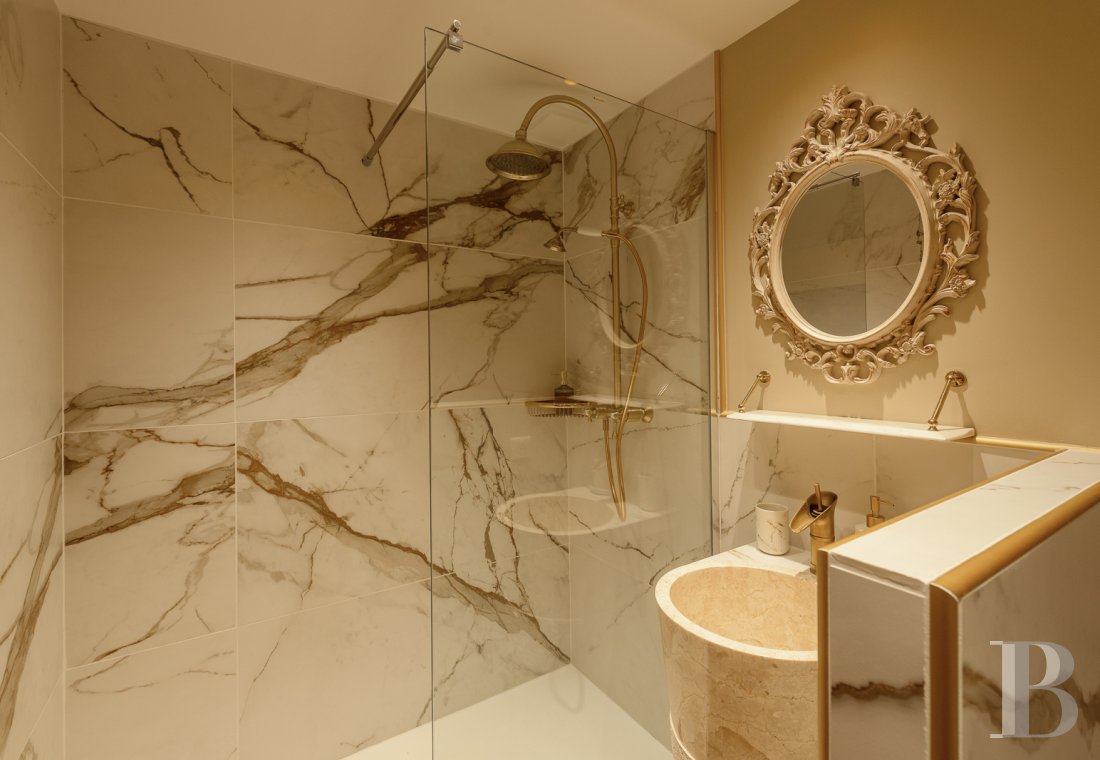
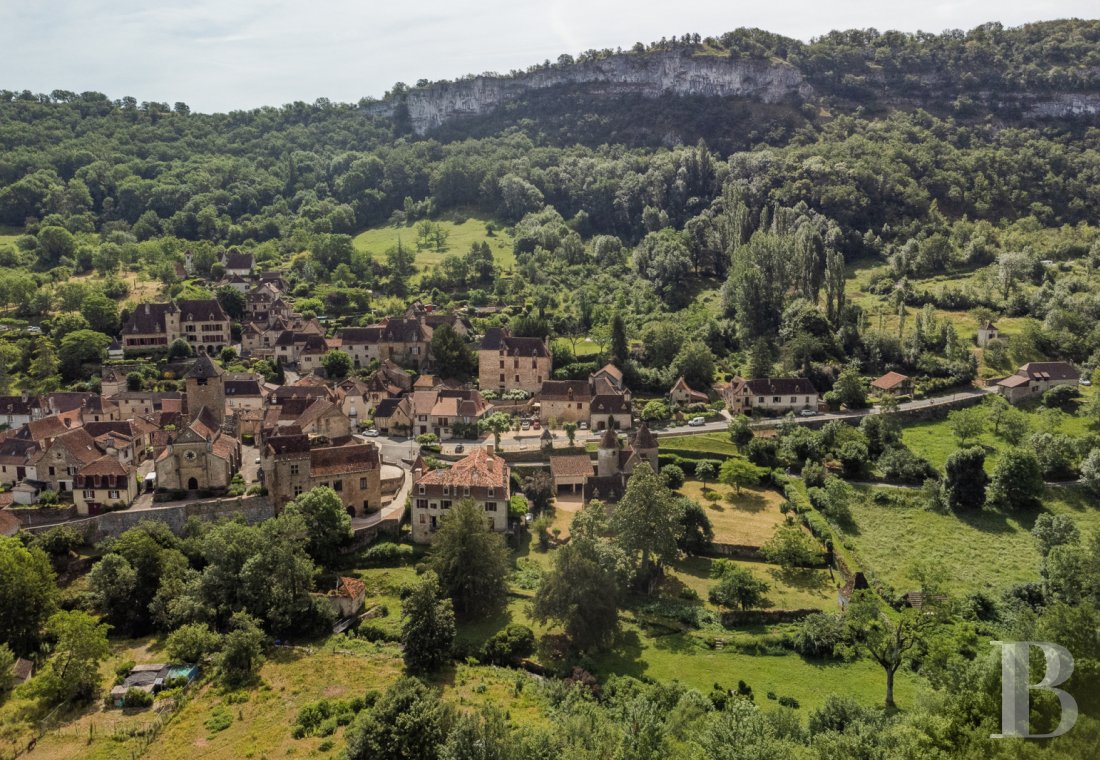
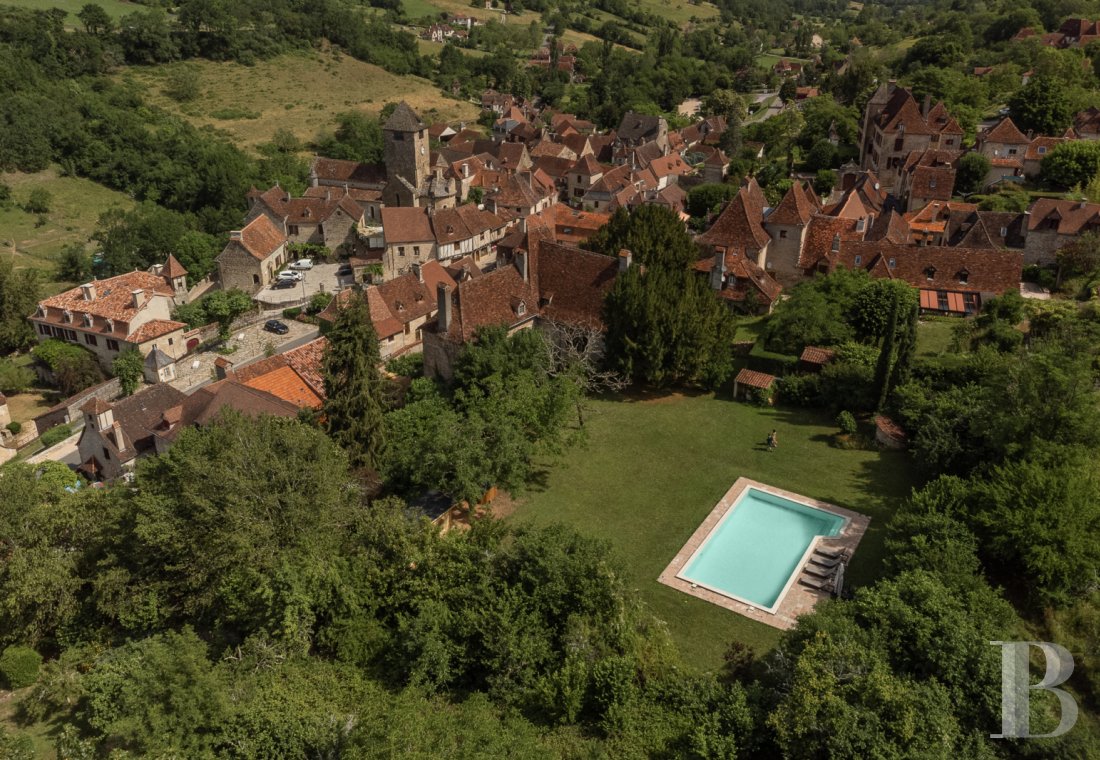
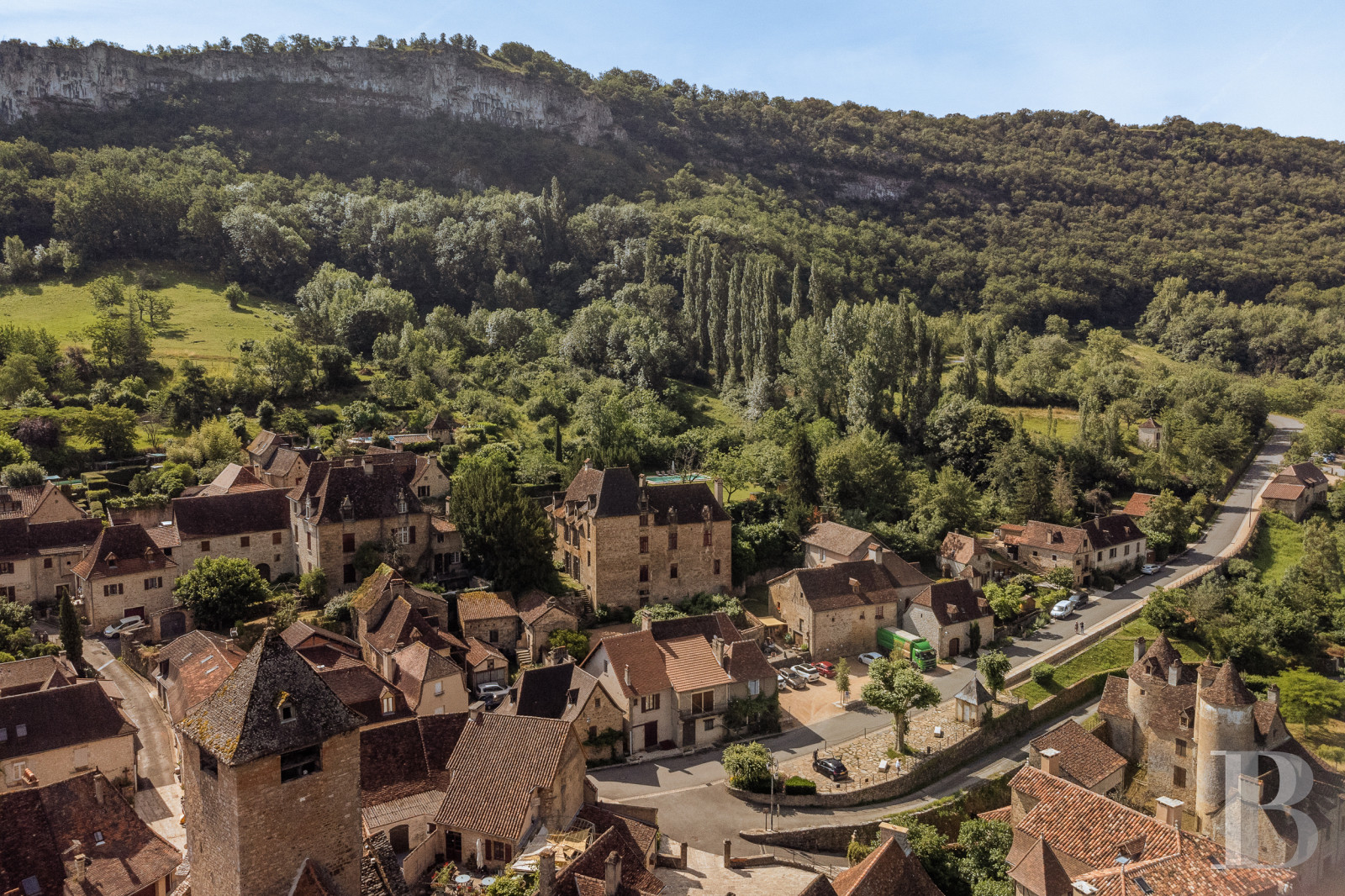
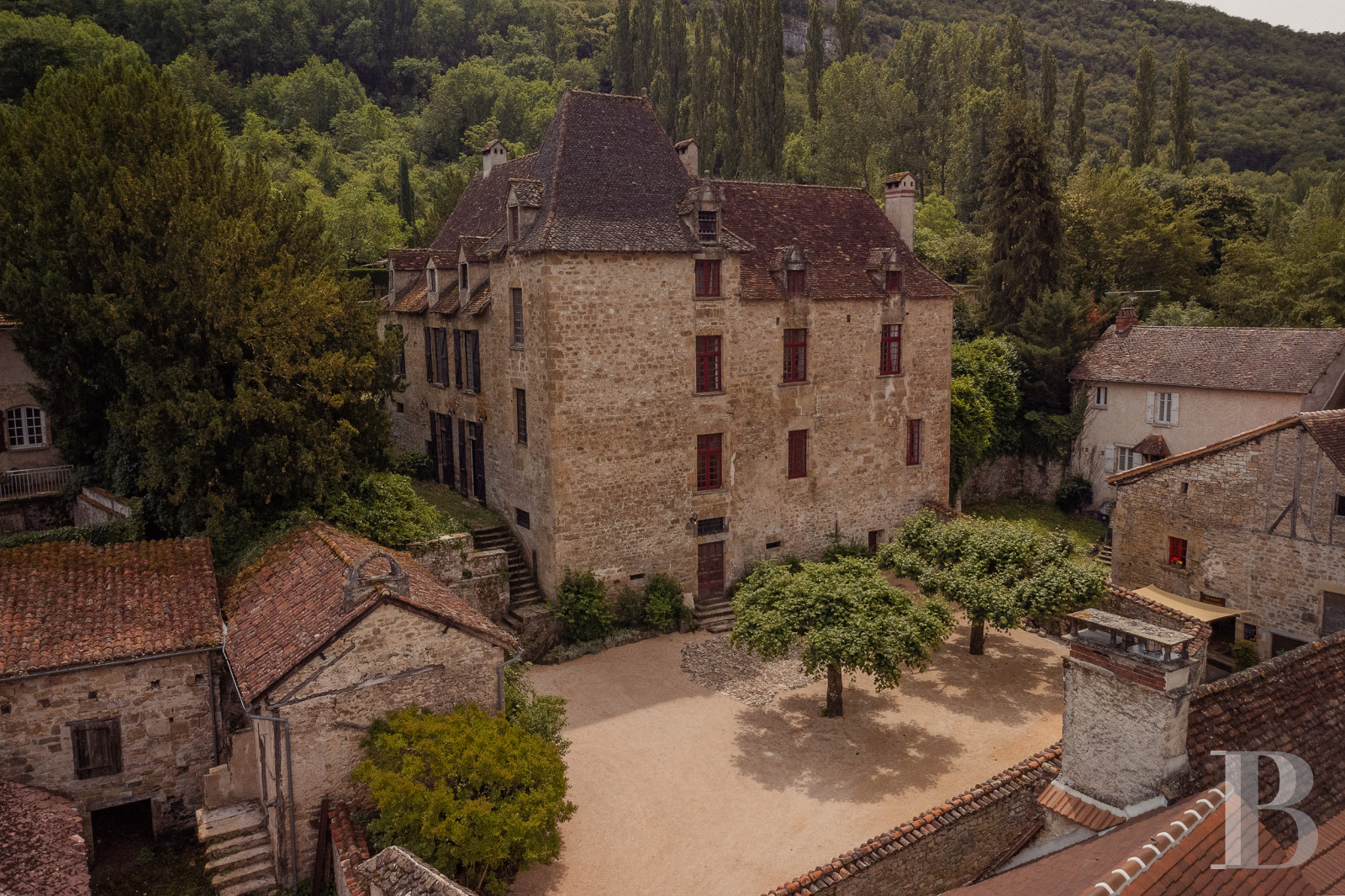
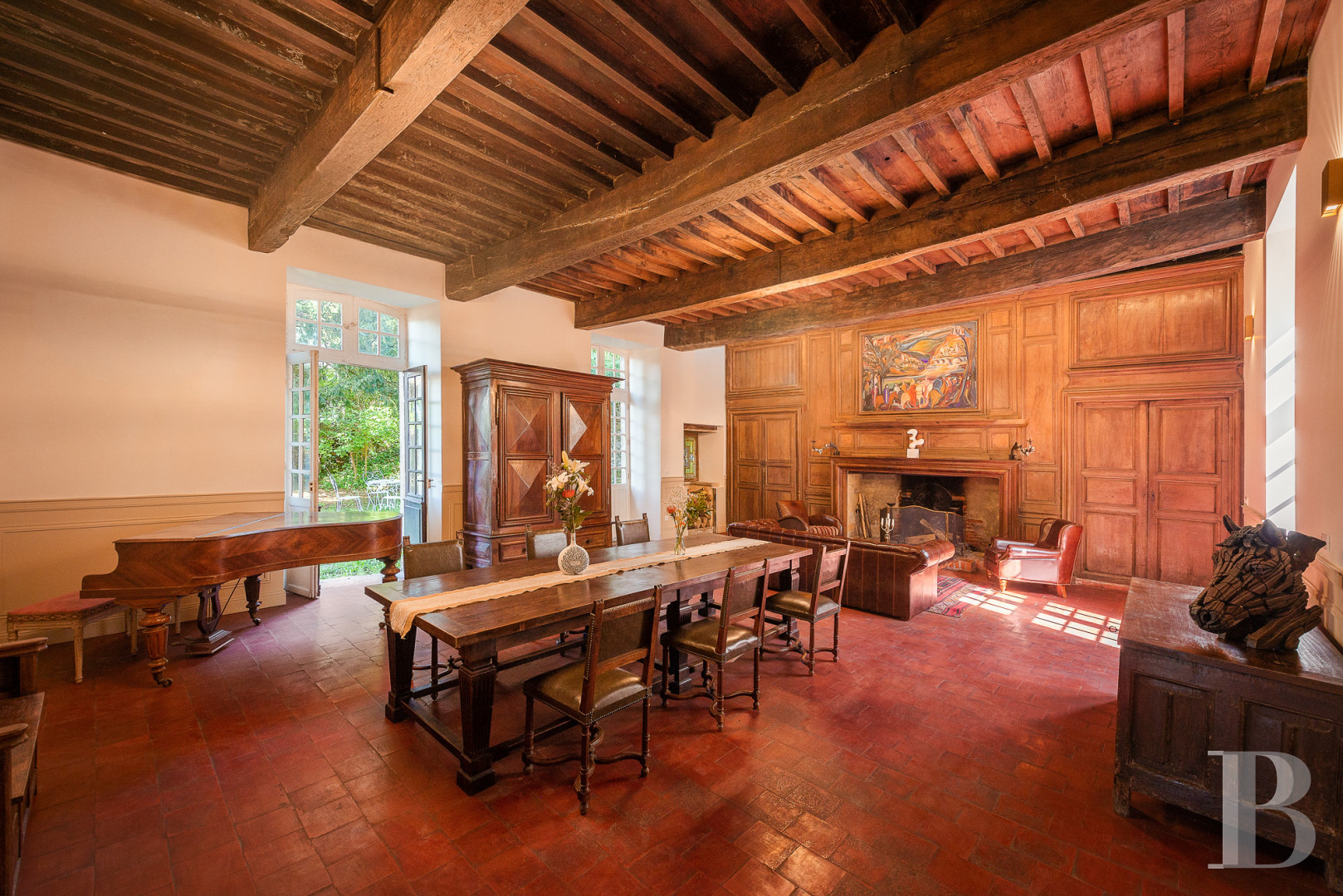
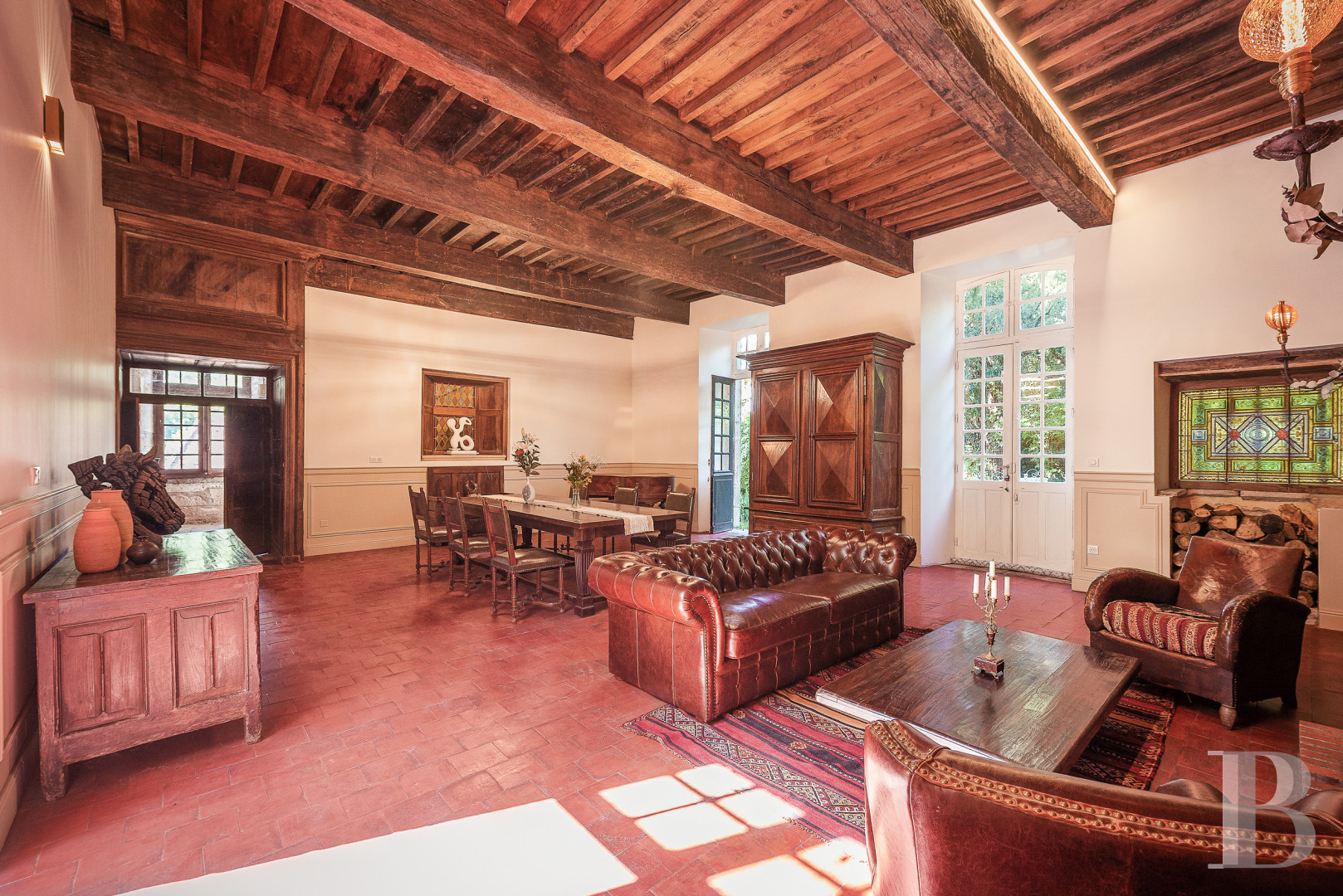
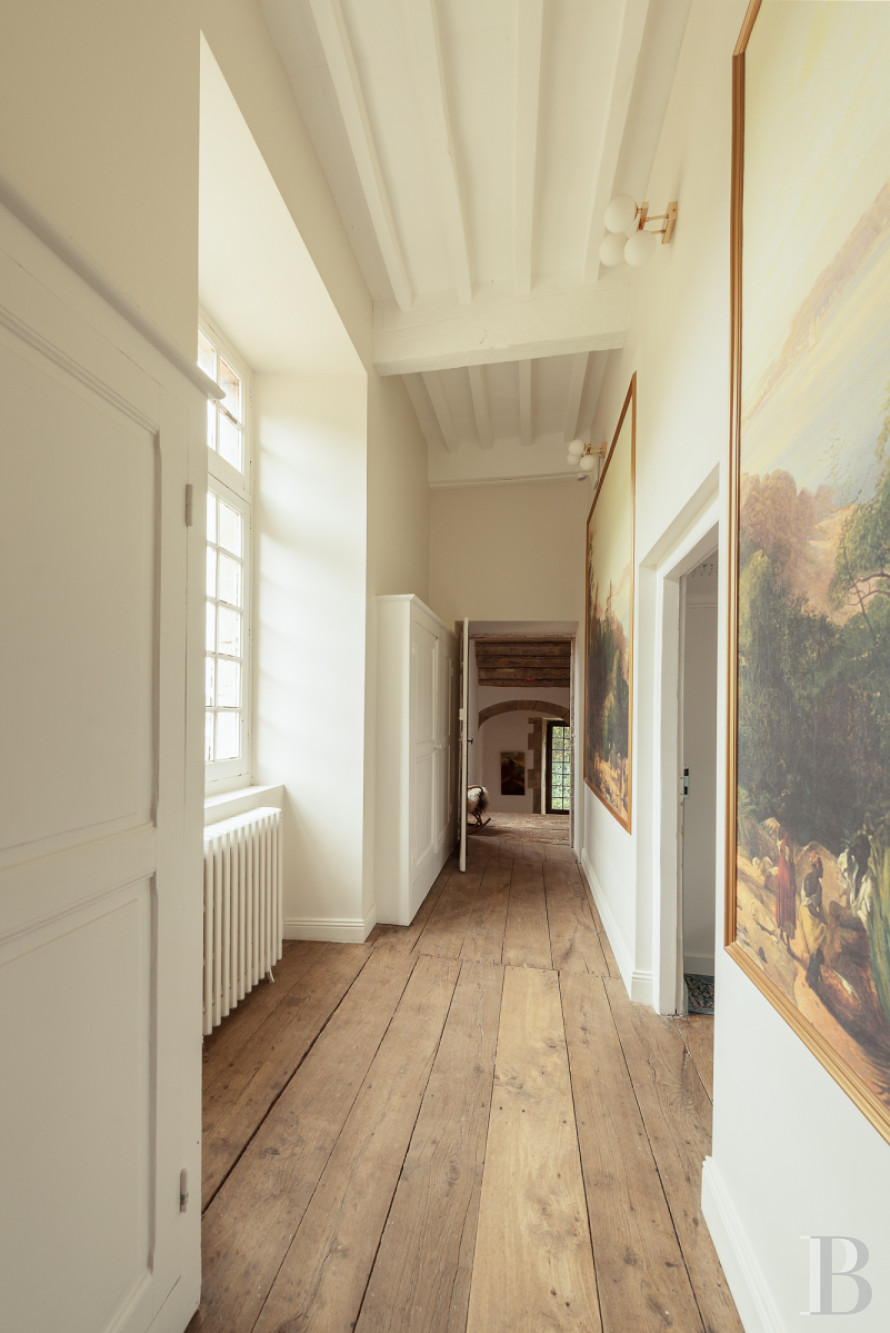
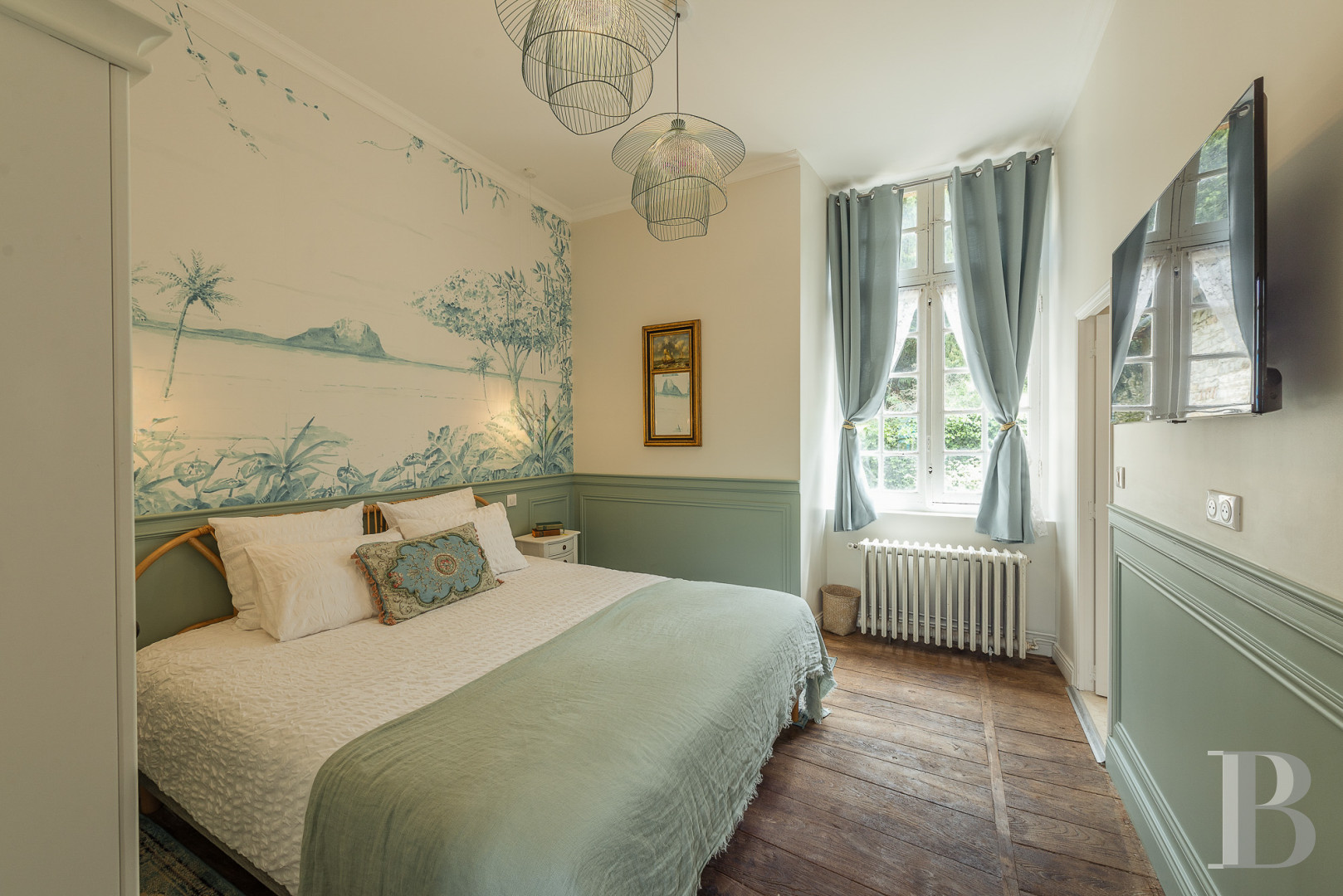
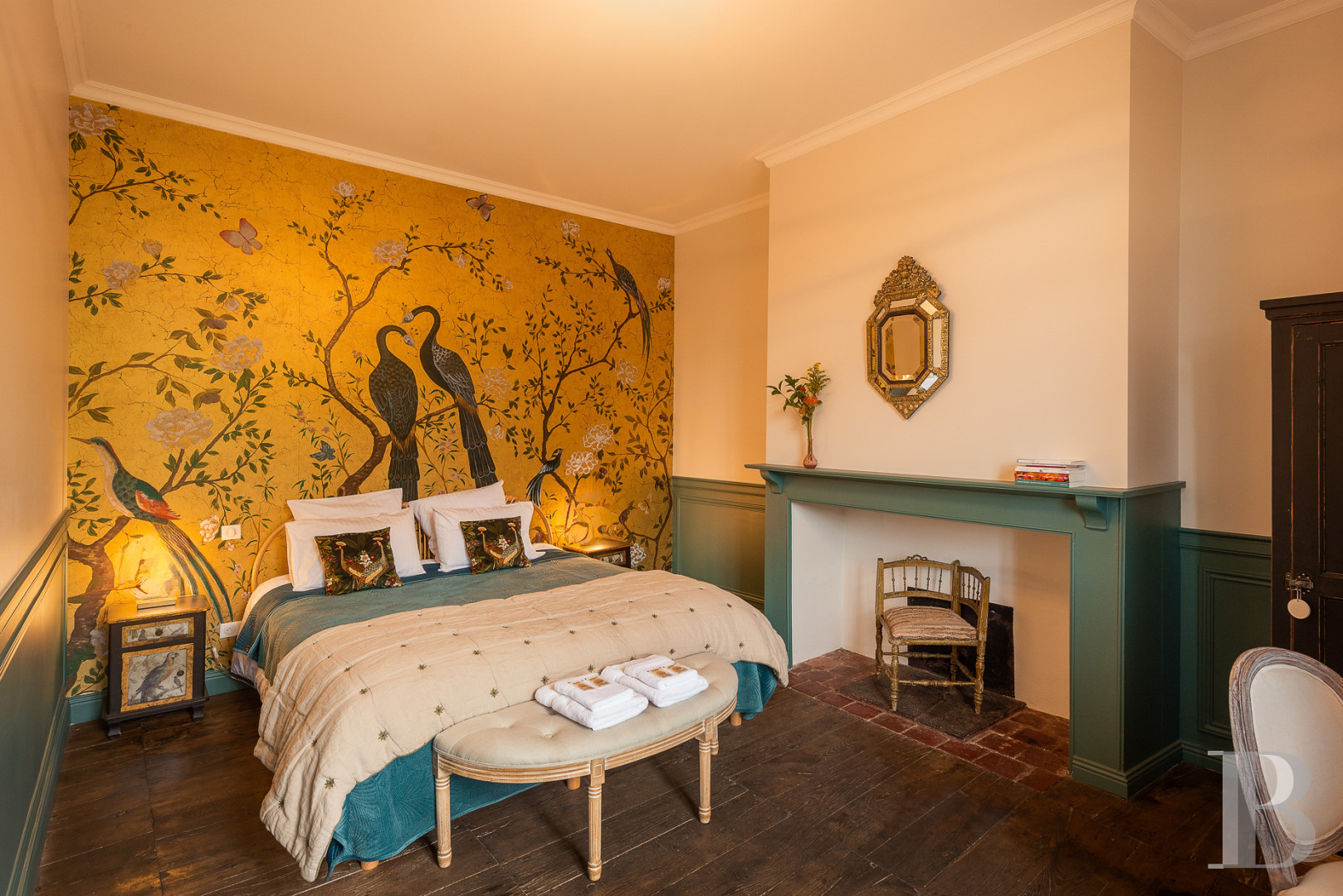
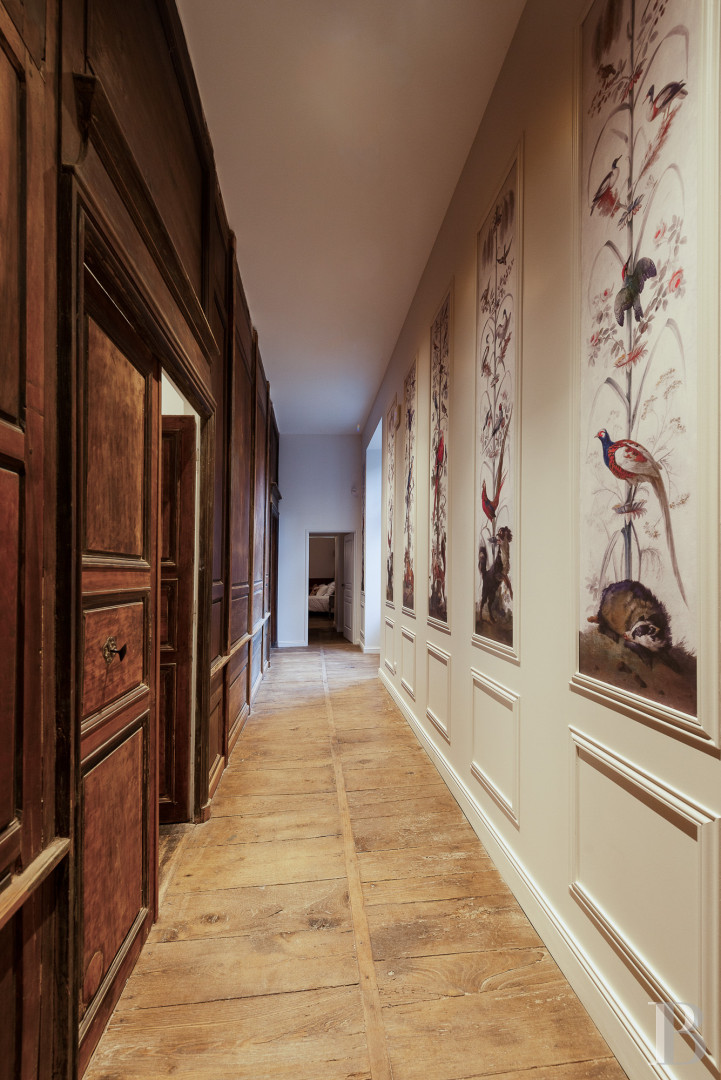
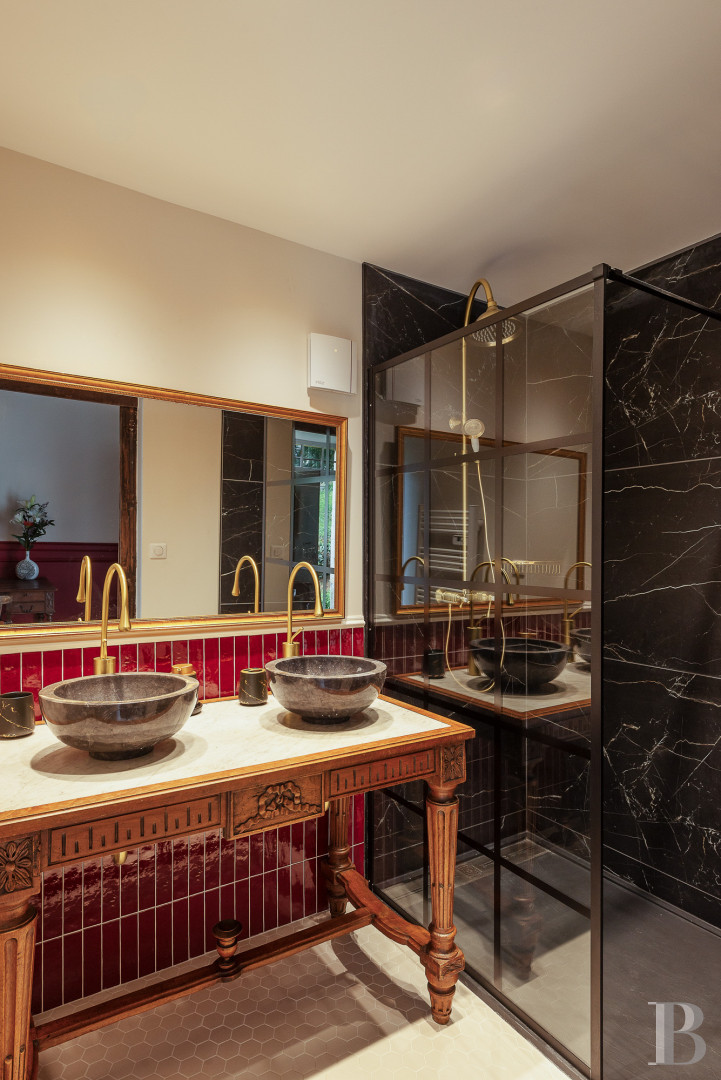
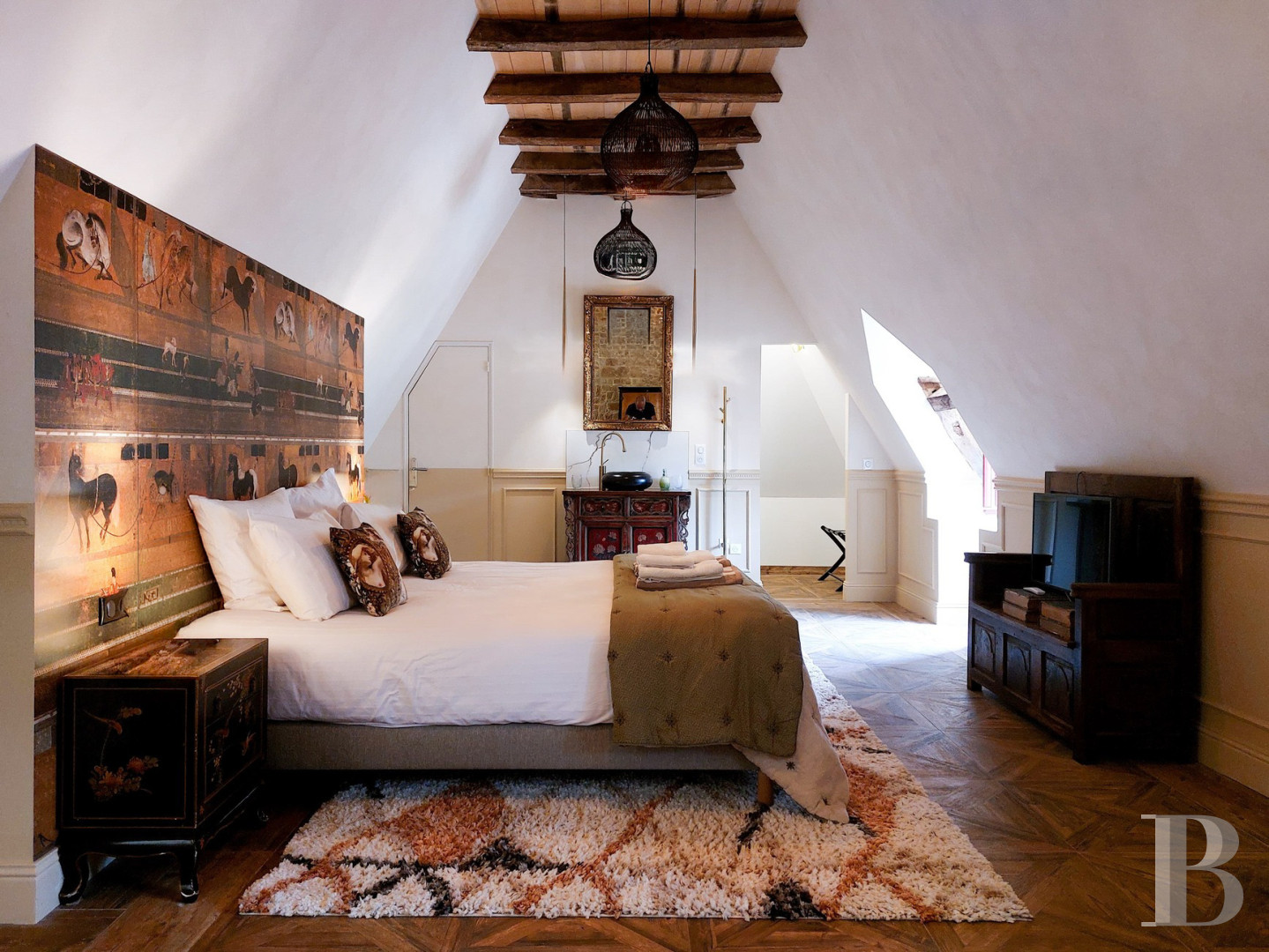
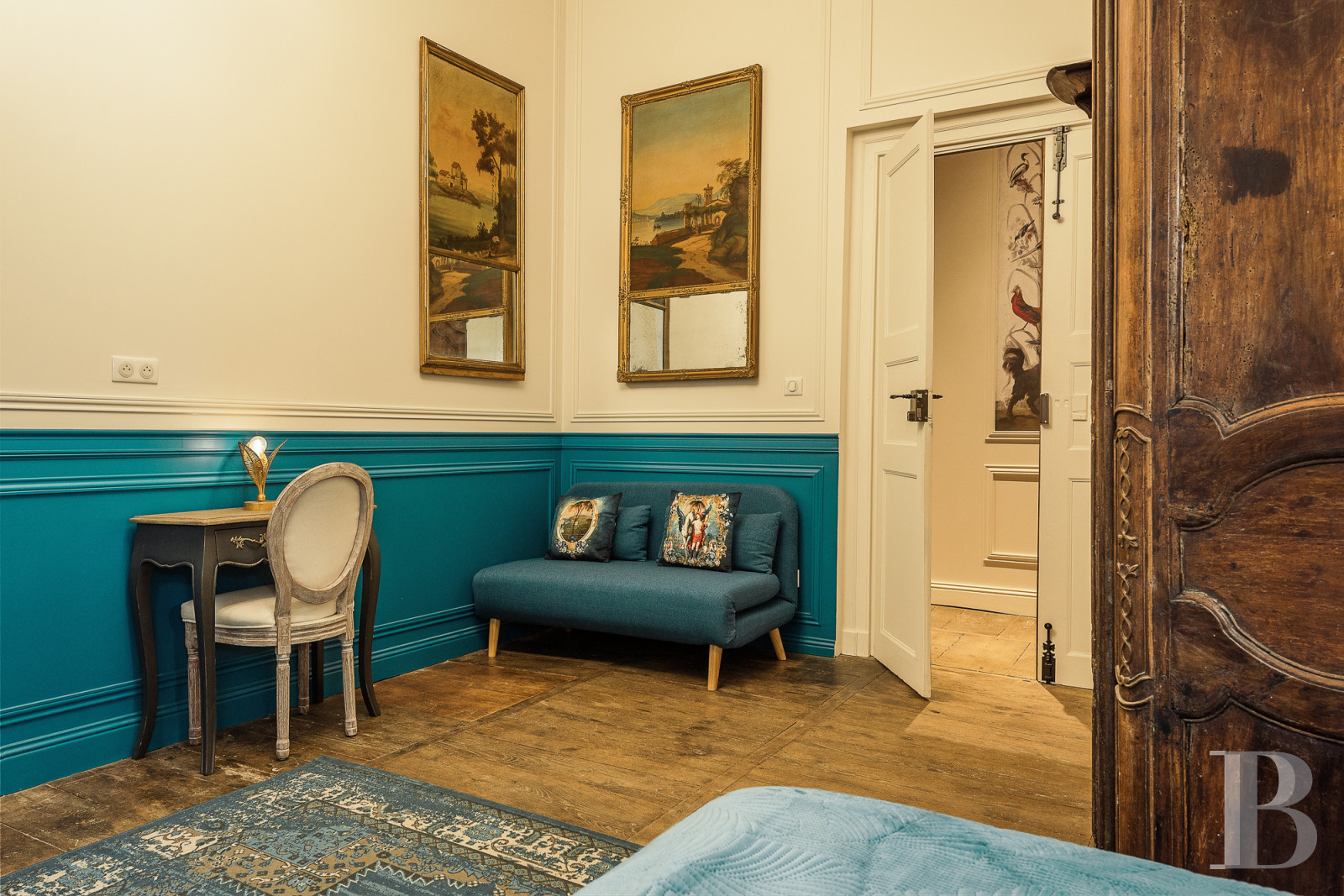
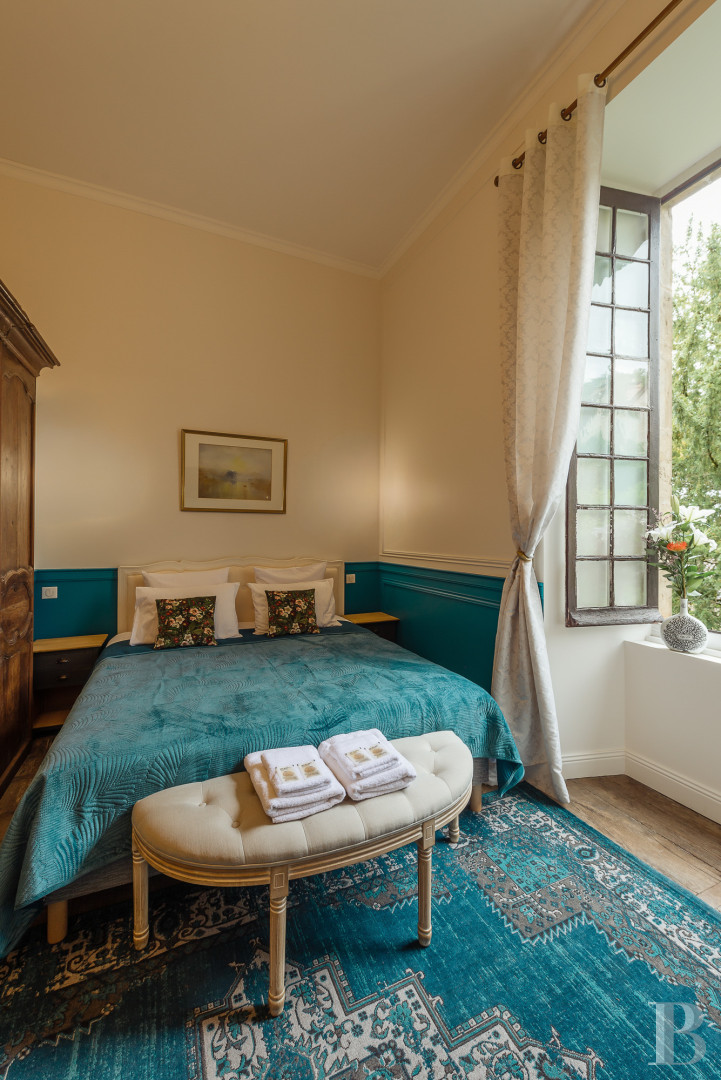
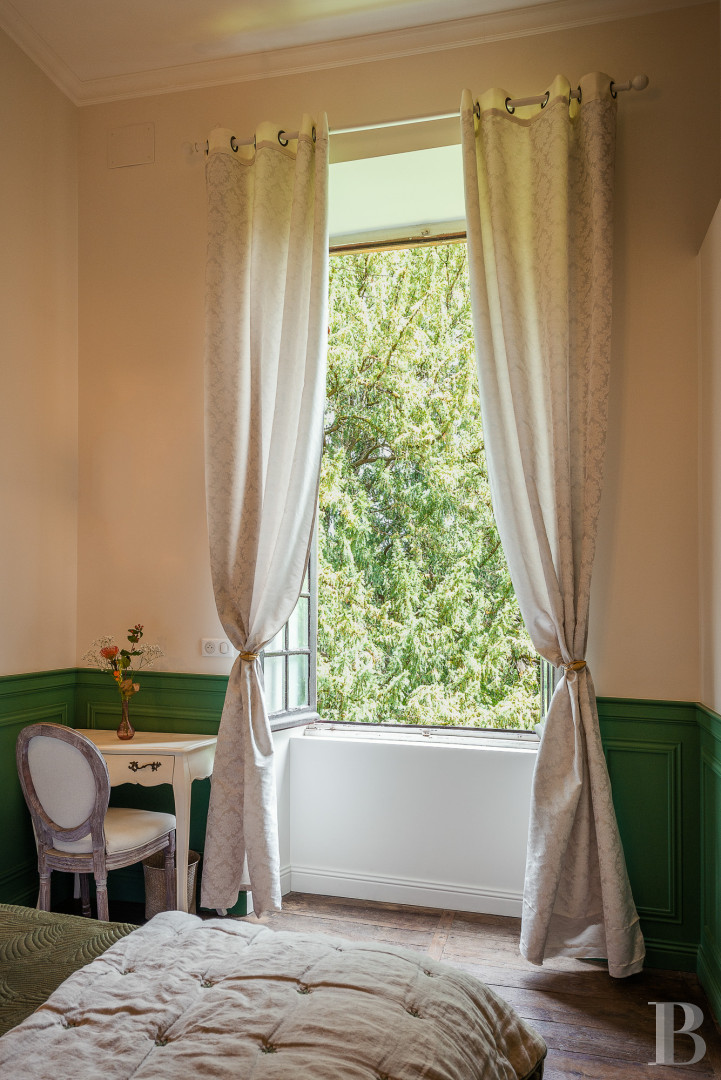
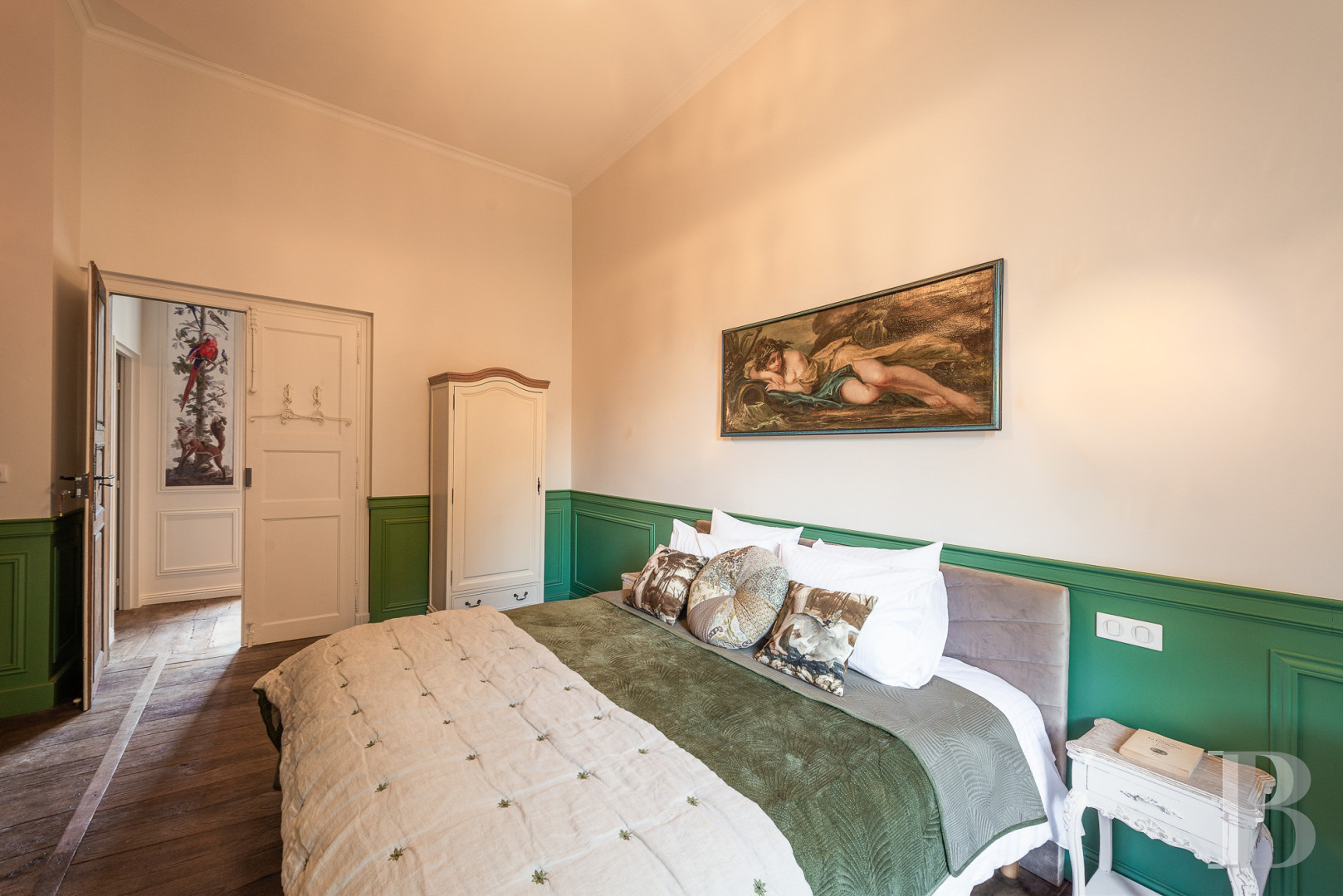
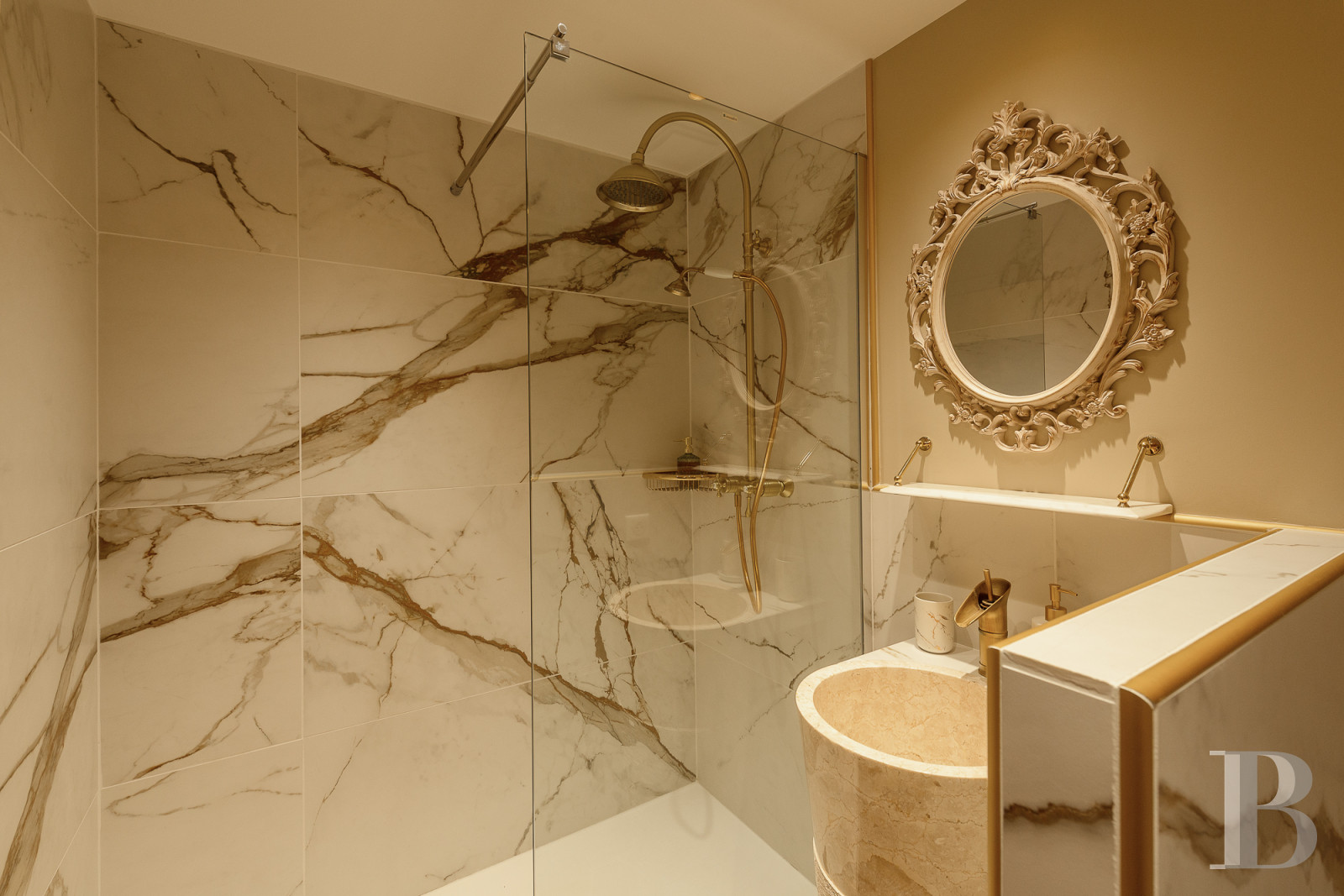
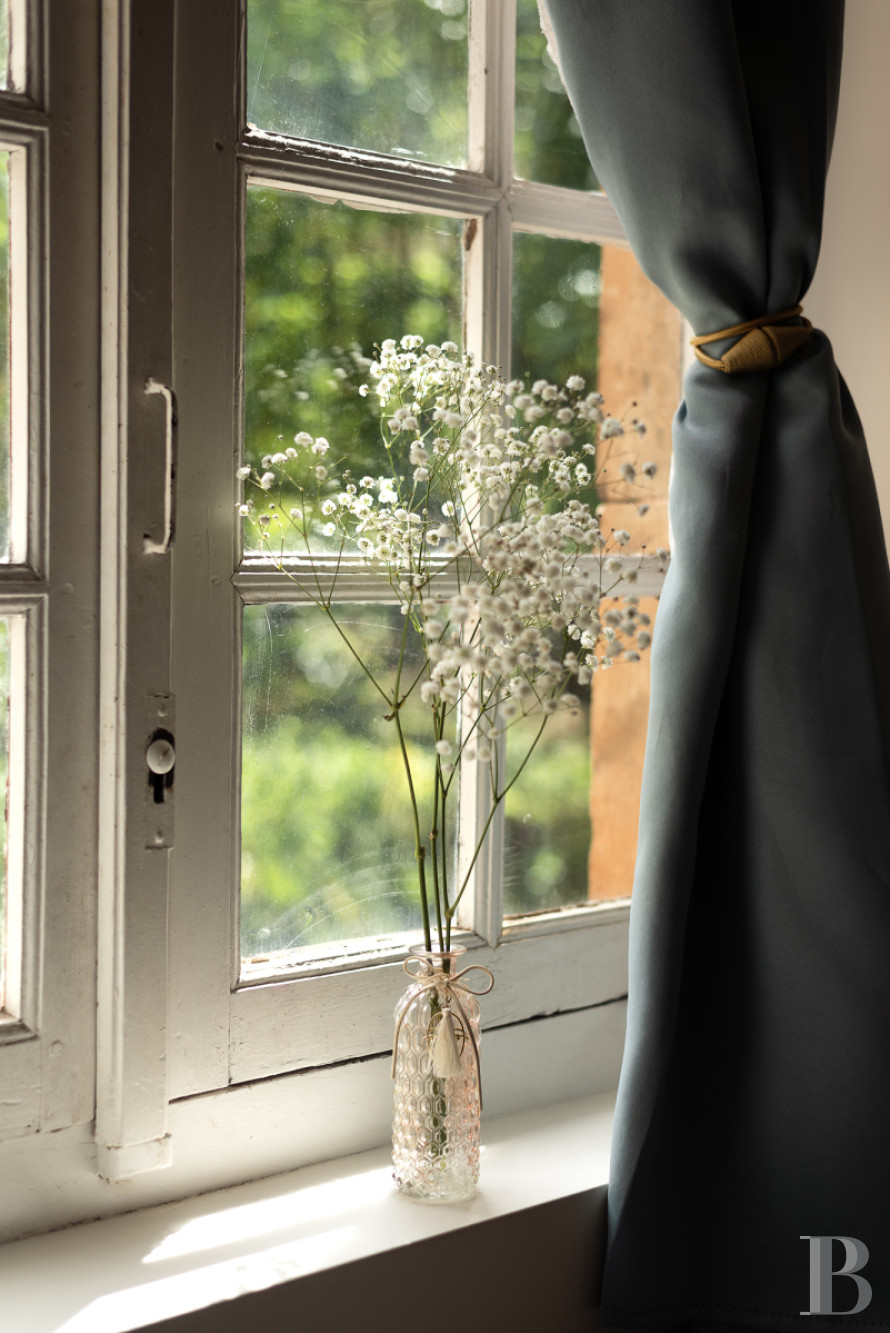
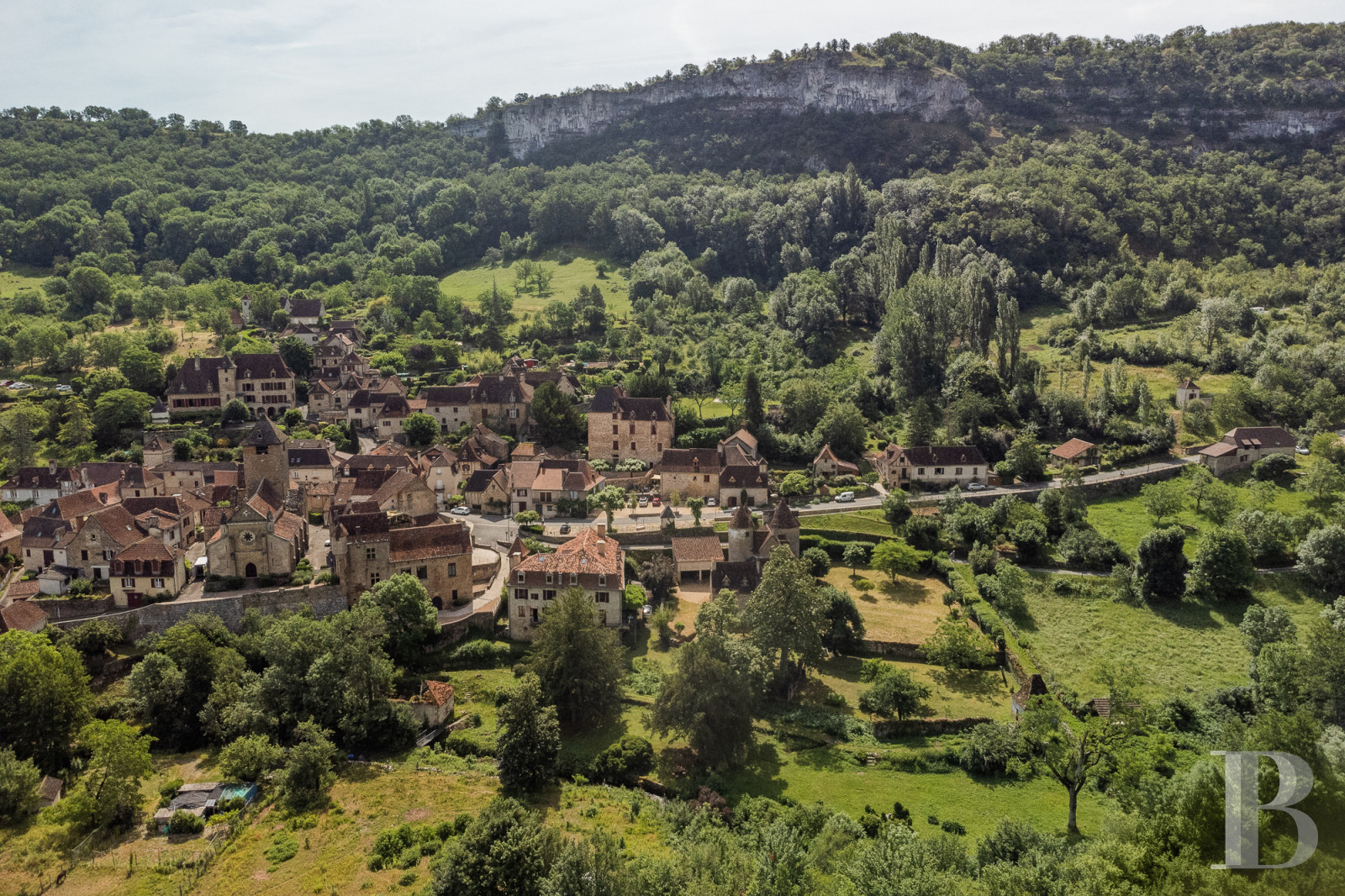
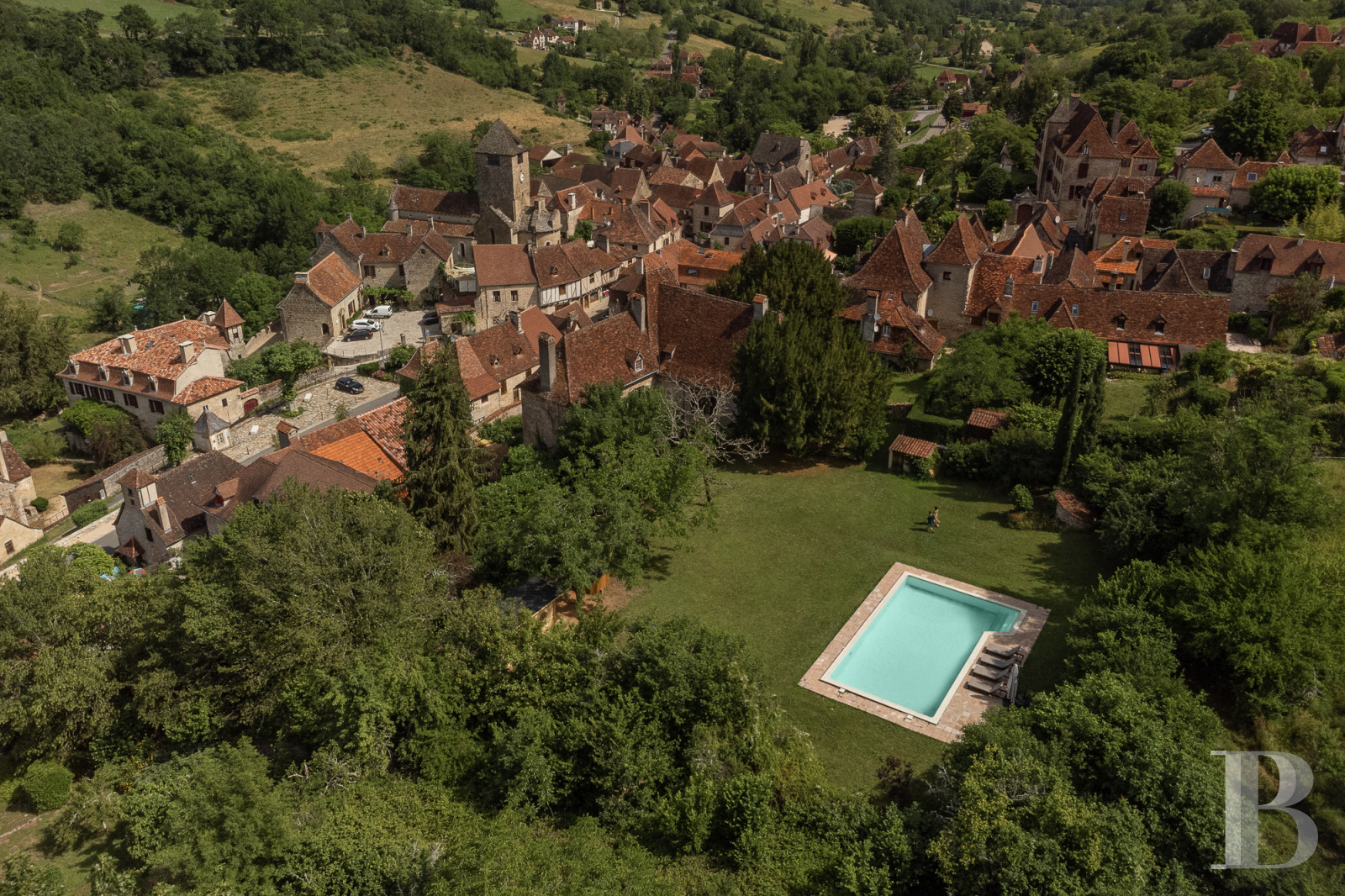
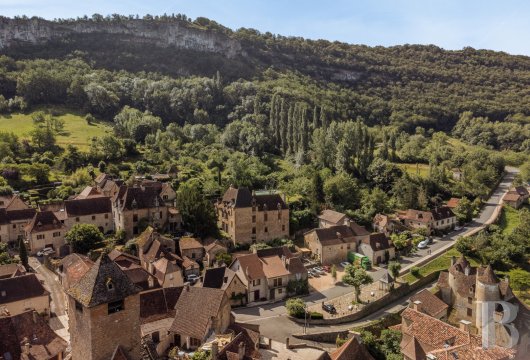
Nicknamed “Little Versailles”, the village of Autoire is one of the jewels of the region’s past. Ideally situated in a cirque of cliffs covered in lush greenery, the village winds its way round the church, with its charming pale-stone houses topped with brown tiles and its elegant 17th-century manor houses, where the notables of Saint-Céré used to come to relax. Among them, the manor house at Laroque Delprat offers a valuable insight into medieval and Renaissance architecture. A decor with more contemporary touches, combined with a high standard of comfort, has been seamlessly integrated with the original features, which have been carefully preserved and enhanced. The overhanging gardens add even more to the magic of the place. Dedicated to artistic creation and holiday accommodation, the manor house has drawn inspiration from its long history to open itself up to the world whilst keeping its soul. Everyone will find something here to fuel their dreams.
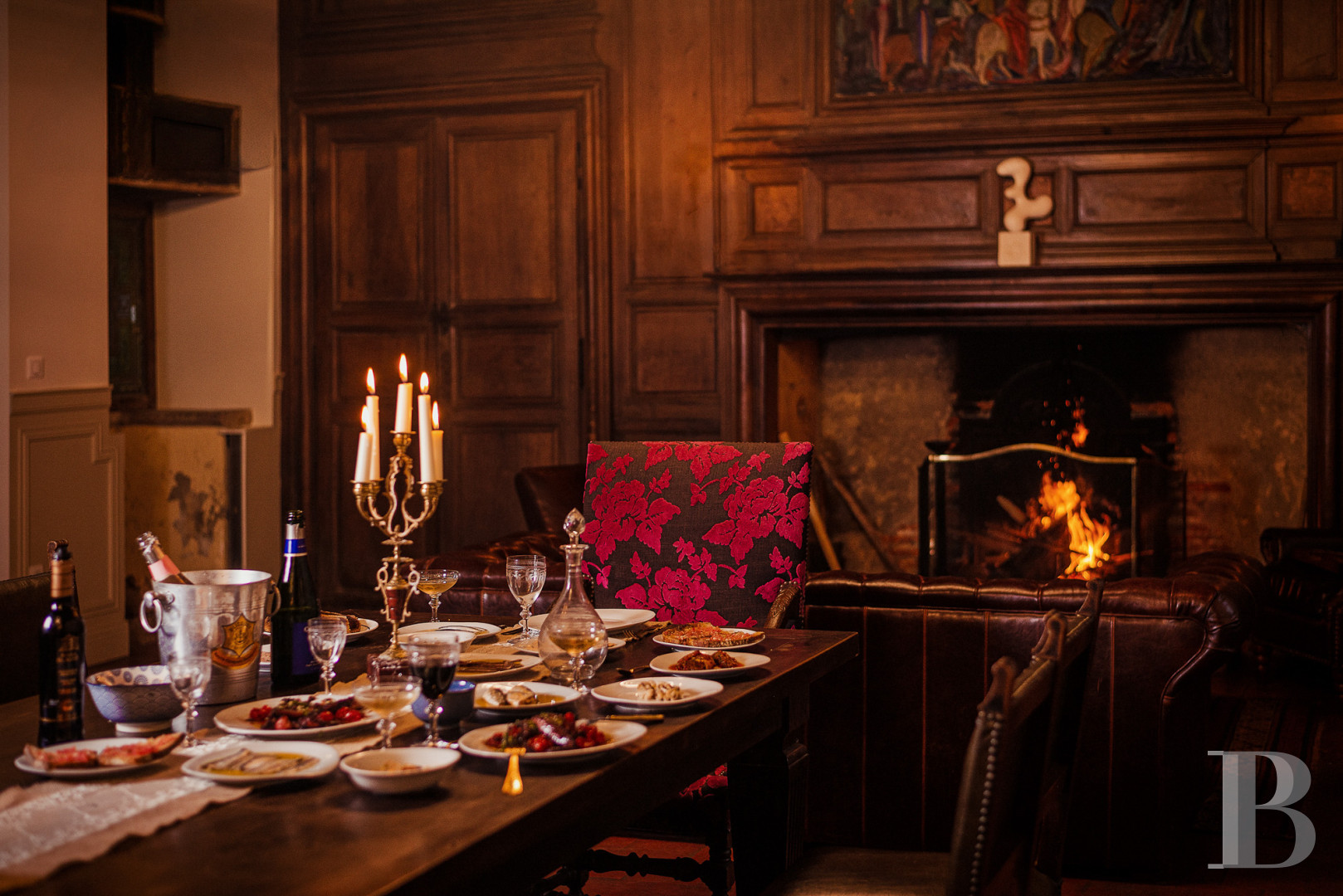
I come from Quercy, a region which I feel a deep attachment to. Despite having spent years elsewhere, I’d always wanted to come back here. After two years of searching, this manor house stood out. It combines an exceptional natural heritage, in the heart of the Autoire cirque, a remarkable architectural heritage dating from the 13th to the 17th century, and a living heritage that we are bringing to life through a cultural project. Two factors were also decisive: the presence of a natural spring and numerous fireplaces, which highlight the spirit of the house. I was captivated by the spring gushing out of the cliff, its rare overhanging gardens and the place’s unique character.
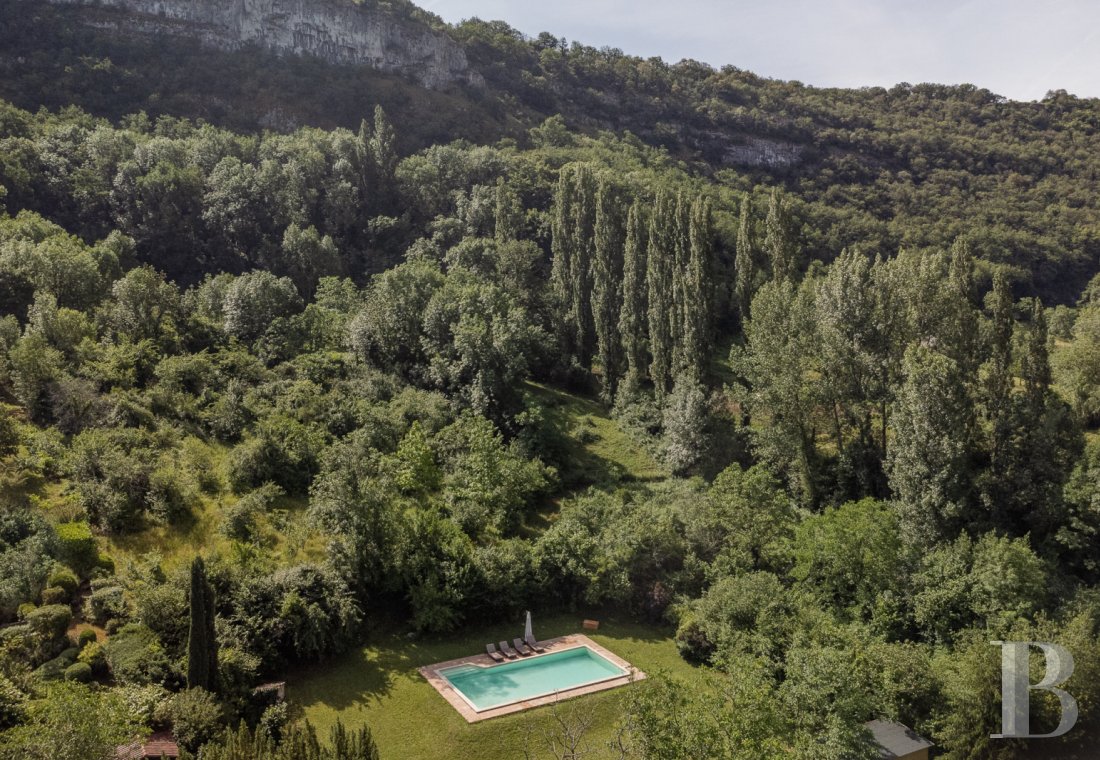
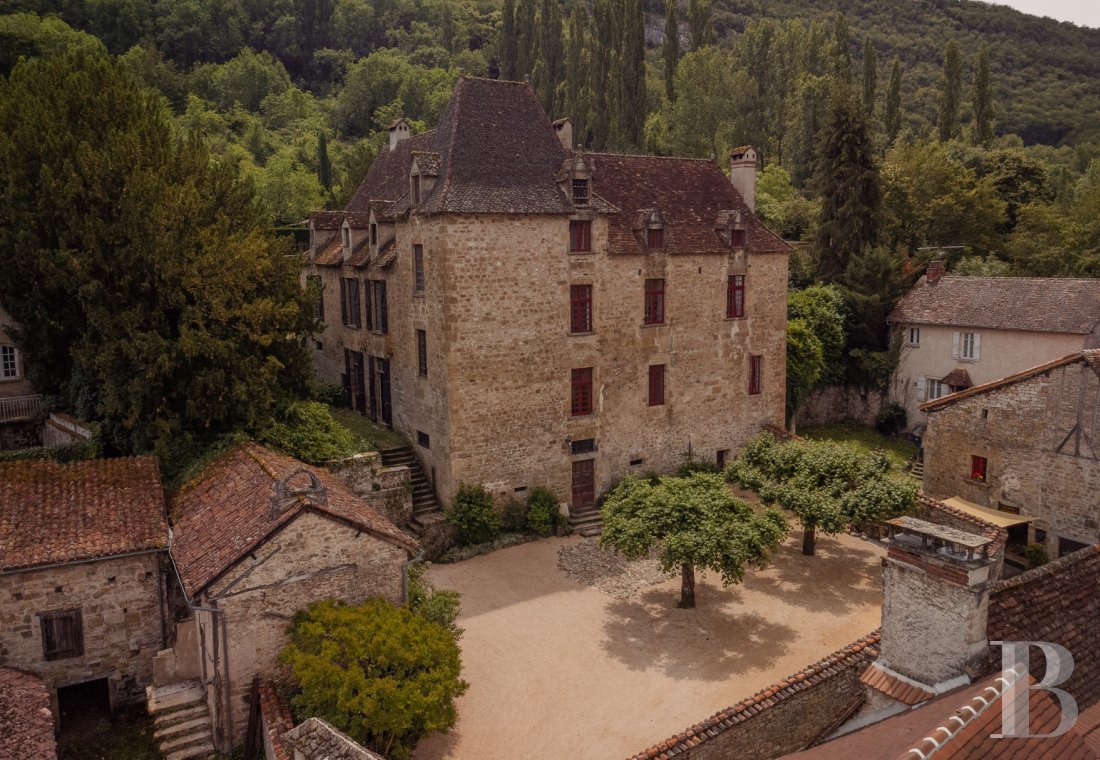
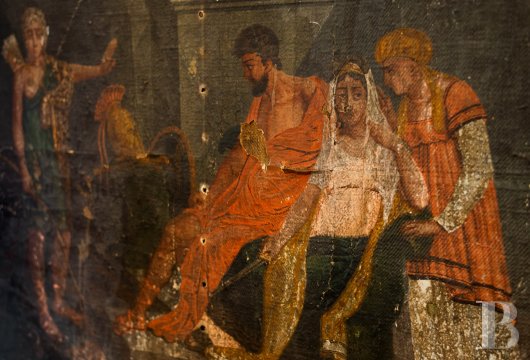
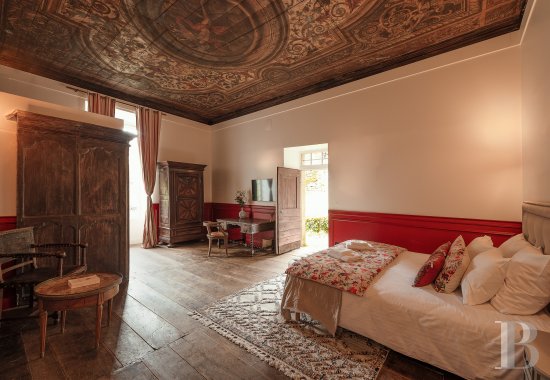
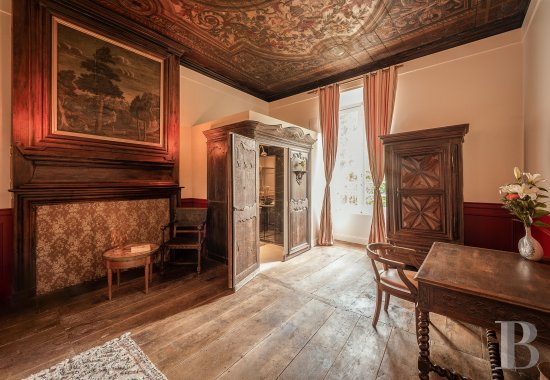
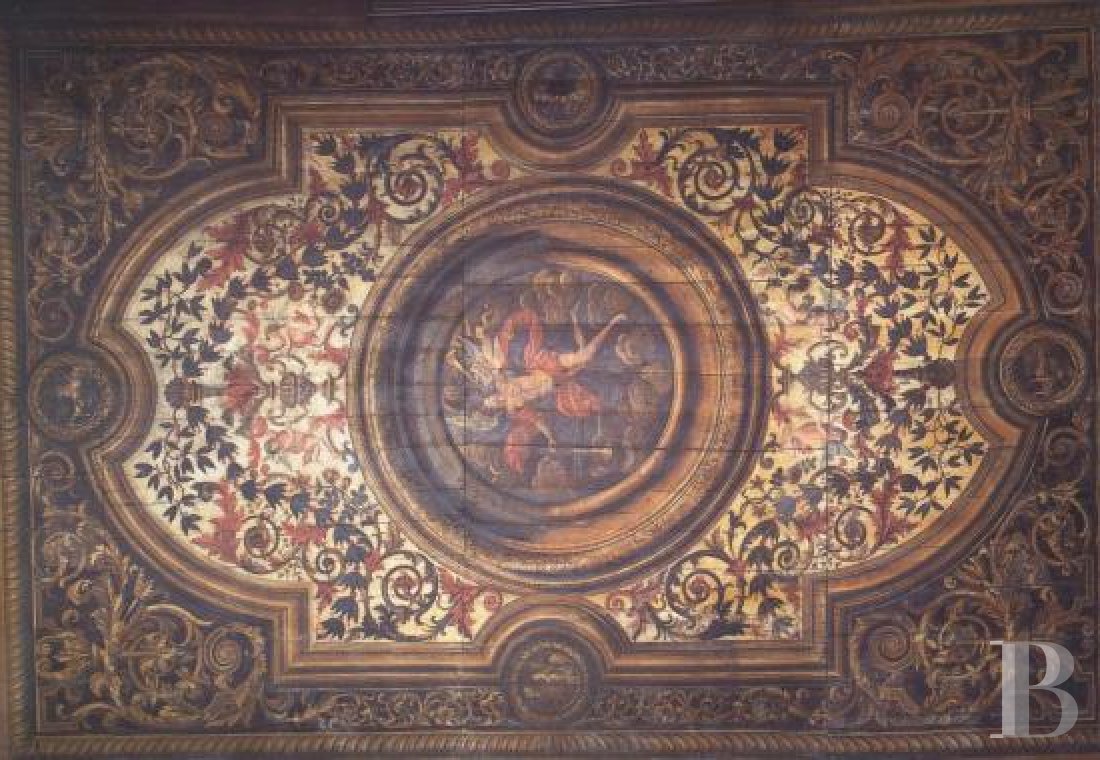
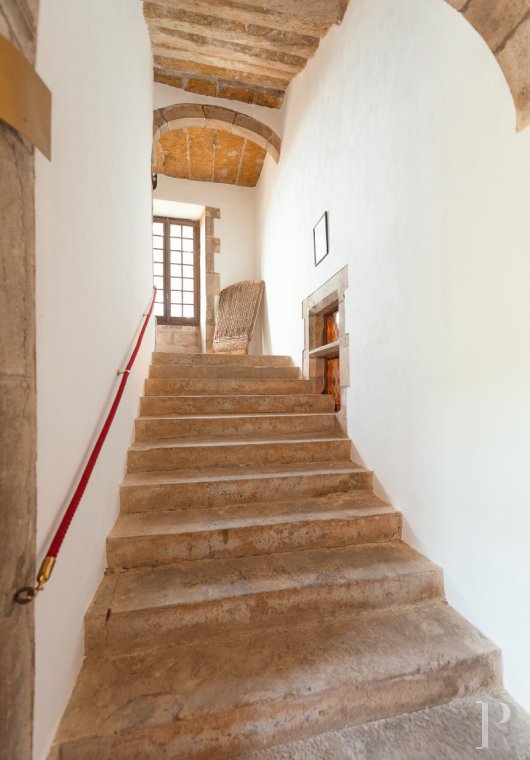
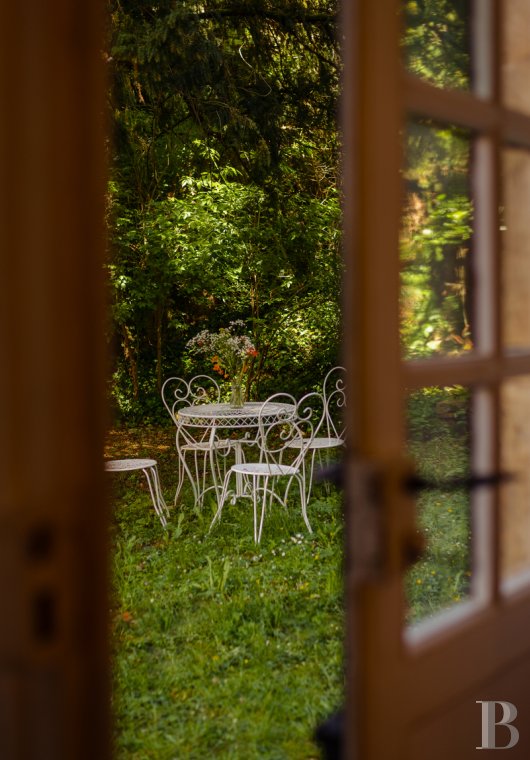
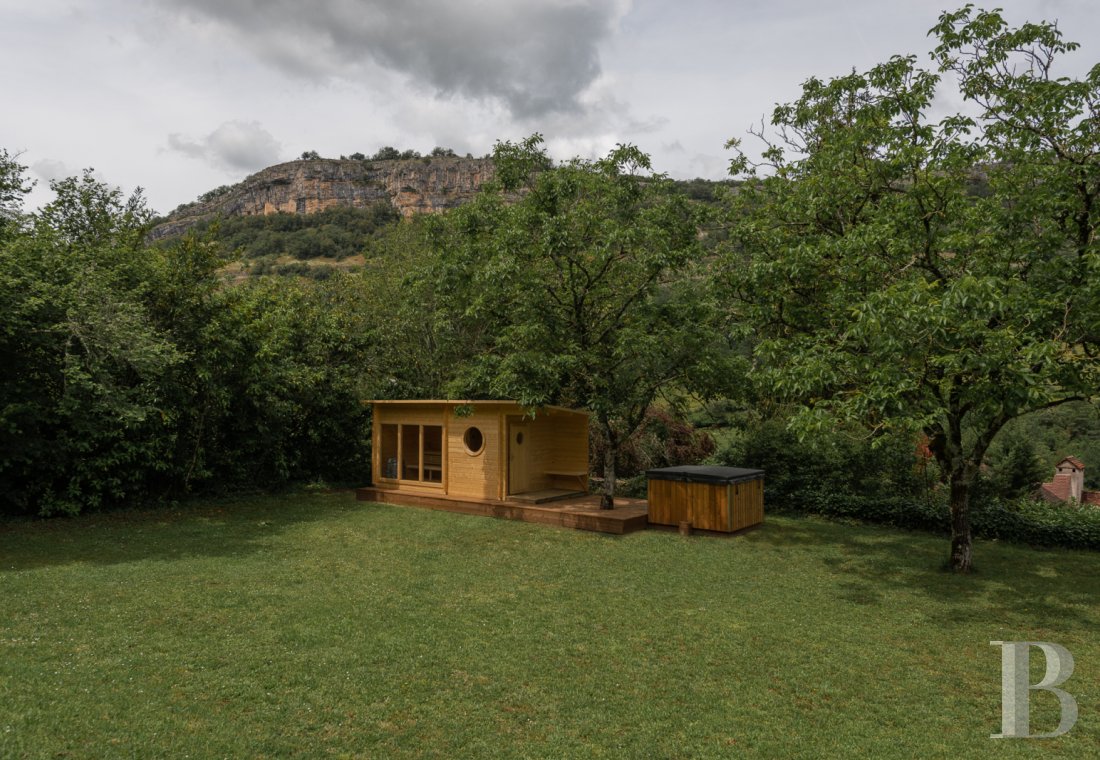
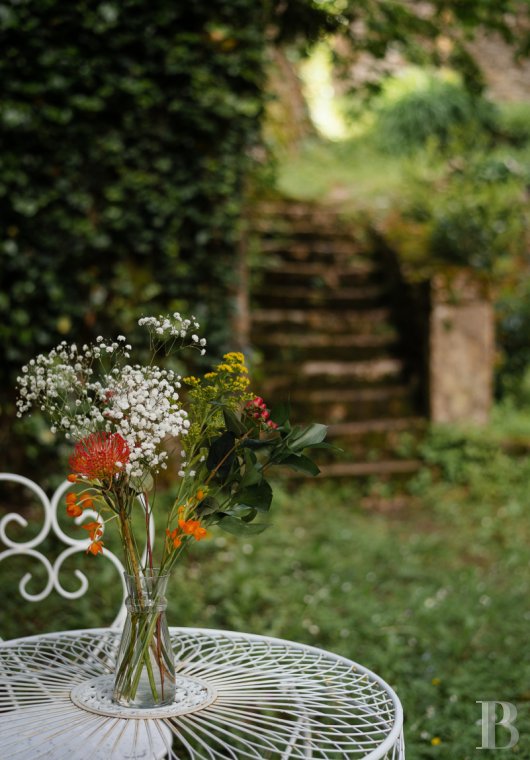
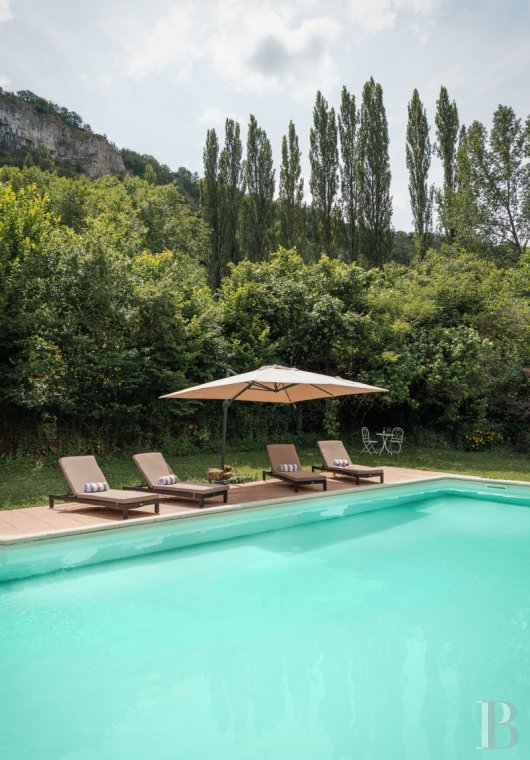
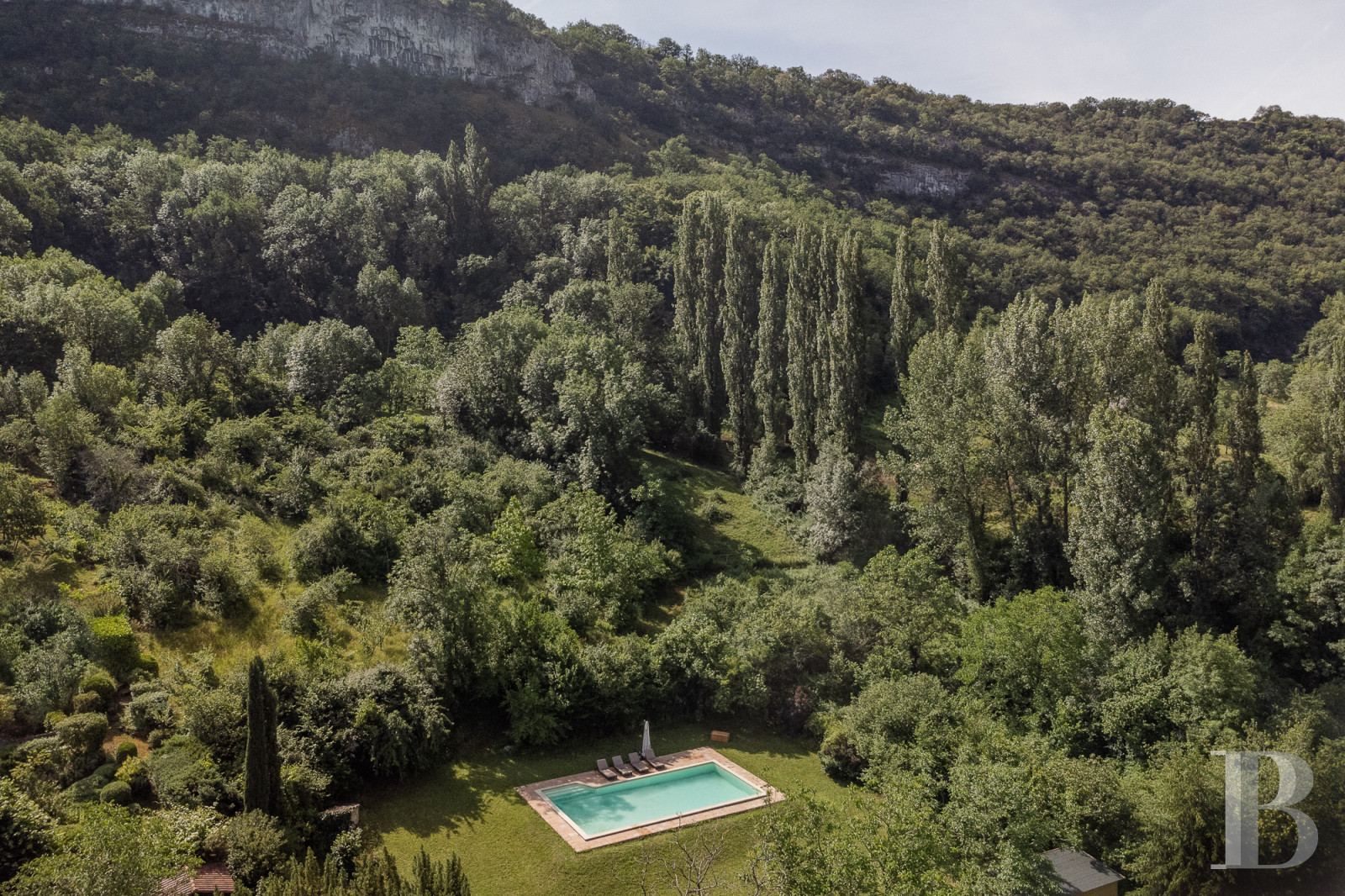
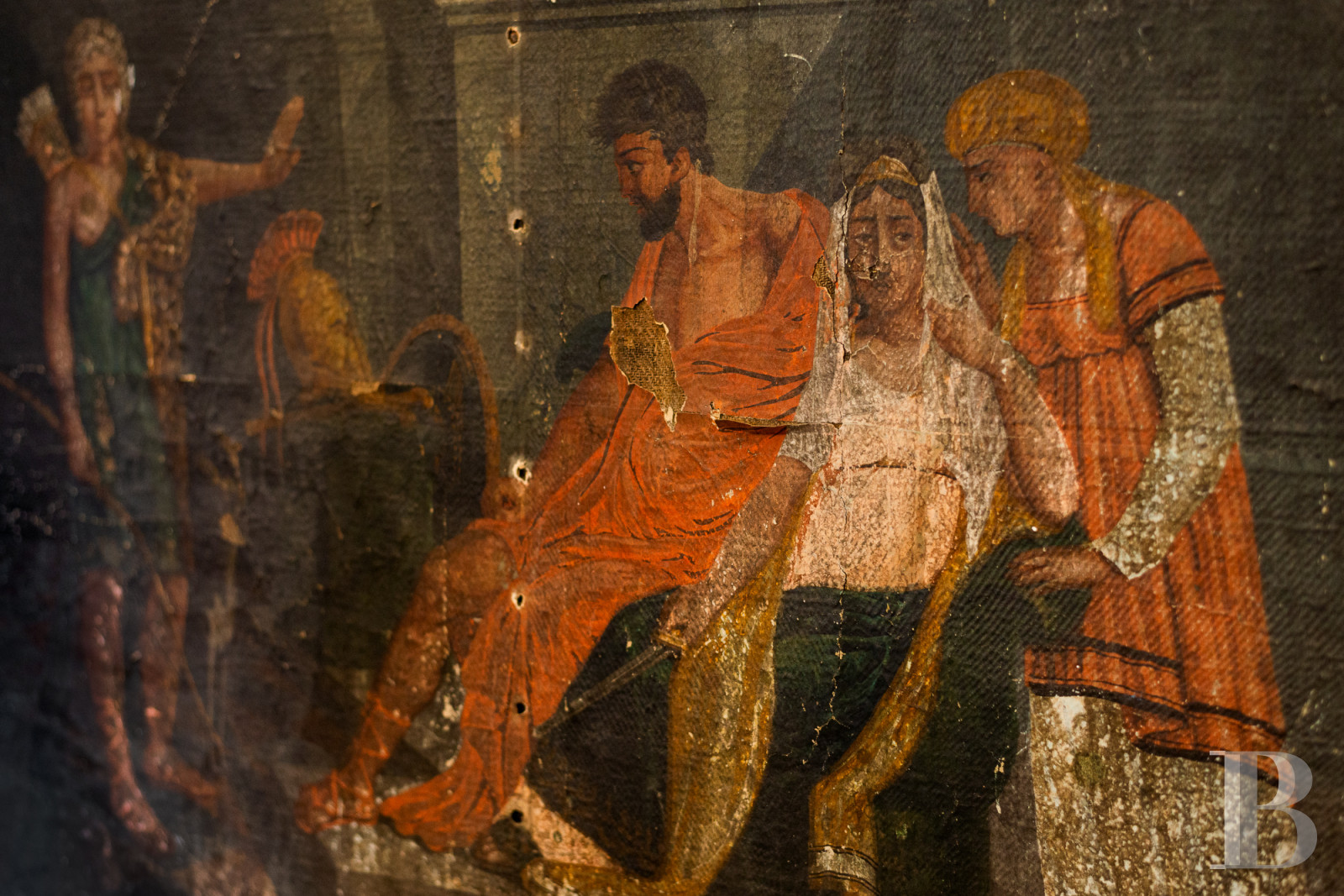
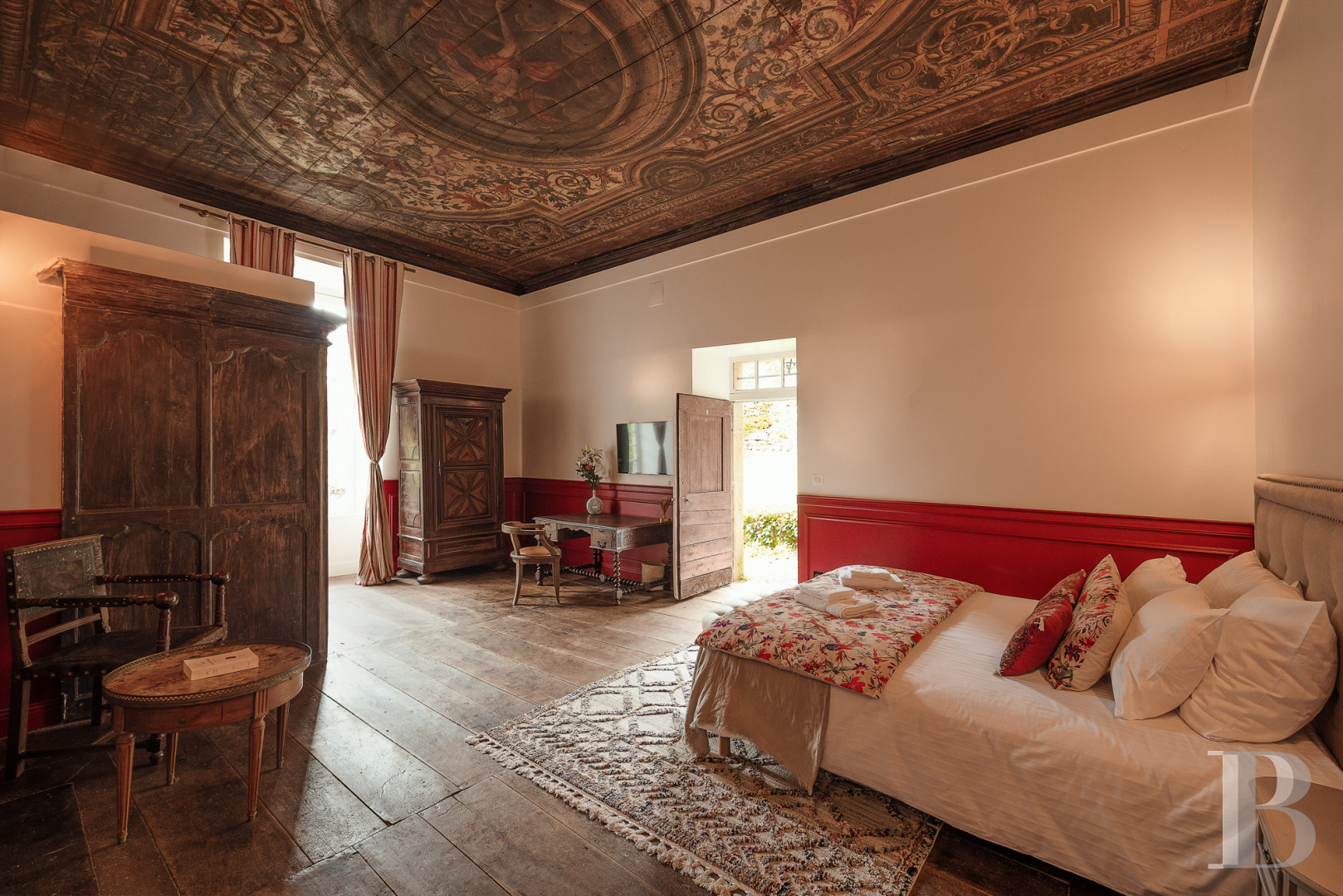
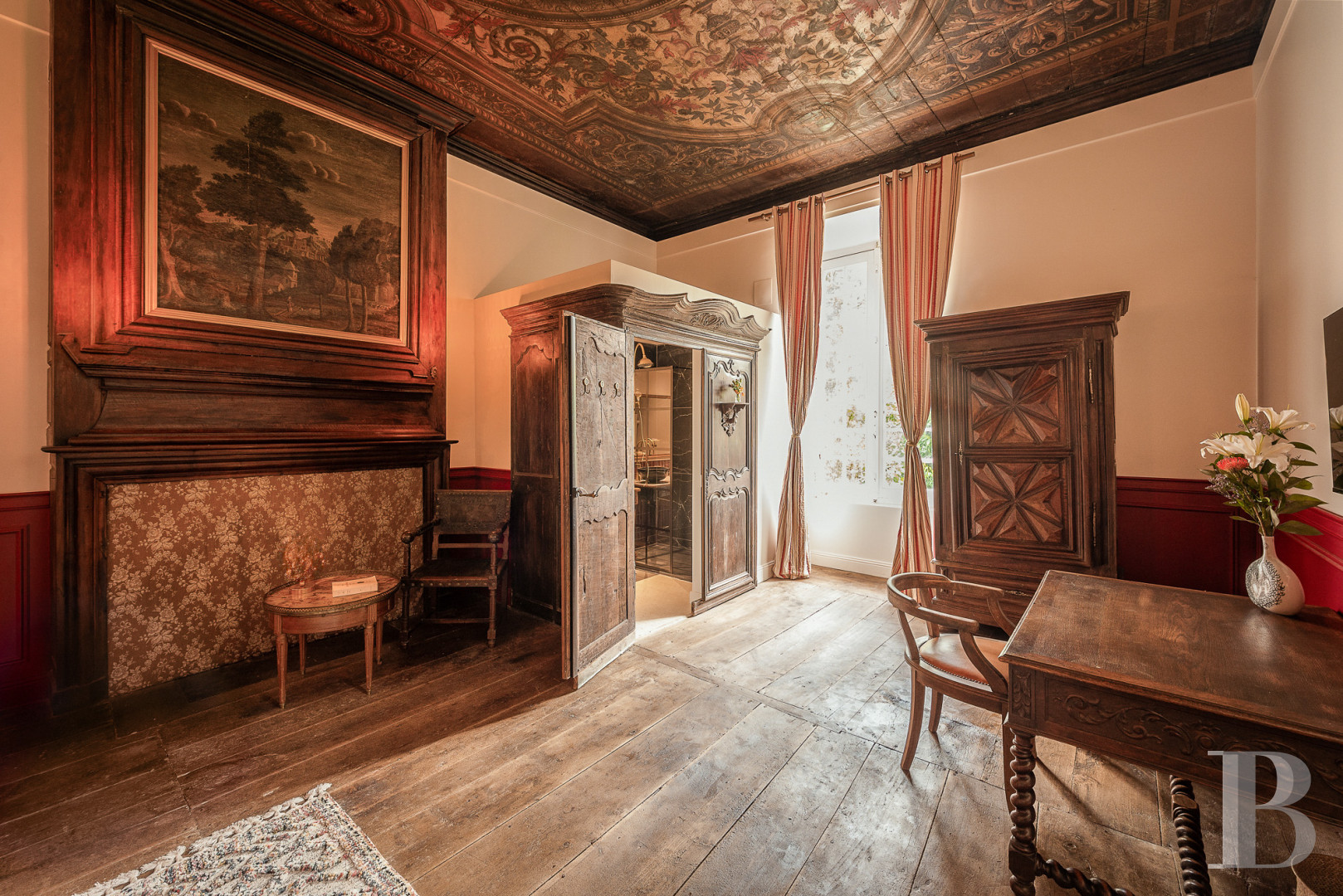
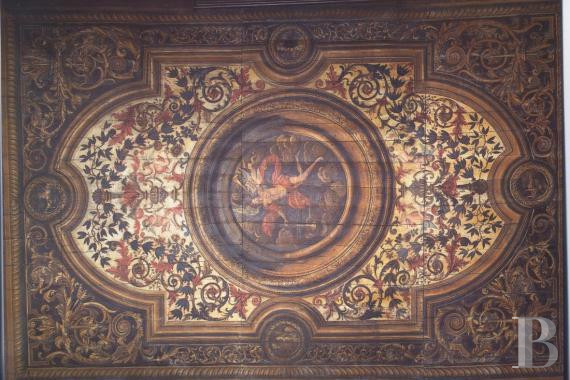
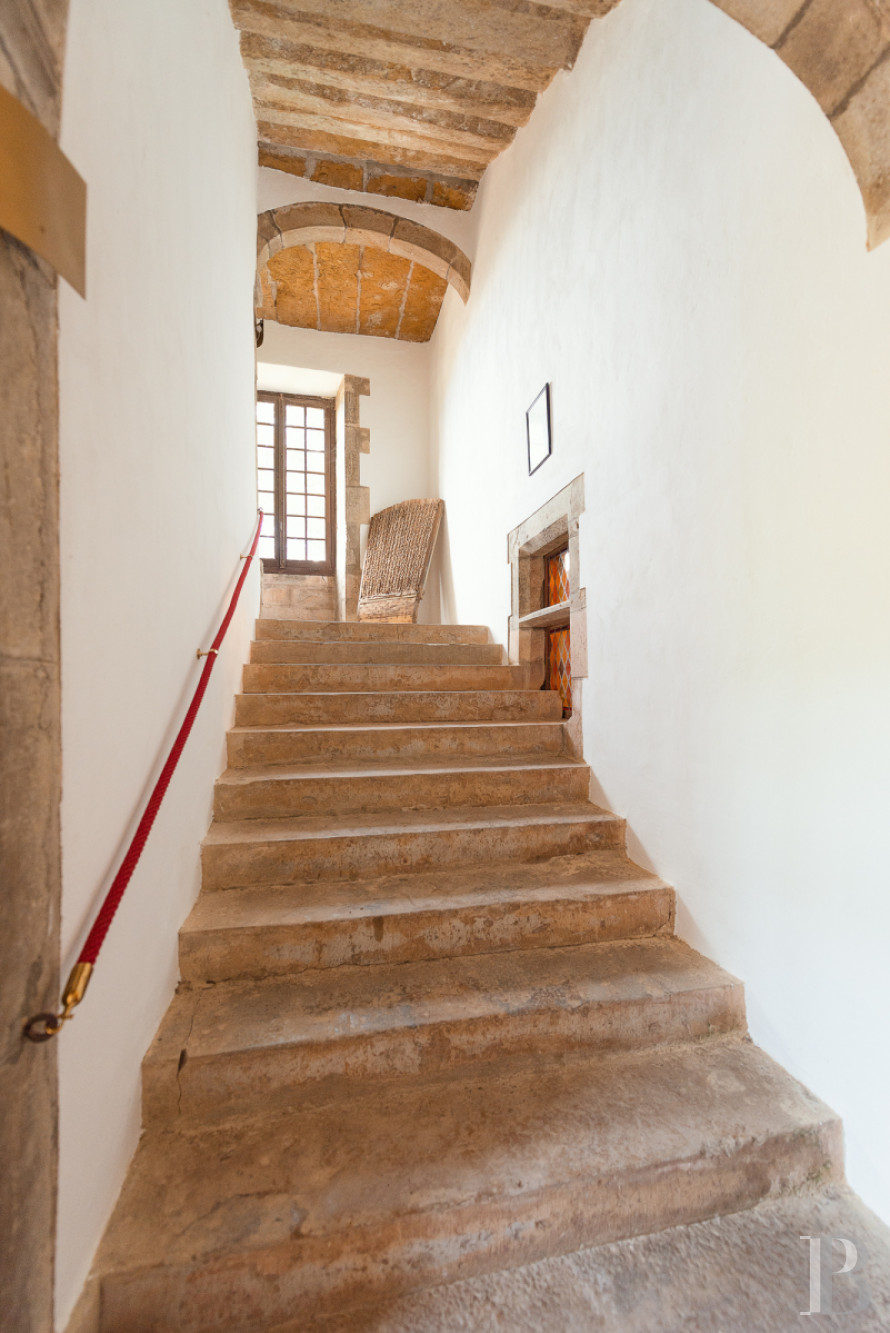
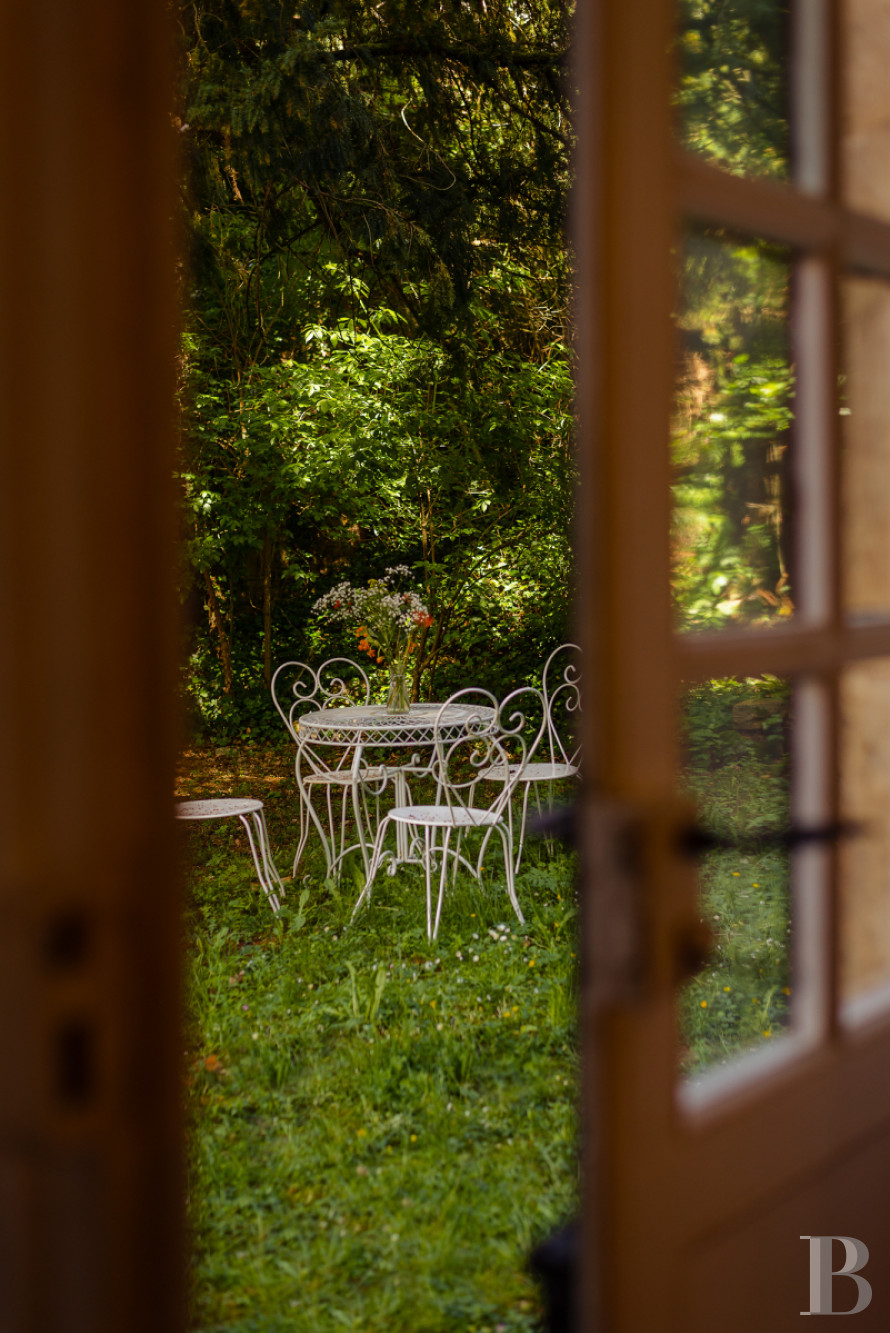
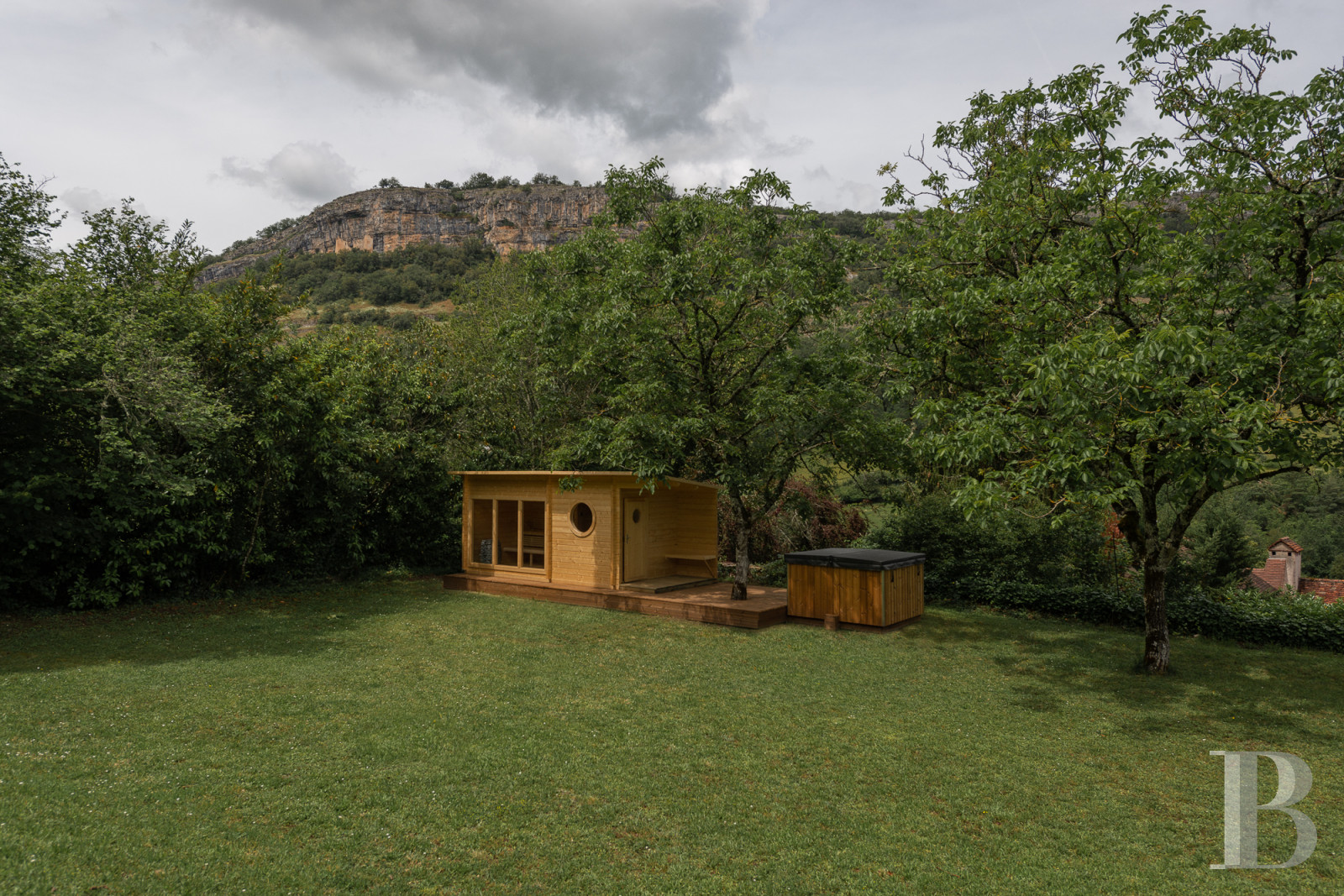
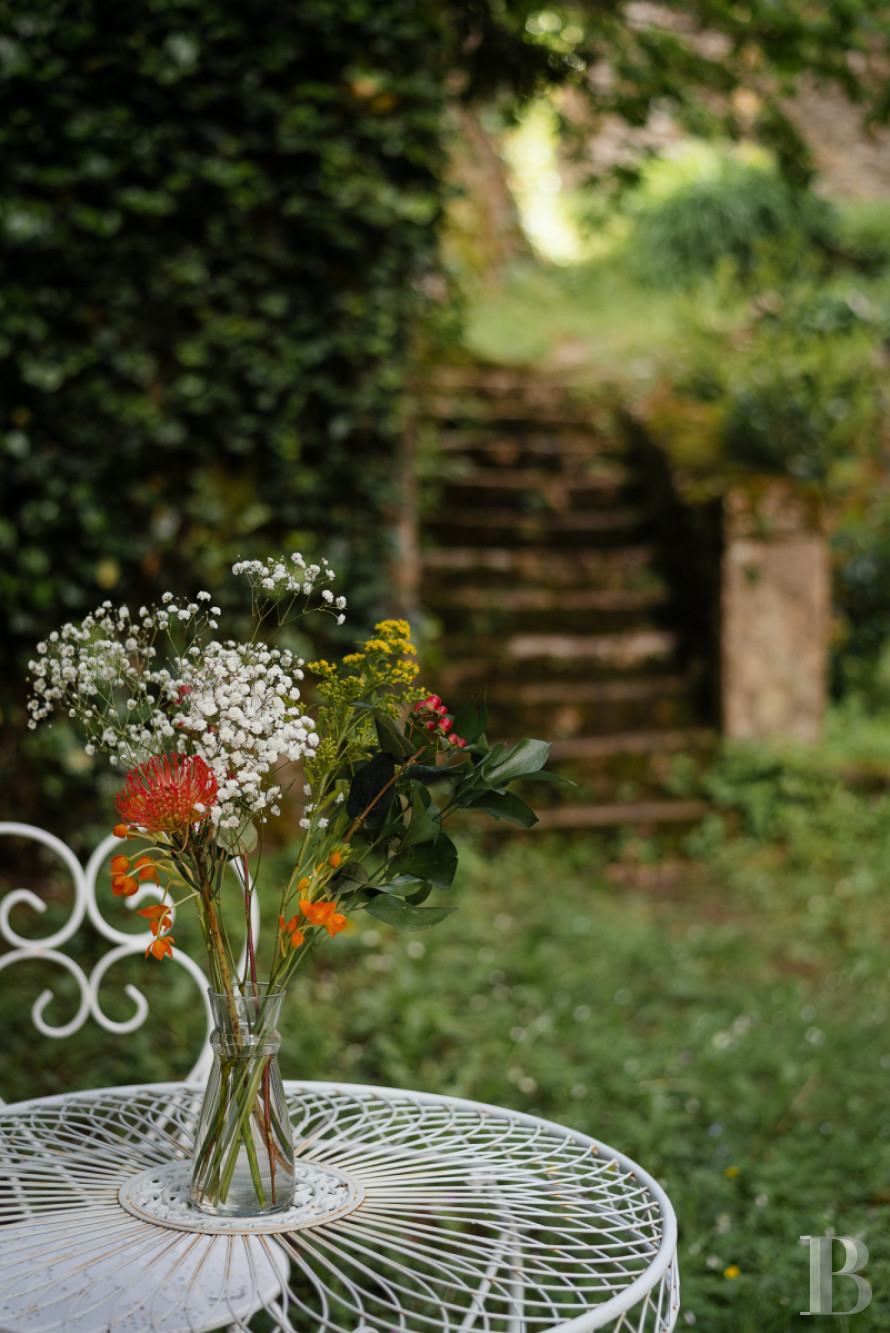
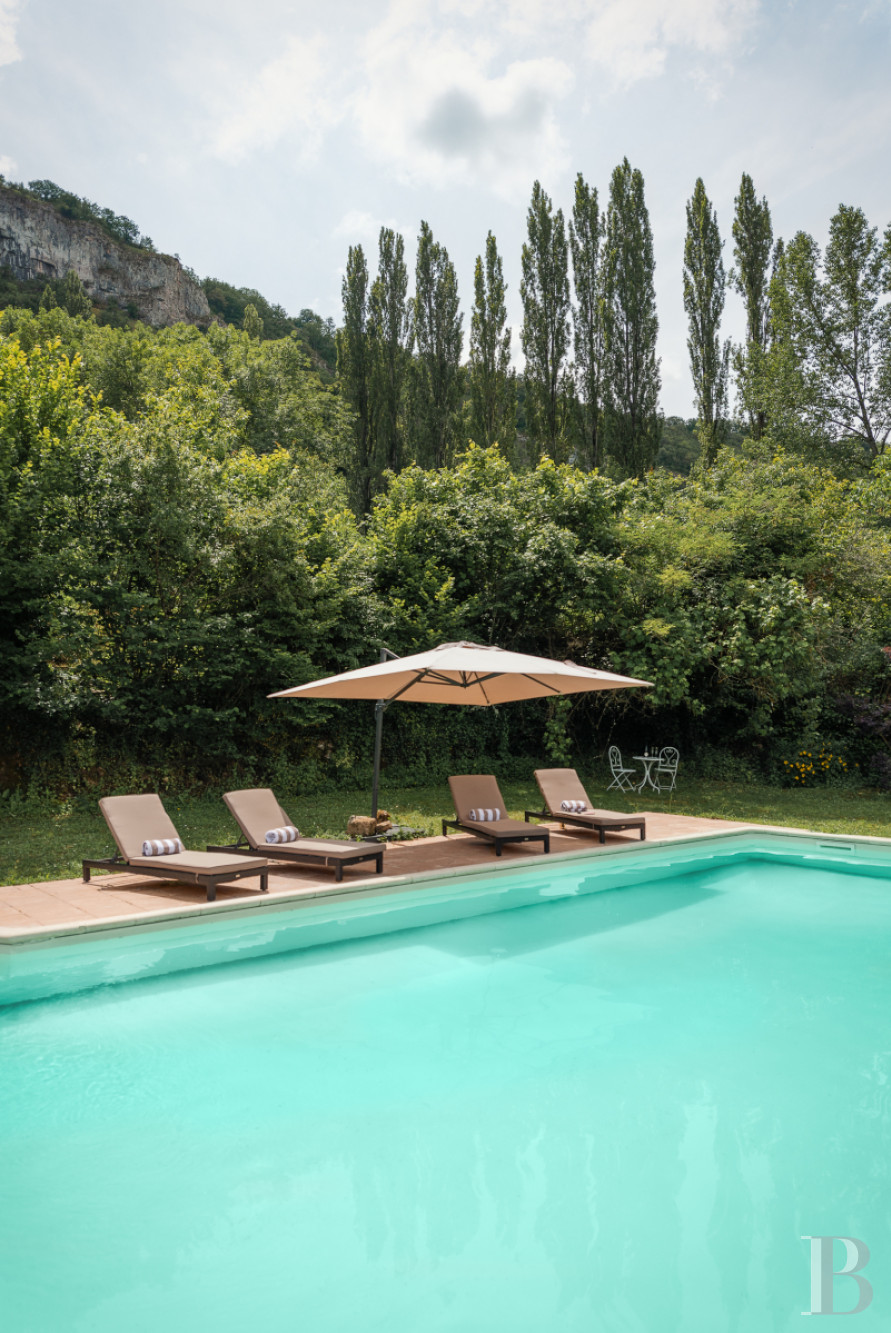
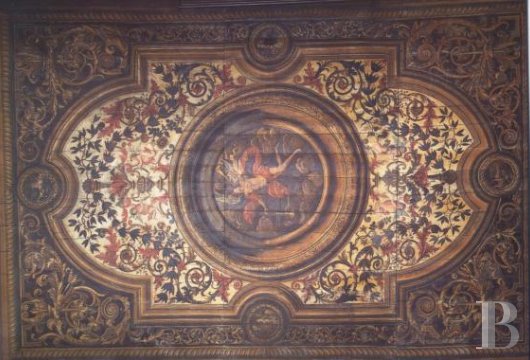
The estate covers approximately five hectares and the manor house displays the characteristics of 17th-century bourgeois residences in Autoire: an L-shaped layout centred around a staircase with several flights of stairs, tall, evenly spaced windows, and dormer windows with classical pediments topped with stone balls. Inside, a bedroom on the first floor still features a remarkable painted ceiling dating back to the early 17th century, a rare example of the decorative art of that period. In its corners the initials “A.C.L.” are intertwined, attributed to Alexandre de Clermont-Lodève (1580–1621), Baron of Castelnau-Bretenoux. This decor has been listed as a Historic Monument since 2007. The house is built around terraced hanging gardens on the cliff face. The upper floor features a large garden with a swimming pool and a Nordic bath, offering views of the Autoire cirque.
The manor house dates back to the Middle Ages. One of its wings, built in the 15th century, is thought to have replaced a 13th-century defensive tower. Known as “Lou Roque Del Prat”, the house belonged at that time to the Delprat family, who are also credited with building the original dwelling. In 1605, the Laroque family undertook major building works. Several generations of magistrates have held office here, including Bertrand-Louis Laroque, judge of the castellany of Castelnau-Bretenoux. The manor house, which had remained in the same family until 2021 when I purchased it, had not been permanently inhabited since the post-war period, but had remained a place for family gatherings where the memory of several centuries of history was passed down, intact.
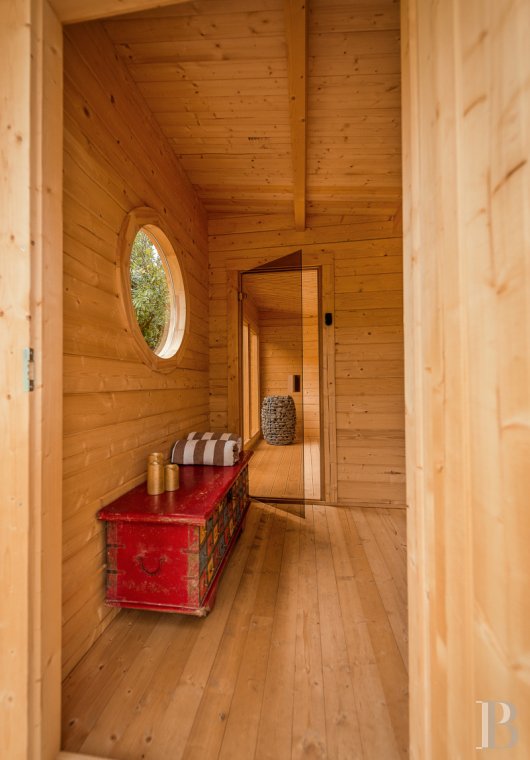
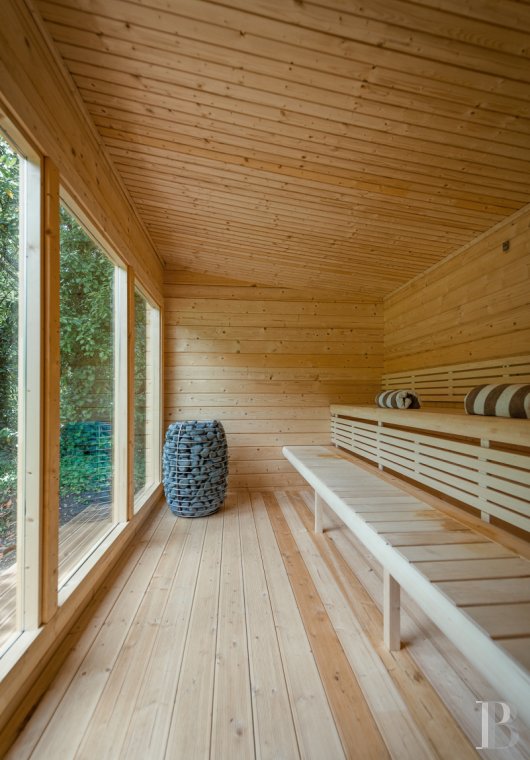
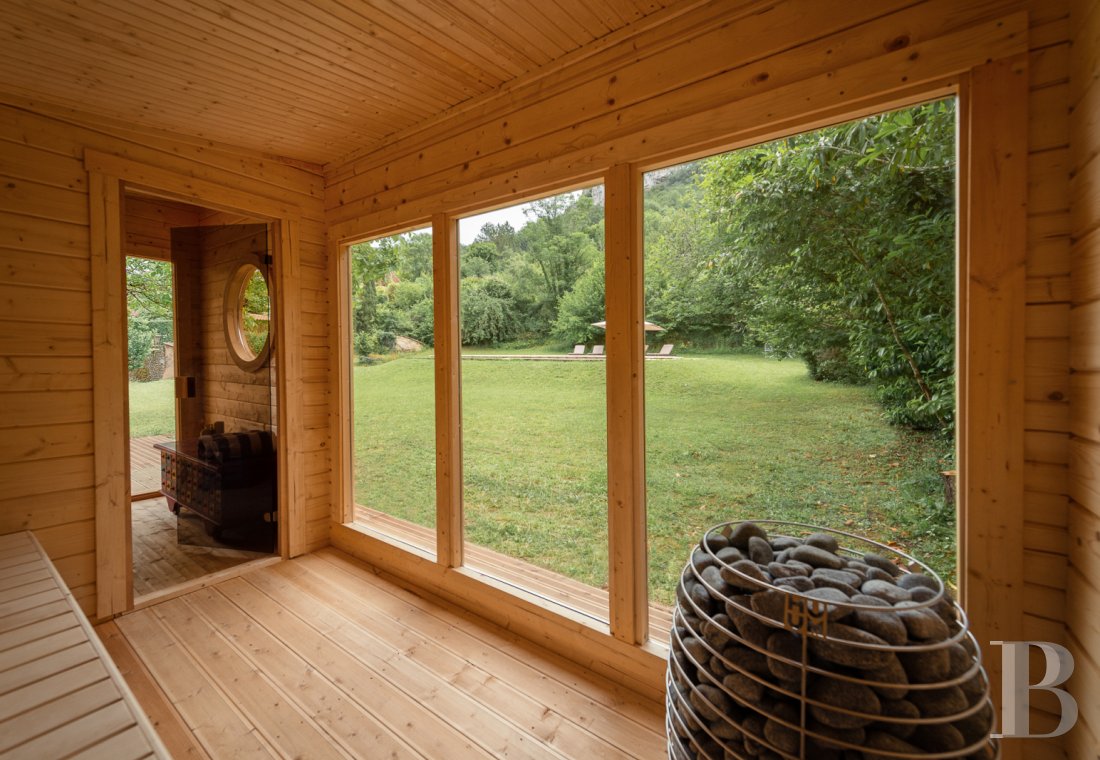
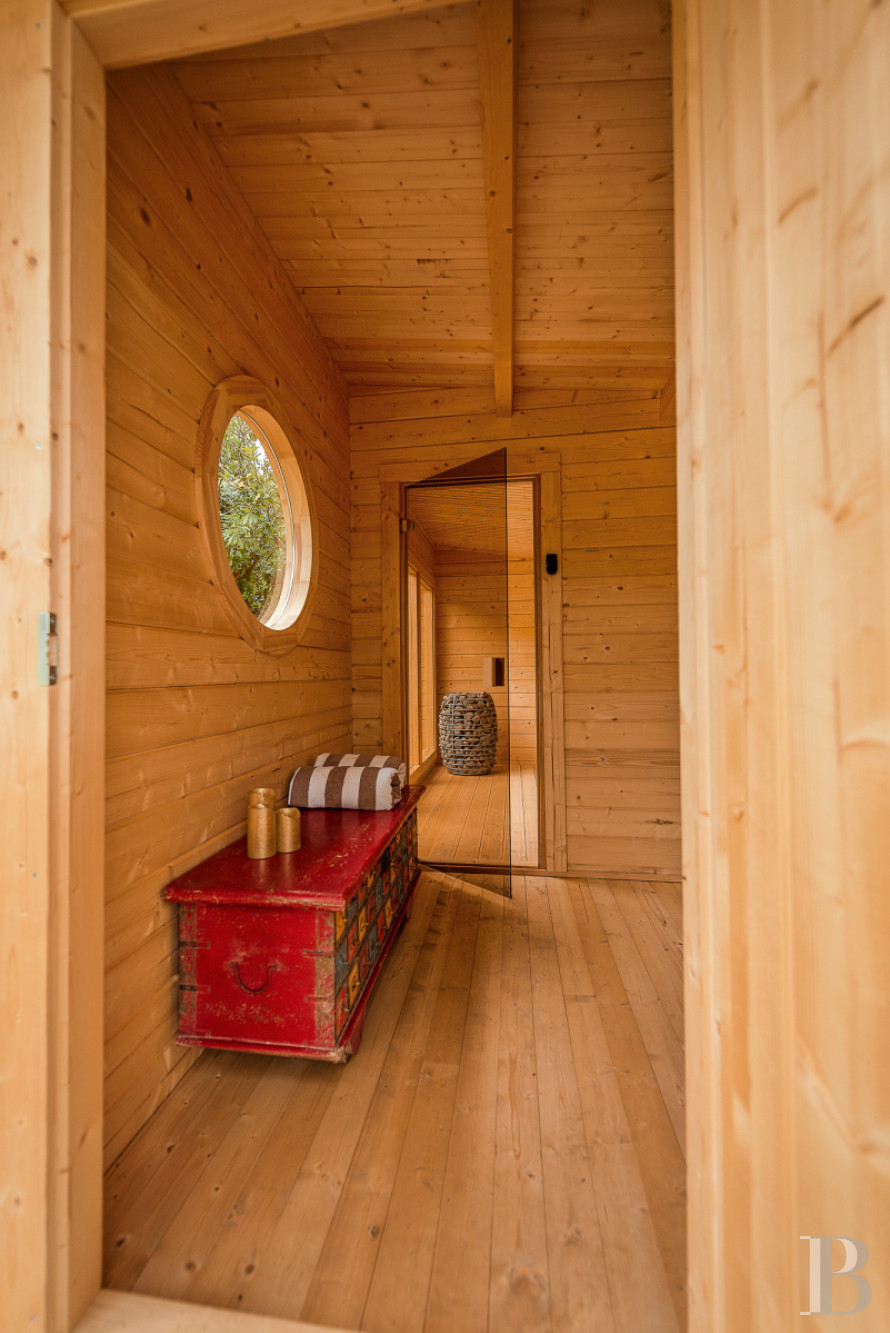
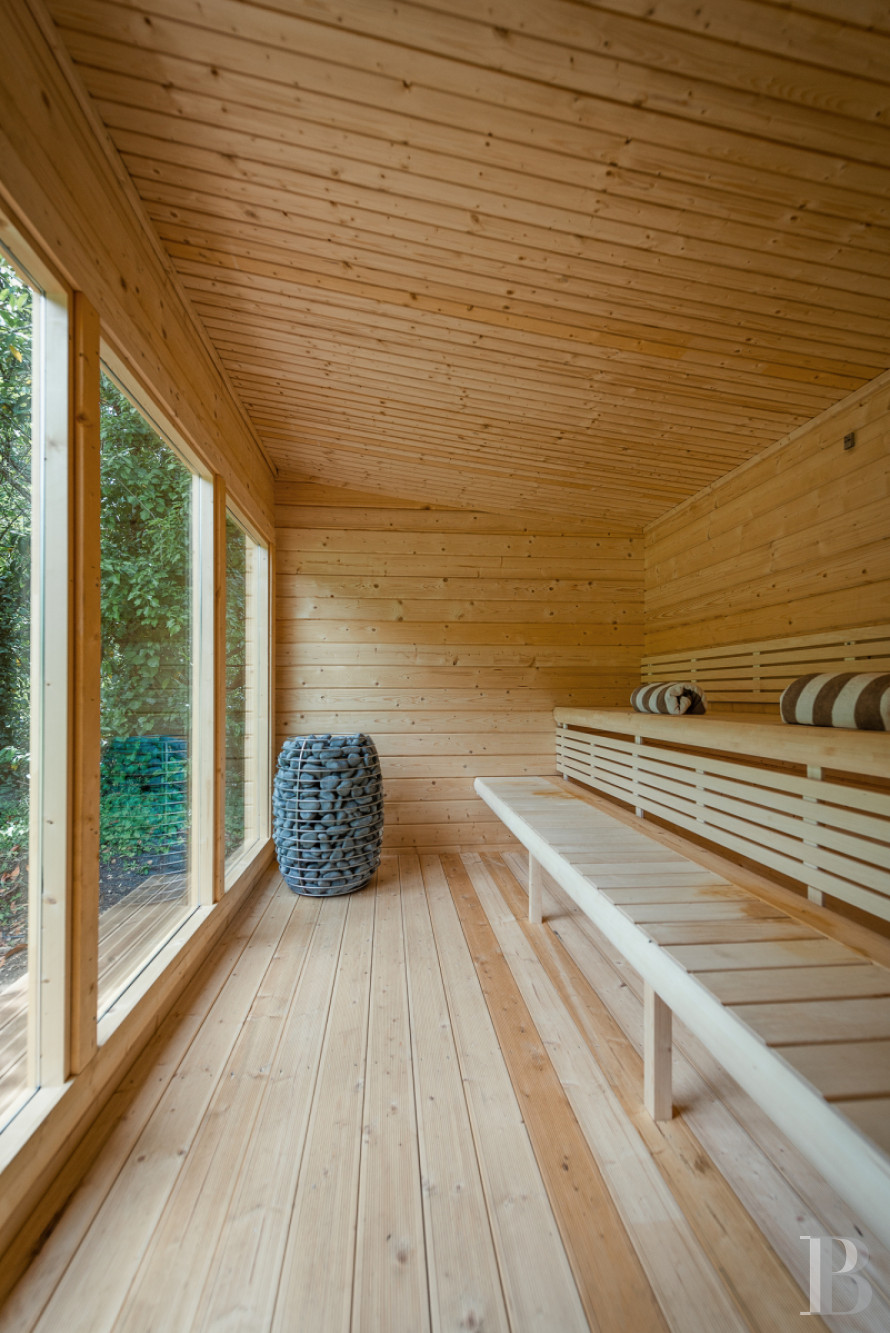
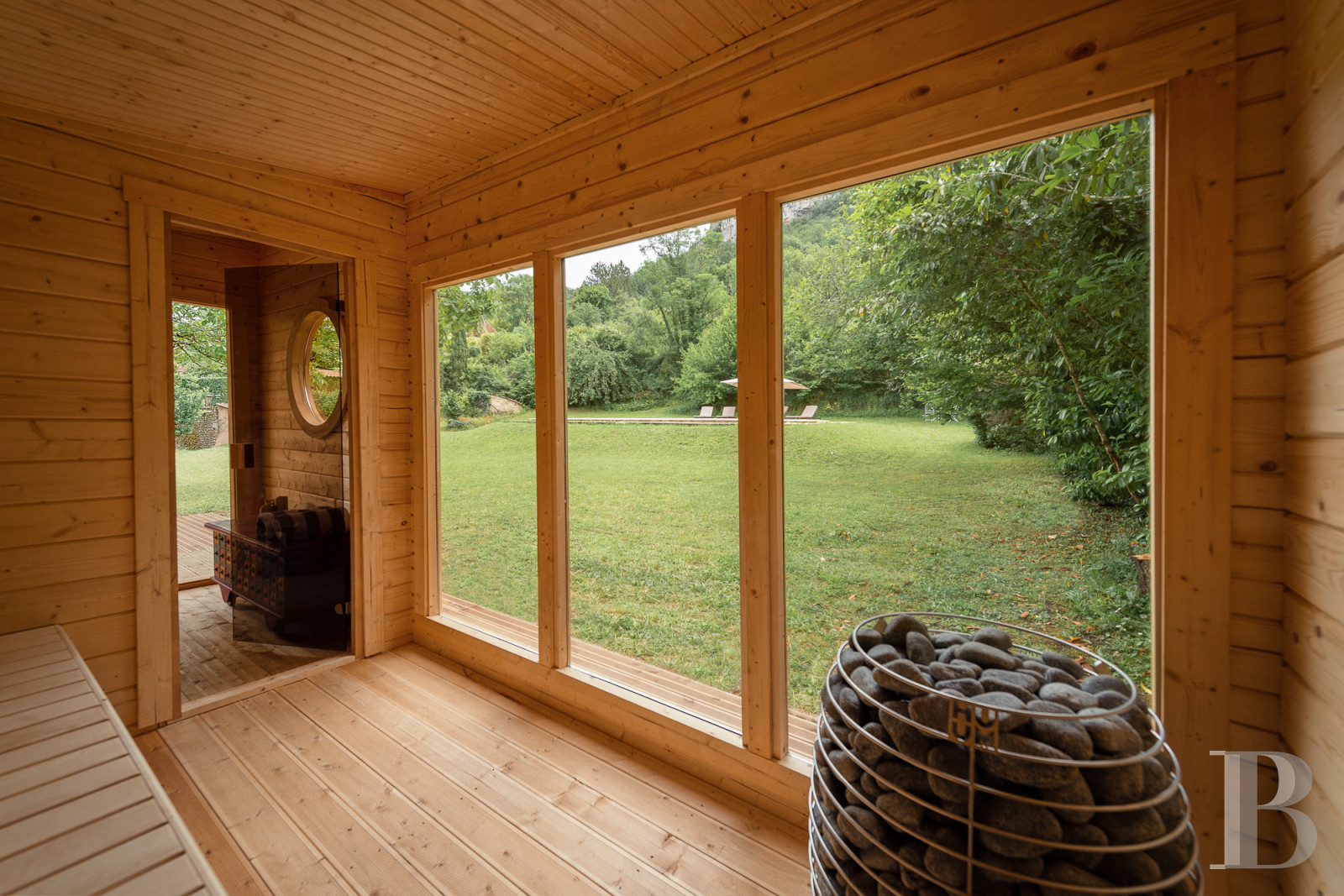
Situated in the heart of the Autoire cirque, which is listed as one of the Most Beautiful Villages of France, the property is set in a remarkable natural environment. Its overhanging gardens lead to a vast upper garden at the foot of the cliffs, where unspoilt flora and fauna thrive. The experience continues in a wellness area featuring a swimming pool fed by a natural spring, a panoramic sauna and a Nordic bath. The stay includes breakfast and private access to the spa, with the option of massages, shiatsu, yoga or do-in by appointment. Every guest can enjoy a guided tour tailored to their interest in the history and heritage of the area. Catering is provided by “L’Astre”, a gourmet restaurant housed in a neighbouring medieval house. Finally, the venue has a strong artistic focus, hosting exhibitions, contemporary artworks and artist residencies, and fostering encounters with artists and writers.
There are several restaurants well worth a visit. In Saint-Céré, “Le Philia” puts a new spin on local produce with influences from further afield, whilst “Le Puymule” embodies the spirit of a generous bistro. In Alvignac, “Le Voyage d’Ernestine”, which has been awarded a Bib Gourmand, serves cuisine inspired by flavours from around the world. "Au Fil de l’Eau" in Miers has a peaceful setting overlooking the pond. For a gourmet experience, "Les Trois Soleils de Montal" serves Michelin-starred cuisine. The area is a superb place for walking, and the Way of St James passes through it. From the manor house, a footpath leads to the Autoire waterfall, which is 30 metres high, nestled in the heart of a natural cirque of cliffs, and then on to the cave dwellings of the Château des Anglais, which offer sweeping views over the village and the valley.
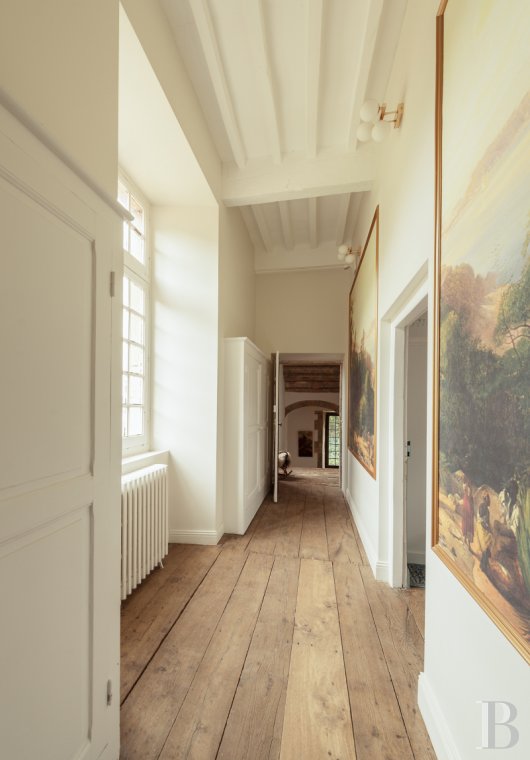
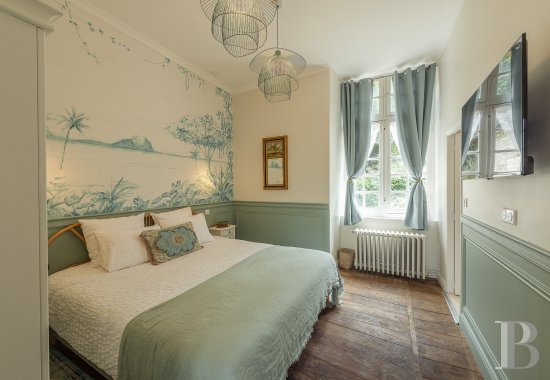
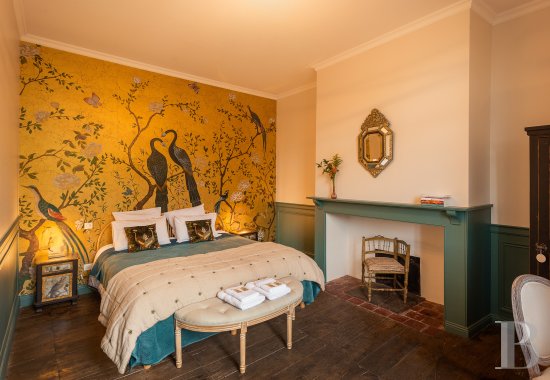
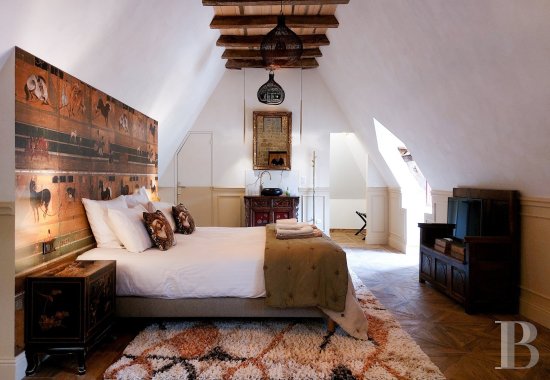
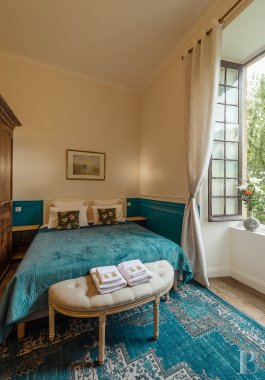
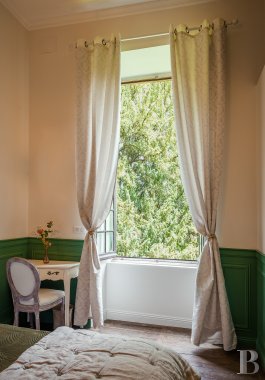
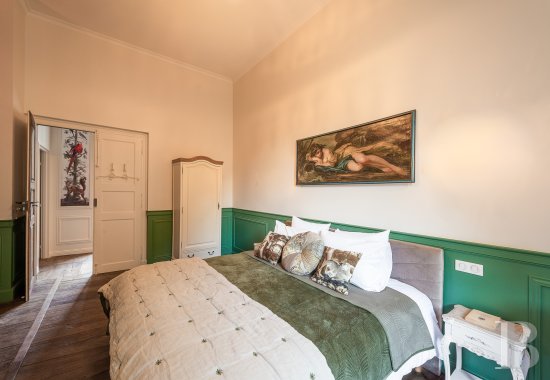
The manor house offers a filming location comprising 600 m2 of fitted-out interior spaces and five hectares of outdoor grounds and hanging gardens. Teams can be accommodated on site in the manor house’s six guest rooms.
ref 501844
As part of the exhibitions, art workshops – including modelling and paper-making – are on offer for both children and adults.
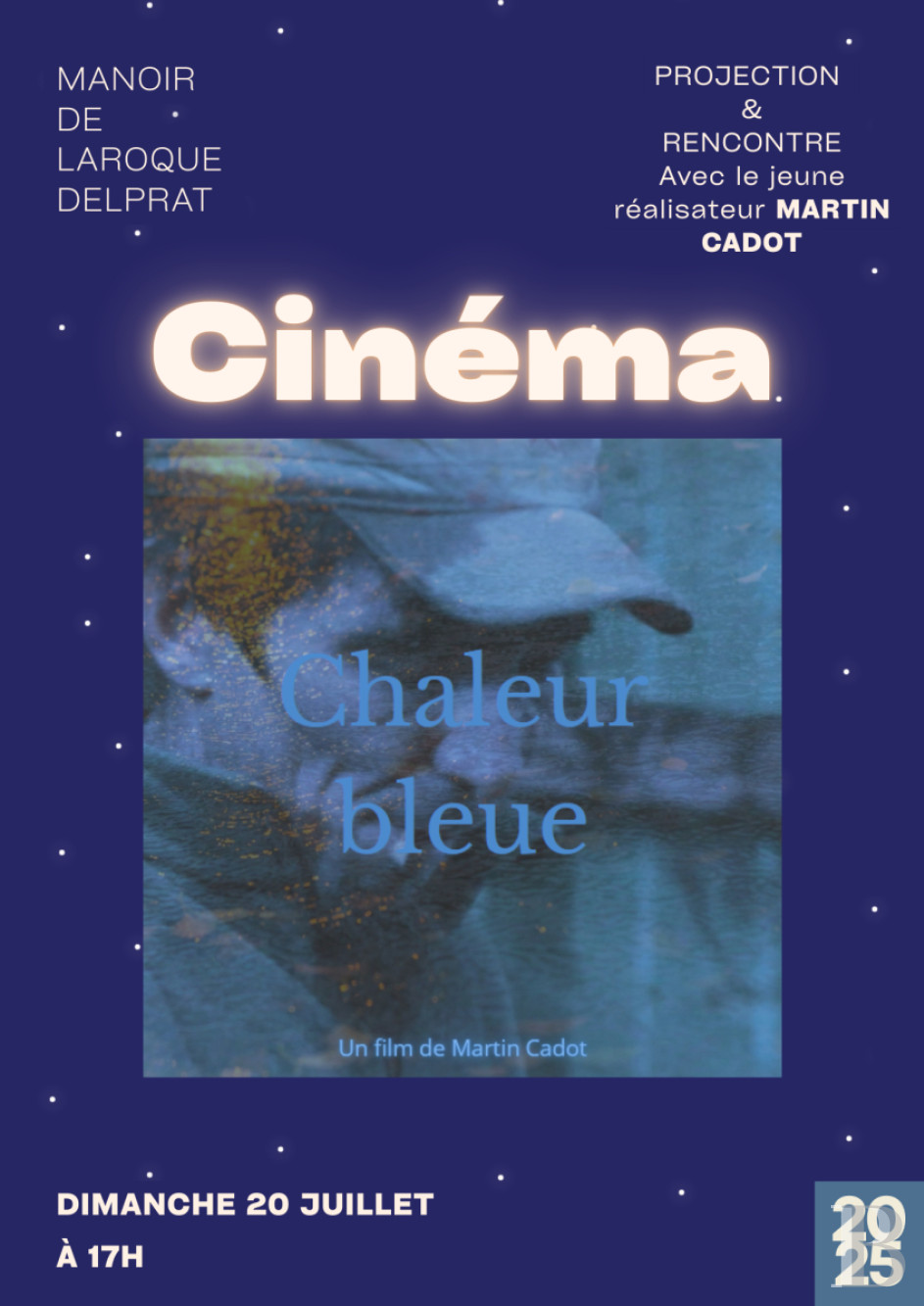
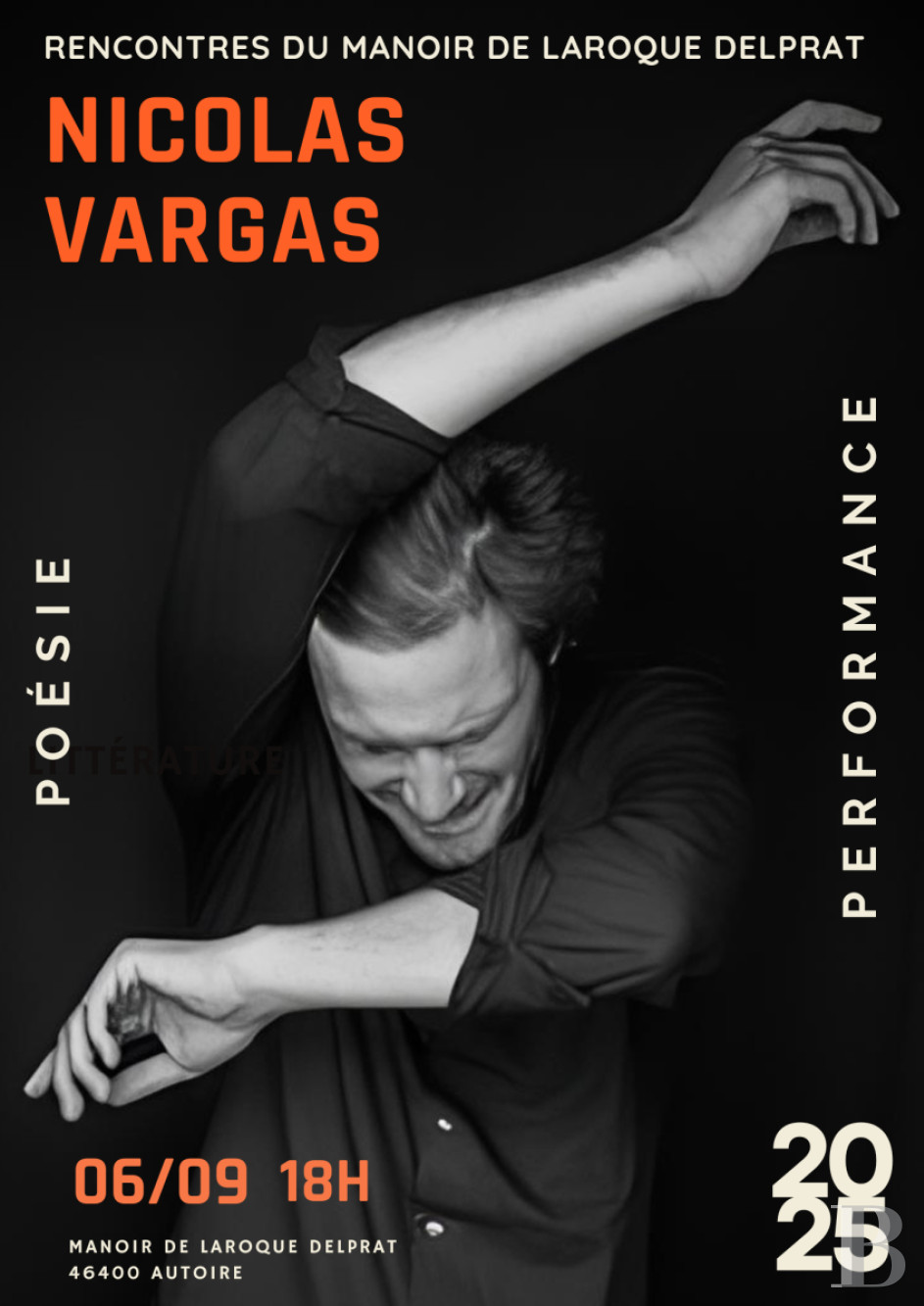
The manor house regularly hosts intimate cultural evenings where literature, poetry and music come together. Authors, poets and artists take part in readings, discussions and acoustic concerts drawing on a variety of influences. These special events often continue with informal get-togethers in the lounges or gardens, encouraging interaction between artists and visitors.
The manor house’s ancient walls and limestone strata provide the setting for exhibitions of contemporary art (sculpture, visual arts, installations).
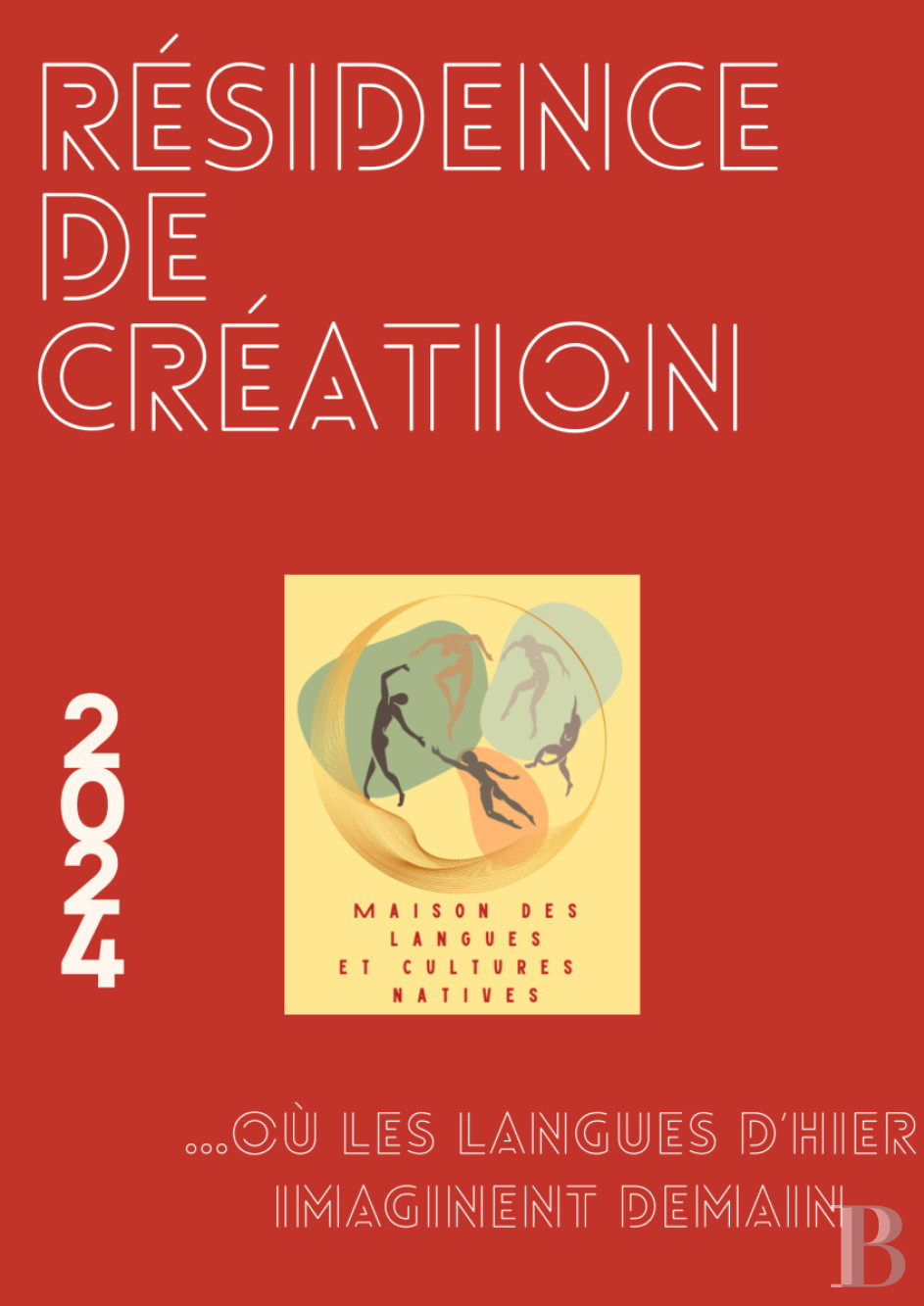
The Maison des Langues et Cultures Natives has transformed the manor house into a place dedicated to creativity and the passing on of knowledge. Throughout the year, authors, poets and translators are invited to take up residencies there. This unique project works to preserve and promote minority, regional and indigenous languages, whilst encouraging the emergence of new literary works.
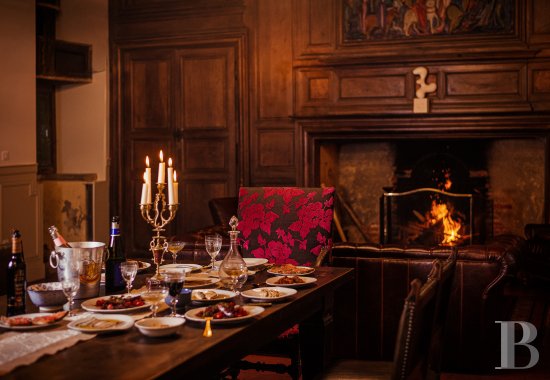
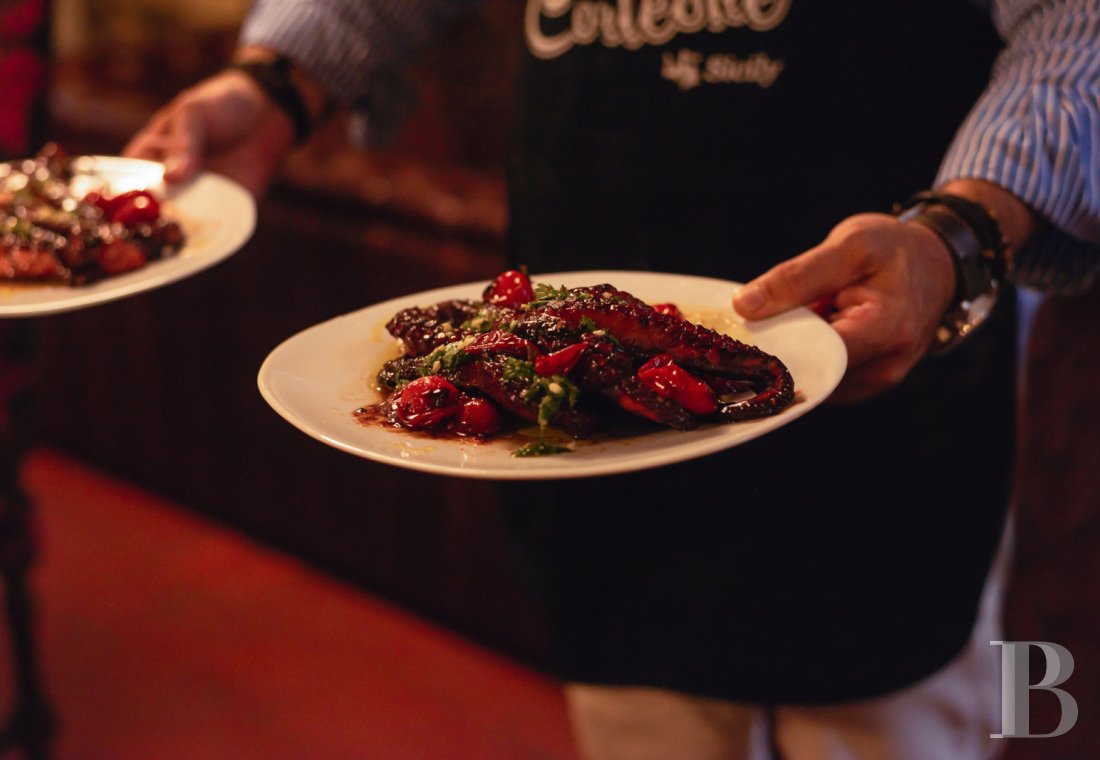
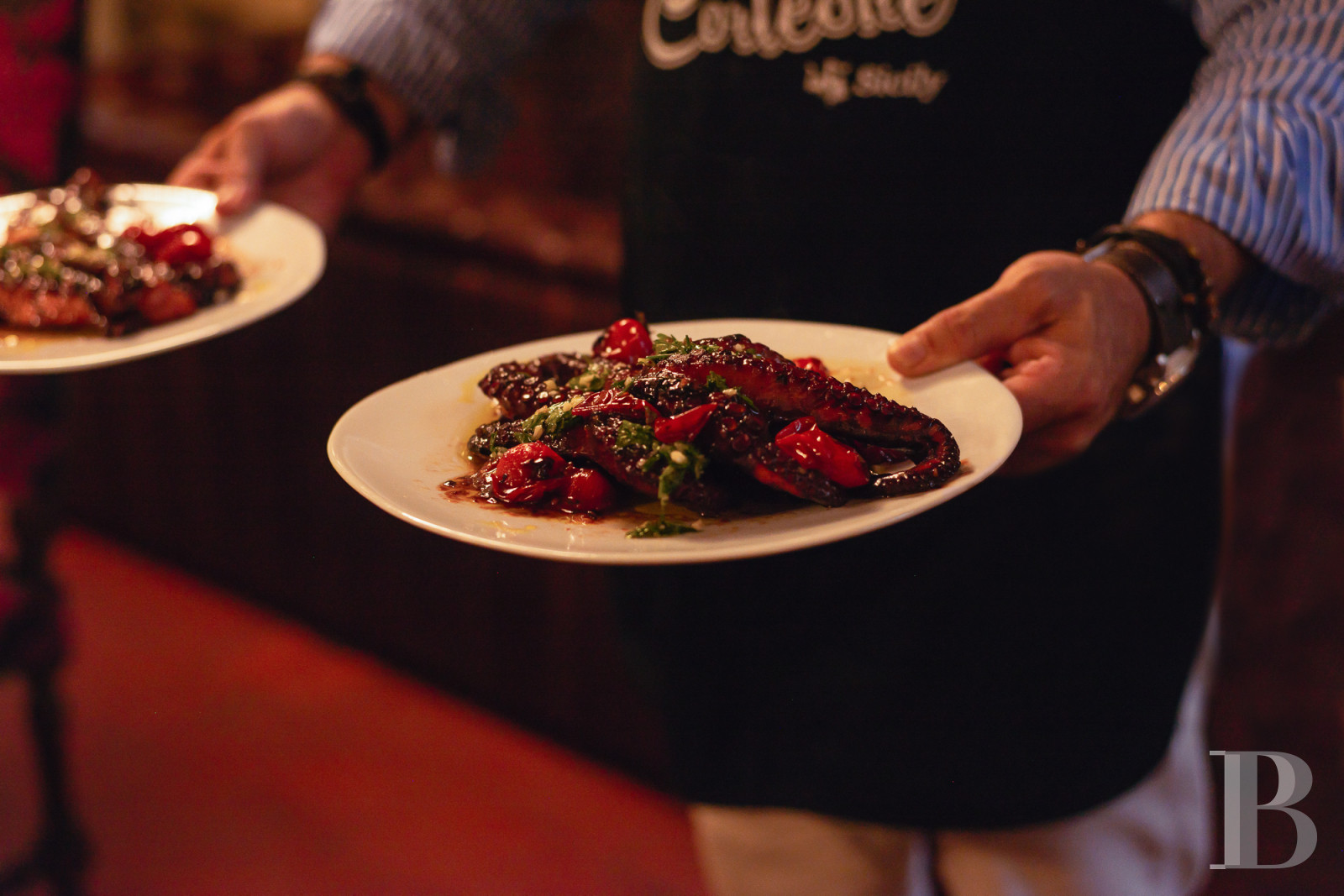
L’Astre, a fine-dining restaurant associated with the manor house, is housed in a medieval building situated across the street.
A link to enter a new password has been sent to you by email.
By continuing your navigation, you accept the use of cookies to offer you services and offers adapted to your centers of interest and to measure the frequentation of our services. Learn more