
Add to favorites
Log in to your personal space
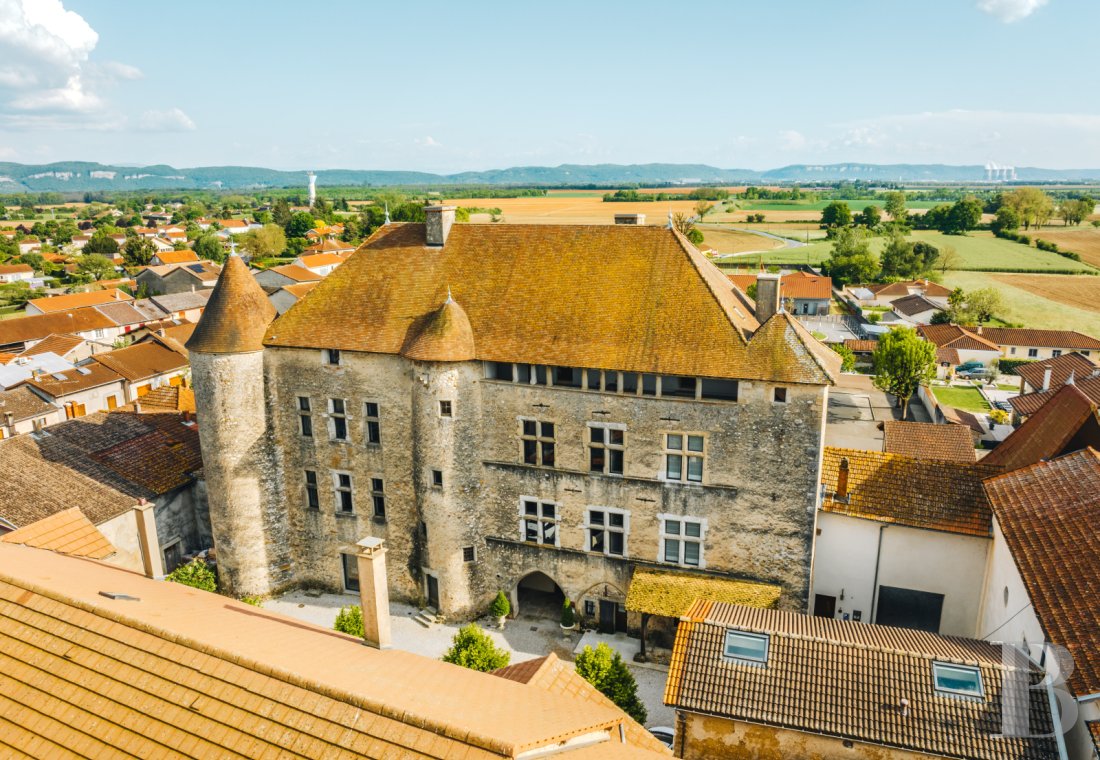
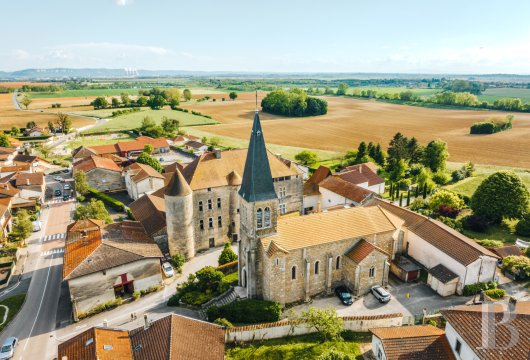
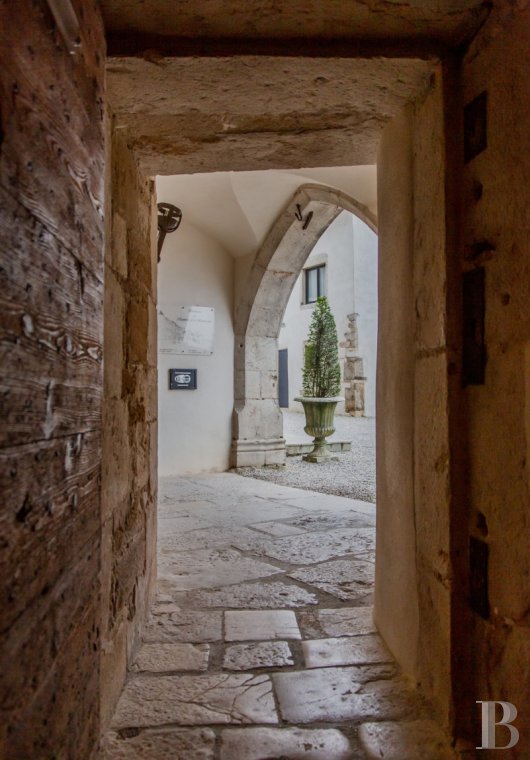
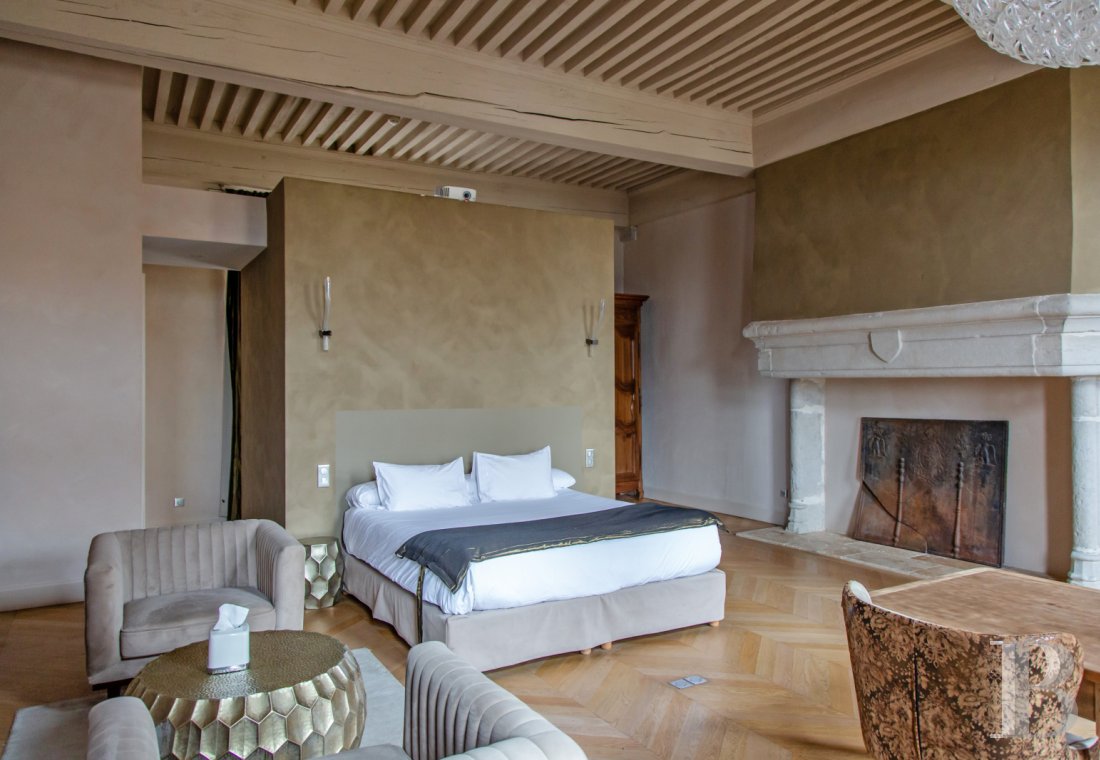
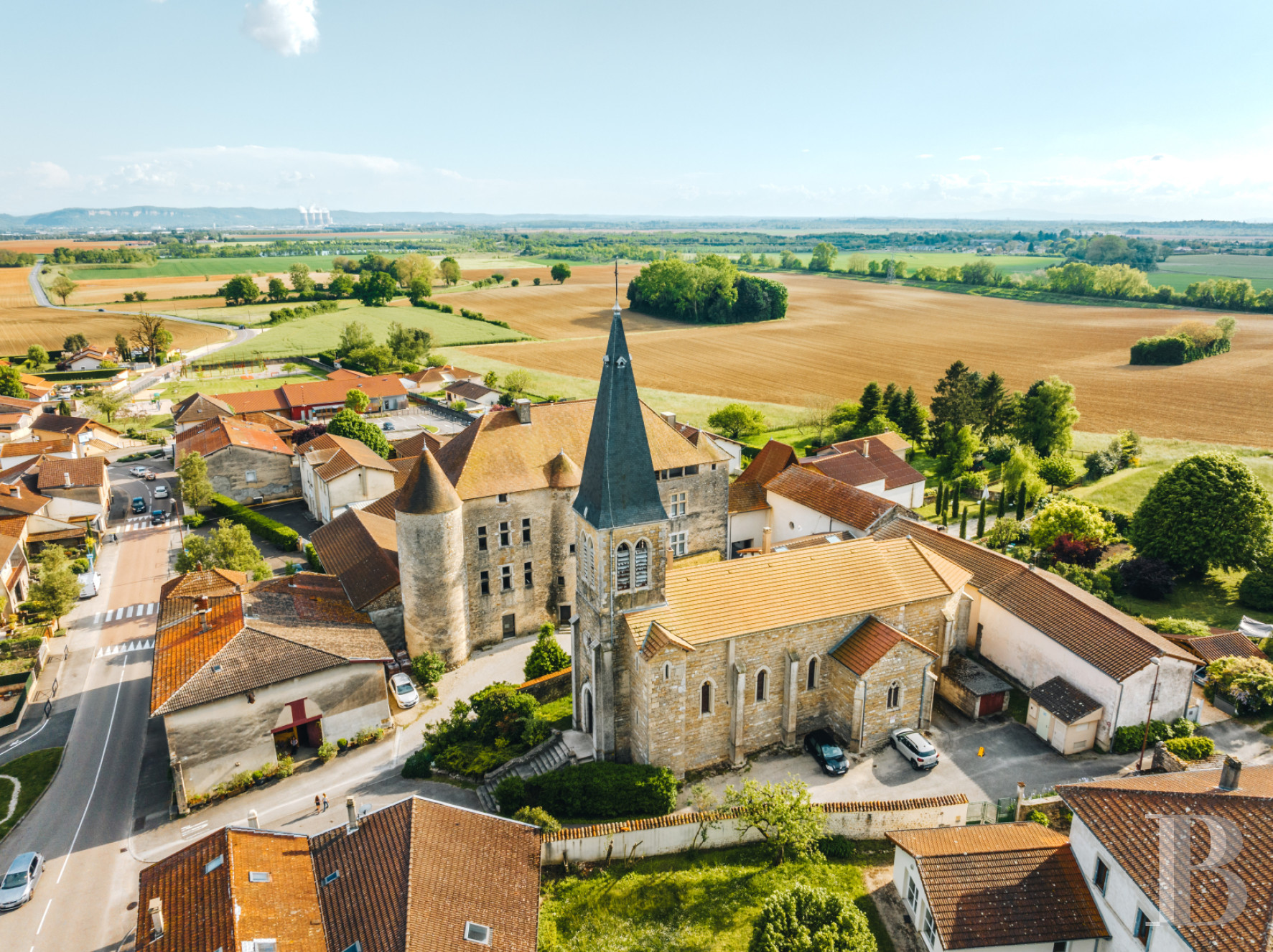
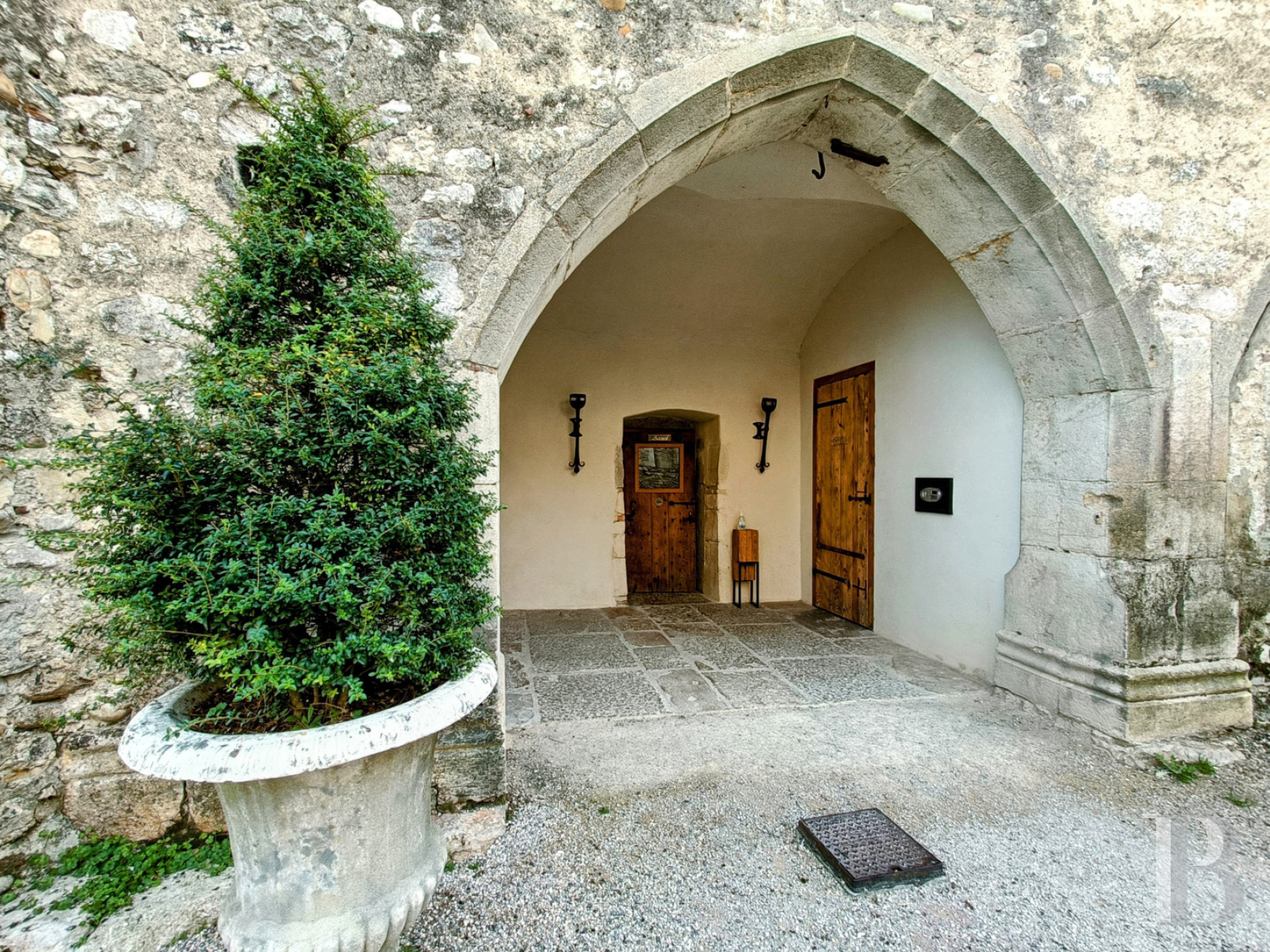
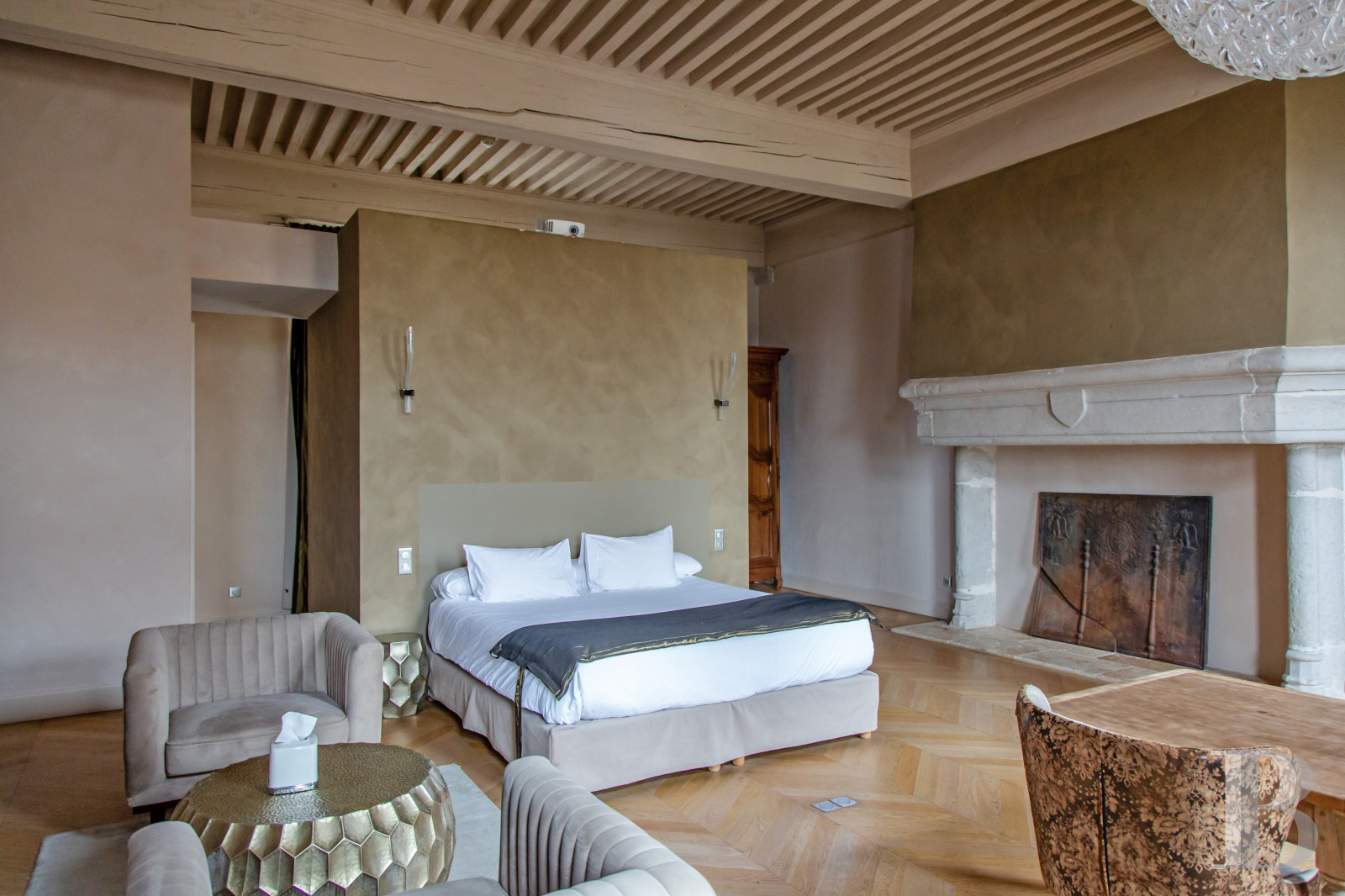
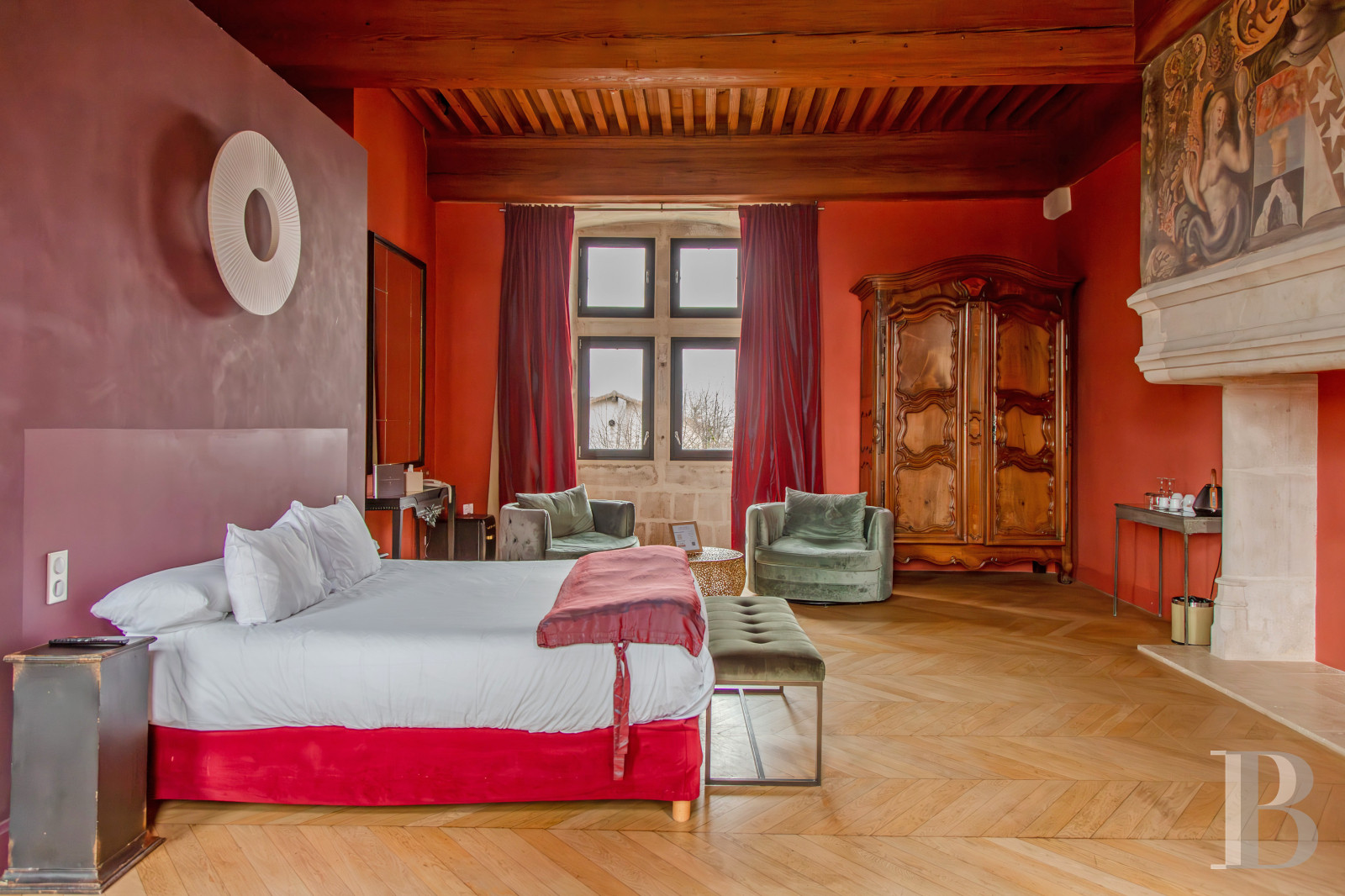
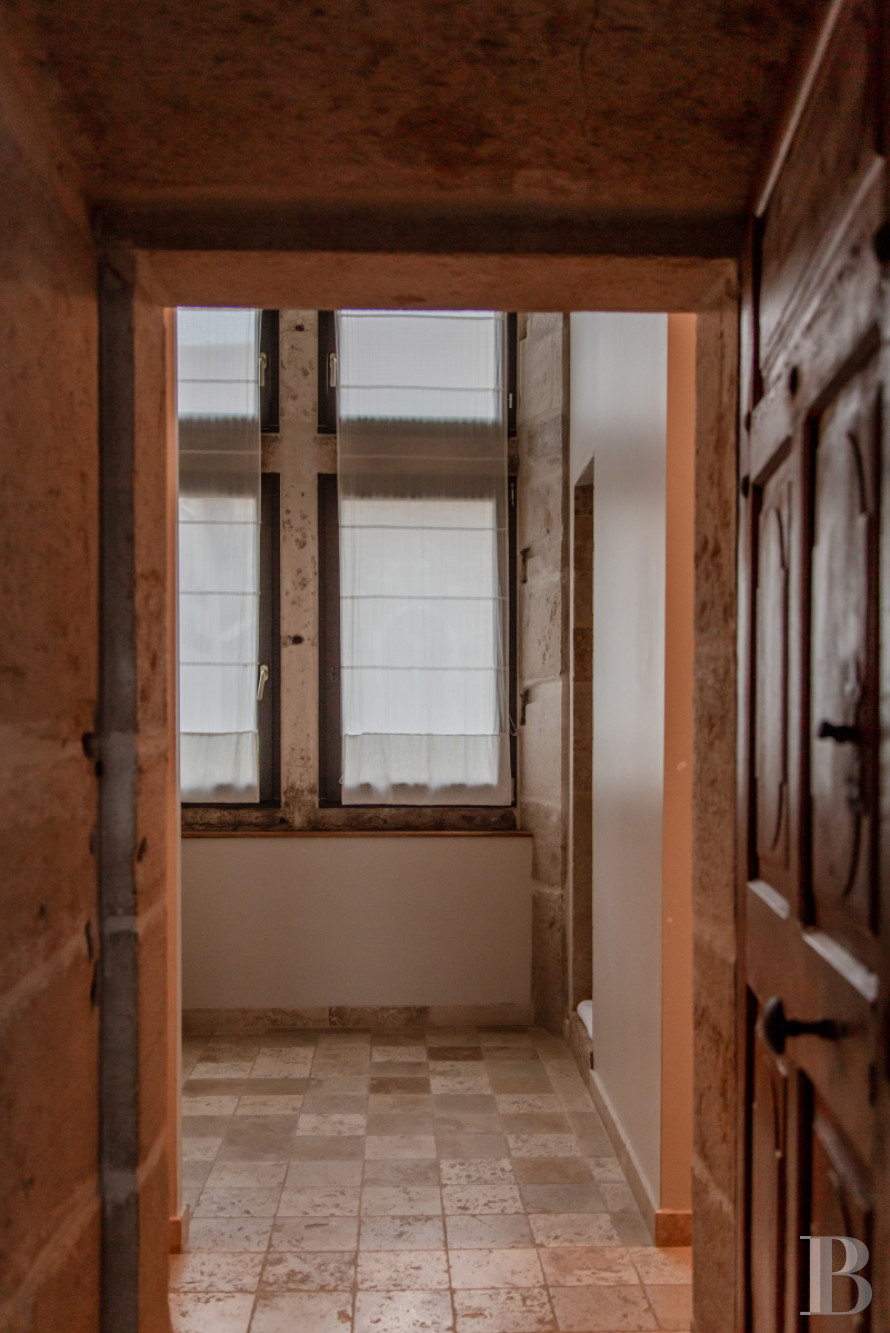
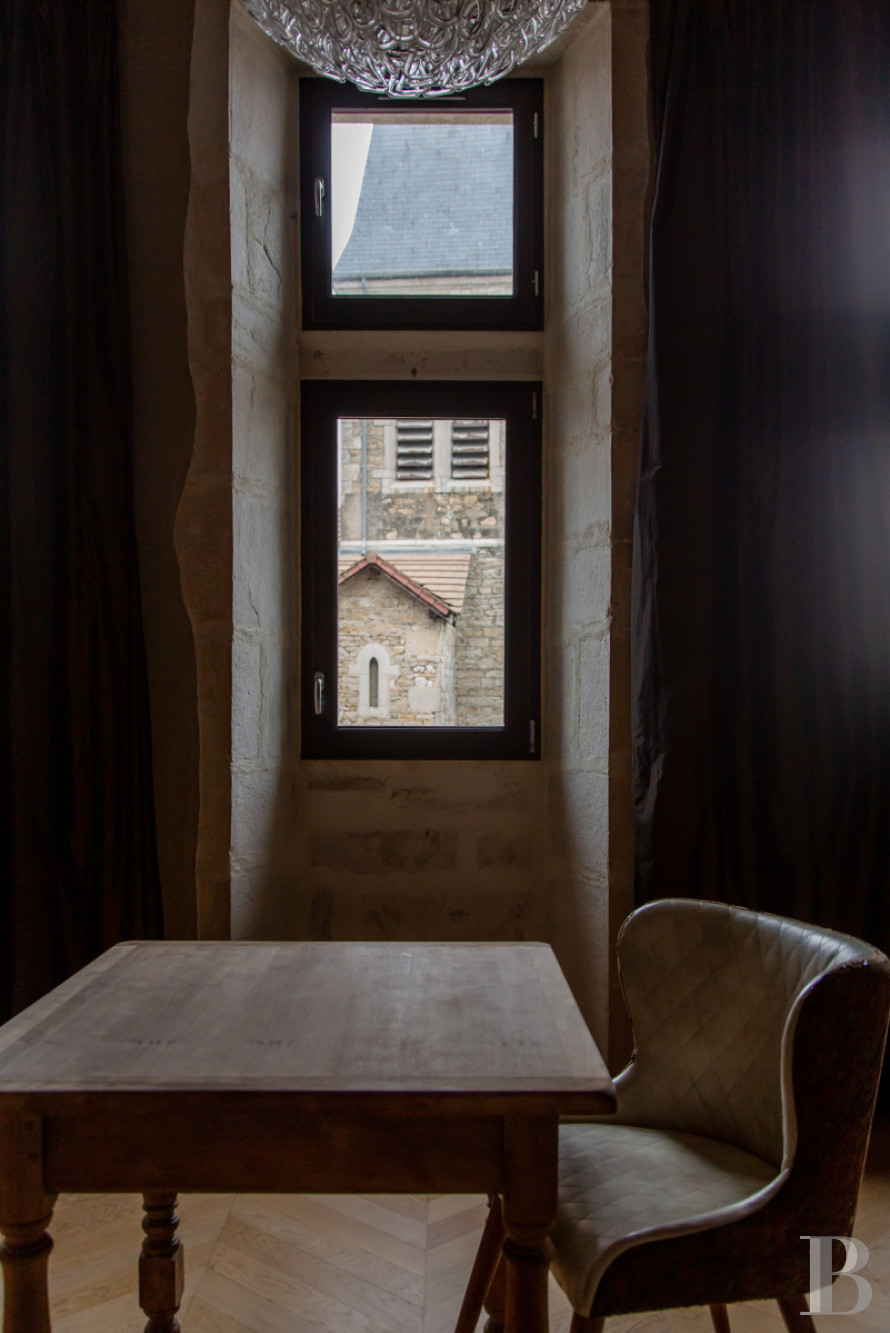
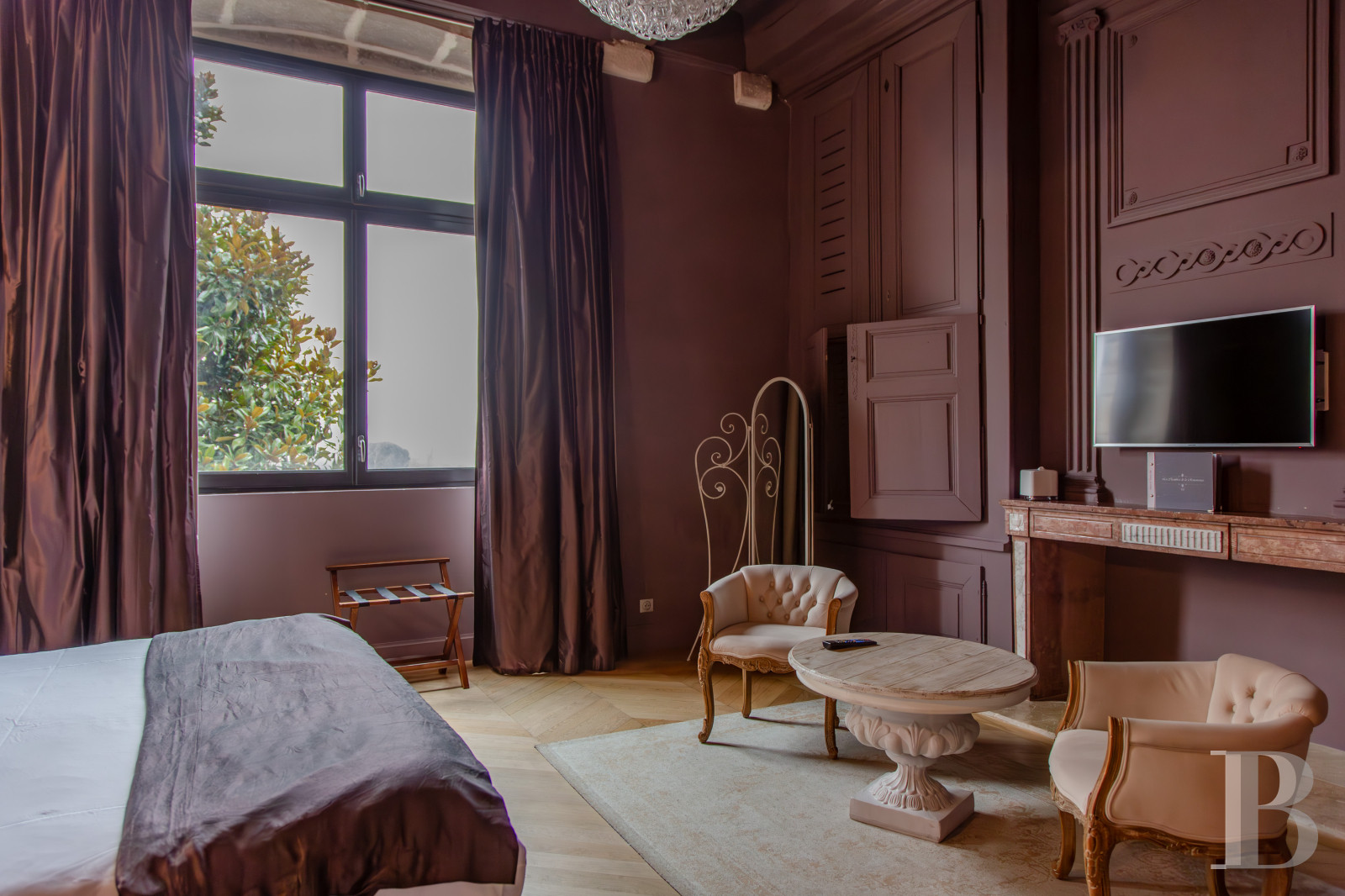
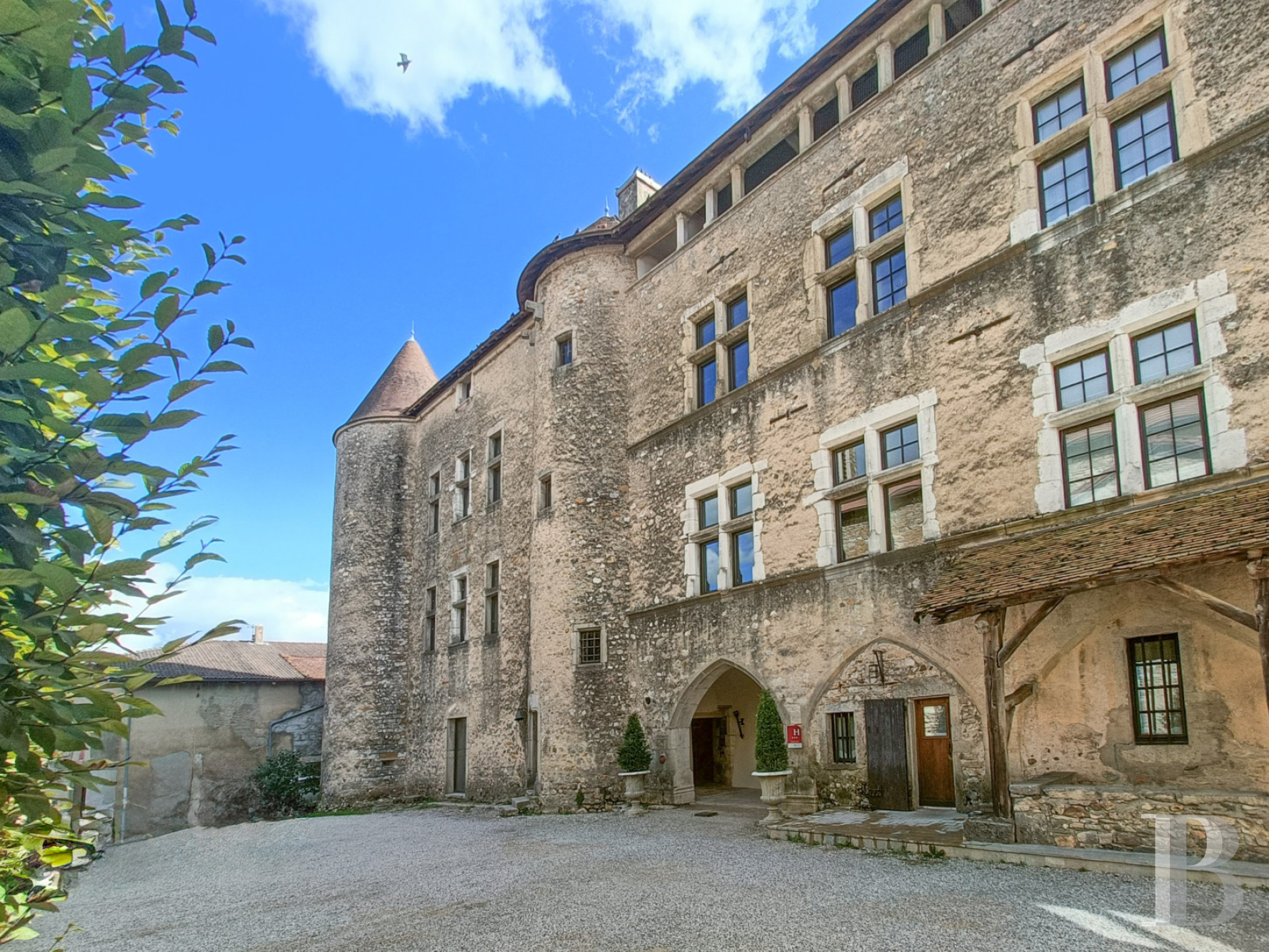
Alongside the church, dominating the village and the surrounding plains with its tall Renaissance stature, the Château de Sainte-Julie is well-hidden. A little stern underneath its still defensive-looking exterior, it offers the pleasant surprise of large spaces brightened up with vivid colours and contemporary furniture. Naturally, the authentic features have been preserved, creating a harmonious blend between different eras. Less than an hour from Lyon or Bourg-en-Bresse, Sainte-Julie is an ideal base from which to explore the Bugey and Dombes regions, which are often little-known but have a rich and varied architectural and natural heritage.
I moved to the region as part of a personal and professional change. Once I arrived, I was invited to visit the château and, from the very first time I saw it, I fell in love with the architecture and the special atmosphere of the buildings. It wasn't simply a rational or strategic choice, it was a powerful encounter with a place that appealed to me and where I felt I belonged and could settle down for good.
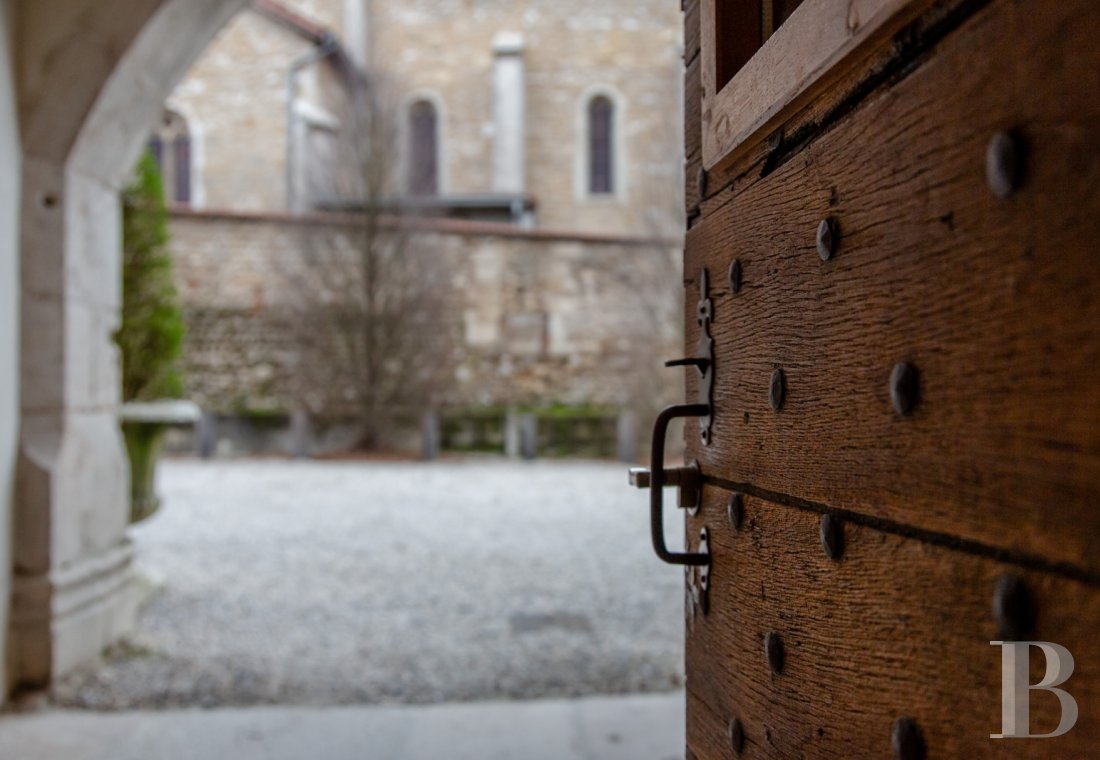
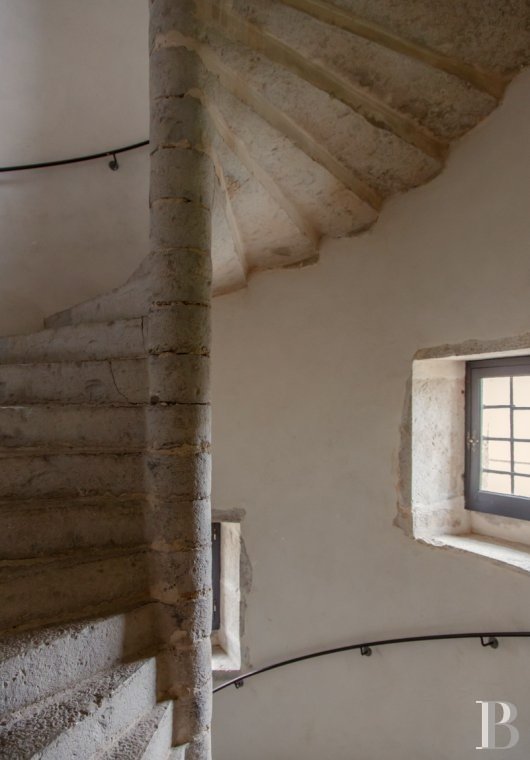
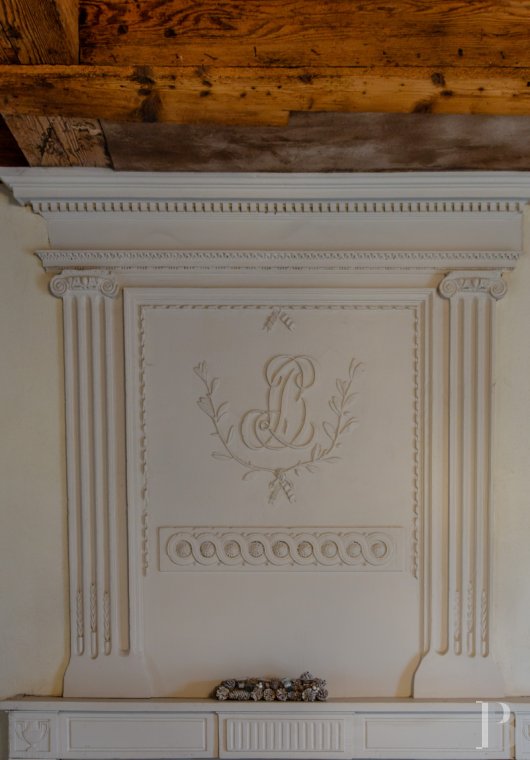
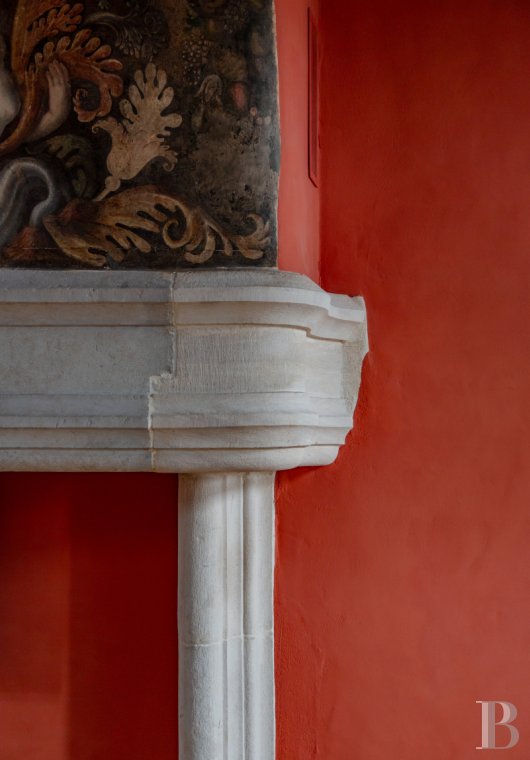
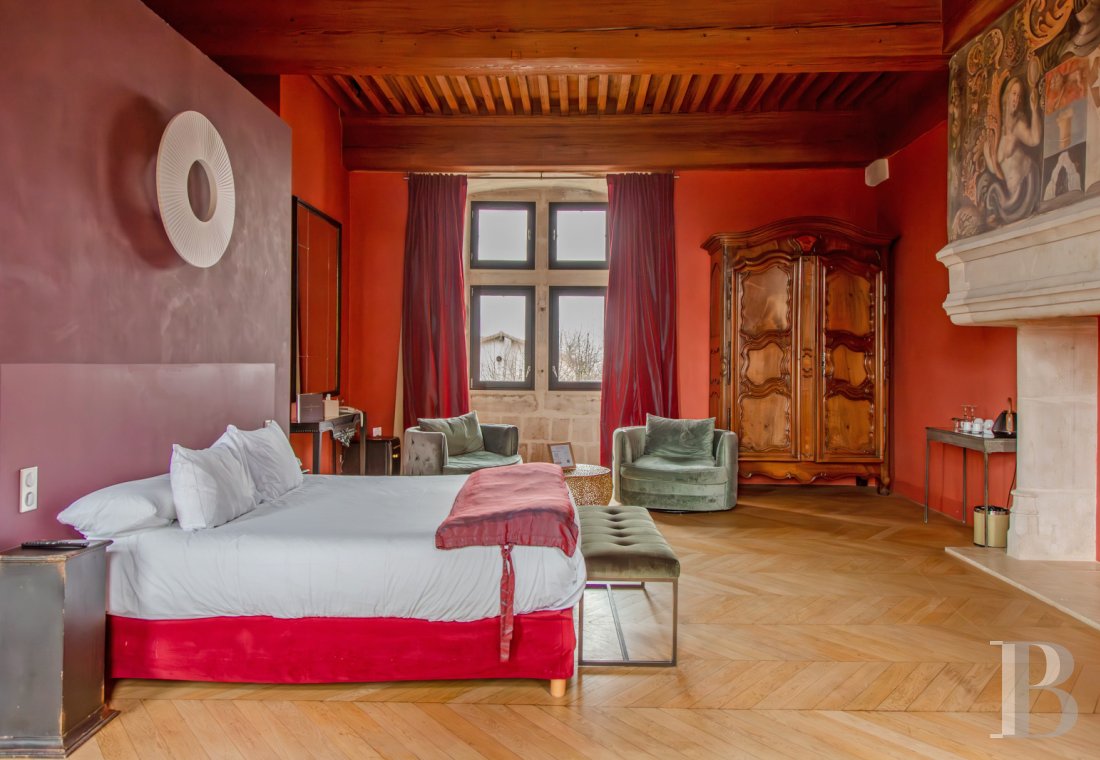
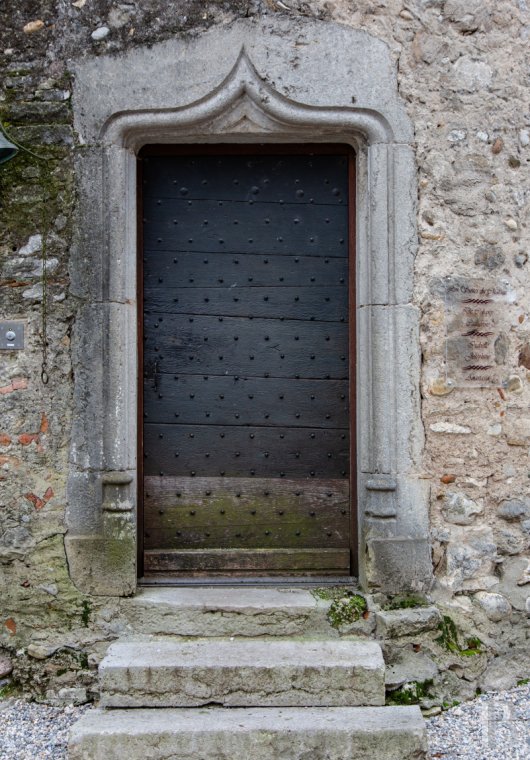
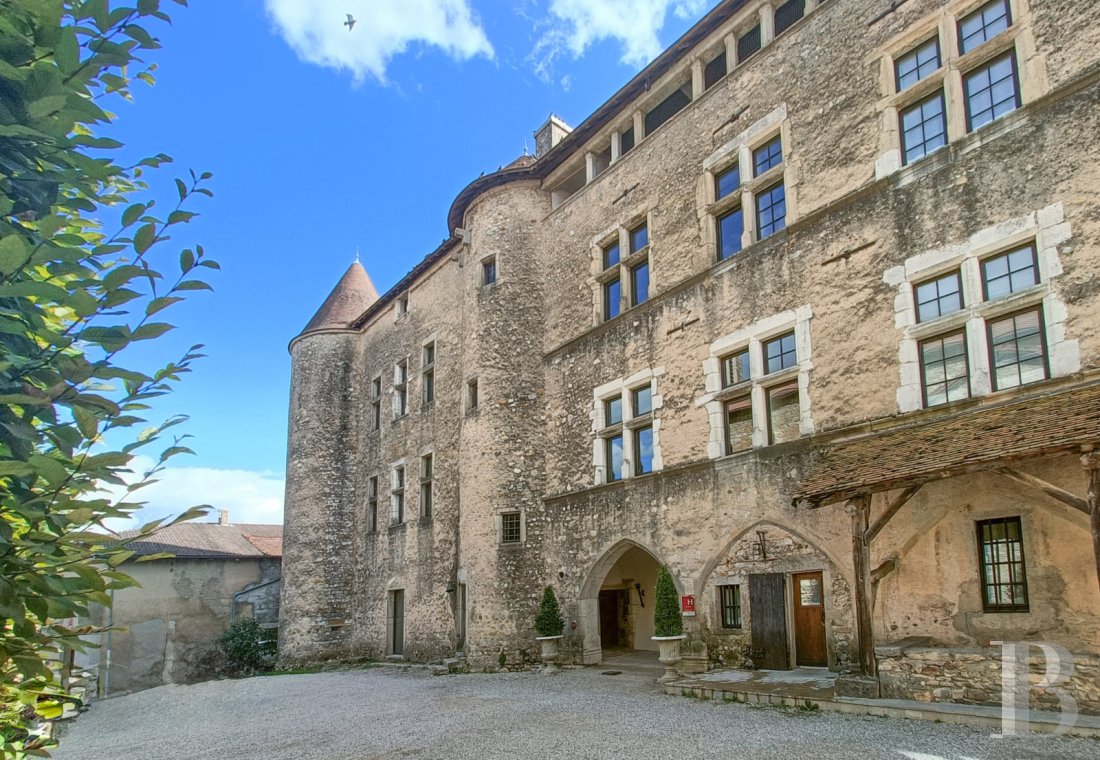
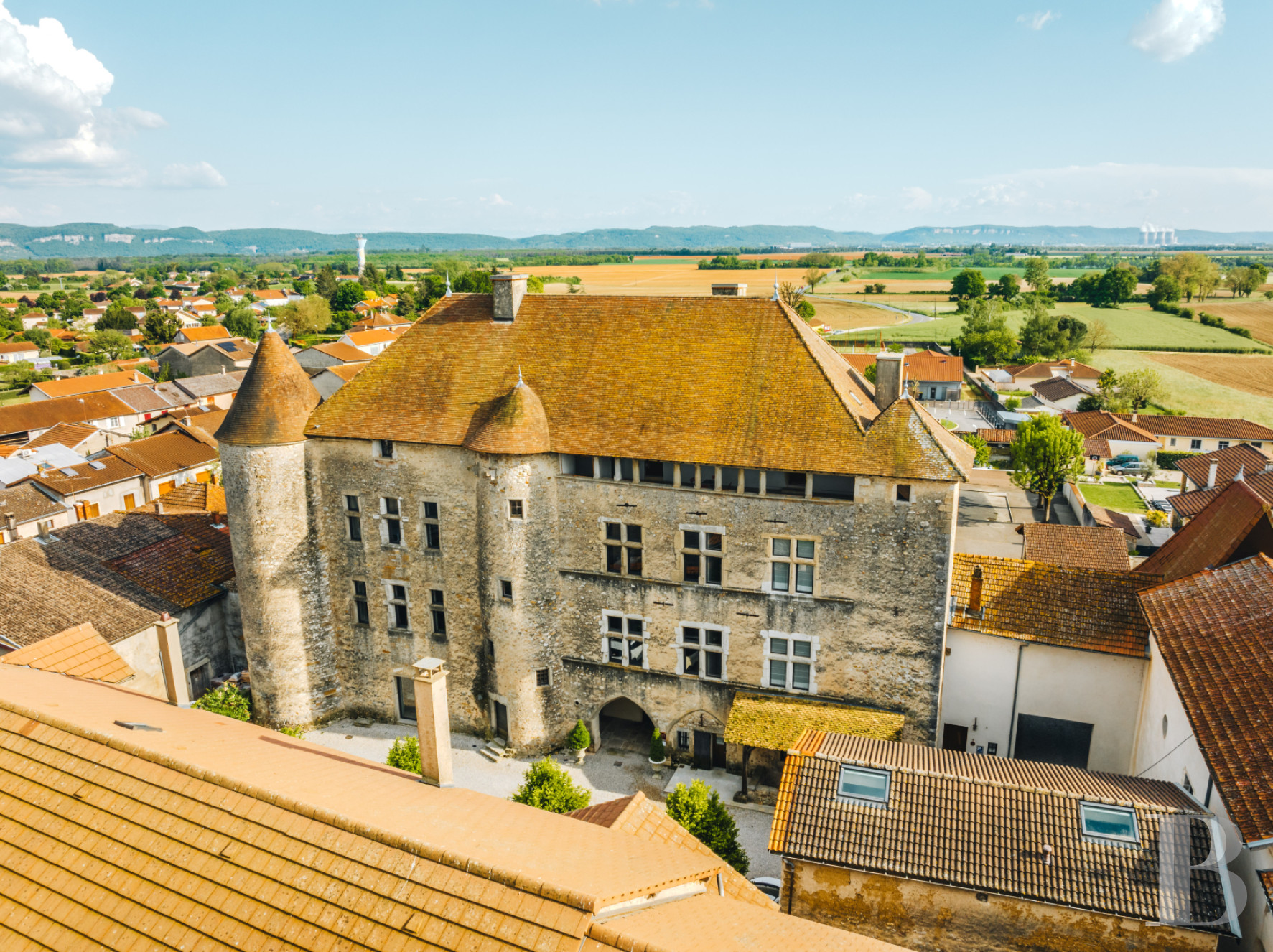
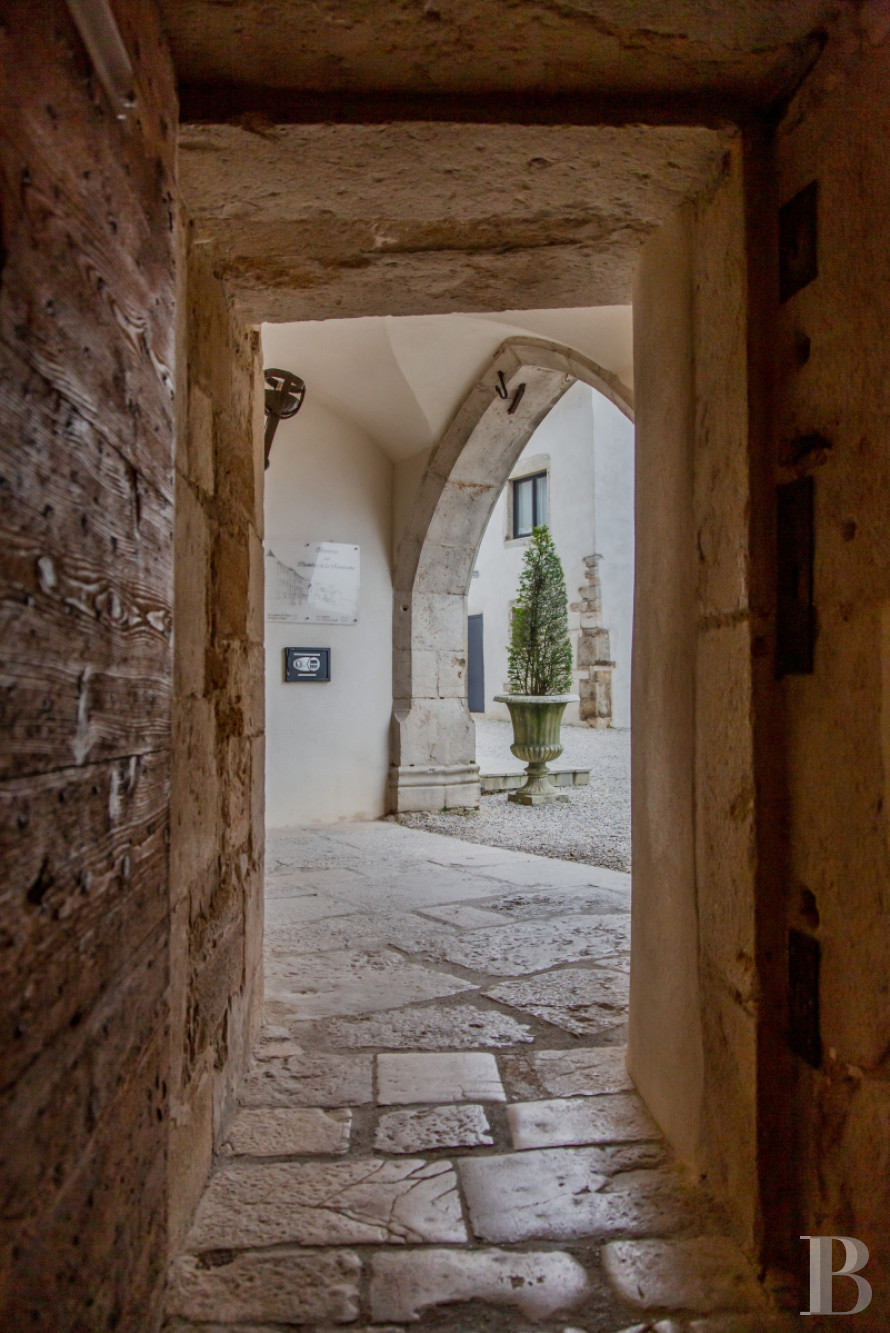
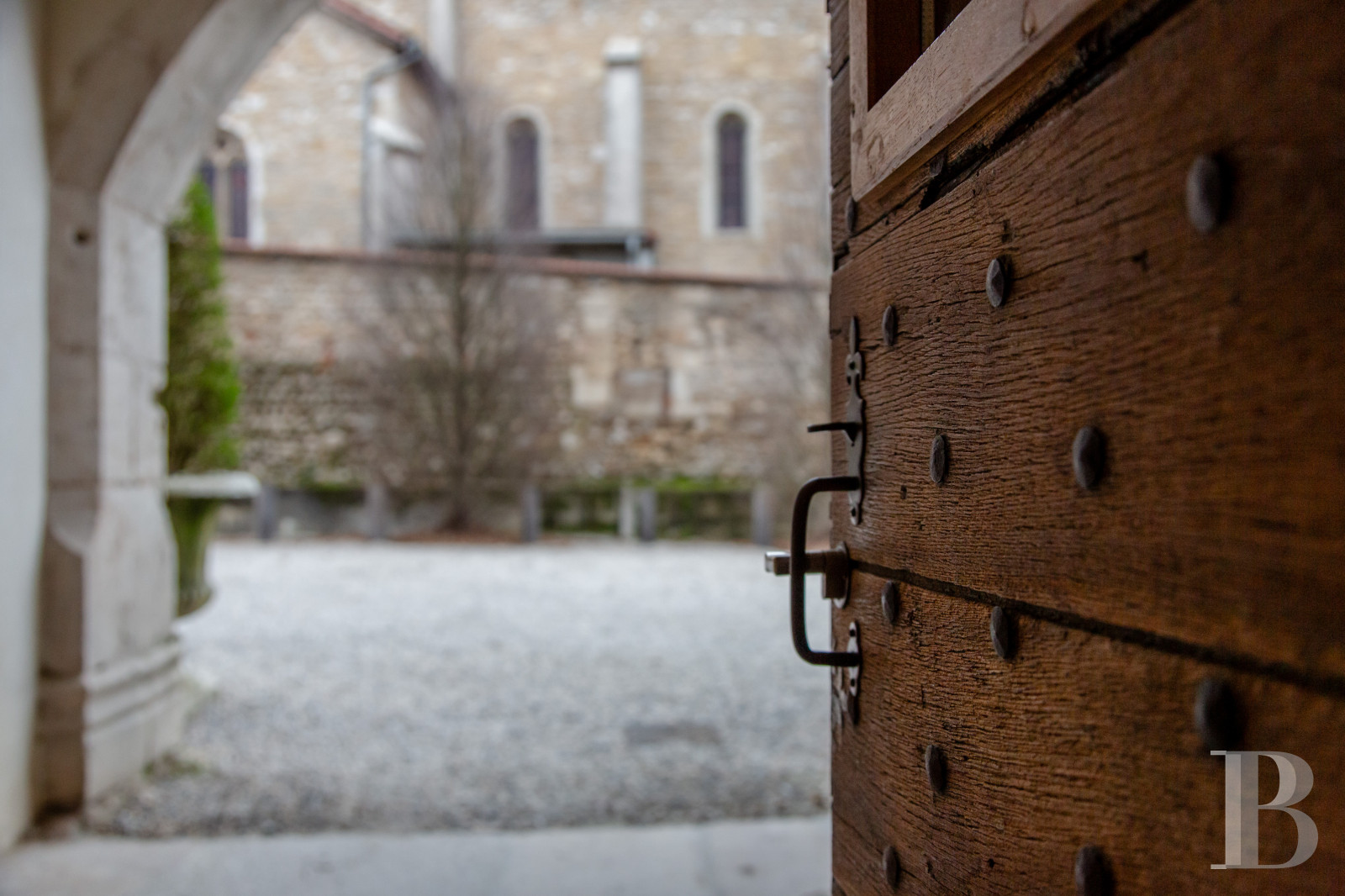
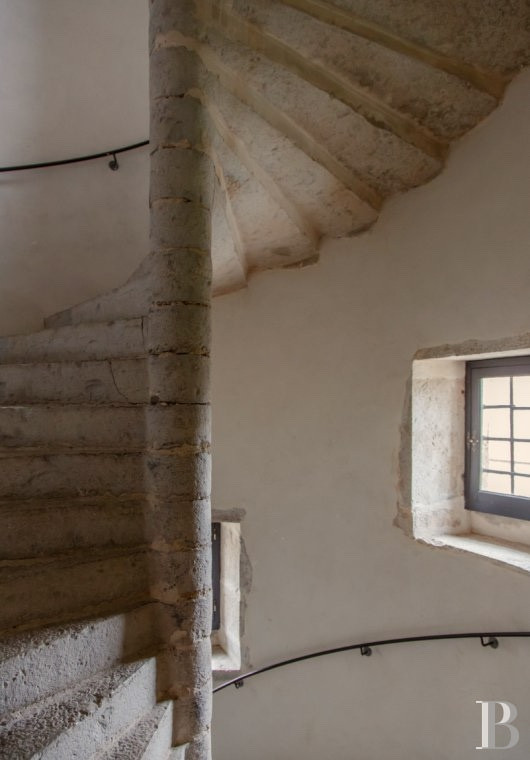
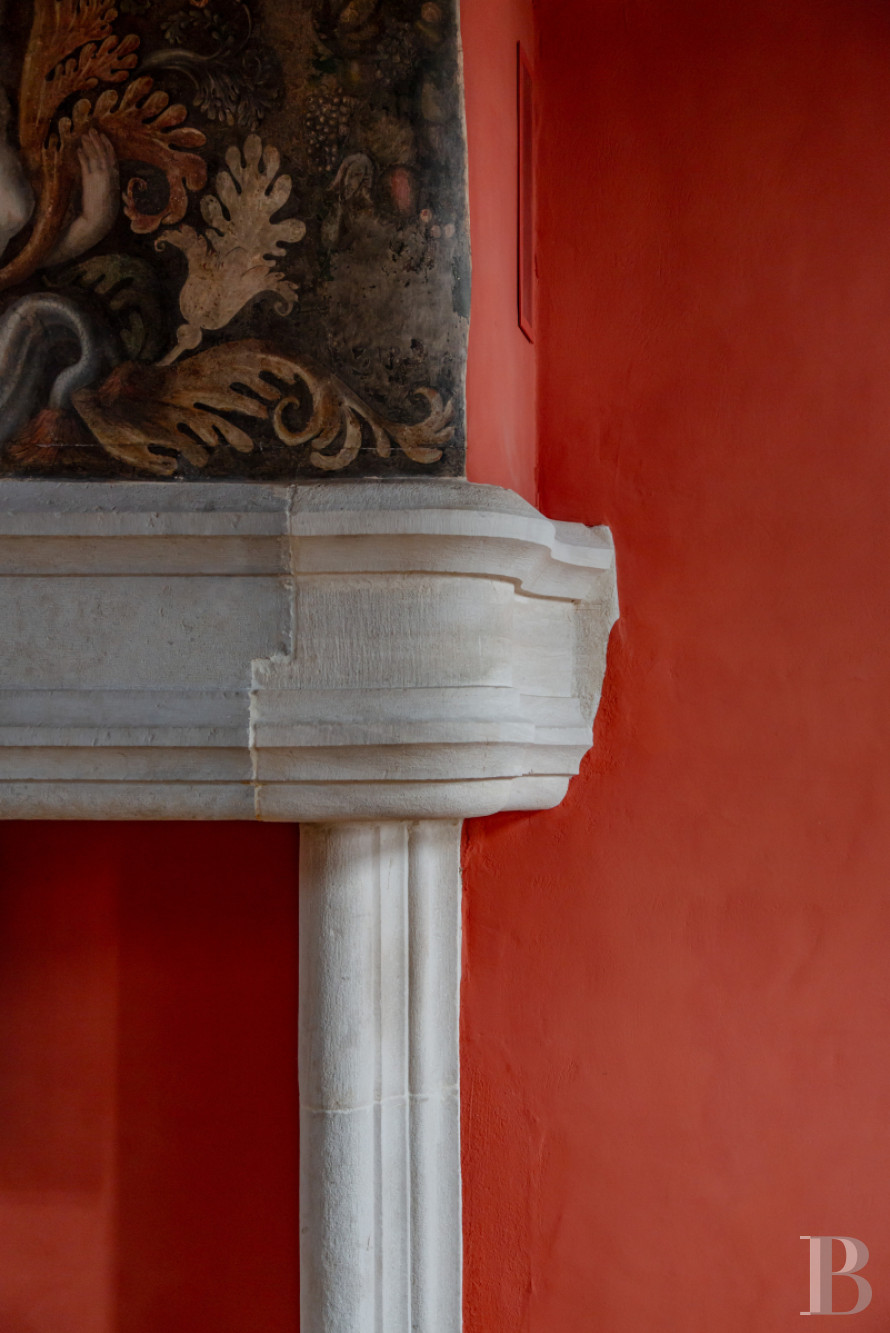
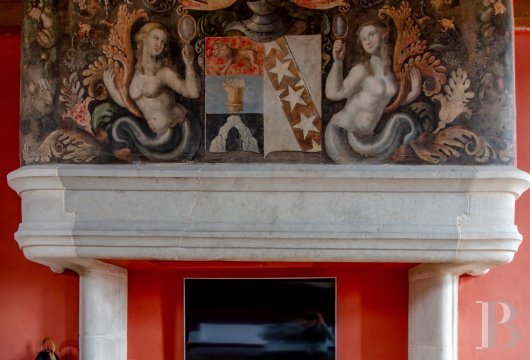
The main building, which was originally a fortified house, is 980 m², rectangular in shape and three storeys high, is topped with a French-style dark slate roof dotted with ornate dormer windows. Circular towers, topped with conical tiled roofs typical of French seigneurial architecture, frame a parapet walk. The complex runs around a courtyard bordered by fine lines of trees and a stone perimeter wall. In the immediate vicinity there are a courtyard and outbuildings, once used as farm buildings. The ensemble is distinguished by its Renaissance style, acquired in particular through the transformation of the medieval house and the addition of mullioned windows over the centuries. The enclosed parkland, covering some 3,000 m², stretches out behind the château, alternating between formal gardens and copses of trees. Inside, the heraldic fresco painted on the mantel of the large fireplace illustrates the union of two prestigious lineages in the 17th century. The Balme family coat of arms intersects with that of the Trocu family.
A fortified house was built by the Lords of Coligny at the end of the 12th century. In 1585, the medieval house evolved into a Renaissance-style residence. In 1680, the château became the property of André Balme, the King's secretary, whose family retained ownership until the French Revolution. In the 19th century, it became private property once again and then a textile workshop, before being divided up at a sale in 1854. In 1953, it housed an antiques shop. We acquired the château in 2014 and then embarked on an extensive restoration campaign to transform it into a holiday destination. The château has been listed as a Historic Monument since 1984.
We offer our guests an immersive experience in a castle with centuries of history. We offer a warm and friendly family welcome, so that everyone can feel "at home". Situated right in the centre of a village with just 1 050 inhabitants, the peaceful surroundings are a major asset for those looking for peace and quiet and authenticity away from the big cities. We offer a catering service exclusively for our guests (breakfast and dinner) in a relaxed atmosphere. A specialist massage therapist is available at the château on request.
The mountainous Bugey region, with its limestone cliffs, caves, gorges, rivers and waterfalls, is ideal for sporting activities. The Dombes reveals its ecosystem, its biodiversity, its 1,300 ponds, its famous Bird Park with its many species, its medieval towns and its Ars basilica. The medieval town of Châtillon-sur-Chalaronne is listed as one of the "Most Beautiful Detours in France". In Poncin, a picturesque medieval village on the banks of the River Ain, "L'AinTimiste", awarded one star in the Michelin Guide, serves creative, instinctive cuisine. In Pérouges, the "Auberge du Coq" offers local, homemade cuisine with generous dishes inspired by the land.
98 € - 195 € / night
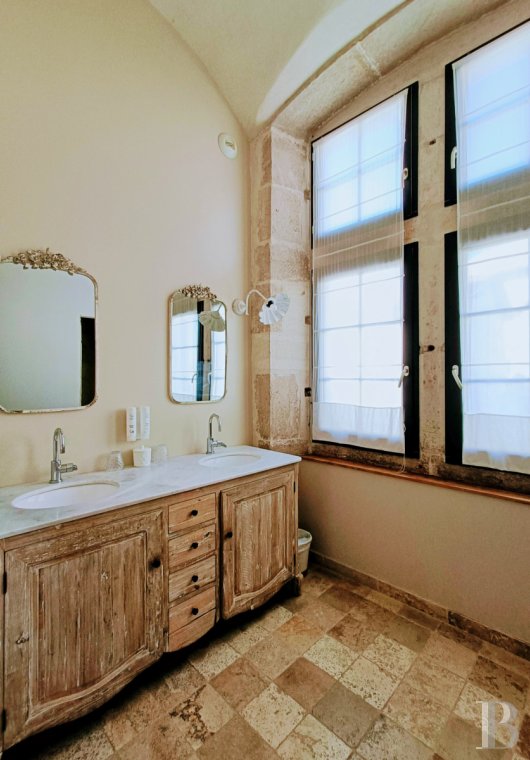
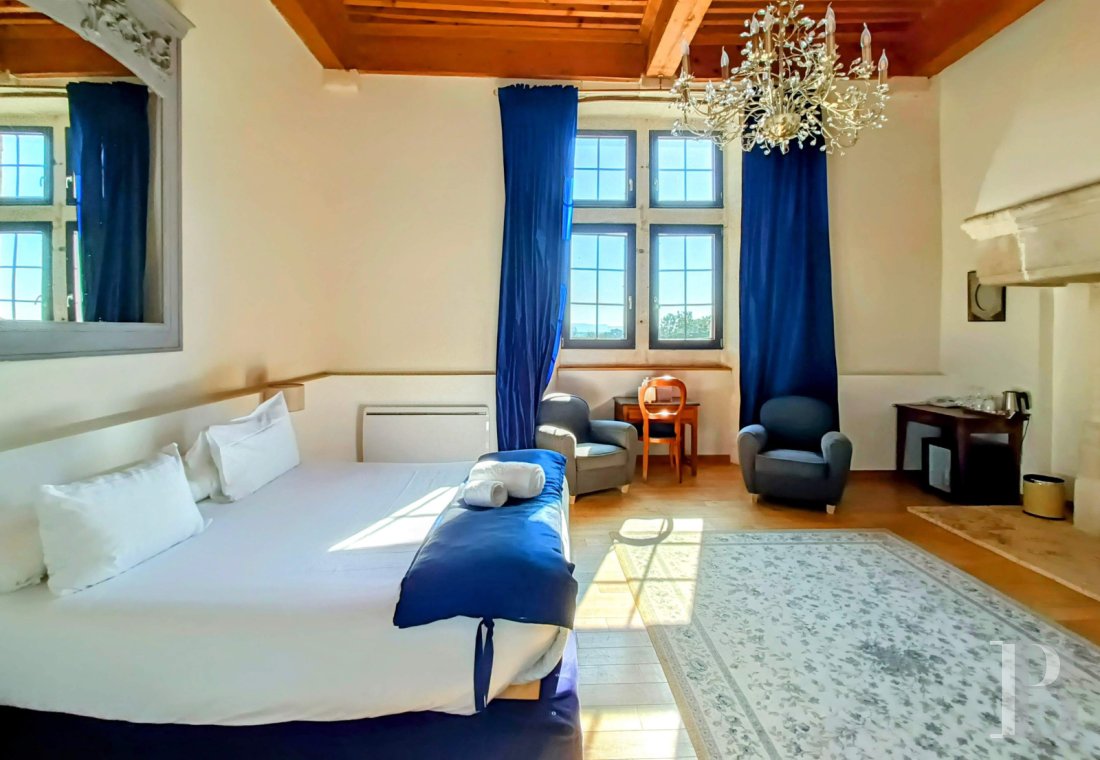
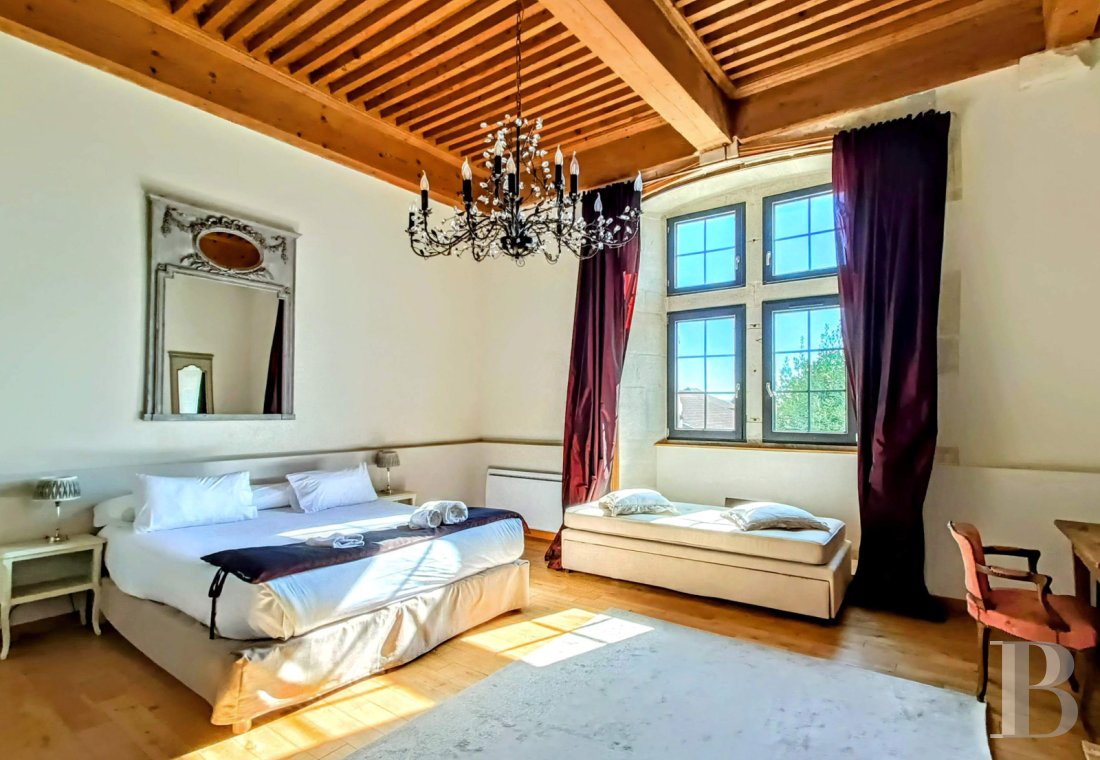
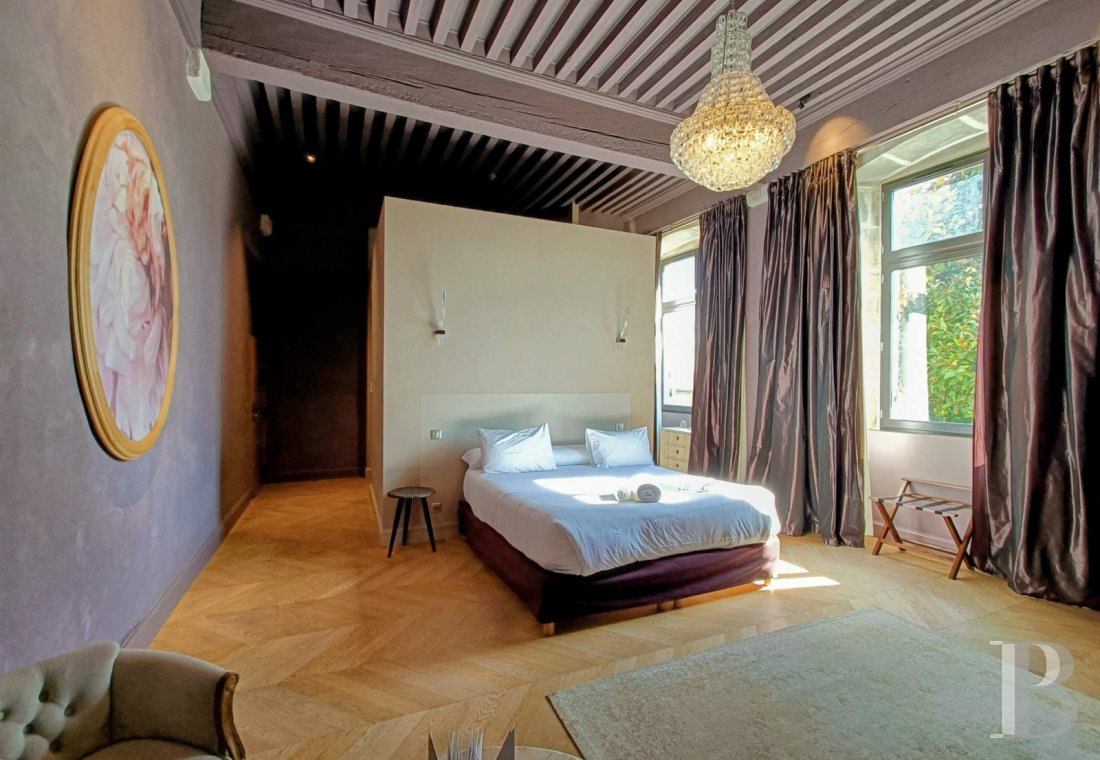
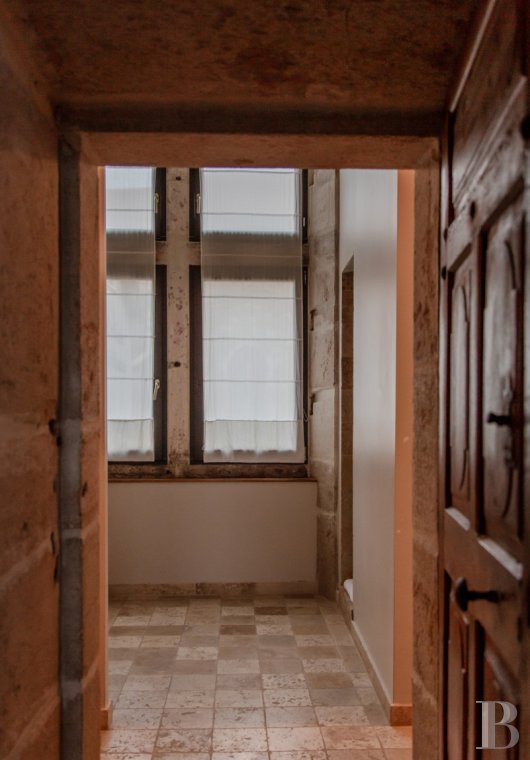
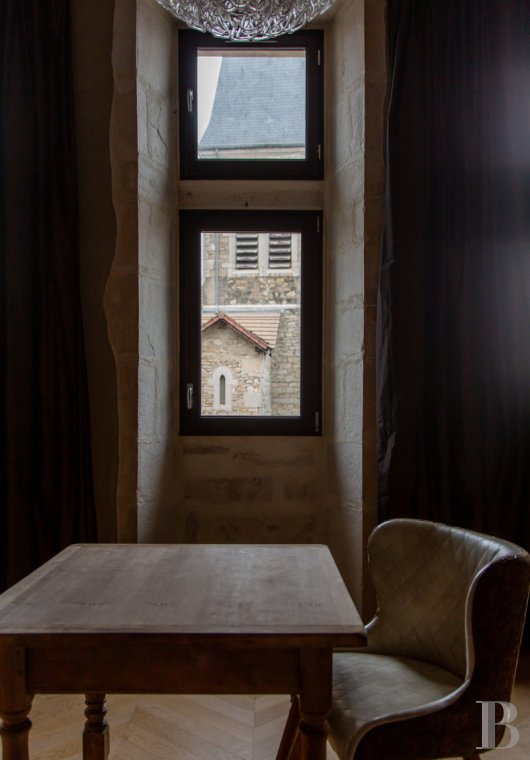
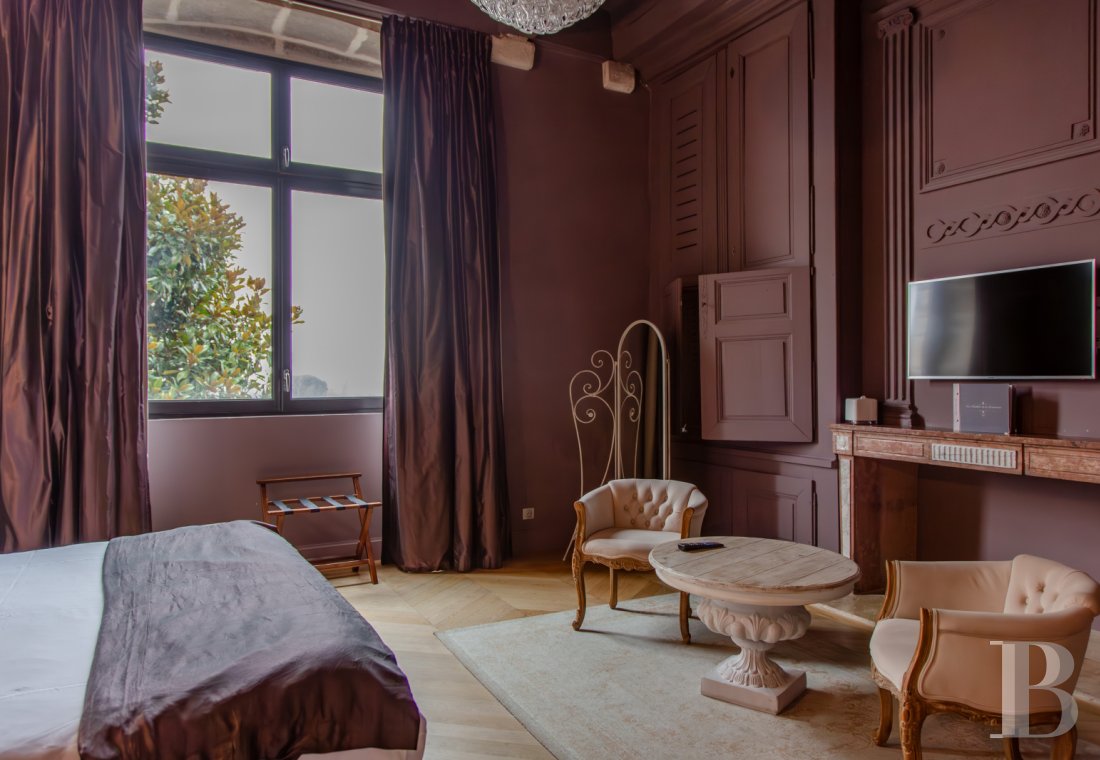
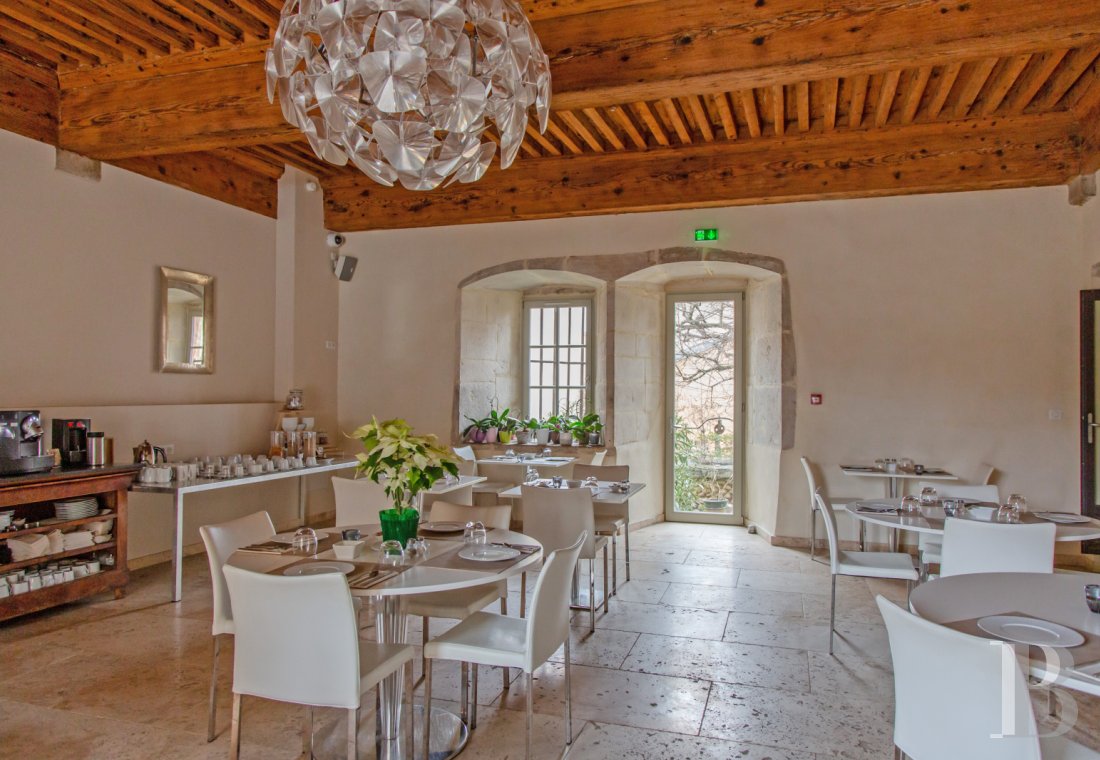
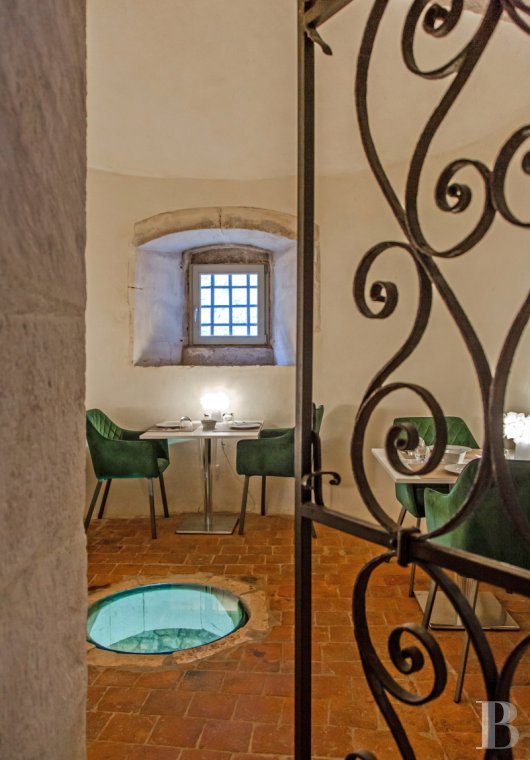
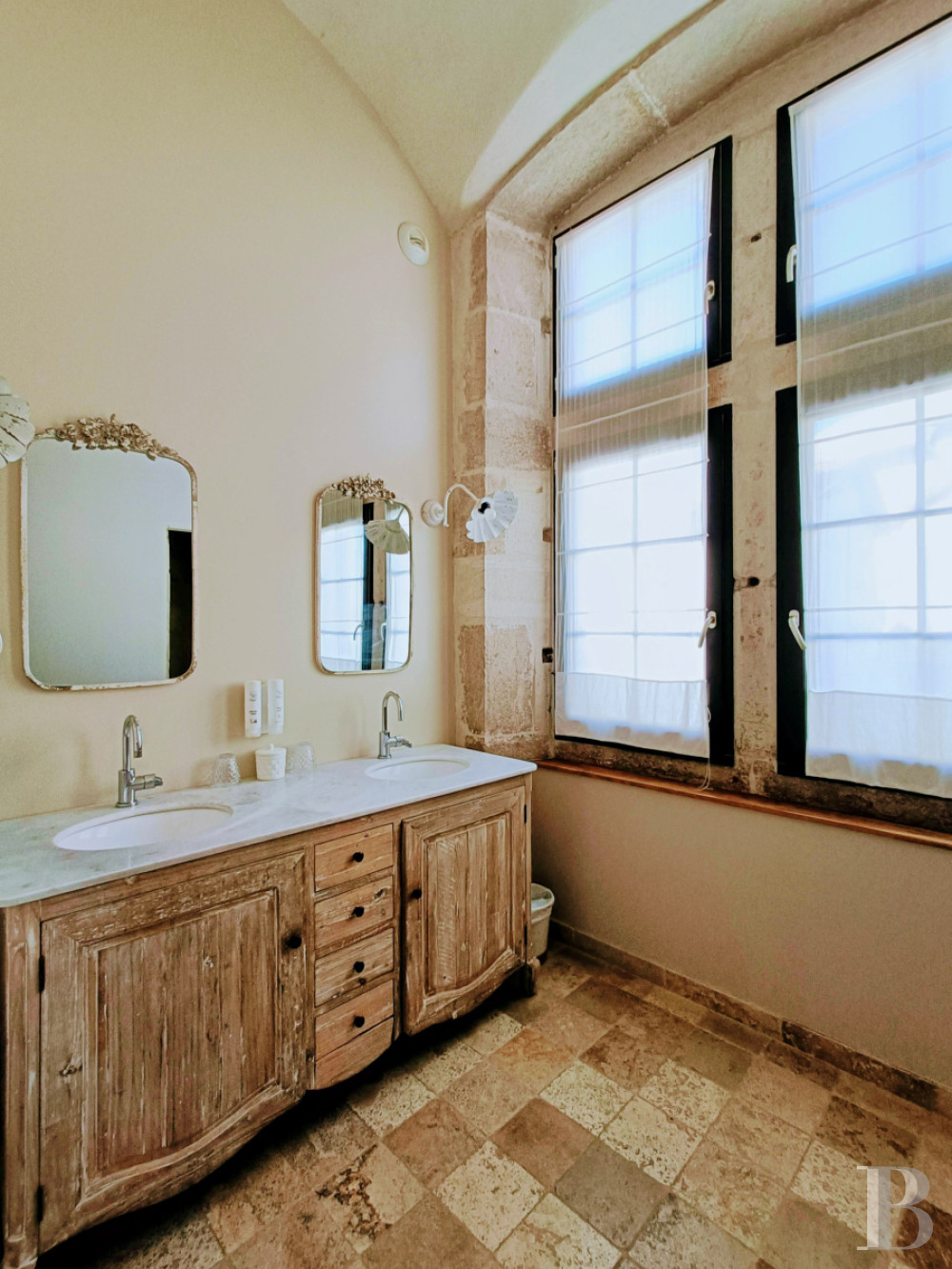
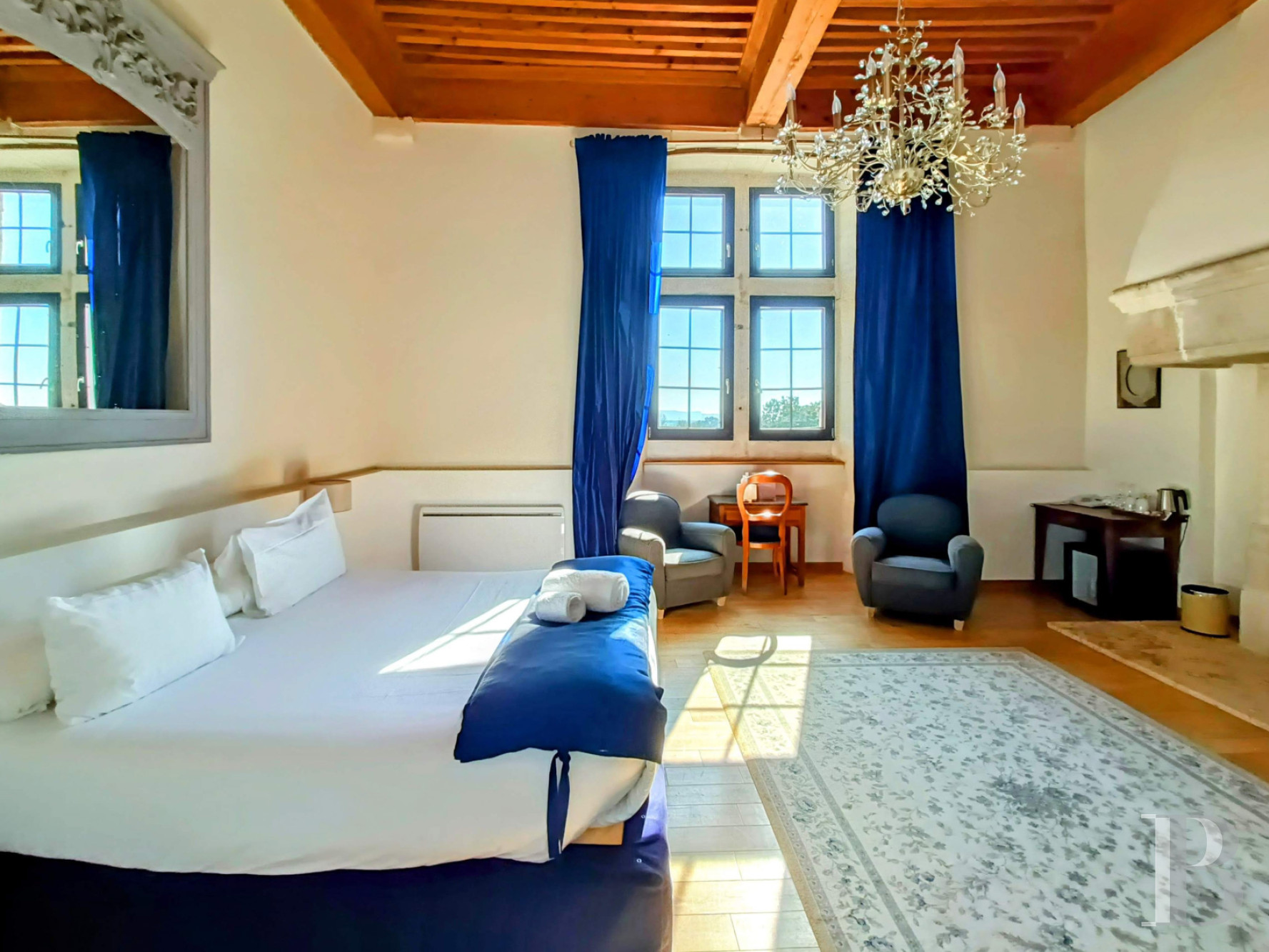
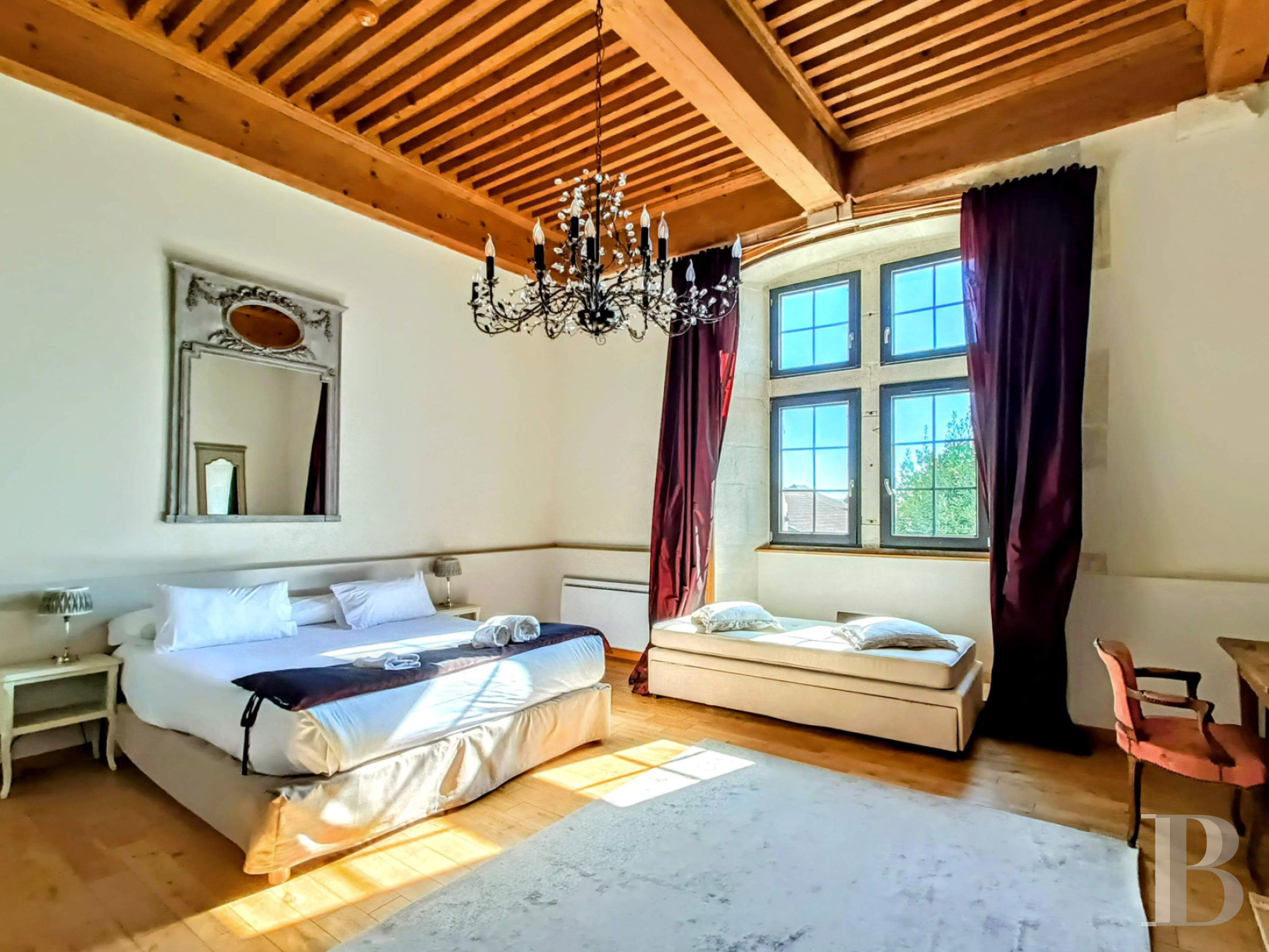
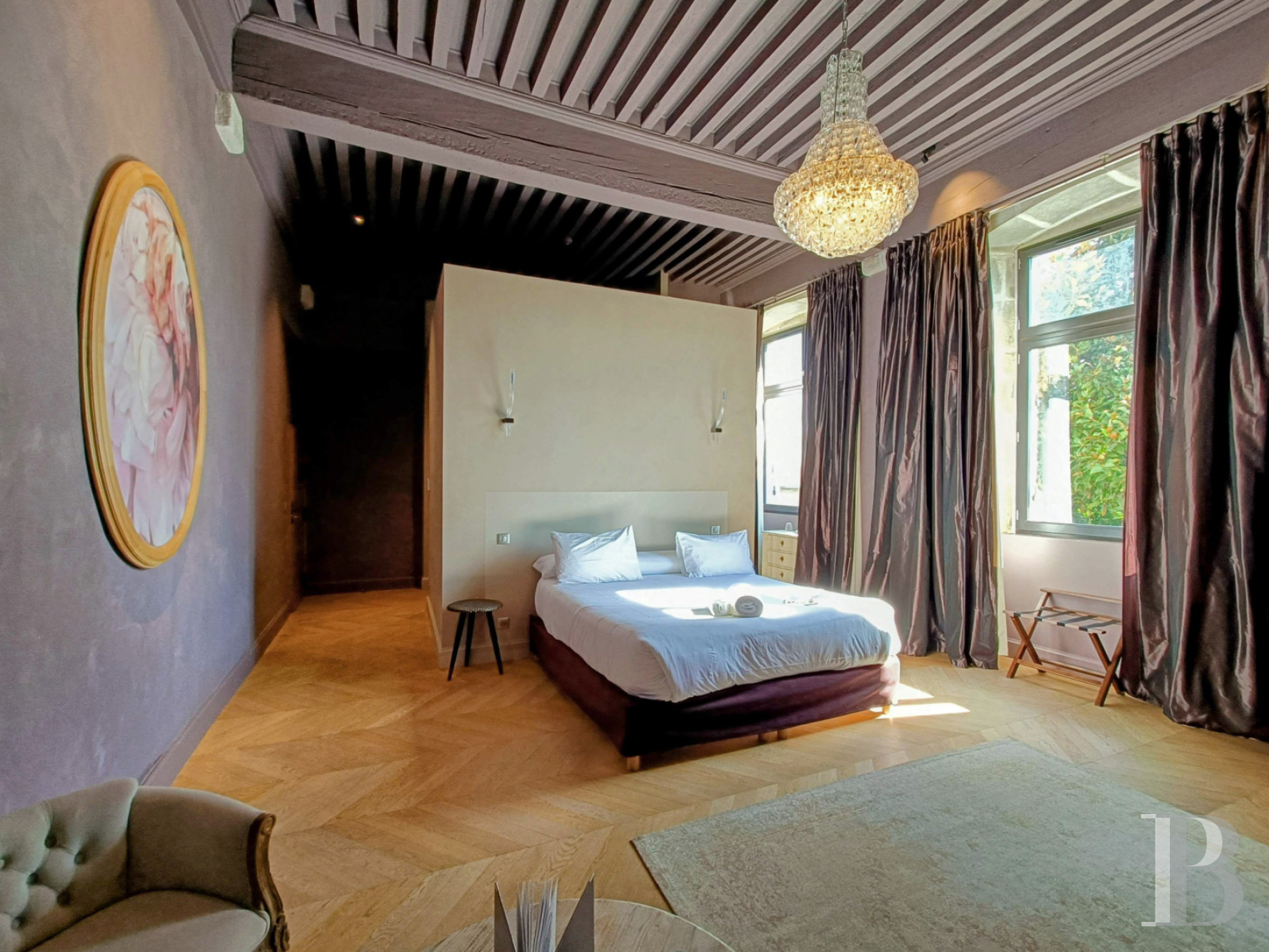
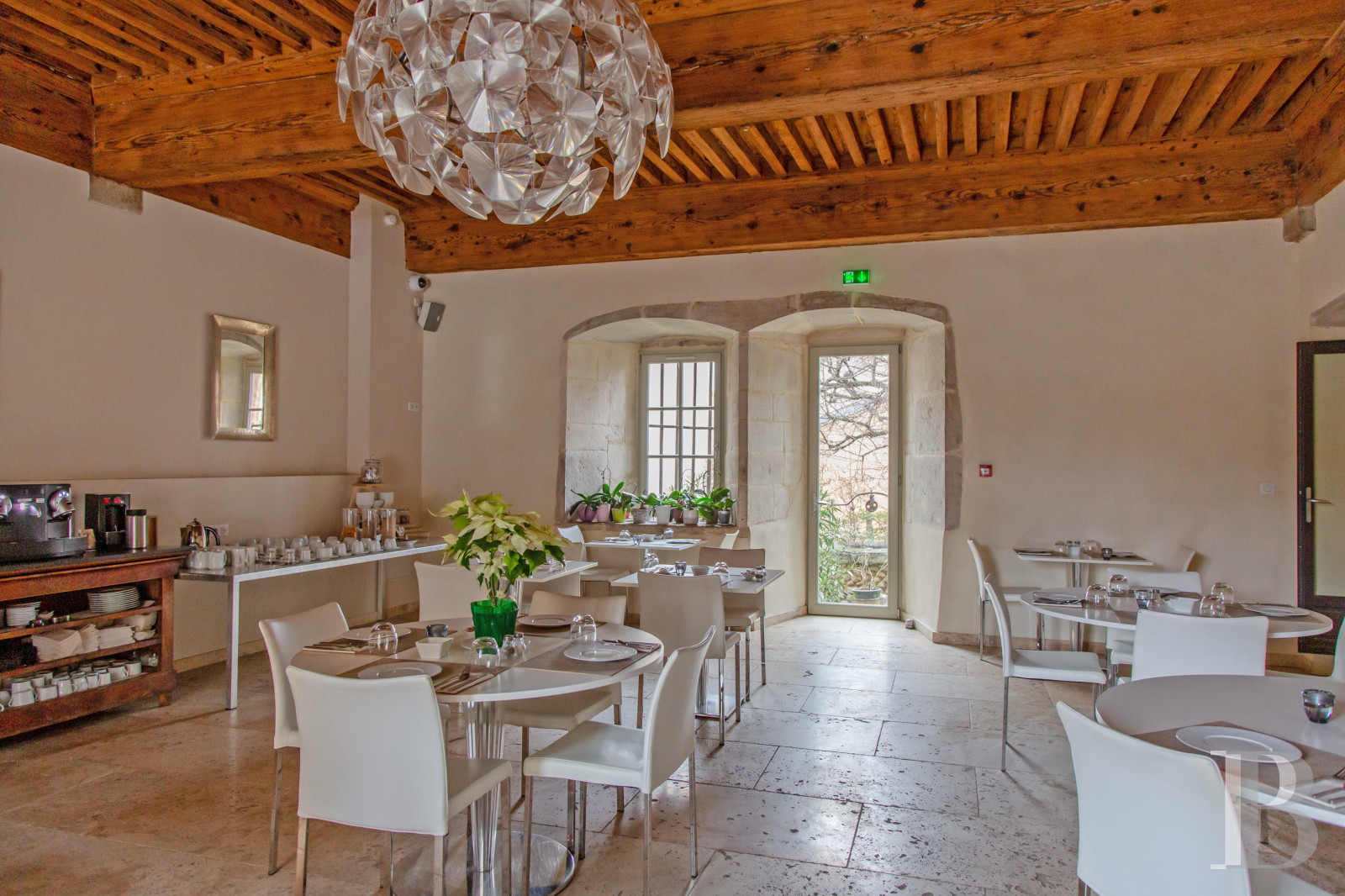
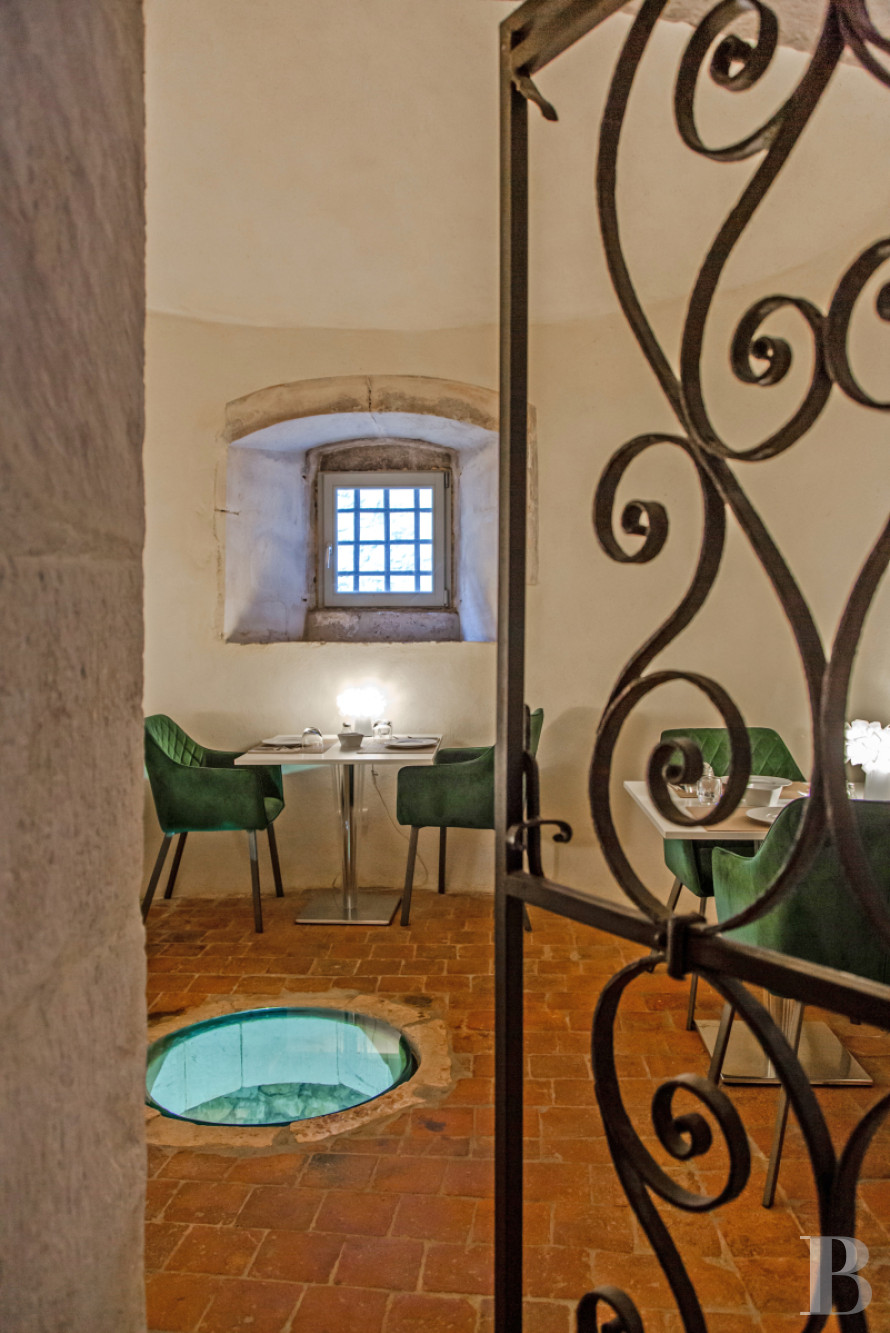
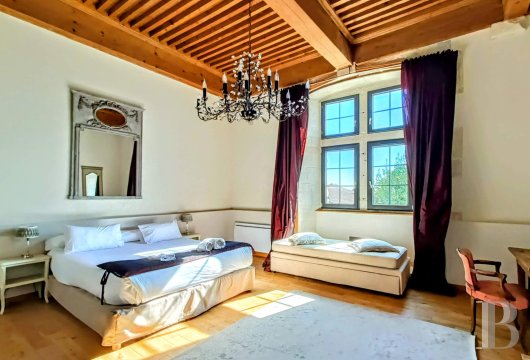
The hotel has 22 rooms. The château houses five family suites measuring between 70 and 90 m2, consisting of two interconnecting rooms, as well as smaller suites for two or three people measuring around 50 m2. Two outbuildings, each measuring 500 m² with 13 bedrooms each measuring between 18 and 35 m2: four bedrooms on the ground floor, one of which is suitable for people with reduced mobility, four spacious duplex apartments, two of which have a shared terrace, and five bedrooms upstairs. The restaurant, which is also the breakfast room, is located in the château.
ref 591199
A link to enter a new password has been sent to you by email.
By continuing your navigation, you accept the use of cookies to offer you services and offers adapted to your centers of interest and to measure the frequentation of our services. Learn more