

Add to favorites
Log in to your personal space
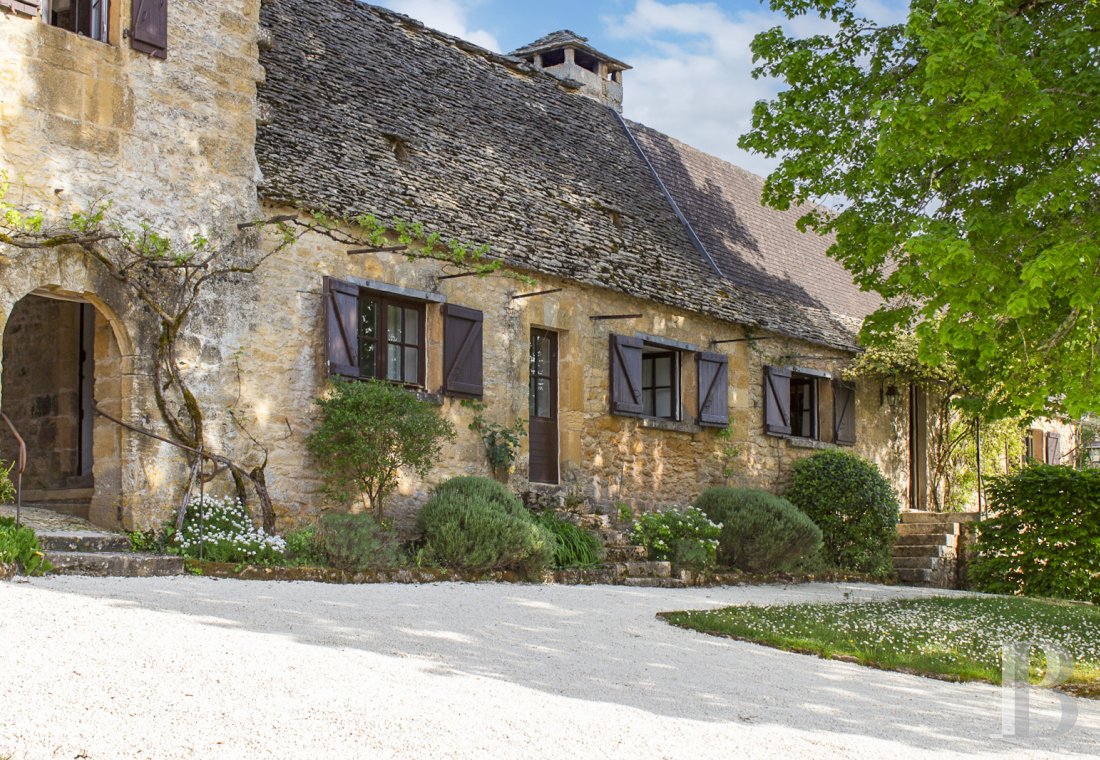
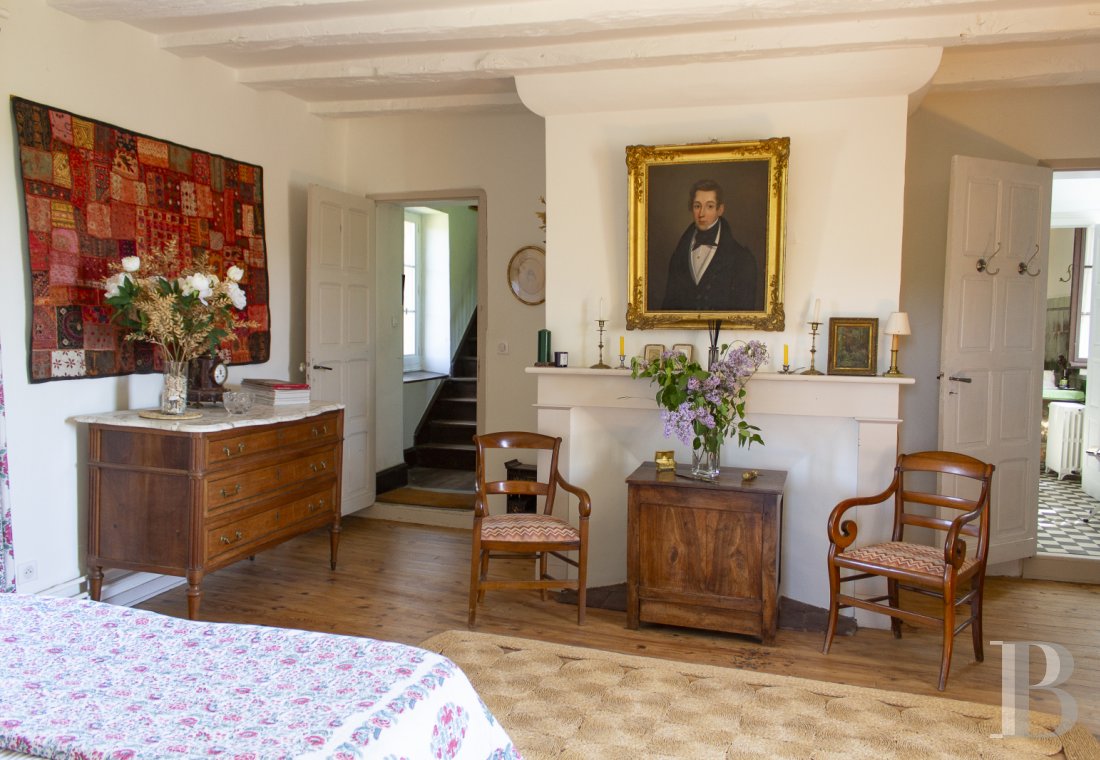
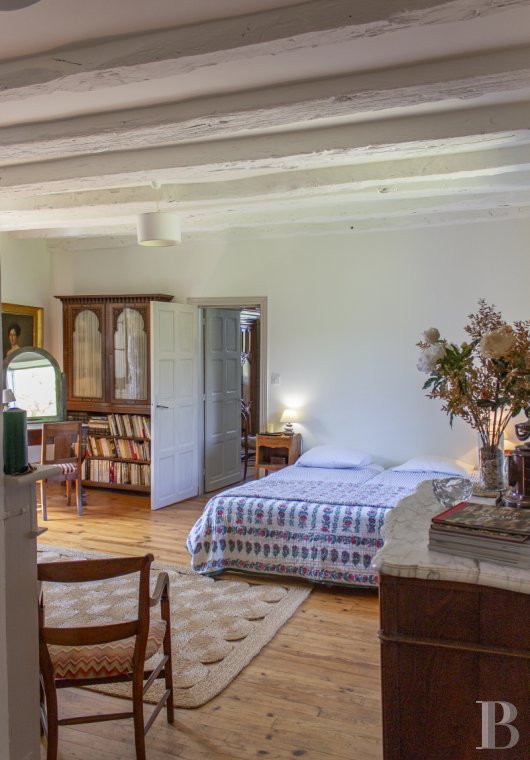
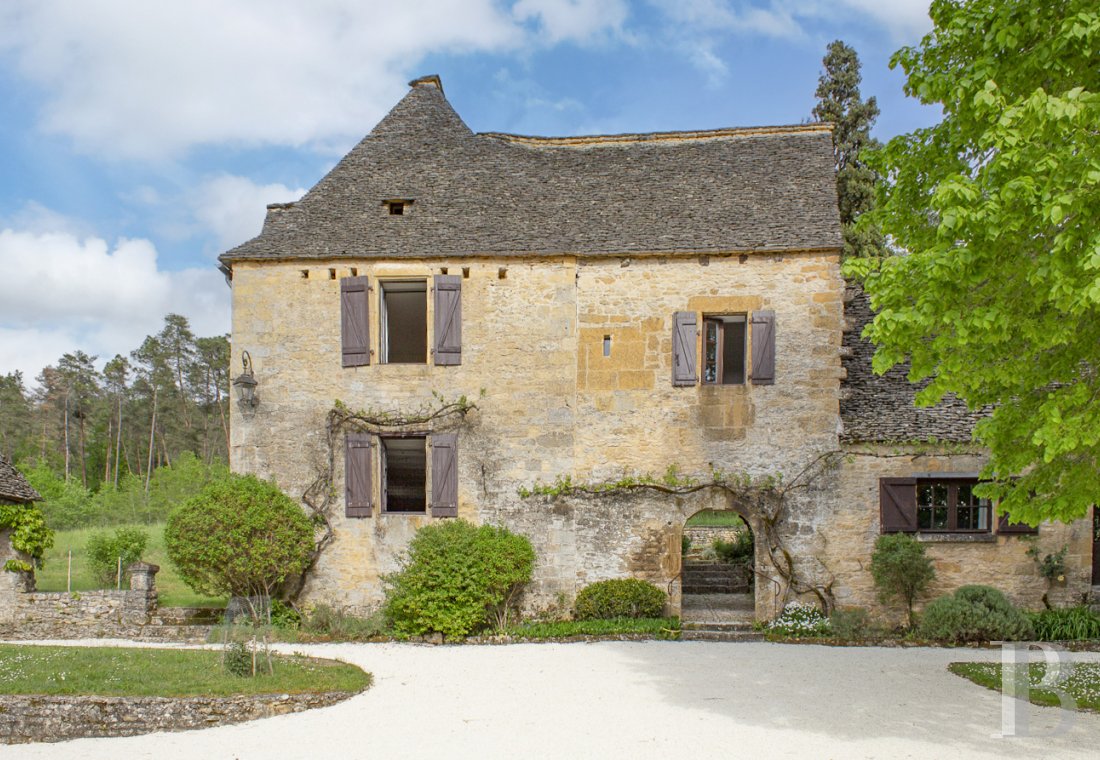
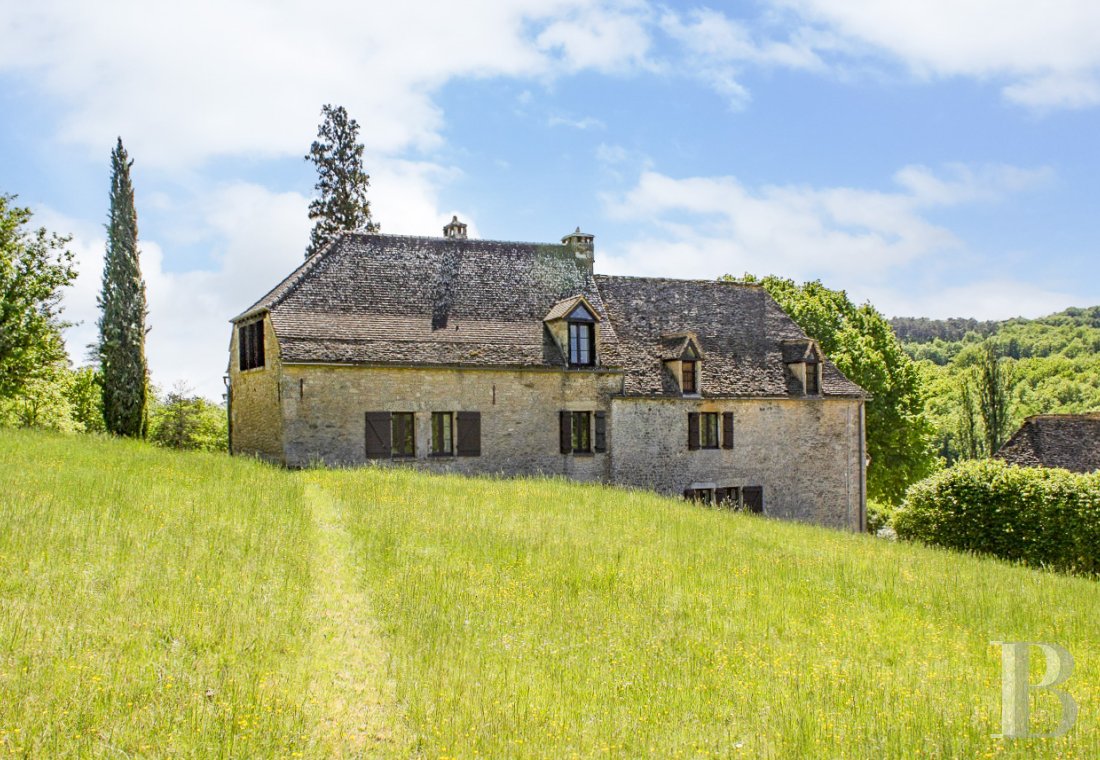
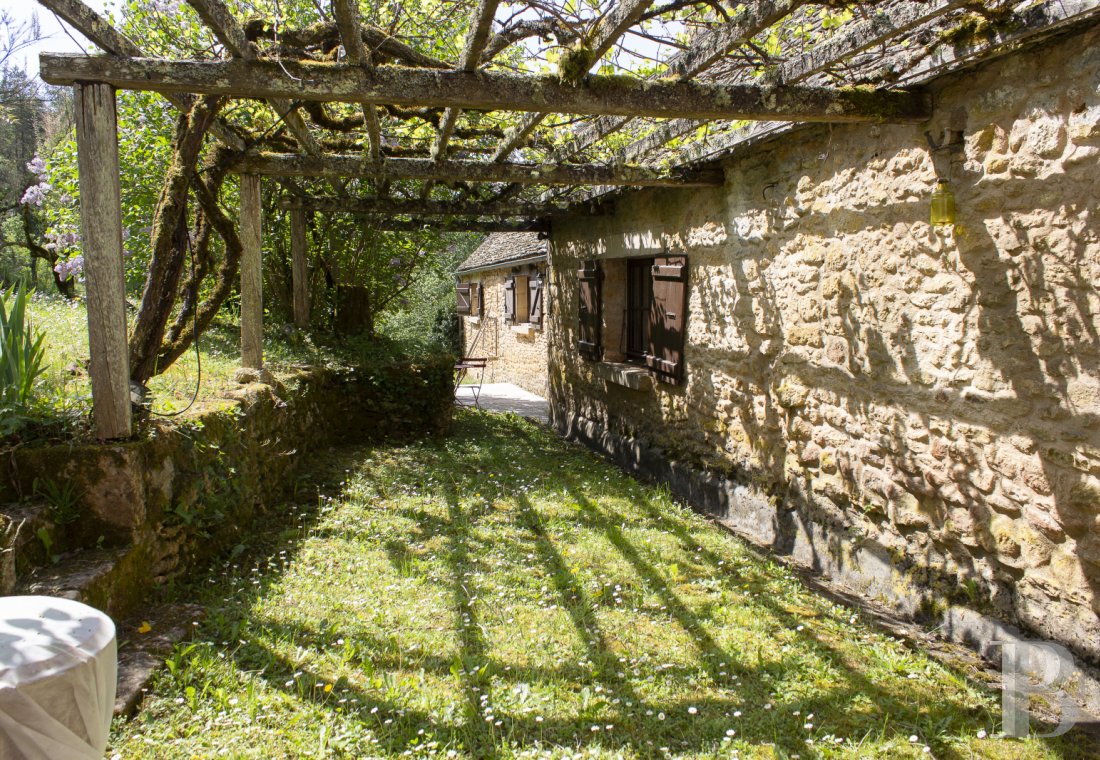
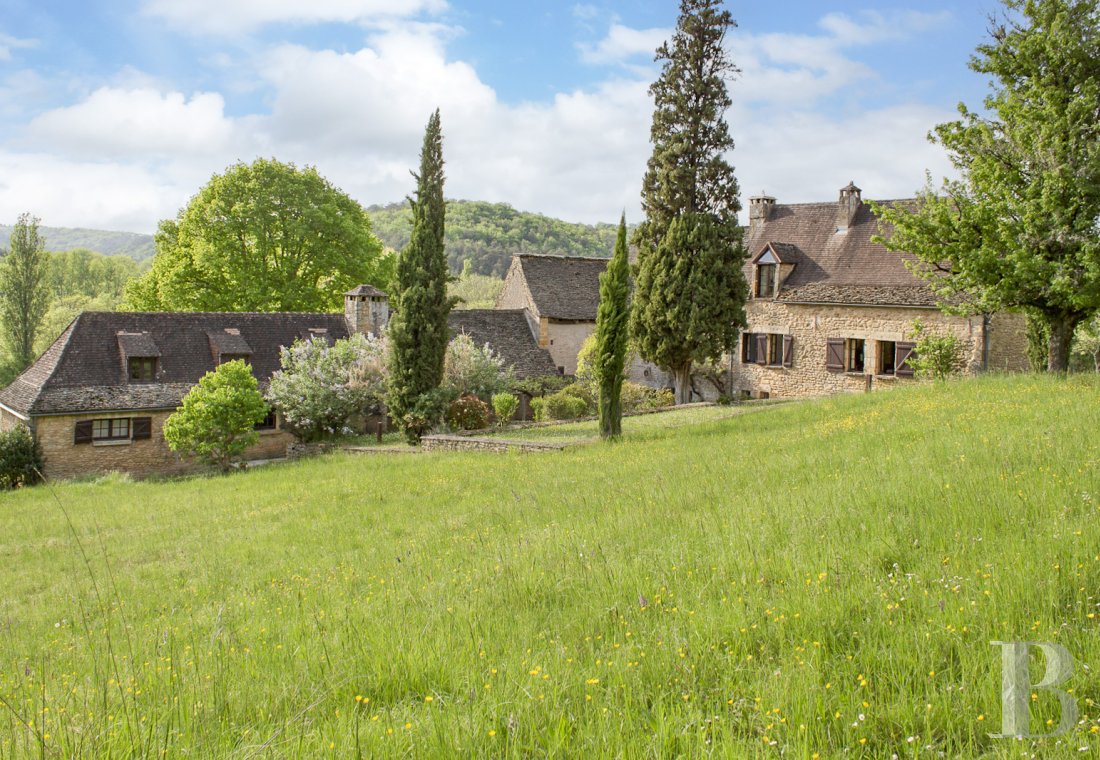
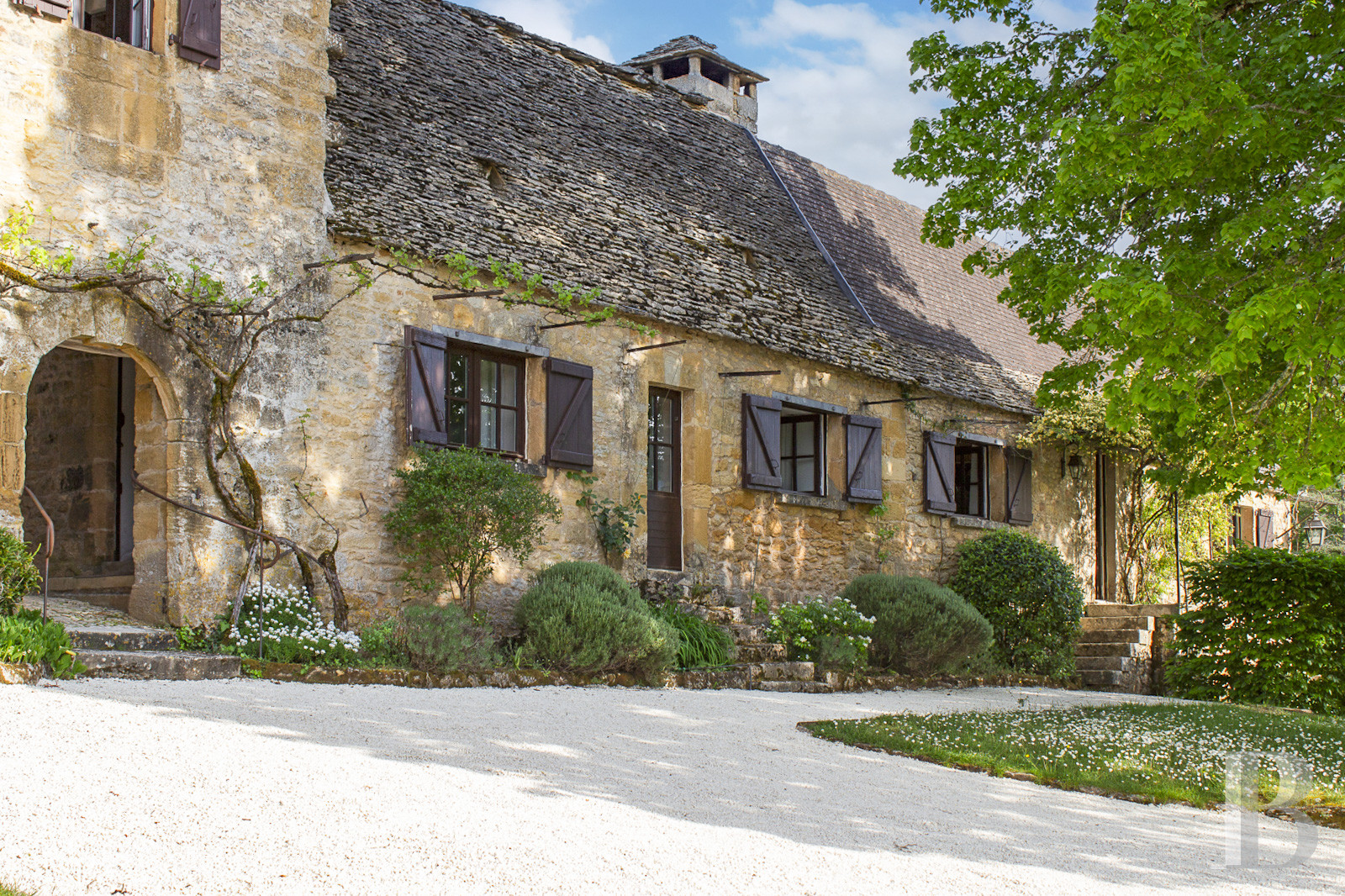
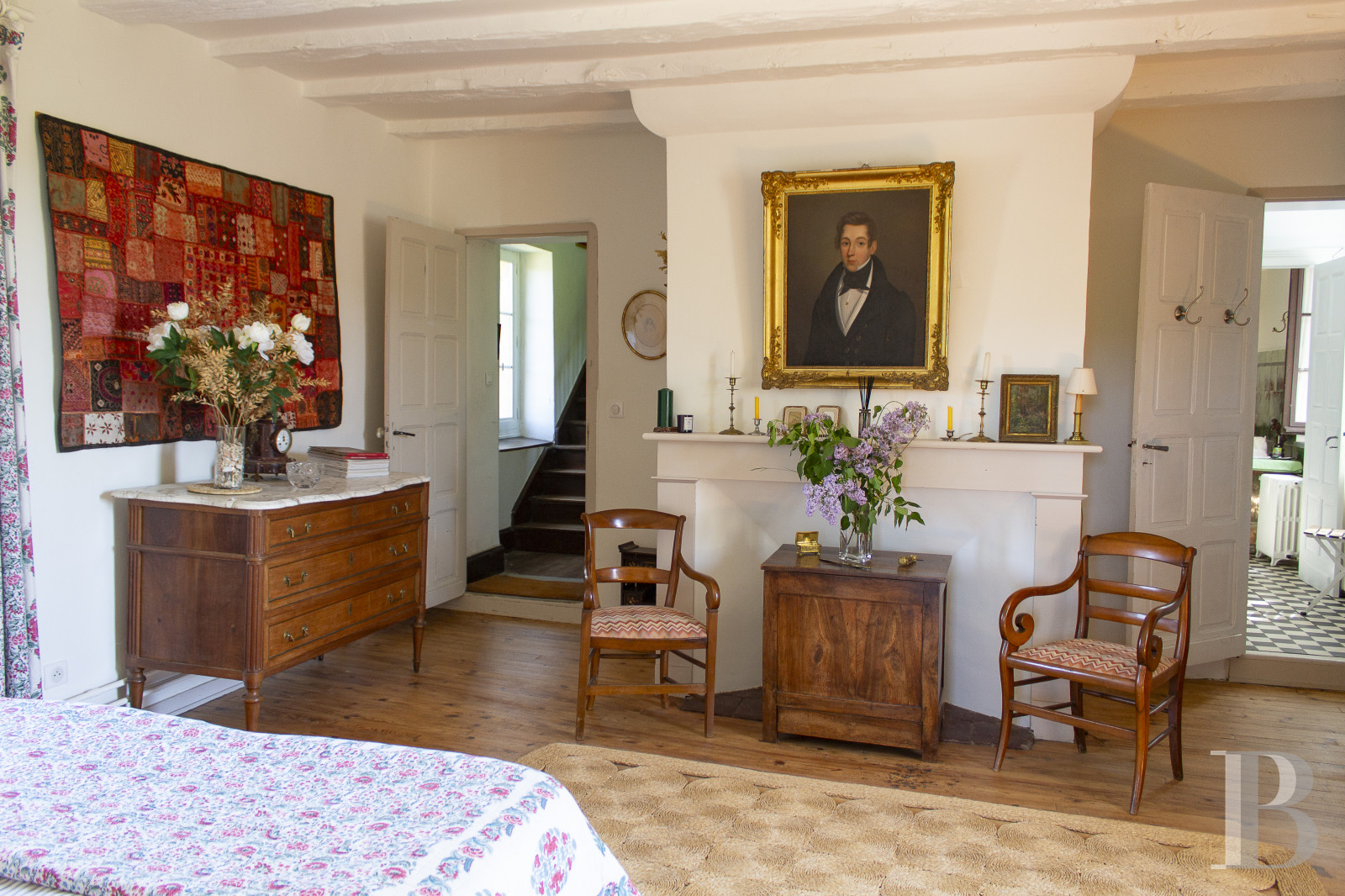
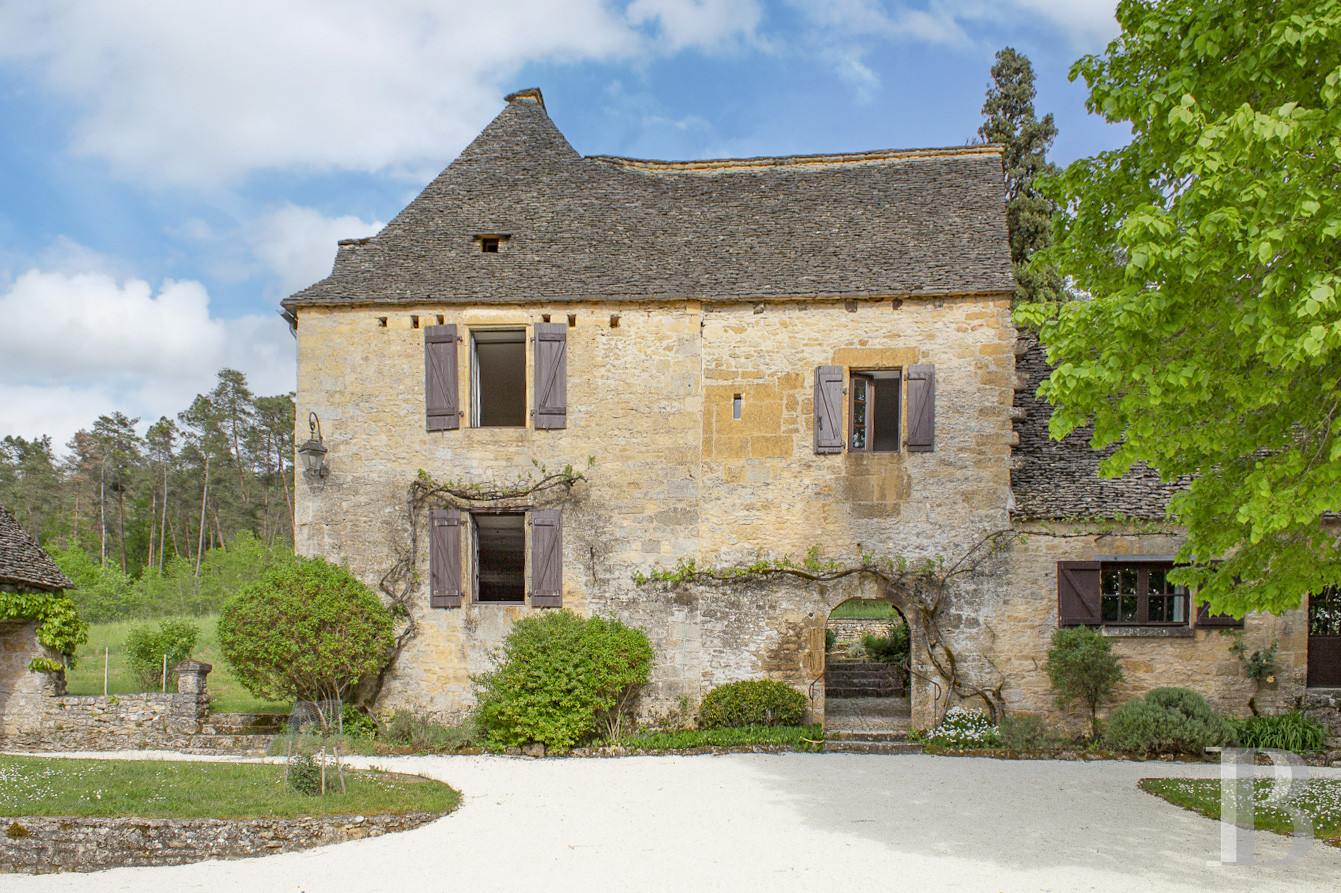
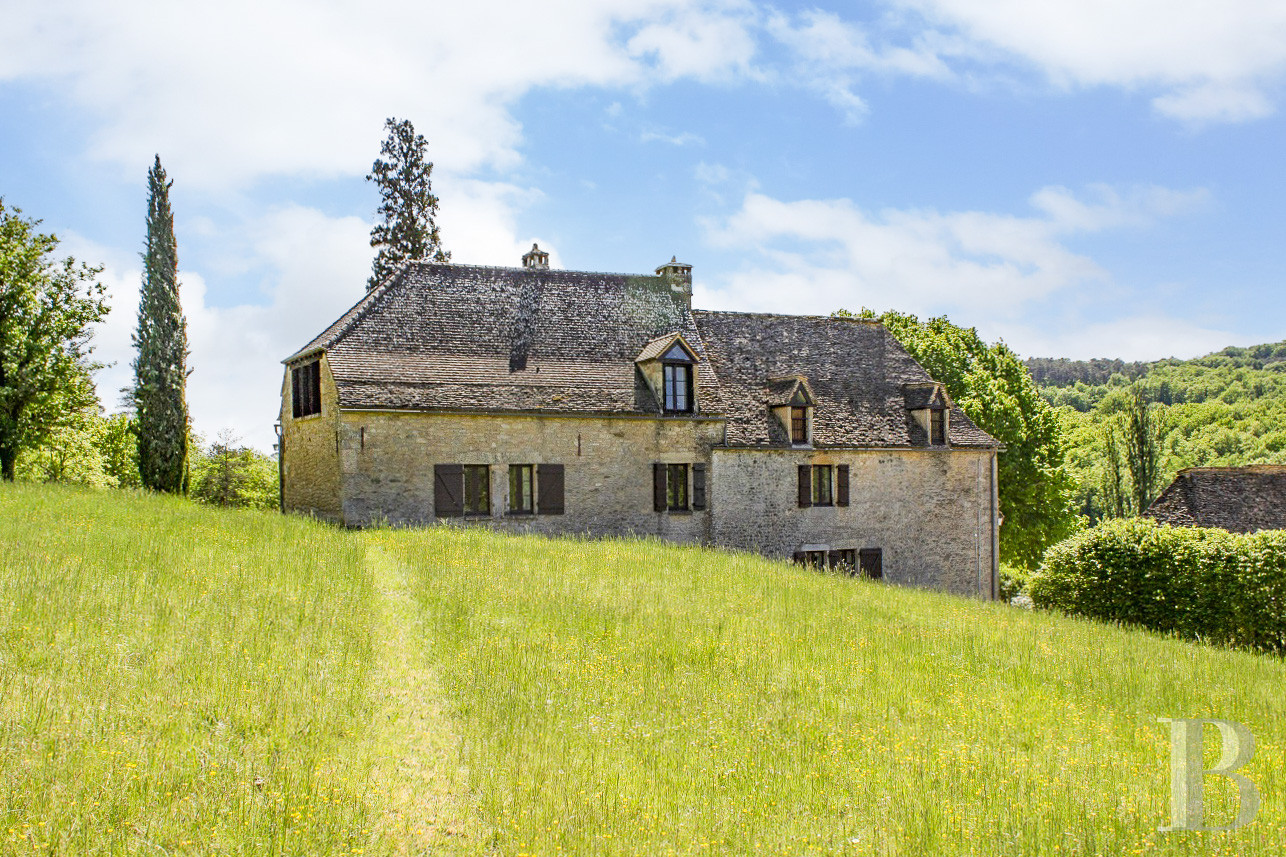
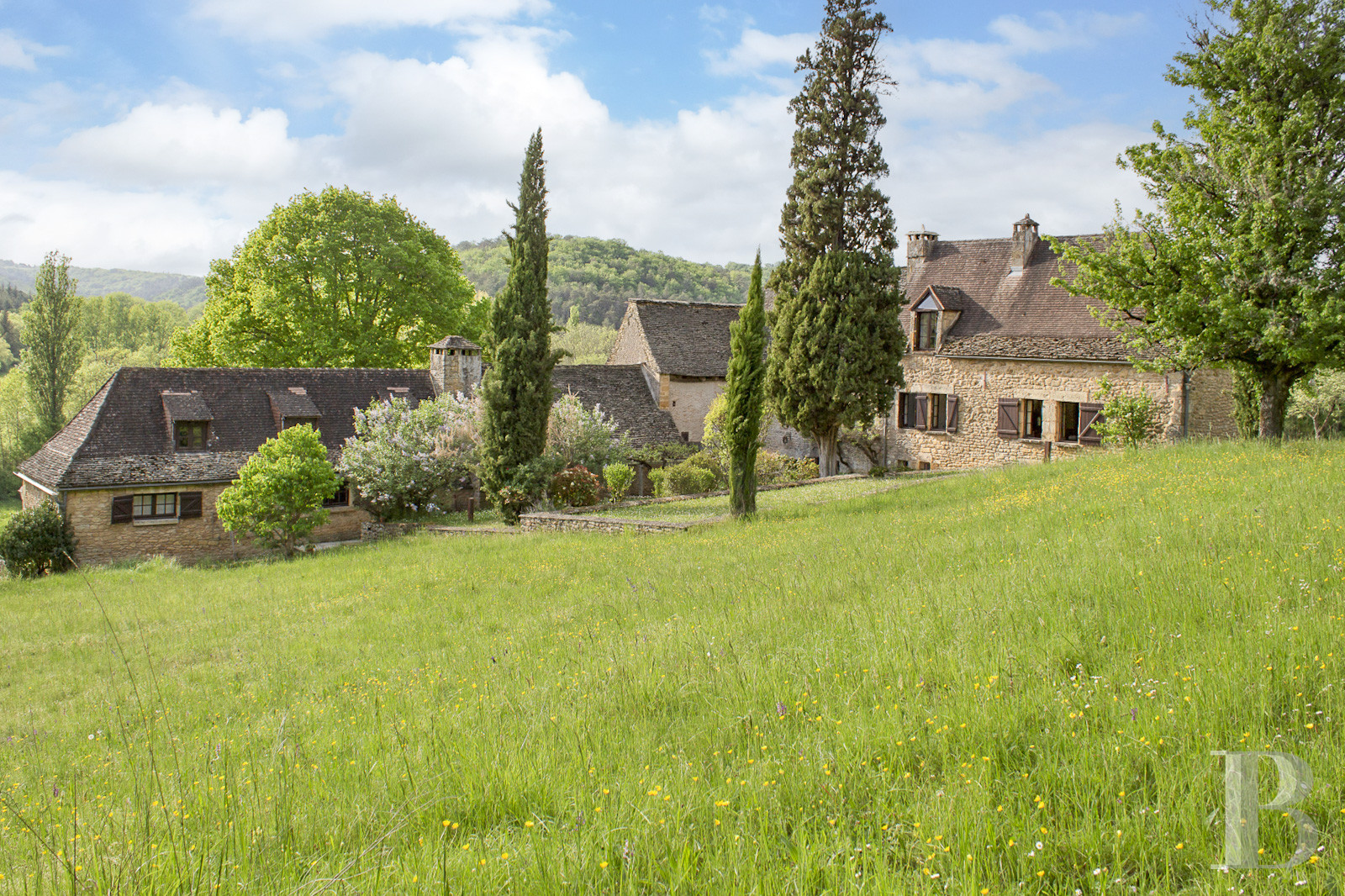
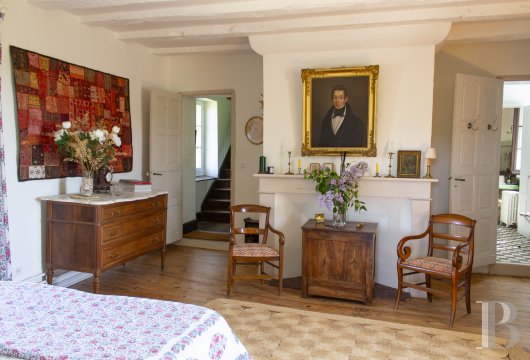
There are places that are very emblematic of the place they originated. La Girbodie is one of them. The stones which it is built from in their myriad shades of ochre, the weathered slate roofs that shelter it, the undulating silhouettes of its buildings that anchor it in a distant past, the diversity of the vegetation and the low walls that frame it: everything here serves as a reminder that we are indeed in the Périgord Noir, a land of dark oak forests that cover much of the landscape here. Inside, the atmosphere of a family home prevails, a far cry from the sophisticated or impersonal designs often seen elsewhere. The variety of furniture that has been passed down through the generations adds to its charm. Families and groups of friends will find that both of these properties offer a warm and welcoming atmosphere, perfectly in keeping with the Dordogne countryside.
My parents bought this house in 1961. They searched the whole region until they found this place. My mother fell in love with the house at first sight, and after half an hour of negotiations, they decided to buy it. And so we began many years of discovery and we forged a deep attachment to this magnificent region, which we have been exploring as a family for over half a century. We are right in the heart of the Périgord Noir, the land of truffles, in its most typical part. These were wonderful moments of exploration and freedom for us, and later for our children too. Since then, the house has always been maintained, renovated and modernised.
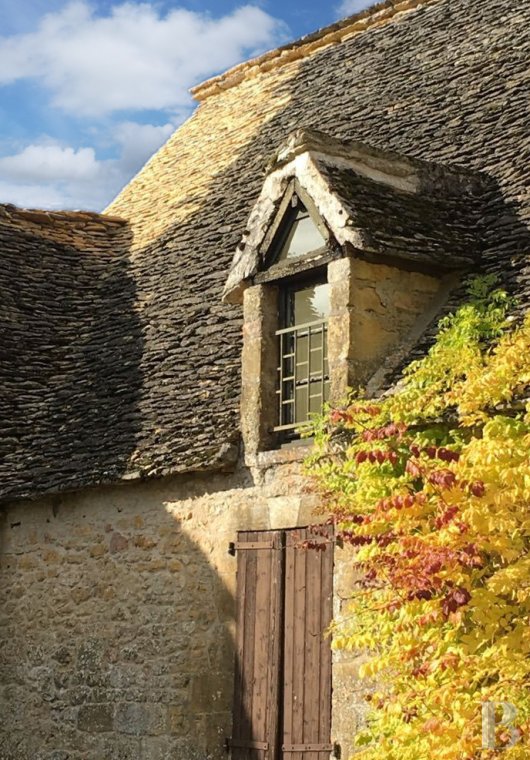
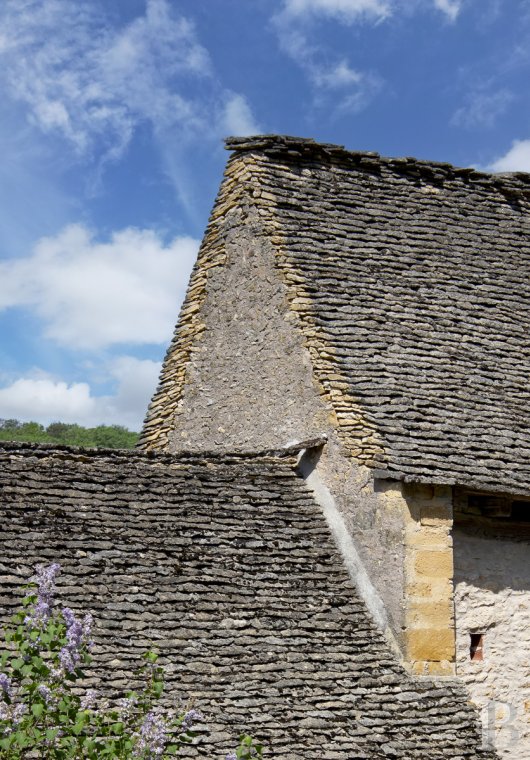
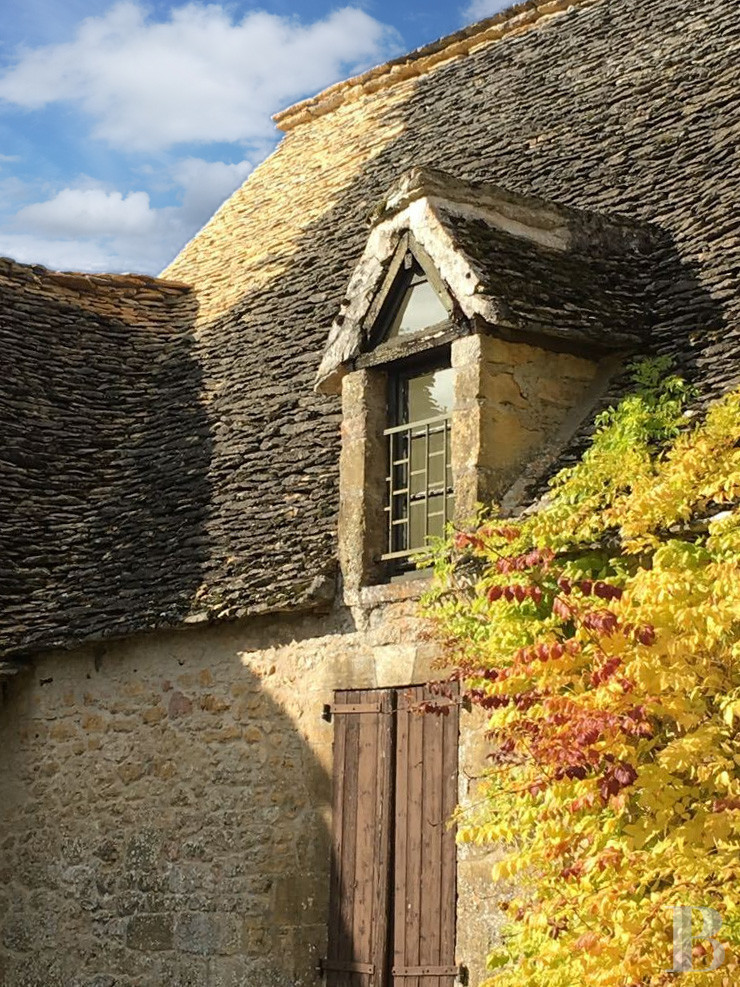
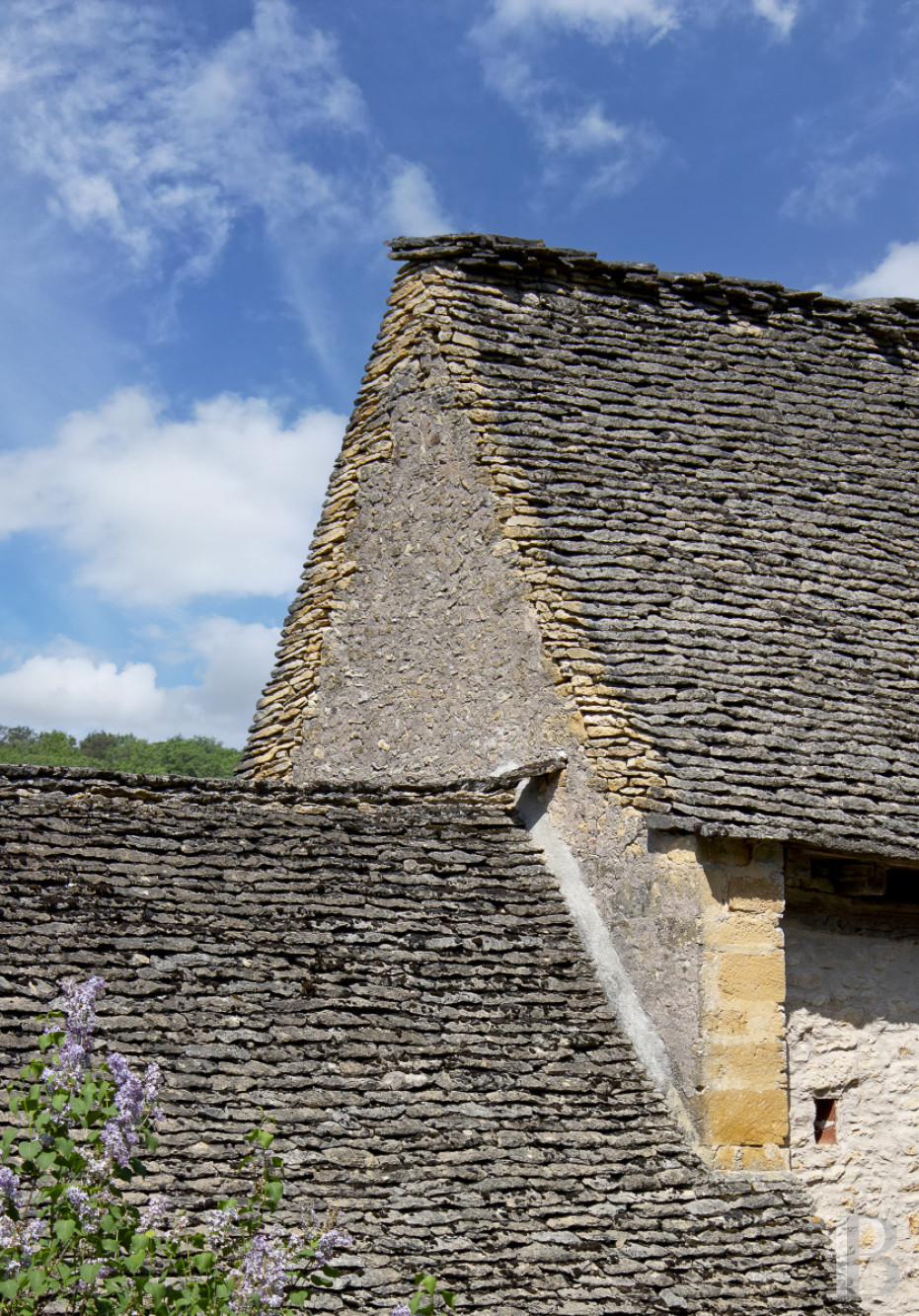
The house is distinguished by its slate roofs, one of the most striking features of the local architecture. These limestone blocks, quarried nearby, are cut and then laid one by one using traditional methods, with an almost imperceptible slope. Their considerable weight requires extremely sturdy frames capable of supporting up to one tonne per square metre. In turn, the roofs stood the test of time, often lasting close to a century. The property also features a dry-stone "borie" – a traditional shepherd’s shelter typical of the Périgord countryside – as well as an old henhouse that has been converted into a pool house. These outbuildings bear witness to the rural life that once thrived here and still contribute to the authentic character of the estate today.
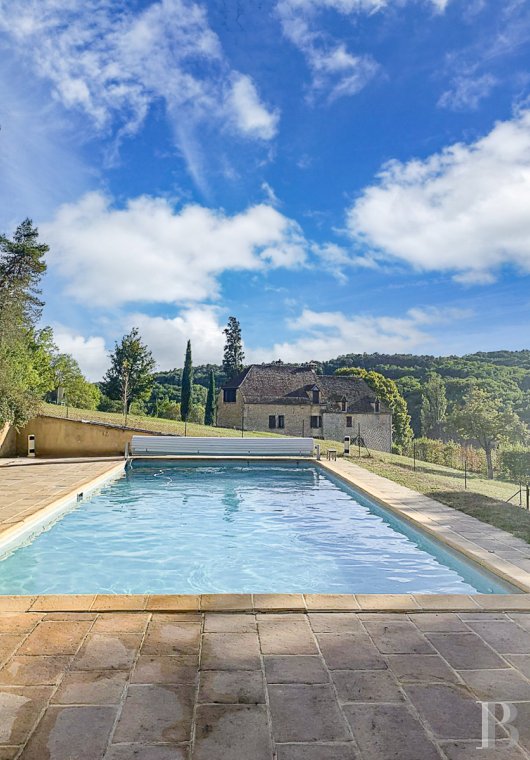
When my parents bought the house in 1961, it had been unoccupied since the Second World War. According to some local historians, the property is thought to have been a former fortified house, typical of this part of the Périgord, which has been heavily affected by historical upheavals. On the north facade of the large house, there is an old window frame, an architectural remnant that suggests the building may have once served a defensive purpose. There were originally two defensive towers in the valley. One of them, the Vermondie Tower, can still be seen from the swimming pool, whereas the Breuil Tower has since disappeared.
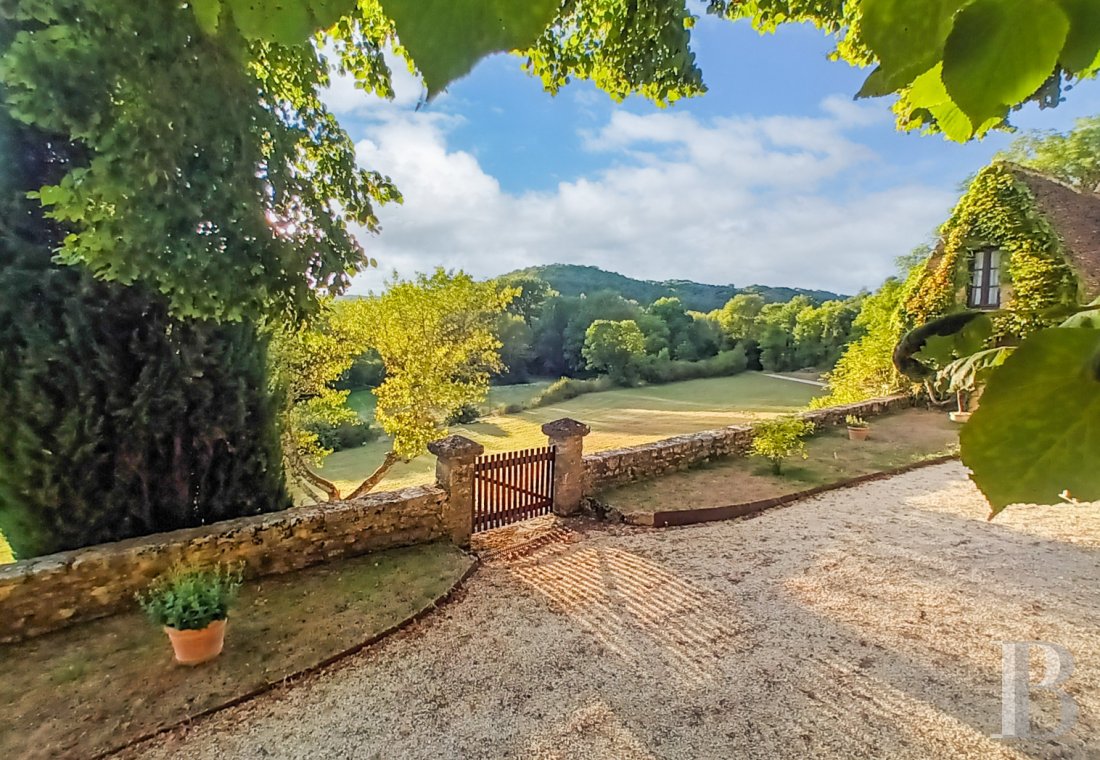
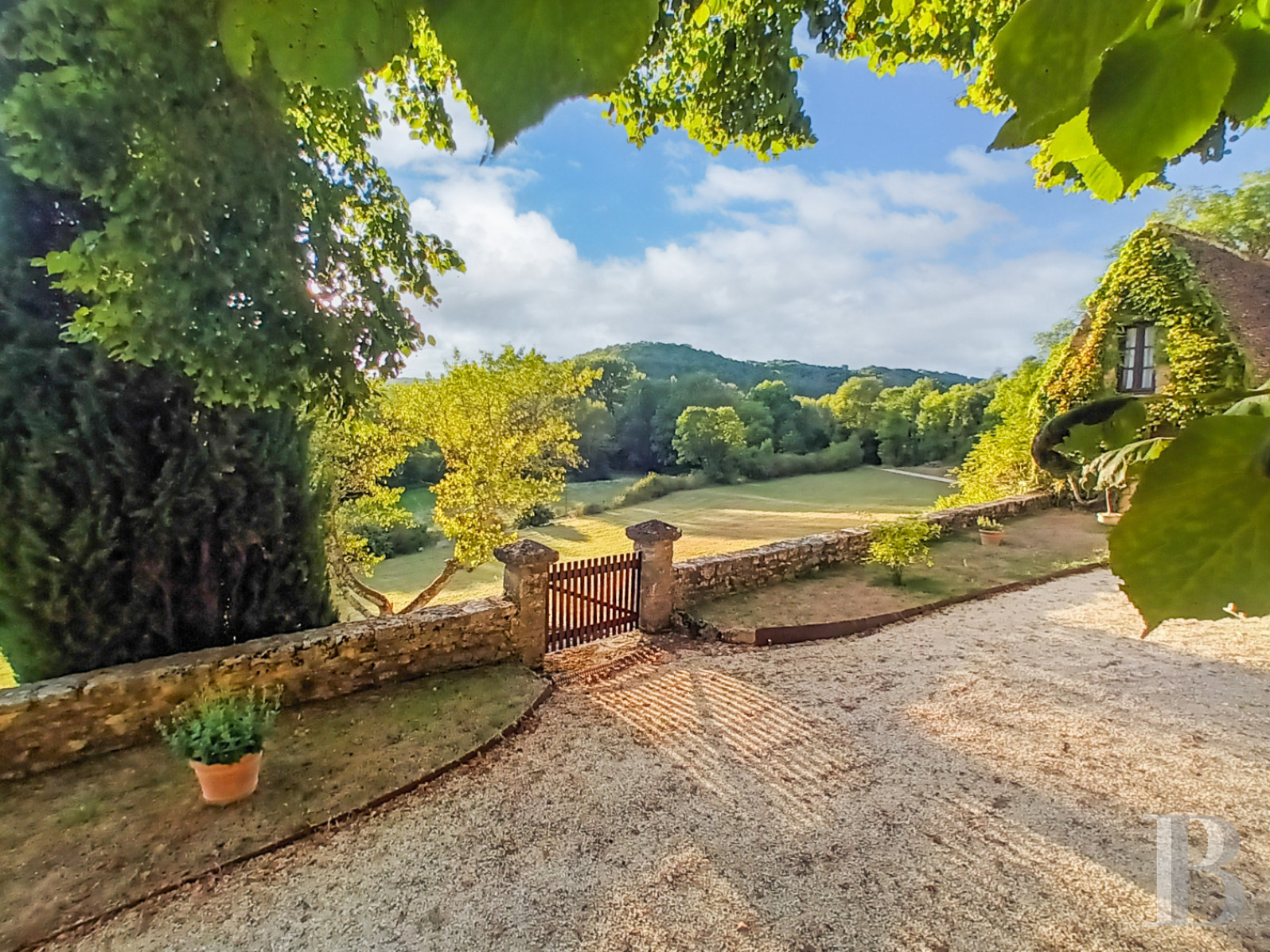
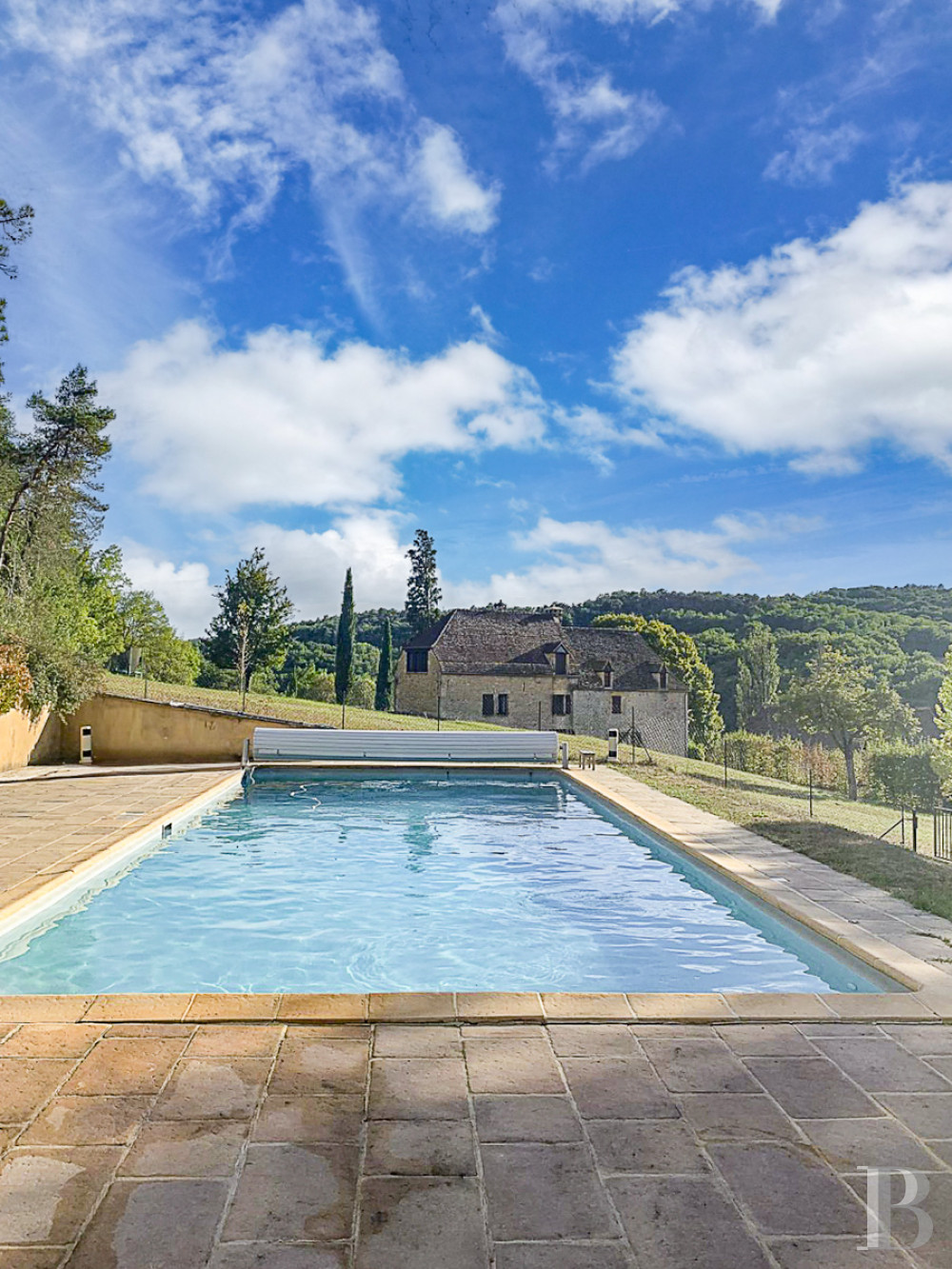
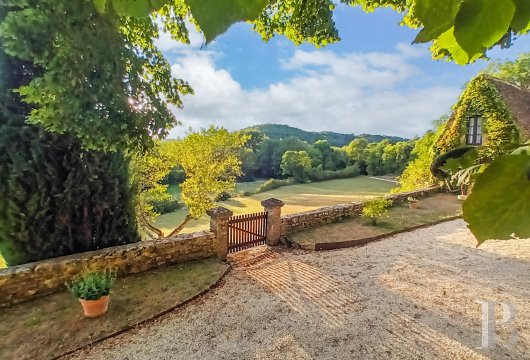
Nestled amidst some 15 hectares of meadows and woodland, the property overlooks the valley from its hillside, in a peaceful setting. The view, which is completely unobstructed, stretches out over a harmonious landscape where no buildings mar the horizon. As the day progresses, the light brings the stone facades to life with ever-changing hues, ranging from an almost white blonde to a honey-gold, sometimes tinged with pink at sunset. Opposite the house, the wooded hills display a palette of greens that evokes “the gentle greenness of evenings on the Dordogne”, so dear to Cyrano de Bergerac. The swimming pool blends discreetly into this peaceful natural setting. Books on prehistory, local history and the villages of the Périgord are available for our guests to read, inviting them to continue exploring this unique region.
La Roque Saint-Christophe, a spectacular one-kilometre-long cliff face which is home to a troglodytic settlement and a suspended terrace where Cro-Magnon people found refuge over 50,000 years ago. The restaurants "Ro.bo" in Montignac-Lascaux and "Le Petit Léon", a Michelin-starred establishment in Saint-Léon-sur-Vézère, showcase a signature cuisine created by South African chef Nick Honeyman, accompanied by sommelier Sina Honeyman. The Montignac-Lascaux market, held every Wednesday and Saturday morning, brings together a wide range of producers, including “La Ferme du Roulland” with its excellent foie gras, and “Le Rucher des Collines Bleues” with its delicious honey. "Maison Pélégris" in Les Farges serves excellent traditional duck dishes.
3900 € - 4900 € / week
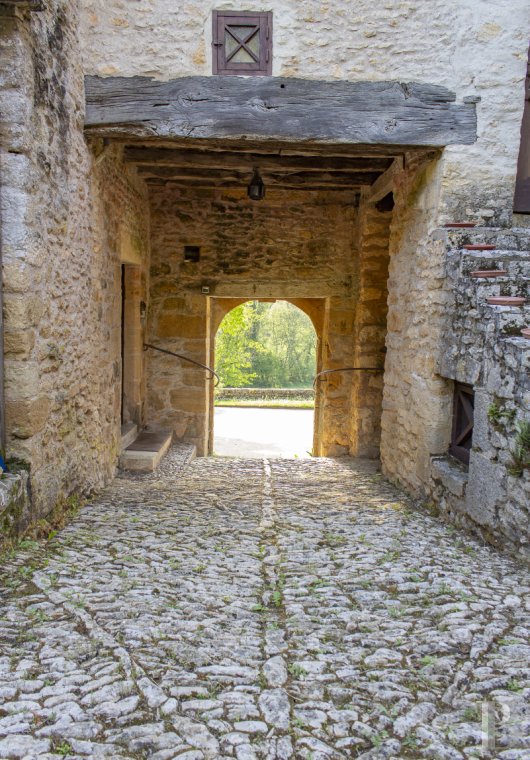
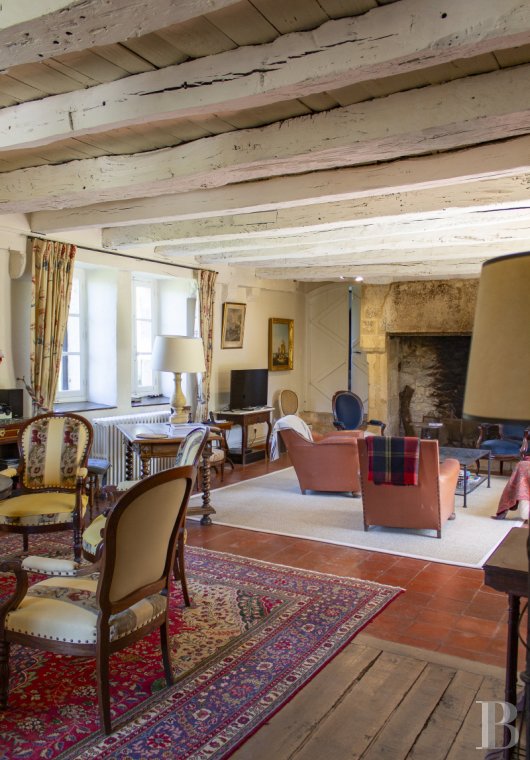
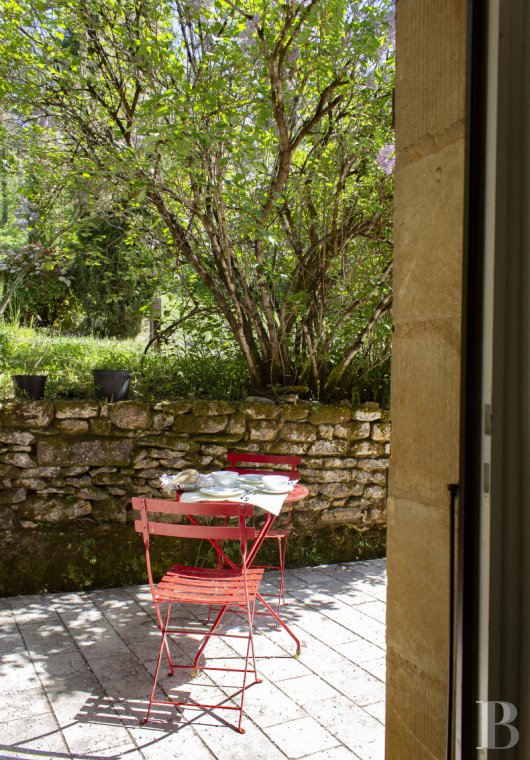
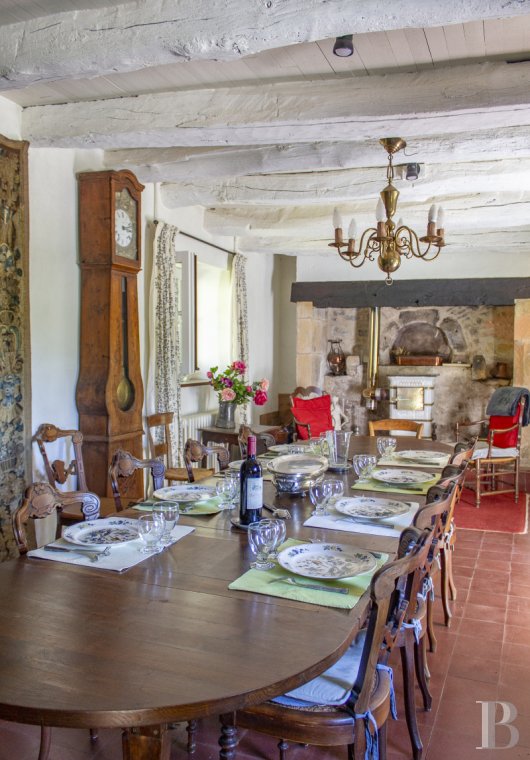
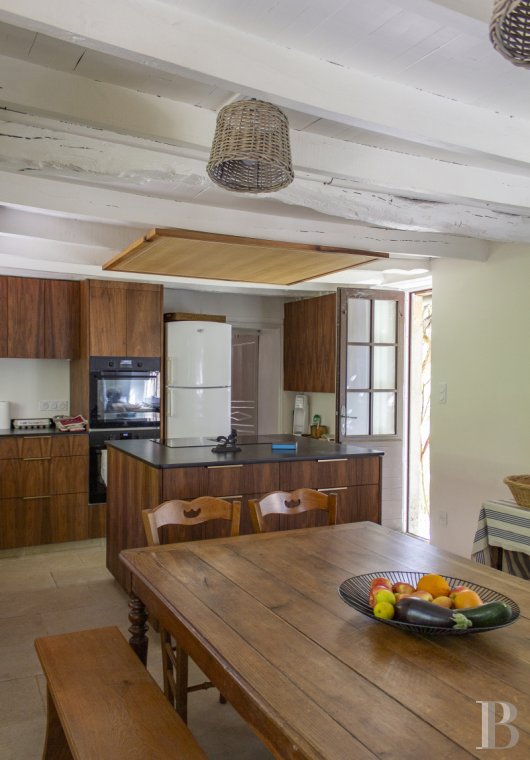
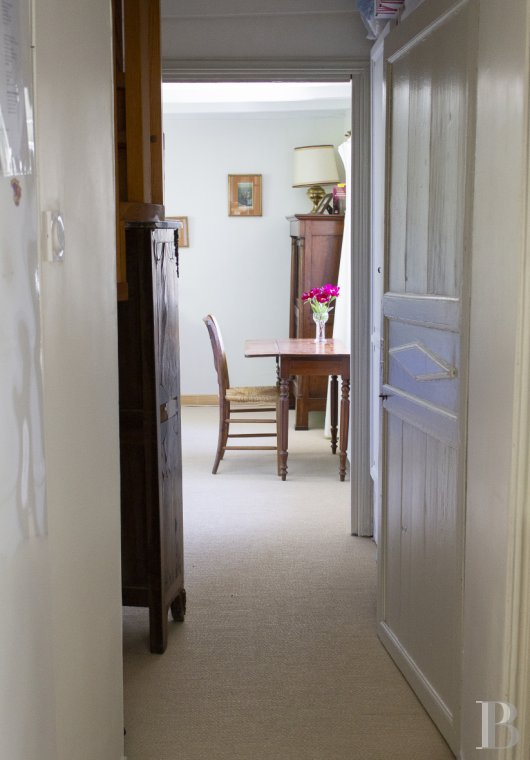
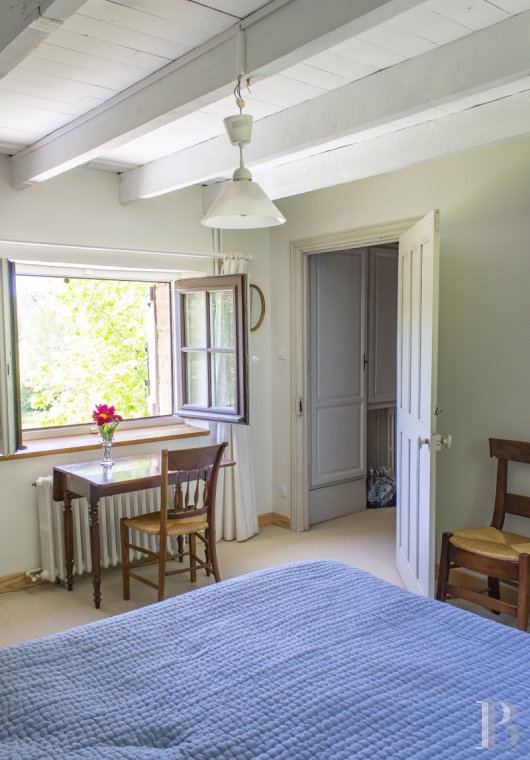
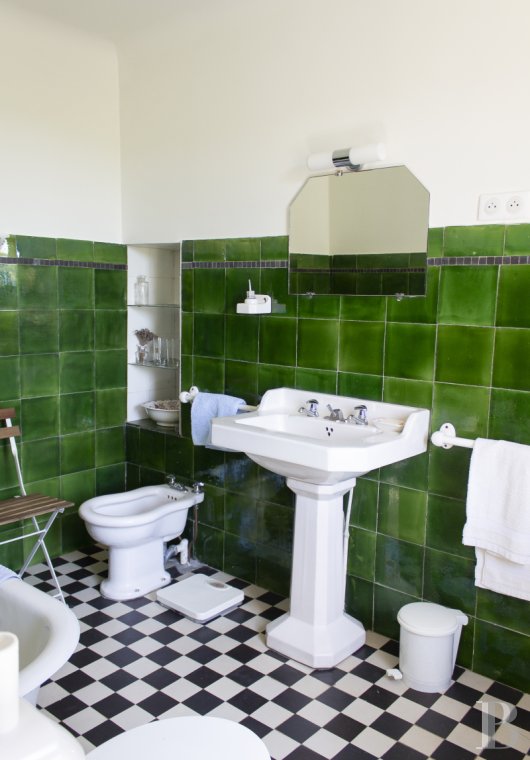
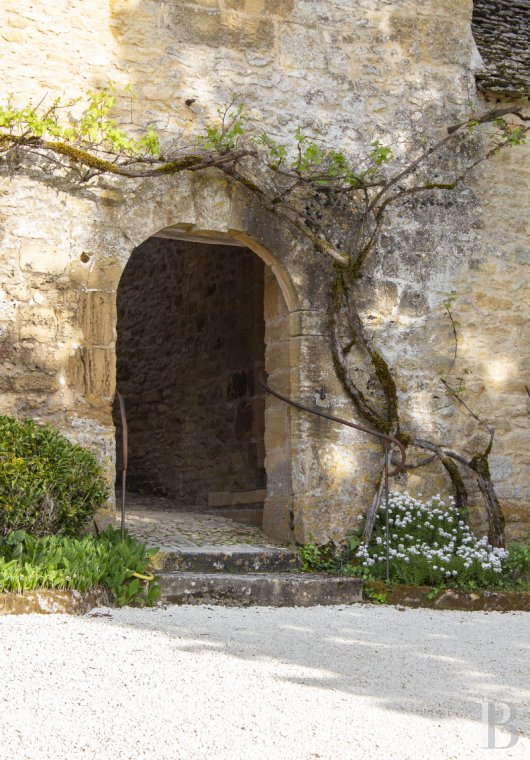
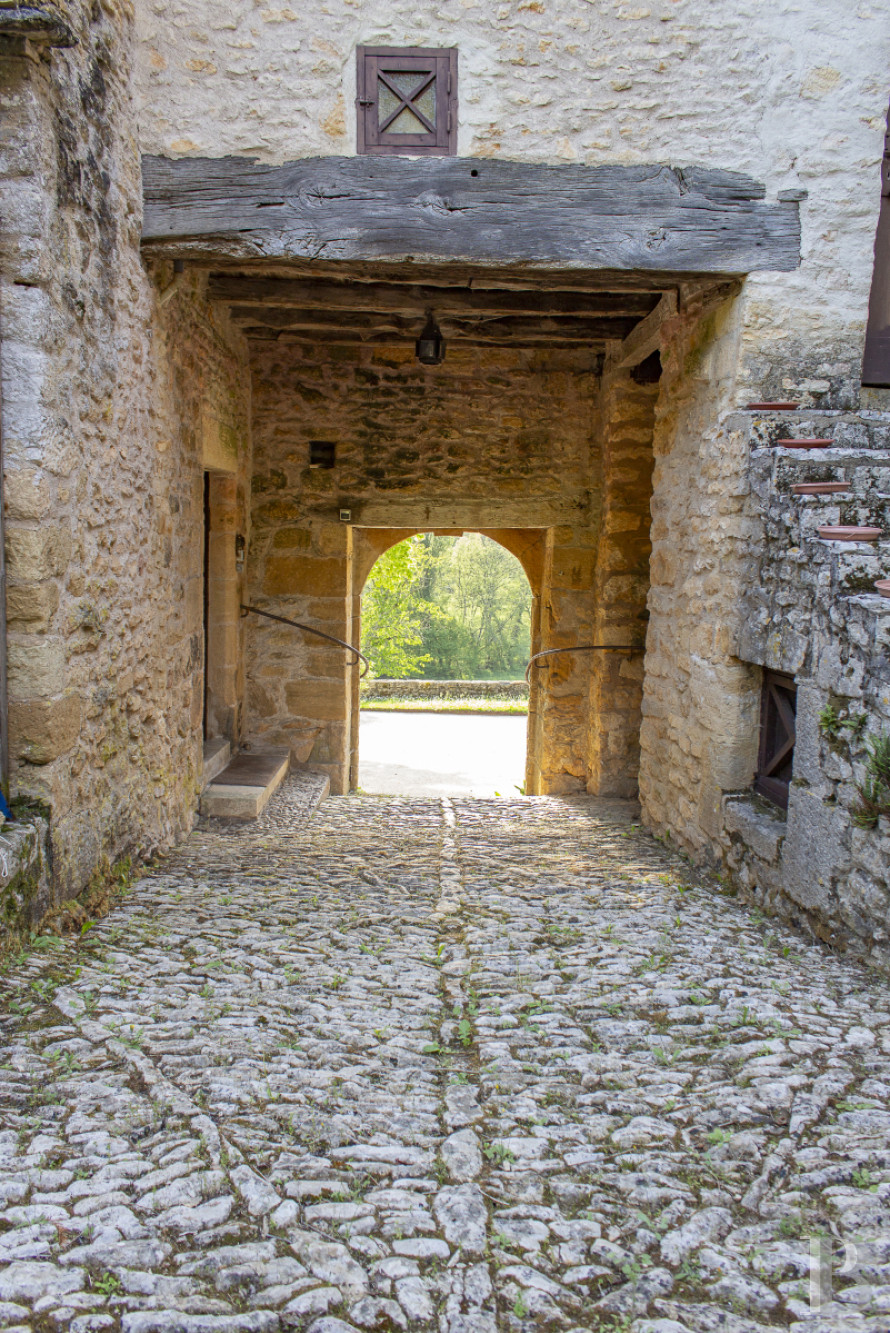
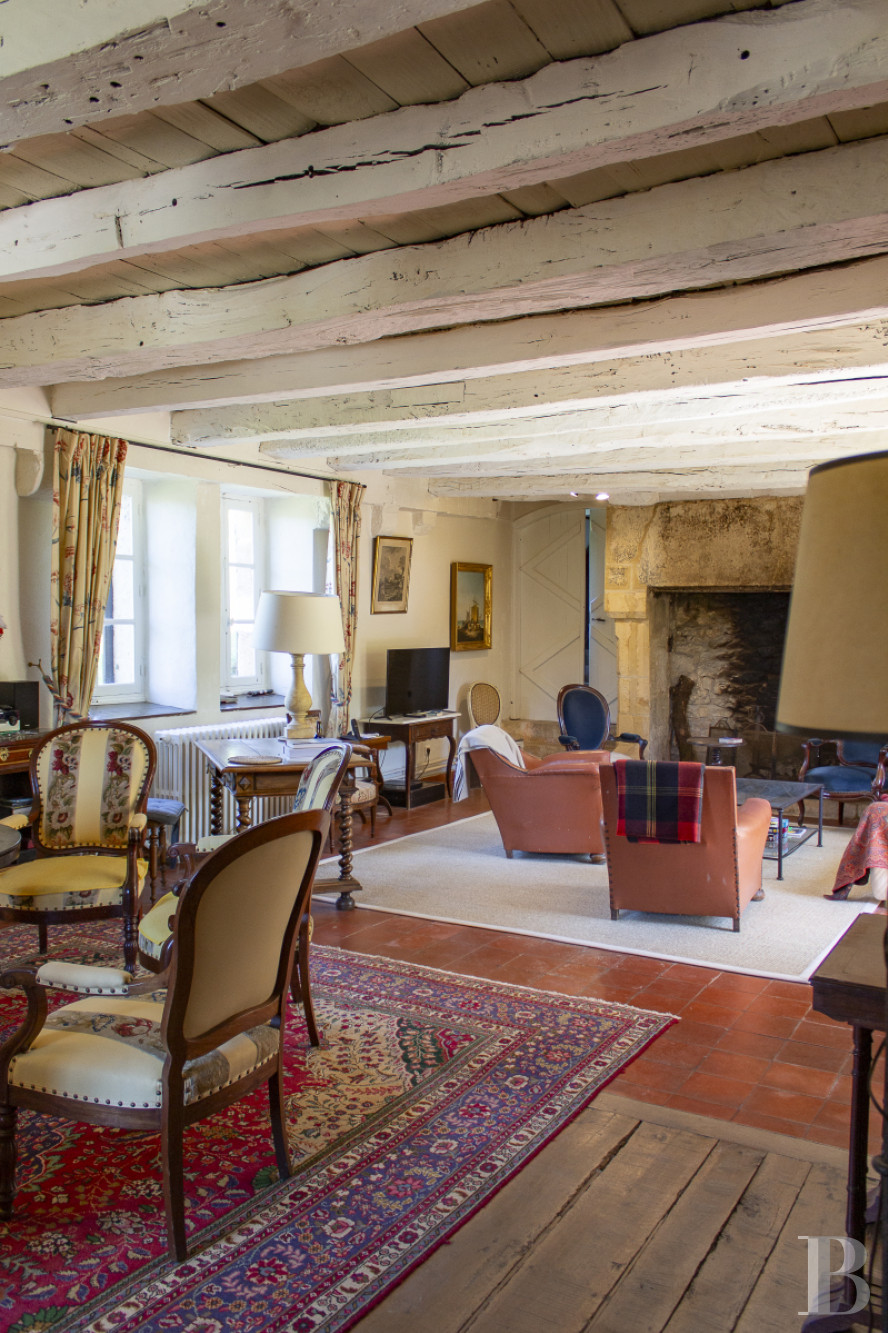
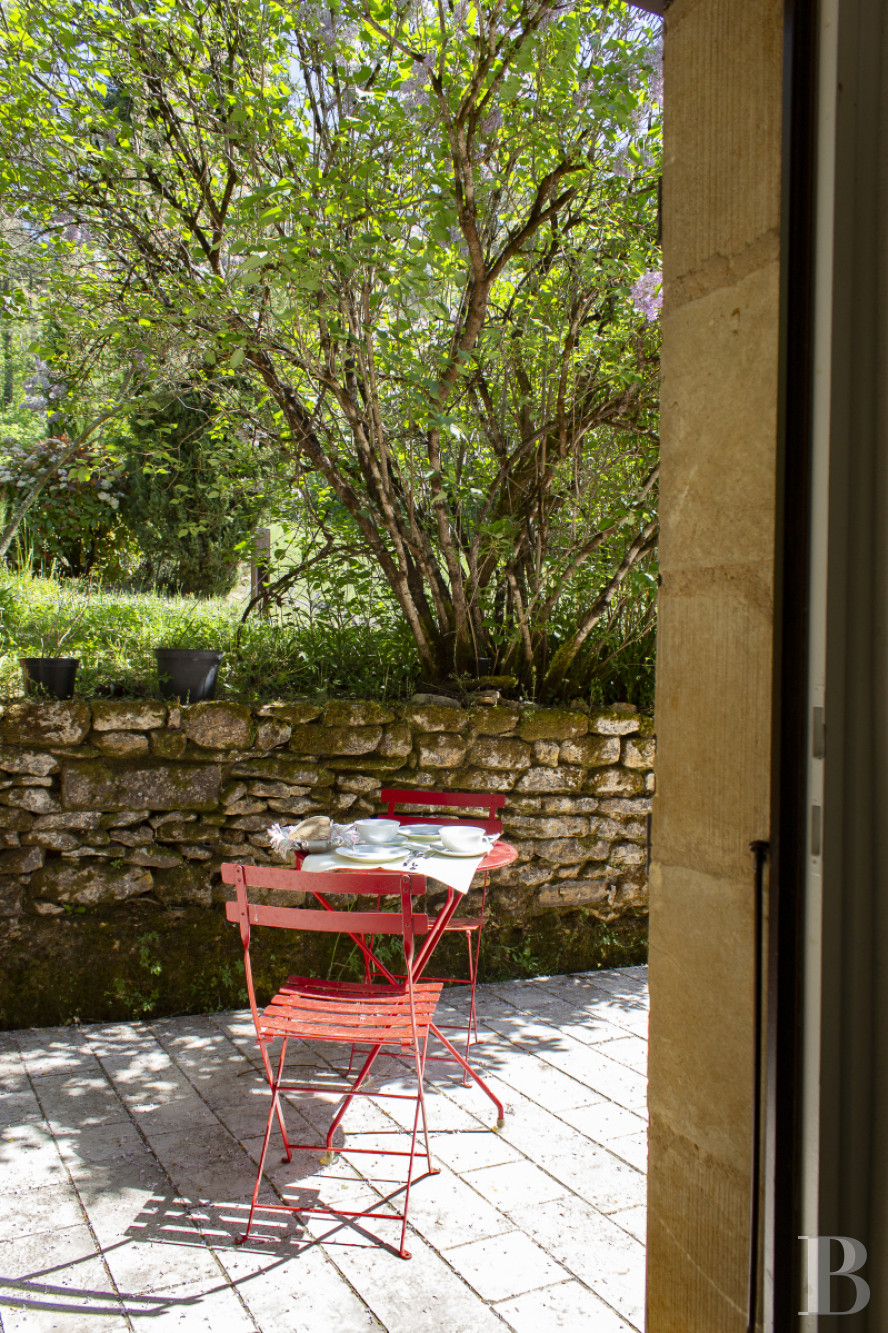
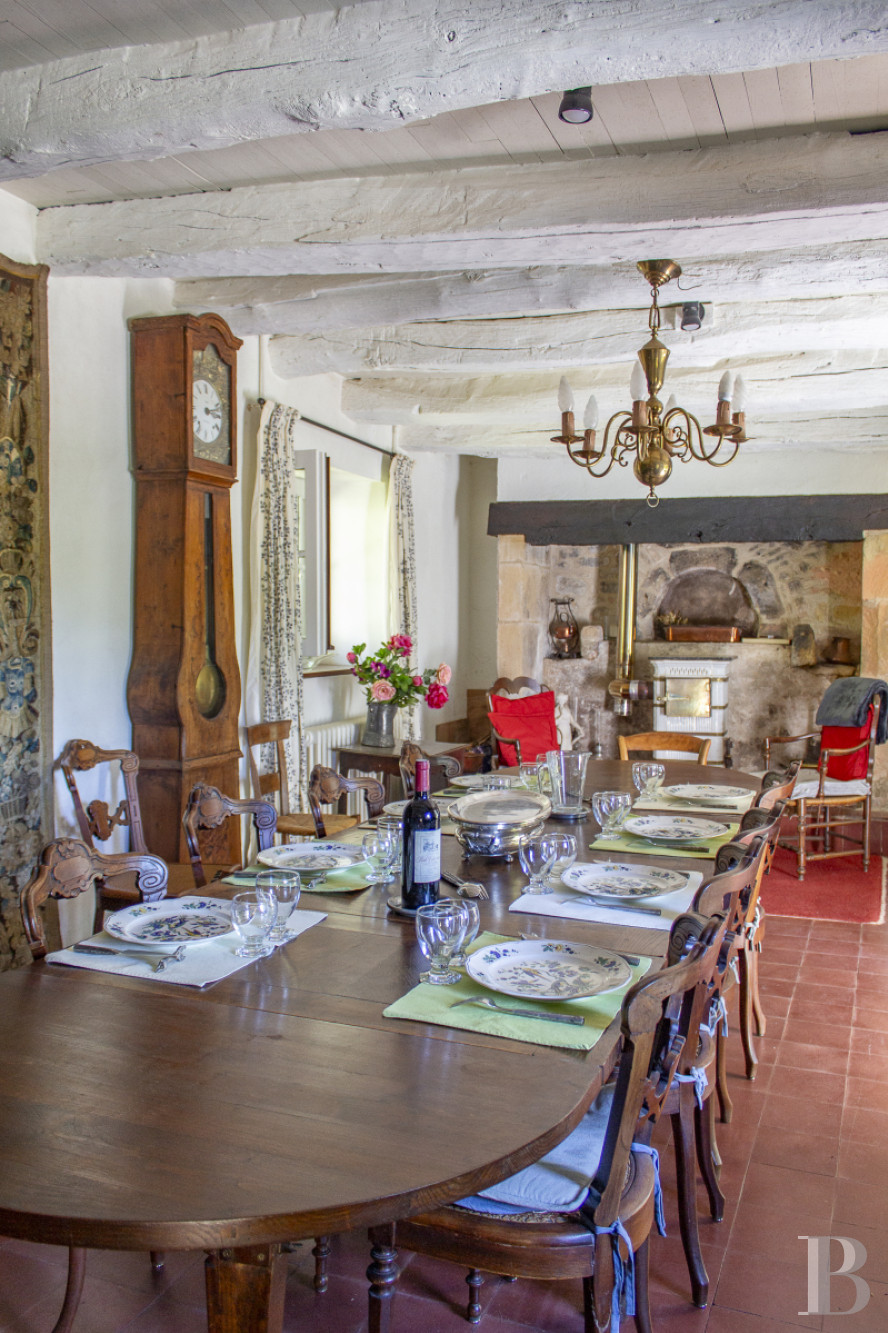
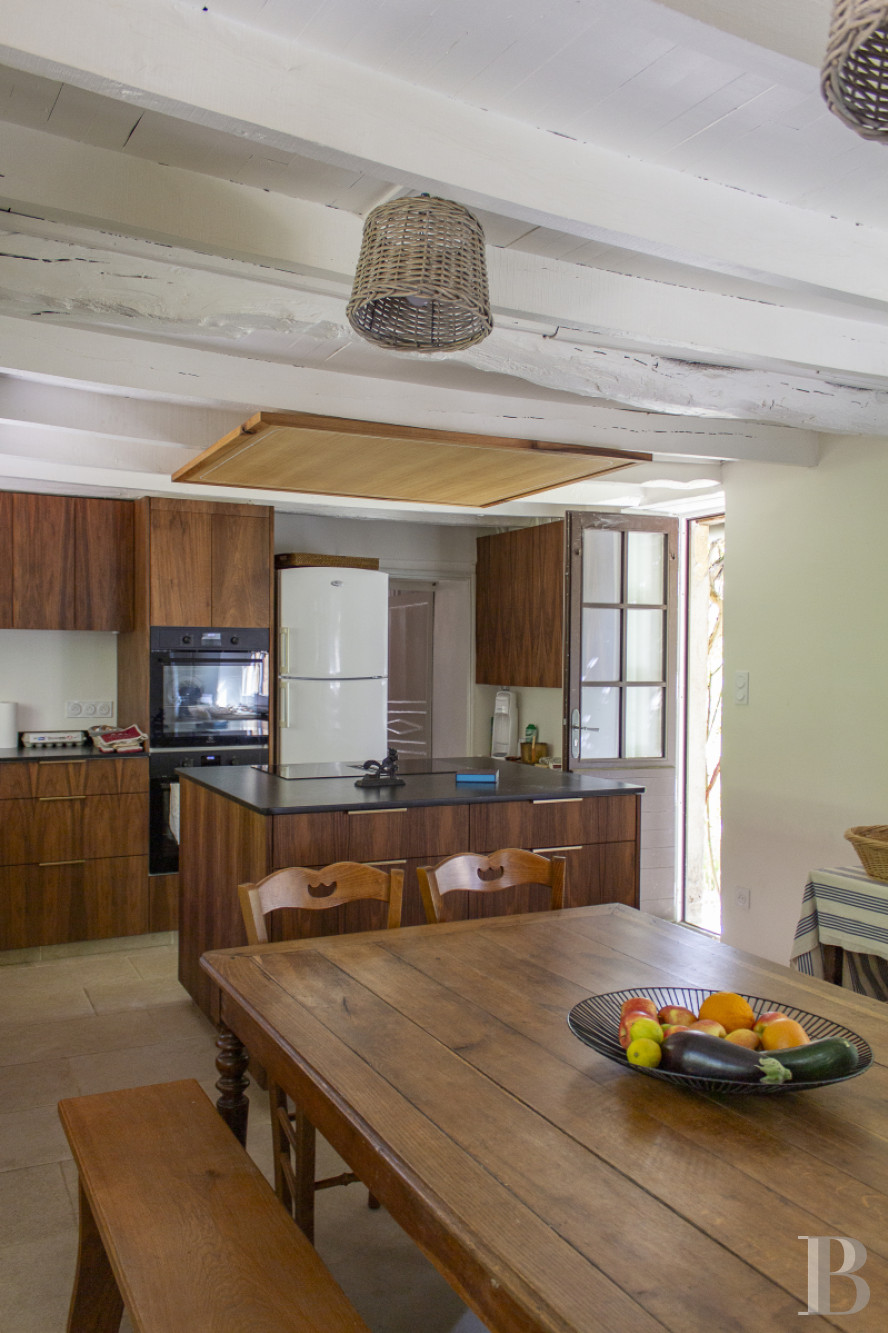
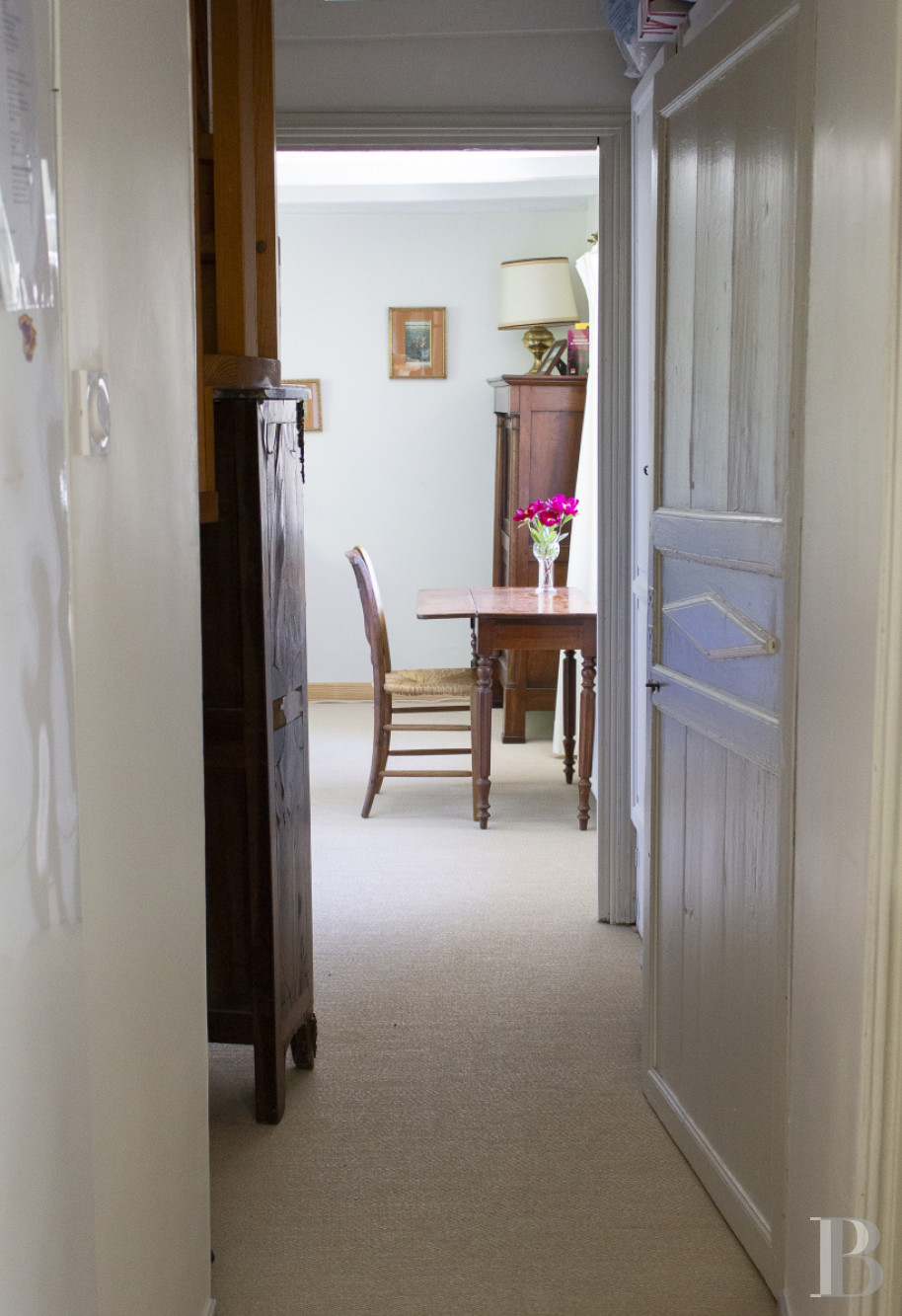
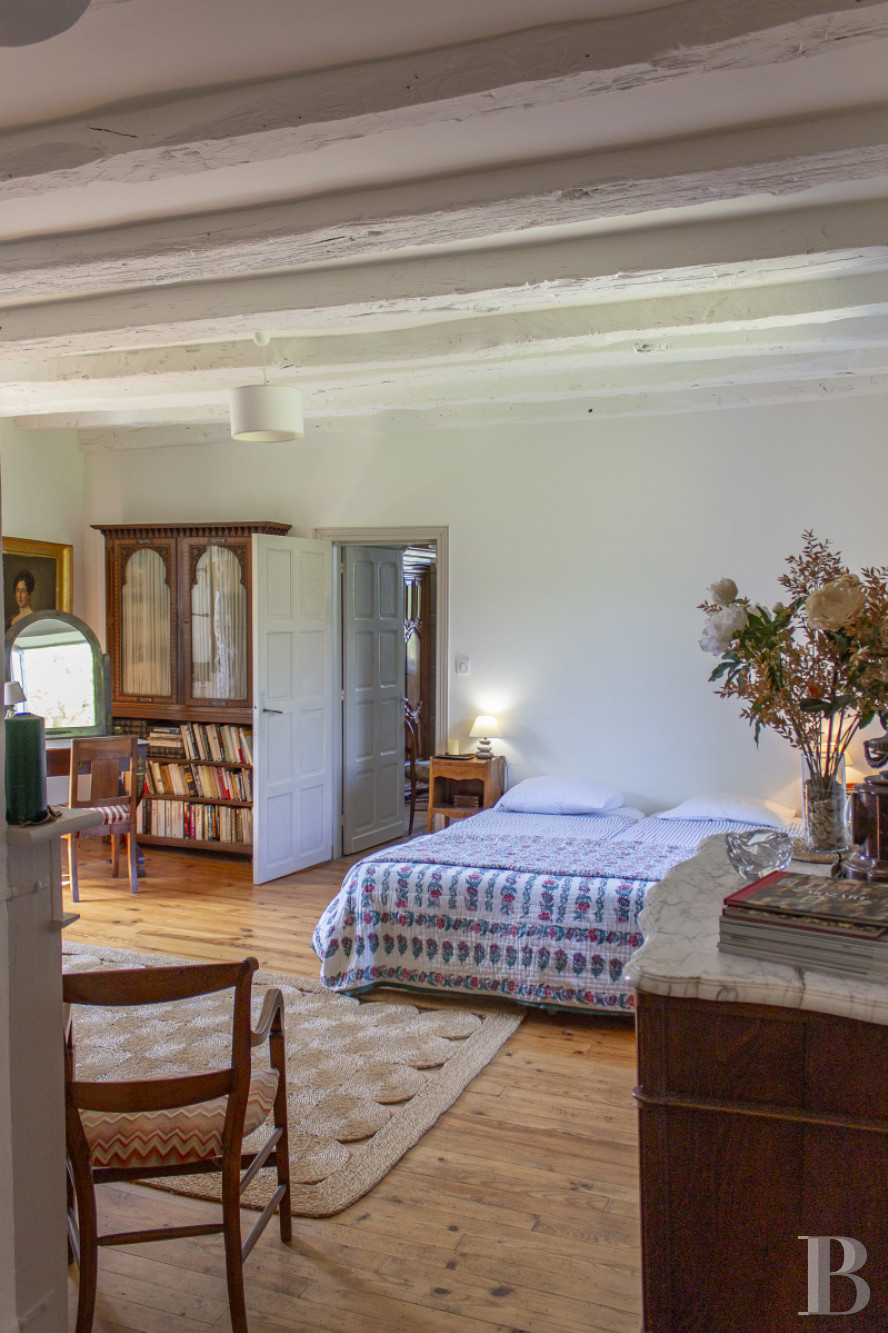
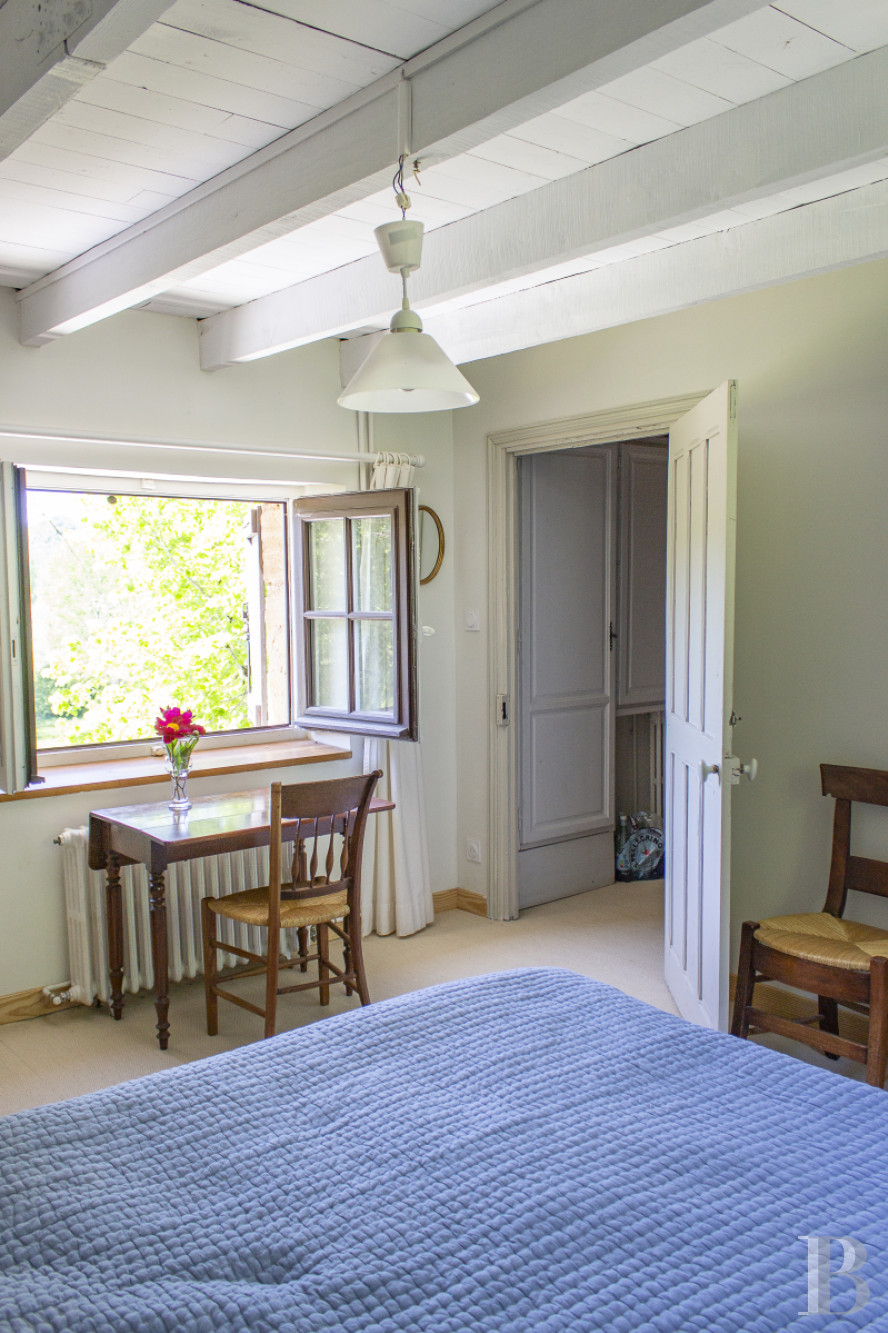
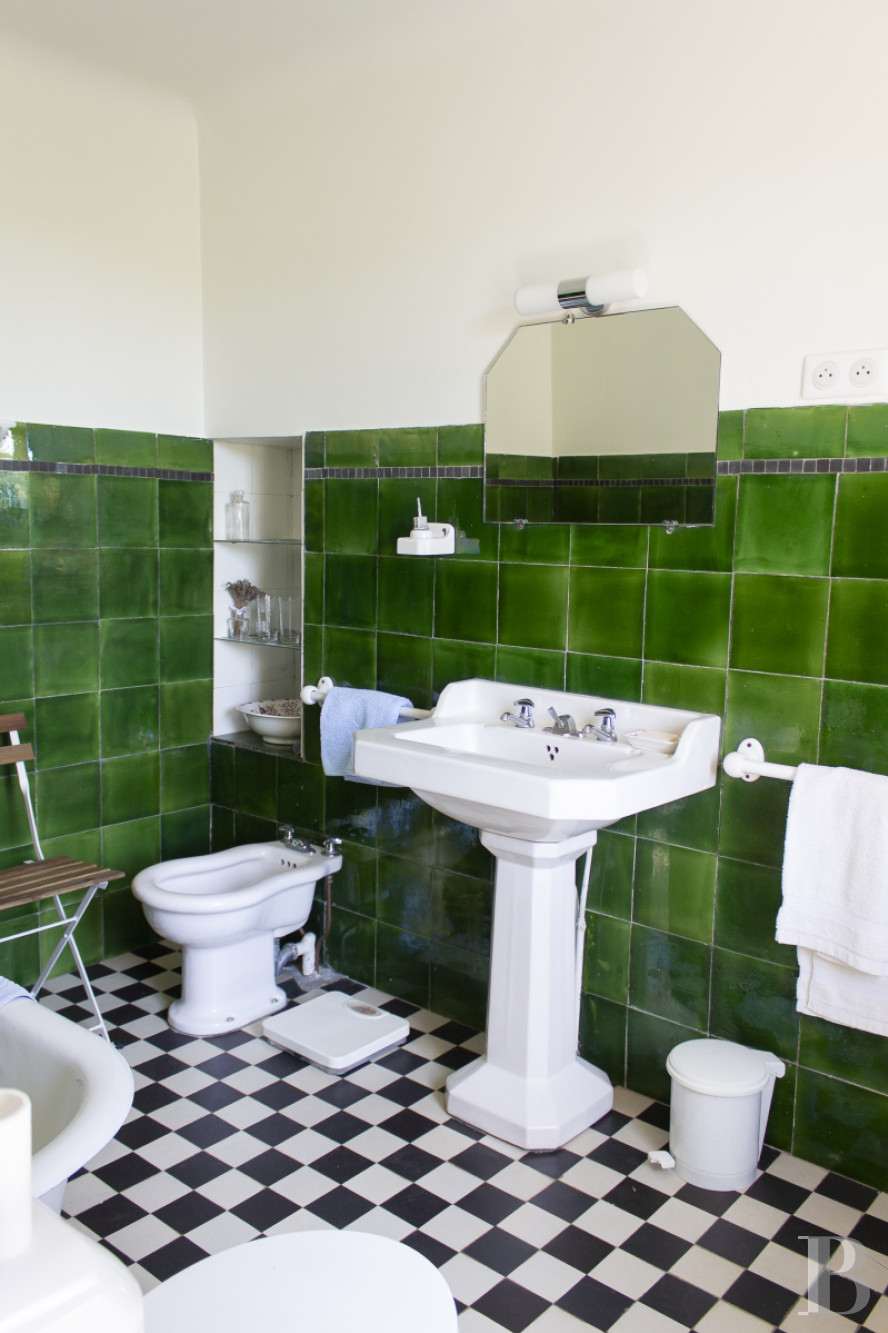
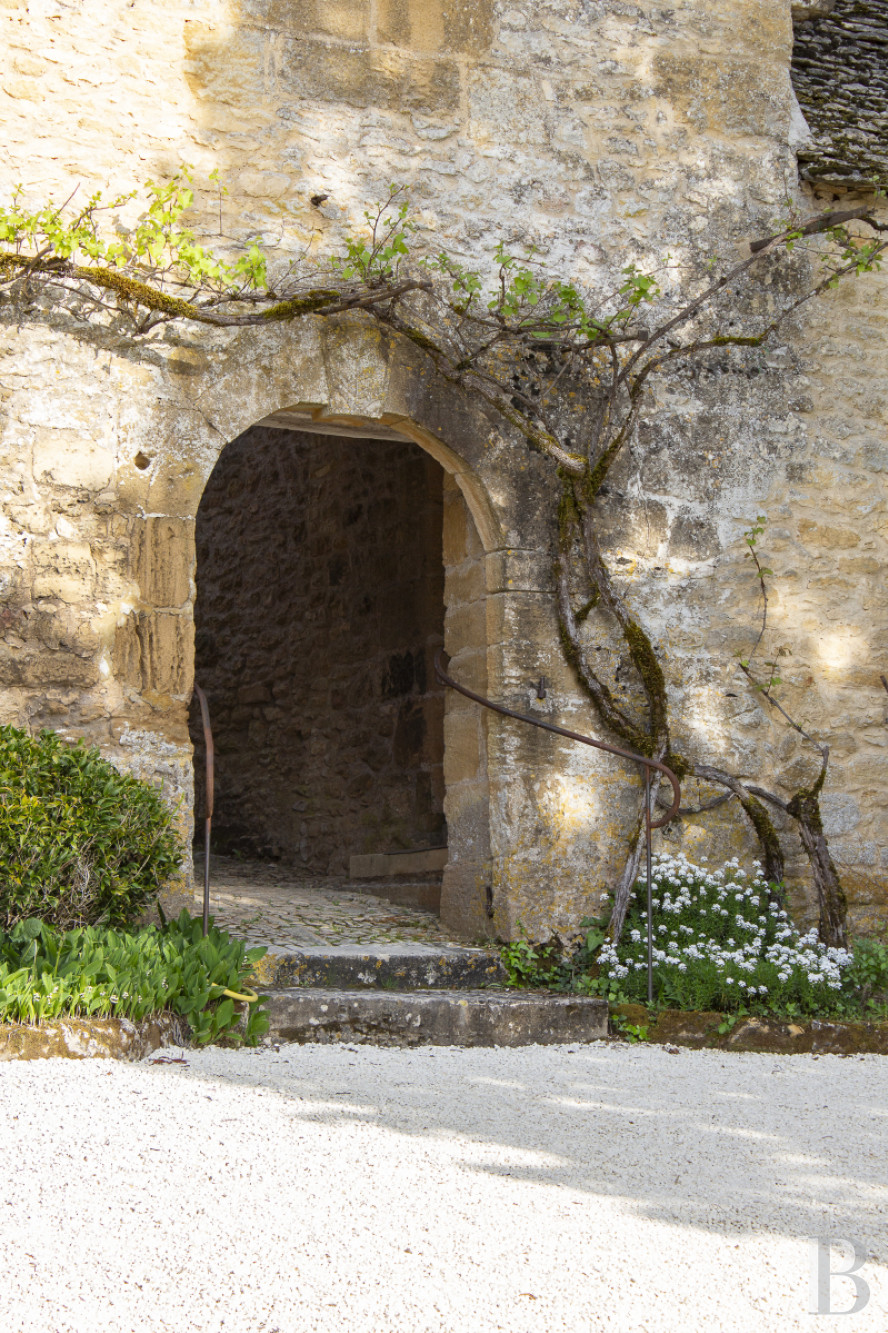
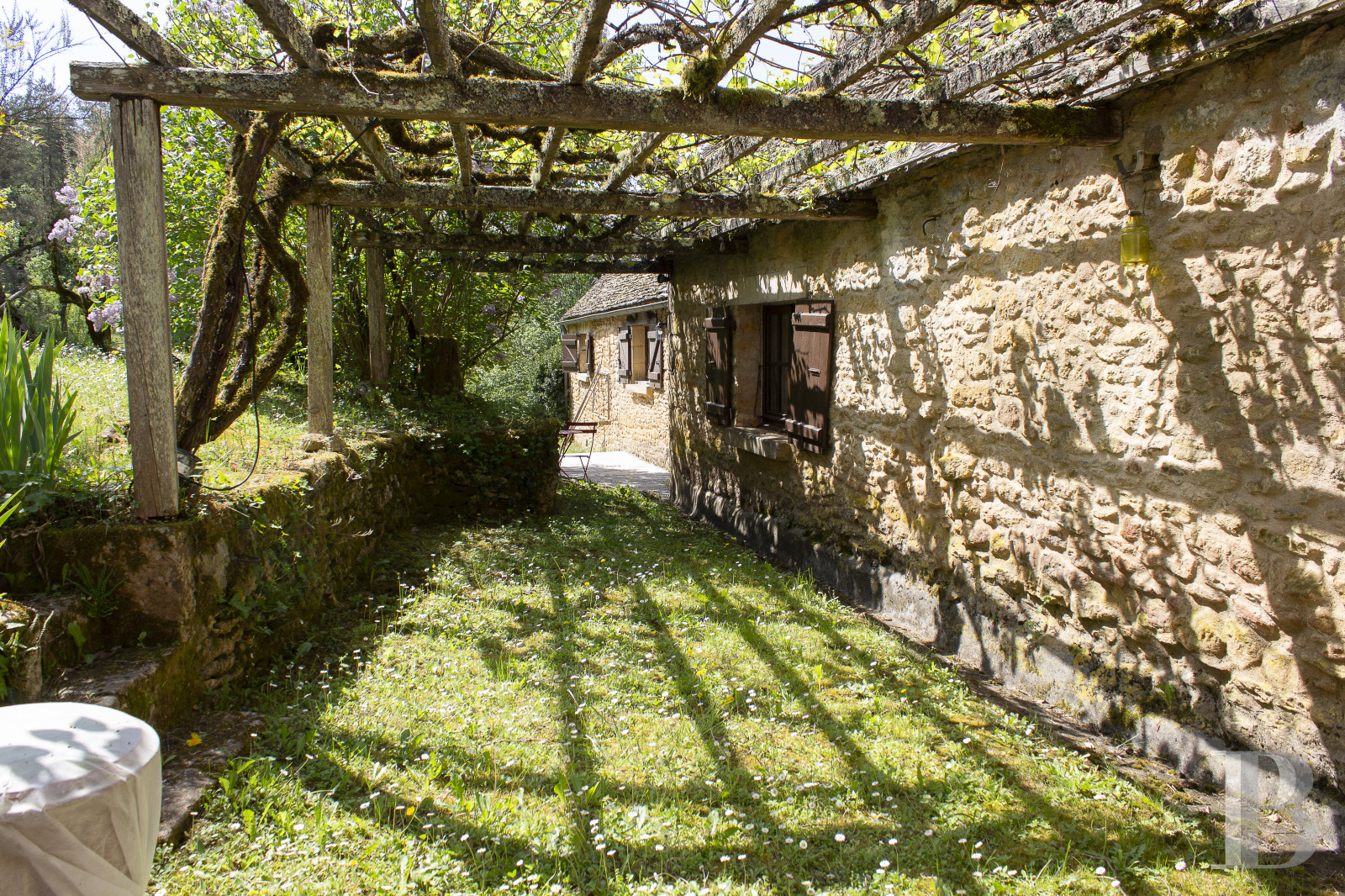
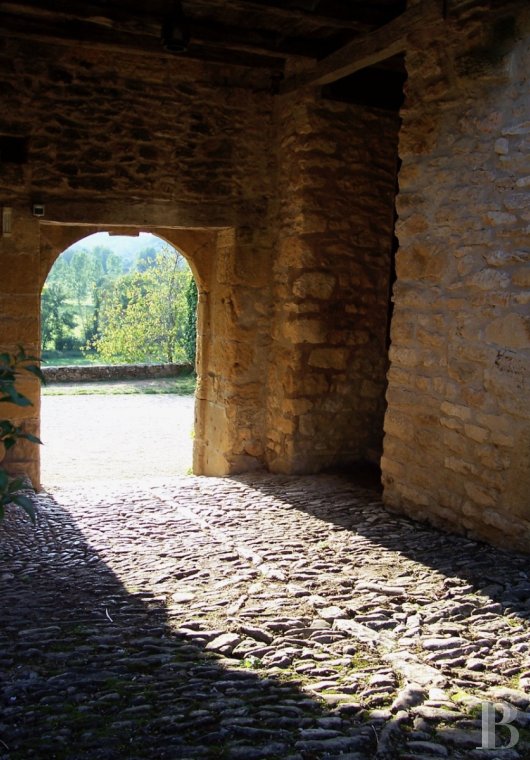
The part of the property set aside for guests consists of a house comprising two buildings, each with its own entrance, linked by a porch opening onto a courtyard reserved exclusively for guests. The "big house" features a spacious living room with a grand fireplace opening onto the garden, as well as three bedrooms upstairs, two of which are connected via their bathrooms. The single-storey "little house" comprises a large family dining room, a fitted kitchen opening onto the terraces, and a bedroom with an en-suite shower room. Two gardens extend around the houses. The heated, secure swimming pool features a dining area and a pool house with a shower and toilet. The complex has retained the character of traditional Périgord homes, with steps, staircases, and narrow passageways, making it unsuitable for people with limited mobility and requiring special care when visiting with young children.
ref 258351
A link to enter a new password has been sent to you by email.
By continuing your navigation, you accept the use of cookies to offer you services and offers adapted to your centers of interest and to measure the frequentation of our services. Learn more