

Add to favorites
Log in to your personal space
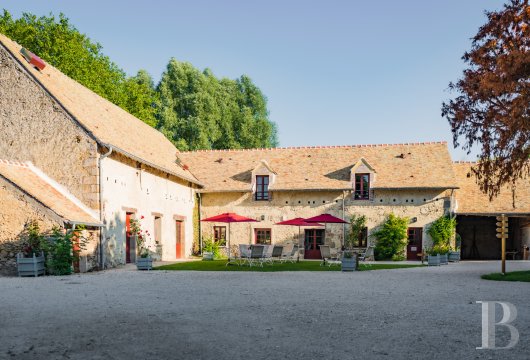
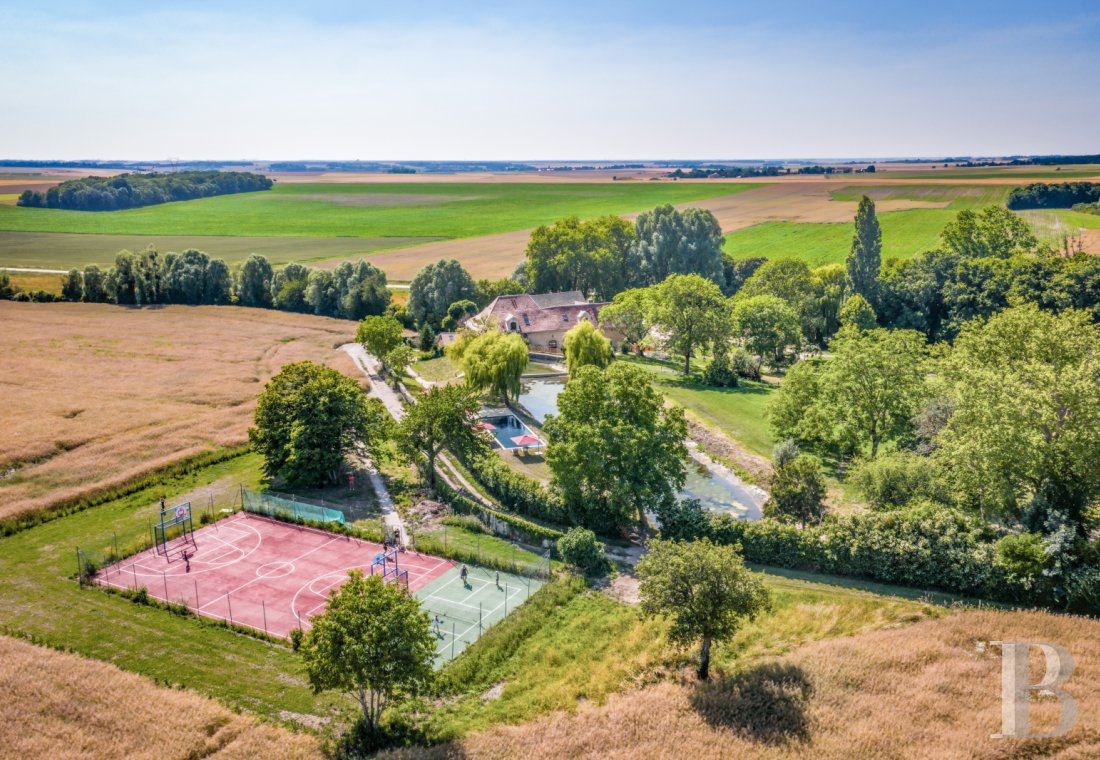
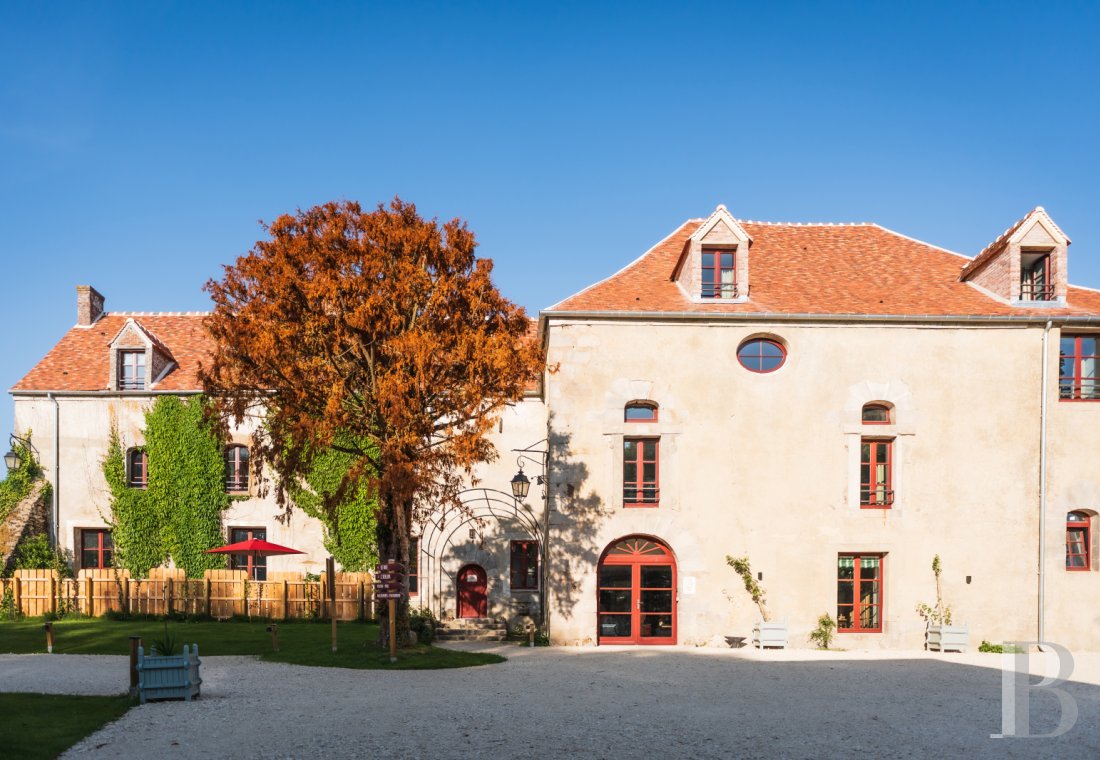
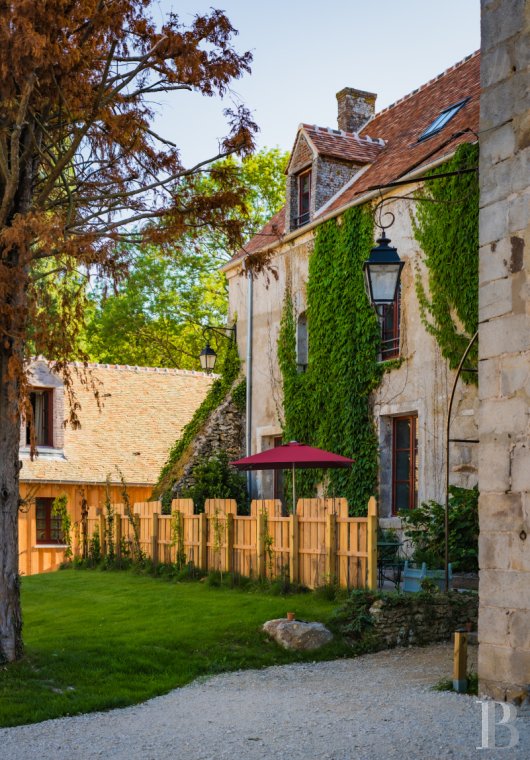
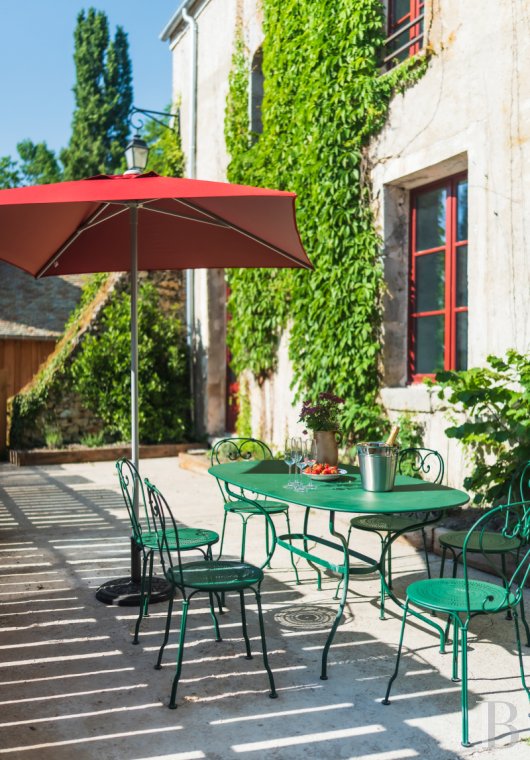
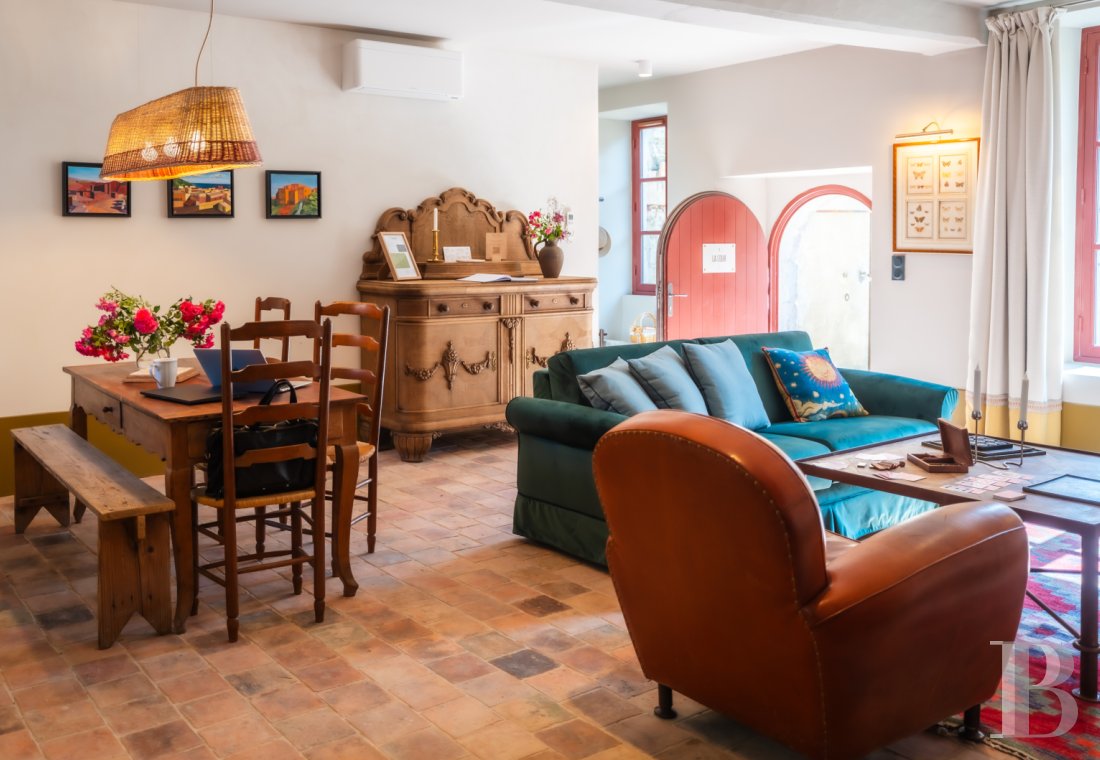
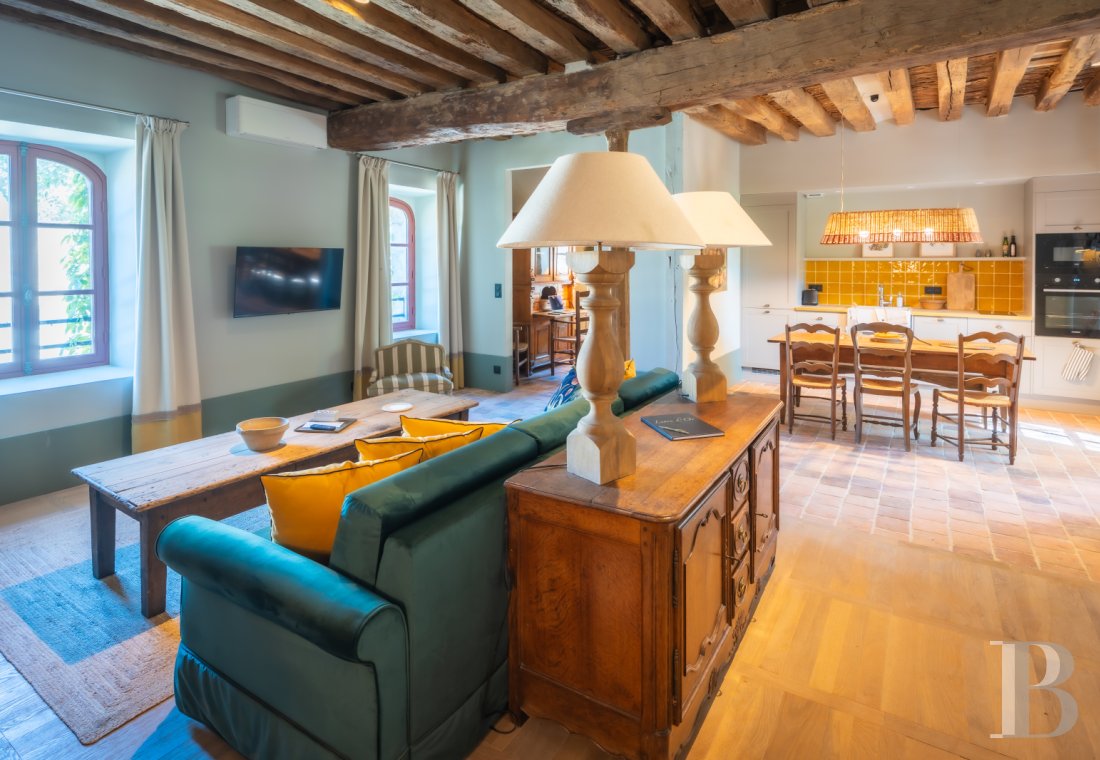
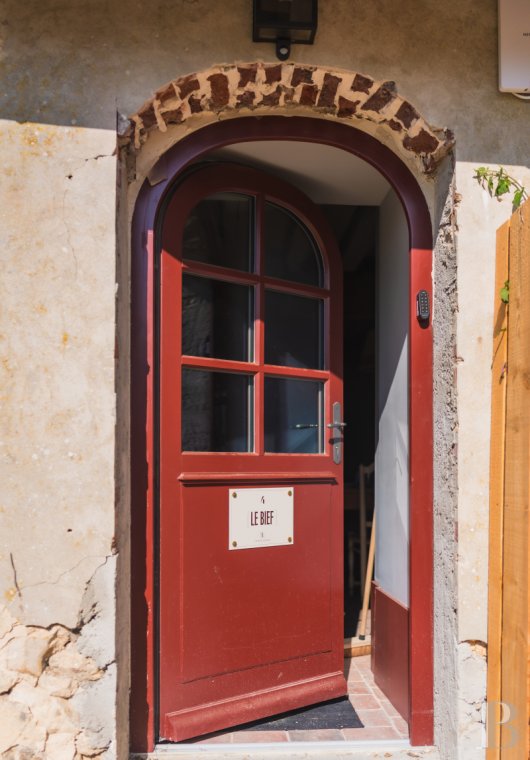
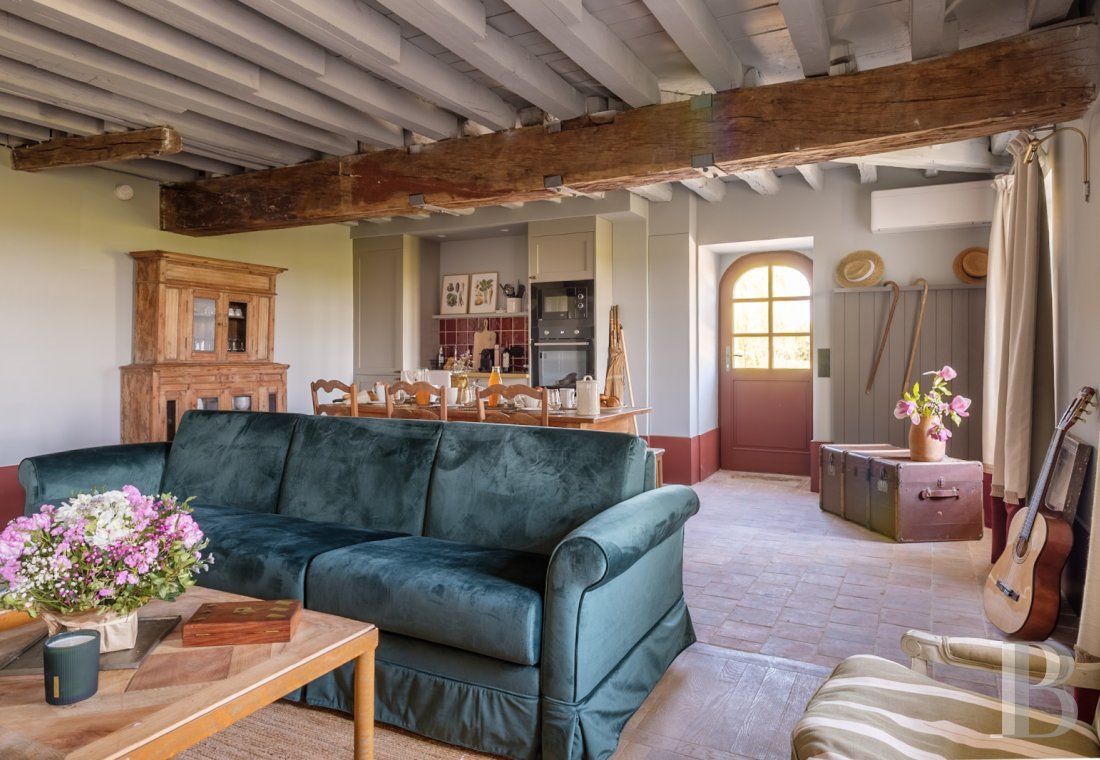
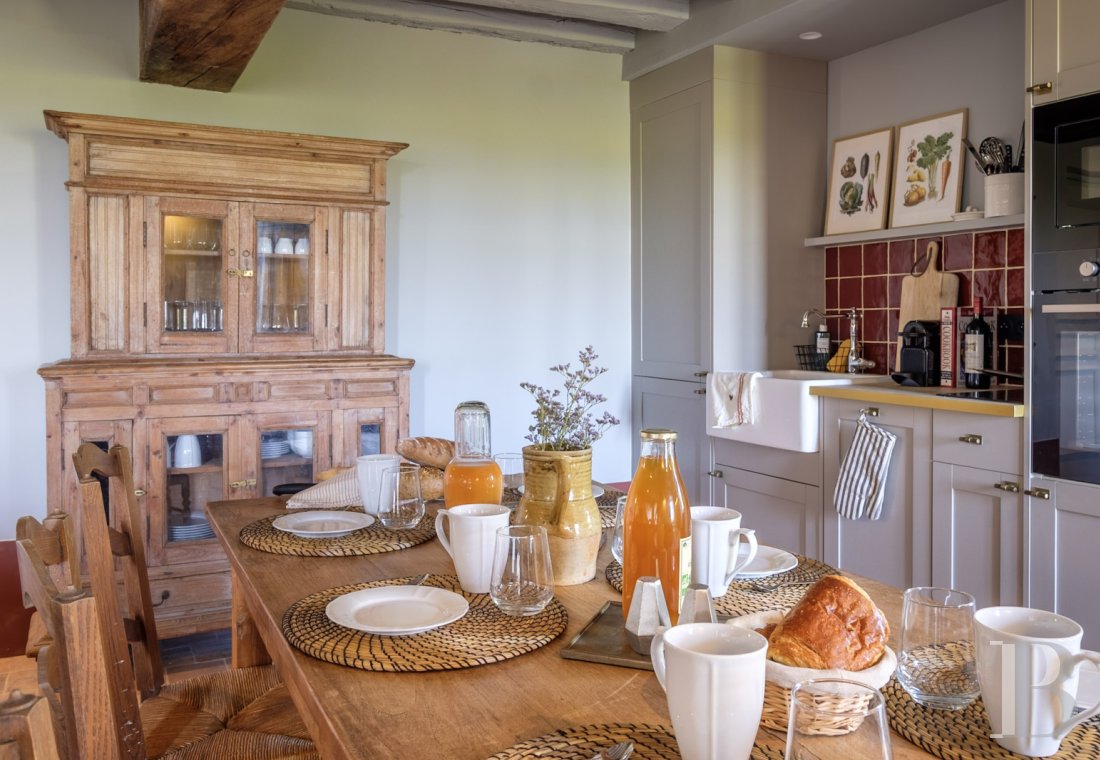
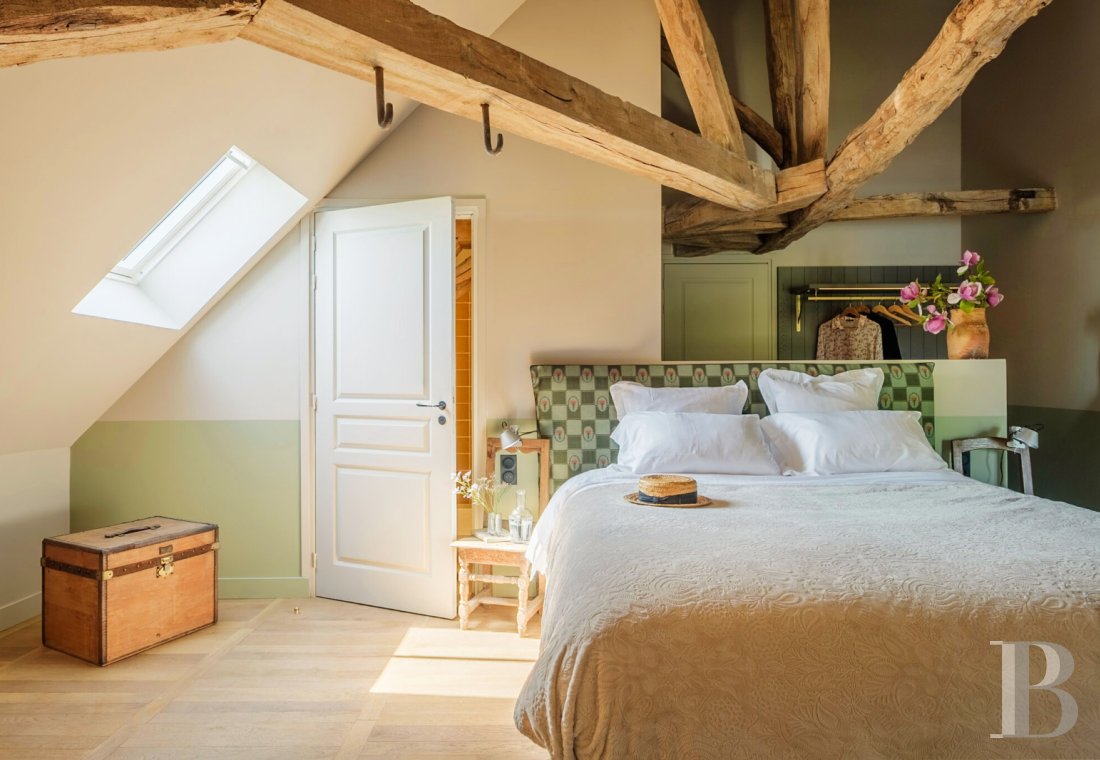
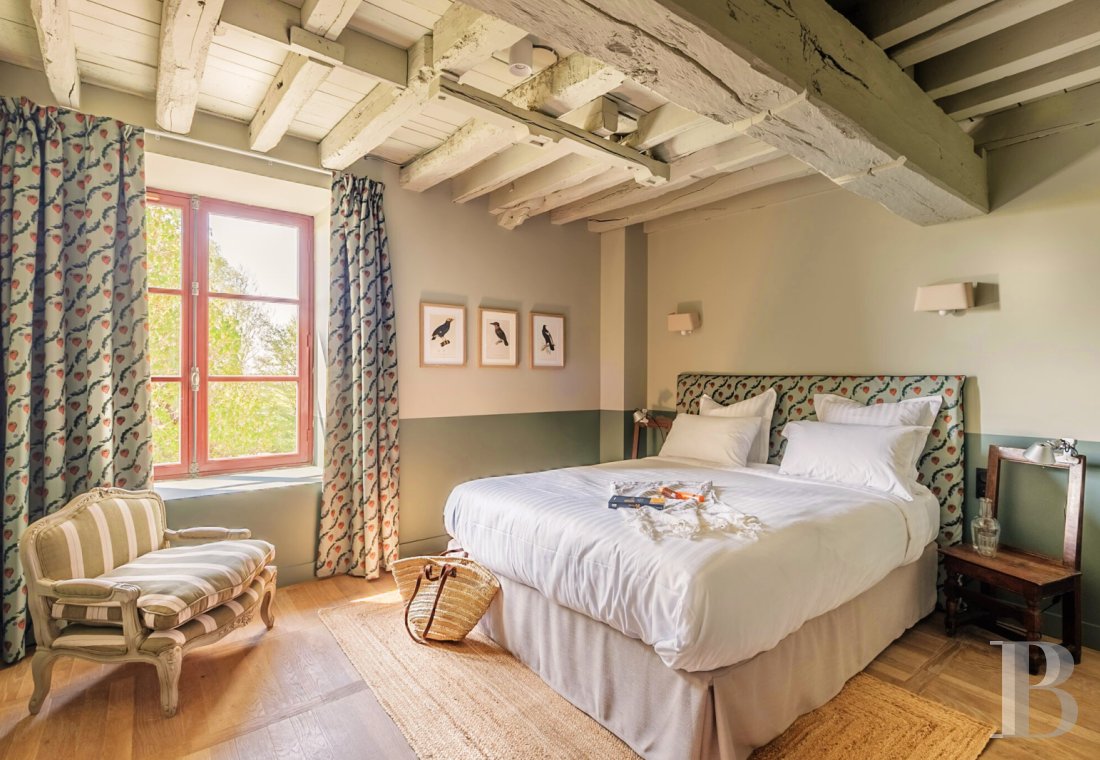
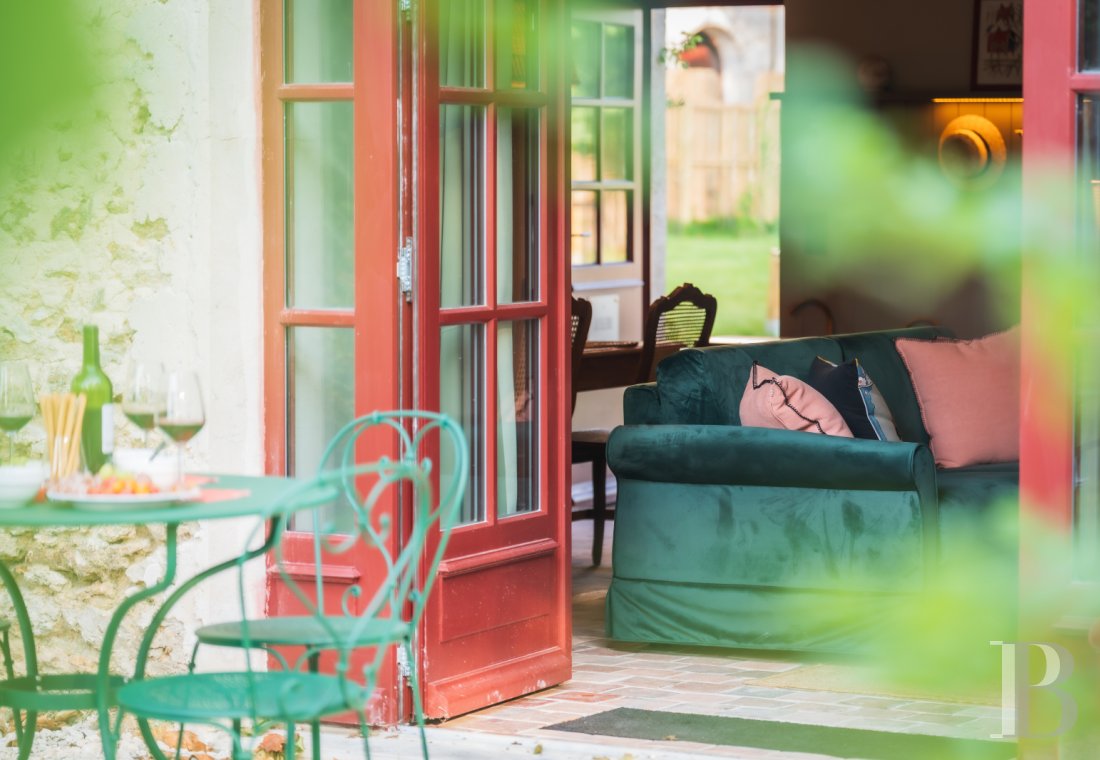
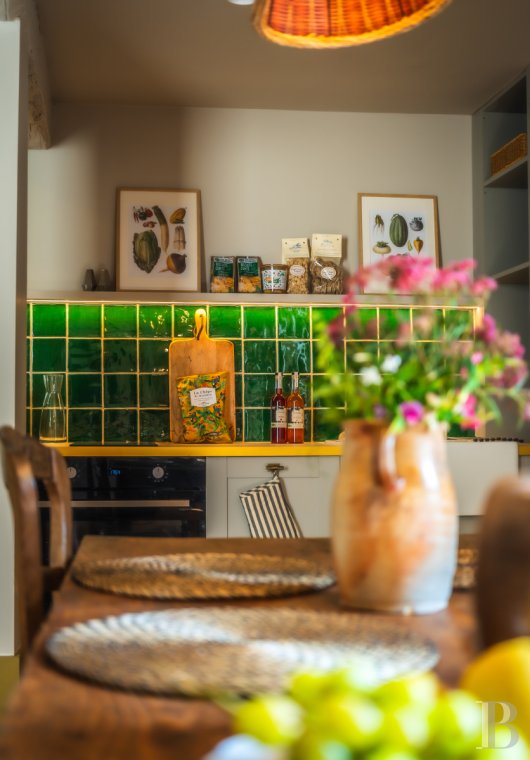
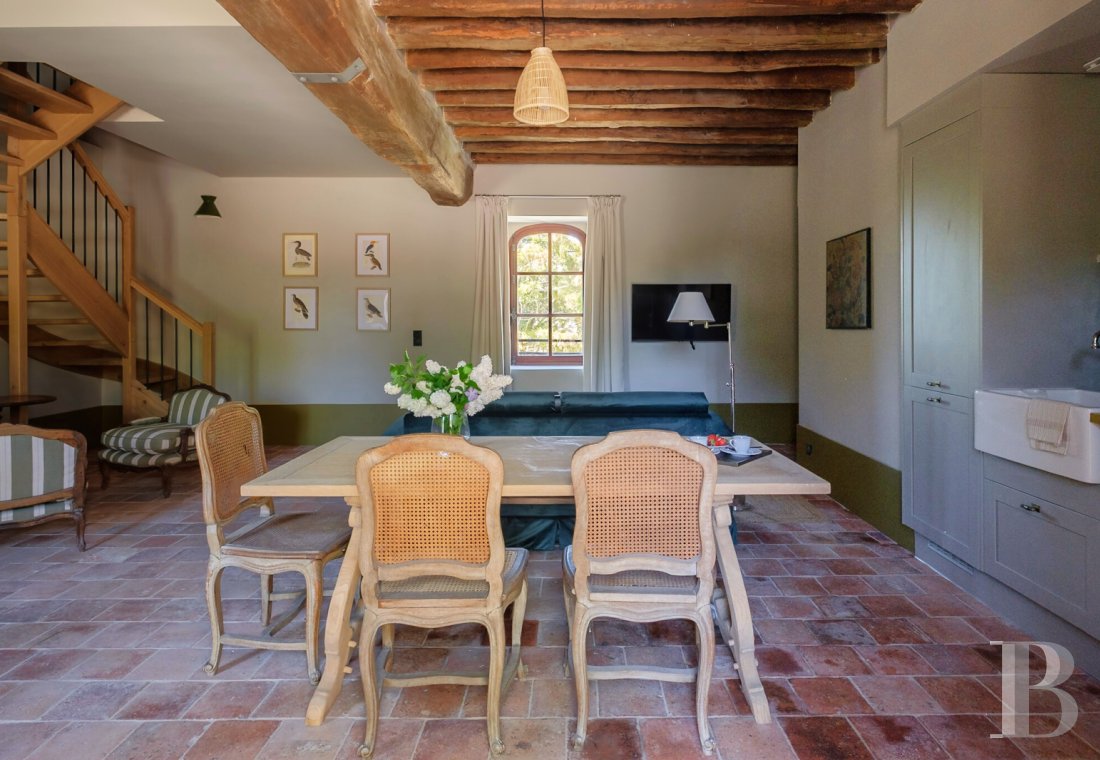
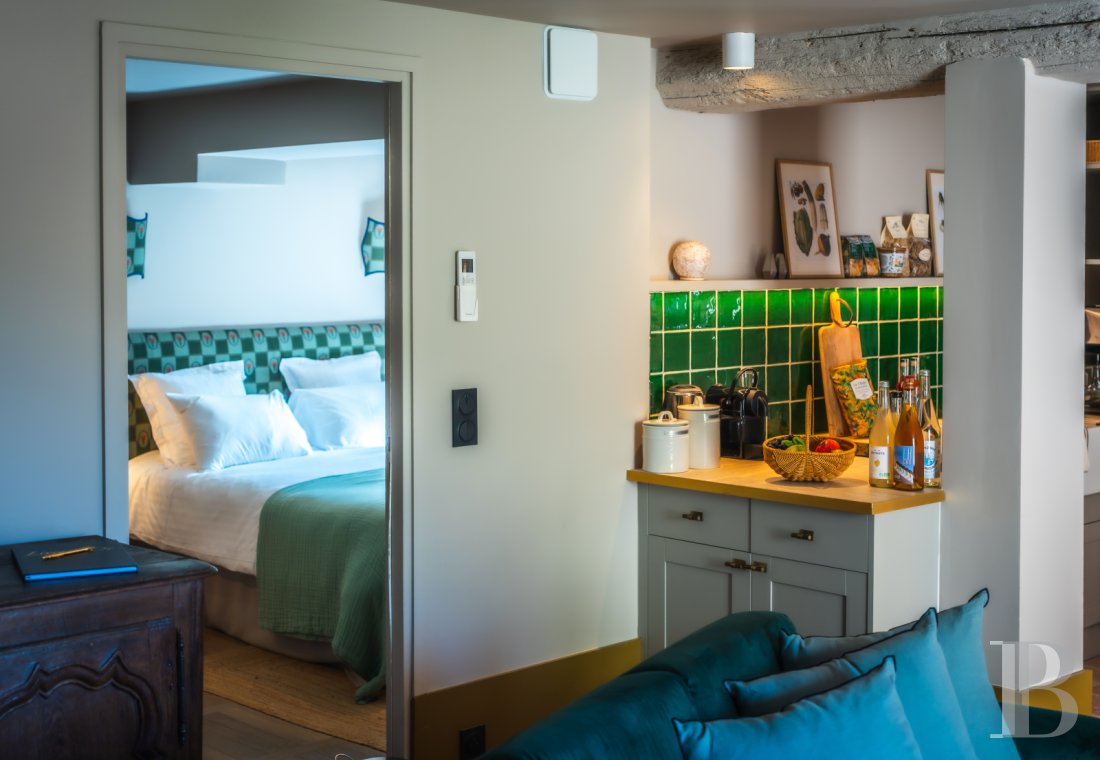
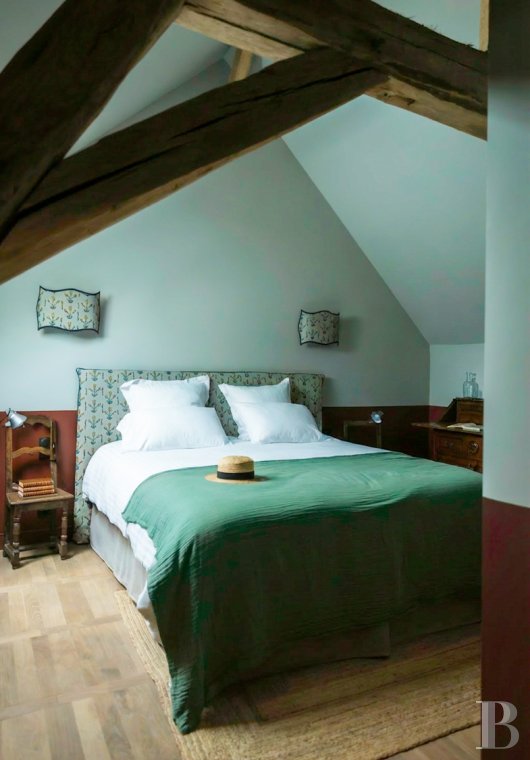
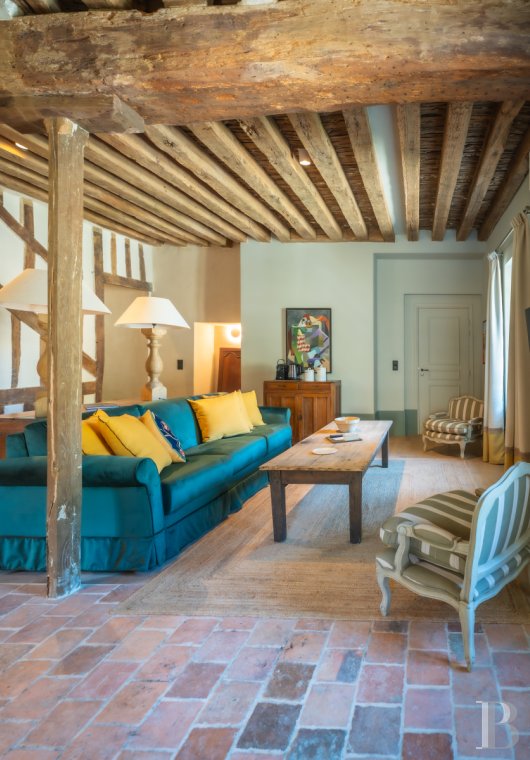
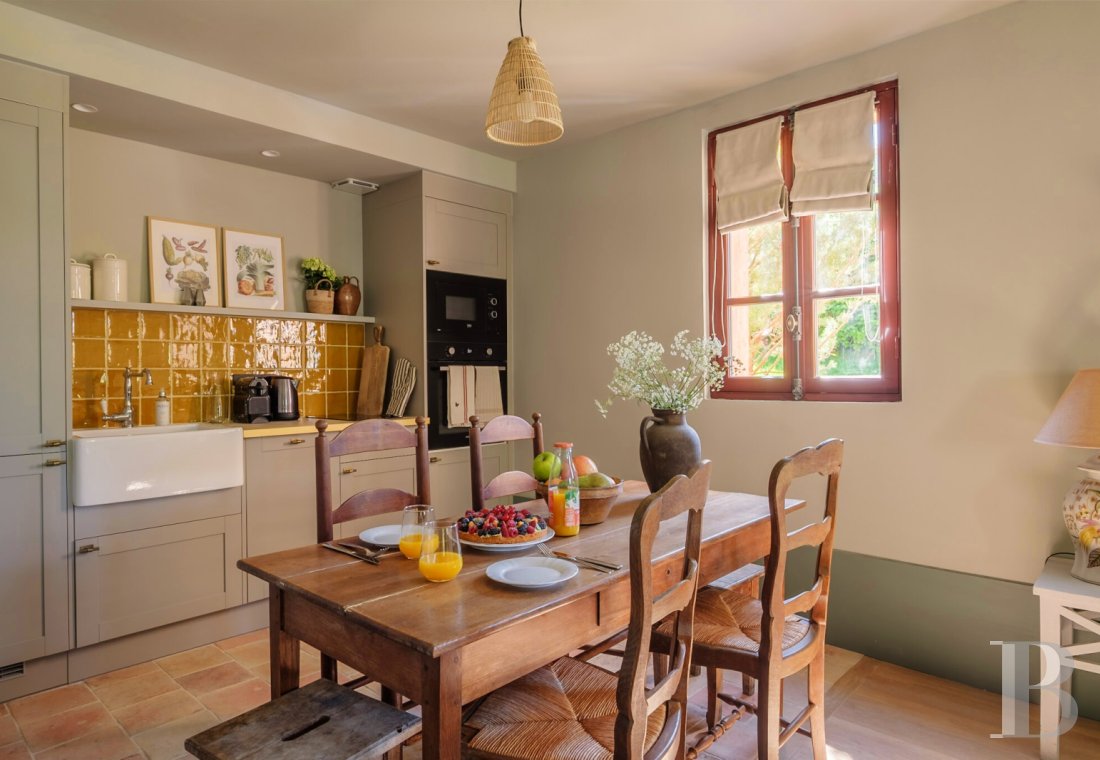
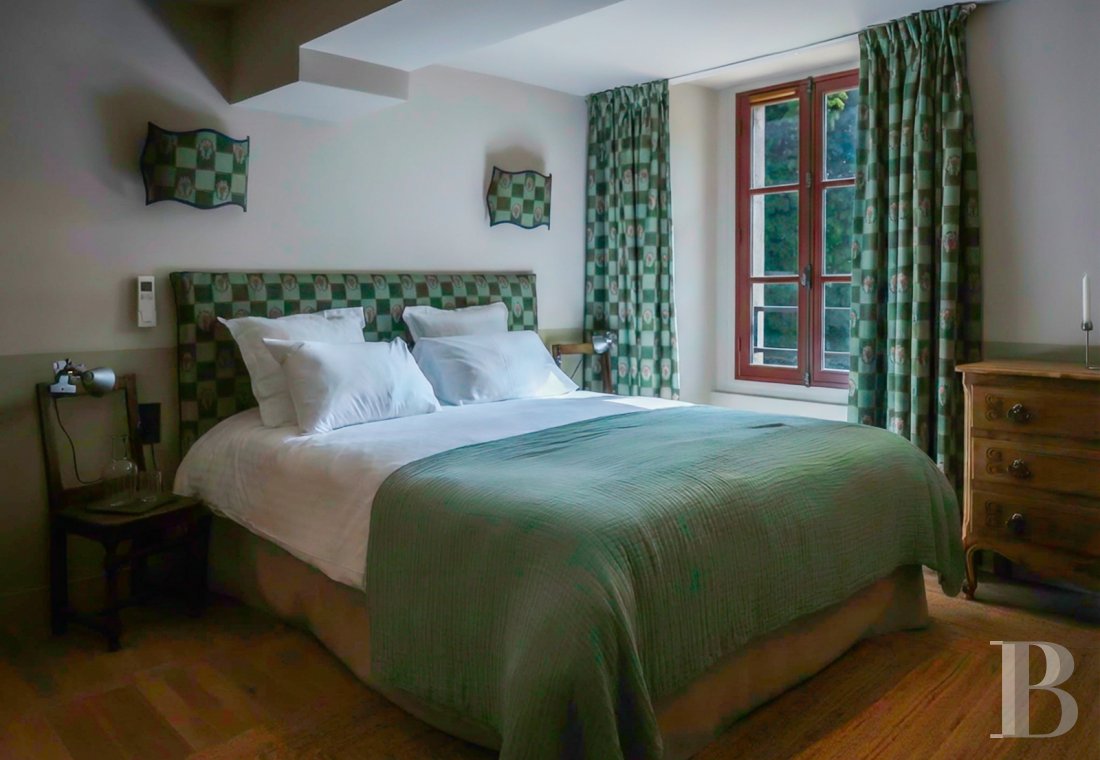
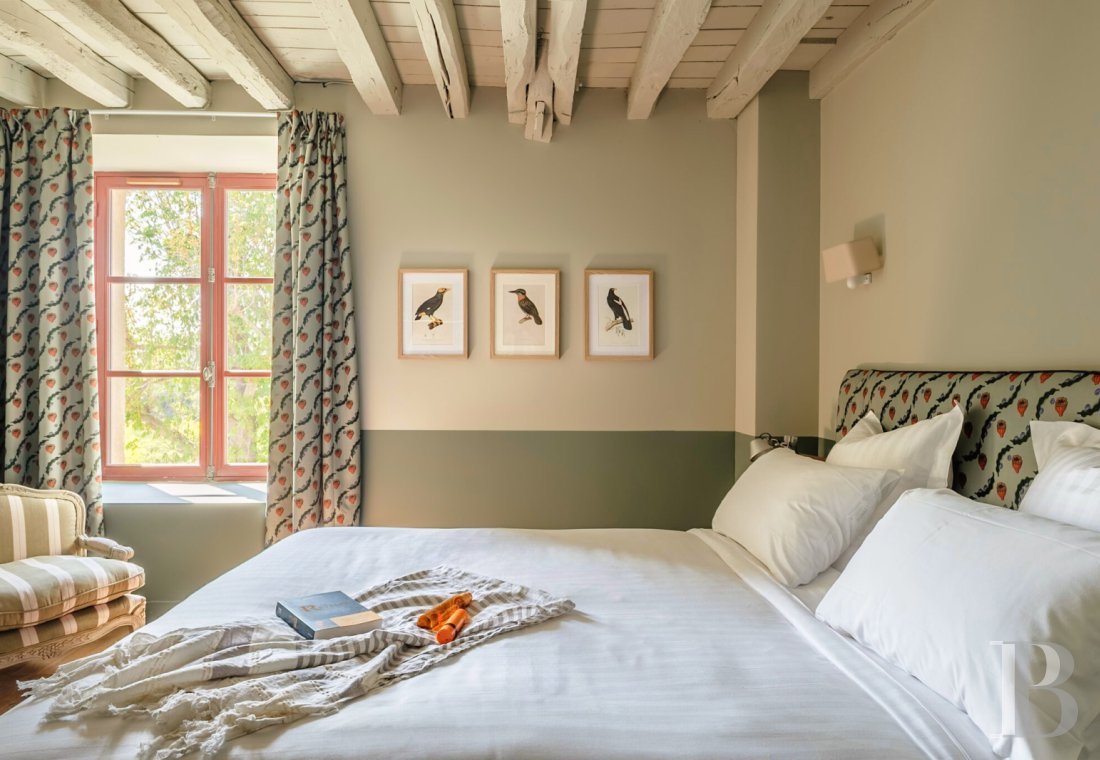
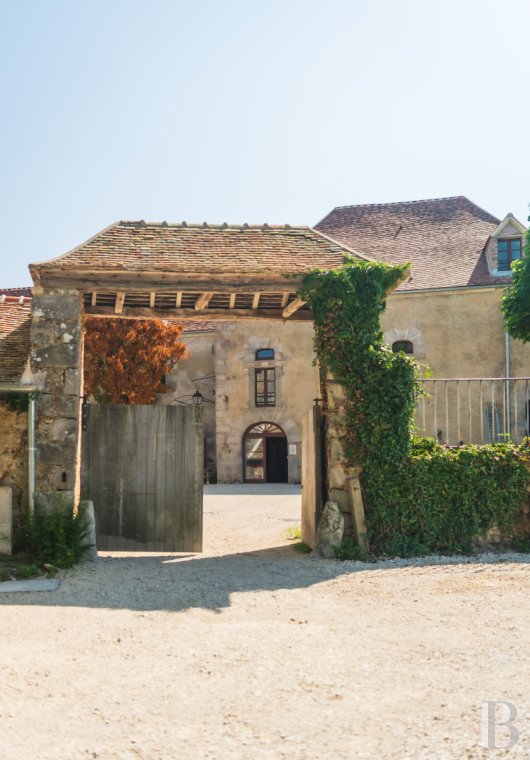
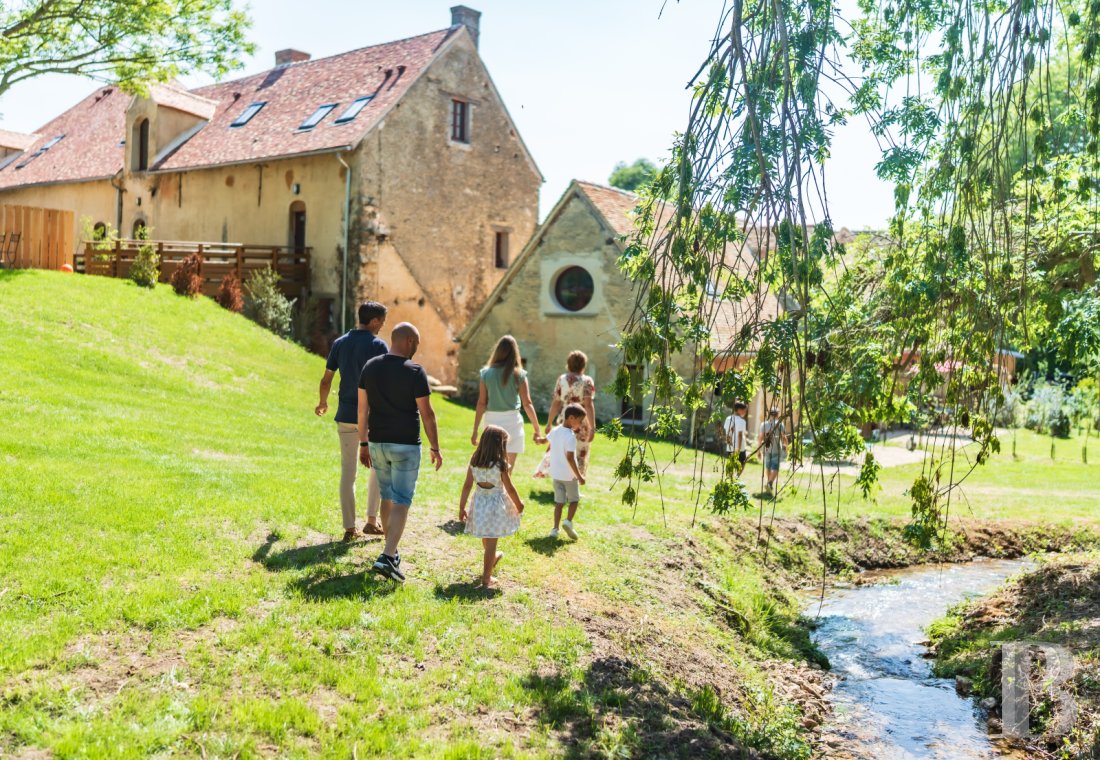
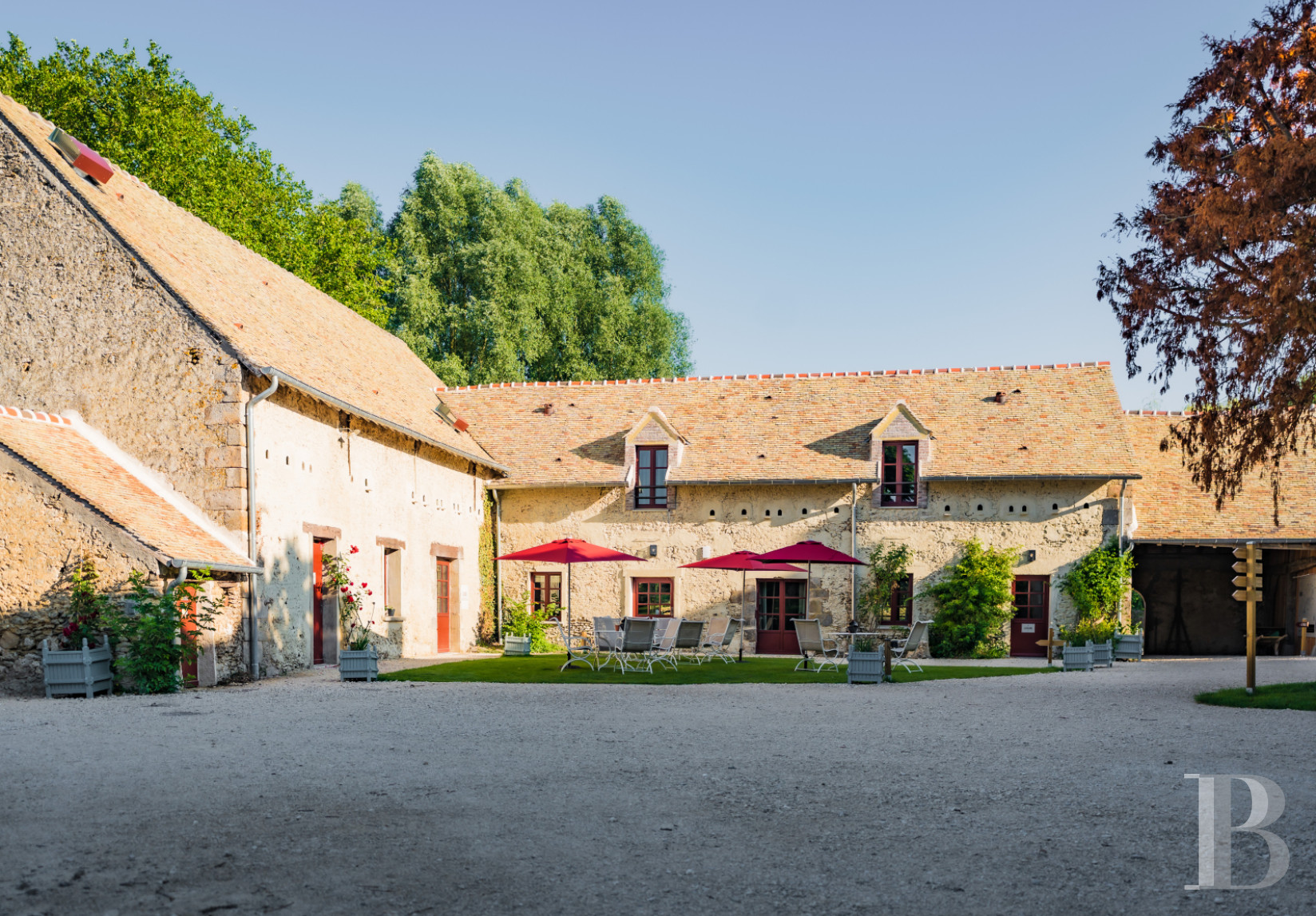
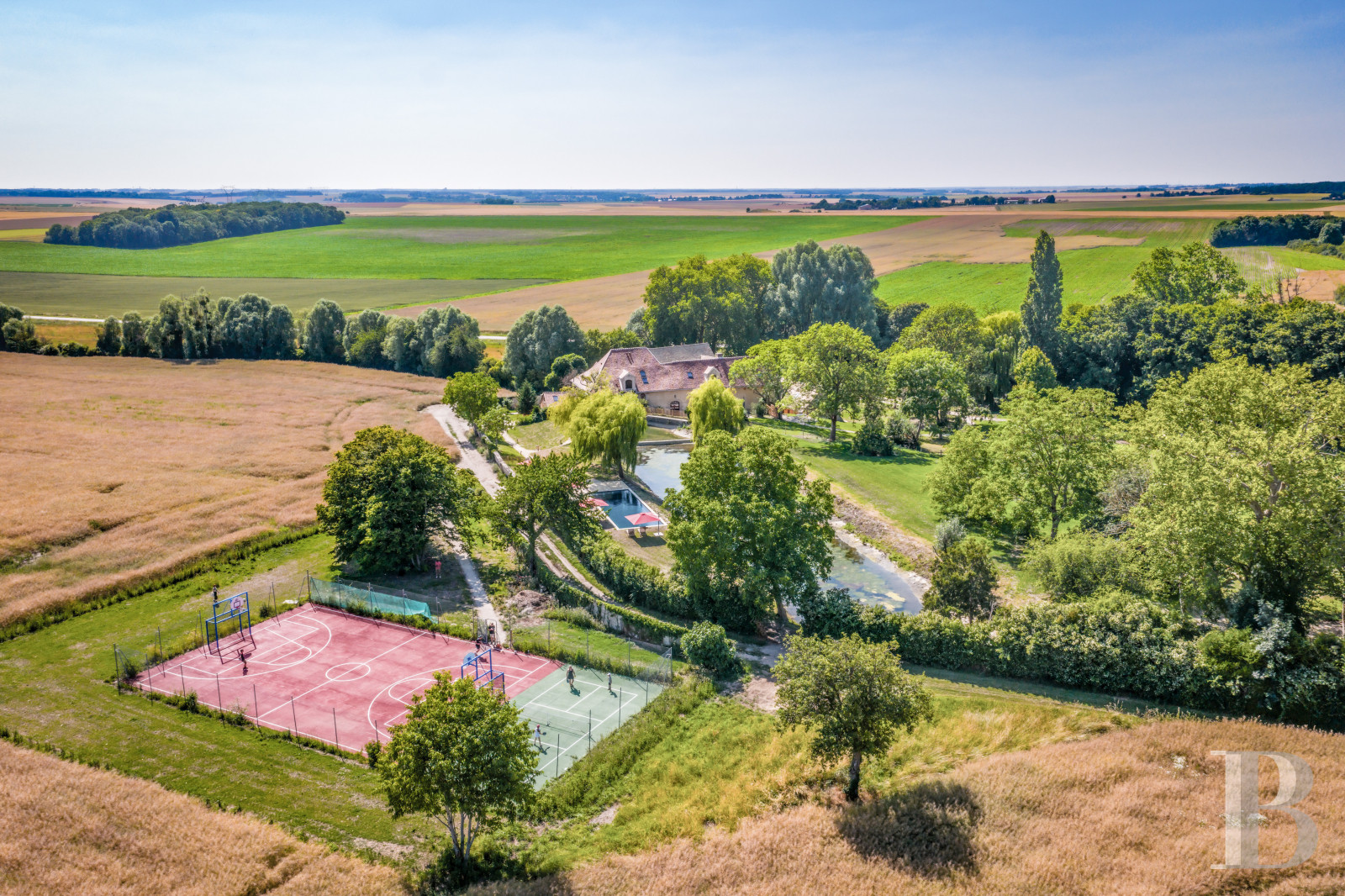
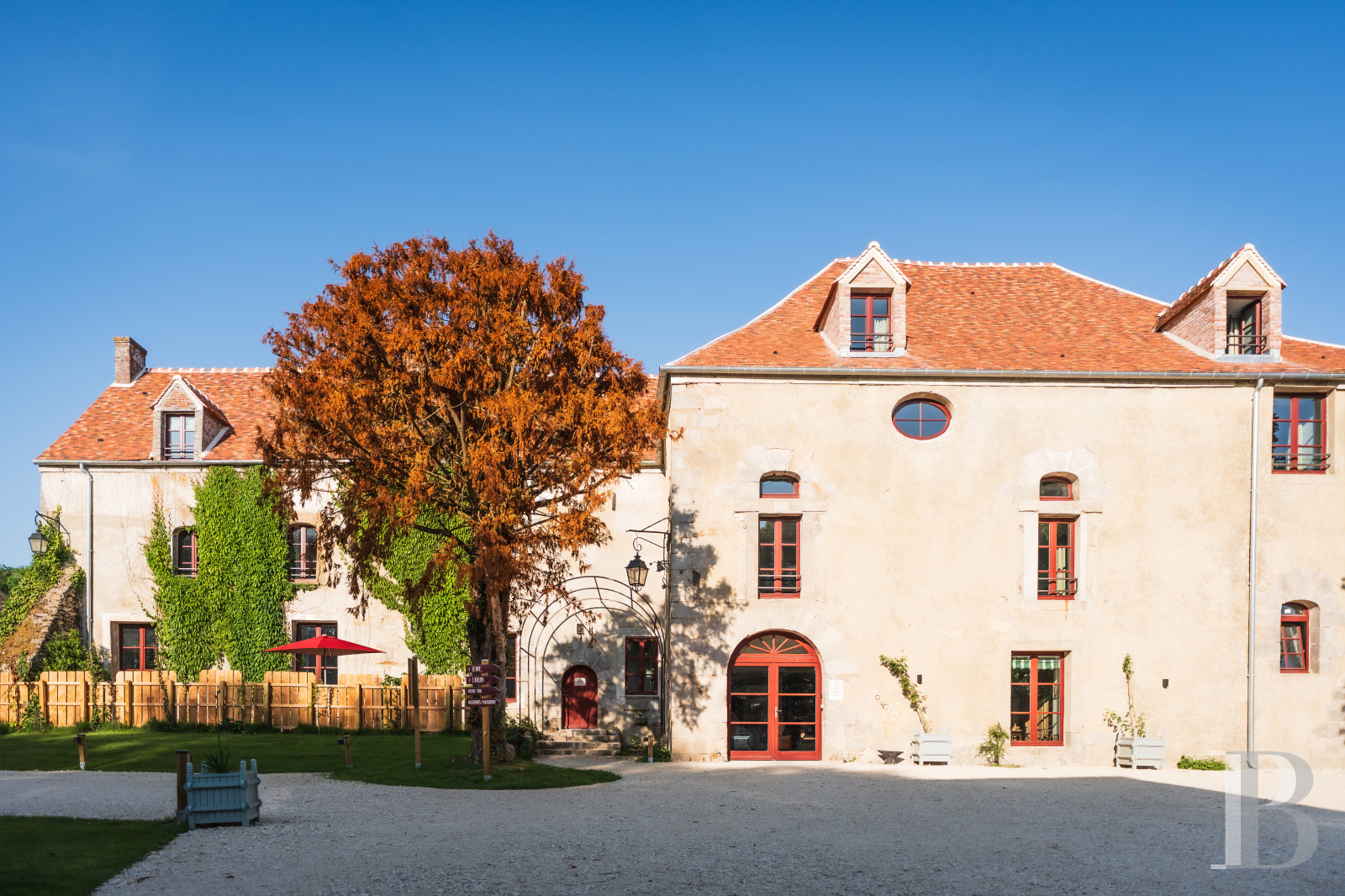
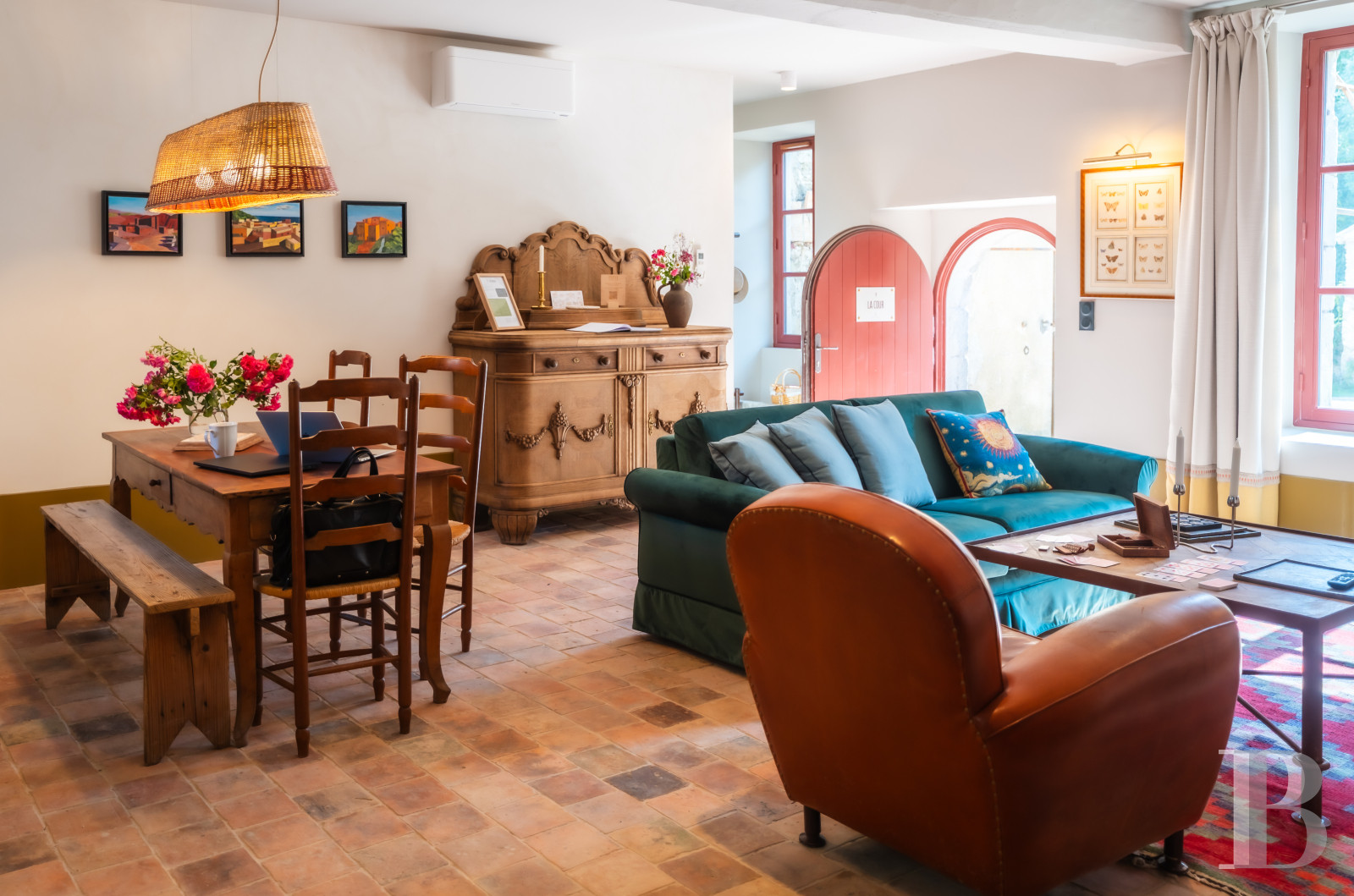
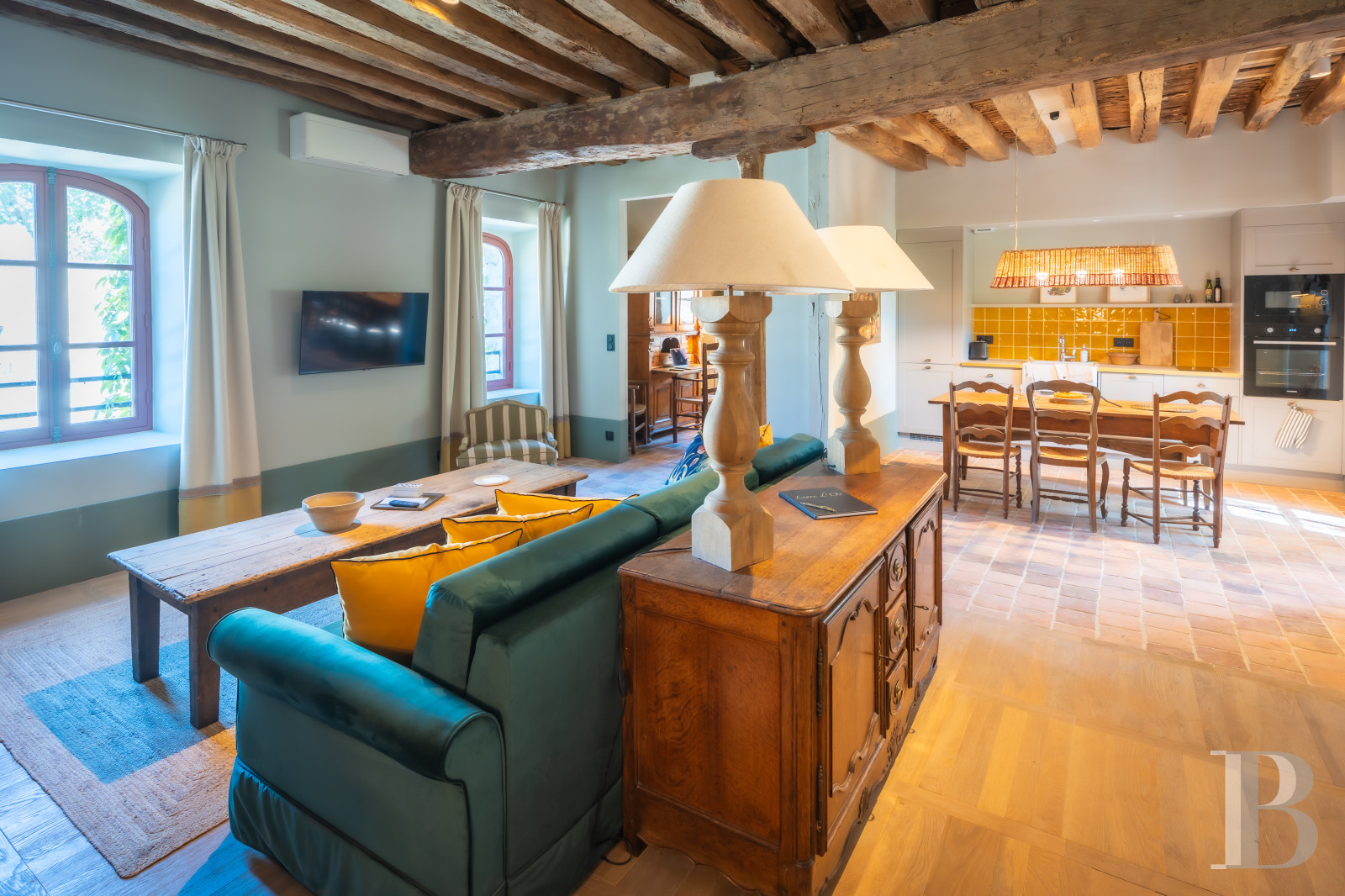
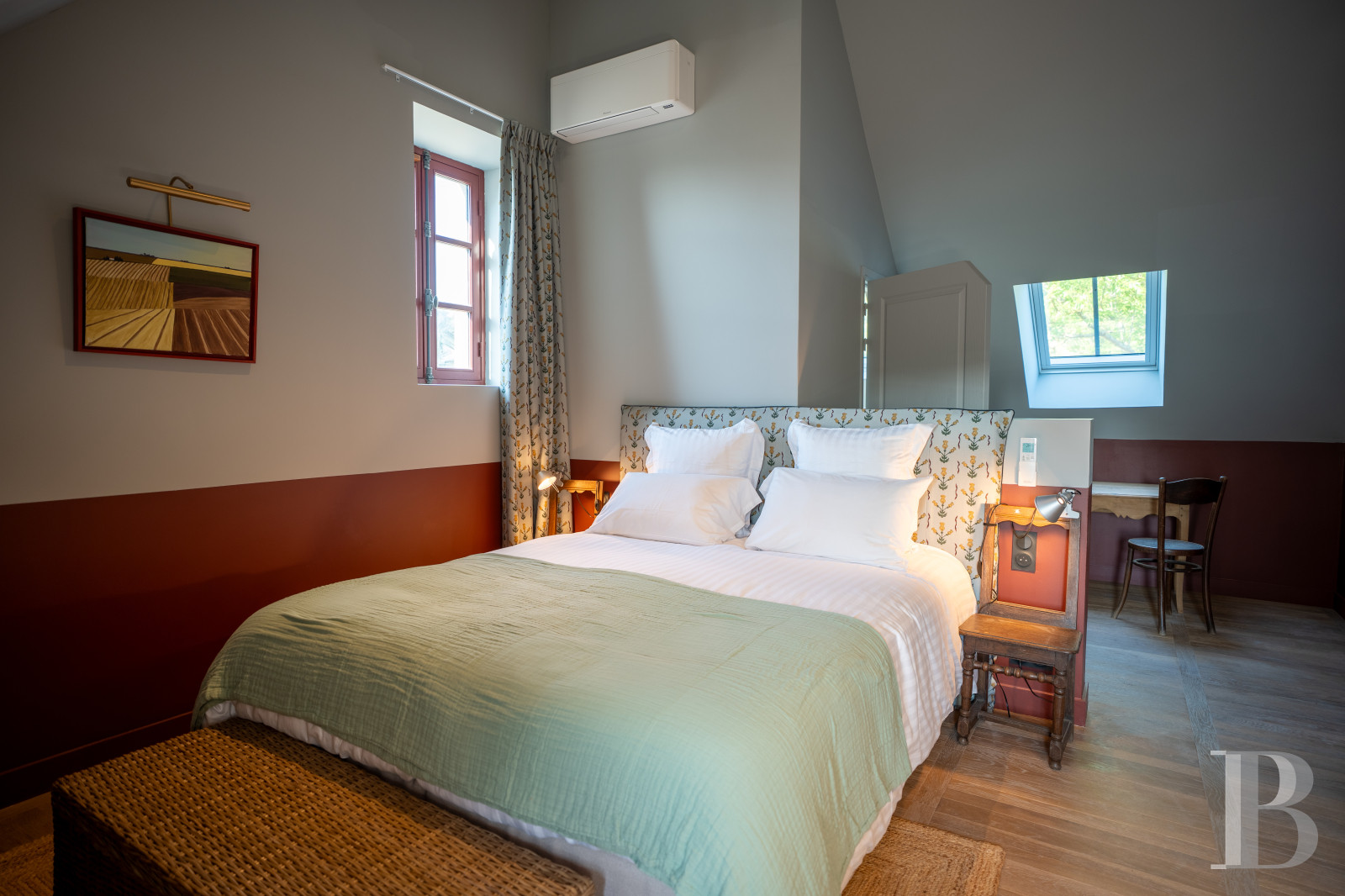
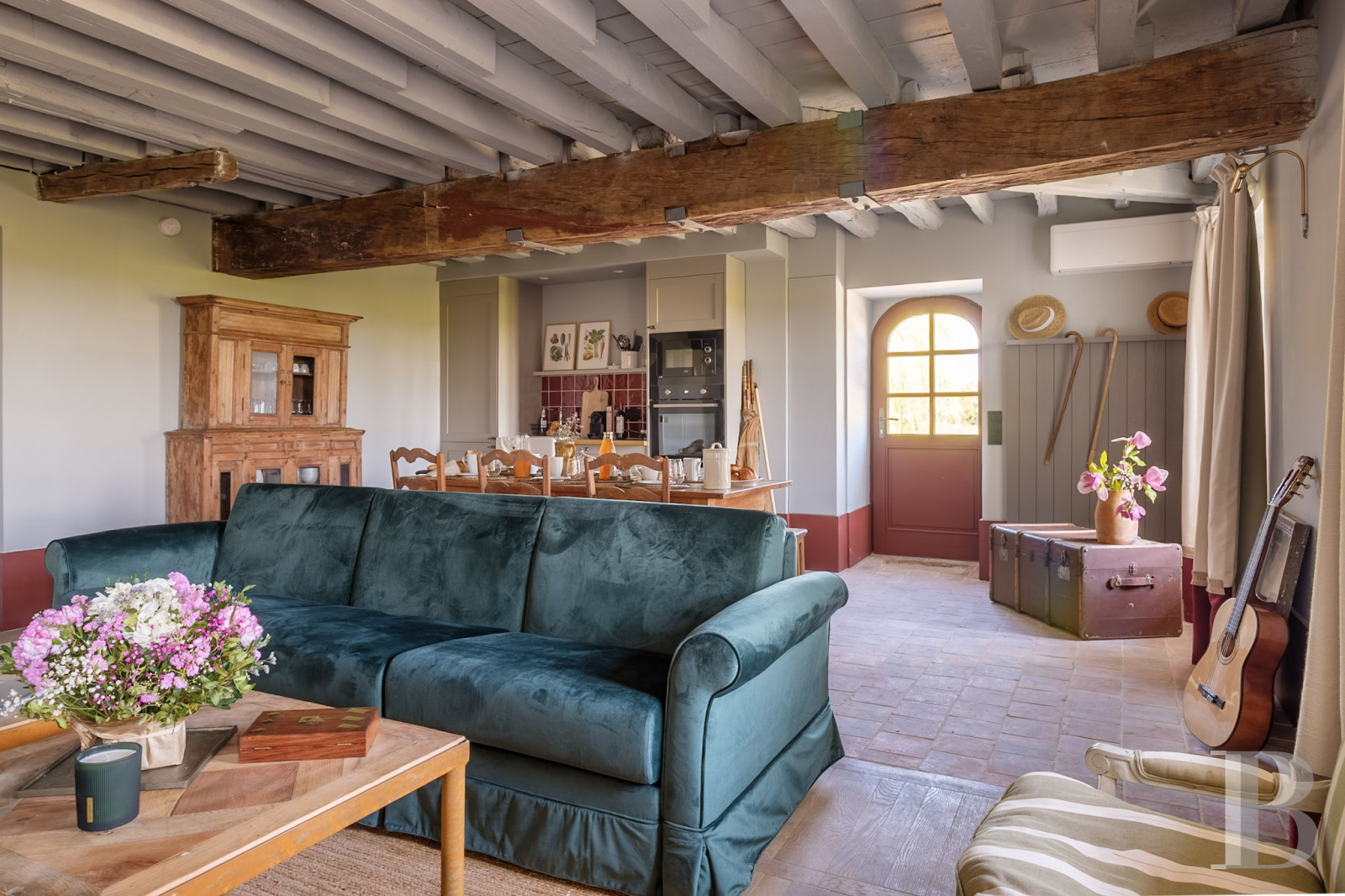
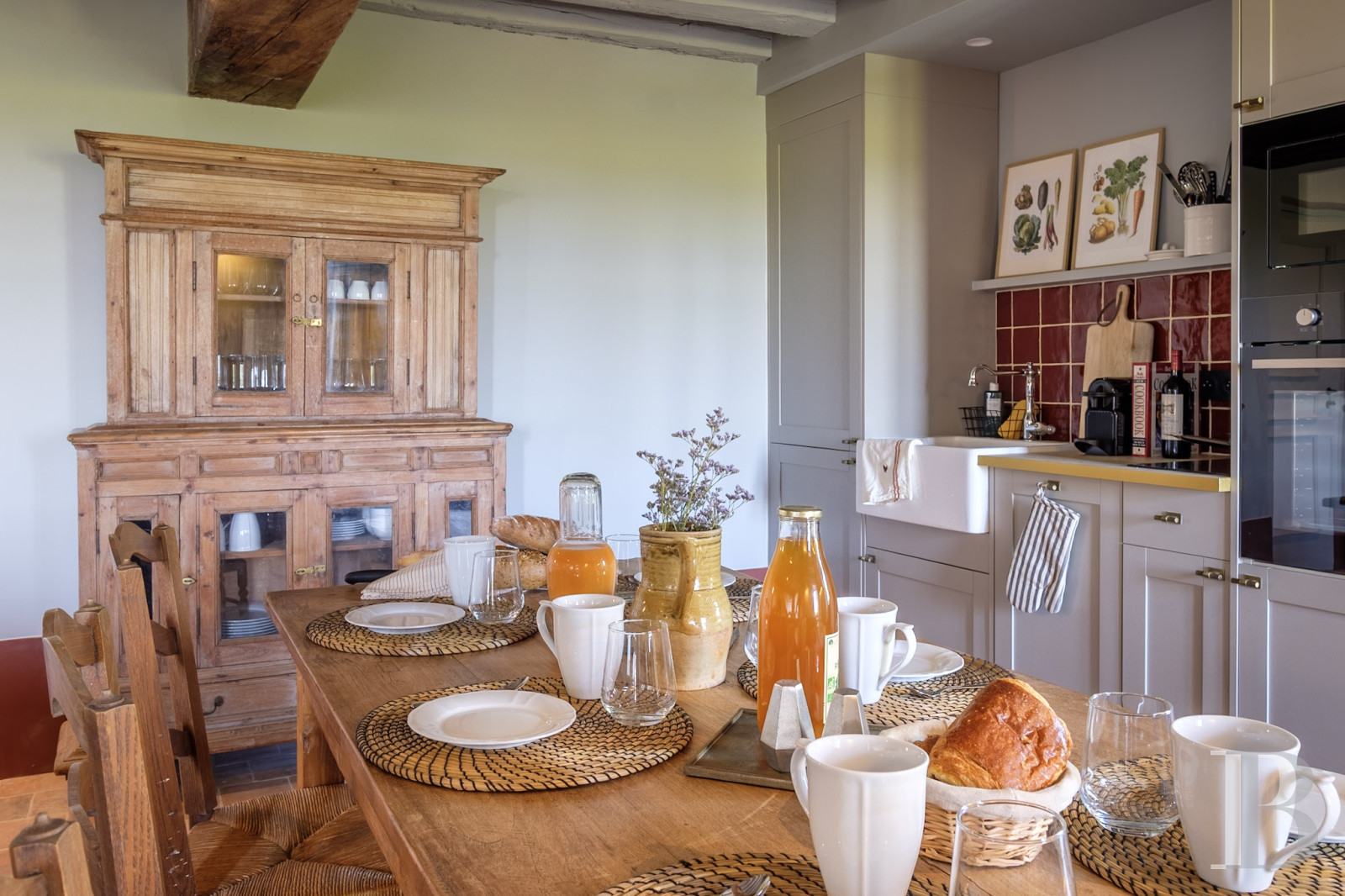
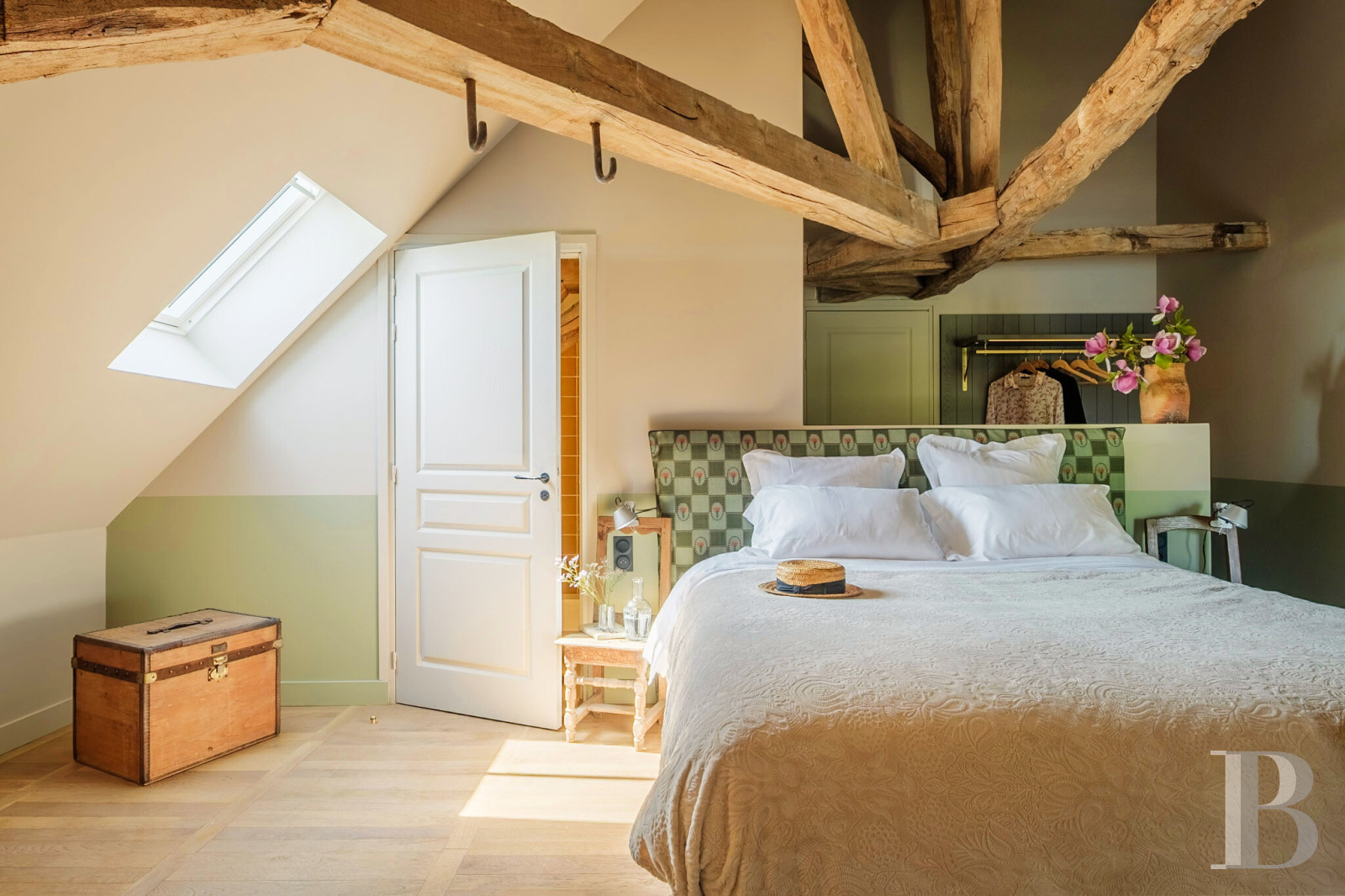
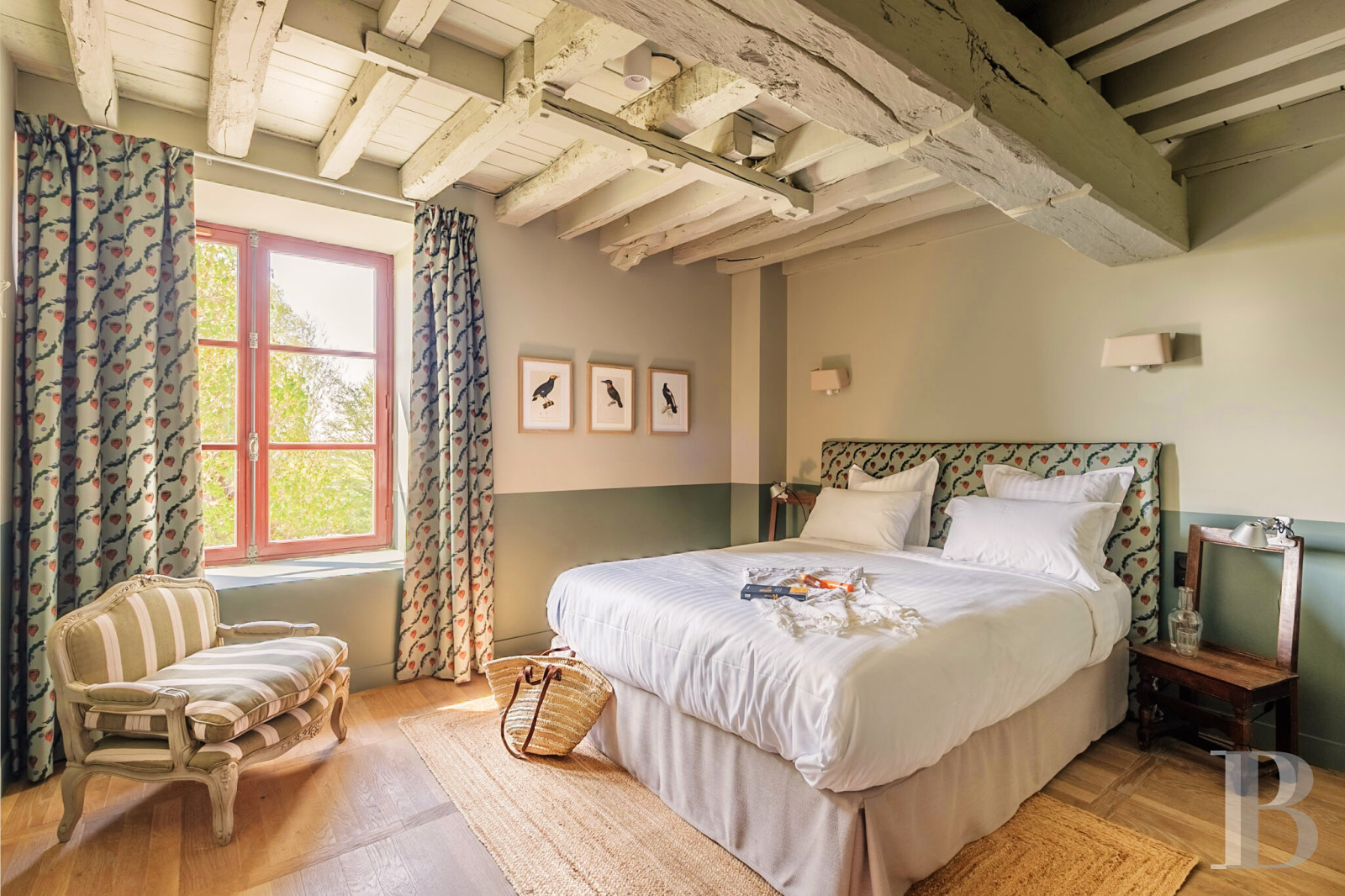
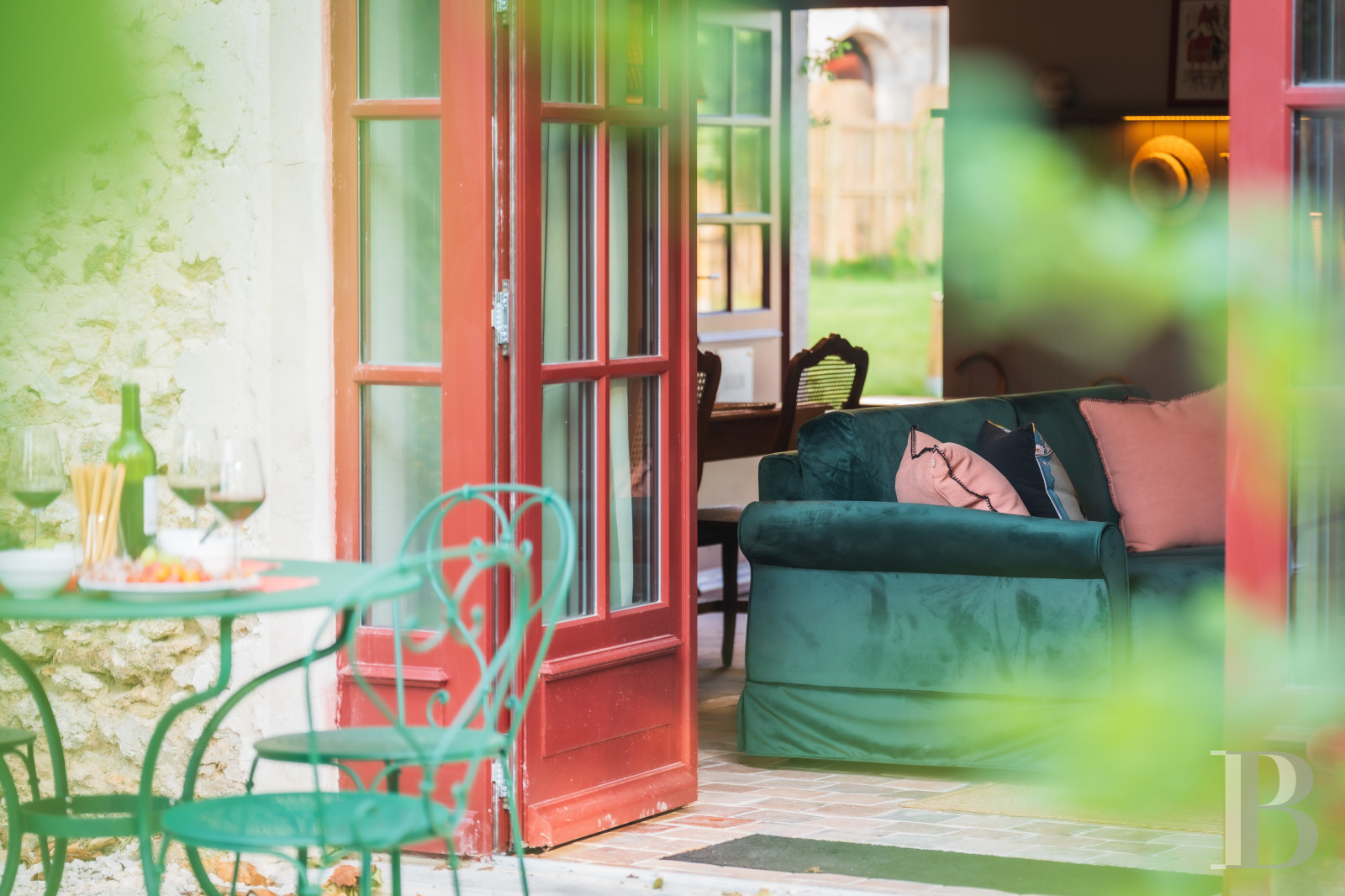
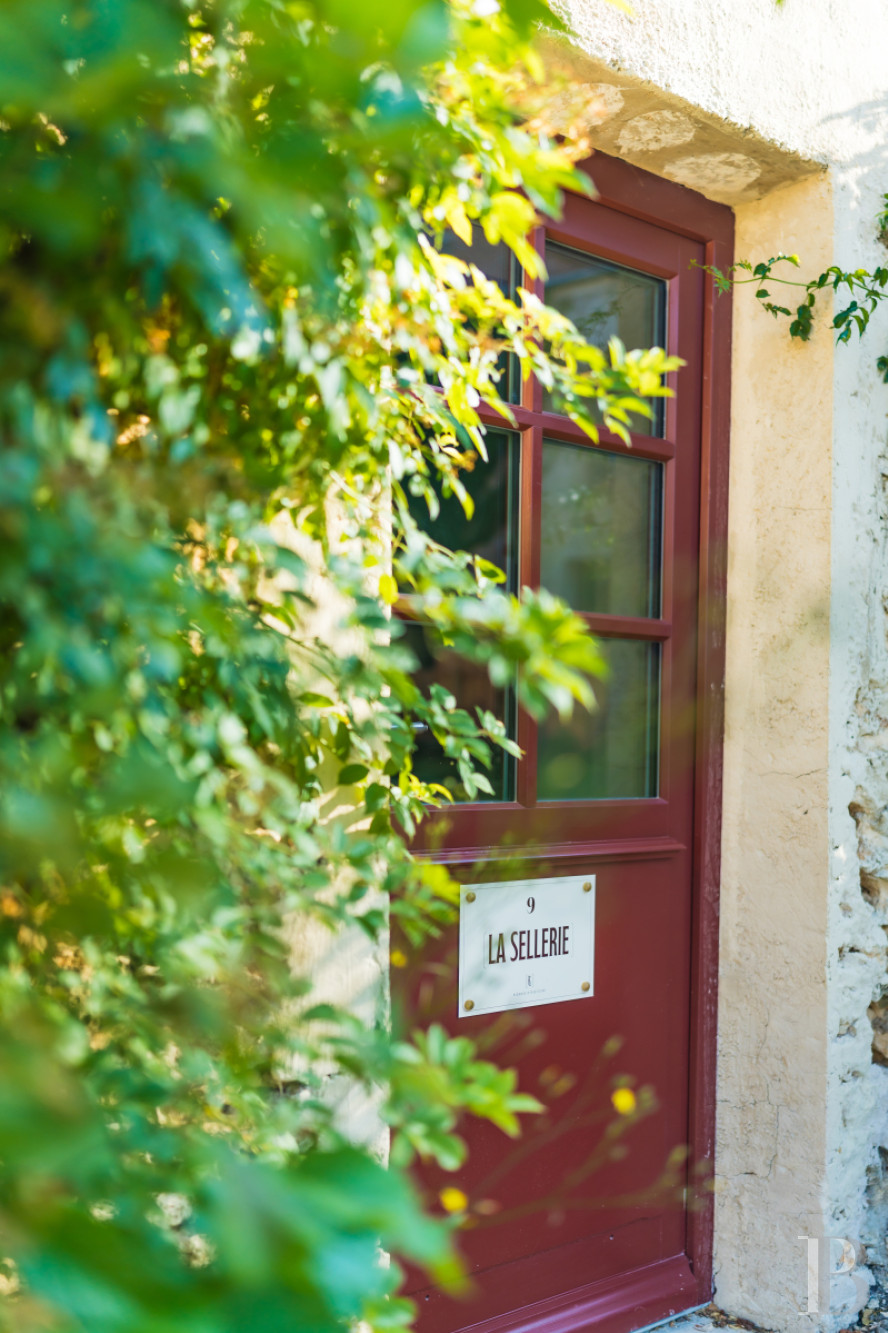
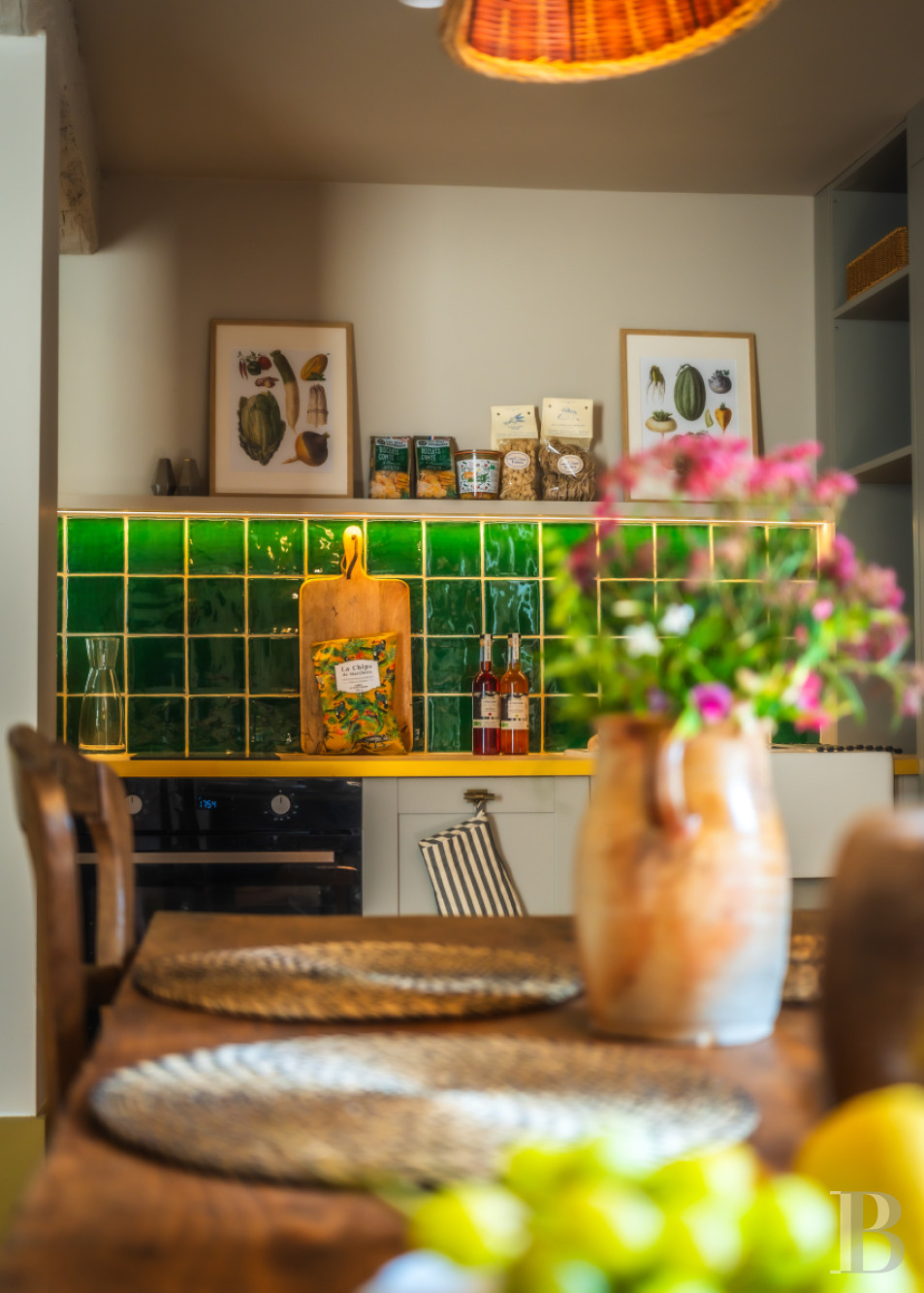
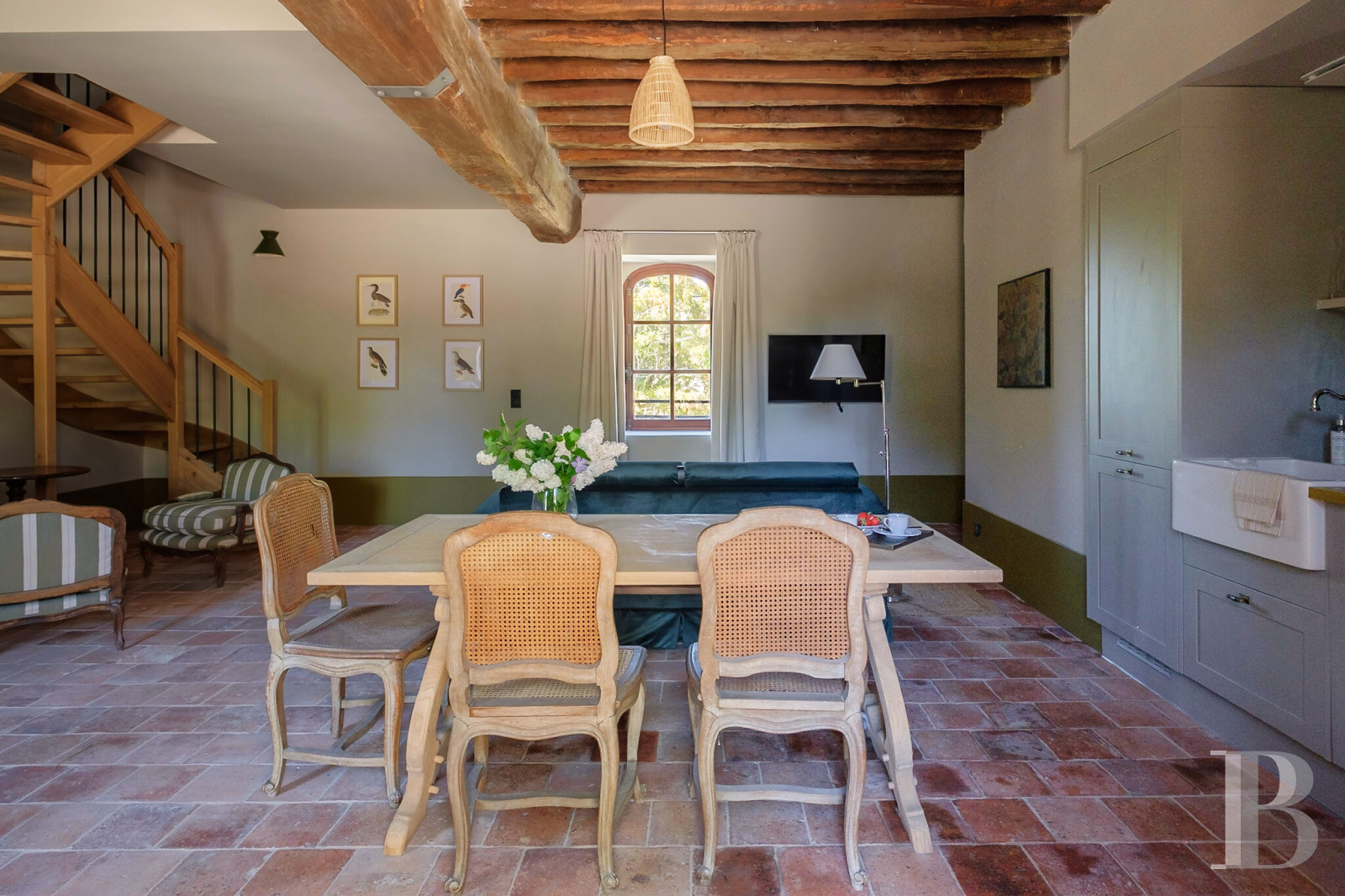
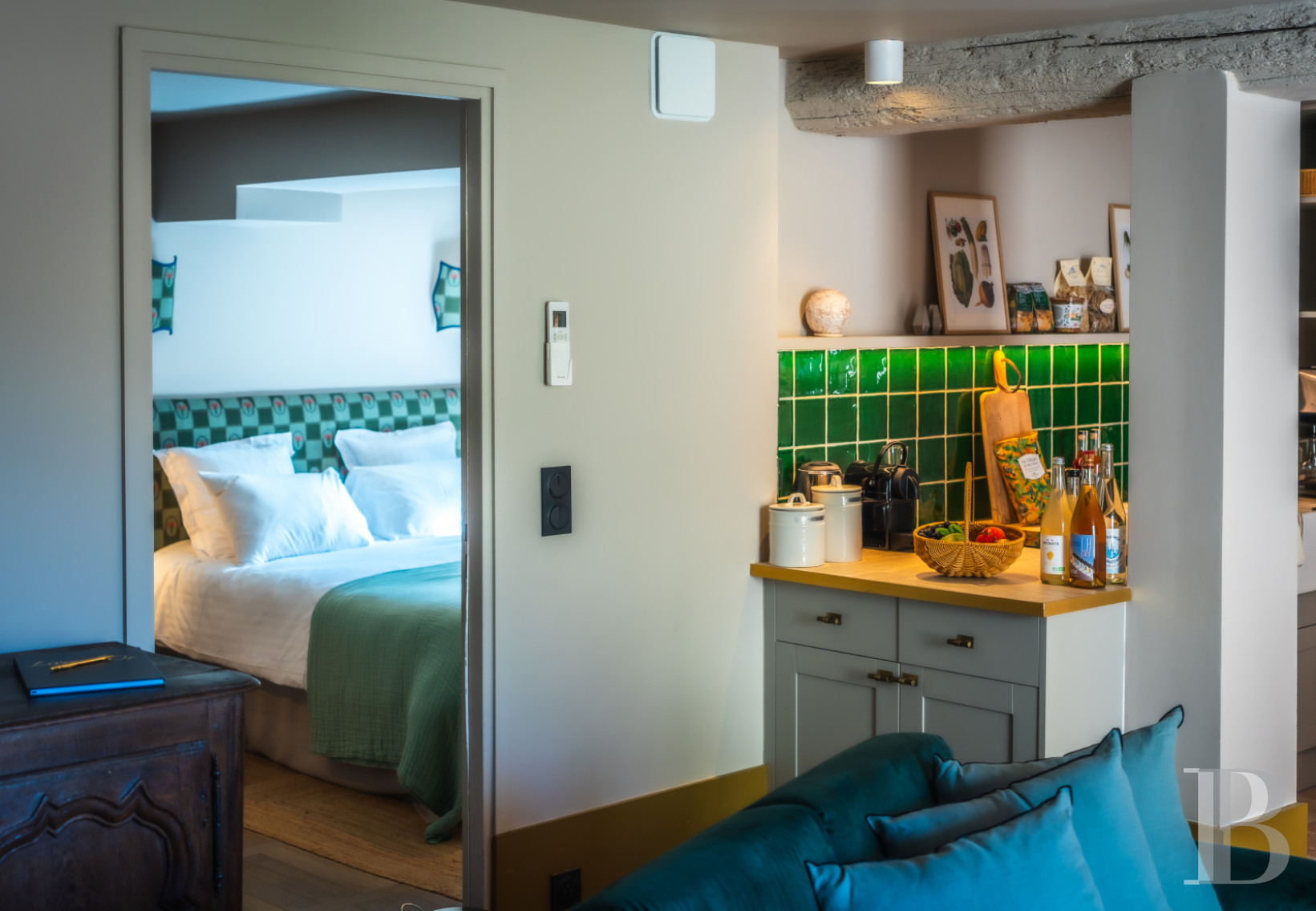
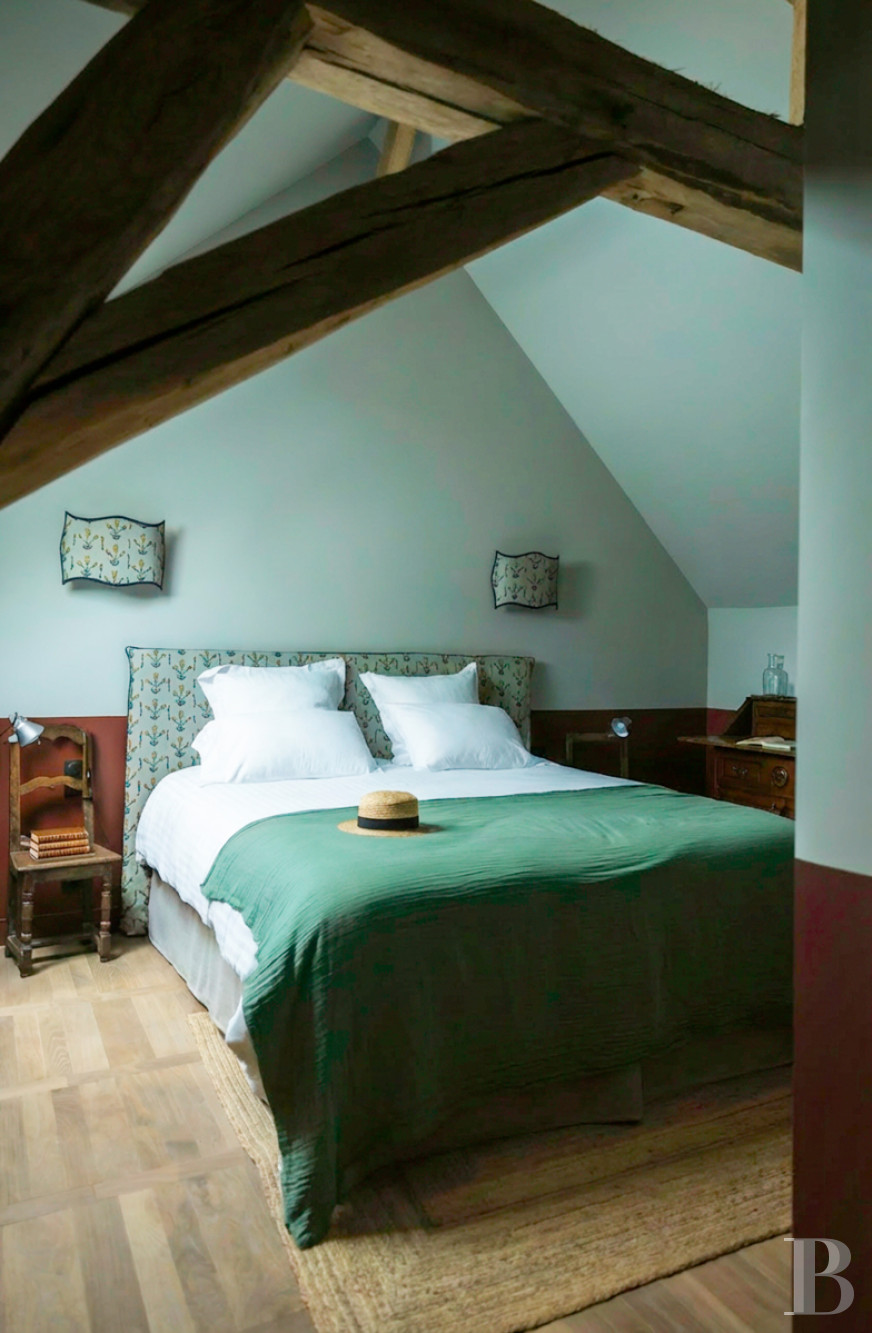
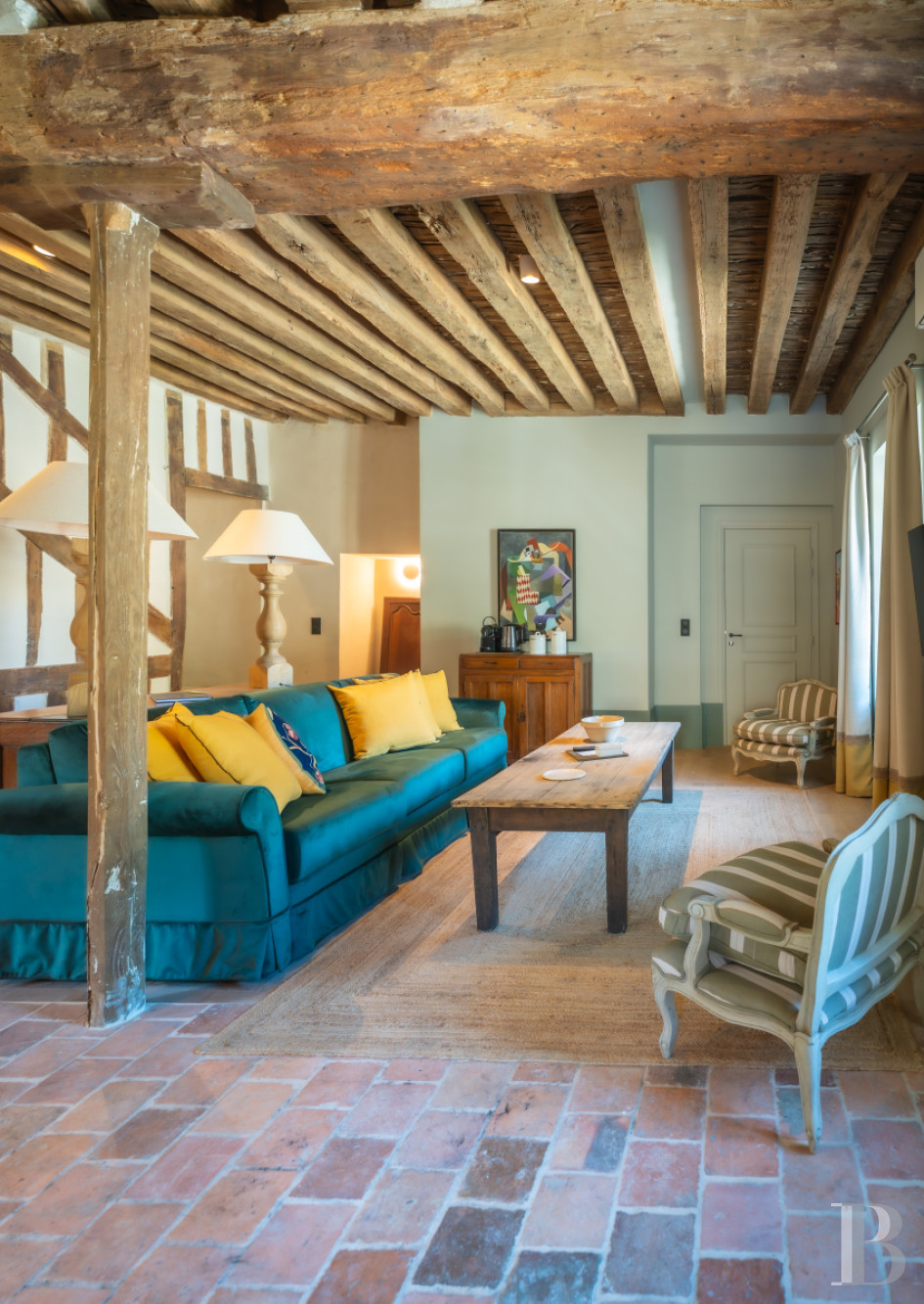
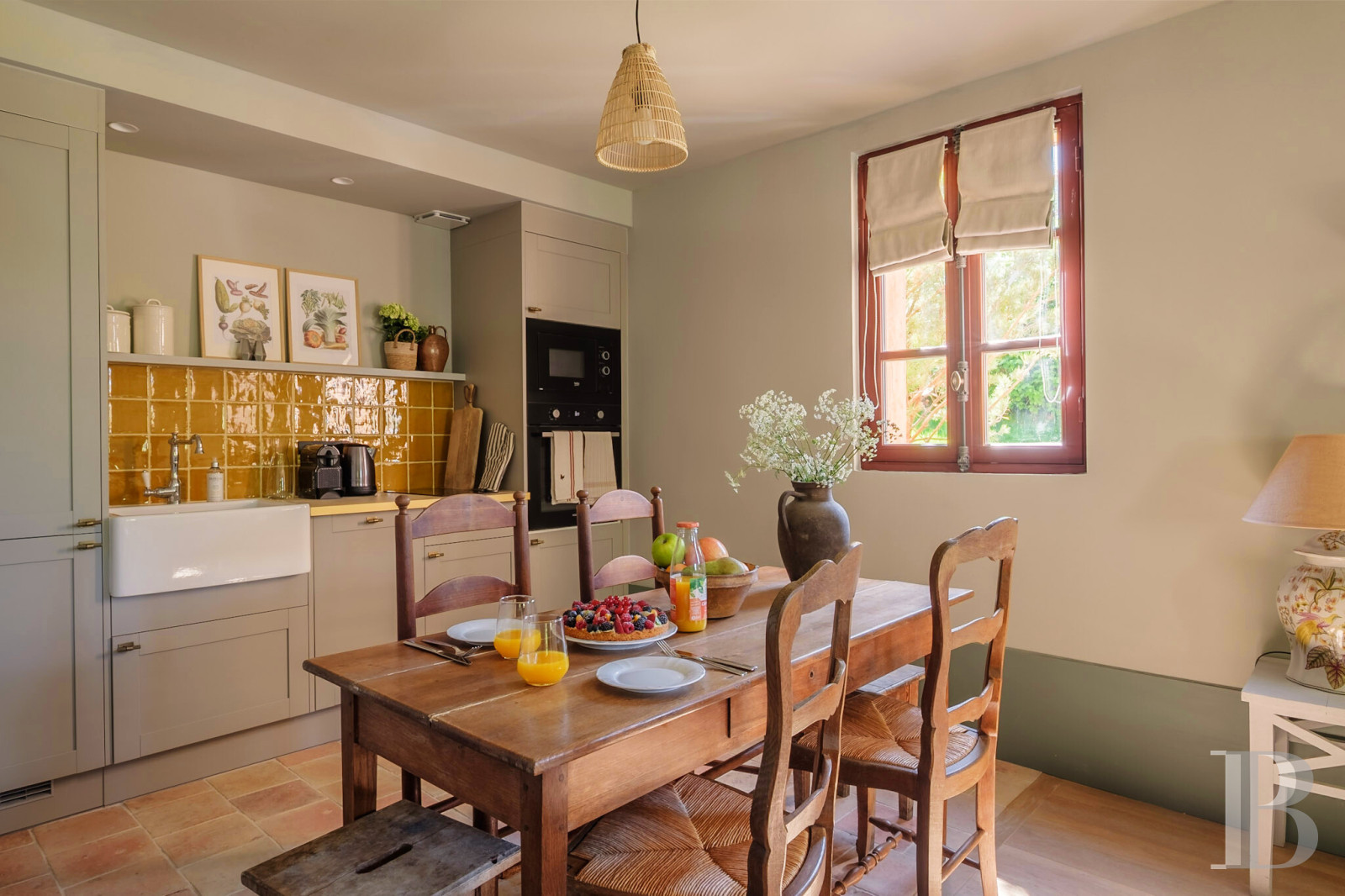
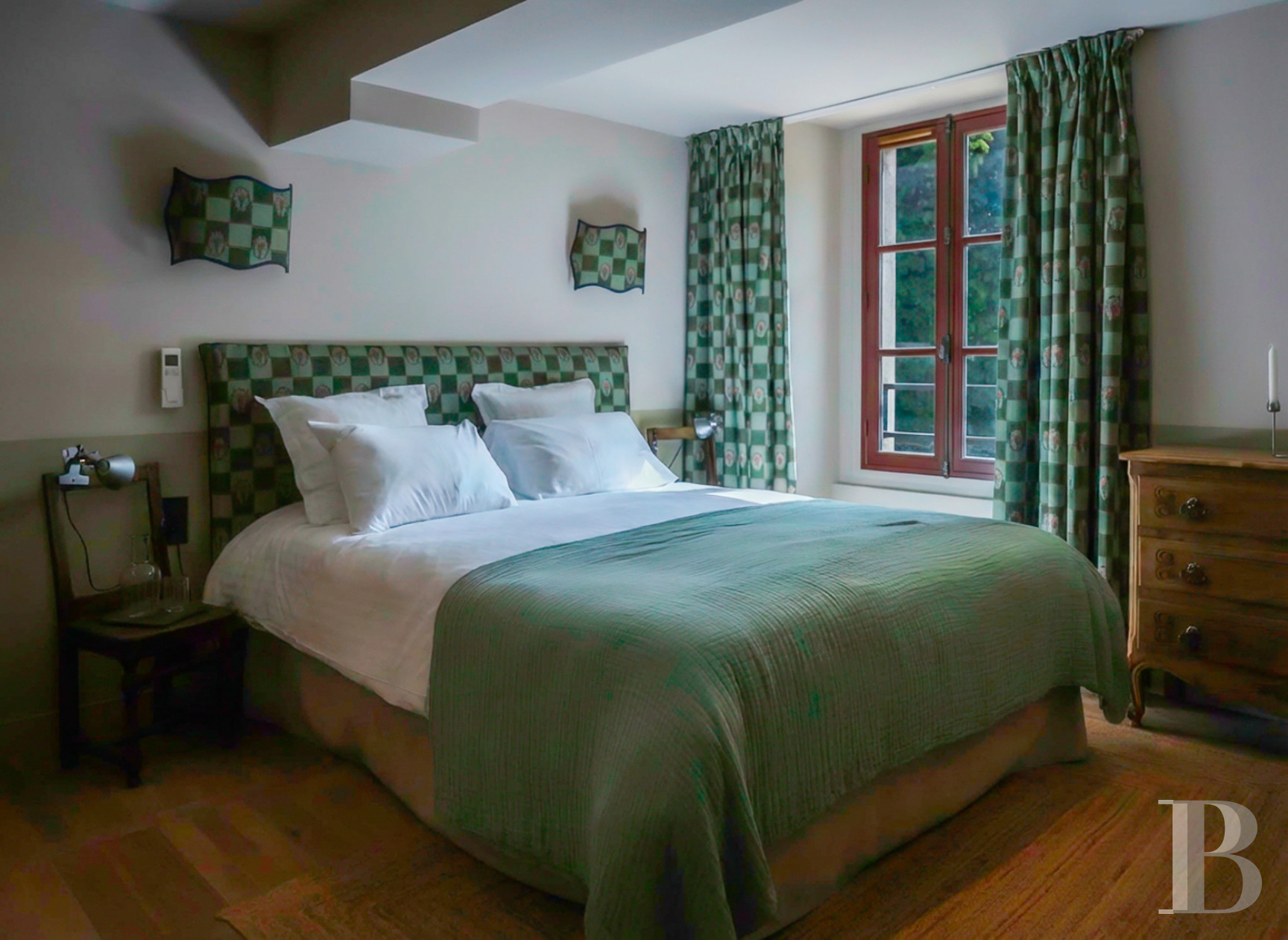
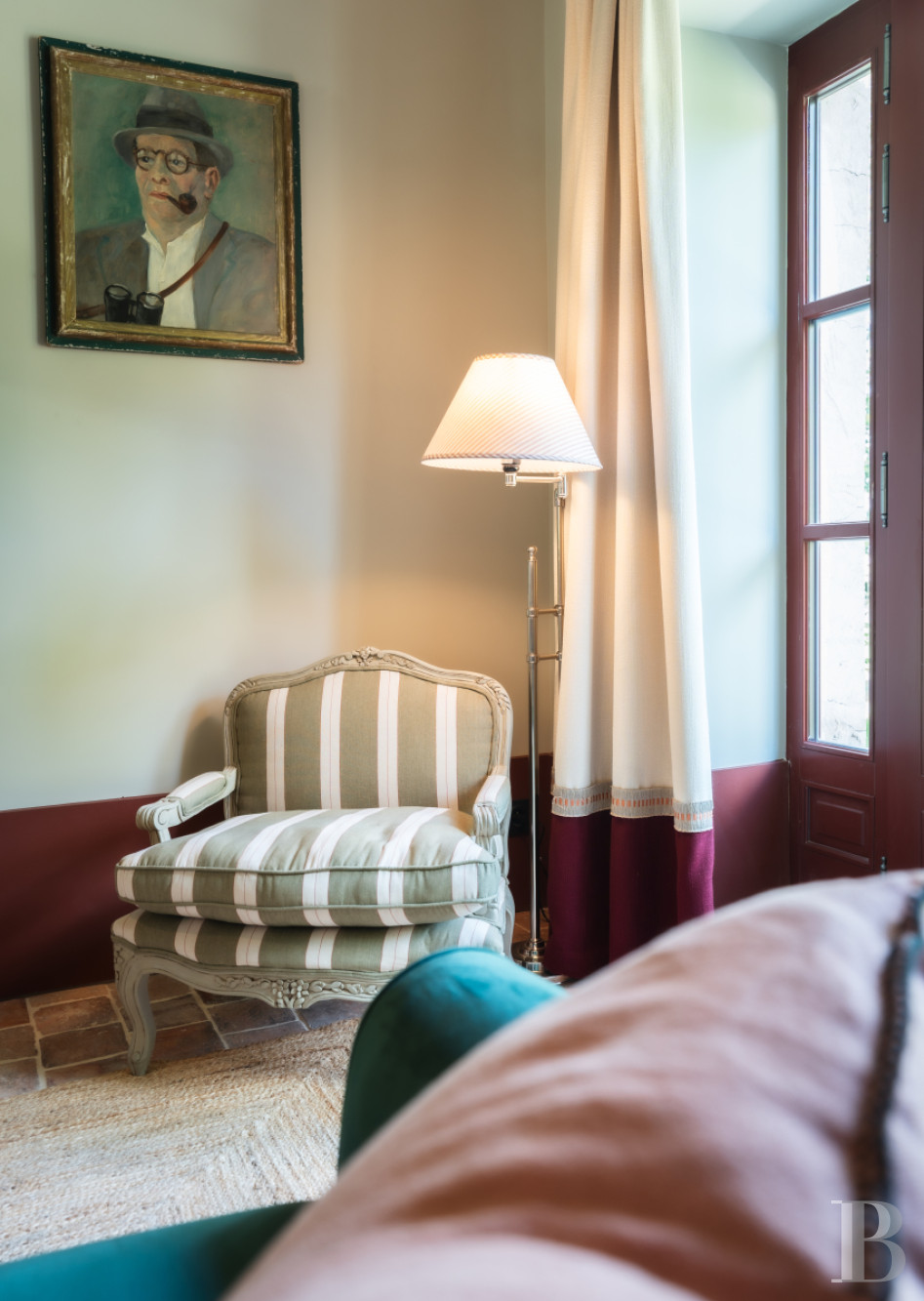
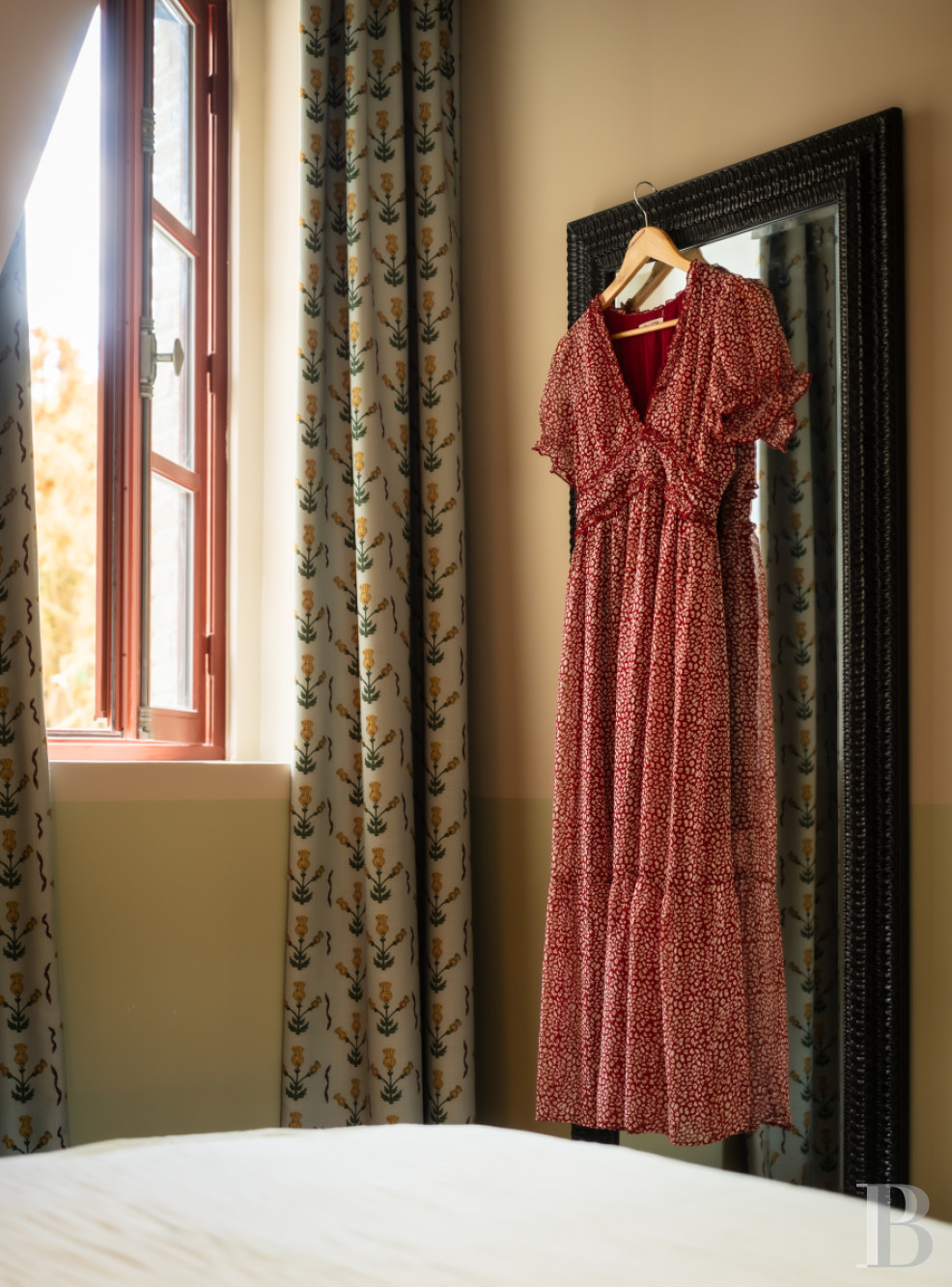
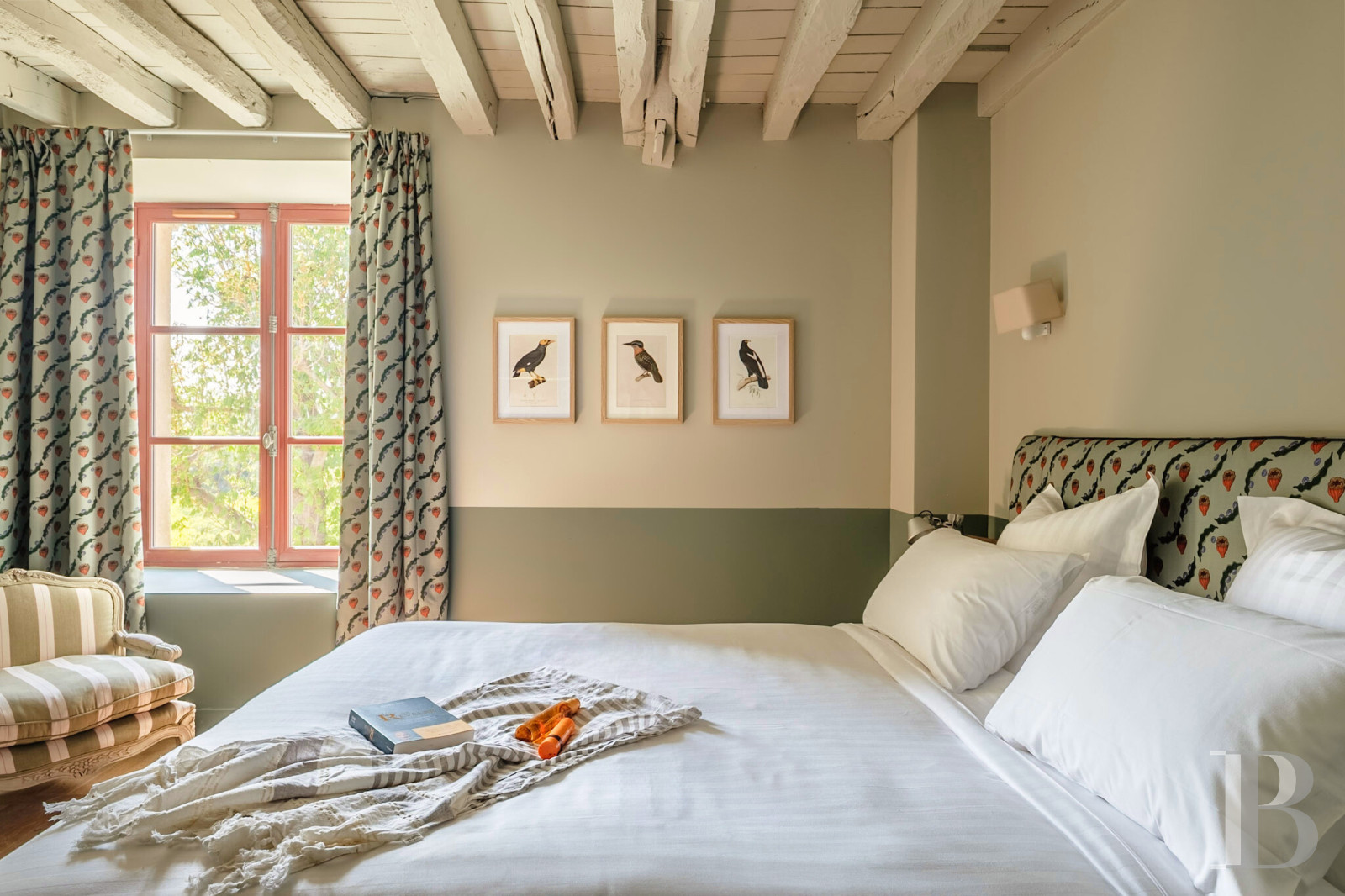
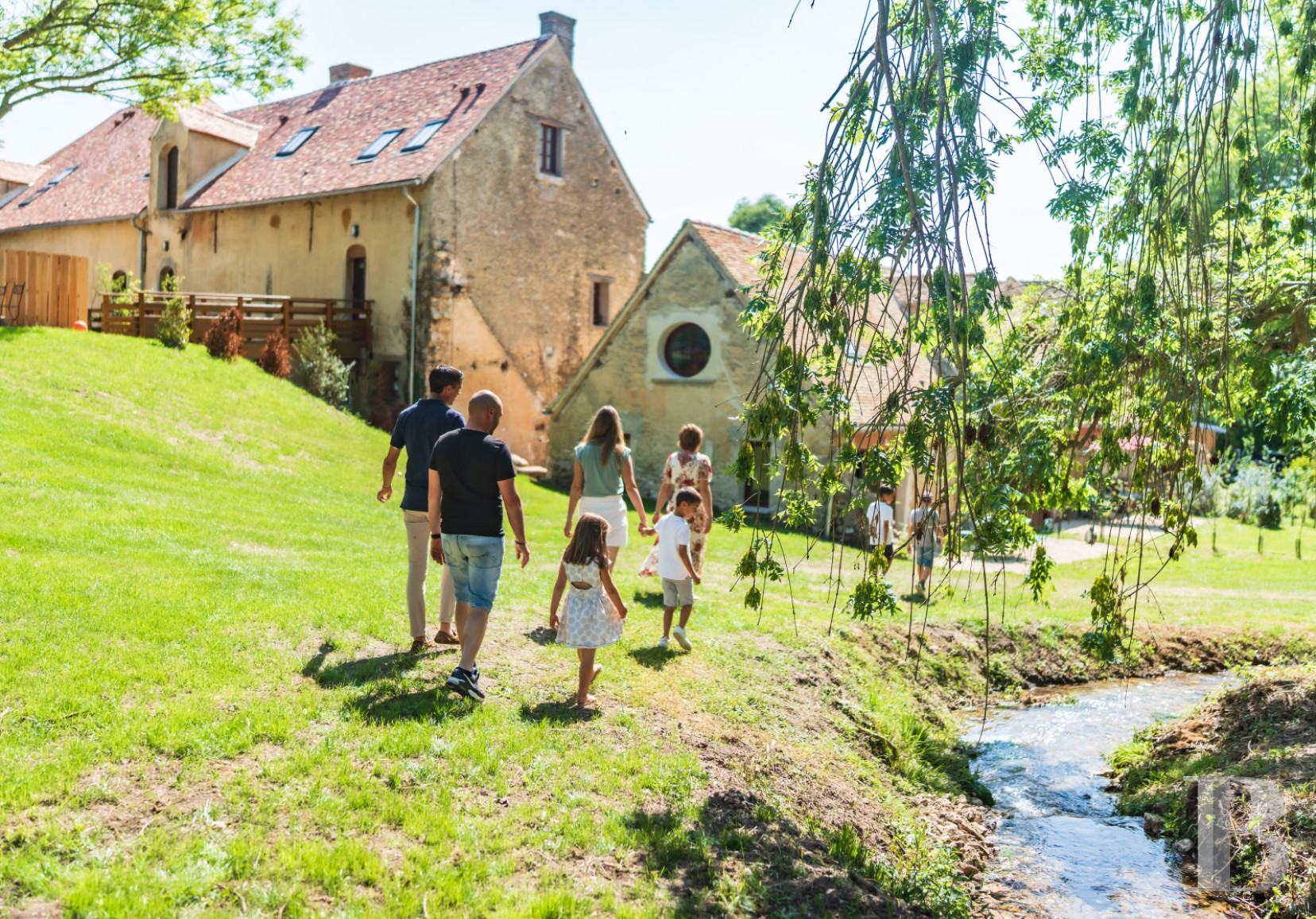
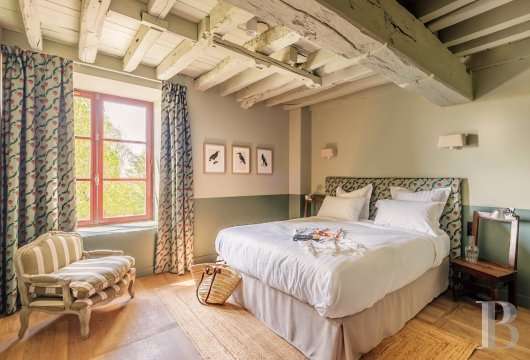
While leaving the capital and its urbanised surroundings always seems interminable, the open countryside is in reality very nearby, at just an hour's drive away. Arranged around the old mill, whose origins date back to the 12th century, the Richebourg estate, through which the Sausseron flows, extends to the edge of the village and into the heart of the large cultivated plains that precede Houdan. The eleven houses, comfortably furnished in a country style, form a sort of hamlet protected by its wooded grounds. Plastered facades, tiled roofs, the bubbling waters of the river: the soft light of the Île-de-France region plays with the materials, making their soothing reflections dance. A complete change of scenery, whether for a weekend getaway, a longer stay or a family or business event.
The place sold itself to us. Richebourg is an area of passage, natural resources and patient work. It was the perfect place for what we were looking for: to give a contemporary use to buildings that are full of meaning, without altering them, and to offer those who stay there an experience of feeling anchored, being able to breath deep and rediscover simplicity. Less than an hour from Paris, the estate is set in an unspoilt valley in the Yvelines, where water, land and time have shaped a discreet landscape. There is nothing spectacular here at first glance, but there is a muted strength: that of springs, meadows, paths and a mill that long set the pace of village life.
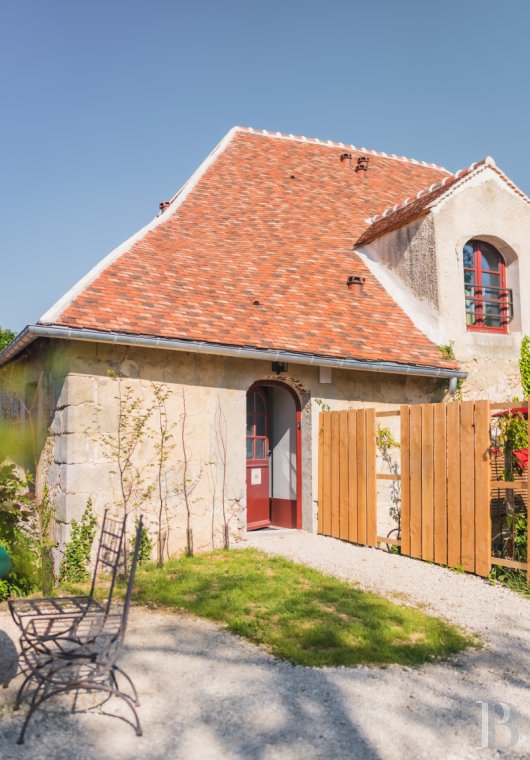
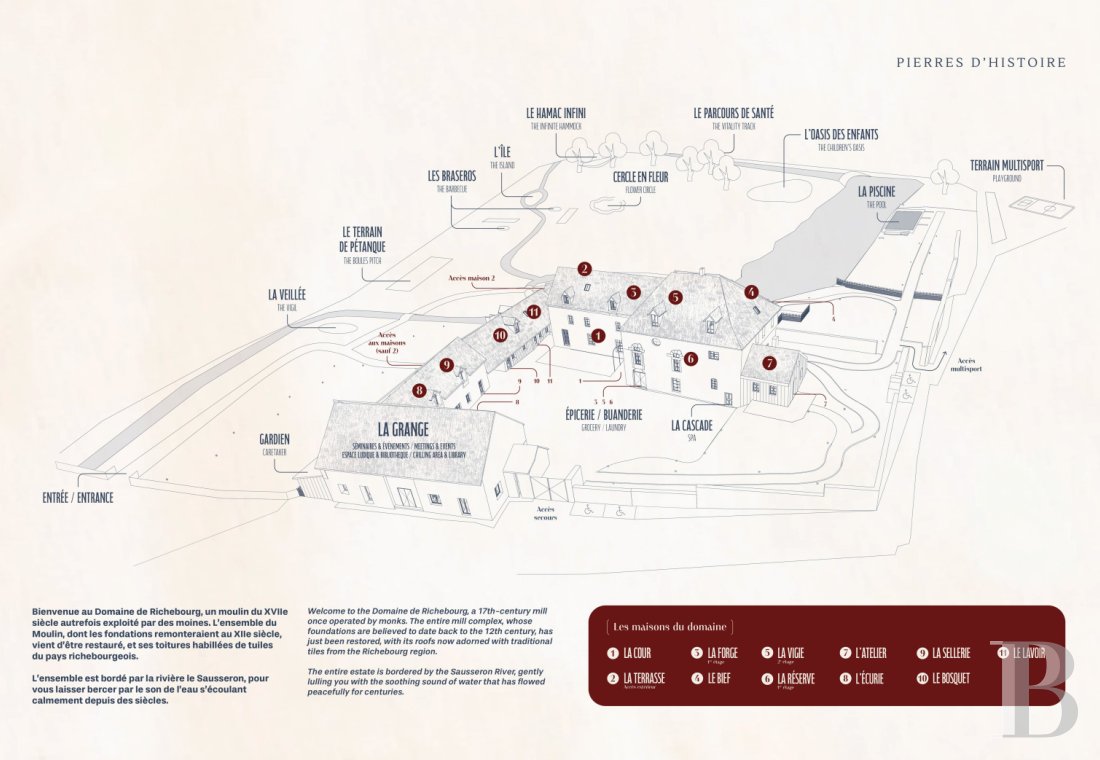
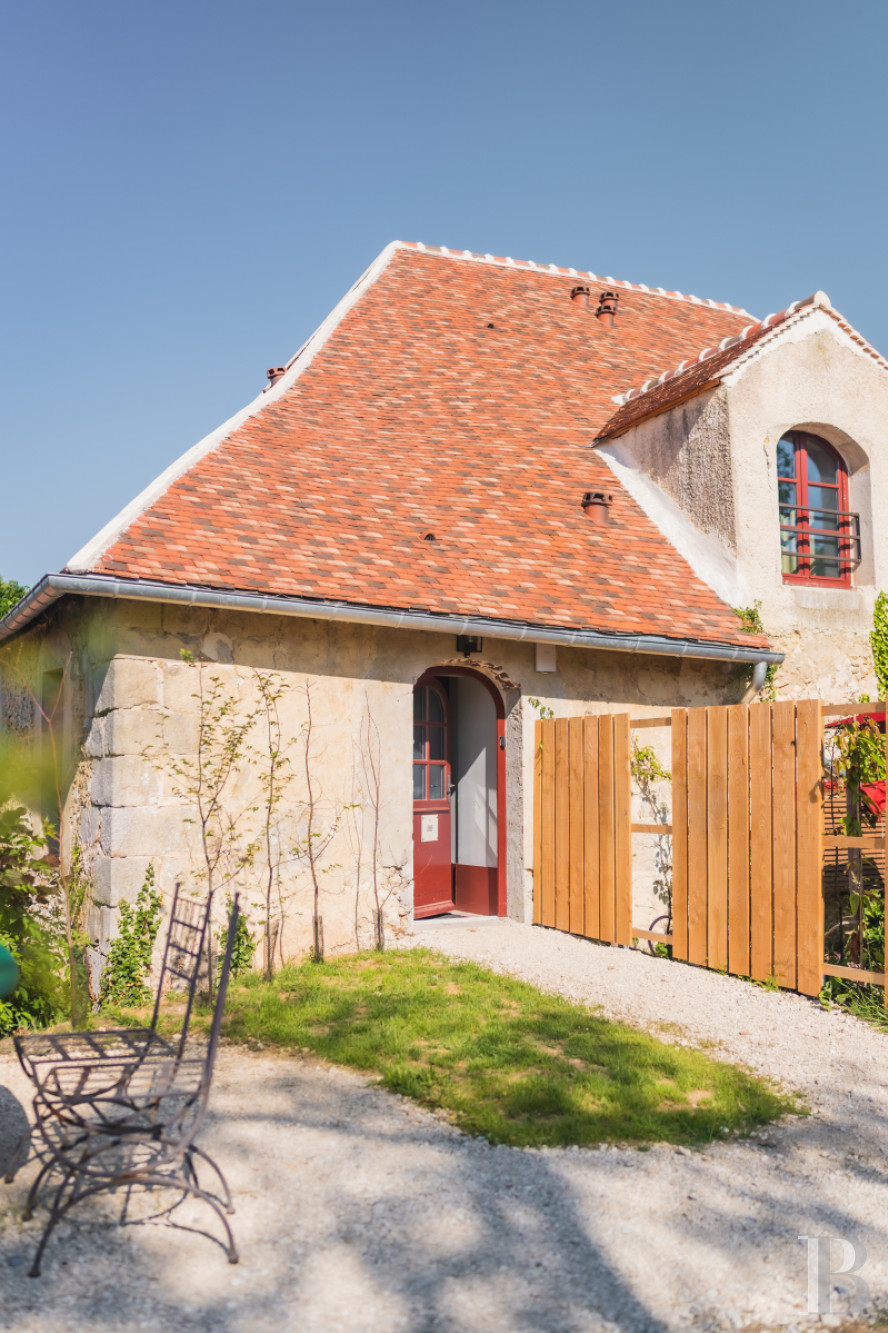
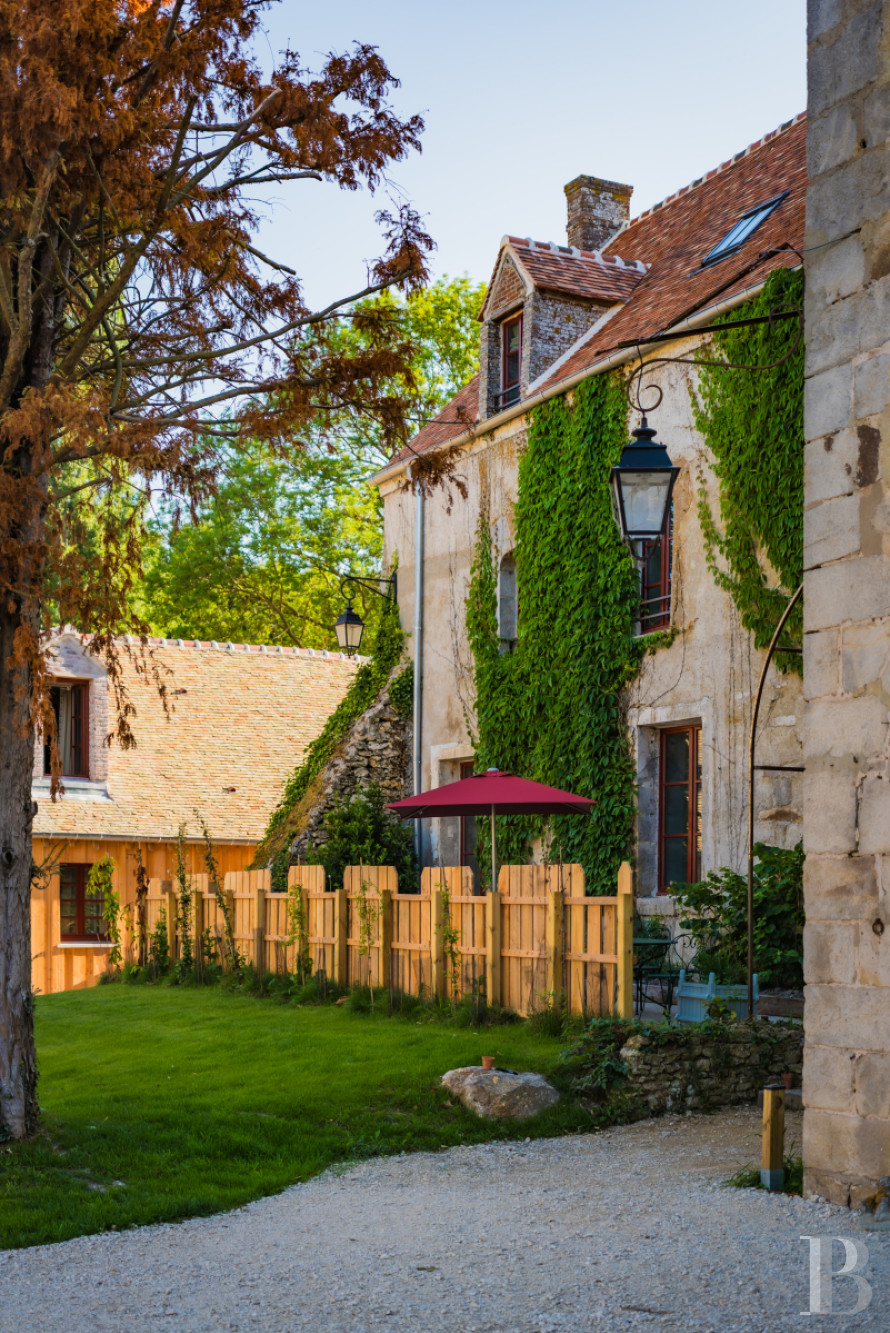
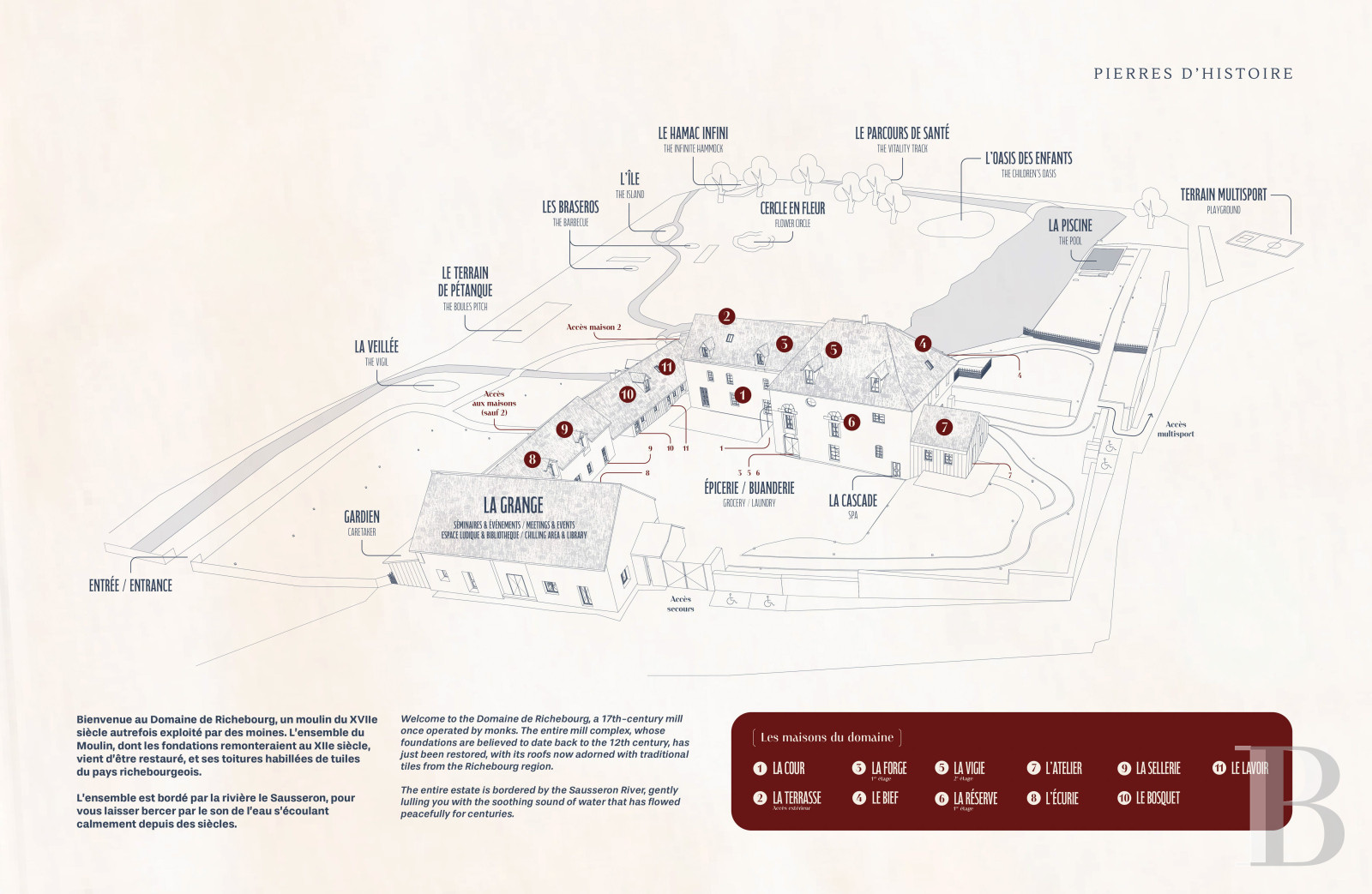
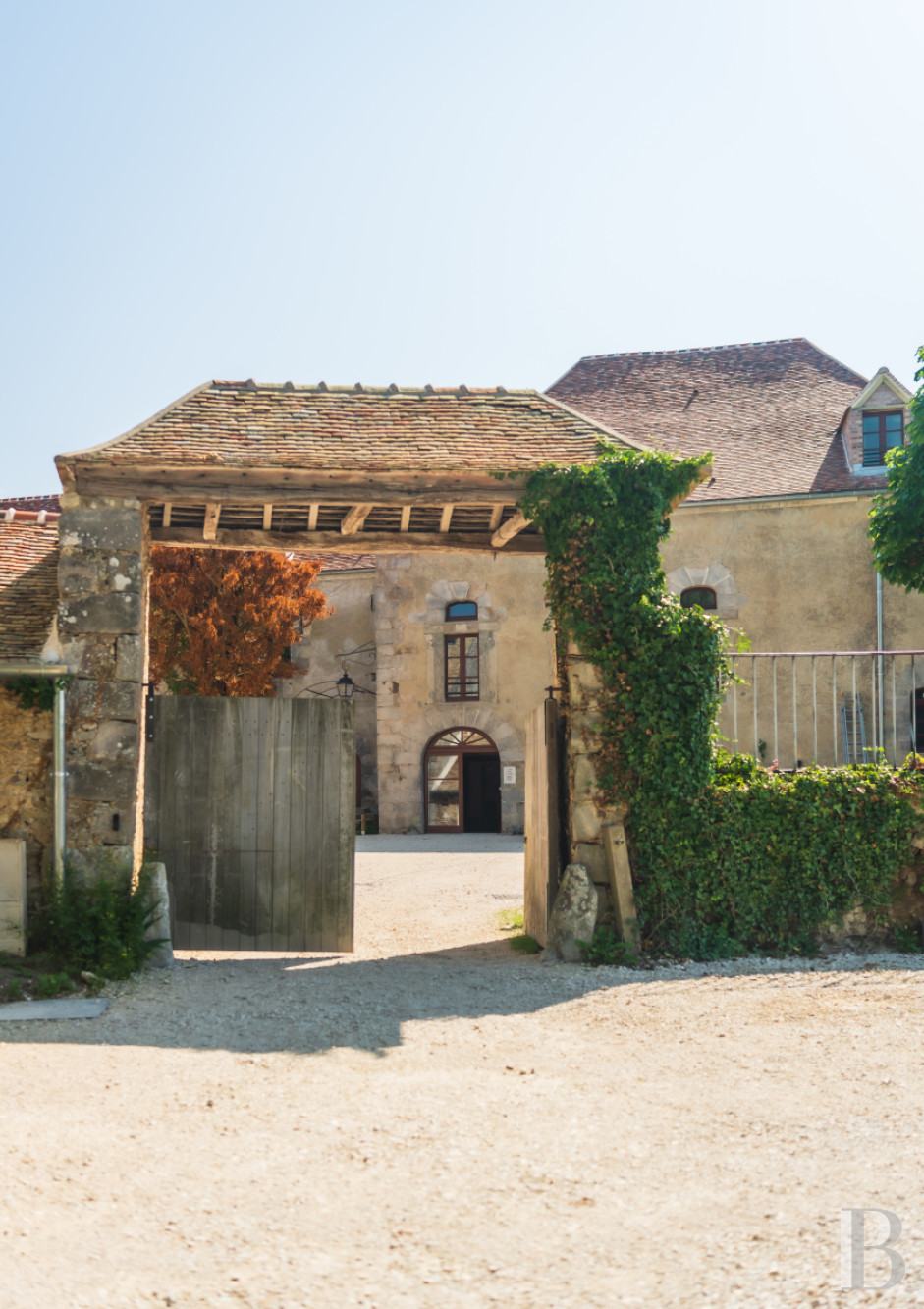
The estate is a former water-powered mill, whose architecture is inextricably linked to the water and its use as a mill. Rebuilt in the 17th century, most of the property is arranged around its millstream, canals, farm buildings and parkland. The volumes are sober, powerful, functional, dictated by its former activity: thick walls, measured openings, exposed frameworks, precise positioning in relation to the river and the waterfall. The roof, which has been completely renovated, is now one of the most remarkable architectural features of the estate. Made from almost 50% recycled tiles, it is in a palette of vibrant colours weathered by time. We decided on a major challenge with the restoration: to transform this large agricultural complex into a discreet, coherent hamlet, made up of eleven independent houses, with a barn at the heart of the estate that we transformed into a reception and meeting room.
Donated by the Bishop of Paris to the Abbey of Port-Royal in 1206, the mill draws its power from the springs in the Fontaines district, which once fed the Ru de Saulx - later the Sausseron. The water from Les Fontaines, renowned for its quality, was drawn until the 1980s. People travelled from far and wide to fill their carboys and bottles, to the point of causing cart traffic jams. The Sausseron, short but powerful, turned several mills. Things came to an abrupt halt with the construction of the Avre aqueduct in 1896, designed to supply Paris with drinking water. The deep earthworks altered the water table, the flow weakened and the mills gradually ceased to operate. Today, the Richebourg estate preserves its past: a place where water, however silent, remains the soul of the site.
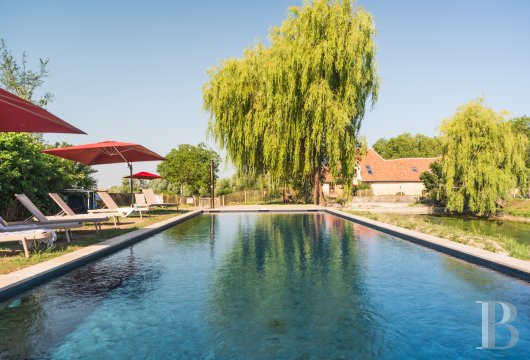
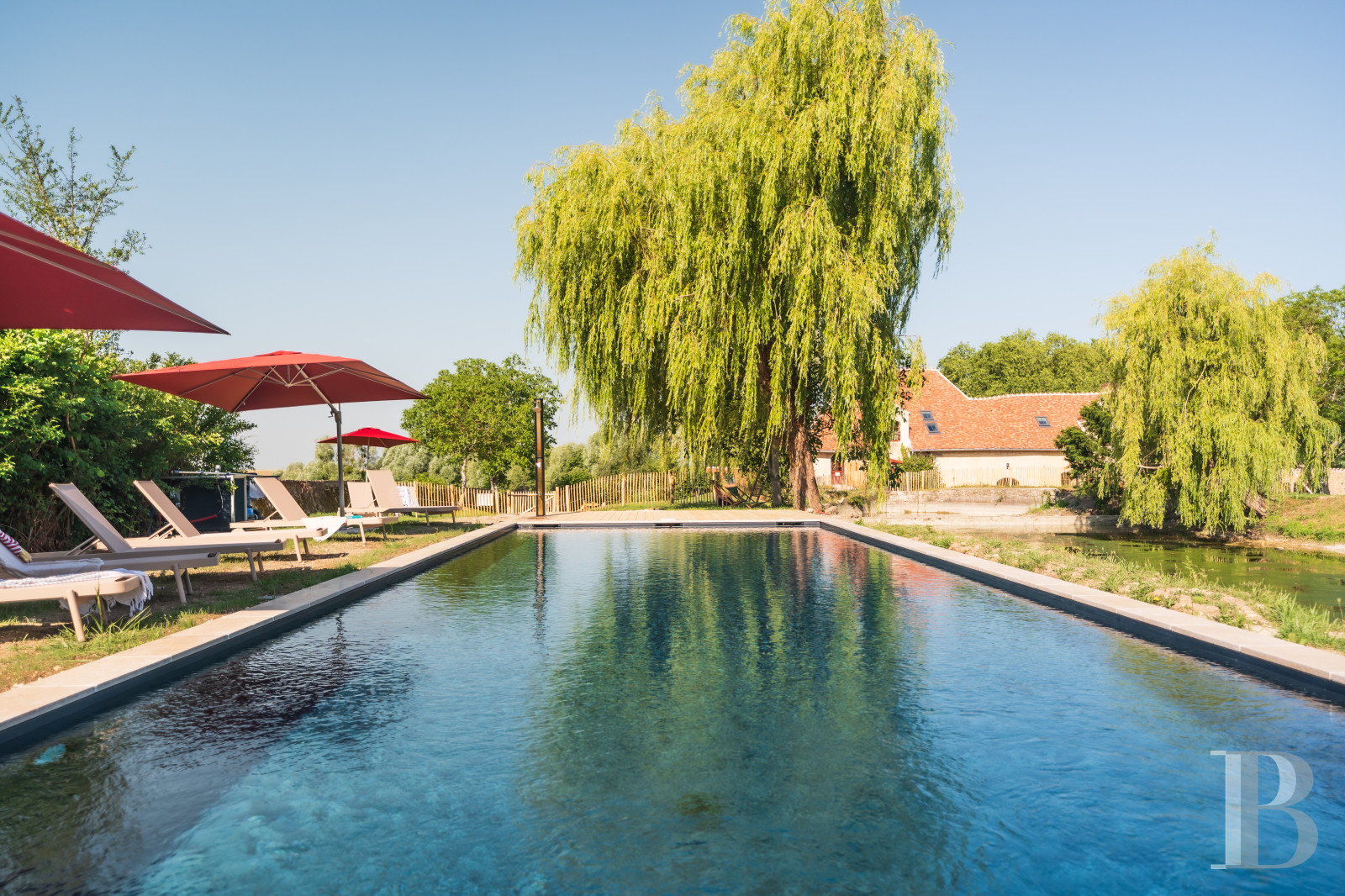
The estate offers a group of detached houses, open to nature, nestling in three hectares of grounds, between the river, meadows and forest. People come here to slow down, to find themselves, to walk, to listen to the water, to read, to cook together, to share simple meals, or to do nothing at all. The place invites you to gently disconnect and offers a discreet, personalised experience. There are plenty of facilities to share, including a spa with a sauna and Nordic bath, a swimming pool, pickleball, meditation islands, a yoga area on an island in the middle of the river, a boules pitch, a multi-sports pitch and picnic tables, two of which have braziers. Bicycles are also available. Each stay also contributes to heritage conservation, with a portion going to the Fondation Mérimée. The uniqueness of the estate lies in this fragile balance: a place that is lived in but never domesticated, comfortable yet deeply rooted in its history.
Just a few minutes' walk from the estate, "Le Four à Chaud" is a precious everyday bakery that gives you that feeling of belonging to the village even if just for a morning. At Houdan station, "l'Ouest” may not look like much, but it offers a warm welcome, generous cuisine and memorable profiteroles. The "Mills Walk" offers a different way of looking at the landscape: following the course of the water, understanding the ancient power of the Sausseron and linking the sites that once structured the valley's agricultural and craft life. It is gentle, almost educational walk, where history emerges at every turn. The splendid medieval garden at Bois Richeux, set in front of a magnificent 12th-century seigniorial farmhouse, features a vegetable garden with old-fashioned vegetables, perfume plants and medicinal plants.
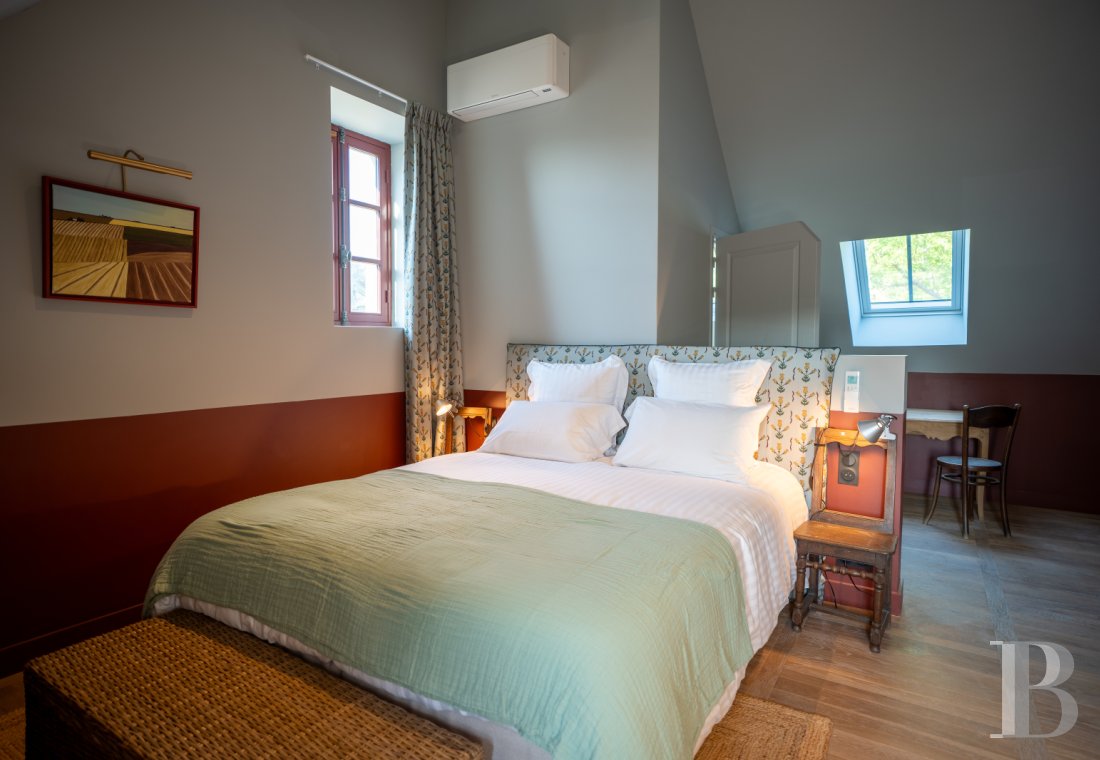
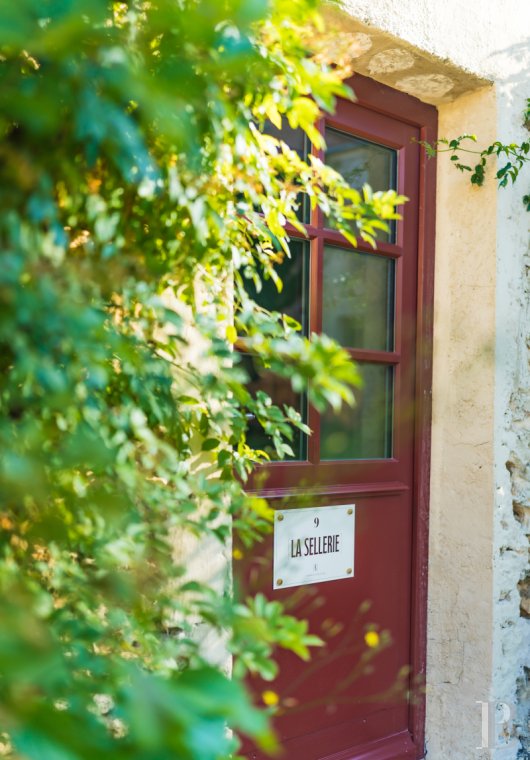
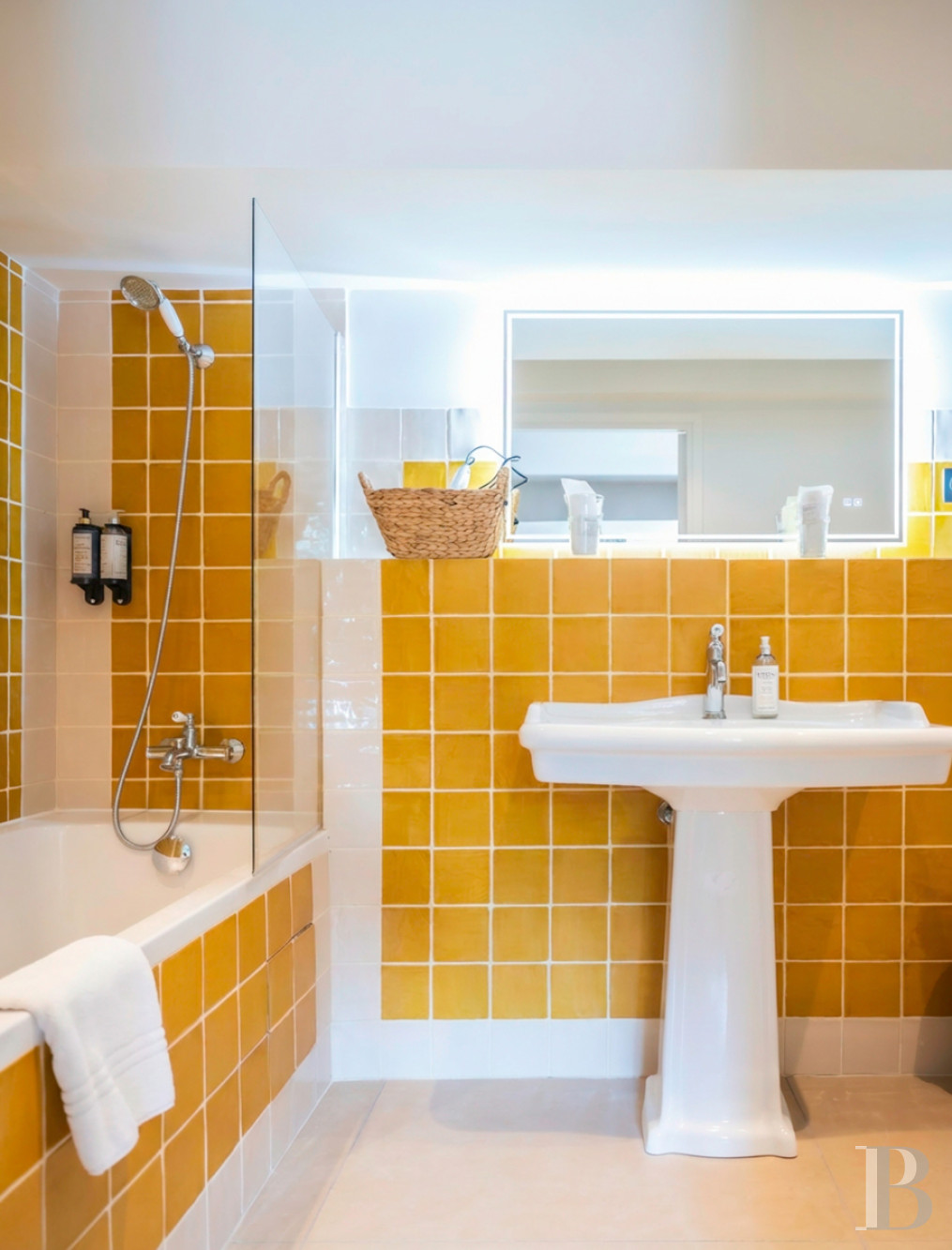
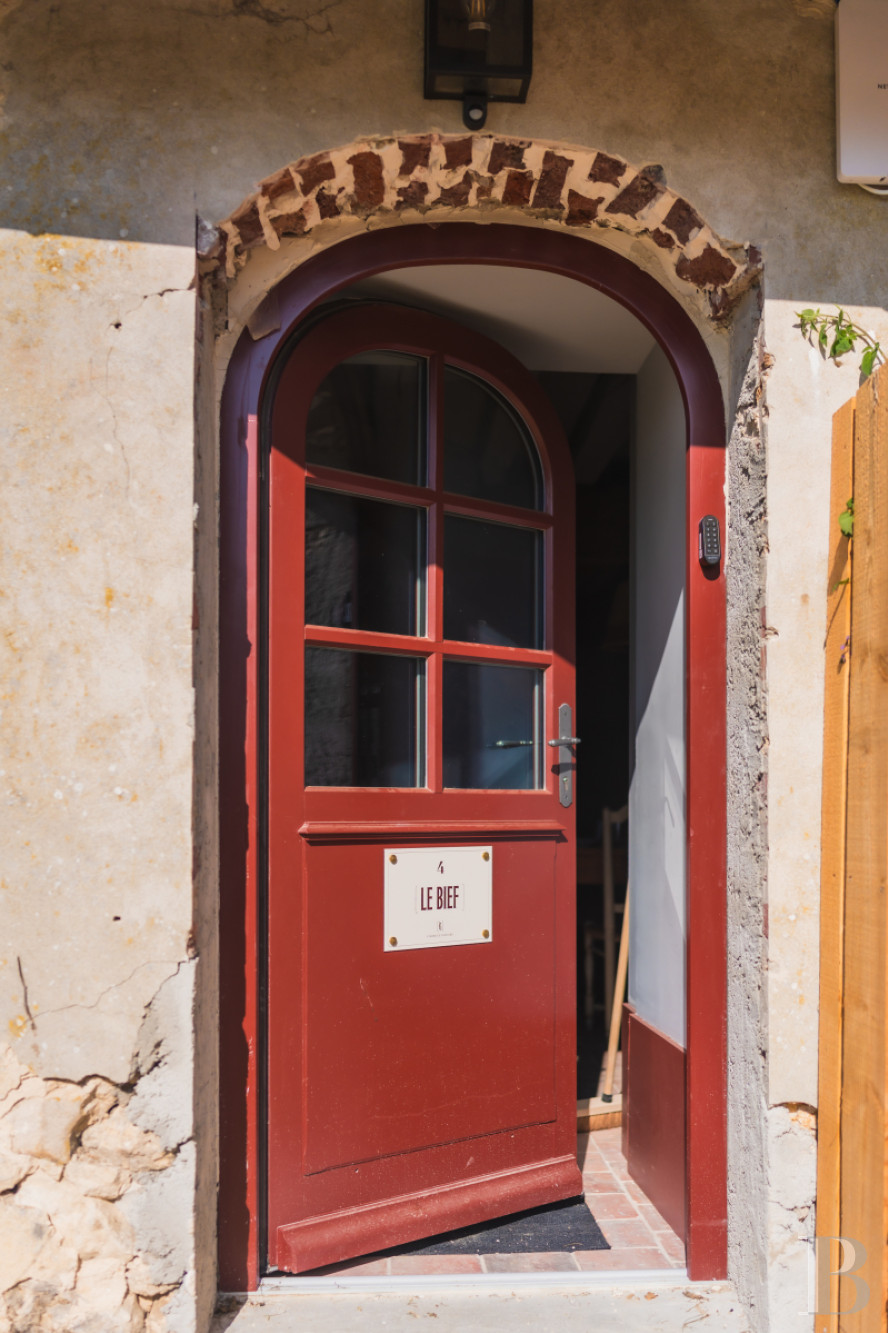
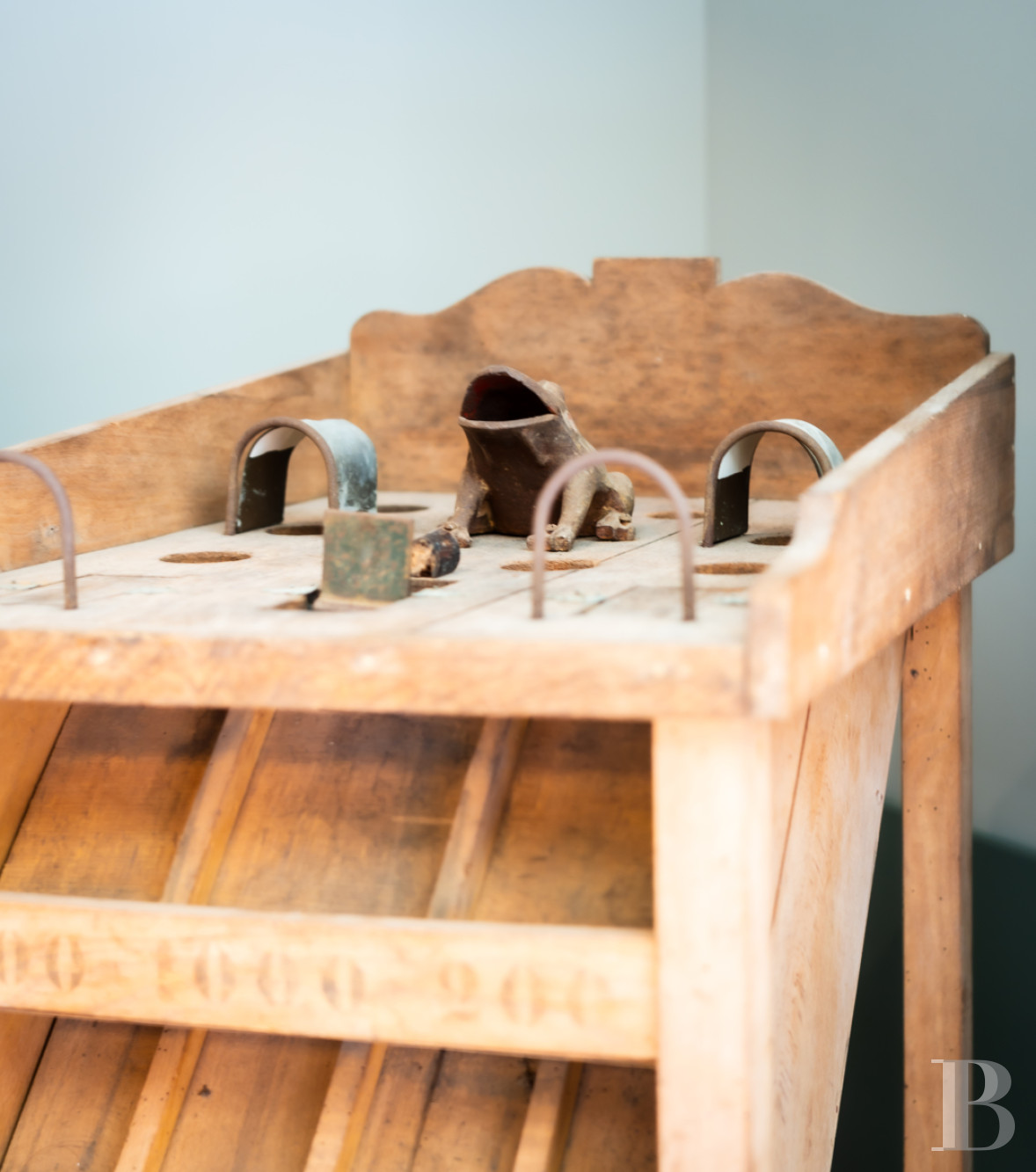
The estate can bring together work teams ranging from 25 people for residential sessions to 50 for study days. It has a barn in the grounds, converted into a workplace and divided into a 90 m2 room, an adjoining 26 m2 spare room, a 12 m2 catering area and a 55 m2 mezzanine equipped with table football, a television and two tables. Eleven houses, ranging in size from 40 to 110 m2 and accommodating from two to six people, are spread across the three-hectare grounds, with shared access to all facilities. Other accommodation is available nearby if required. The venue offers tailor-made services on request: nature activities, heritage visits, themed workshops and wellness experiences. The estate managers offer their services and ensure that your stay runs smoothly. The rate is for private use of the estate for one night and two days.
ref 570785
A link to enter a new password has been sent to you by email.
By continuing your navigation, you accept the use of cookies to offer you services and offers adapted to your centers of interest and to measure the frequentation of our services. Learn more