

Add to favorites
Log in to your personal space
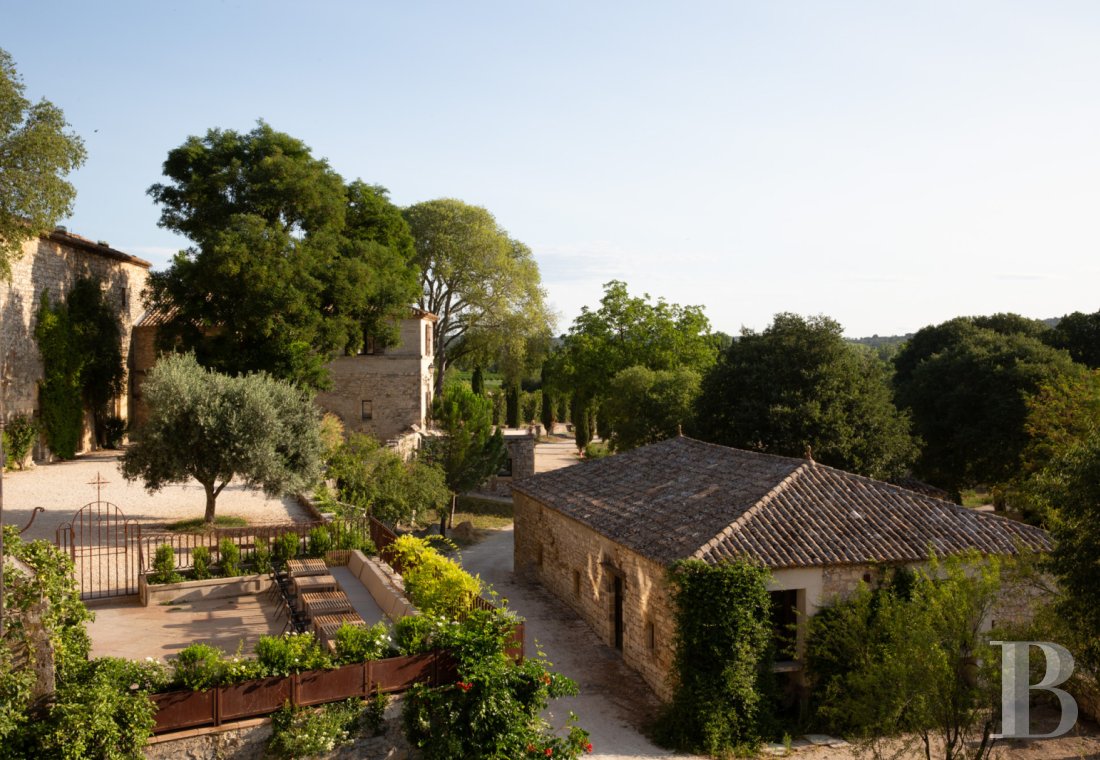
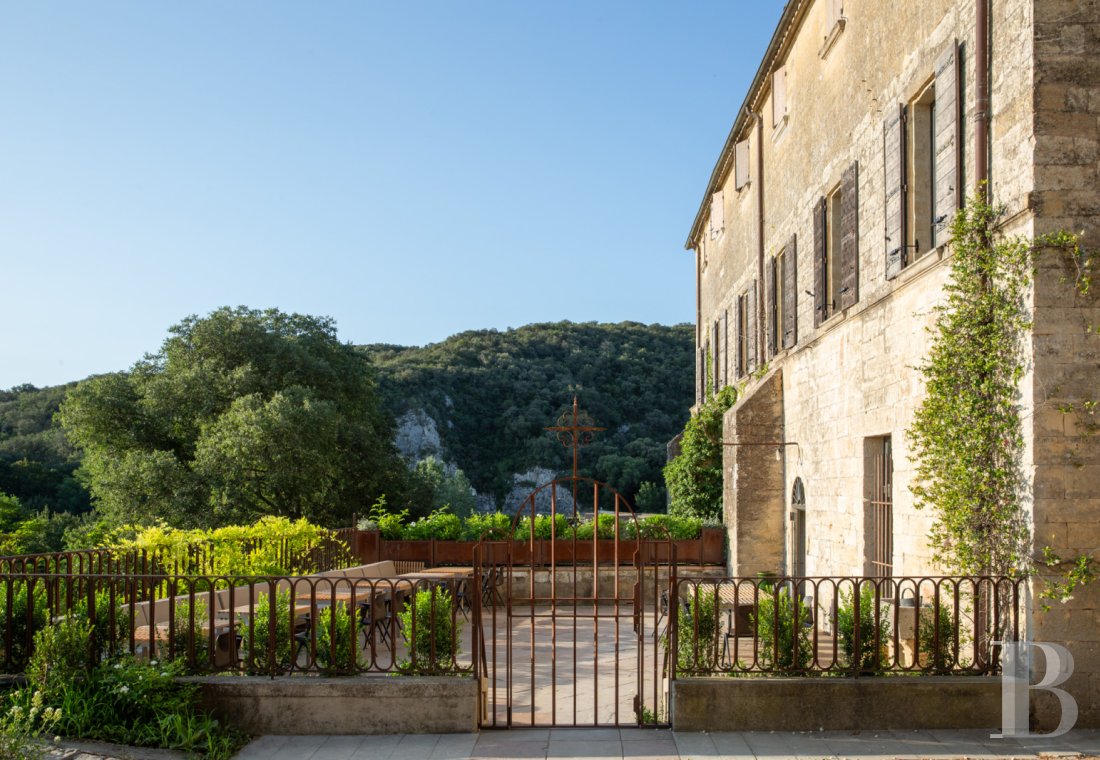
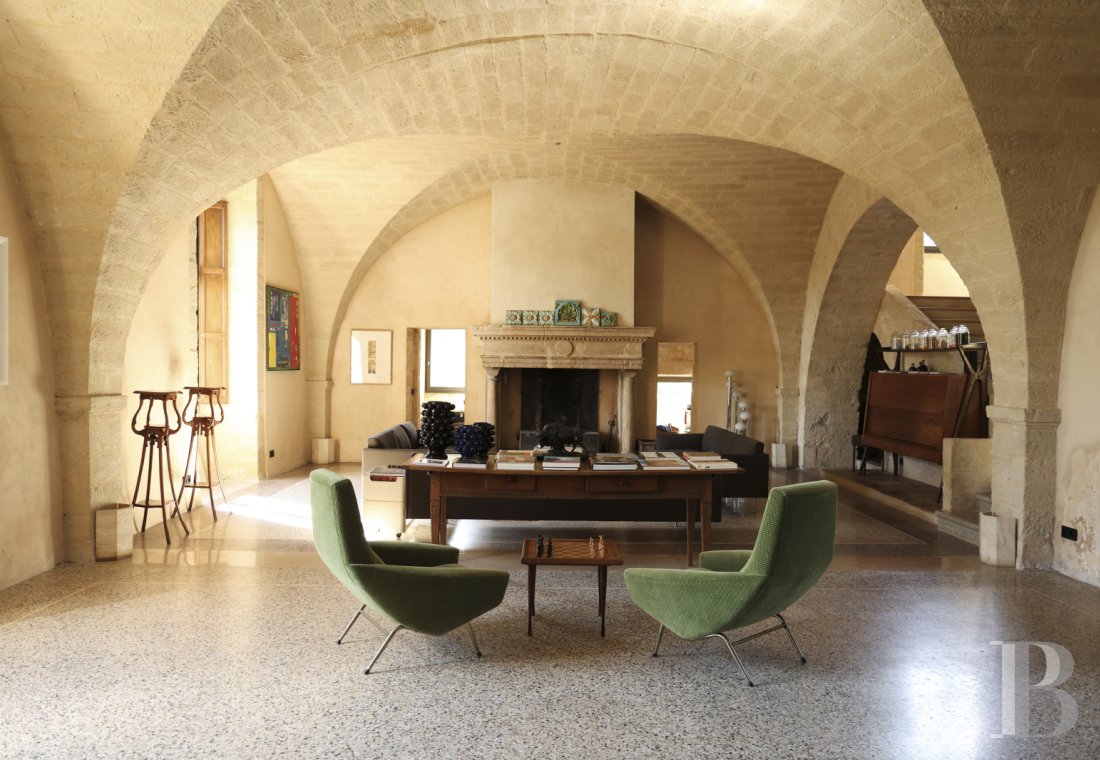
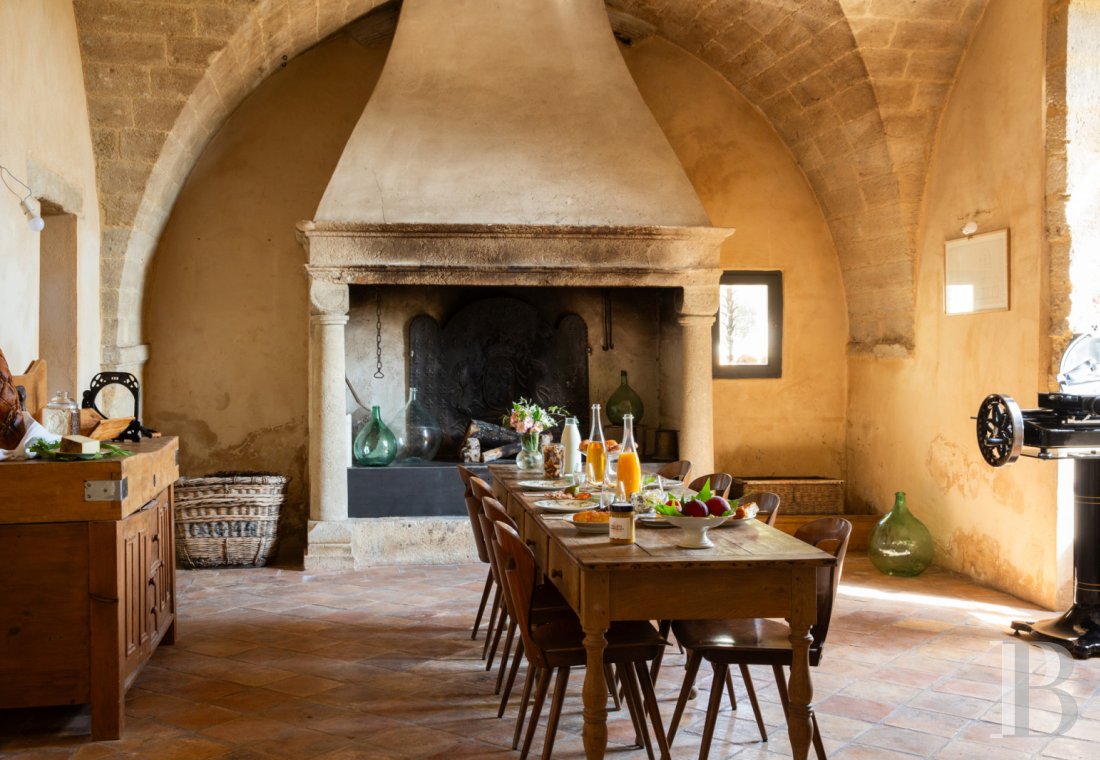
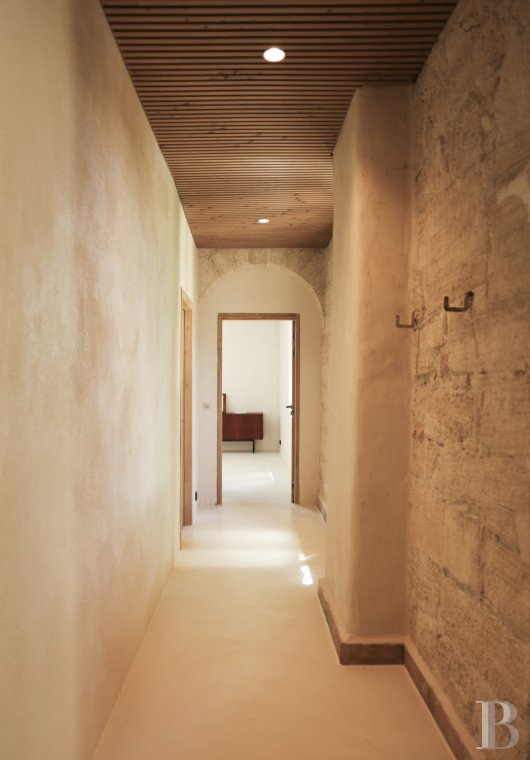
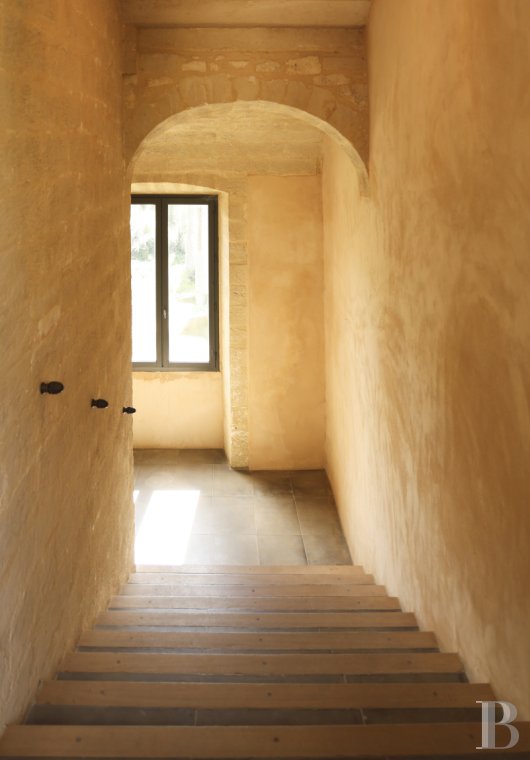
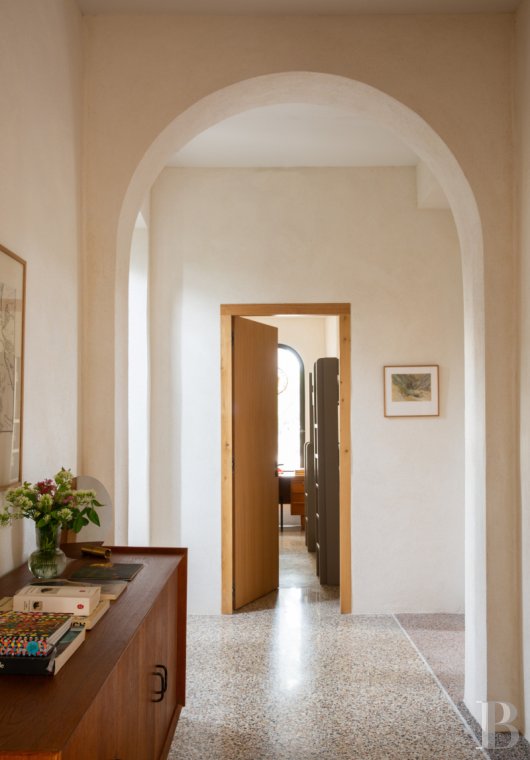
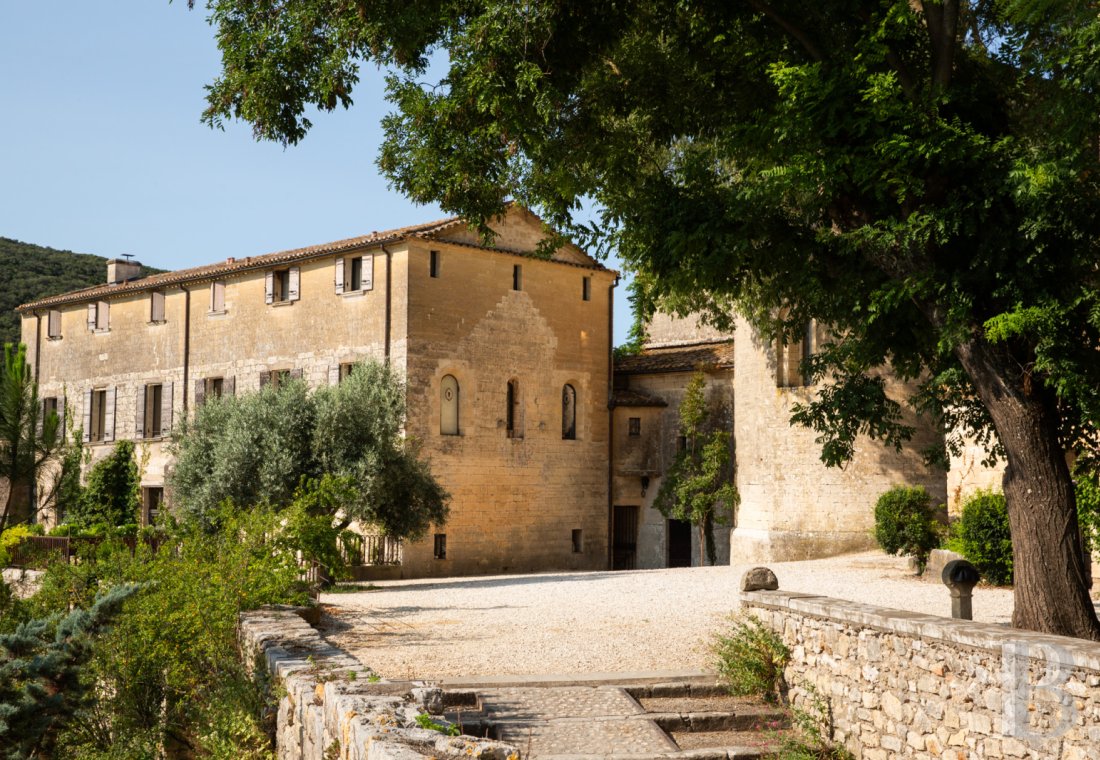
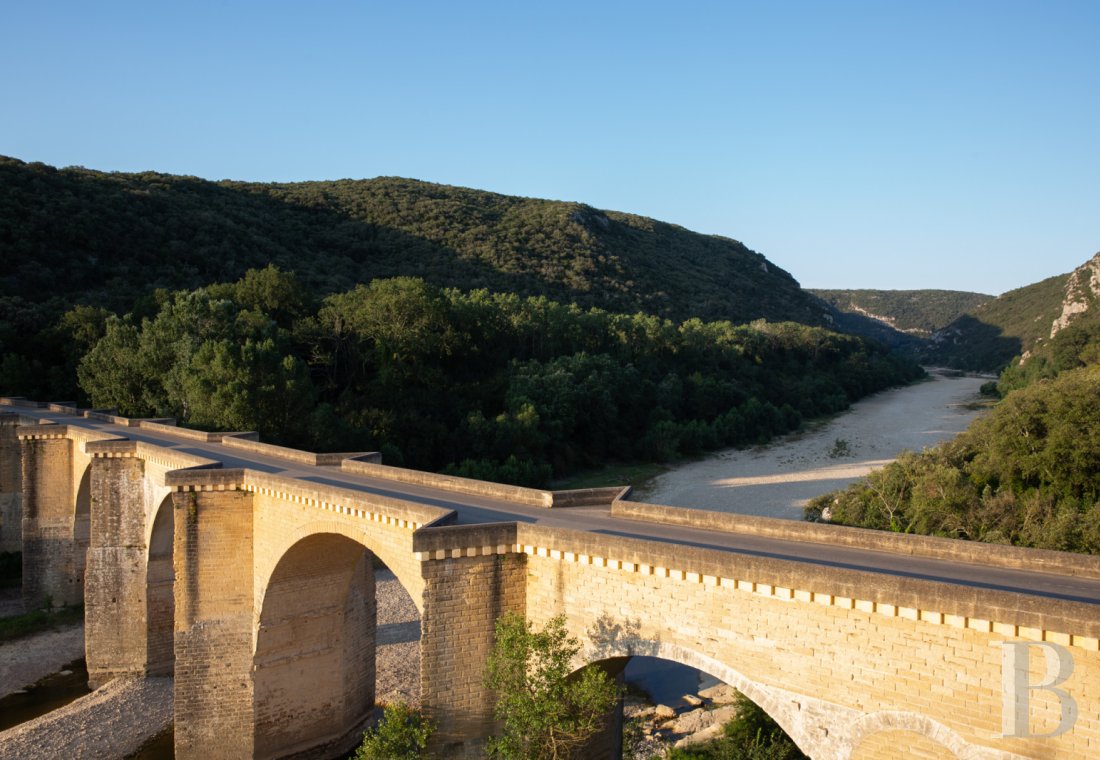
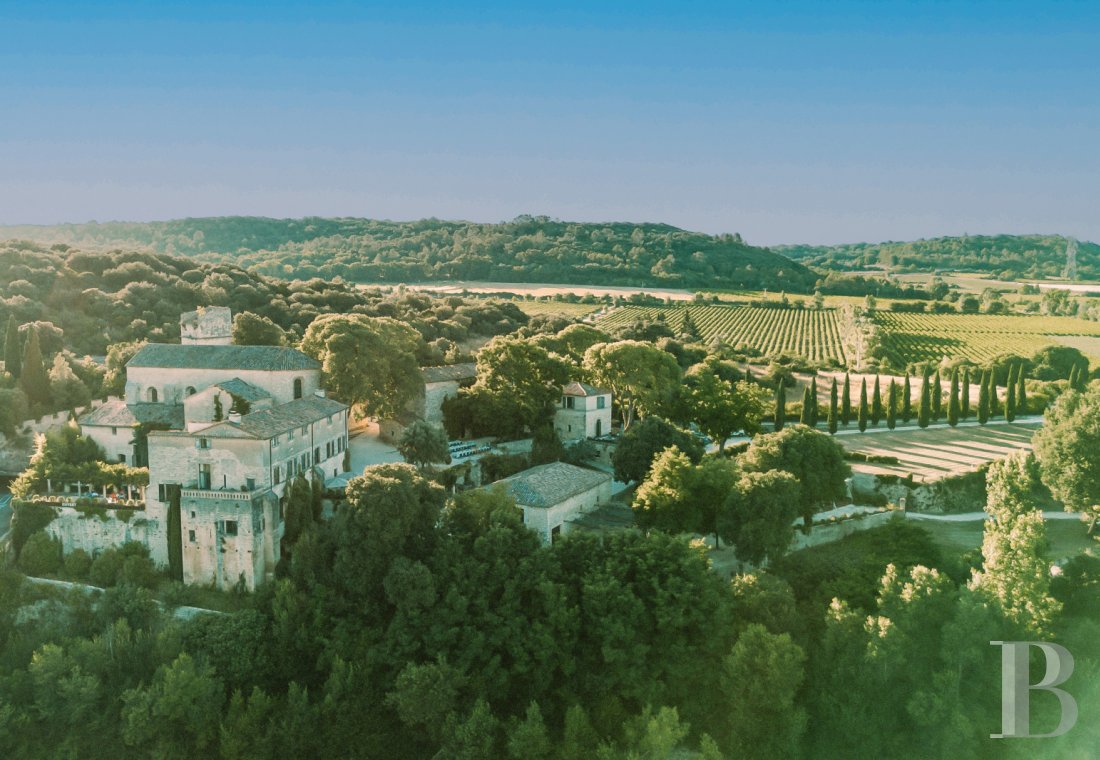
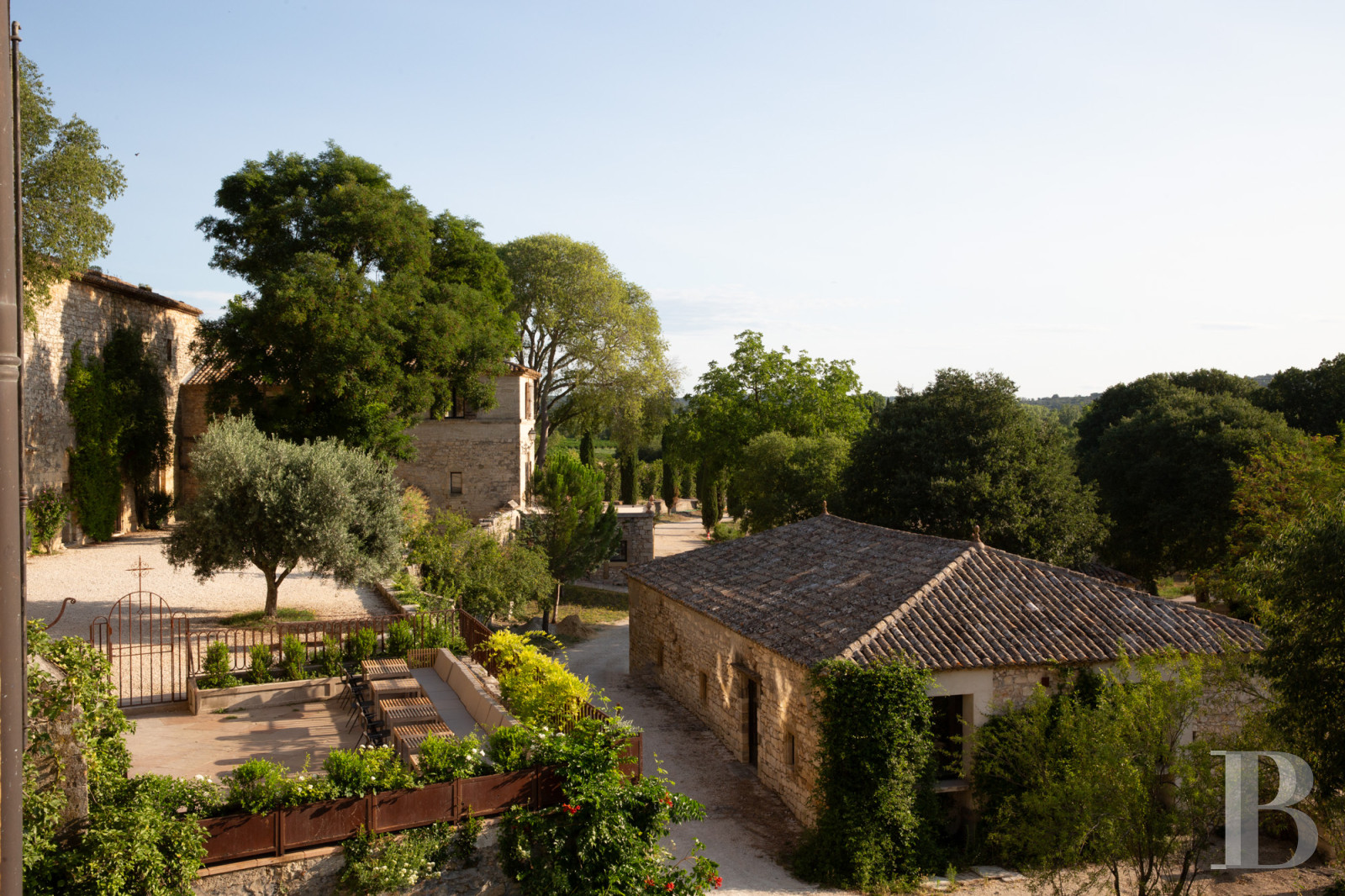
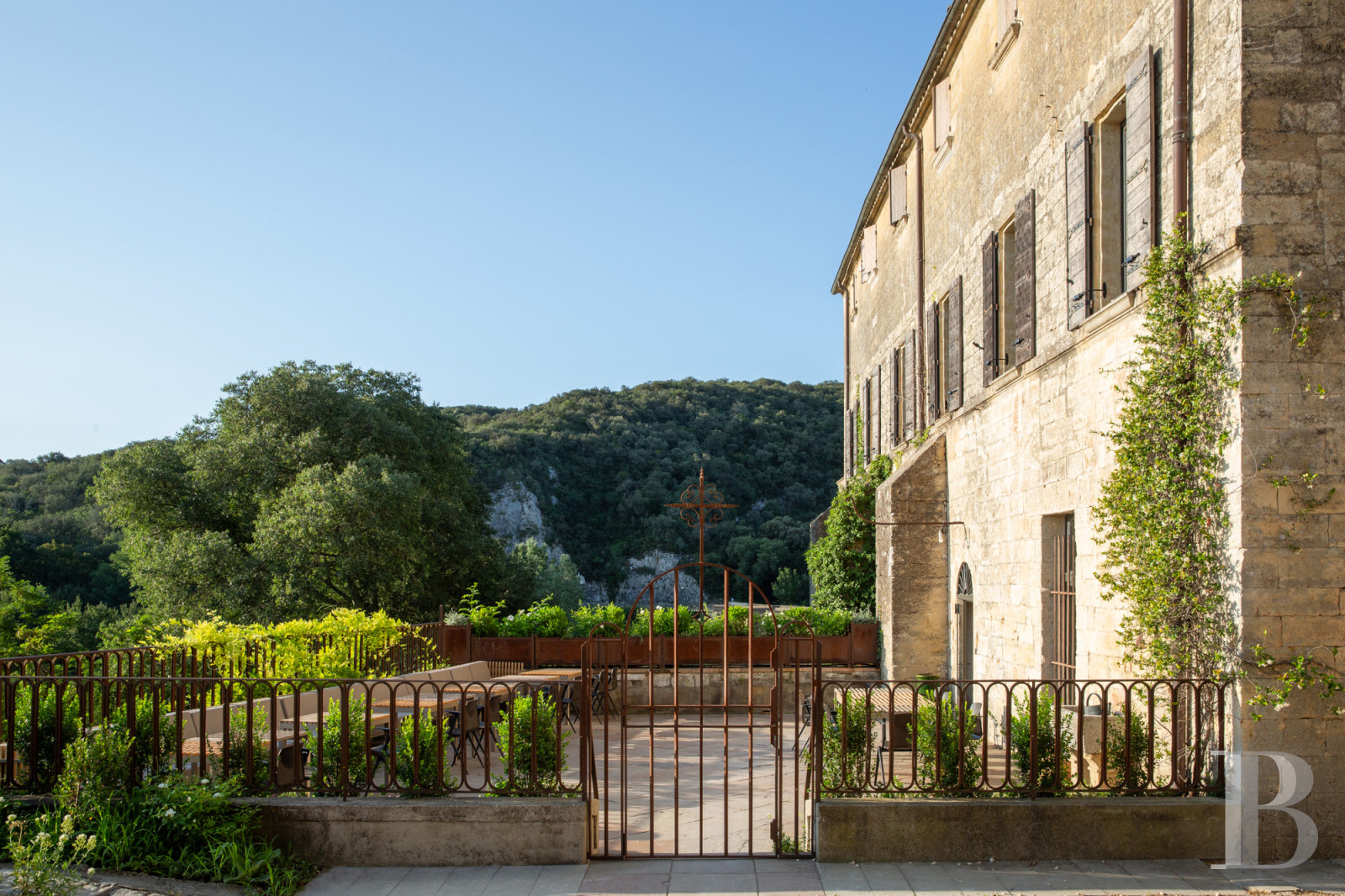
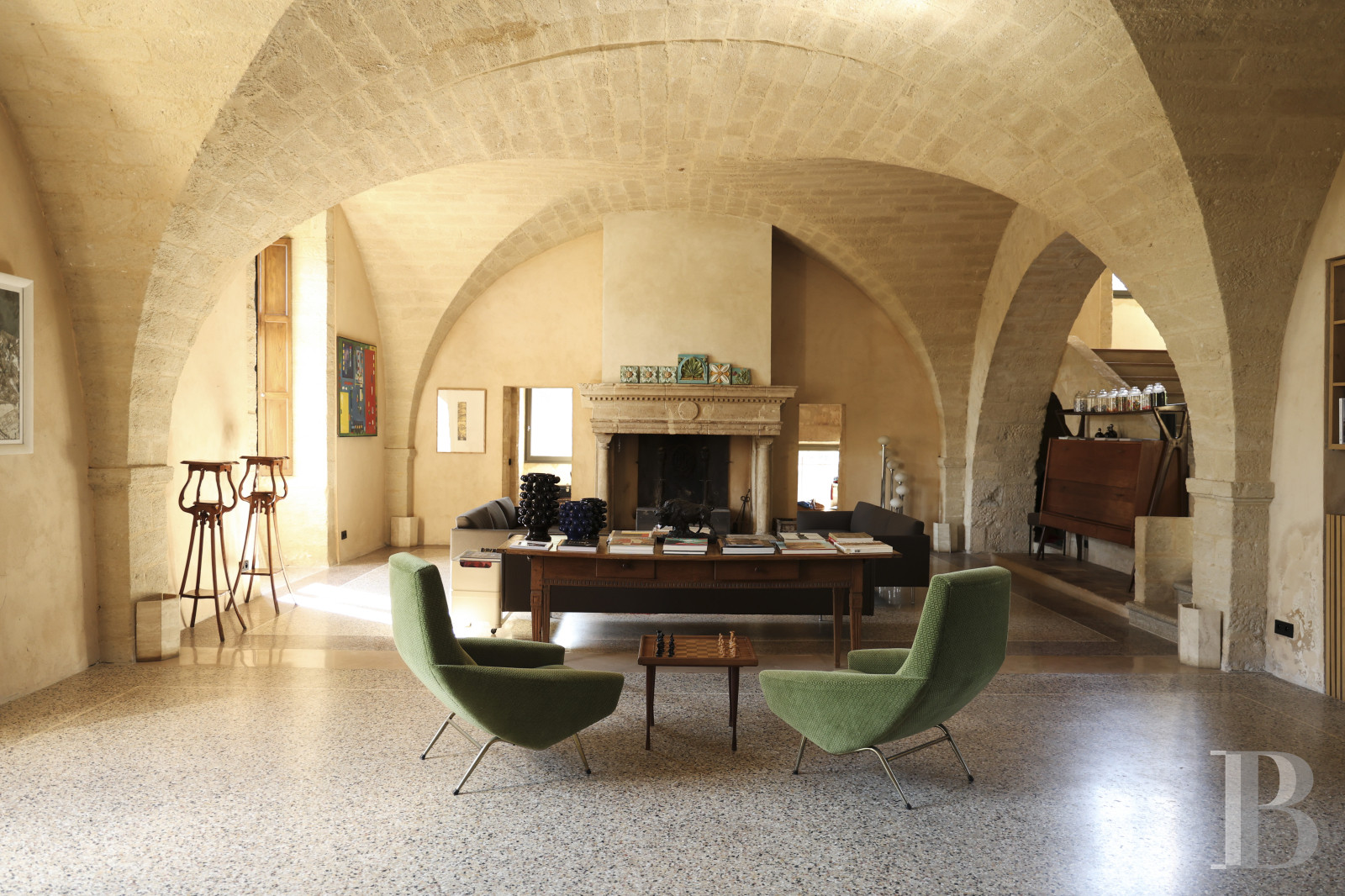
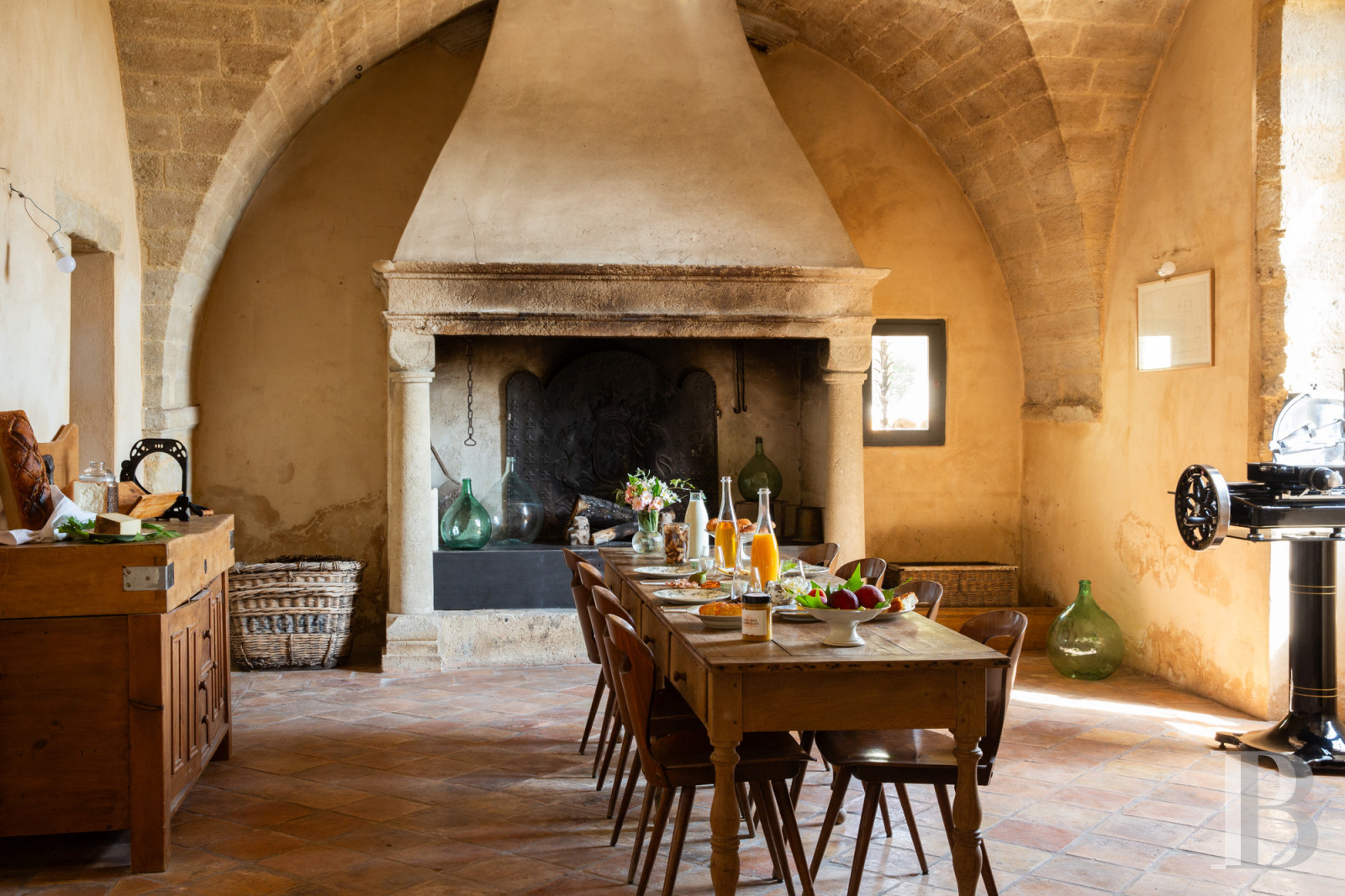
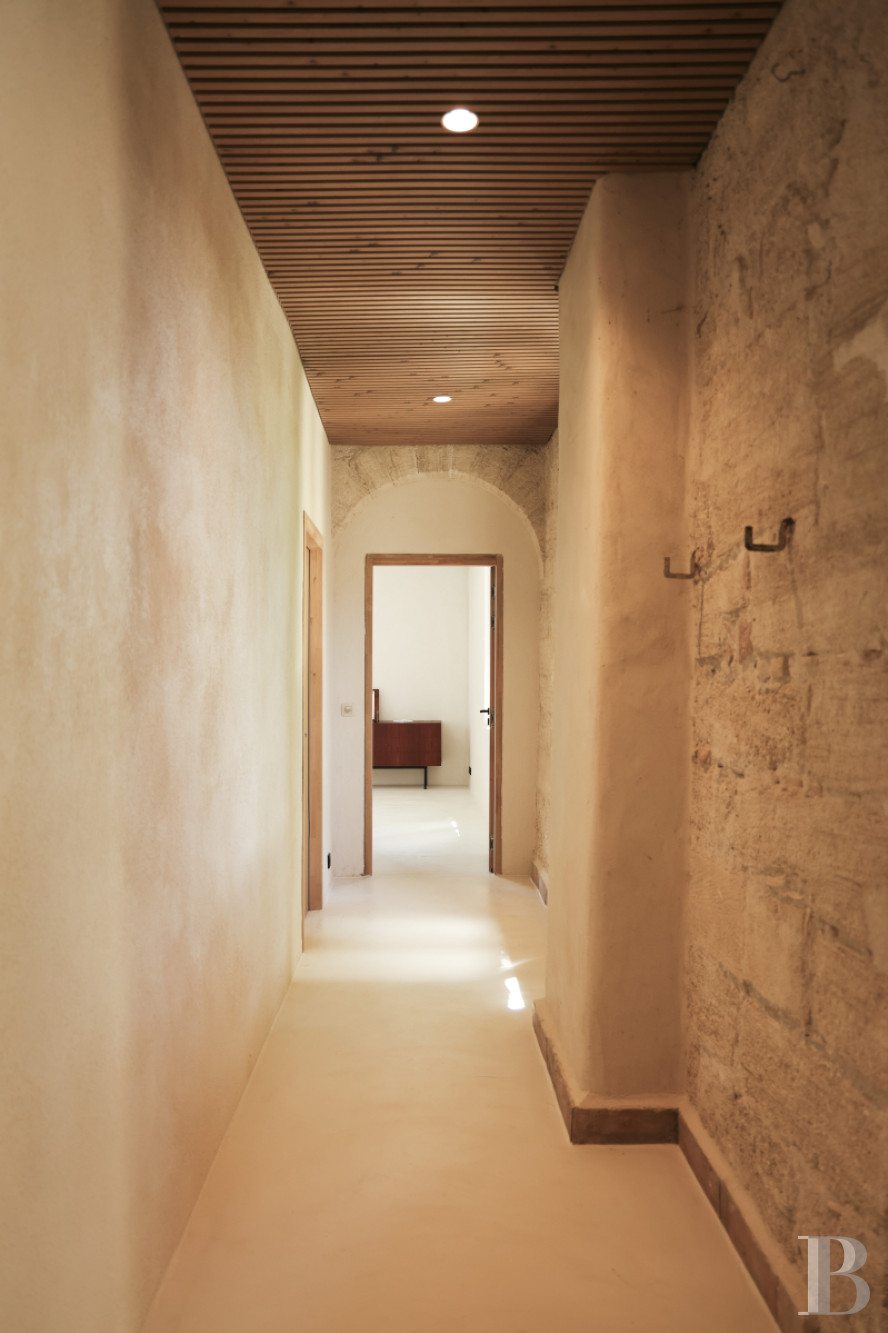
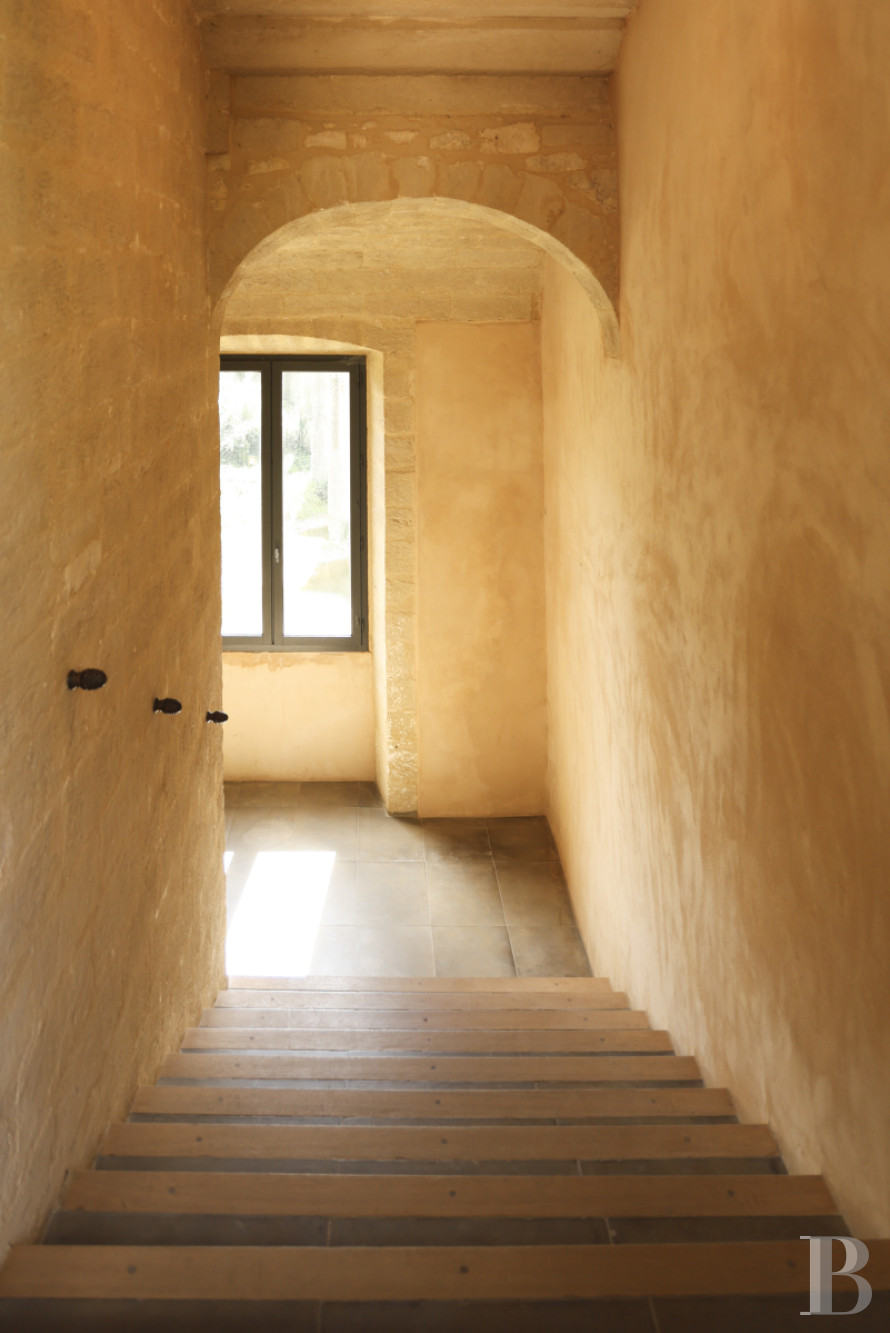
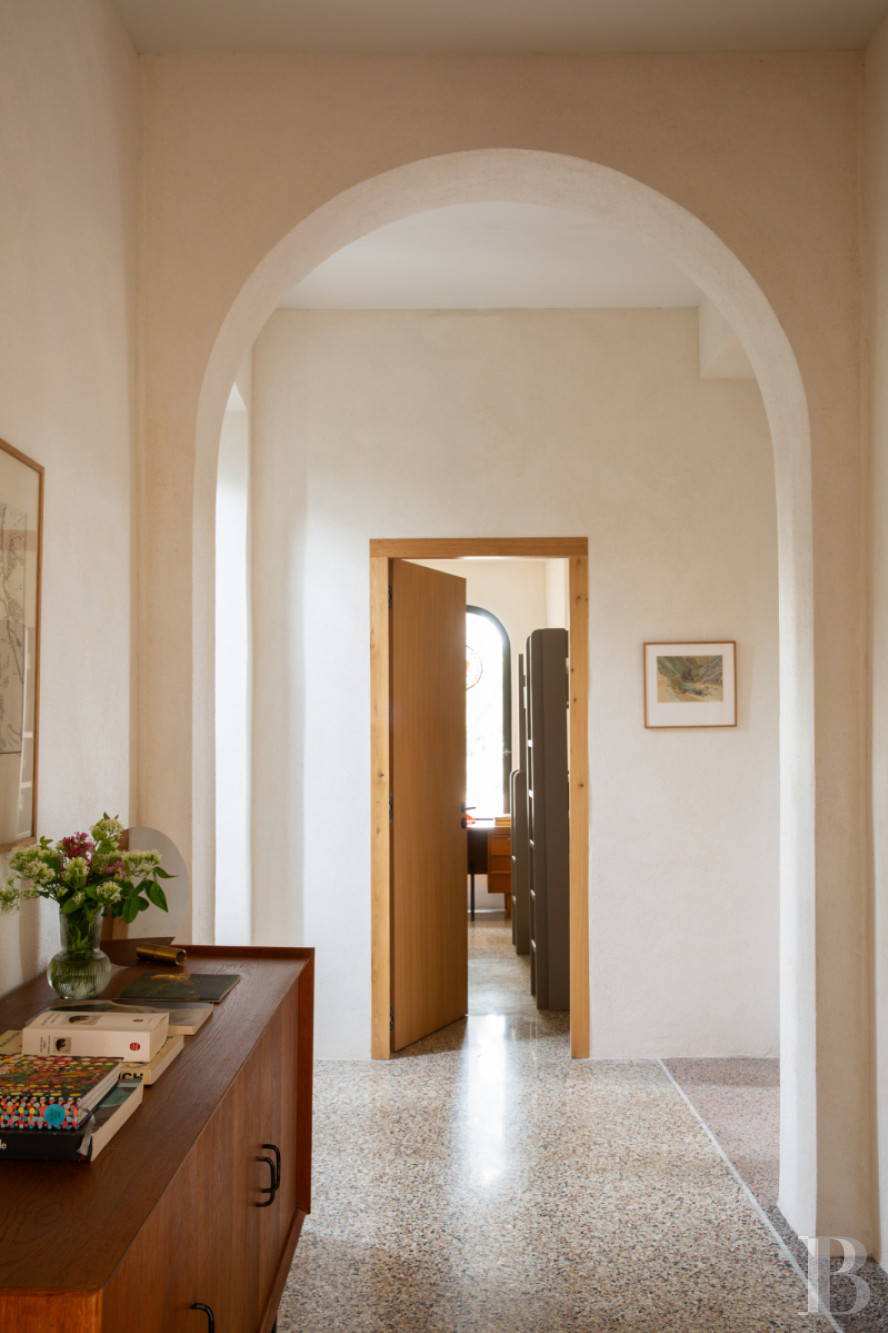
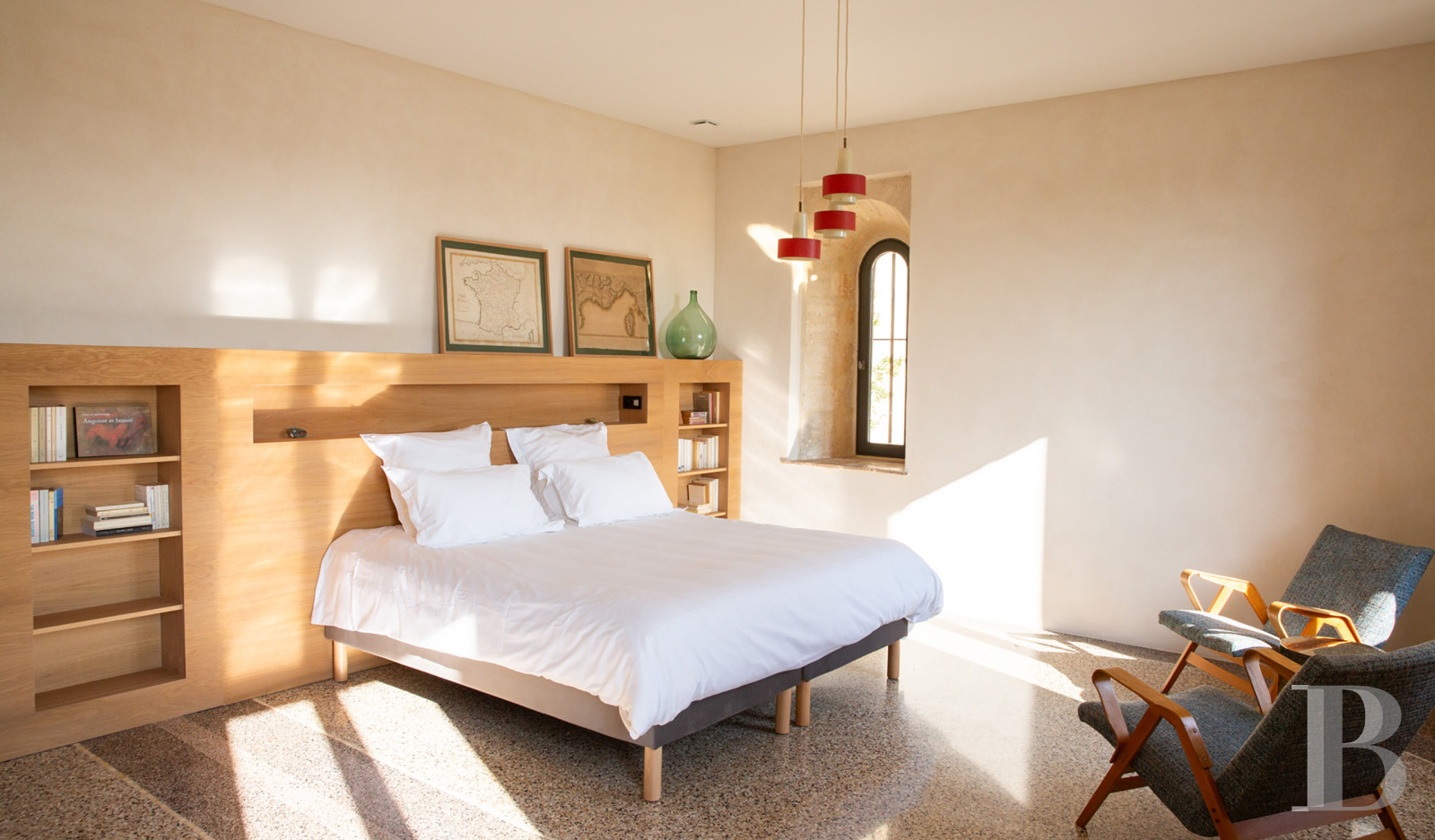
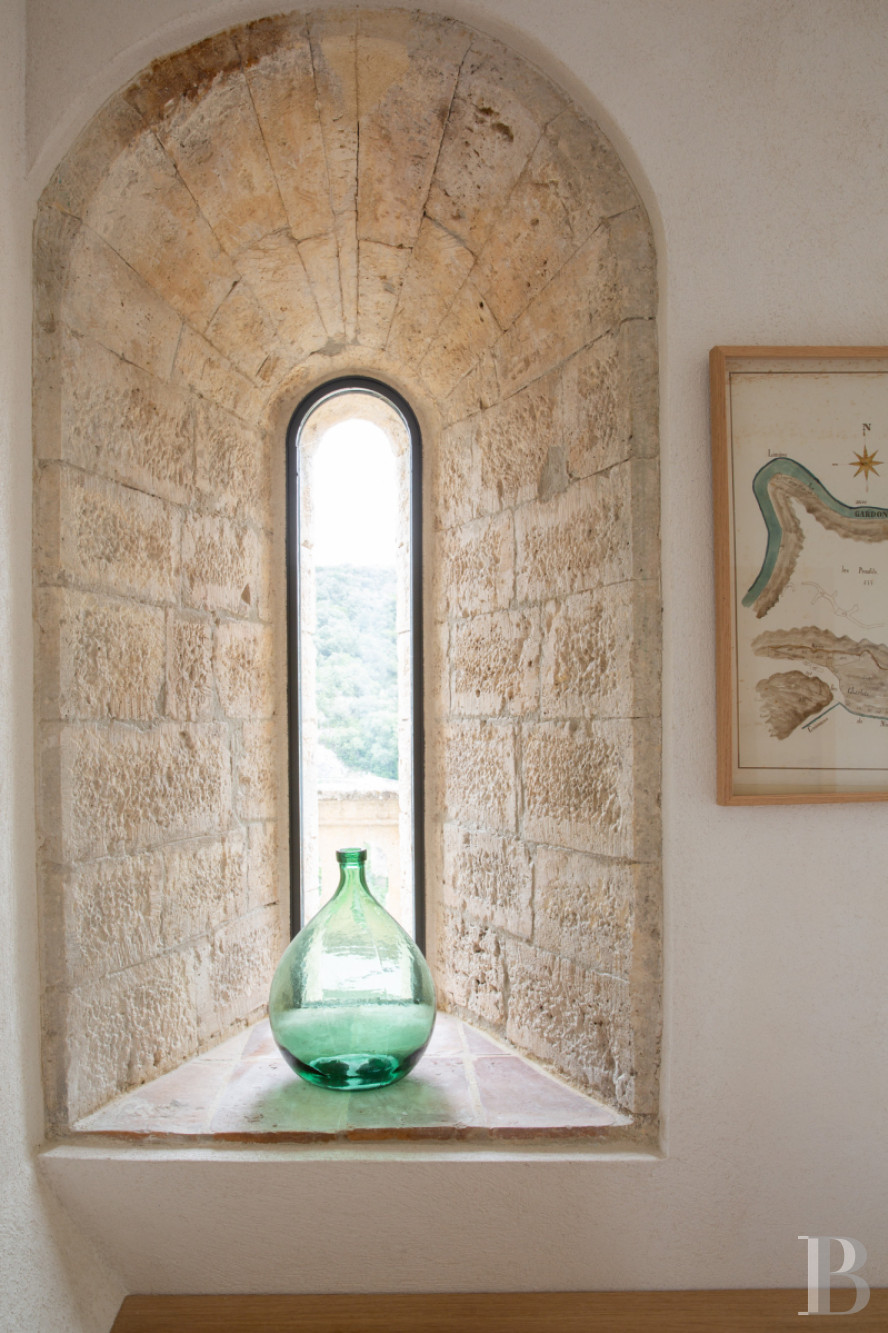
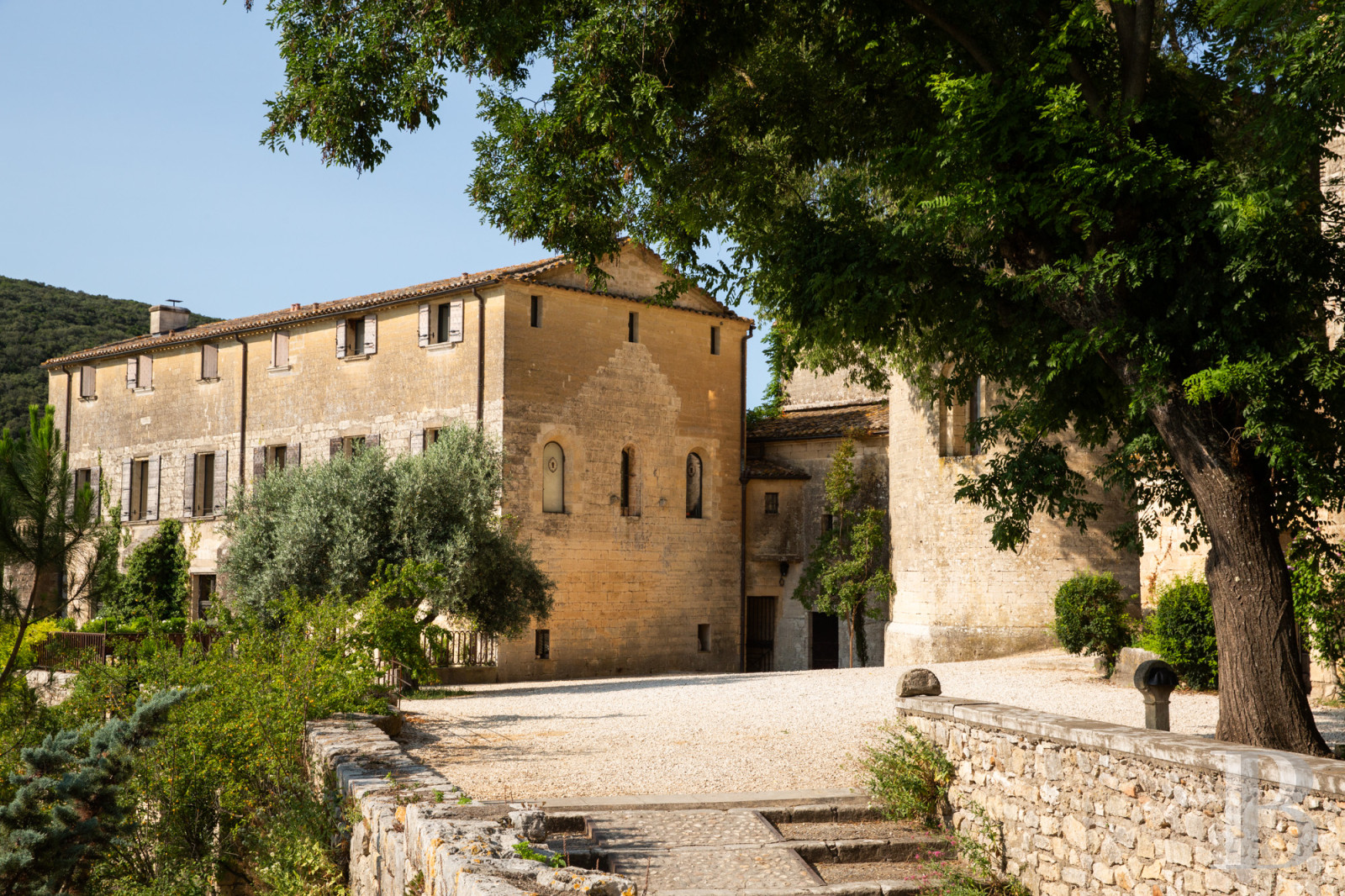
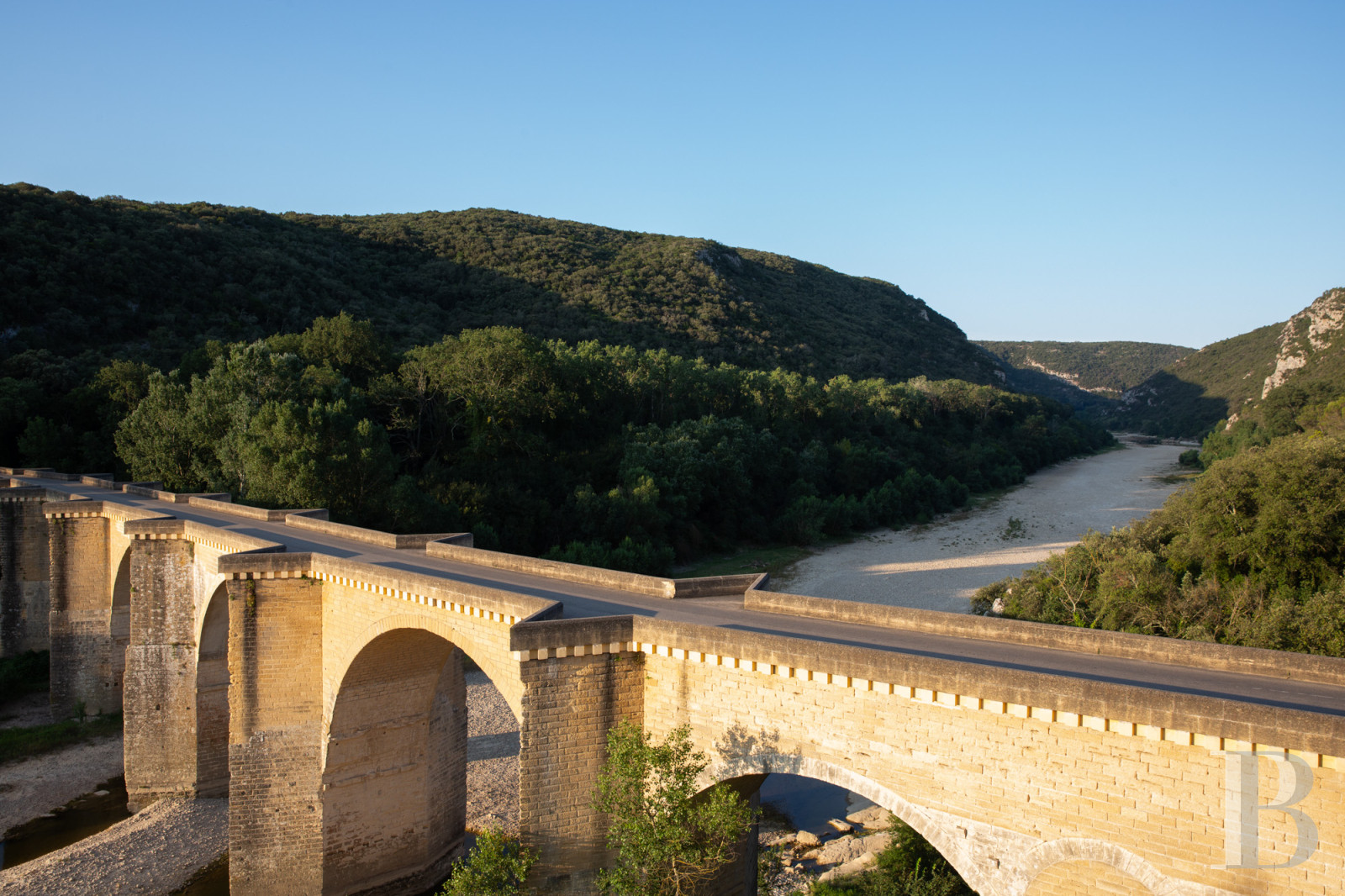
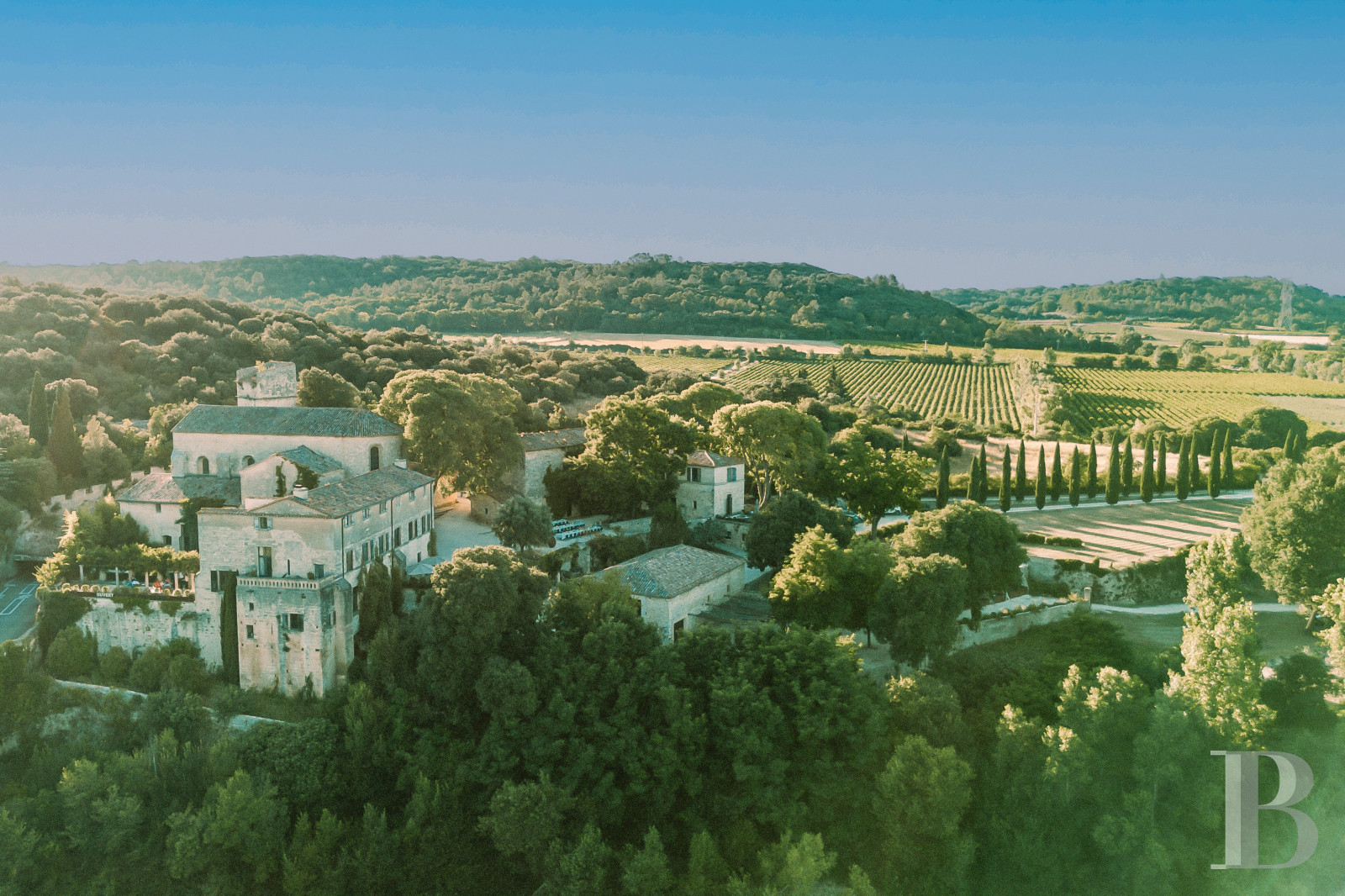
Overlooking the River Gardon and the 13th-century bridge that spans it, the former priory, together with its various buildings, forms a little hamlet surrounding the now deconsecrated Romanesque church. Thanks to the successive renovations the property has undergone, it is now able to offer a wide range of services, such as guesthouse accommodation, wedding planning, art exhibitions, wellness sessions and culinary experiences. Staying here is a twofold privilege: the chance to live amidst historic buildings which, despite the changes undergone, have managed to retain a sense of their original simplicity, both in the layout and in the clean-lined décor; and the opportunity to retreat into the heart of a protected area, where countless monuments bear witness to several millennia of human settlement.
I used to come to this area a long time ago, initially just for a few weekends to stsy with friends, before eventually buying a holiday home here. I discovered a unique landscape, where hills, wooded countryside and forests come together to form a countryside gently shaped by human hands, at times reminiscent of a discreet French Tuscany. The evening light here has a rare quality, gliding over historical buildings that have remained intact, preserved with care and respect for their history. Over the years, I have developed a deep attachment to this area. This property is now a natural expression of that: it embodies what I wish to convey – a place where history, architecture and the landscape come together in perfect harmony. More than just an acquisition, this project is a way of living with and sharing a living heritage whose authenticity is fully respected.
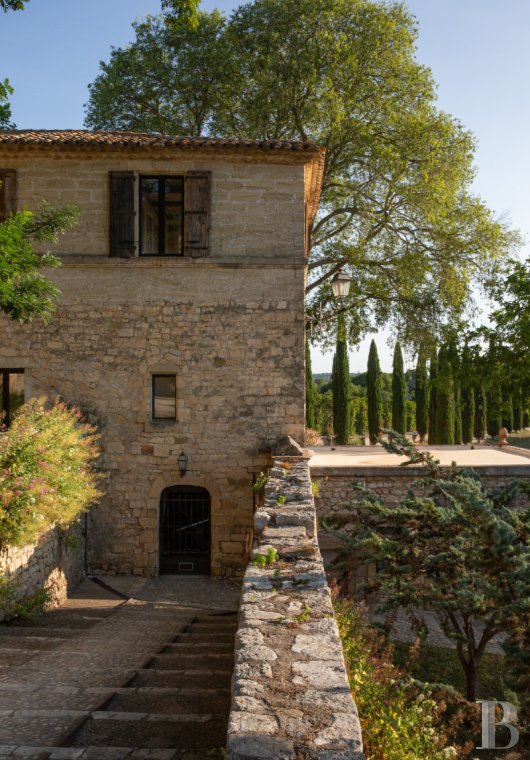
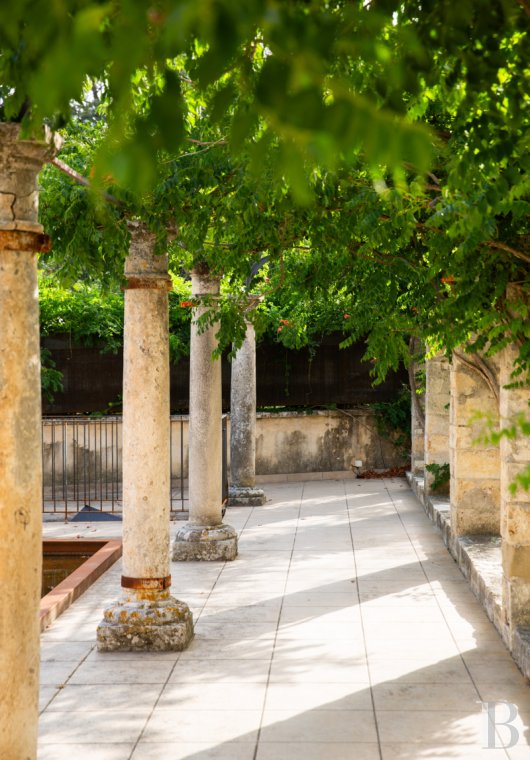
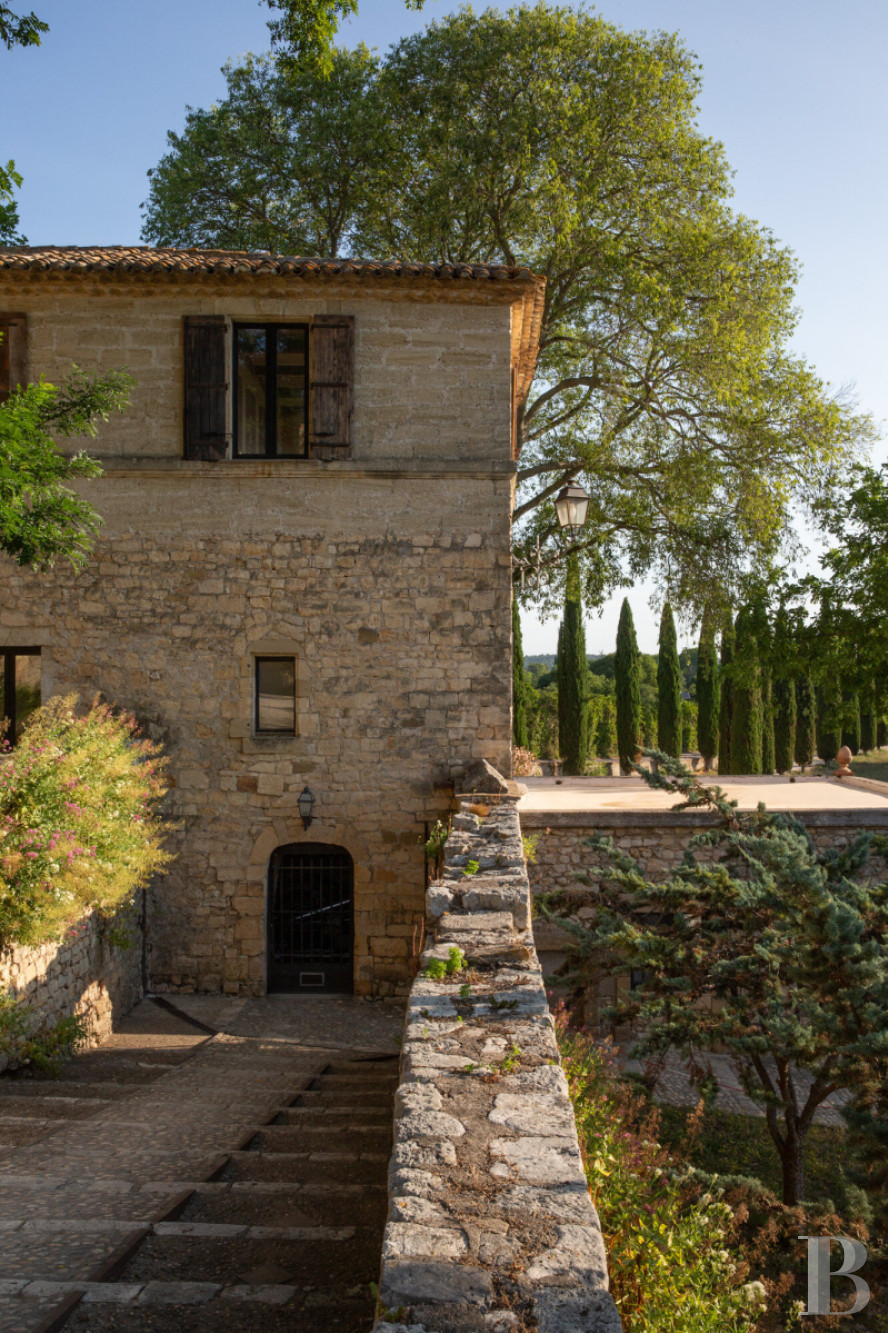
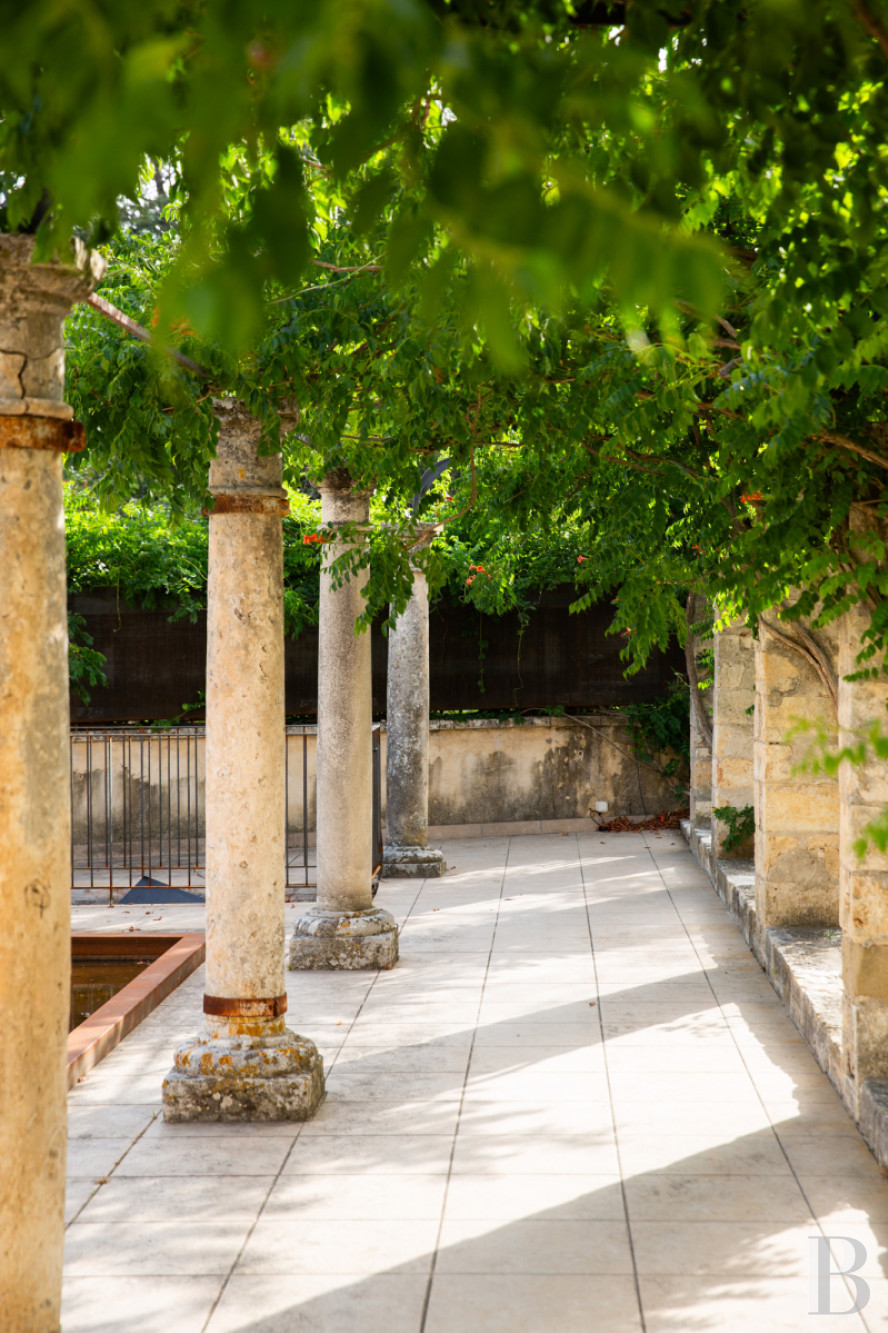
Set on a promontory overlooking the Gardon and the old road linking Nîmes to Uzès, the estate covers twelve hectares. The location was chosen for strategic reasons: the site once controlled the crossing over the Gardon and occupied a key position on the direct route linking the Mediterranean to Avignon. The complex comprises seven buildings, four of which are listed as Historic Monuments: one is listed in its entirety, whilst three others have their facades and roofs listed. A 1000-year-old Romanesque church forms the heart of the site’s heritage, alongside the remains of a cloister and a building dating from the year 960, which is probably the oldest on the site. A remarkable, intact dovecote still retains all 255 of its original nesting boxes. Over the centuries, different architectural styles have been layered one upon another, creating a rare ensemble that is deeply imbued with the passage of time.
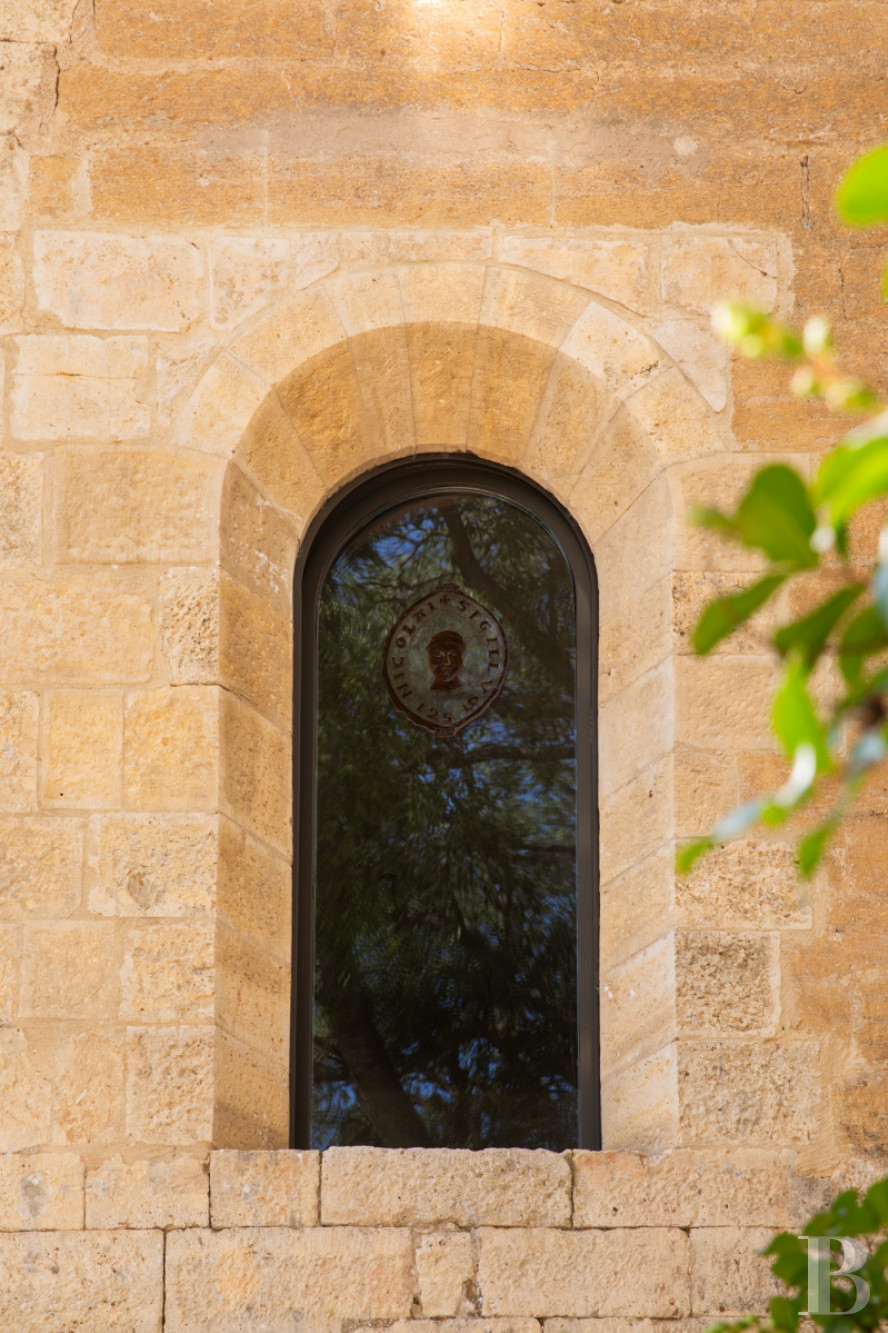
First mentioned in 896, the hamlet was then granted by Louis III the Blind to Amelius II, Bishop of Uzès. In 1156, Louis VII confirmed to Raymond II his ownership of the estate, on which a Romanesque priory, built in the early 12th century, already stood. Between 1245 and 1260, the Pontifical Brothers built the Saint-Nicolas-de-Campagnac Bridge, a vital link between Nîmes and Uzès. Devastated during the Wars of Religion and subsequently abandoned, the site was revived in the 17th century under the leadership of the canons of Sainte-Geneviève. Its watchtower serves as a reminder of the strategic importance of the crossing over the Gardon. Confiscated as national property during the Revolution and later used as farmland, the site was transformed in the 19th century when the road was built under Napoleon III. Listed as a historic monument since 1987, the priory has over a thousand years of history. Acquired in 2020, it is currently undergoing an eco-friendly restoration aimed at bringing it back to life.
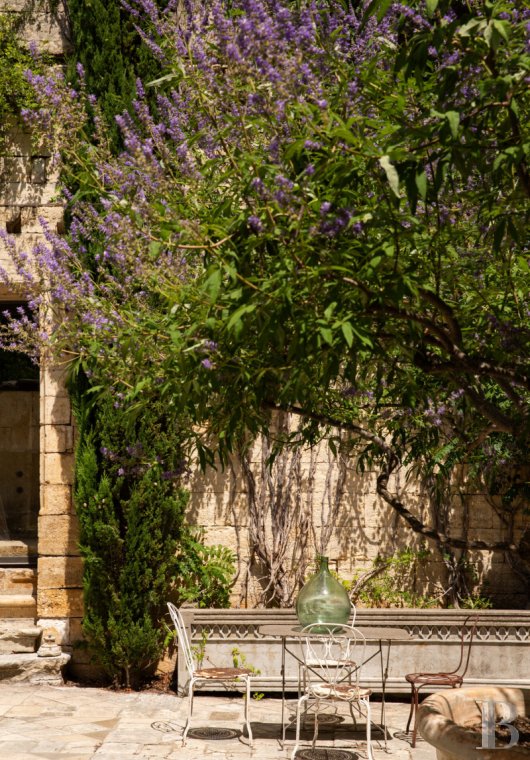
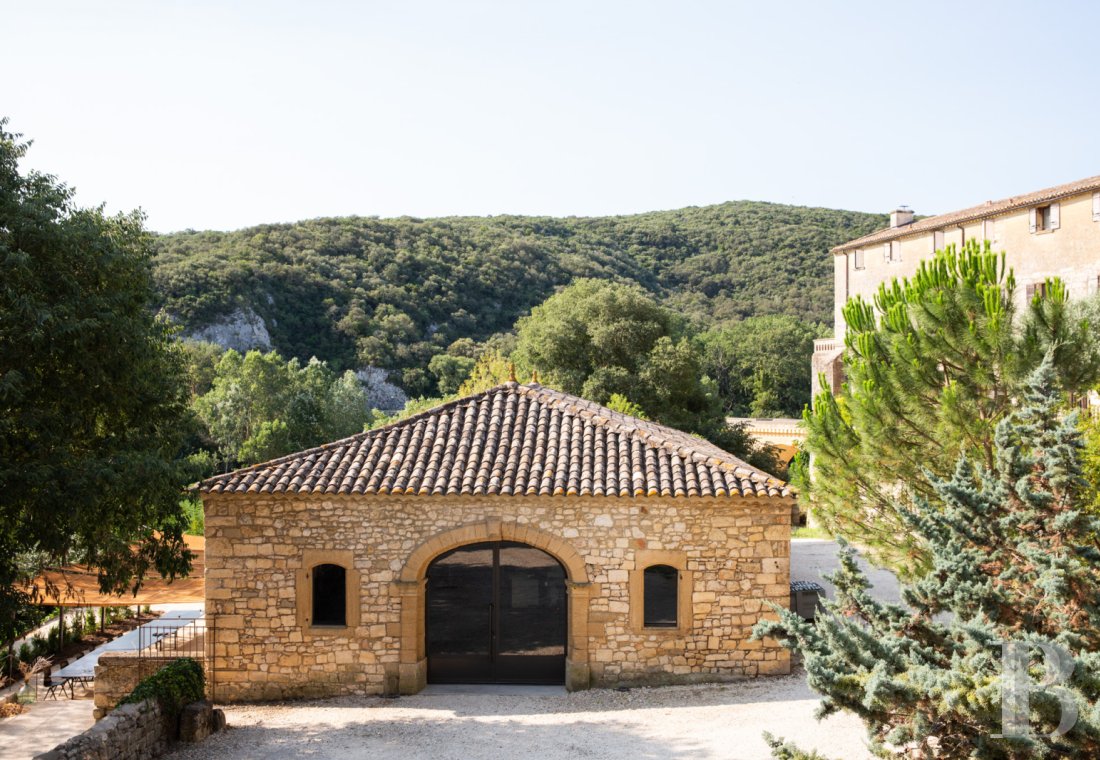
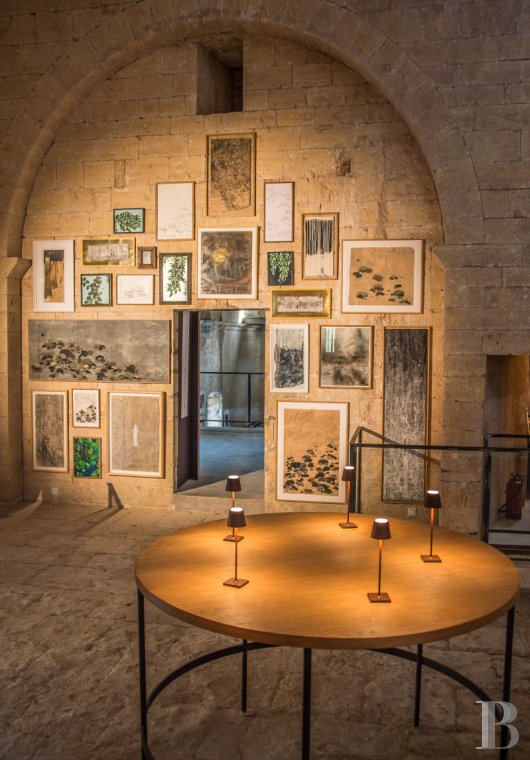
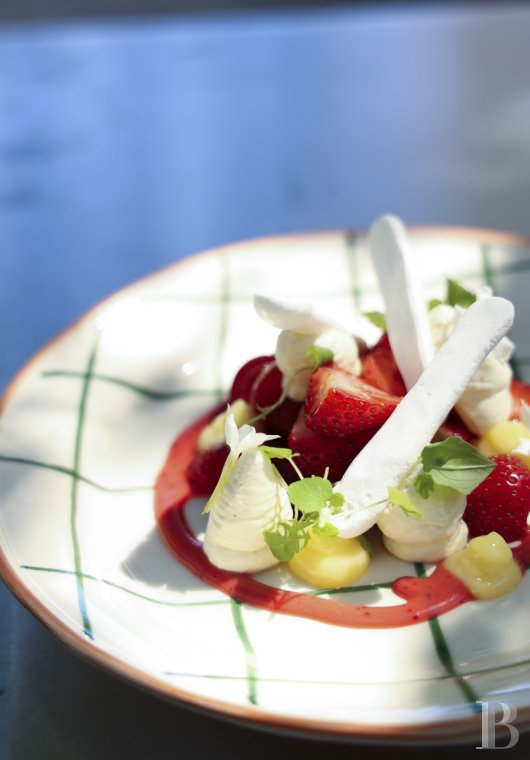
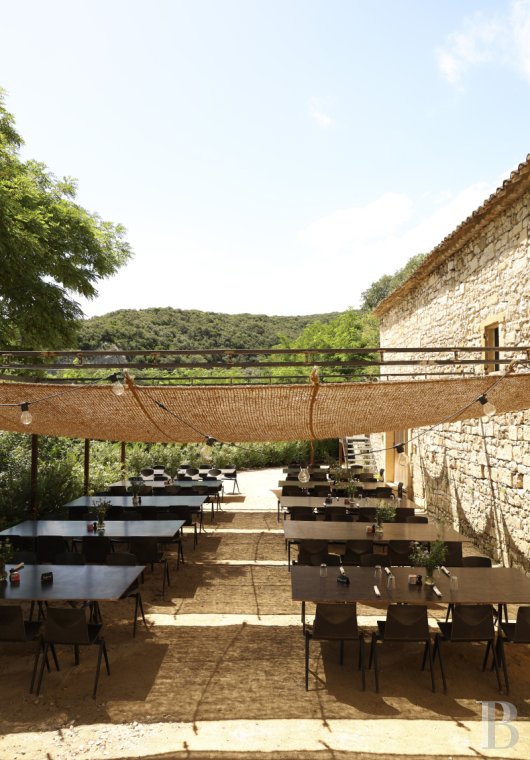
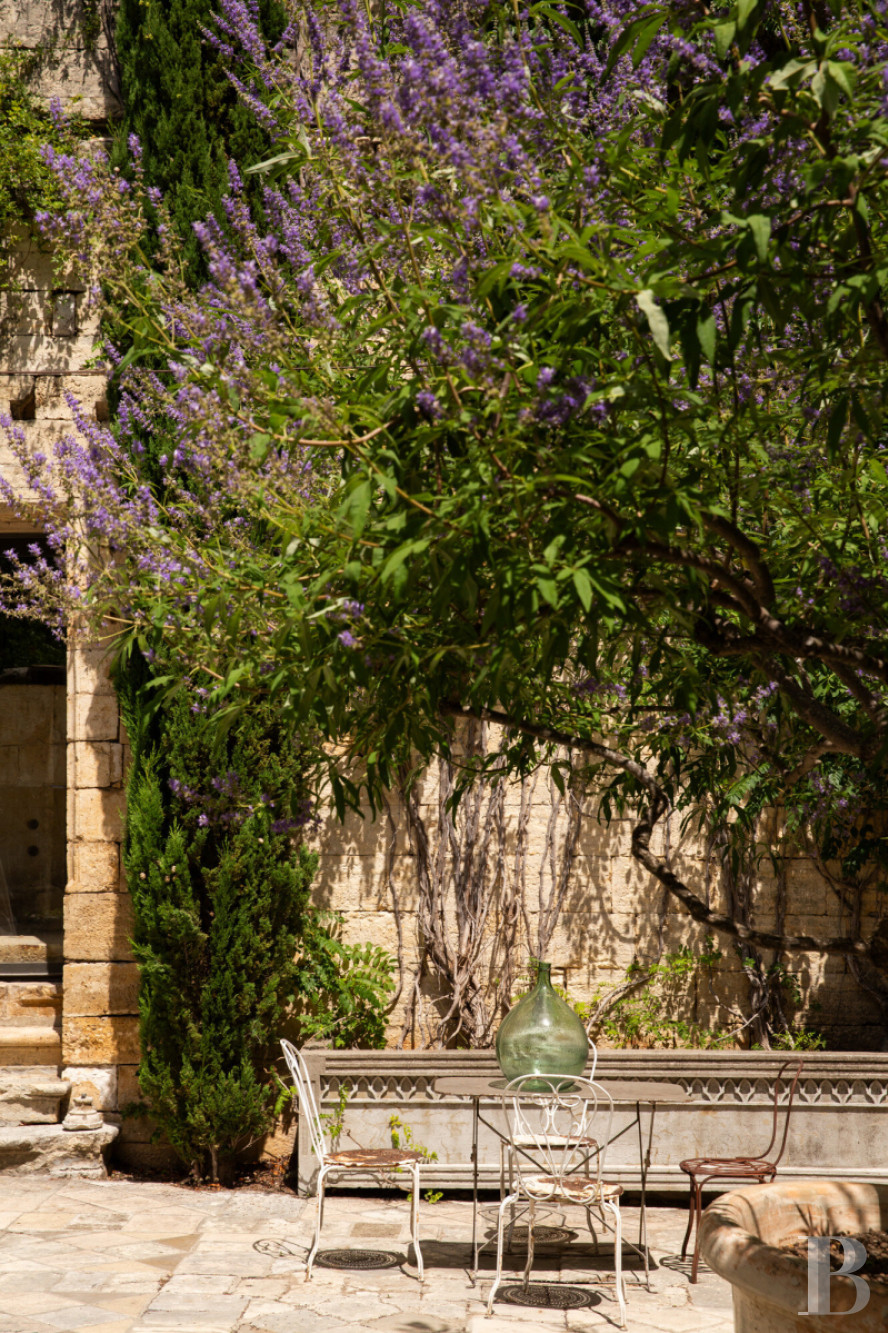
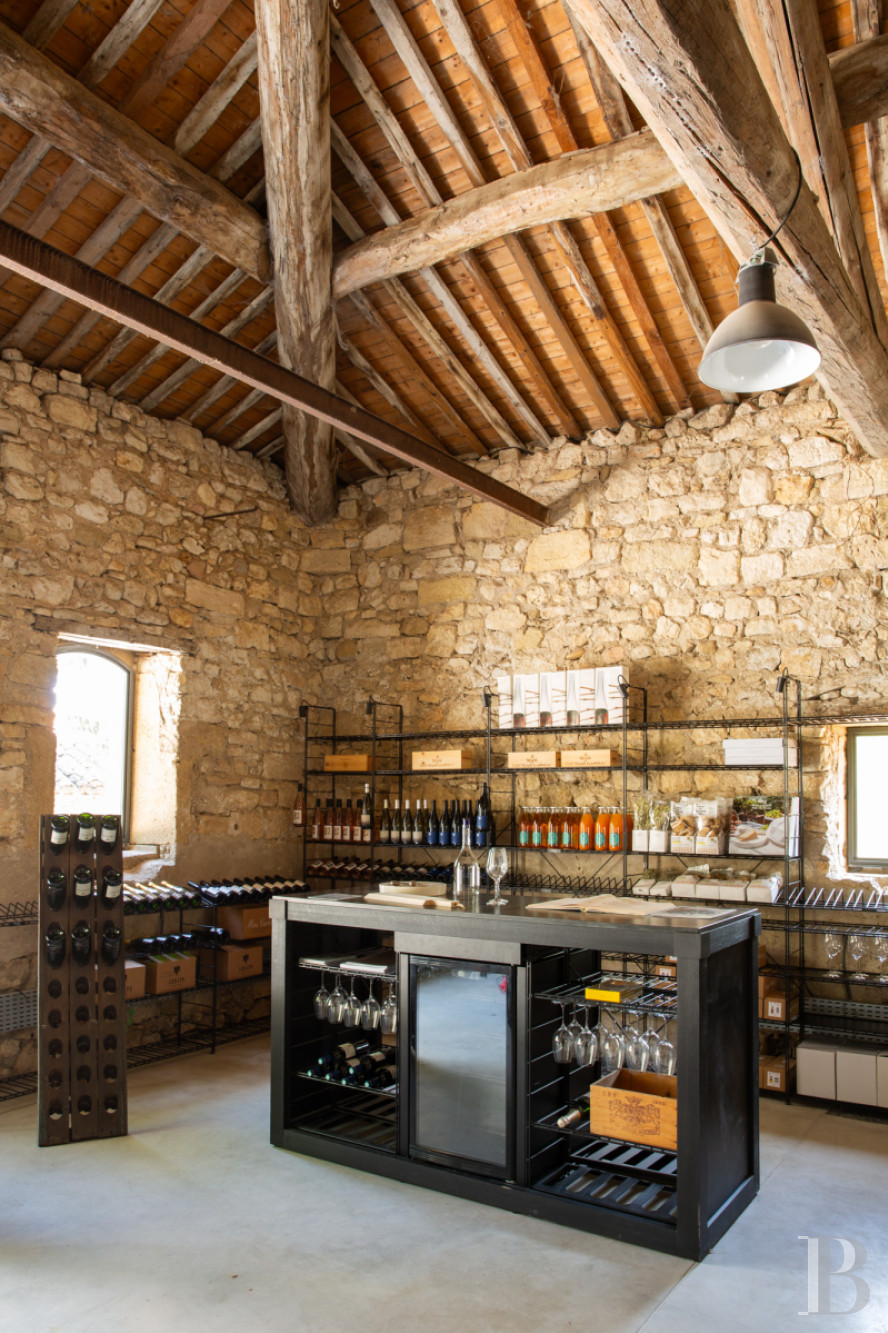
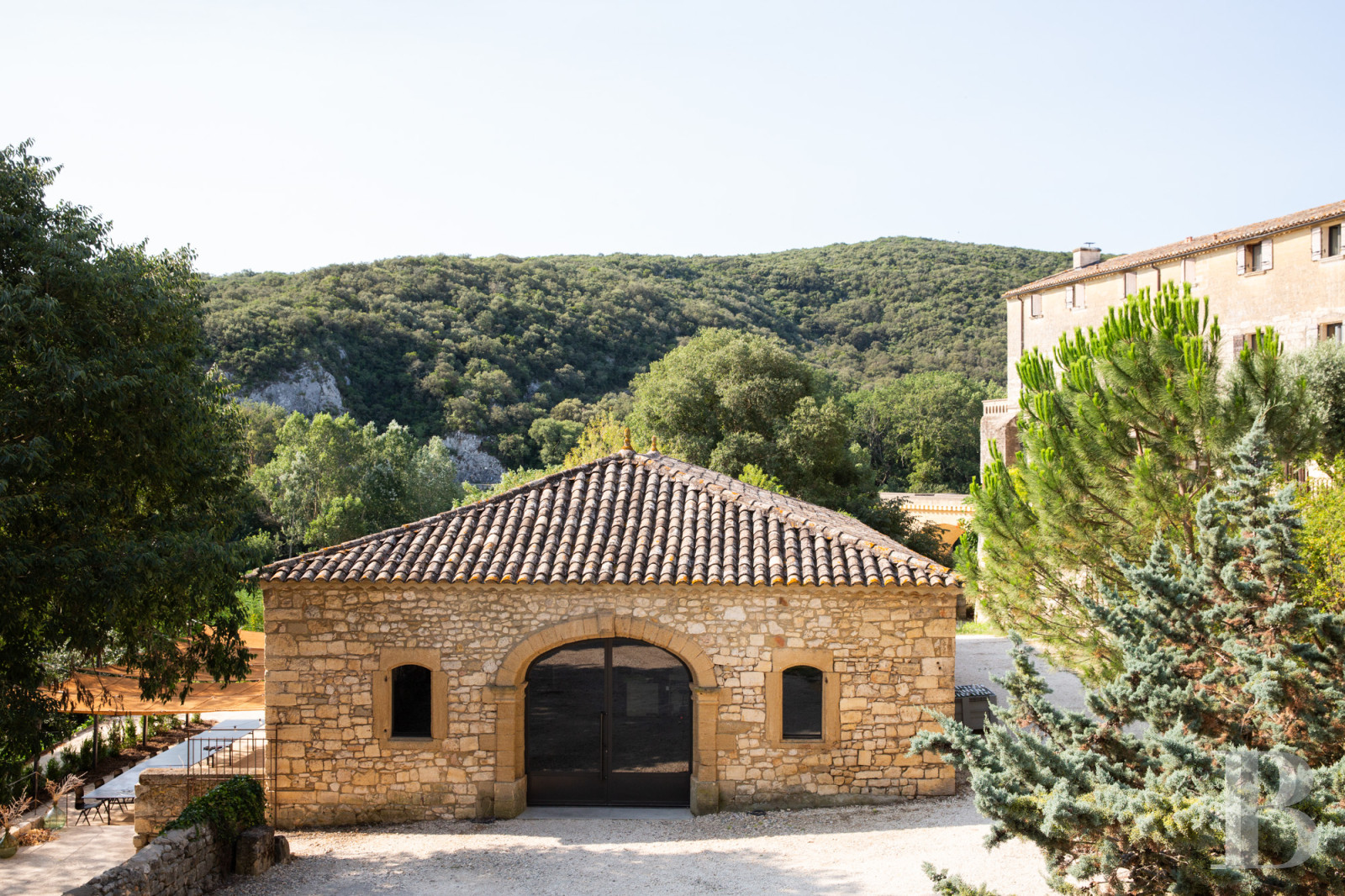
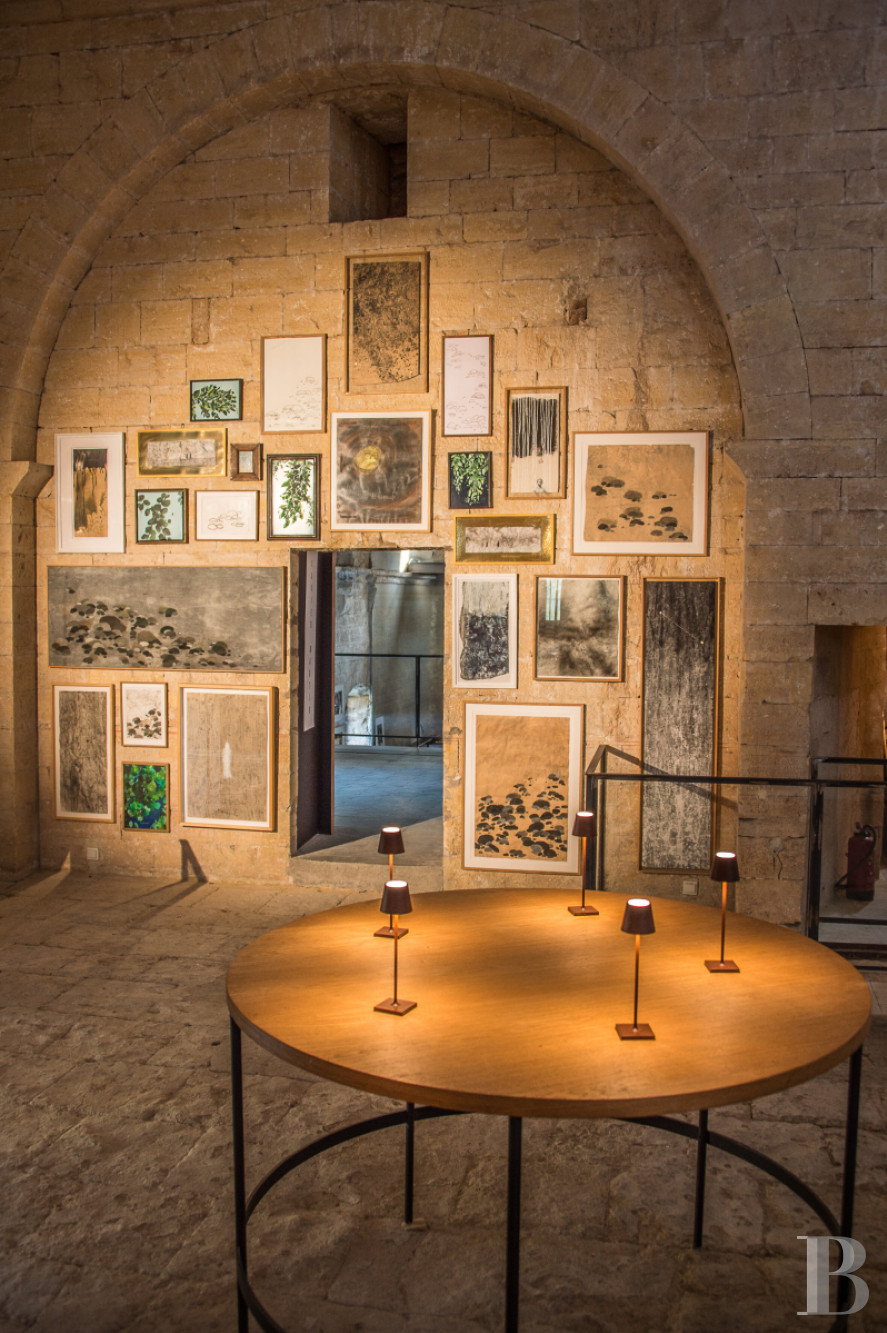
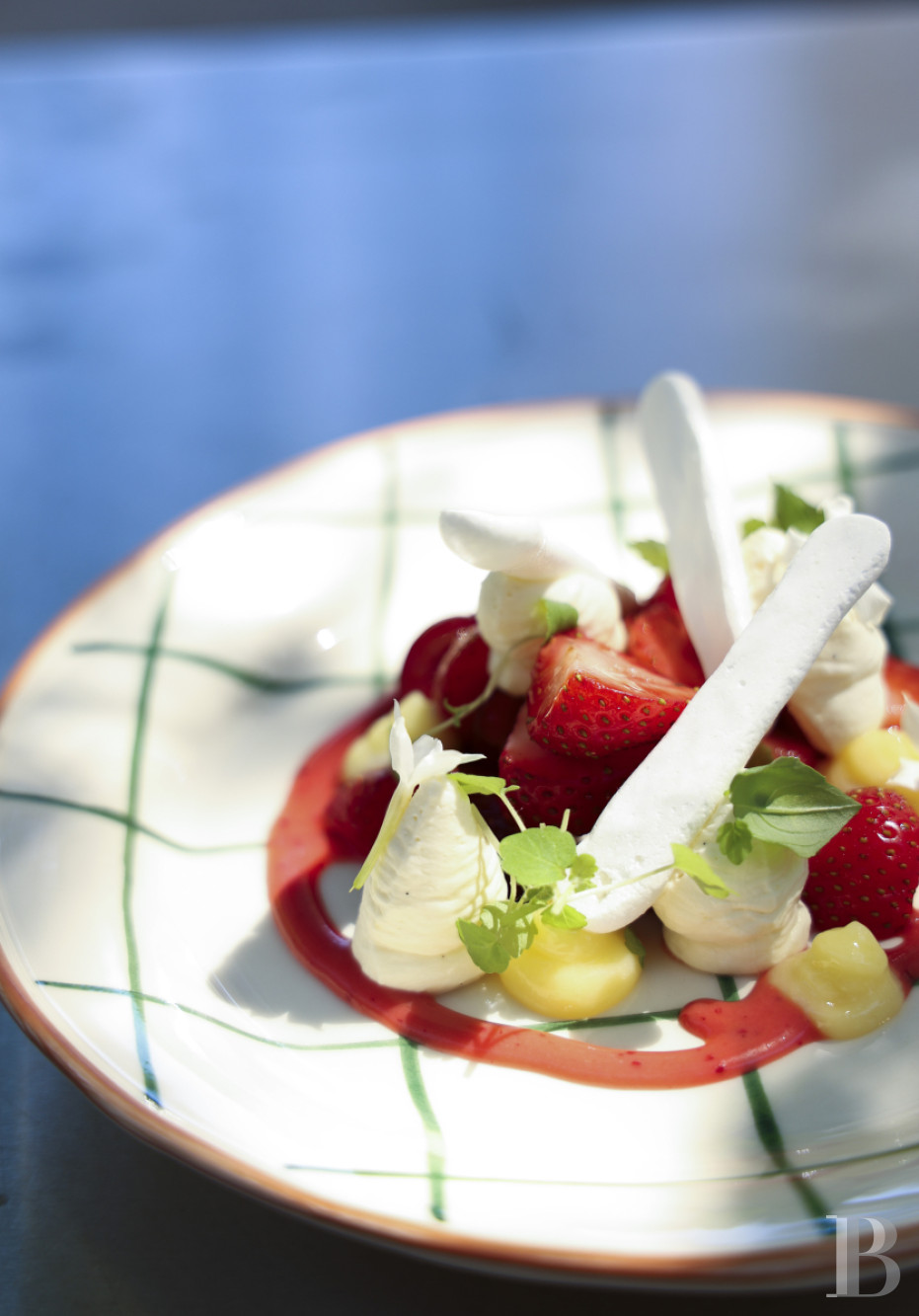
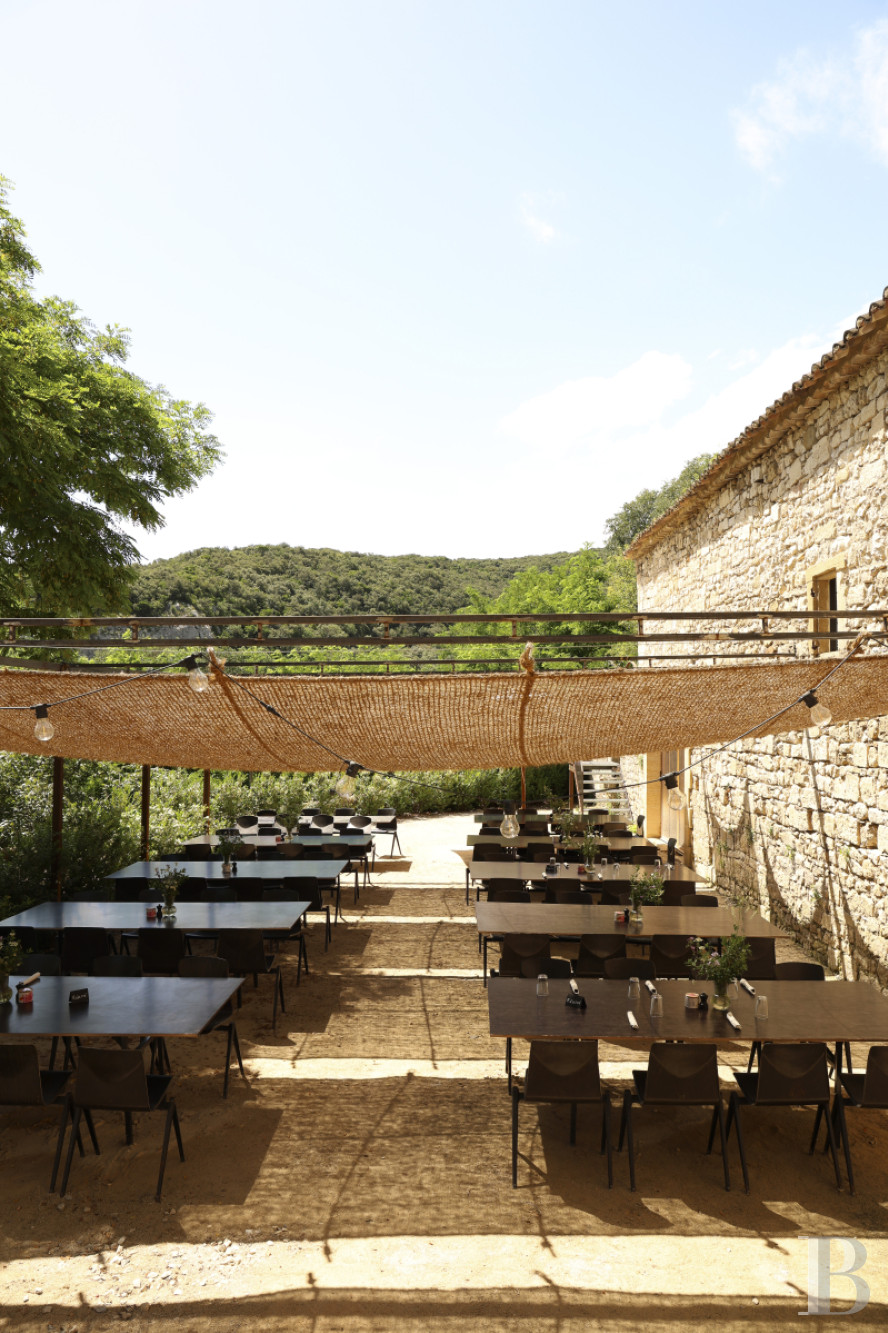
Set within a UNESCO World Heritage Site, a biosphere reserve and a Natura 2000 area, the estate brings together heritage, culture and the art of living. "Les Rencontres du Prieuré" breathes new life into the old chapel through concerts, readings, exhibitions and artist talks, in a spirit of passing on knowledge and sharing. The cloister garden, the bar and the large tables allow you to savour these moments in a friendly atmosphere. The chapel also hosts "Les Grands Dîners", which can accommodate up to200 guests. In the old farm barn, which has been converted into a wine cellar, visitors can find the estate’s produce – garrigue honey, olive oil, herbal teas and tapenades – as well as a selection of regional wines. Our restaurant, "Locus Solus", specialises in seasonal cuisine prepared using locally sourced produce and inspired by the flavours of the Gard region.
In Uzès, "La Famille", run by Jean-Louis Trintignant’s grandson, offers a warm and welcoming atmosphere, serving hearty dishes and refined tapas. In Anduze, the Musée du Désert traces the history of the Huguenots and the Camisards in the birthplace of Pierre Laporte, known as Rolland. "Le Garage des Cévennes" combines a food hall, café and restaurant in a friendly atmosphere. "La Poterie de la Madeleine" has been keeping the tradition of the Anduze vase alive for over four centuries. In Nîmes, "Le Coin", located near the Arena, serves entirely home-cooked food. Finally, "La Bambouseraie en Cévennes", ranked among the most beautiful gardens in France, offers a truly remarkable immersion into the world of plants.
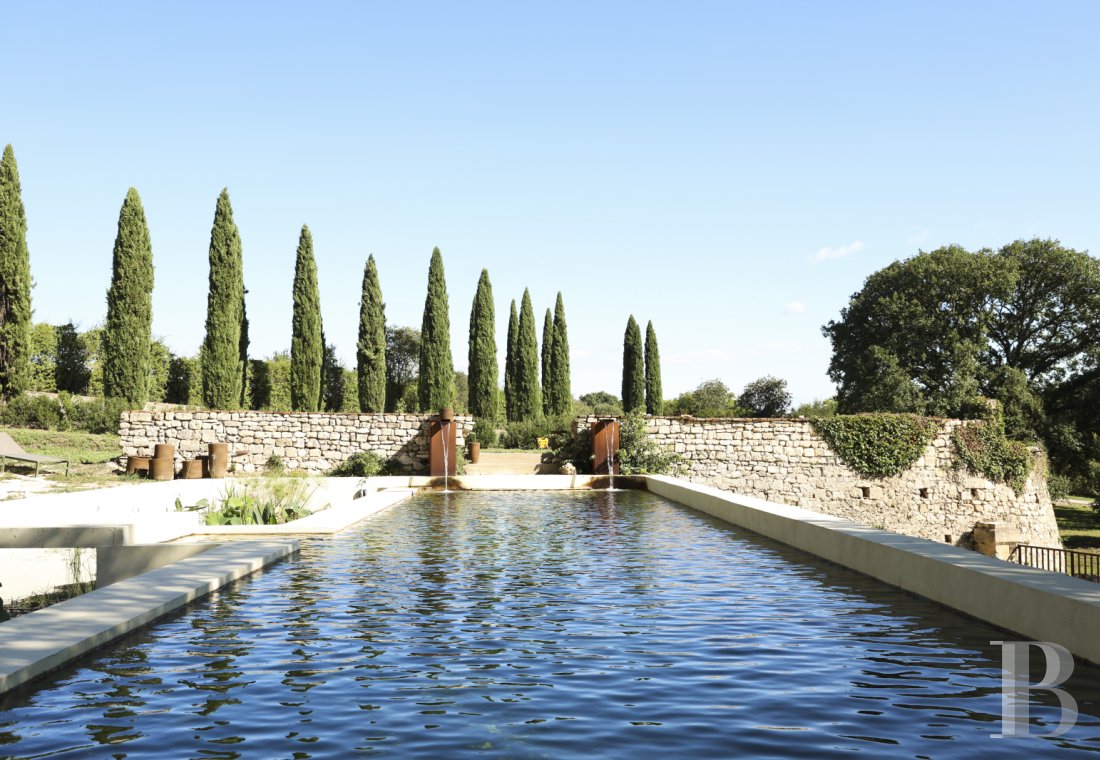
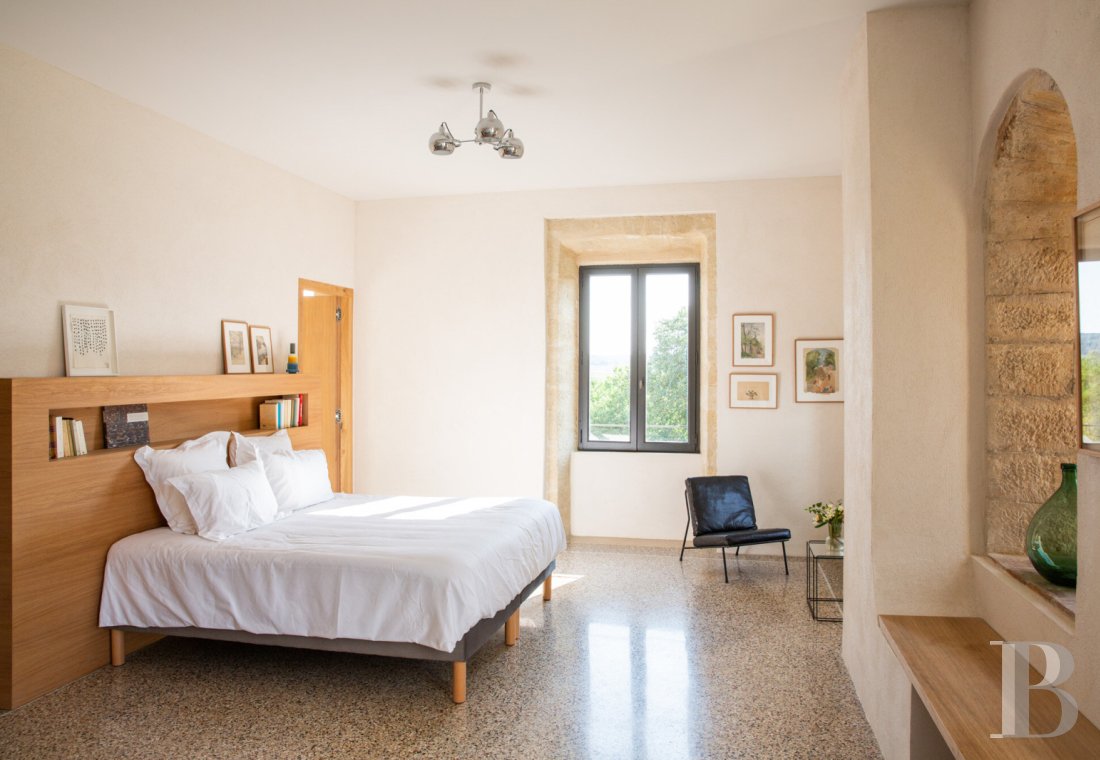
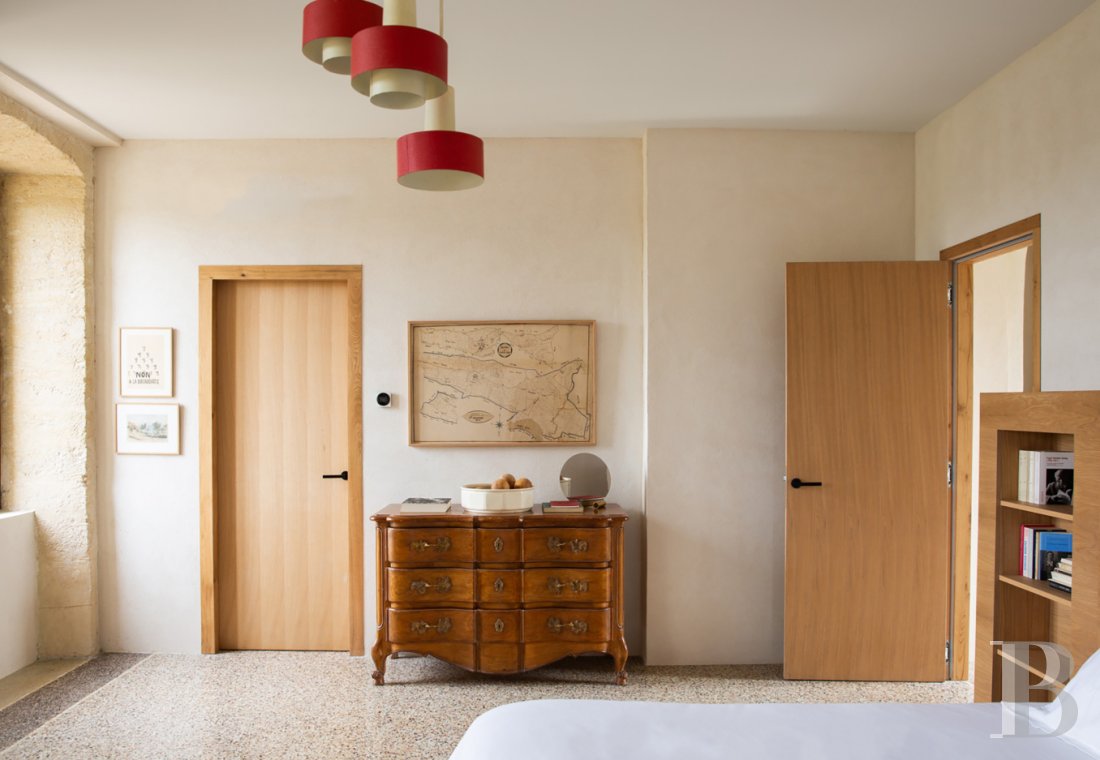
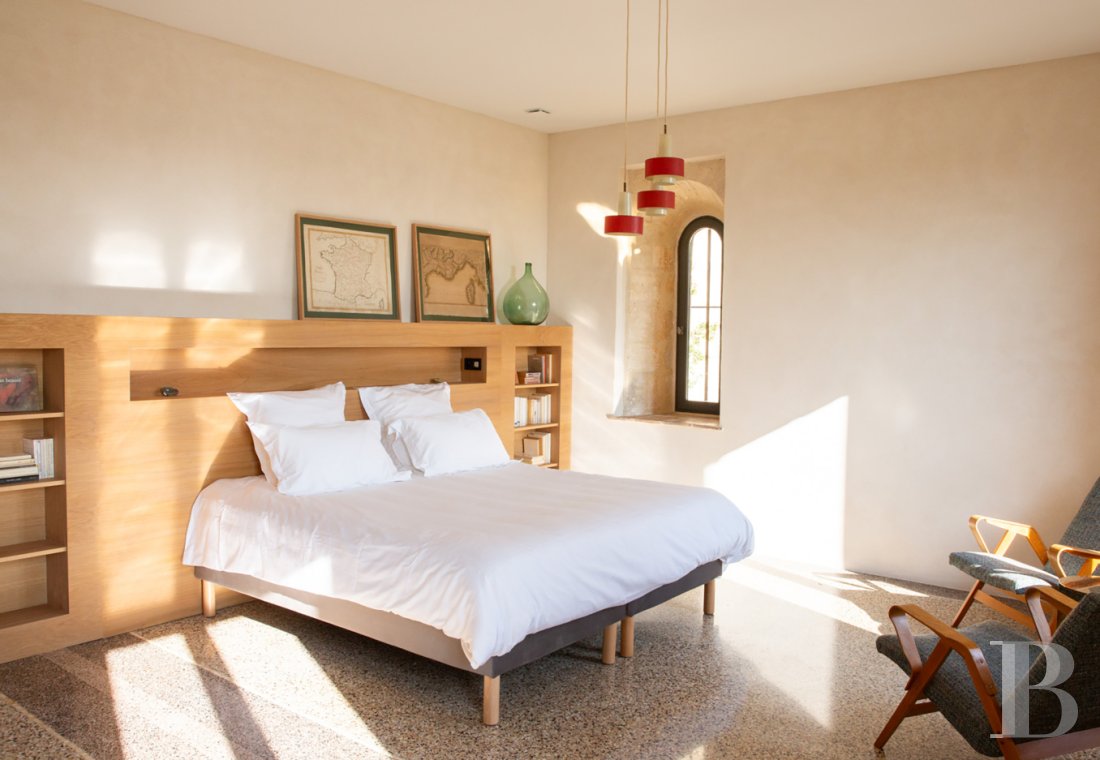
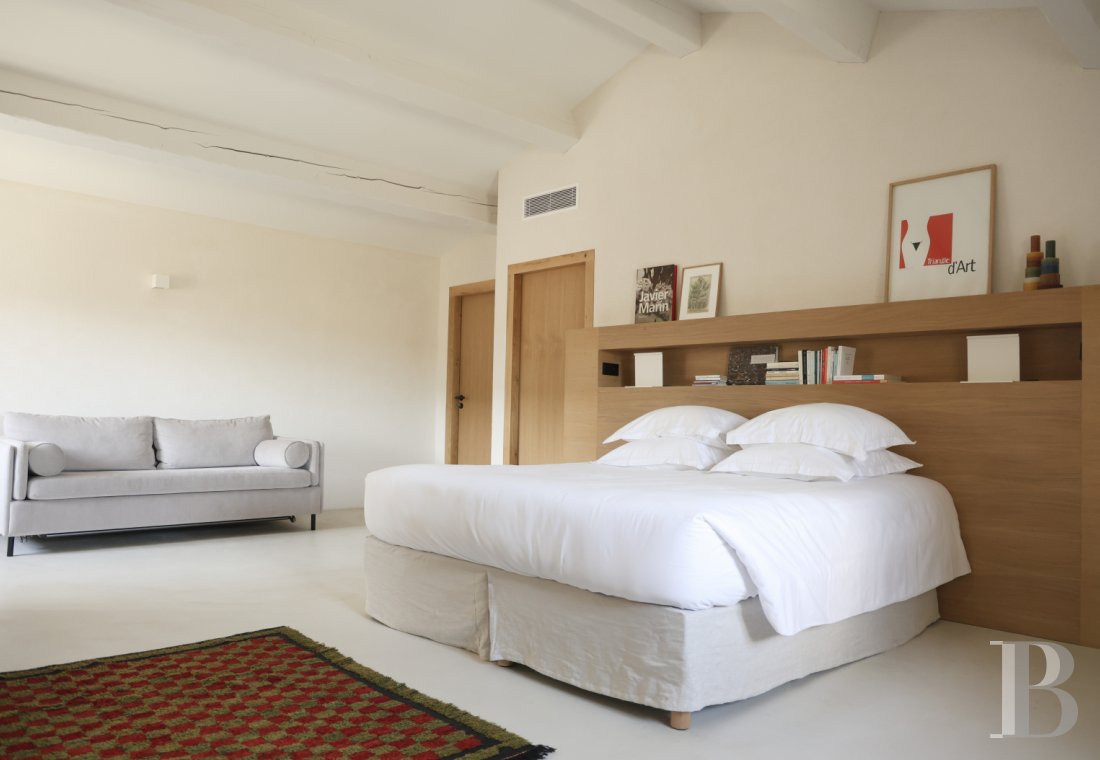
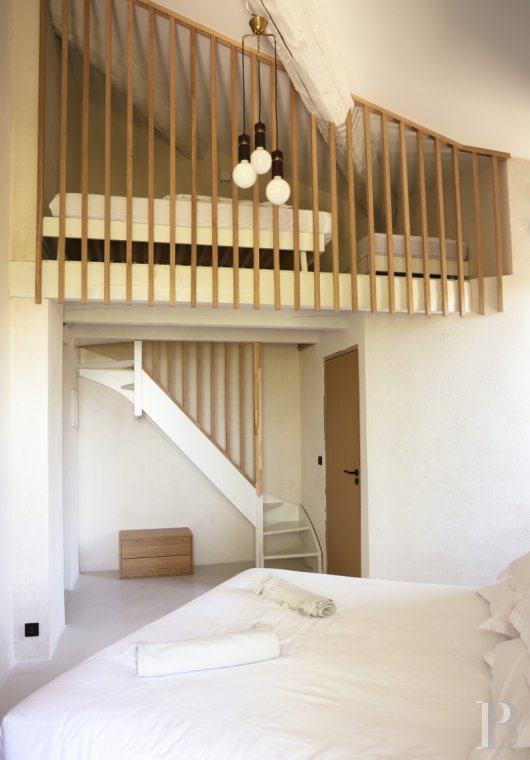
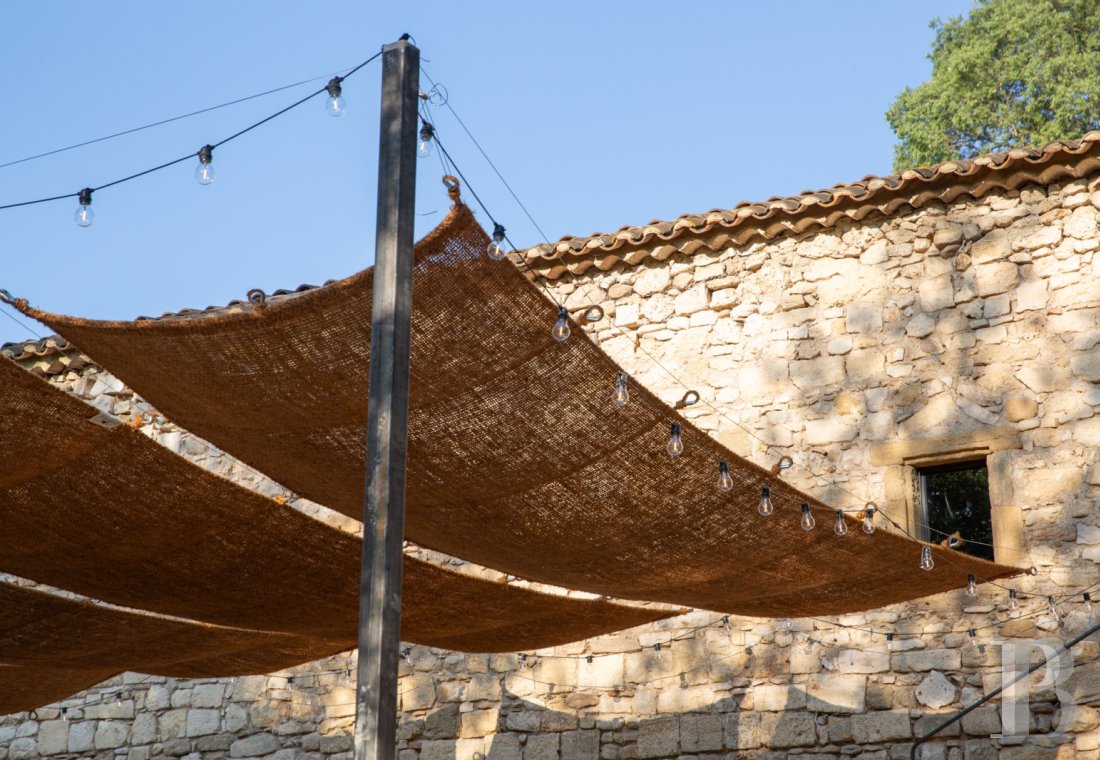
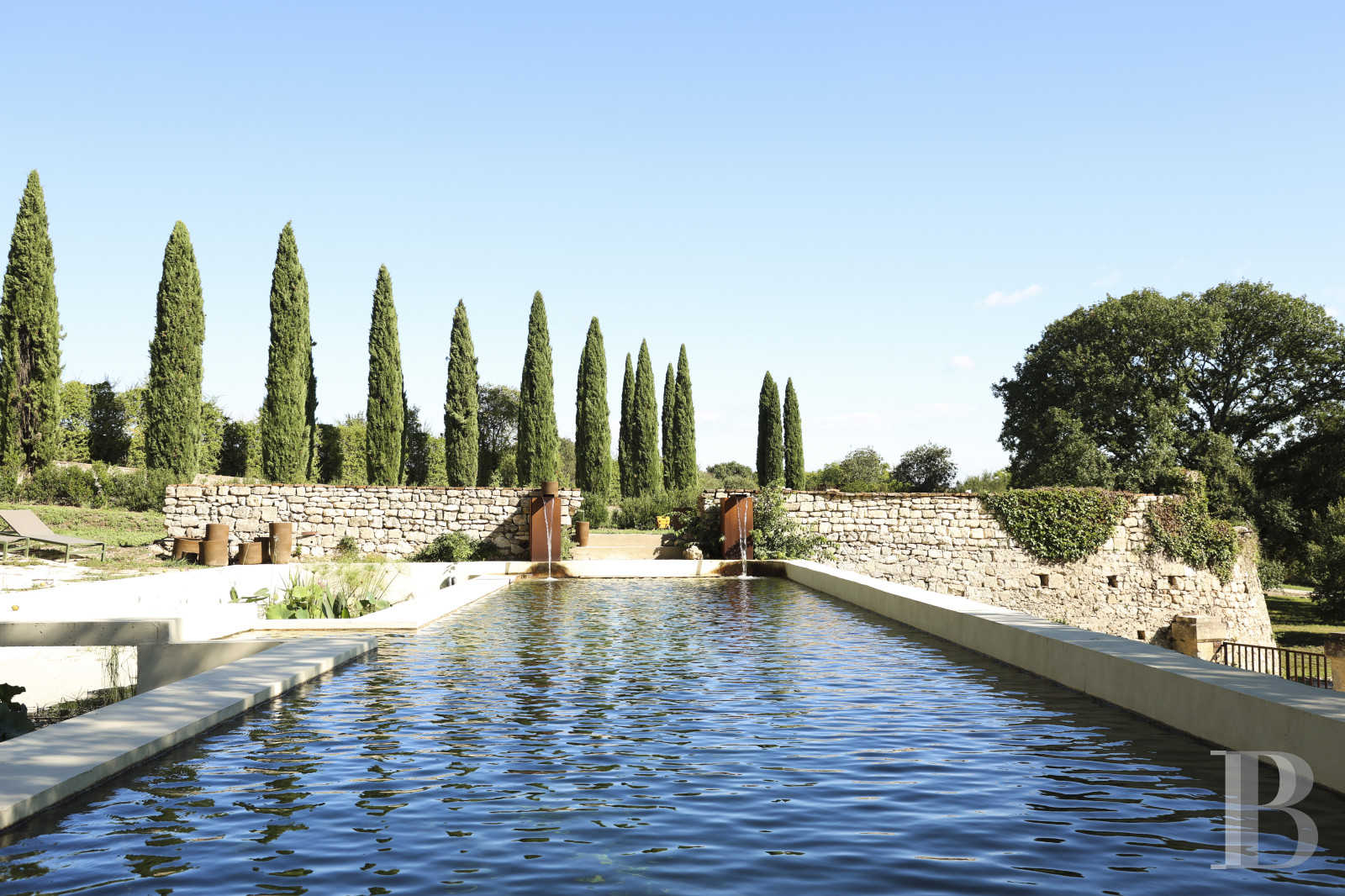
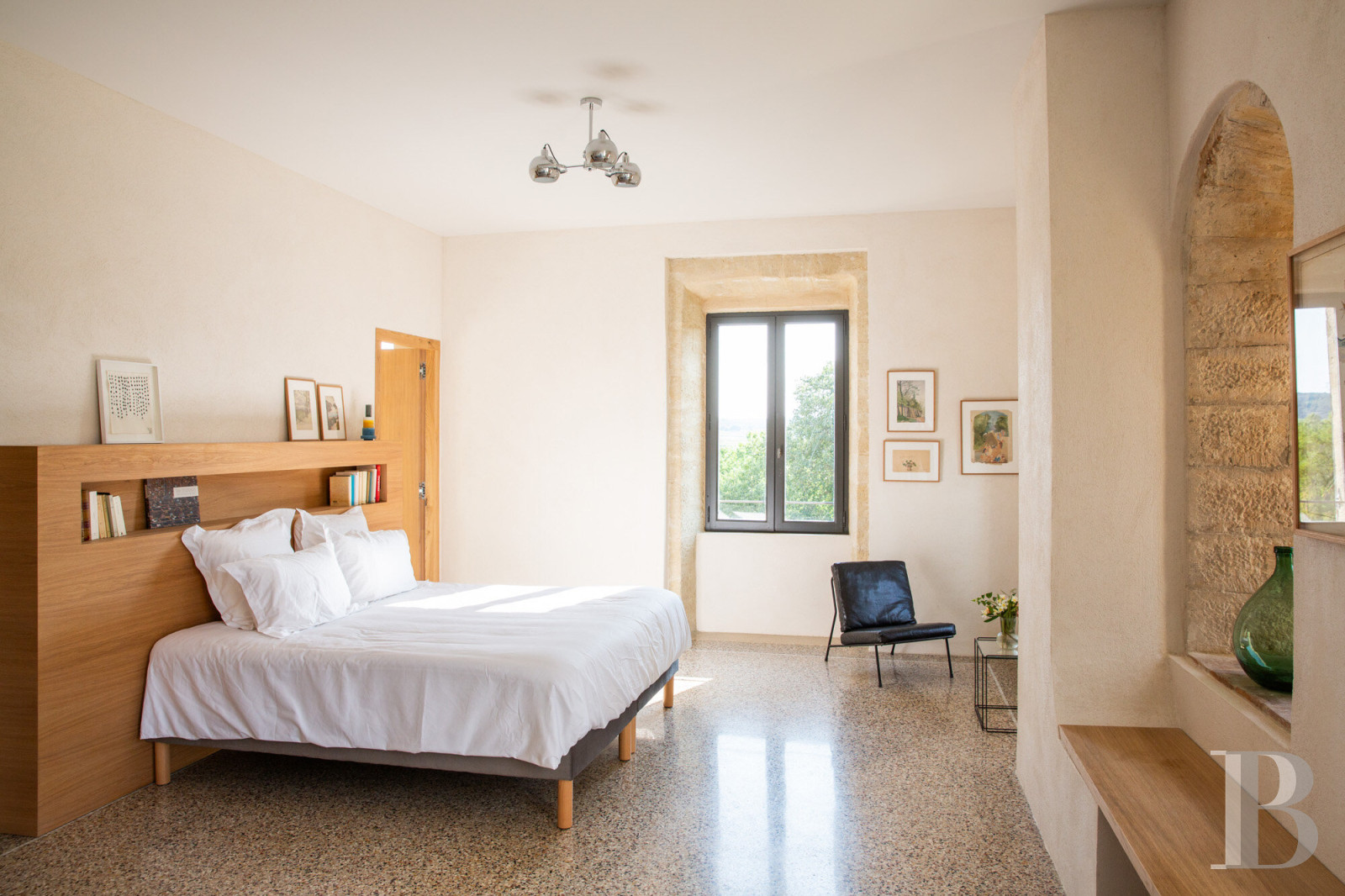
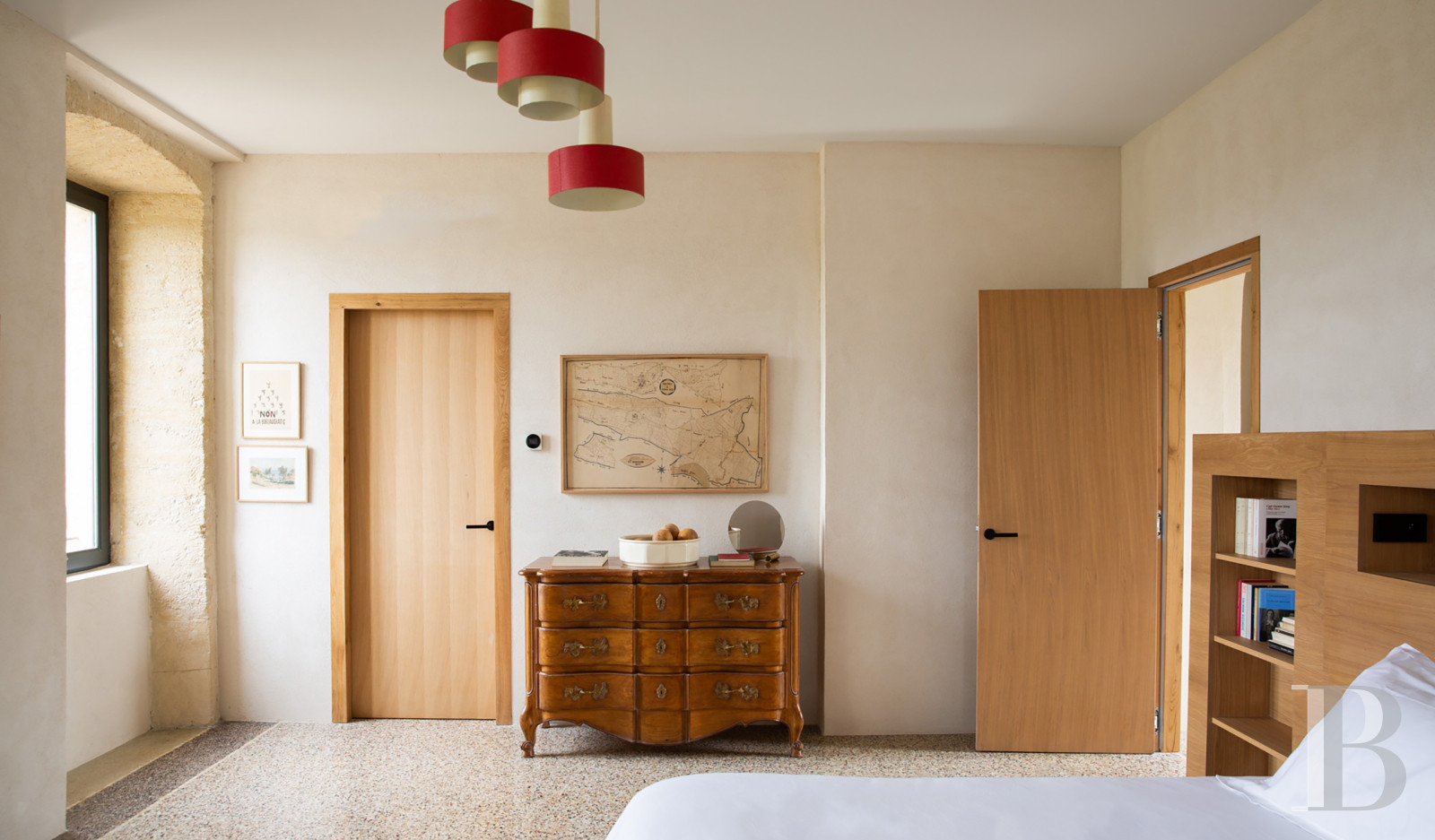
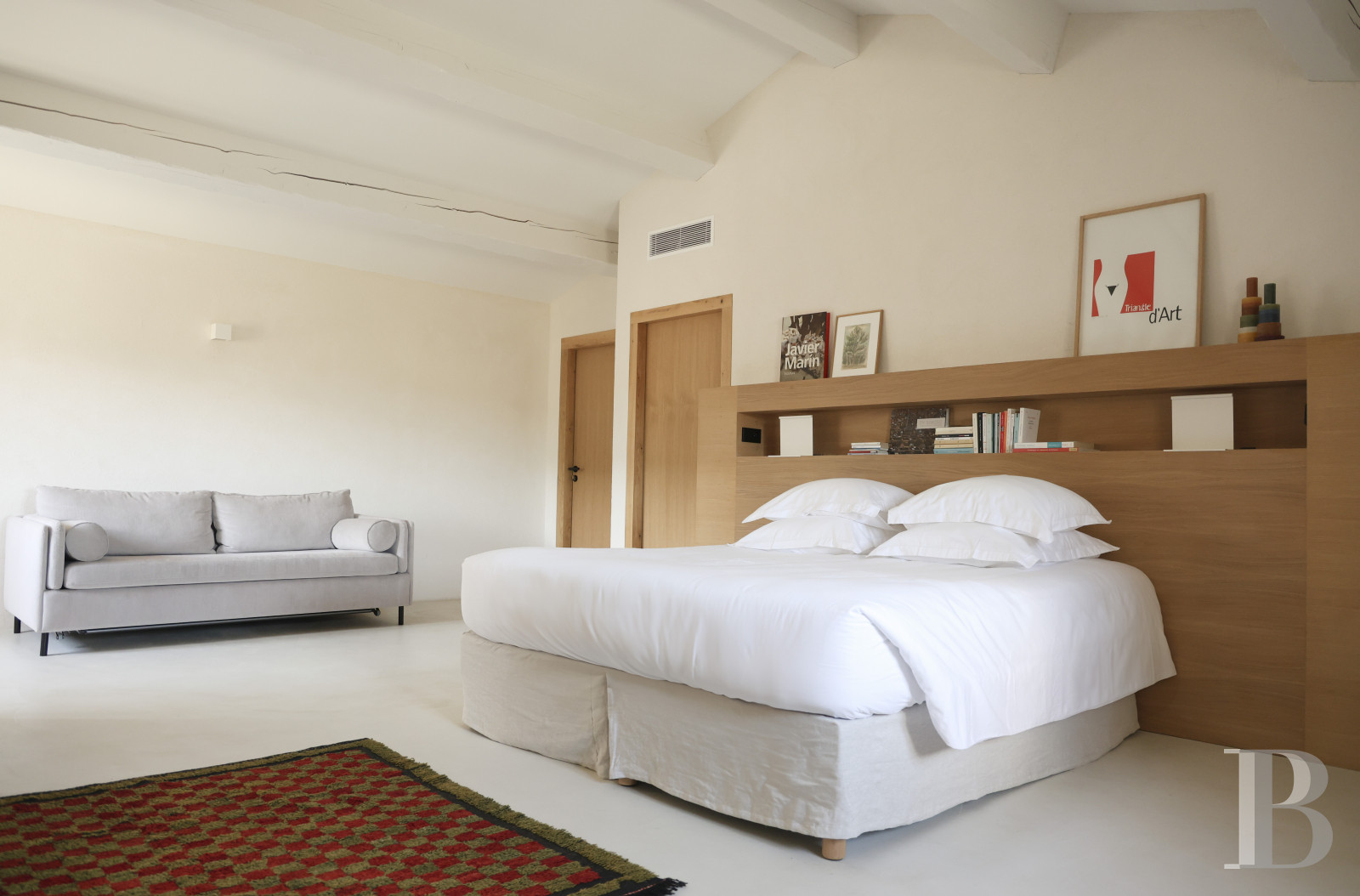
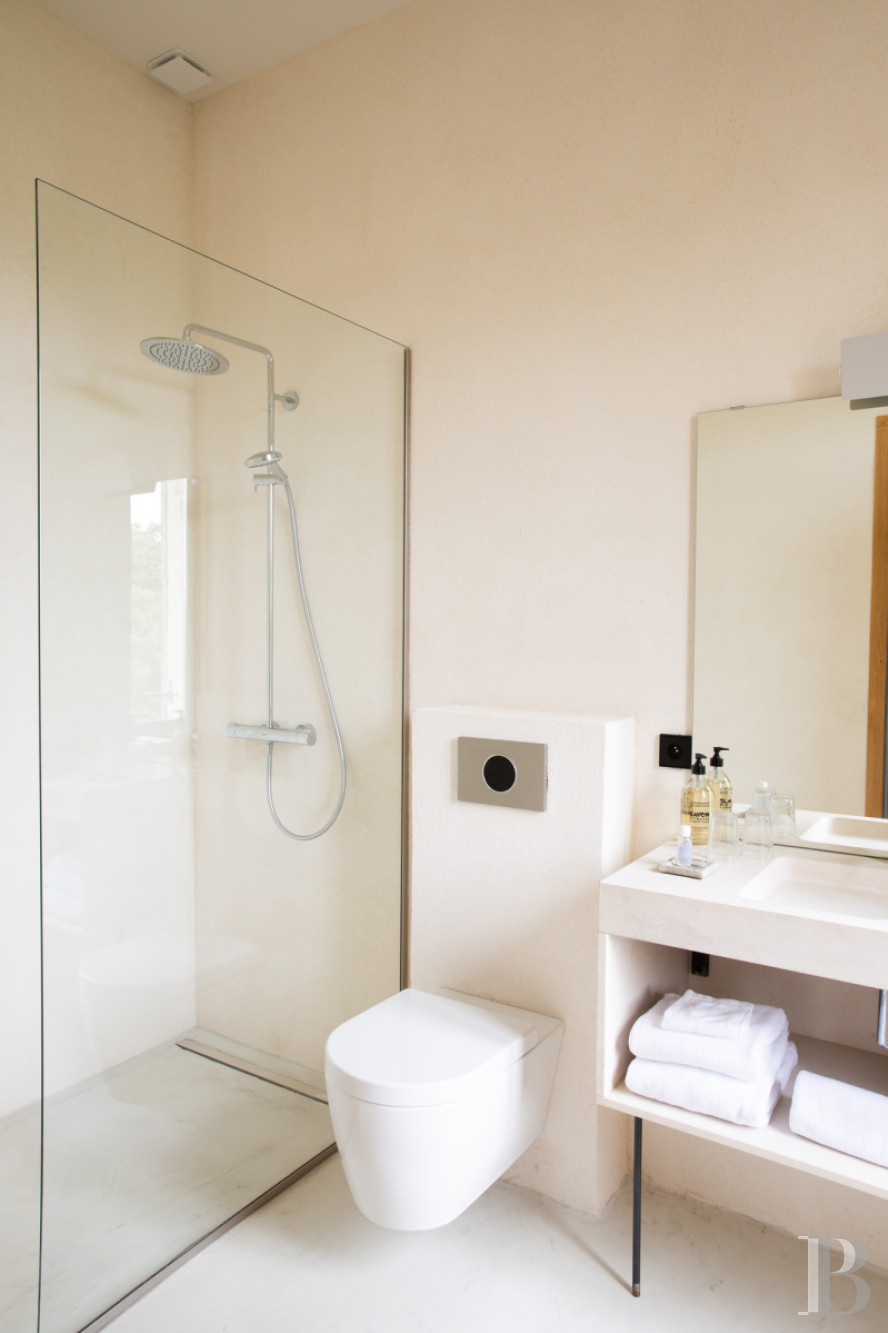
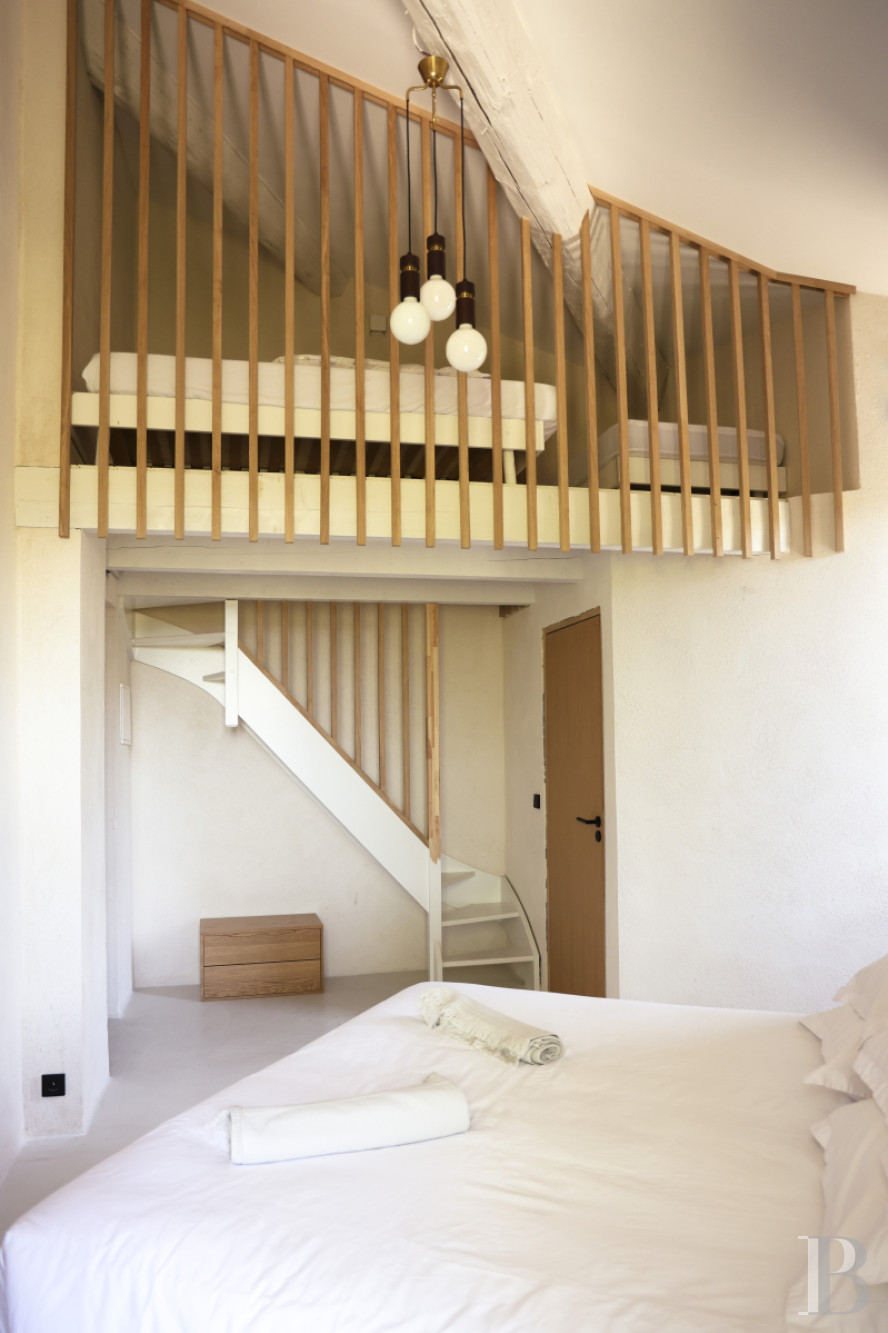
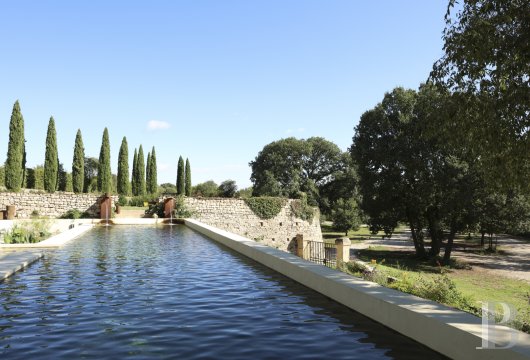
Le Prieuré, set in 12 hectares of grounds, hosts seminars and corporate events. Two fully equipped rooms – one for 18 people and one for 210 – are fitted with a video projector, screen, speakers and microphones. The two guesthouses offer accommodation for up to 35 guests across eleven rooms. A natural swimming pool, grounds, as well as a table d’hôte and a bar in the gardens during the summer, round off the experience.
ref 564783
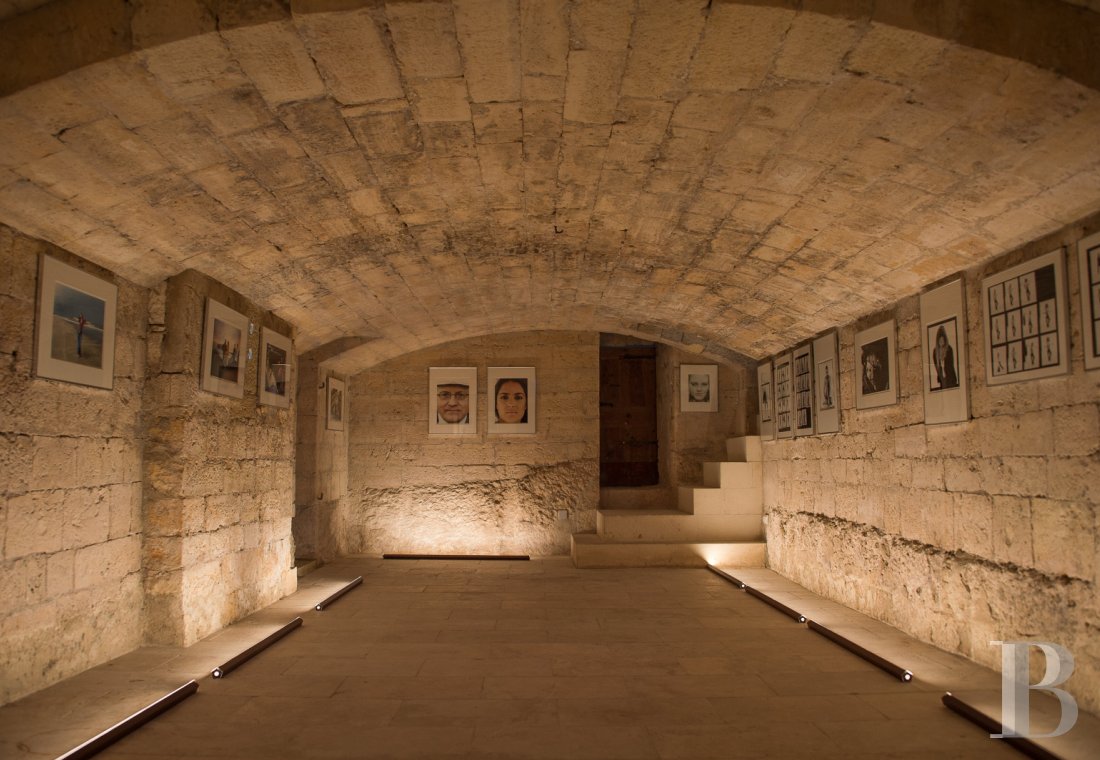
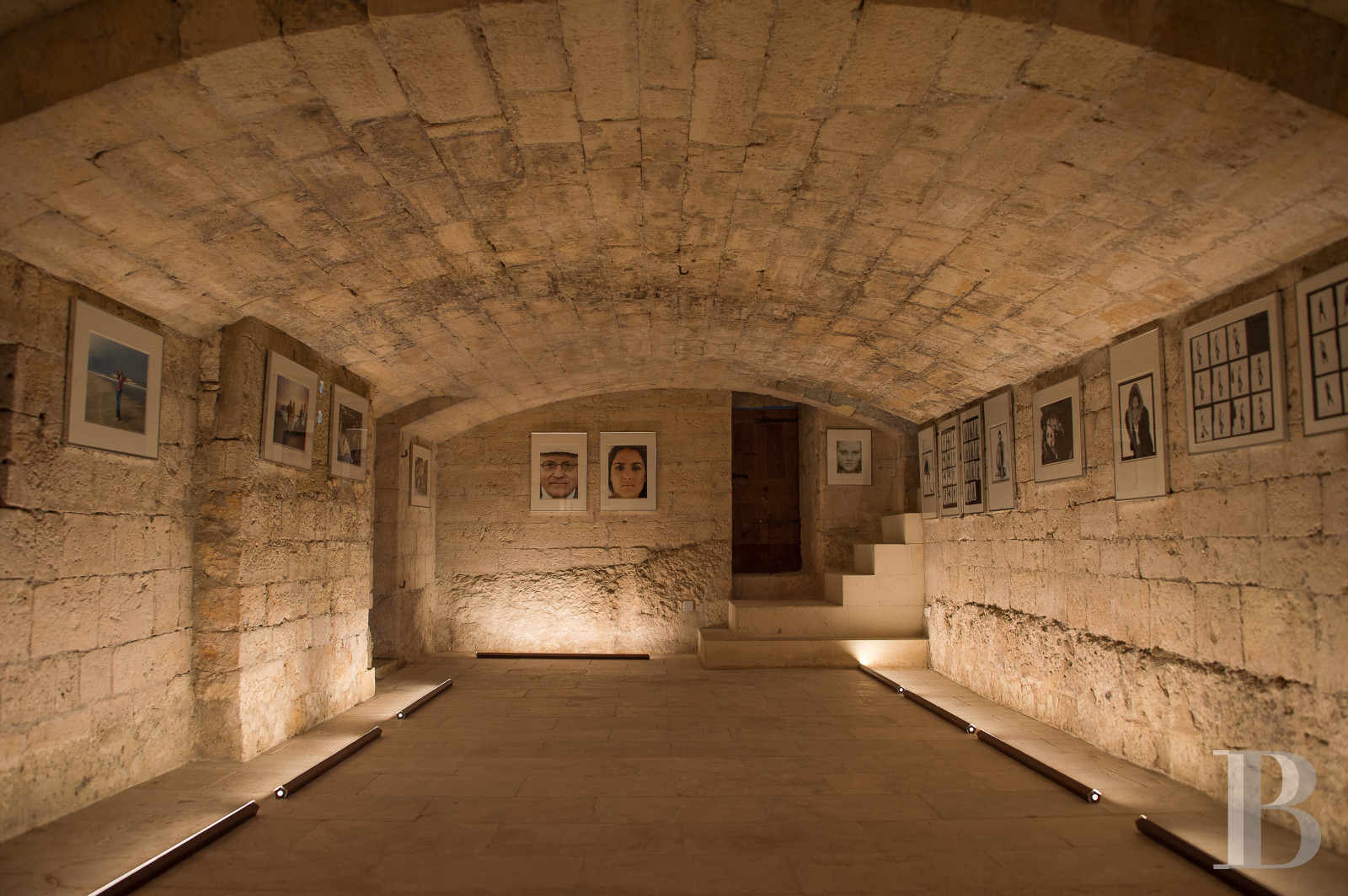
The Crypt Shop, located in the former crypt of the priory, sells a selection of local and artisanal products.
The priory offers wellness weekends focusing on yoga, meditation and relaxation, with accommodation available in the on-site guest rooms.
“Les Rencontres du Prieuré” hosts concerts in the old chapel throughout the year, with the option to extend the experience with a table d’hôte dinner organised after certain events.
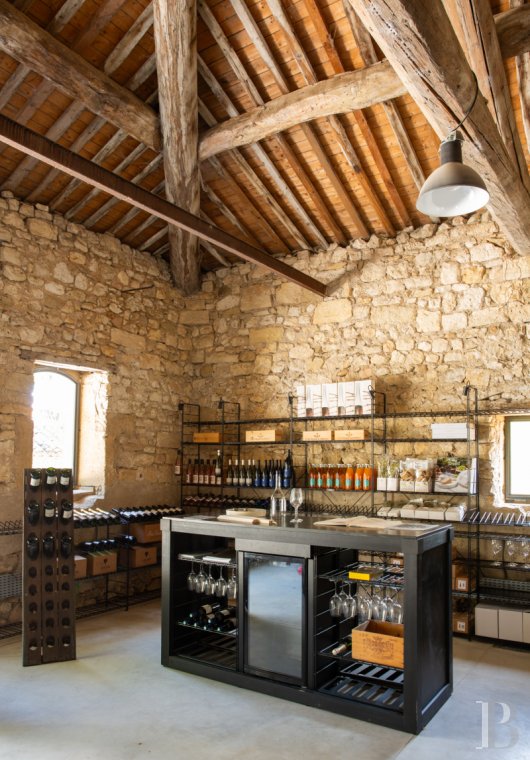
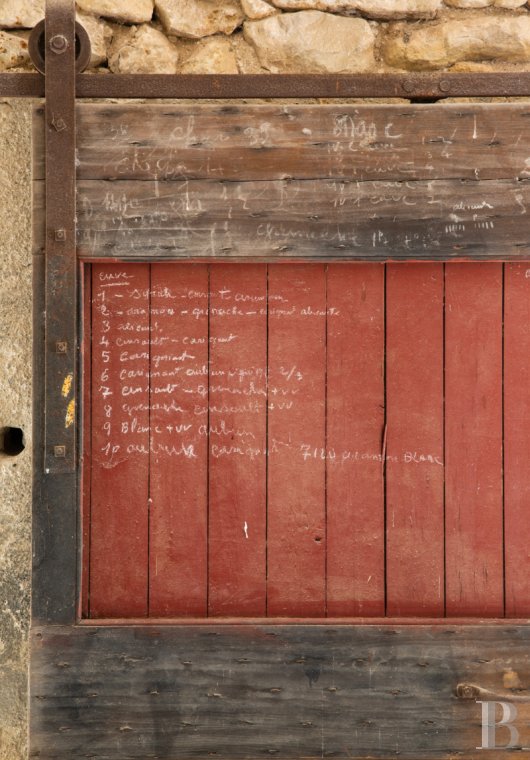
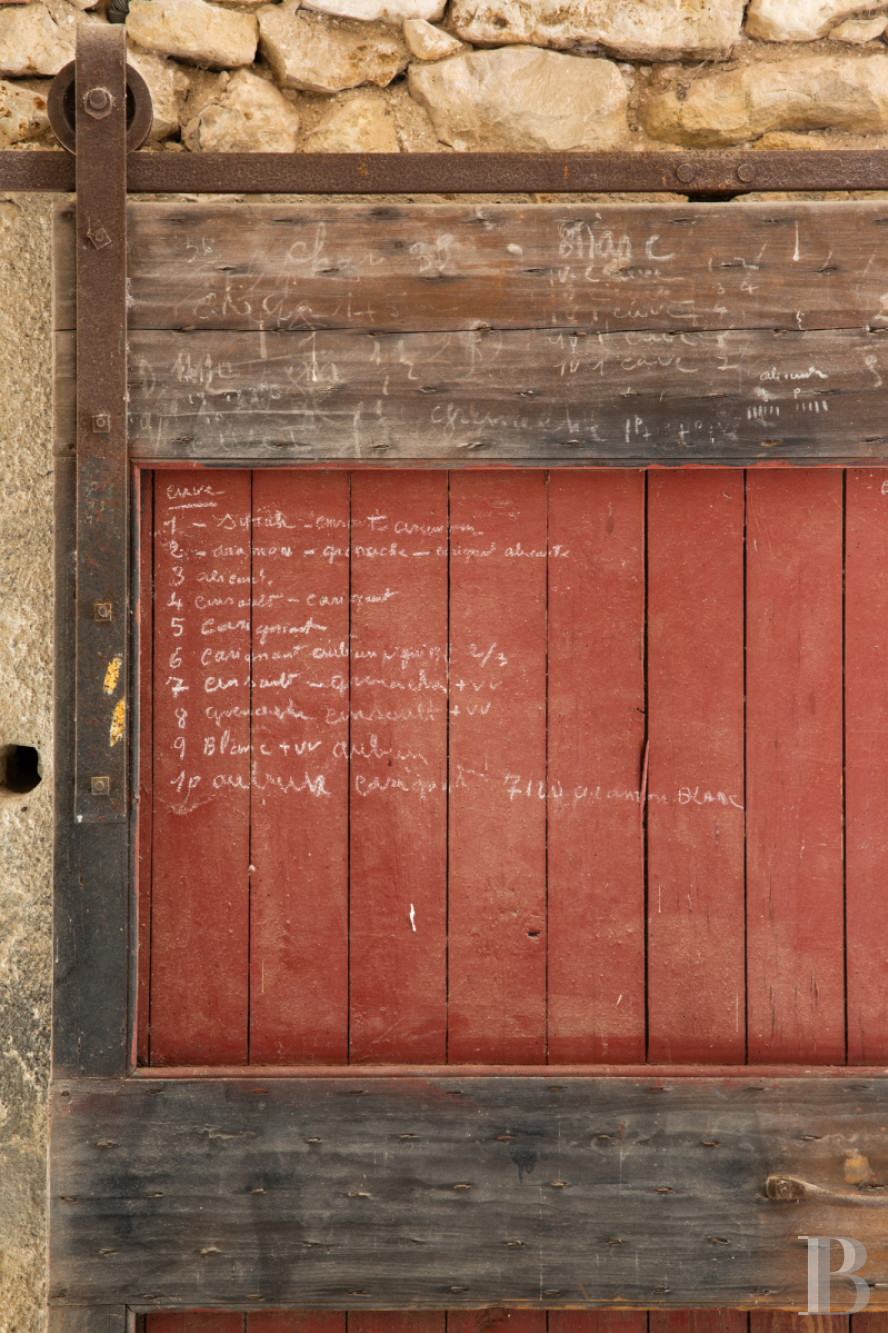
The priory’s wine cellar, housed in a former agricultural warehouse that has been converted into a wine cellar, offers tastings of regional wines.
The priory hosts exhibitions throughout the year in the gardens and communal areas of the estate.
The "Locus Solus" restaurant welcomes guests staying at the estate as well as visitors, subject to booking.
A link to enter a new password has been sent to you by email.
By continuing your navigation, you accept the use of cookies to offer you services and offers adapted to your centers of interest and to measure the frequentation of our services. Learn more