

Add to favorites
Log in to your personal space
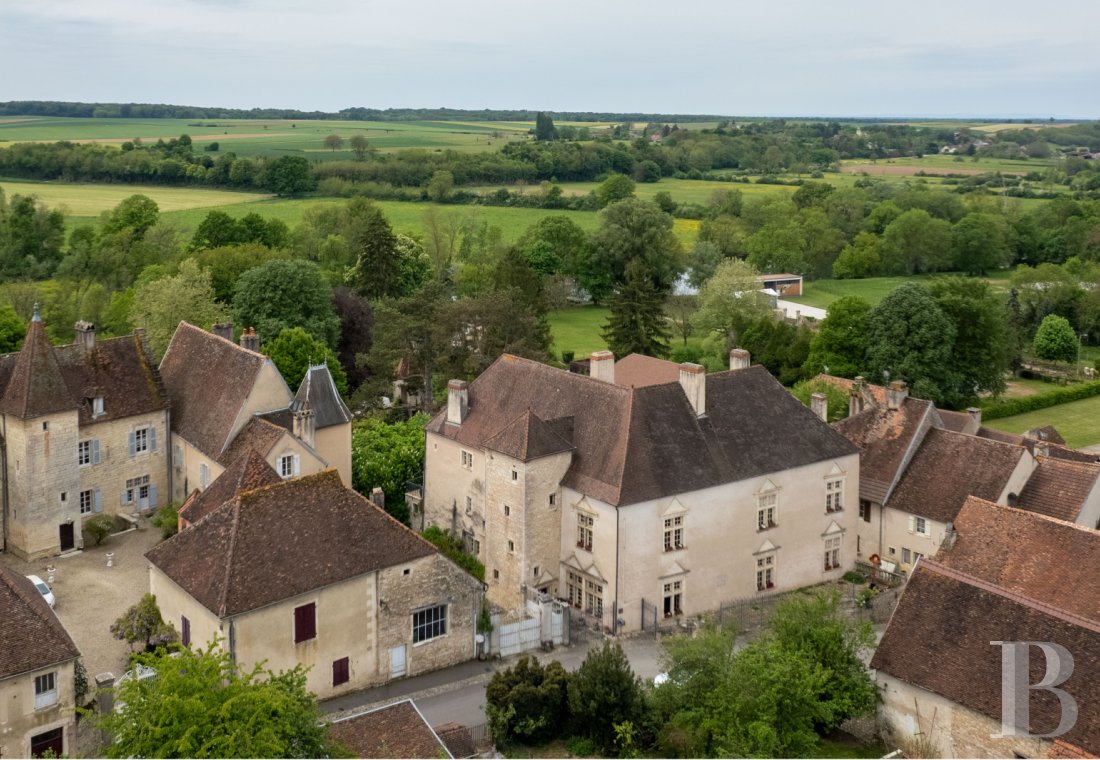
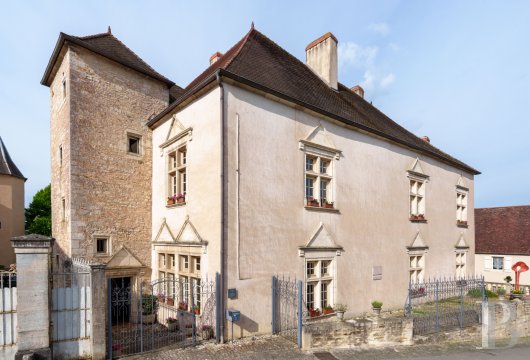
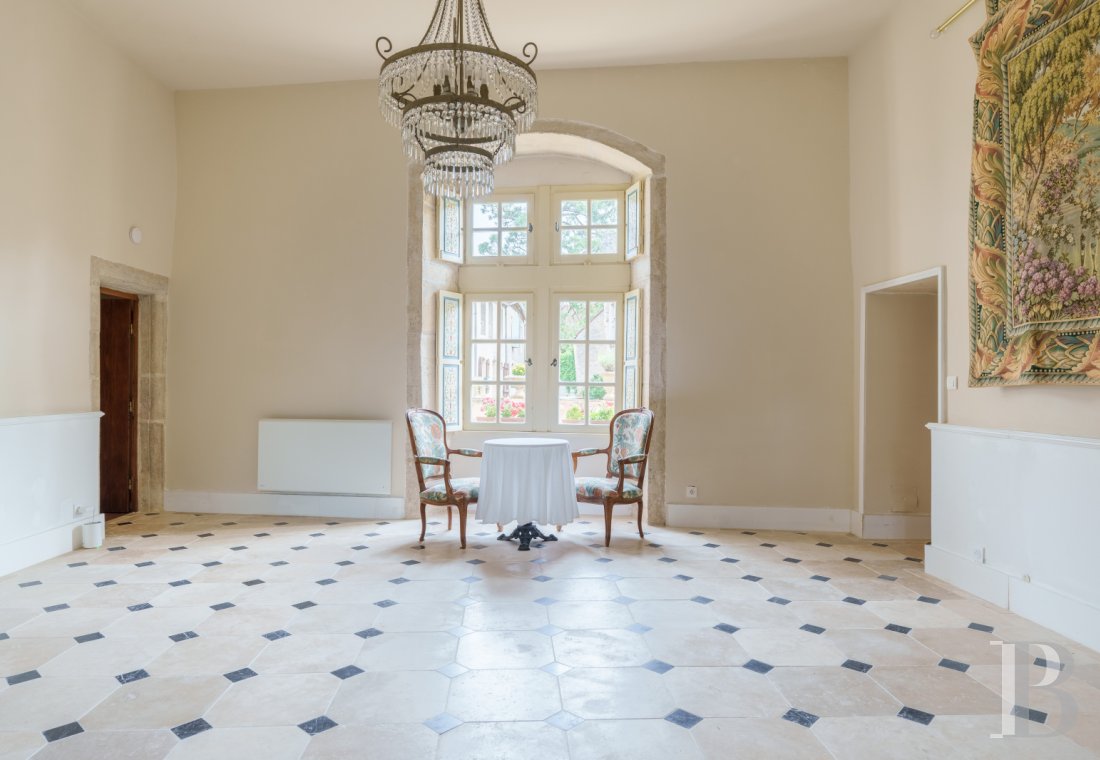
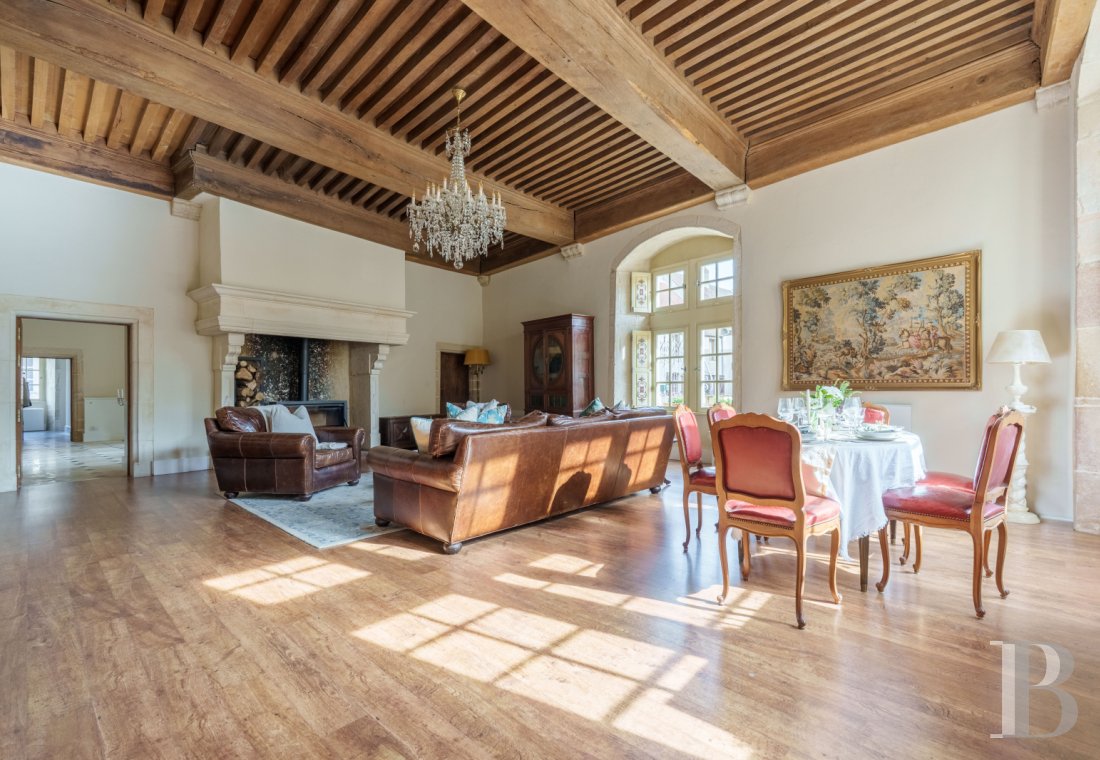
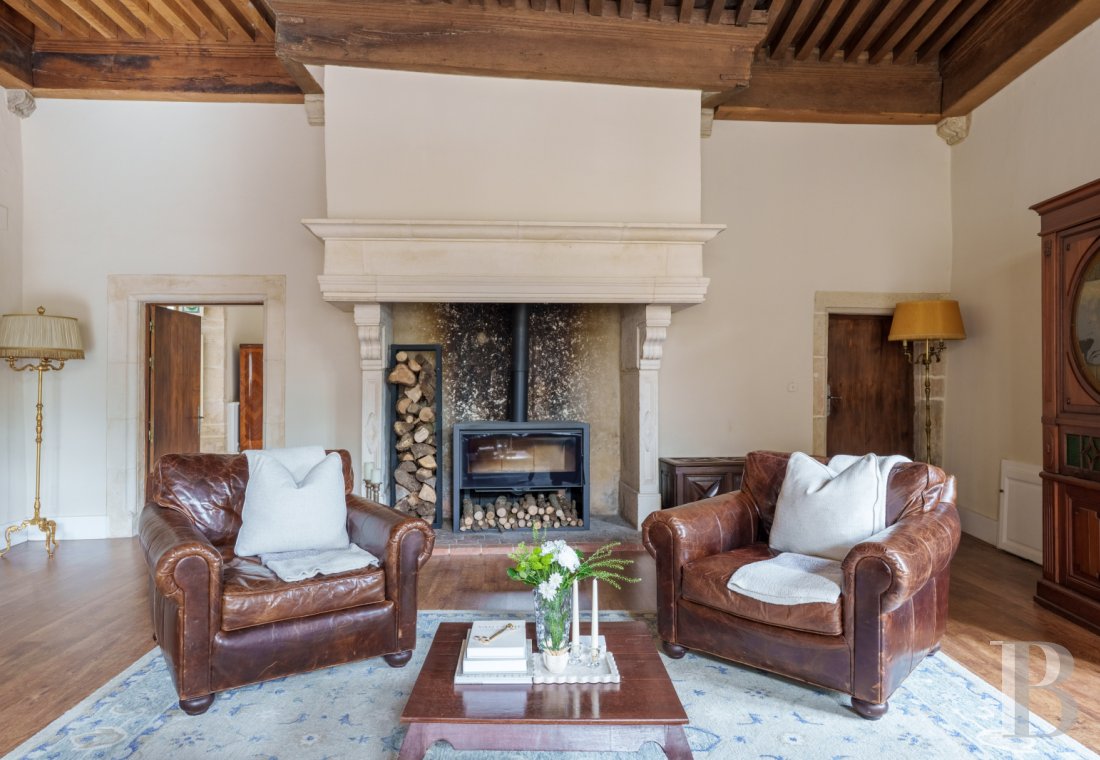
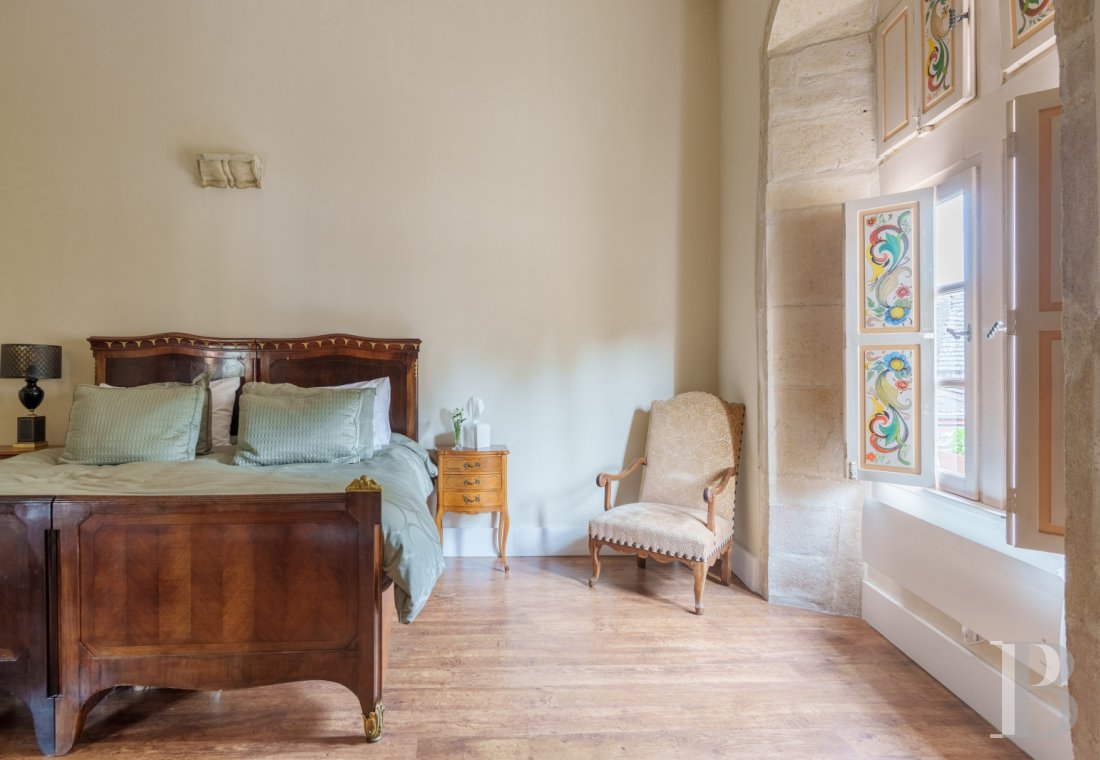
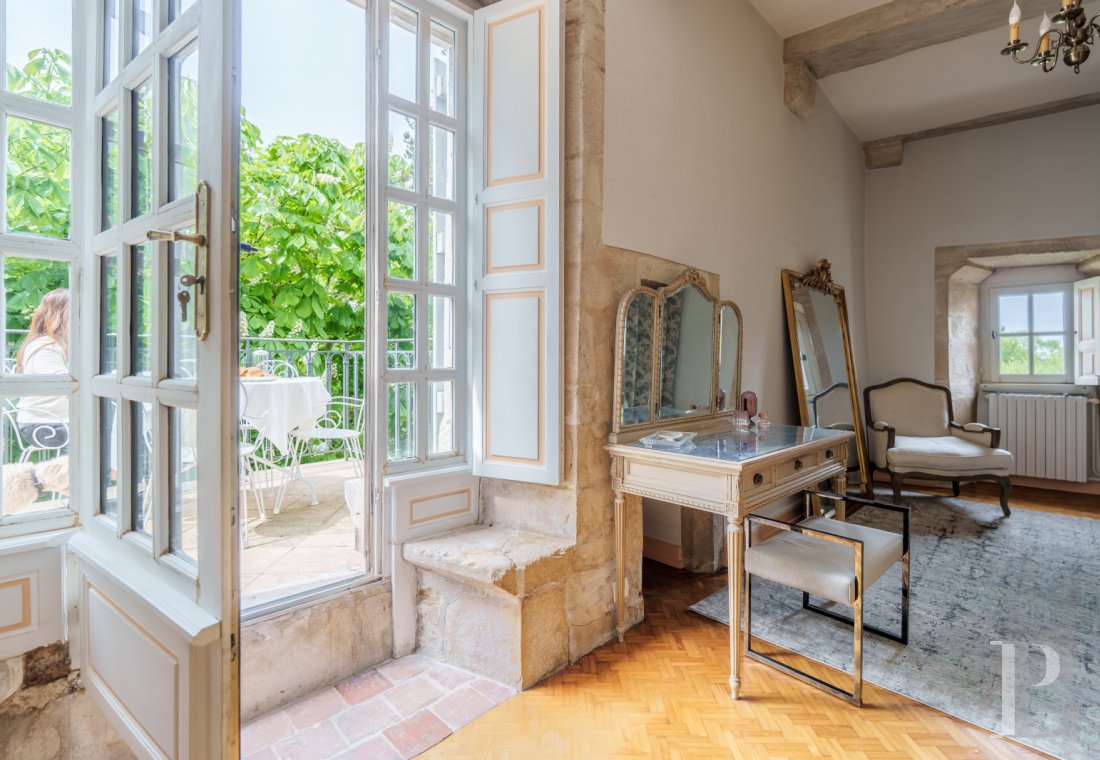
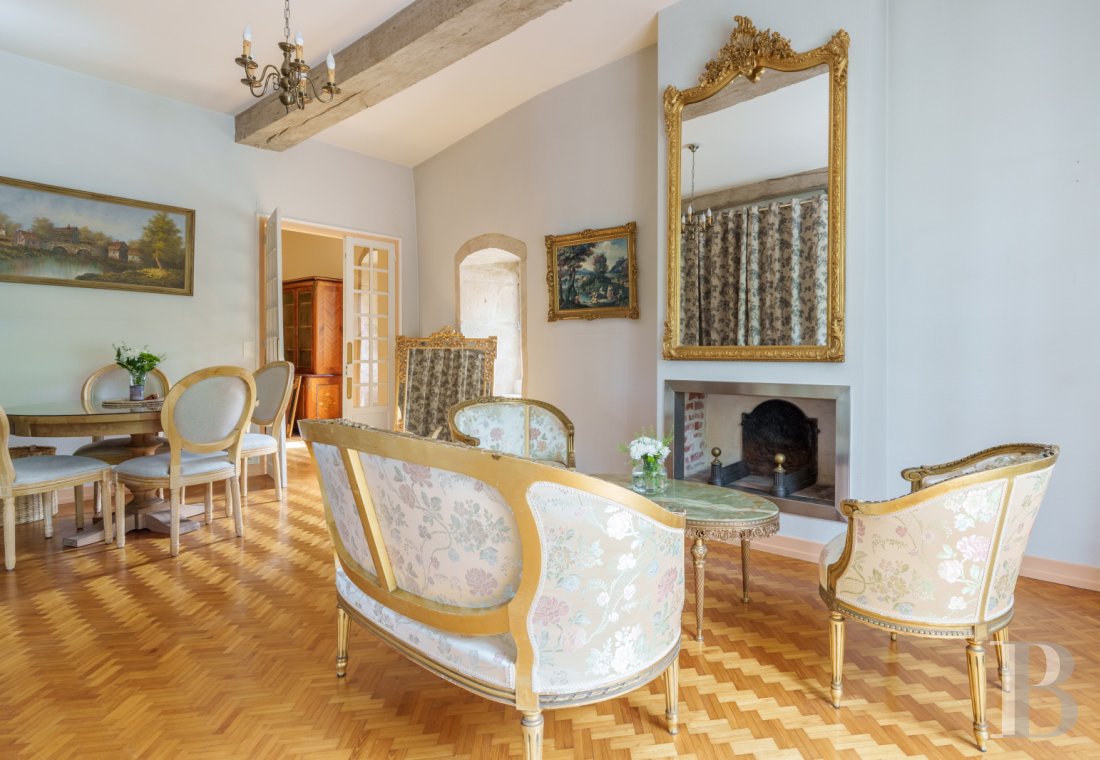
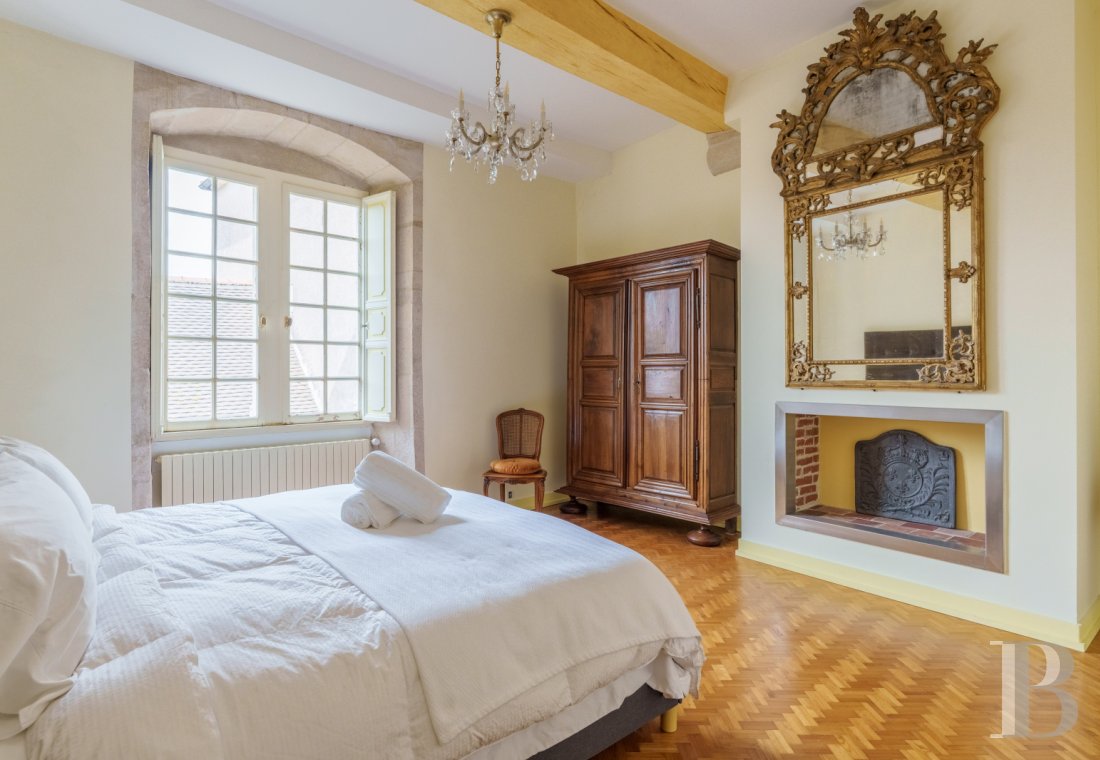
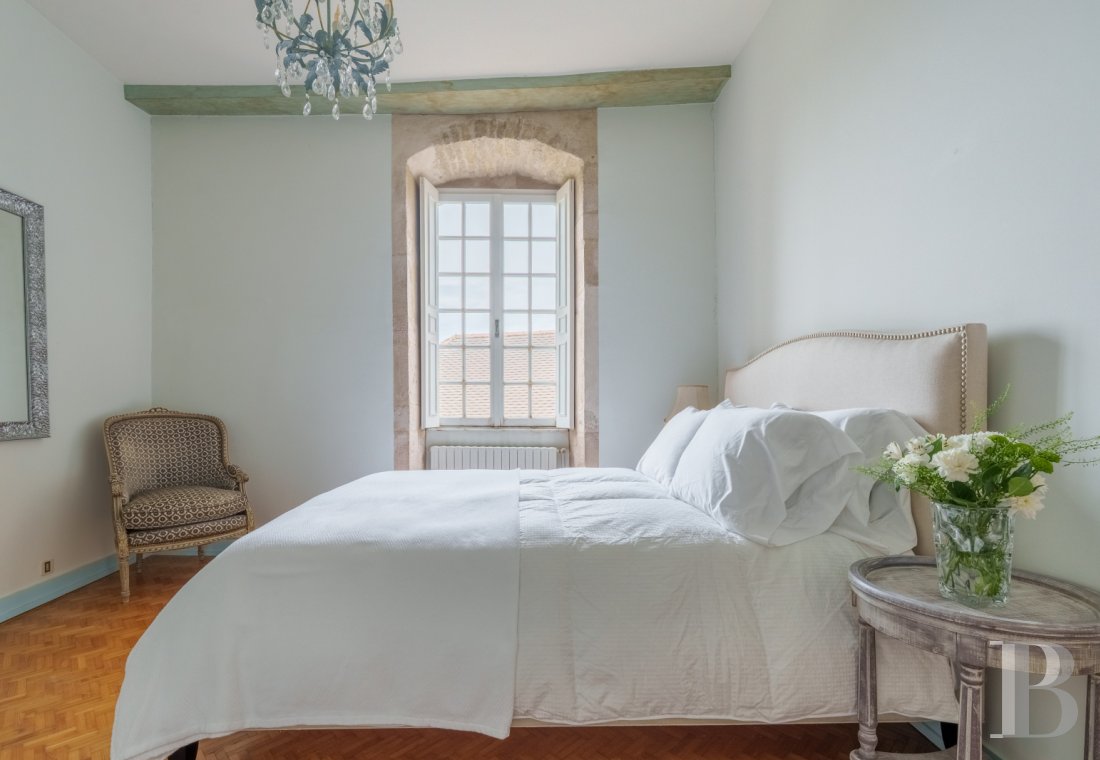
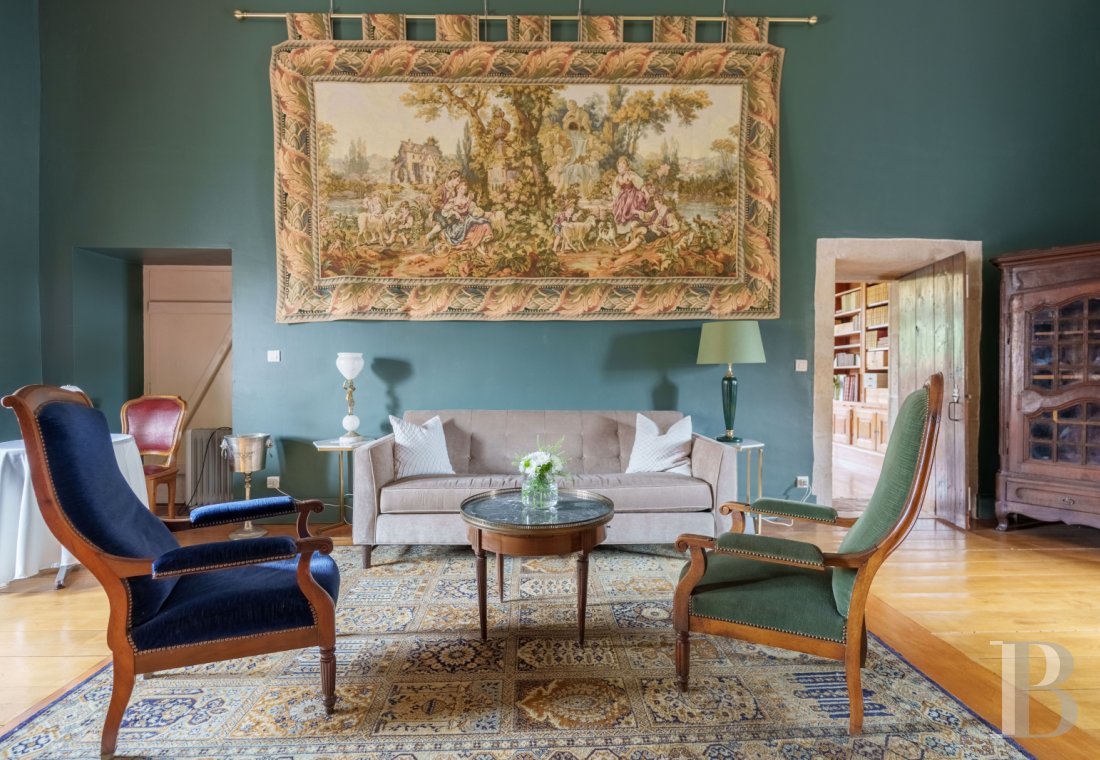
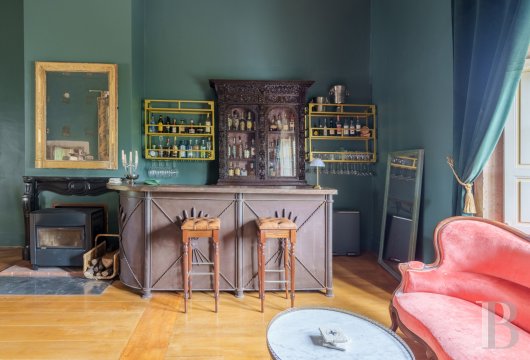
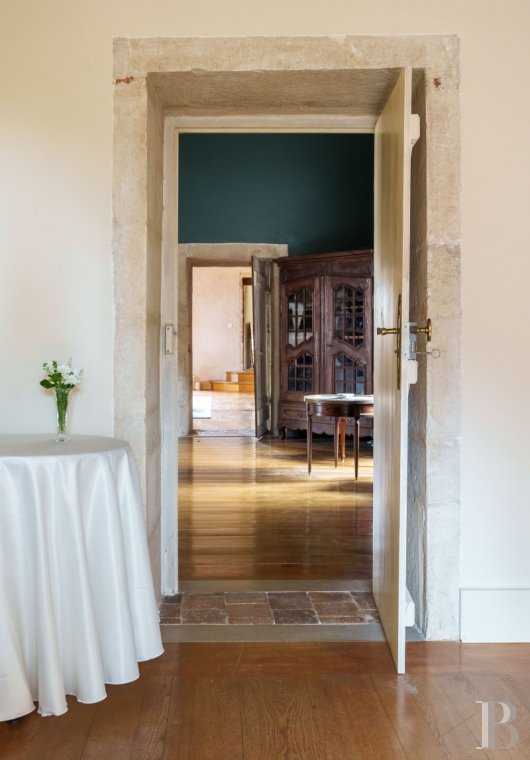
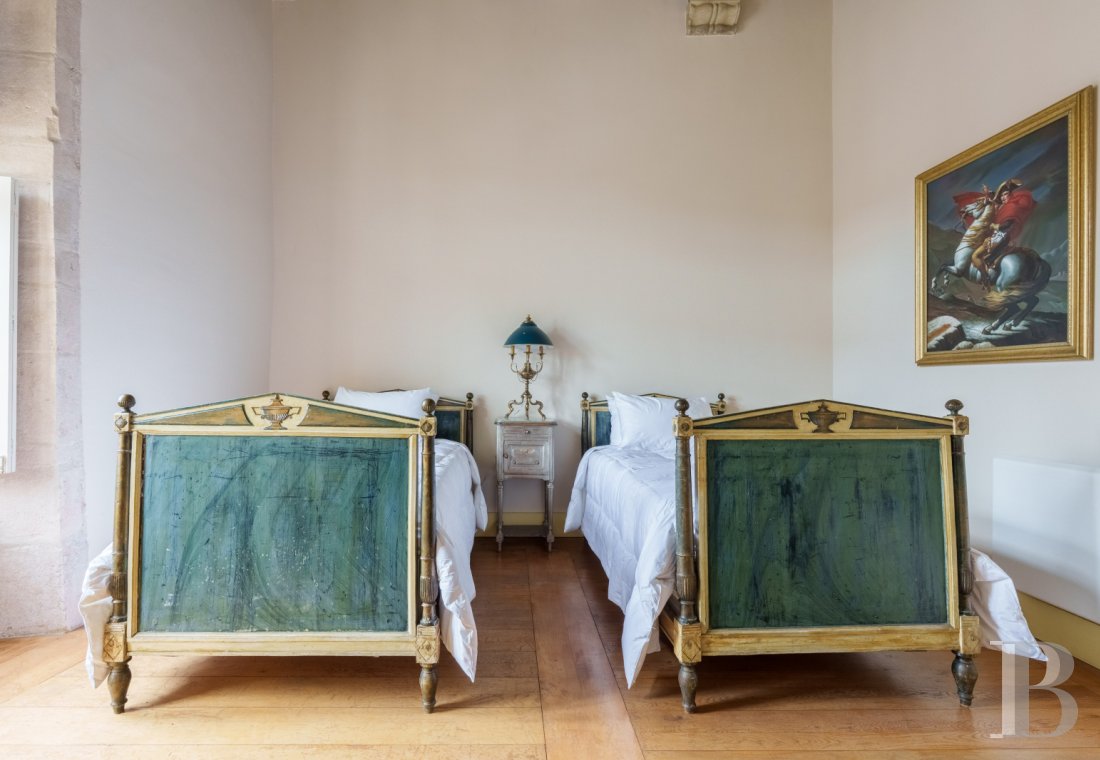
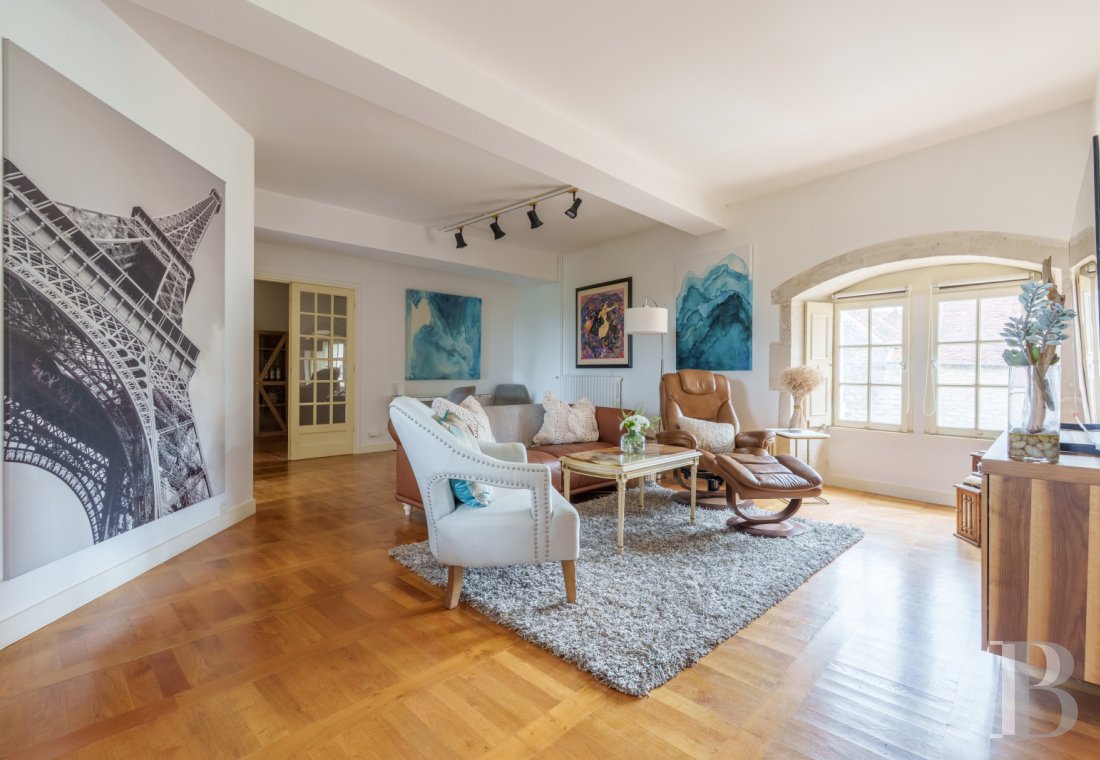
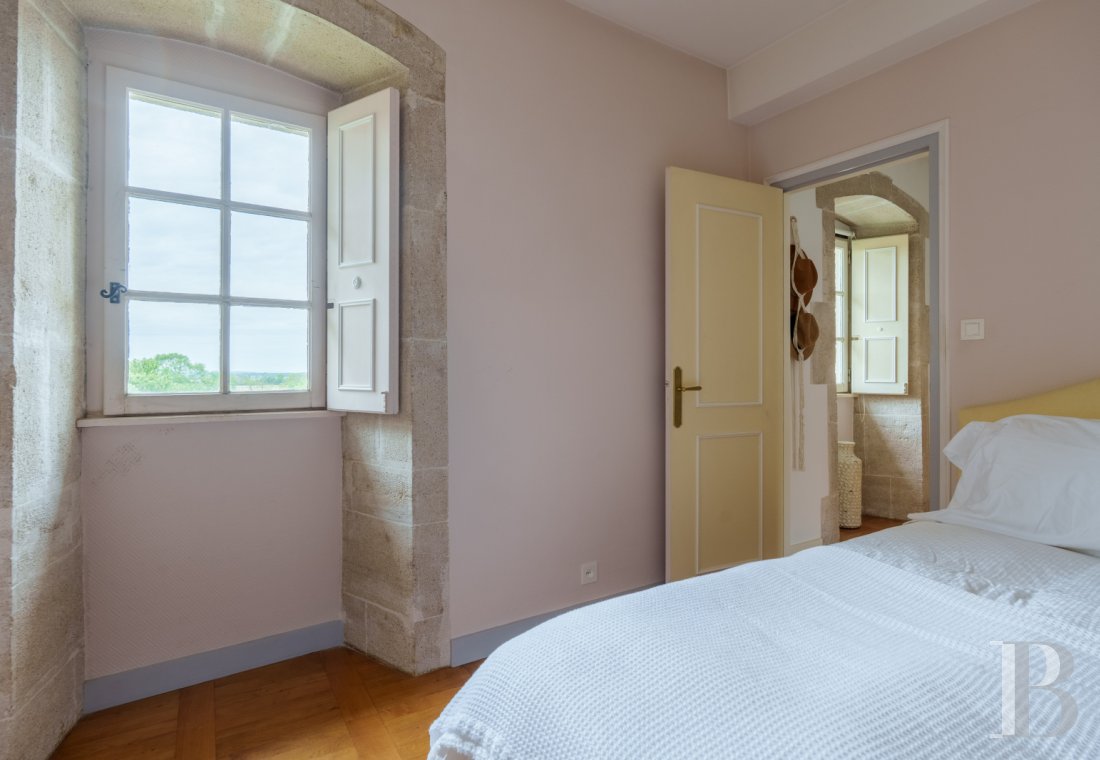
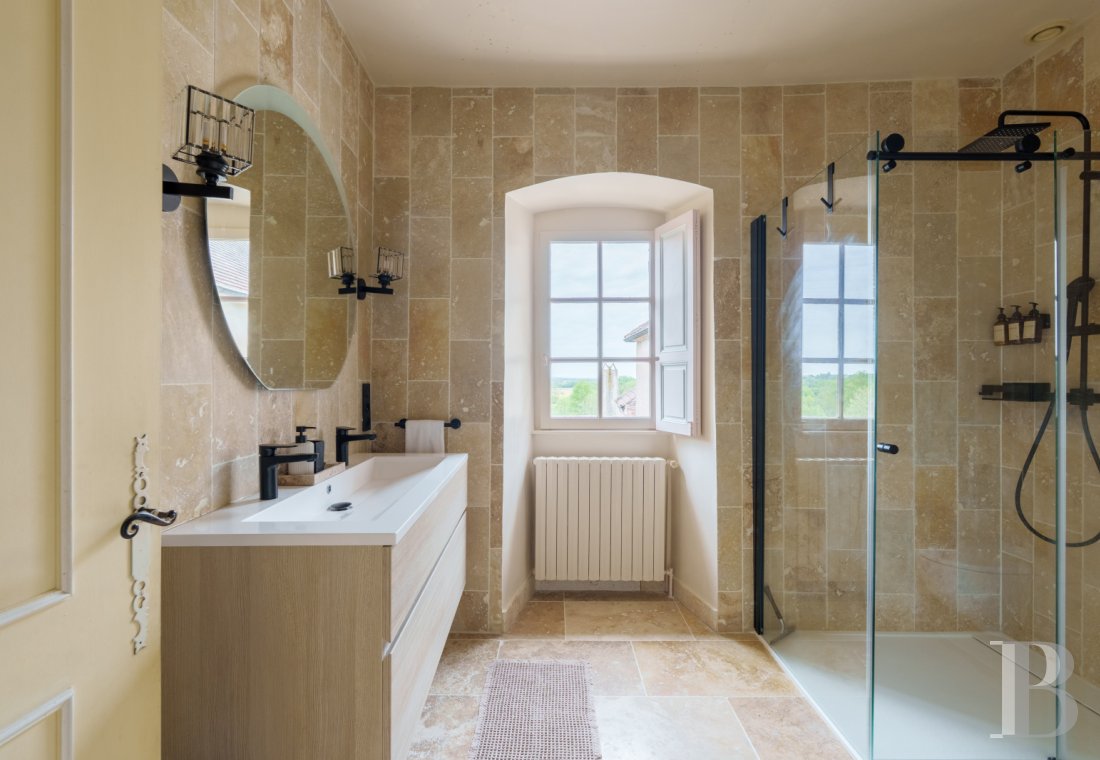
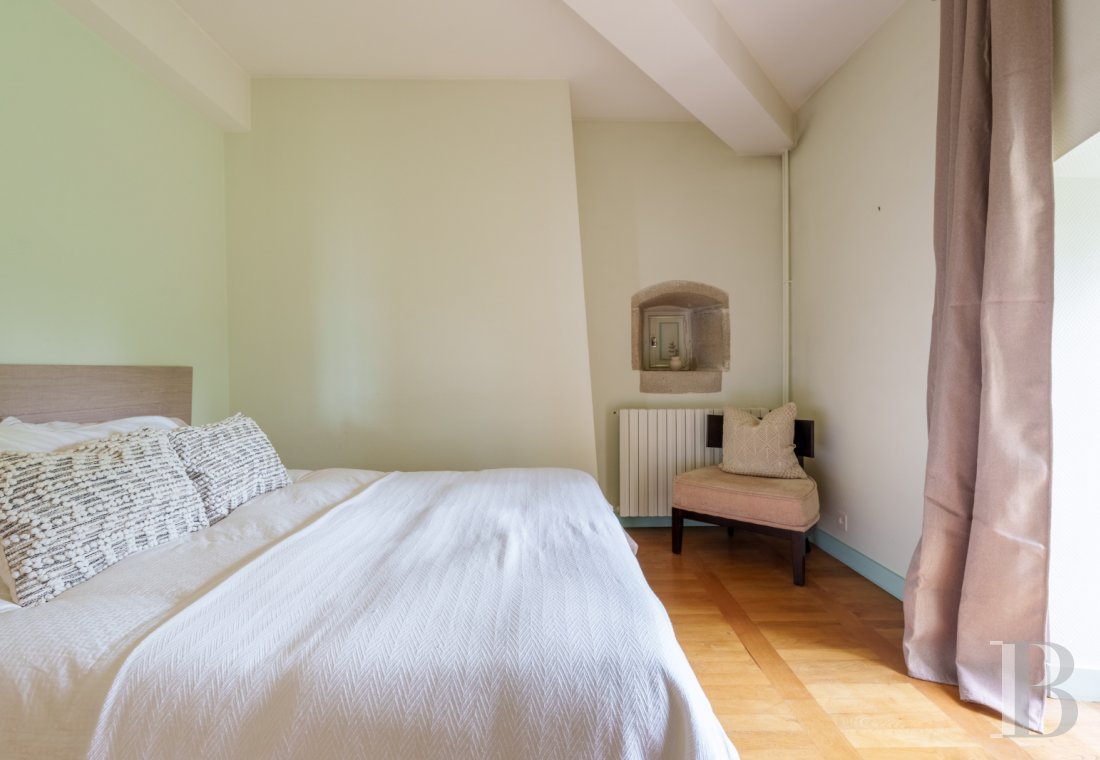
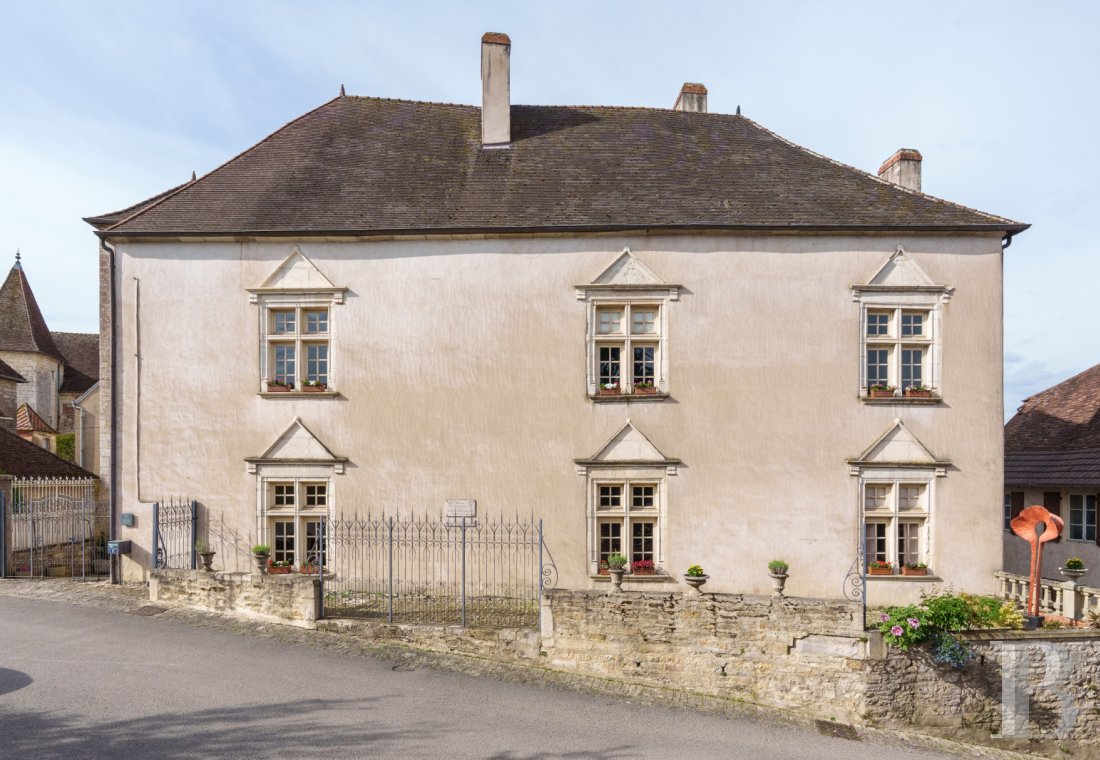
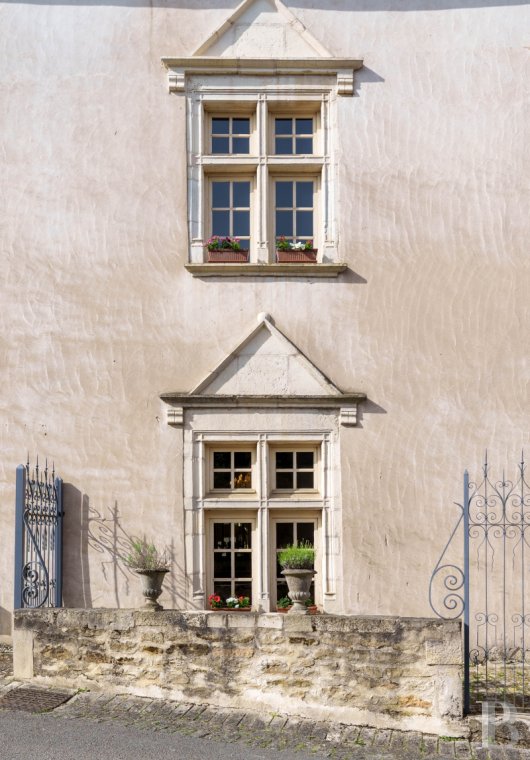
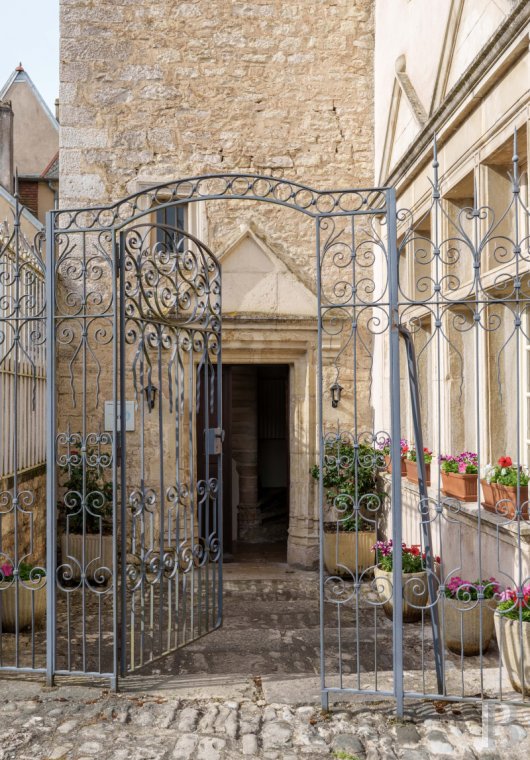
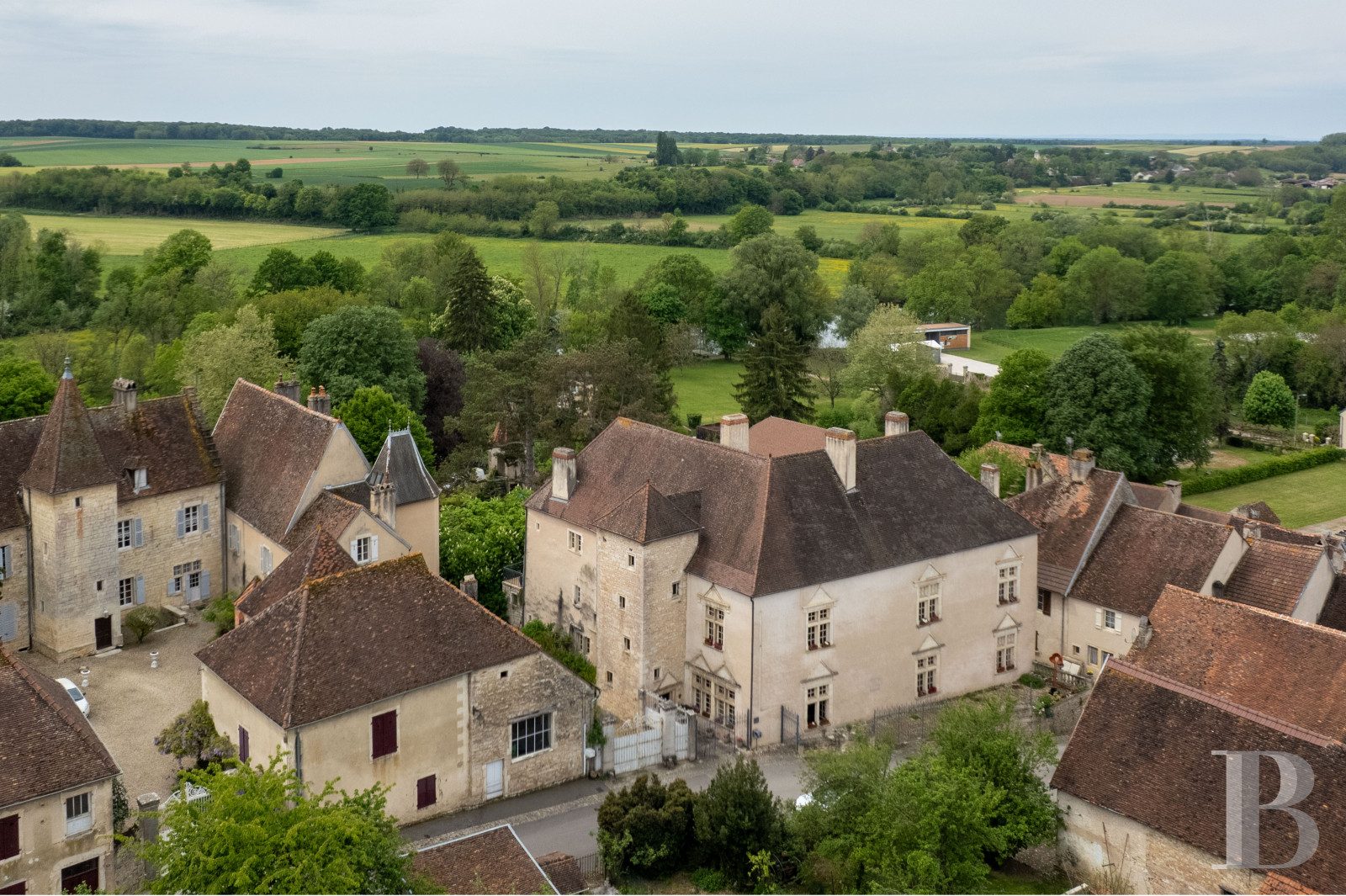
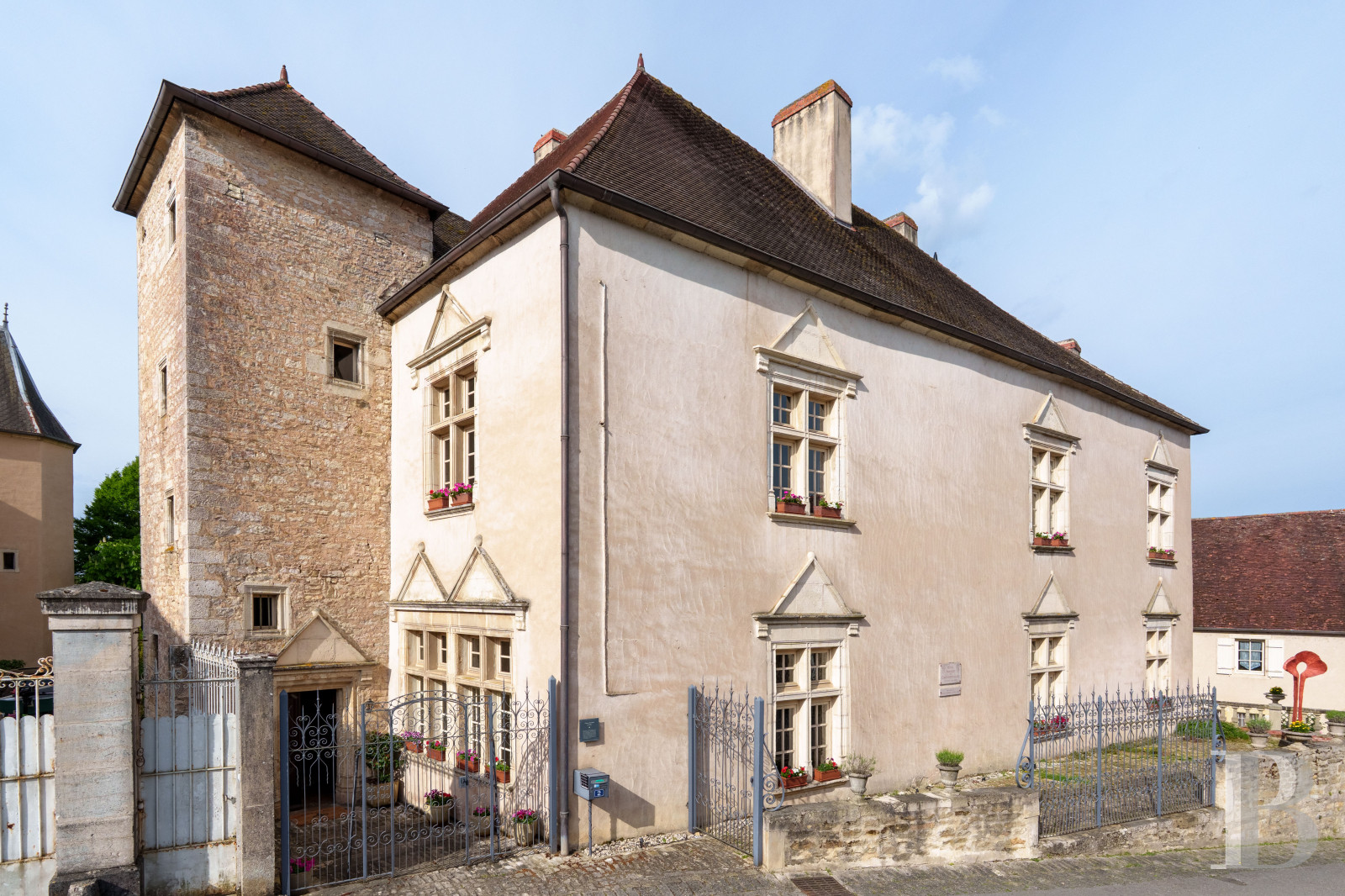
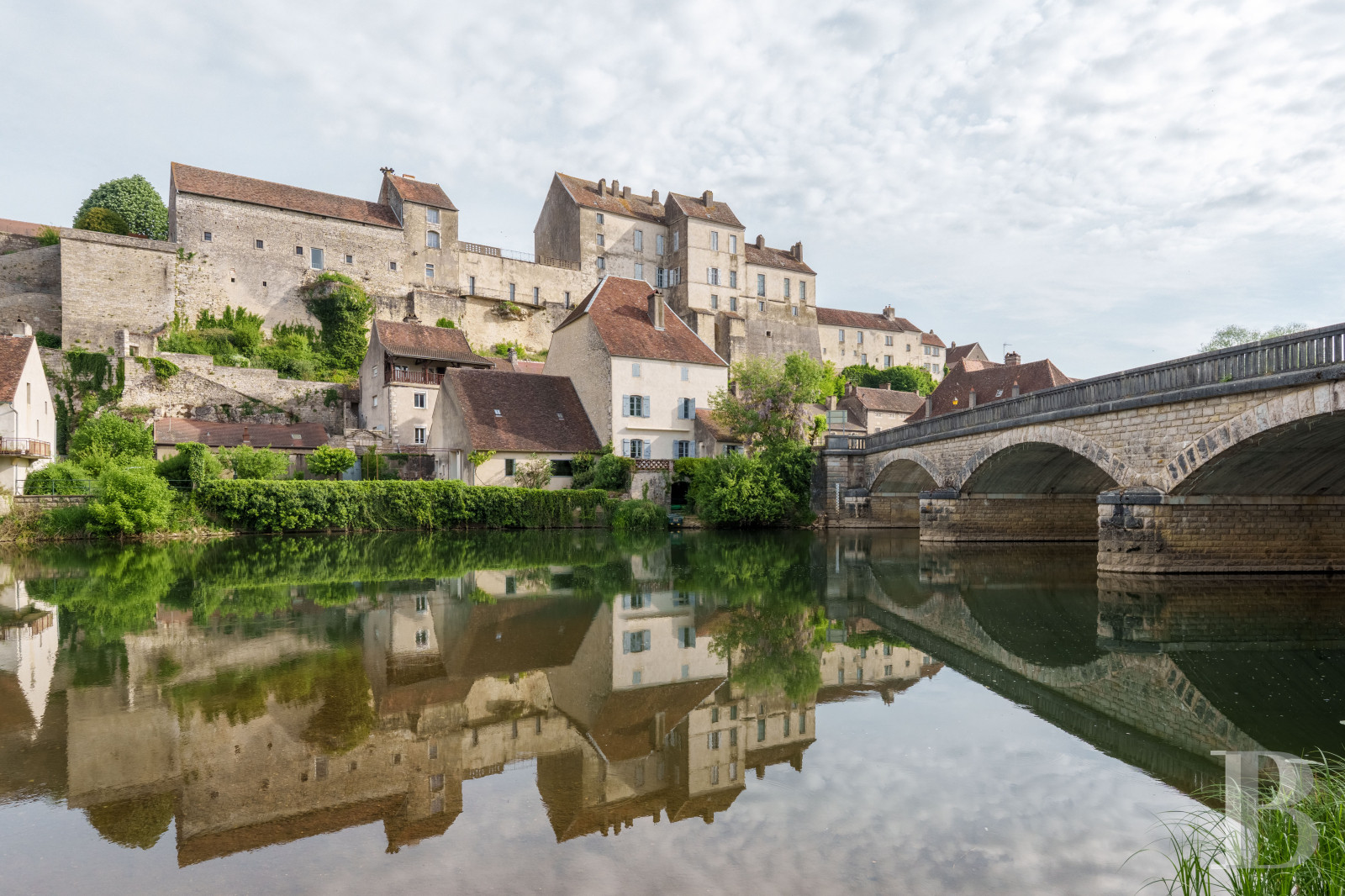
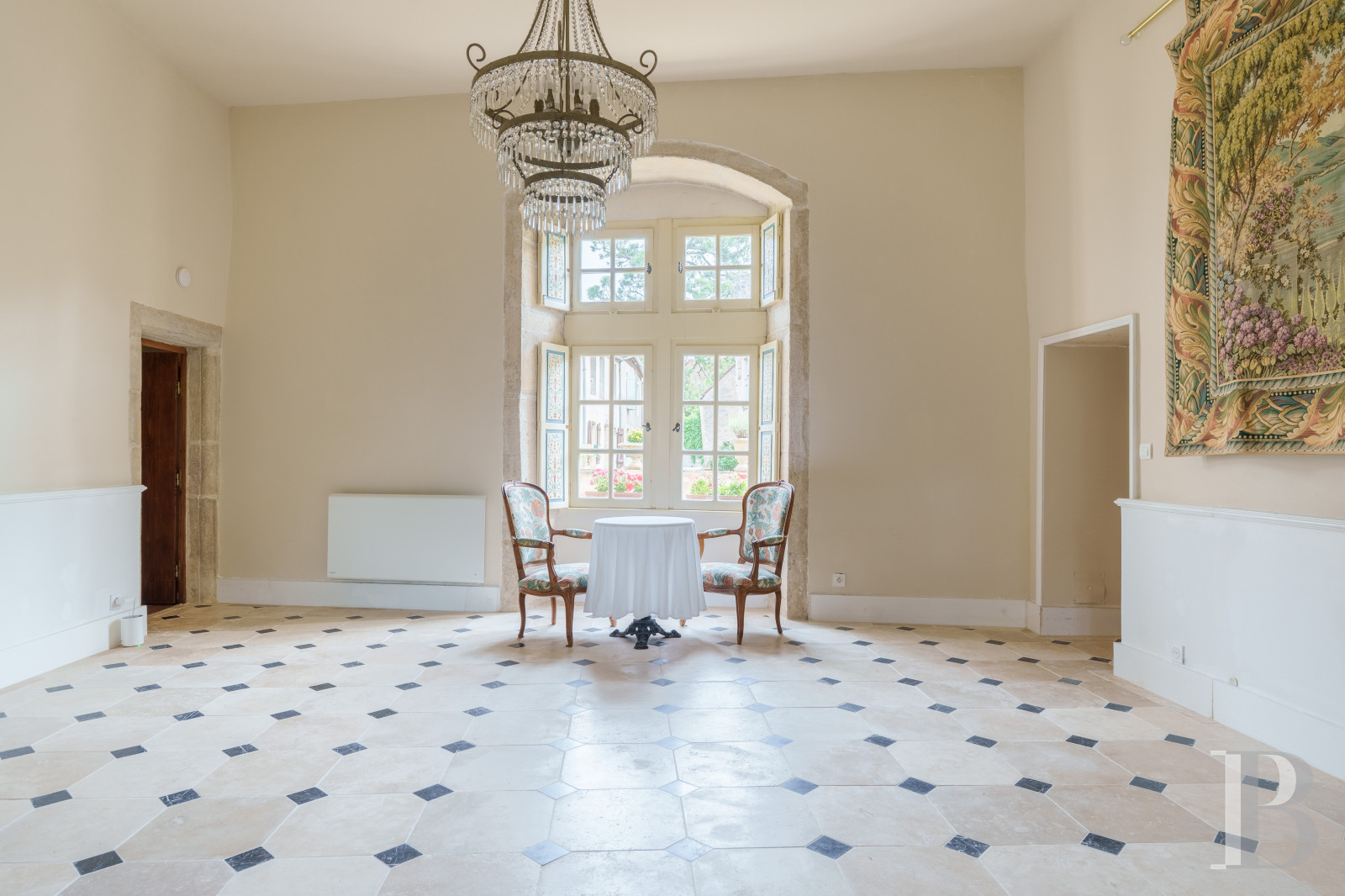
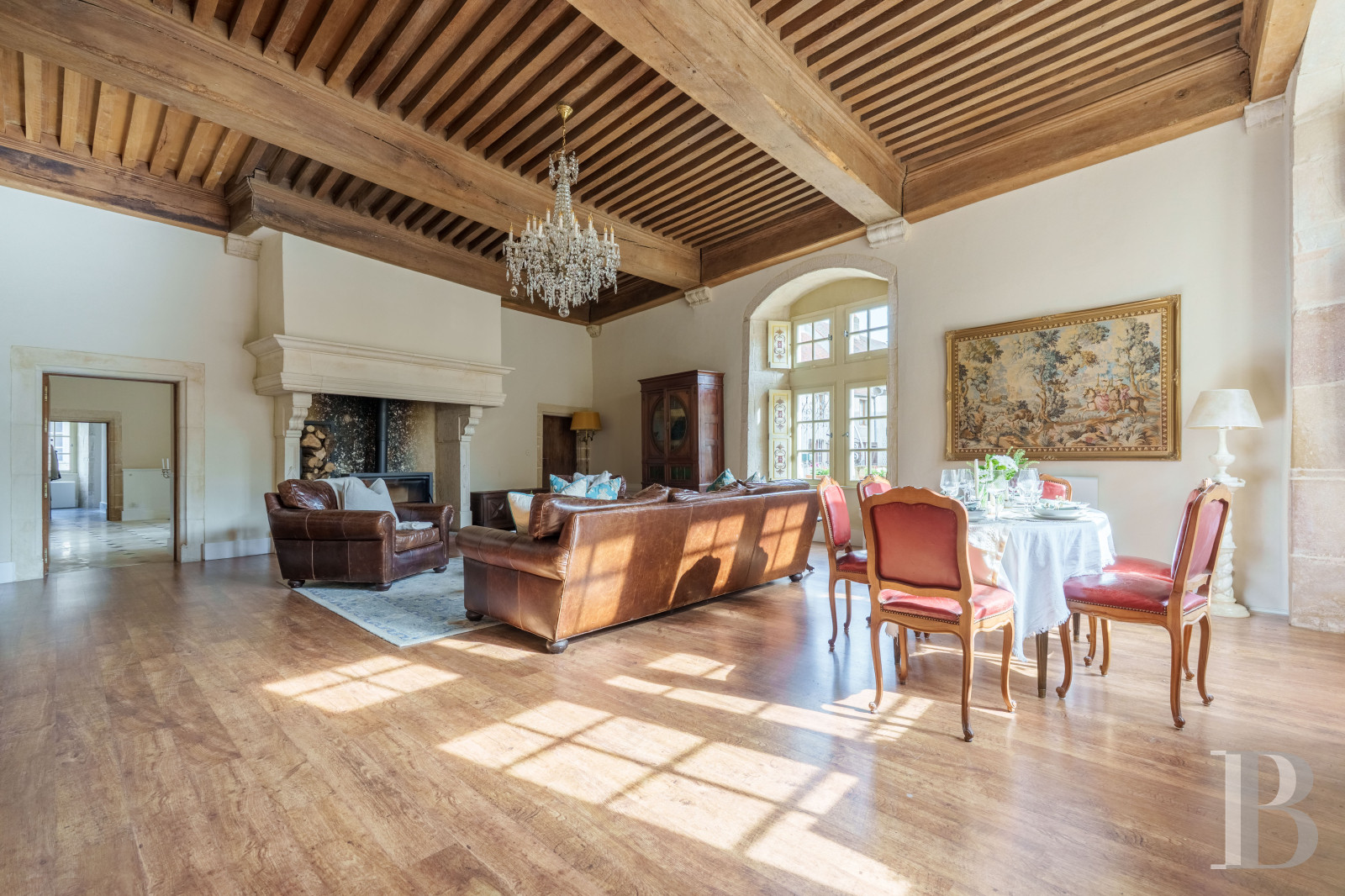
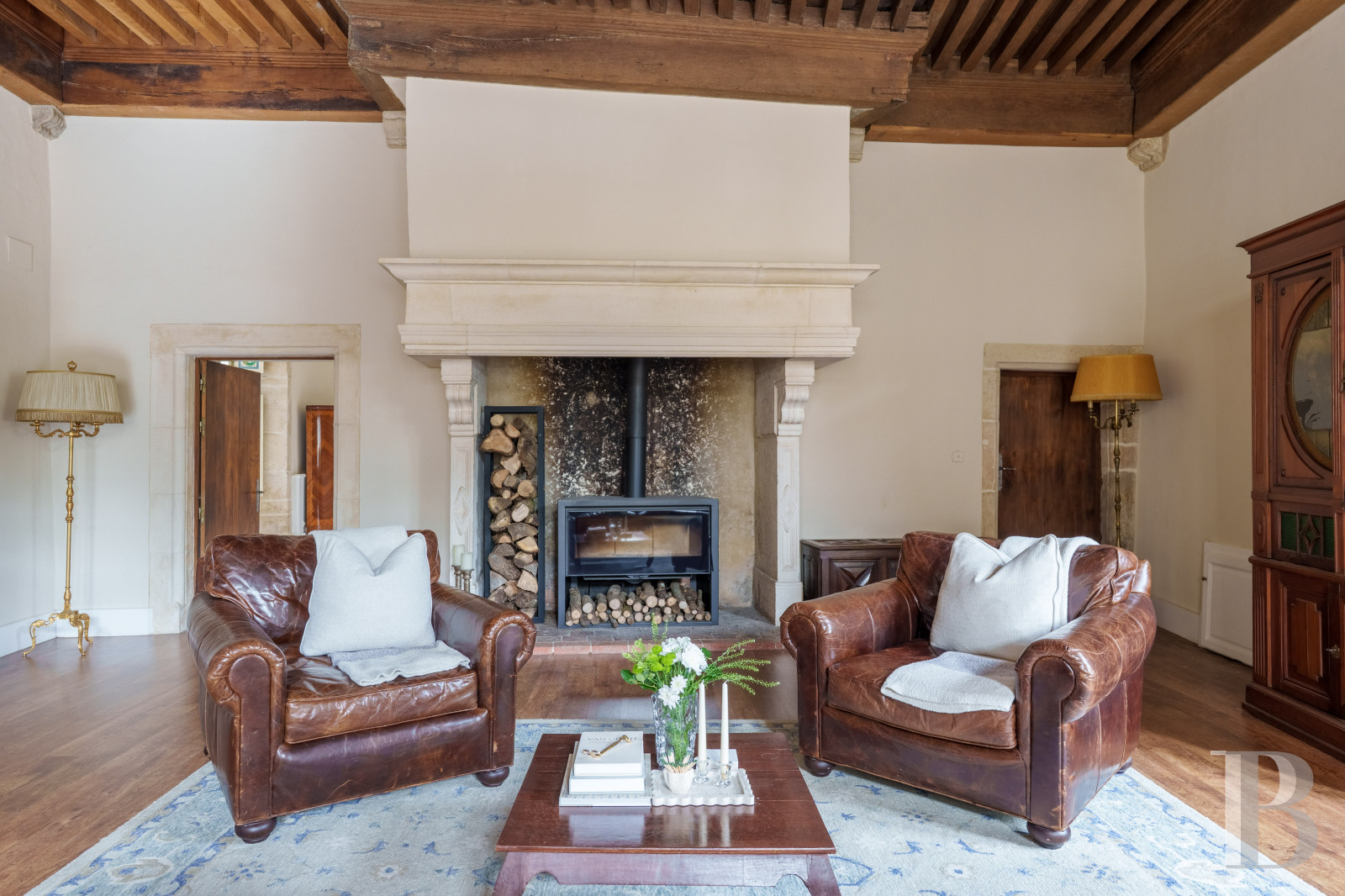
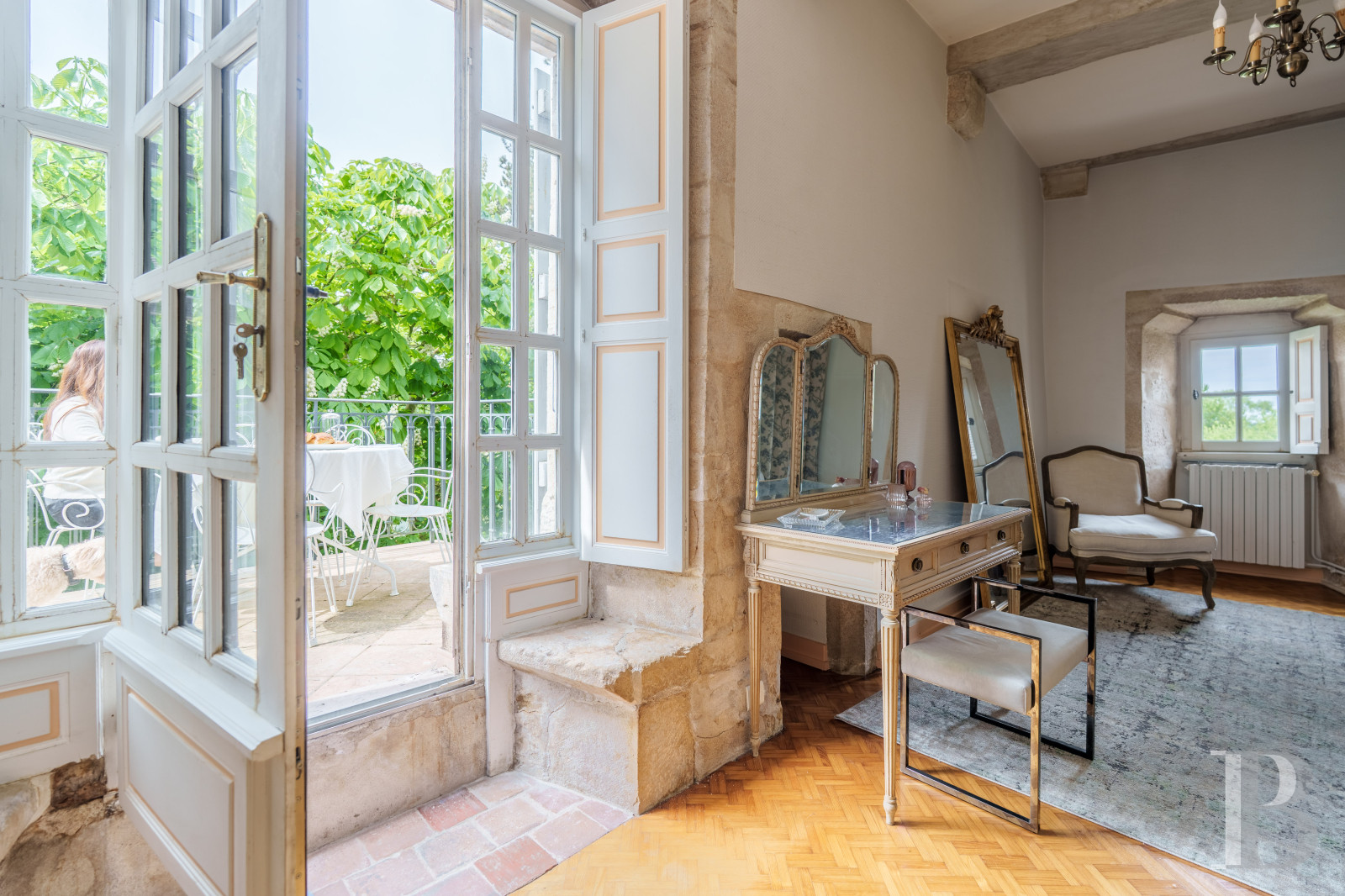
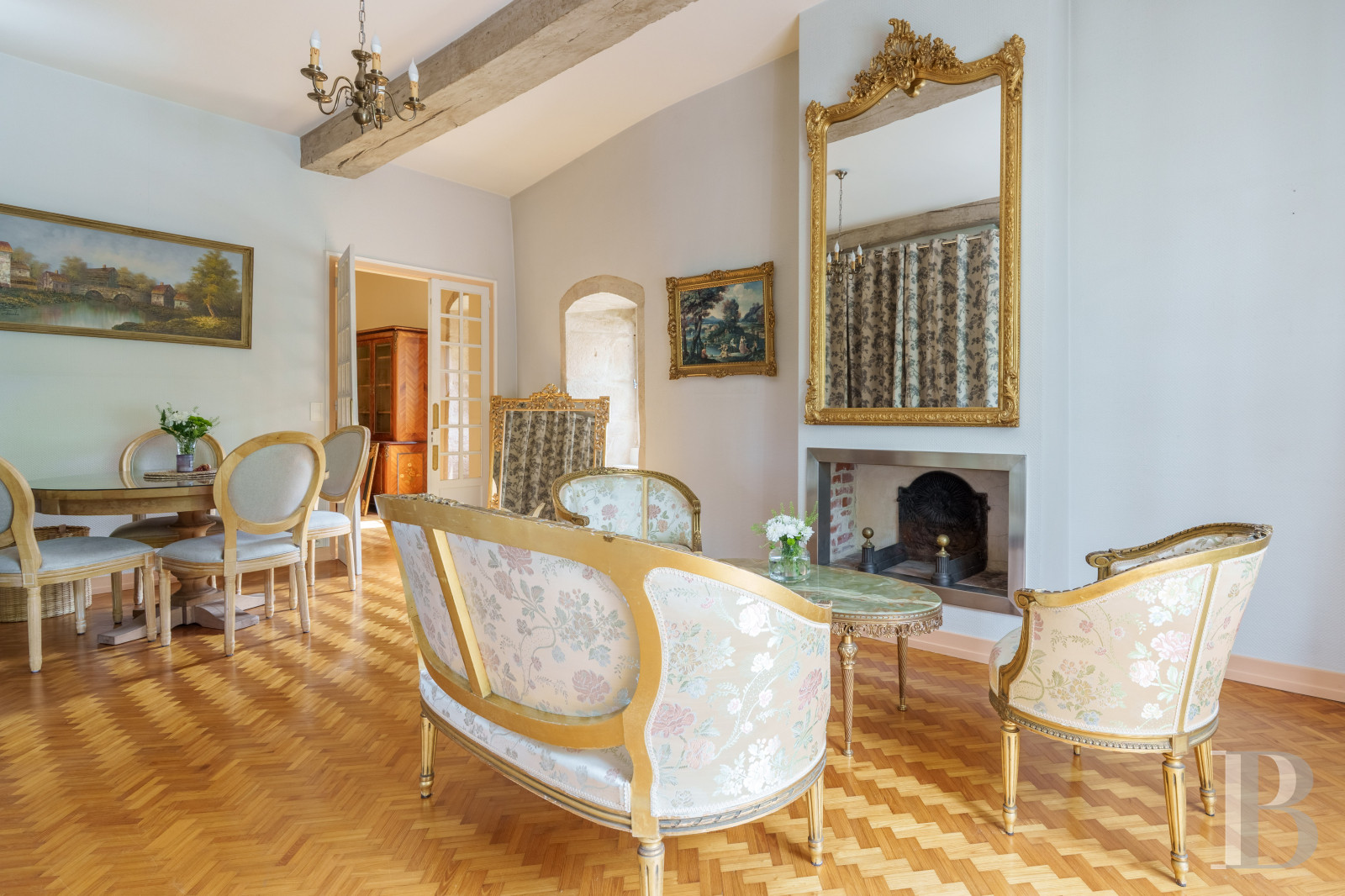
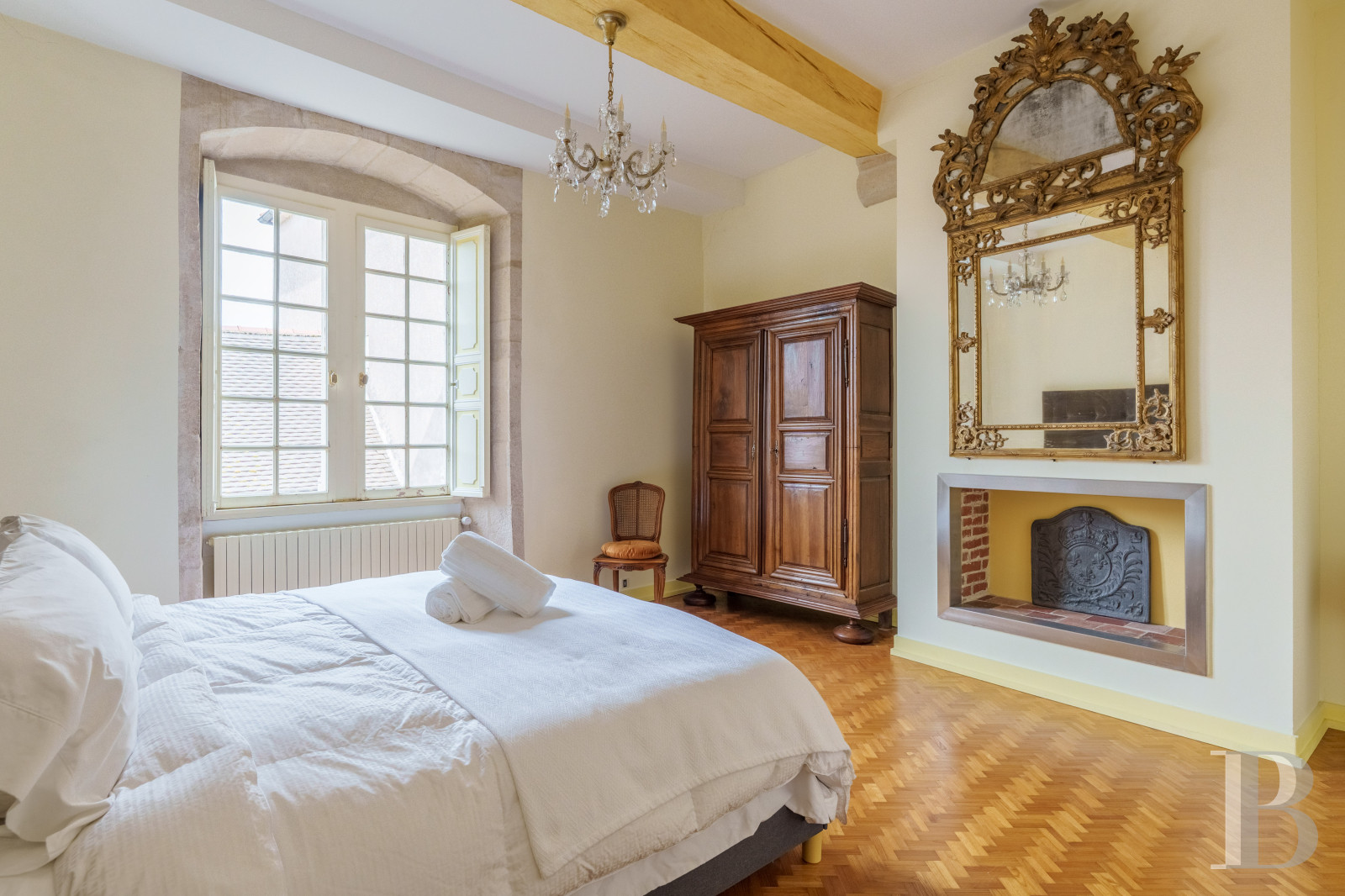
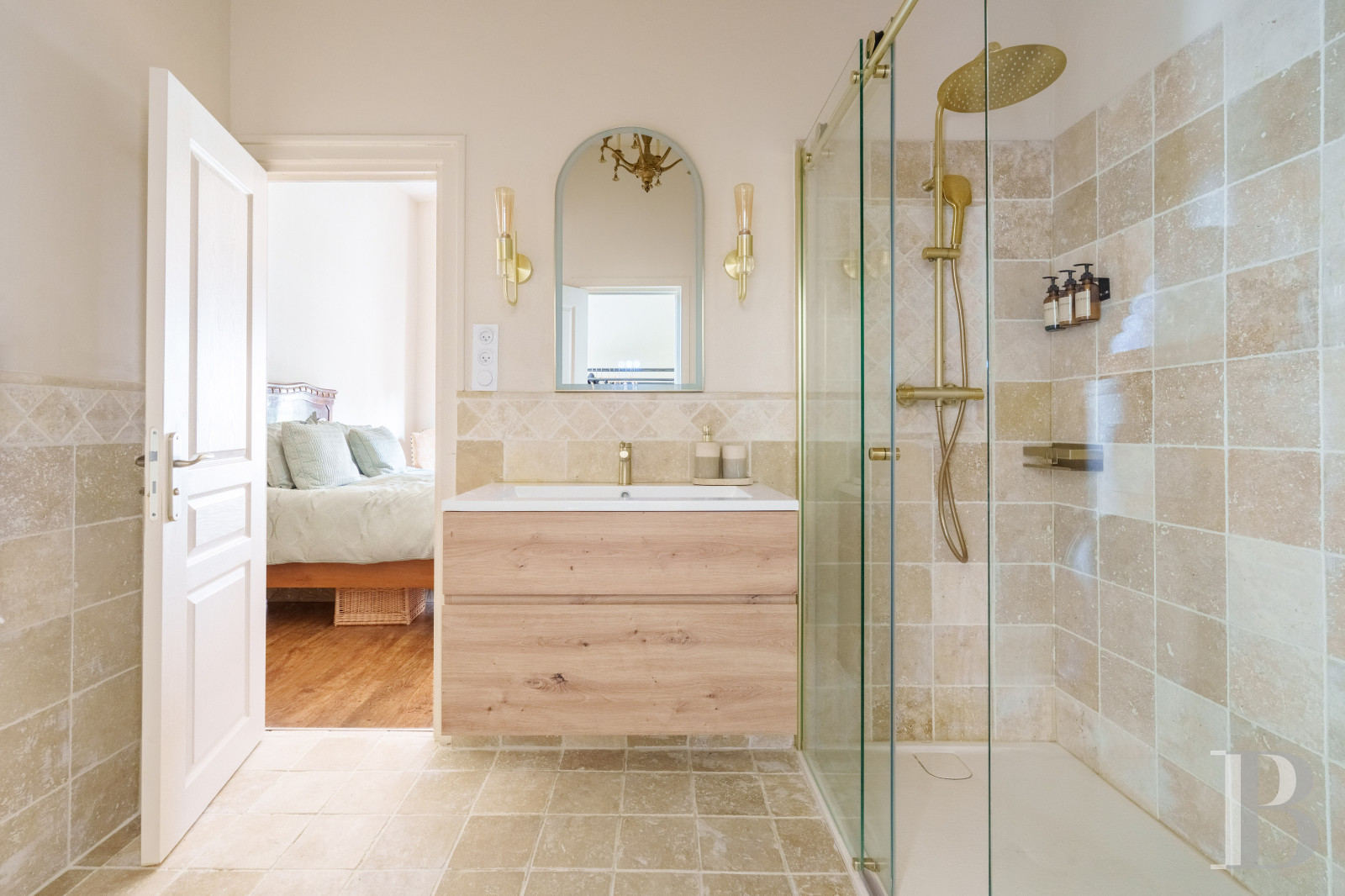
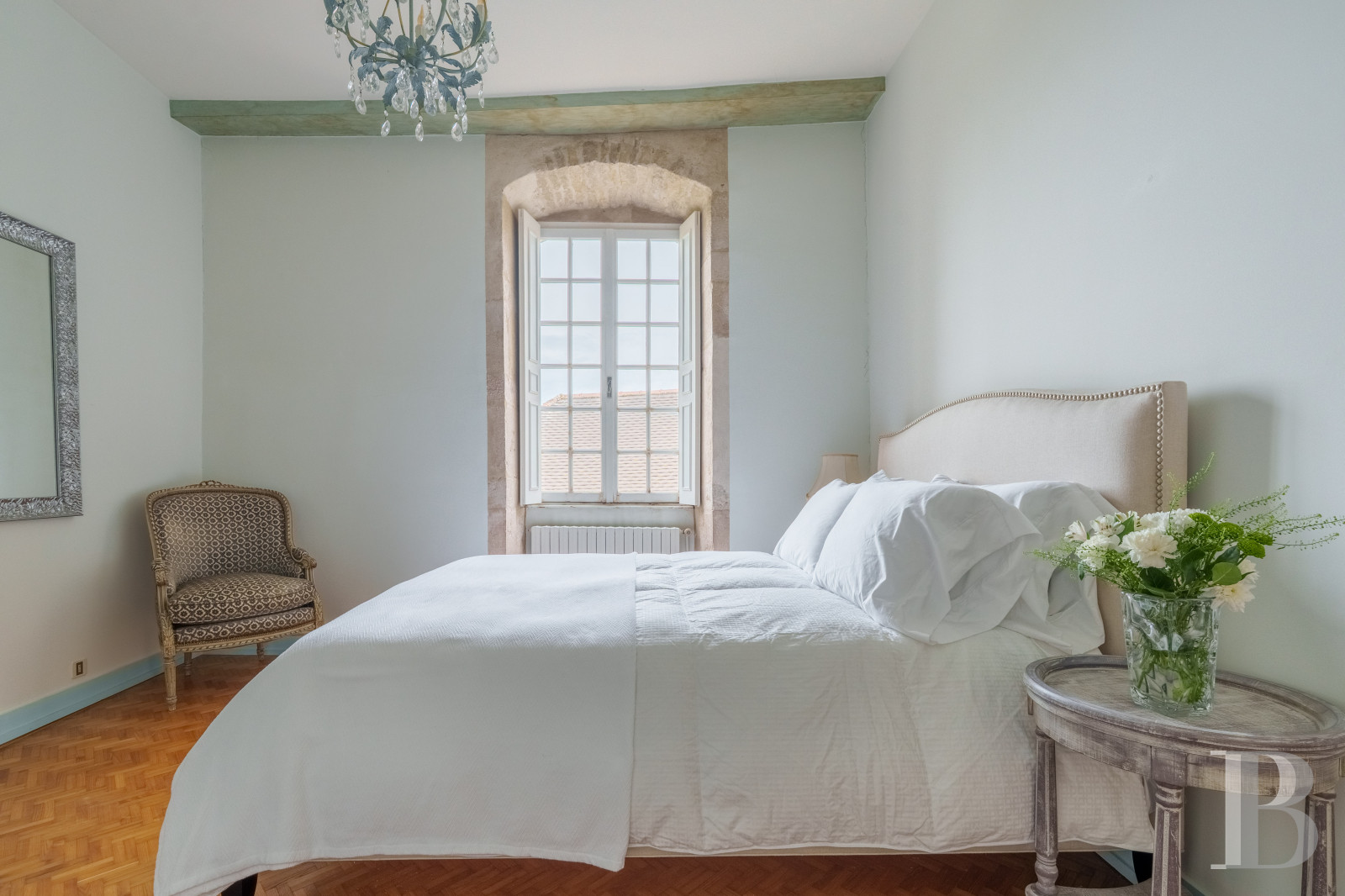
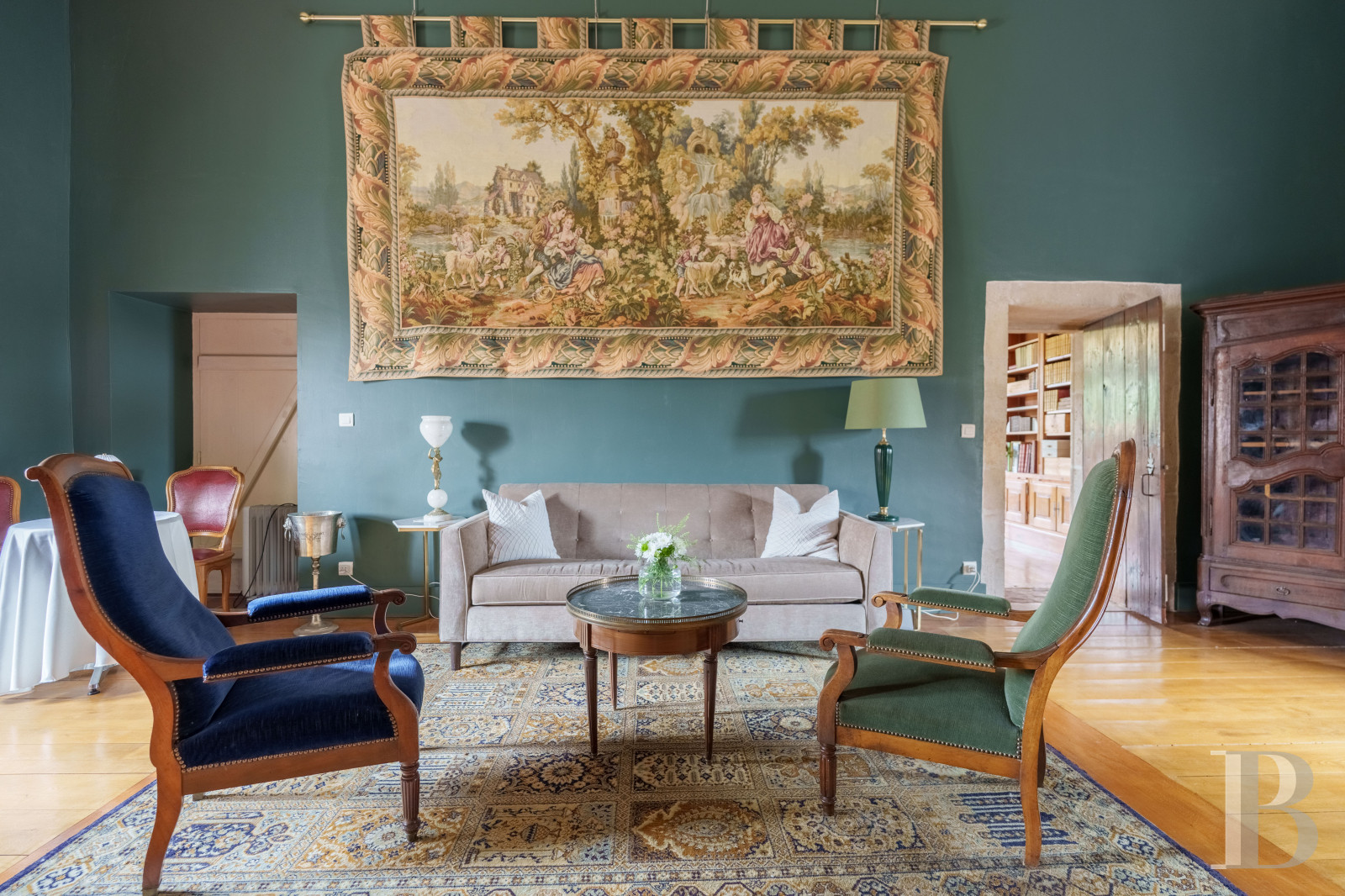
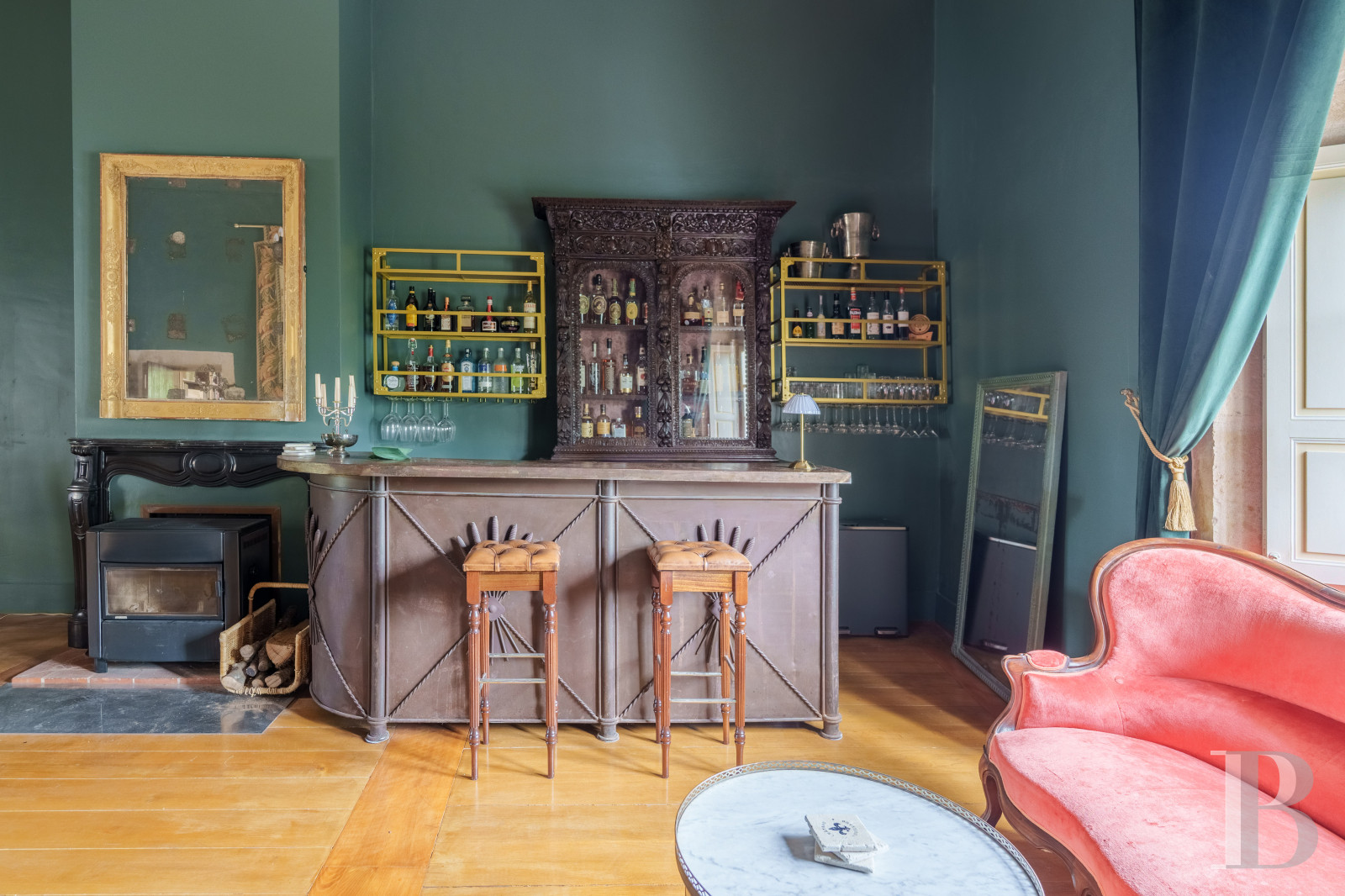
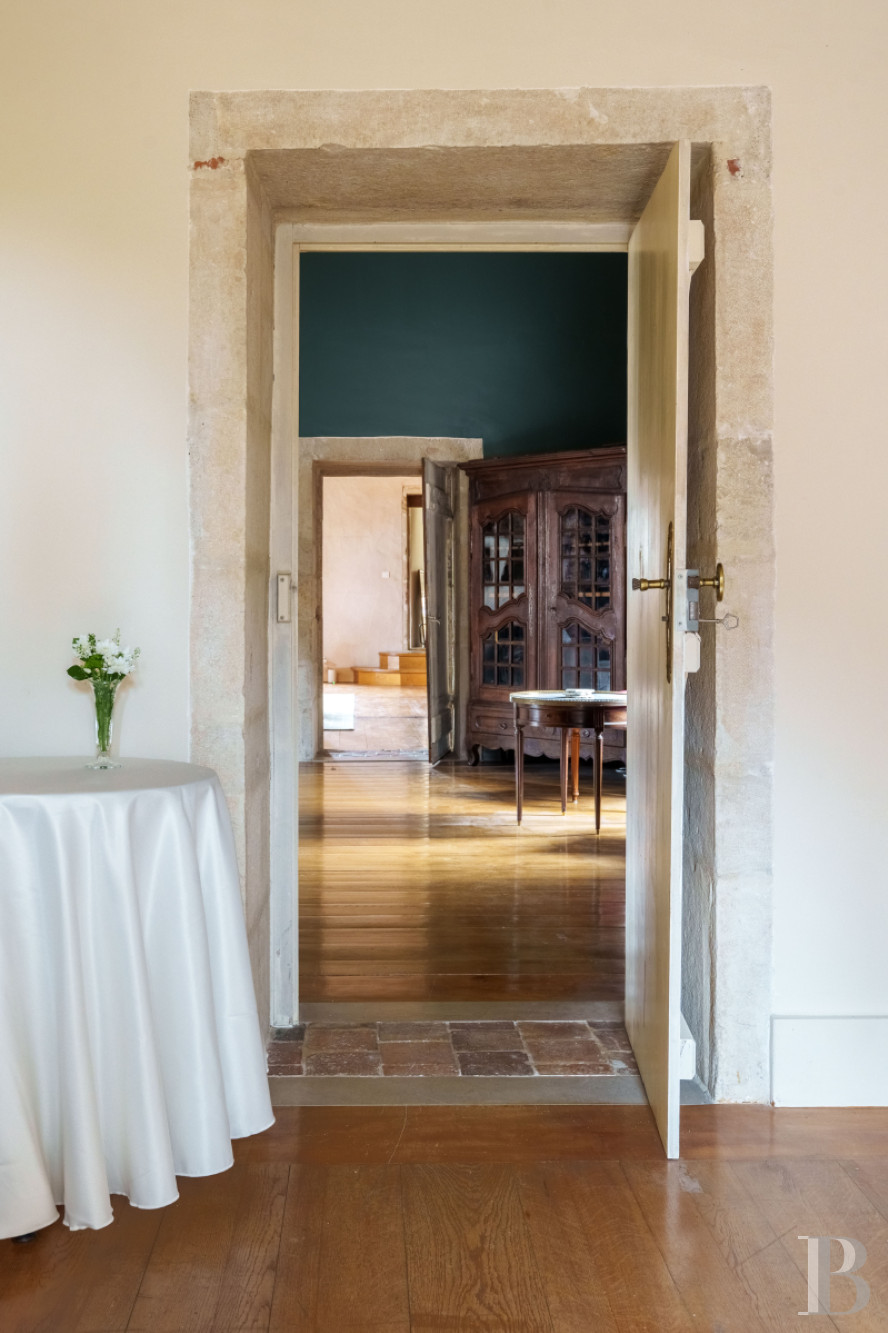
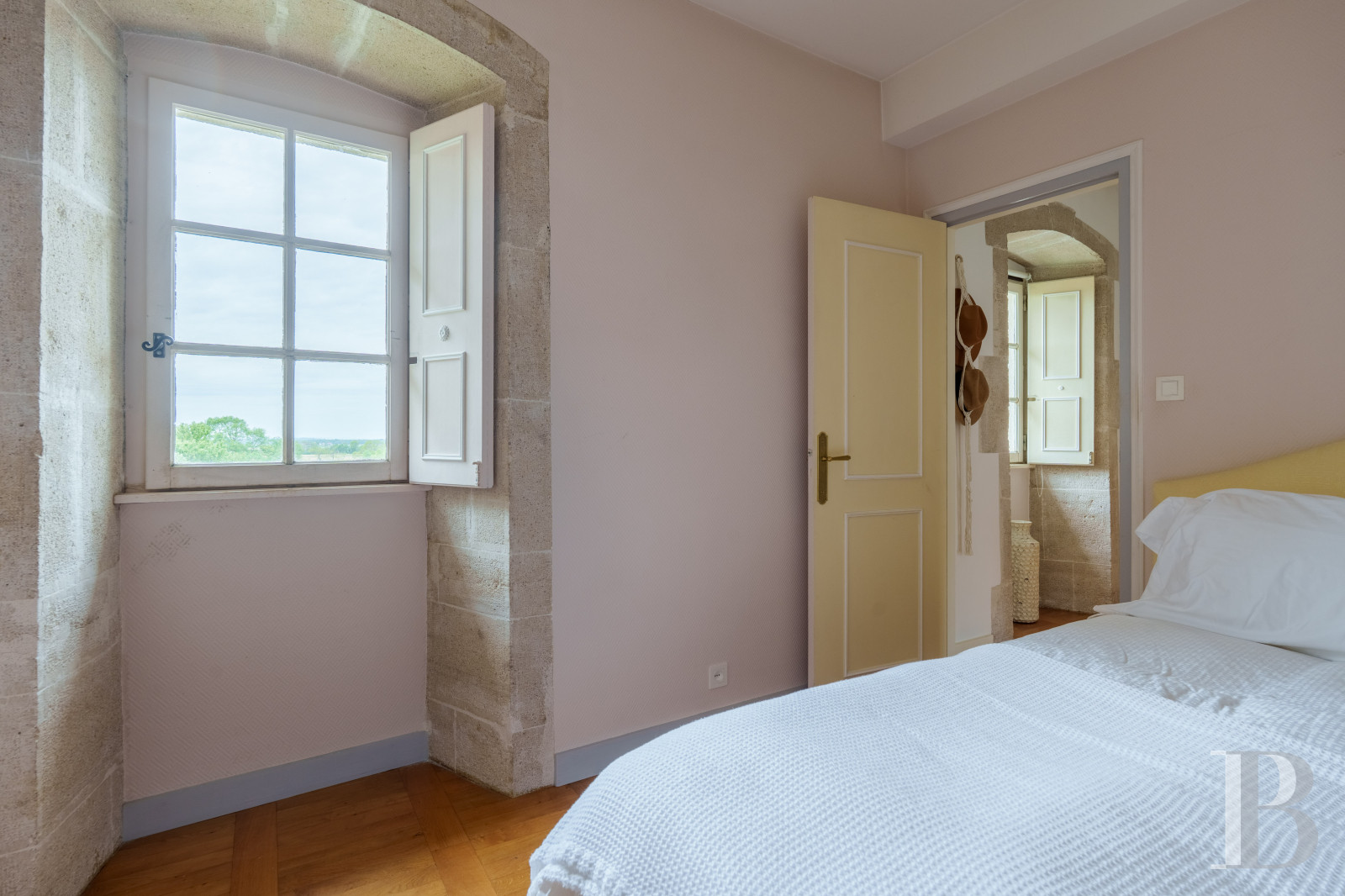
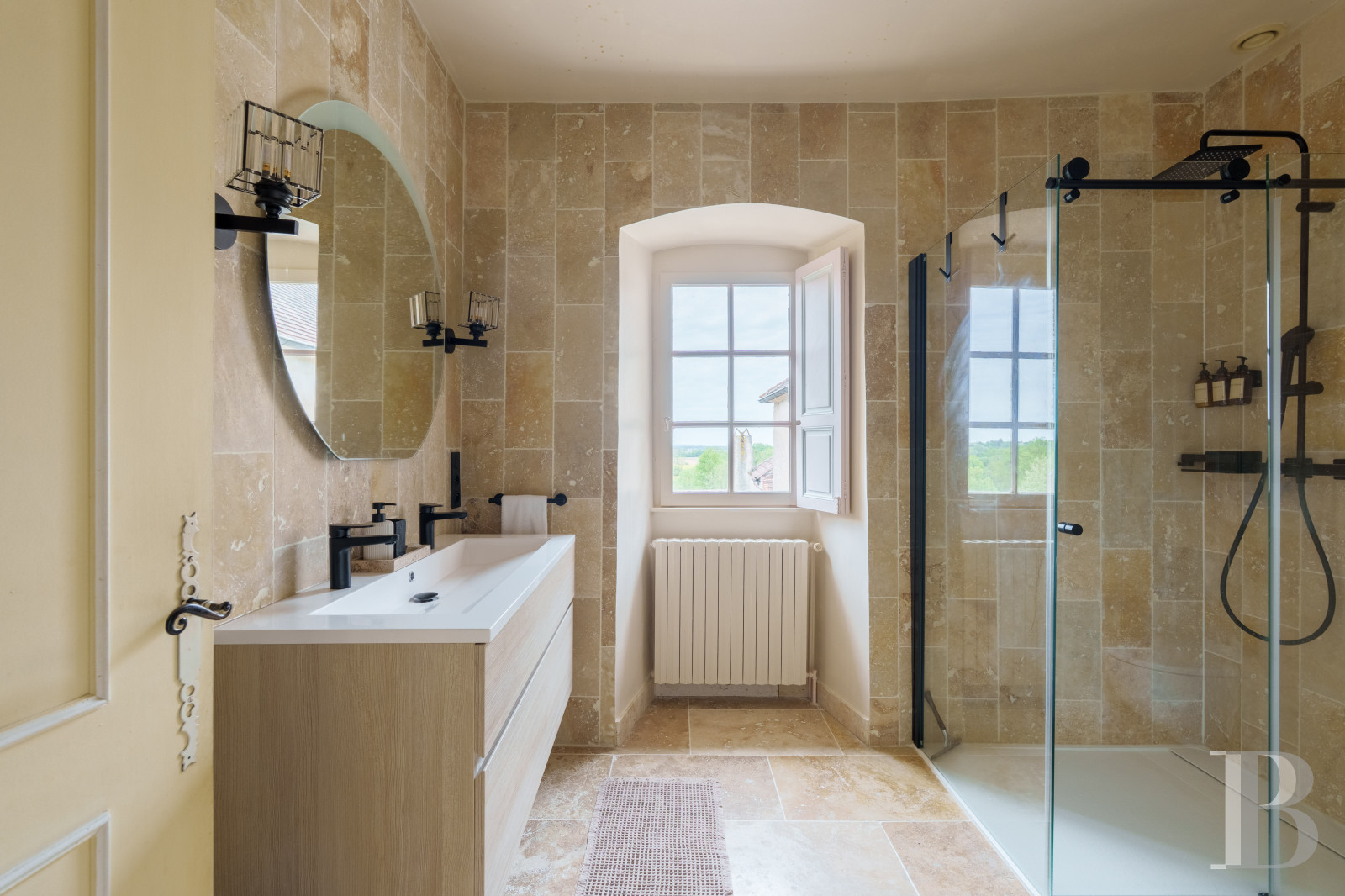
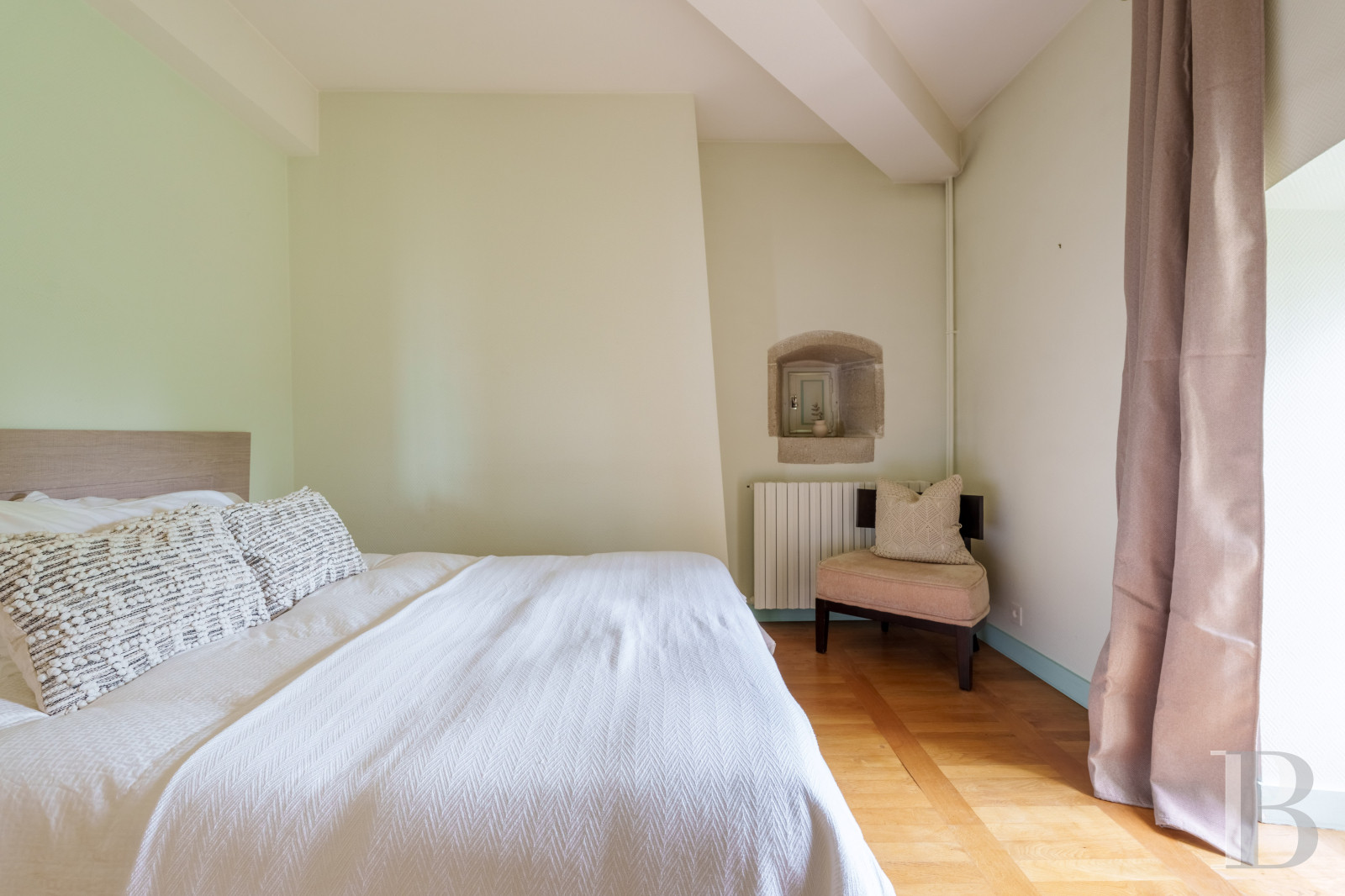
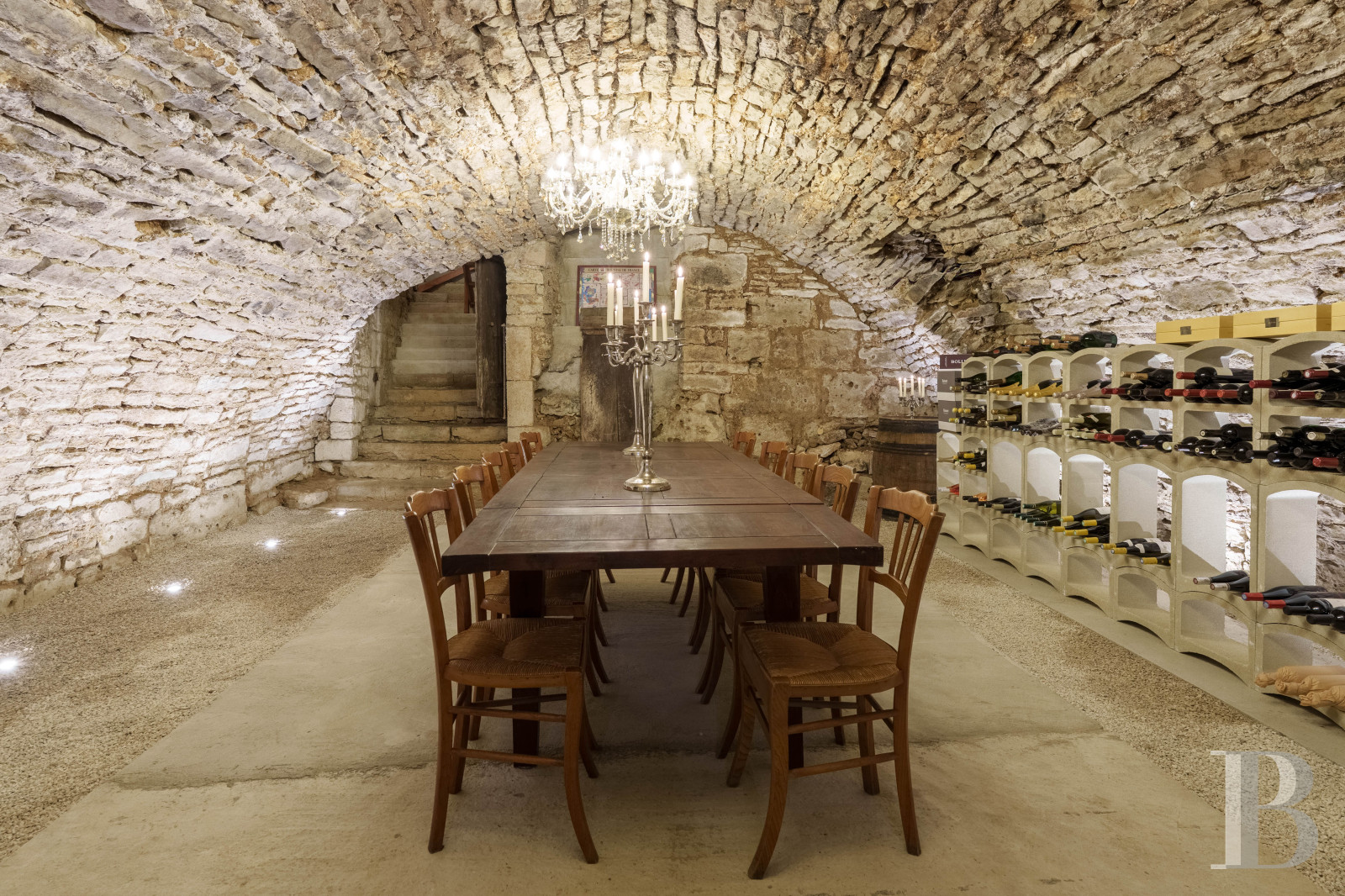
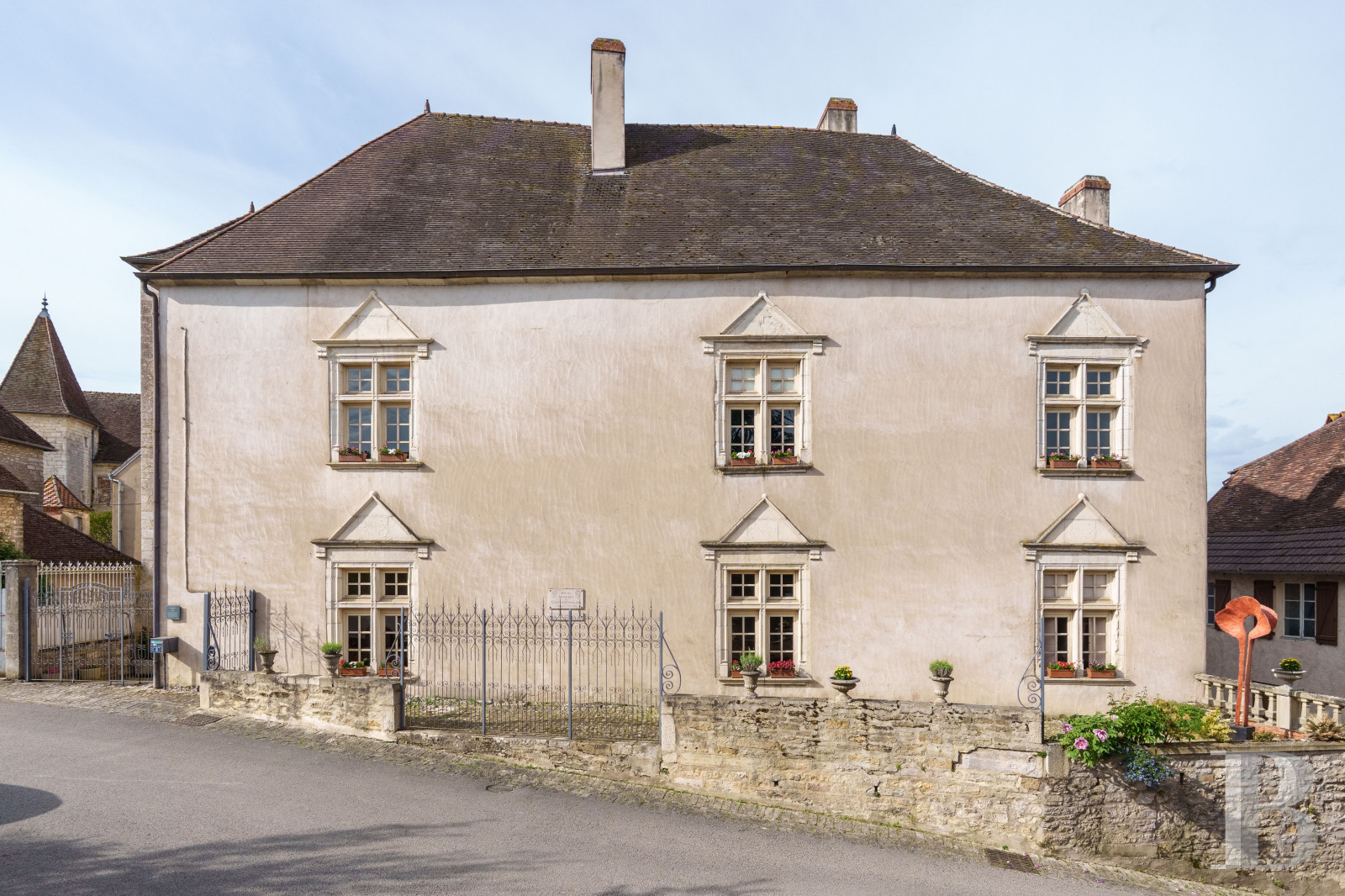
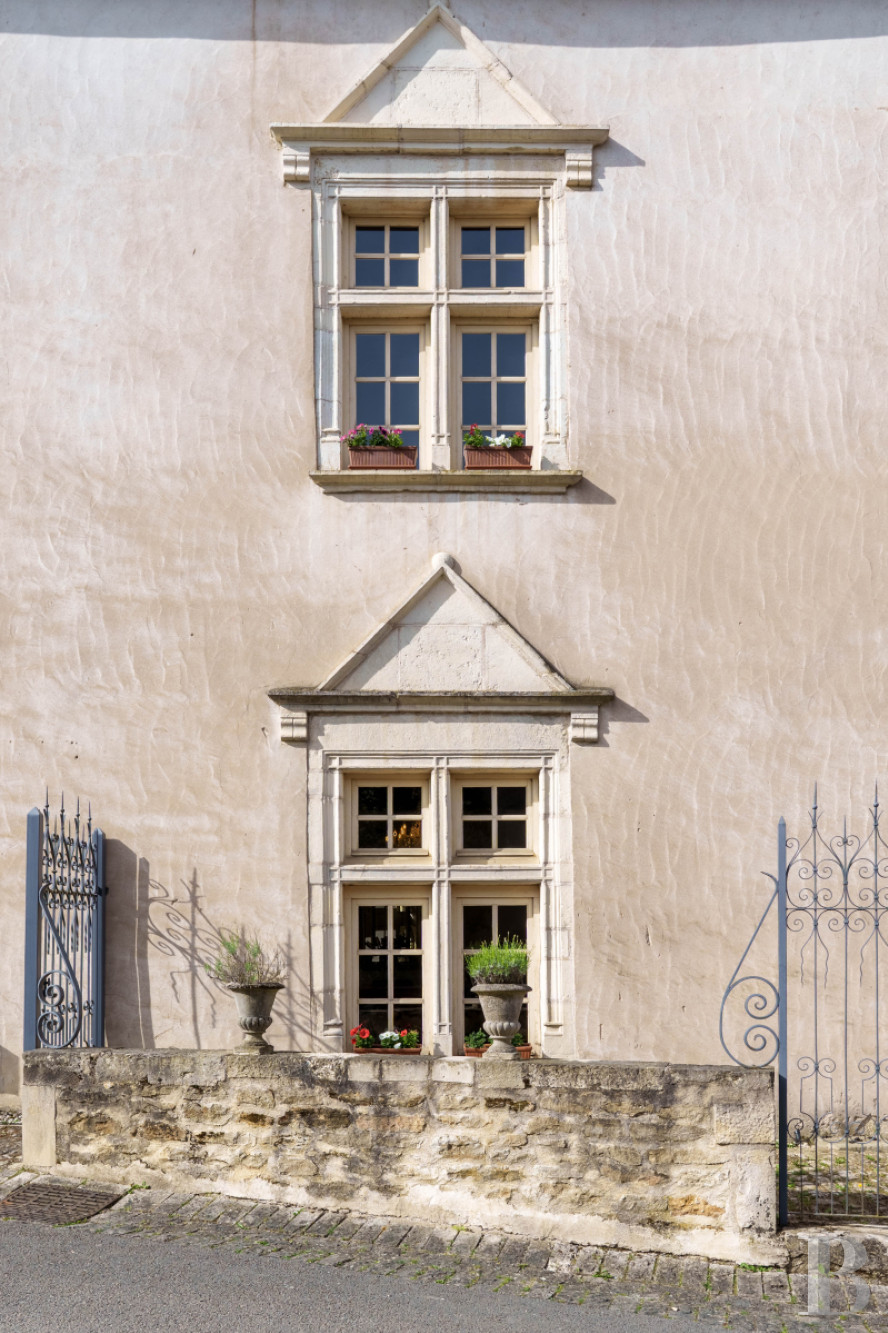
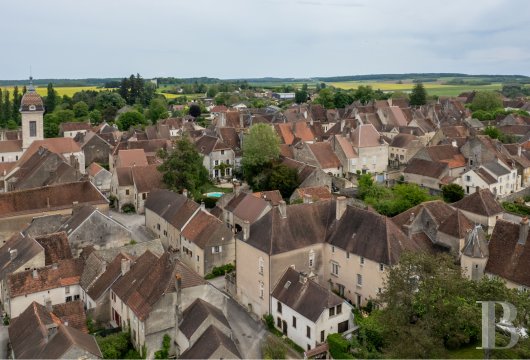
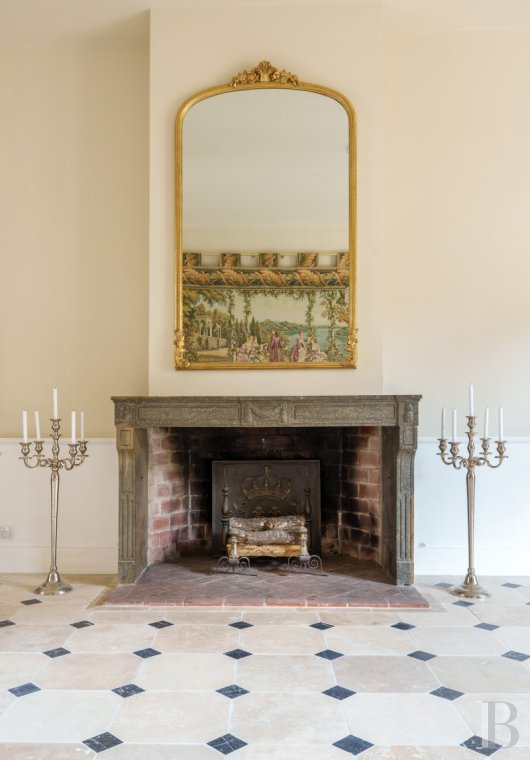
With its numerous mullioned windows, the chateau’s towering form is sure to catch the eye. A long-standing guardian of the village, which has been recognised as one of the most beautiful in France and in the Ognon Valley—which forms a natural border here with the Jura department—it has undergone a spectacular renovation which, whilst restoring it to its former glory, has subtly brought it into the modern era. Inside, the spacious reception rooms are flooded with light thanks to the large windows dating back to the Renaissance. The exposed beams, plastered walls, light-coloured wooden floors and stonework in delicate shades, together with the meticulous care taken in restoring the premises, create a particularly refined atmosphere. What a delight, then, to retreat here at any time of year, after exploring the far corners of Burgundy and Franche-Comté!
Originally from the United States, I travelled extensively throughout France before settling here. Like many expats, I had initially looked towards the south, drawn by its light and its promise. But as the years went by, the seasons there grew increasingly harsh, and I found myself drawn to milder climes. First, Burgundy, where Beaune gave me a taste of French charm, with its pale stone buildings, tranquillity and vineyards. Then Normandy, Brittany and finally Franche-Comté. It was here, almost hidden behind the rolling hills and deep forests, that this chateau awaited me.
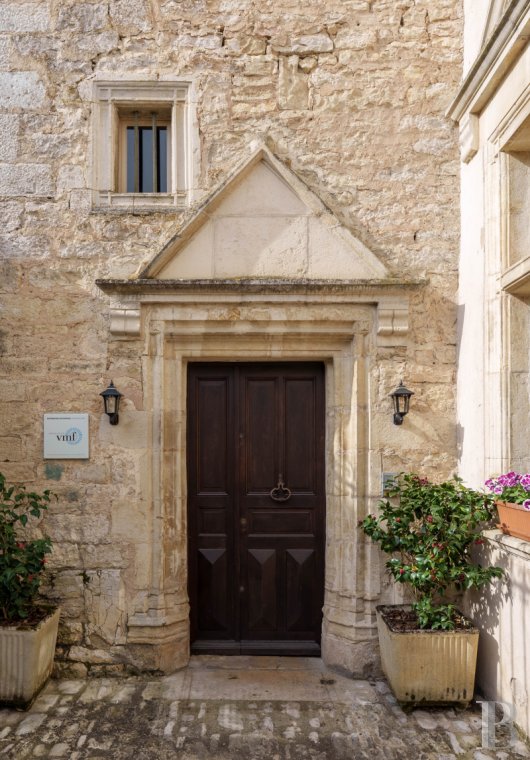
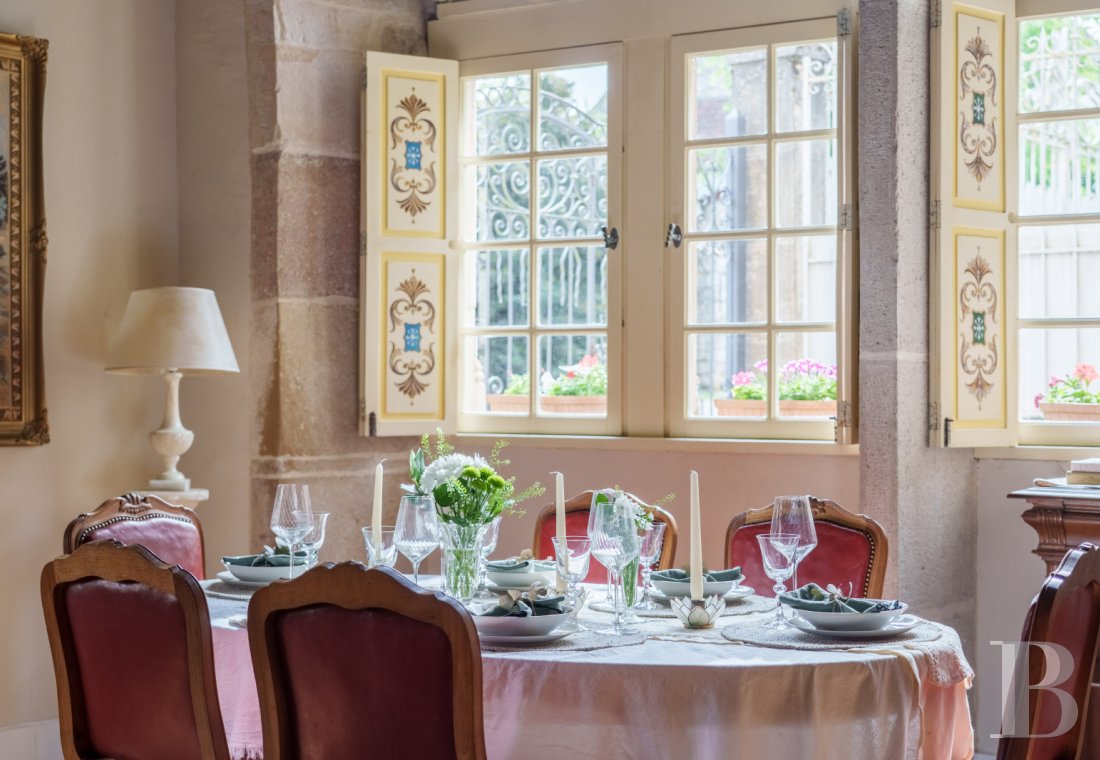
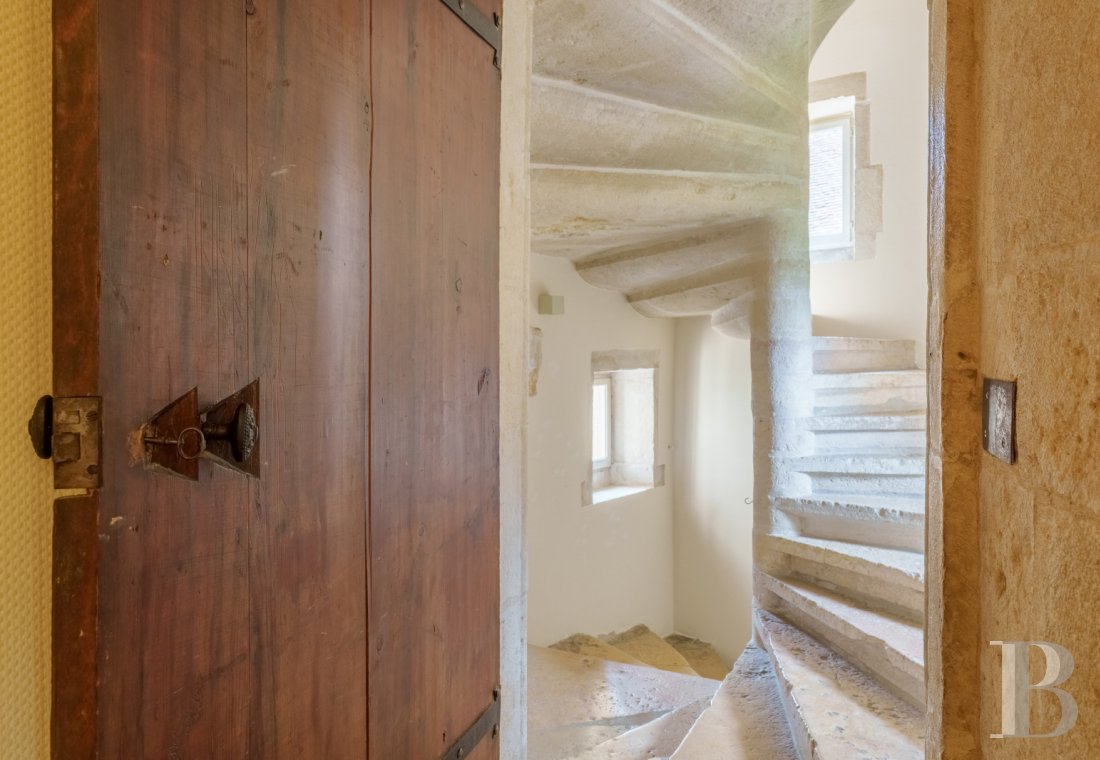
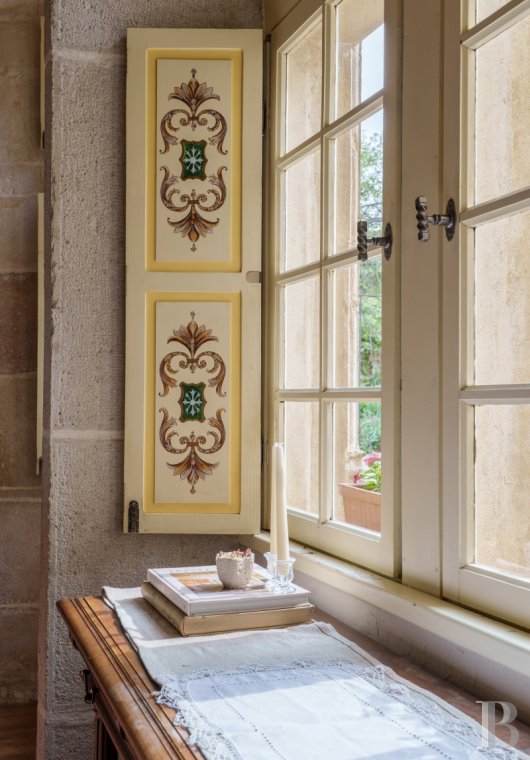
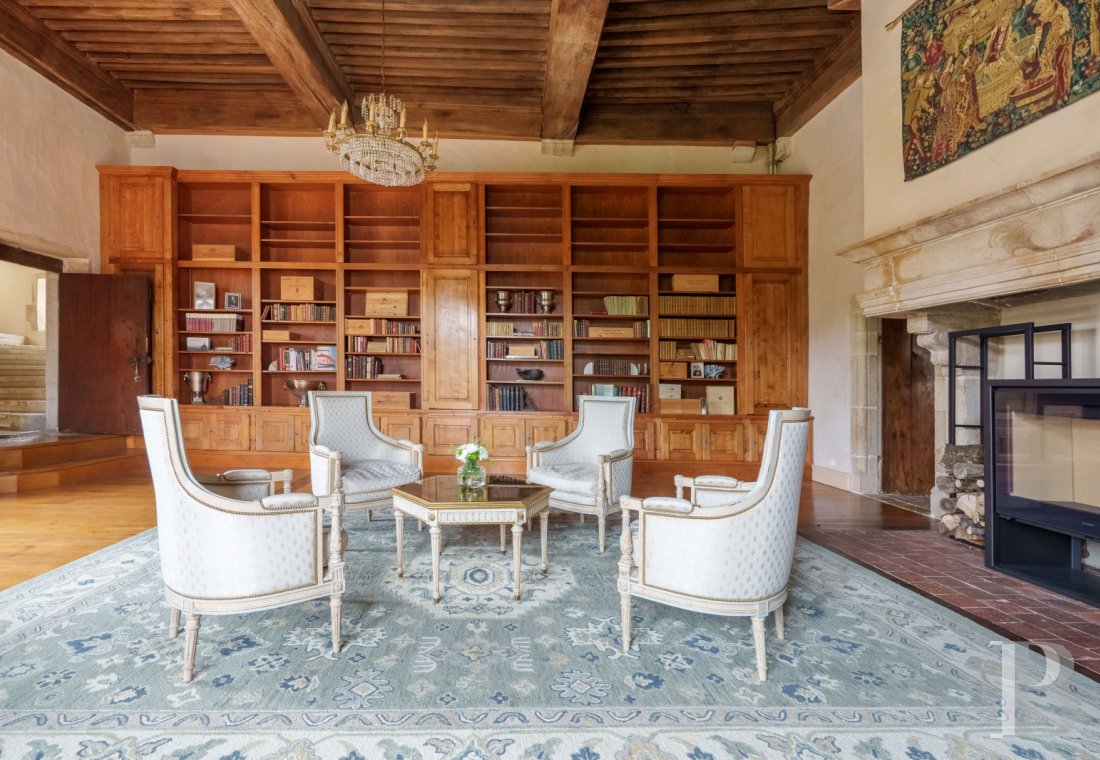
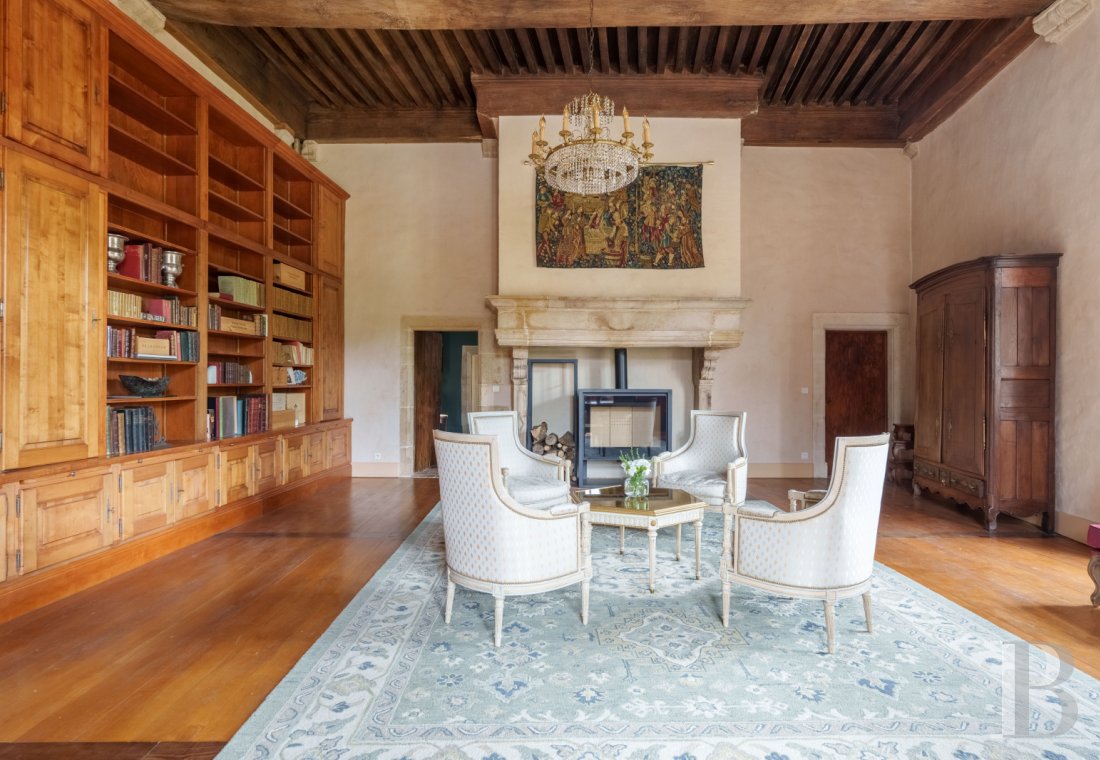
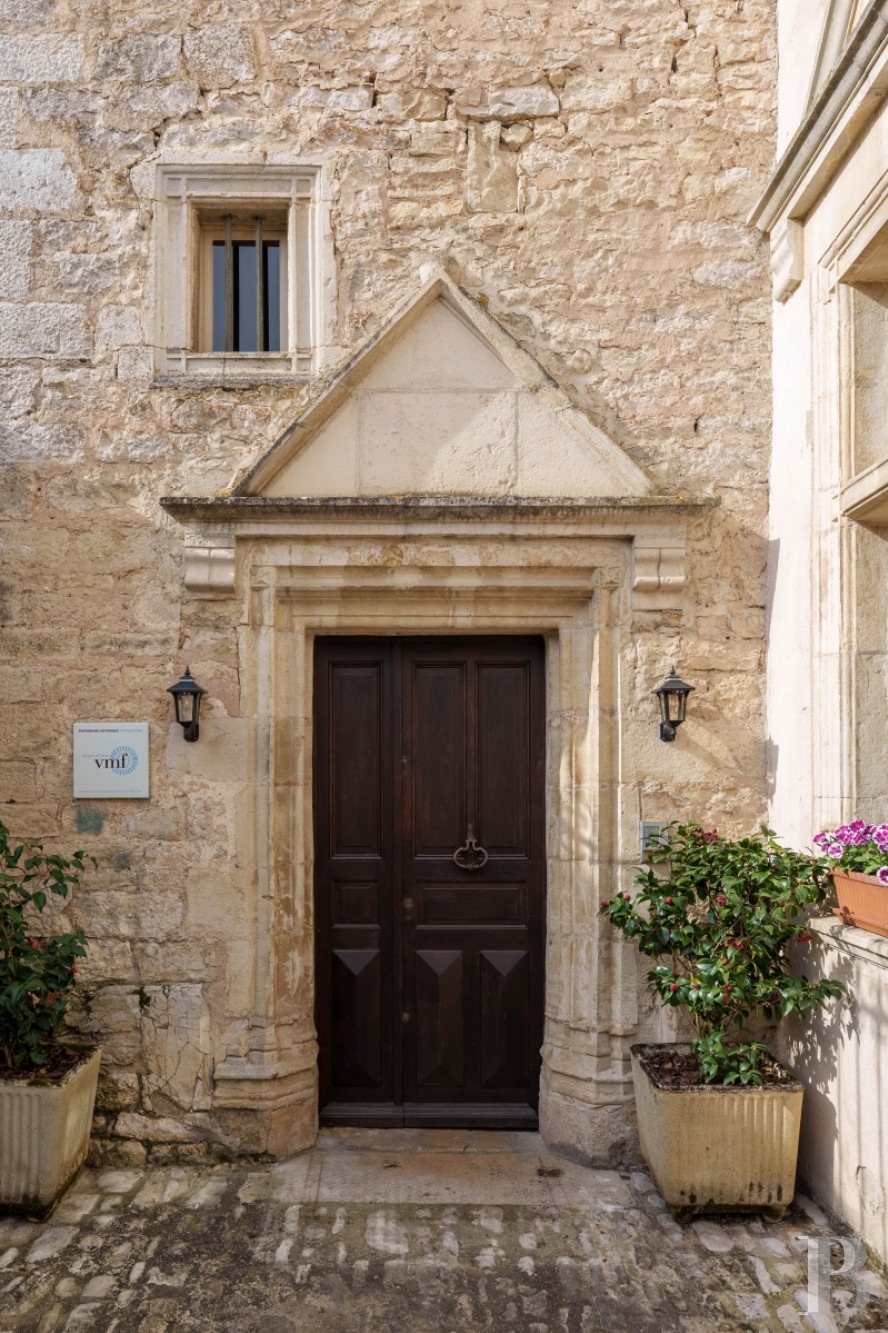
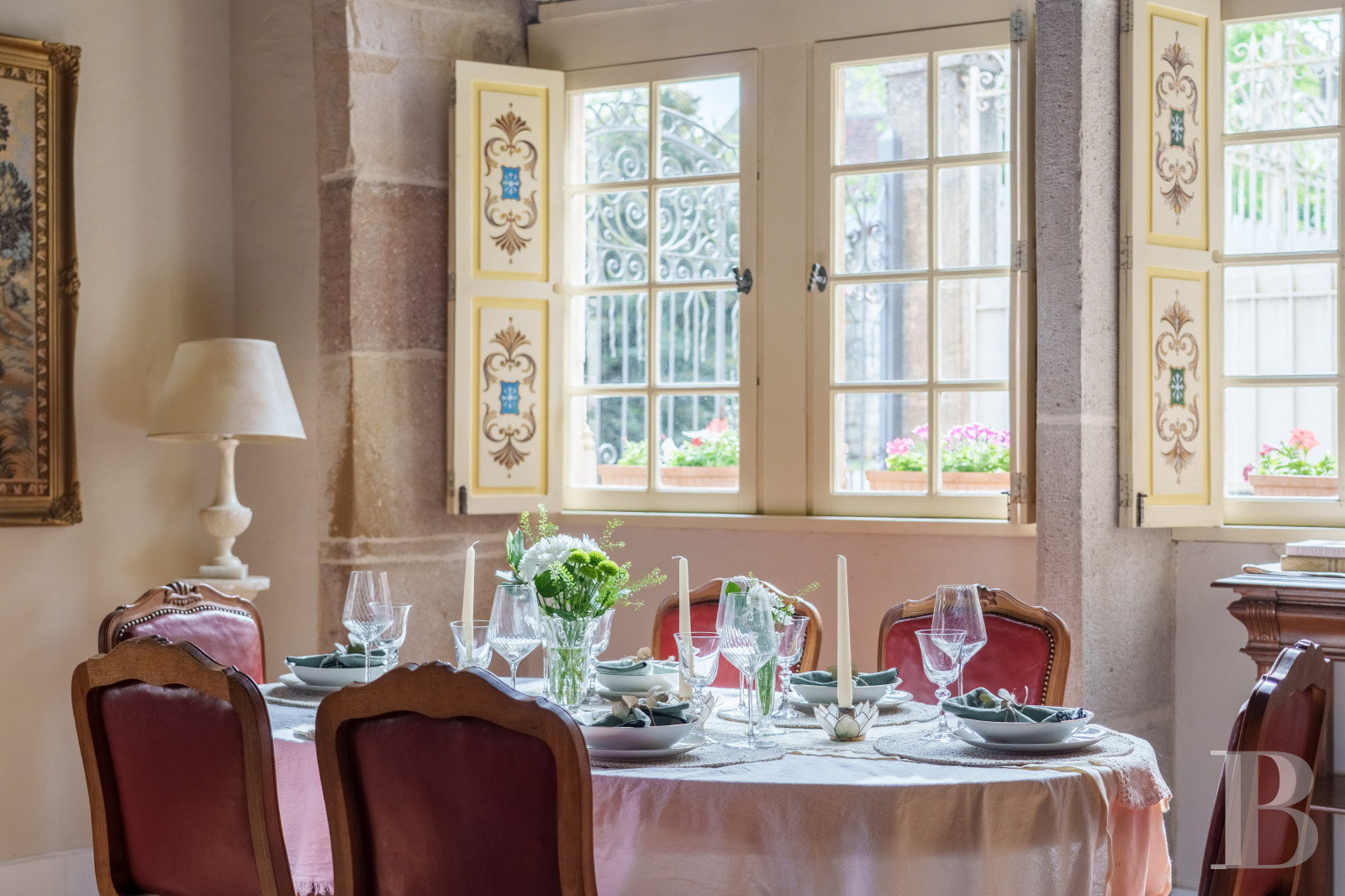
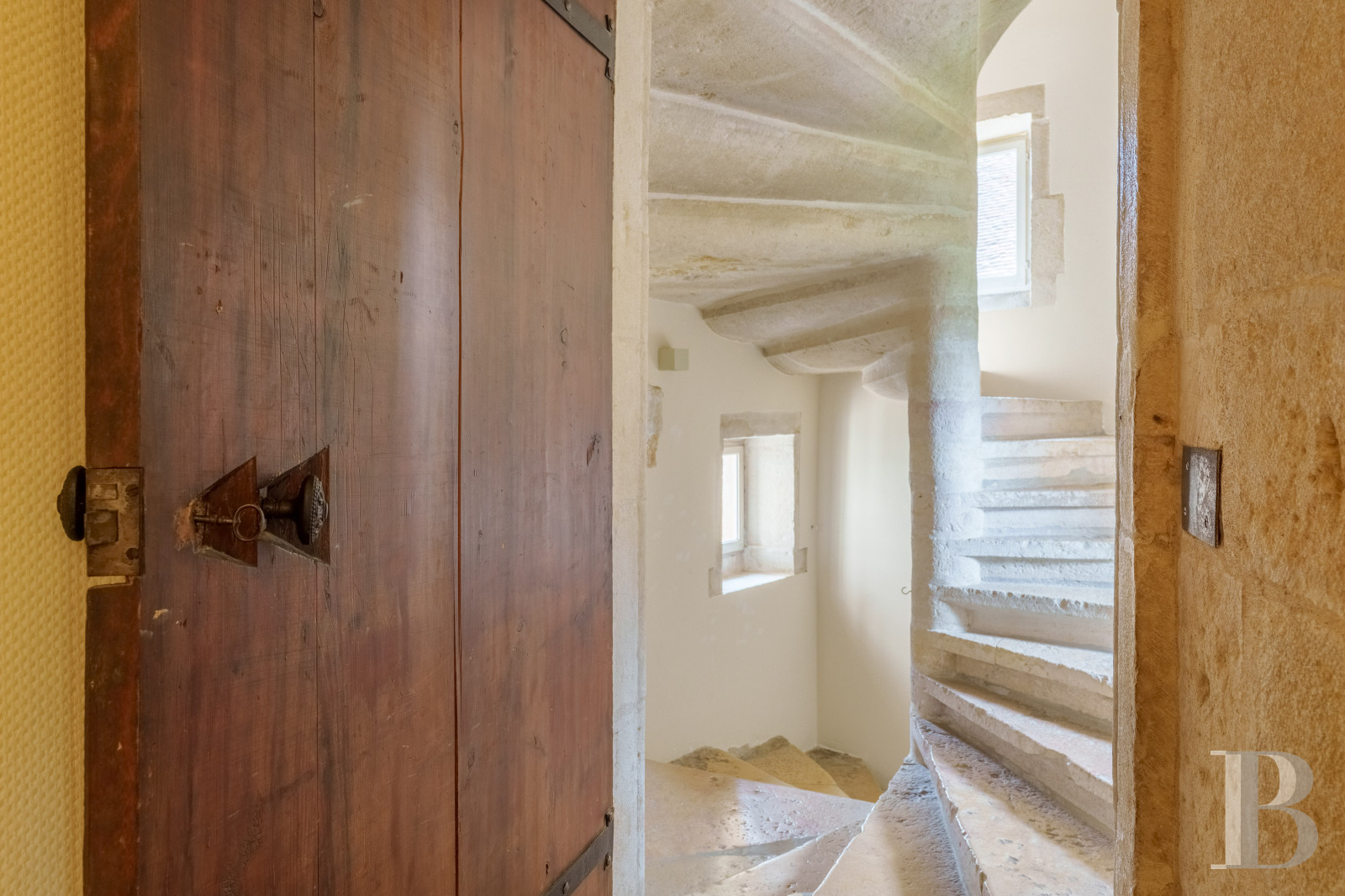
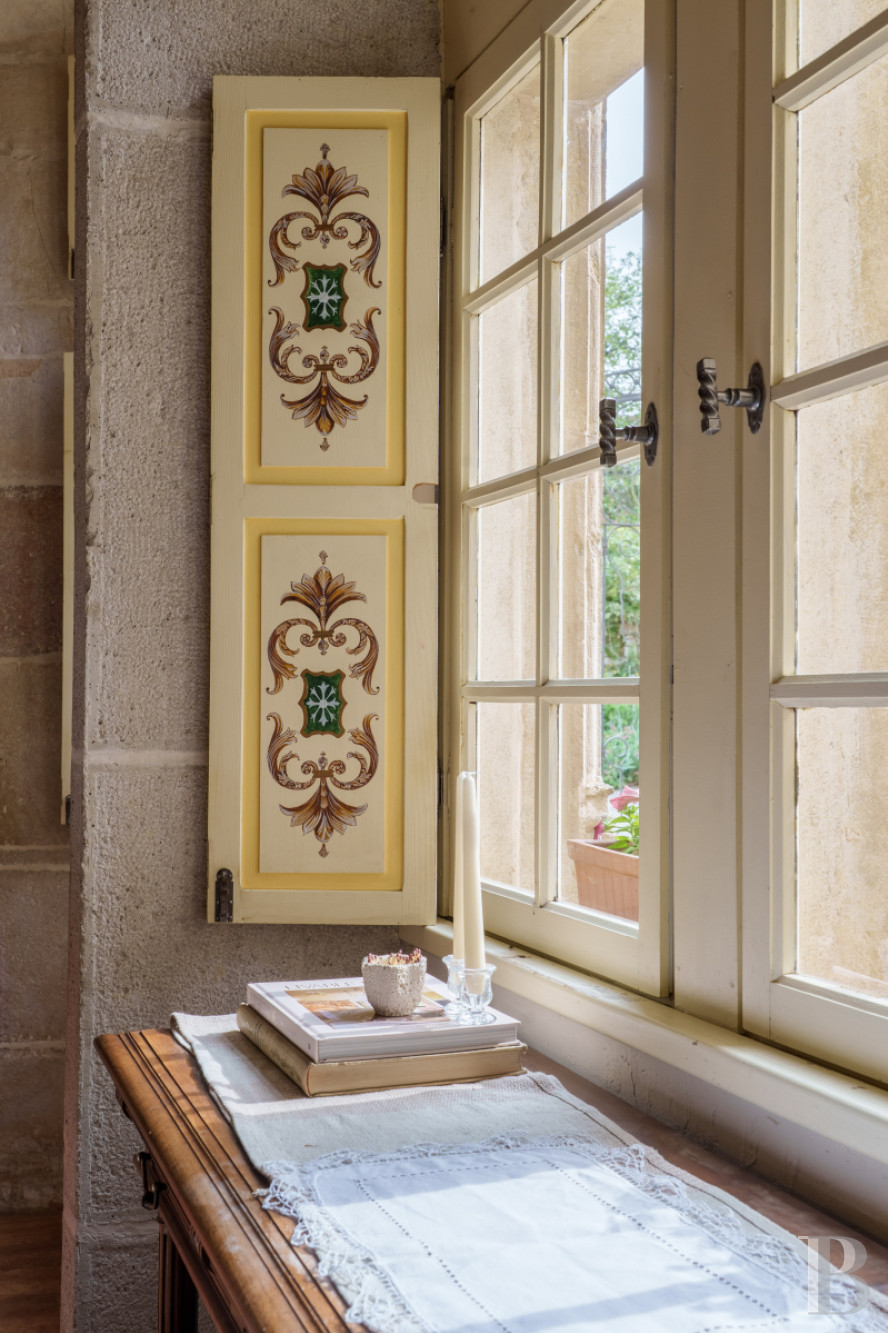
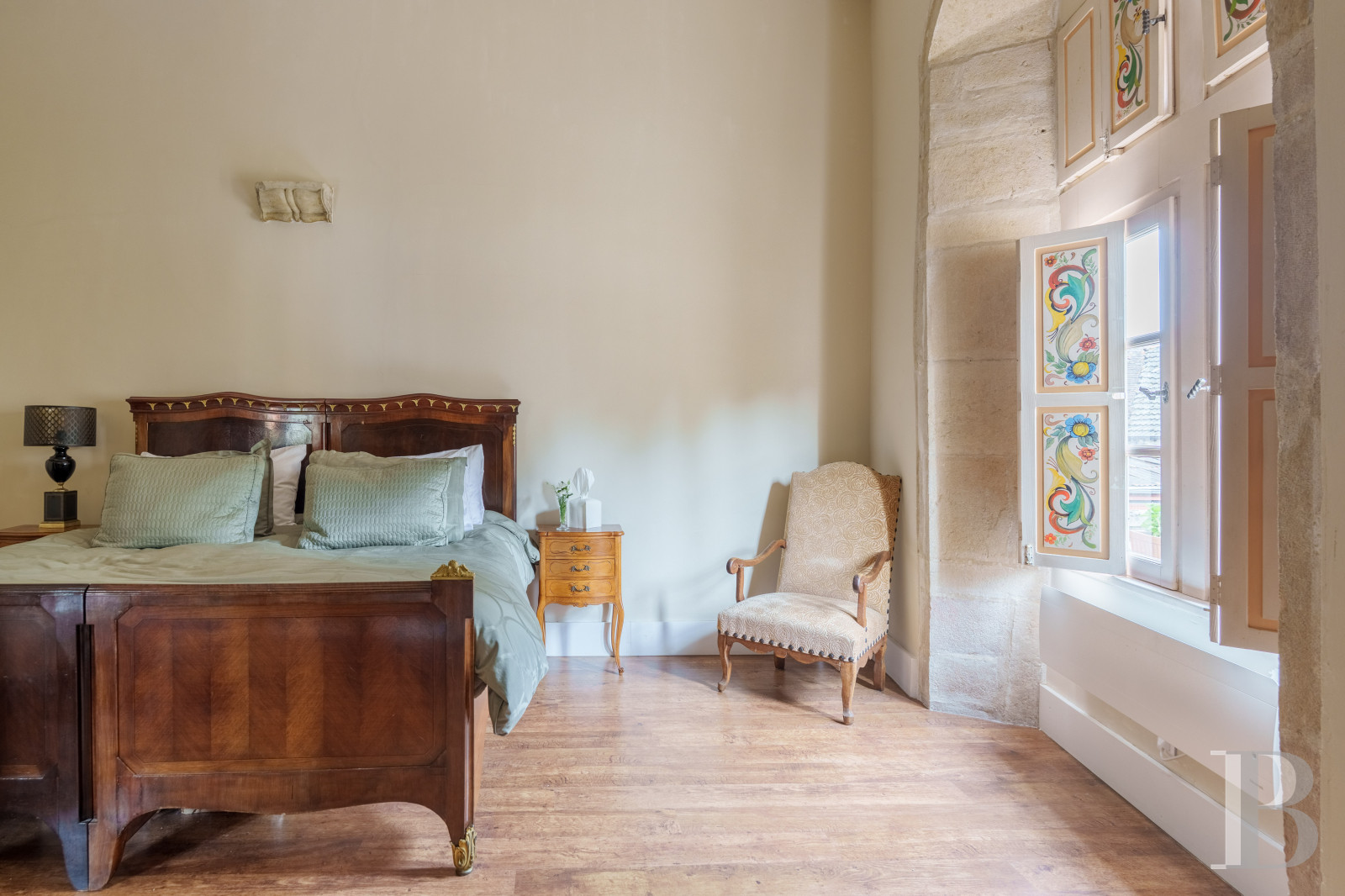
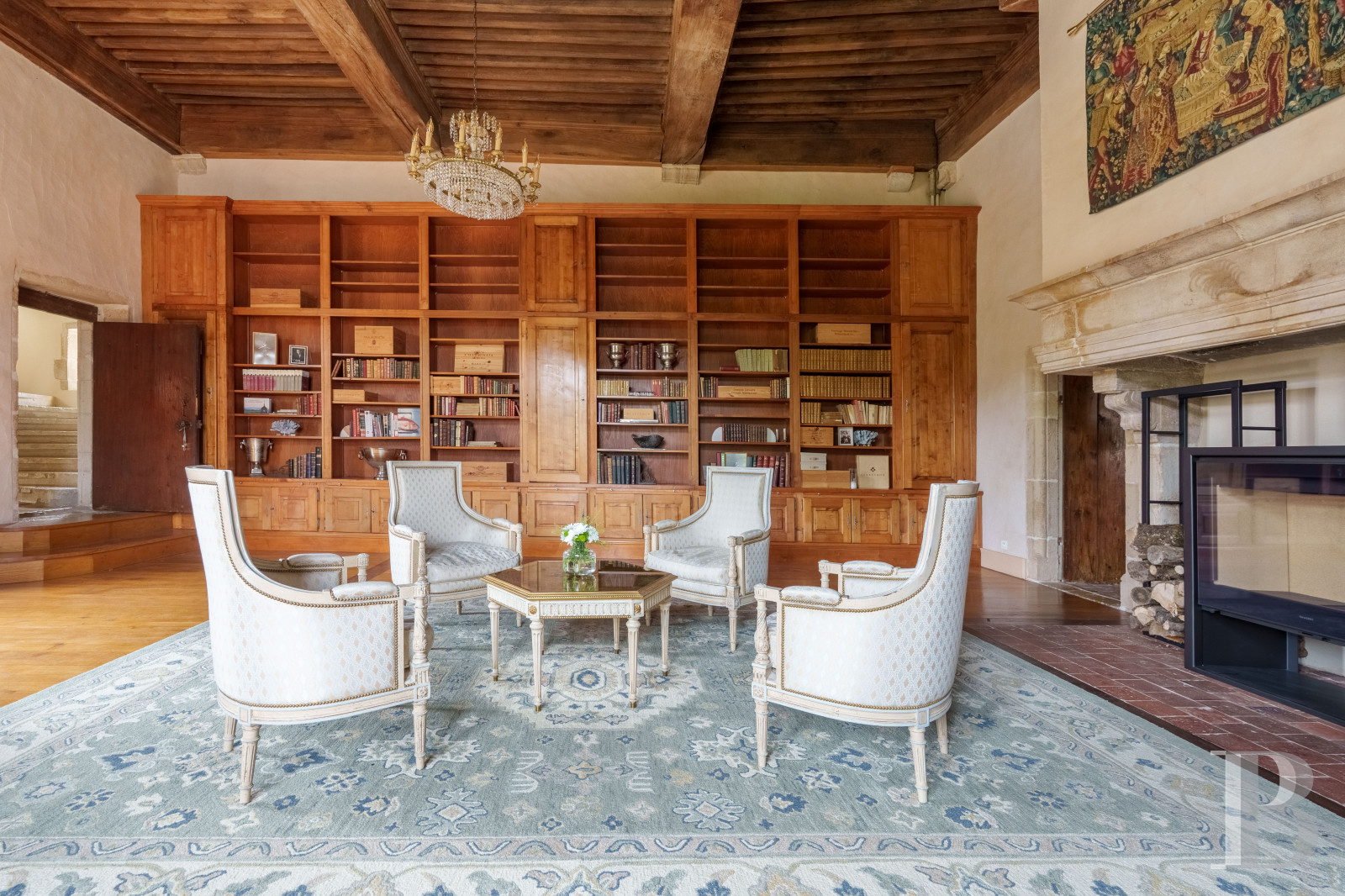
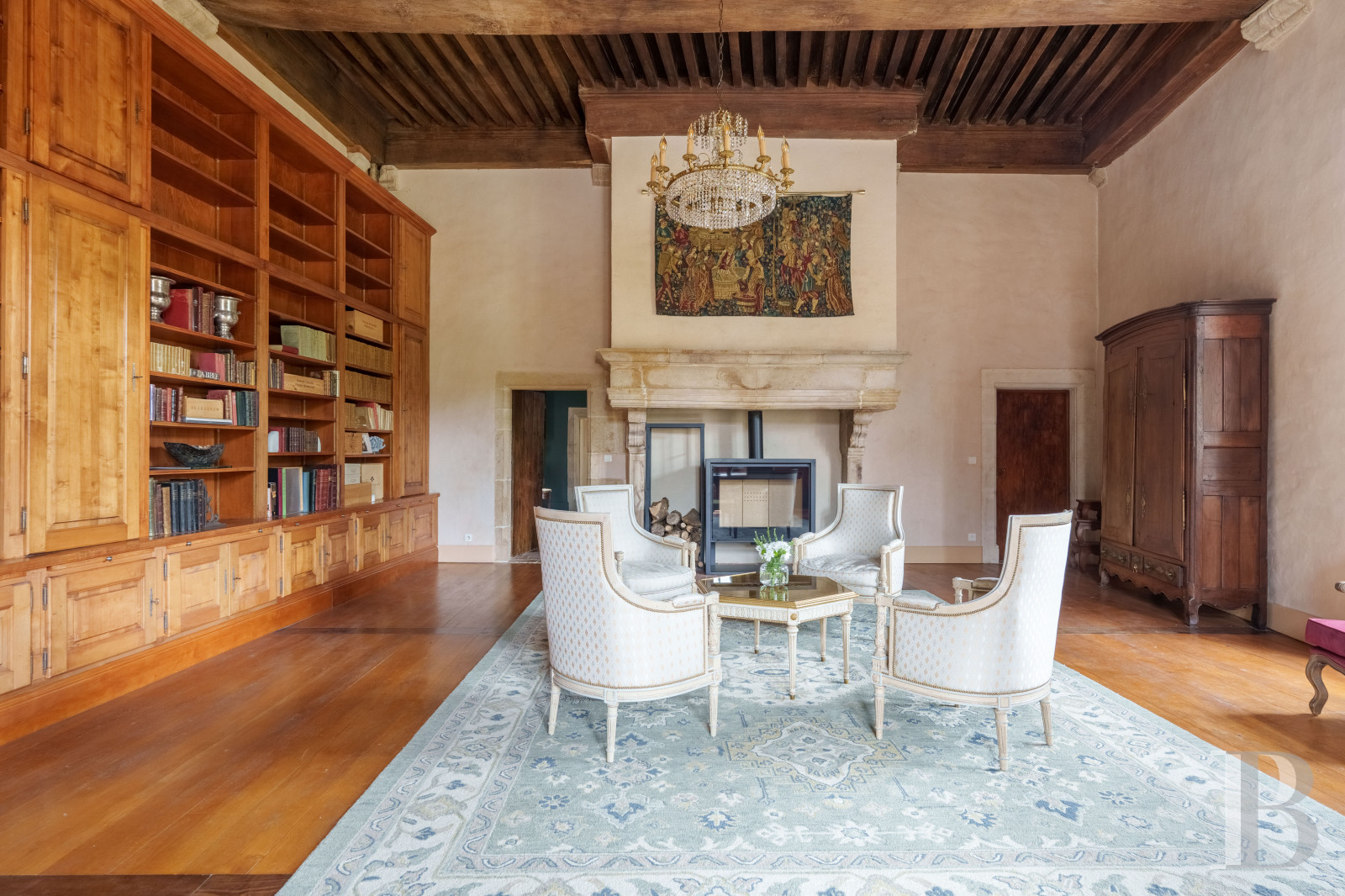
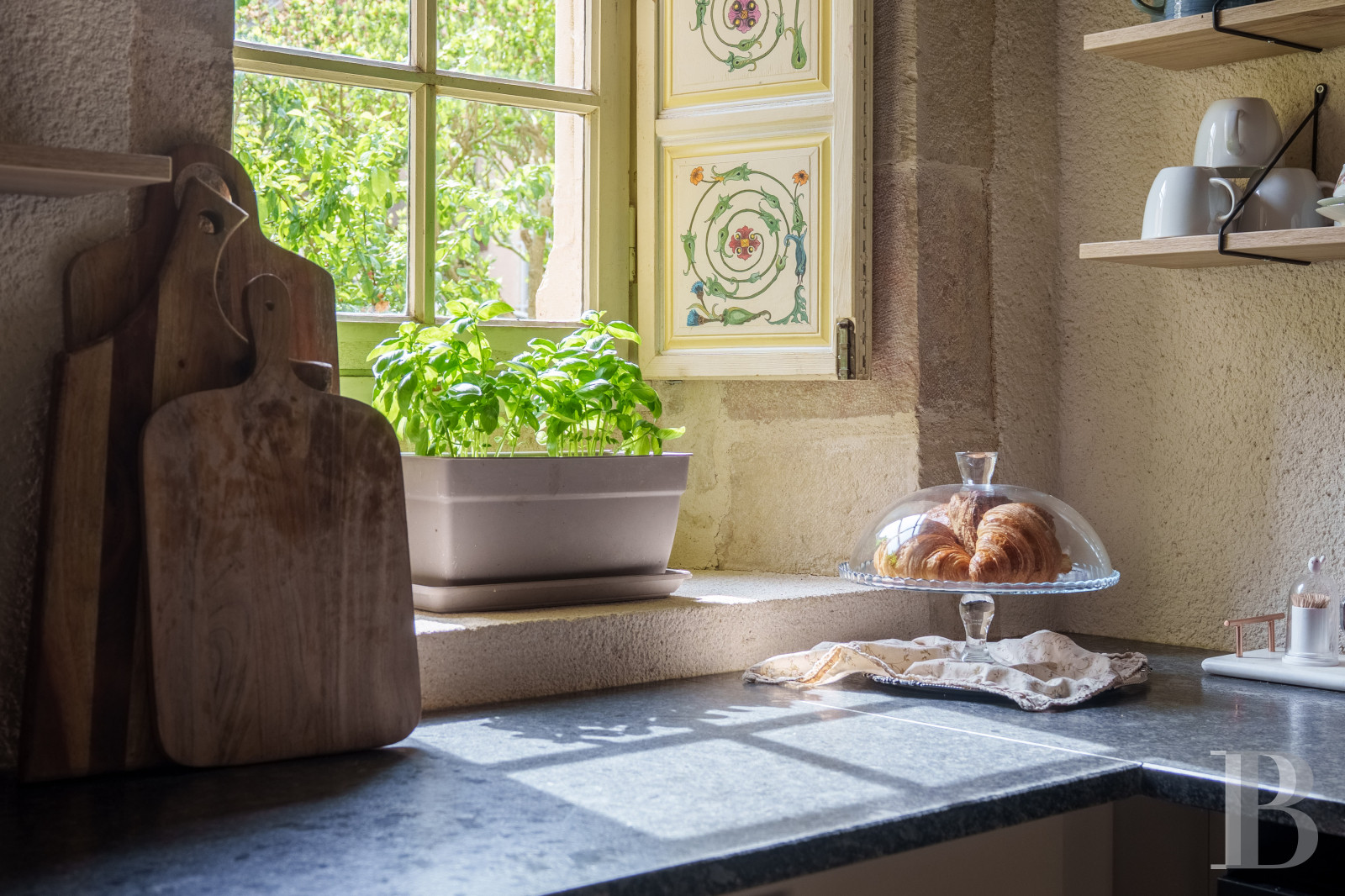
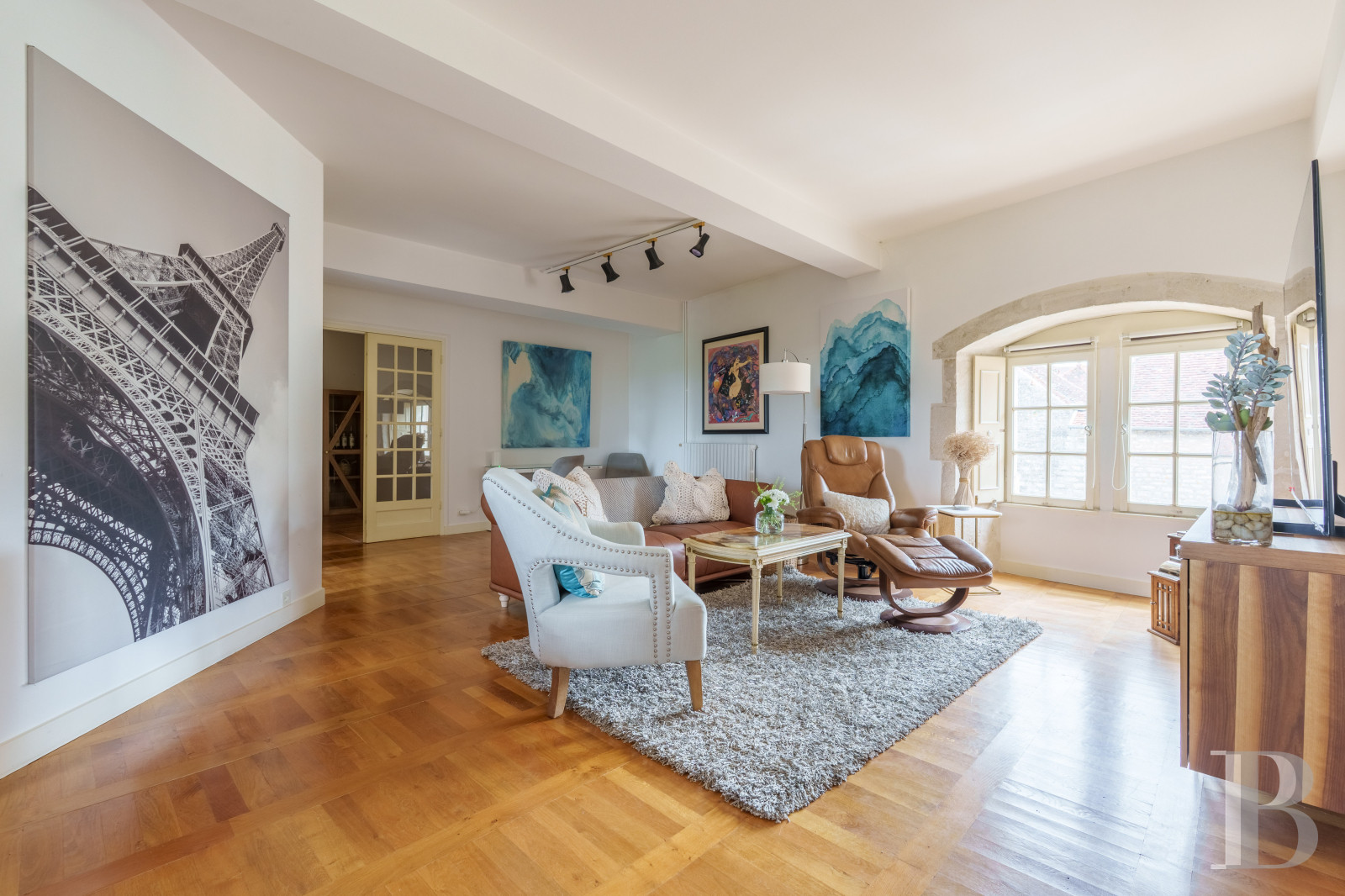
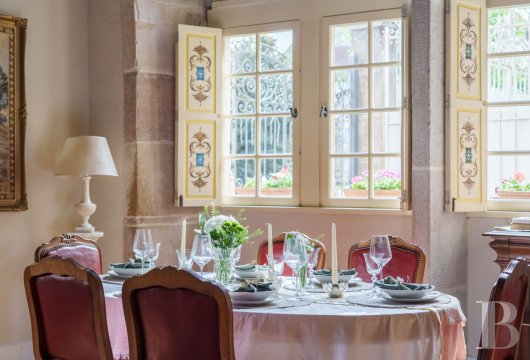
Spanning six floors, the building has retained most of its original structure. It has an L-shaped layout, reflecting two phases of construction in the 15th and 16th centuries. Listed as a Historic Monument since 1977, it enjoys special protection, particularly due to its facade and its remarkable staircase made of Sampans marble, a stone emblematic of the Bourgogne-Franche-Comté region. The previous owner, an artist and art enthusiast, spent nearly 30 years restoring it. He opened up spacious rooms, including the large living room, which measured over 60 m2 and had six-metre high ceilings. The interior windows, entirely hand-painted with heraldic and naturalistic motifs, still bear witness to this artistic sensibility.
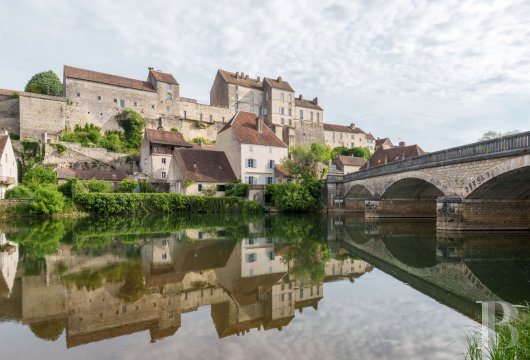
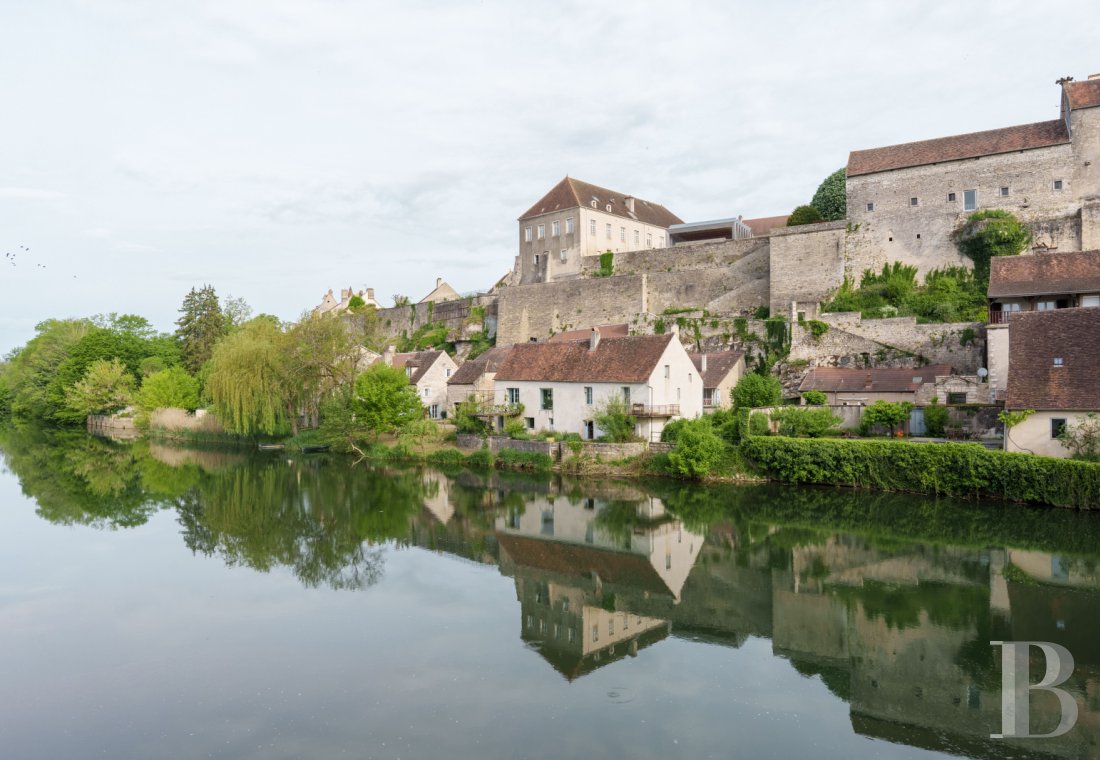
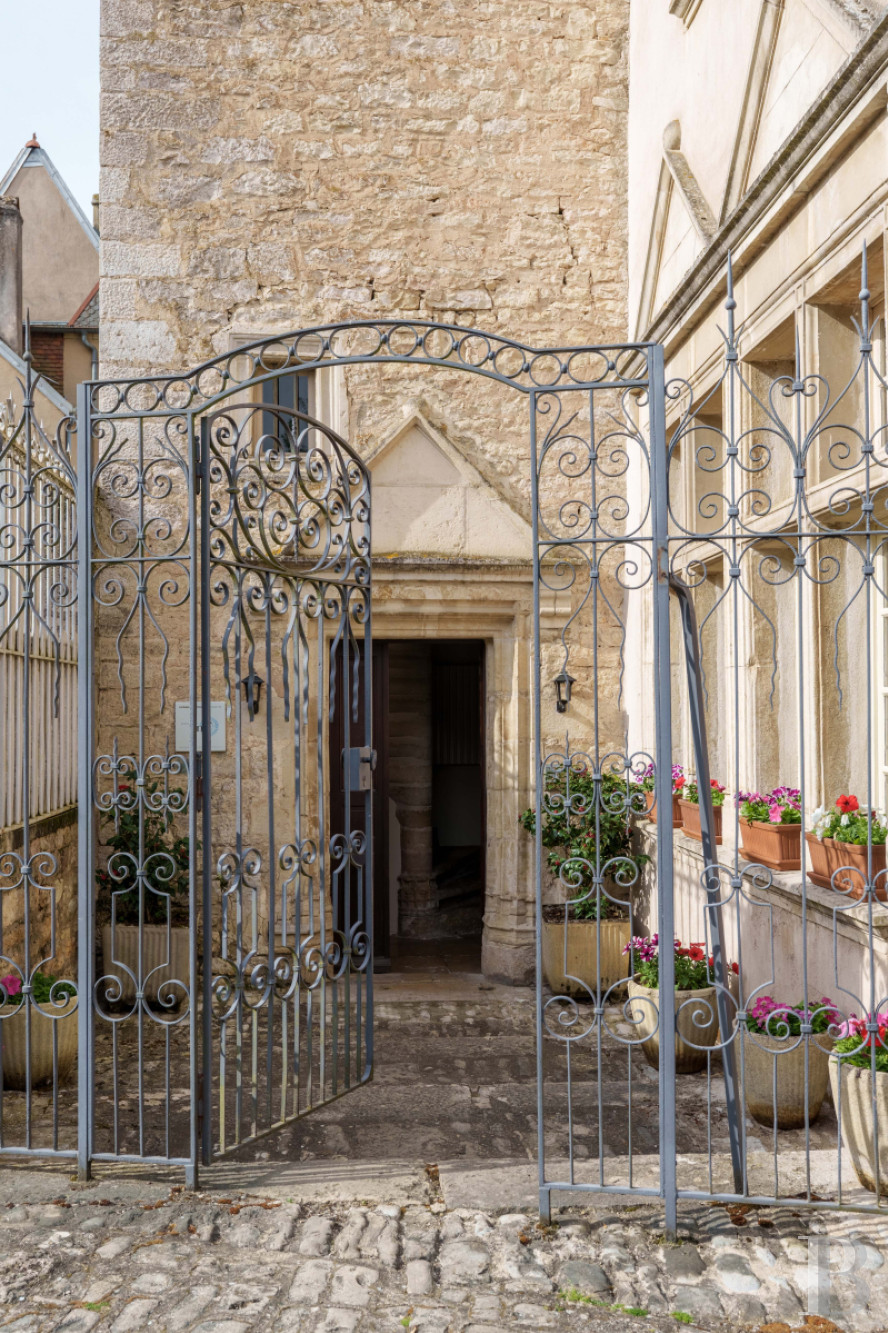
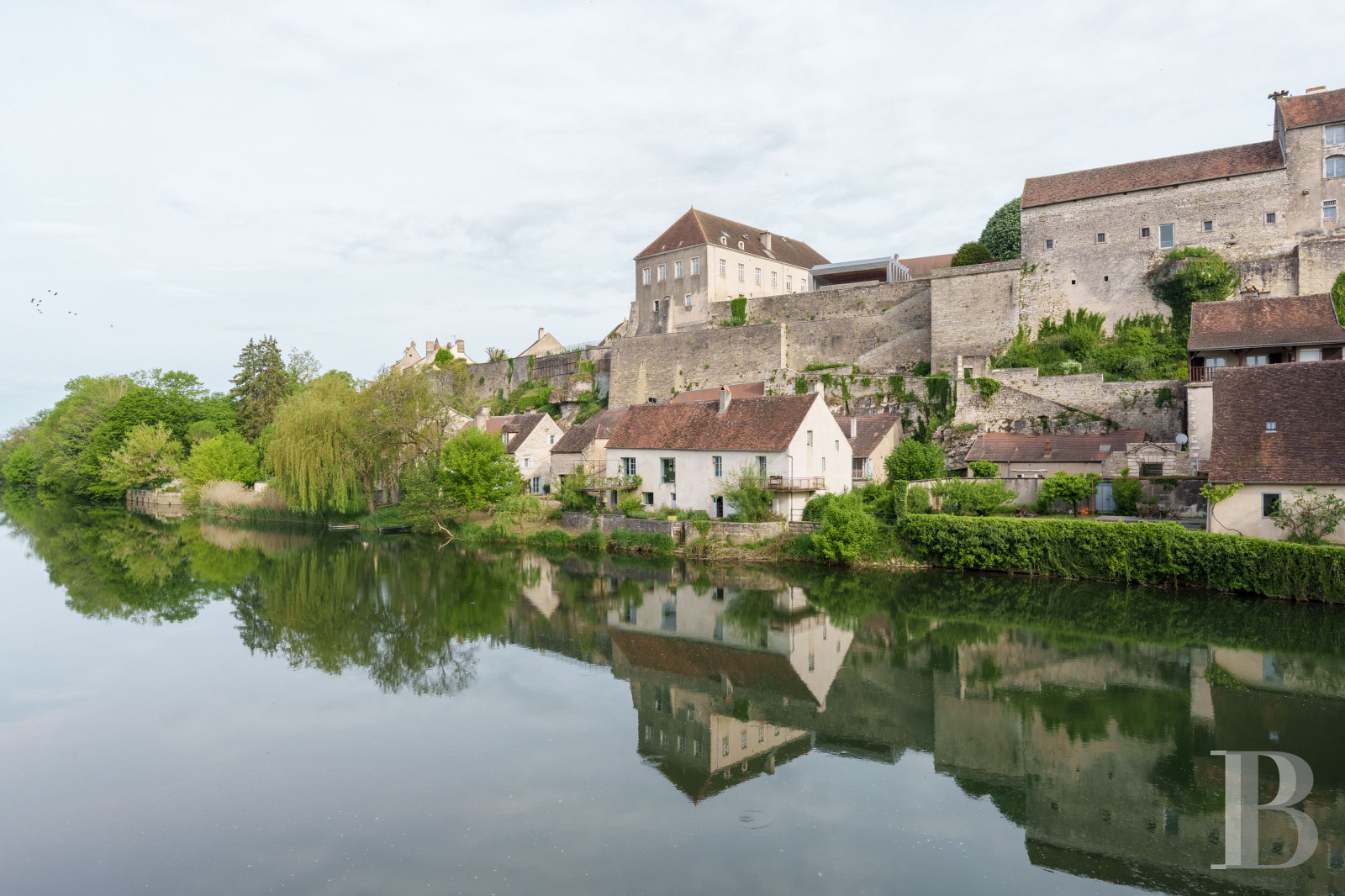
Built between the 12th and 13th centuries and first recorded on this site in 1509, the chateau has played a major historical role in the life of the town. Overlooking the River Oignon, which flows behind the property, it once controlled access to the village: anyone arriving by river had to obtain the lord’s permission before entering the town. The south wing, built in the 15th century, was connected to the north wing in the following century by a square tower housing a spiral staircase, probably on the initiative of Guyon Mouchet, Lord of Rouillaud Castle. Sold as national property during the Revolution of 1789, the building suffered significant damage before a new owner undertook an ambitious restoration project in 1891. The old wine storehouse was then converted into a residential property, breathing new life into the whole complex.
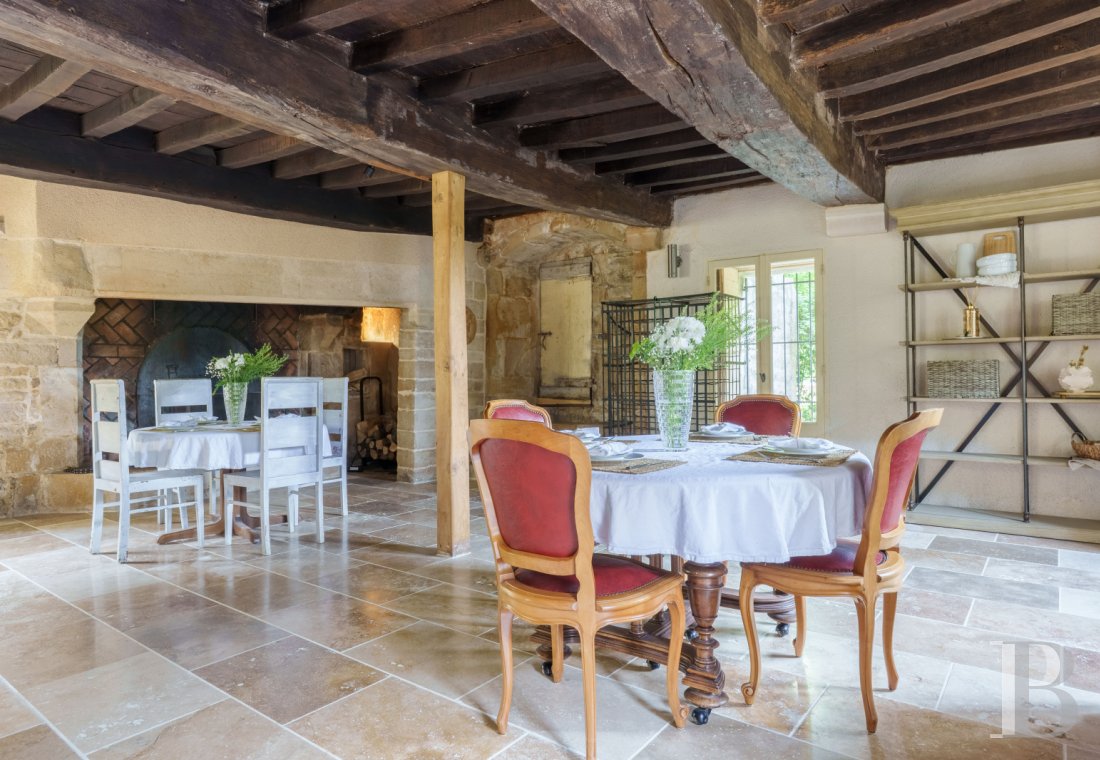
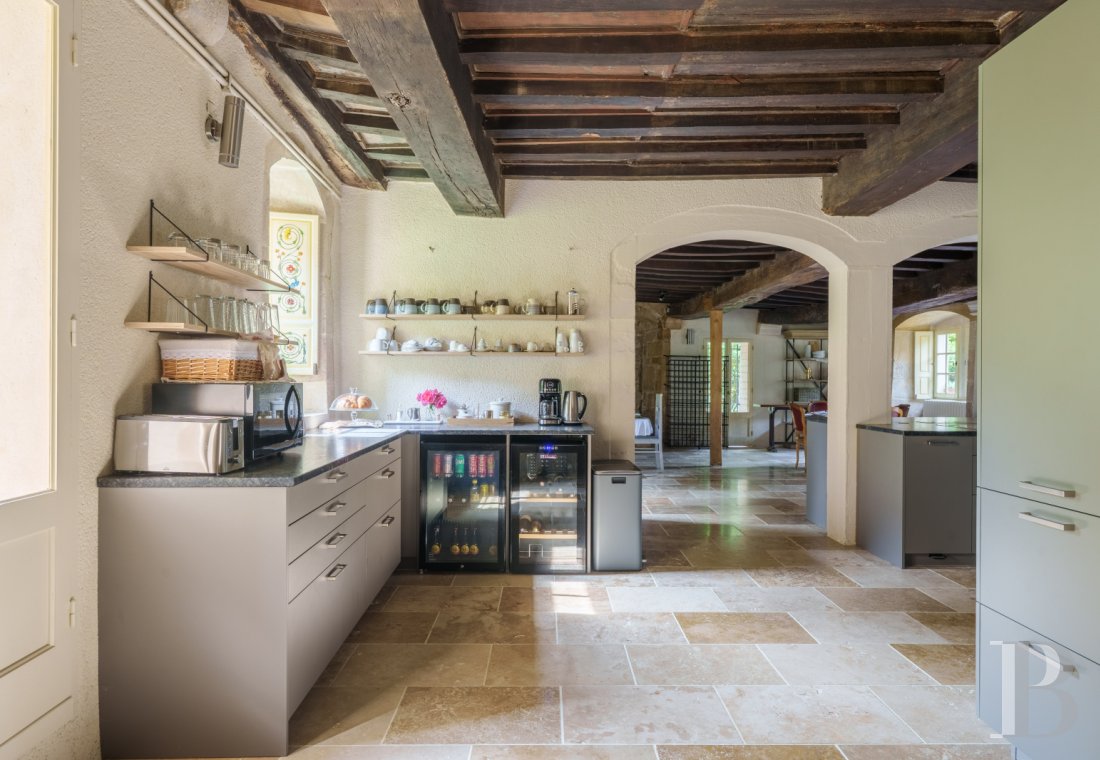
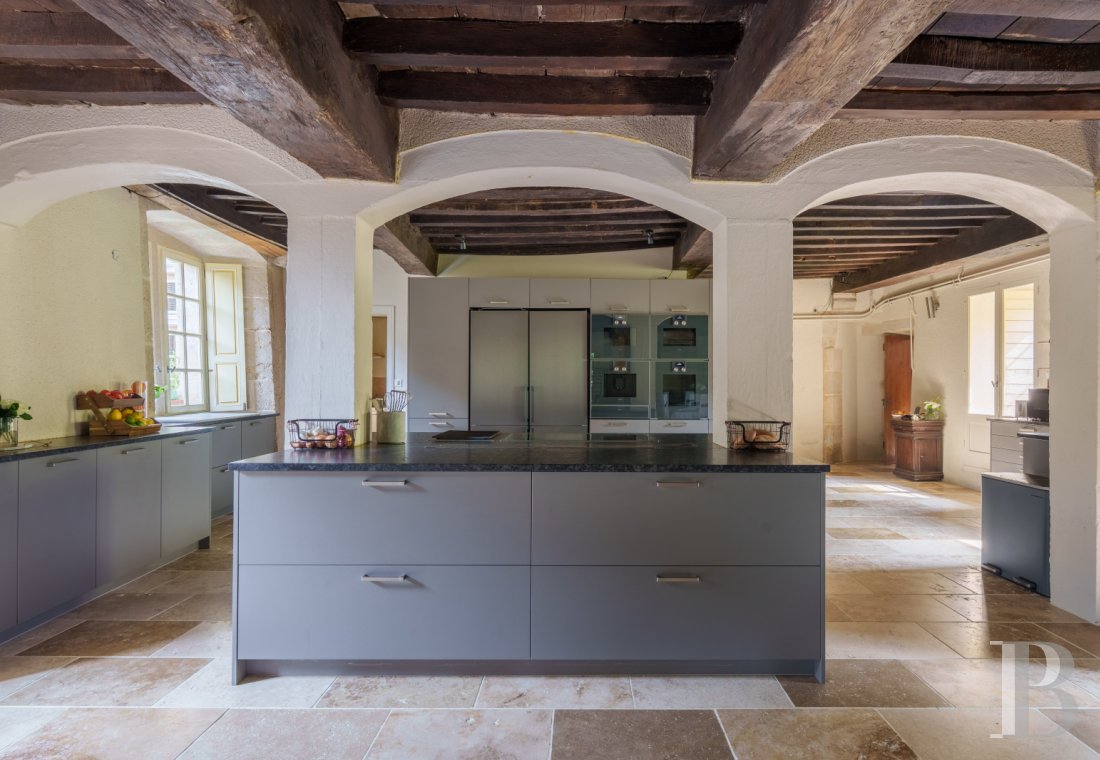
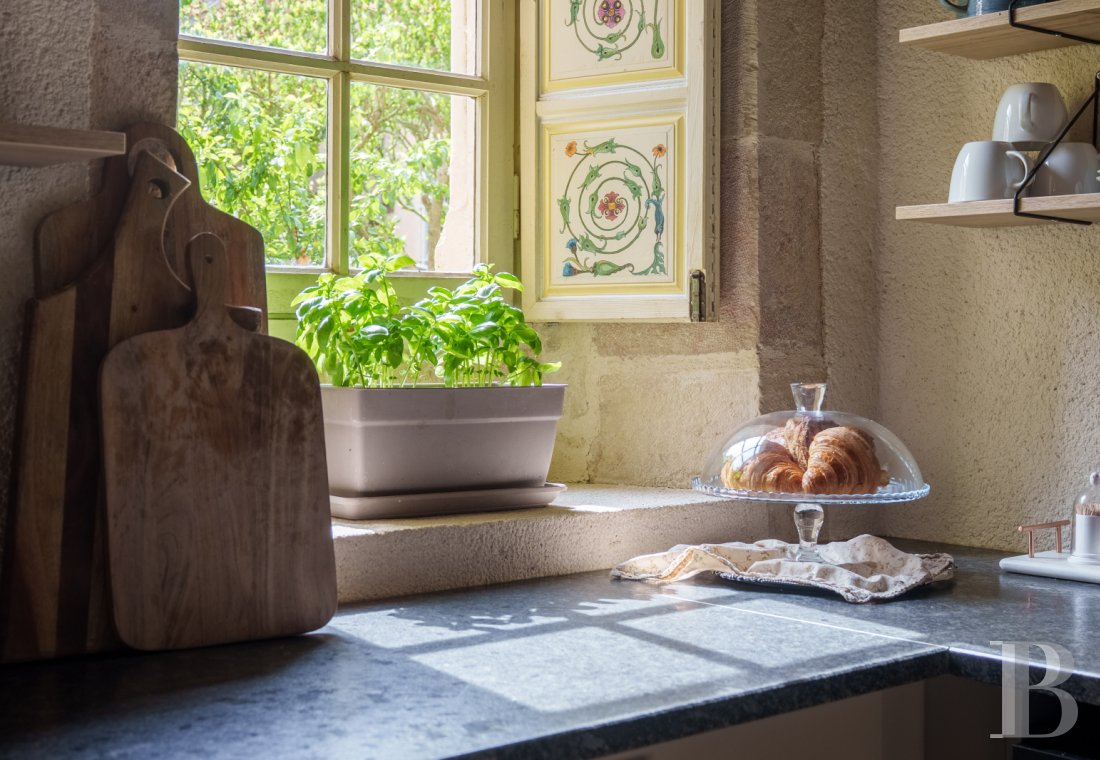
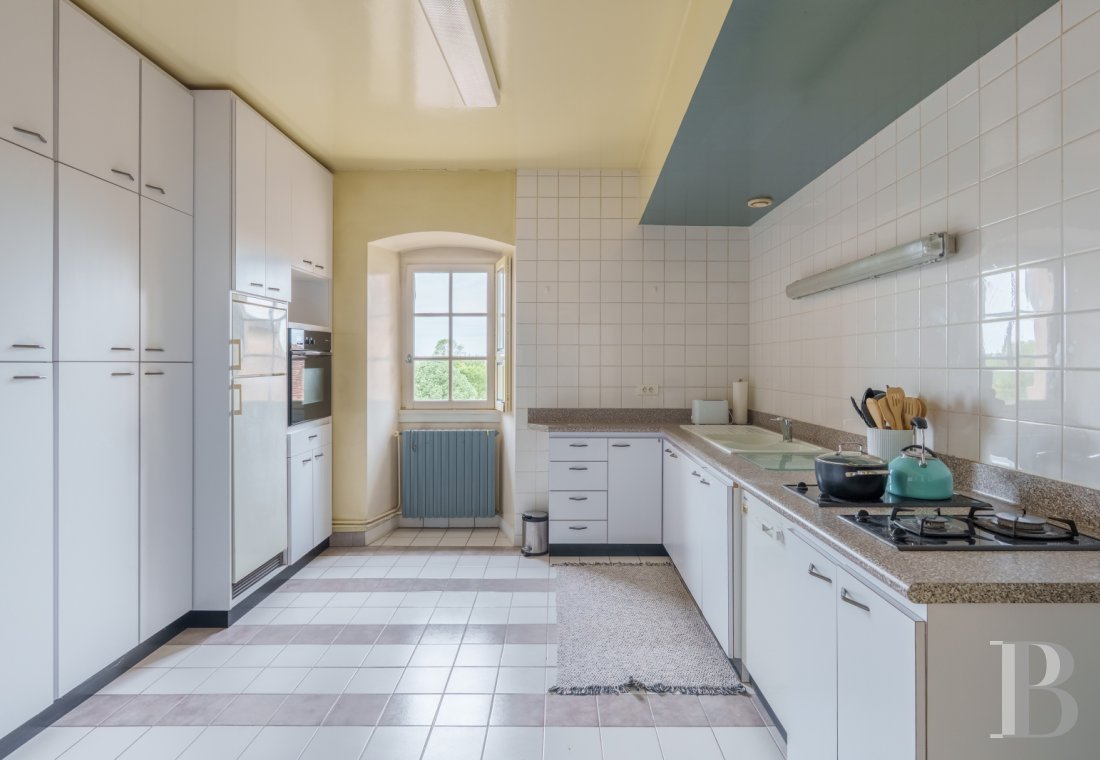
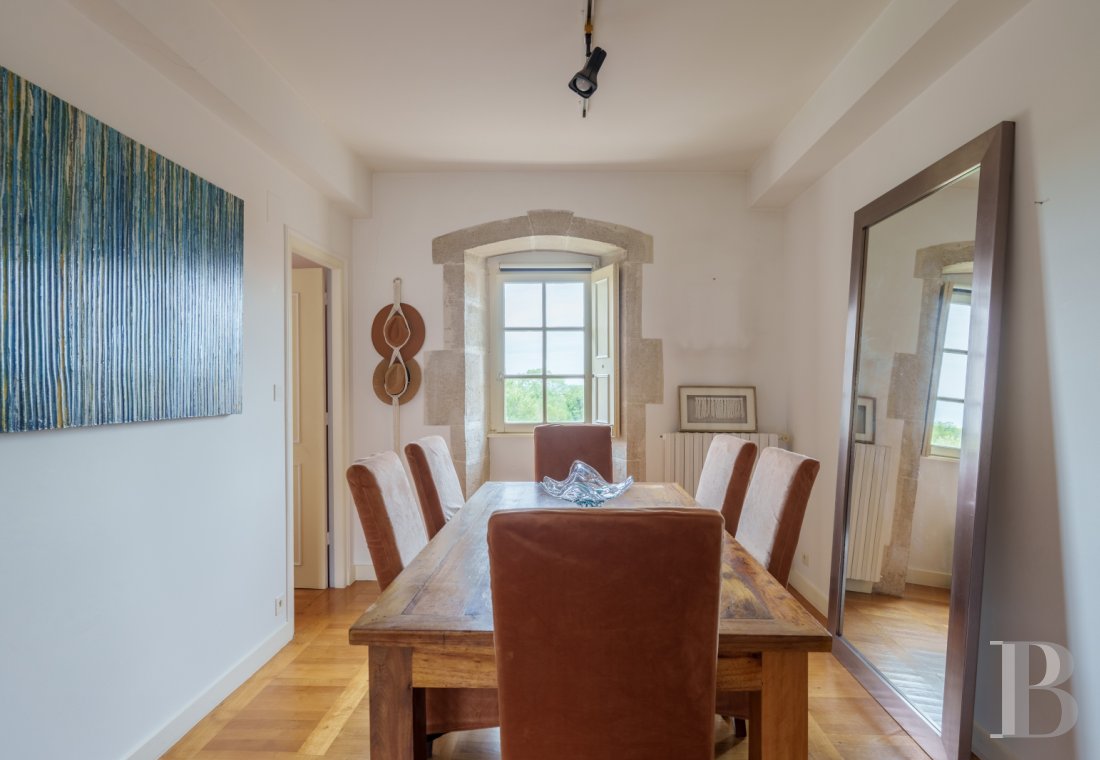
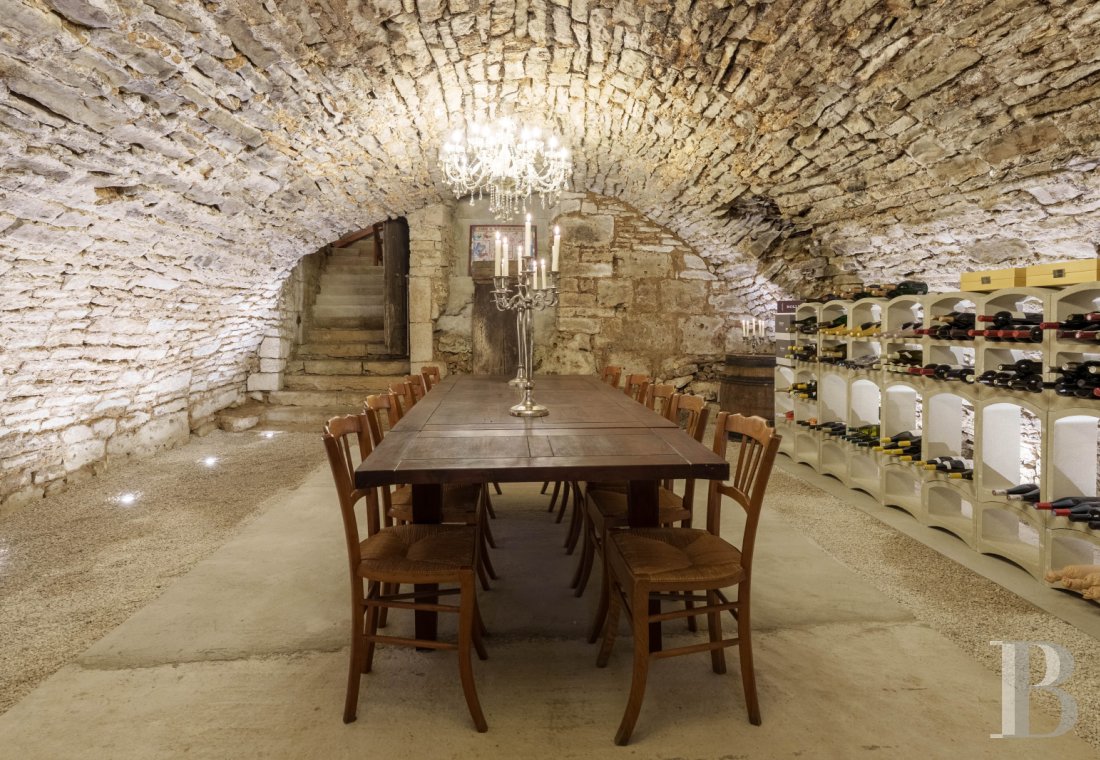
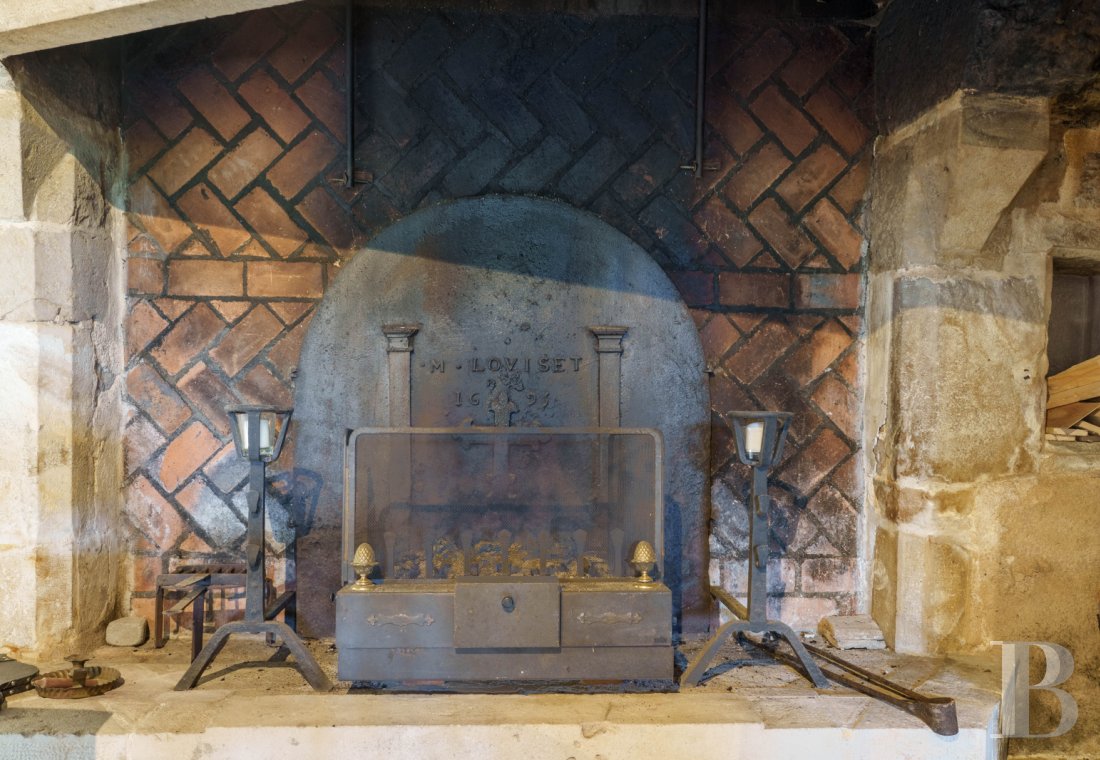
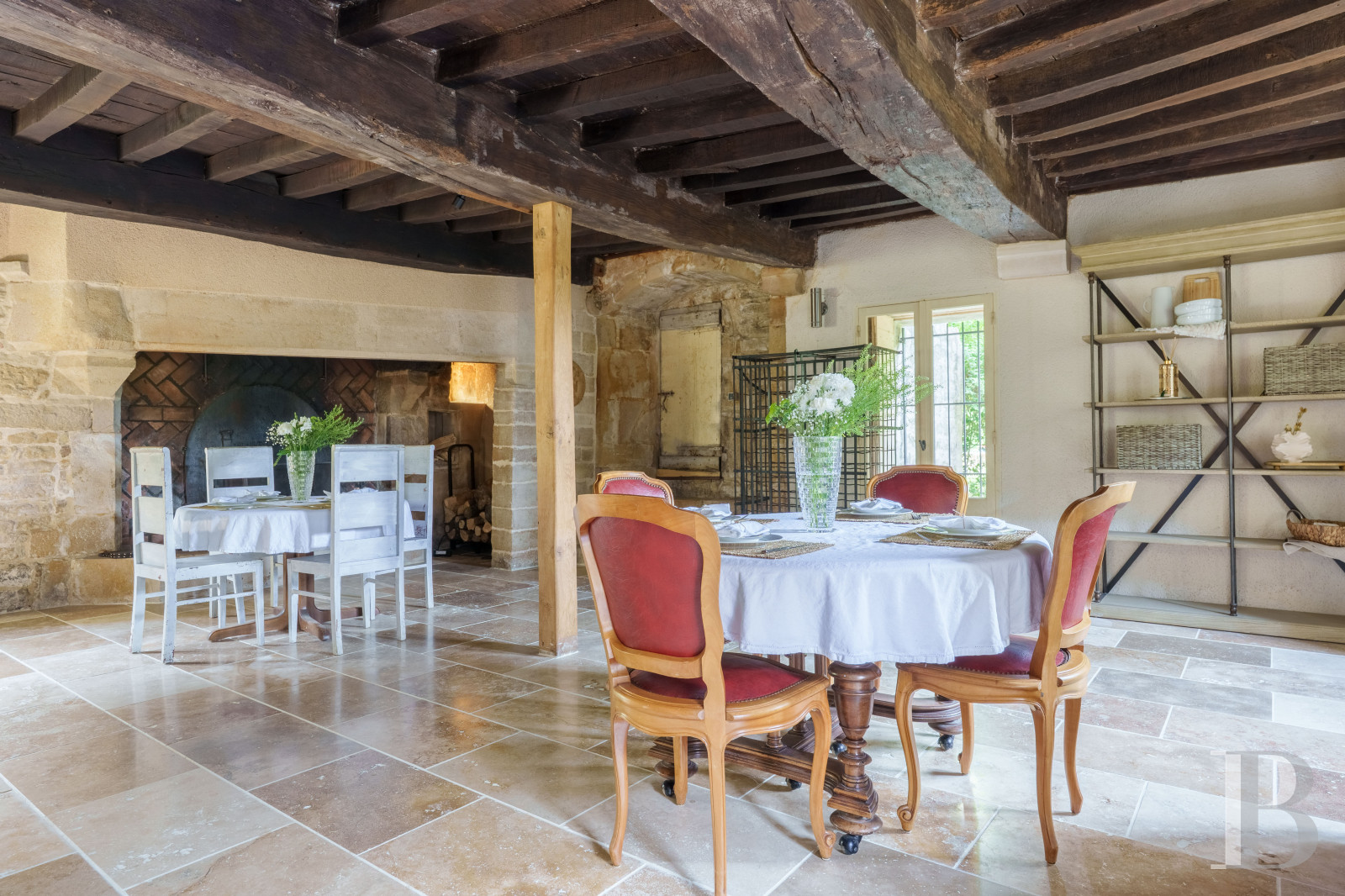
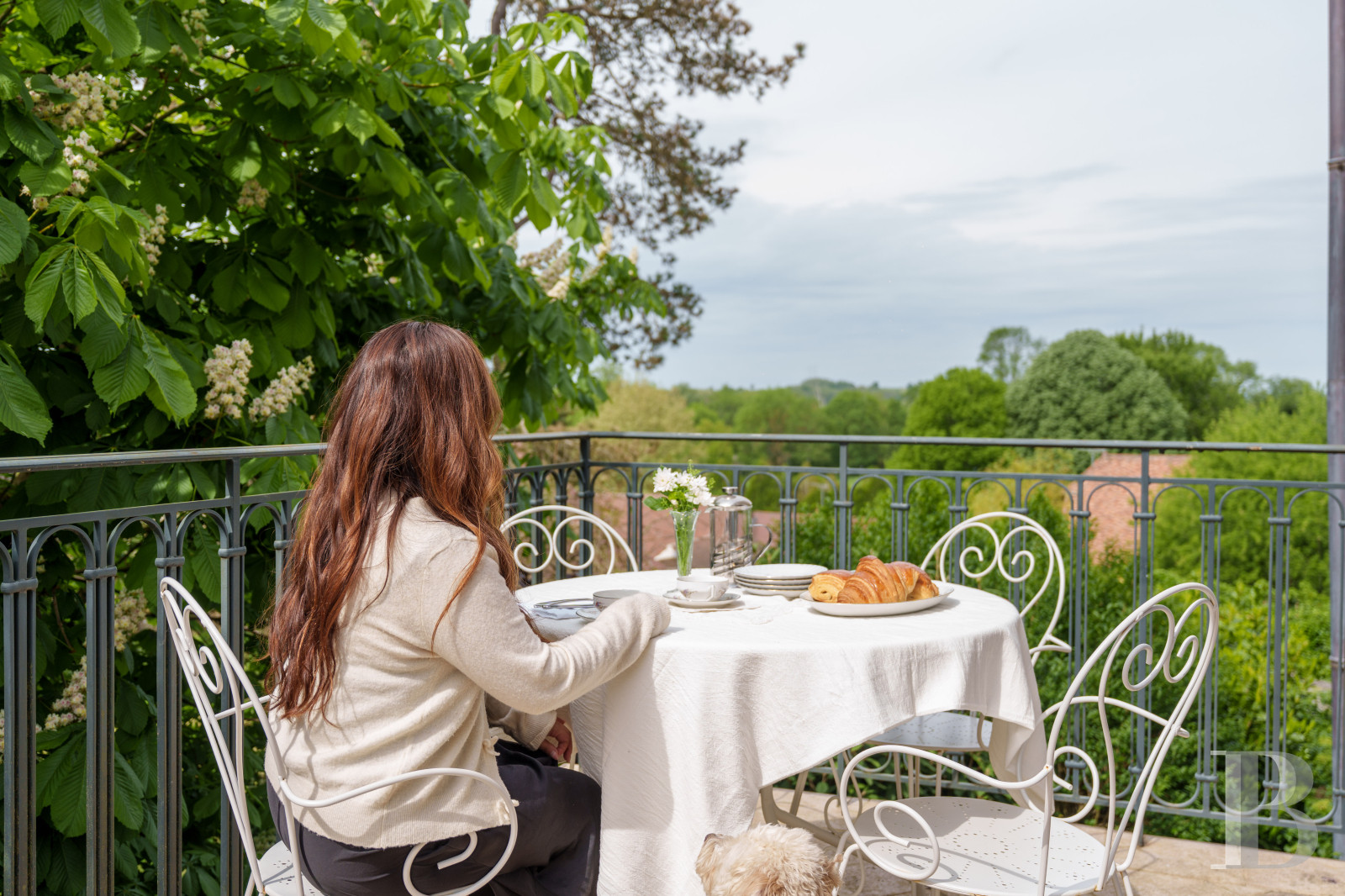
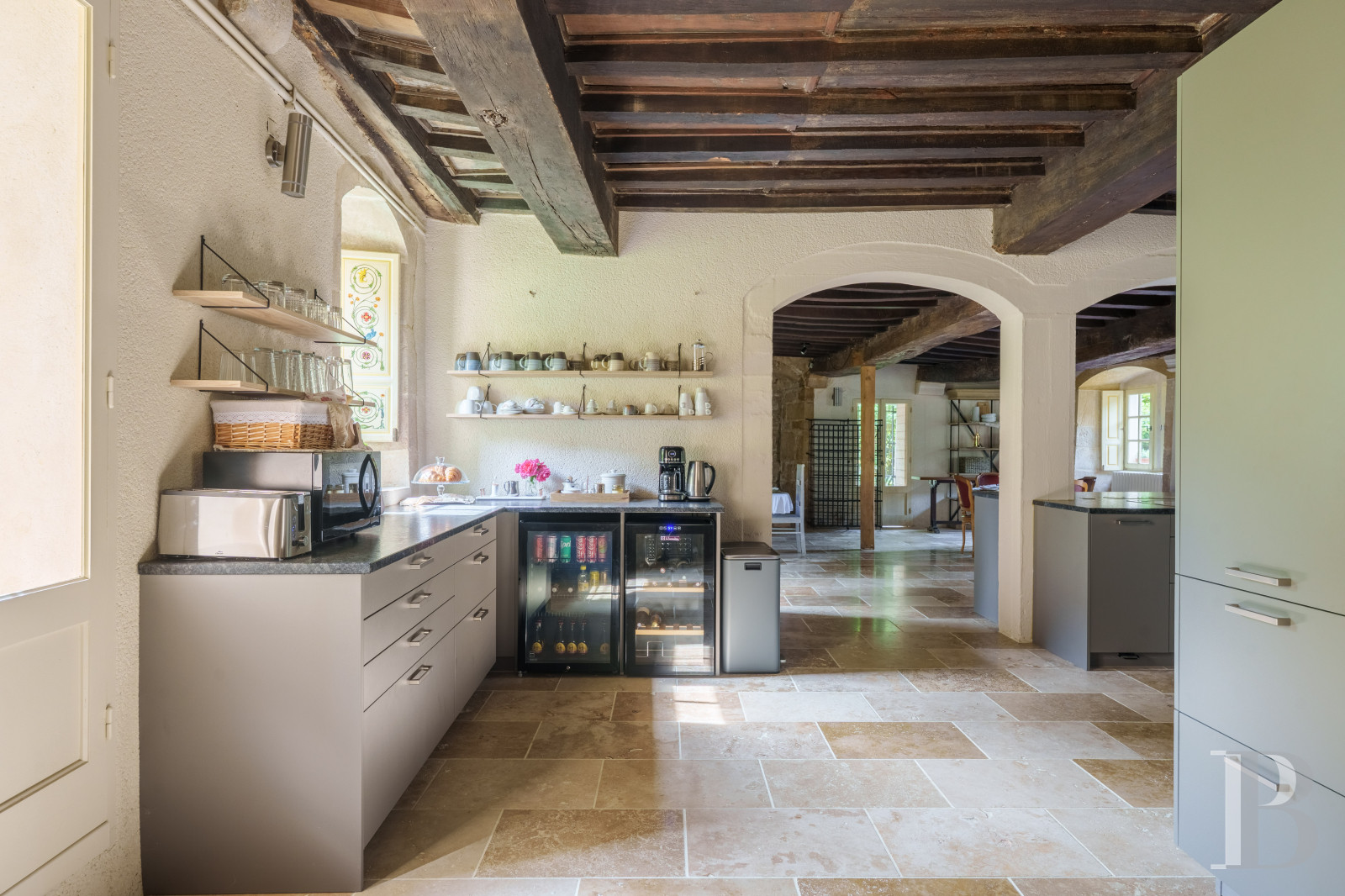
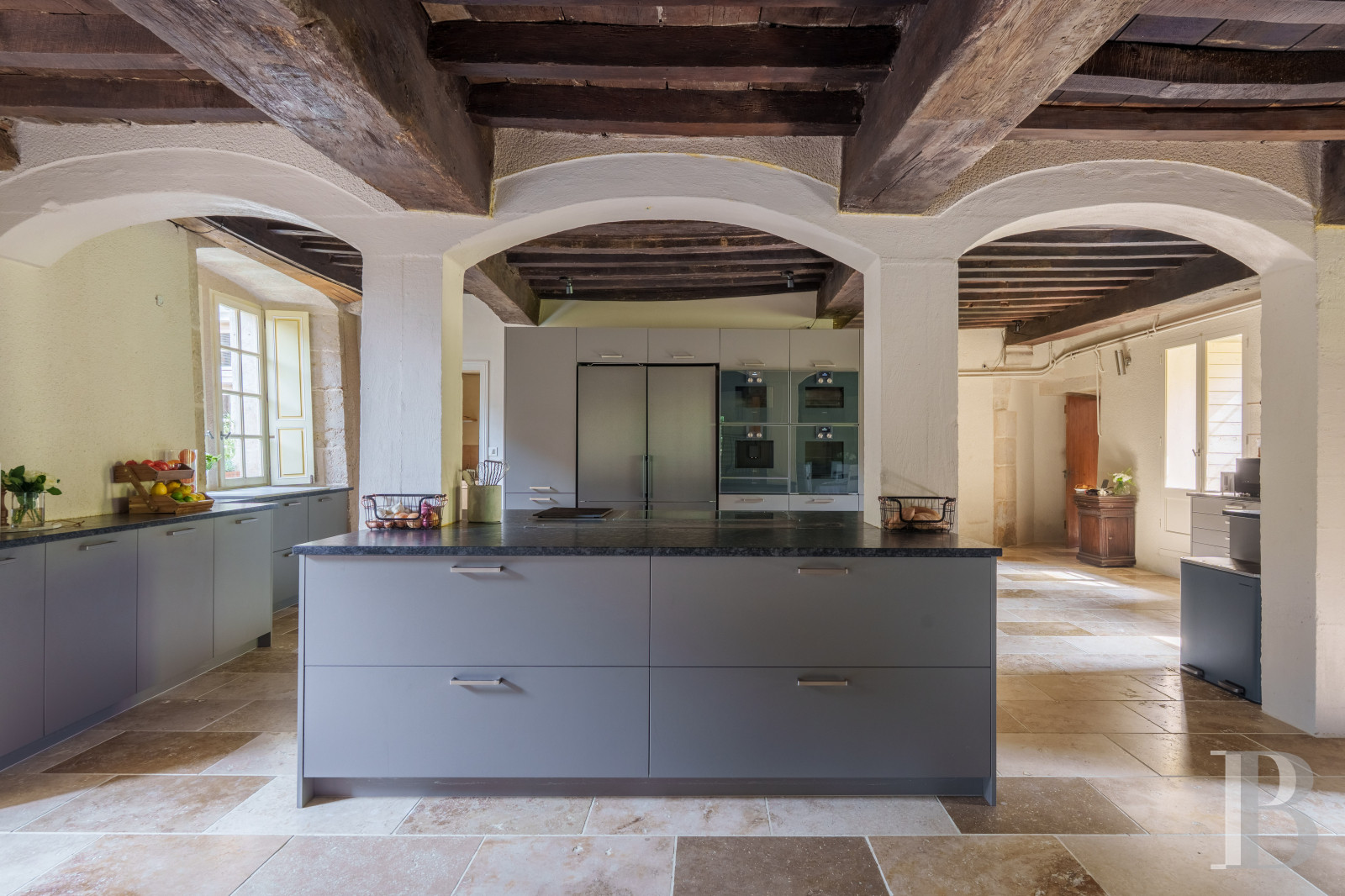
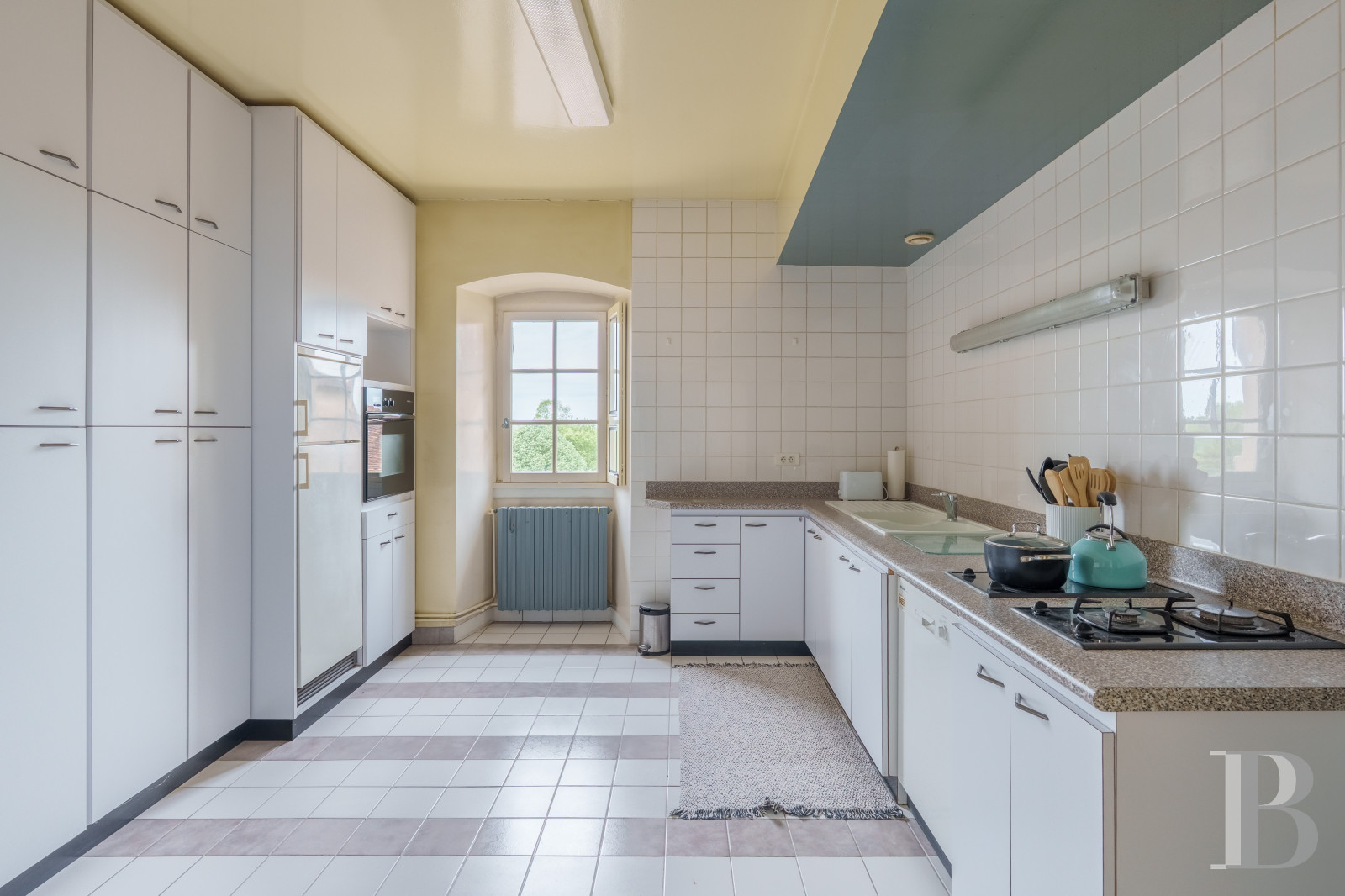
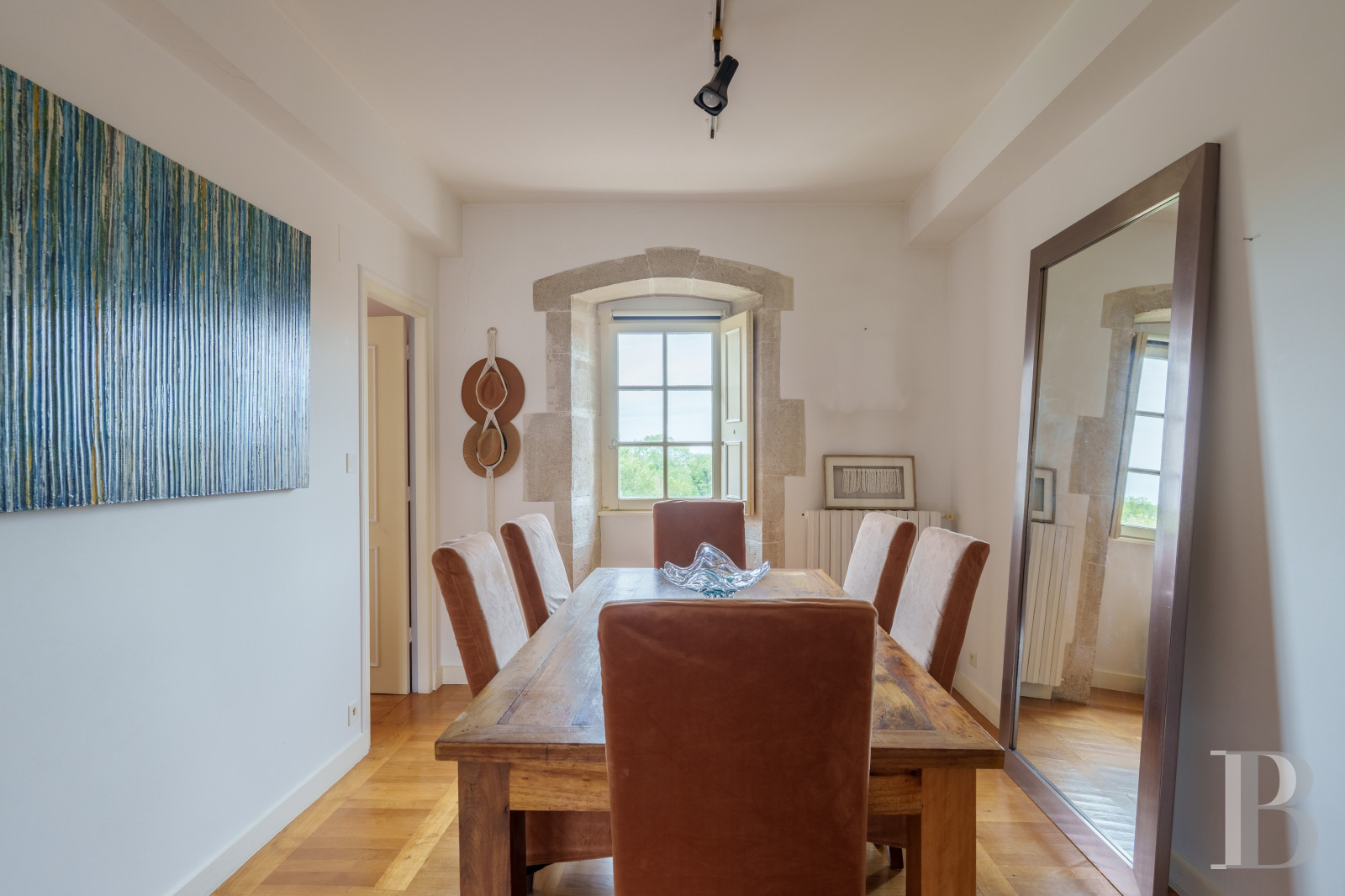
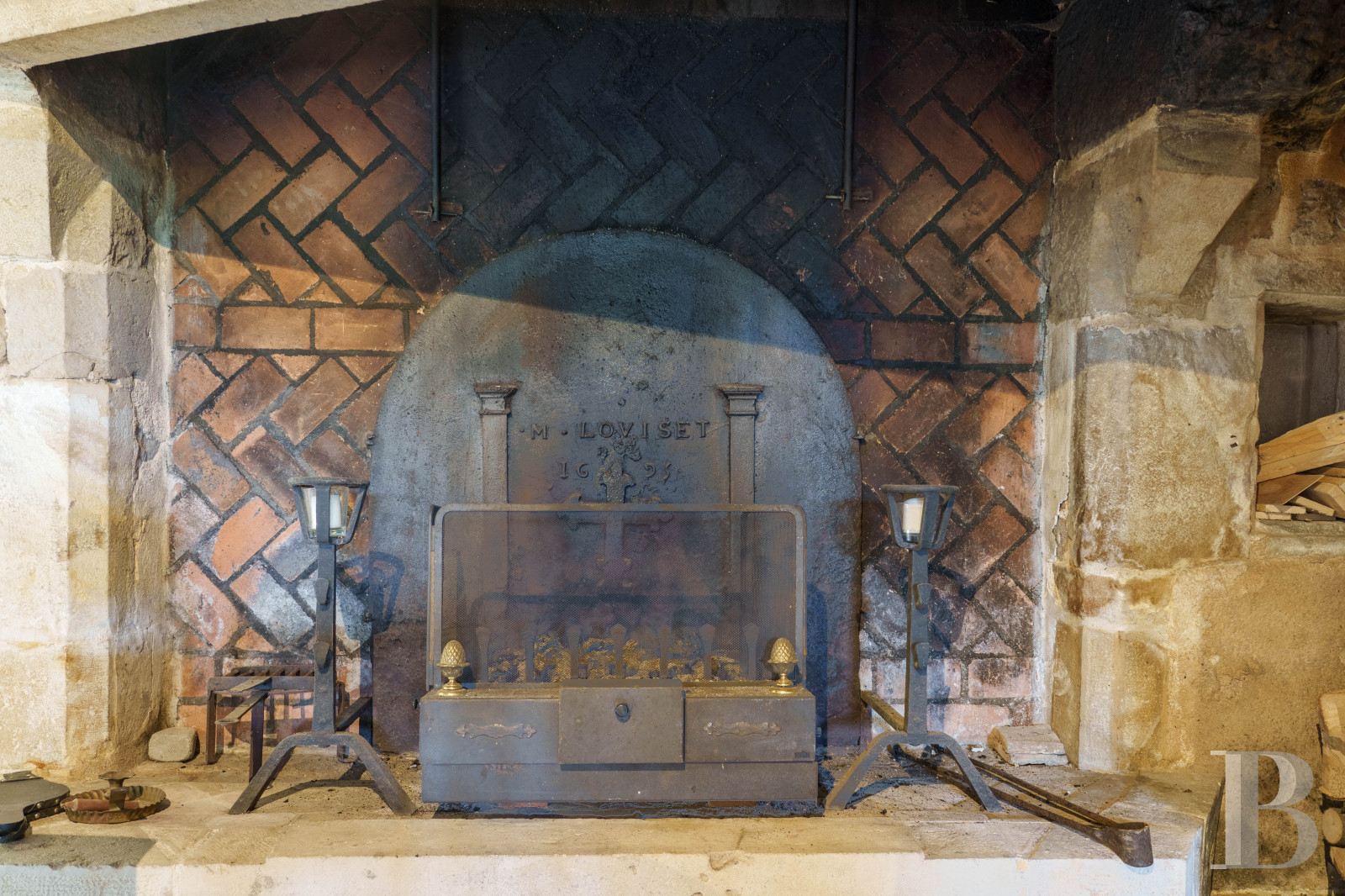
Situated in Pesmes, a village listed among the most beautiful in France, the chateau stands atop a high cliff, with the river winding its way through the landscape below. At the heart of the house, the kitchen, which measures over 100 m2, has retained its original monumental fireplace. Fitted with Gaggenau appliances, it has all the hallmarks of a true professional kitchen. A Michelin-starred chef friend of mine based in Paris organises exclusive dining experiences here. The dining room seats twelve guests, whilst the 60 m2 library has been designed as a lounge to sit and talk. The entire project is based on a delicate balance: offering the comfort and high standards of a grand hotel whilst preserving the charm of a place steeped in history.
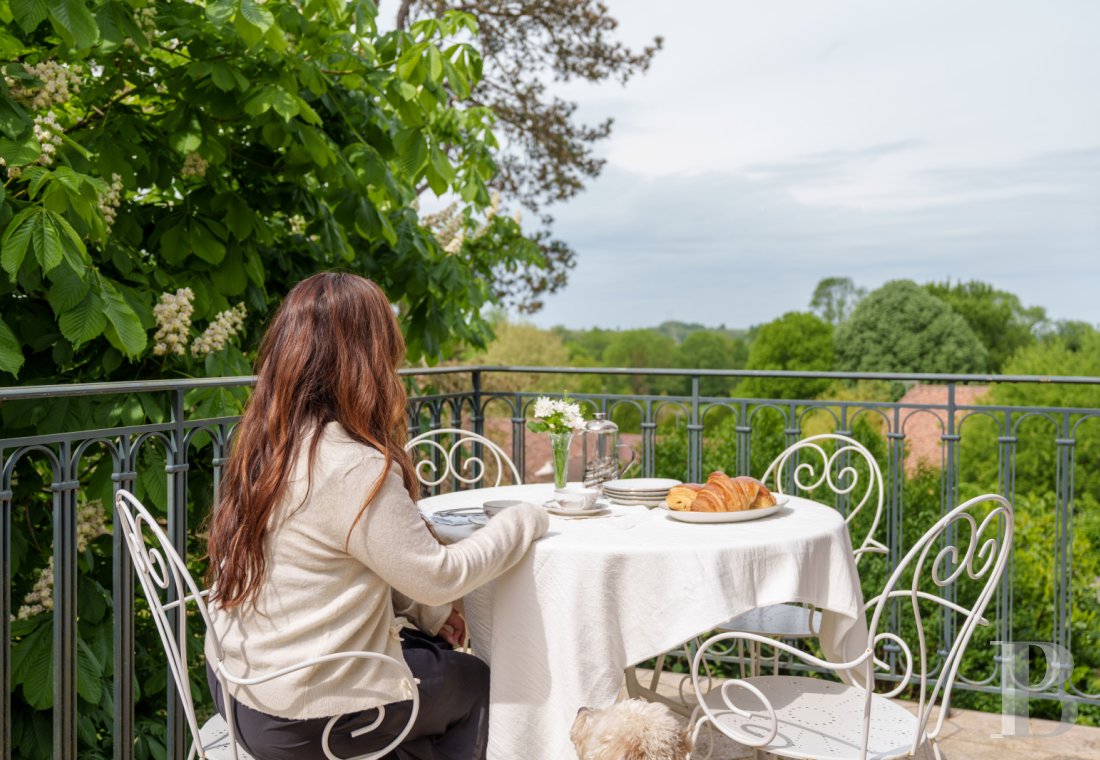
Dole, the birthplace of Louis Pasteur, charms visitors with its canals, the banks of the Doubs and its collegiate church. The restaurant "L'Atelier de Louis" specialises in refined cuisine inspired by the Jura region. In Malans, the "Île Art" sculpture park, a ten-hectare contemporary art space, brings together around 100 works by 24 artists. Finish off with a stop at the "Baz’Art Café" for a kombucha or a local beer. In Pesmes, start your mornings with a few pastries from the "Sylvie Cervera" bakery before heading to the viewpoint overlooking the river. In Dijon, the "Café de l’Industrie" is a stylish brasserie and a popular spot in the heart of the city, whilst the Caveau de Saulx celebrates the Burgundy way of life. Finally, in Château-Chalon, the "Café des Seize Quartiers" offers a spot to take a break with a view of the vineyards.
The chateau is ideal for hosting intimate weddings and private receptions. The main dining room can seat up to 30 guests for a sit-down dinner. The large living room and the library can be arranged to accommodate additional guests, allowing them to be spread across different rooms. Saint-Hilaire Church, located just a short walk from the chateau, provides an ideal setting for a church wedding.
ref 778524
A link to enter a new password has been sent to you by email.
By continuing your navigation, you accept the use of cookies to offer you services and offers adapted to your centers of interest and to measure the frequentation of our services. Learn more