

Add to favorites
Log in to your personal space
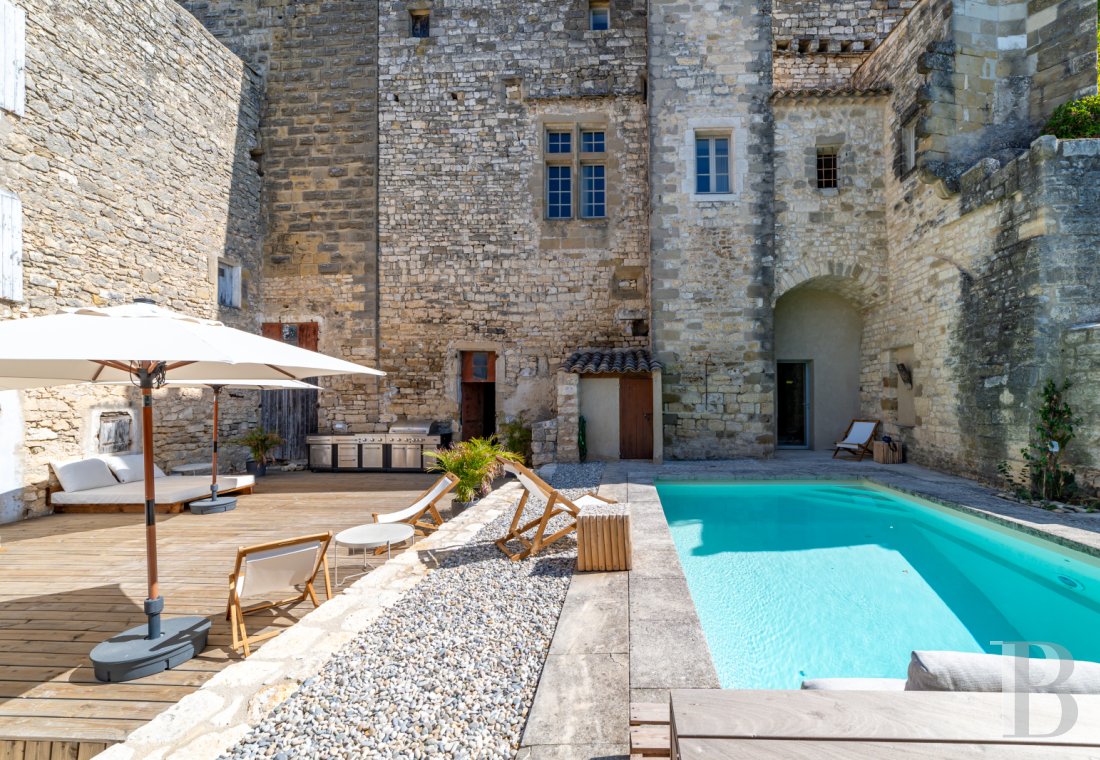
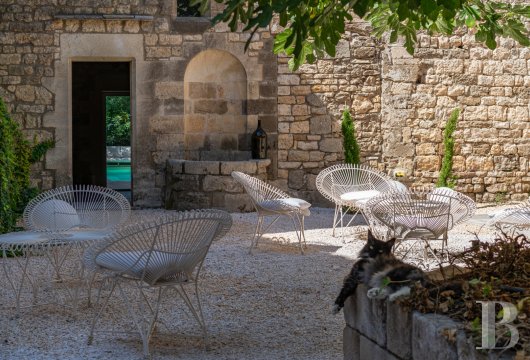
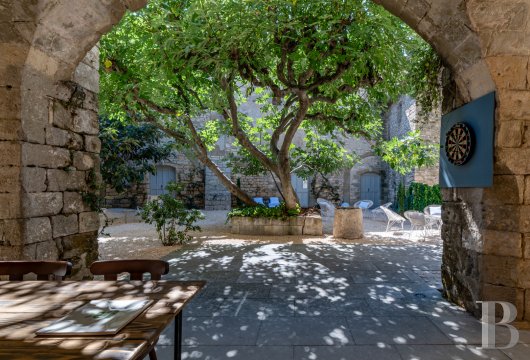
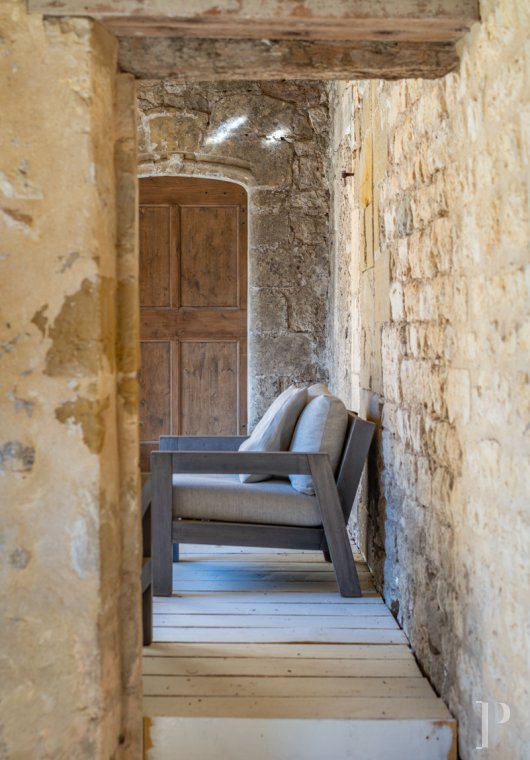
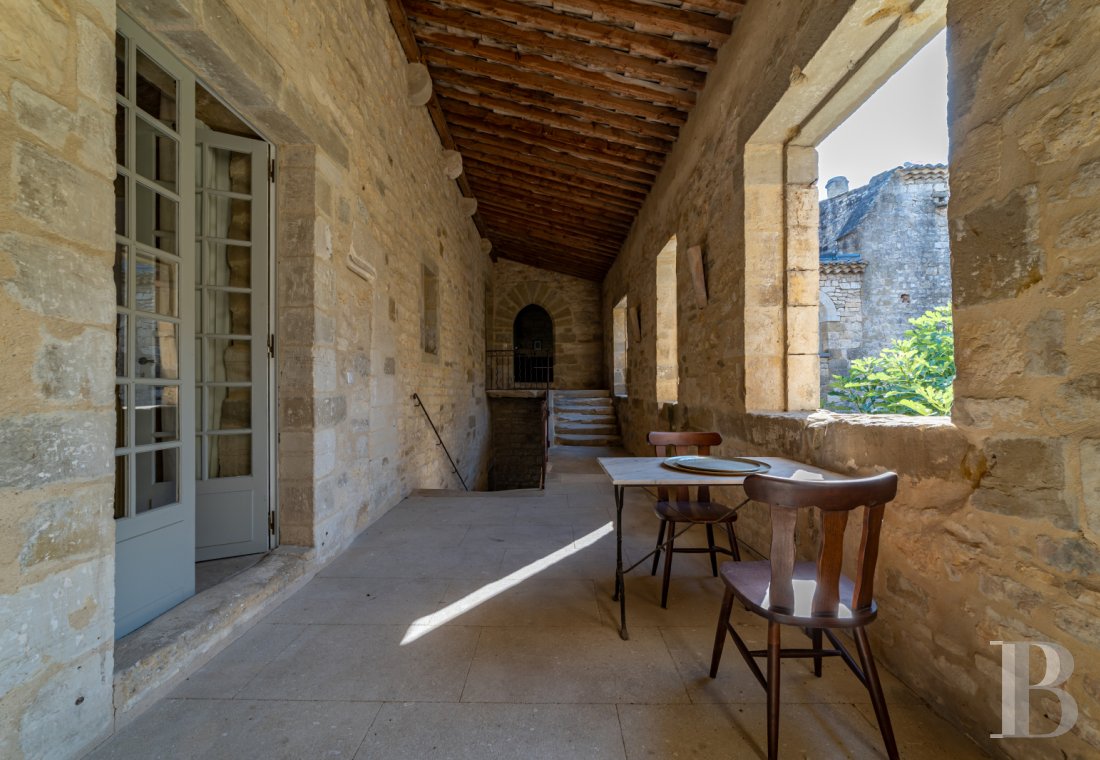
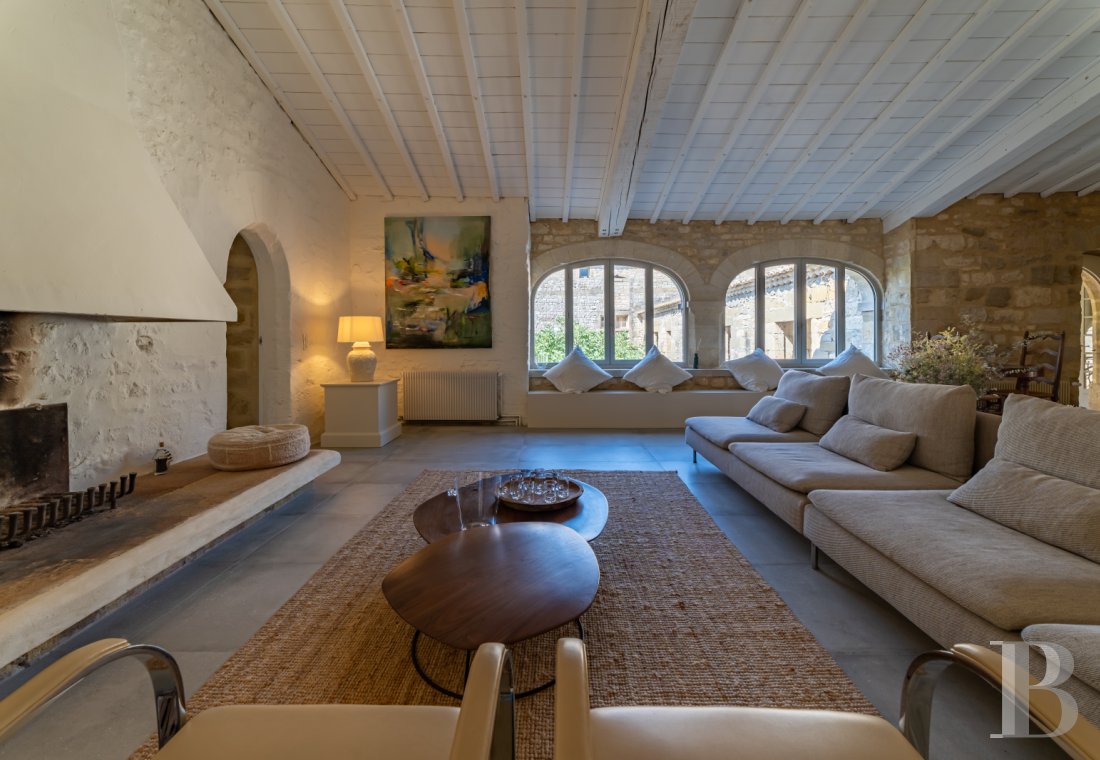
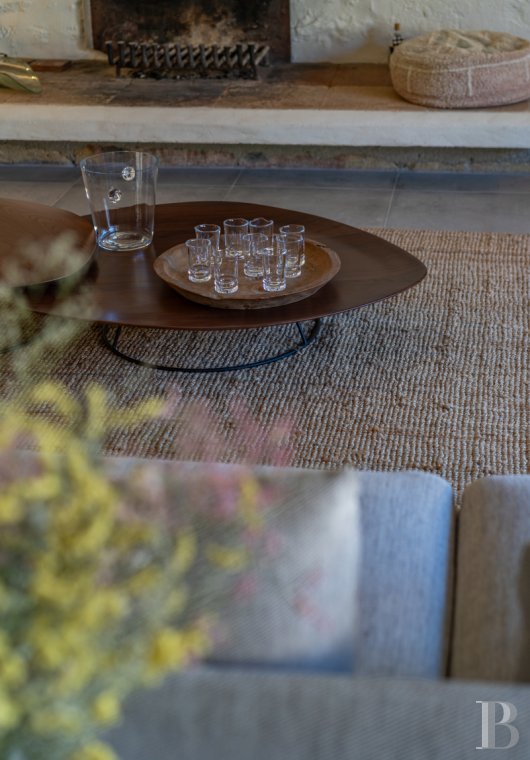
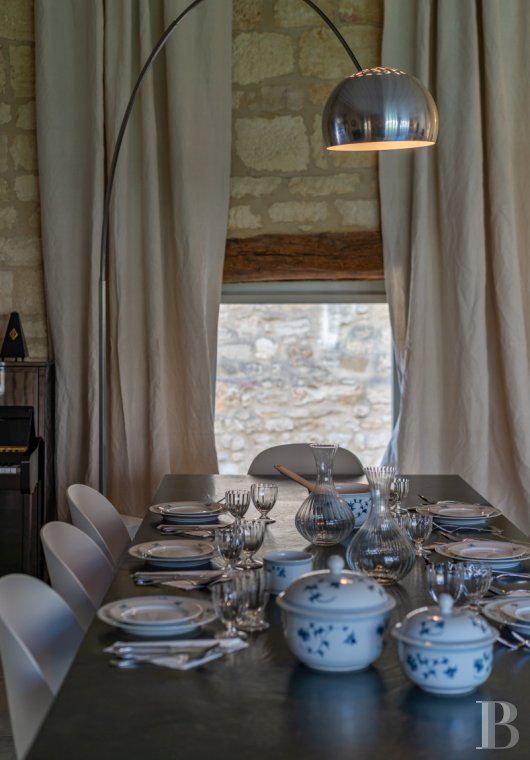
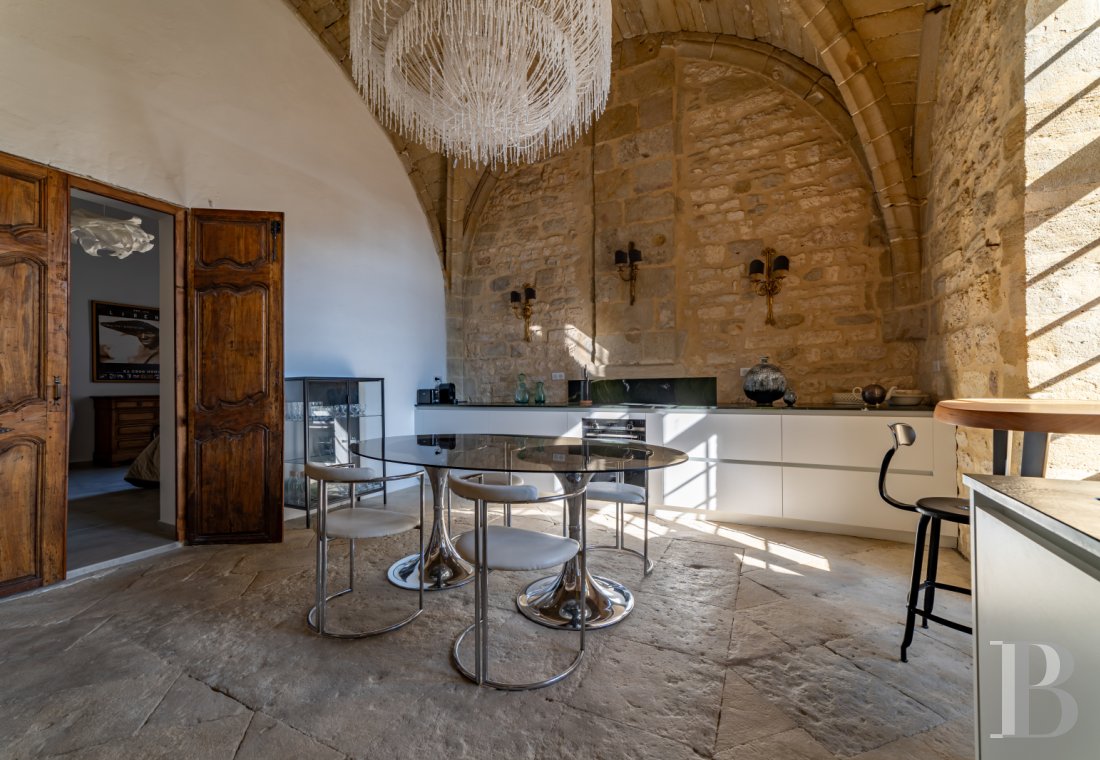
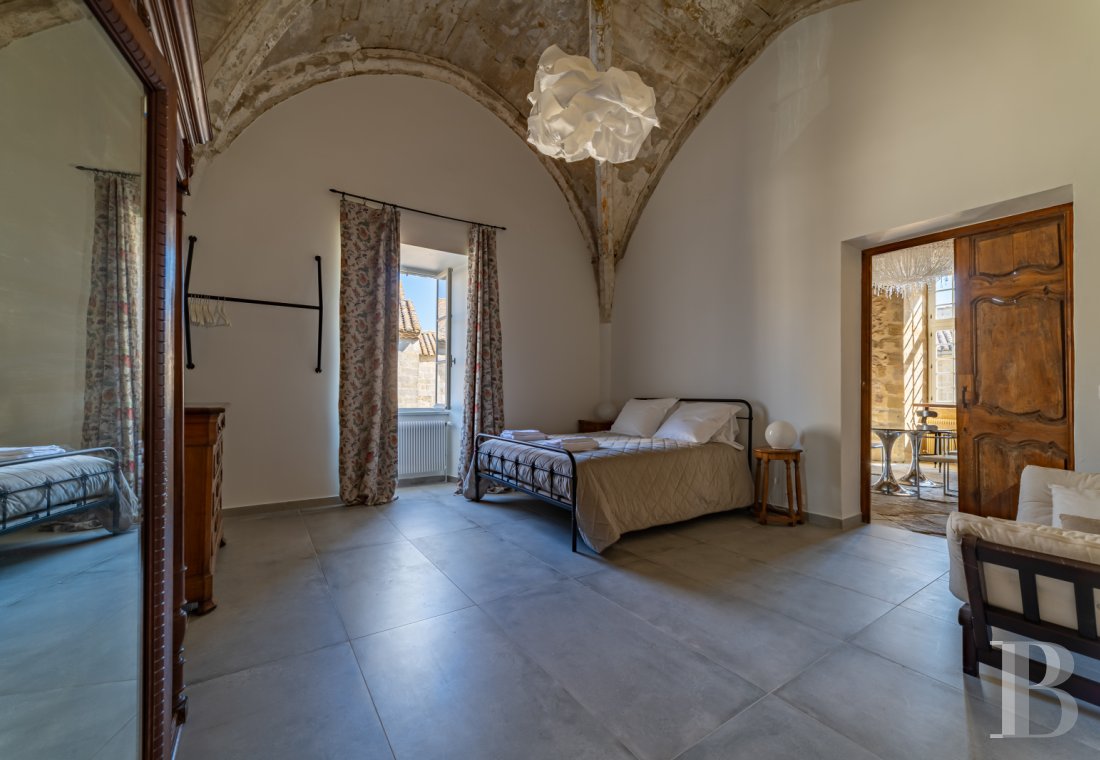
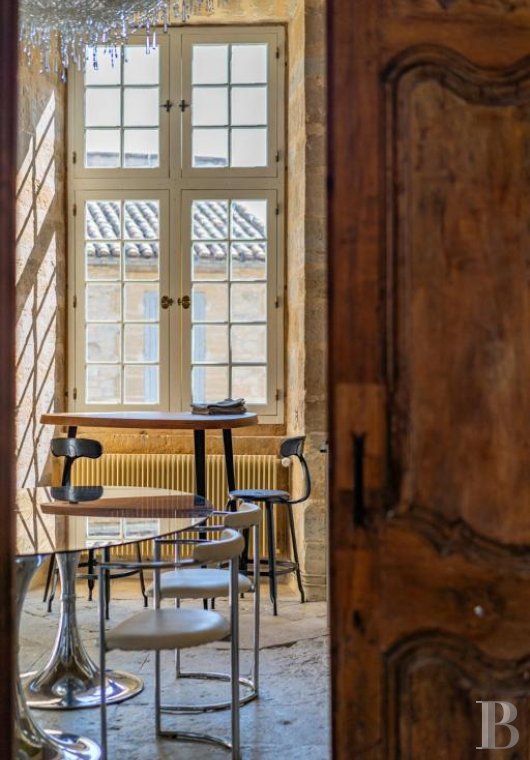
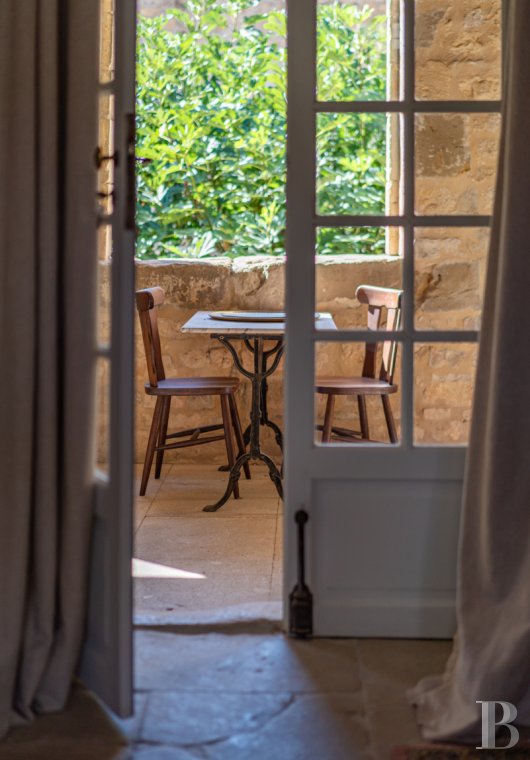
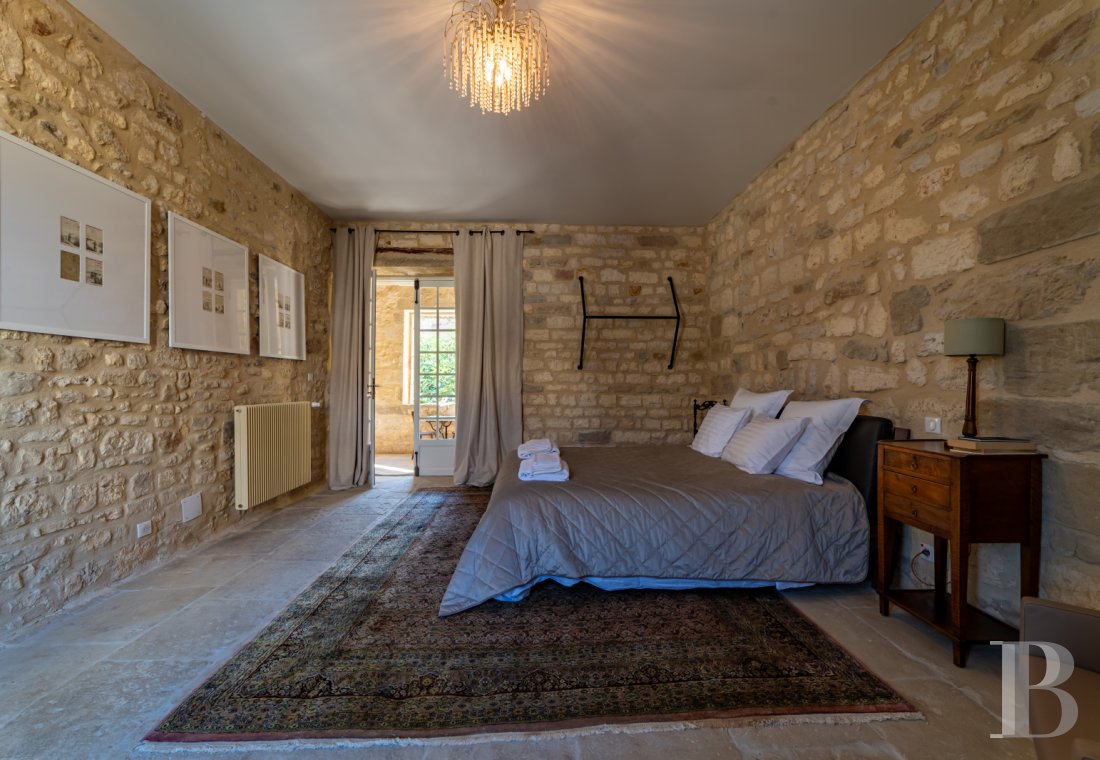
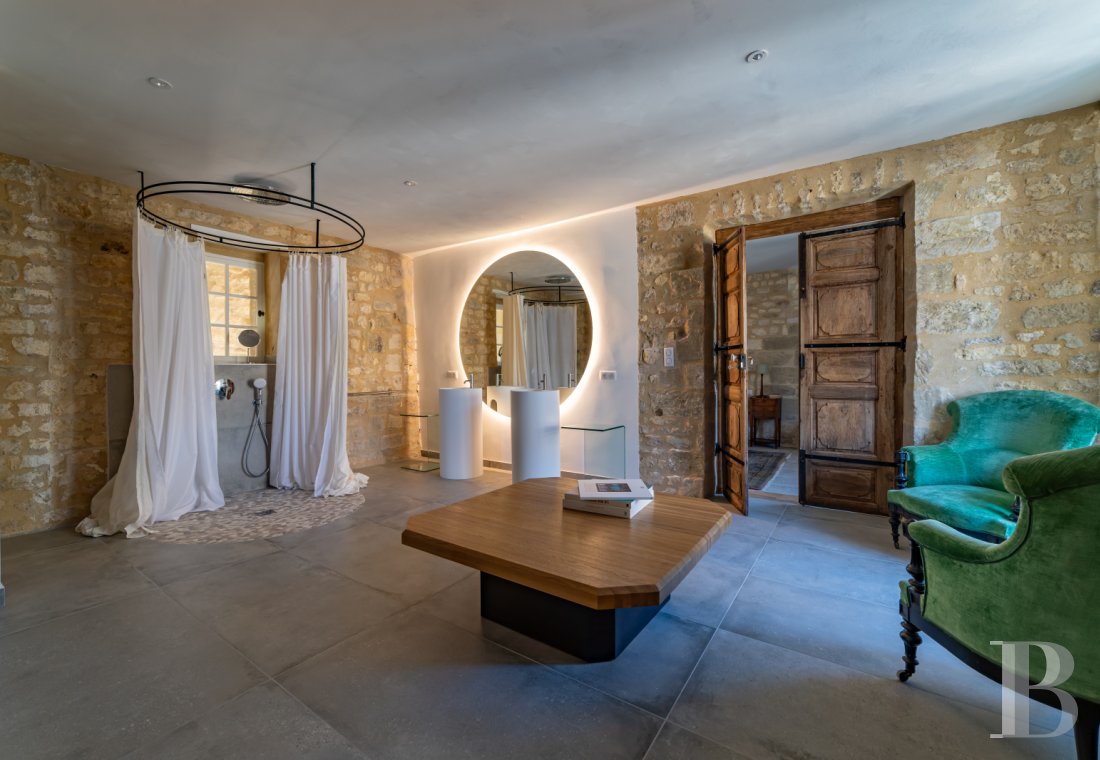
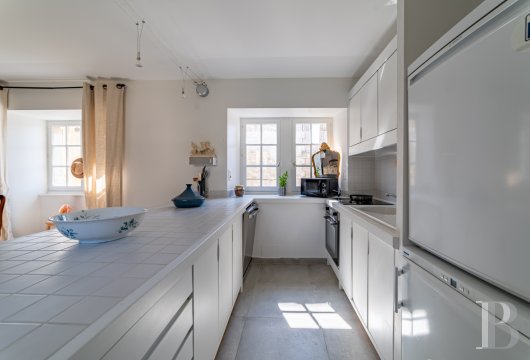
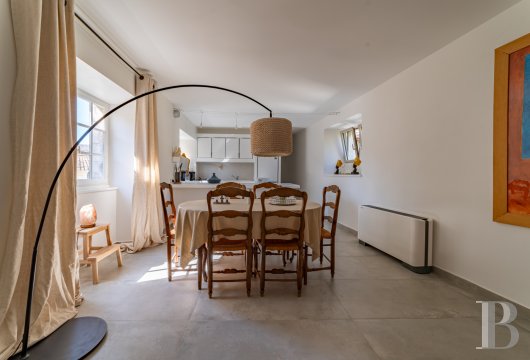
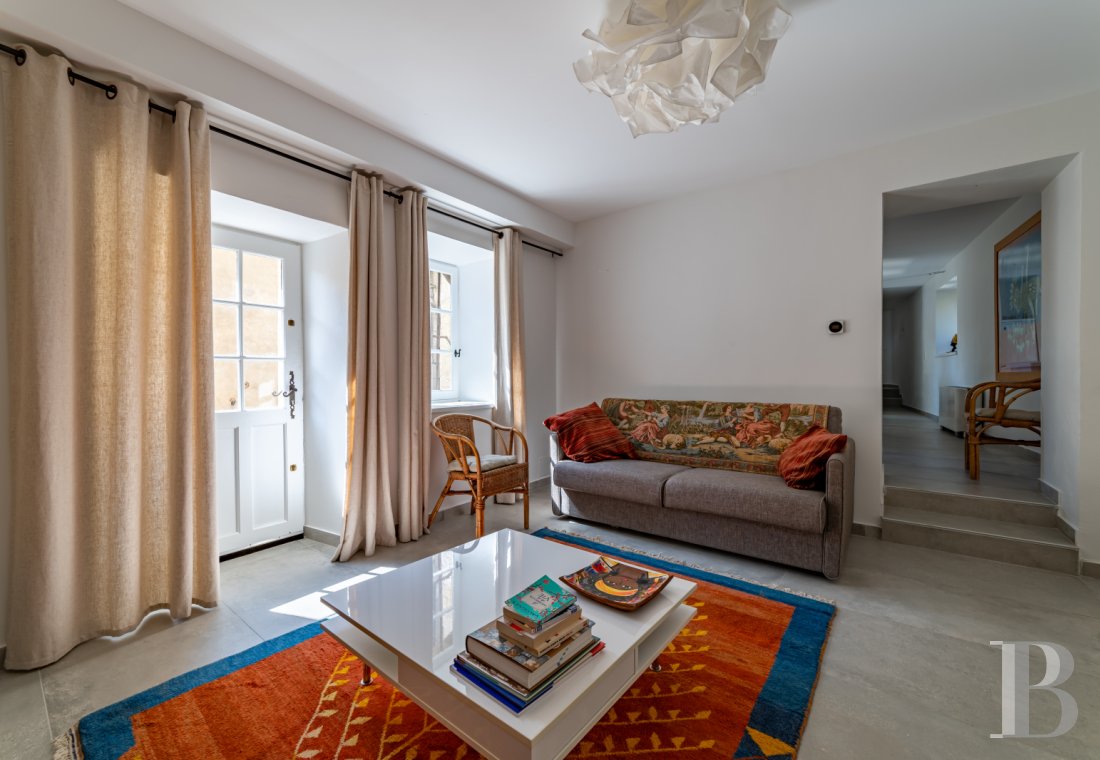
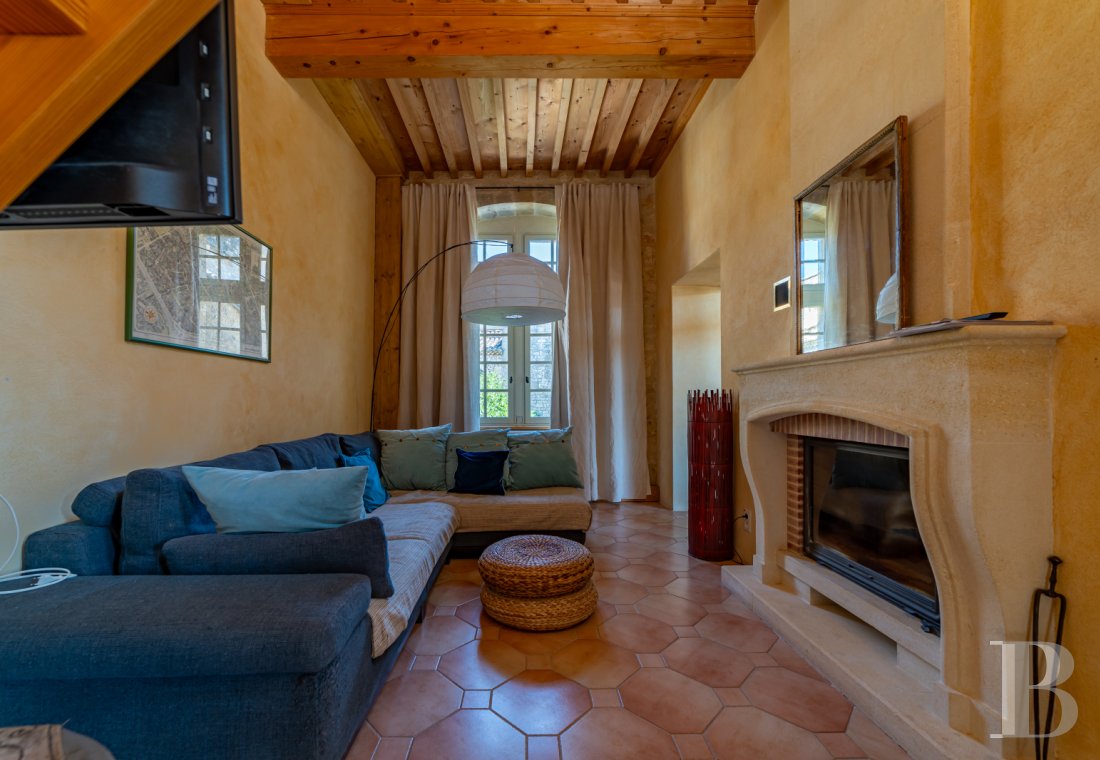
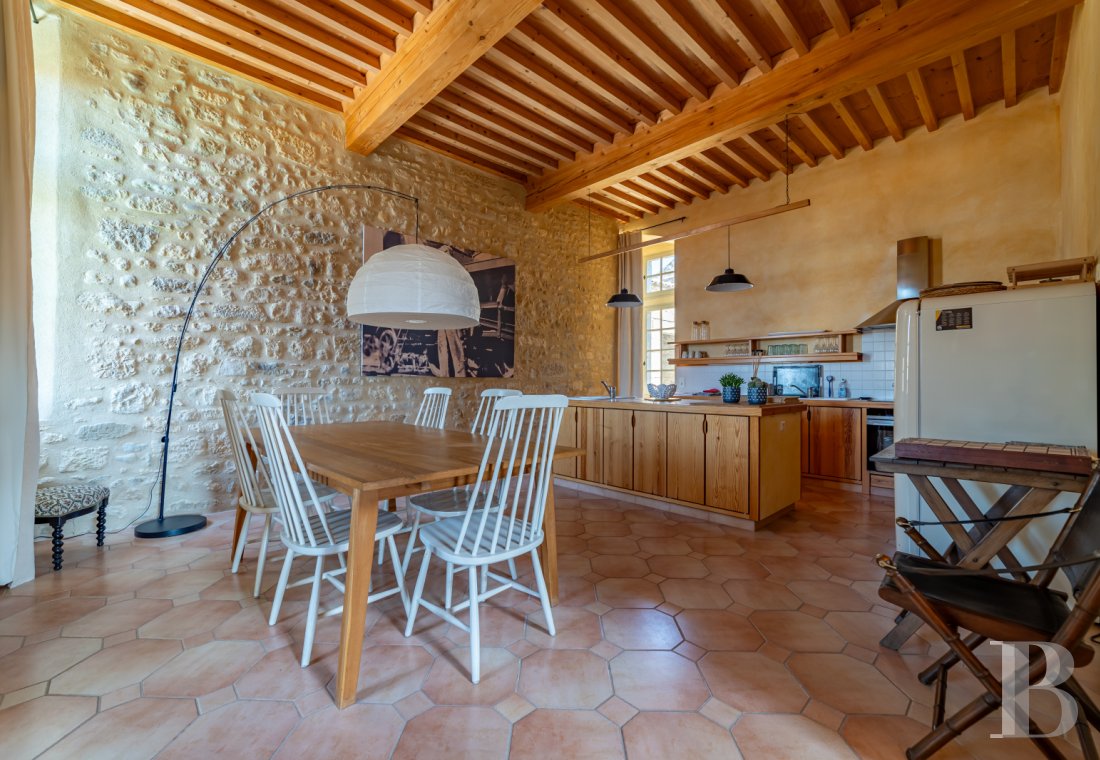
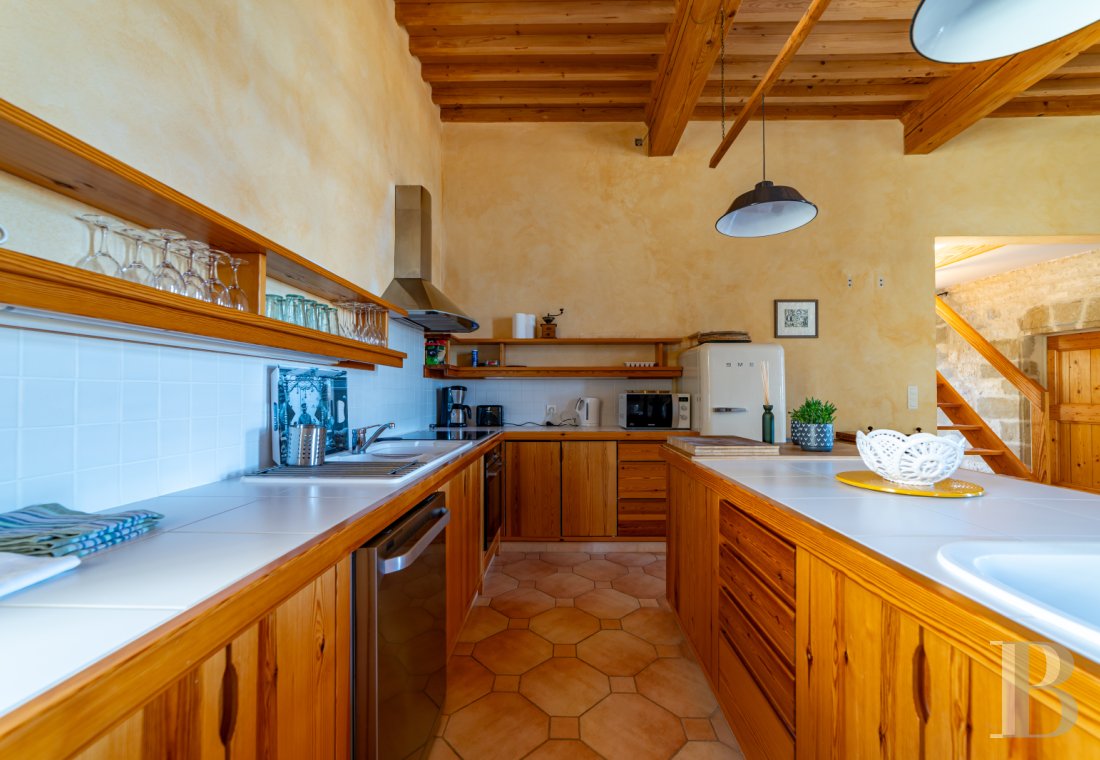
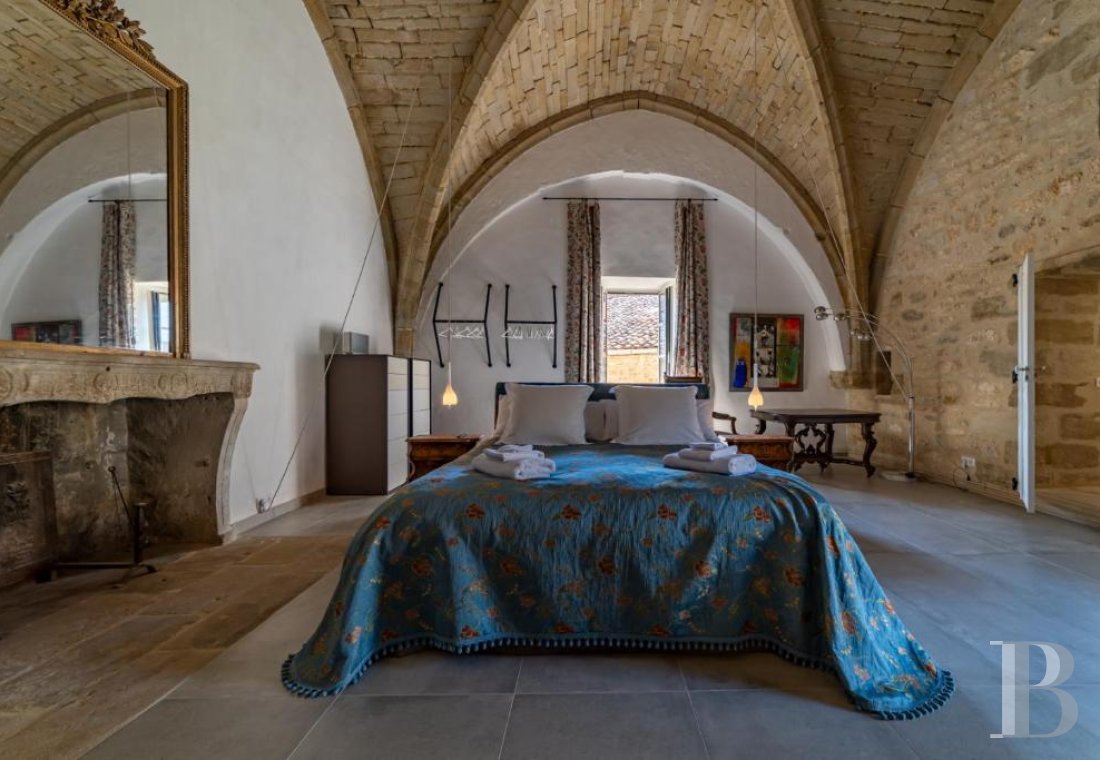
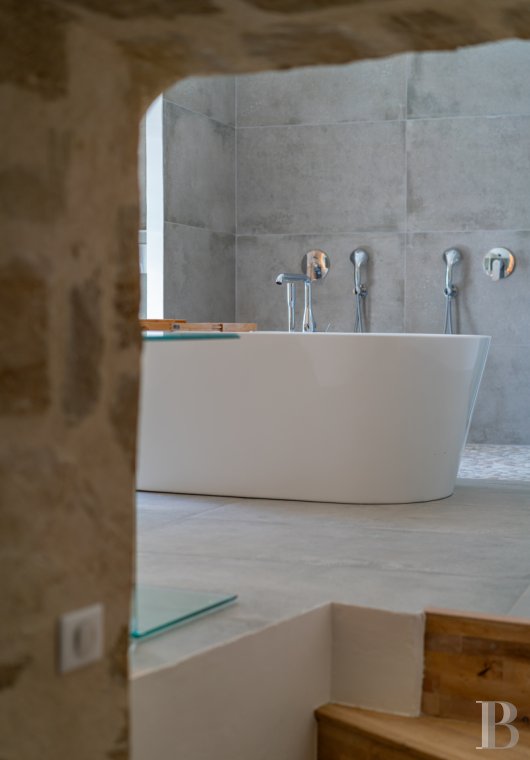
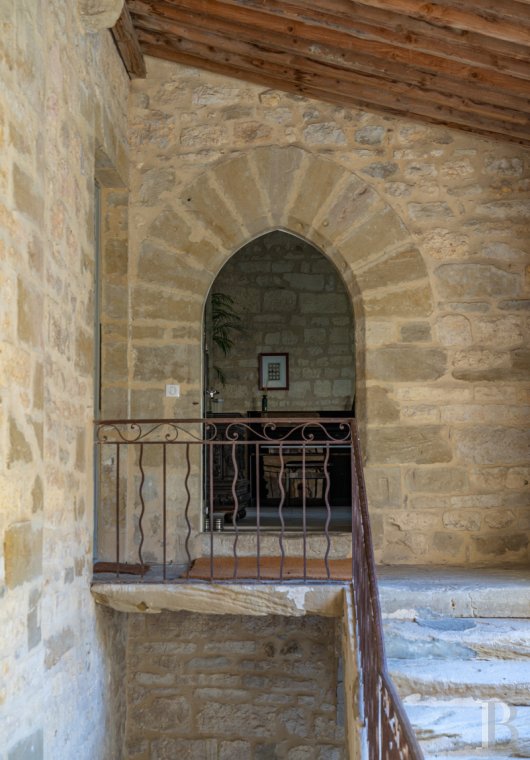
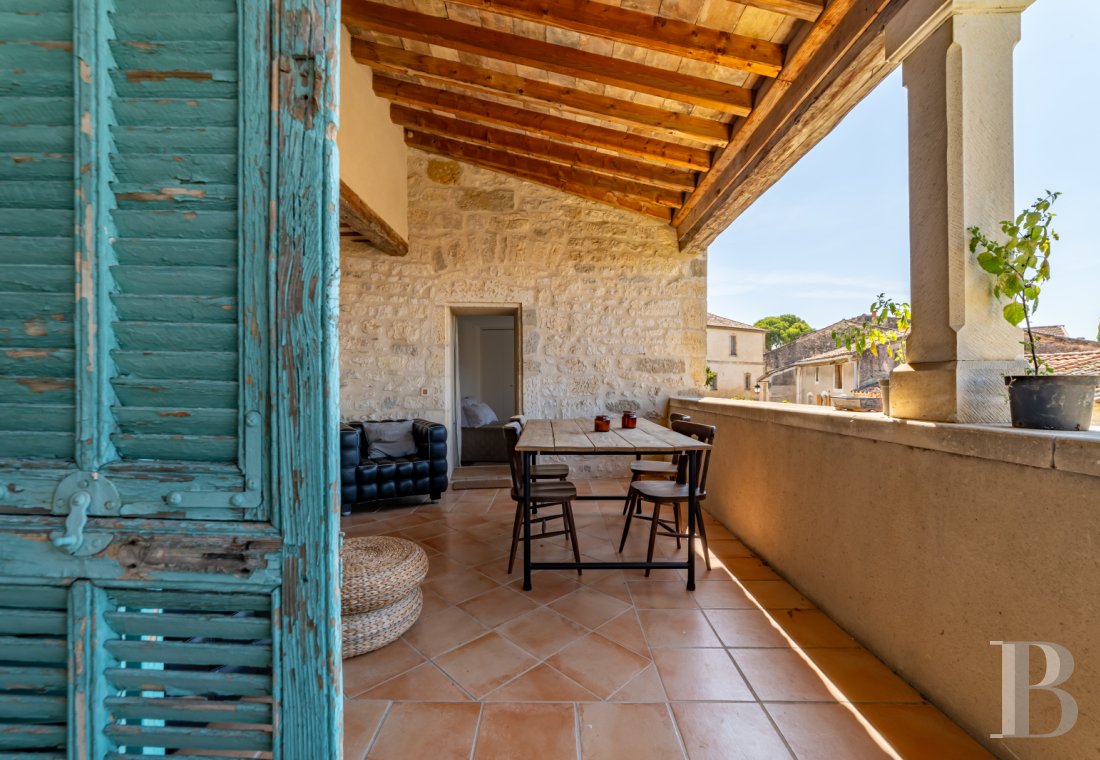
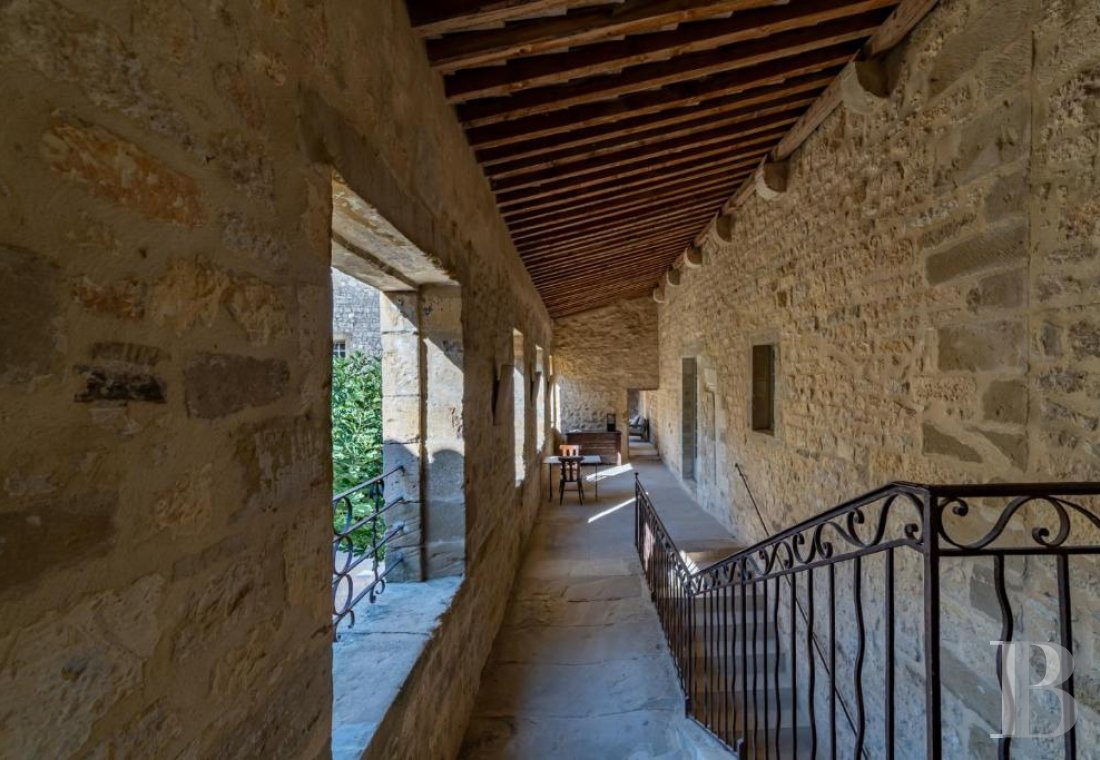
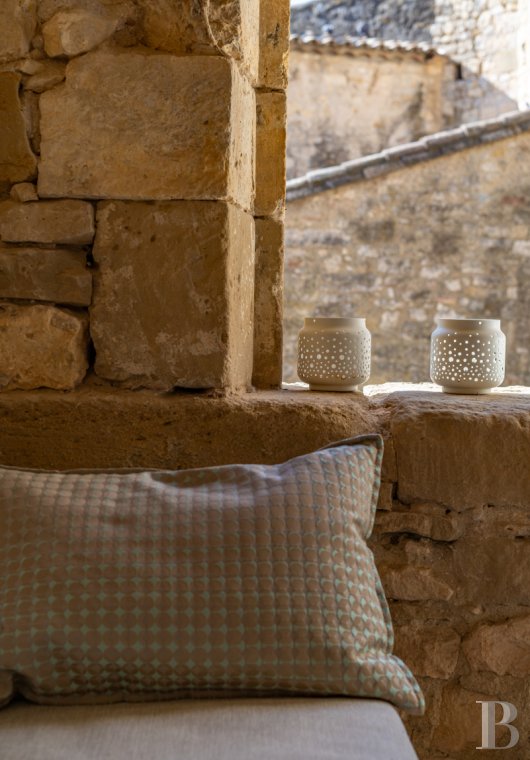
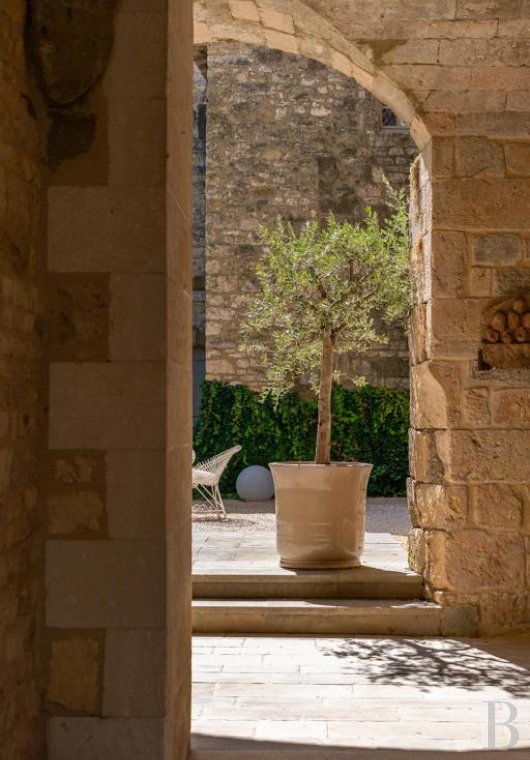
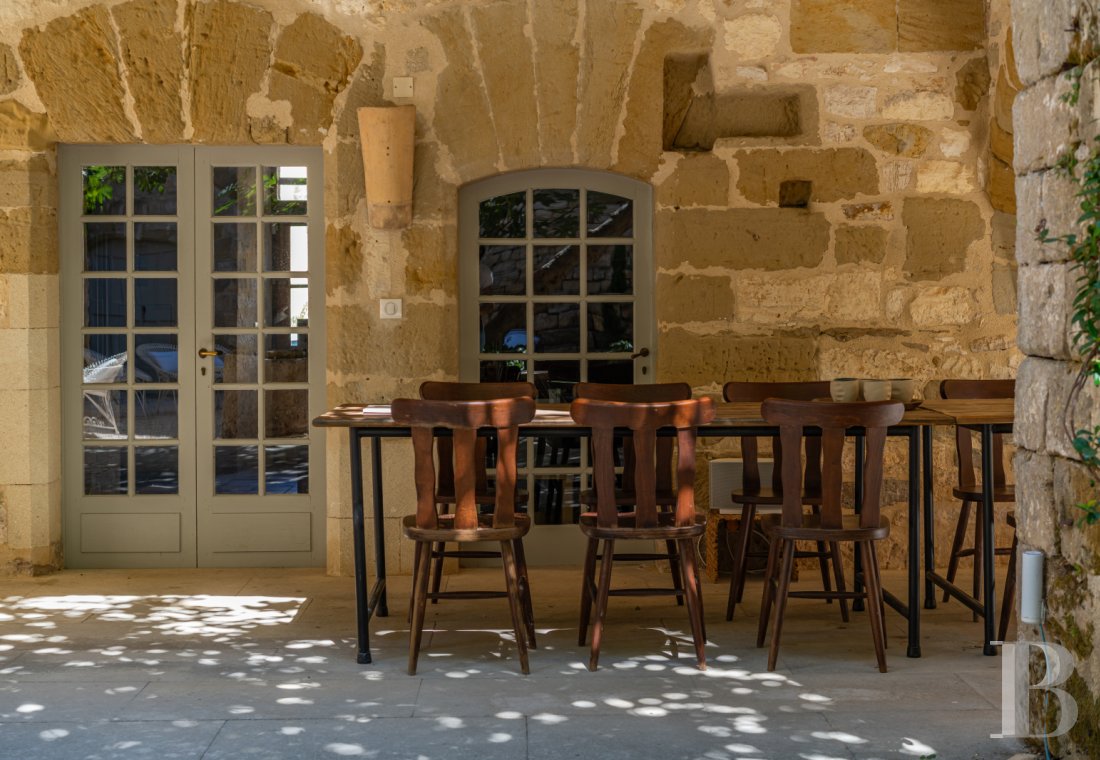
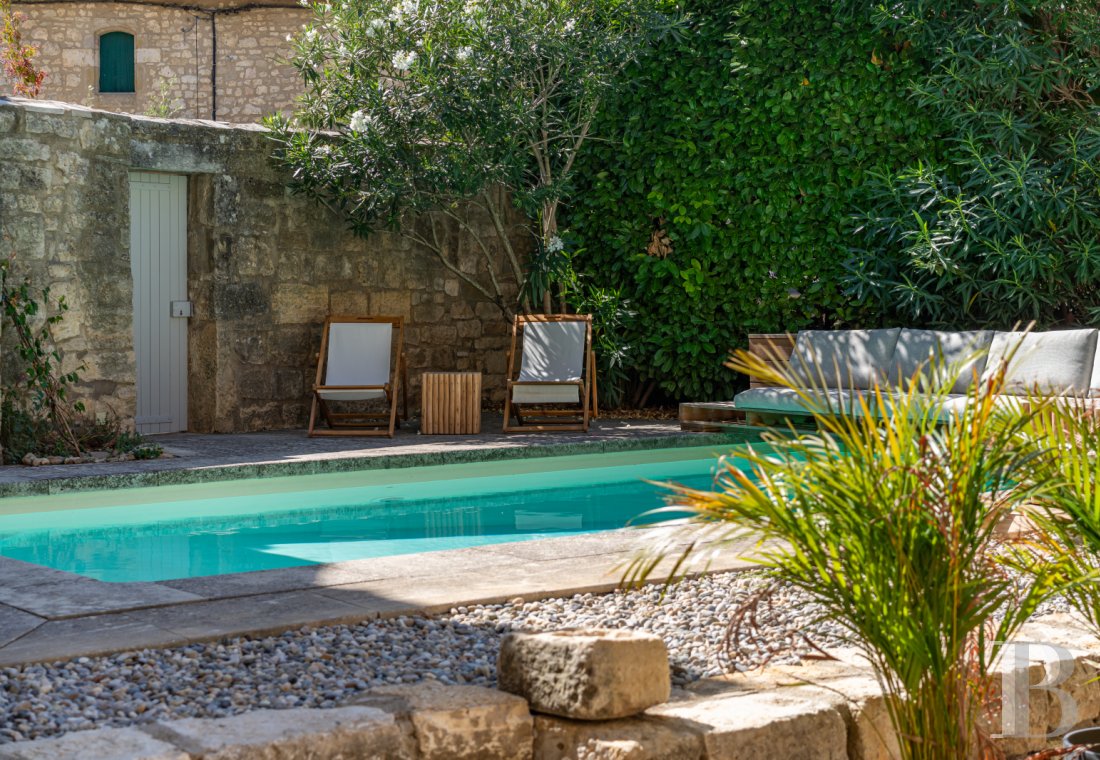
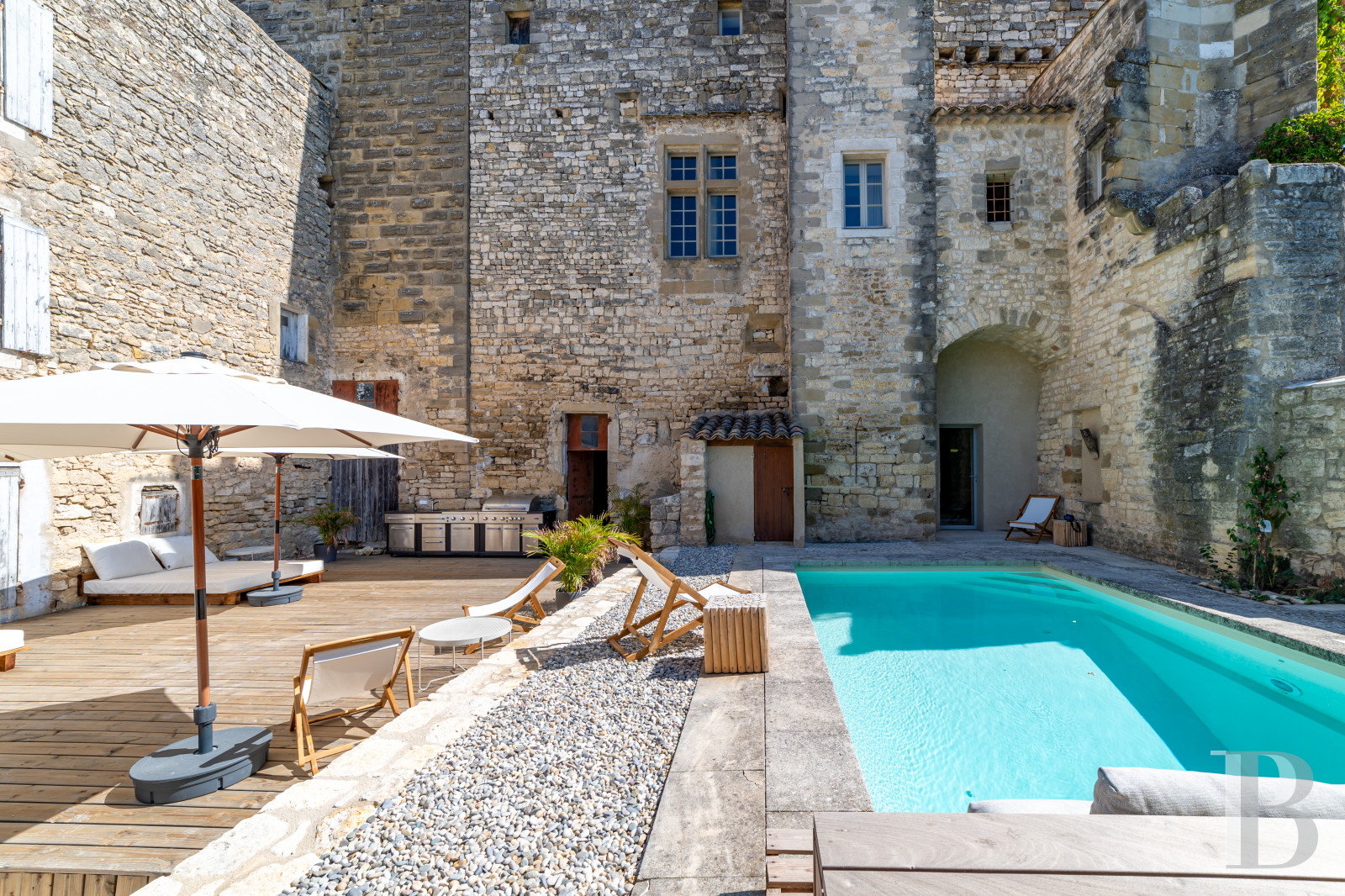
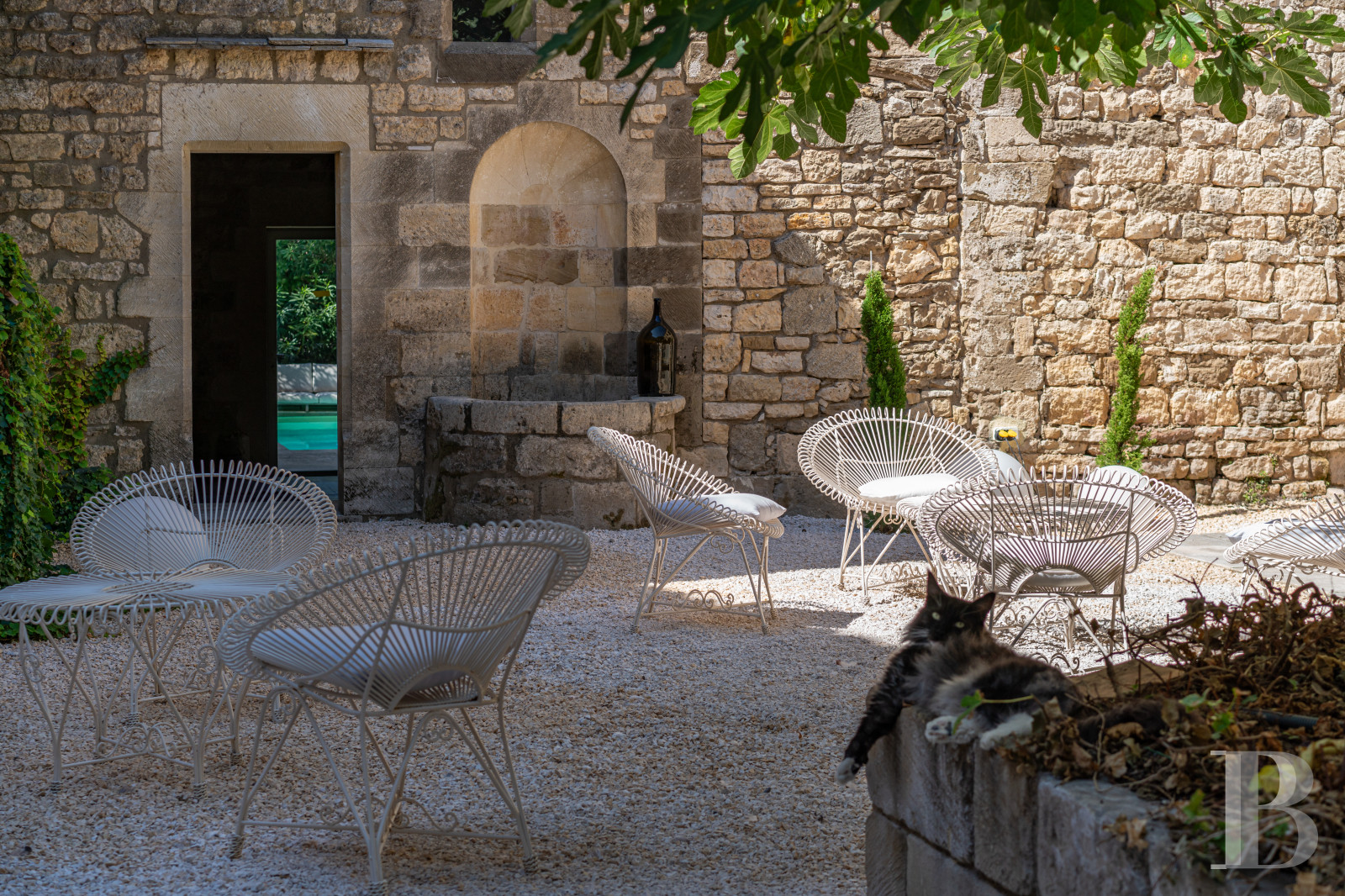
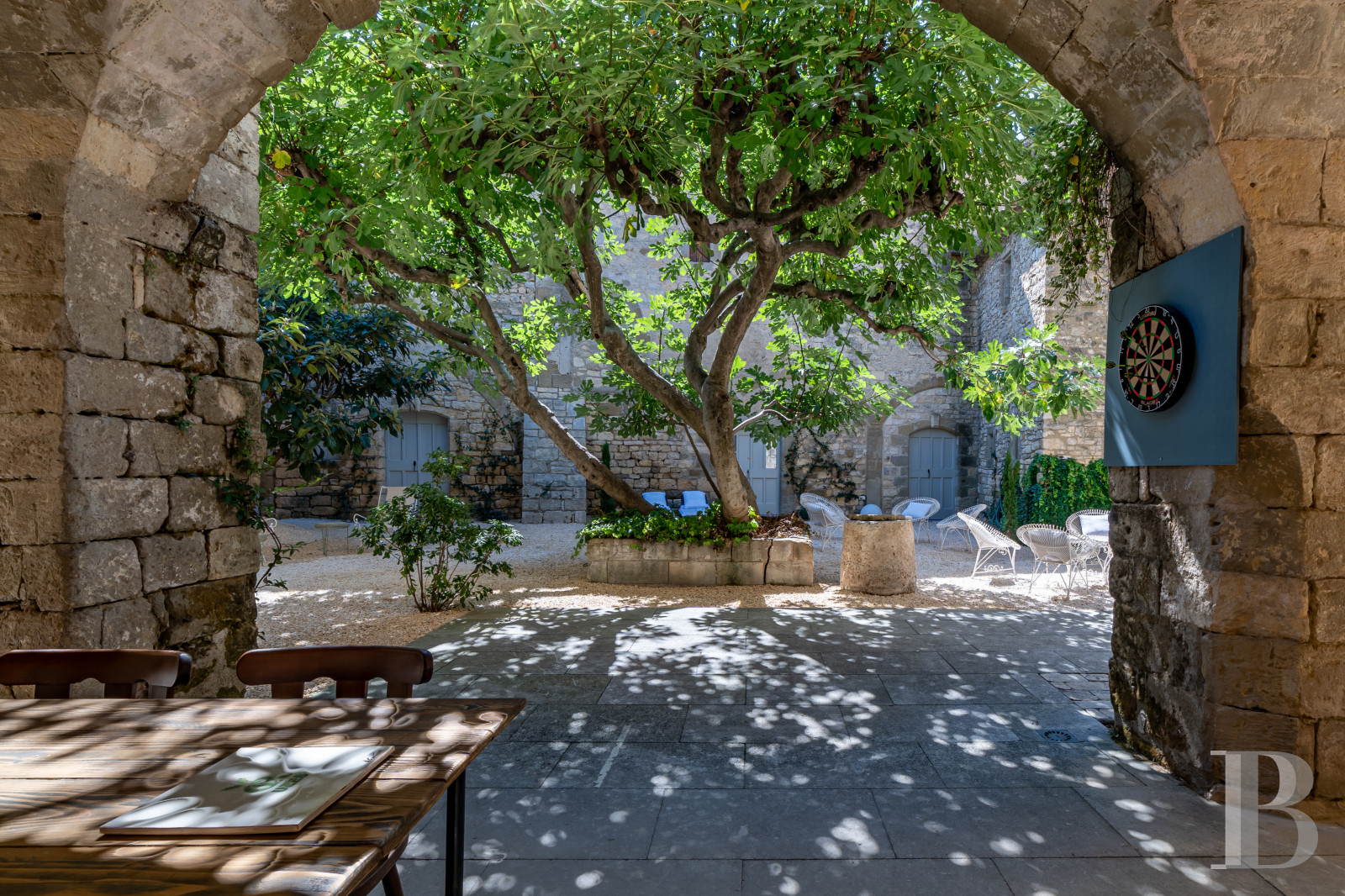
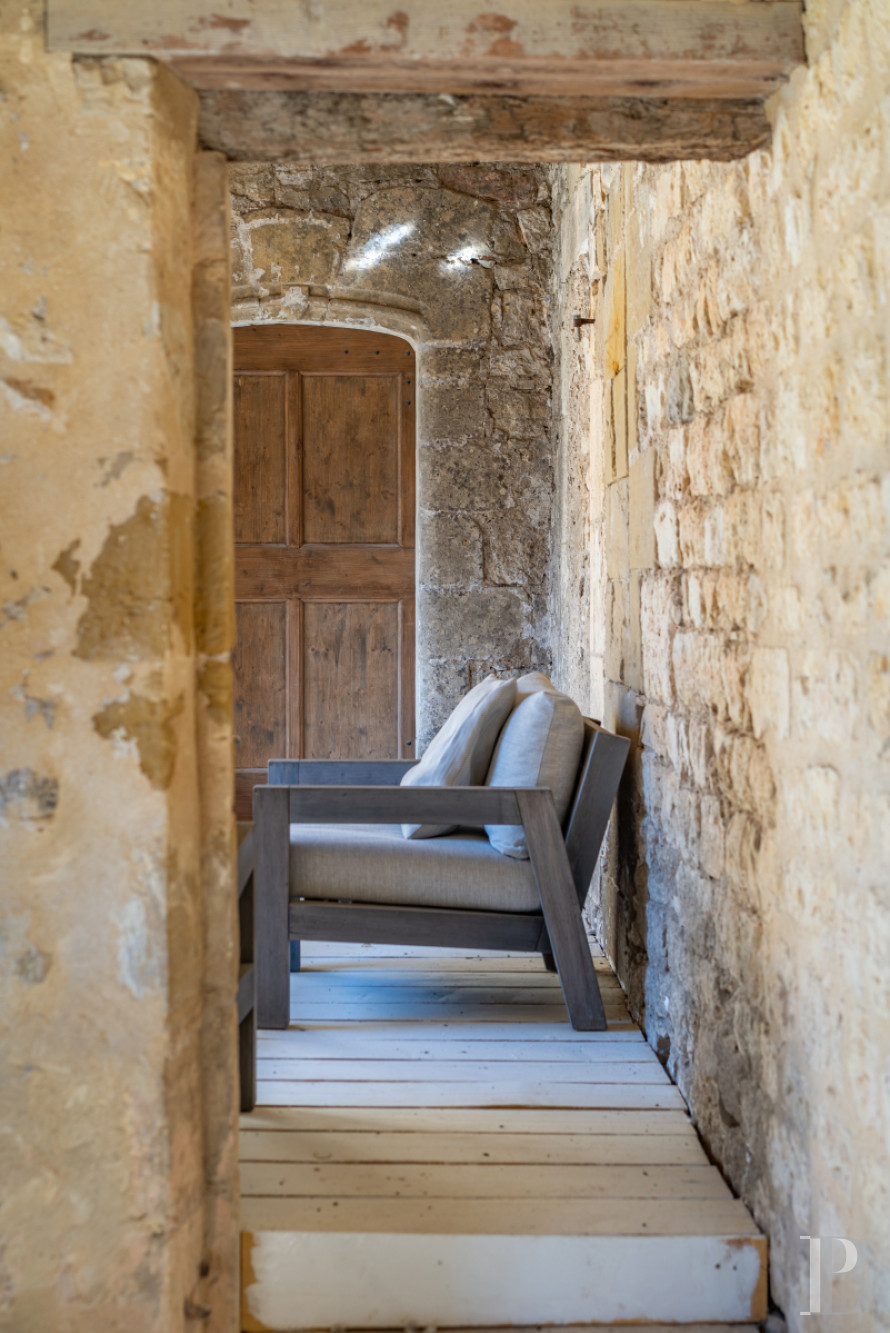
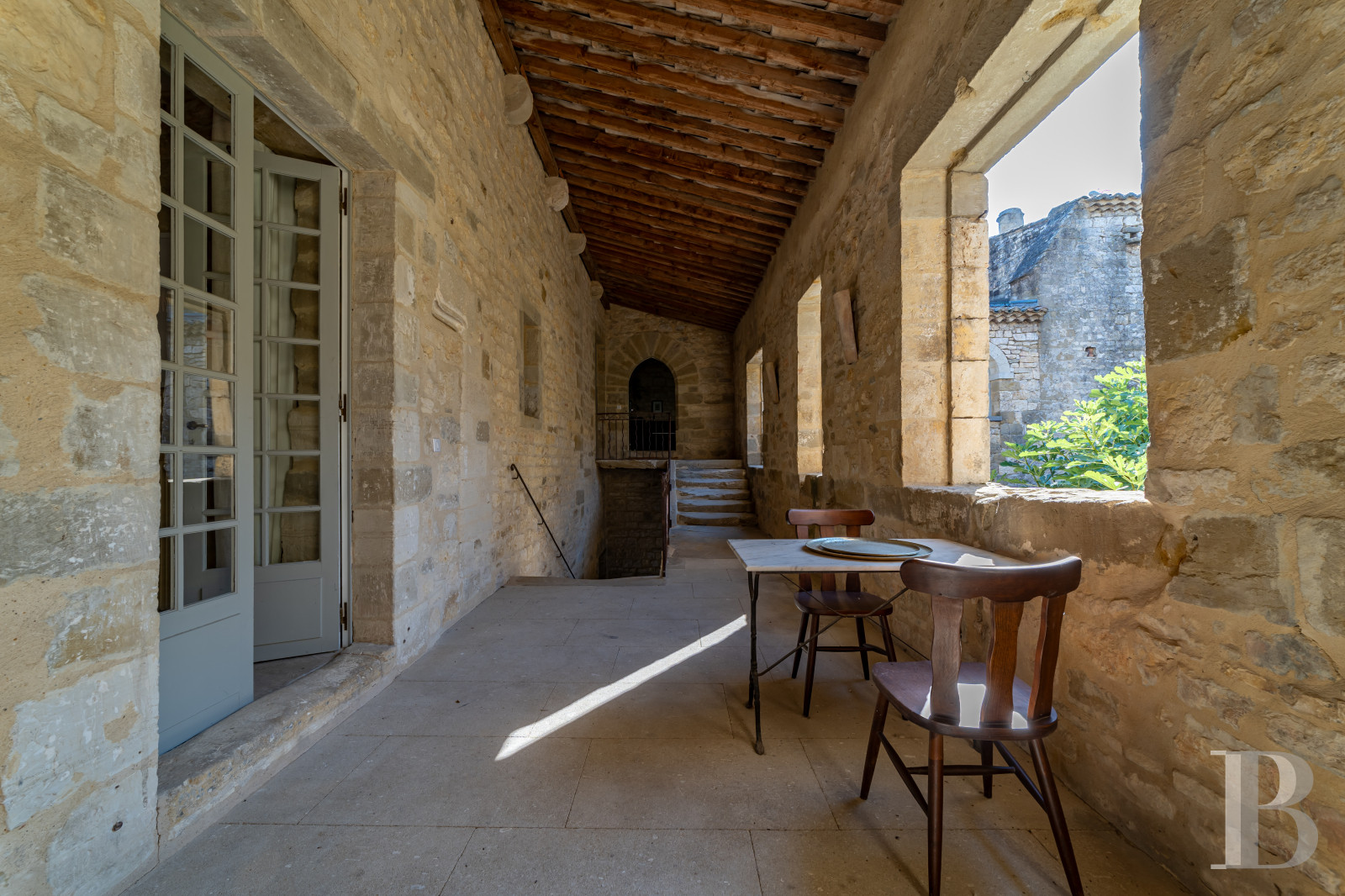
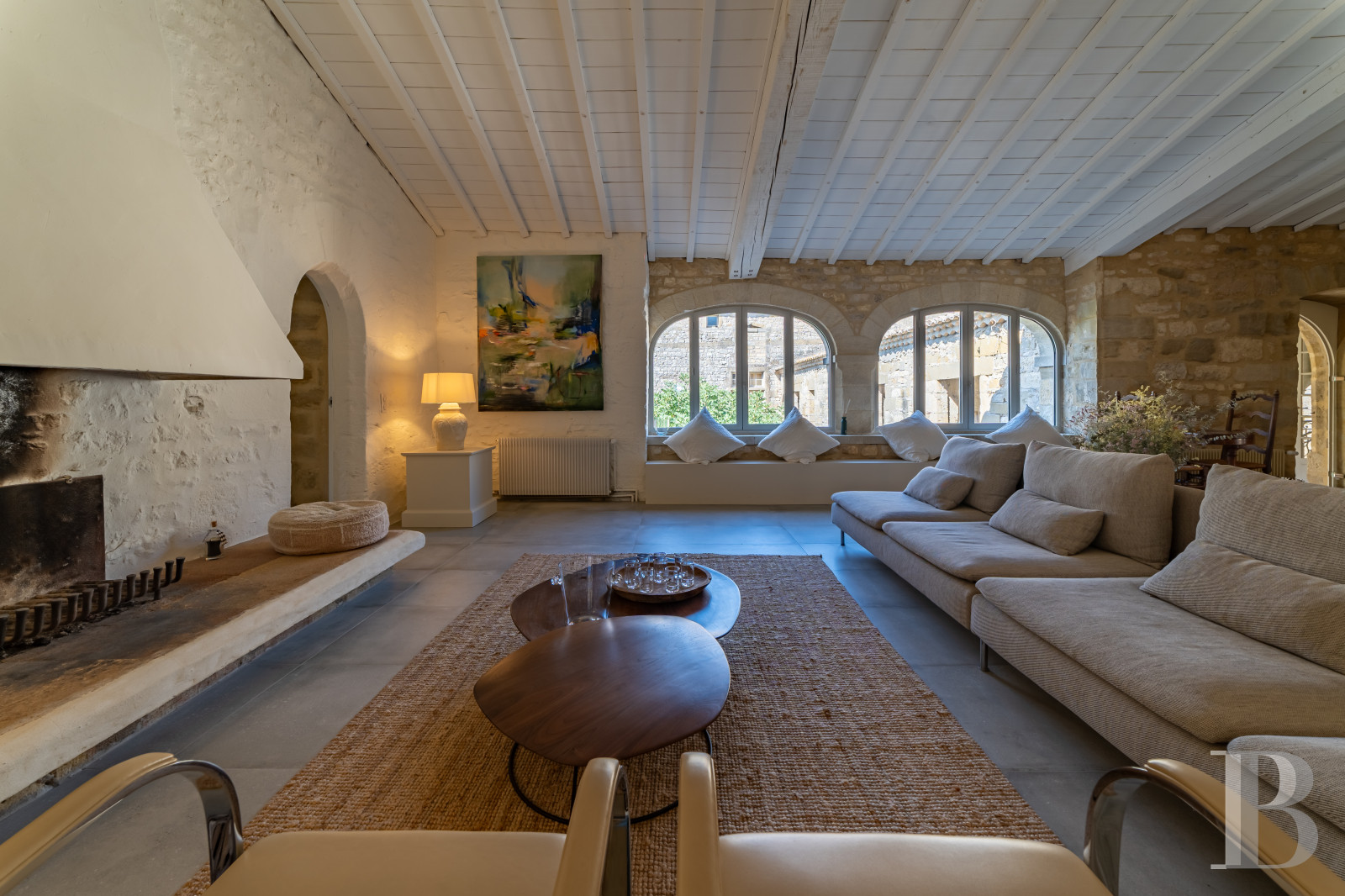
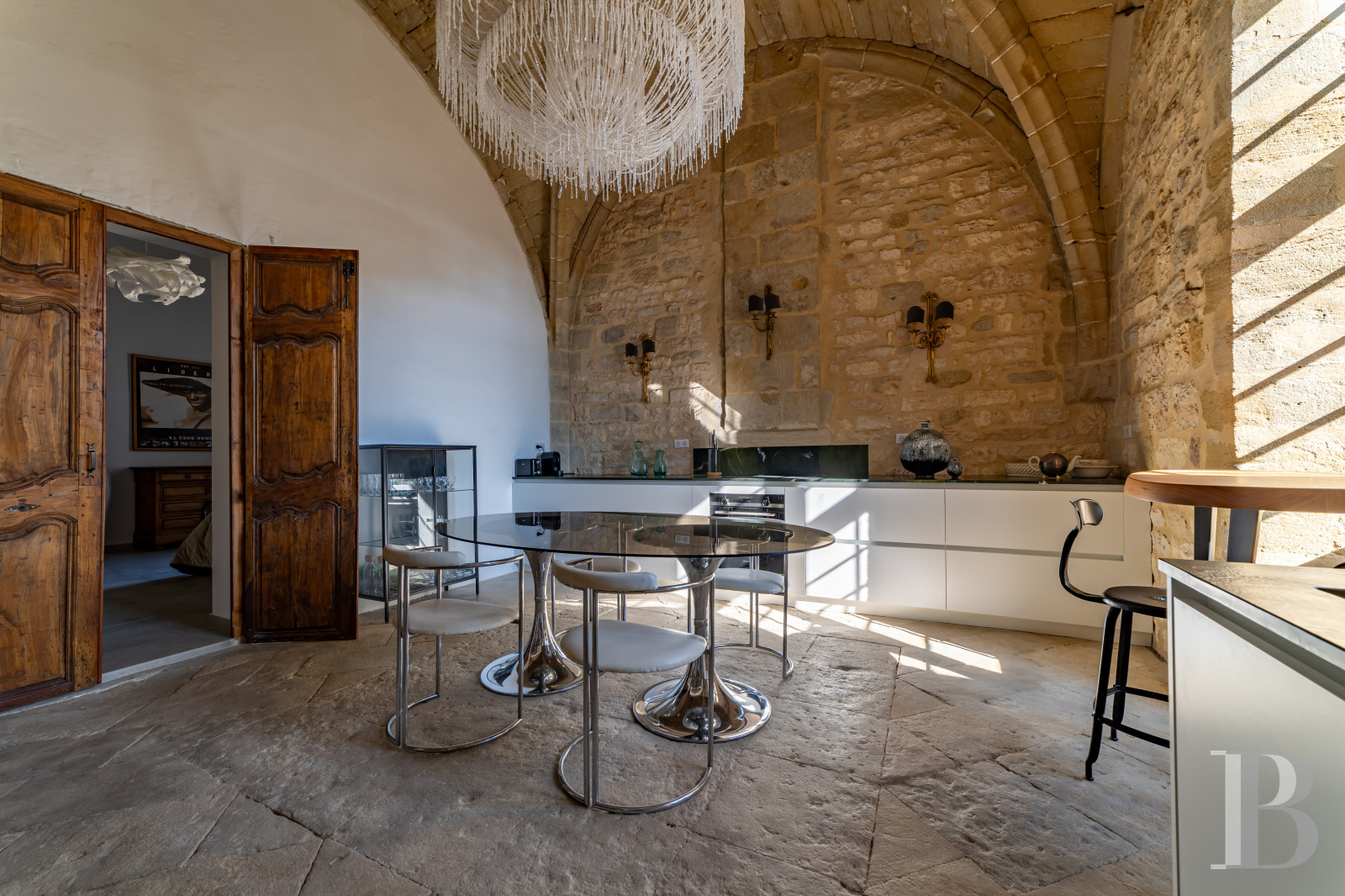
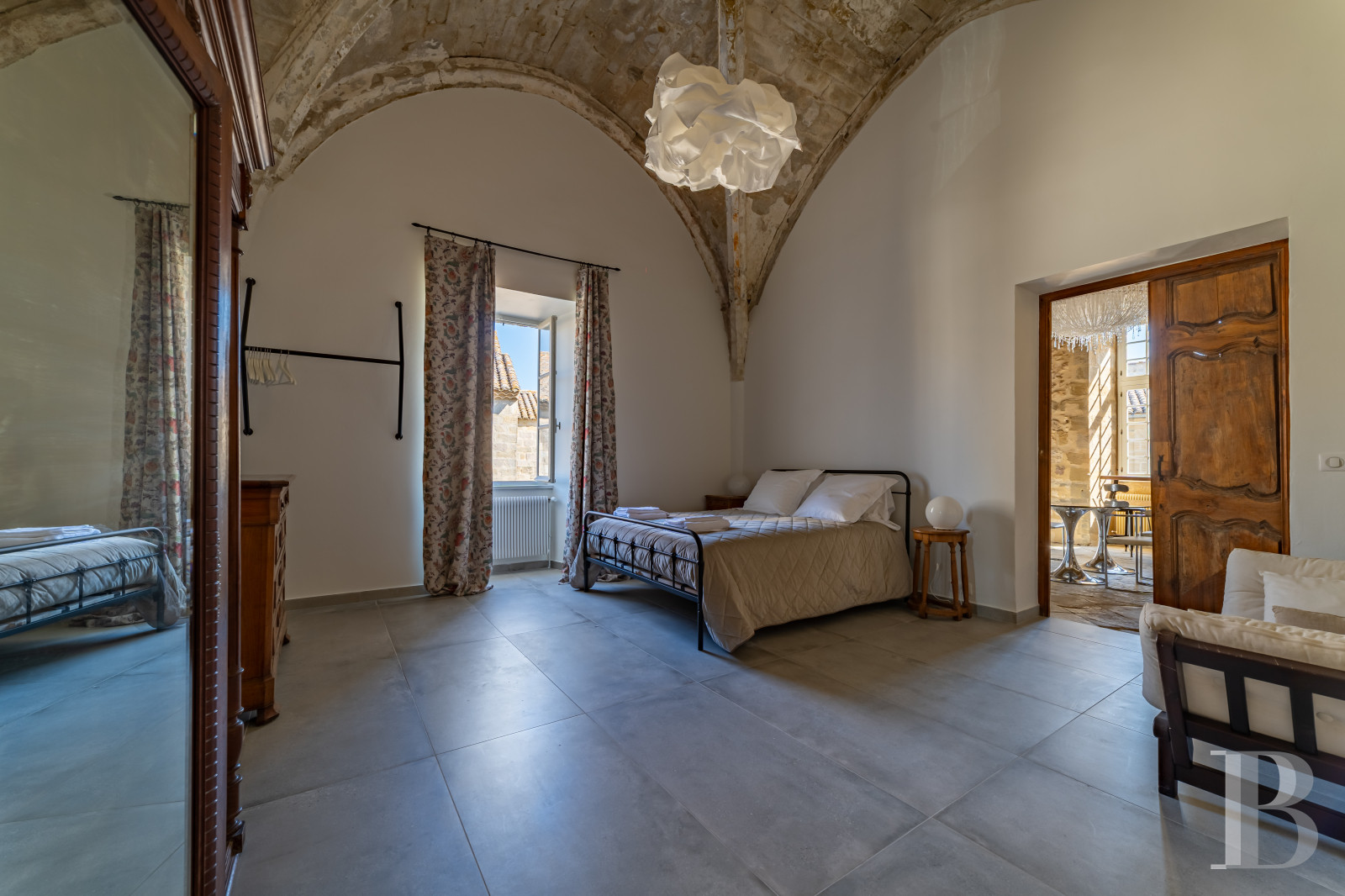
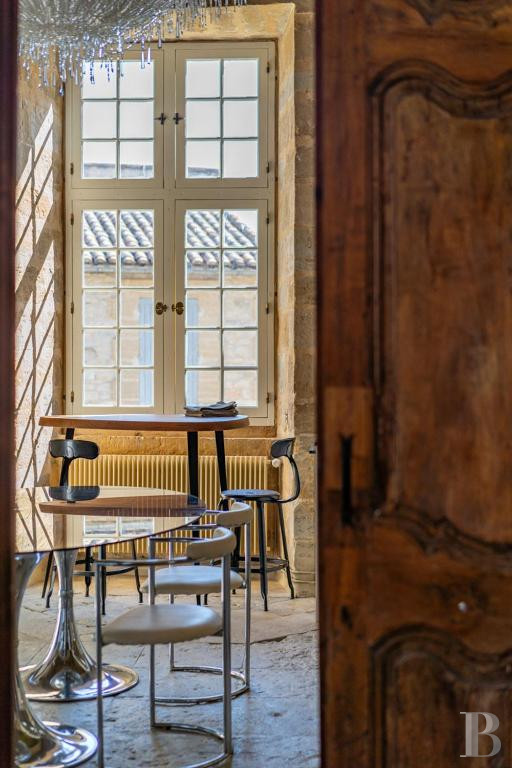
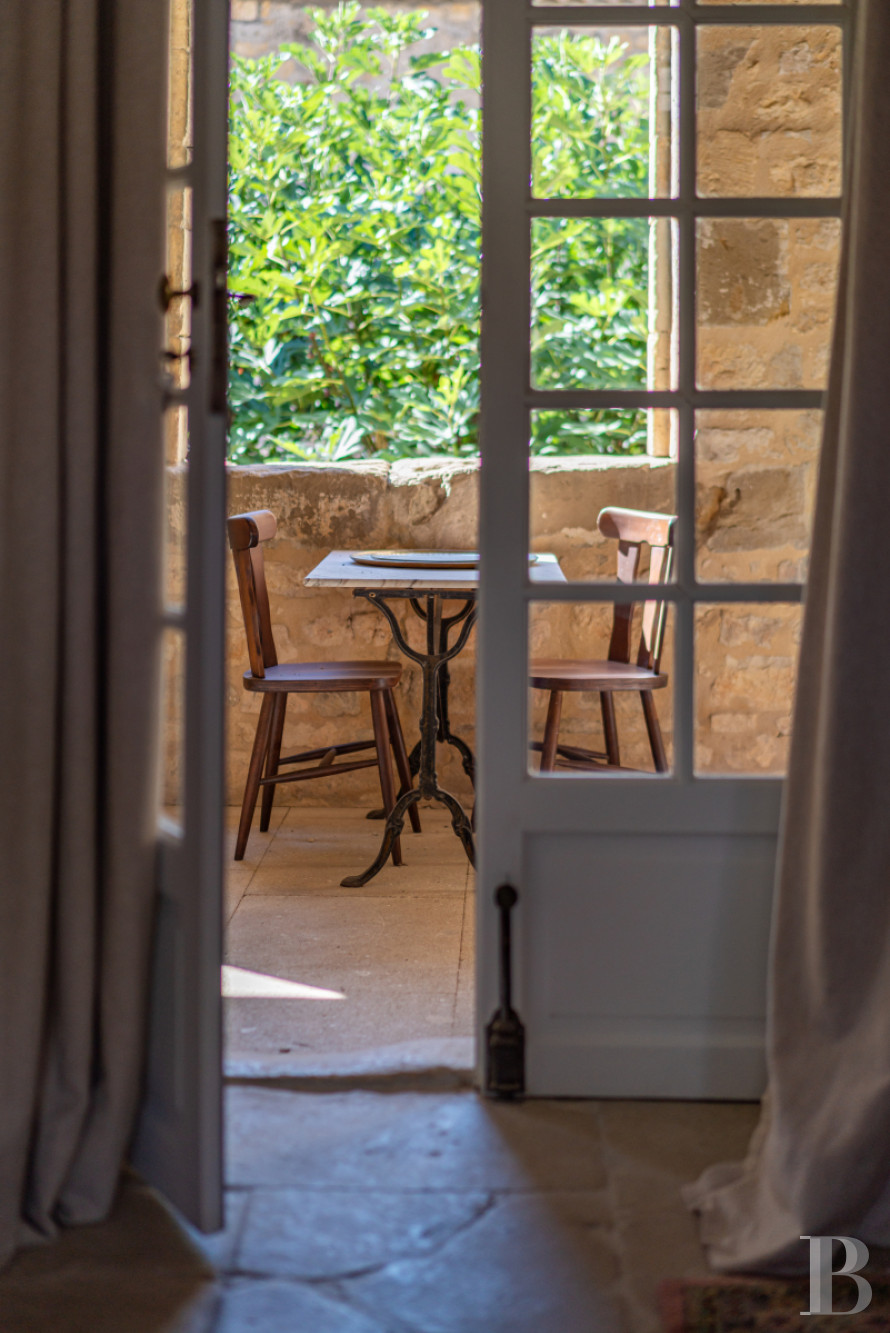
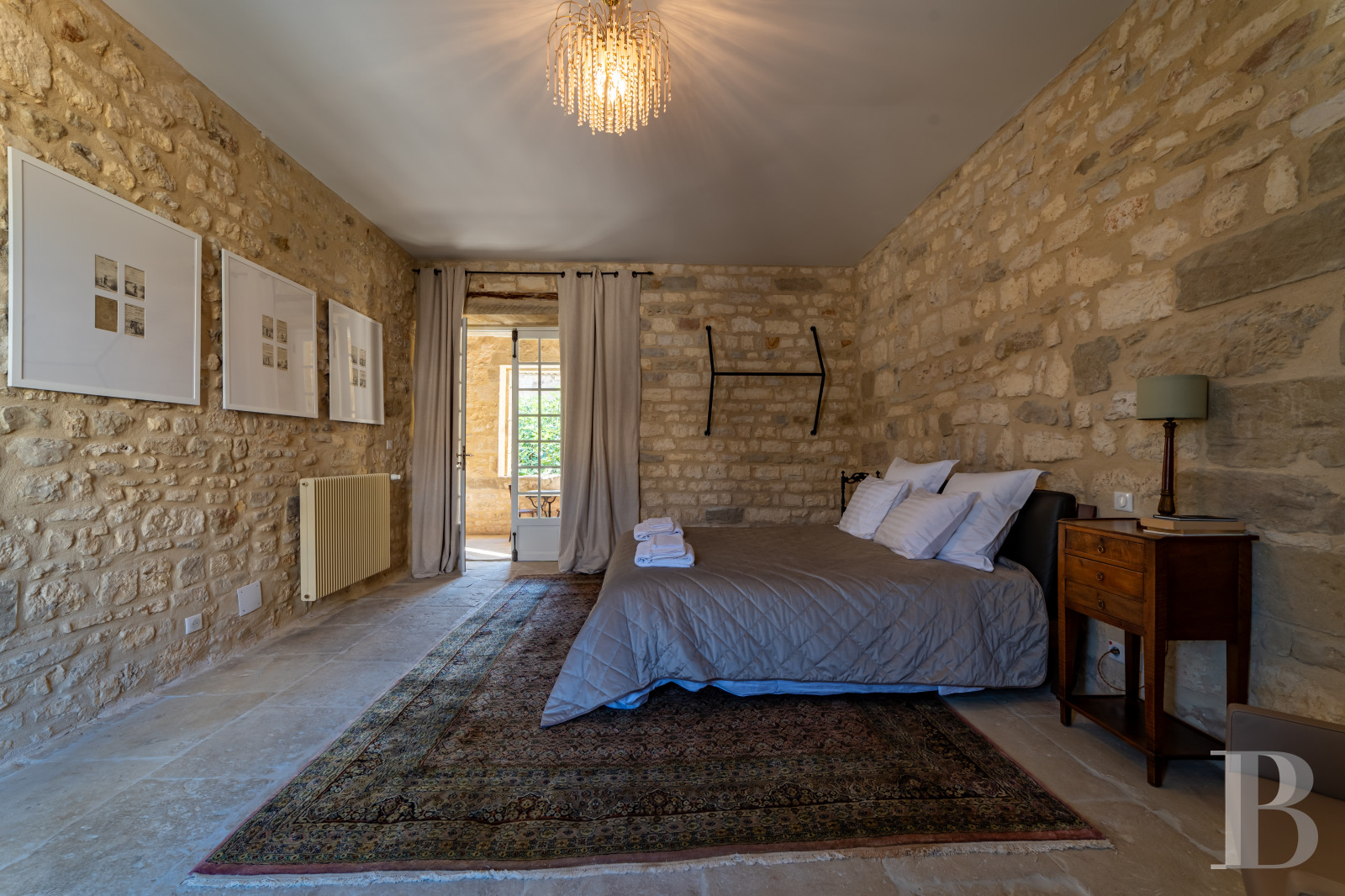
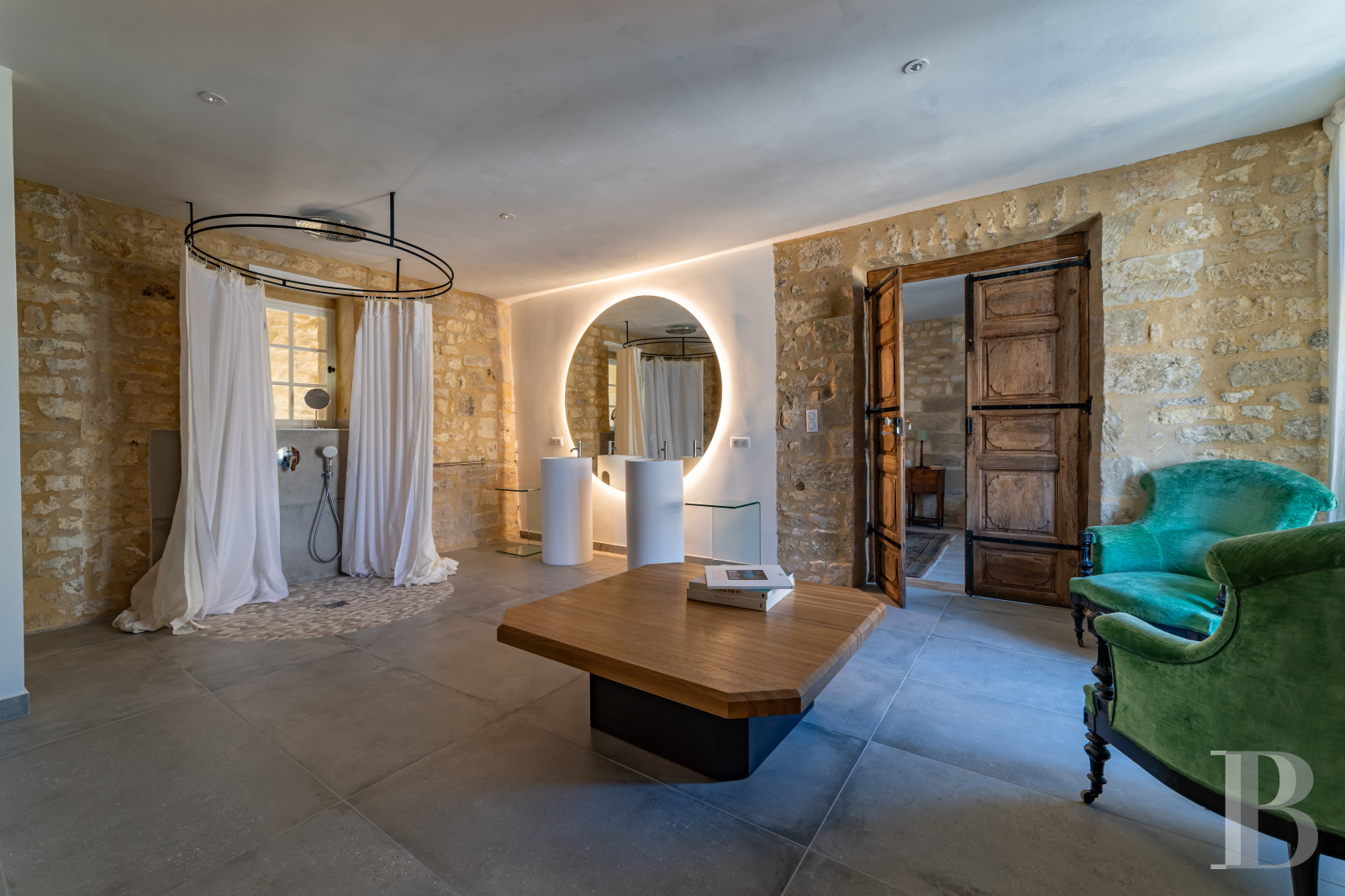
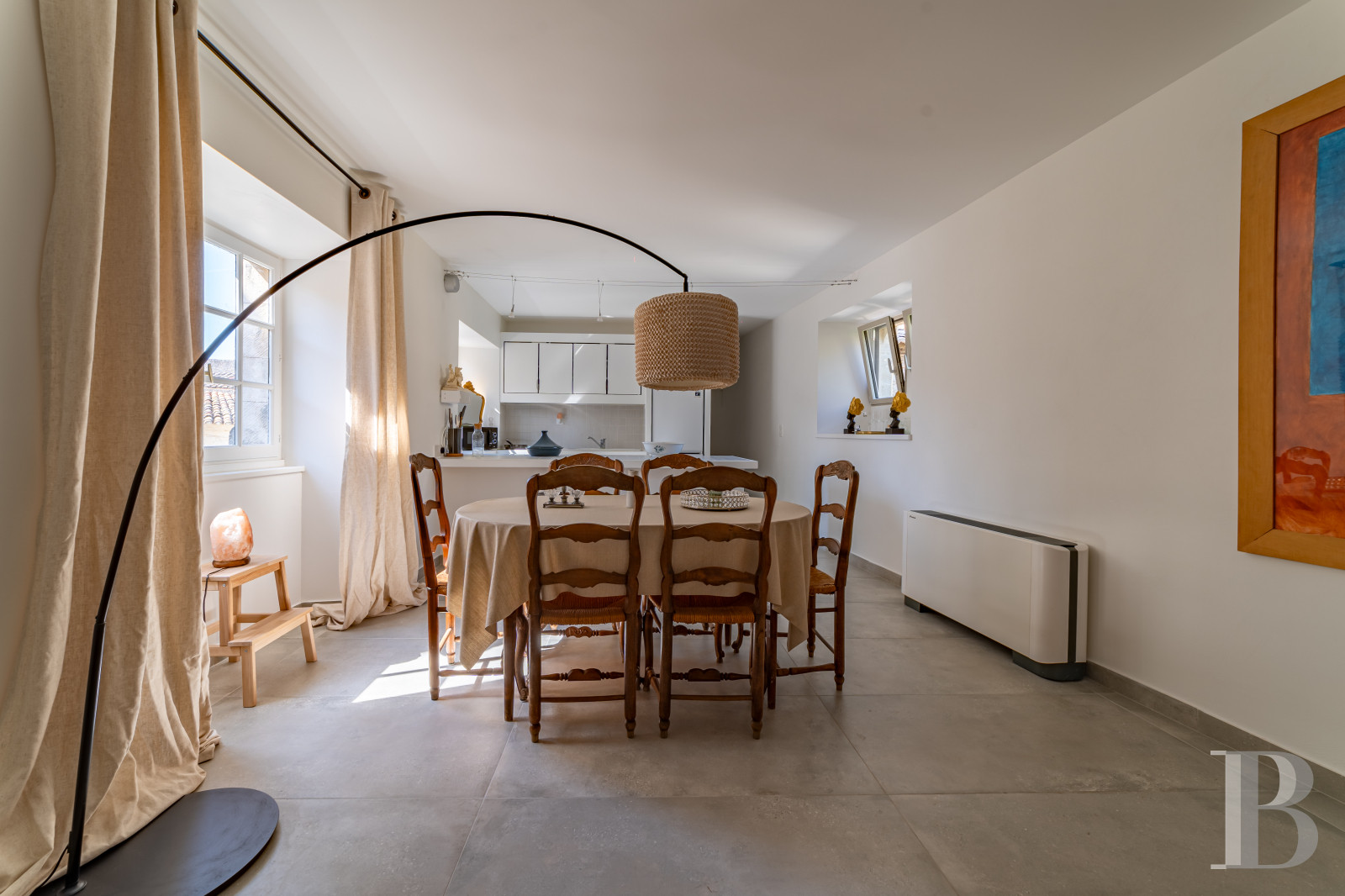
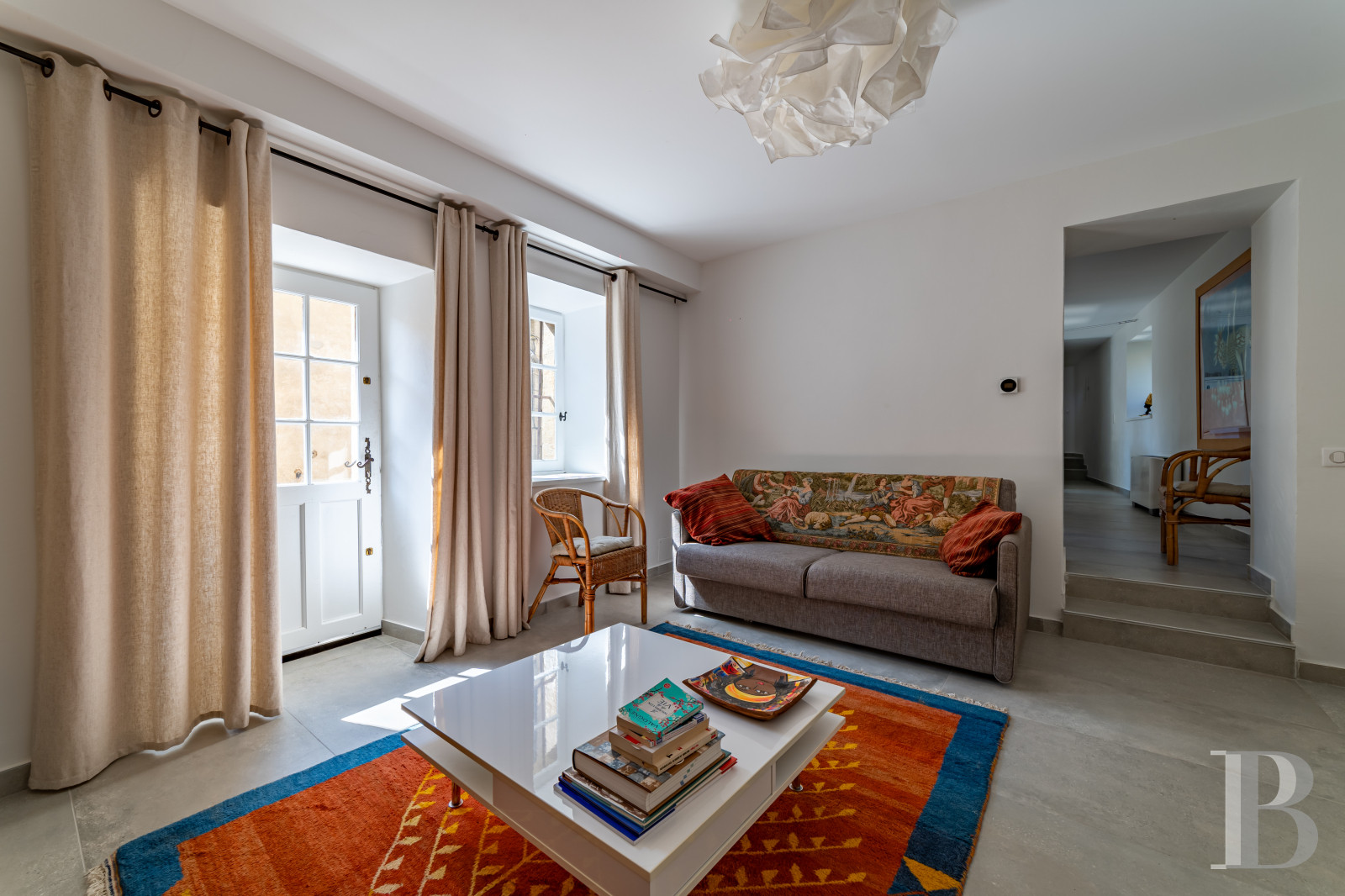
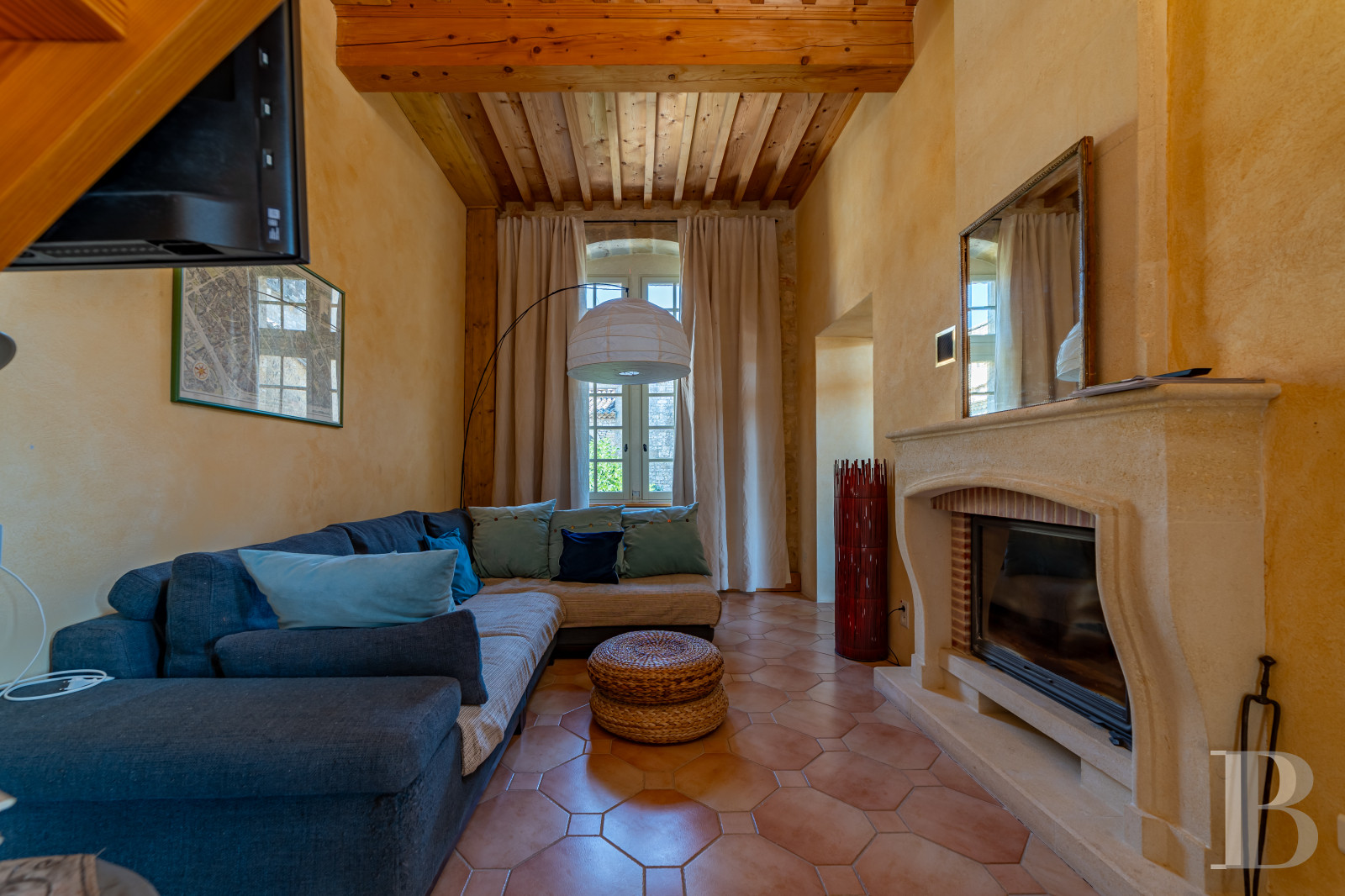
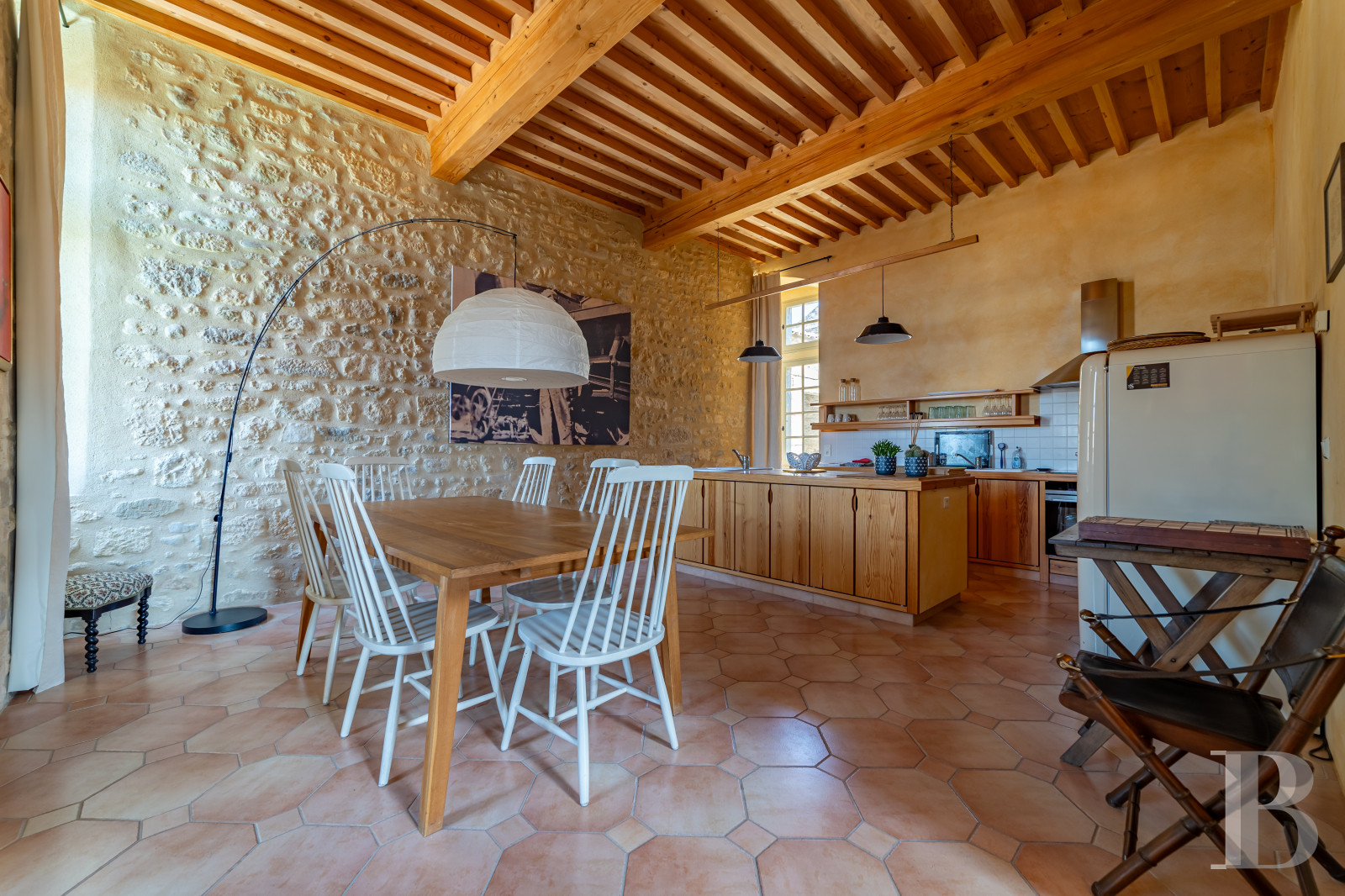
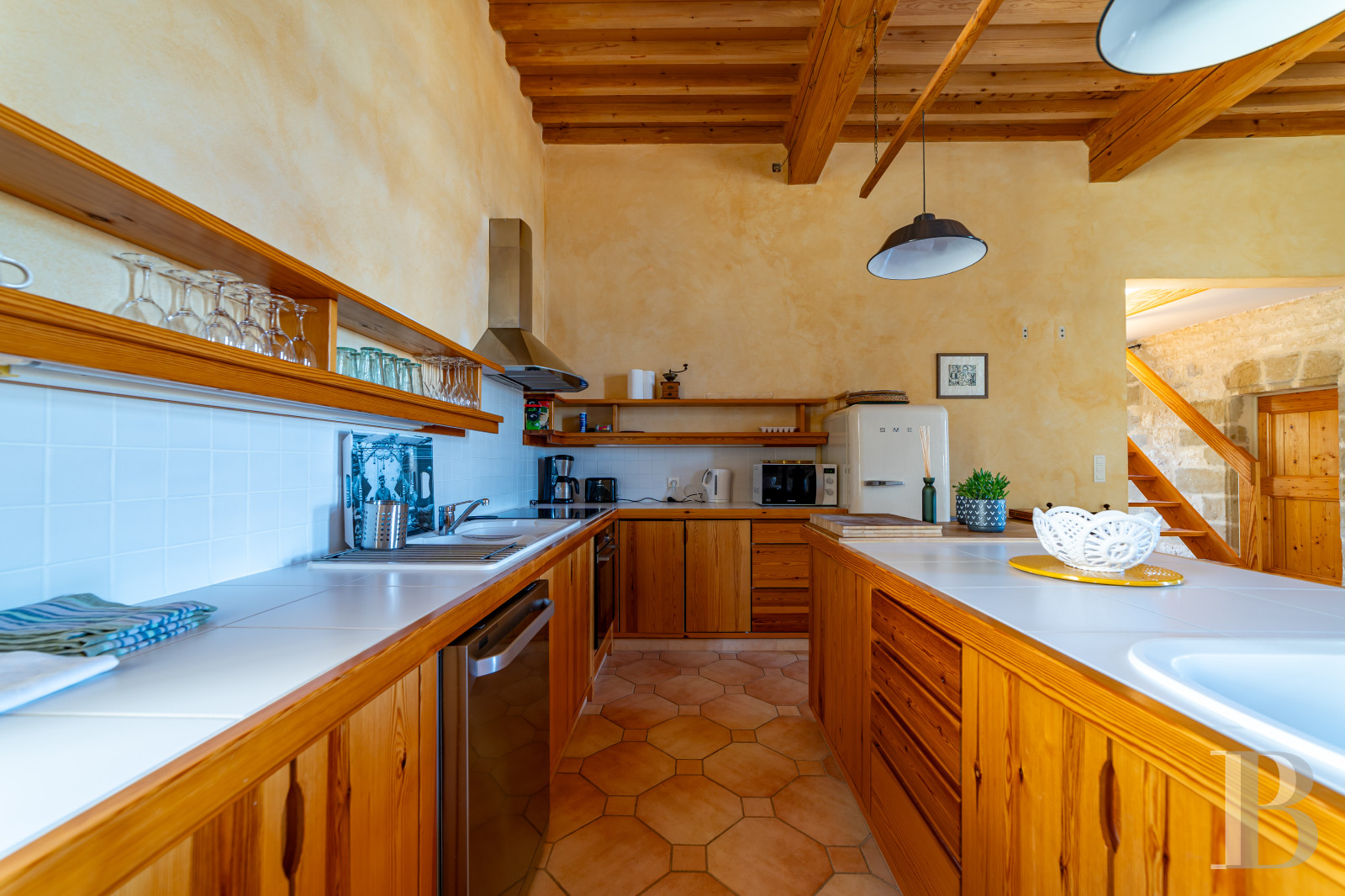
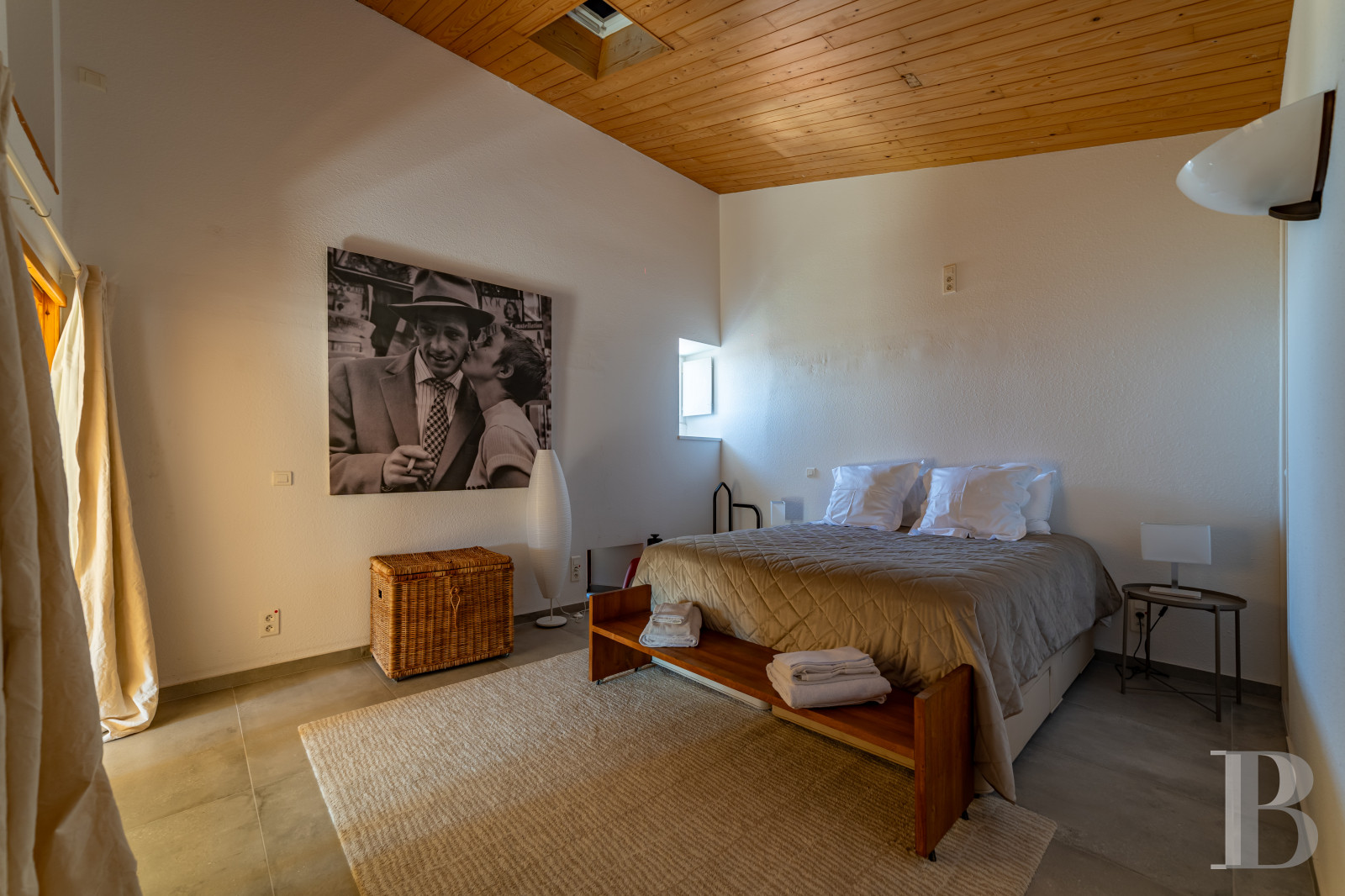
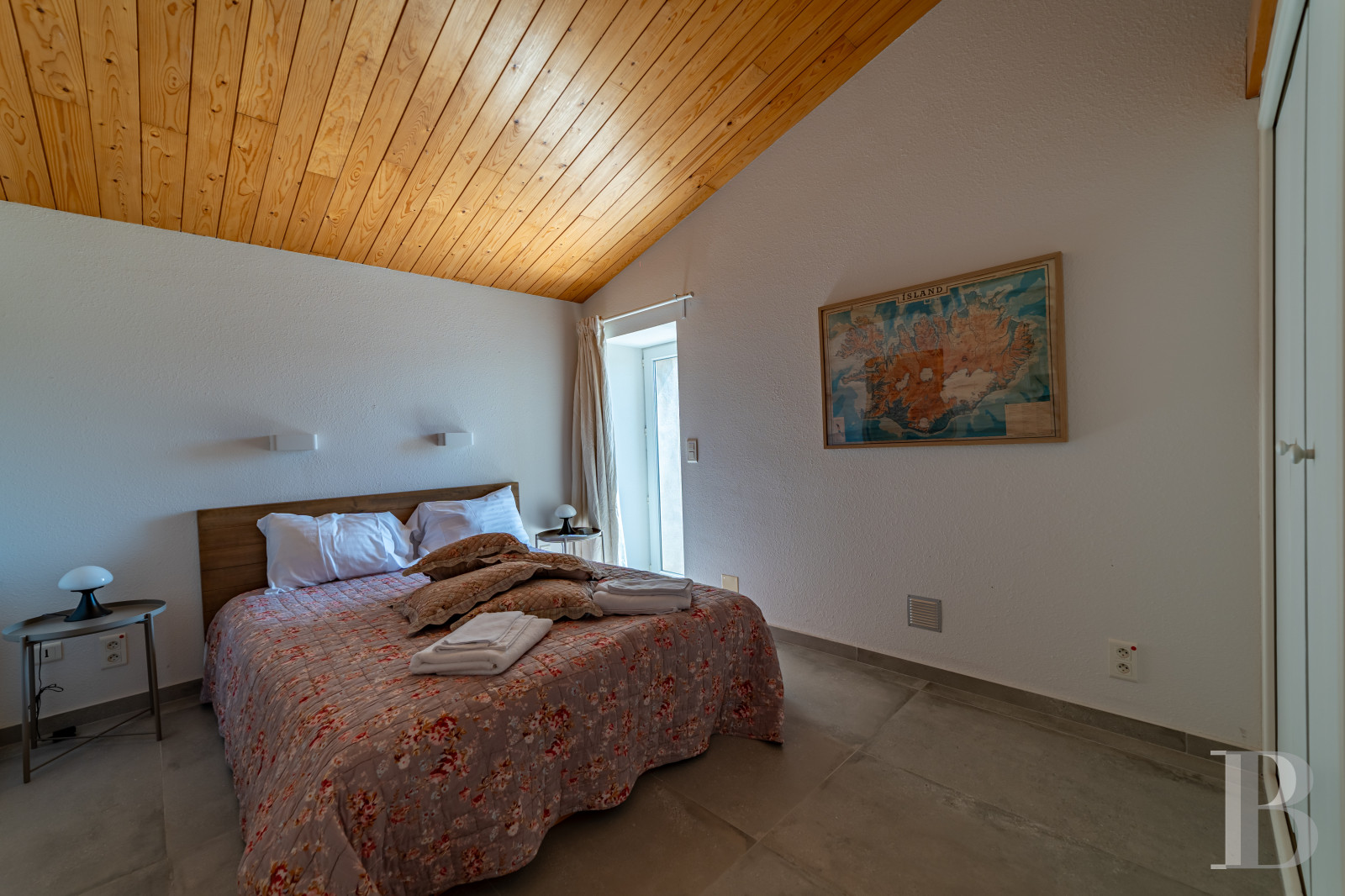
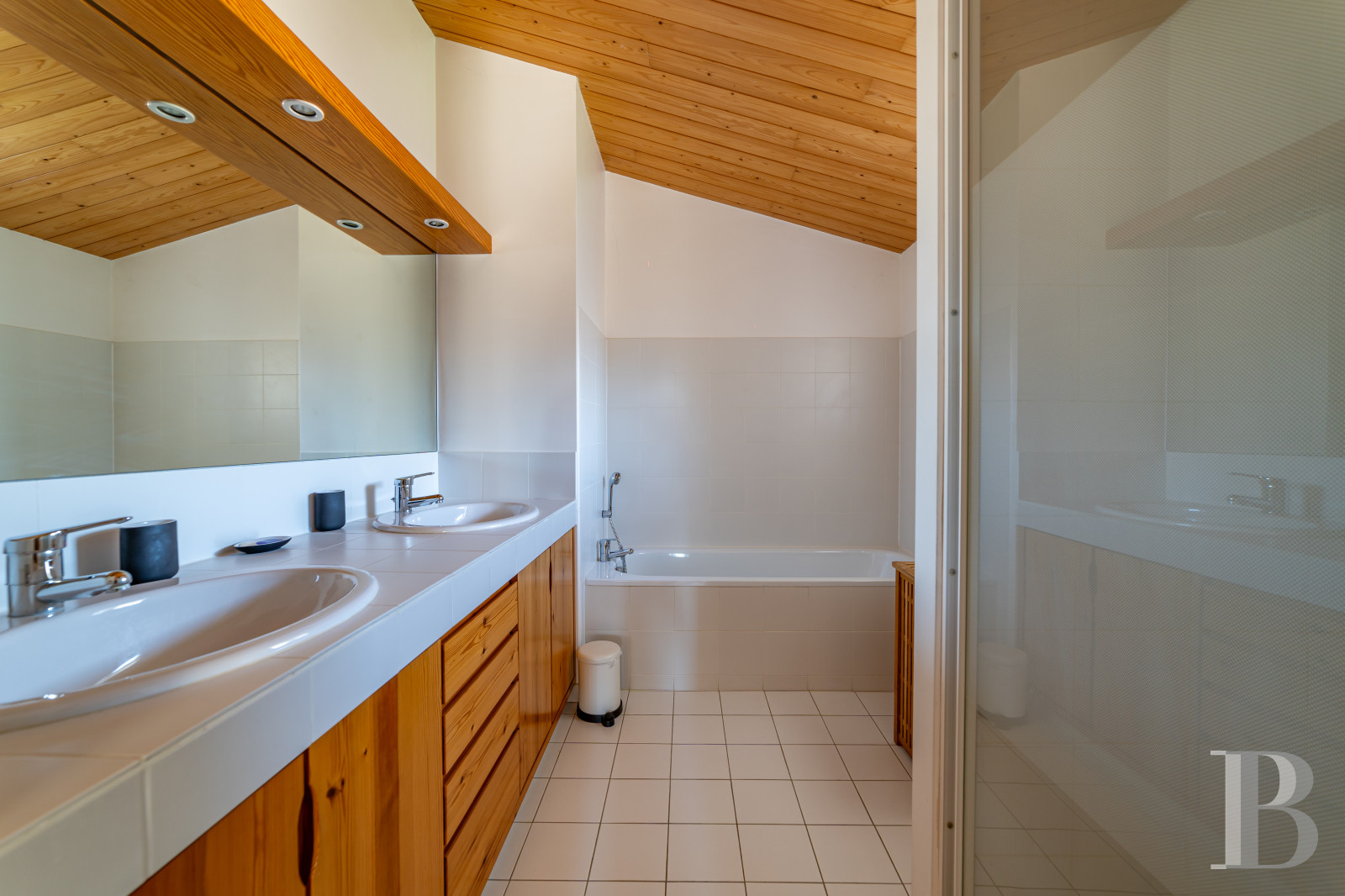
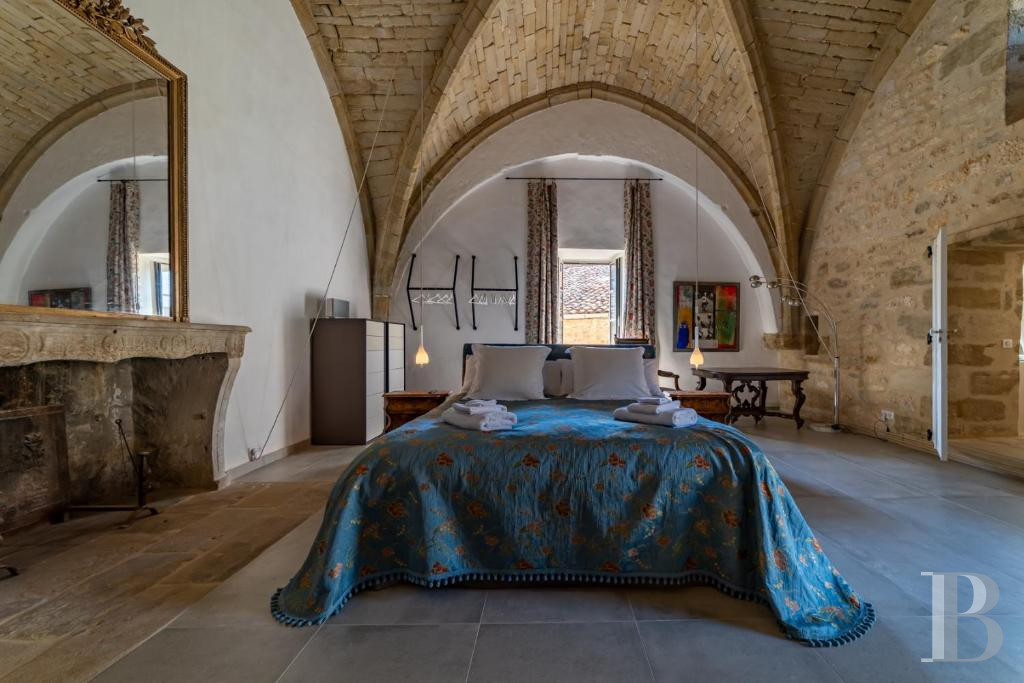
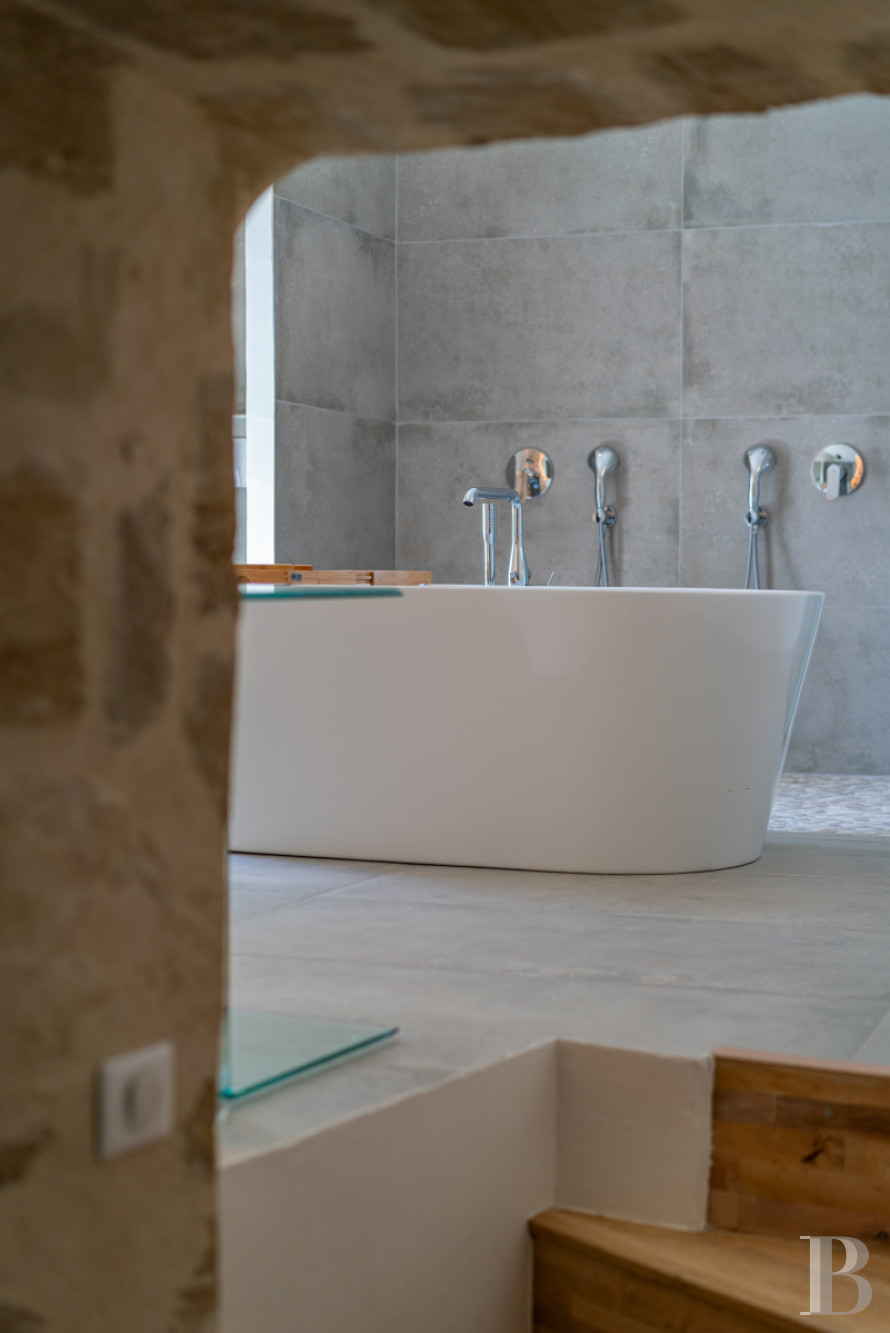
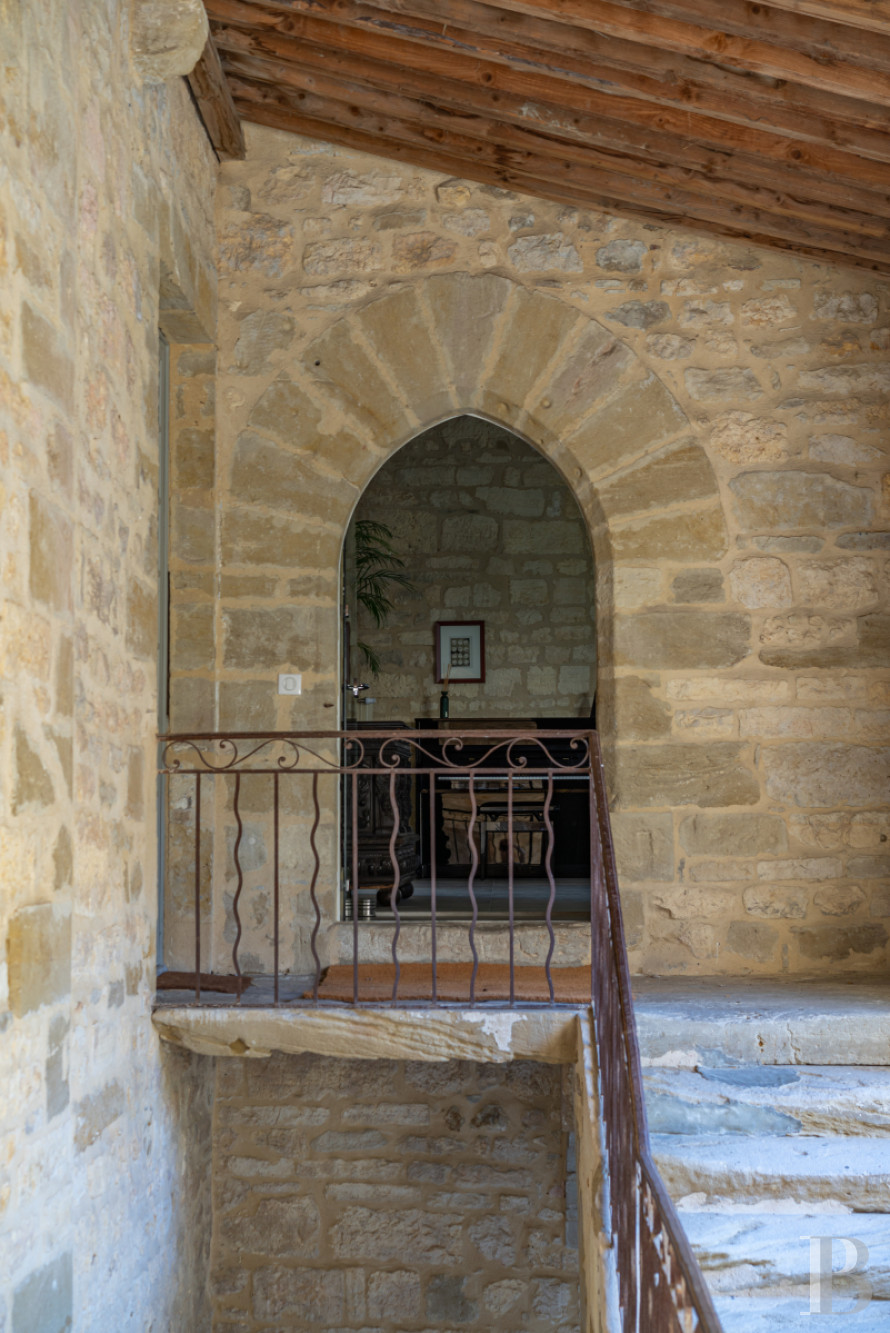
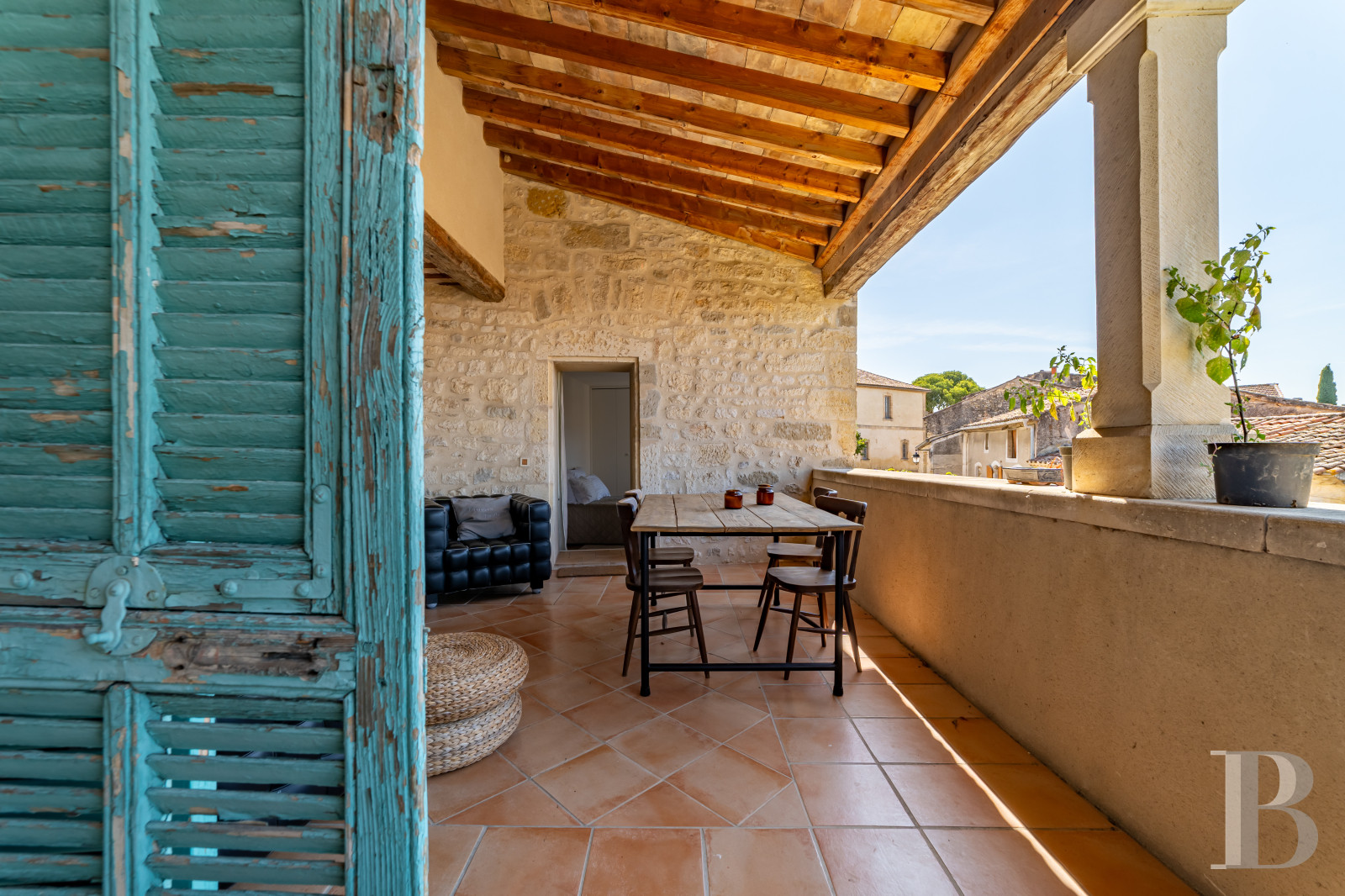
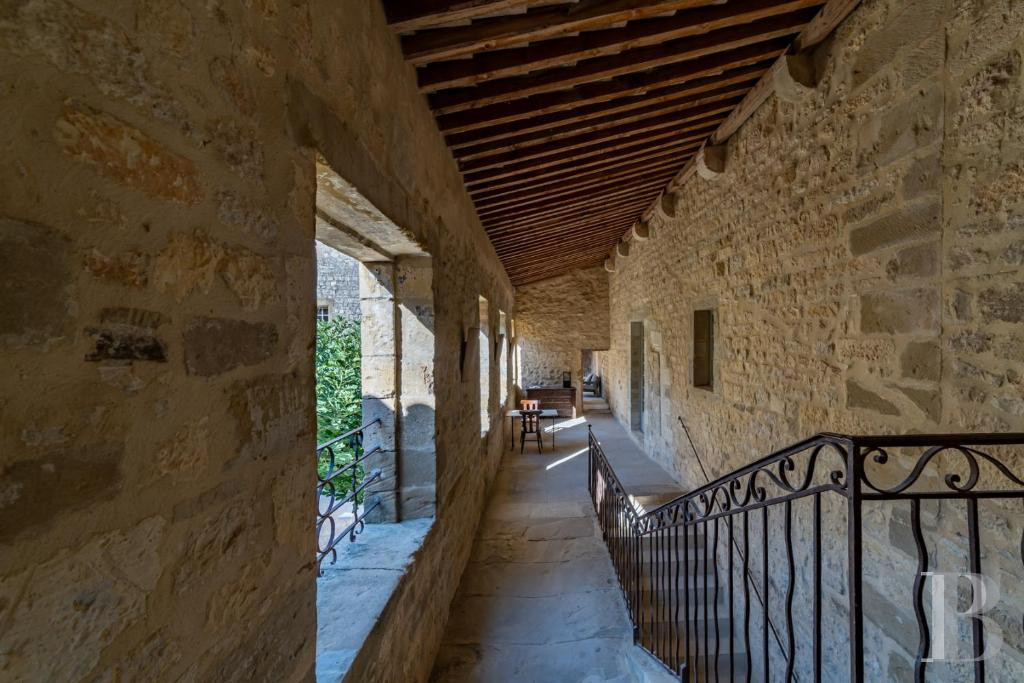
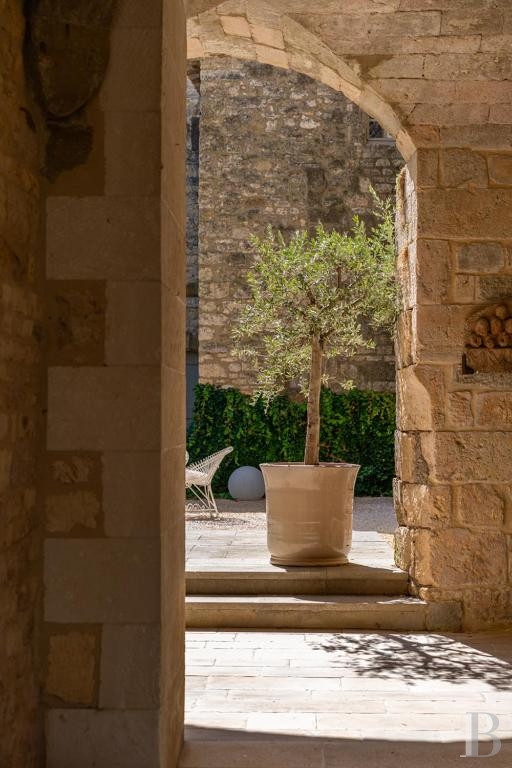
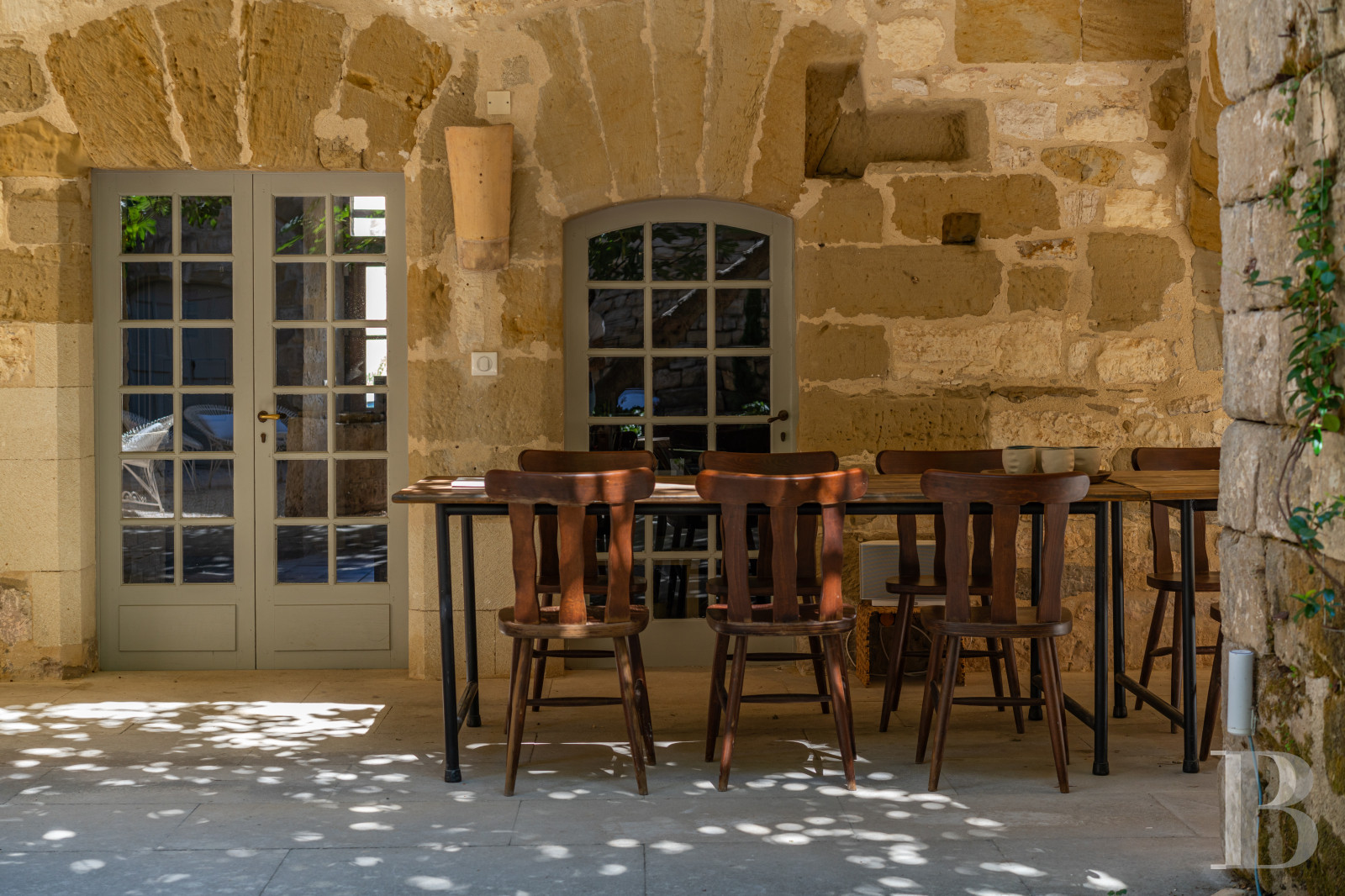
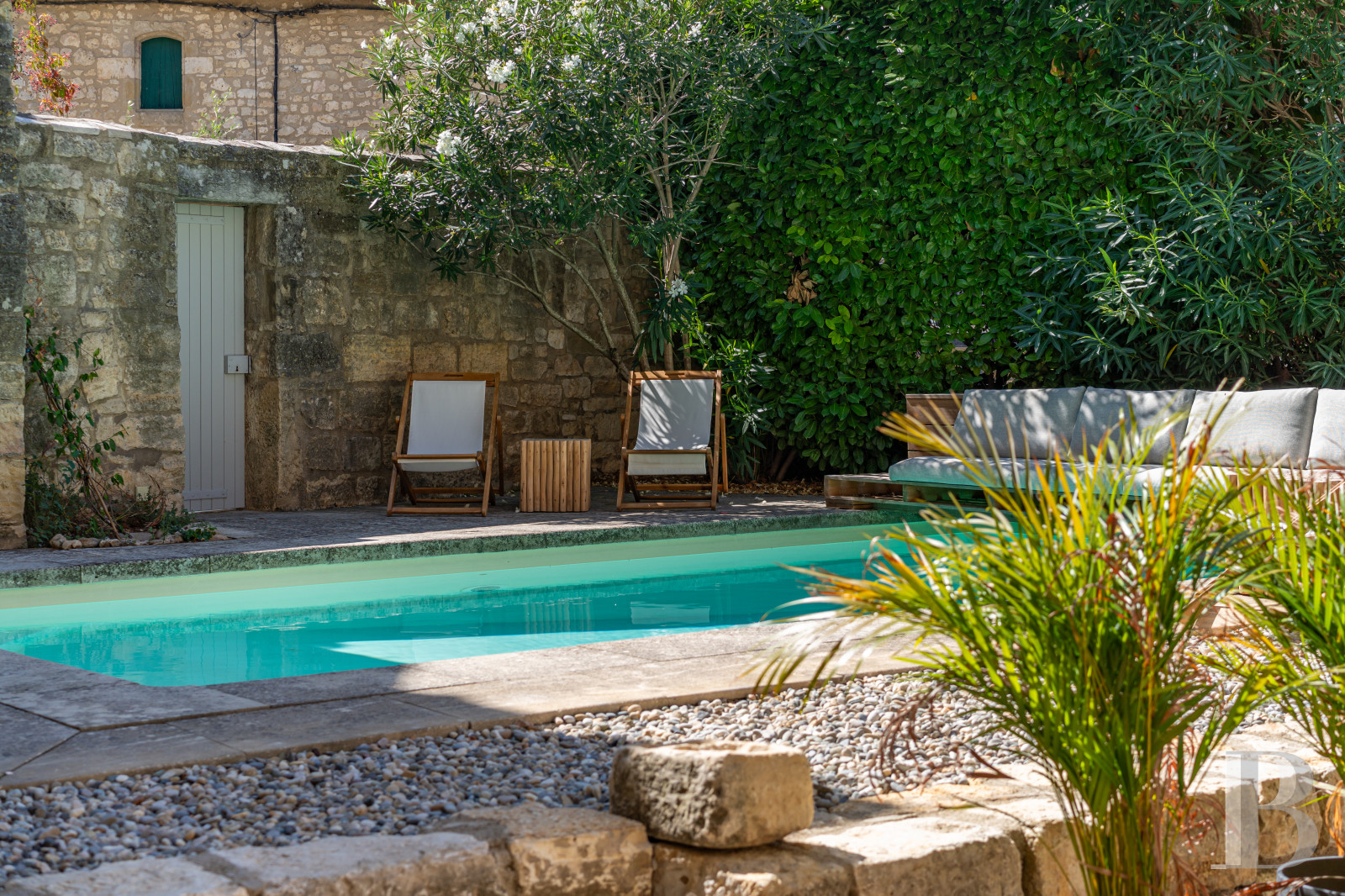
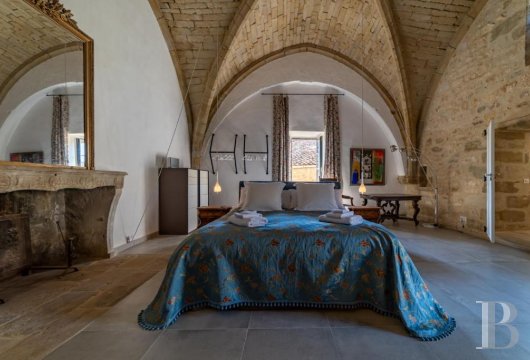
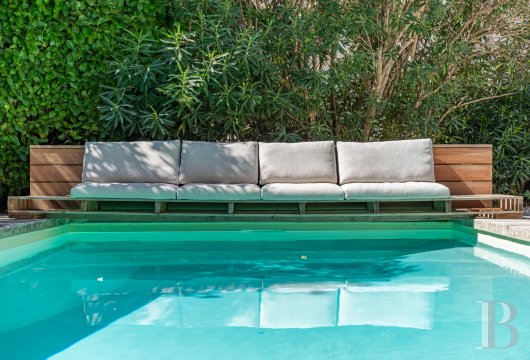
Emerging from the maze of village lanes and stone houses, the château dominates Blauzac behind its high, formerly defensive walls. The mullioned windows open outwards onto the street towards the church, revealing inside the changes made over the centuries to let in the light and gradually transform the fortress into a leisure château. Once you cross the threshold, a world of its own is opened up, a closed, intimate world whose existence you would never imagine from outside. Interior courtyards, terraces, balconies, a swimming pool and shaded arcades combine and follow each other as the architecture of the château changes. The various self-contained flats on offer in the château are also pleasant surprises: by cleverly combining original features such as stone vaults and old paving with clean lines and contemporary furnishings, a fine balance has been struck between the past and the present. Everything has been thought out, designed and produced to ensure your stay is of the highest quality.
We already lived near Uzès, in Saint-Maximin, and wanted to stay in this region because of its cultural vitality and its down-to-earth people. We were open to any place that was a little unusual, not specifically a château, but this was the one that spoke to us. Our very first visit was unplanned, a bit like a blind date organised by a friend. I felt right at home from the very first moment, surrounded by walls thousands of years old and immersed in history. It was love at first sight. Its restoration was an arduous task, but it proved to be an exciting one thanks to cooperation with the DRAC (regional directorate for cultural affairs), as the château is a listed historic monument.
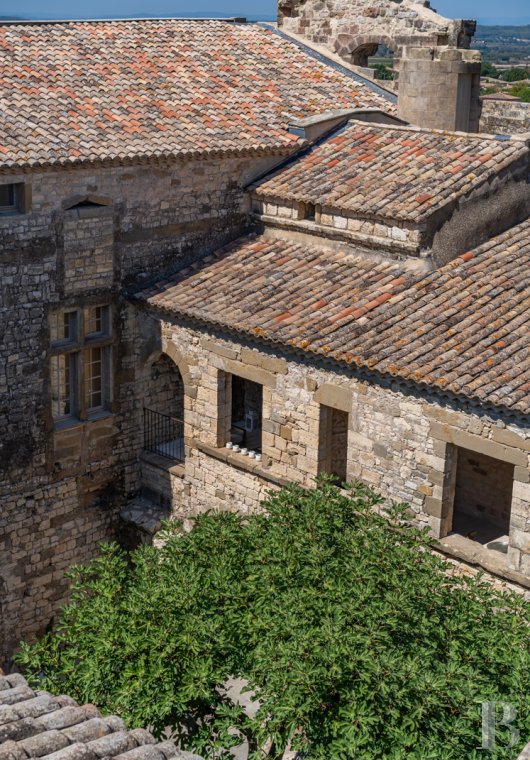
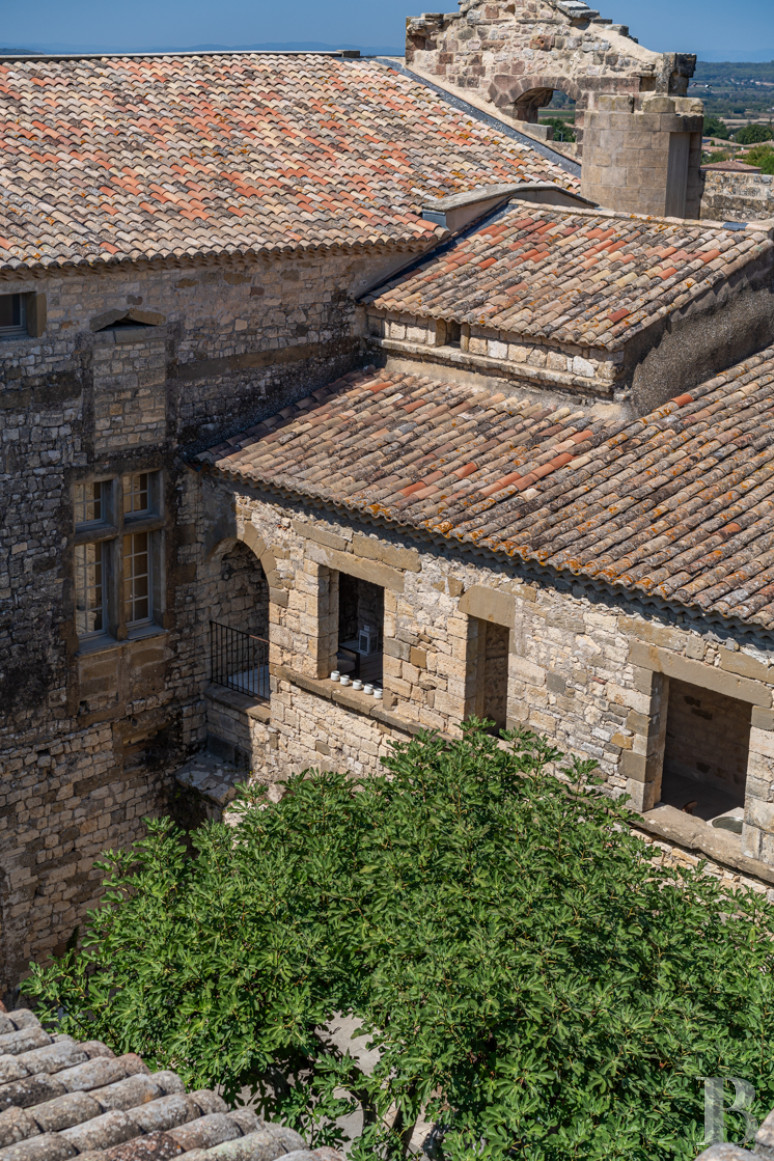
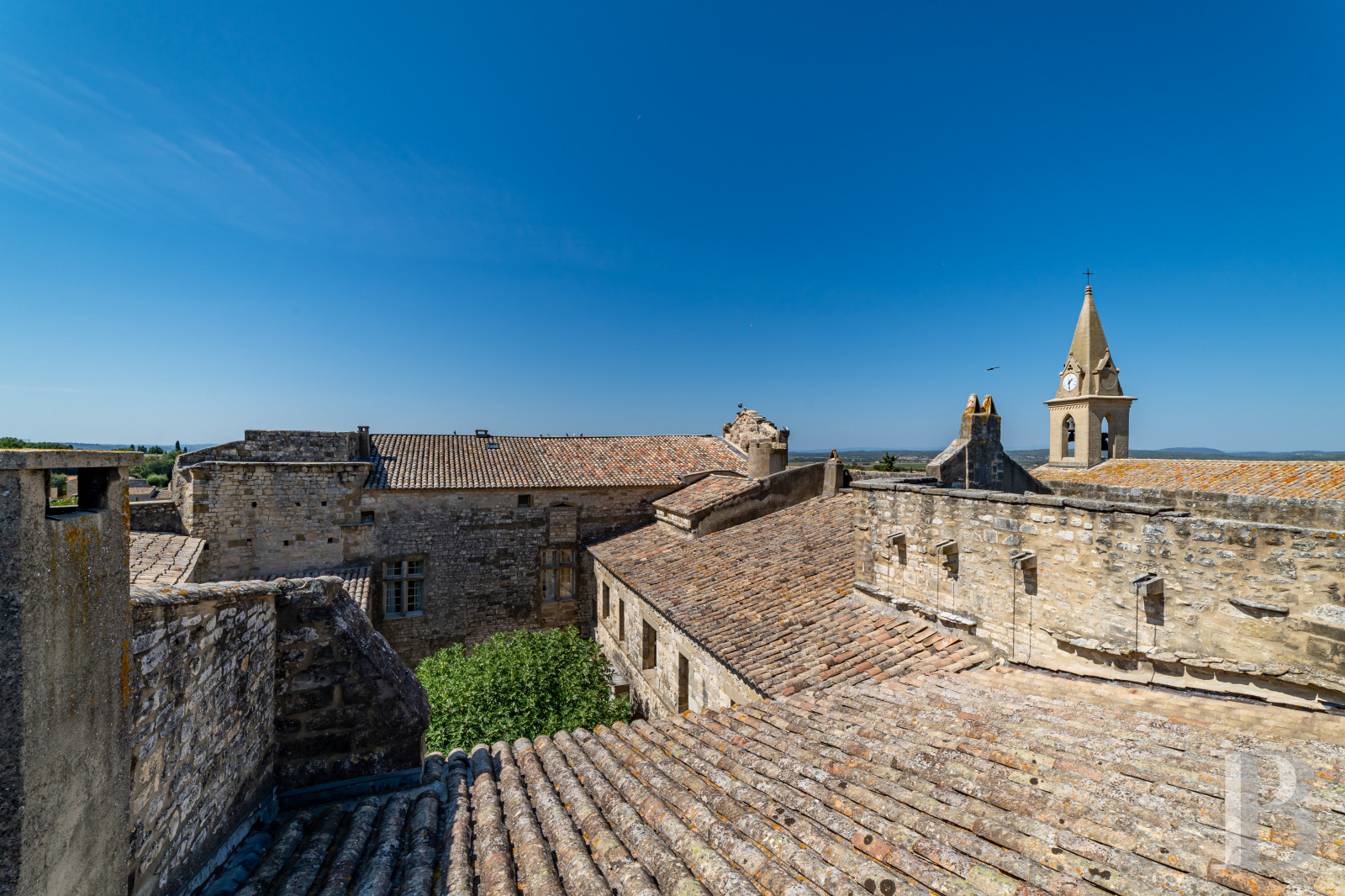
The château is built around a square inner courtyard. It was probably built in the 11th century, starting with the keep, a rusticated tower in the north-west corner. The south-east corner tower, now destroyed, can still be seen in part in the current building. The castle is built of local stone: hard, white limestone and a more colourful, fine-grained stone that crumbles more easily. Situated at the heart of the fortified village, this building is part of the medieval village, where it was a centre of power and protection in the Middle Ages. This architectural diversity and its successive traces of construction and restoration reflect the great historical moments linked to its occupation, function and use.
The castrum of Blauzac appears for the first time in a 12th century text. Defeated in 1209, the Count of Toulouse ceded it to the Bishop of Uzès, who made it a fiefdom and a coseigniory, a local feudal characteristic that allowed several families to hold rights over the same property. In 1353, the King of France granted the seigneury of Blauzac to Pierre de Deaux (related to Cardinal Bertrand de Deaux, the future papal legate based in Villeneuve-lès-Avignon). The current château probably dates from this period. In 1383, the castle was burnt down by the Tuchins, causing extensive damage, particularly to the keep. After the Revolution, it was divided up, used by farmers, fell into ruin and was gradually restored in the 20th century. Our plan now is to restore the château to a central role in village life, in particular by creating a cultural hall for exhibitions, concerts, conferences and events.
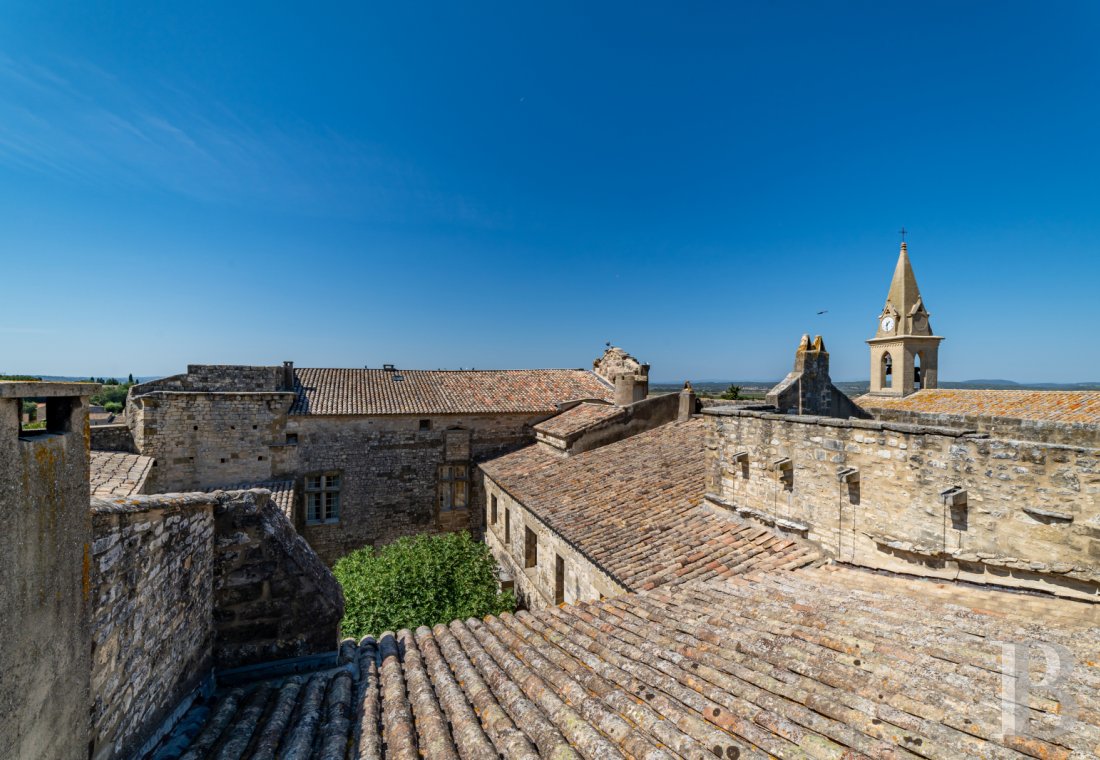
I give our guests a personalised welcome, explain how the château works and introduce them to the village and surrounding area. I give tours of the unrestored parts of the château, such as the covered walkway on the roofs, and organise tailor-made activities. The venue hosts yoga courses, “Spinal Flow Technique” sessions - a branch of chiropractic to release physical and emotional stress stored in the body - and introductory workshops to the Wim Hof method. An "honesty bar” is available by the pool, where we trust guests to serve themselves. You can also enjoy outdoor games such as boules or kubb. Golf, padel and tennis facilities are also available.
"Le Progrès”, just opposite the château, serves authentic, local and tasty cuisine. The village of Blauzac is also very charming and lively, offering a very special balance between rich history and social life. In Saint-Maximin, “Ousta-Maï” is a fine gastronomic address with no set menu, but instead a discovery menu. In Uzès, "Les Macarons d'Anthony" sells home-made macaroons in over 50 different sweet and savoury flavours, and "Chez Dandys Dodus" is a delicatessen where you can discover the latest culinary delicacies in jars imagined by its founder. In Nîmes, the Halles market, which is particularly lively on Sundays, is a not-to-be-missed experience. "De Grappes et d'Ô" in Blauzac is a winery renowned for the quality of its wines.
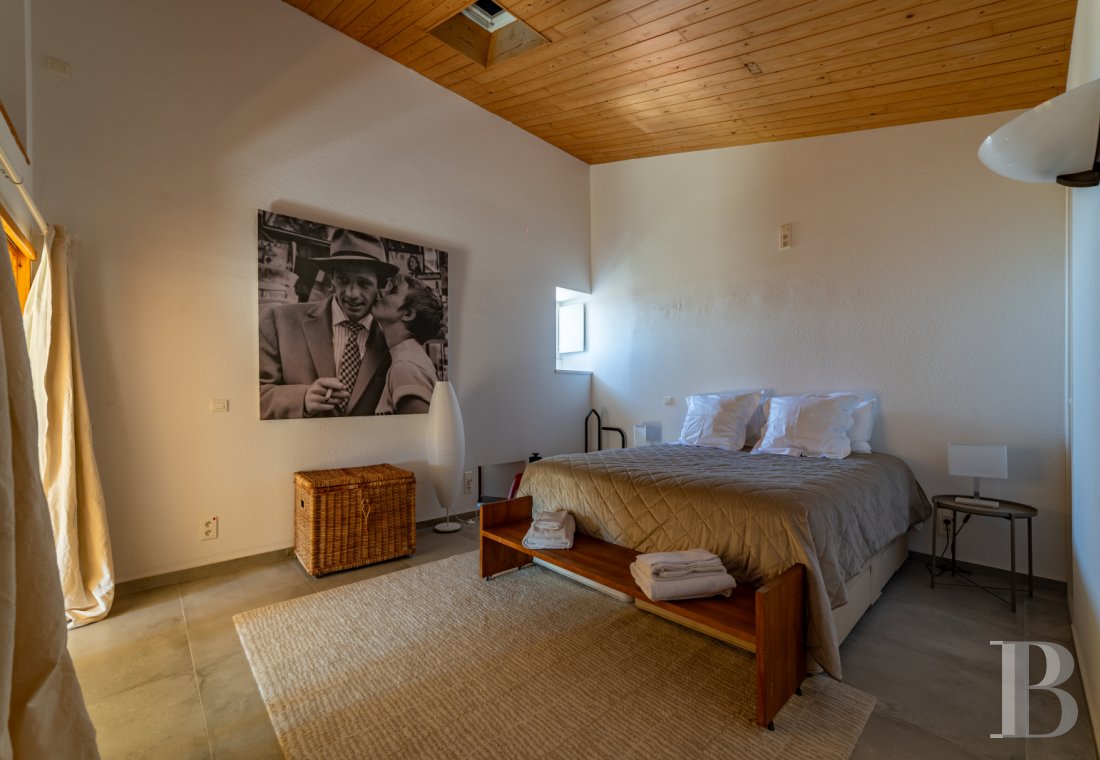
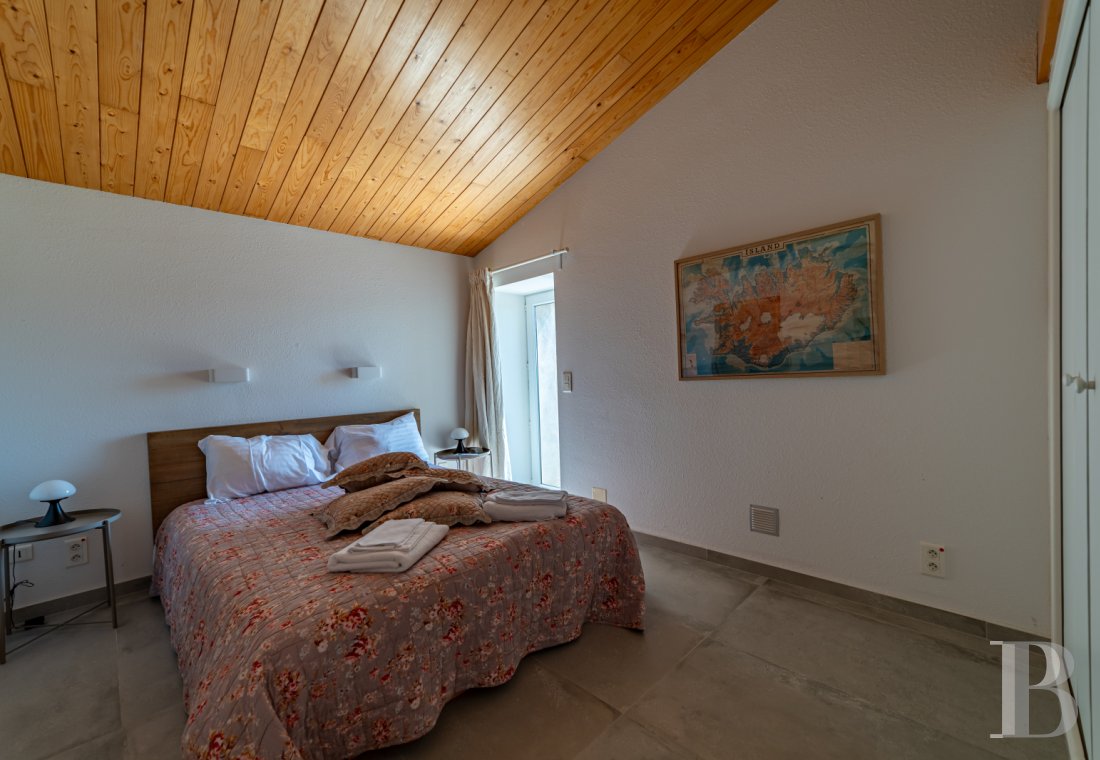
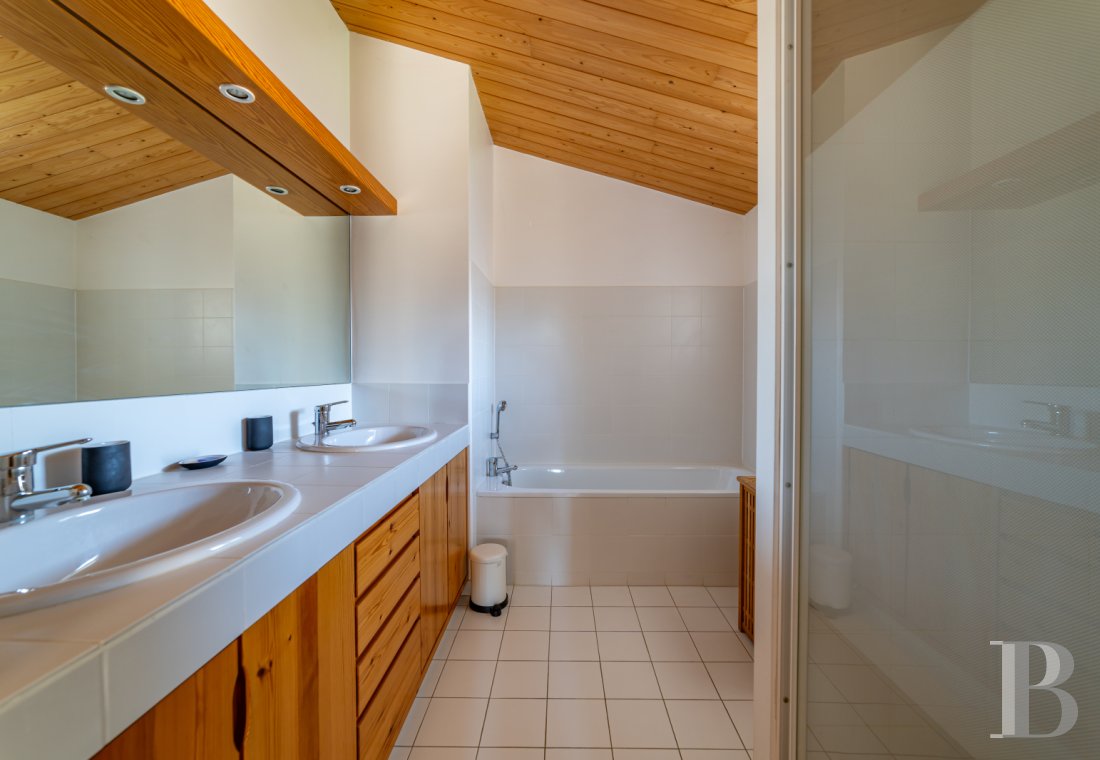
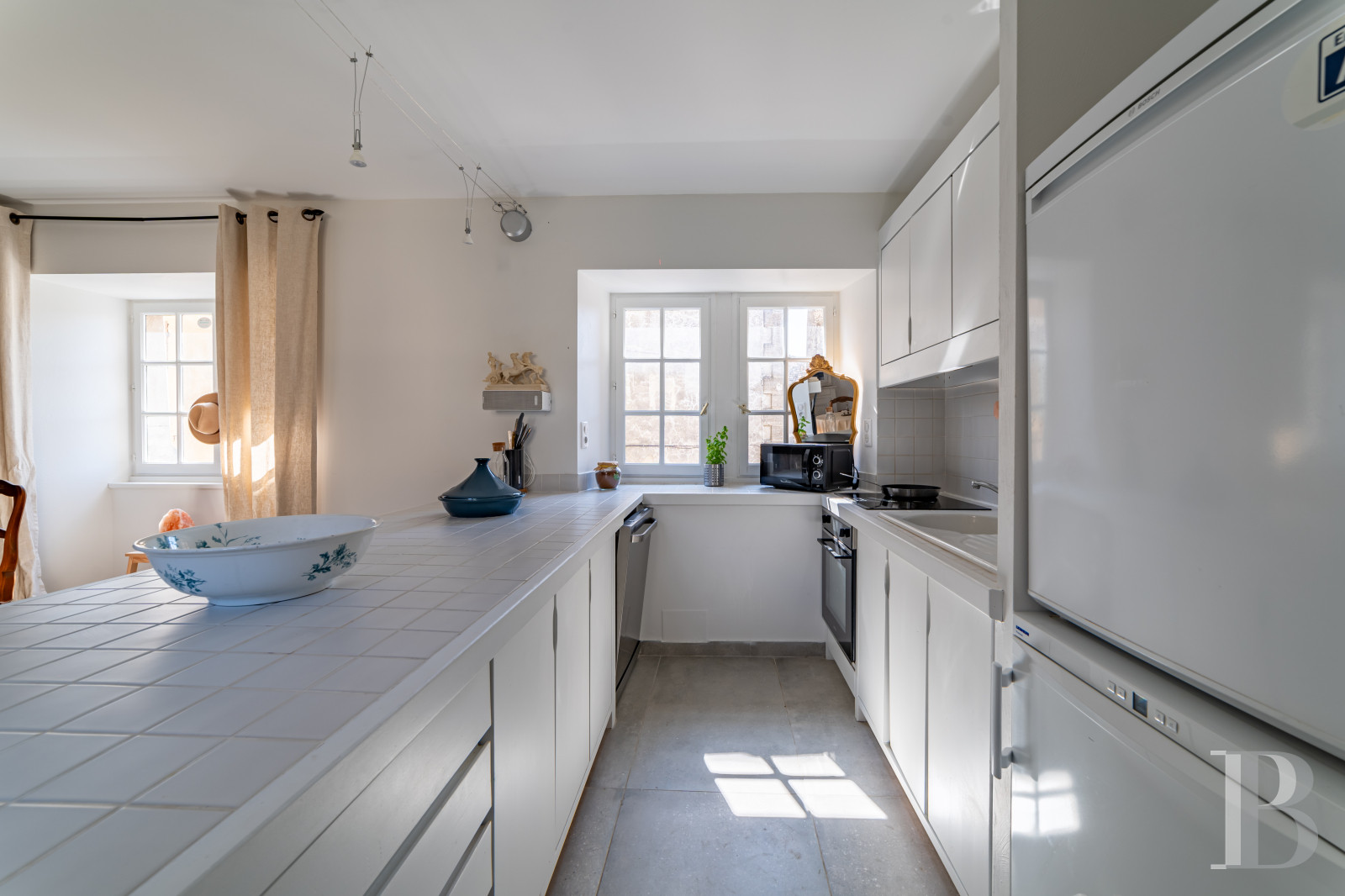
Receptions for up to 80 guests standing and 40 seated can be held mainly outside in the large courtyard and on the terraces. Certain areas, such as the large lounge in one of the flats, can accommodate a more intimate party or groups staying on site. The accommodation comprises eight rooms in three flats.
ref 775278
A link to enter a new password has been sent to you by email.
By continuing your navigation, you accept the use of cookies to offer you services and offers adapted to your centers of interest and to measure the frequentation of our services. Learn more