

Add to favorites
Log in to your personal space
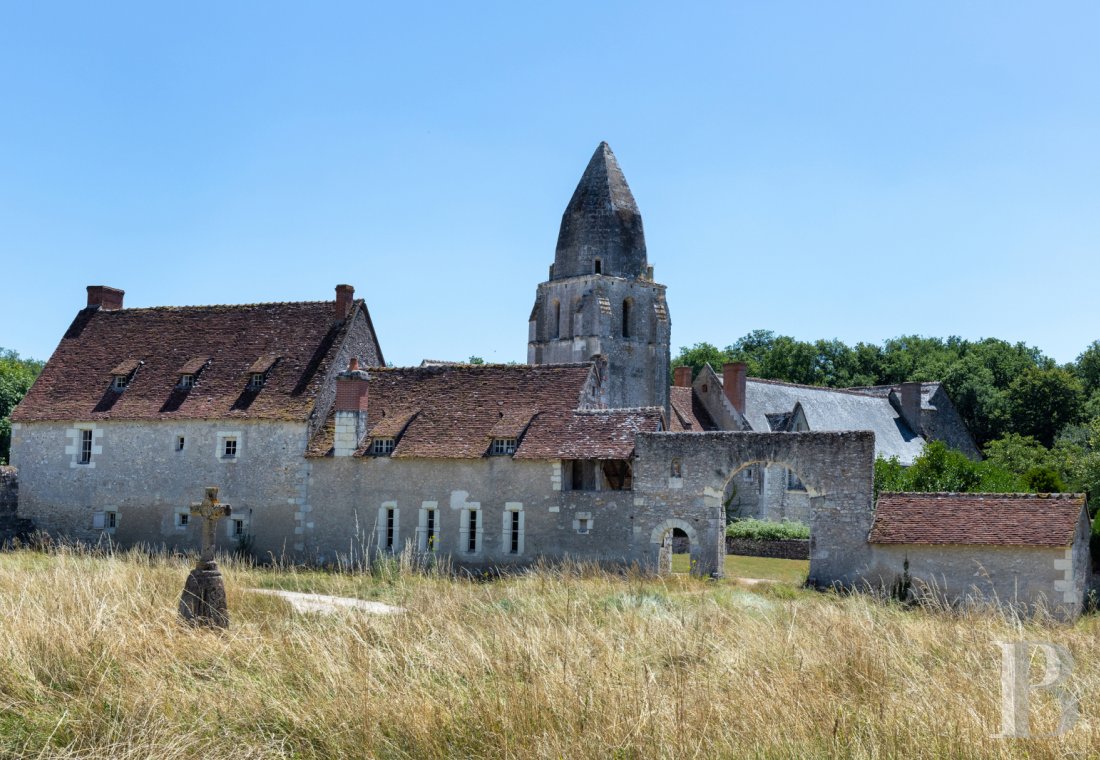
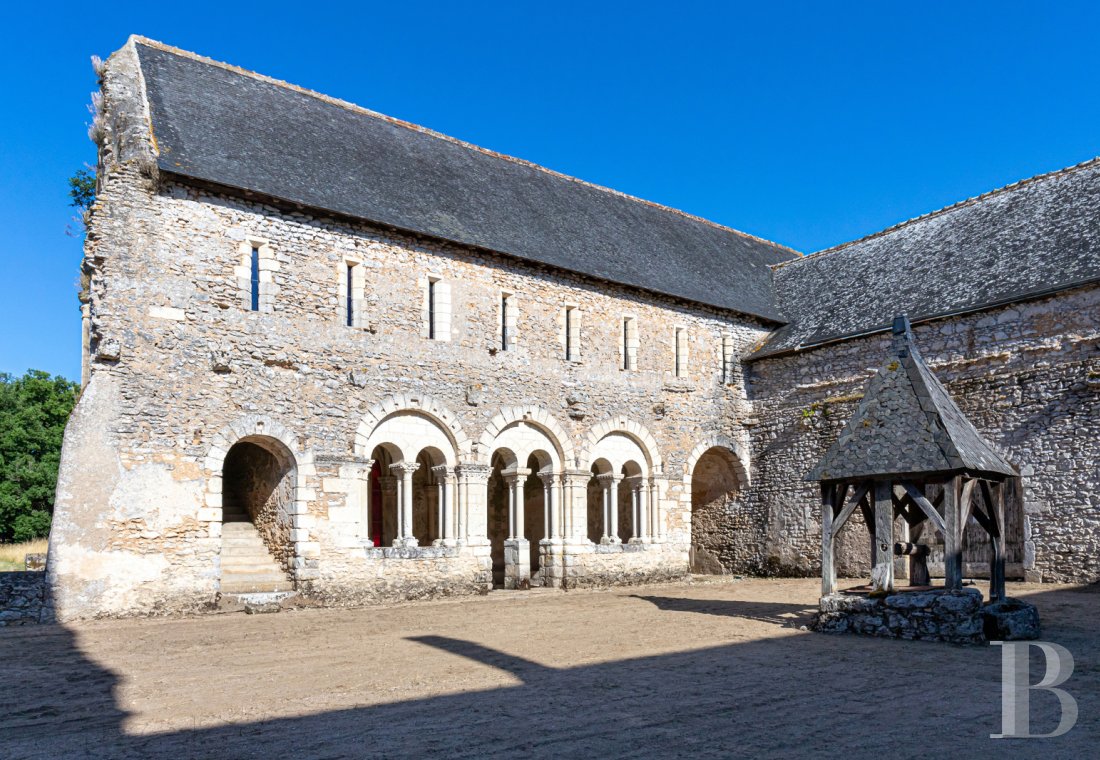
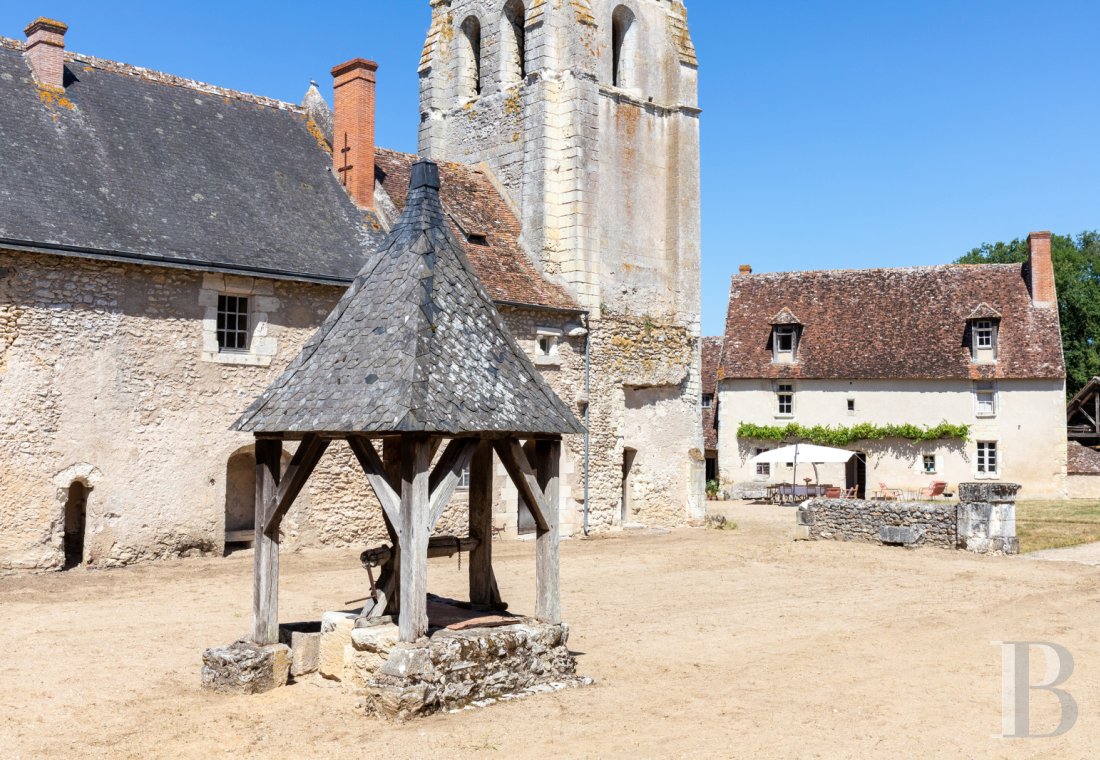
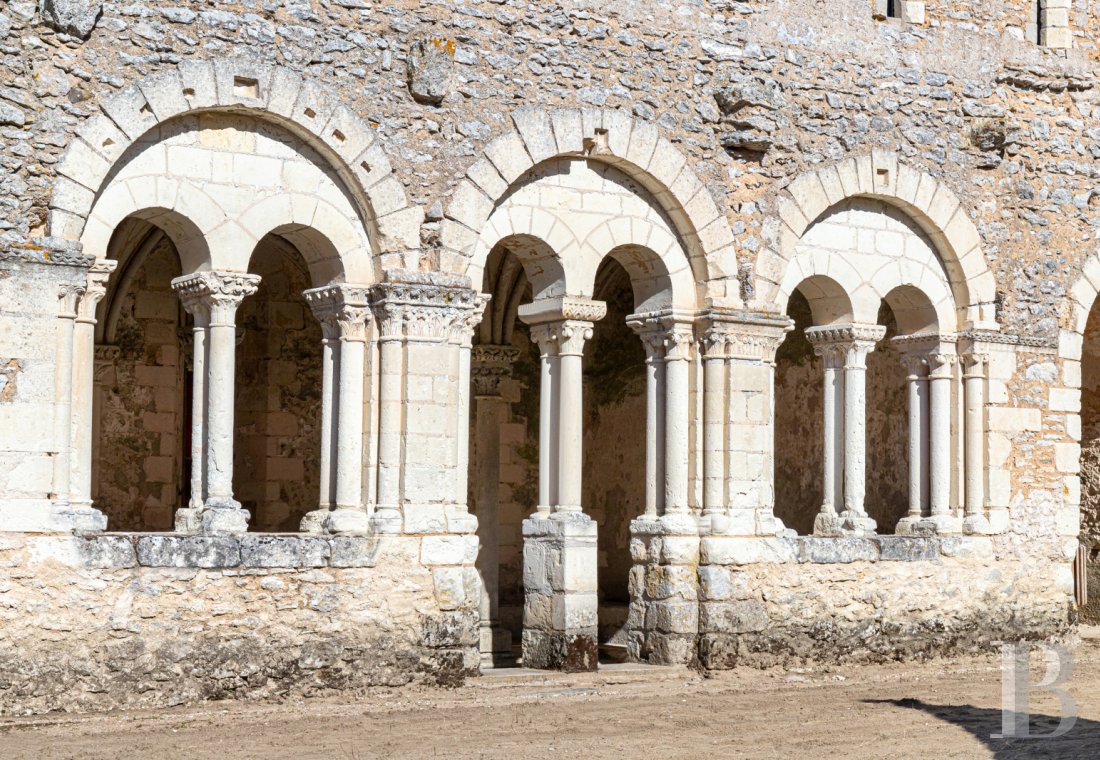
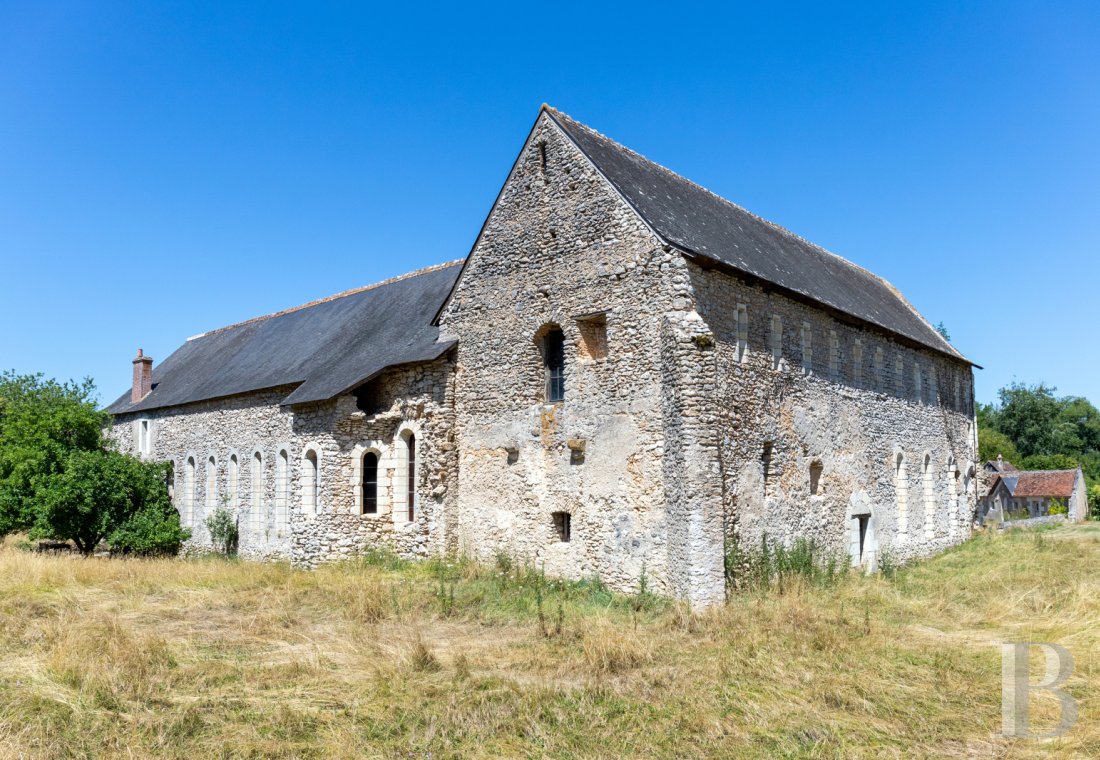
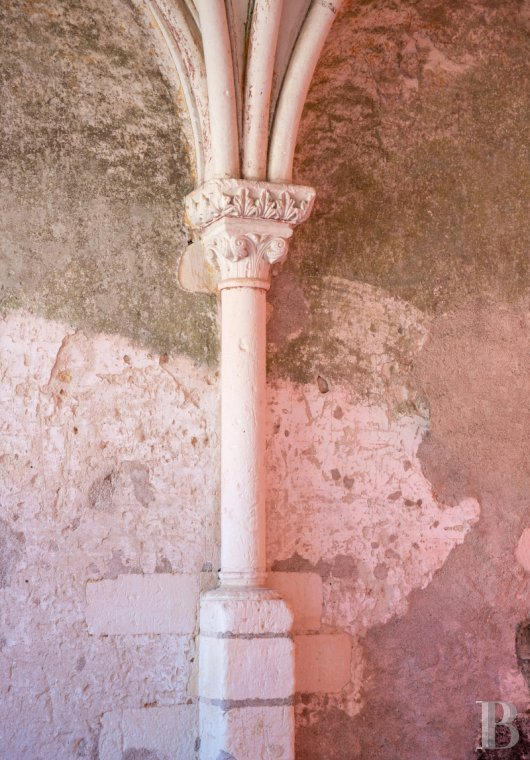
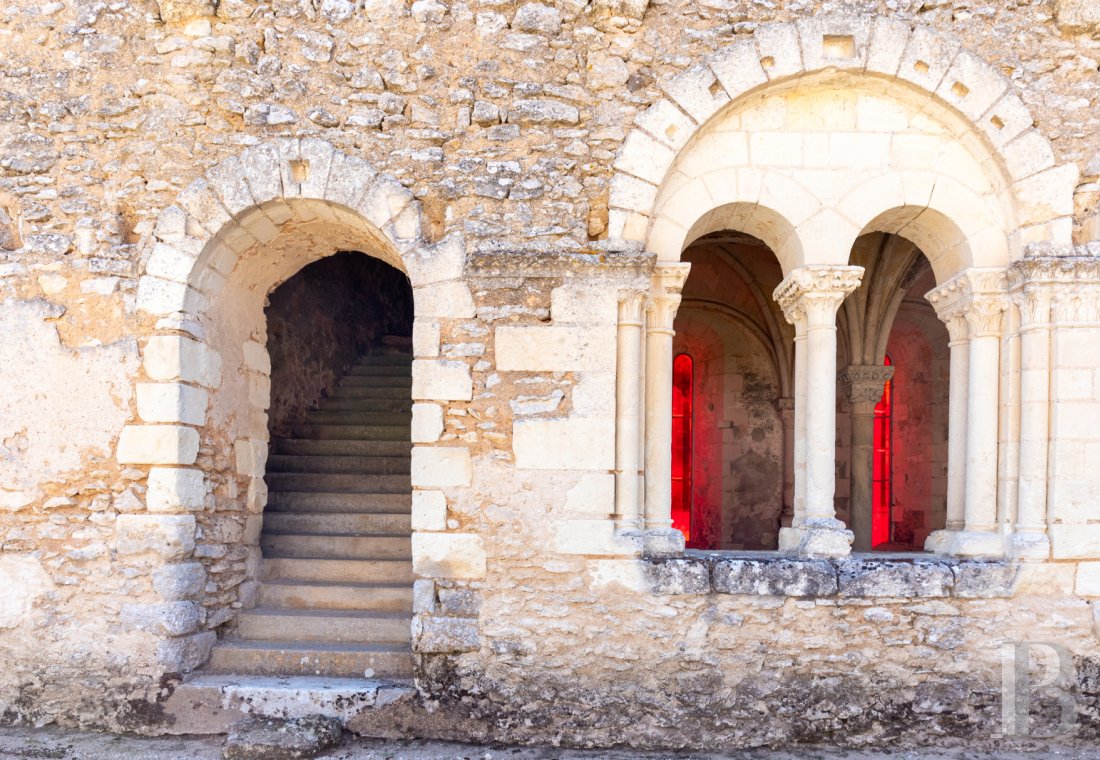
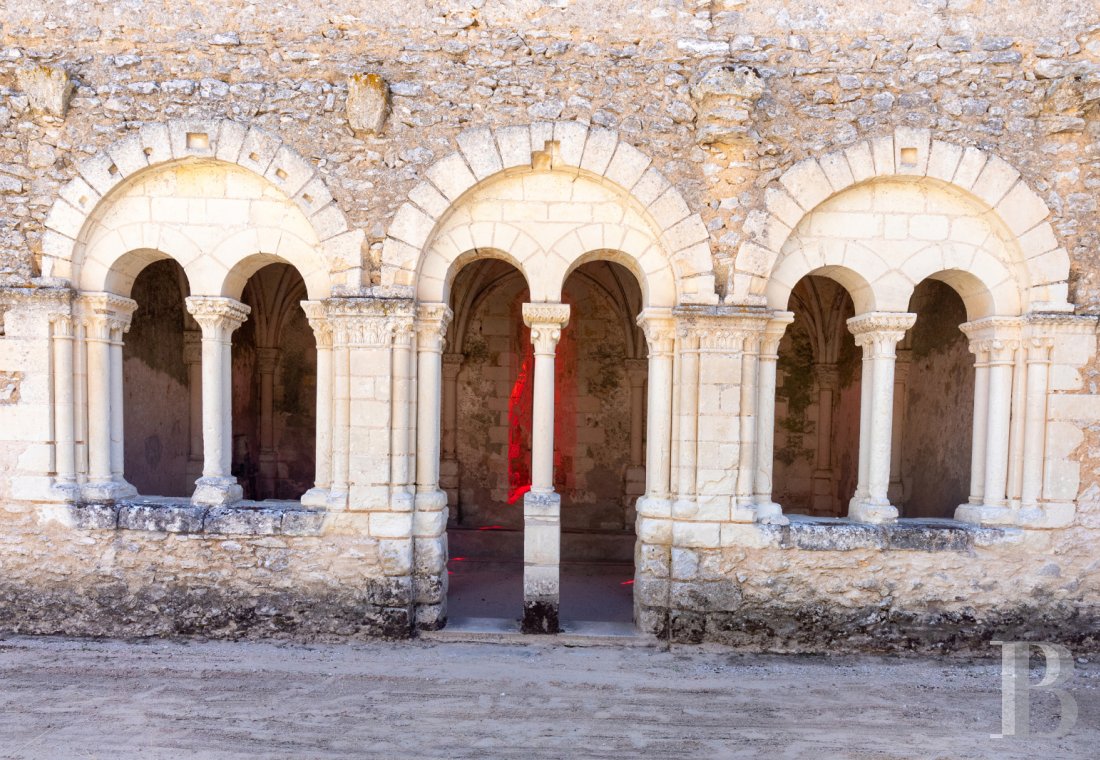
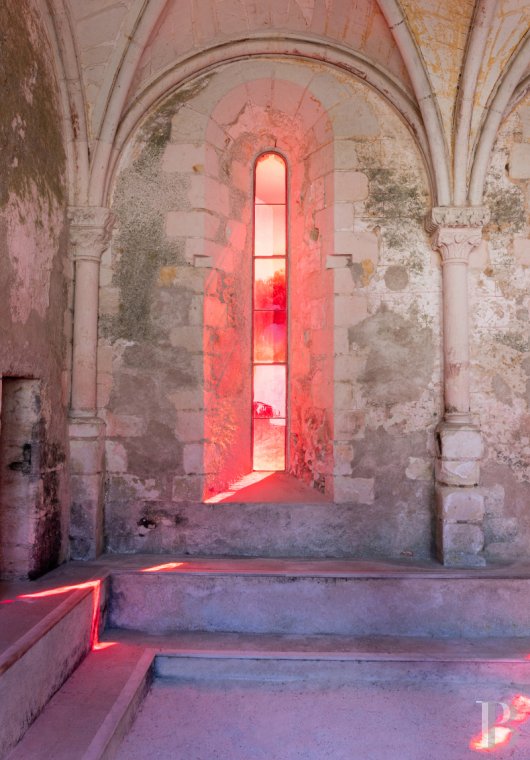
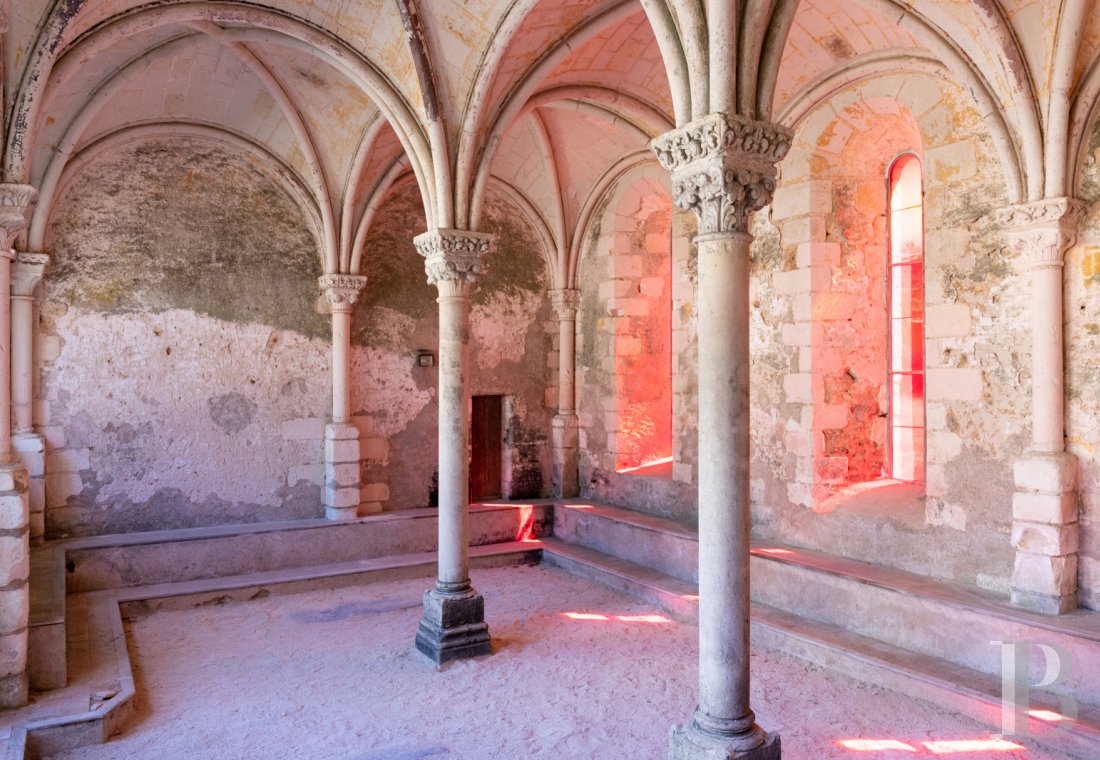
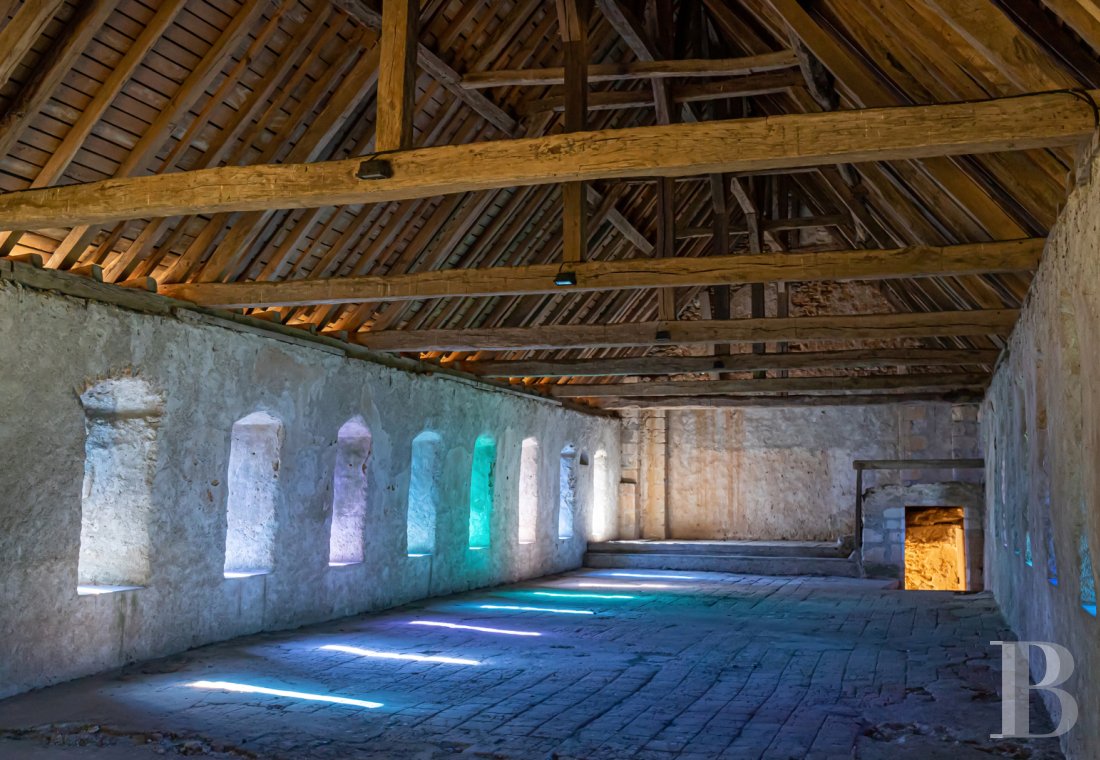
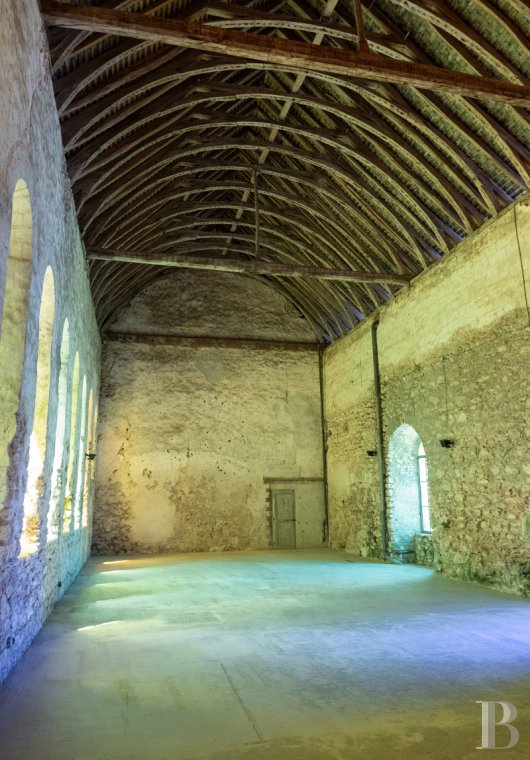
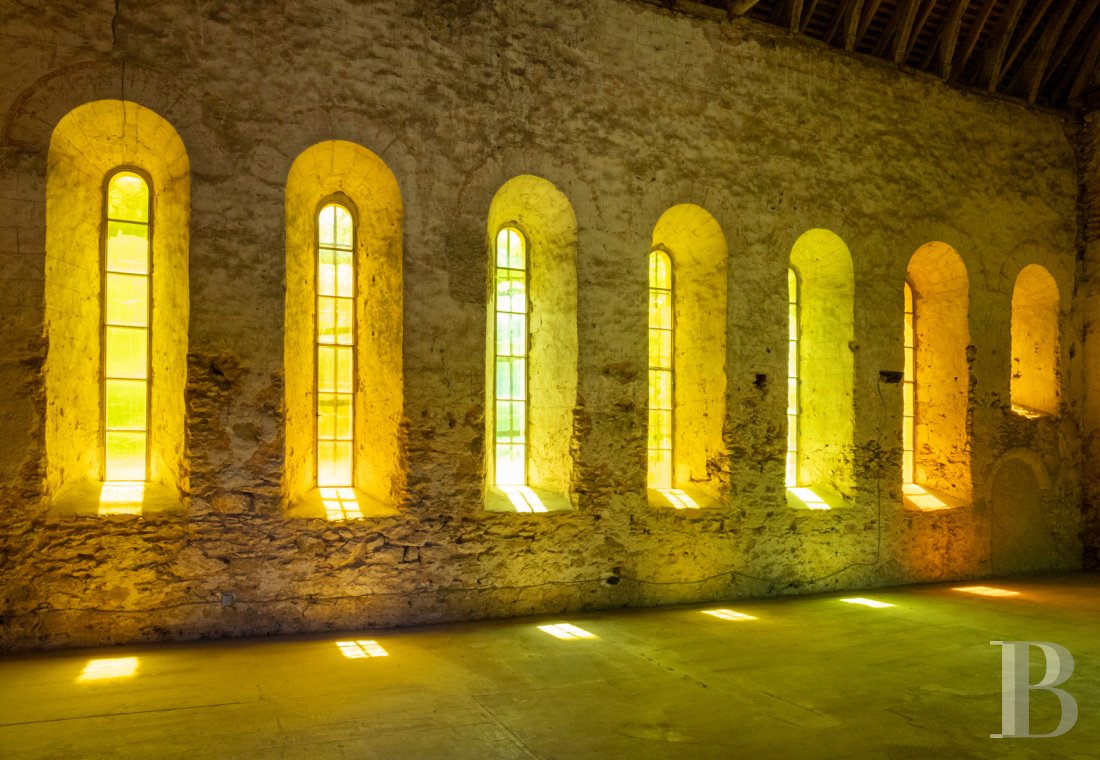
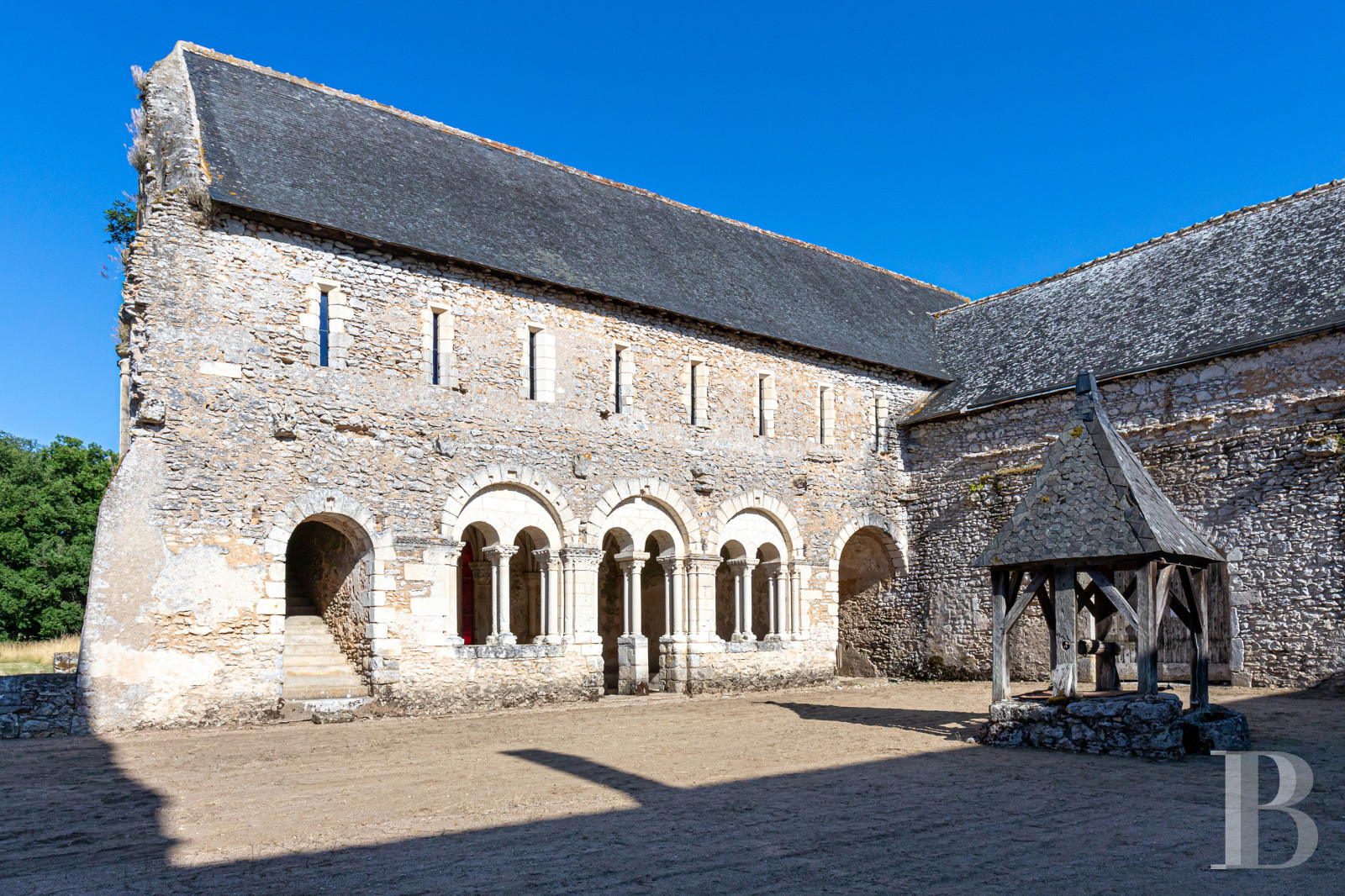
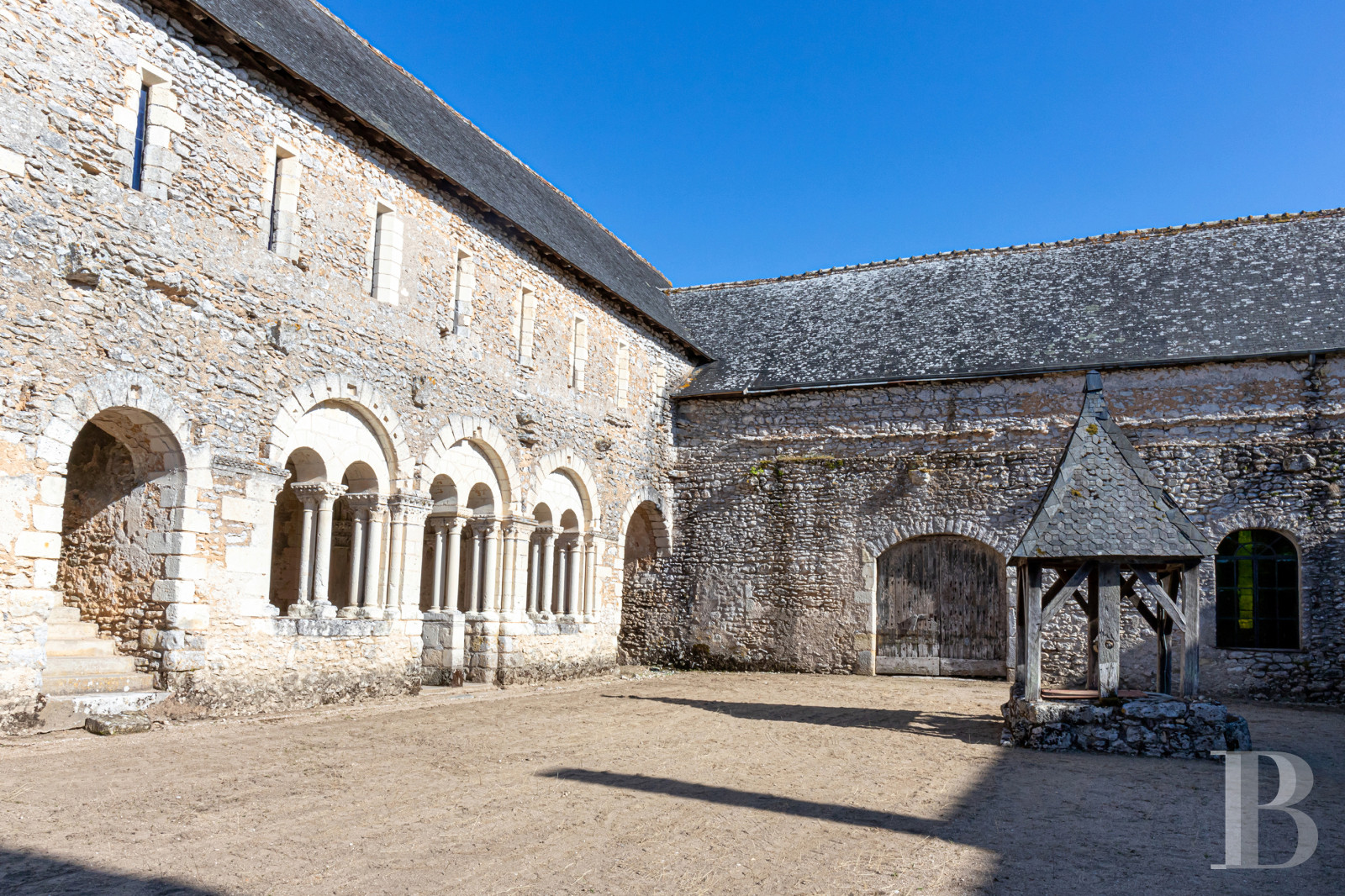
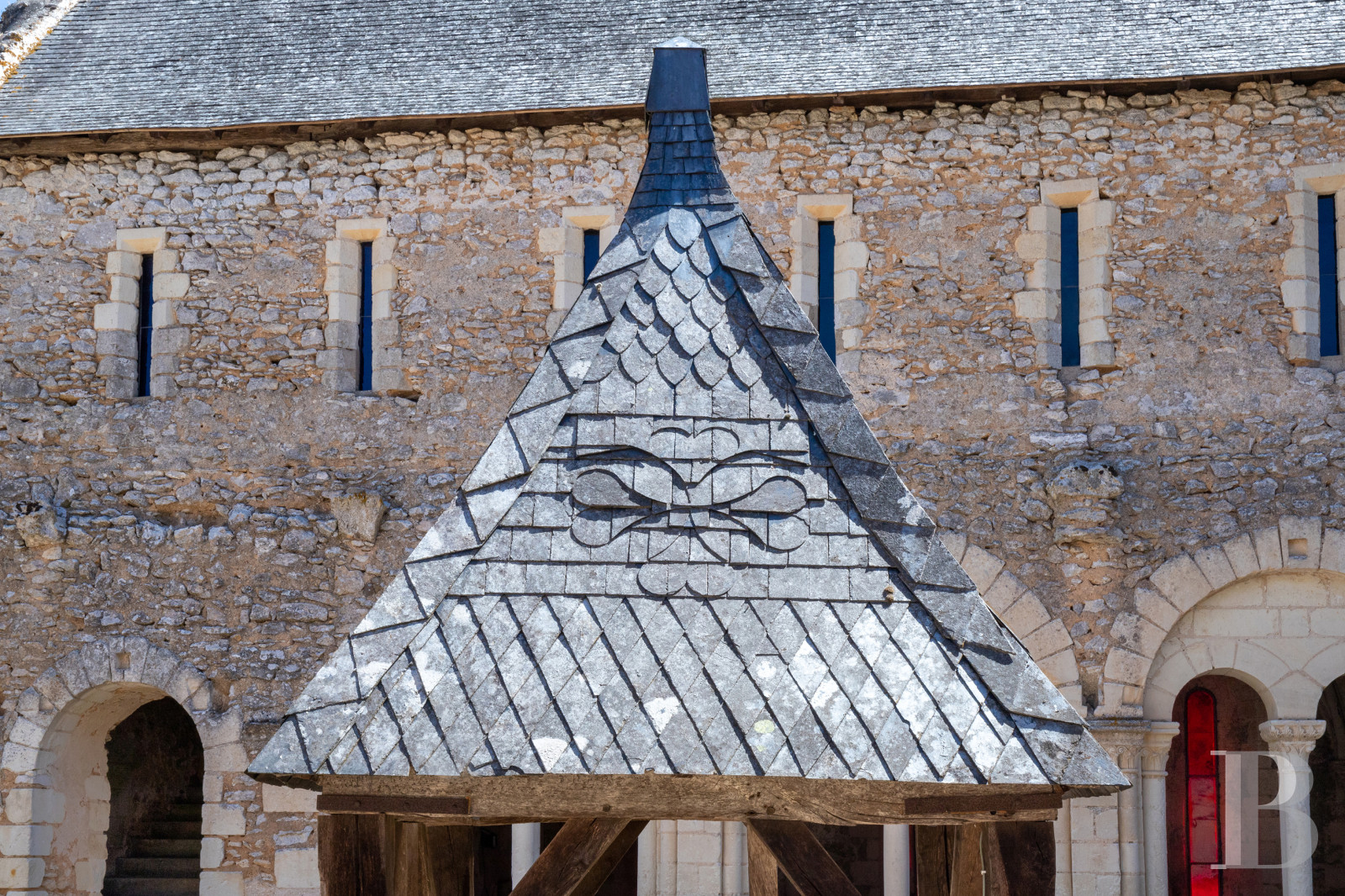
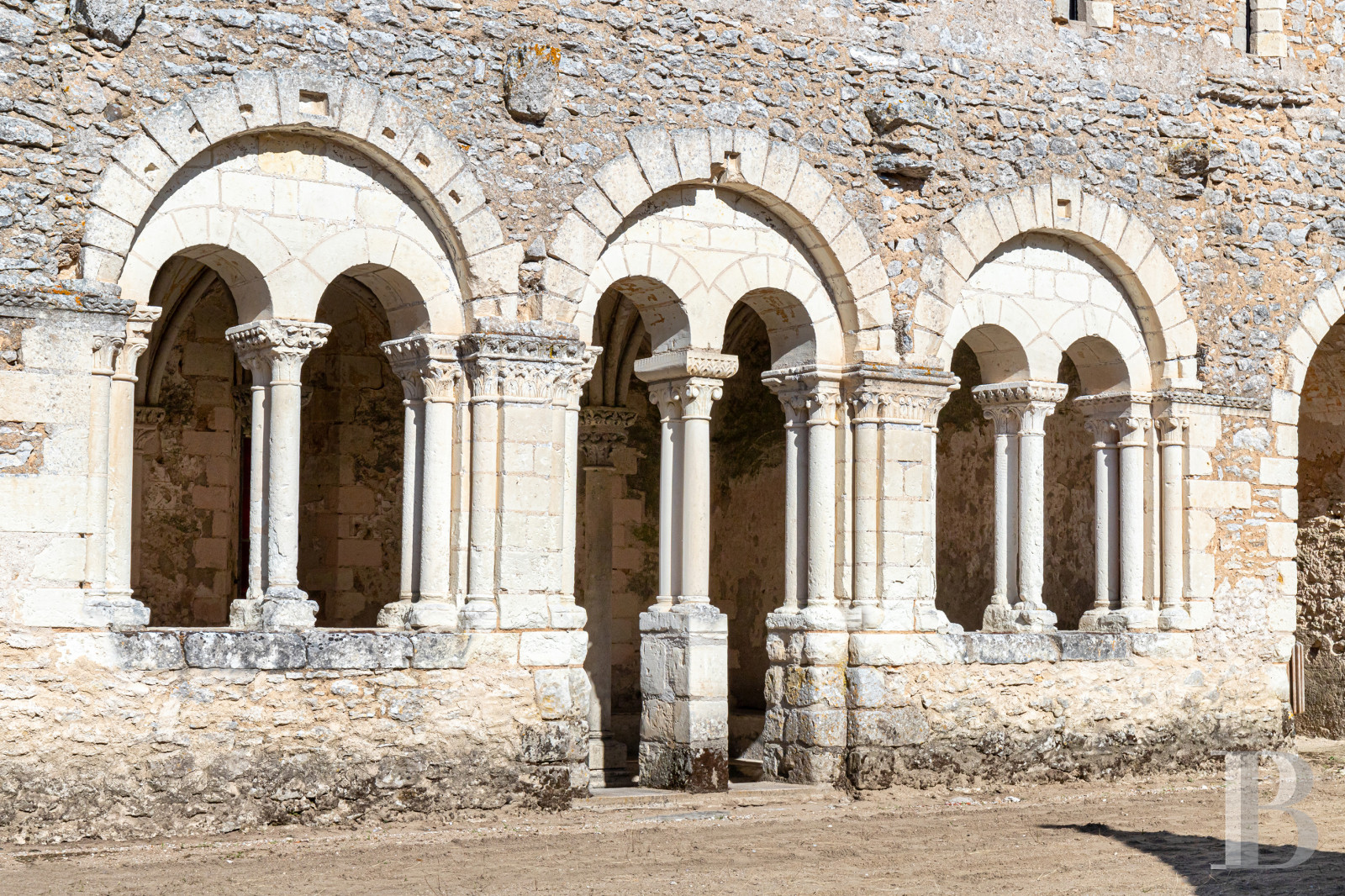
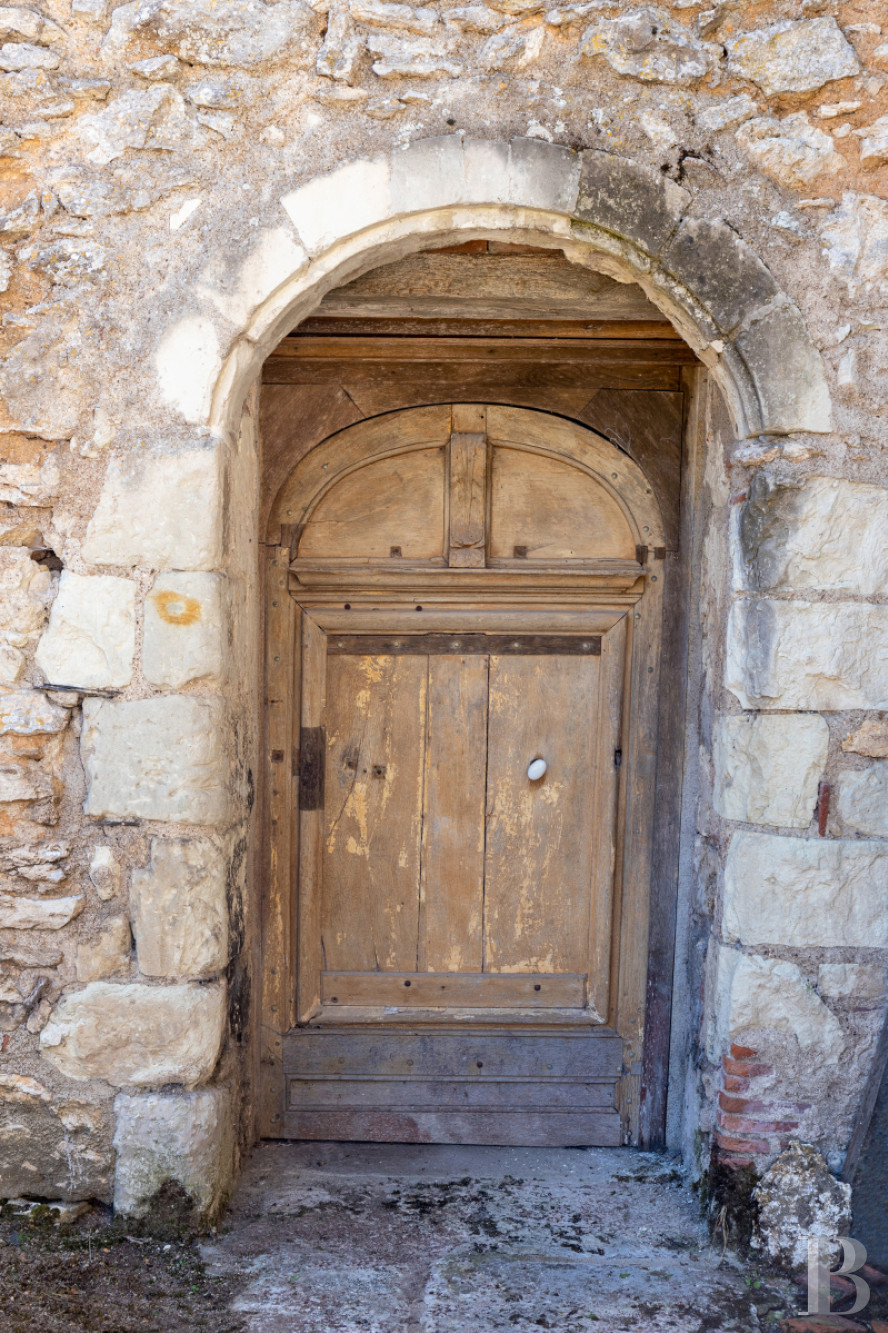
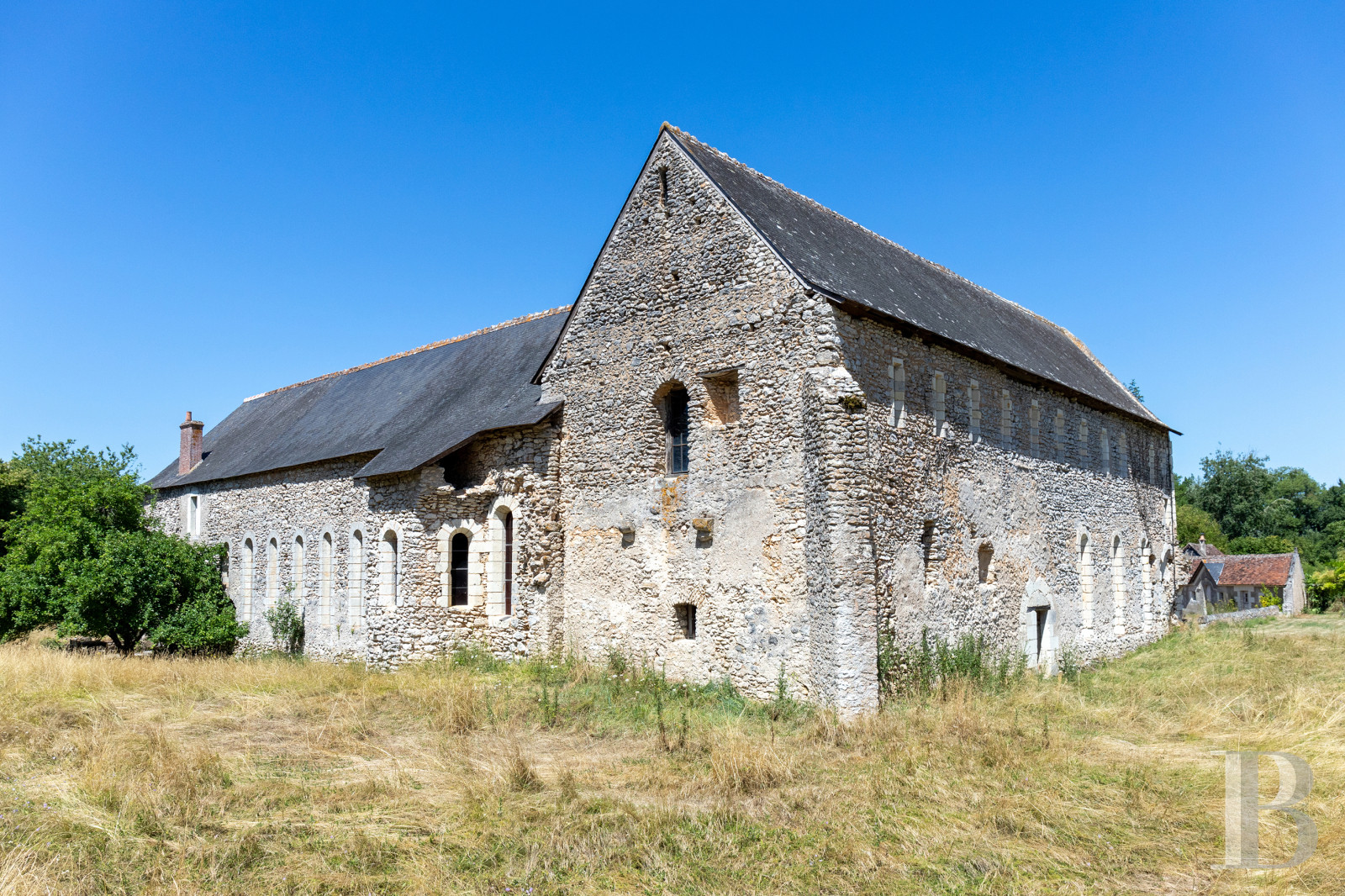
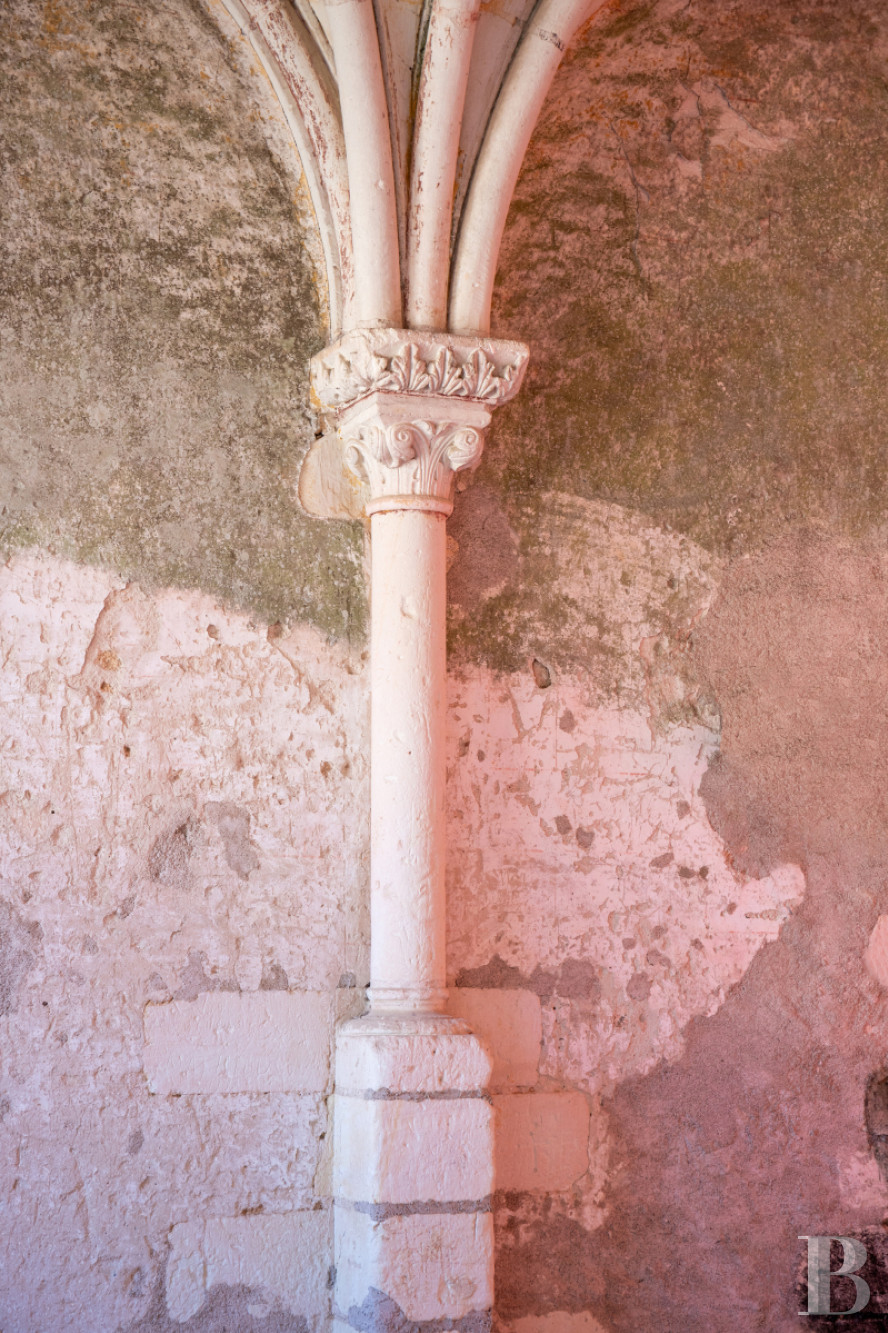
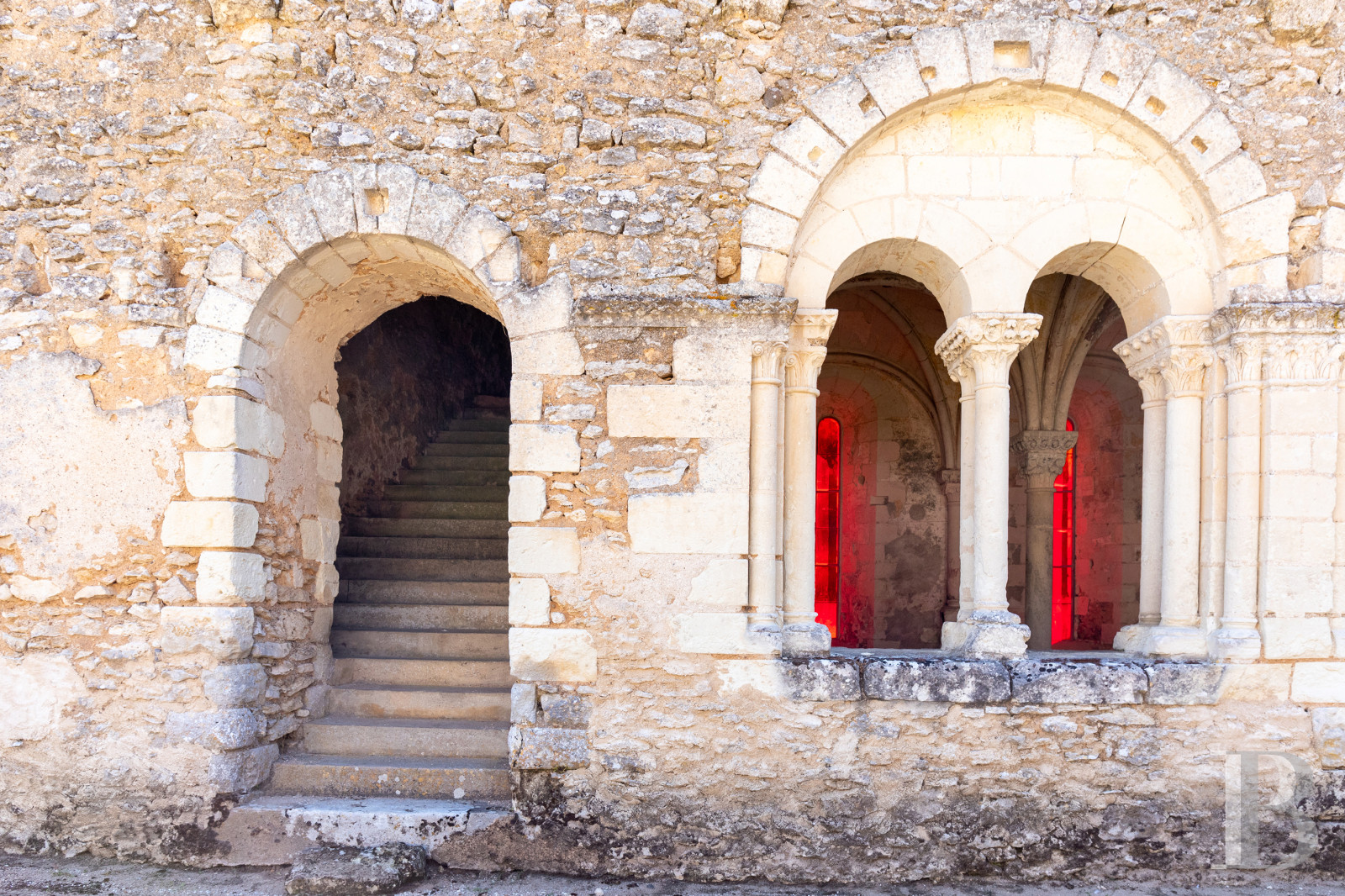
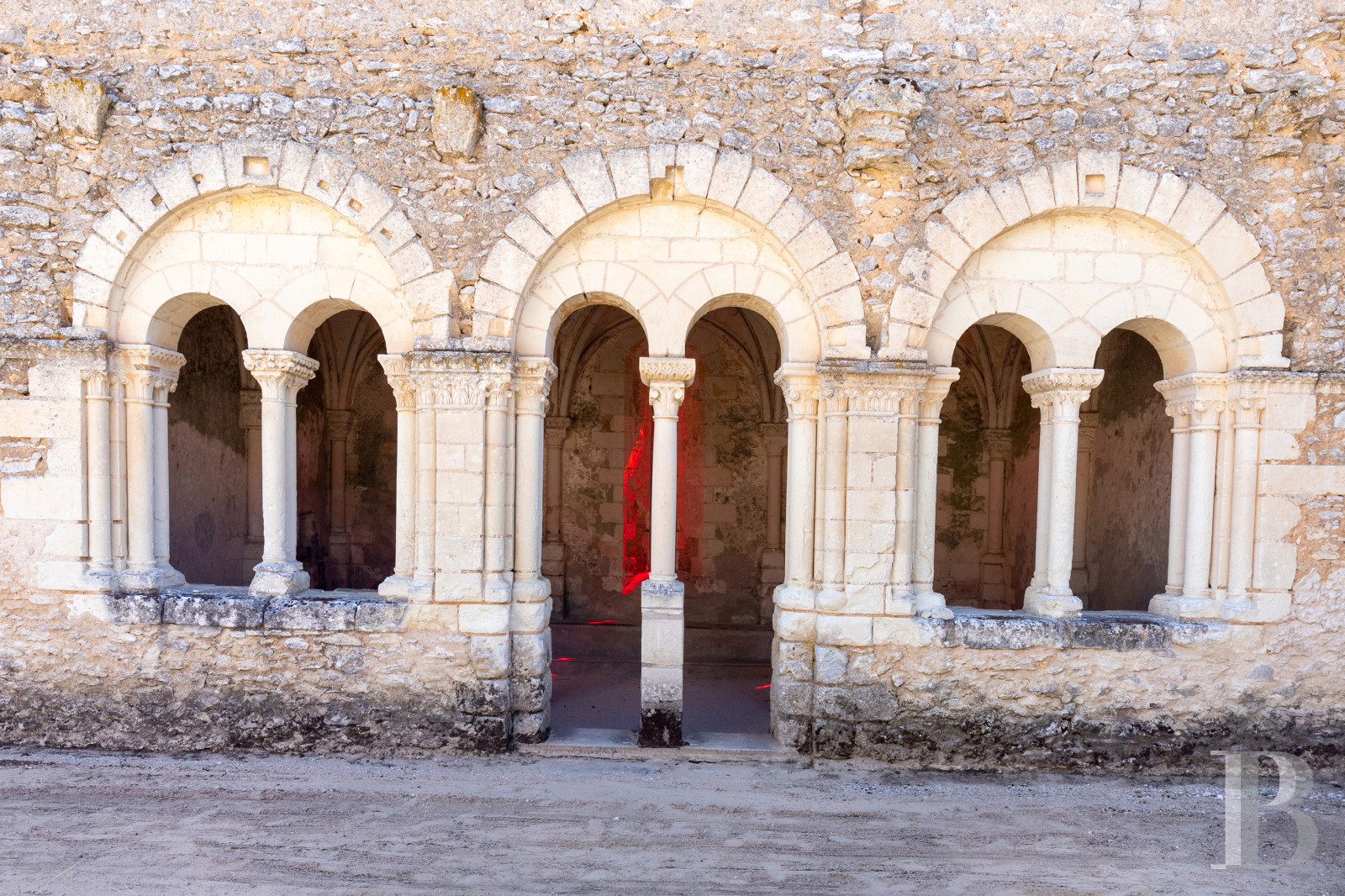
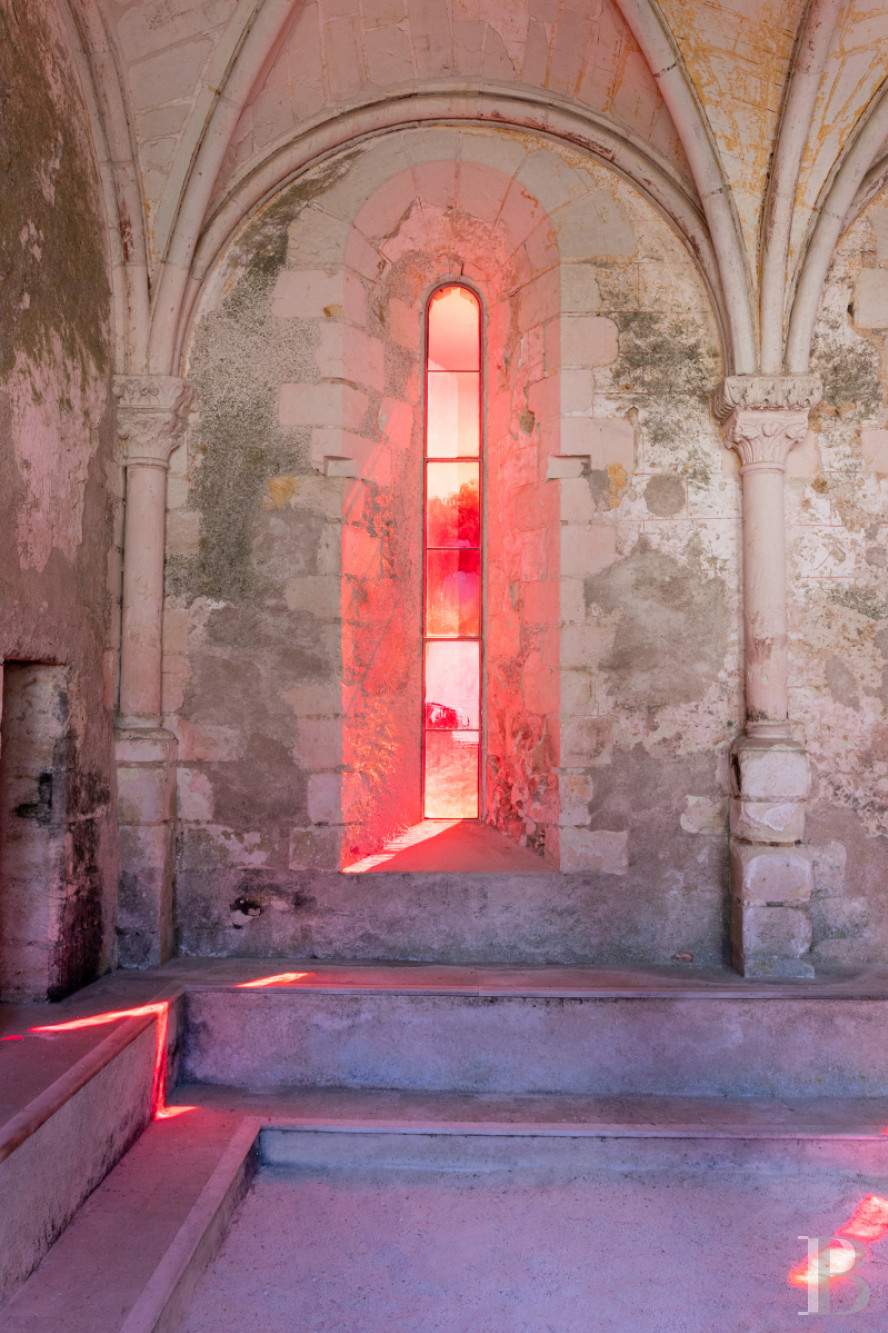
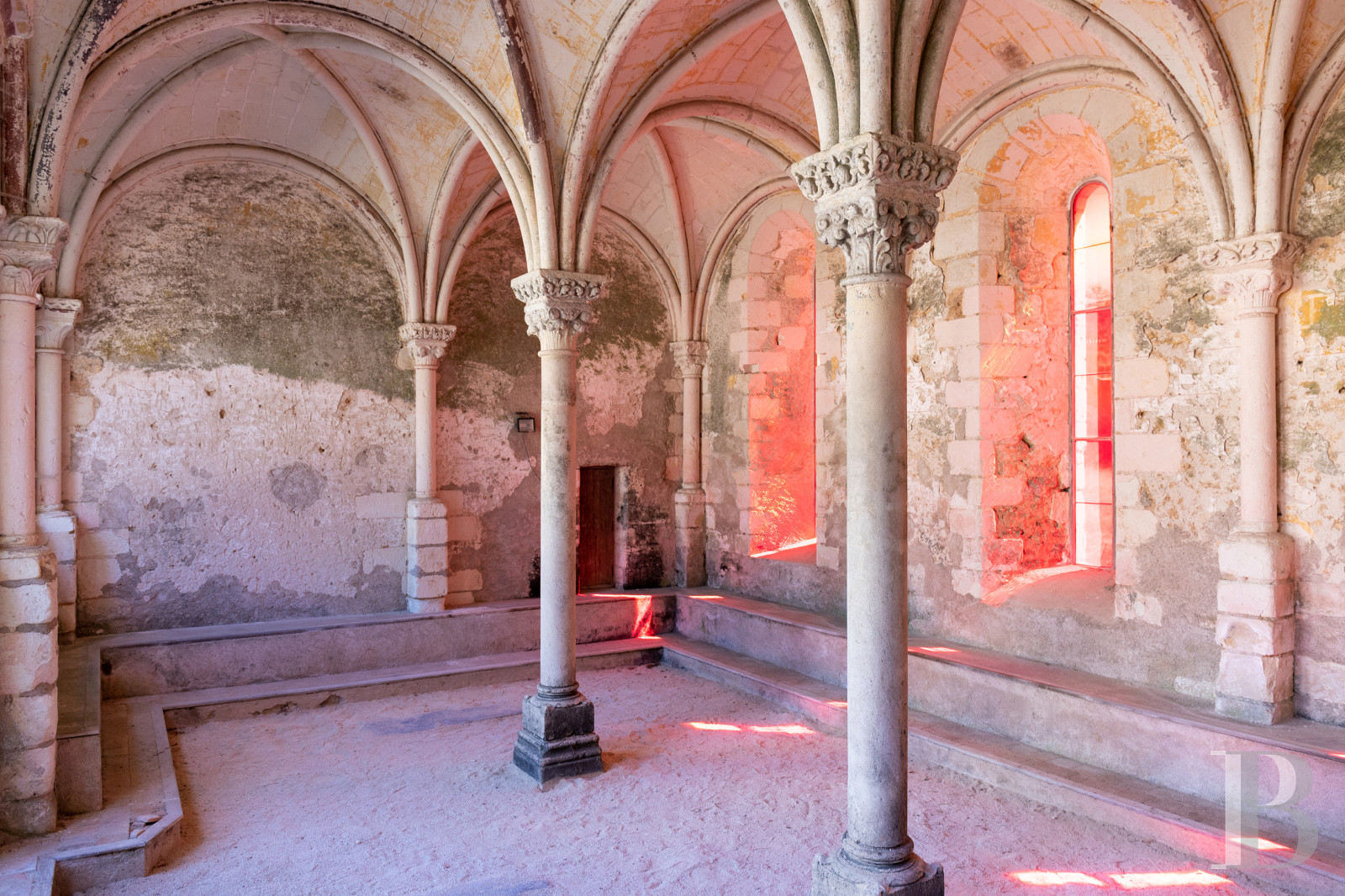
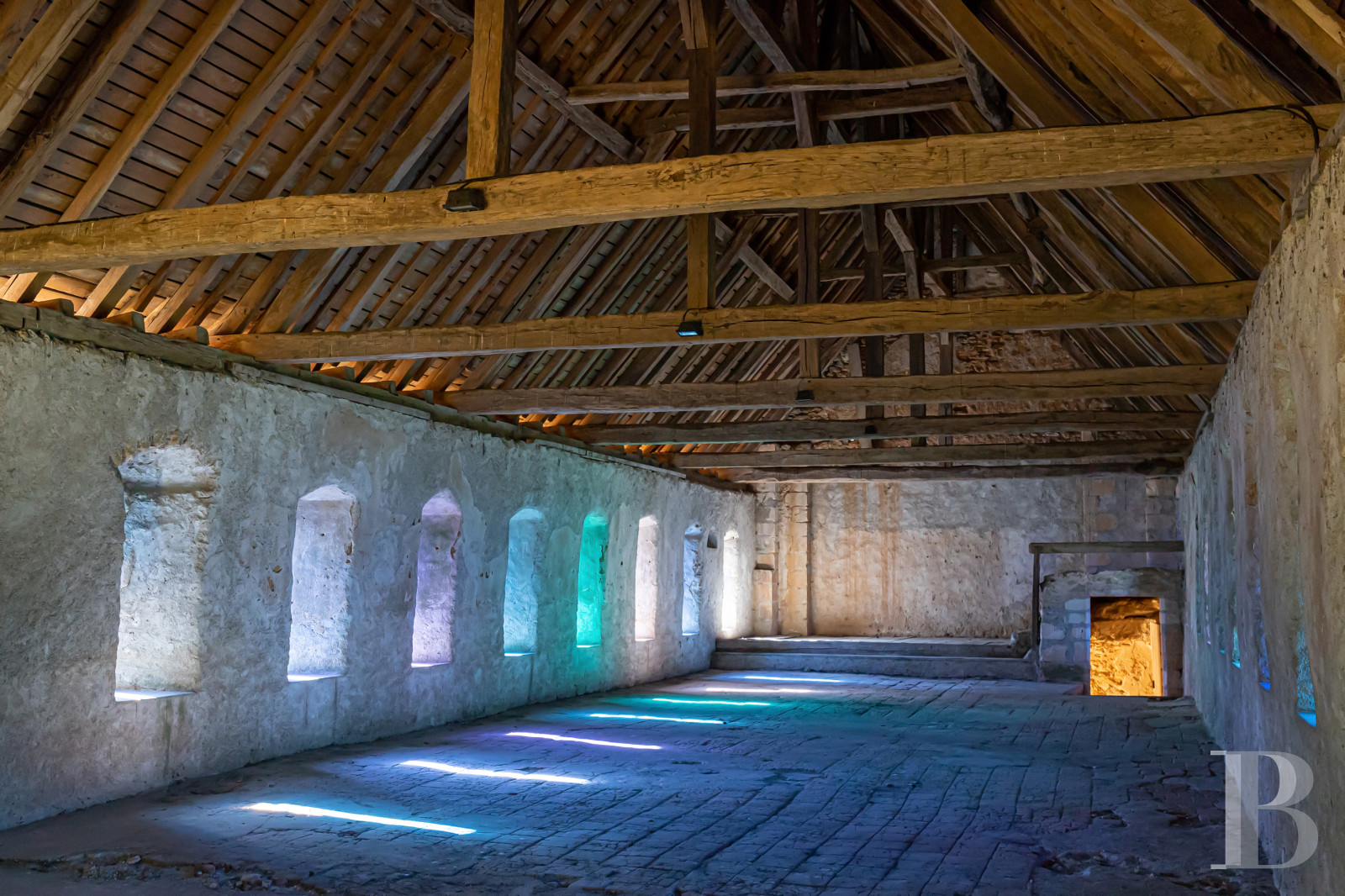
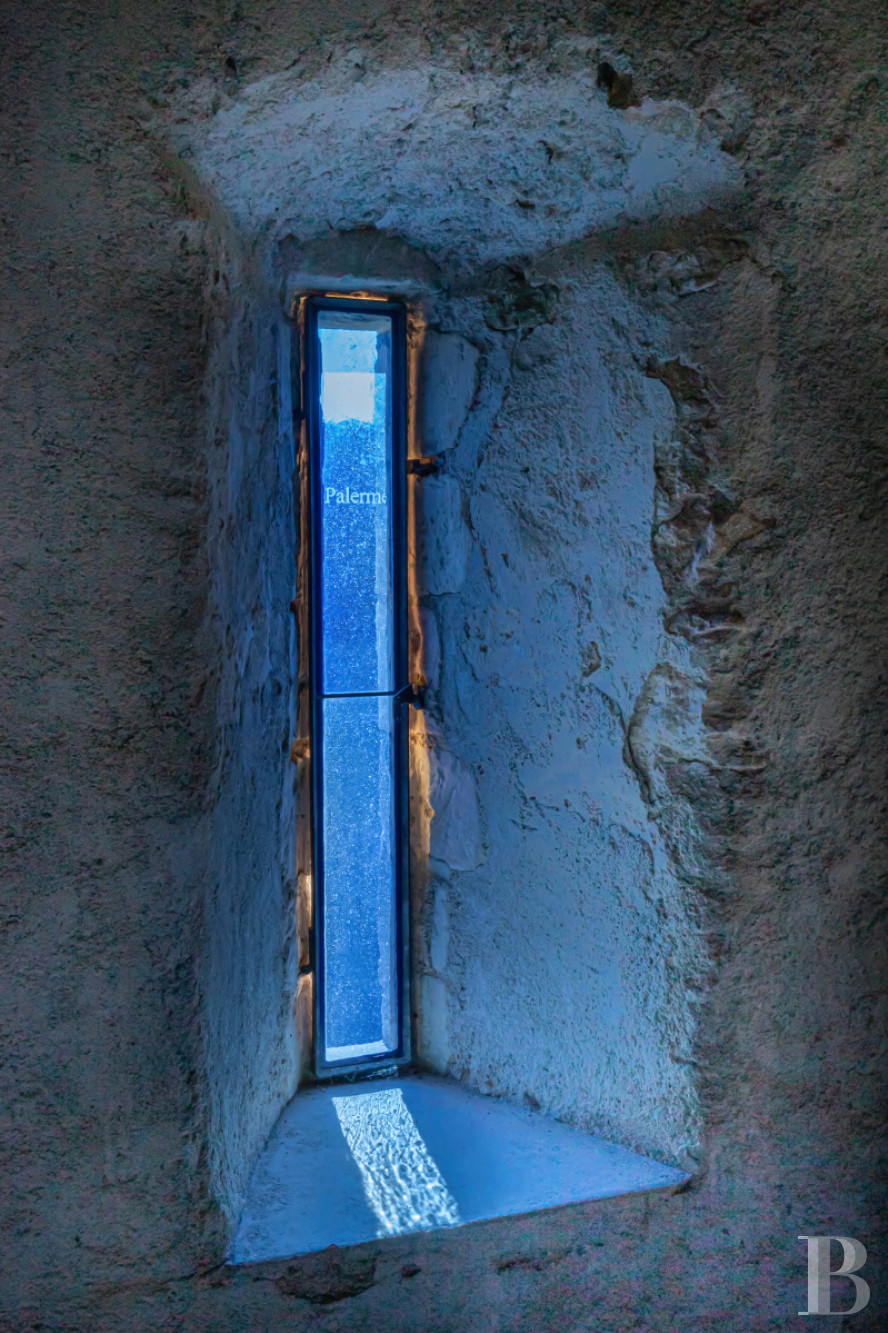
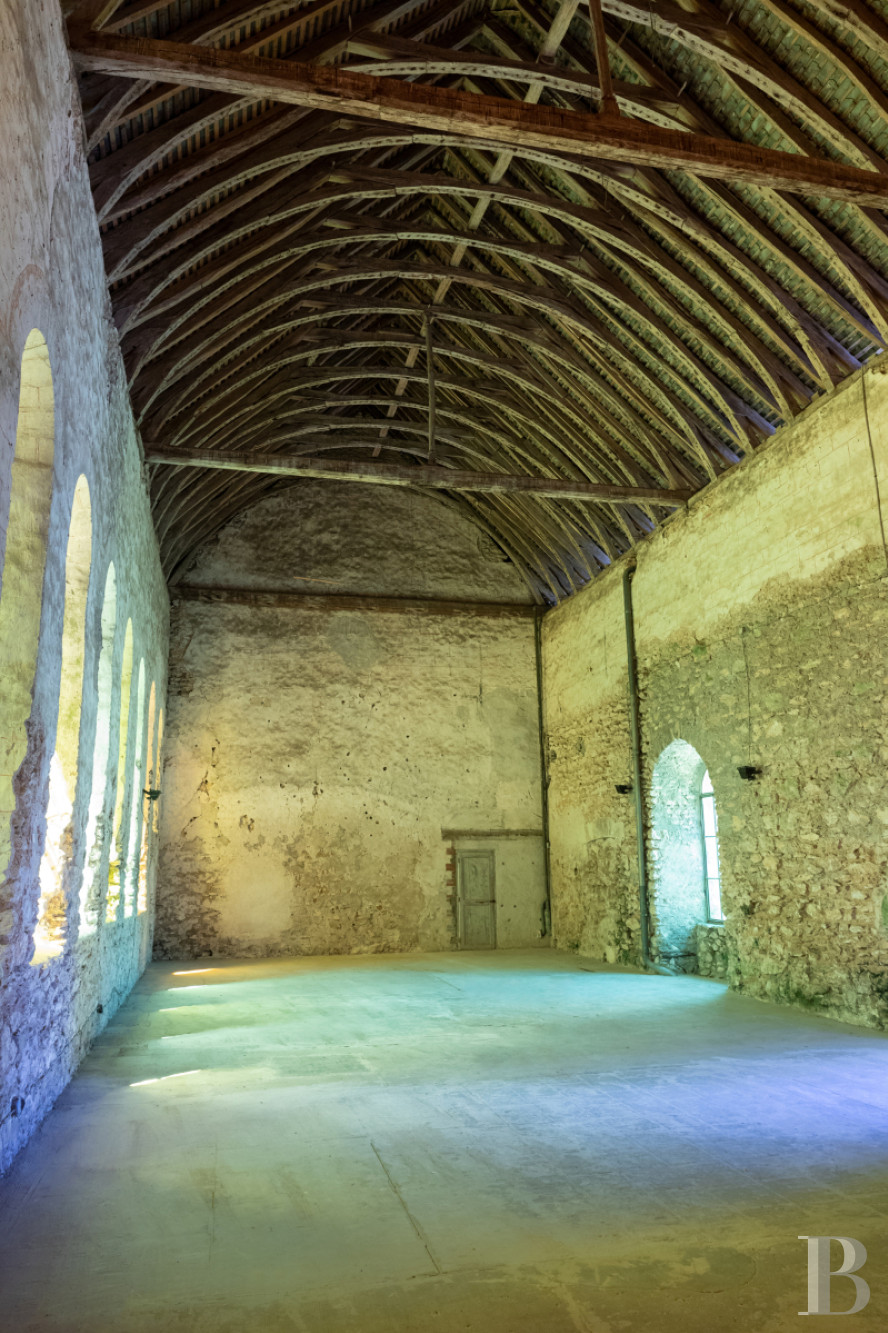
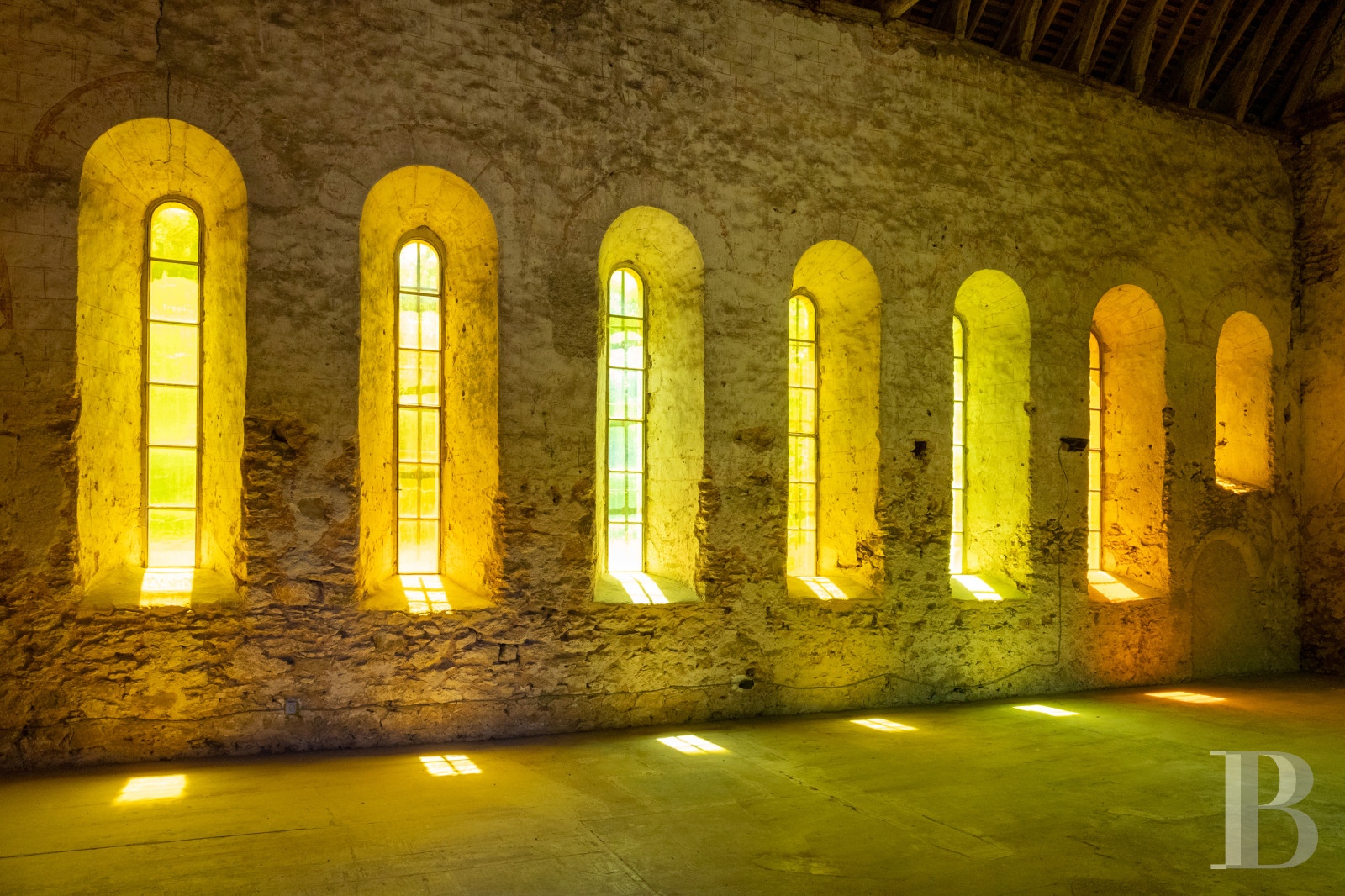
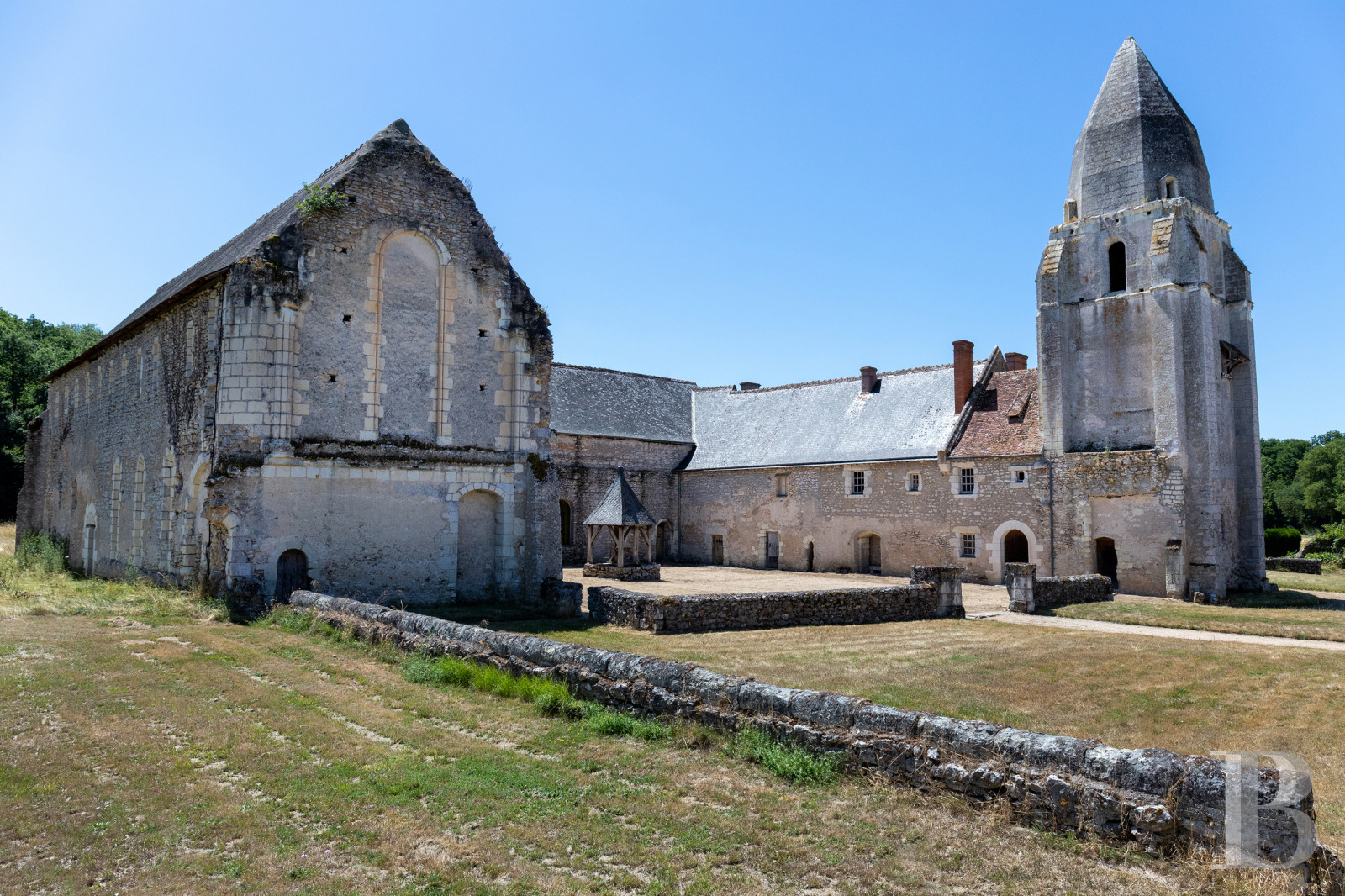
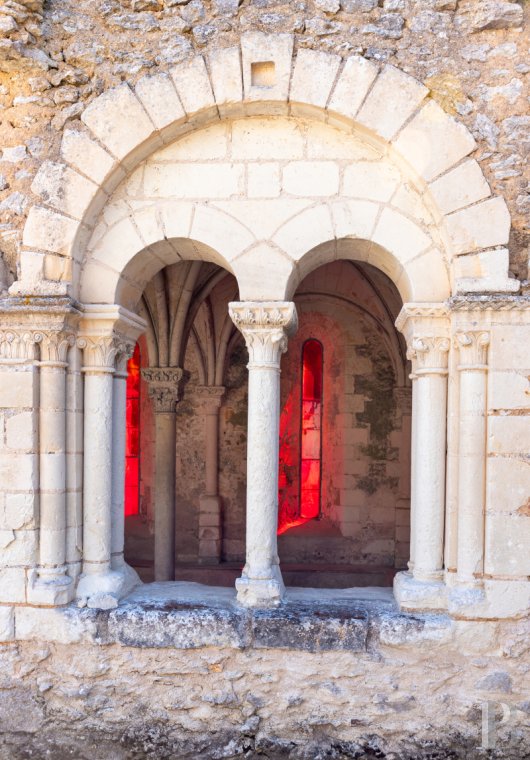
It has stood on the edge of the forest for almost 1 000 years and is a magnificent and silent reminder of medieval times. It is hard not to be captivated by this Romanesque priory, which reflects the grandeur of the Cistercian order. Time hasn’t spared it, of course, but the main monastery buildings have survived, forming a four-sided complex. The small paired columns, which divide the little windows of the chapter house, conjure up images of the monks who lived there in the 12th century. Walking through the refectory, the chapter house or the dormitory, they would have no doubt been astounded and amazed by the interplay of yellow, red and blue light diffused by the stained glass windows created by a contemporary artist. The priory continues to inspire those who care for it and visit it. The beauty and depth that time has bestowed on the building will be sure to feed guests’ imagination.
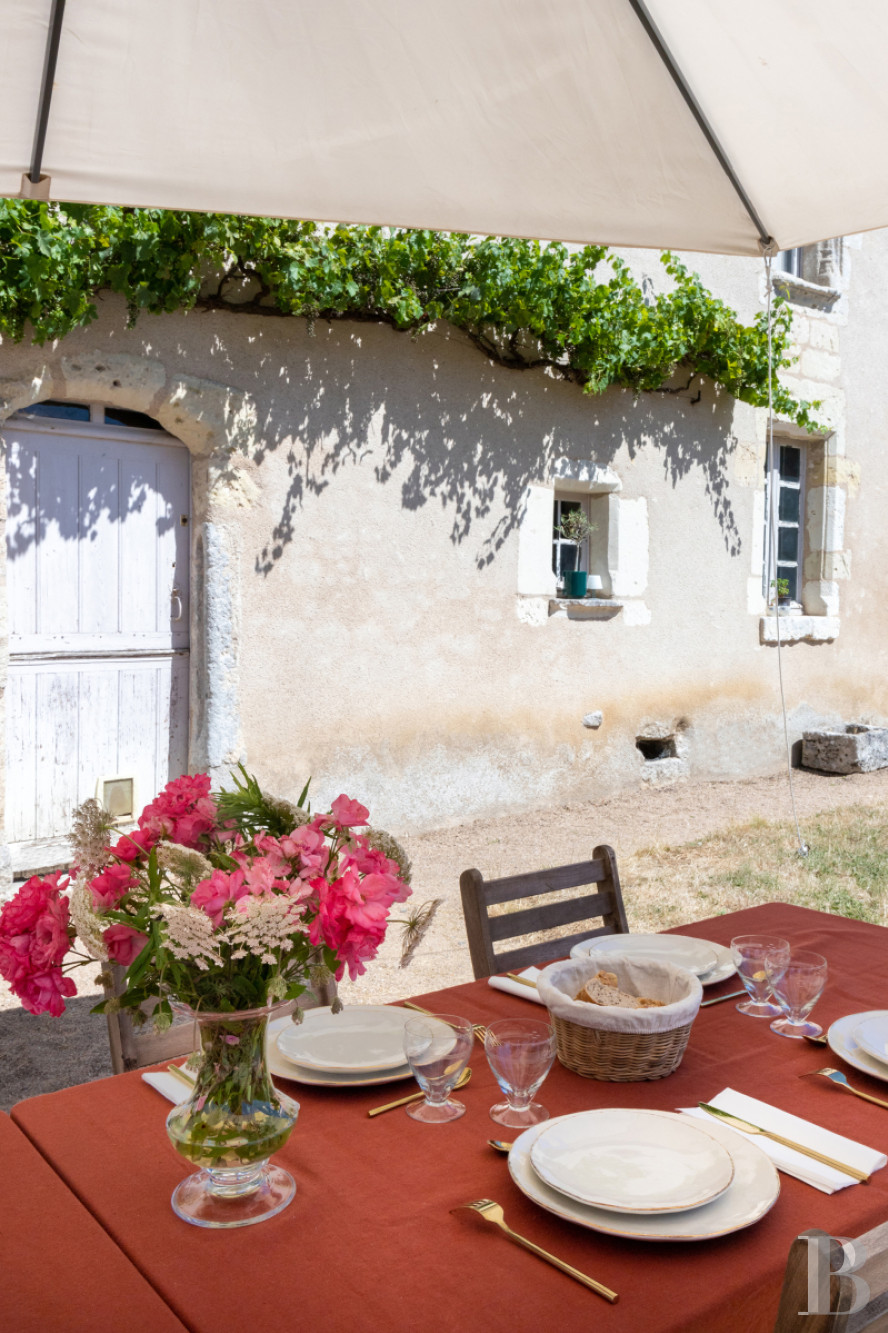
The priory has been in our family since 1900. From the time he arrived in Saint Jean du Grais in 1926 until 1955, Raymond Darrasse, my grandfather, devoted himself to restoring the place and bringing it back to life. Today, it is our turn, his grandchildren, to carry on the family legacy.
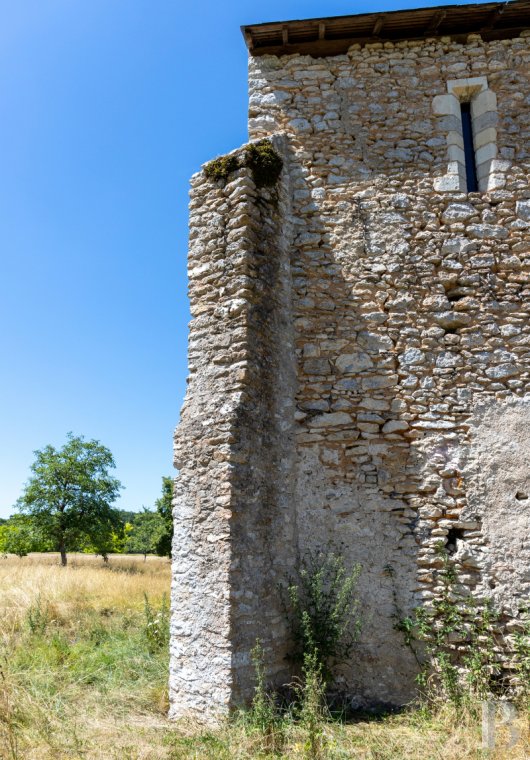
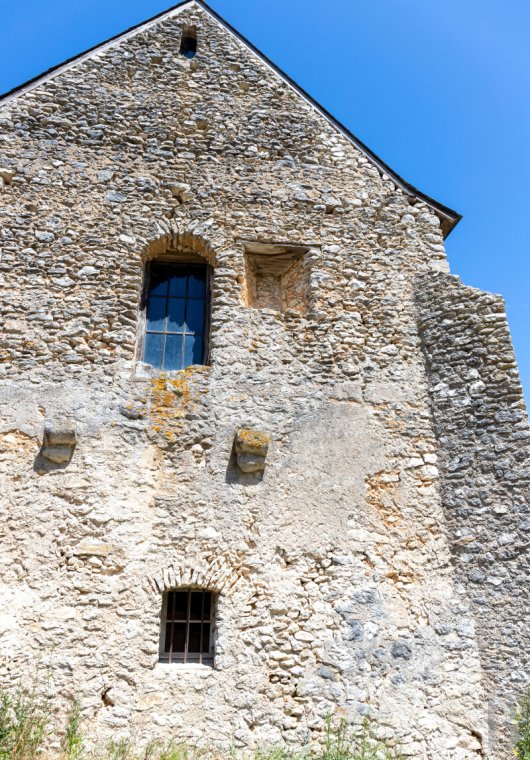
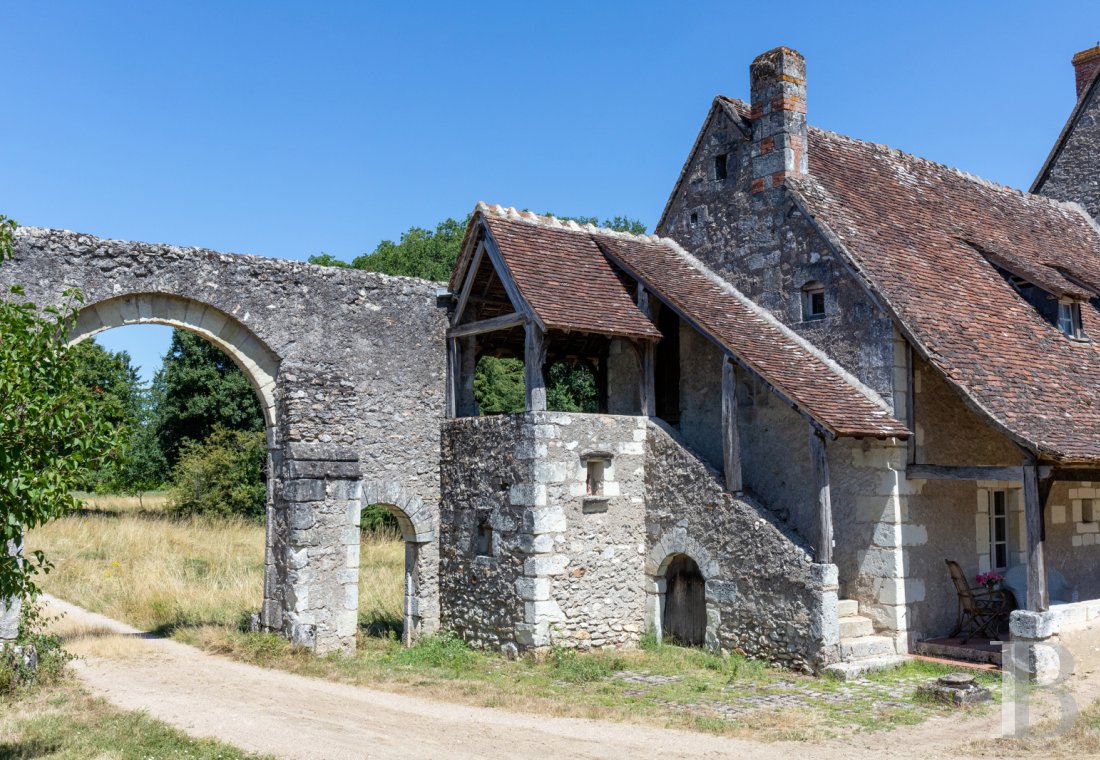
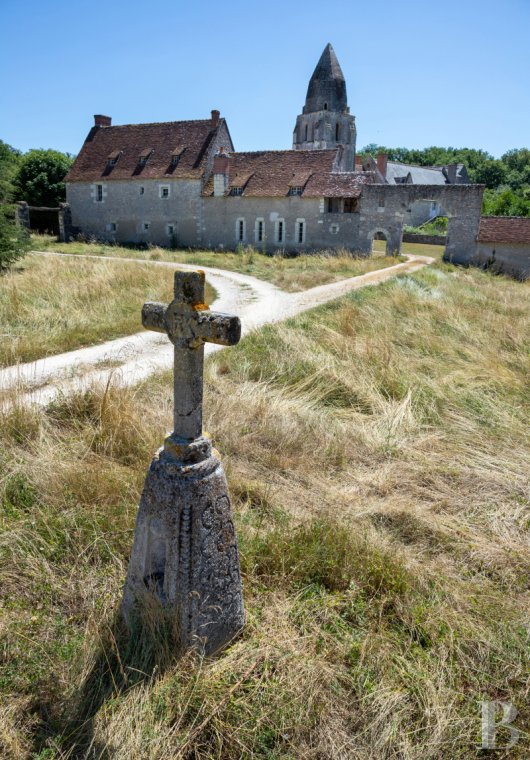
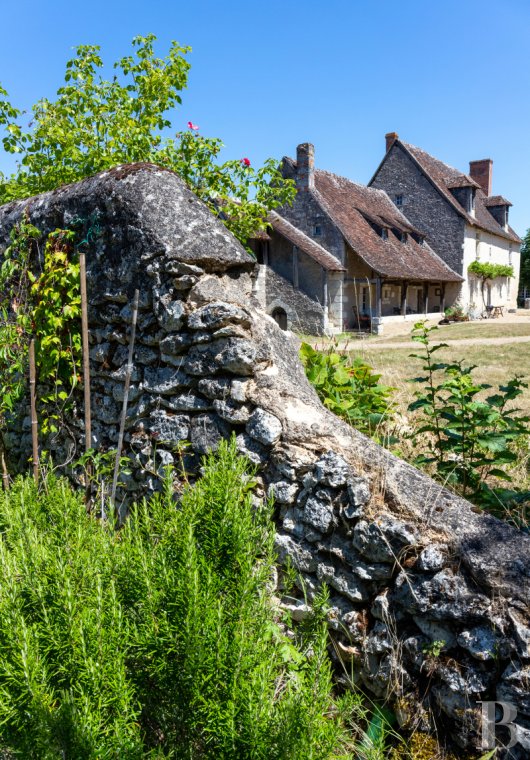
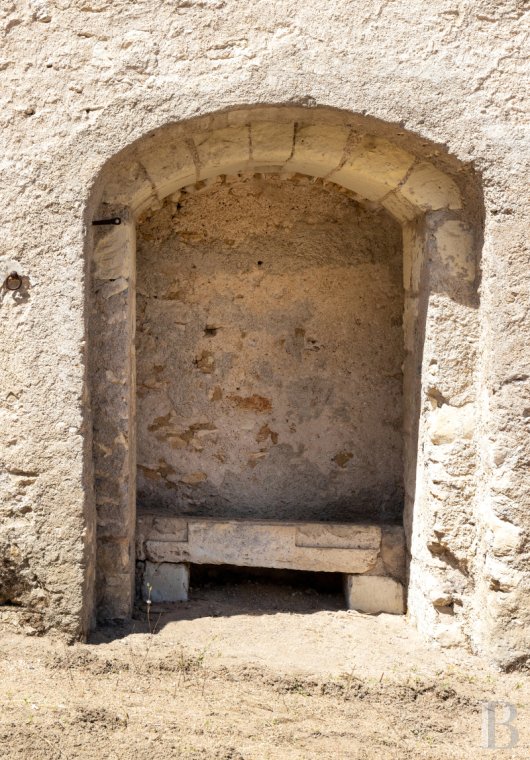
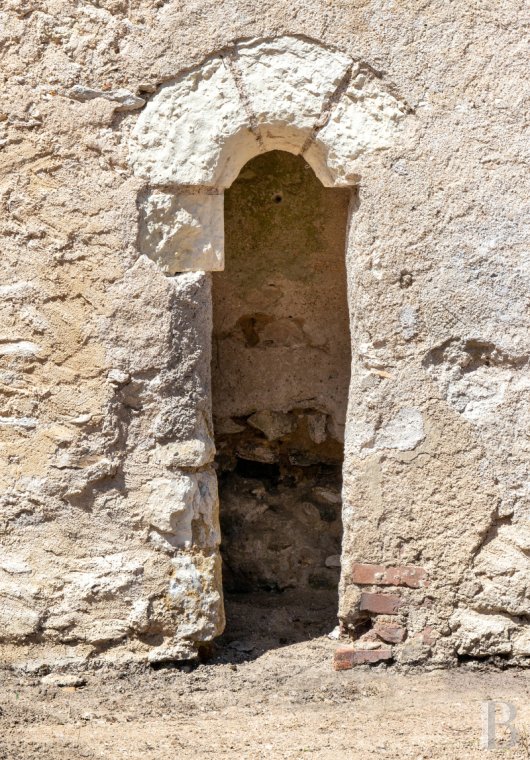
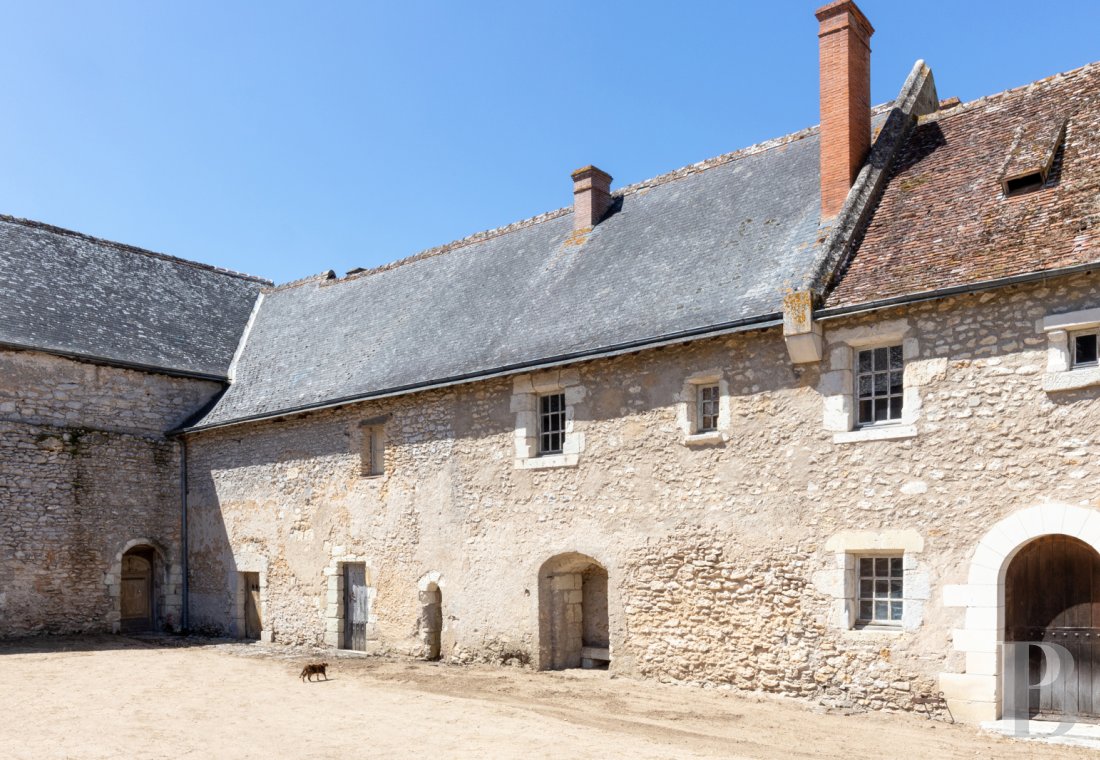
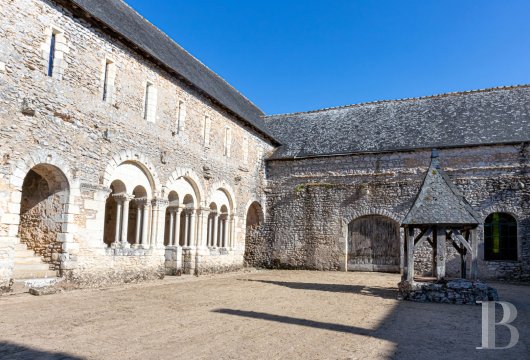
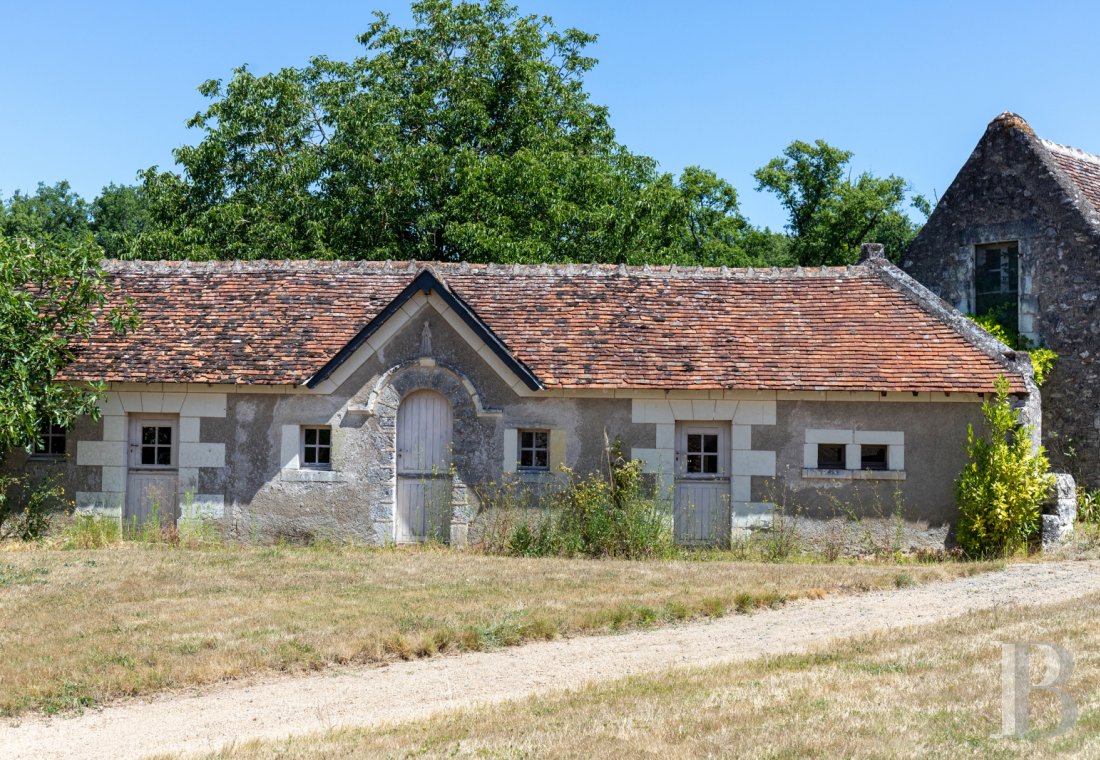
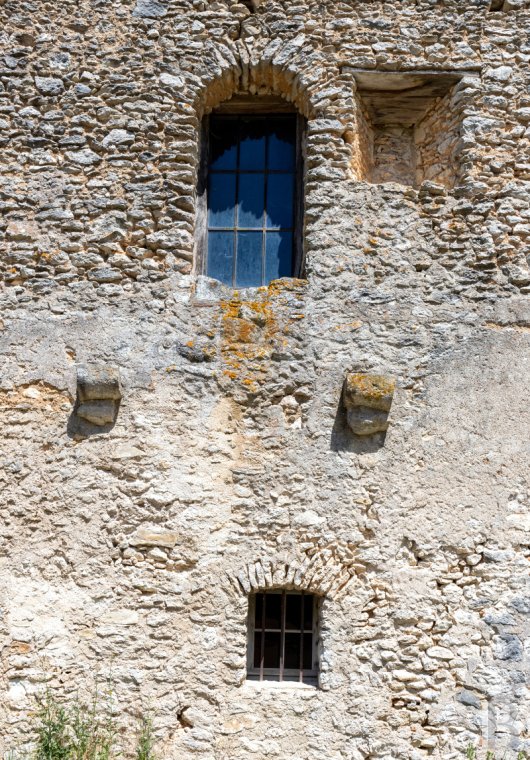
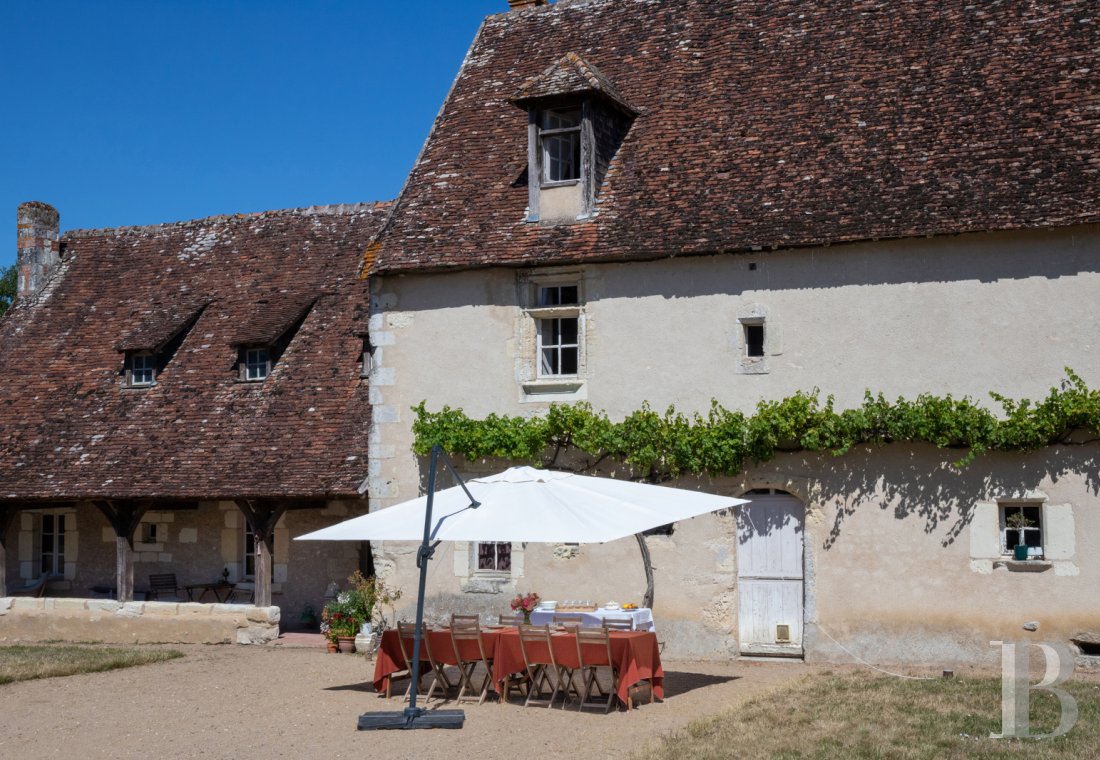
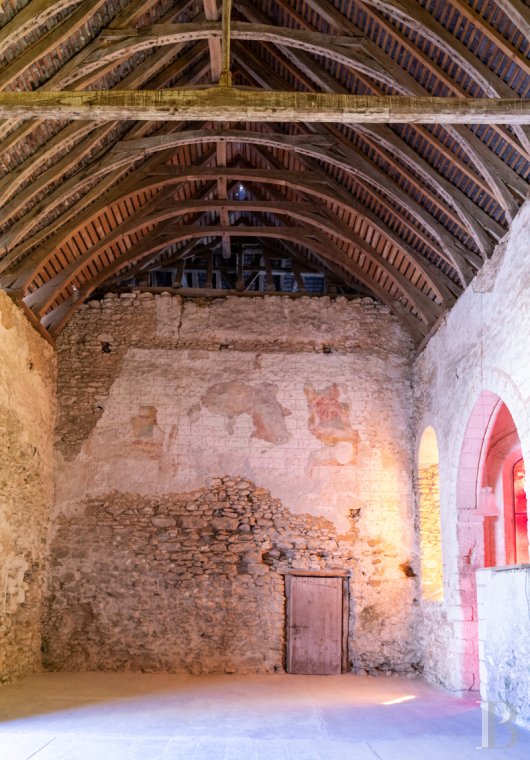
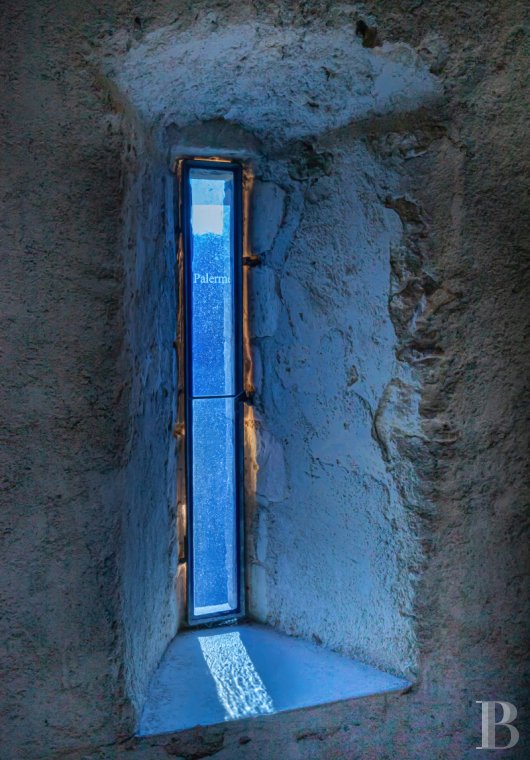
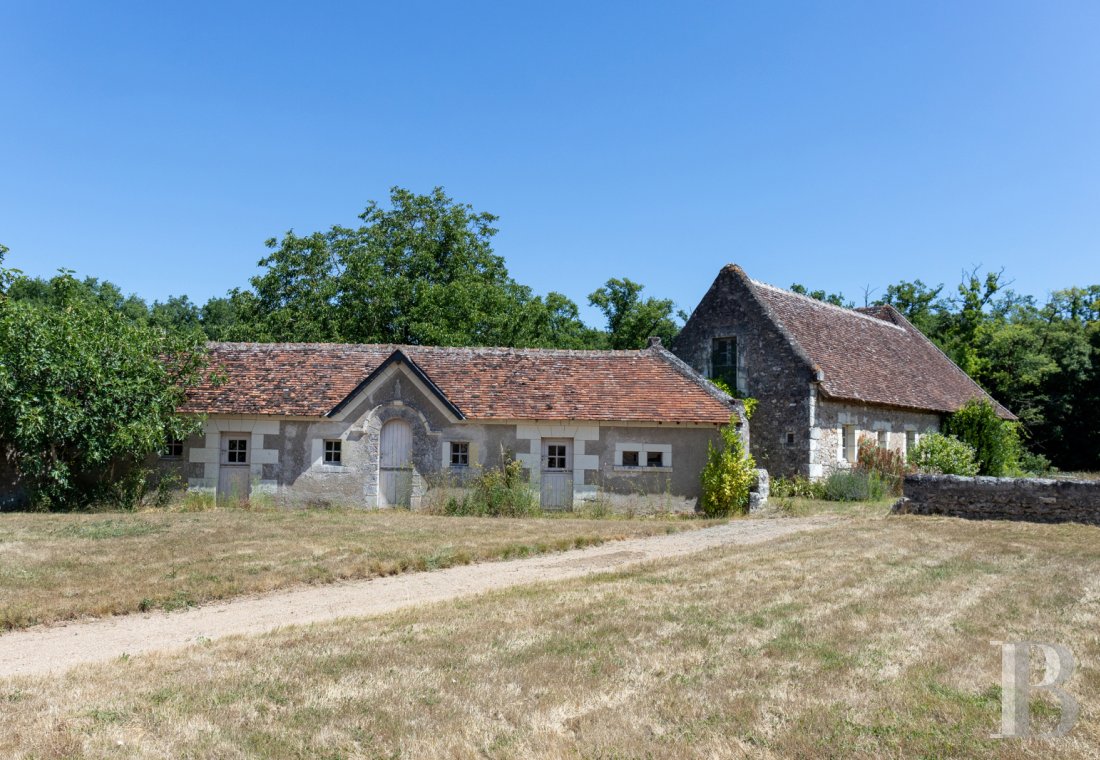
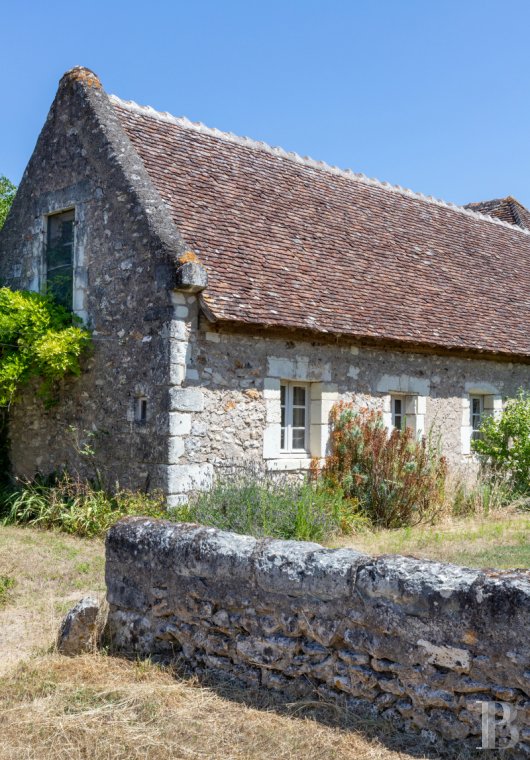
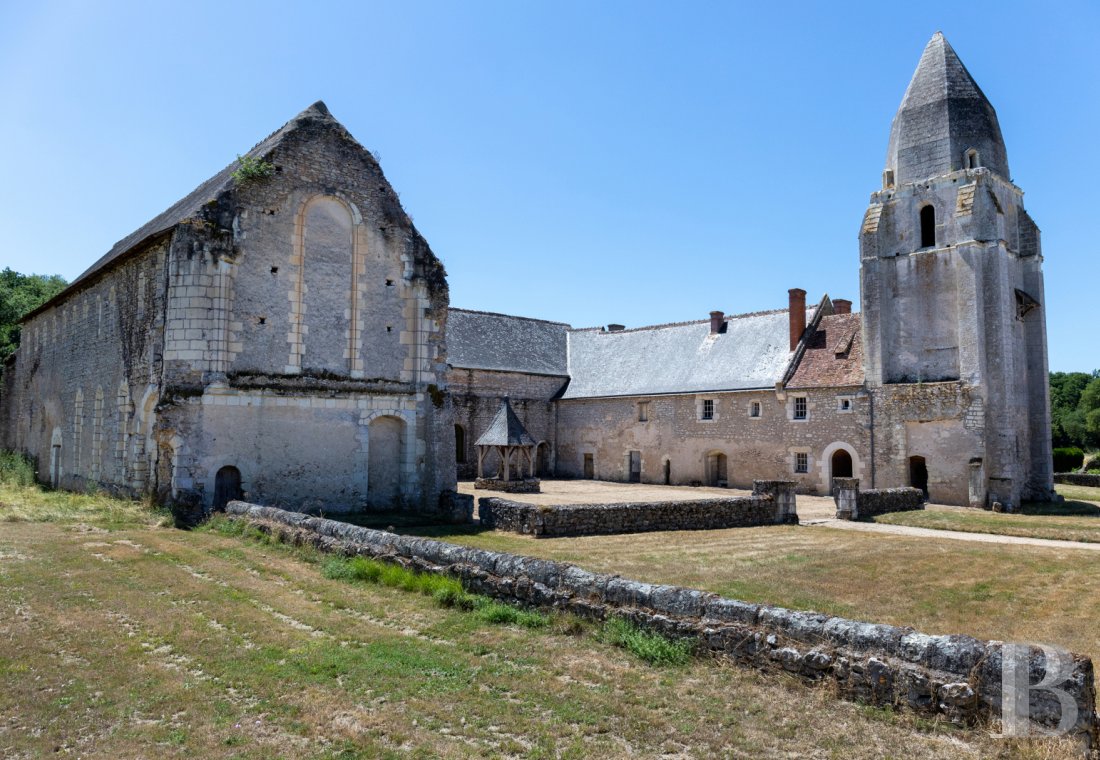
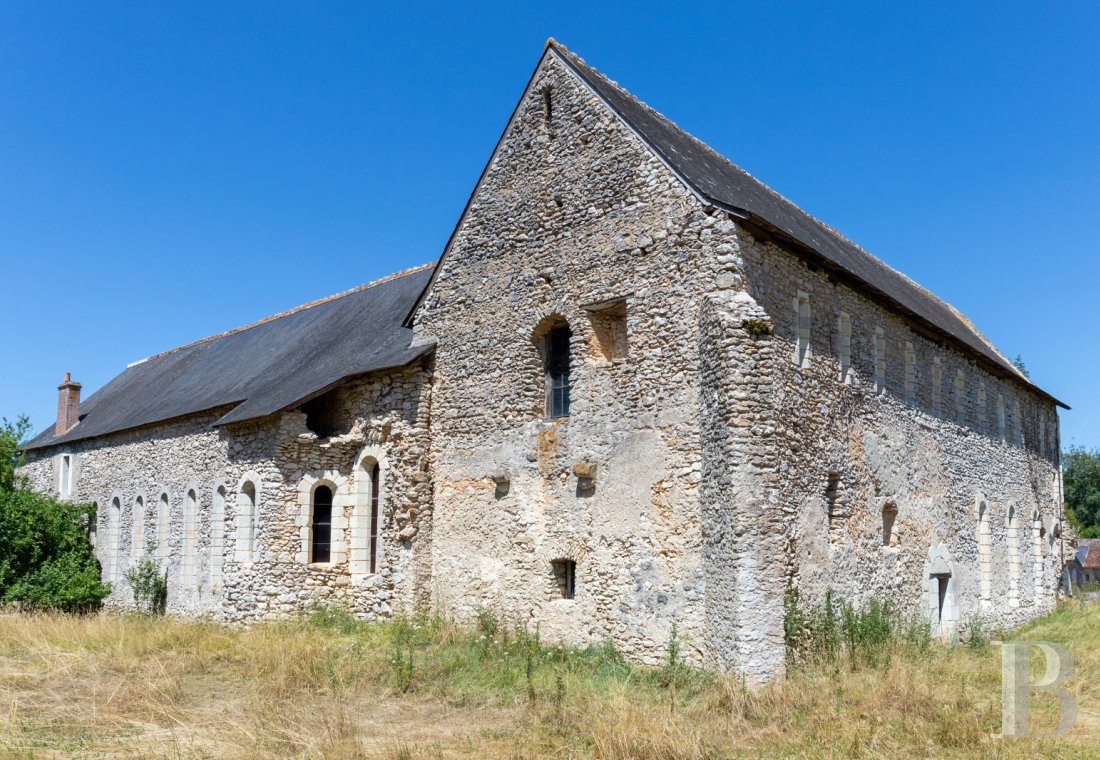
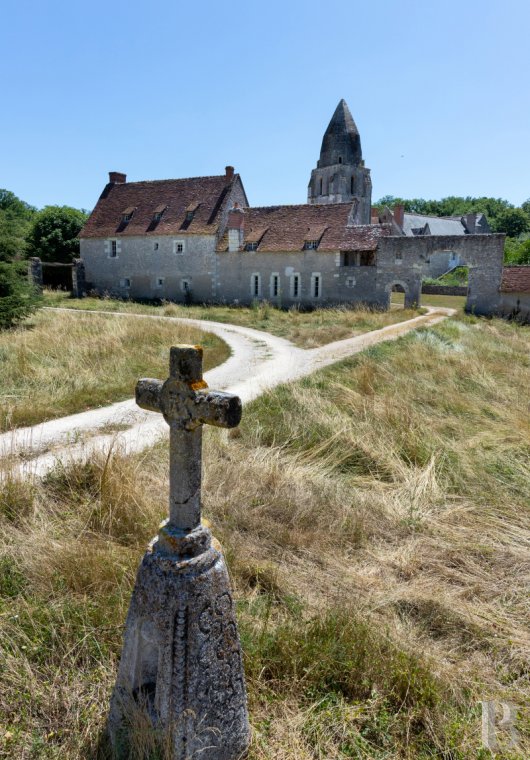
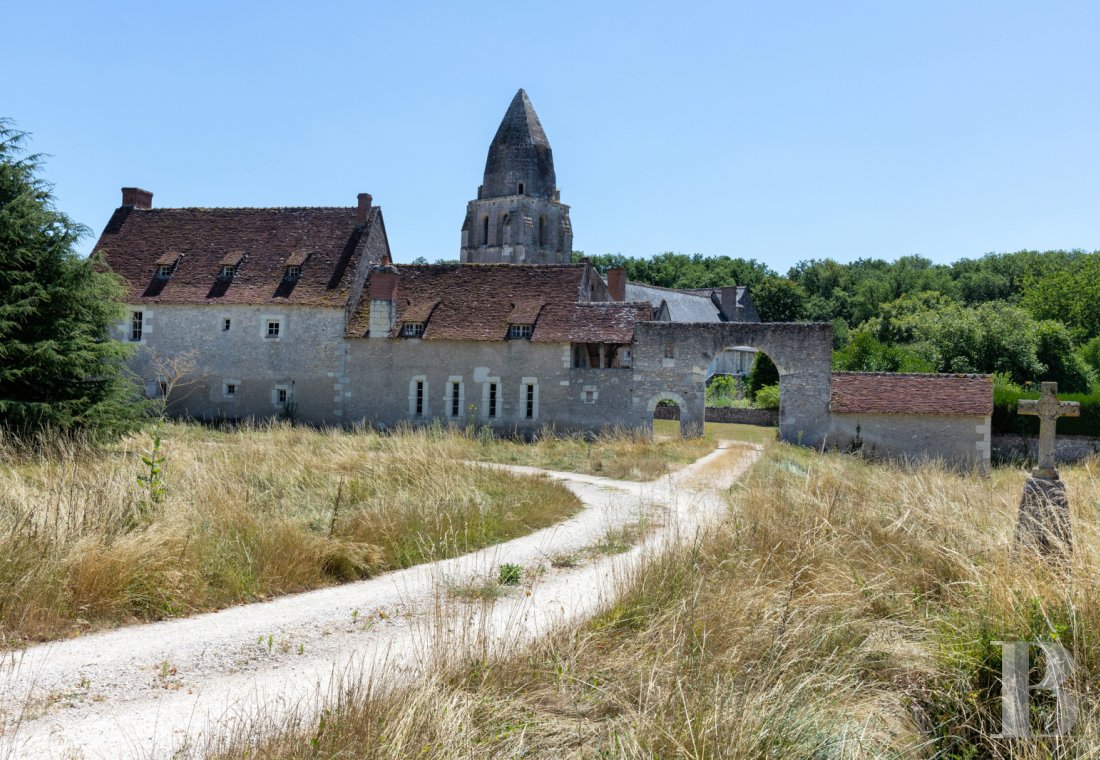
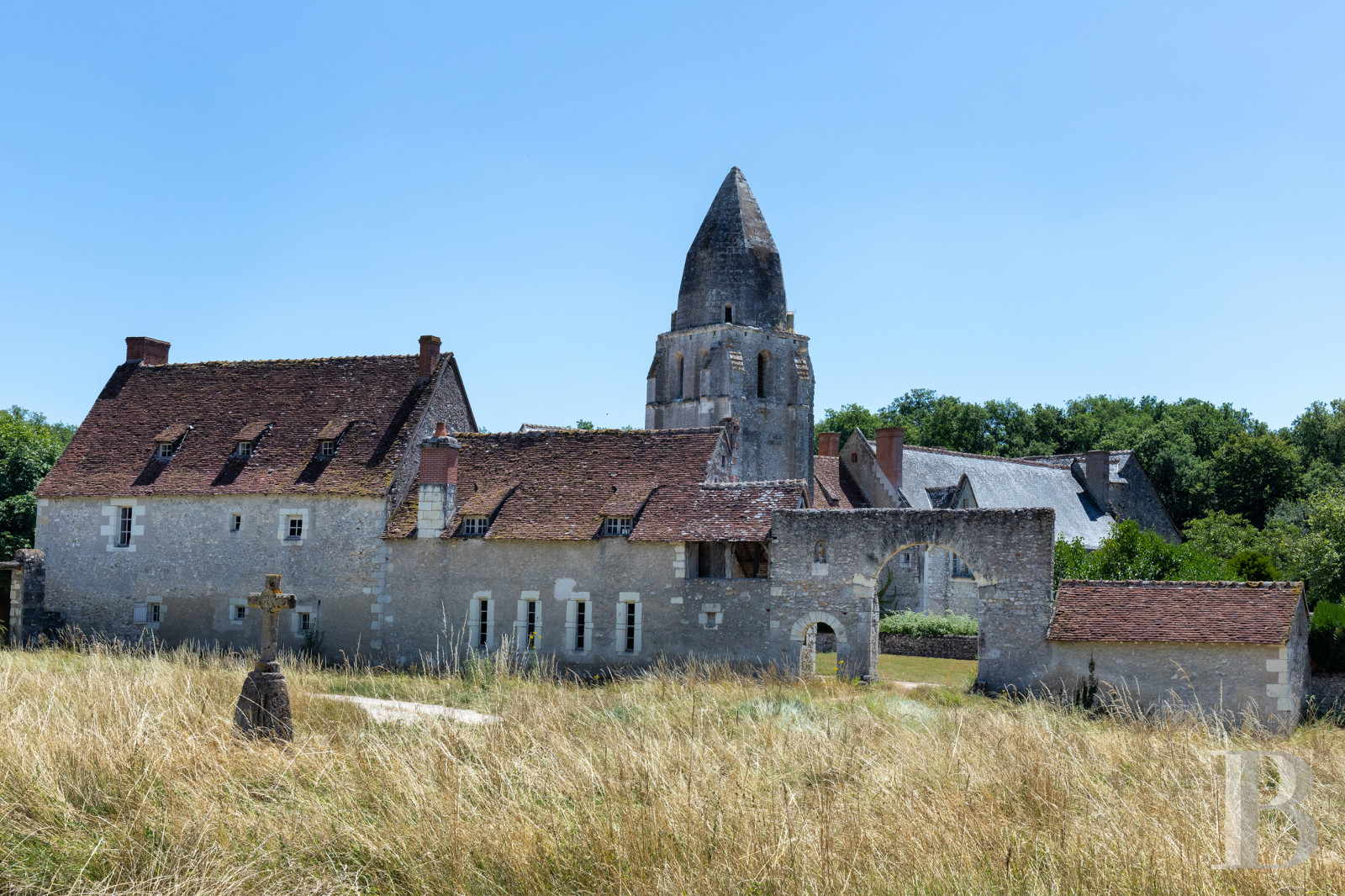
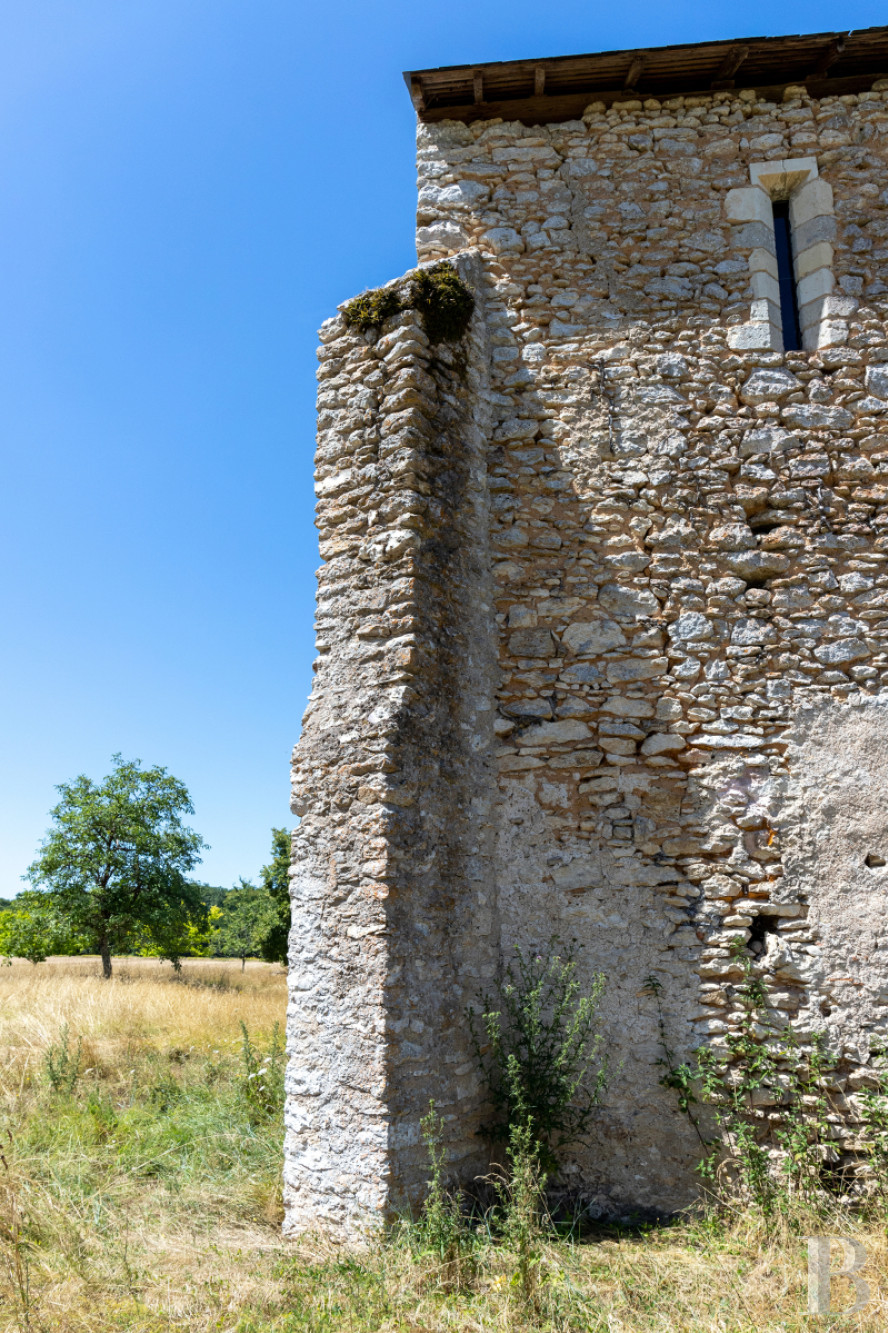
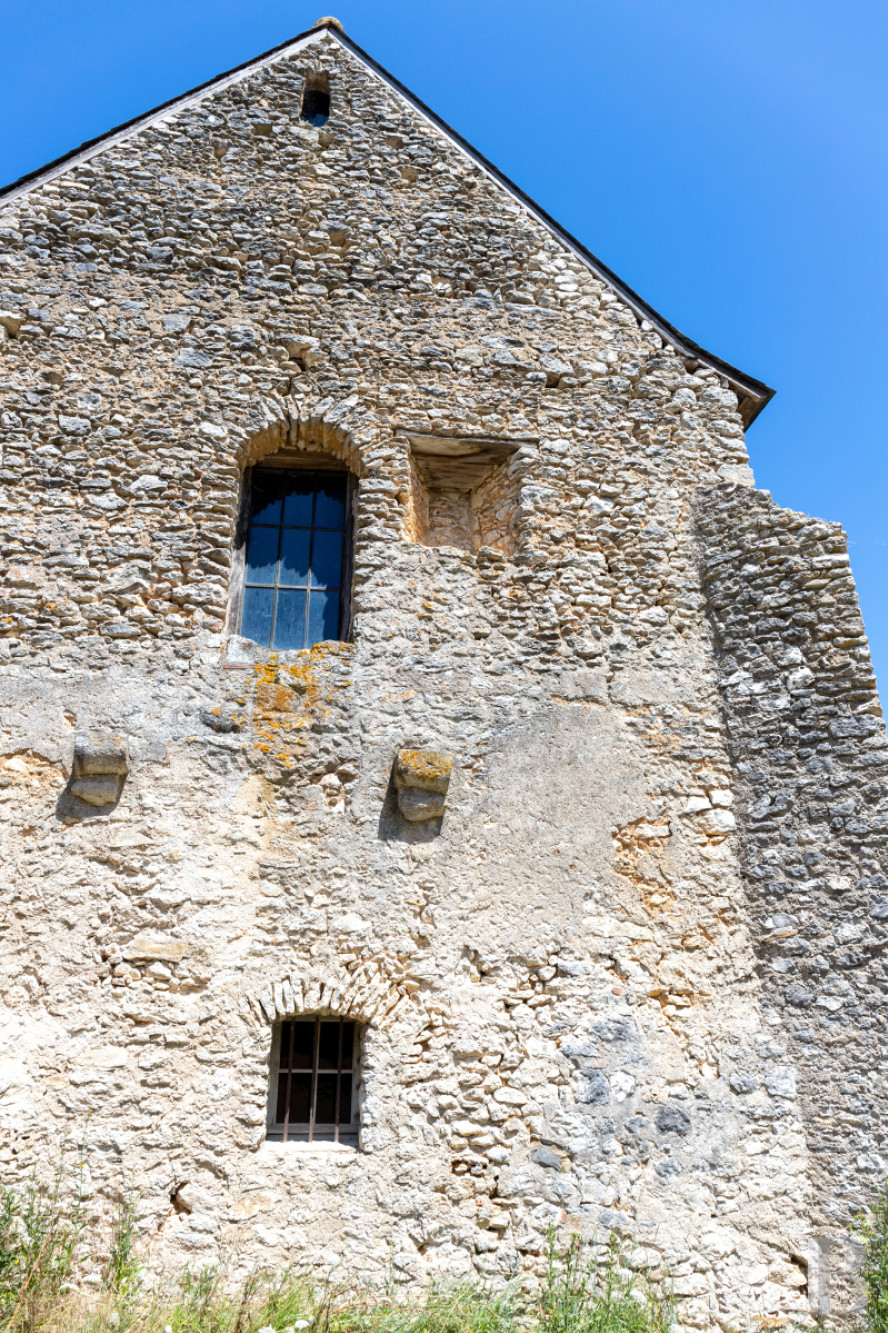
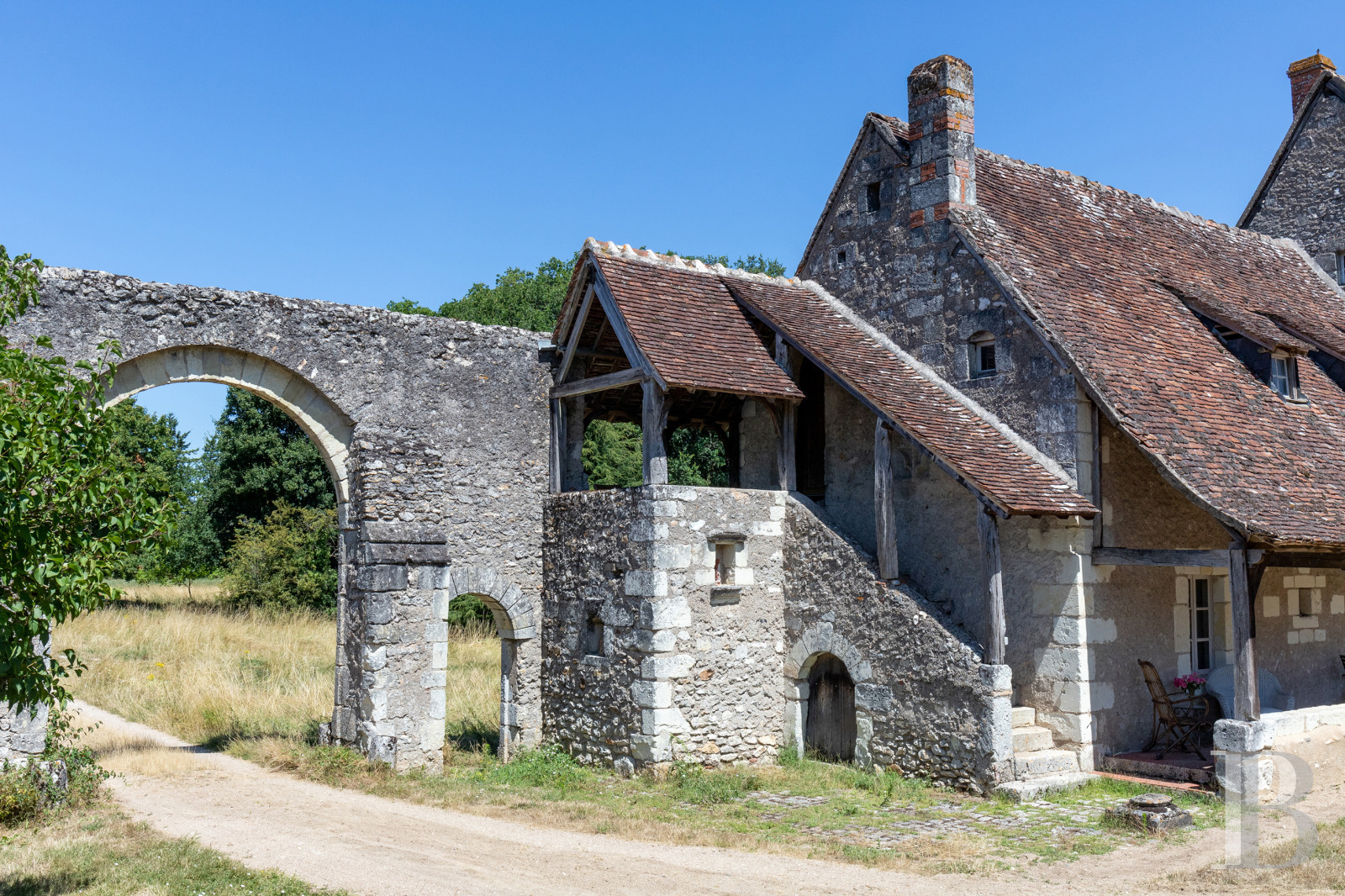
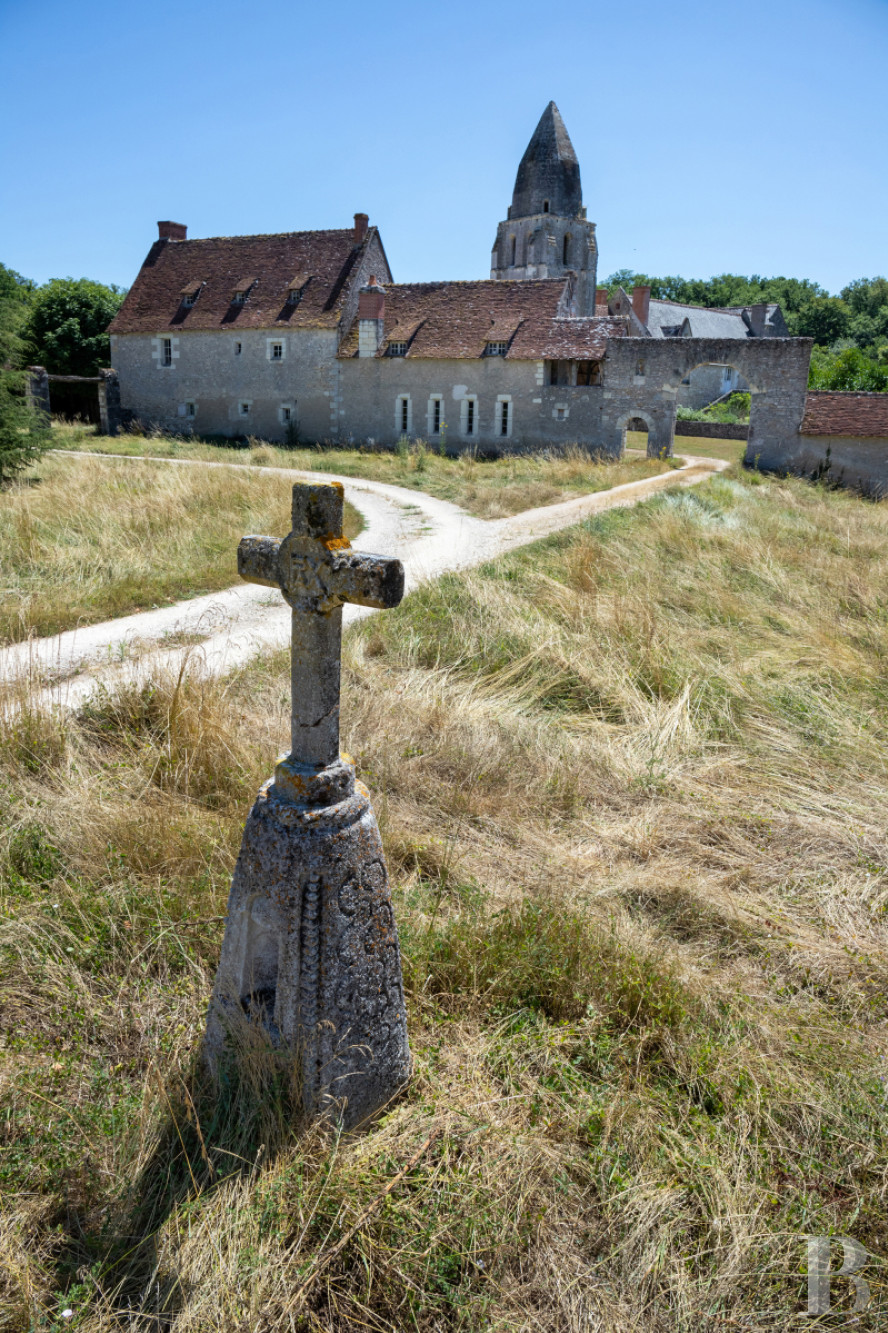
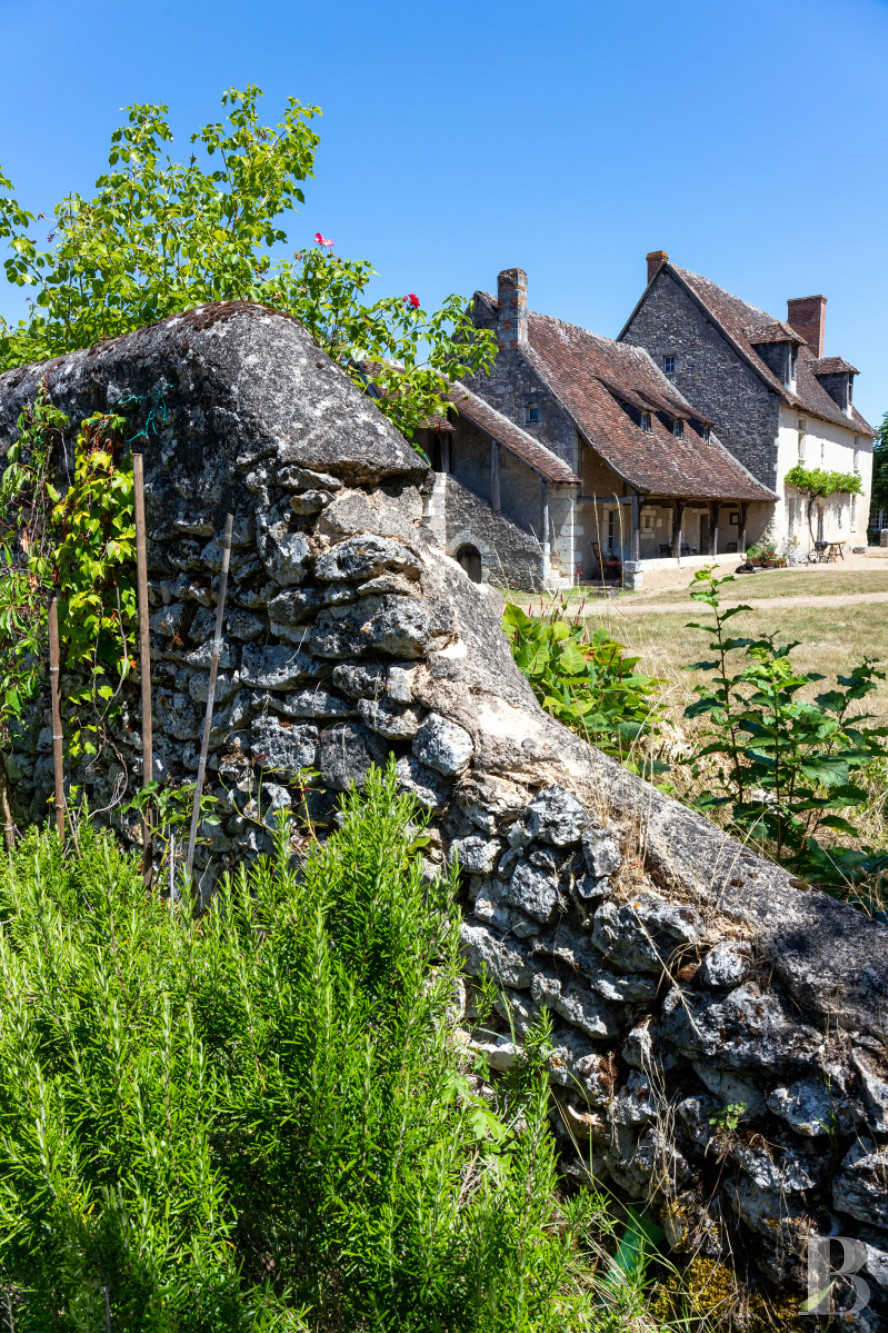
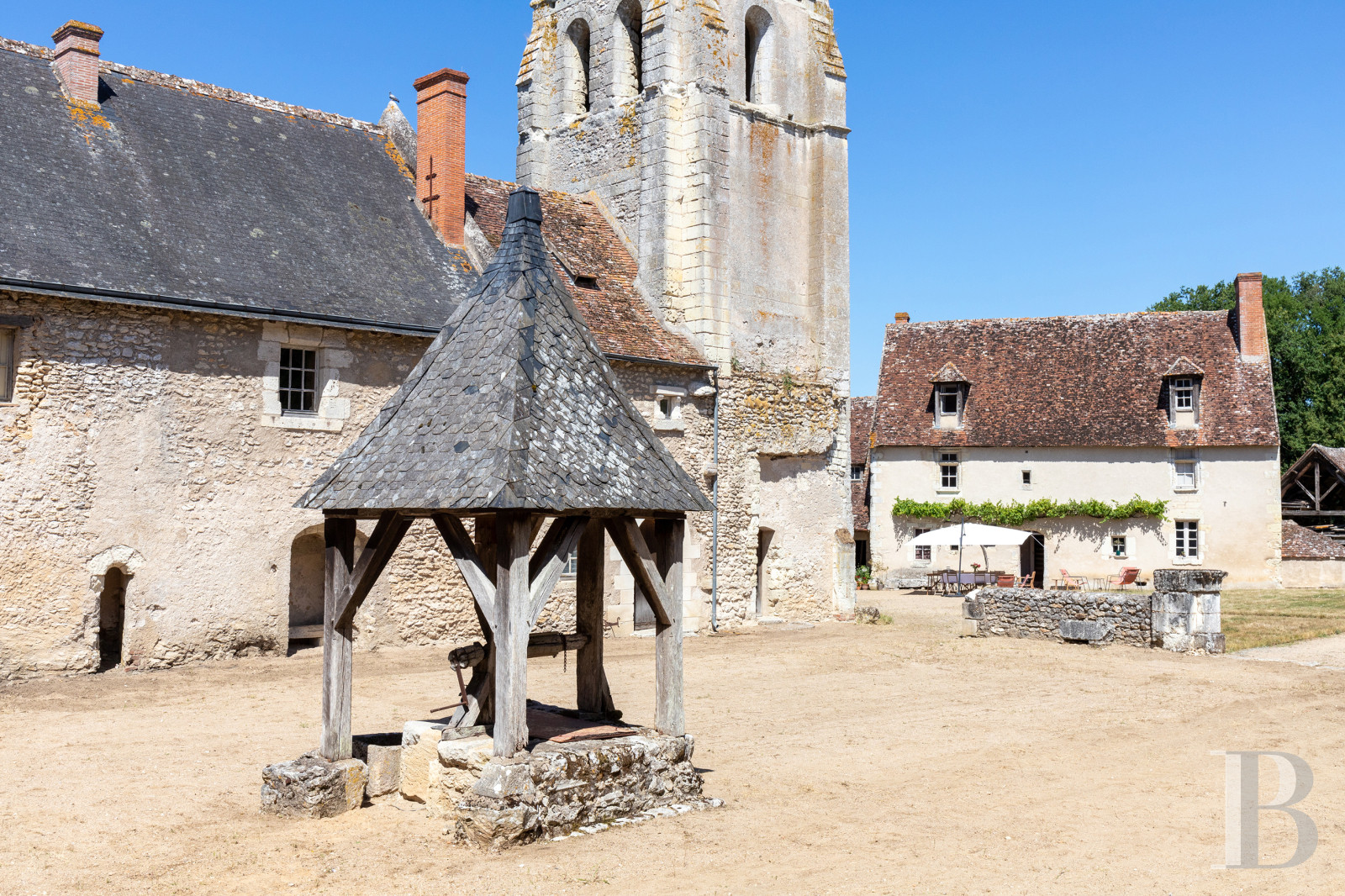
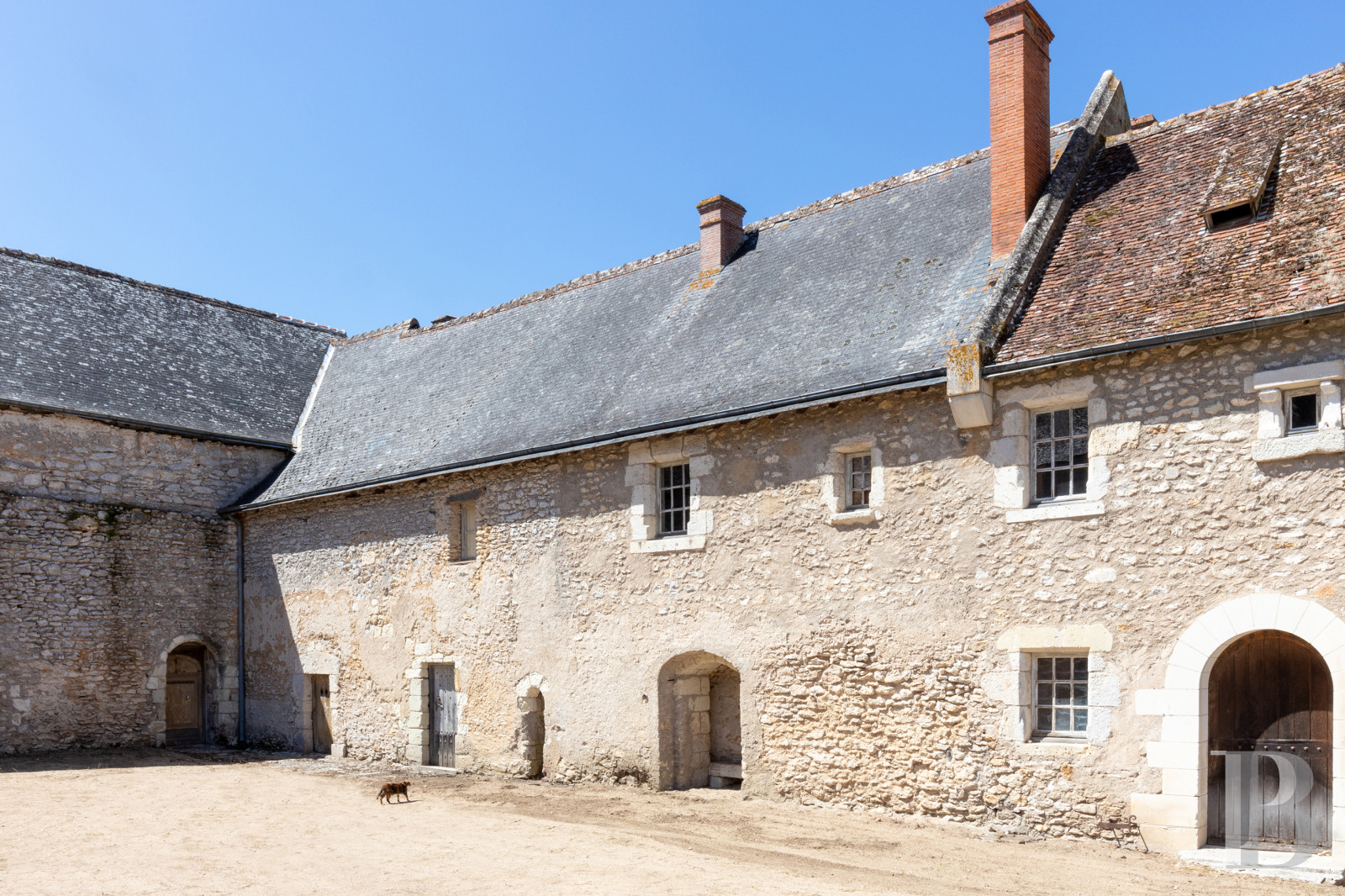
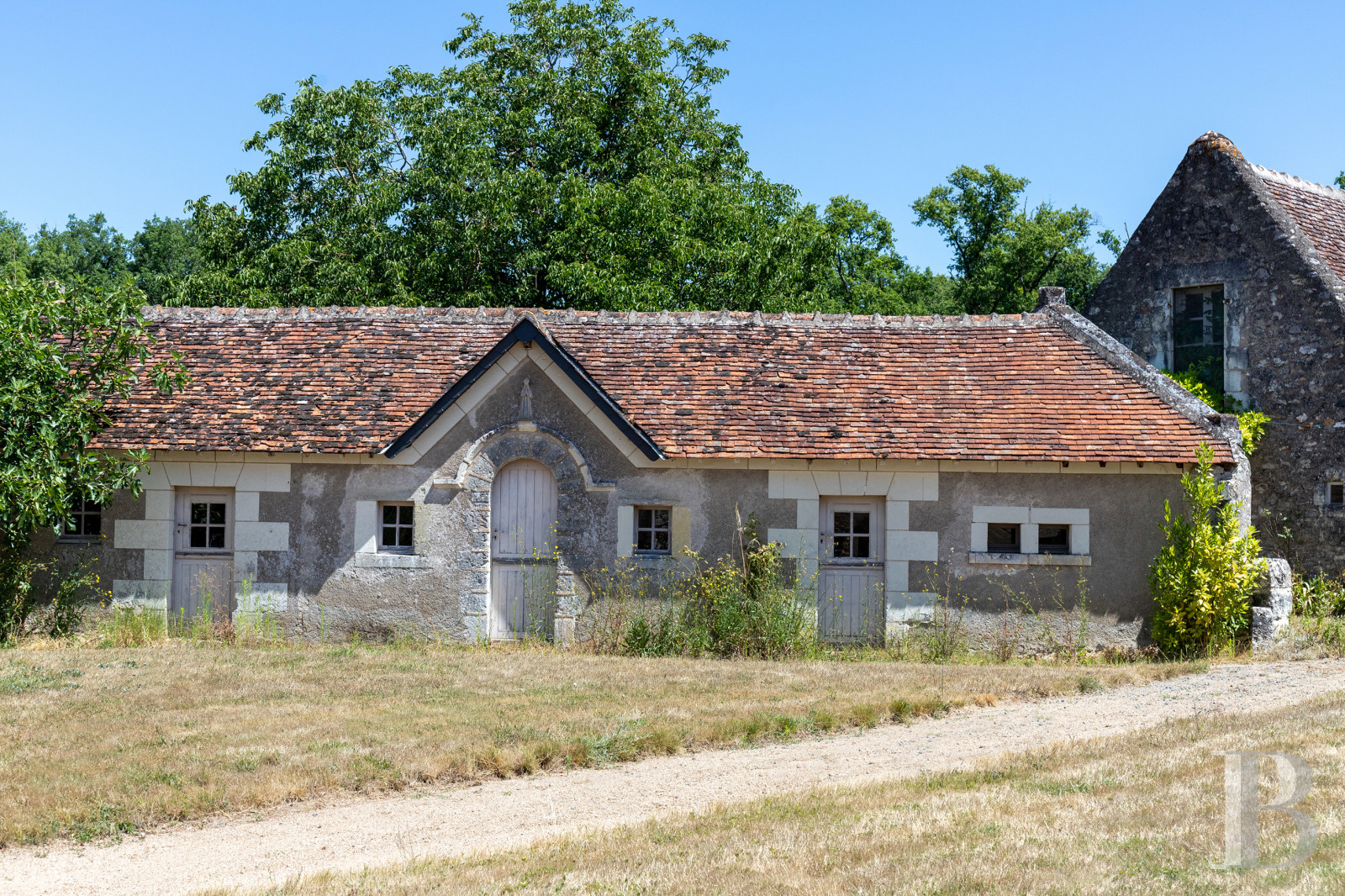
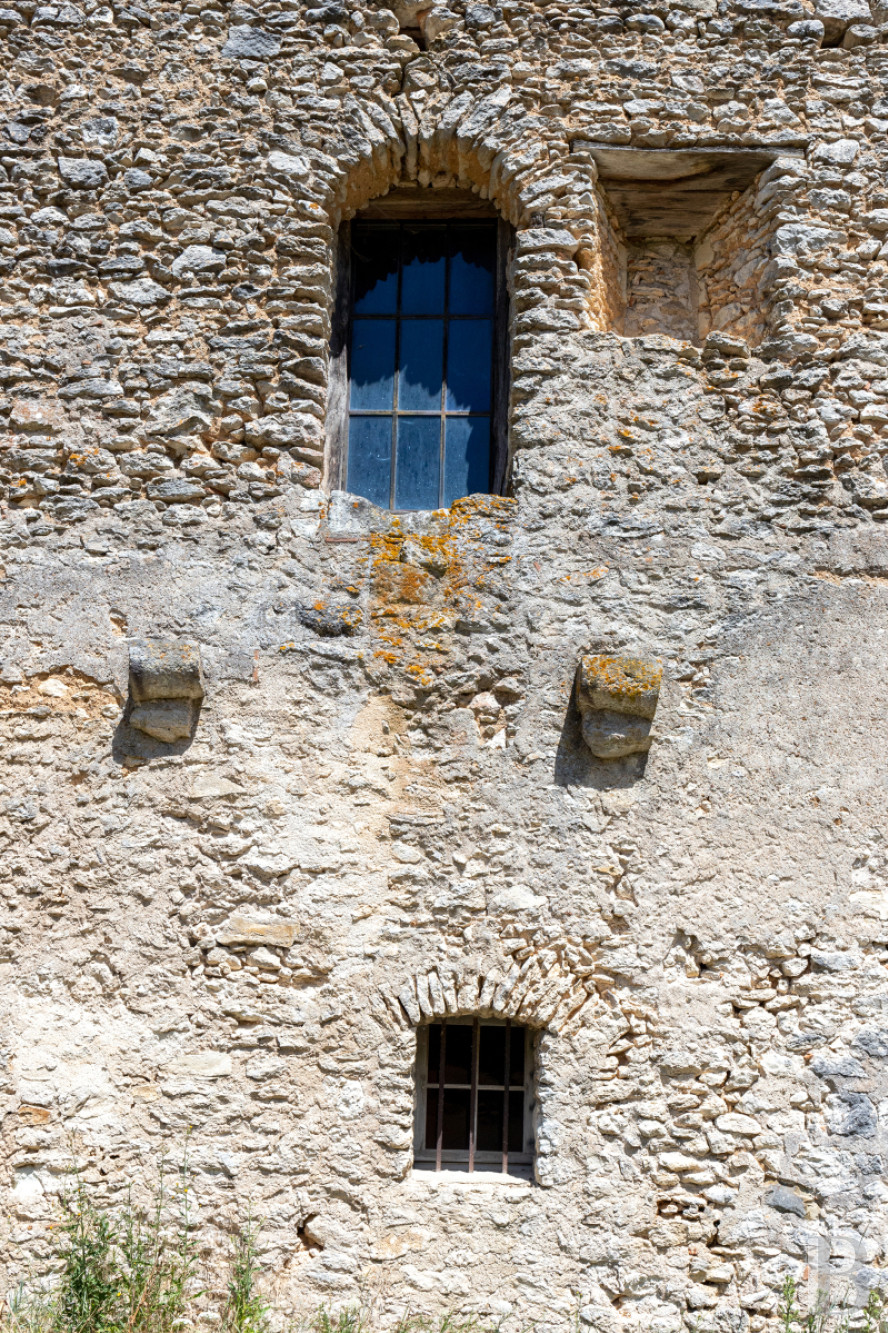
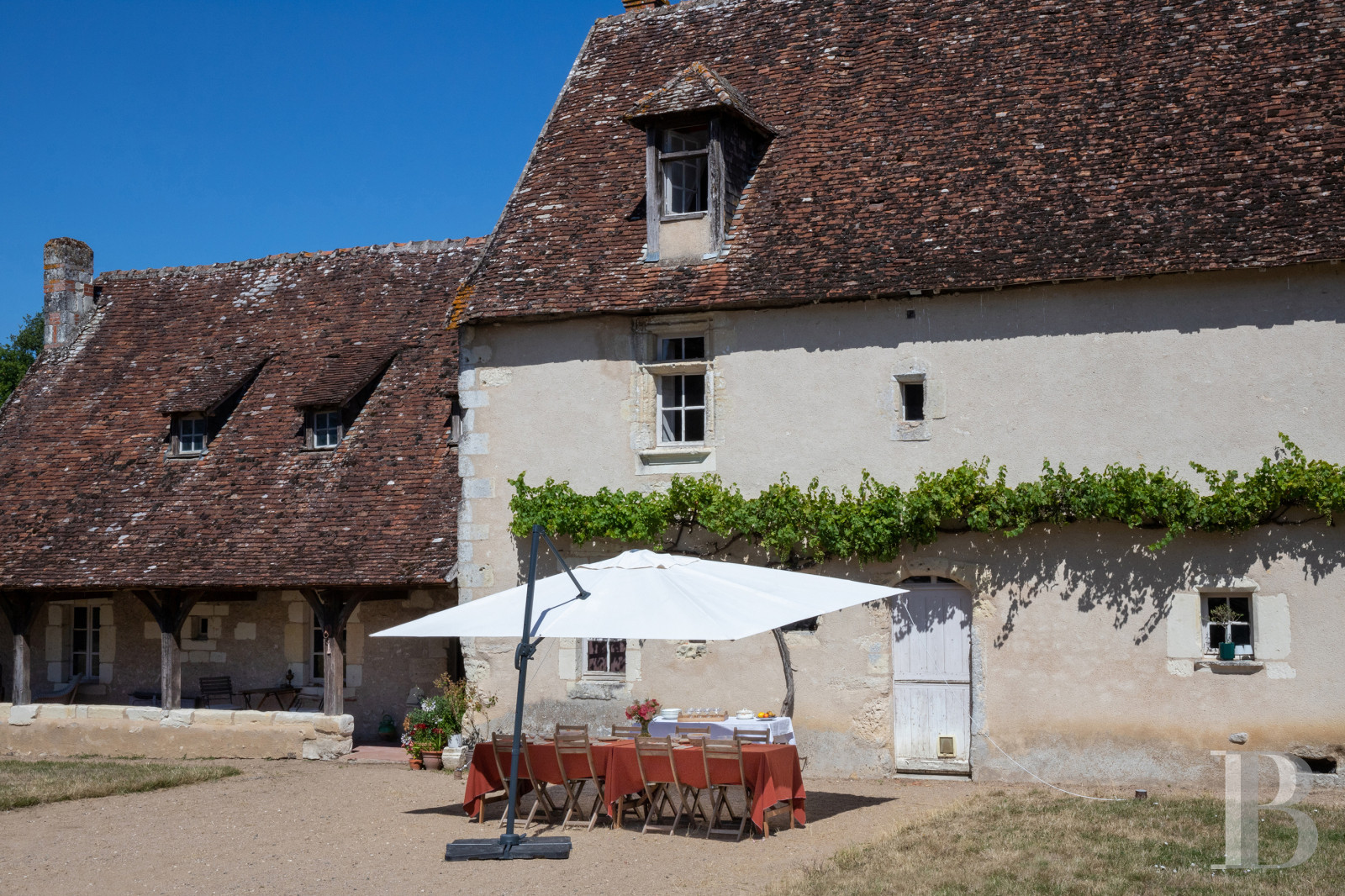
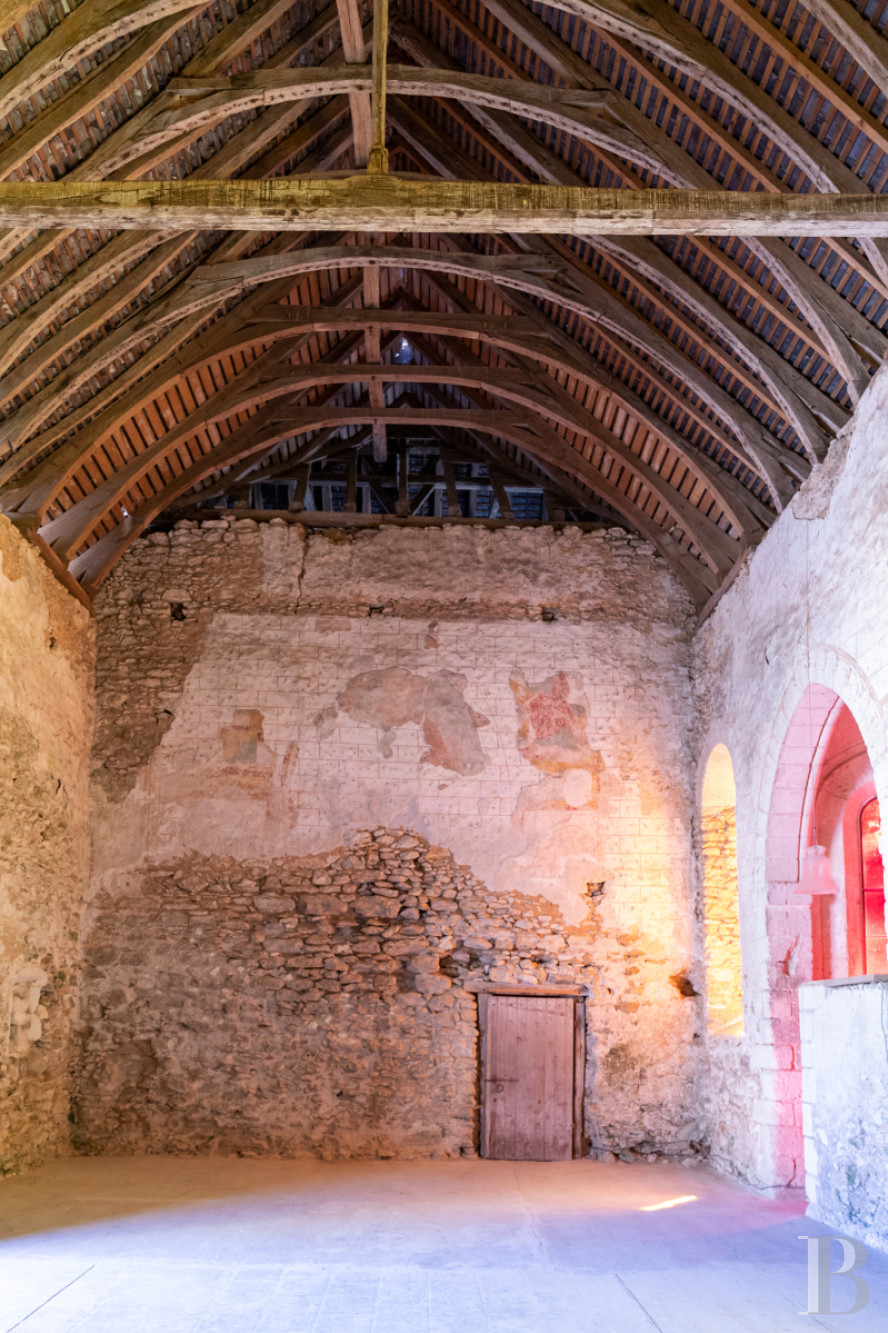
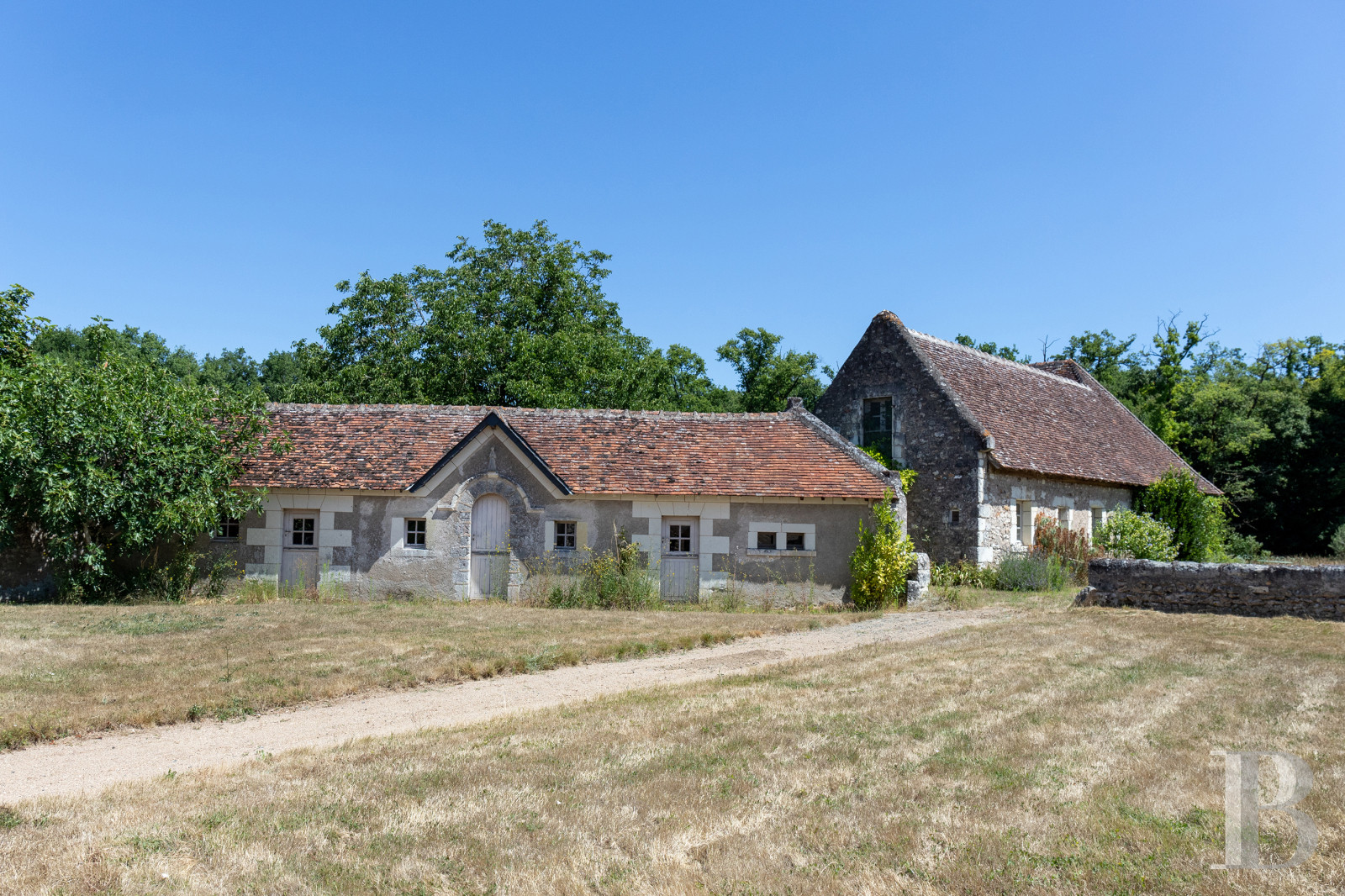
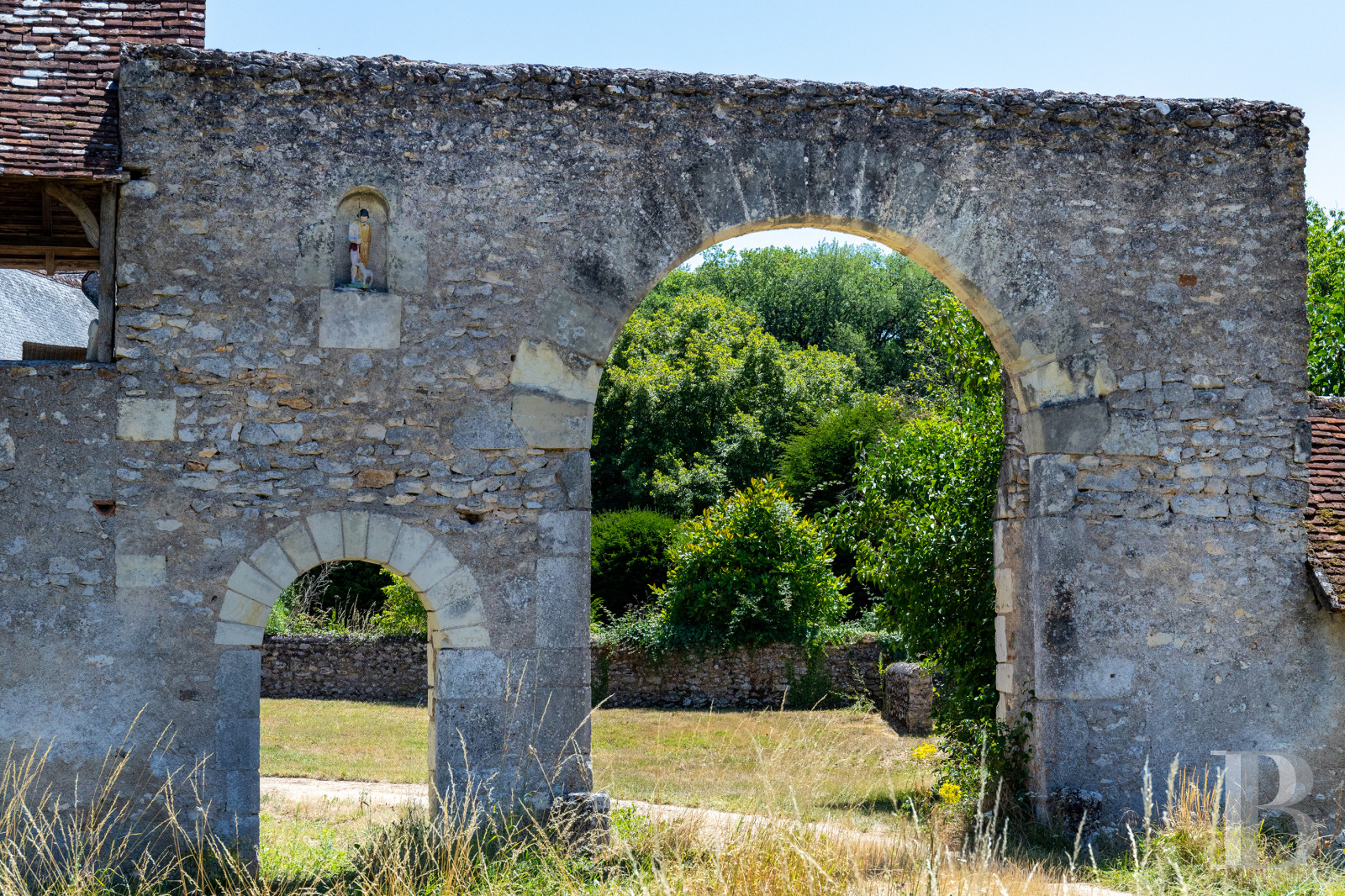
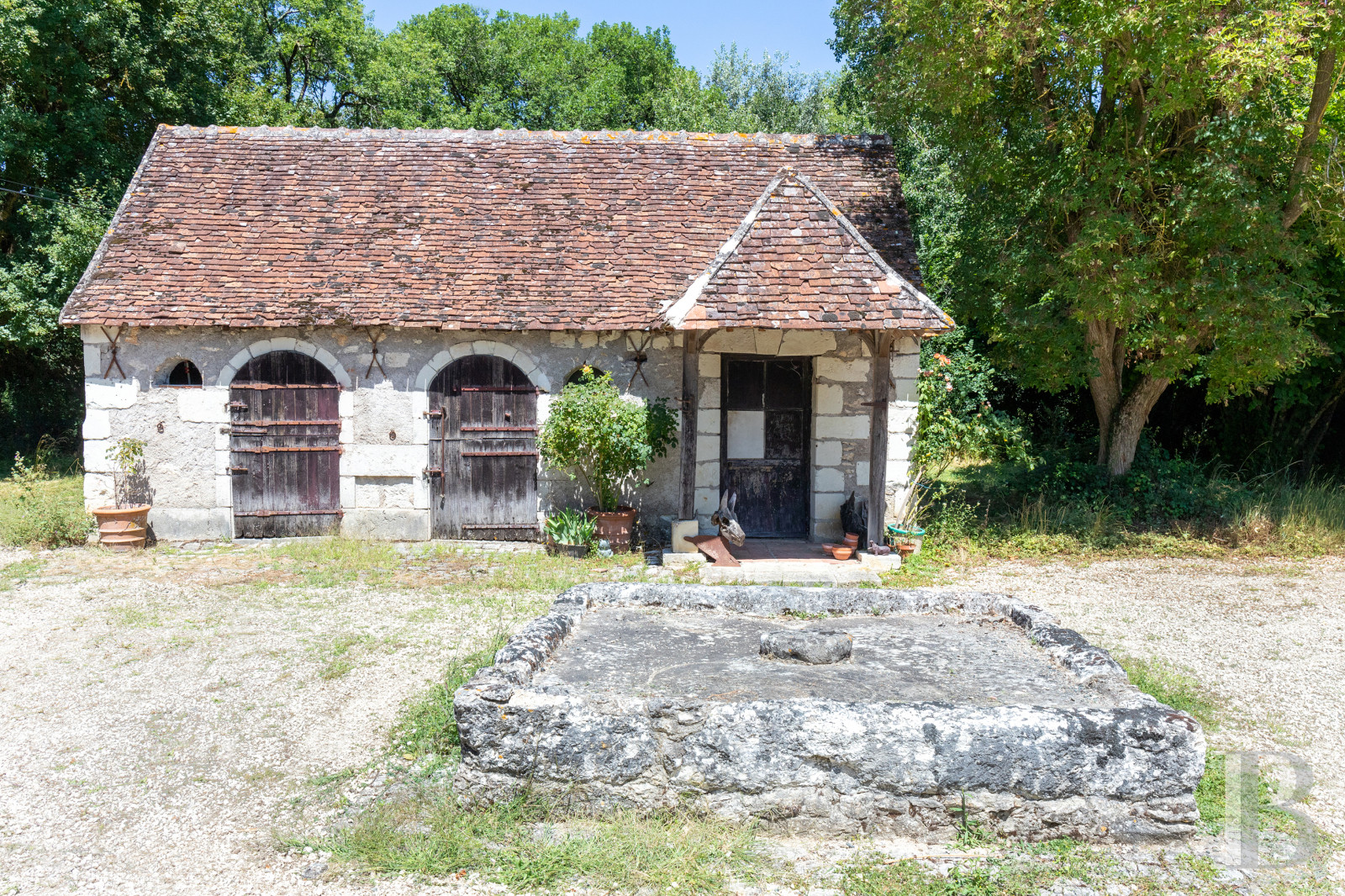
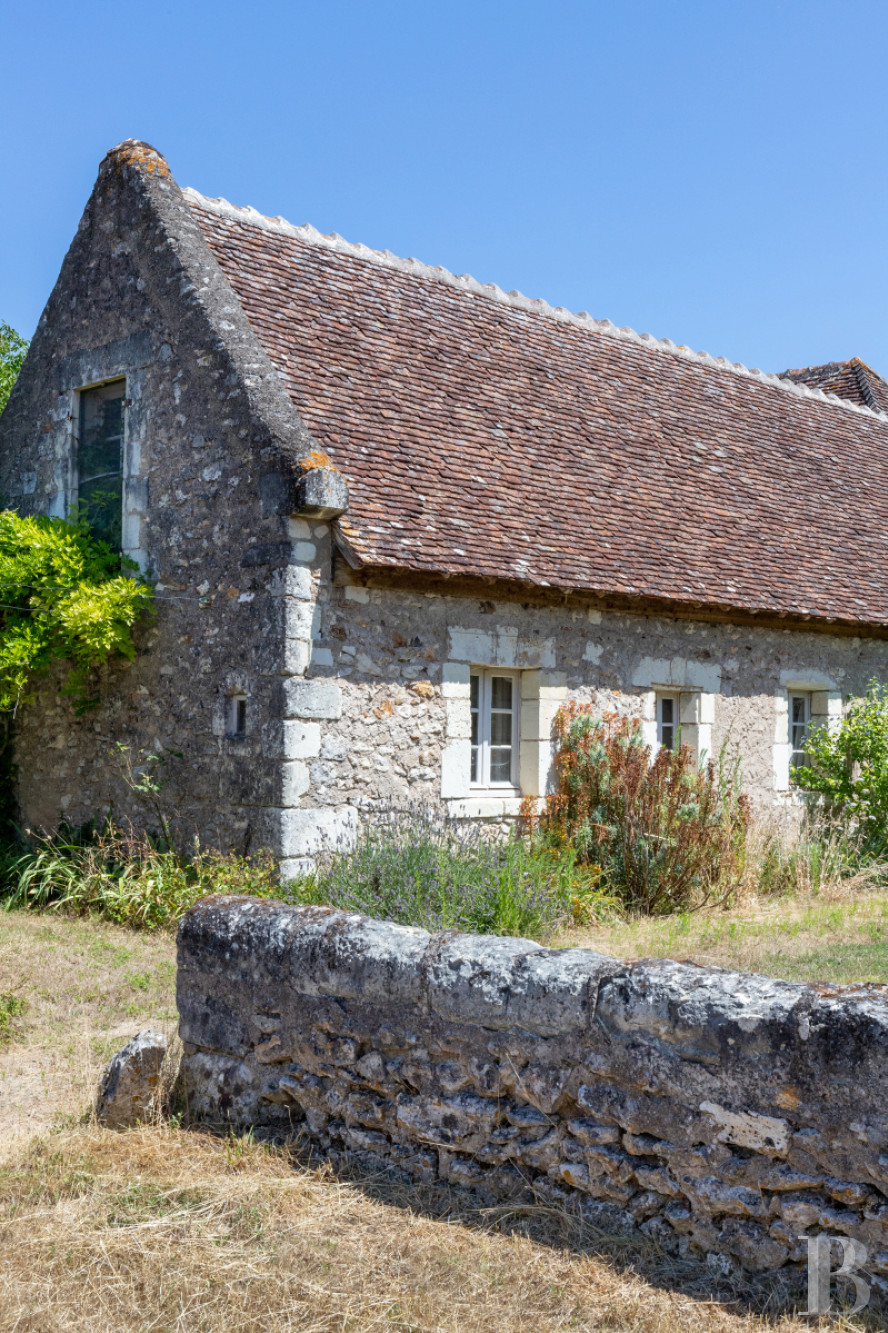
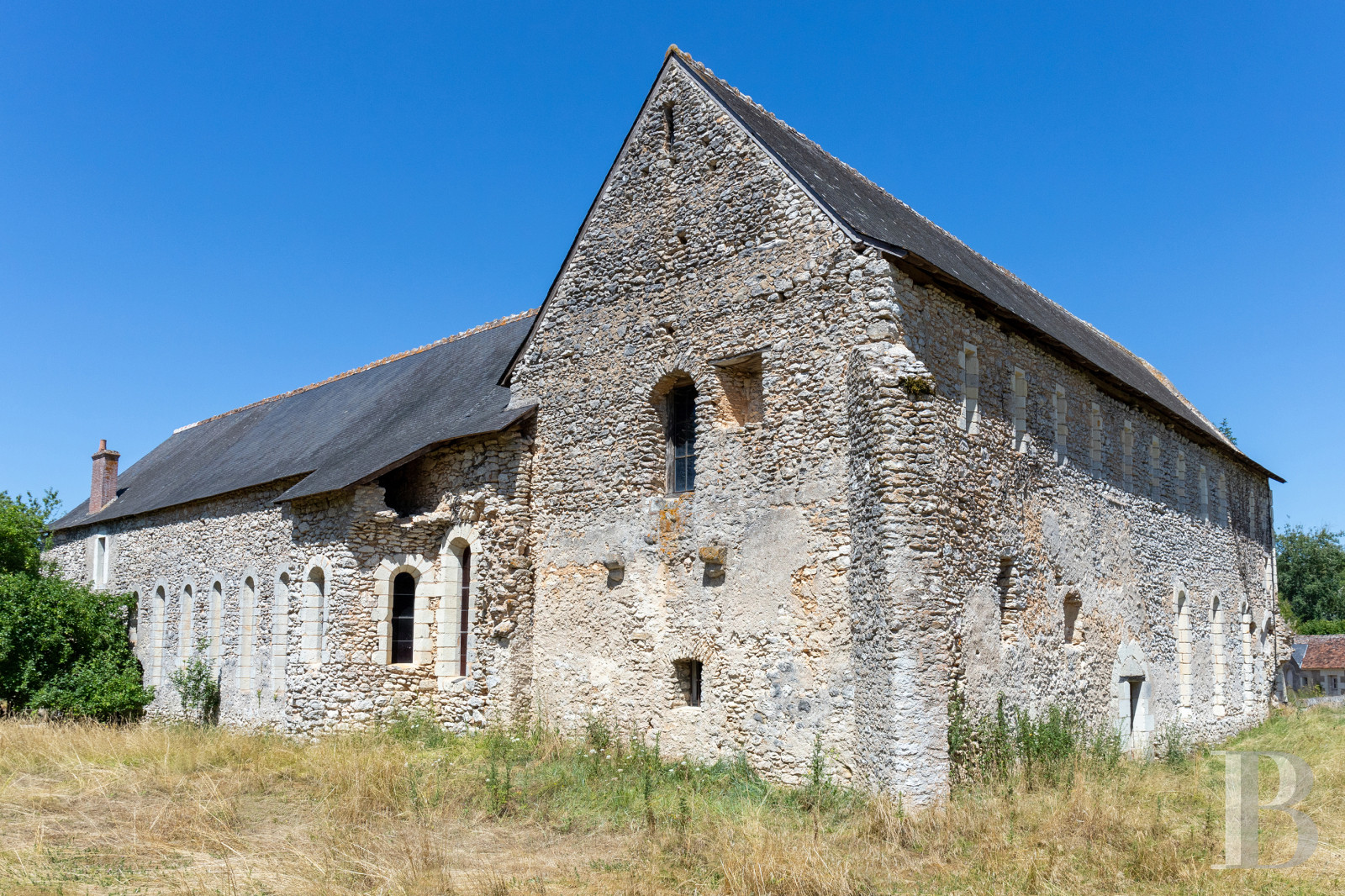
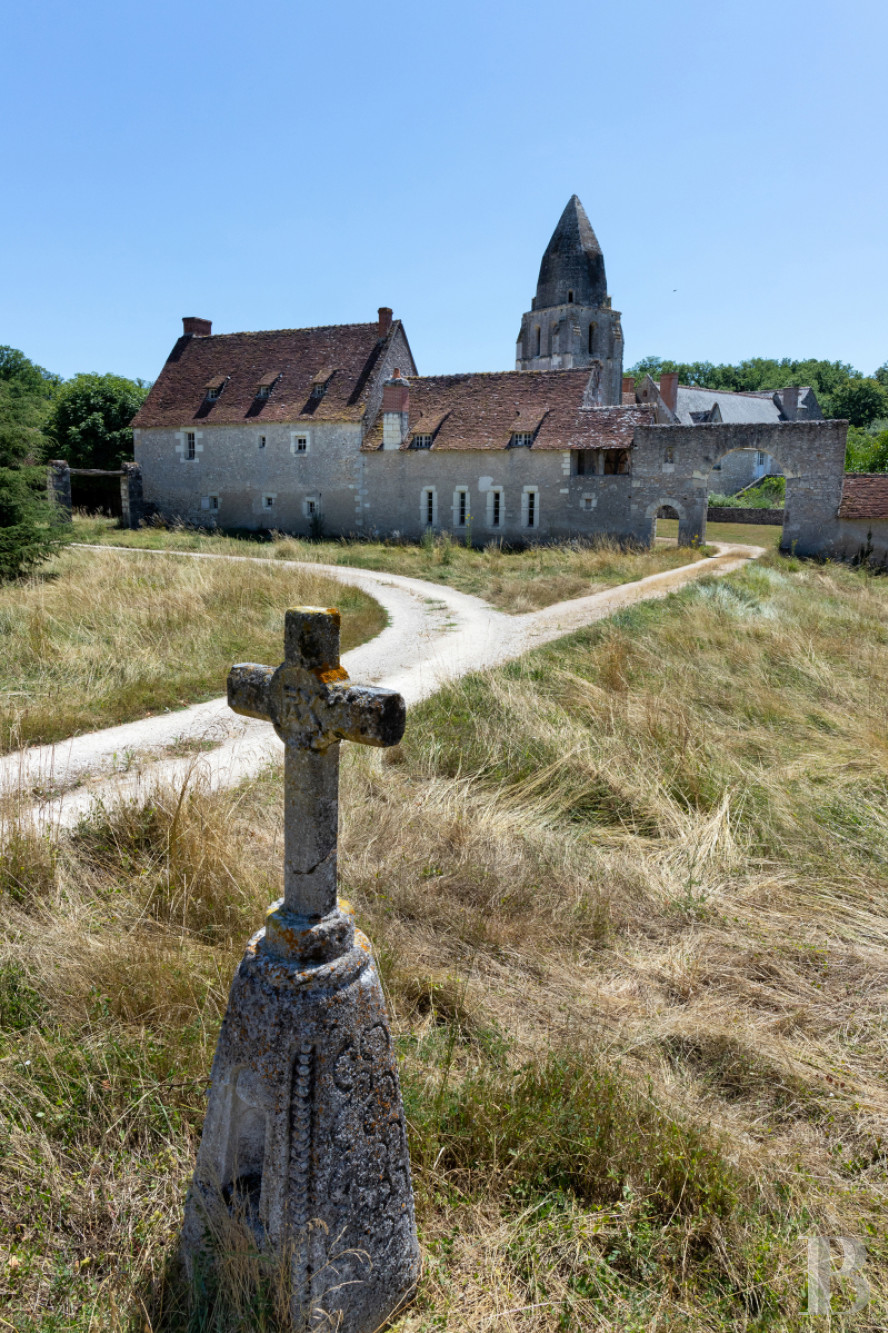
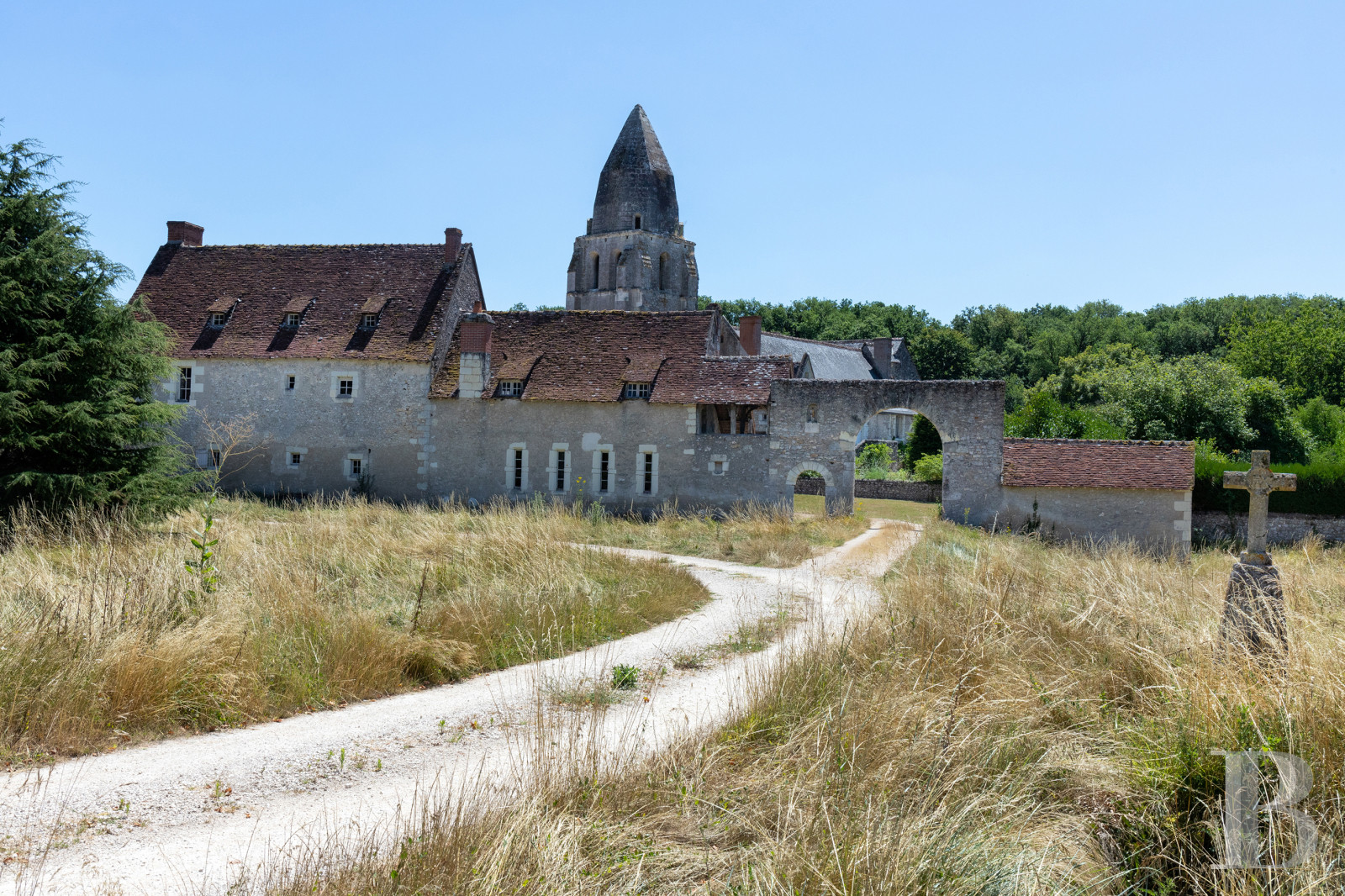
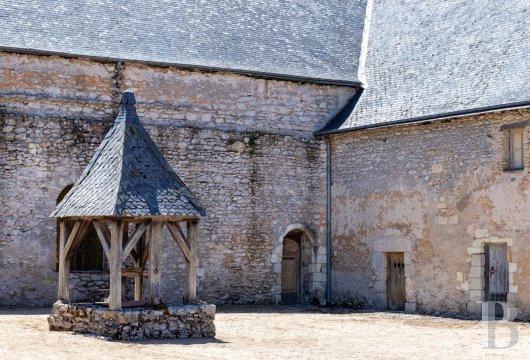
The main monastery buildings remain: the chapter house, dormitory, refectory and prior's house, all dating back to the 15th century. All that remains of the church, which was destroyed during the Revolution, is the bell tower. A remarkable group of buildings surround the priory, forming a small traditional Touraine hamlet, built by my grandfather using materials salvaged from abandoned or demolished farms. The priory buildings and a mural depicting Christ in majesty were listed as historic monuments in 1928. In the early 2000s, the windows of the refectory, dormitory and chapter house were fitted with 39 monochromatic stained glass windows, contemporary art pieces entitled "L'Éveil" (The Awakening), created by the visual artist Sarkis.
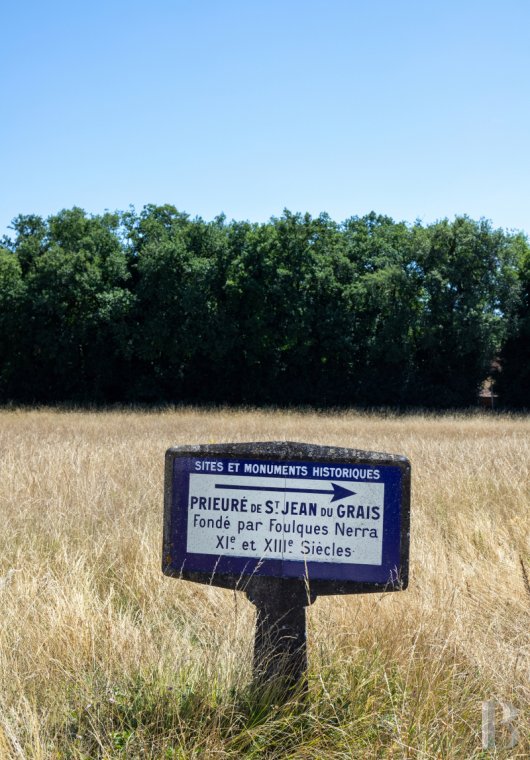
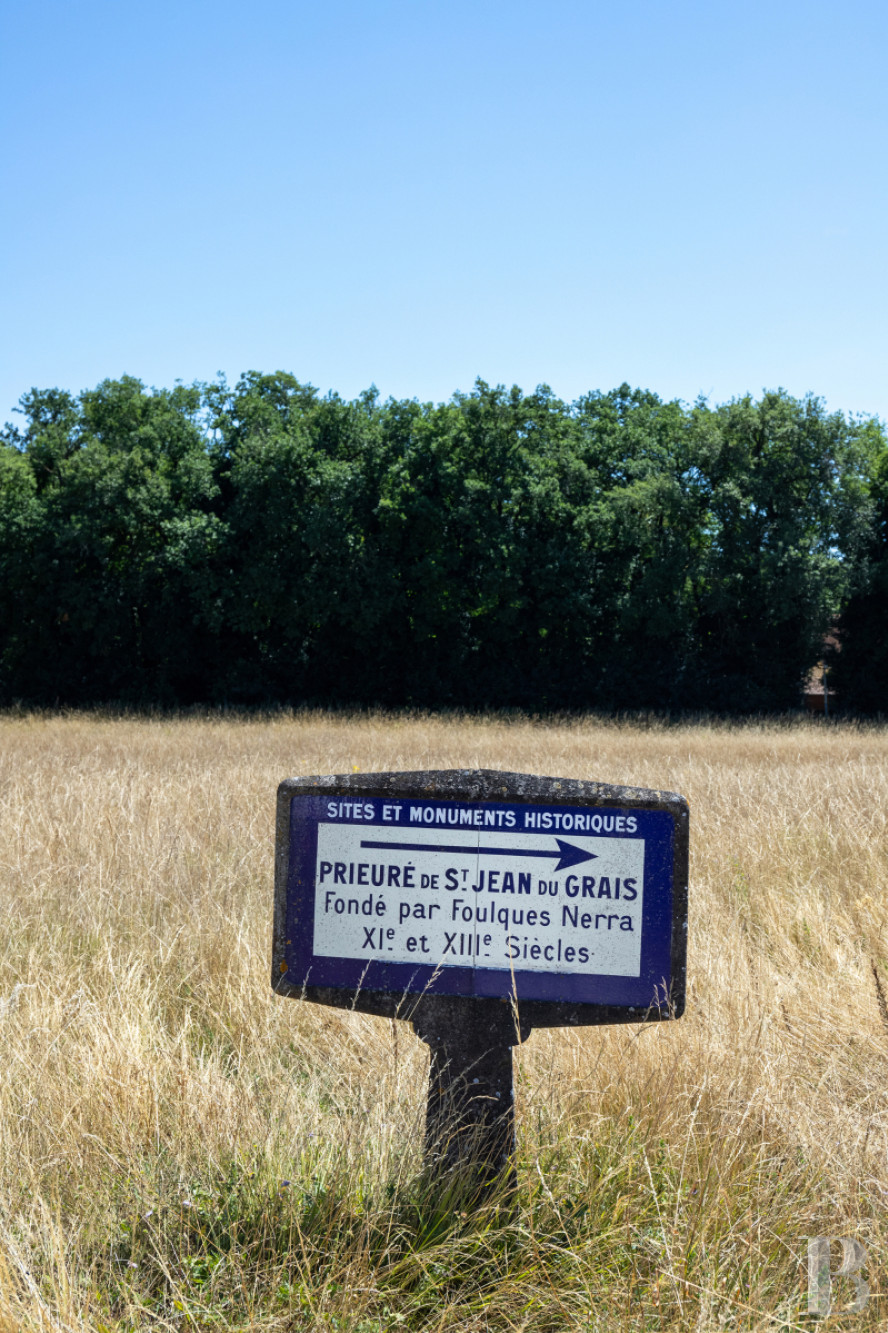
The priory of Saint-Jean-du-Grais was founded in 1127 by Foulques V, Count of Anjou and future King of Jerusalem (1131) and Hugues de Payns, founder of the Templar Order. In 1184, it became dependent on the Holy See of Rome by decision of Pope Lucius III, who ordered the monks to follow the Rule of Saint Augustine, whereas before they had adopted the less strict Rule of Saint Benedict. An exceptional site, the priory encapsulates the entire history of medieval Touraine, not just that of the 12th-century monks, but also that of the Counts of Anjou and the Plantagenets.
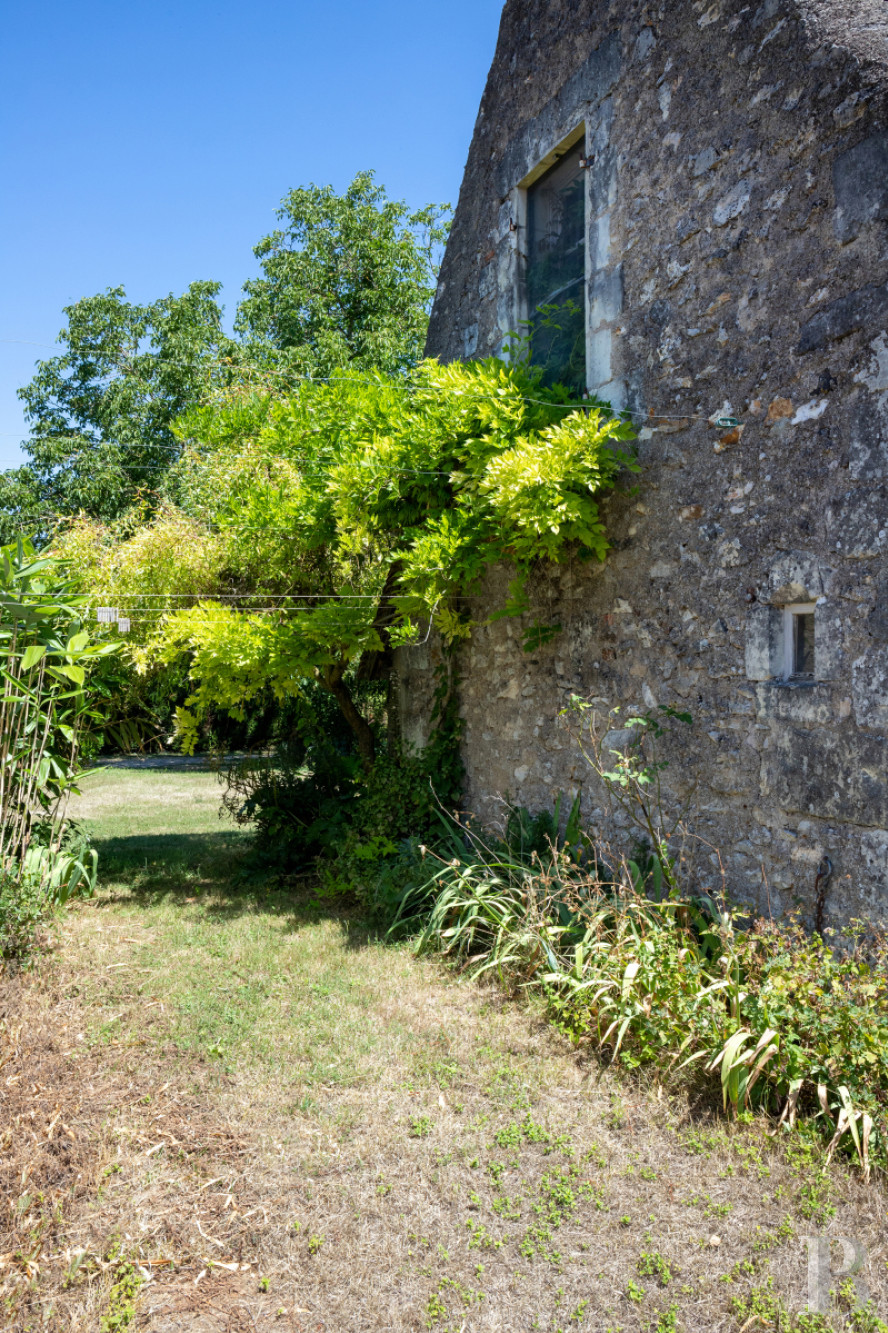
A Cistercian priory, listed as a Historic Monument since 1928, nestling in a green setting, offering an exceptional authentic historic setting for private or professional events.
The site is close to the châteaux of Chenonceau and Amboise. It is close to the banks of the River Cher and the "Coeur de France" cycle route: an area dedicated not only to cyclists but also to walkers, with the start of several hiking trails, as well as to fishers, who have a fishing pontoon, a boat slipway and a family fishing trail. In the summer, take the "Moments de Loire" river shuttle between Montlouis-sur-Loire and Vouvray for a moment on the water, aboard a traditional boat in the company of a bargeman.
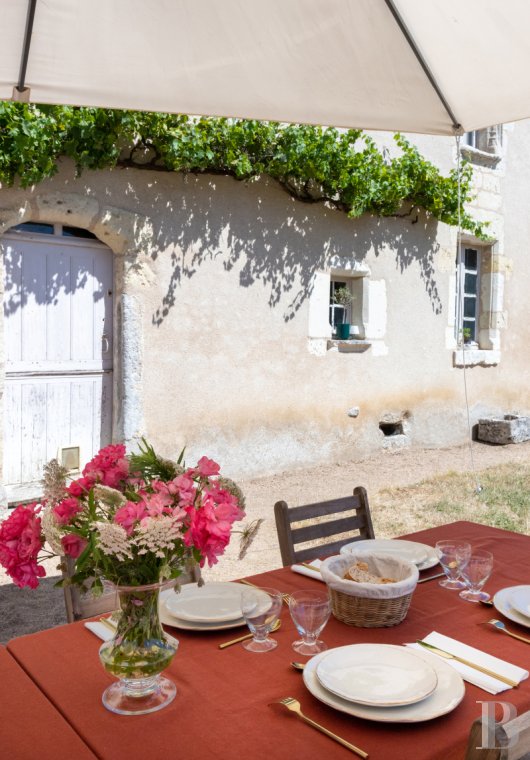
The areas made available for receptions include most of the historic 12th-century part: the chapter house, the monks' refectory, which can accommodate up to 120 people for dinner, the monks' dormitory, the passageway to the meadow and the room adjoining the refectory, as well as the inner courtyard. Marquees can be set up in the courtyard in cloister-fashion for up to 200 guests.
ref 192337
The owner offers guided tours from April to November for groups of 20 or more, by prior arrangement.
A link to enter a new password has been sent to you by email.
By continuing your navigation, you accept the use of cookies to offer you services and offers adapted to your centers of interest and to measure the frequentation of our services. Learn more