

Add to favorites
Log in to your personal space
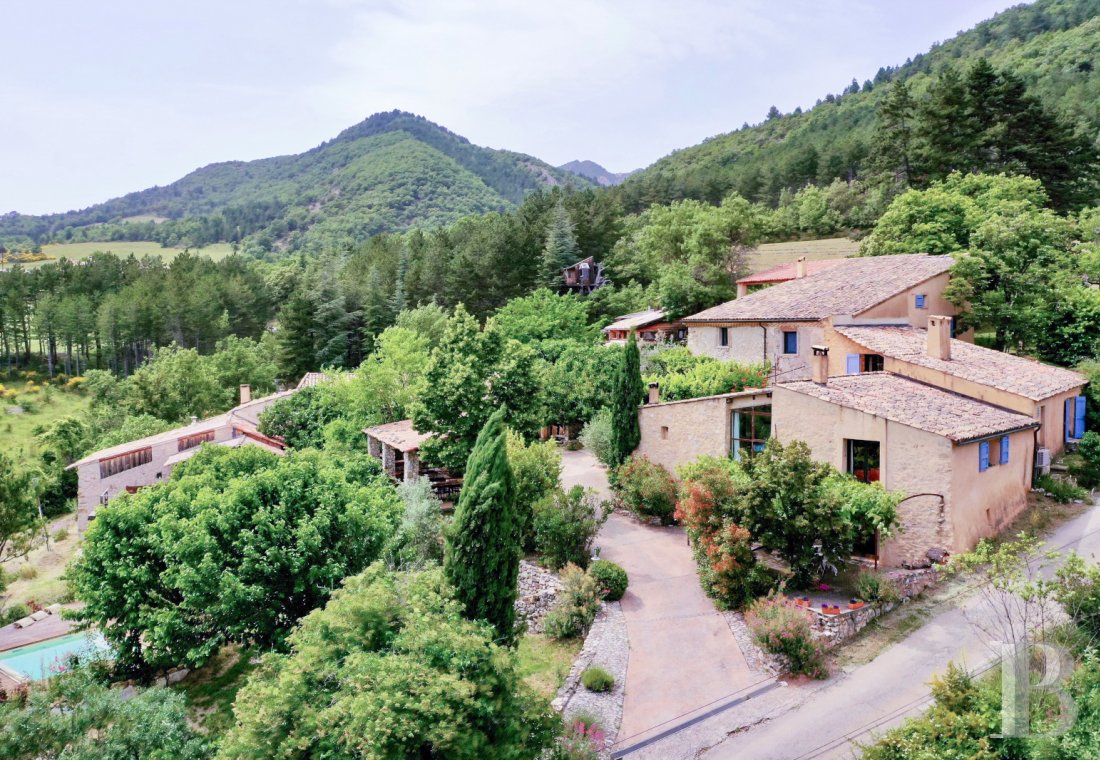
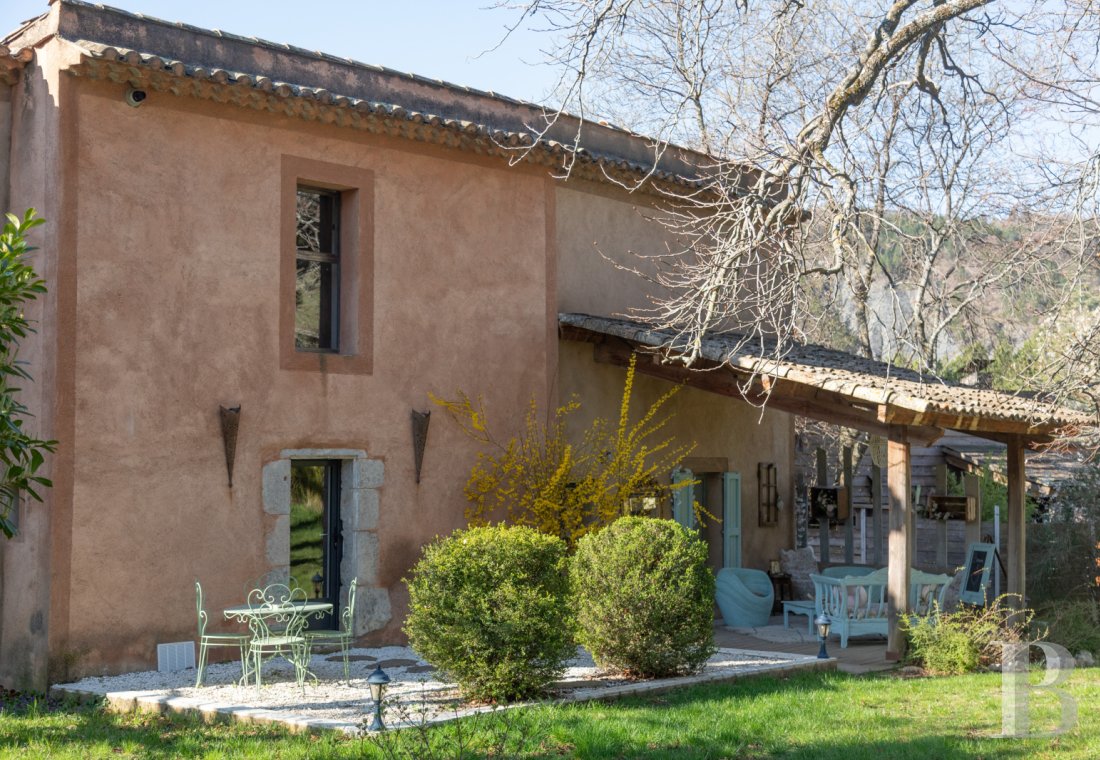
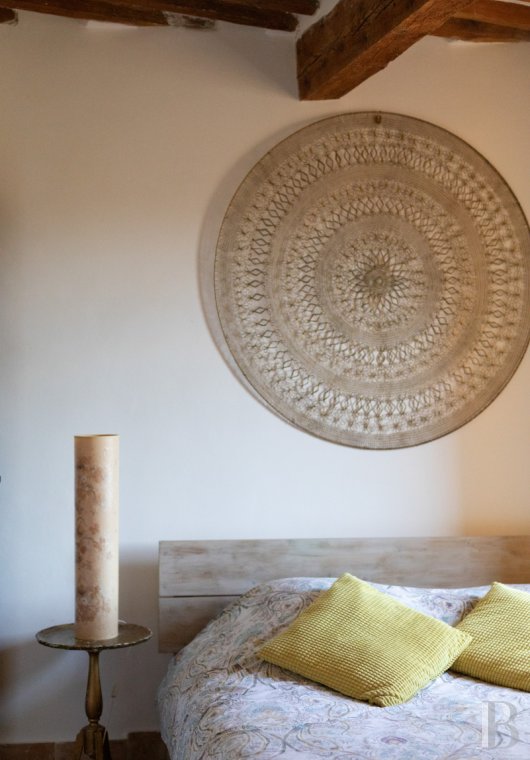
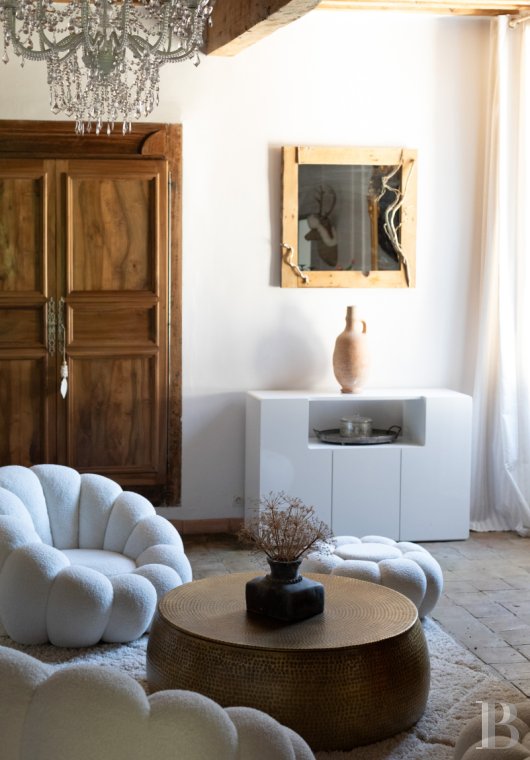
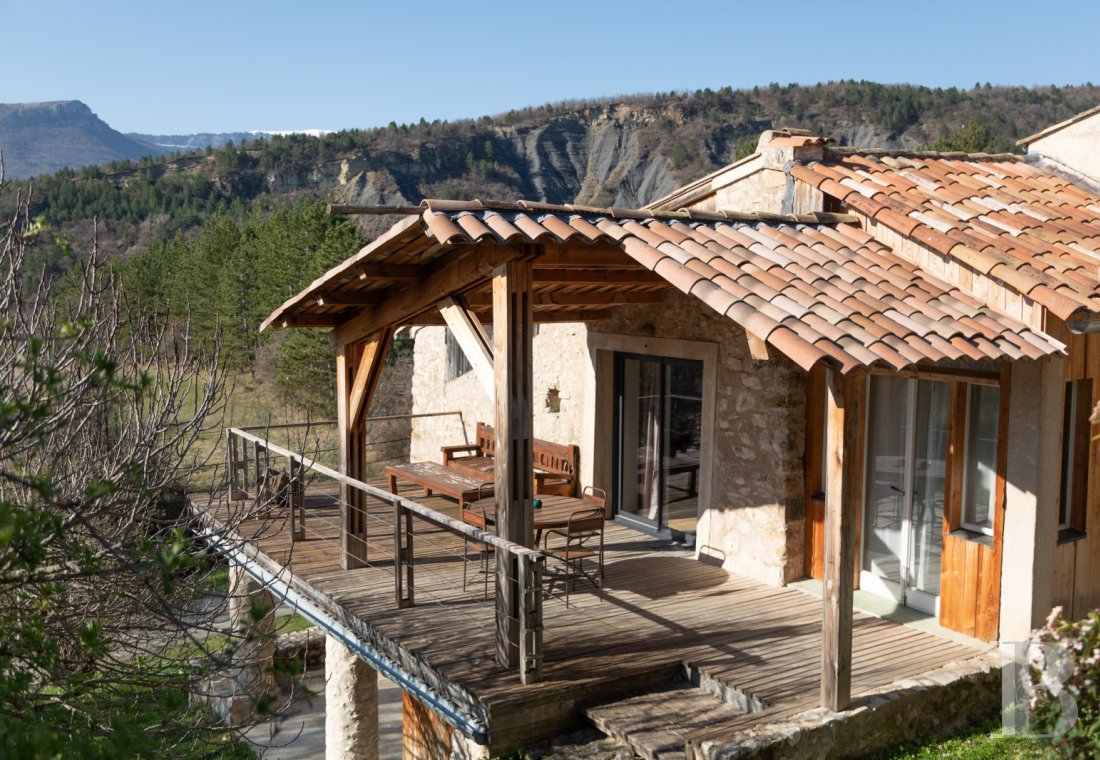
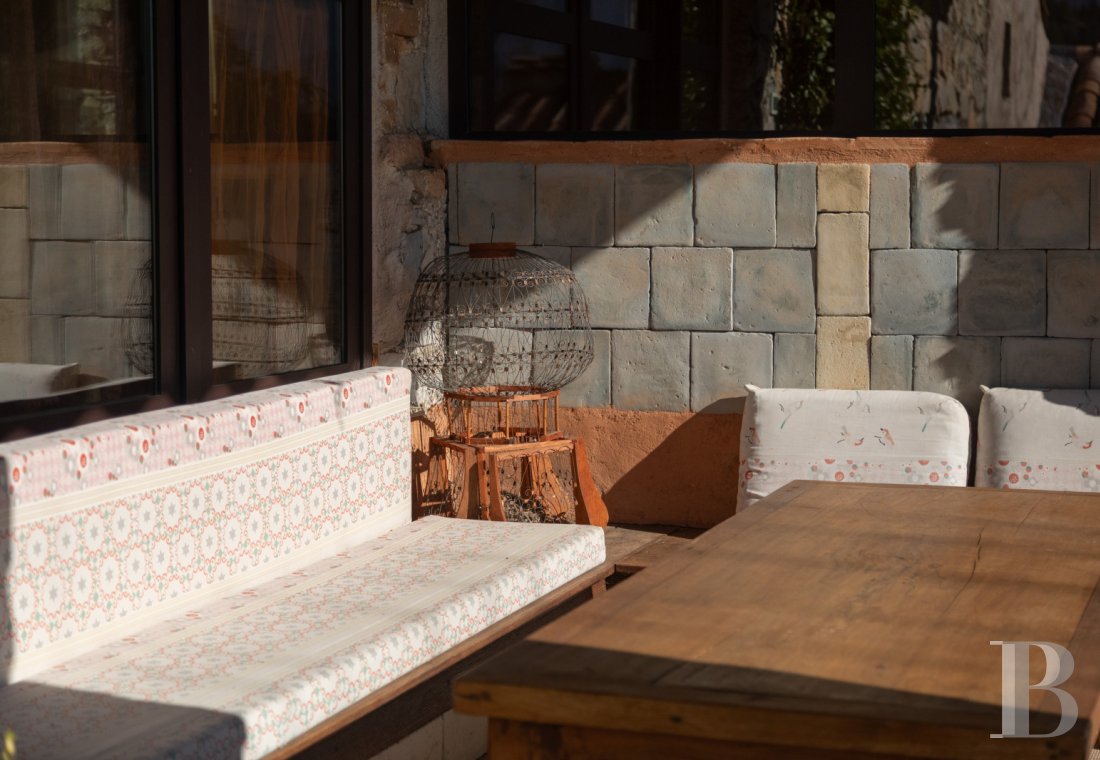
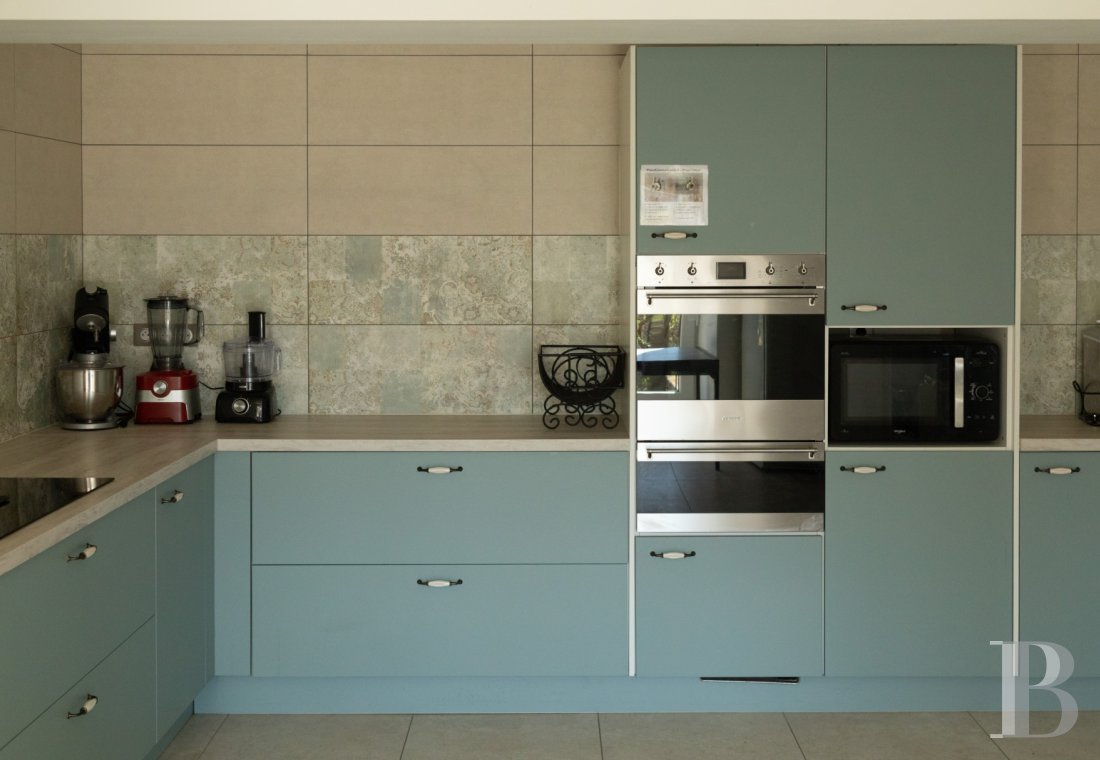
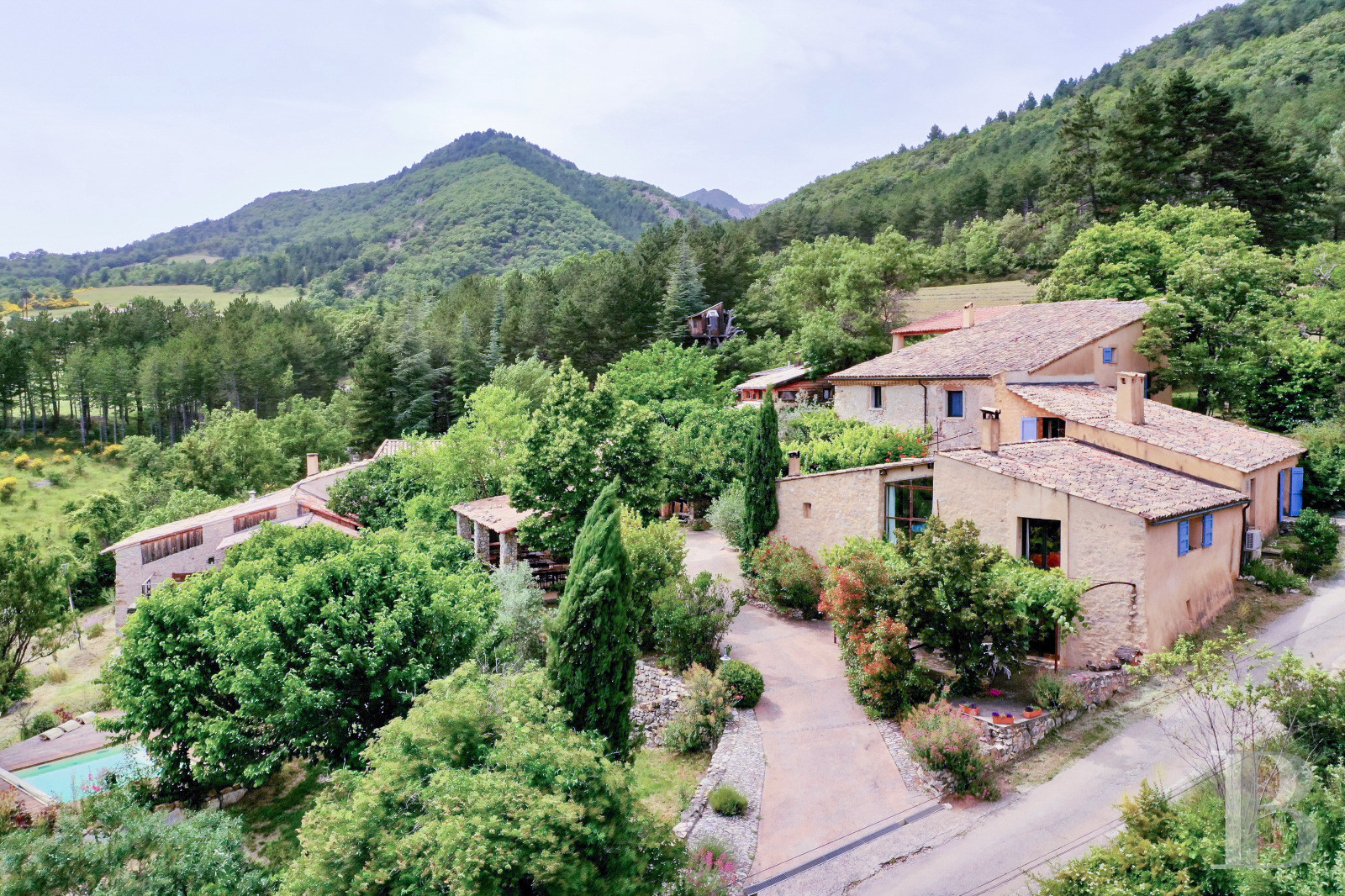
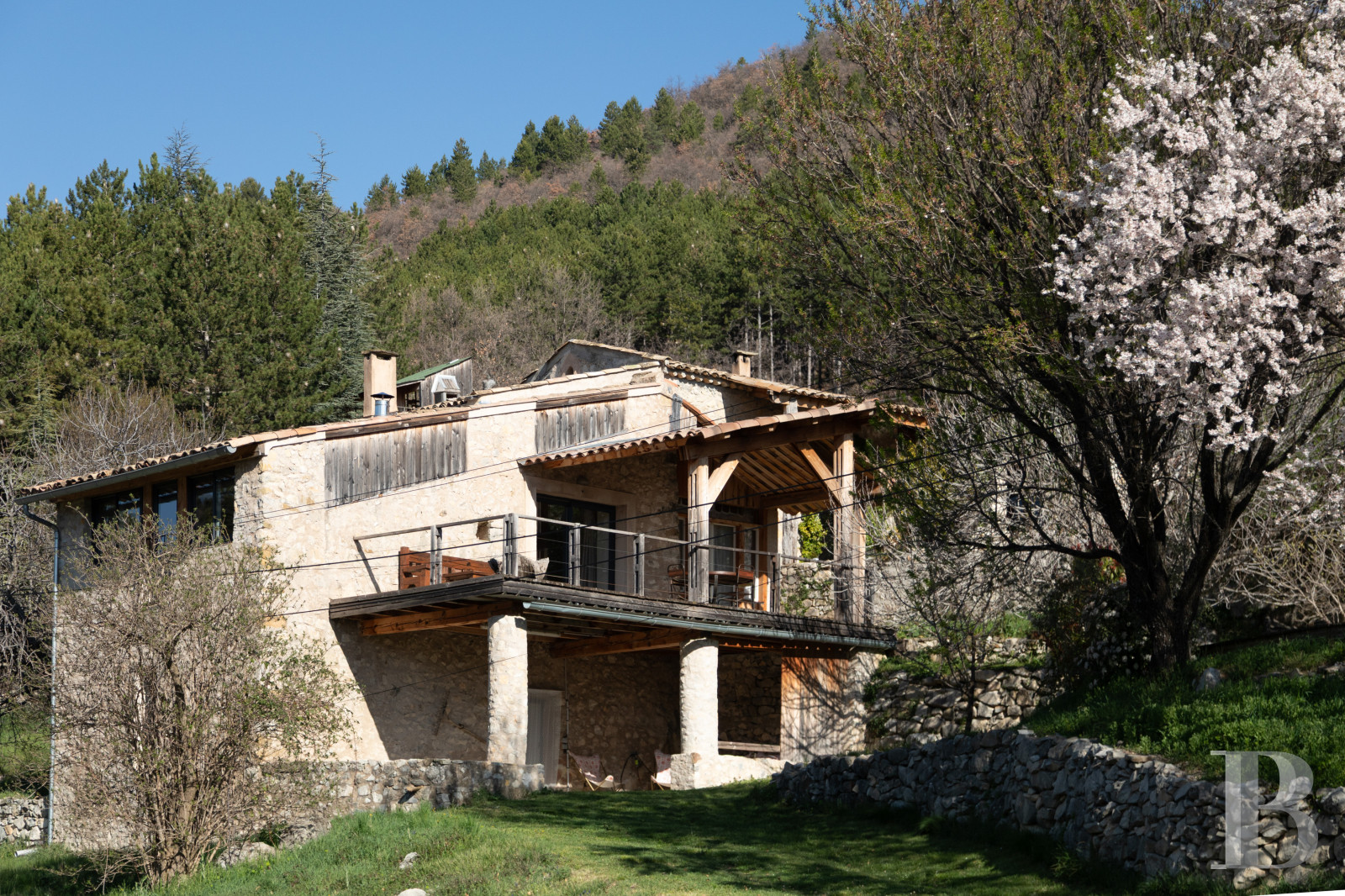
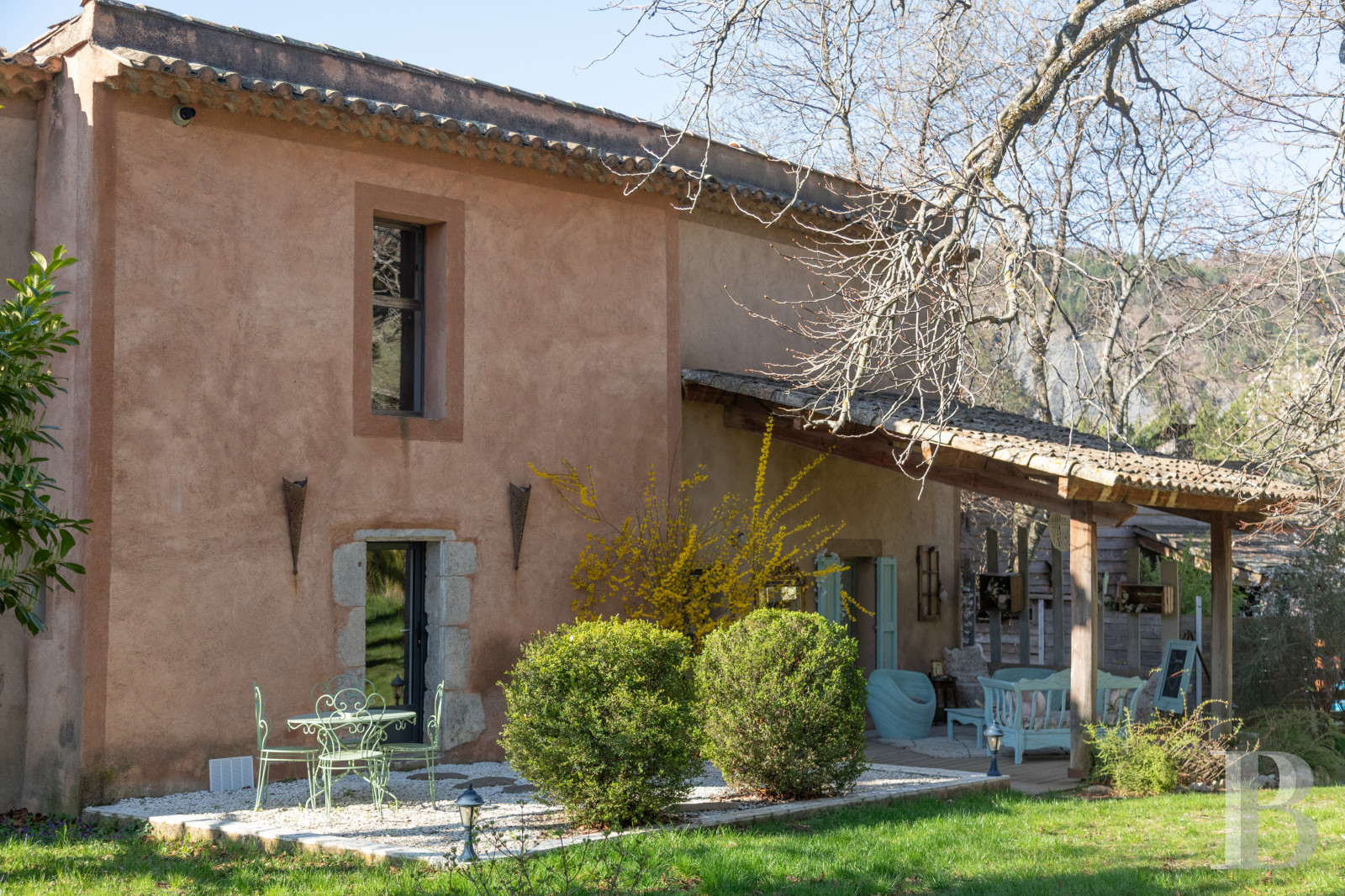
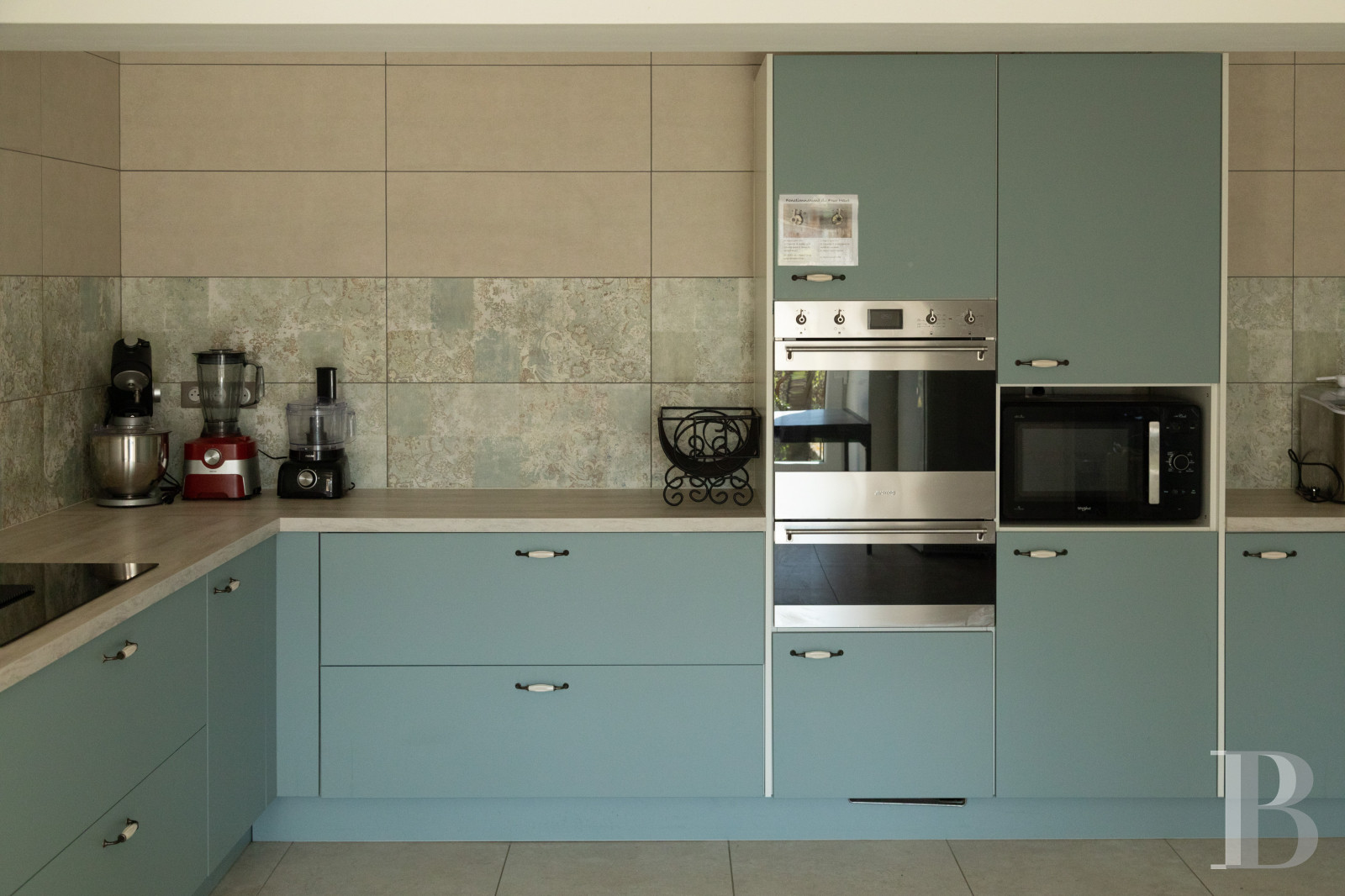
At the end of the narrow country lane that winds its way up towards the peaks, the old farmhouse comes into view, set apart from the village, in the heart of a landscape that is both Provençal and distinctly mountainous. Ten years of renovations have completely transformed it, providing it with additional space and a layout that perfectly meets today’s comfort standards. The right balance has been struck between a desire for modernity and respect for the distant past. Whether you’re organising events, workshops or courses, or simply looking to stay in one of the guest rooms or in one of the two self-catering cottages, everyone will find something here to satisfy their desire to get away from it all in one of the most beautiful regions of France.
My partner, who has been a chef for 40 years at centres specialising in personal development retreats, dreamed of a place where courses and retreats could be held. After many years of searching, this authentic Provençal farmhouse finally ticked all the boxes: the capacity to accommodate guests, a well-balanced layout, the building’s character, and a perfect balance between seclusion and accessibility. Just a few kilometres from a bustling town, yet surrounded by countryside, the estate offers a timeless retreat. When we came across this farmhouse, at a bend in a small road branching off from a main road, we immediately felt the unique character of the place. More than just a home, it is a living legacy, steeped in history and imbued with a simple beauty that has become rare in Provence.
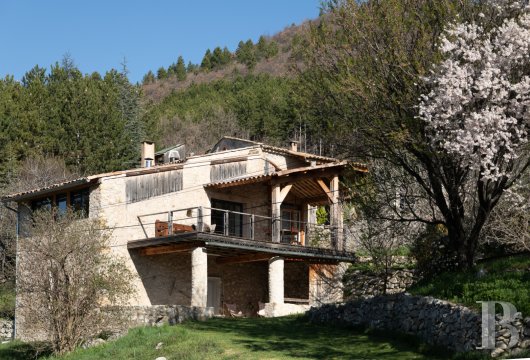
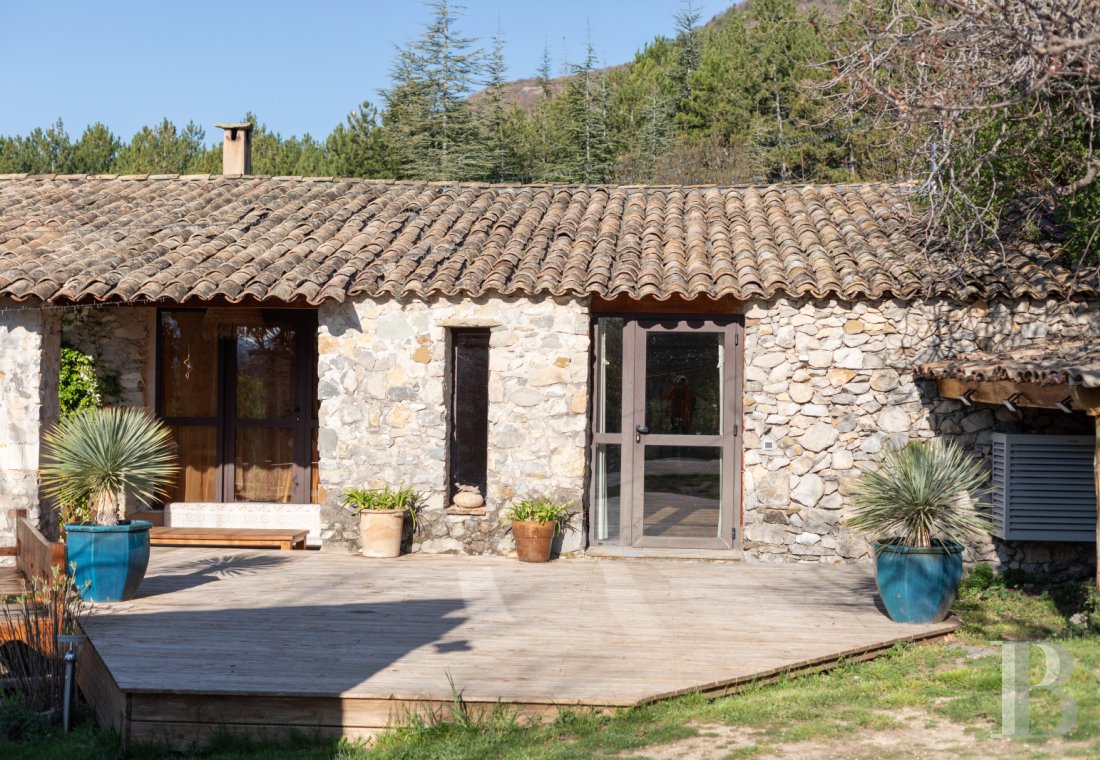
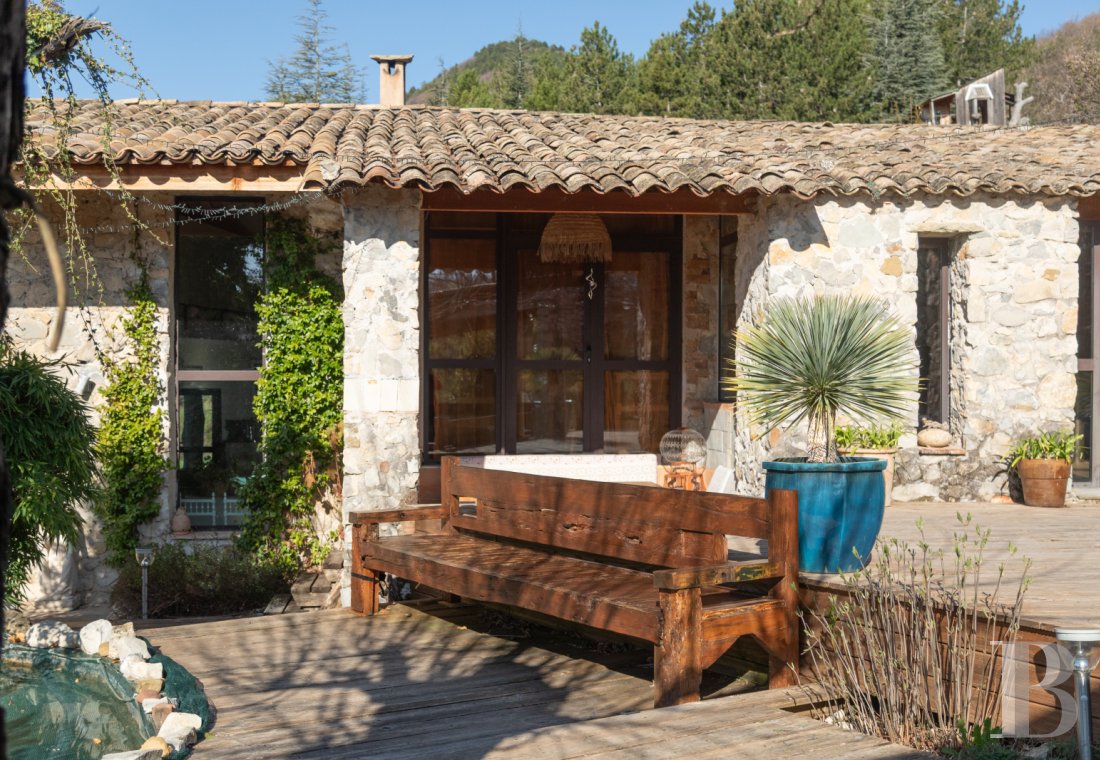
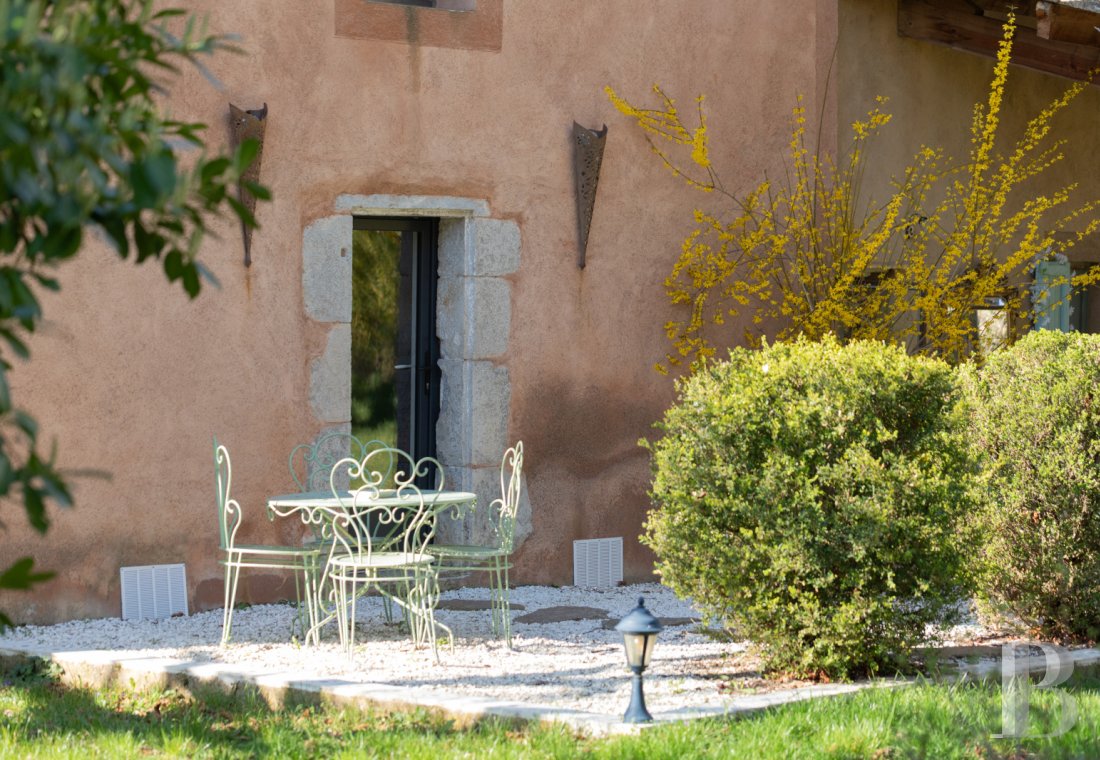
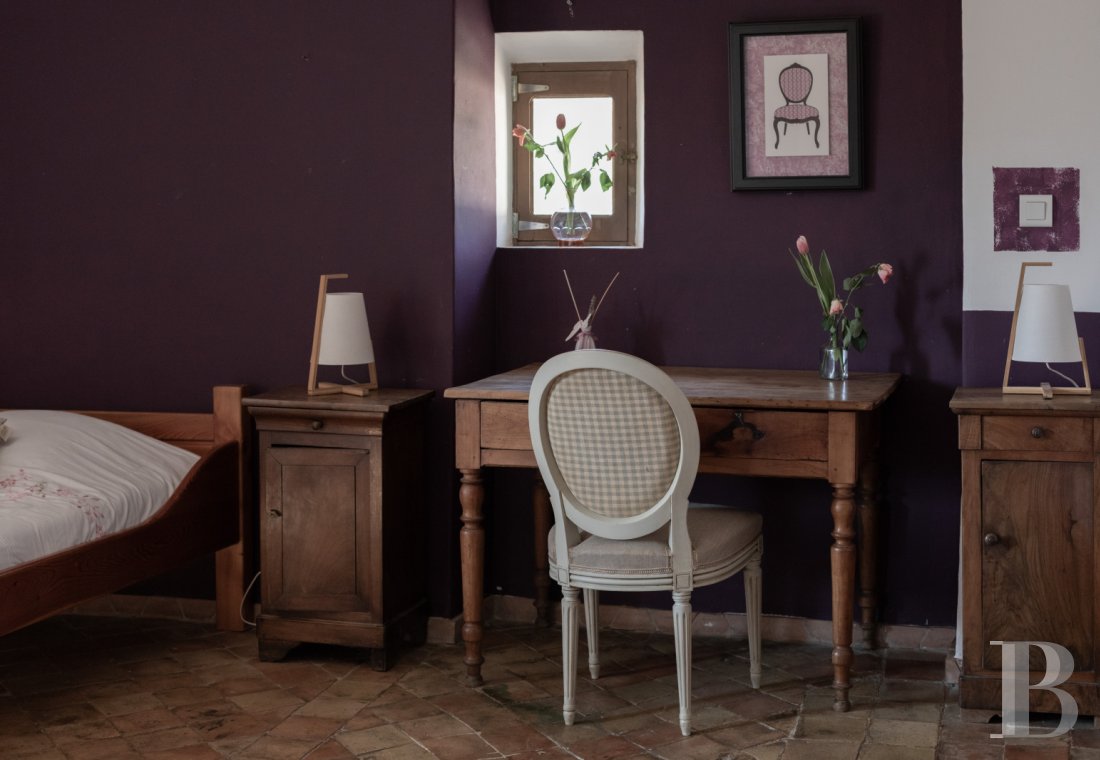
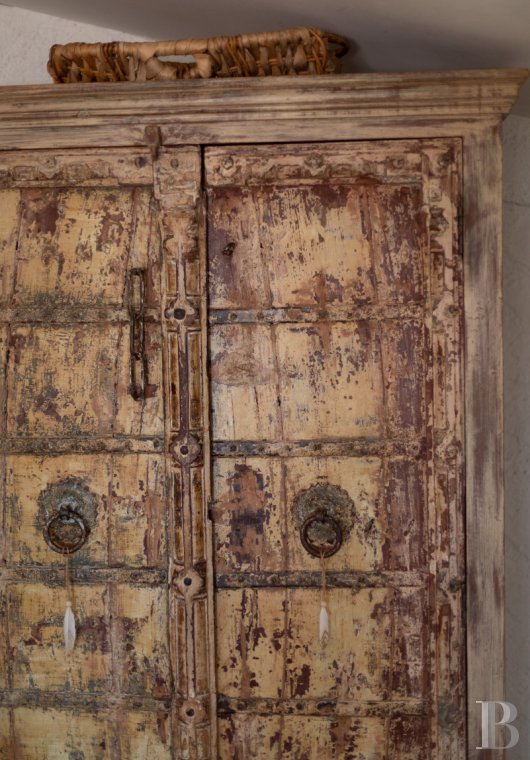
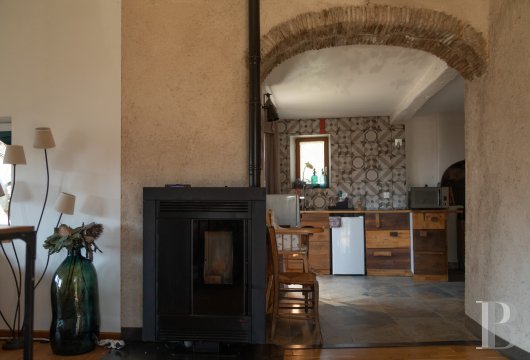
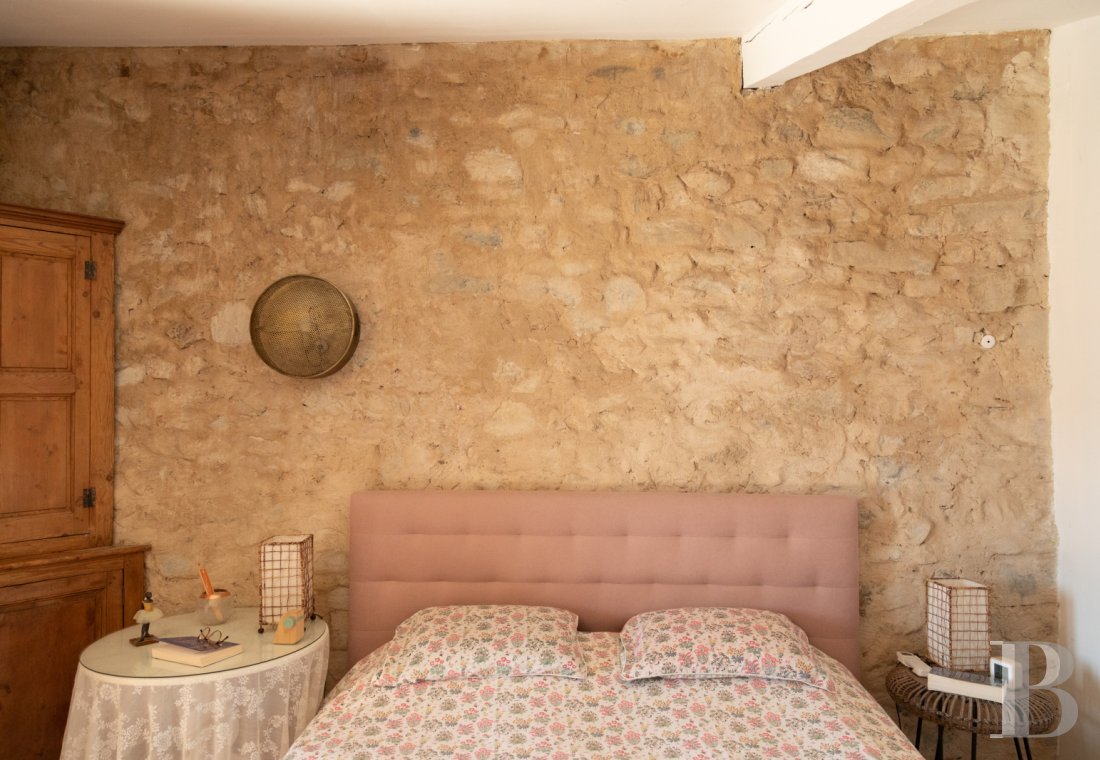
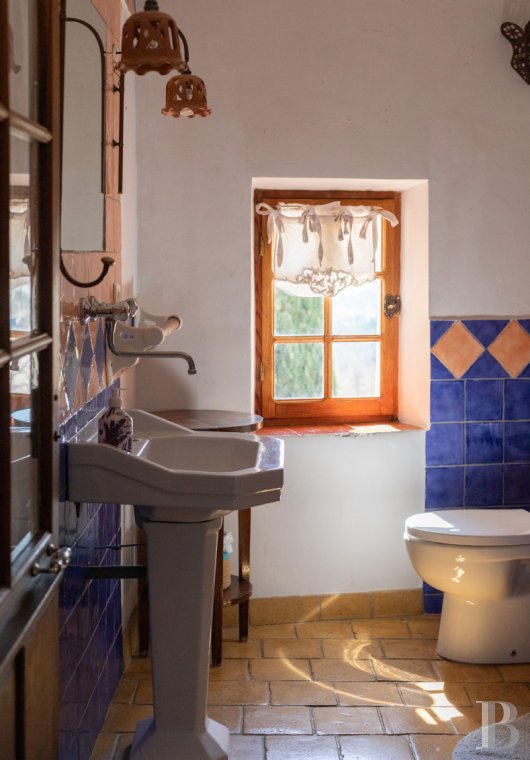
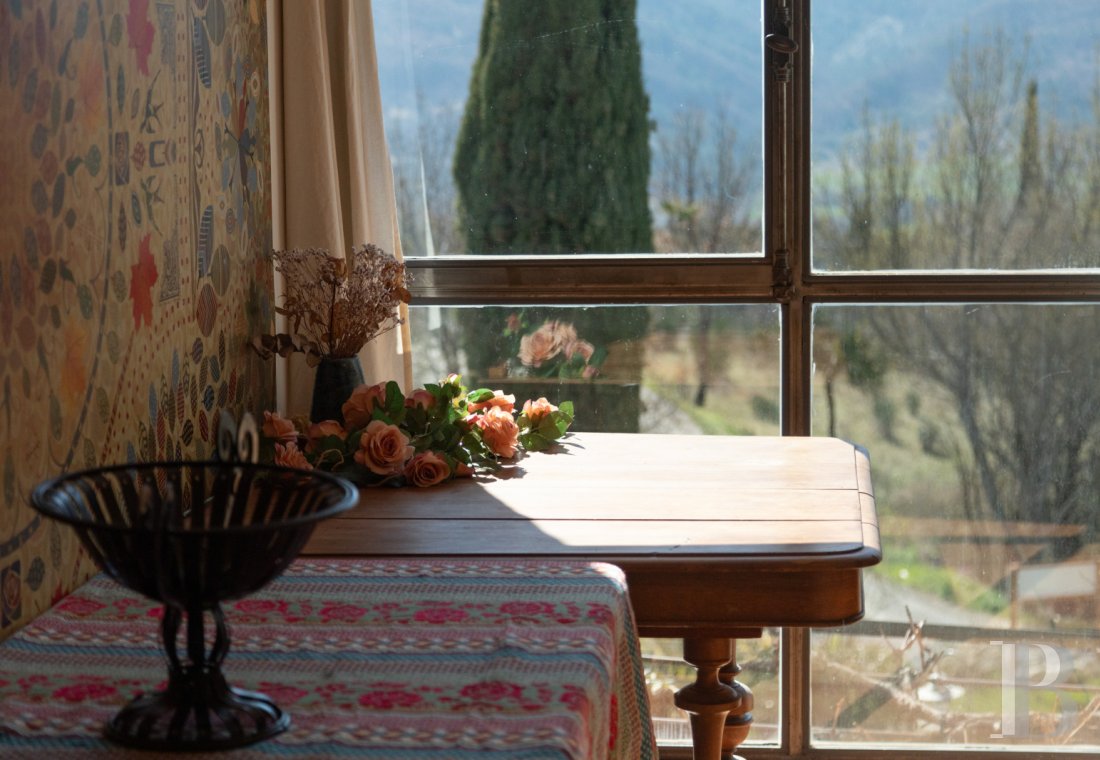
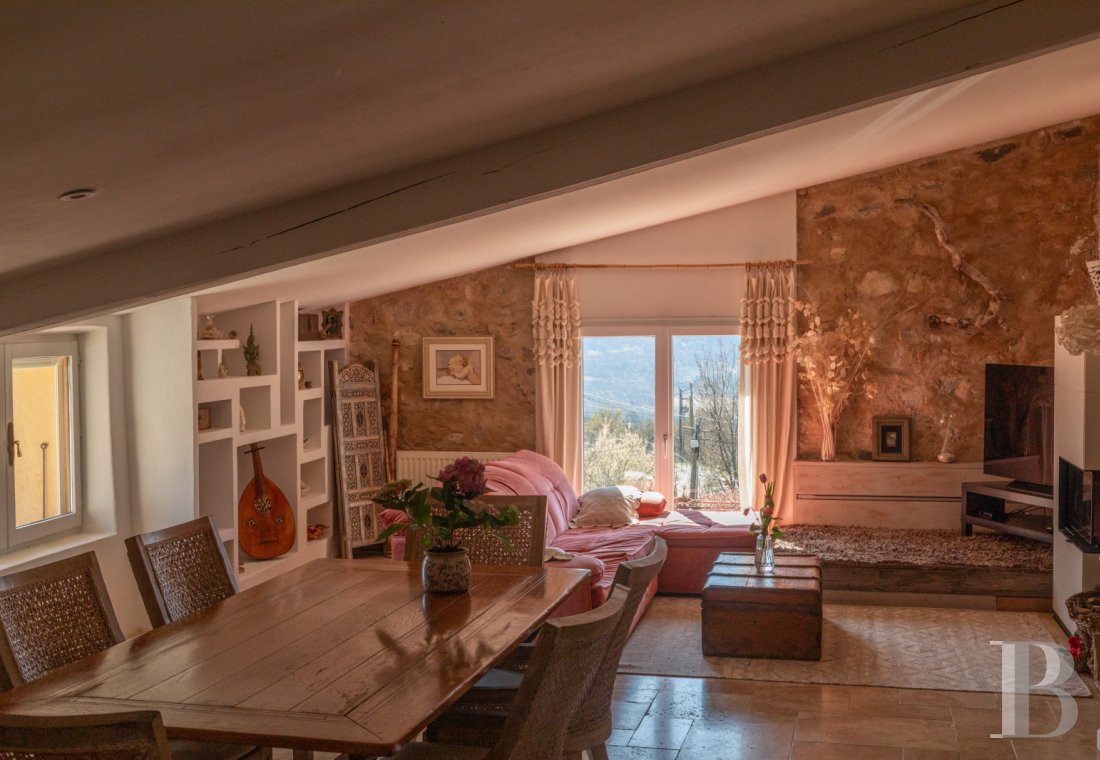
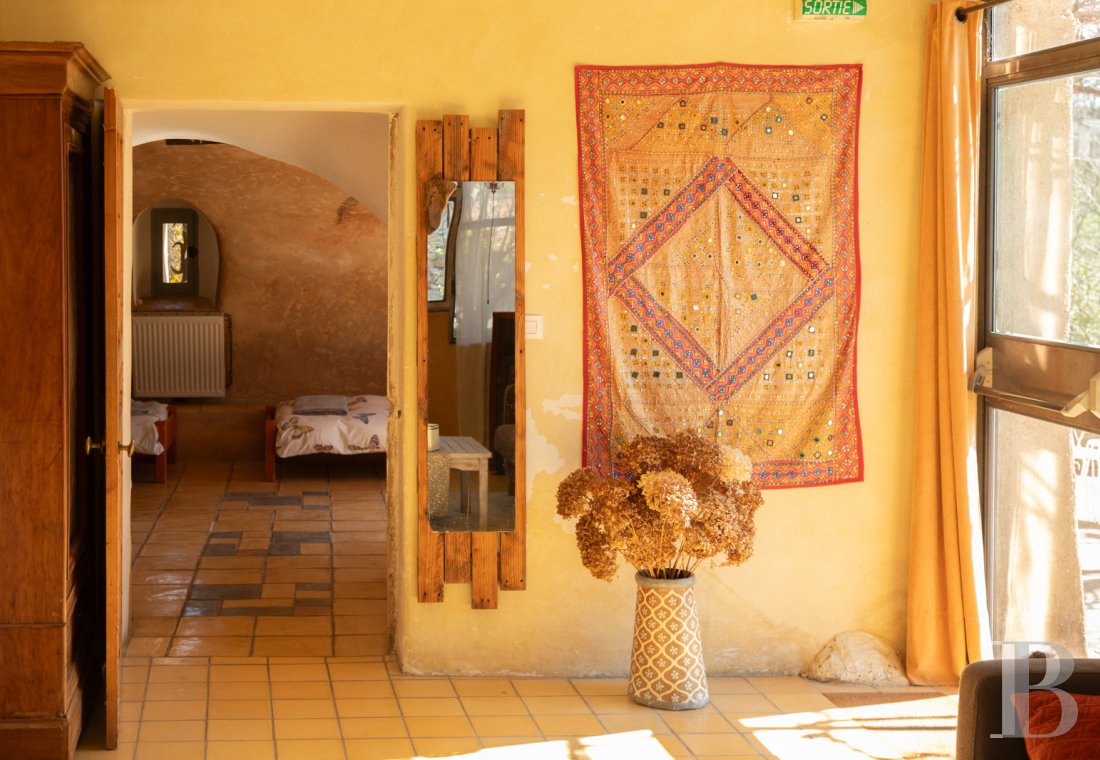
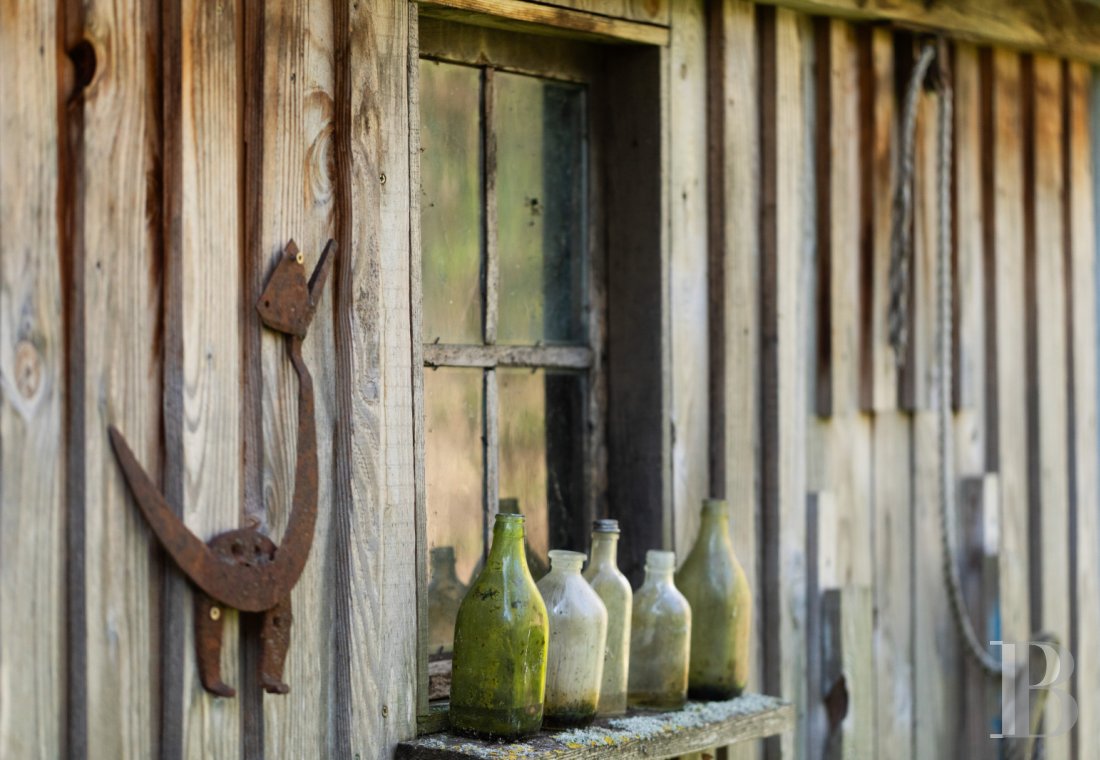
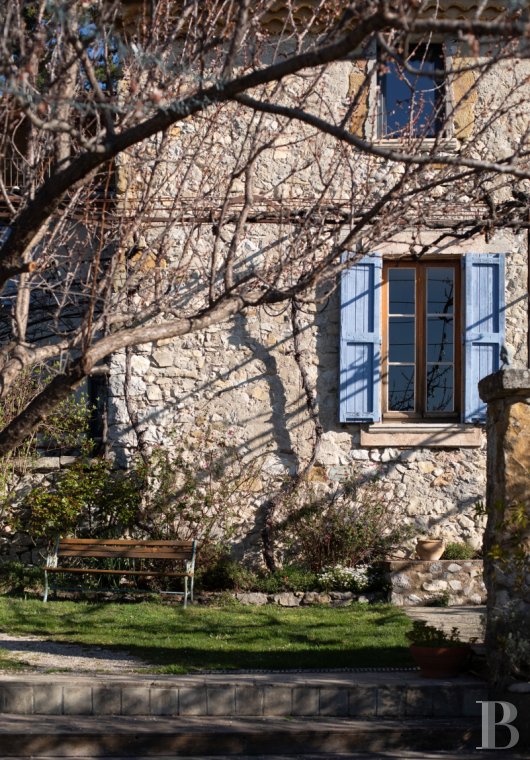
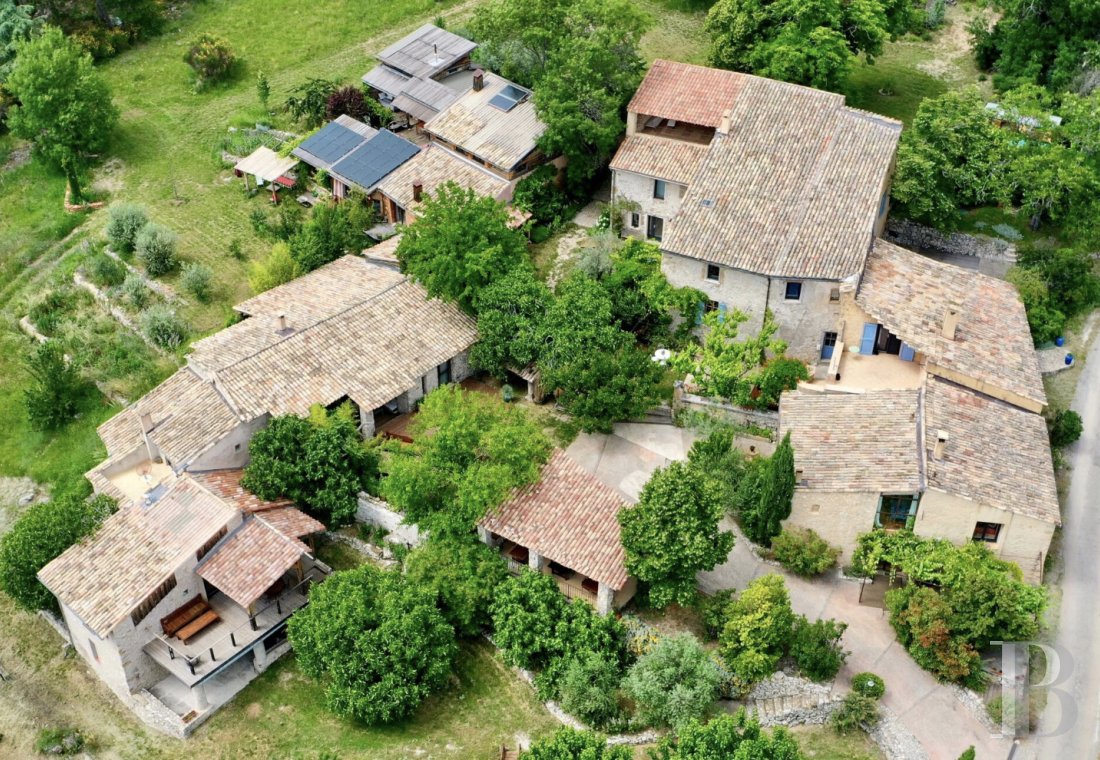
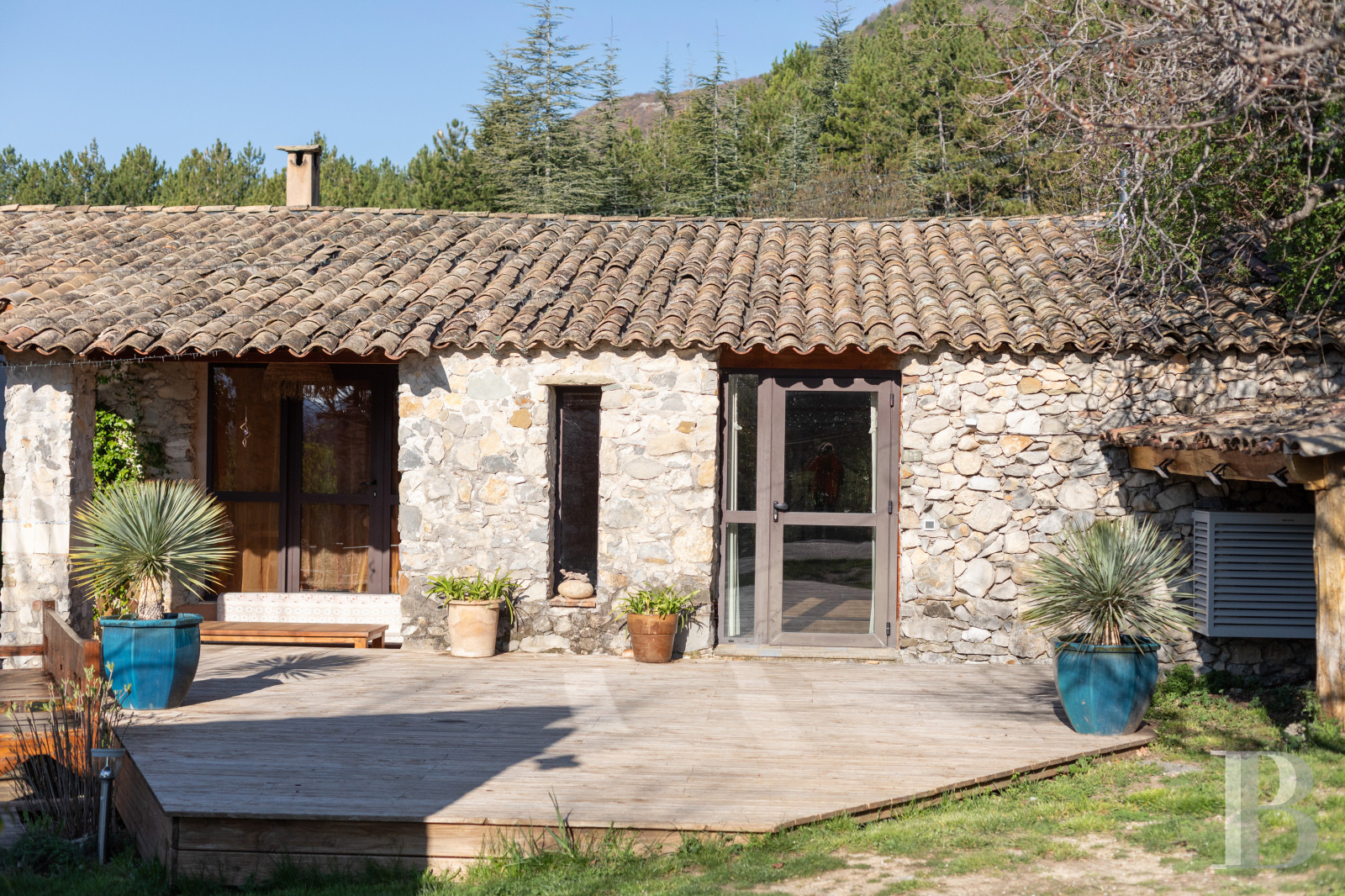
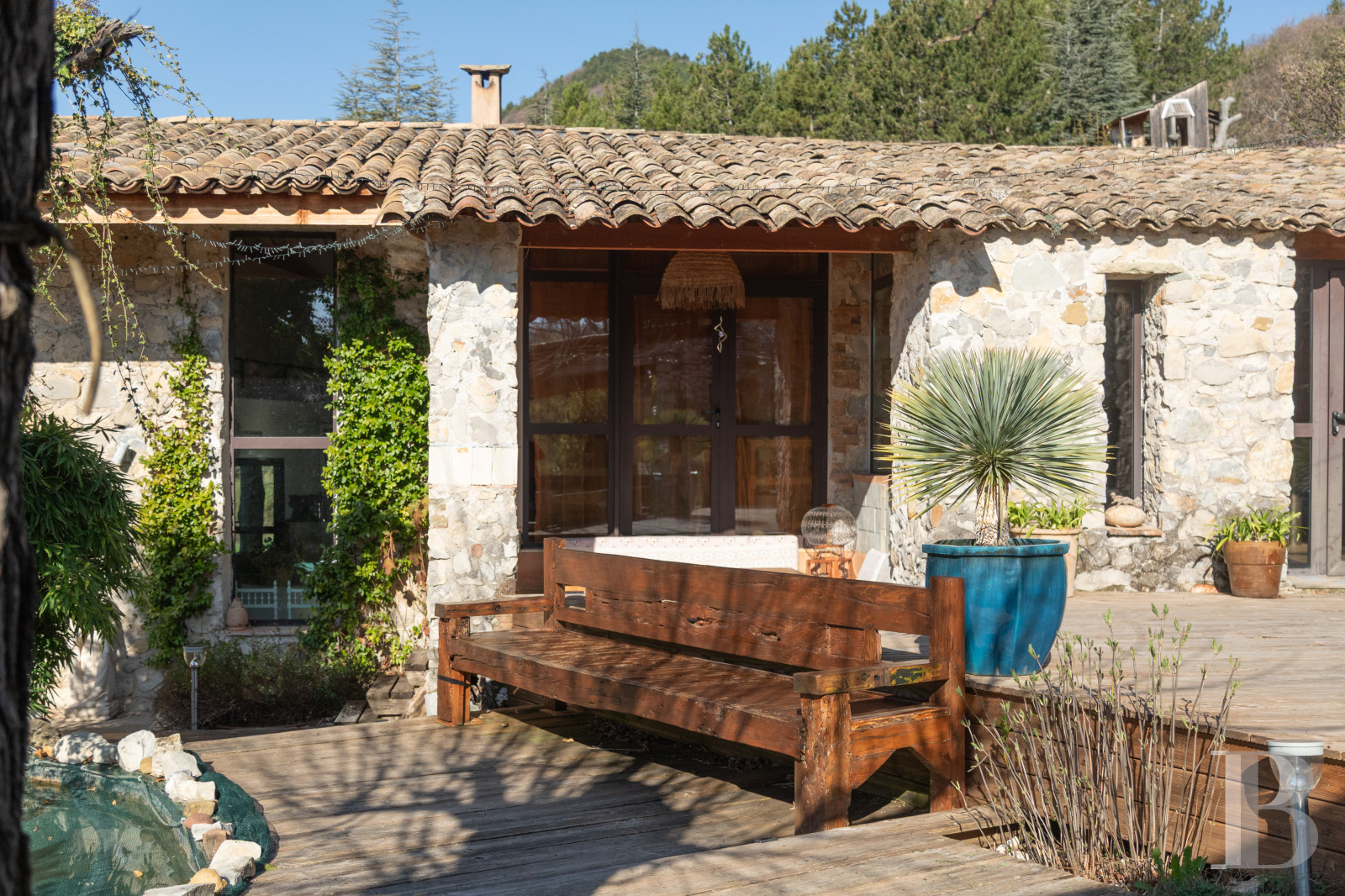
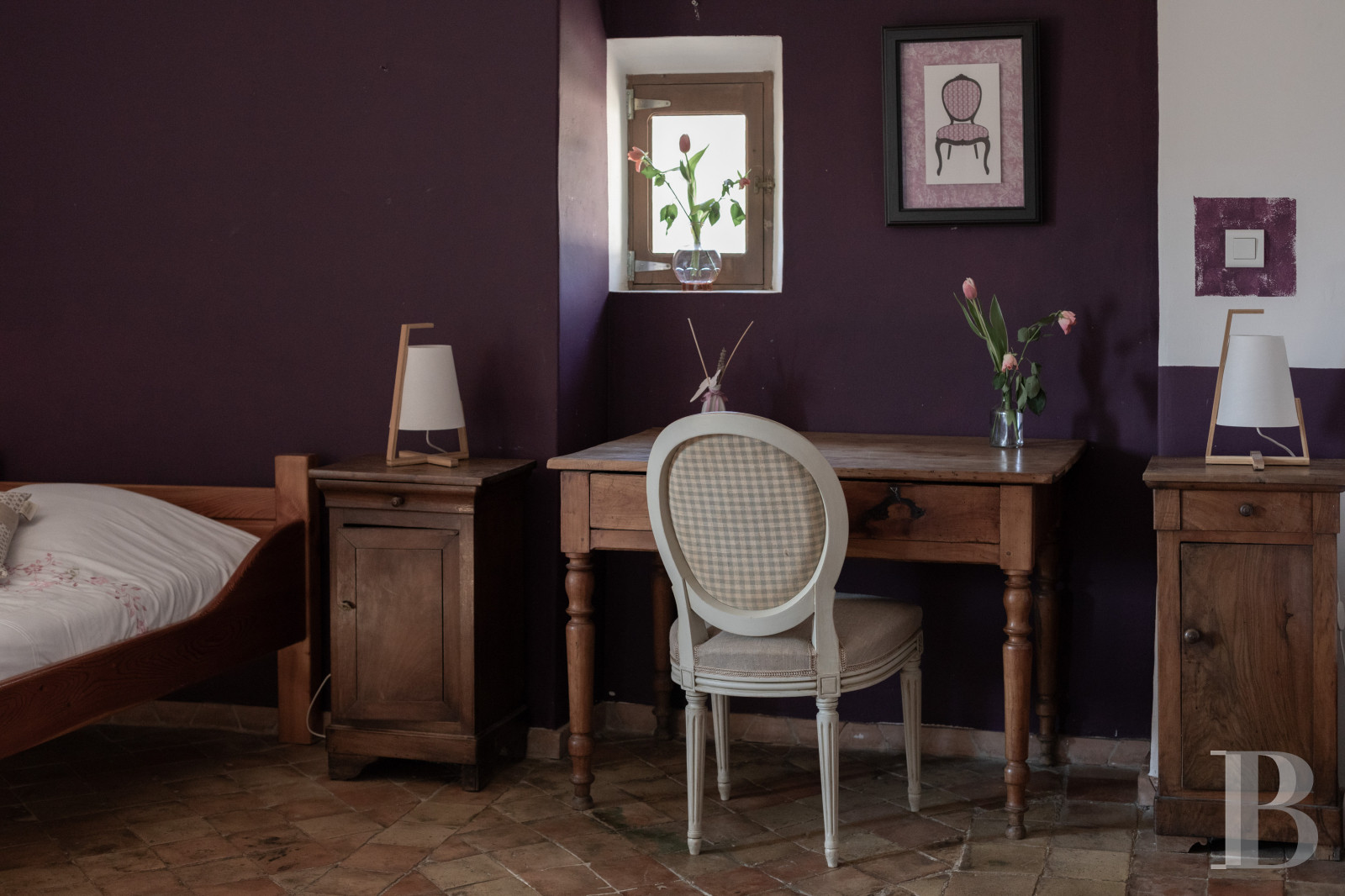
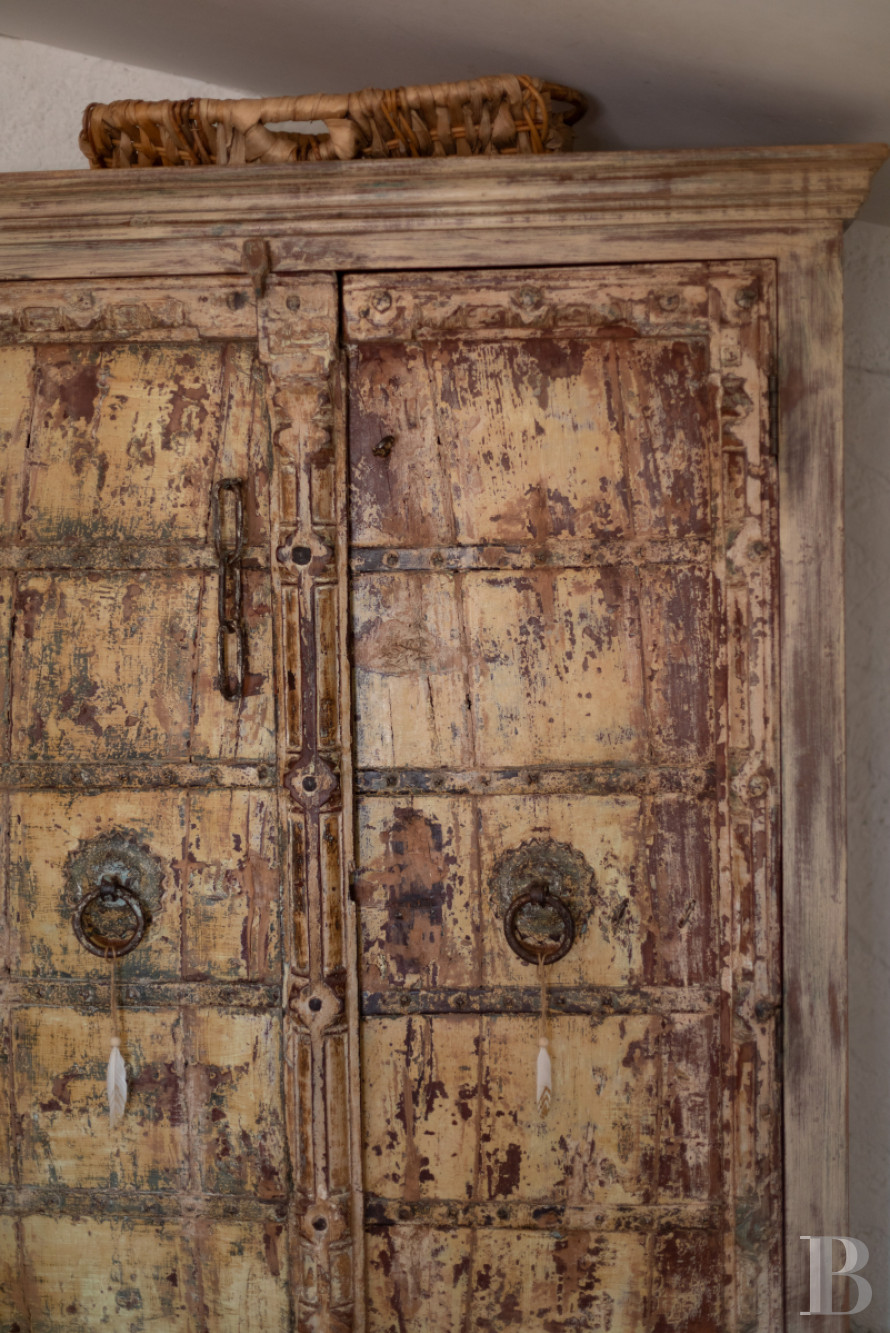
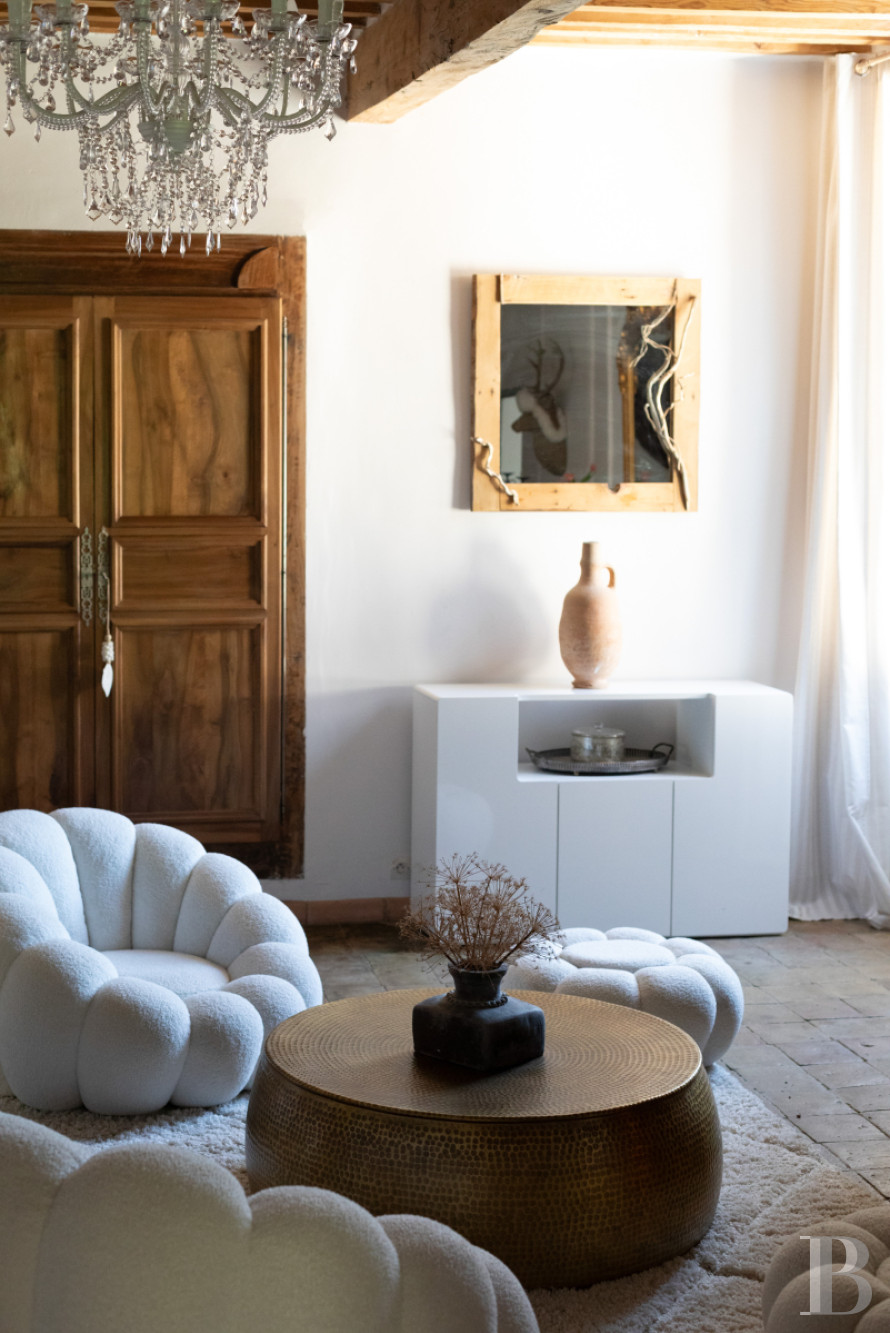
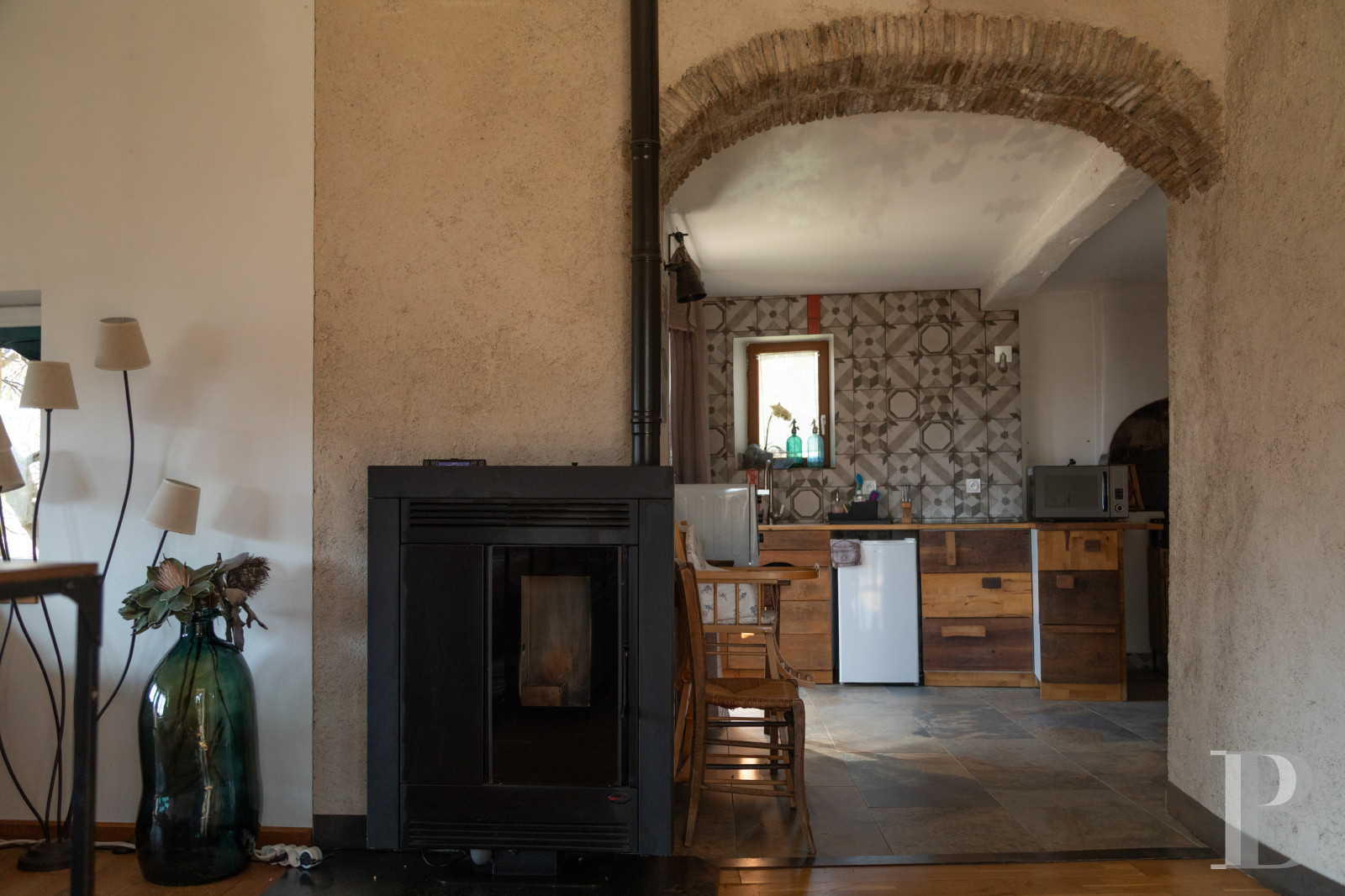
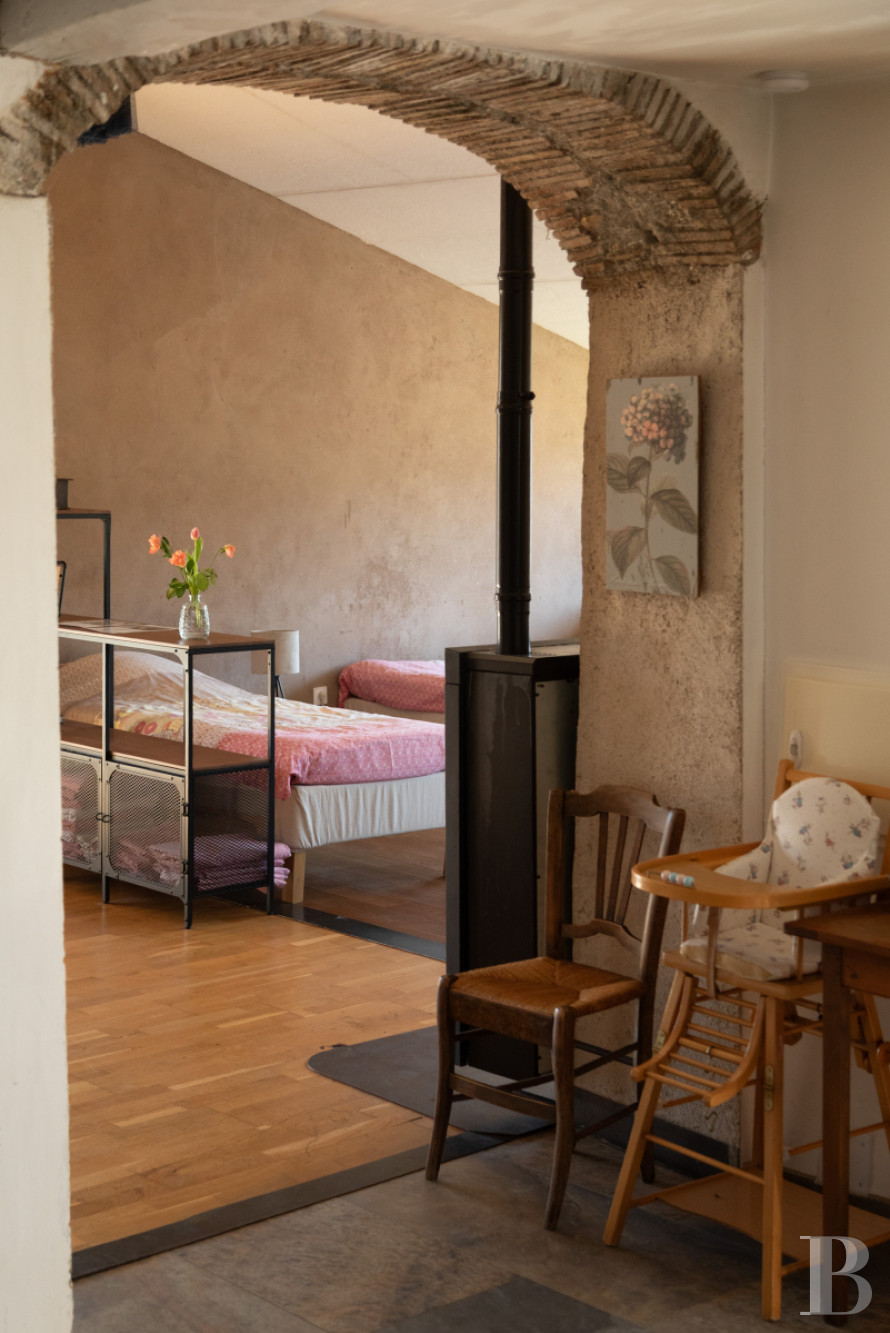
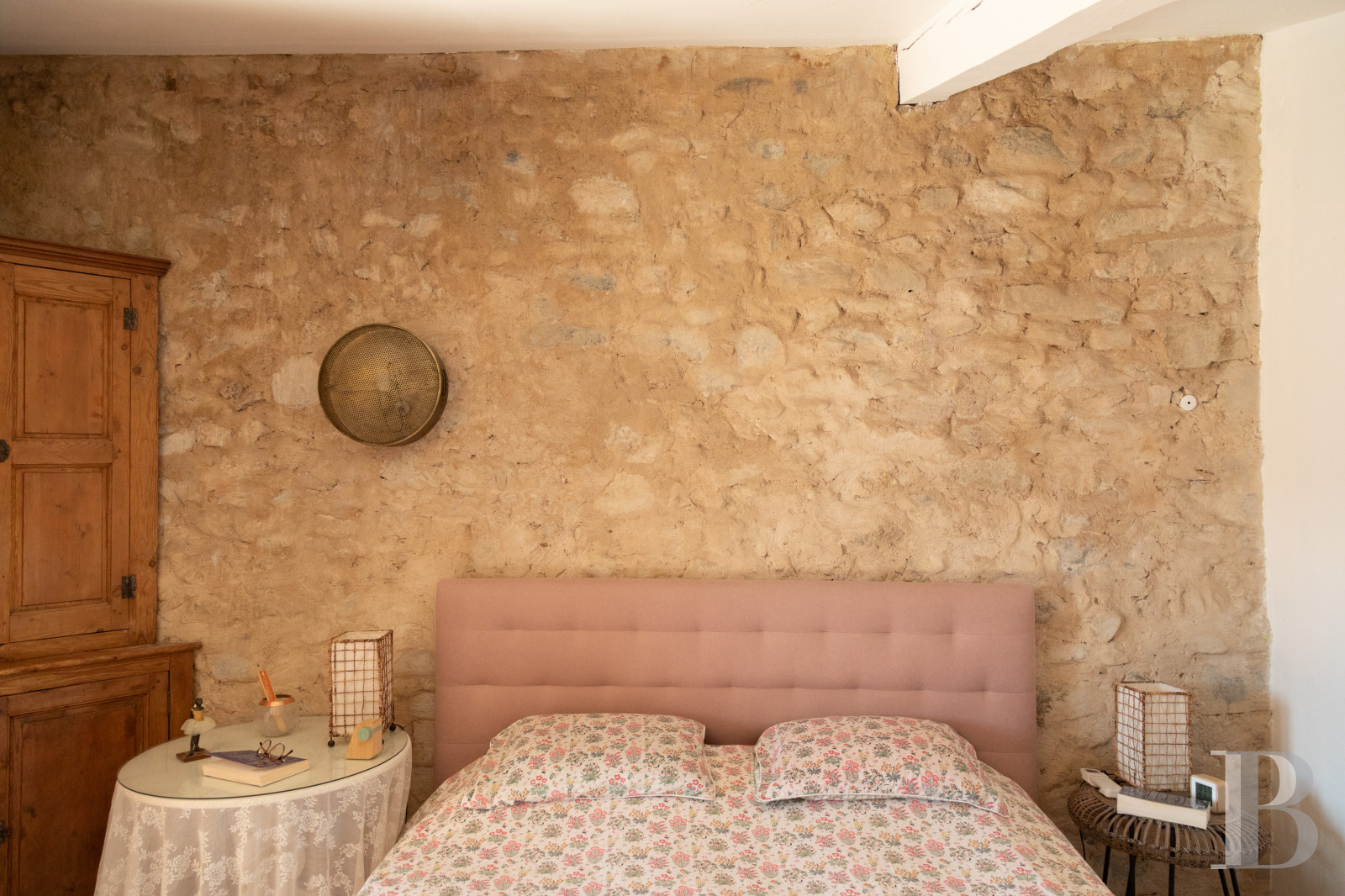
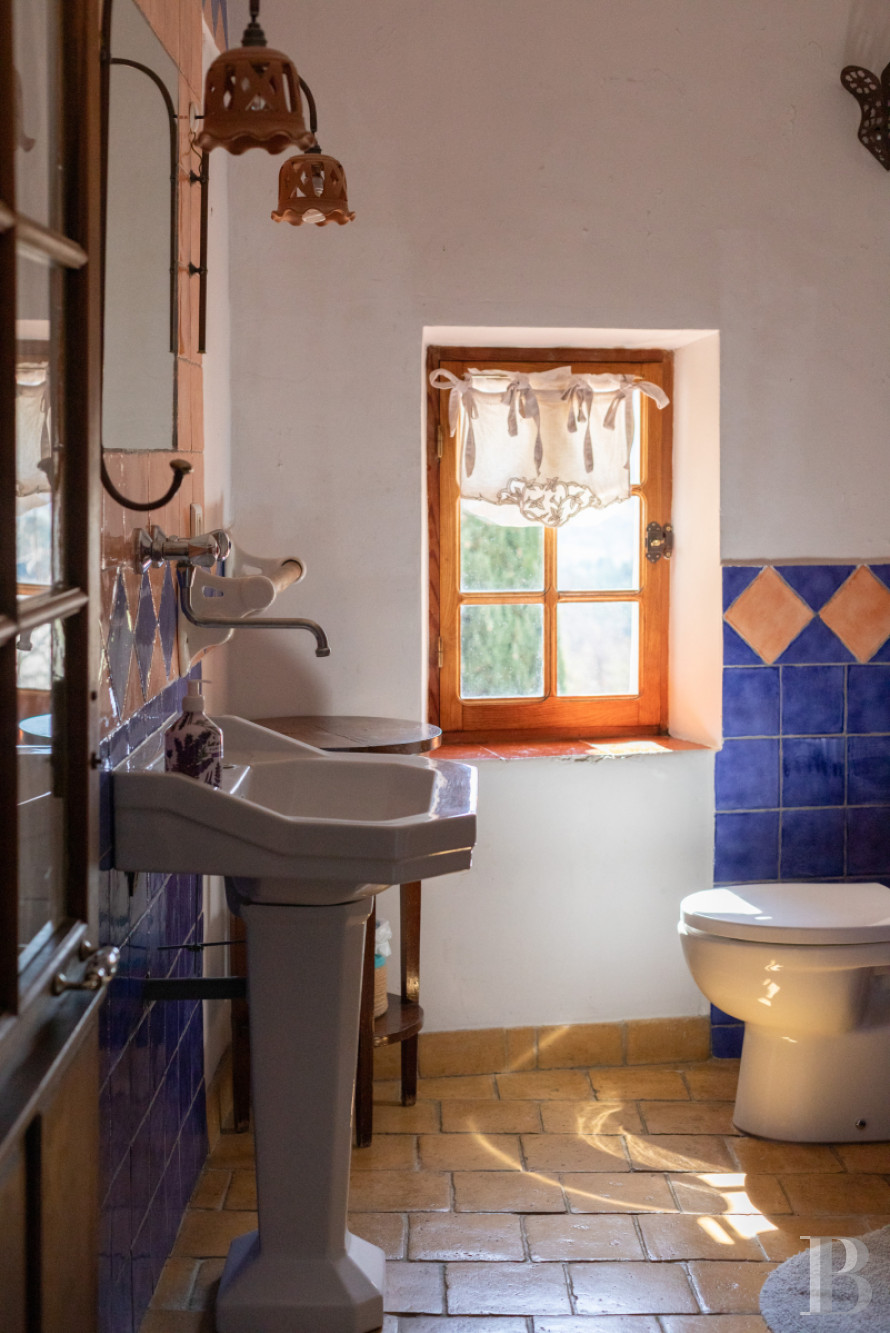
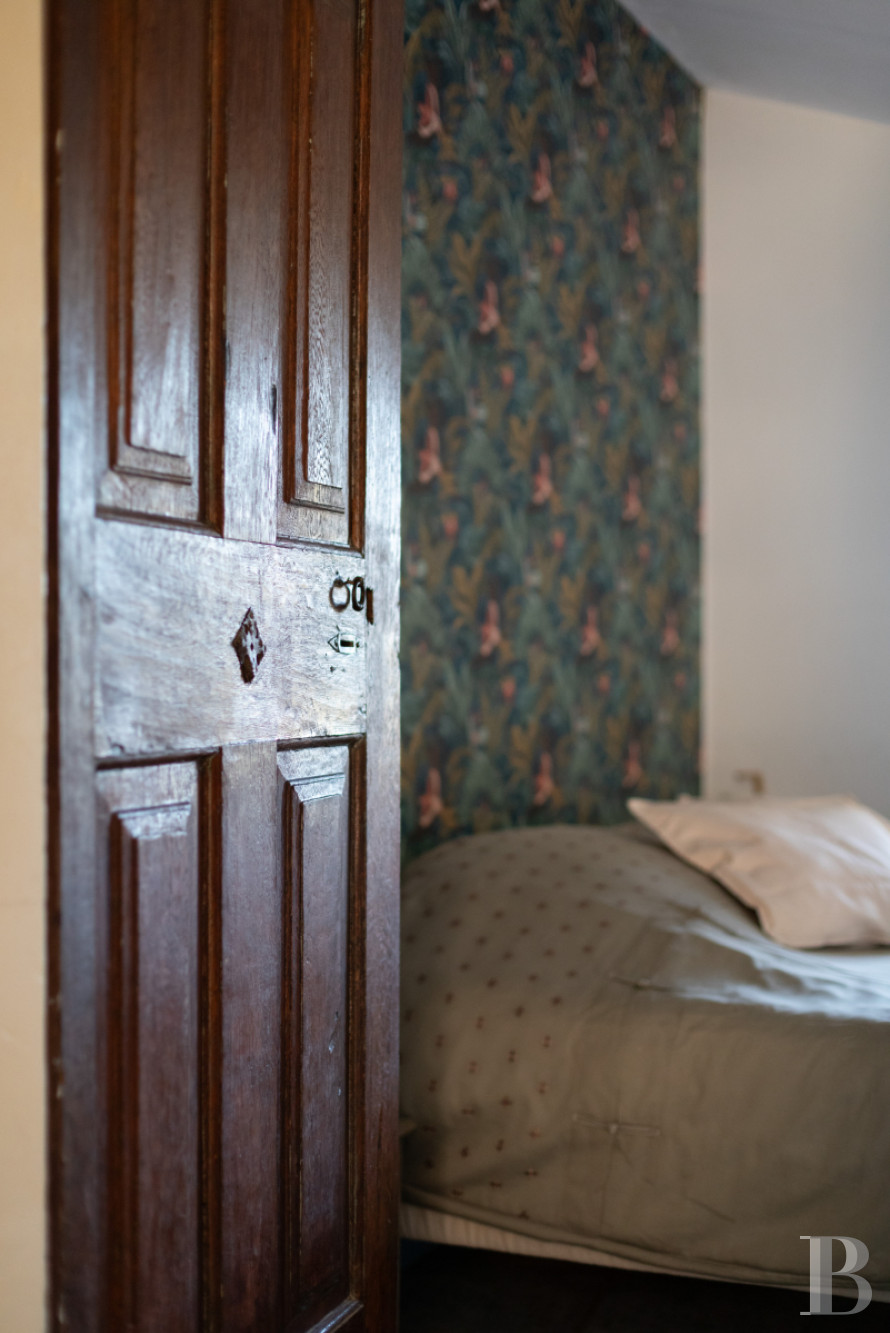
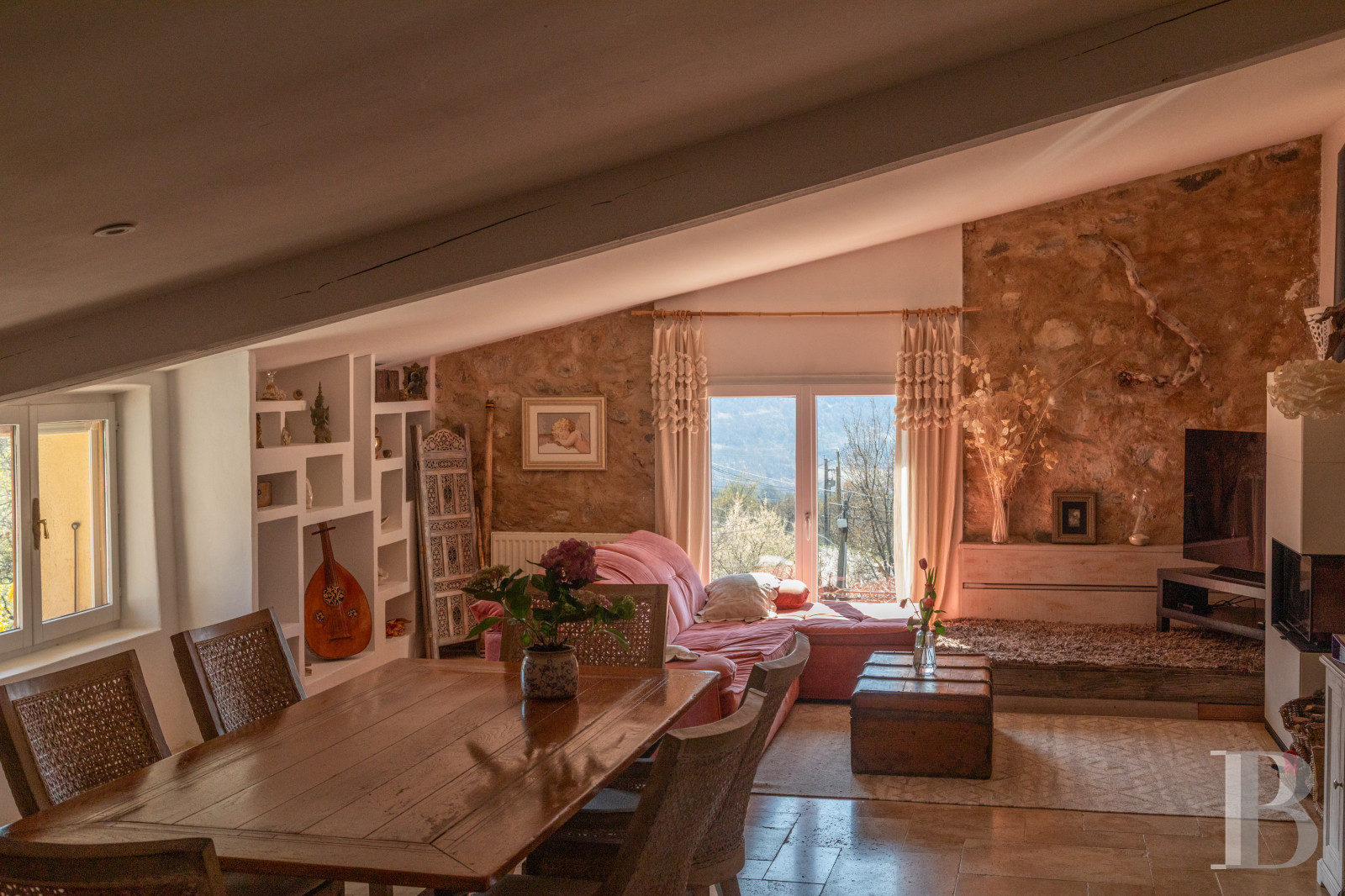
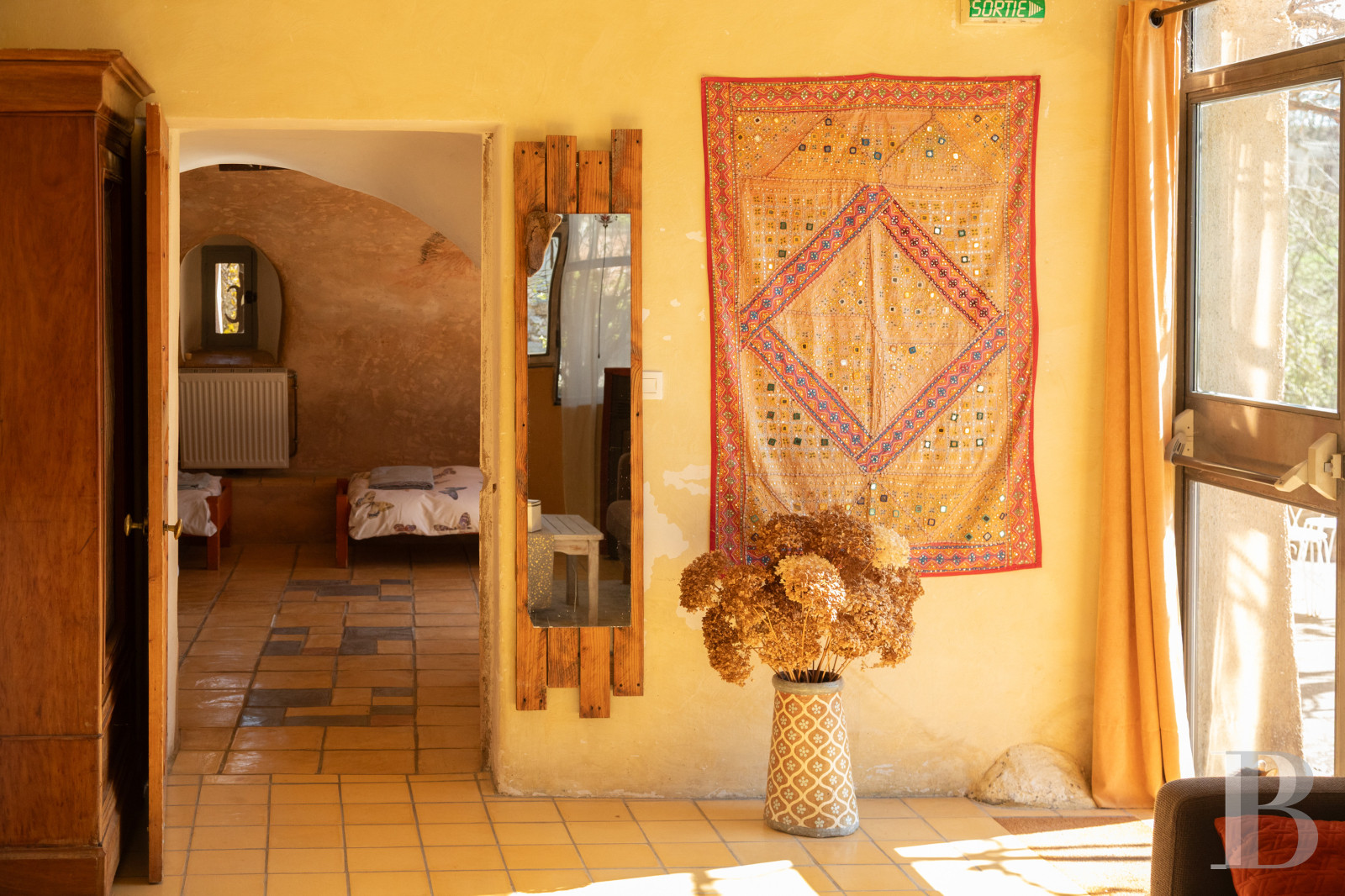
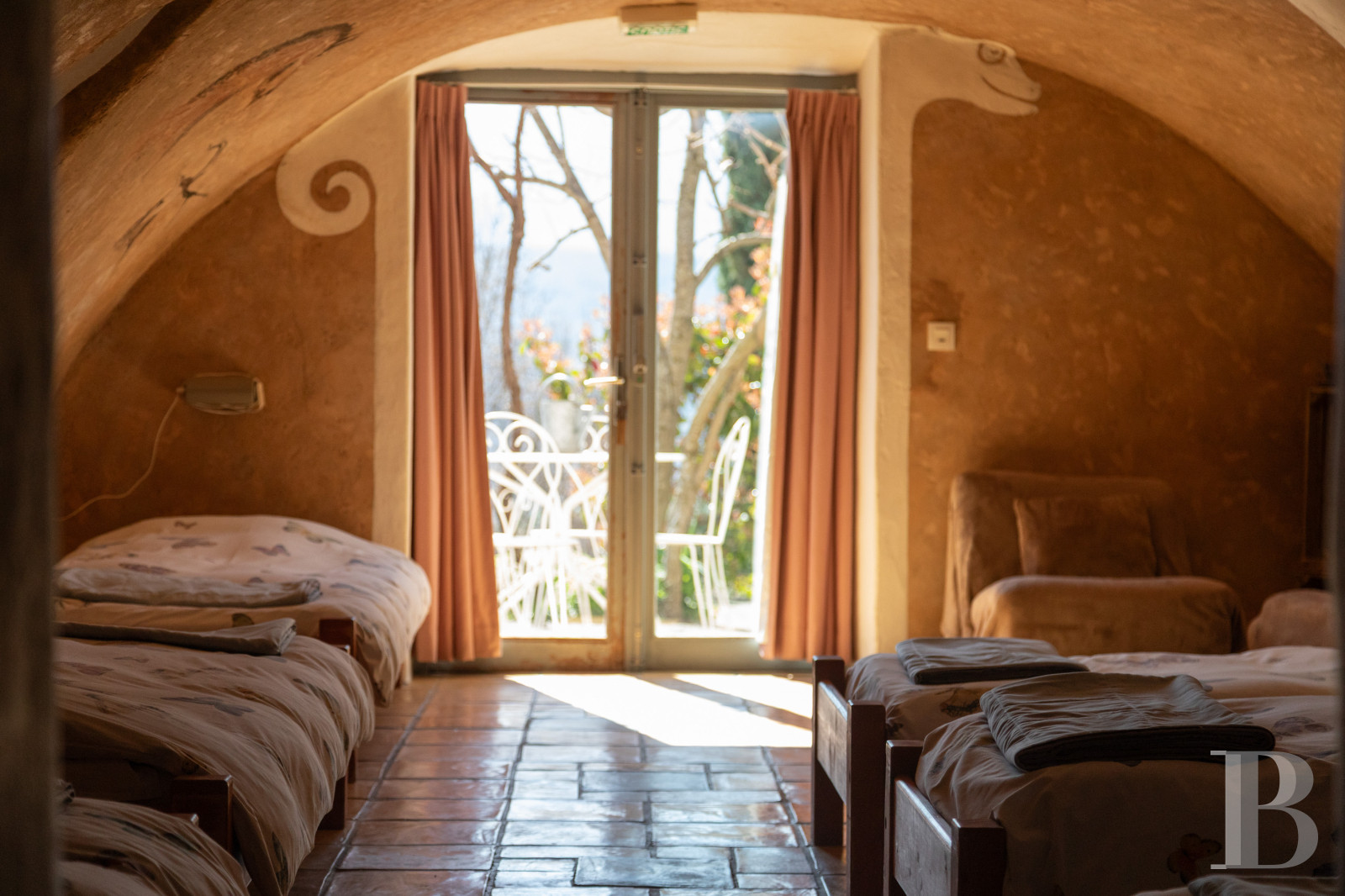
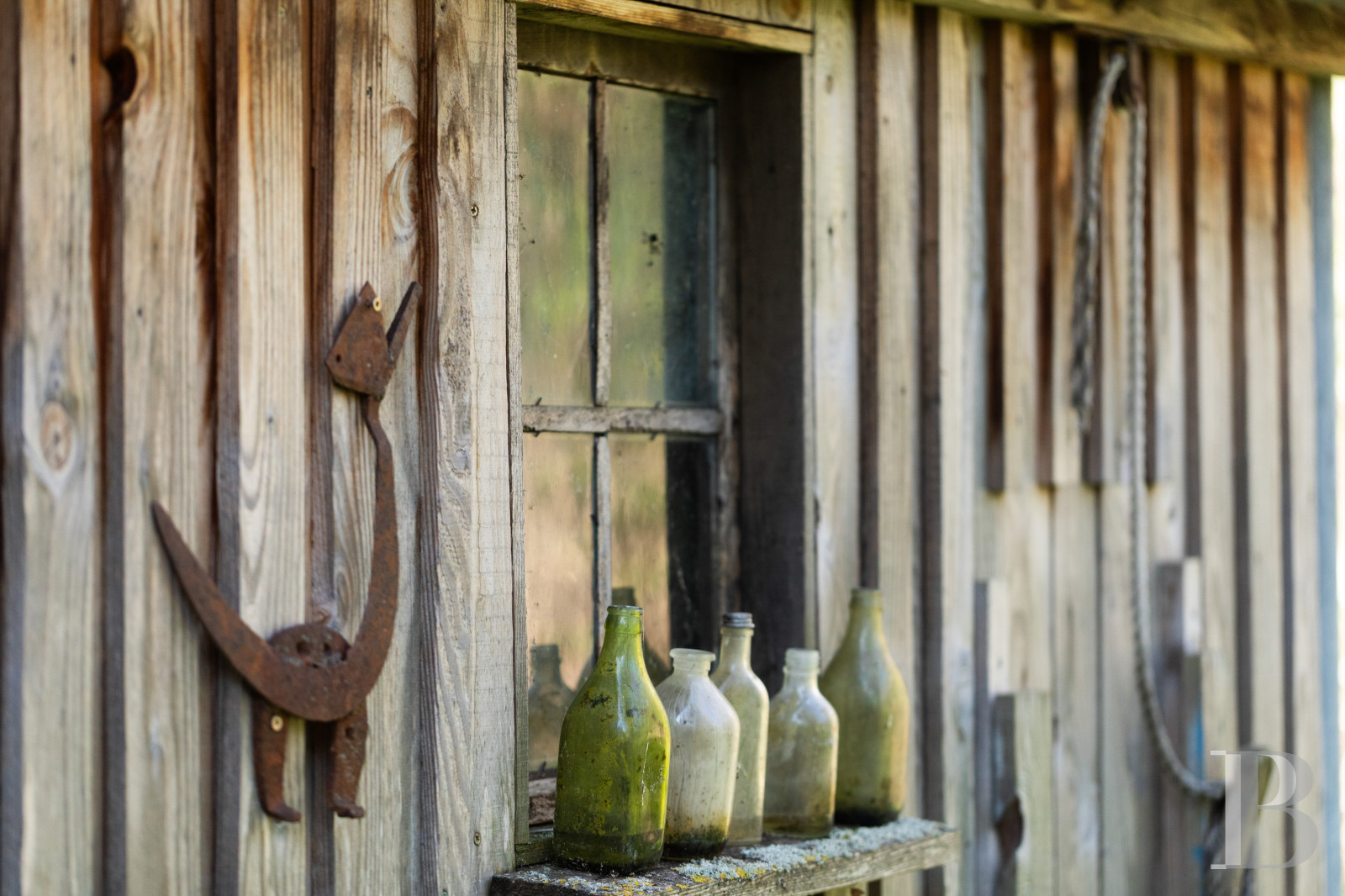
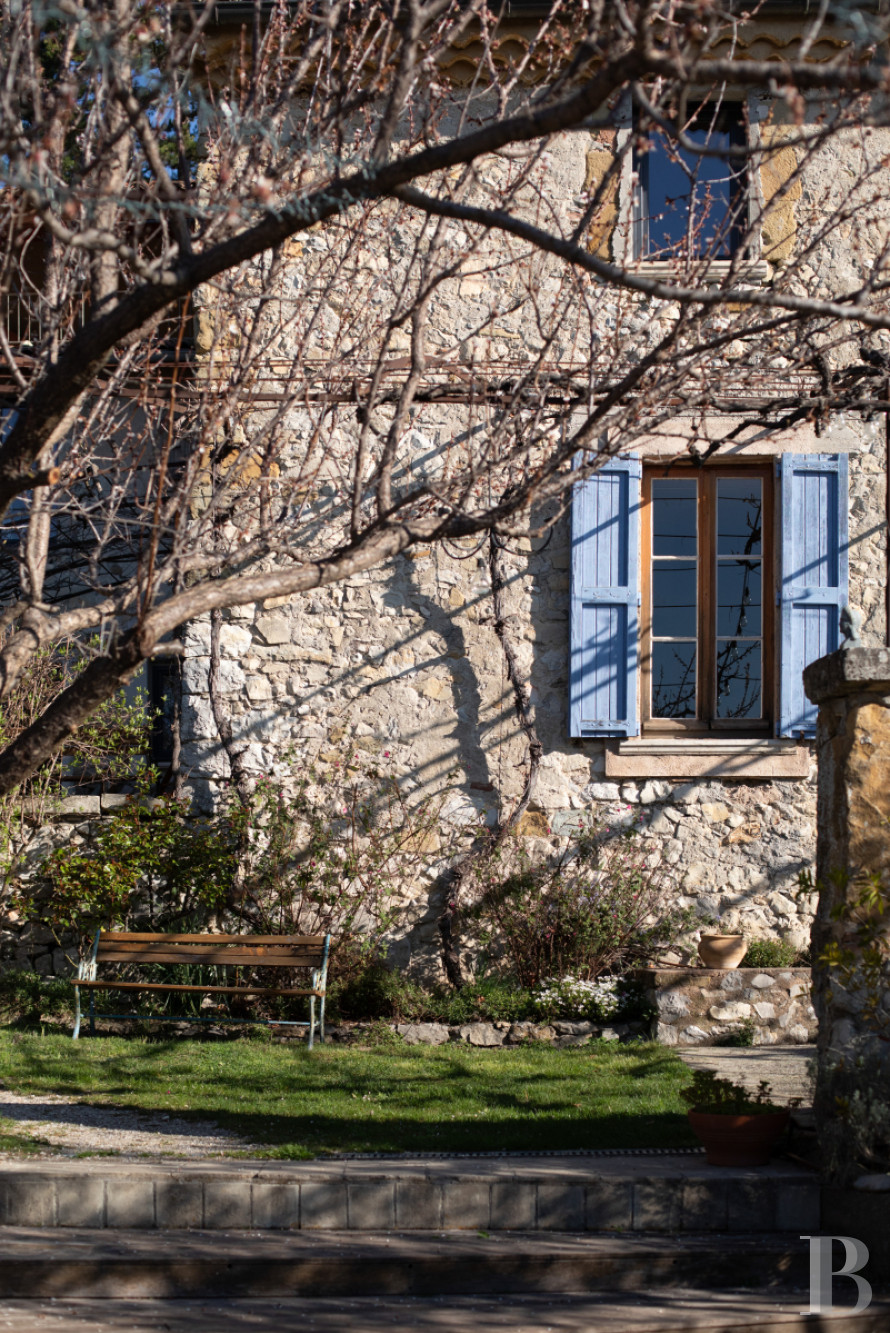
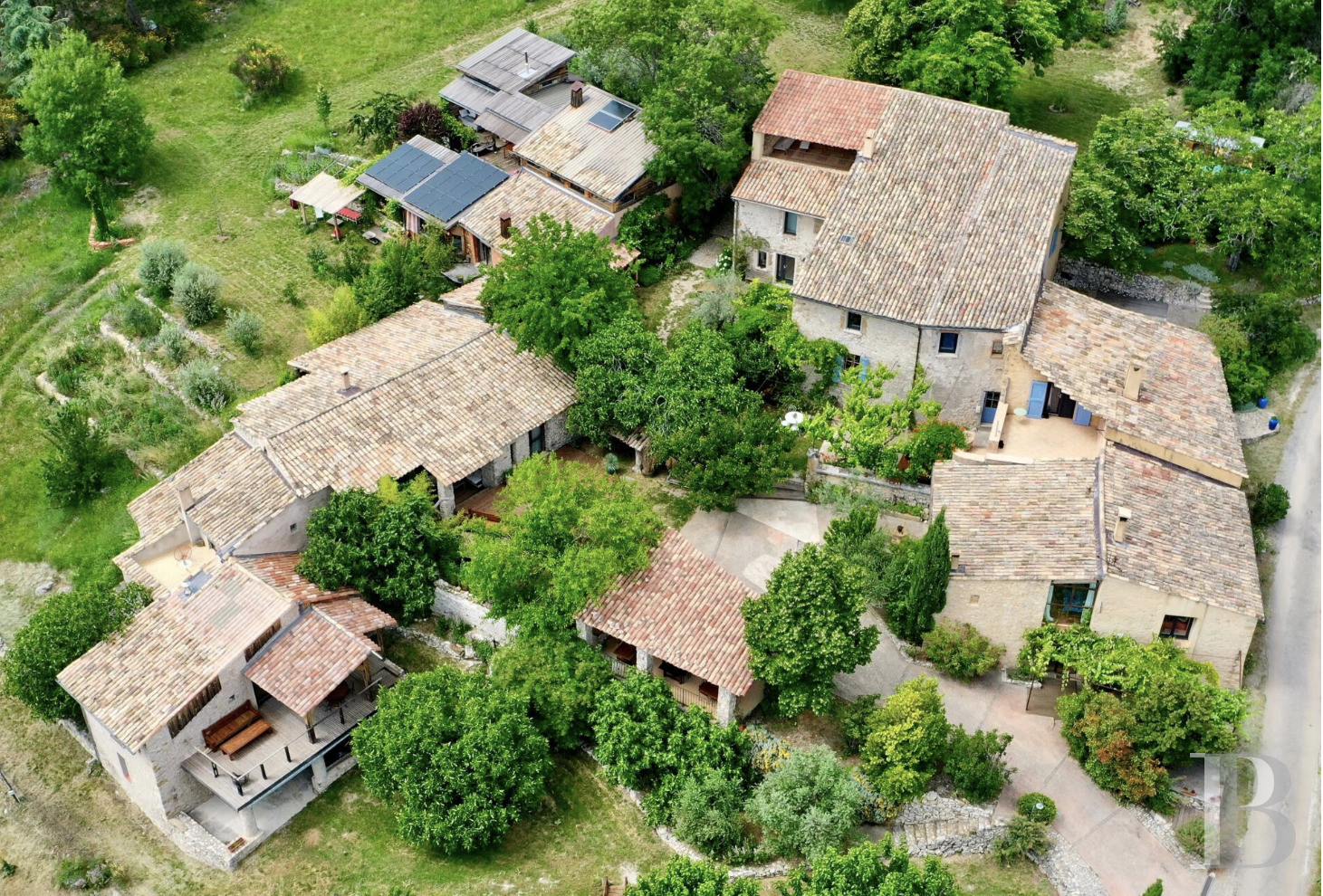
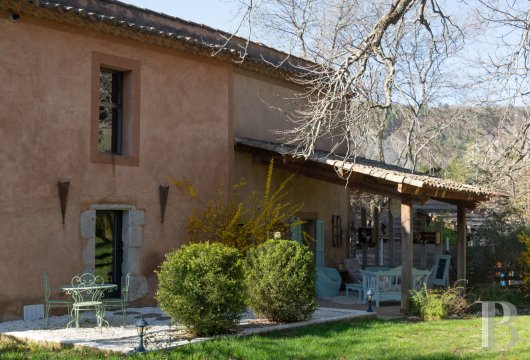
Built on a rocky outcrop that provides it with remarkable stability, the farmhouse is a fine example of well-preserved Provençal architecture. In places, the walls are up to 1.40 metres thick; combined with the small windows of yesteryear, that kept the house cool in summer and warm in winter. The Roman-tile roof, accented by a three-tiered cornice, is a reminder of the ancient noble privileges that existed before the Revolution. The property covers an area of nearly 7,000 m² and comprises two buildings built from local stone, with a total floor area of over 800 m². The terracotta floor tiles, French-style ceilings, period fireplaces and original high ceilings have been preserved. The estate retains many reminders of its history: the Fuente spring, with the date 1670 carved into the stone, arrow slits, a bread oven, a silkworm rearing house, a hayloft and an old wood-fired oven.
Built in 1670, the farmhouse once formed part of a large agricultural estate comprising several dwellings and an old hilltop village, of which a few ruins still remain. In a region where travel was difficult, the estate was almost self-sufficient thanks to its olive groves, vineyards, cereal crops, lavender fields, almond trees and mulberry trees for silk production, supplemented by livestock farming. The surplus goods were transported to Sisteron via the old mule track, which is now the GR6. On the death of Countess Anne, the last heiress with no children, the estate passed to the Church and then to the secular authorities after the Revolution. More recently, the farmhouse has hosted a travelling cinema and then summer camps. In the early 2000s, major restoration work was carried out to bring the property’s old sheepfolds and outbuildings back to life. We bought it in 2016 and carried out renovations that preserved its original character.
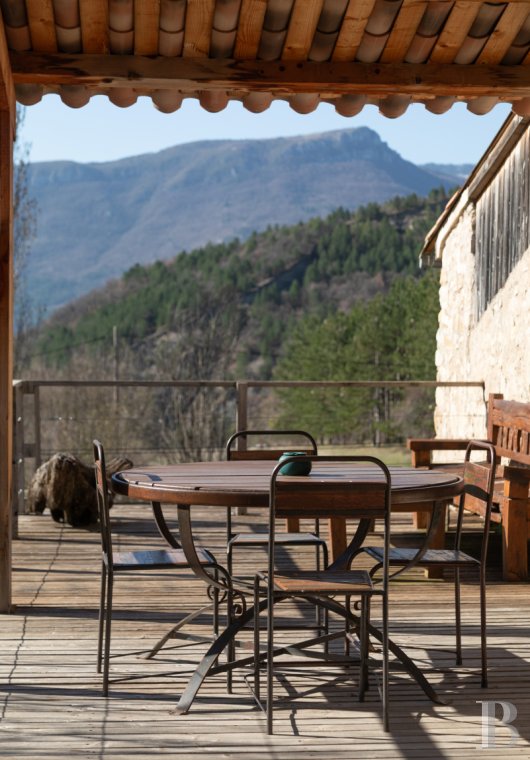
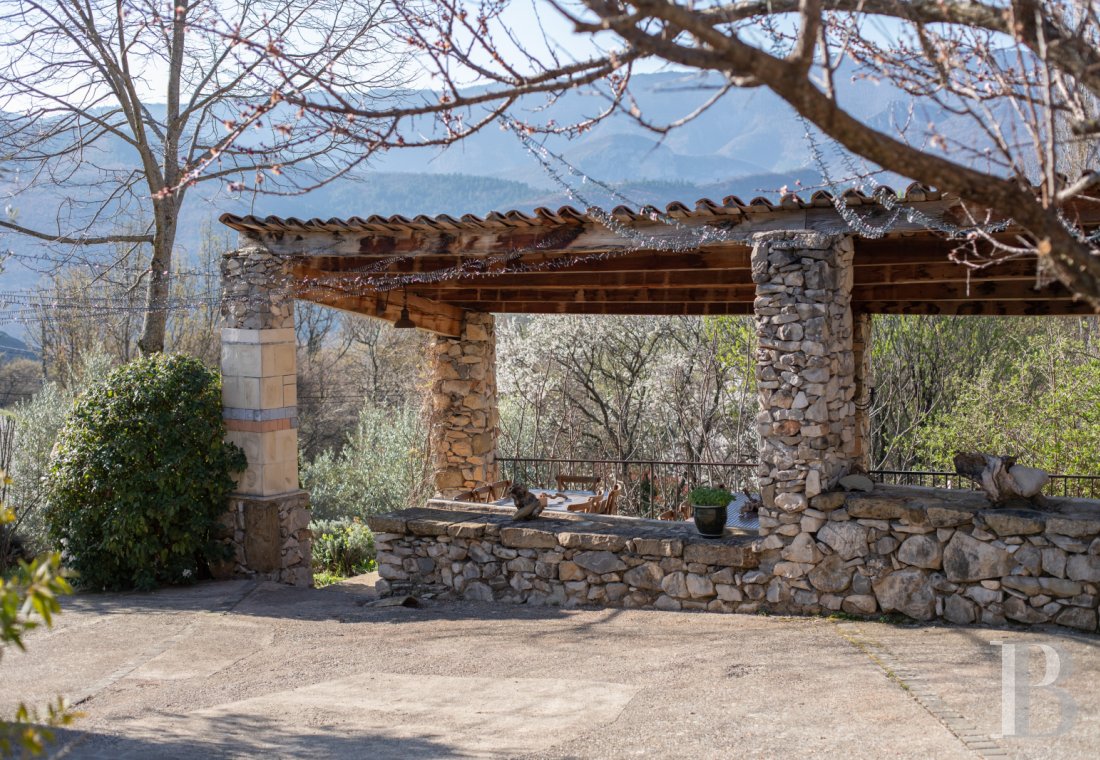
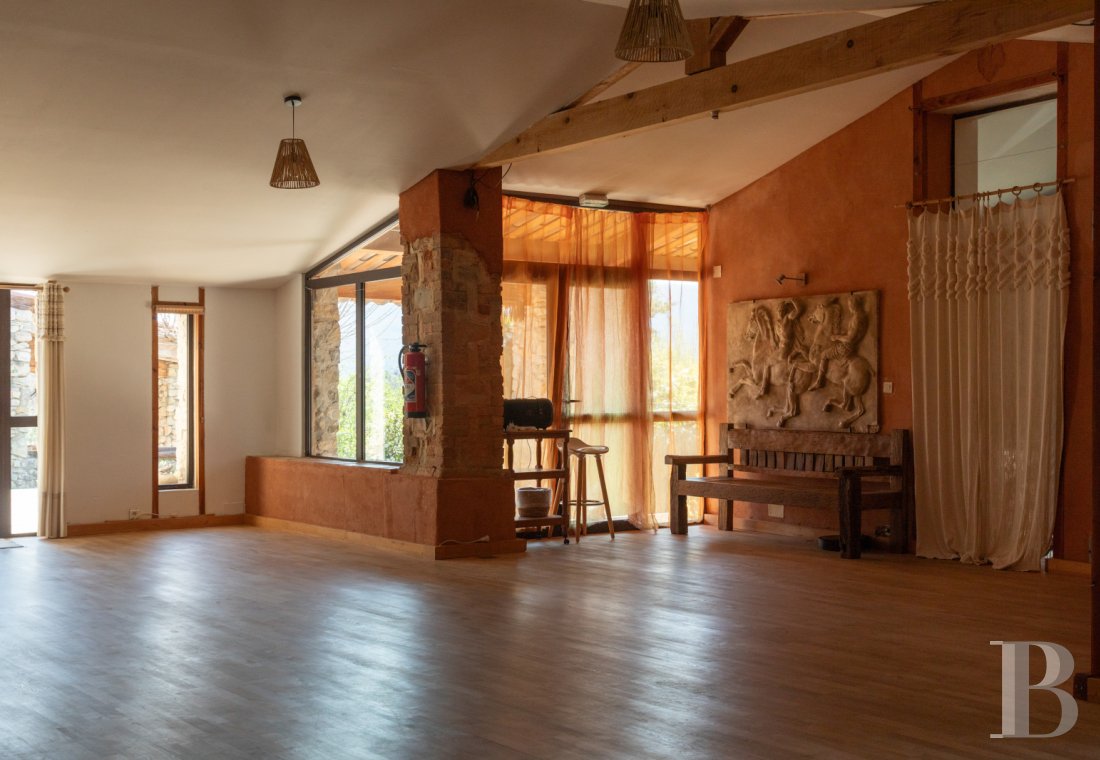
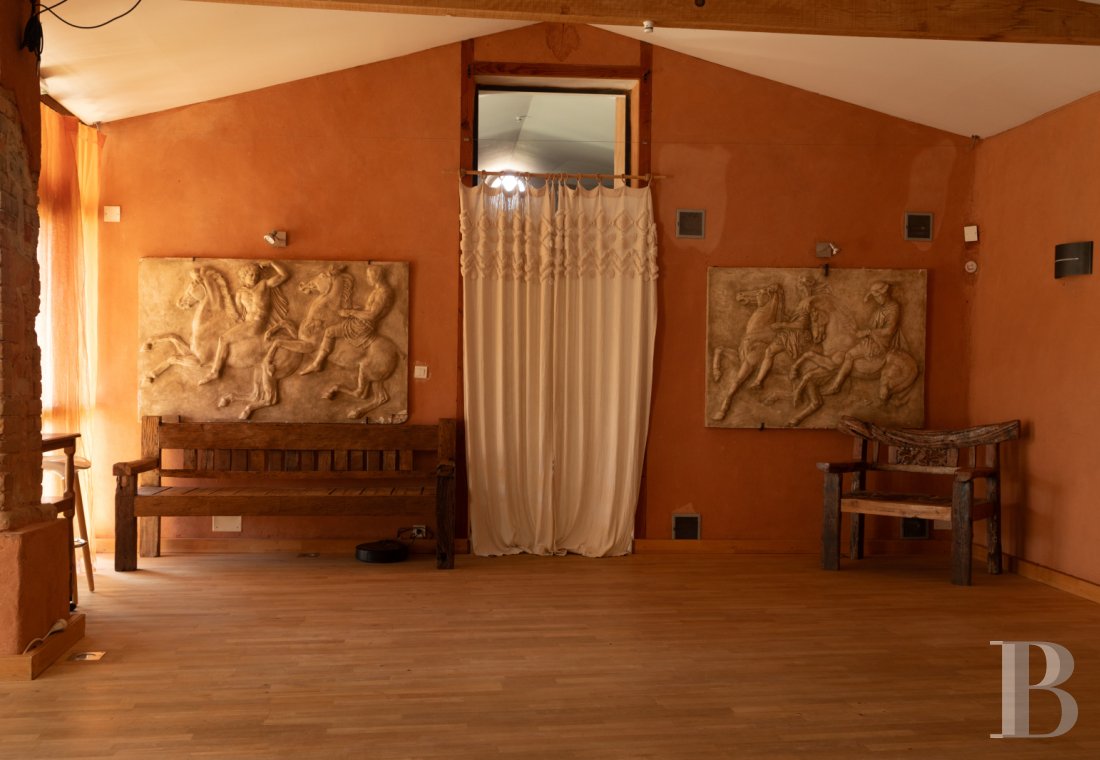
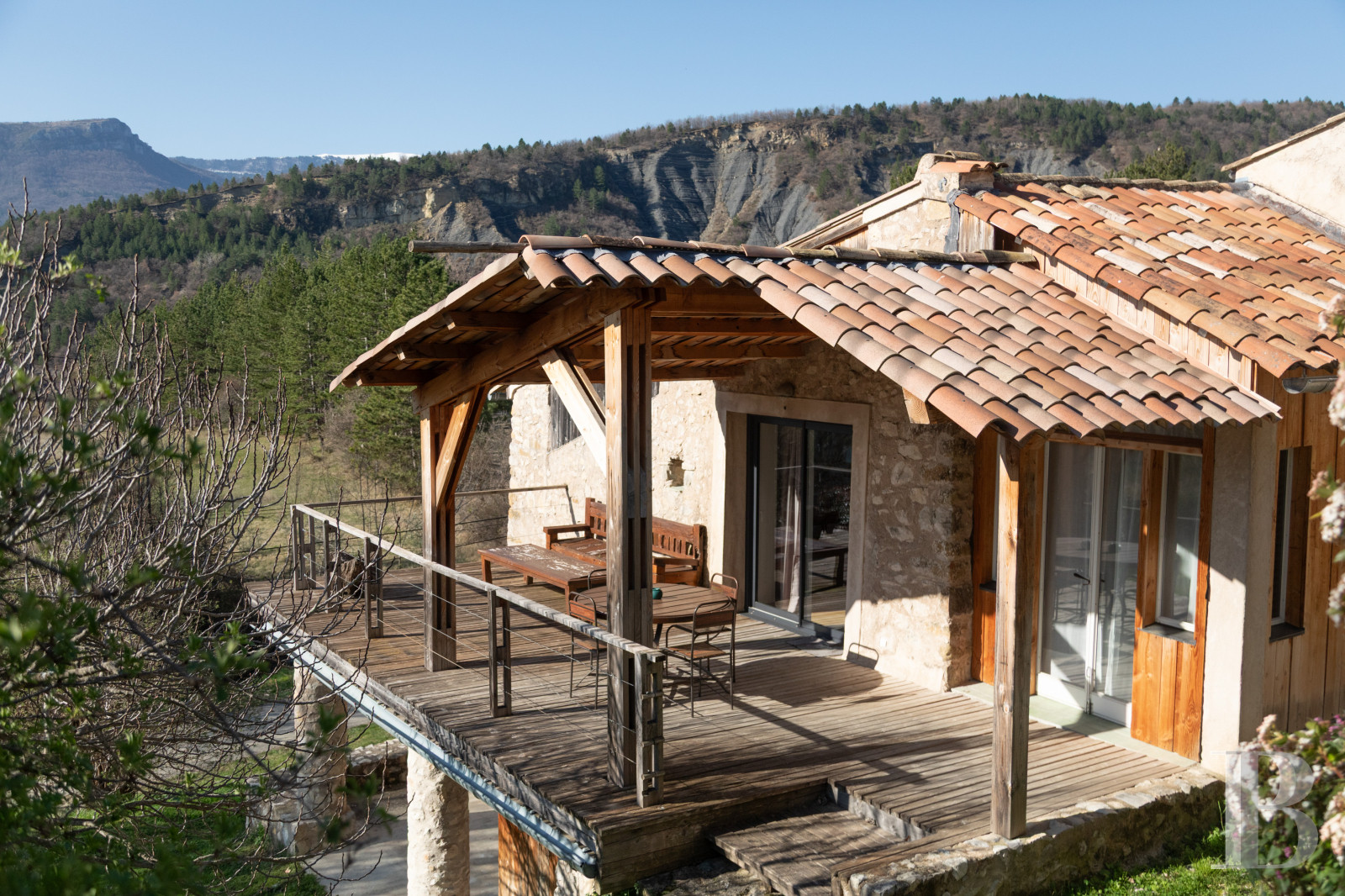
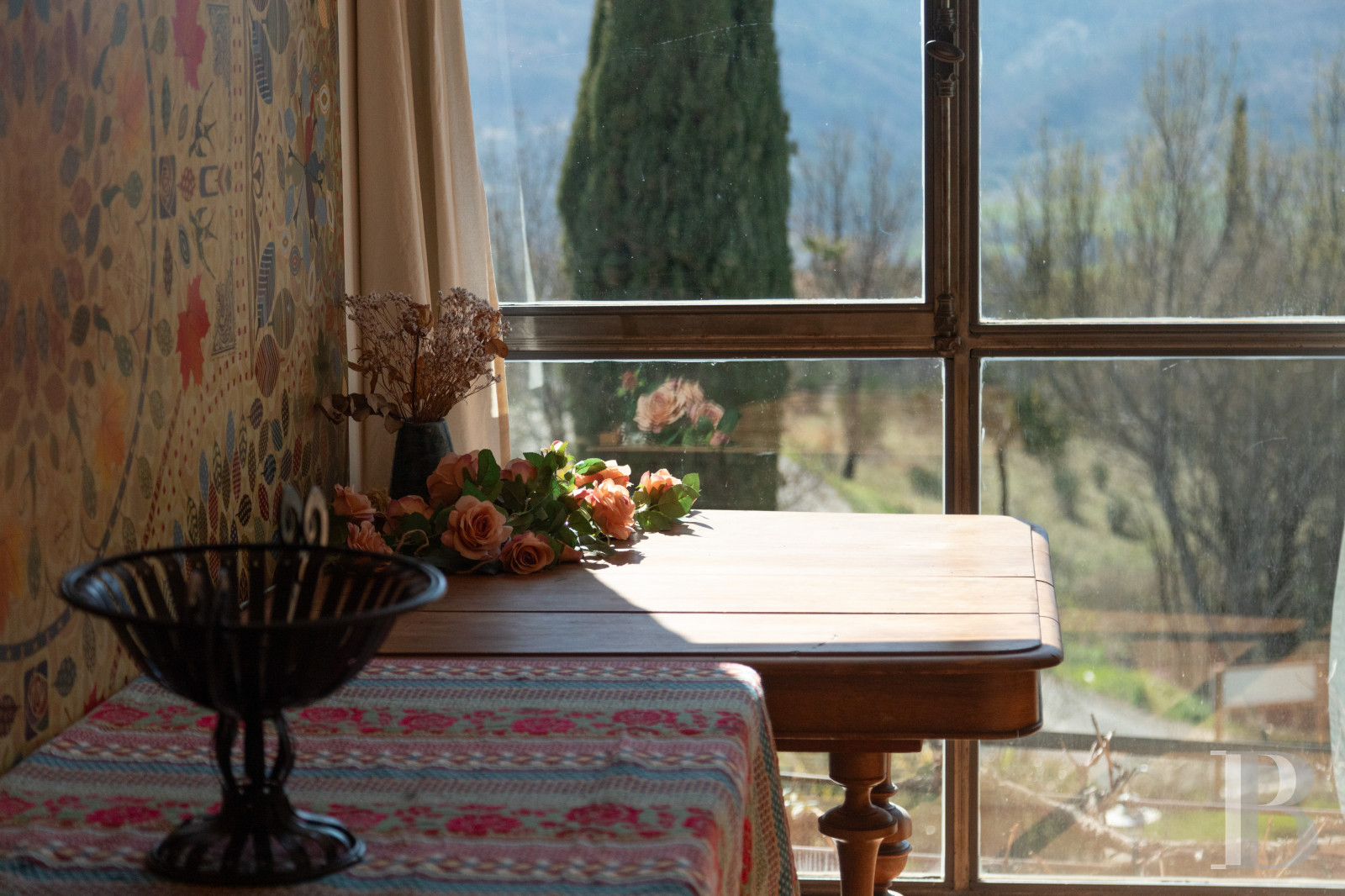
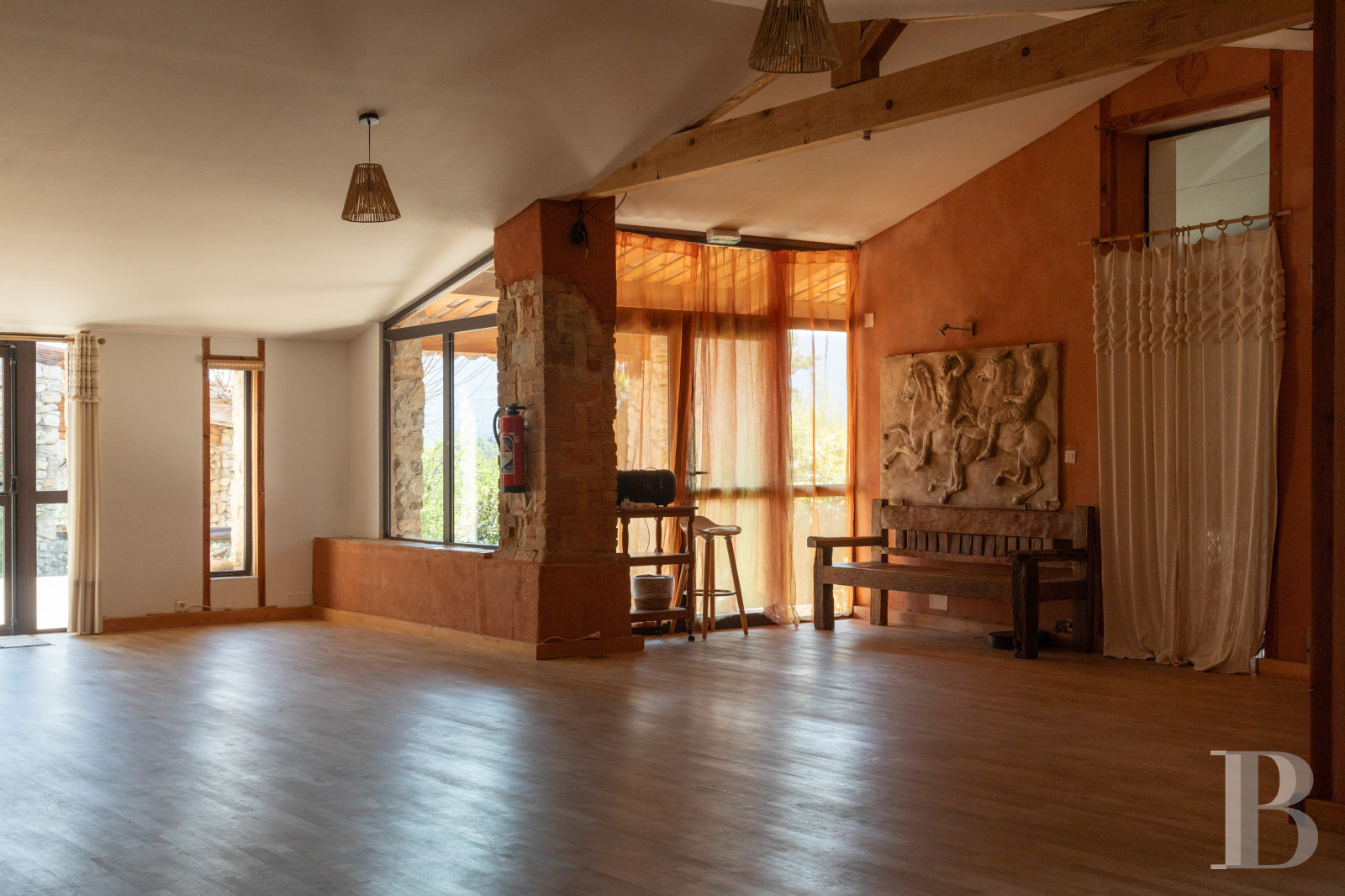
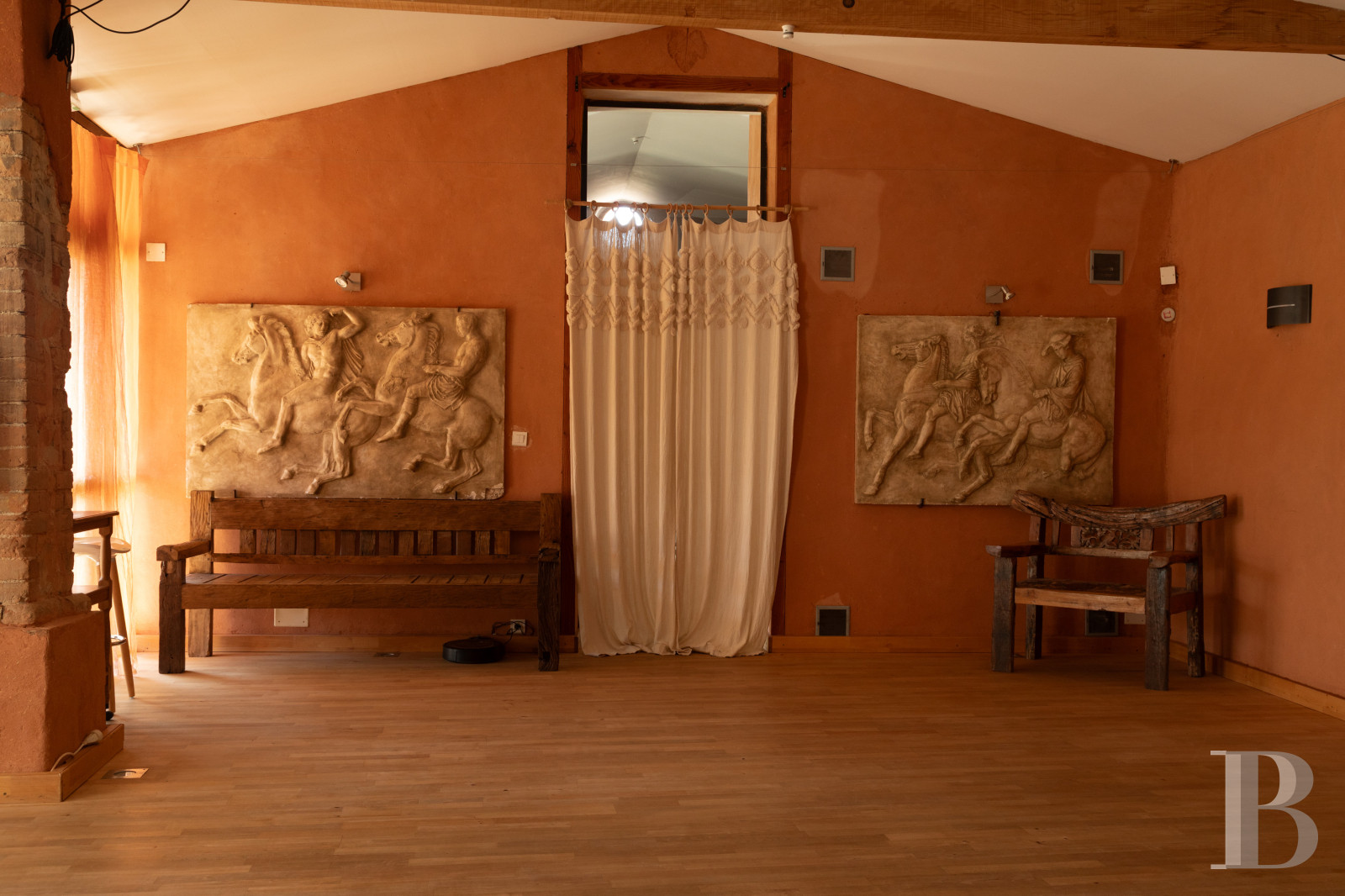
Located ten minutes from Sisteron, the farmhouse overlooks the Jabron Valley from an unspoilt Provençal landscape, at an altitude of nearly 700 metres. Tucked away on a mountainside facing the Lure mountain, this old stone hamlet, far from any noise, follows the natural contours of the land and is the perfect setting for peace and quiet, relaxation and spending time together. Designed as an immersive visitor centre, the estate features a 100 m² space that has been renovated using eco-friendly materials. It welcomes holidaymakers, hosts private and corporate events, and runs residential retreats and courses in yoga, meditation, dance, therapies and wellness practices. The cuisine focuses on organic and vegetarian dishes, in keeping with the spirit of the particular stay.
In Sisteron, "Il était une fois", a bistronomic restaurant situated directly opposite Notre-Dame des Pommiers, with a small shaded terrace, serves creative cuisine made with fresh, seasonal produce. "L’Oppidum", a restaurant and catering business with a friendly atmosphere, serves traditional cuisine with world cuisine influences. "La Bonne Étape", a Michelin-starred restaurant since 1964, is a must-visit for anyone wishing to sample Sisteron lamb. In Banon, "Le Bleuet" bookshop – France’s largest independent bookshop in a rural area since the 1970s – invites you to browse through its thousands of books, which are spread from the basement to the attic, with the option of settling down in the garden to read and enjoy the surroundings. One of the largest markets in Provence is held every Monday in Forcalquier, a charming Provençal village bustling with shops
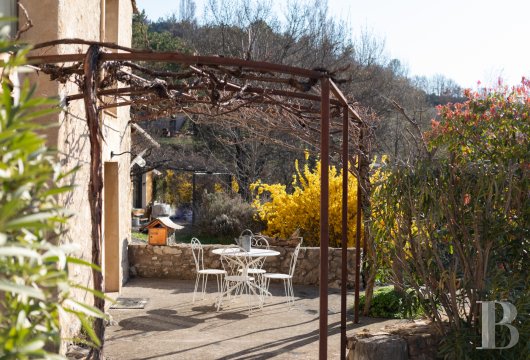
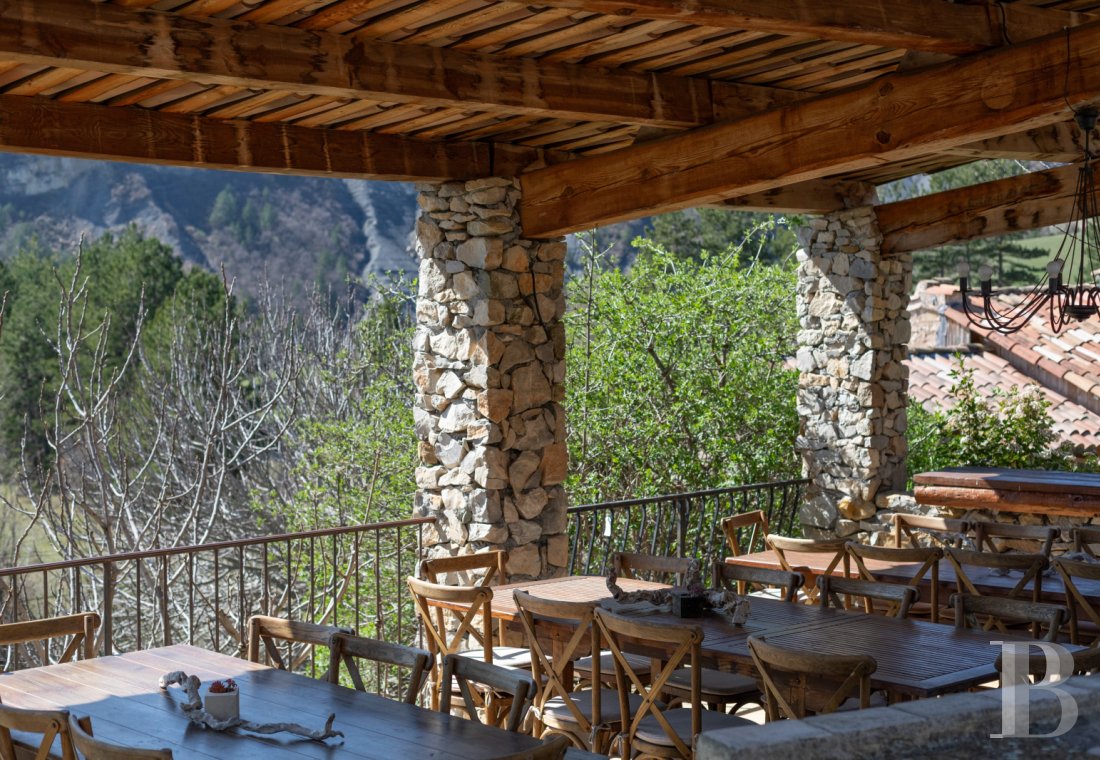
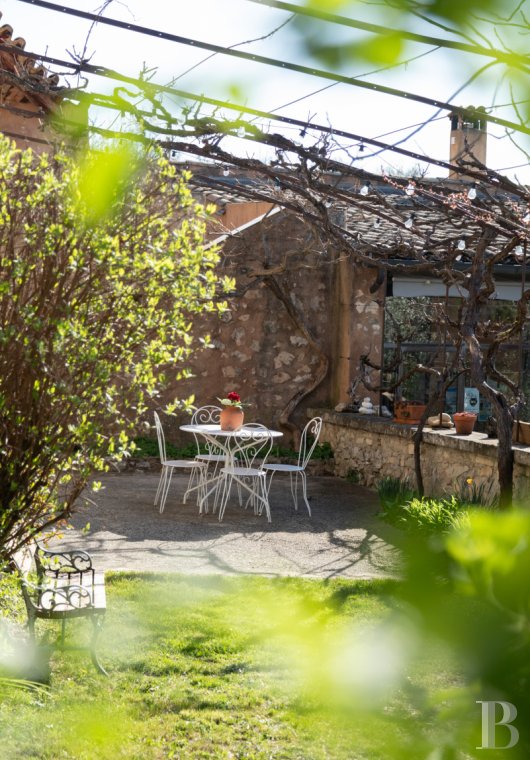
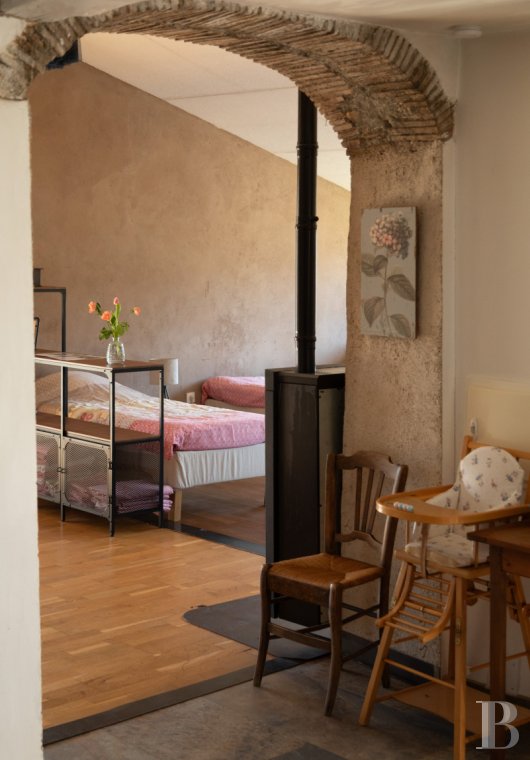
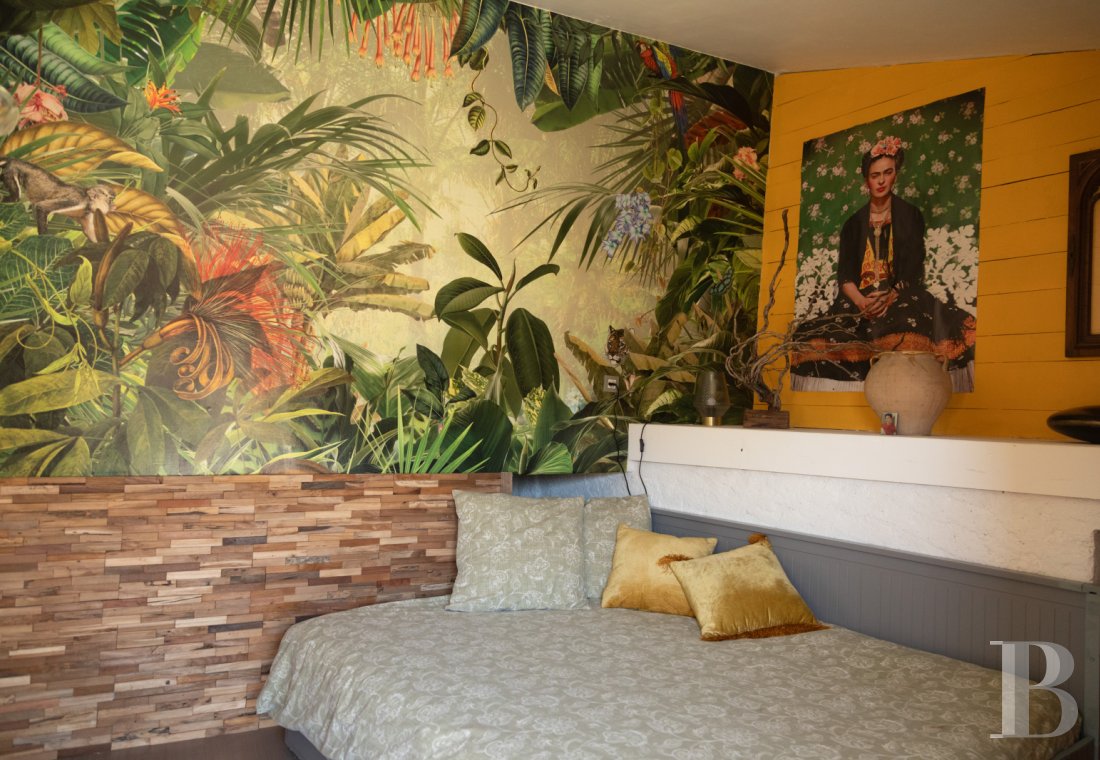
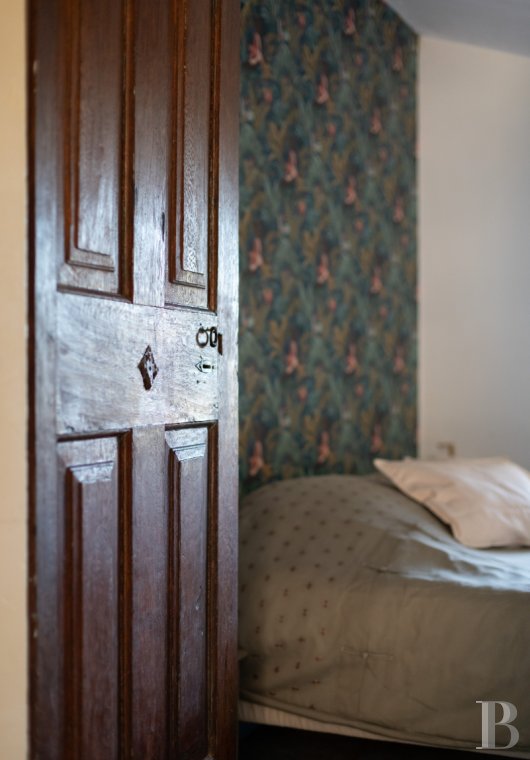
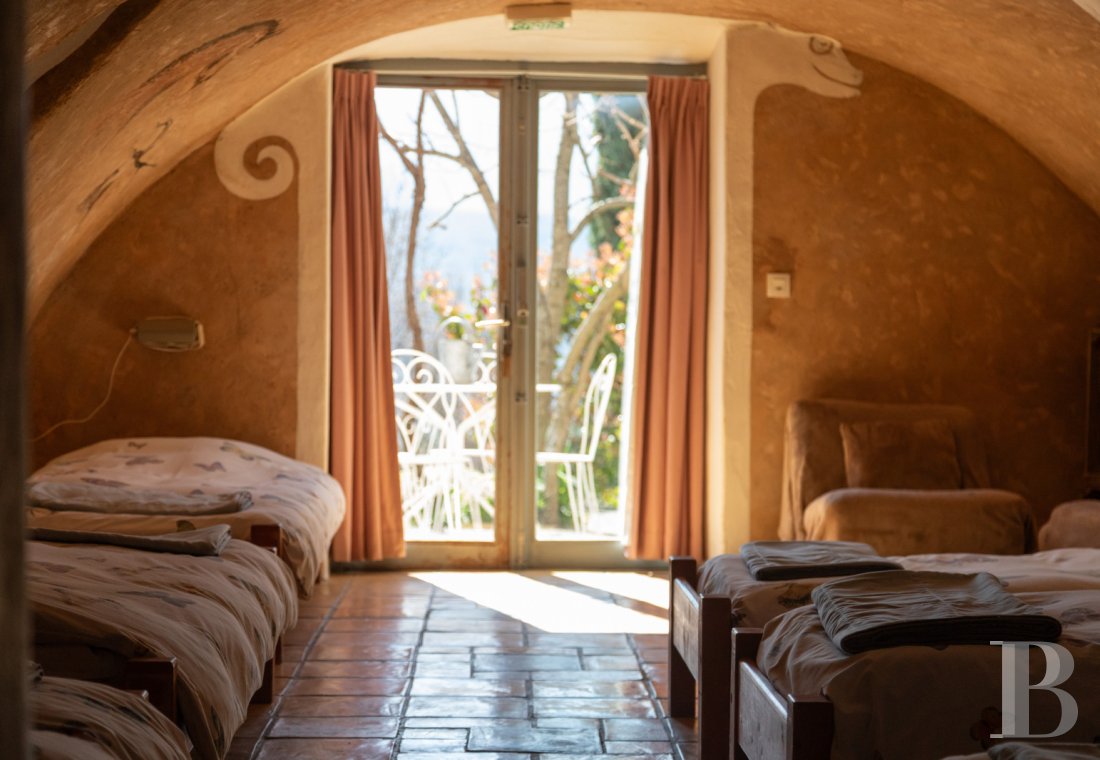
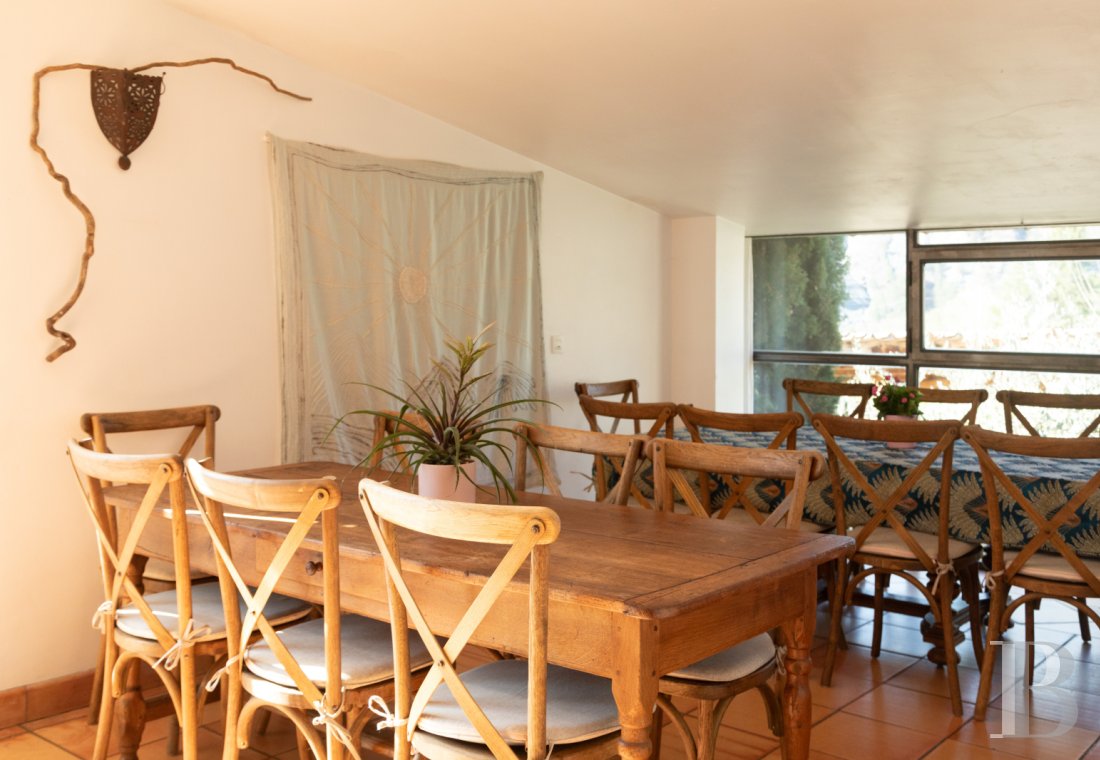
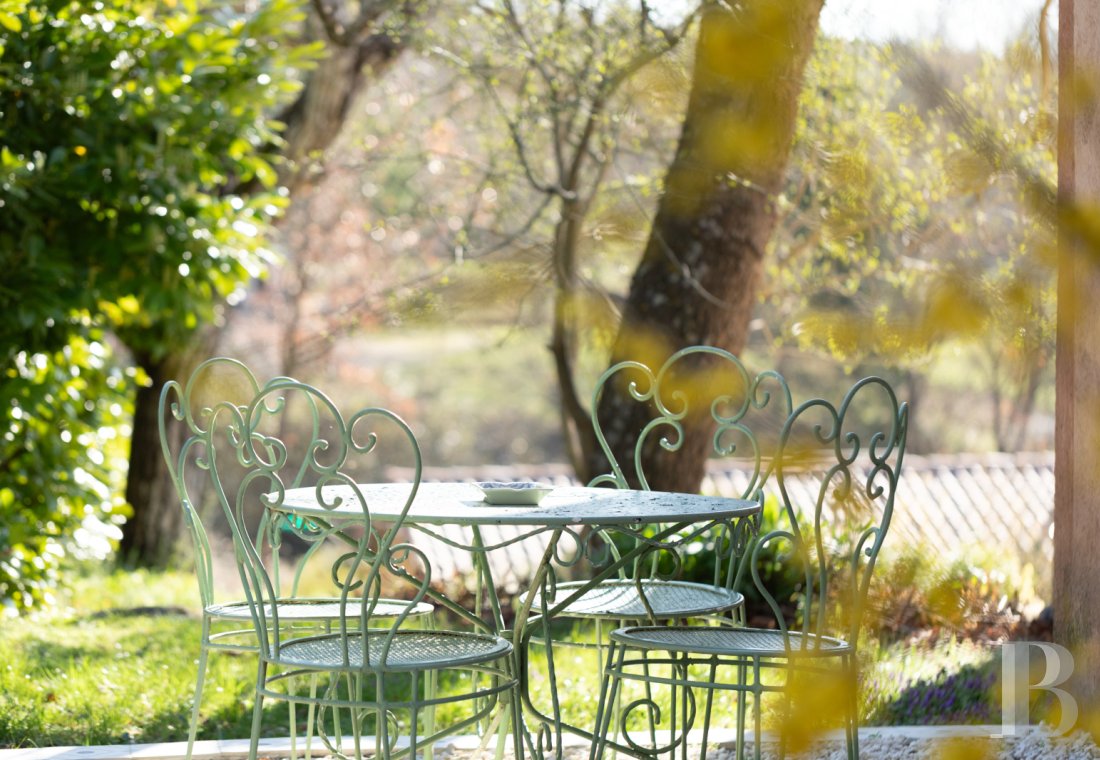
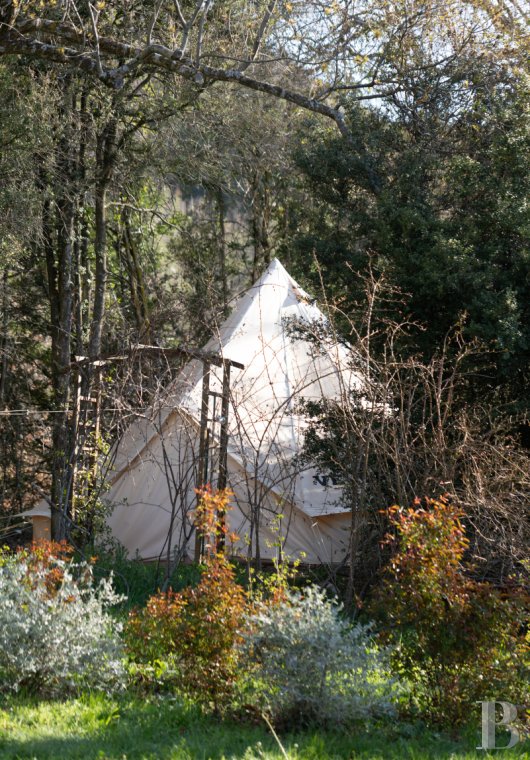
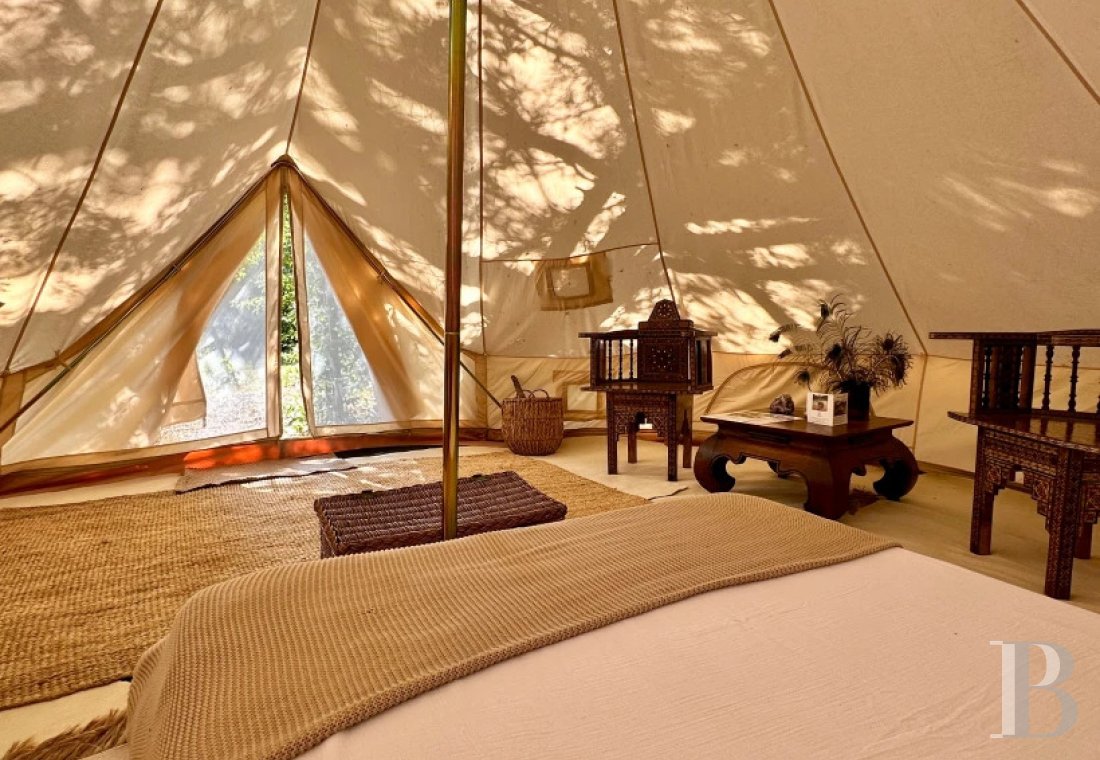
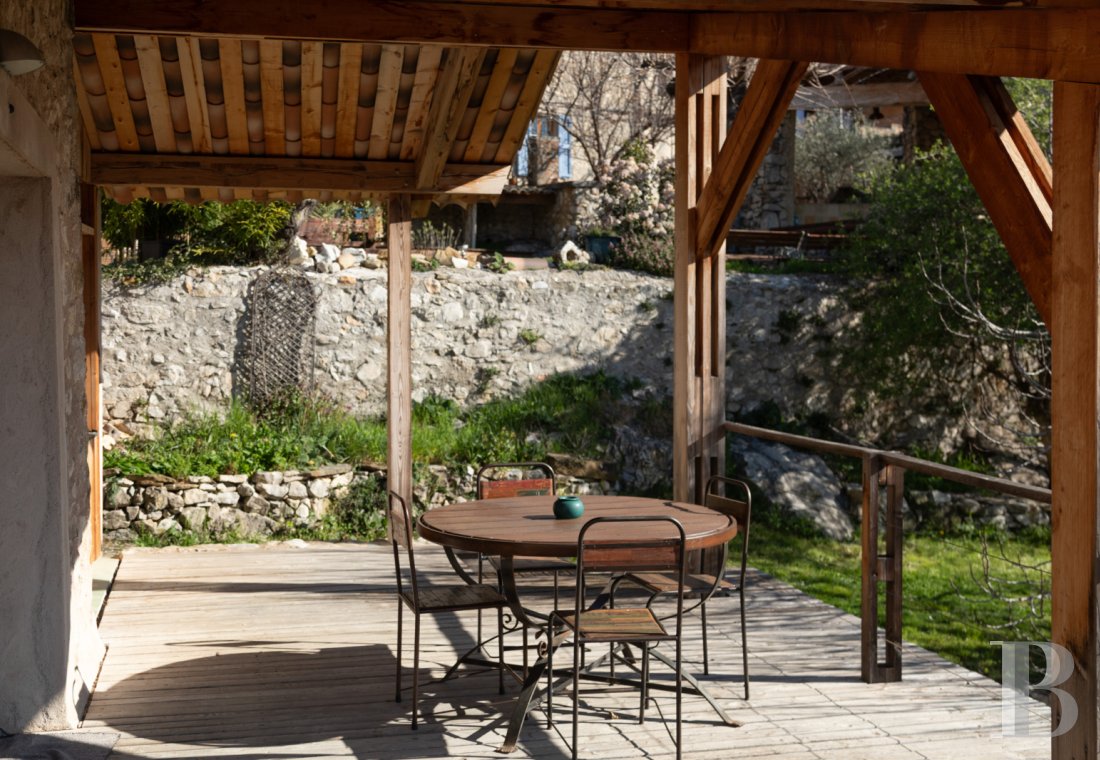
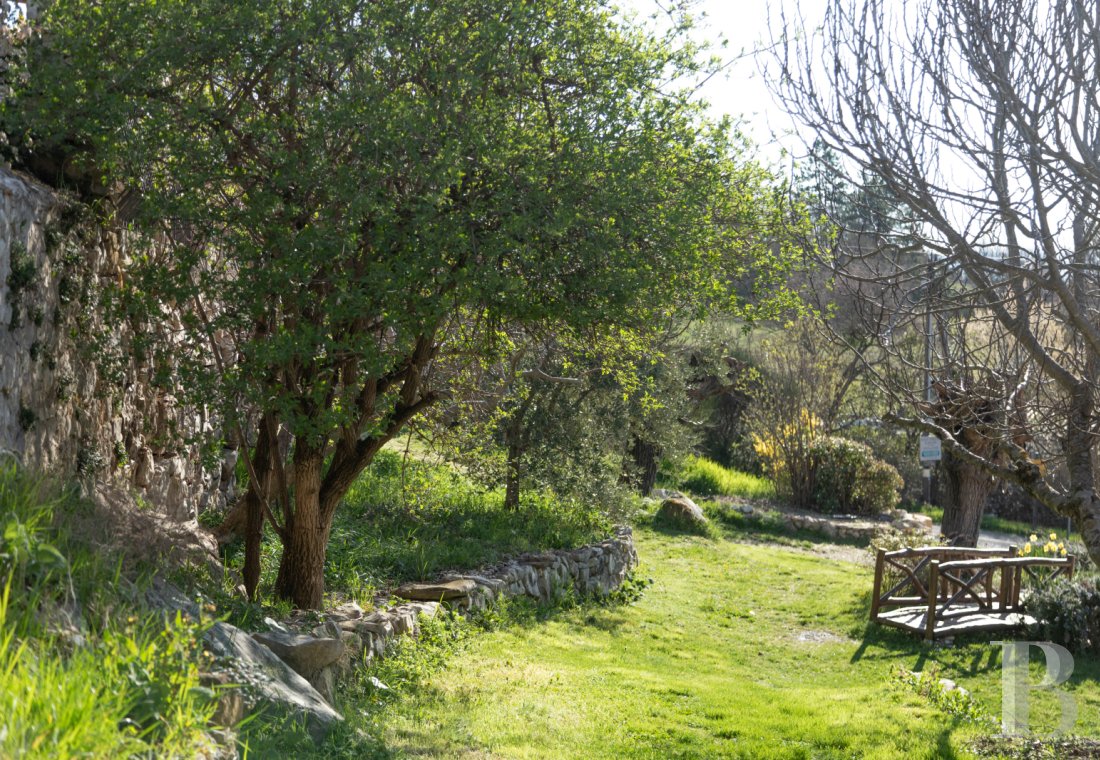
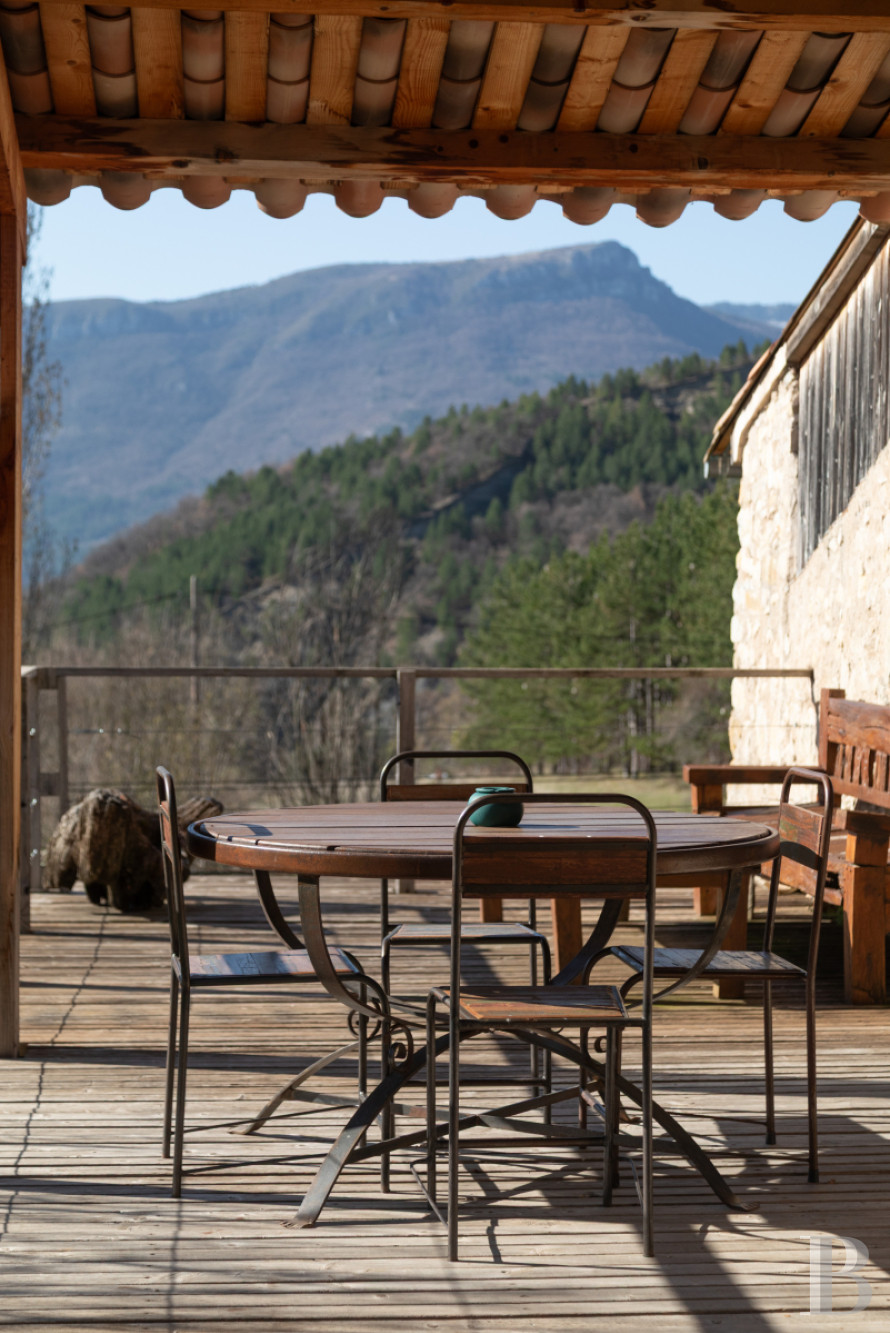
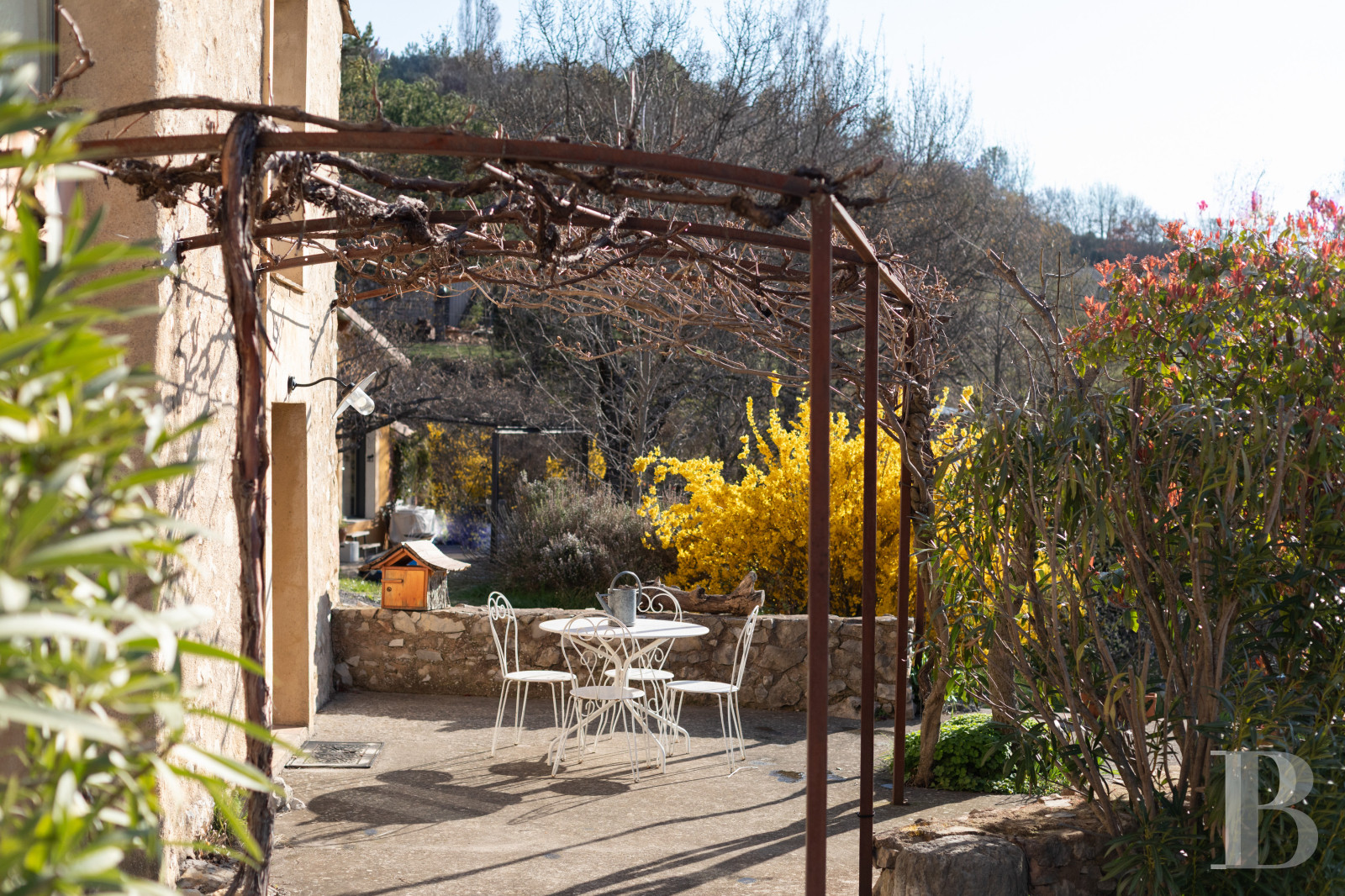
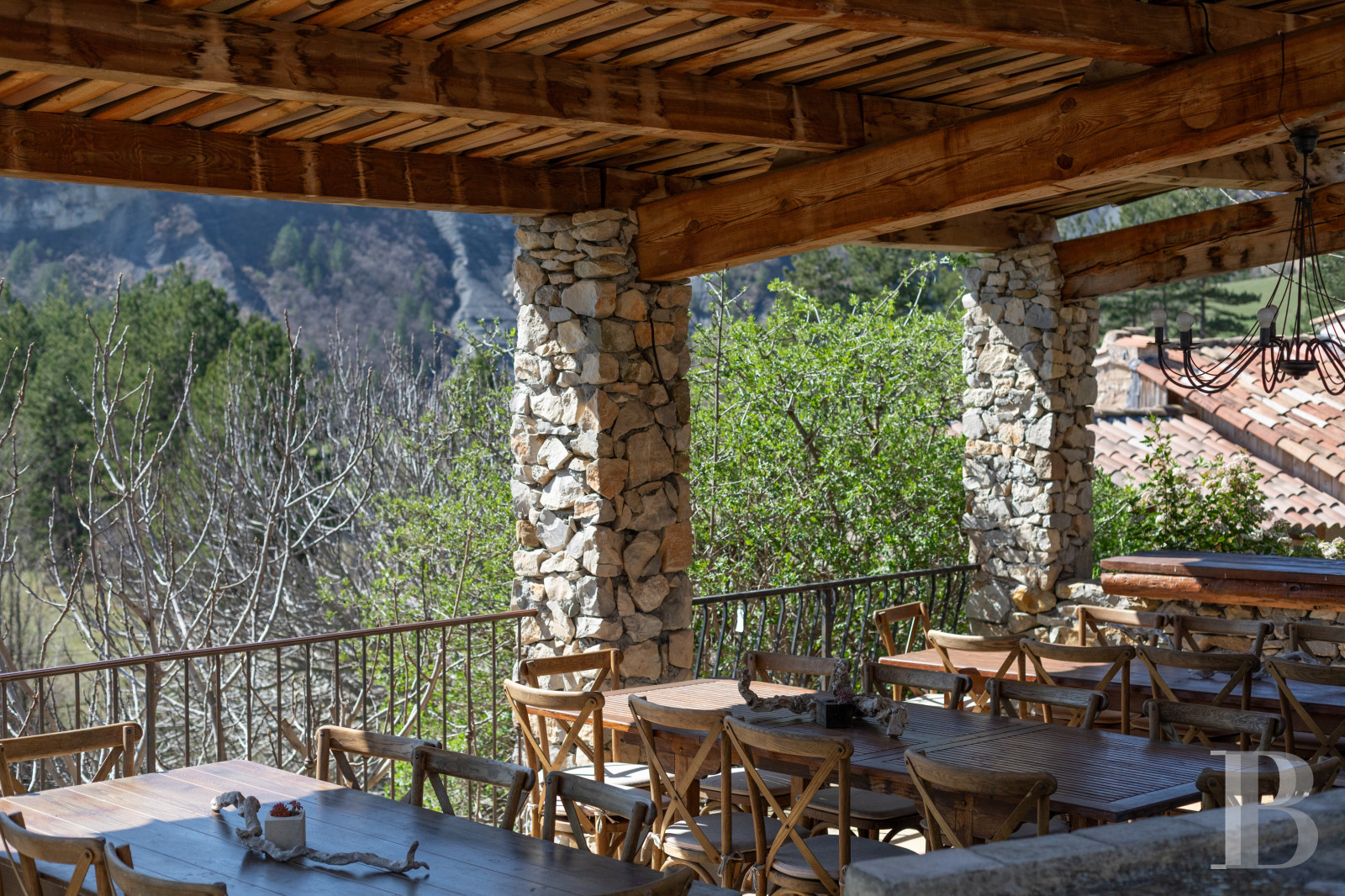
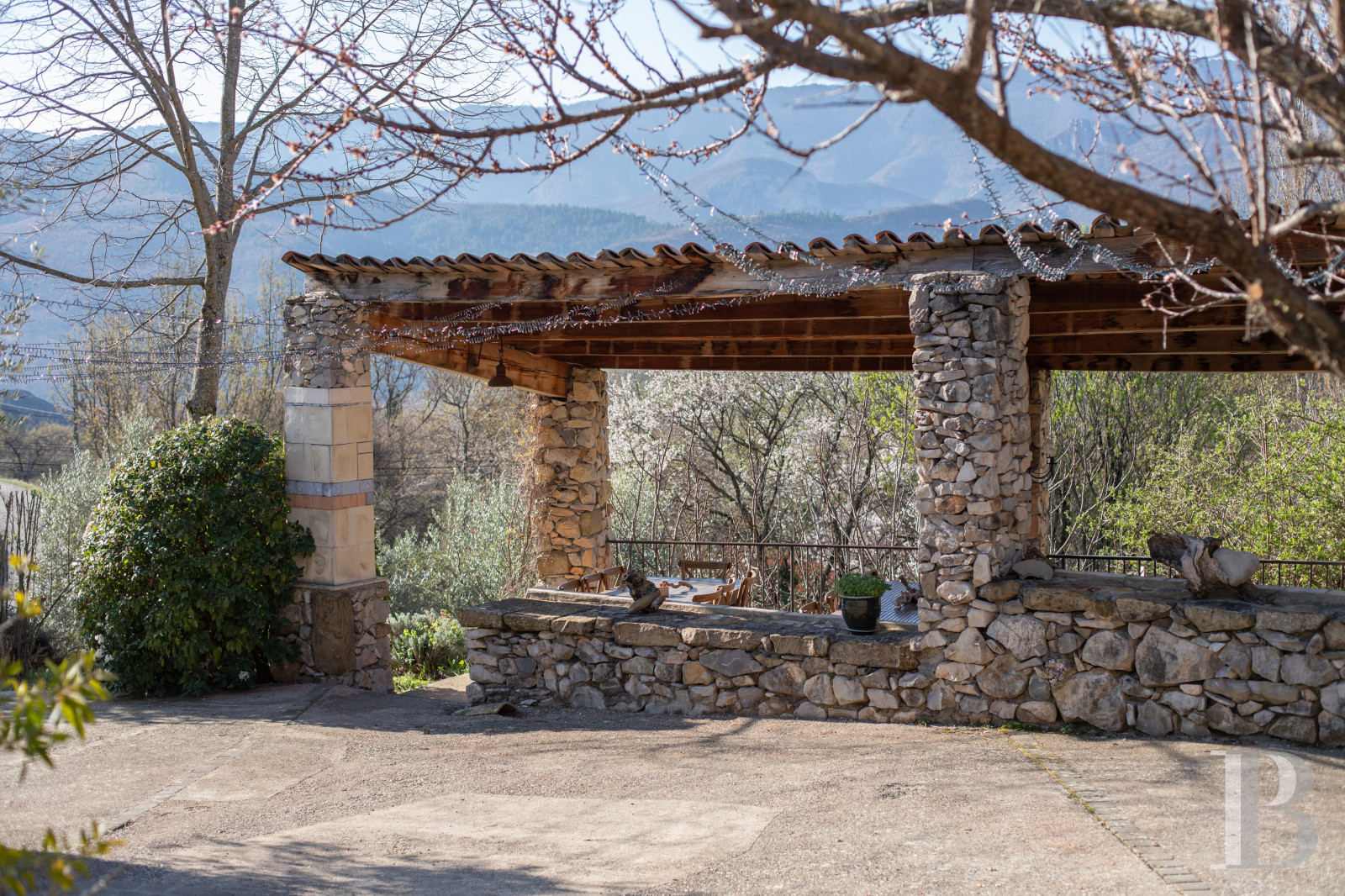
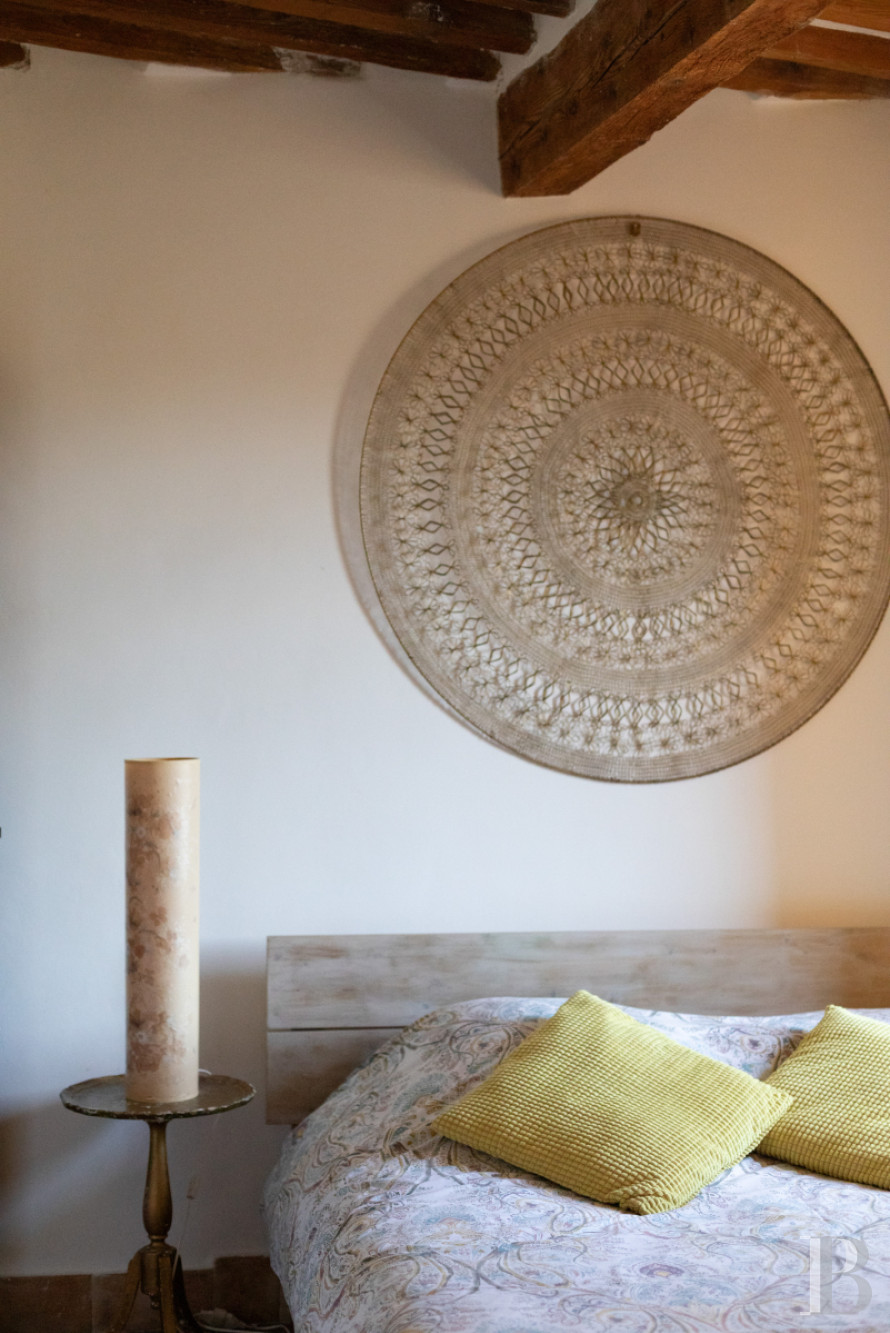
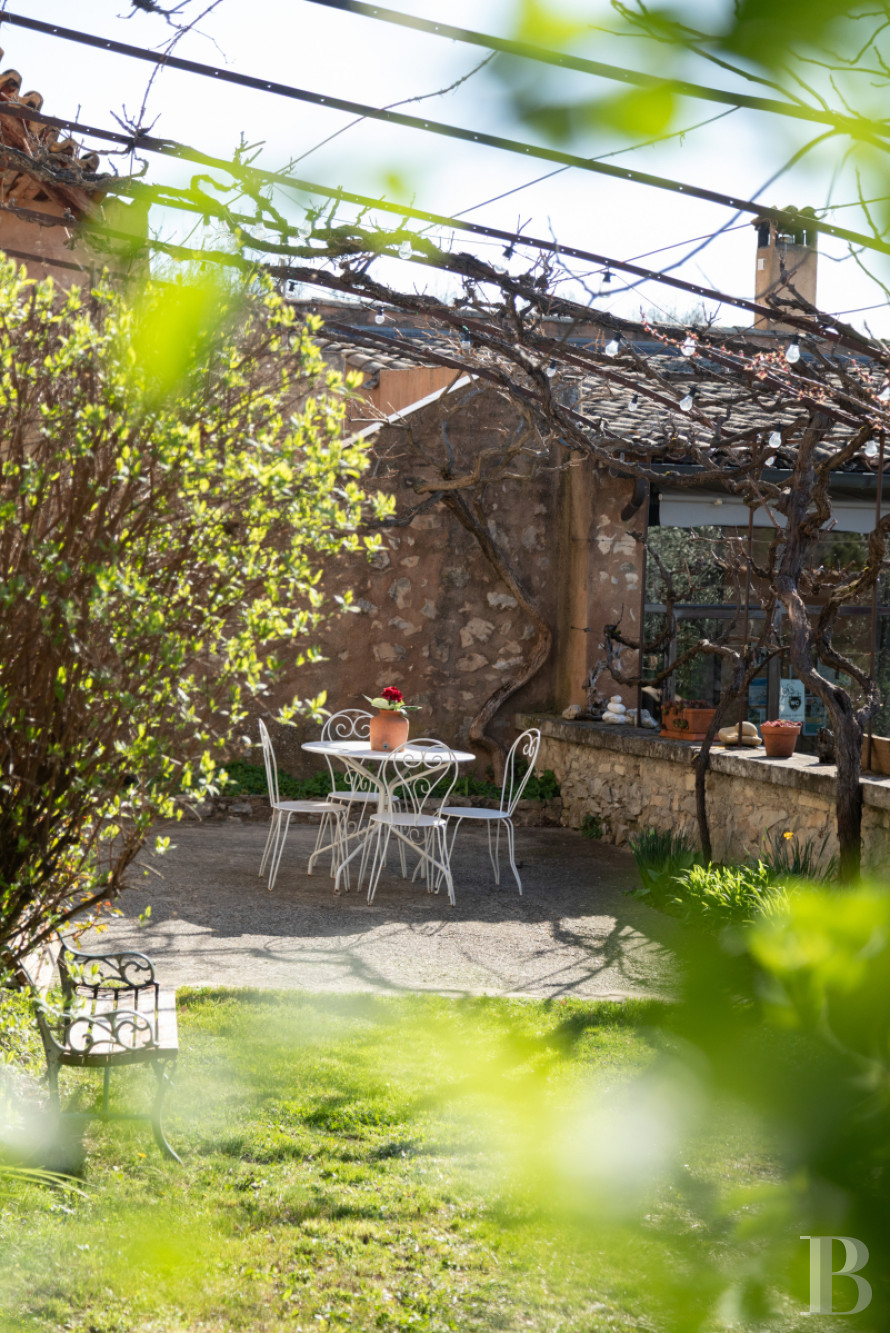
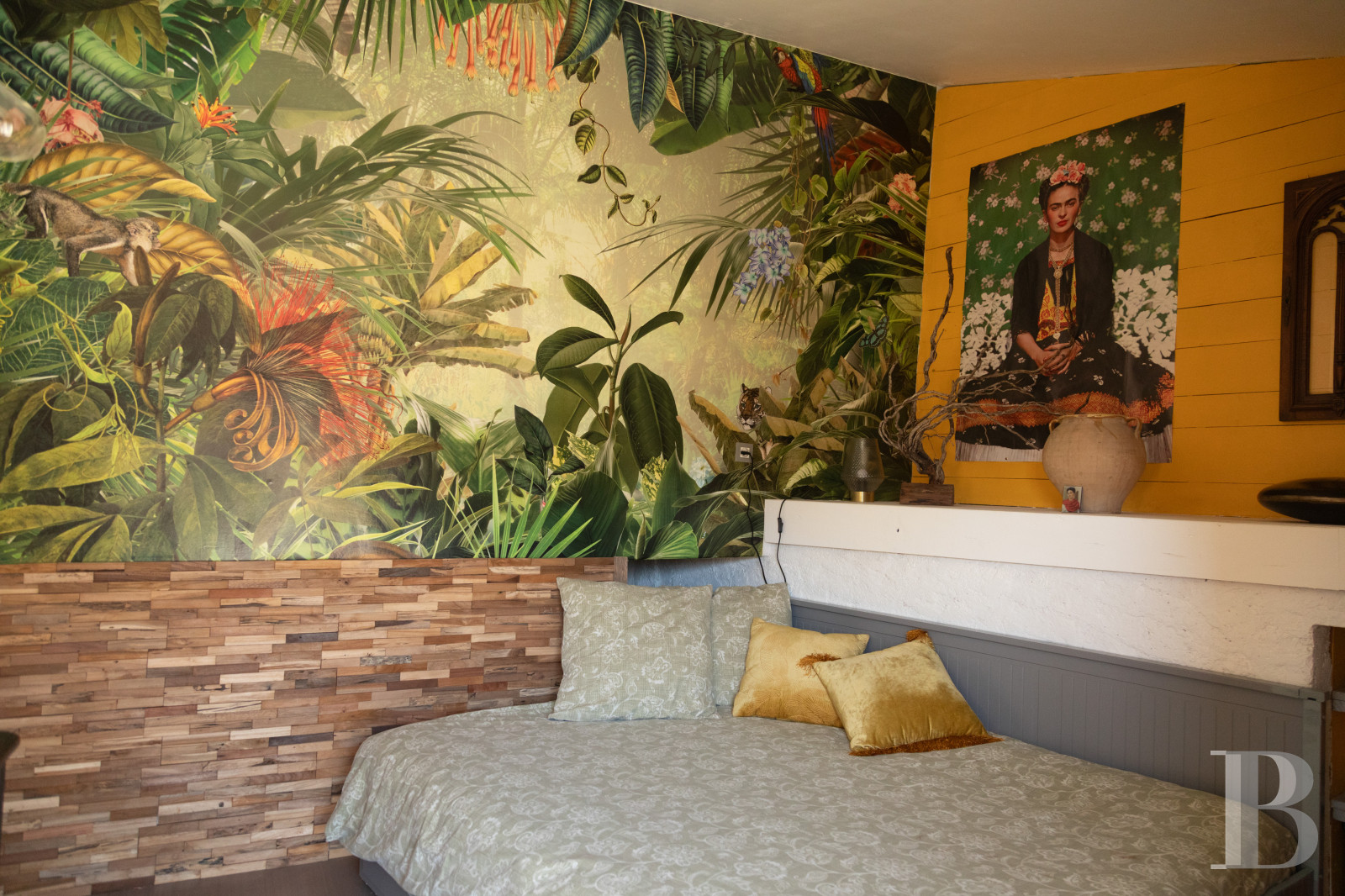
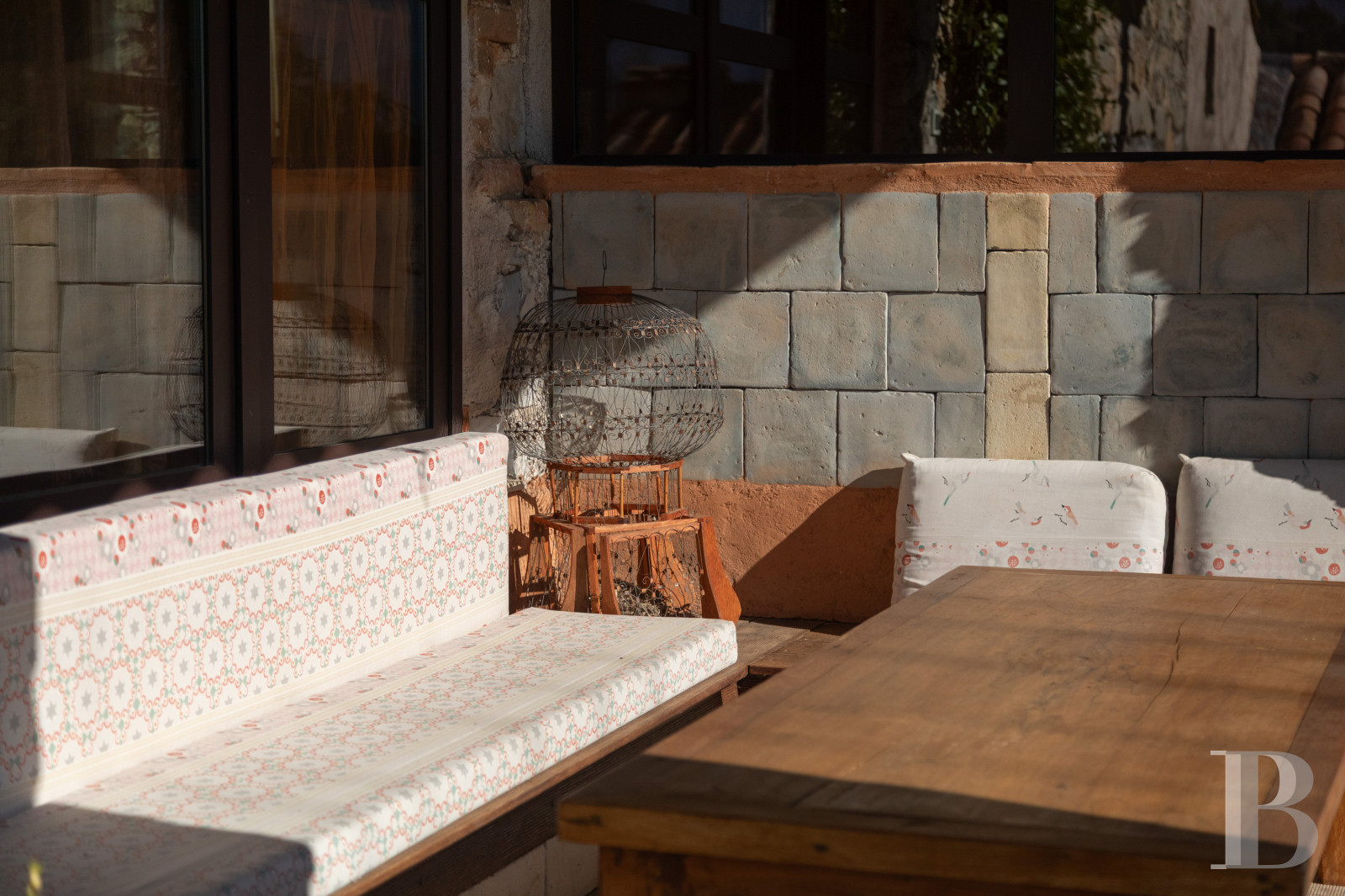
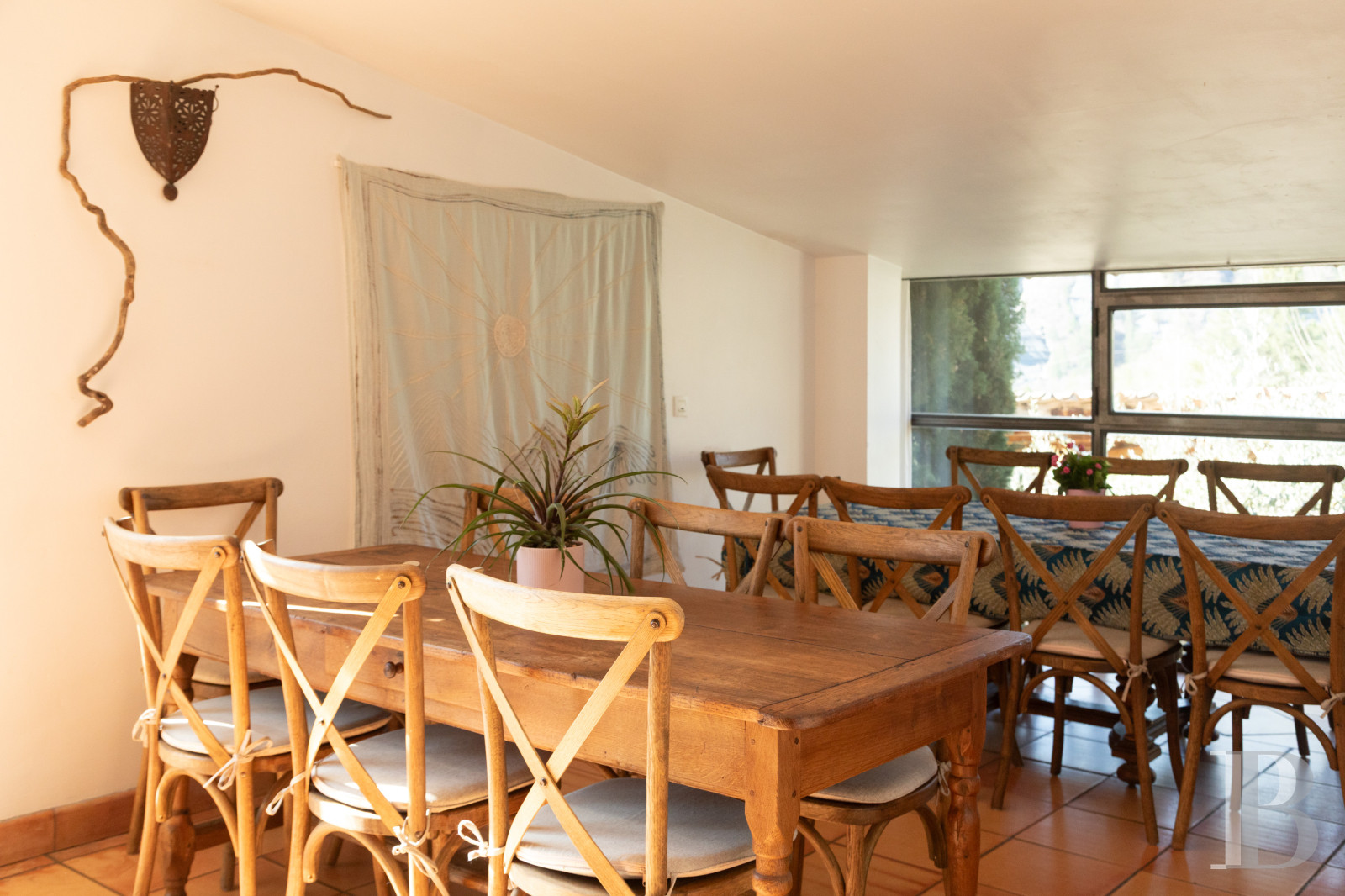
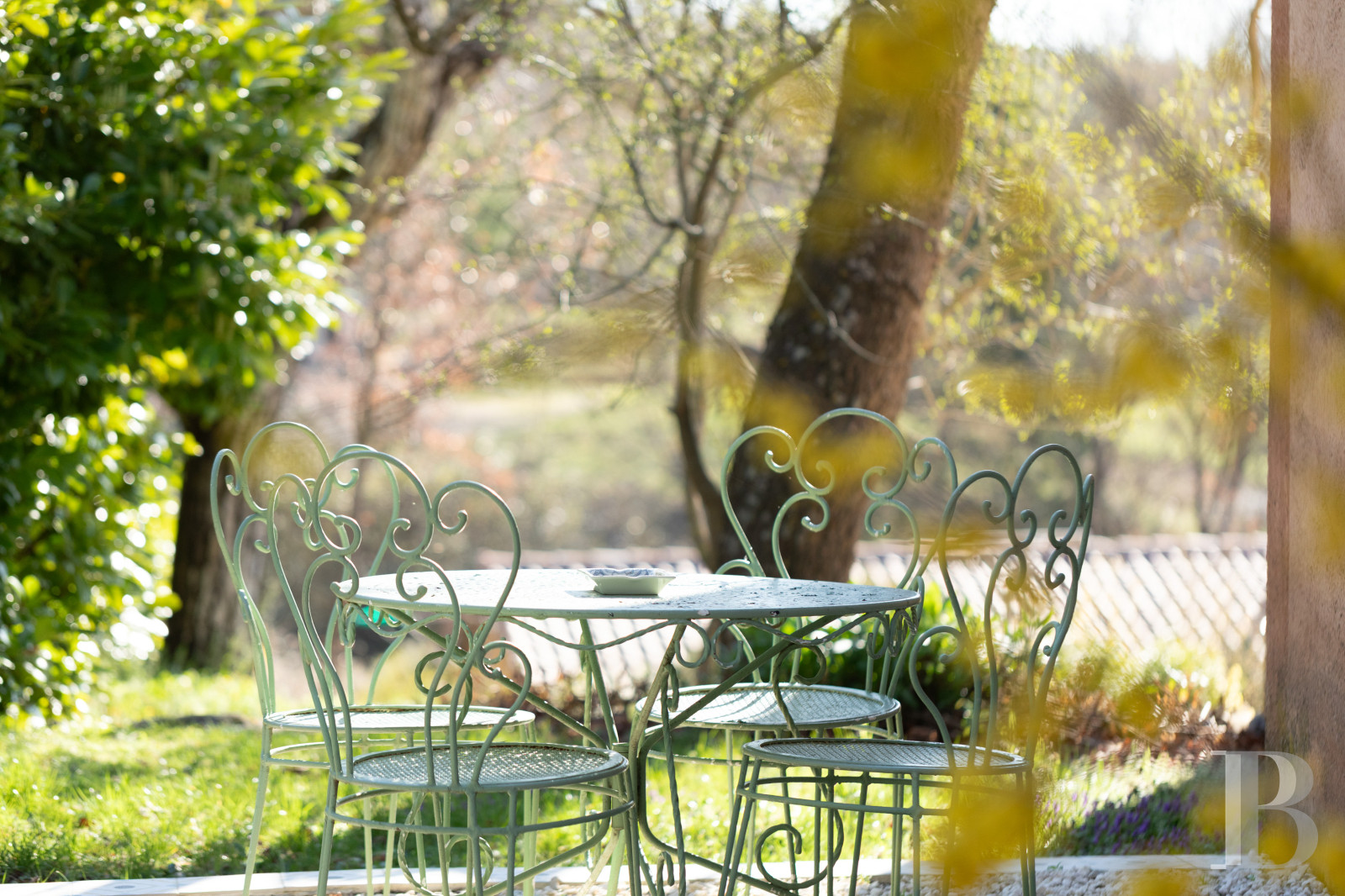
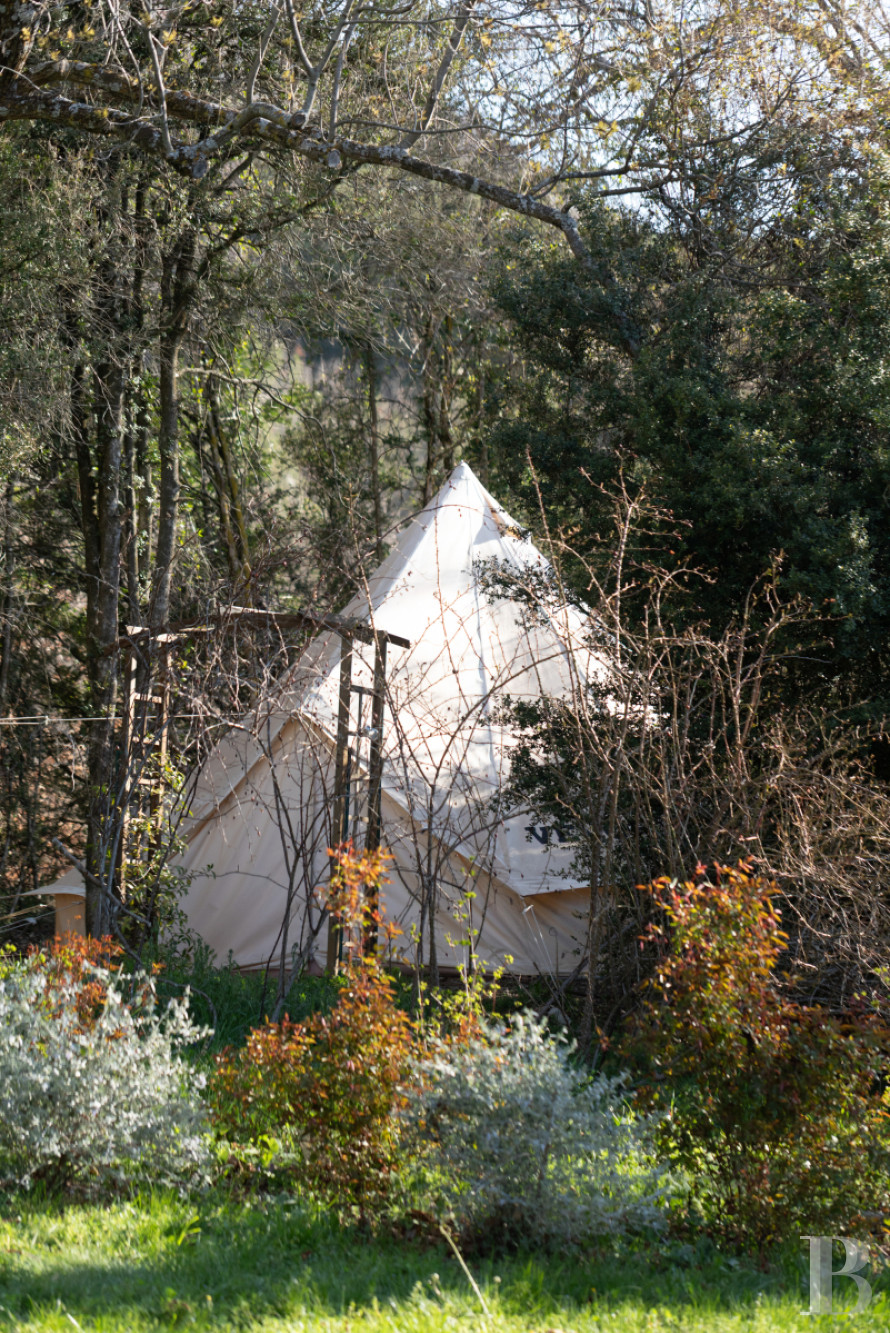
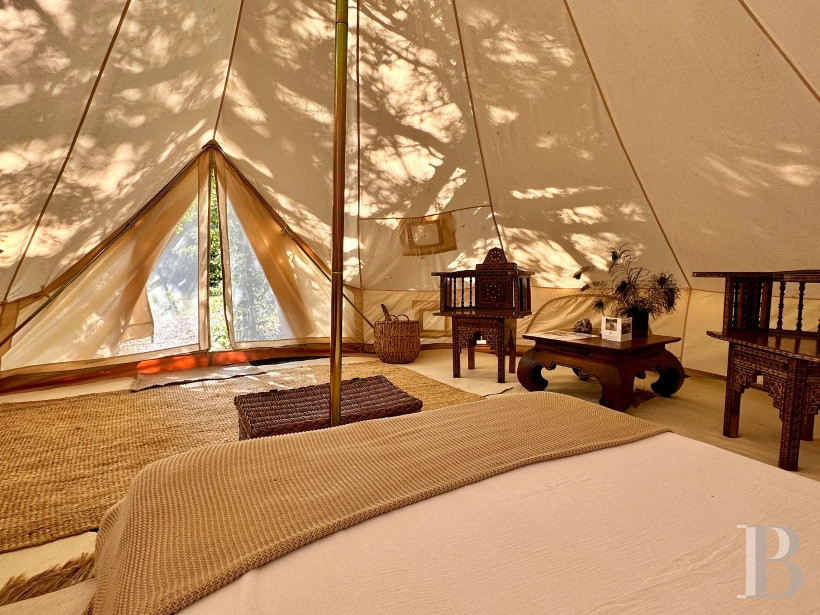
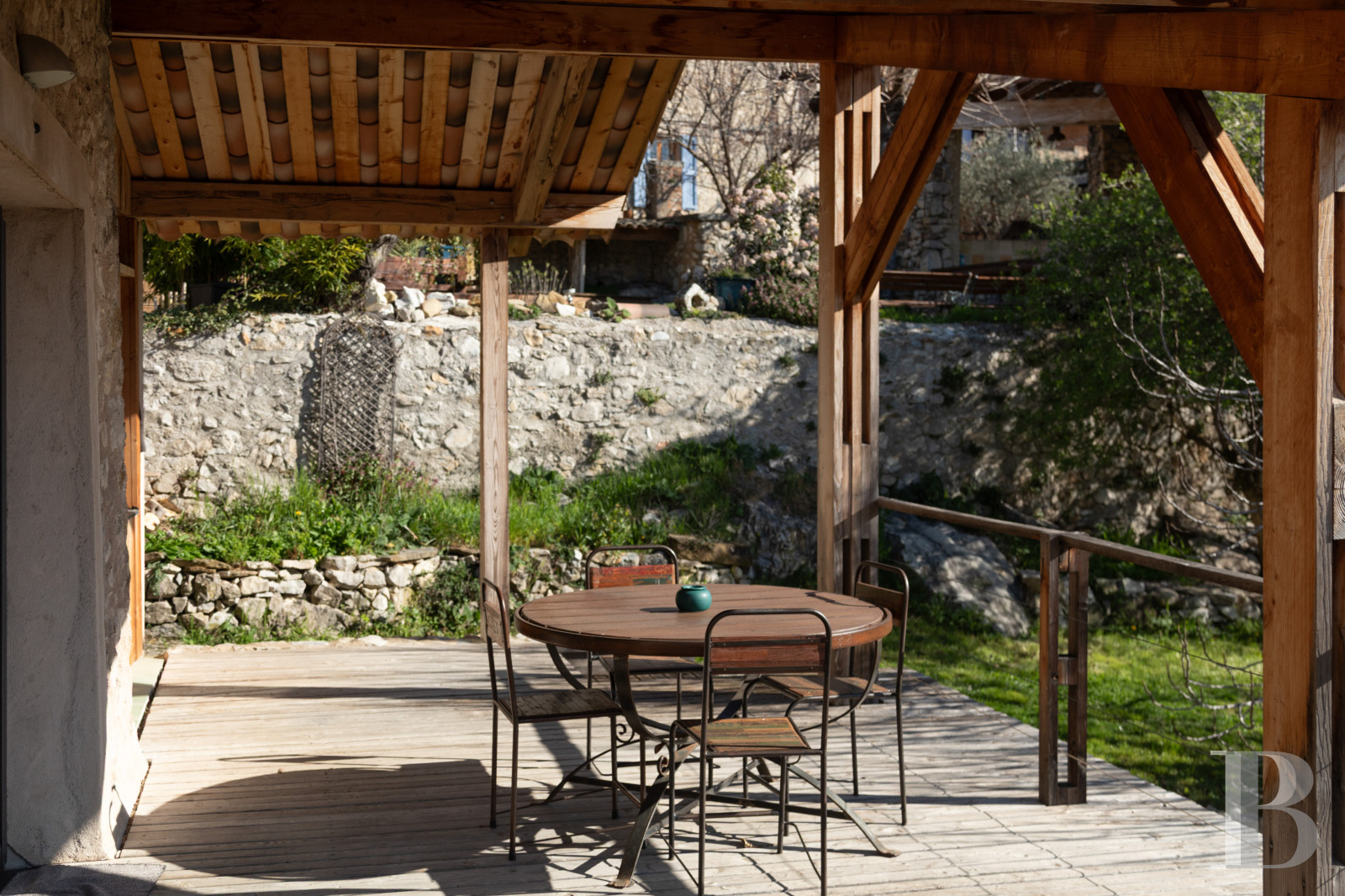
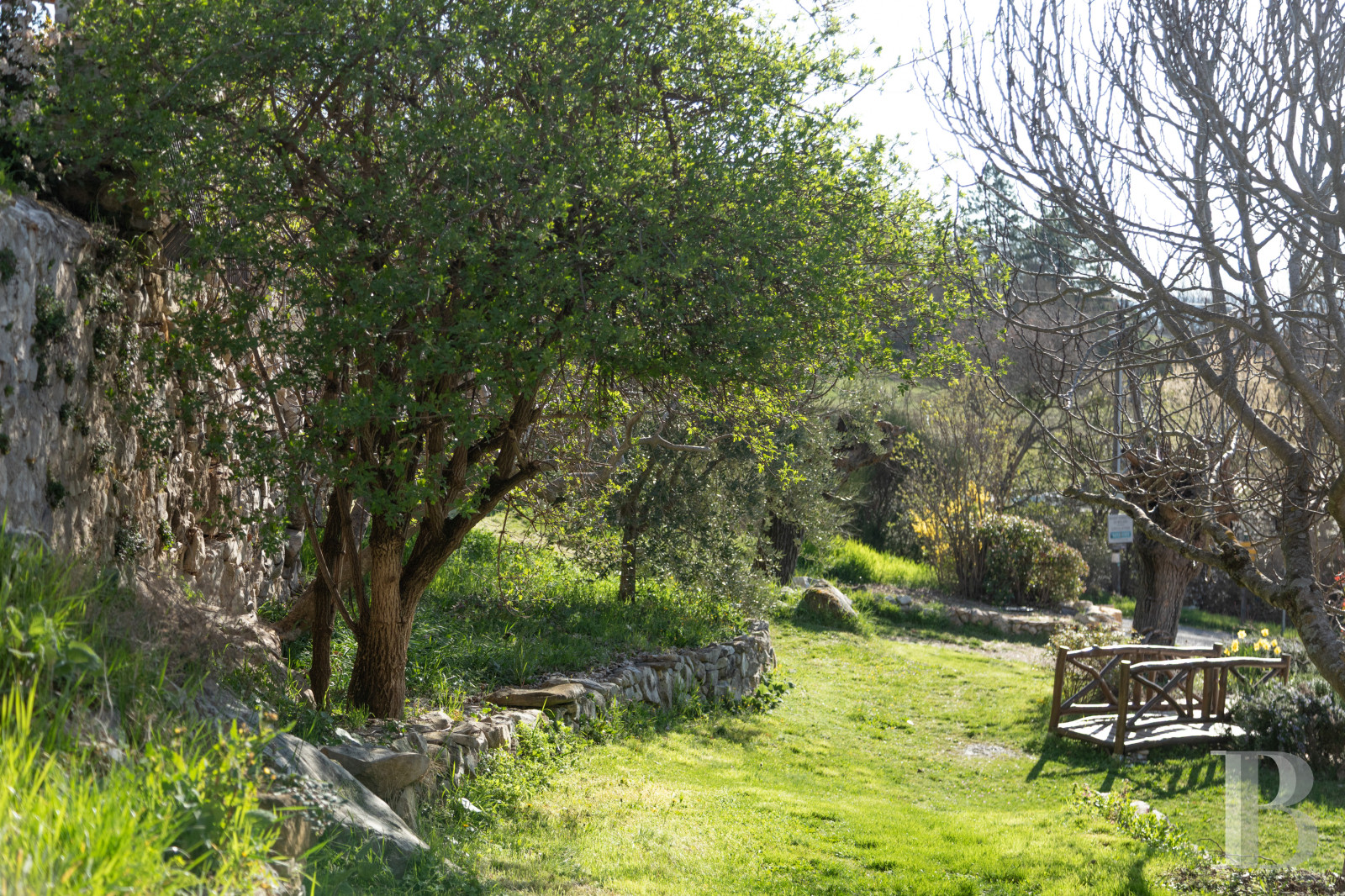
The estate hosts weddings, receptions and private events for up to 90 guests, with accommodation for 46 people in 13 rooms. Meals and cocktail receptions can be held in various landscaped outdoor areas or in a 100 m² reception room. The swimming pool, gardens and terraces are available for guests to use during their stay, and secular ceremonies can be held on site.
ref 407009
A link to enter a new password has been sent to you by email.
By continuing your navigation, you accept the use of cookies to offer you services and offers adapted to your centers of interest and to measure the frequentation of our services. Learn more